In just a few days, this training invites you to immerse yourself in the world of chasing. You will discover the history of this technique, learn to recognize and use the specific tools, master the vocabulary of the craft, and understand the fundamental principles that underpin it. An ideal immersion to acquire a solid foundation, pursue further training, or take your first steps during a workshop internship.
Upon completion of the training, the trainee will be able to:
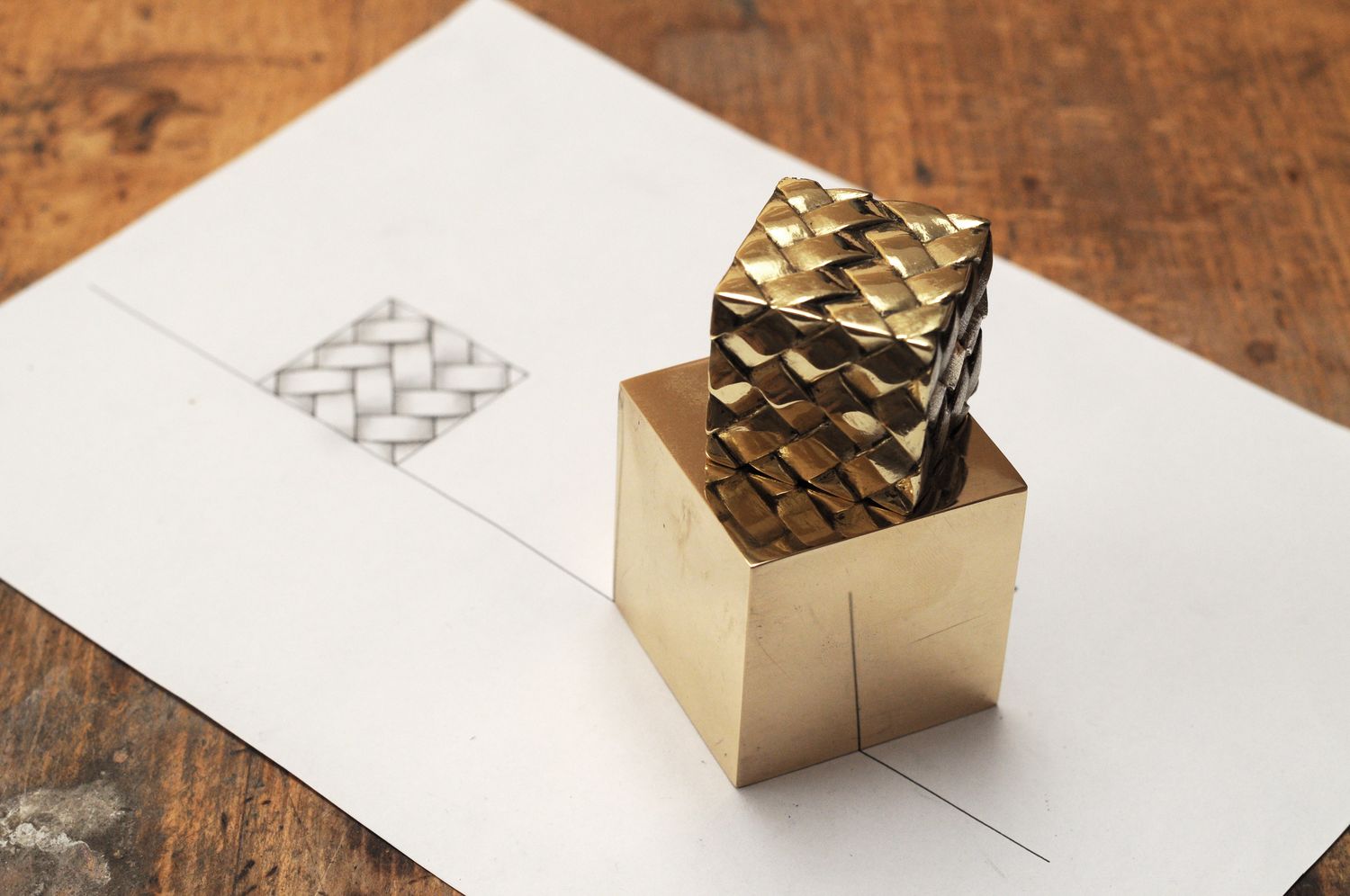
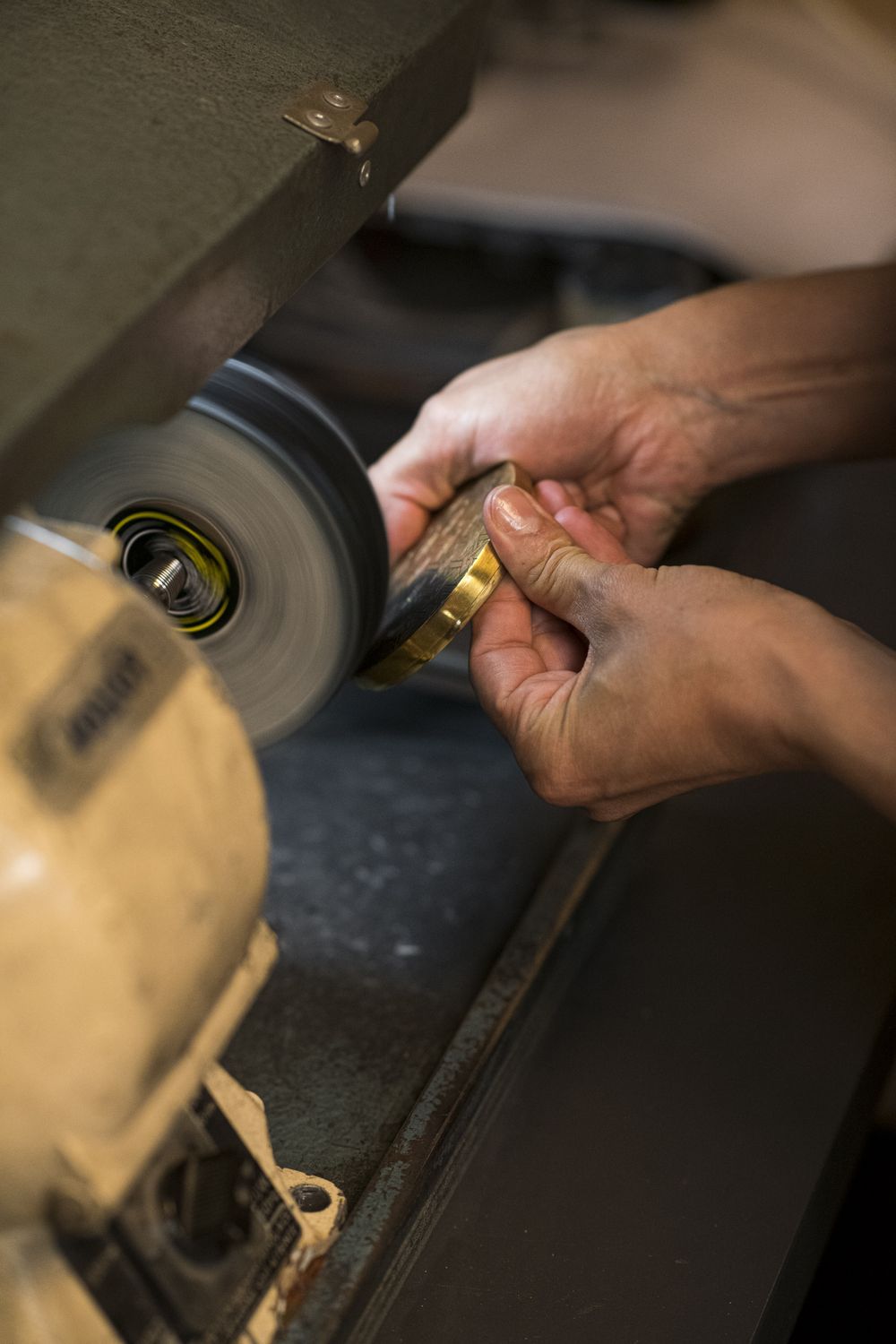
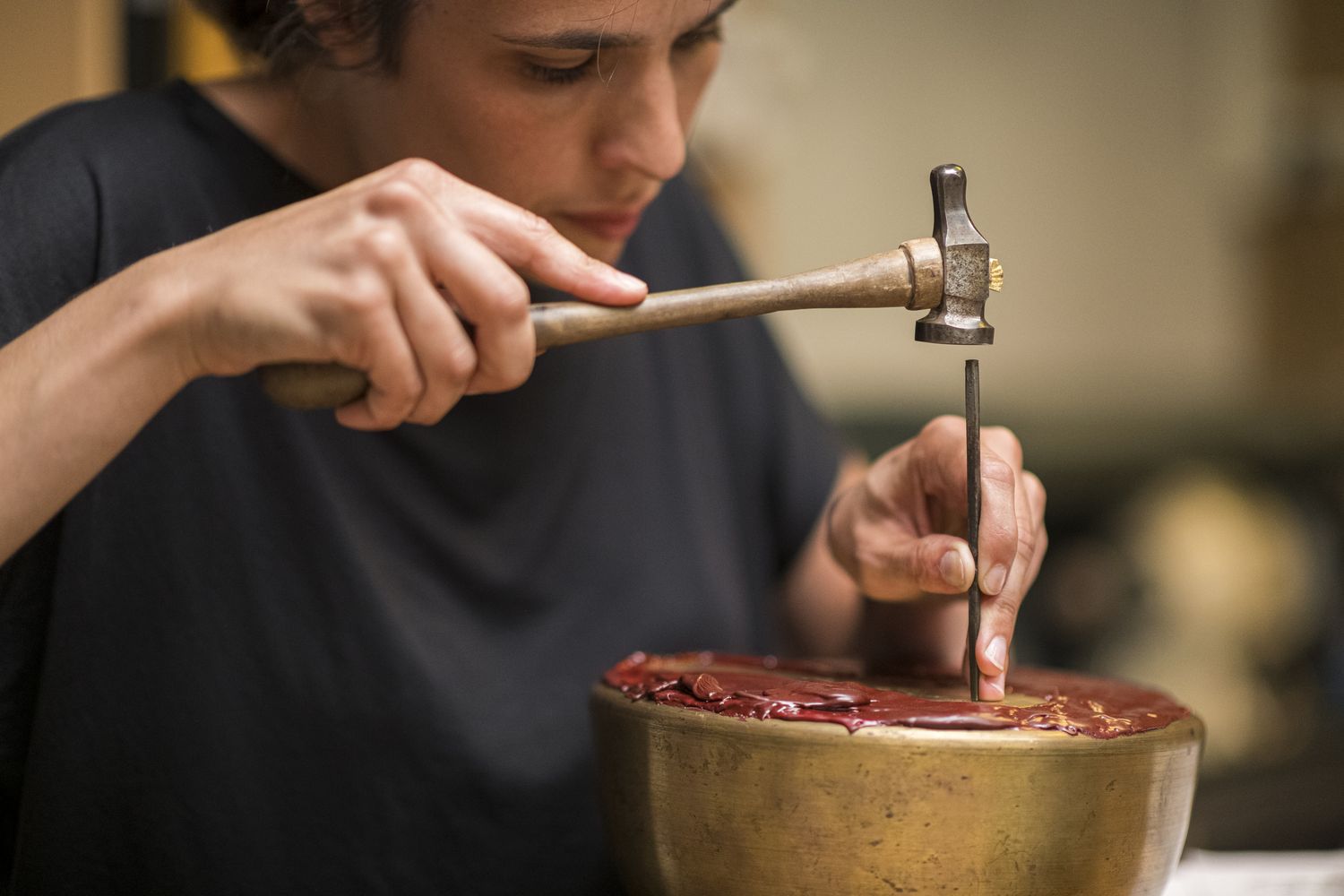

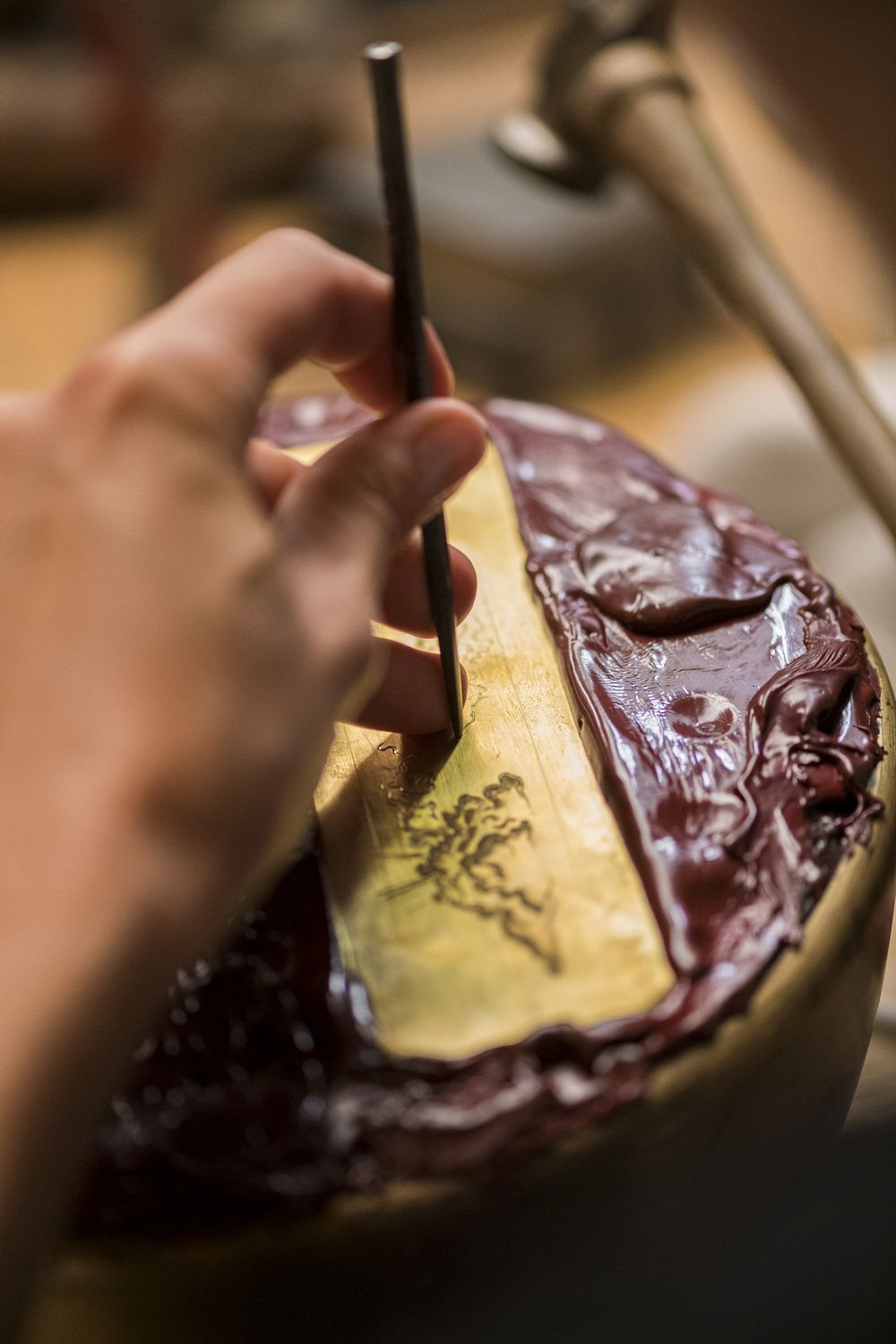
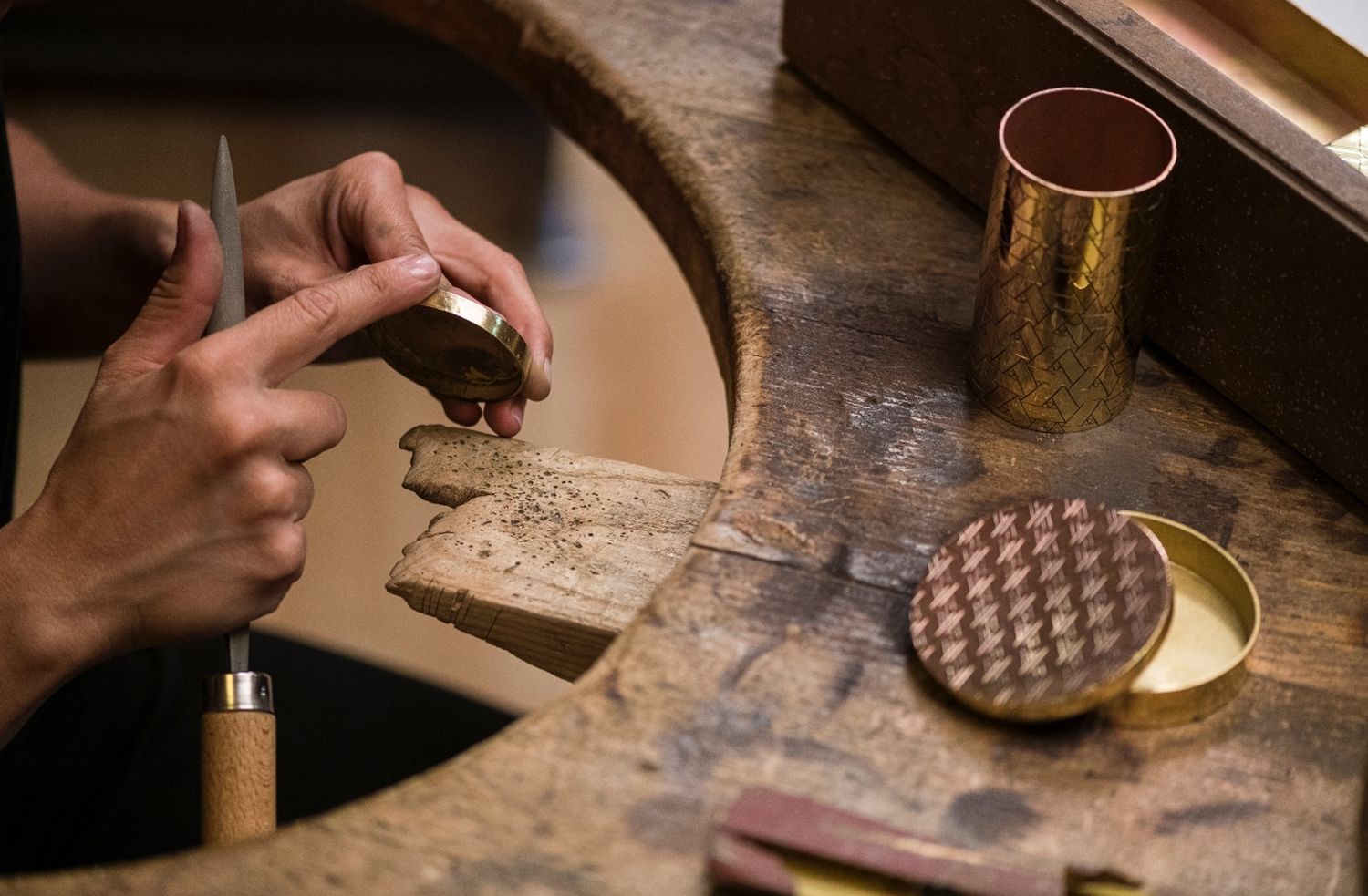

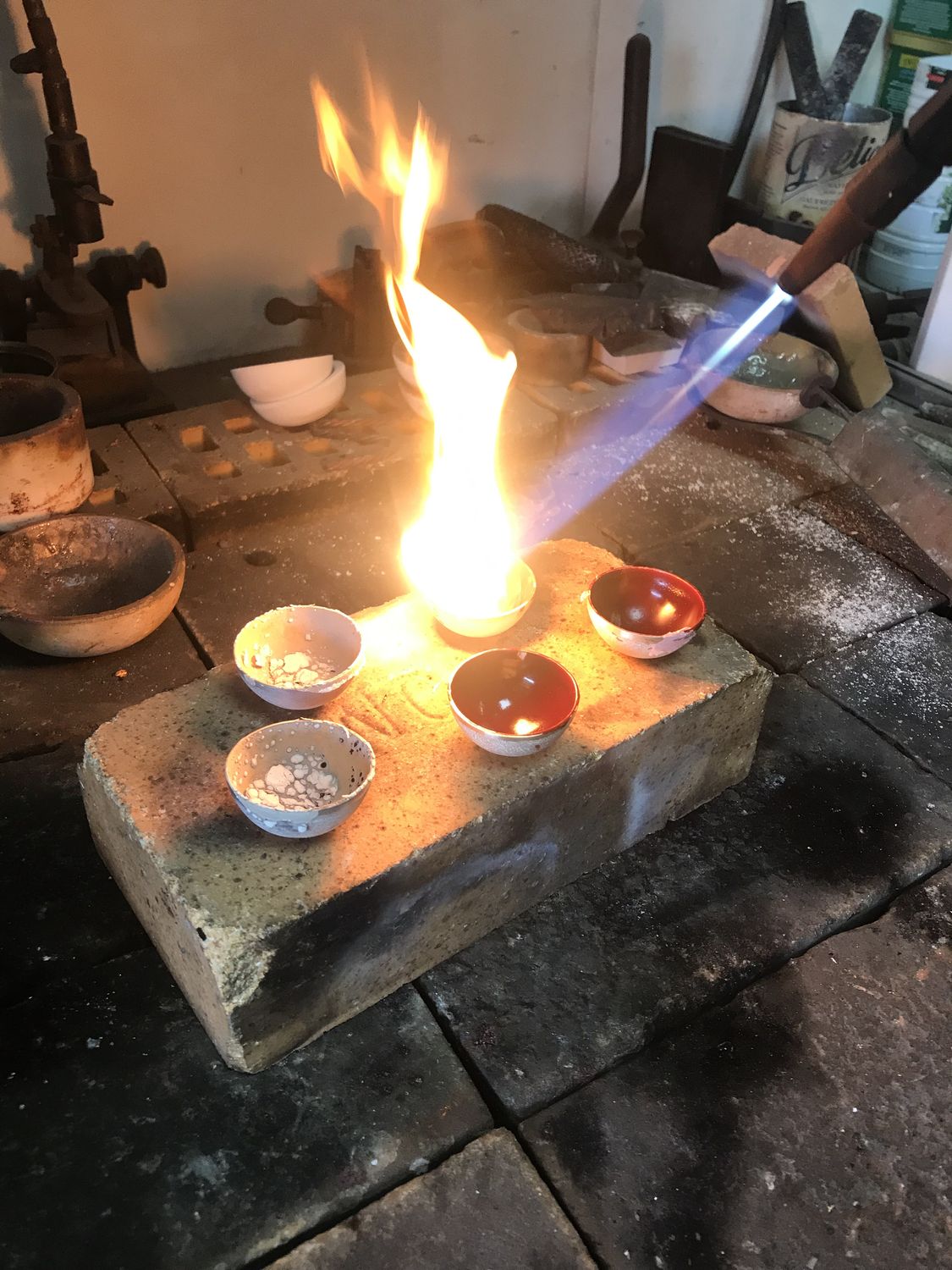


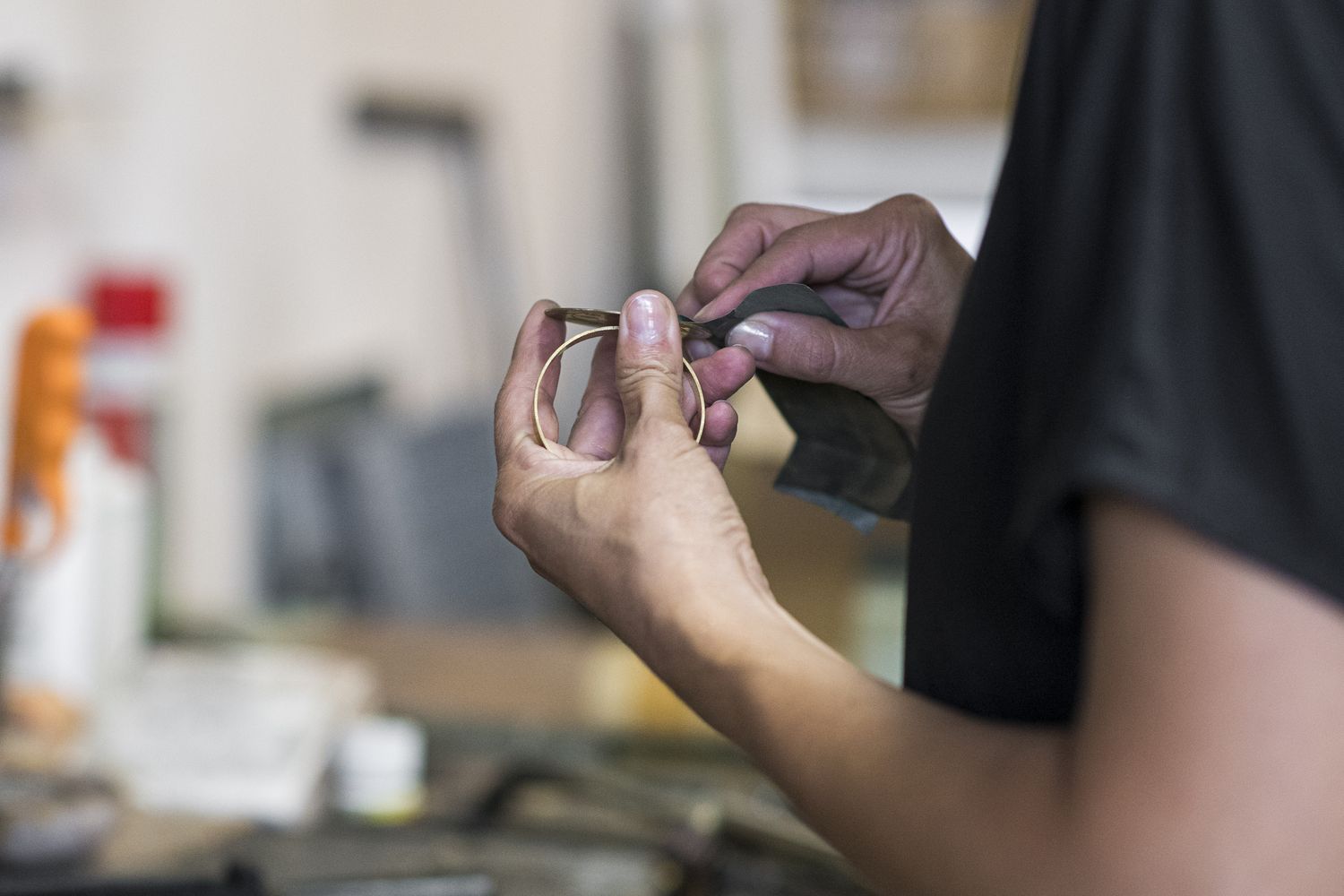
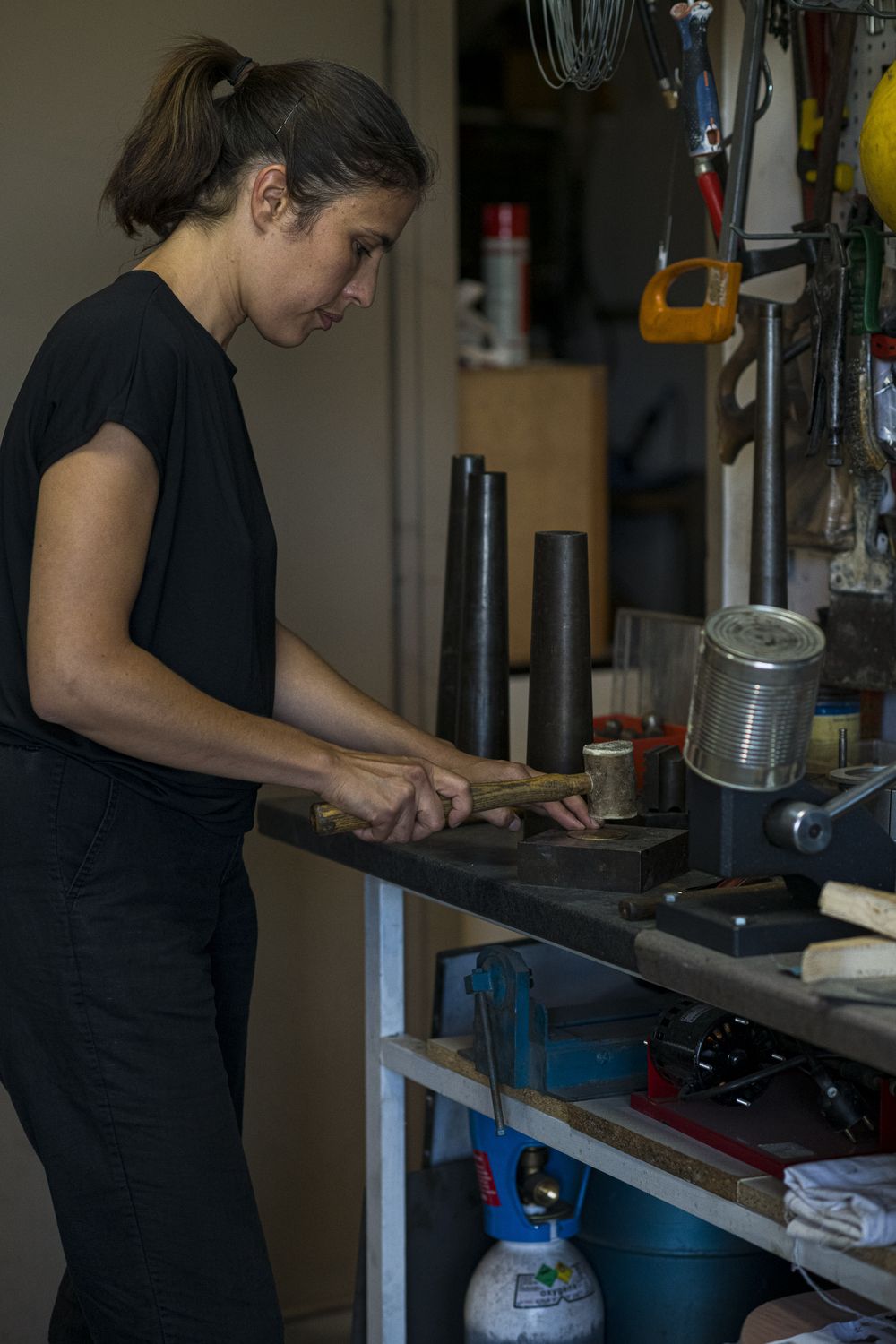

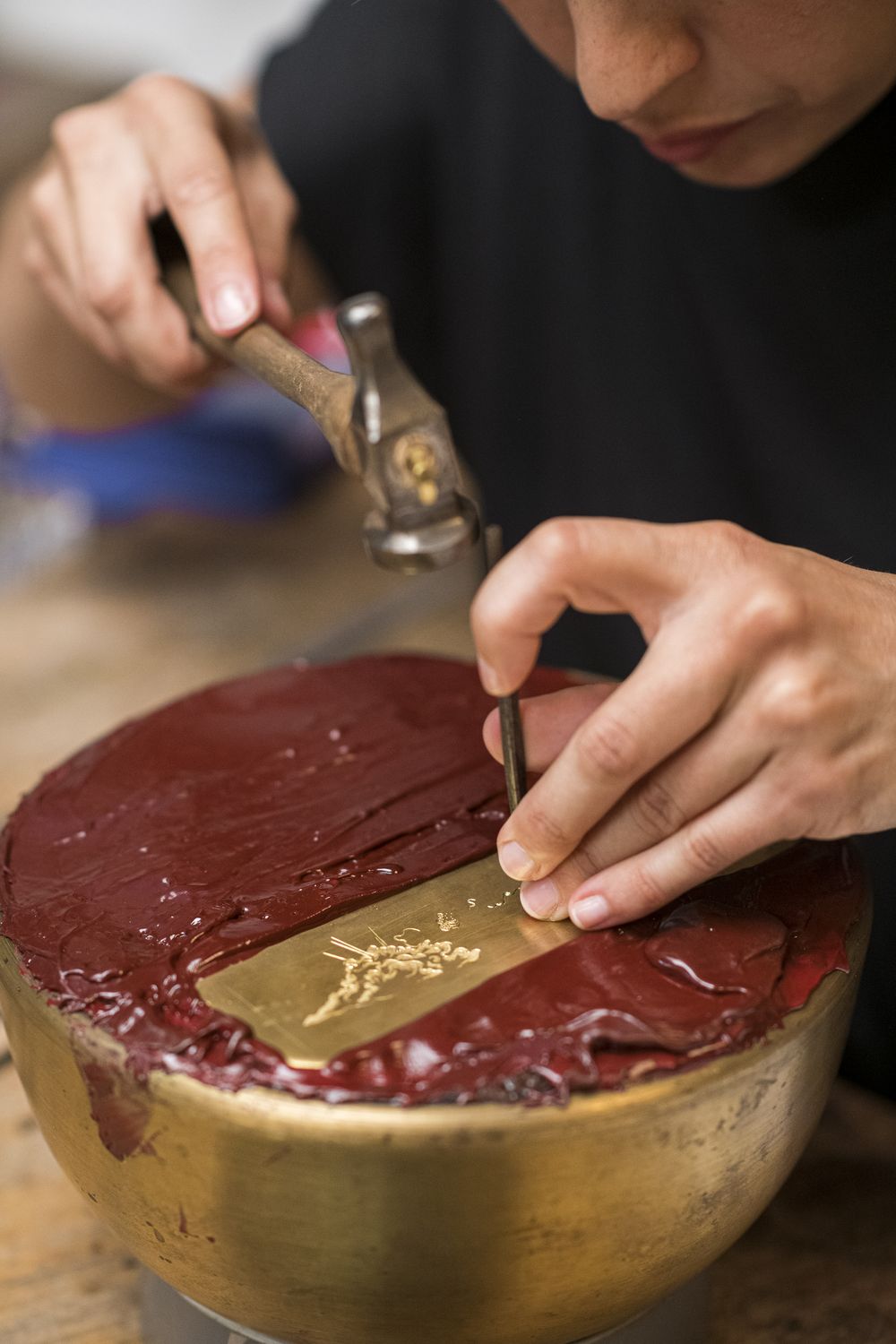
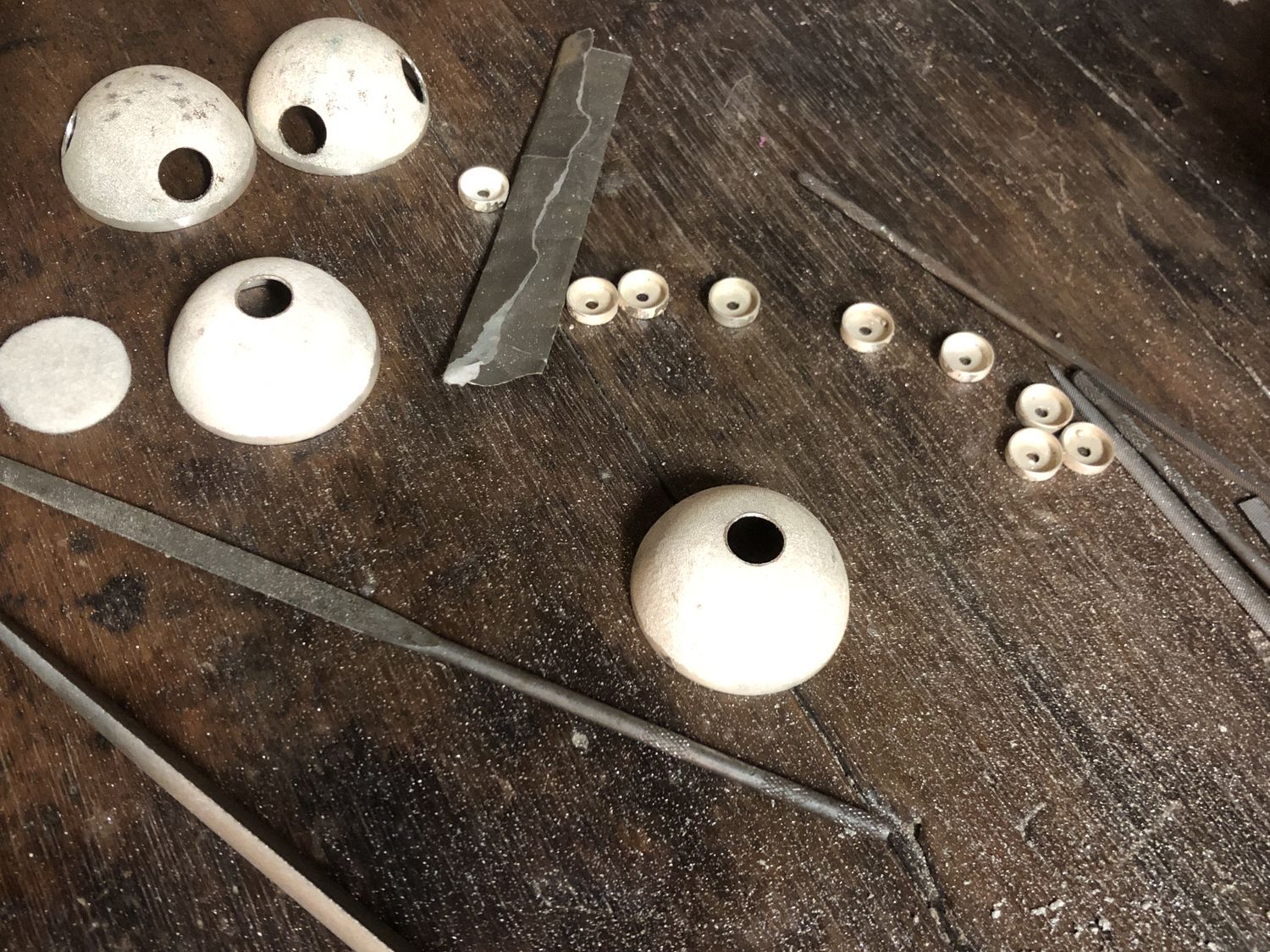
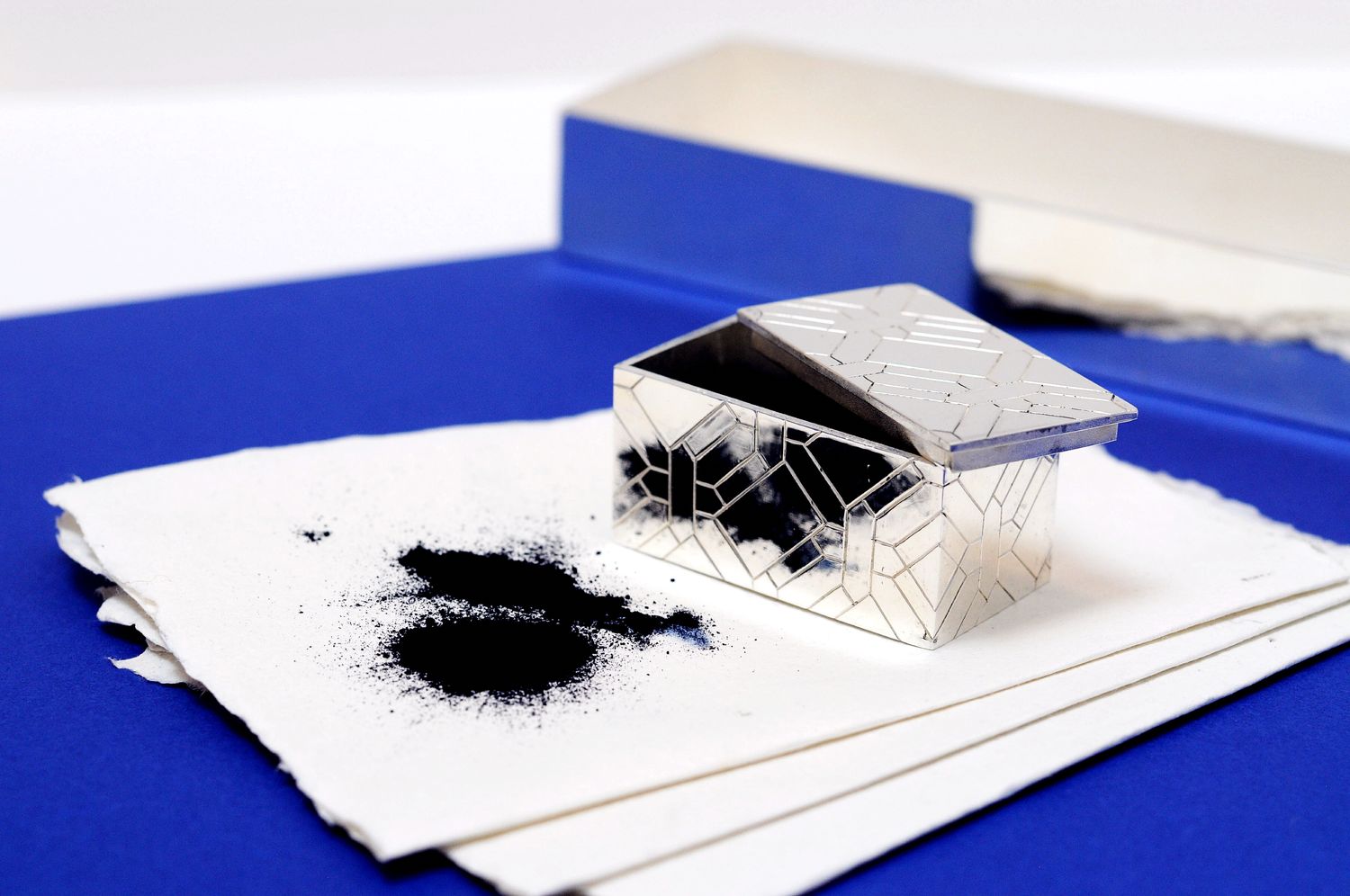
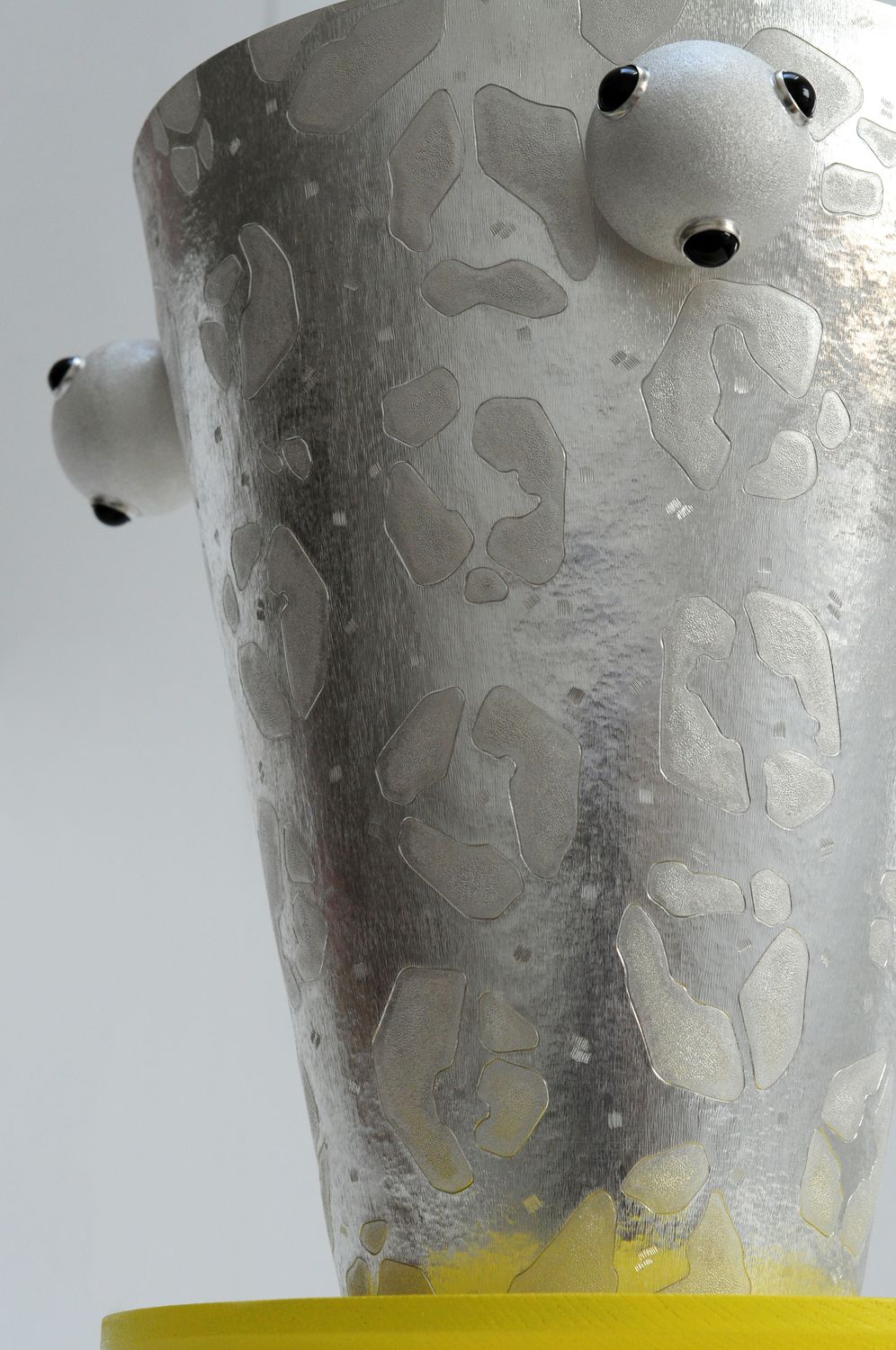
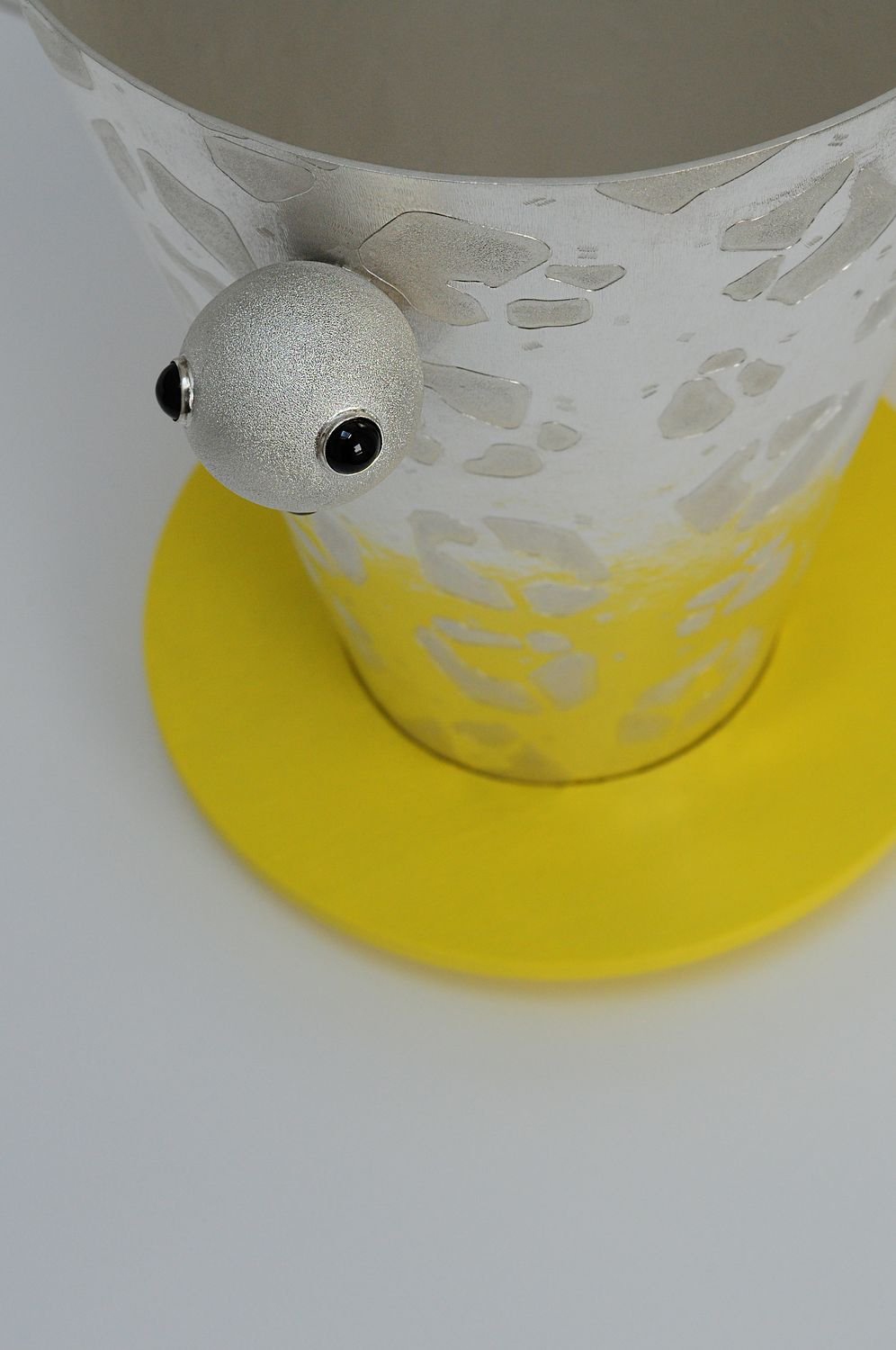


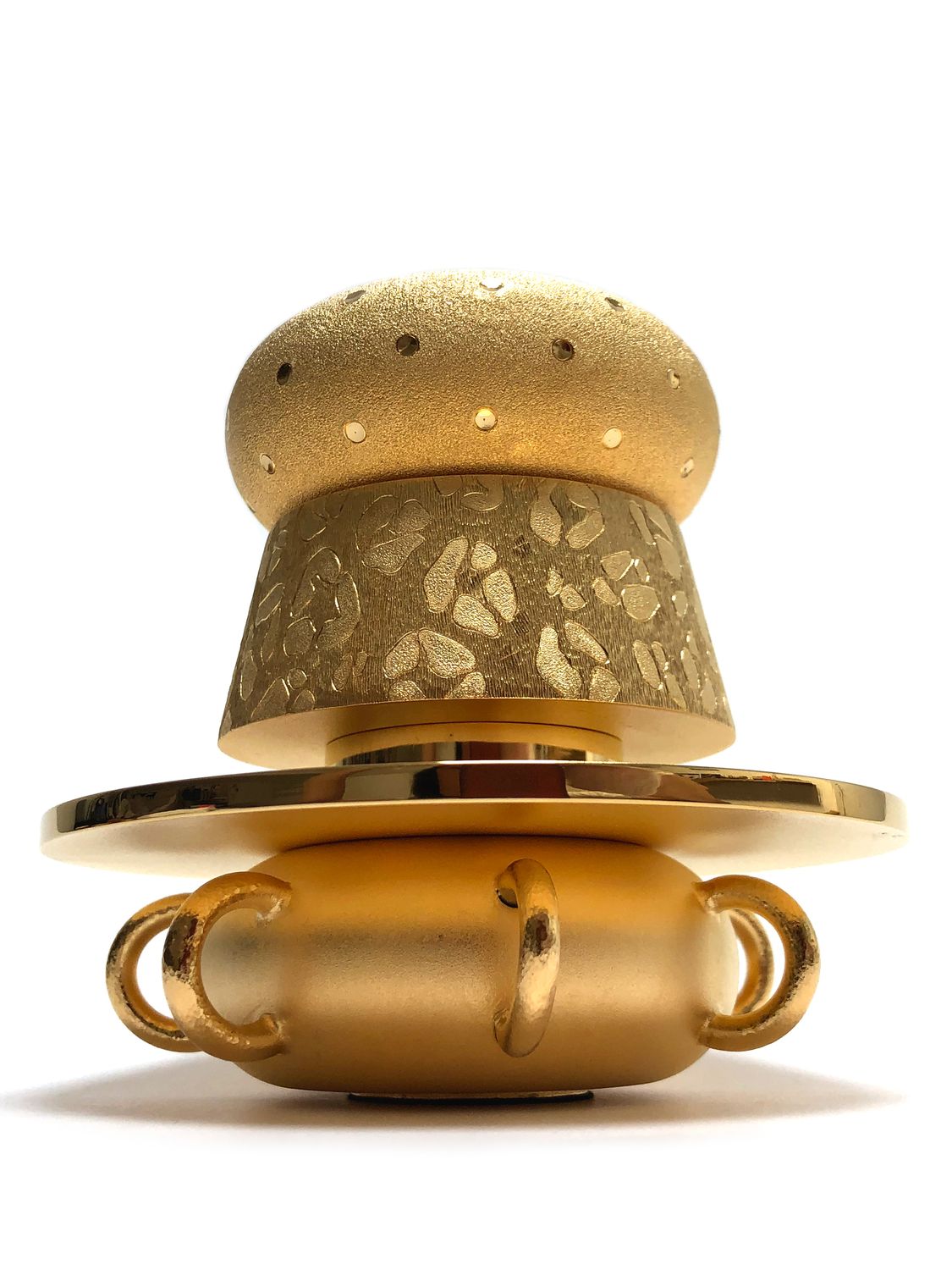
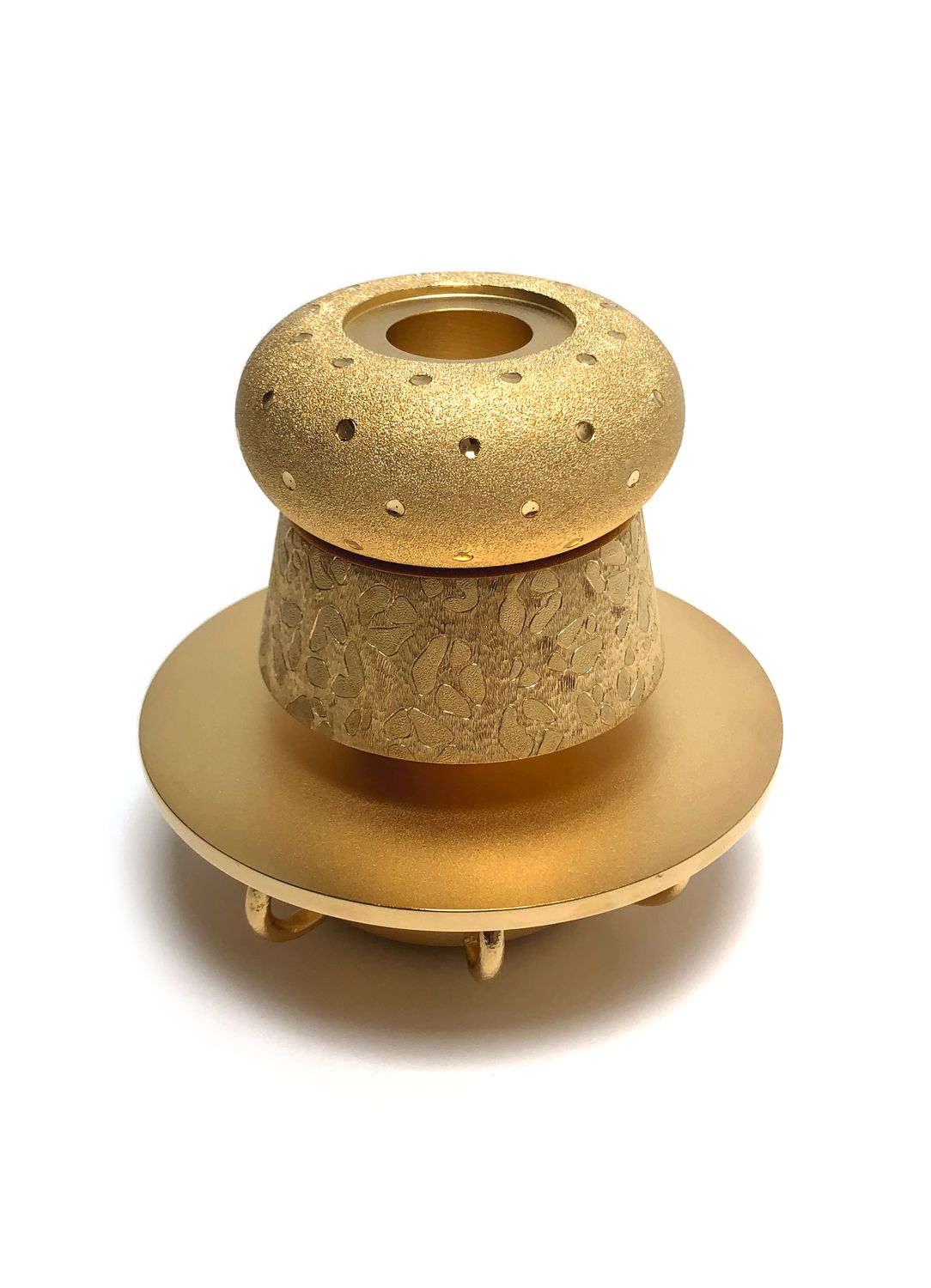

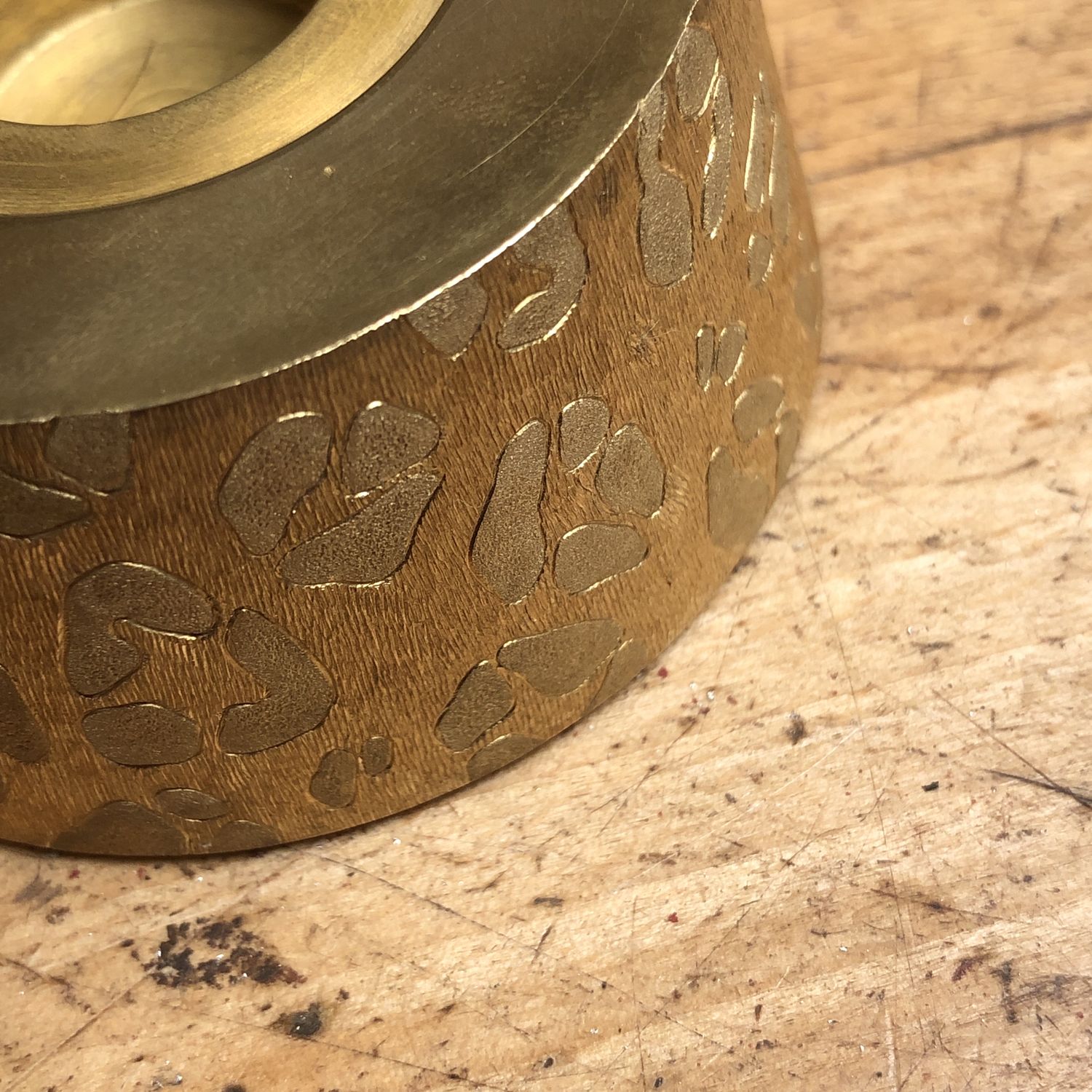

An art of detail and patience, metal chasing has endured through the ages. Originating in antiquity, it has always been intertwined with the great skills of goldsmithing, sculpture, and the decorative arts. With precise blows of hammer and chisel, the metal comes alive without being removed, revealing reliefs, textures, and plays of light. From the treasures of ancient Egypt to Renaissance bronzes, and on to the masterpieces of the 18th and 19th centuries, chasing exists at the intersection of drawing and sculpture. Even today, it captivates with its exacting standards, its finesse, and the intimate dialogue it establishes between hand, tool, and material.
Throughout the training, participants gradually discover and practice using the iconic tools of chasing: hammers, chisels, balls, blowtorches, files, and more. The theme "Between Drawing and Sculpture, Chasing Takes Shape" serves as a guiding thread for a series of varied exercises, allowing them to explore the main decorative techniques: flat work (drawing, shaping), bas-relief (repoussé), and sculpture in the round (reworking from casting).
Beyond learning the technique, which is refined over time, this training offers a clear and structured understanding of the essential steps and their sequence, indispensable for designing and creating a chased decoration.
Morning
Afternoon
Morning
Afternoon
Morning
Afternoon
Morning
Afternoon
Morning
Afternoon
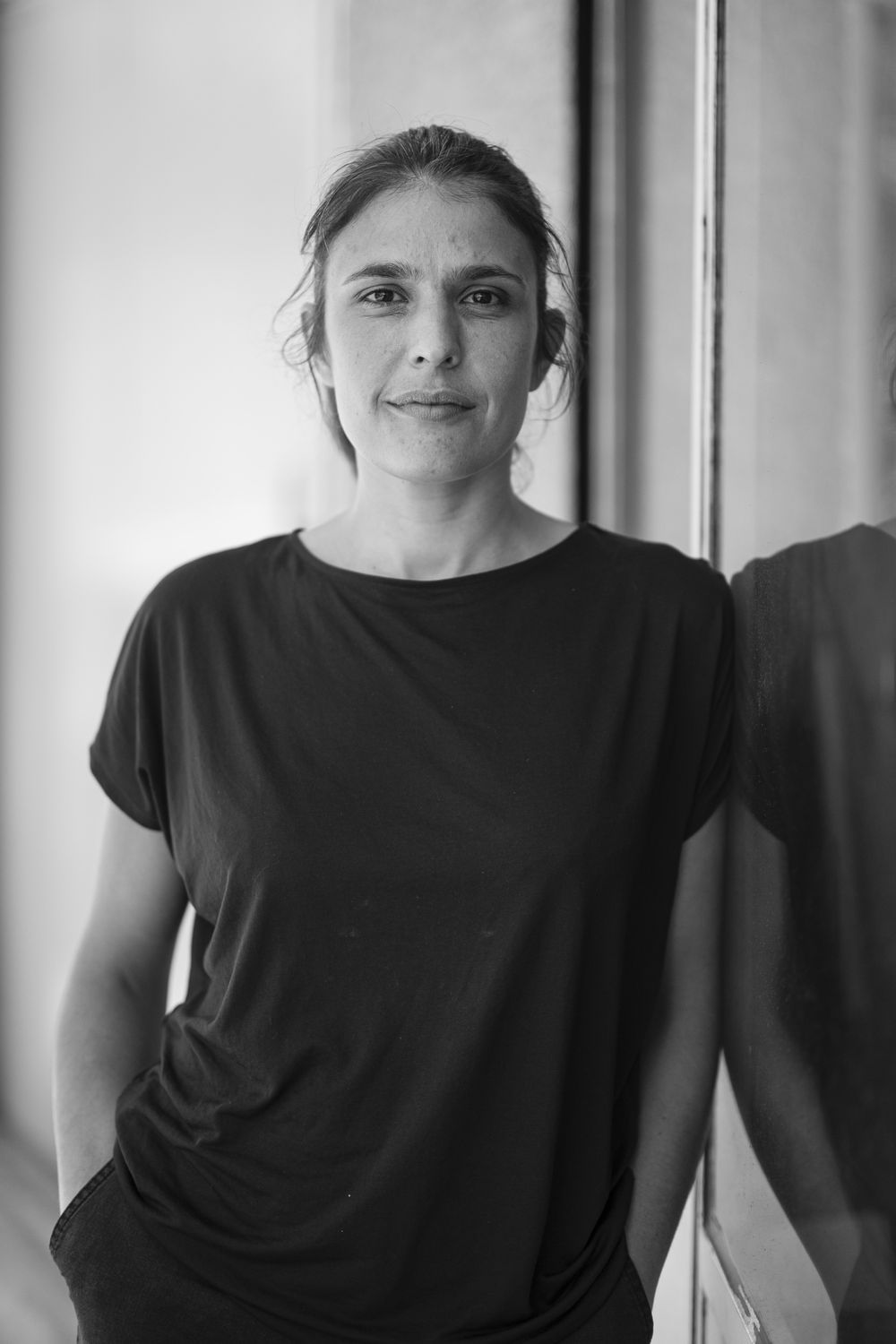
Carole Serny handcrafts exceptional objects in precious and copper metals. Her work is divided between creating unique pieces from her personal universe and bespoke projects, carried out in collaboration with private clients, galleries, curators, as well as interior designers and architects.
Her creations reflect a quest for a free, light, and humorous approach to metalwork, liberated from traditional codes. They draw their inspiration from nature, architecture, and the worlds of art and fashion. Carole shapes each piece with sincerity, poetry, and precision, finding a balance between simplicity of form and contemporary ornamentation. Convinced of the need for a return to decoration after decades dominated by minimalist industrial design, she champions meaningful ornamentation, capable of telling a story and giving each object a unique identity.
Originally from Chalon-sur-Saône, in Burgundy, Carole has always been drawn to drawing and the art of line. As a child, she watched her parents shape their daily lives through DIY projects and crafts, an early immersion that nurtured her sensitive connection to gesture and the act of making.
It was at the École Boulle that she discovered the techniques that now form the basis of her expertise. A visit to the chasing workshop was a revelation: the sound of the forge, the hiss of the blowtorch, the rhythm of the hammers. Chasing, a major technique for metal ornamentation, then became an obvious choice.
In chasing, pieces are shaped, embossed, and decorated using chisels with various profiles and a hammer. Every gesture is final: no correction is possible, each blow leaves its mark.
In 2019, Carole Serny opened her own workshop. She then honed her skills in goldsmithing, the art of designing and crafting objects in precious metals. While many trades can be involved in the creation of a piece—turner-spouter, planer, polisher, chaser, engraver, silverer, or gilder—the goldsmith remains the conductor, overseeing the technical aspects, the adjustments, and the hot and cold assembly processes.
Today, Carole practices her craft as a goldsmith and chaser in the Lot region, in the heart of the Causses du Quercy Regional Natural Park.
Training 100% financeable by AFDAS, or partially covered by AGEFICE.
AFDAS can fully fund training courses conducted outside of France, under certain conditions.
This program is for affiliated or registered artists and authors, as well as performing arts professionals working on a freelance basis.
If you are eligible, we encourage you to contact our sales department beforehand via the "Information Request" form to prepare your application, or to register directly through the page of your chosen training course.
Isola di San Servolo,
1, Venice, Italy 30124
T: +33 (0)3 86 45 23 42
contact@campusmana.com