During this course, participants will learn the general techniques of ceramic casting, with a particular focus on rotational forms, while also covering the casting of small objects. They will learn how to use a mold from start to finish, from preparing the slip for pouring to the precise finishing of the piece once it is removed from the mold.
By the end of the course, participants will be able to:
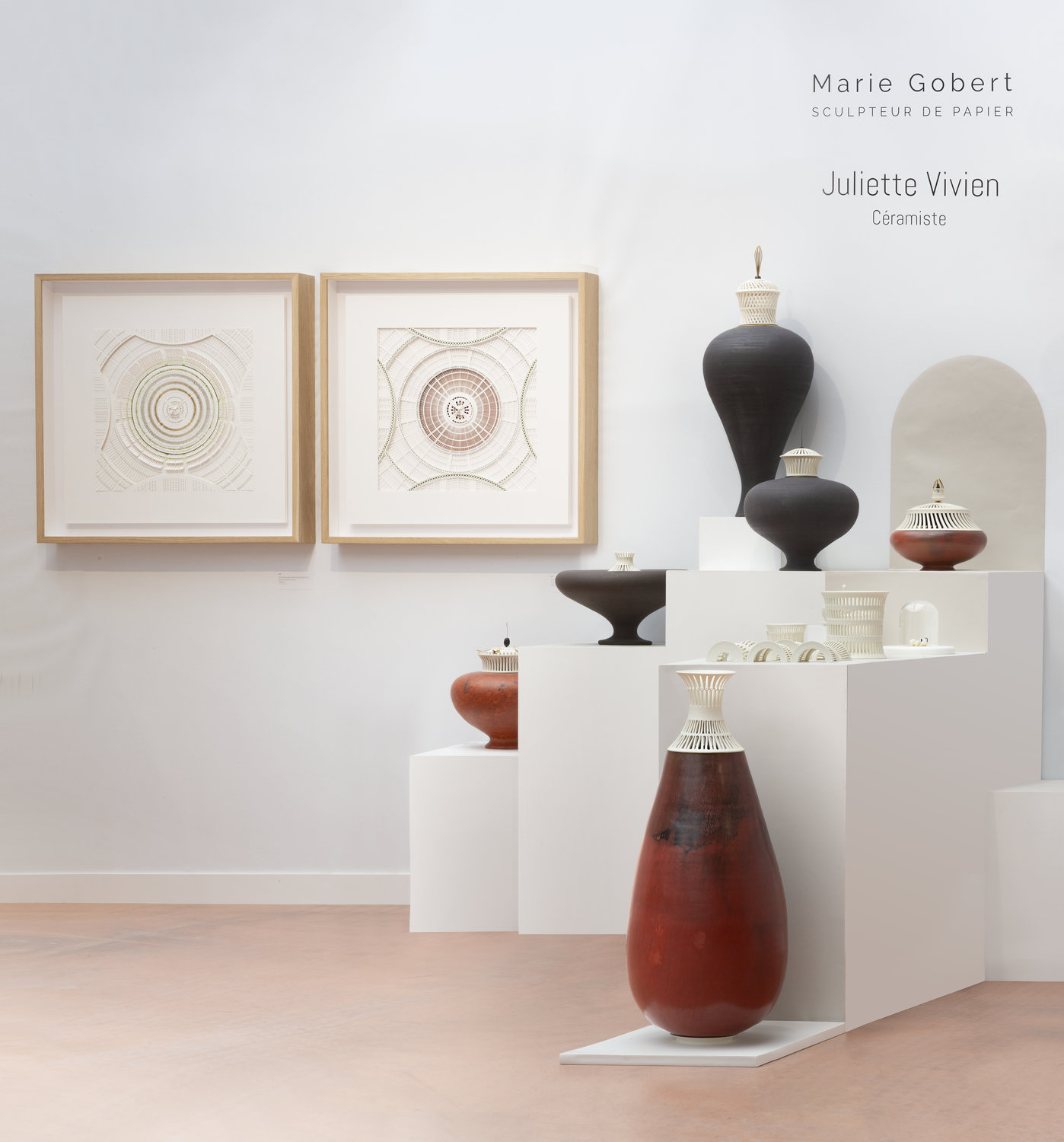
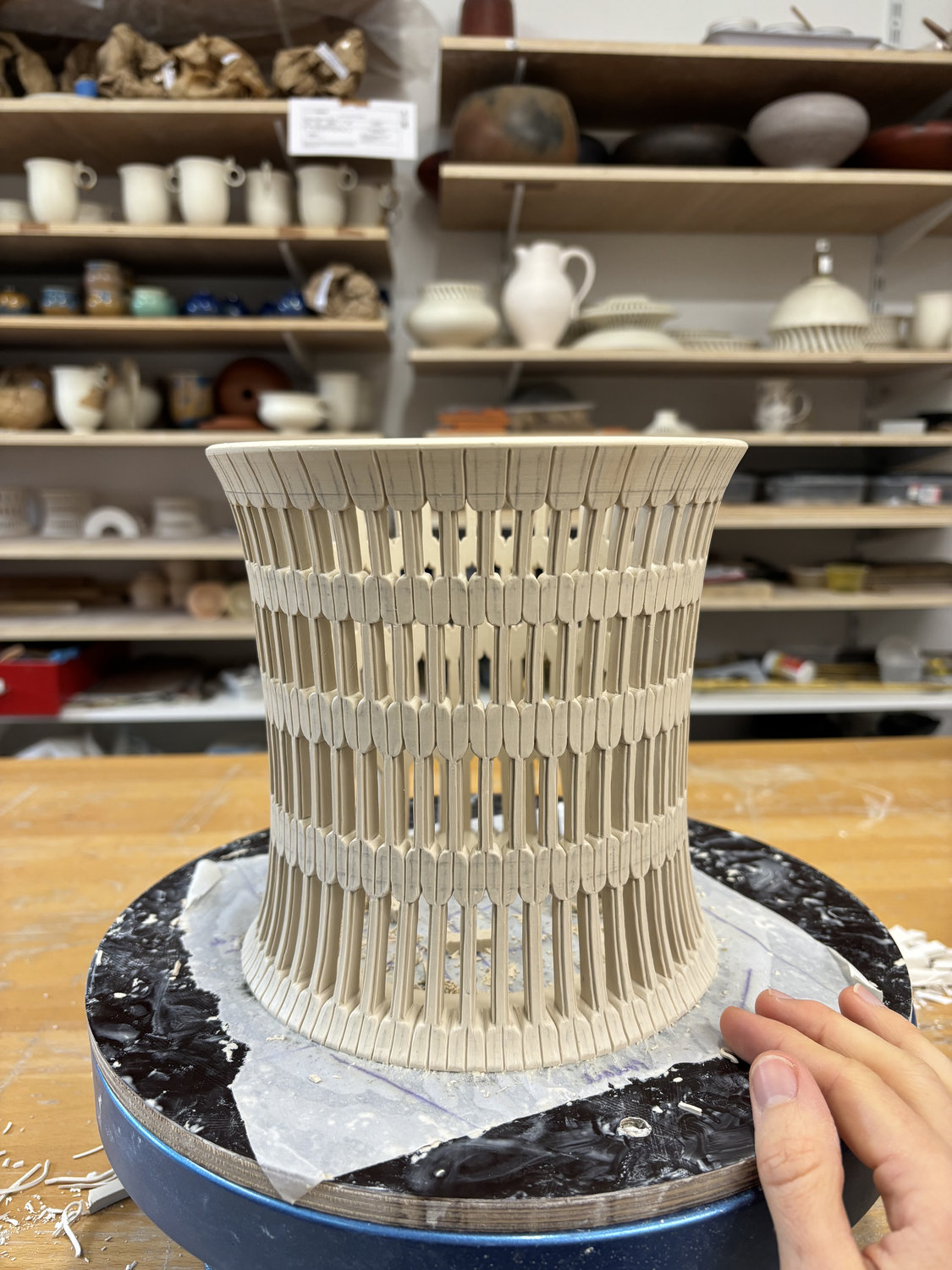
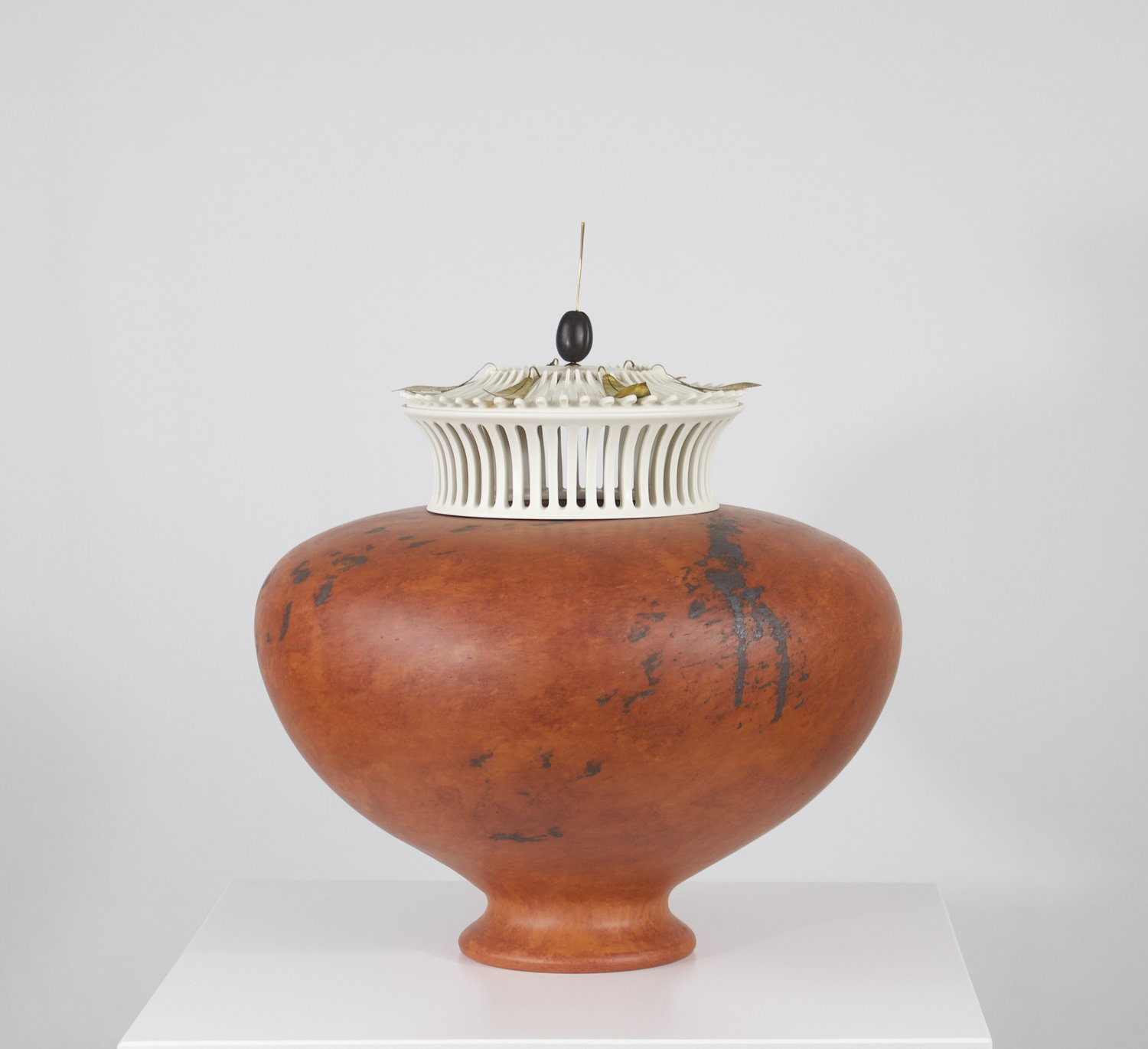
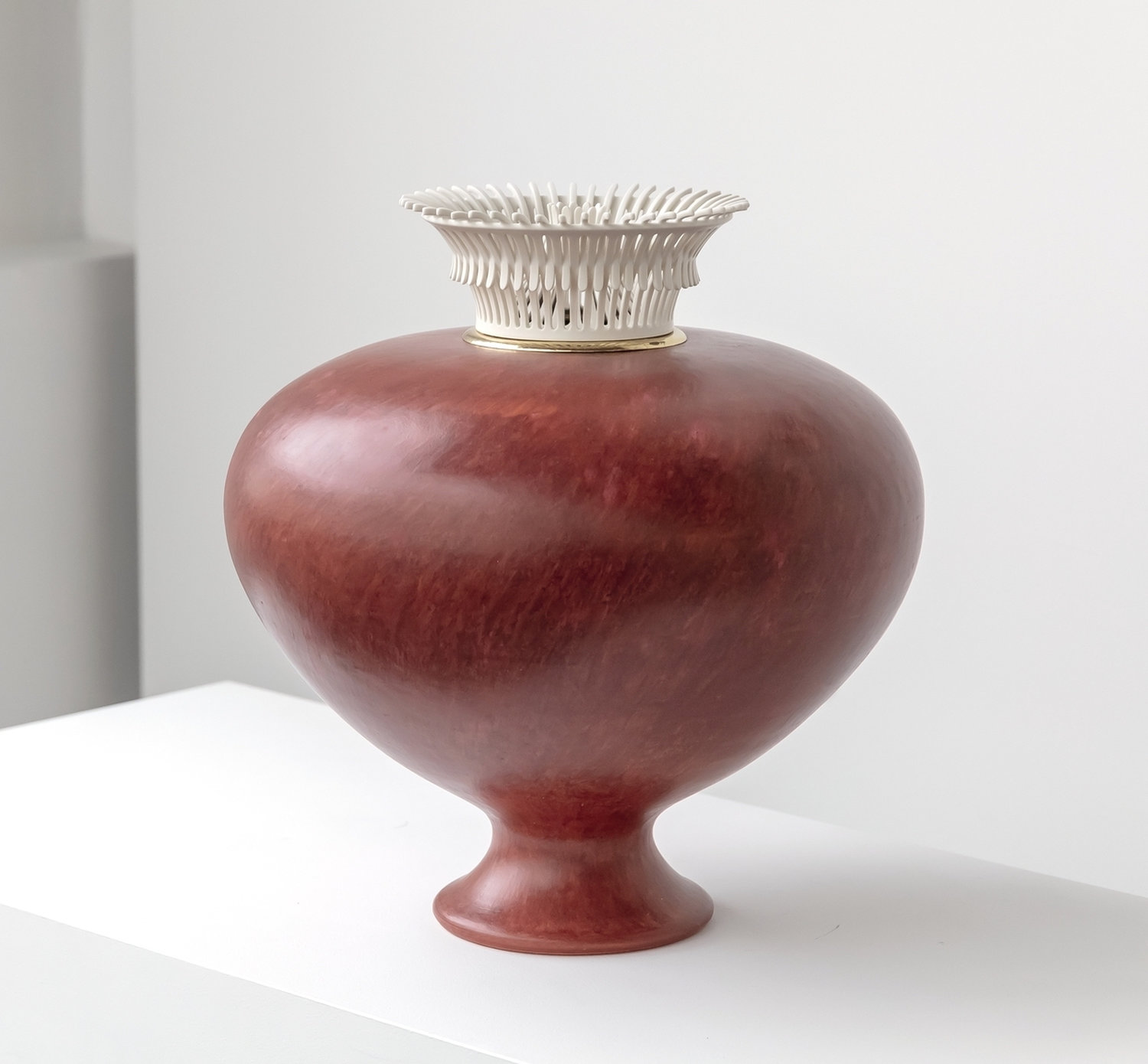
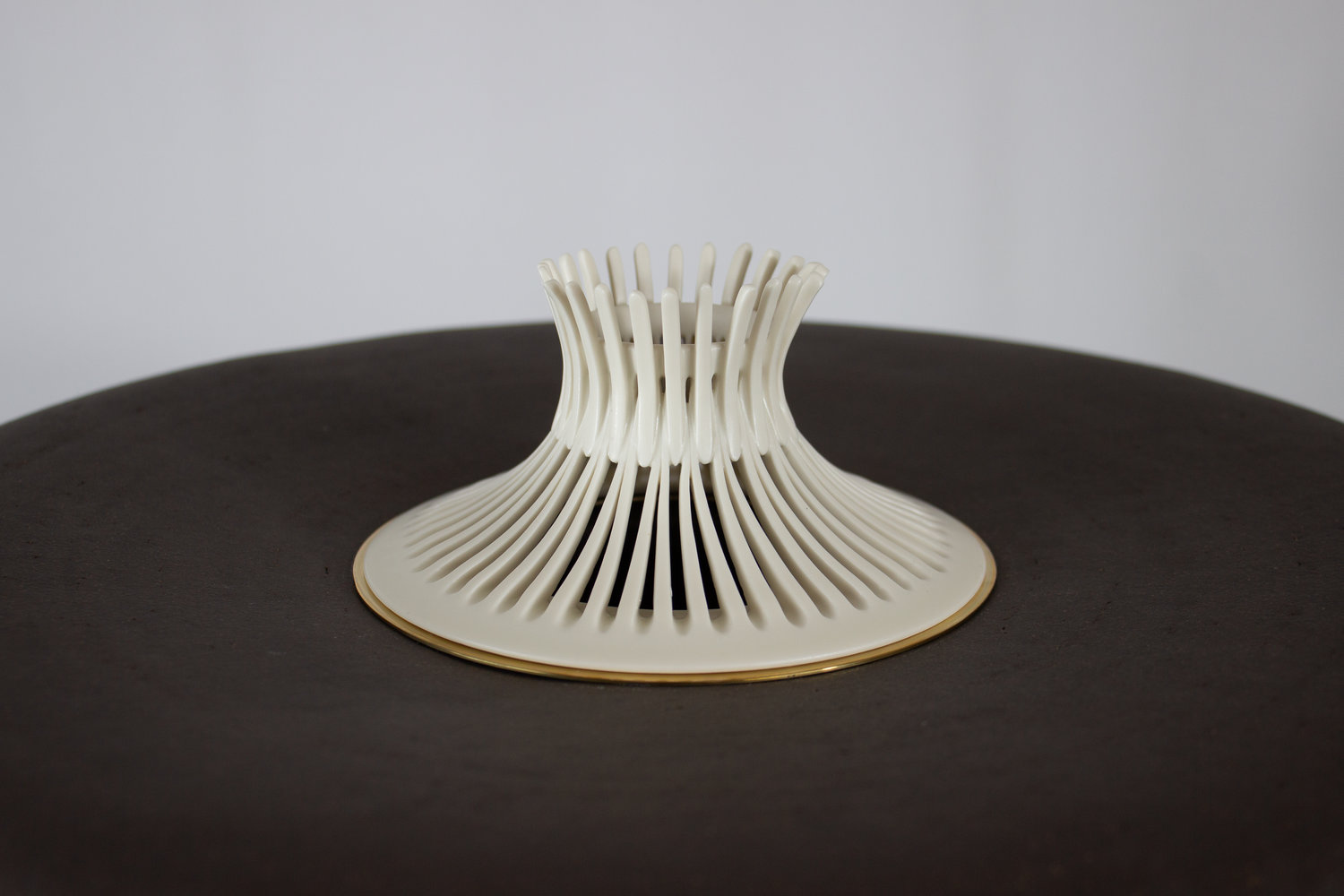
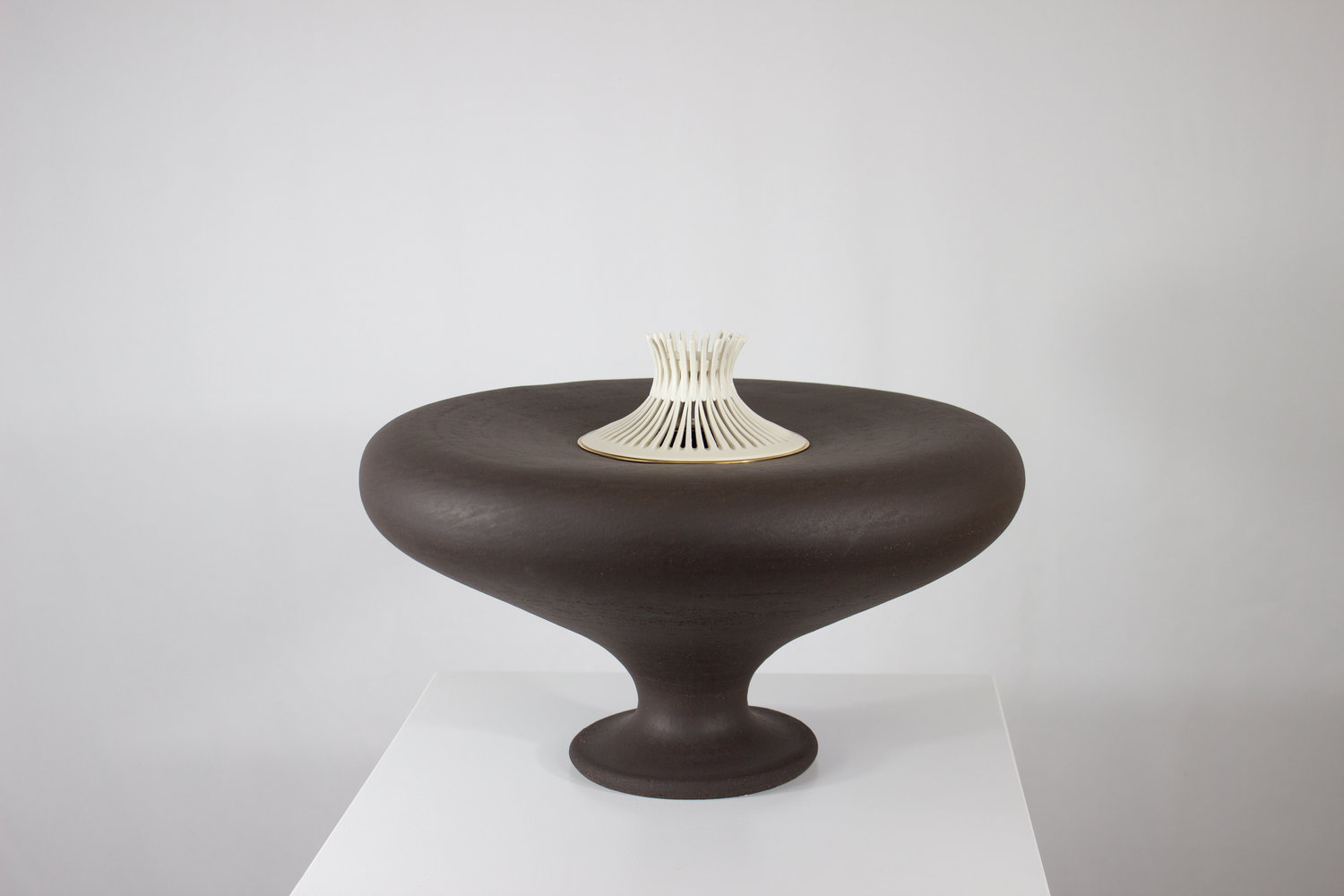
Mastered in China during the Tang and Song dynasties, porcelain reached a remarkable degree of perfection between the 9th and 12th centuries. Introduced to Europe via major trade routes, notably through Venice, it inspired fascination and desire for centuries, before the first hard-paste porcelain factories appeared in Meissen, Germany, at the beginning of the 18th century. In France, the discovery of kaolin in the Limousin region then fostered the rise of Limoges porcelain, which established itself as a major production center in the 19th century.
Over the course of five days, participants will learn how to reproduce a rotationally symmetrical shape in ceramic, as well as a small object made of any material, using plaster molds. They will discover how to analyze an object, prepare it, and cast it, covering the essential concepts of draft angles and undercuts to determine the most suitable method and achieve optimal results.
Three types of molds will be explored: the simple single-part mold, the multi-part mold for complex shapes, and the small-object mold. By the end of the workshop, each participant will be able to choose the most suitable technique for creating their own molds.
The use of plaster molds will be covered comprehensively, from preparing the casting slip to practical application. Various decoration techniques specific to casting will be presented through concrete examples. The training will emphasize the use of porcelain, a demanding material that yields exceptional results. Participants will learn how to produce high-quality pieces through in-depth work on finishing.
Opportunities for discussion will also be provided, allowing everyone to present their projects, receive personalized advice, and benefit from the group’s collective experience. Participants are encouraged to bring three small objects of their choice (light bulb, doorknob, fruit, figurine, etc.) to be studied and cast during the workshop, as well as an object they would like to create after the course to receive specific guidance.
Introduction and first casting sessions
Afternoon
Moving on to more complex designs
Morning
Afternoon
The secrets of the three-part mold
Morning
Afternoon
Casting and the magic of finishing touches
Morning
Afternoon
Create, refine, and share
Morning
Afternoon
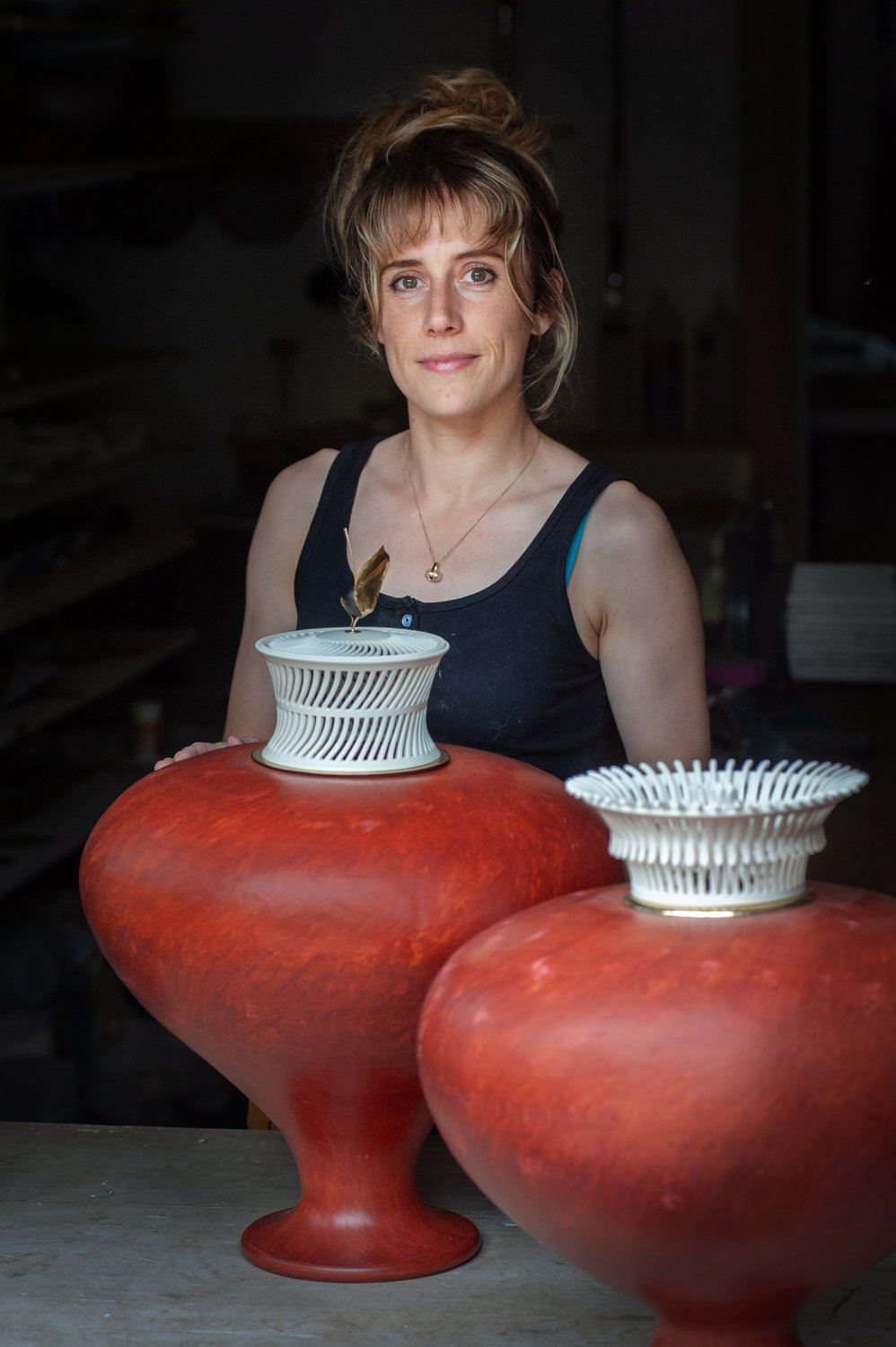
Juliette Vivien, who comes from a long line of artists and artisans, discovered ceramics as a child thanks to her grandfather, whose tools she still uses today as symbols of a precious legacy. After studying at the ESAA Duperré in Paris, where she was introduced to the art of miniatures, she benefited from the mentorship of sculptor Fanny Ferré and the influence of Frédéric Mulatier, a ceramicist and basket weaver, who guided her toward creating monumental pieces partially fired in a wood-fired kiln.
In 2018, she founded her micro-enterprise, specializing in high-end creations. After developing a collection of utilitarian porcelain pieces, characterized by their delicacy and miniature scale, she now devotes herself to creating exceptional ornamental and utilitarian pieces for a discerning clientele of interior designers, galleries, and luxury brands.
Training 100% financeable by AFDAS, or partially covered by AGEFICE.
AFDAS can fully fund training courses conducted outside of France, under certain conditions.
This program is for affiliated or registered artists and authors, as well as performing arts professionals working on a freelance basis.
If you are eligible, we encourage you to contact our sales department beforehand via the "Information Request" form to prepare your application, or to register directly through the page of your chosen training course.
Isola di San Servolo,
1, Venice, Italy 30124
T: +33 (0)3 86 45 23 42
contact@campusmana.com