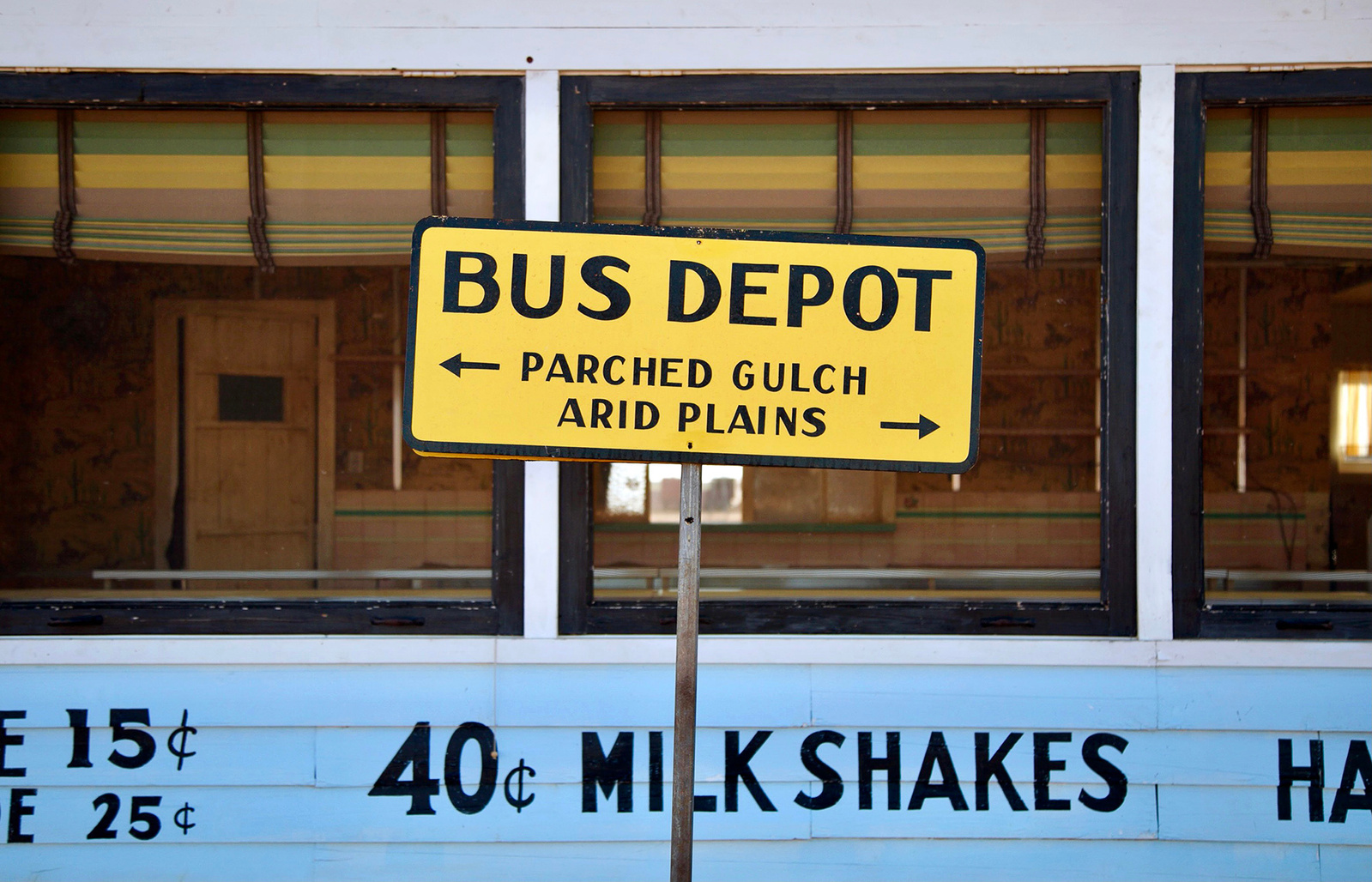
This workshop invites participants to explore graphic design through an immersive and contextual approach, by creating a complete visual identity inspired by Venice and its lagoon. Throughout the course, participants explore the entire creative process—from visual research and brand strategy to the development of the logo, typography, color palette, and their applications—drawing directly on the city as a living canvas and source of inspiration. Emphasis is placed on experimentation, fieldwork, and analog exploration, with a focus on active research rather than formal refinement.
By the end of the workshop, participants will be able to:
Venice embodies more than fifteen centuries of visual culture. The colors of the facades, the geometric patterns of the mosaics, the typography on vaporetto signs and storefronts, and the shifting light on the lagoon throughout the day come together to form a landscape of exceptional richness. During this workshop, this visual heritage is not merely a backdrop, but a genuine subject of study and a starting point for creativity.
Participants learn to design a relevant visual identity for a project related to Venice and its lagoon, whether it involves a cultural institution, a local business, a community initiative, or even the city itself as a UNESCO World Heritage Site. In every case, the graphic language must emerge from a genuine immersion in the context: what is present, what is observed, and what it conveys.
Brand strategy plays a central role in the process. Before any visual exploration begins, participants lay the groundwork for the project through a structured framework that defines the target audience, the project’s ecosystem, the value proposition, the brand territory, and the communication tone. This step helps guide and bring coherence to graphic choices, linking them to clear intentions rather than purely aesthetic considerations.
The workshop also includes a half-day visit to a cultural institution or studio in Venice, offering a firsthand encounter with local practices and visual culture. The rest of the research takes place in the city itself: participants develop an observer’s eye, collecting colors, typefaces, textures, patterns, and light as living material for their projects.
Afternoon
Morning
Afternoon
Morning
Afternoon
Morning
Afternoon
Each participant will have completed:
Erica Dorn is a graphic designer and art director based in London. She works at the intersection of brand strategy, visual identity, and creative direction, developing graphic systems for cultural institutions, independent companies, and creative organizations rooted in a specific region, community, or area of expertise.
Trained in visual identity design and illustration, she has specialized in graphic design for the audiovisual industry for over eight years. Her work is grounded in a narrative-driven approach and in-depth research into the contexts of her projects, whether they are feature-length or short films, international brands, or local organizations.
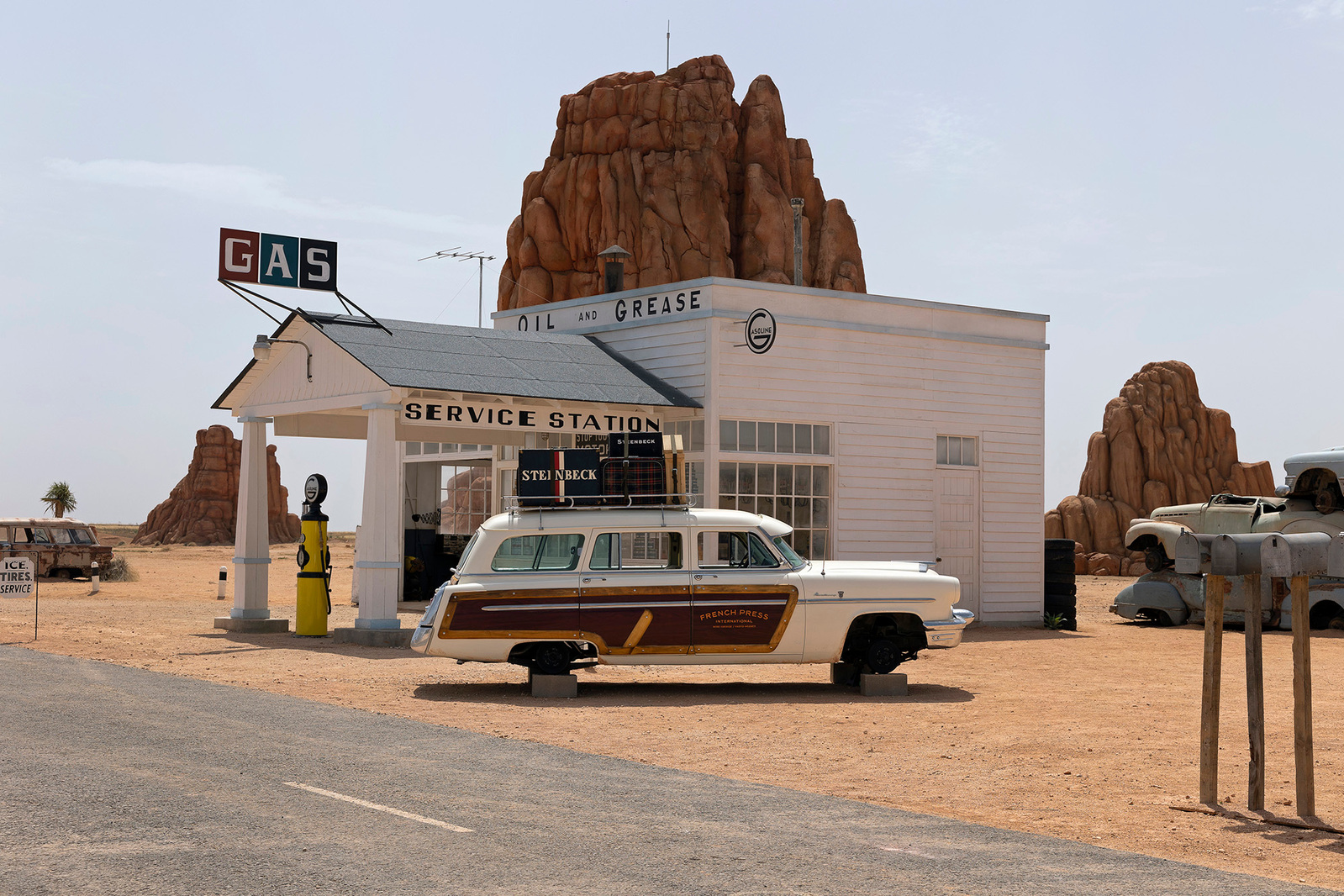
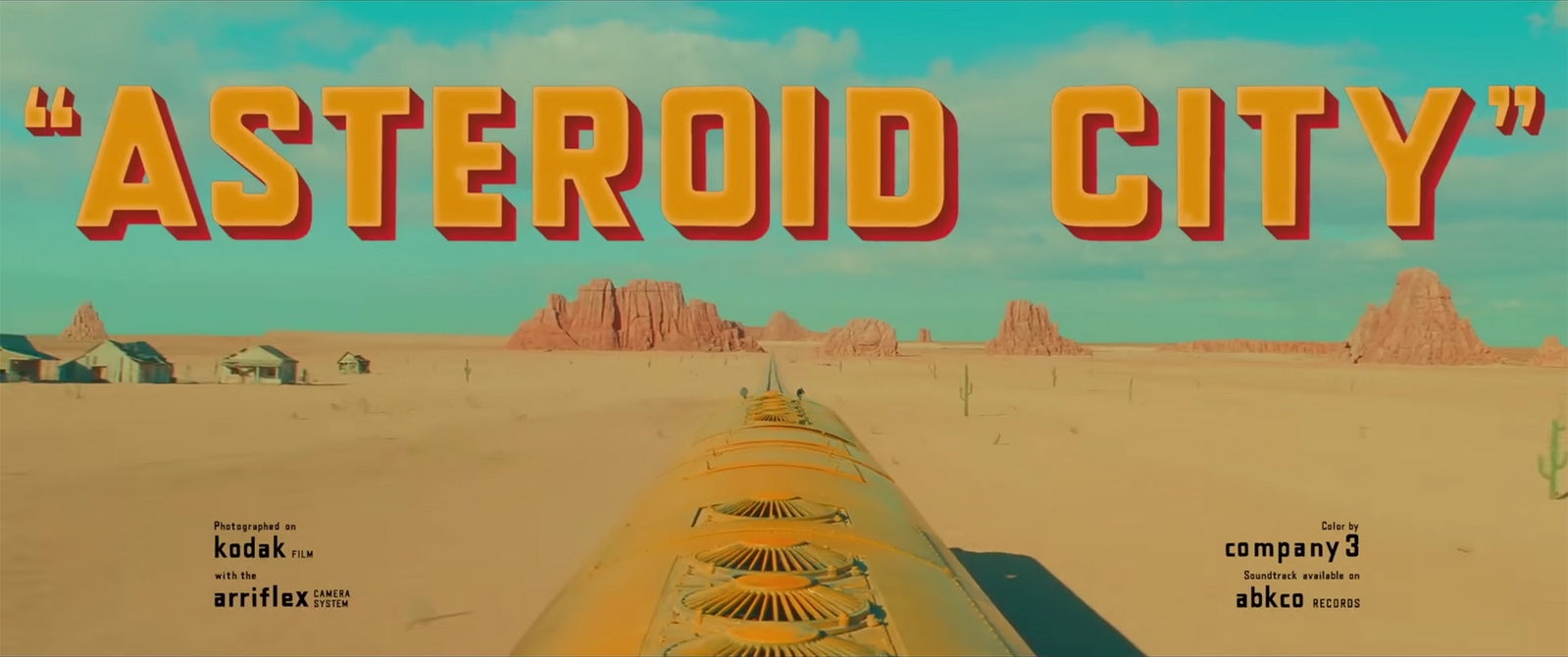
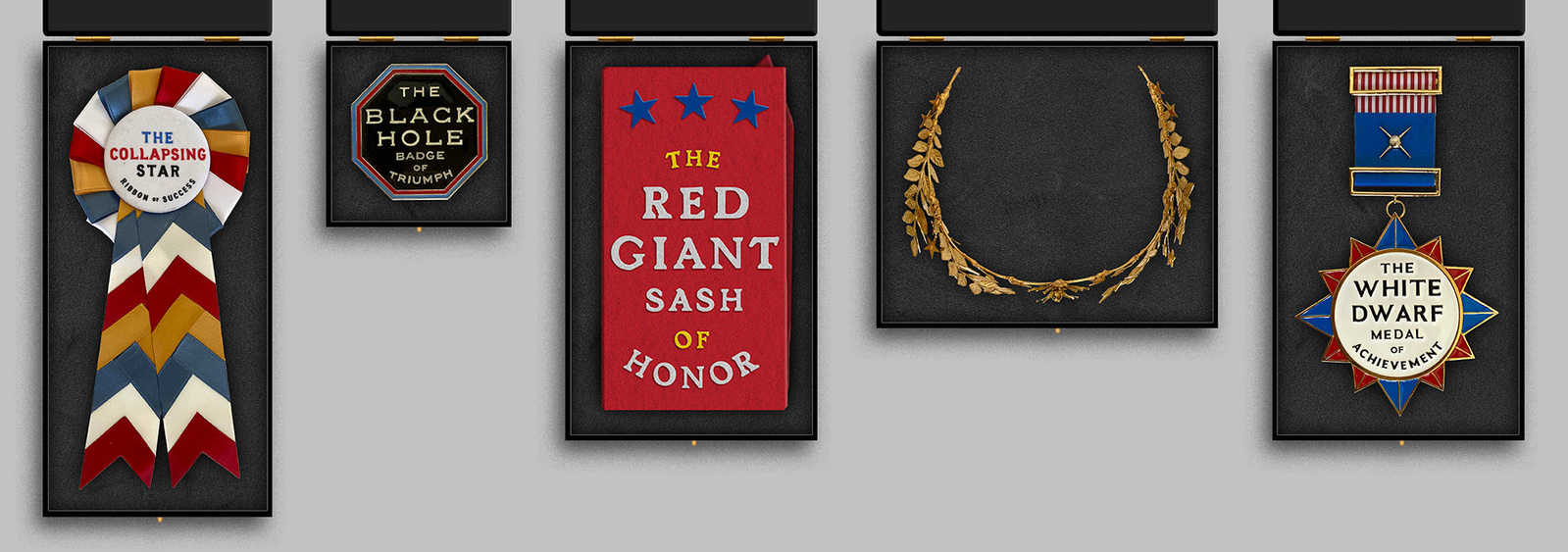
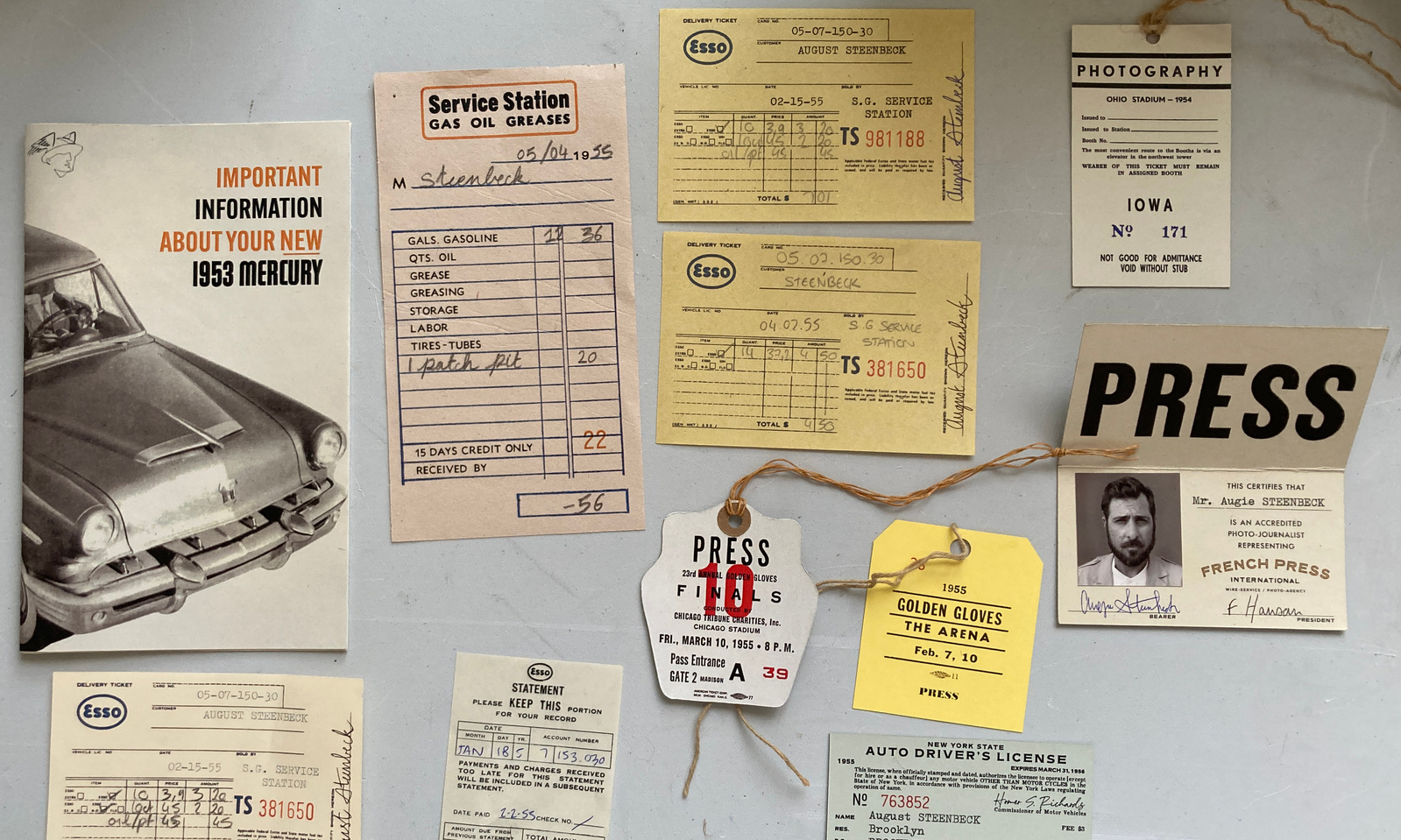
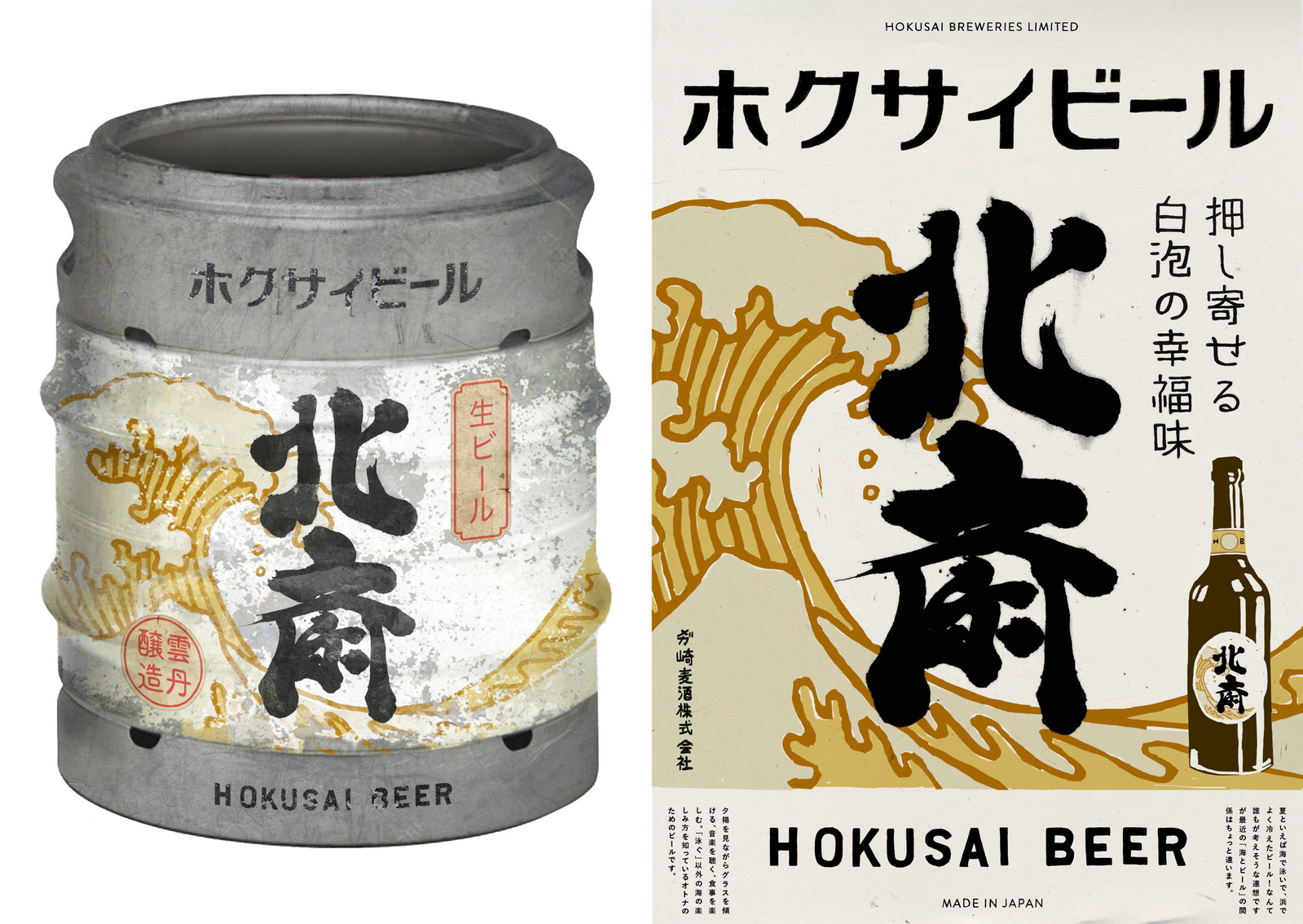
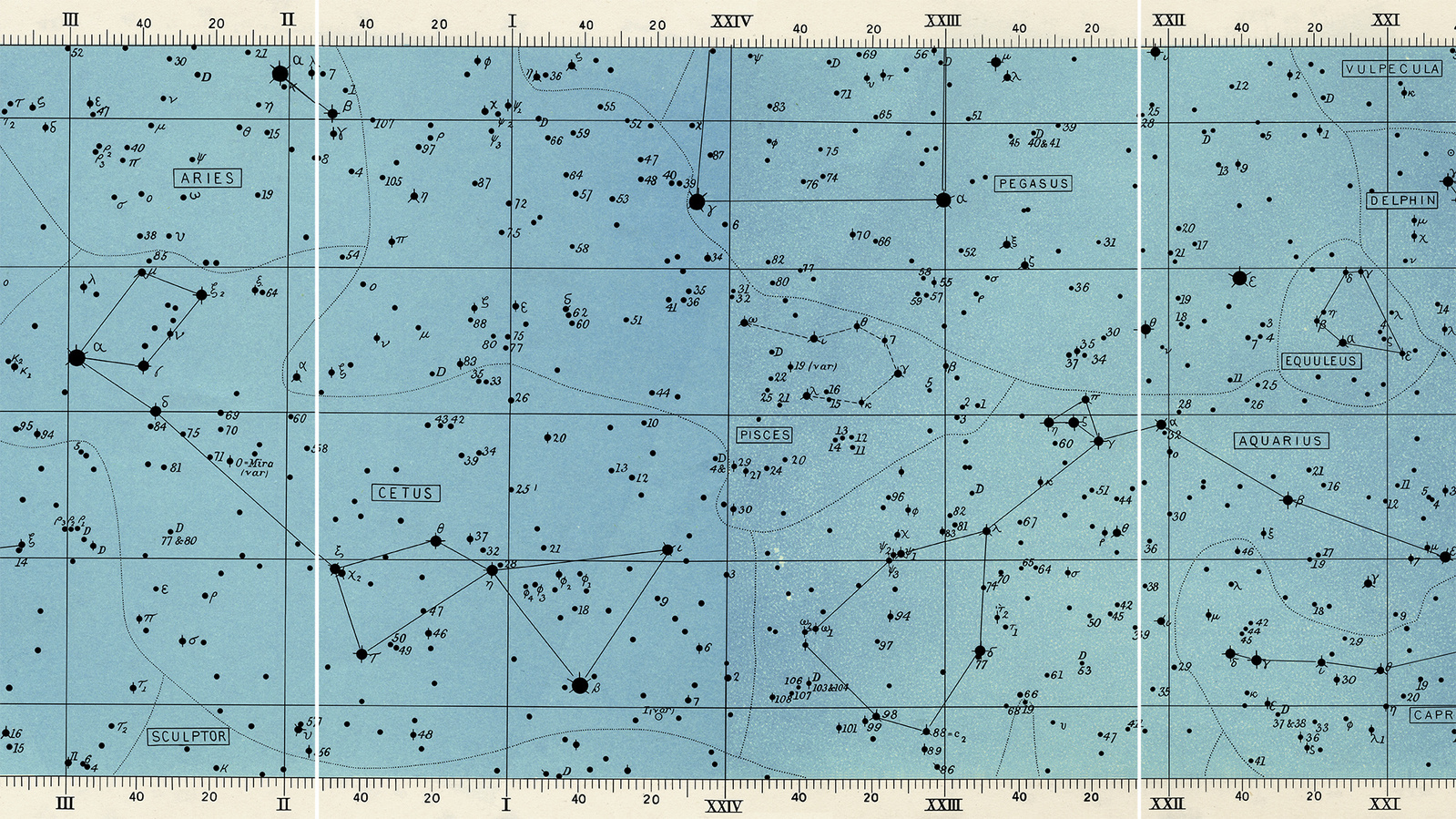
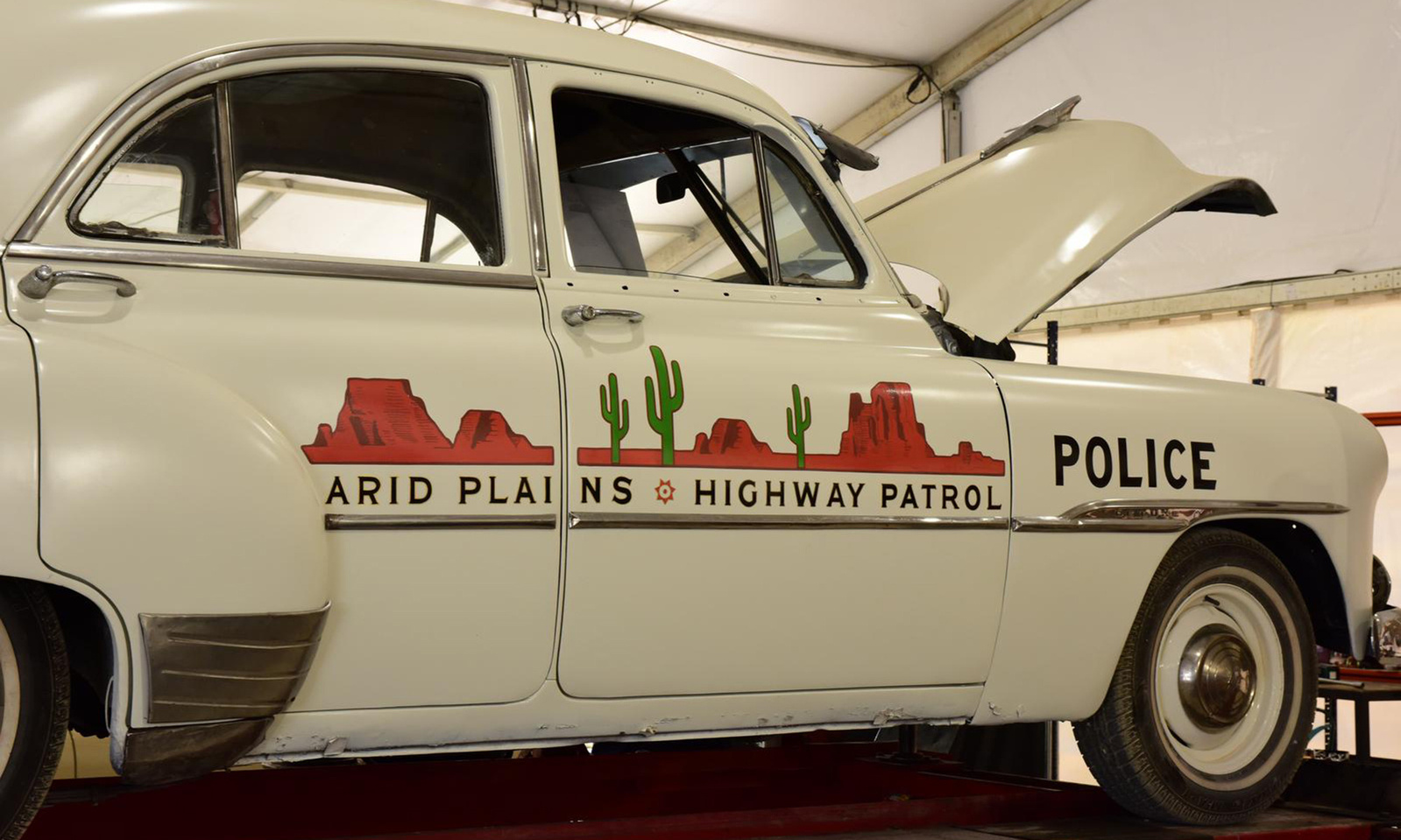
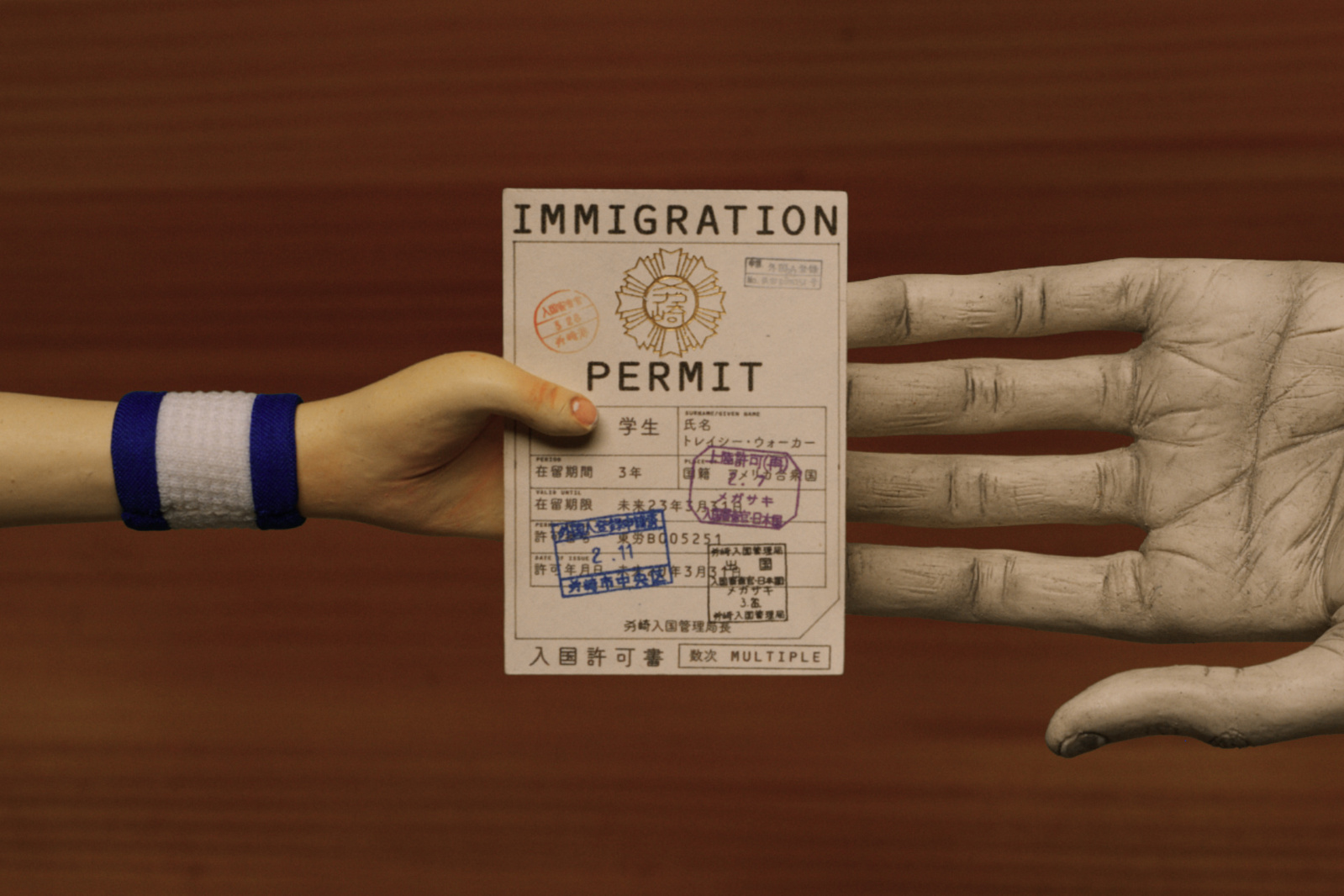
She has collaborated regularly with Wes Anderson since *Isle of Dogs* and has contributed to the creation of the visual worlds of films such as *The French Dispatch* and *Asteroid City*. In these projects, she comprehensively designs the films’ graphic and typographic elements—signs, patterns, custom typefaces, sets, and everyday objects—drawing on highly detailed historical research.
In addition to her design practice, she leads workshops and teaches internationally, emphasizing strategic thinking as the foundation of a coherent and structured design process.
Training 100% financeable by AFDAS, or partially covered by AGEFICE.
AFDAS can fully fund training courses conducted outside of France, under certain conditions.
This program is for affiliated or registered artists and authors, as well as performing arts professionals working on a freelance basis.
If you are eligible, we encourage you to contact our sales department beforehand via the "Information Request" form to prepare your application, or to register directly through the page of your chosen training course.

Isola di San Servolo,
1, Venice, Italy 30124
T: +33 (0)3 86 45 23 42
contact@campusmana.com