In just a few days, this workshop immerses you in the fascinating world of metal chasing, right in the heart of Venice, a city synonymous with the decorative arts and metalwork. Surrounded by historic ironwork, sculpted palaces, and famous handcrafted gondola oars, Venice becomes a veritable laboratory of inspiration where heritage and contemporary creation are in constant dialogue.
You will discover the history of metal engraving, learn to handle specialized tools, understand the vocabulary of the craft, and master the fundamental principles of relief, texture, and surface treatment. An intensive and immersive experience to build a solid foundation, develop your understanding of the material, and take your first steps into a rare and spectacular craft.
By the end of the course, the trainee will be able to:


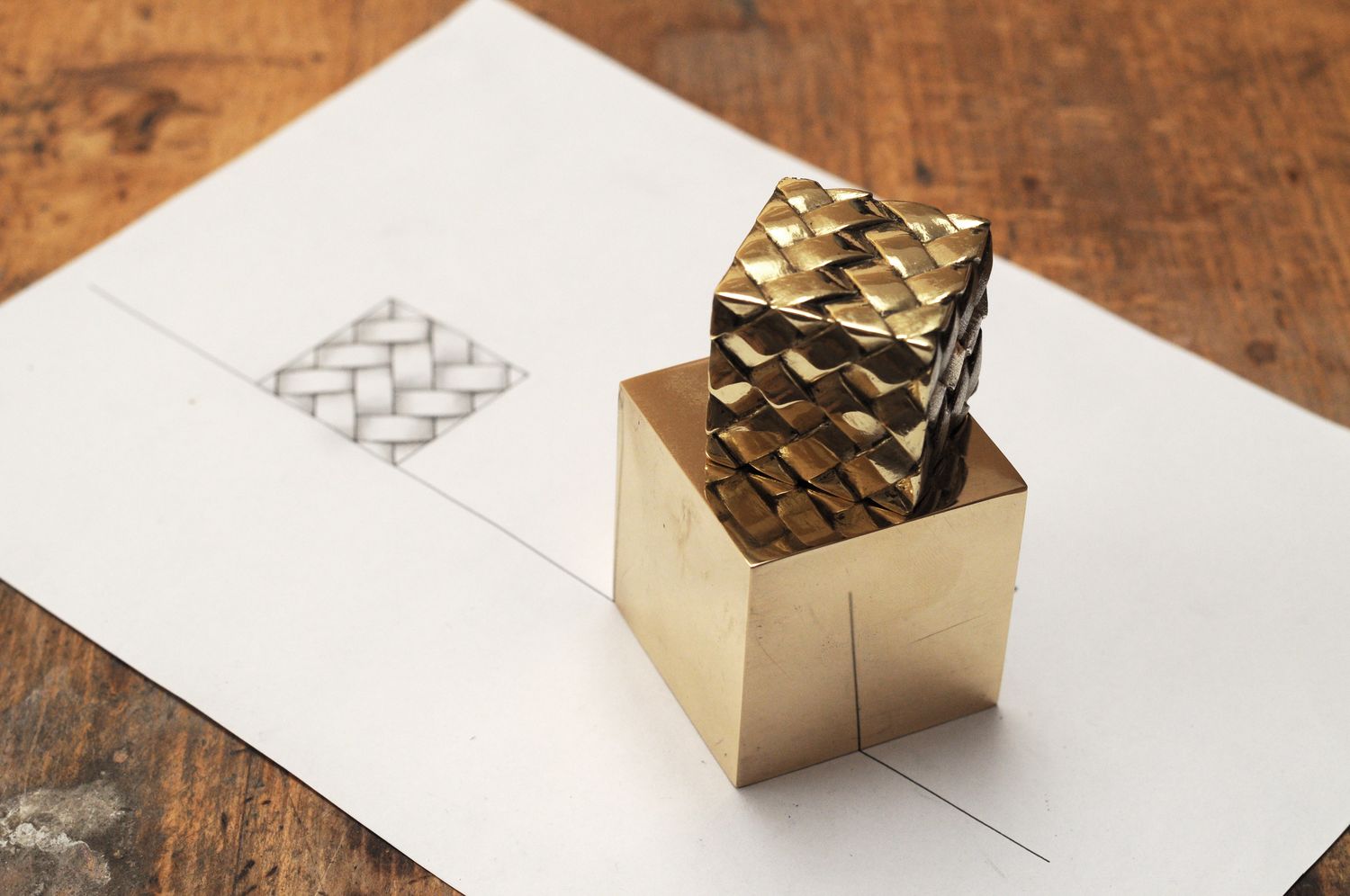
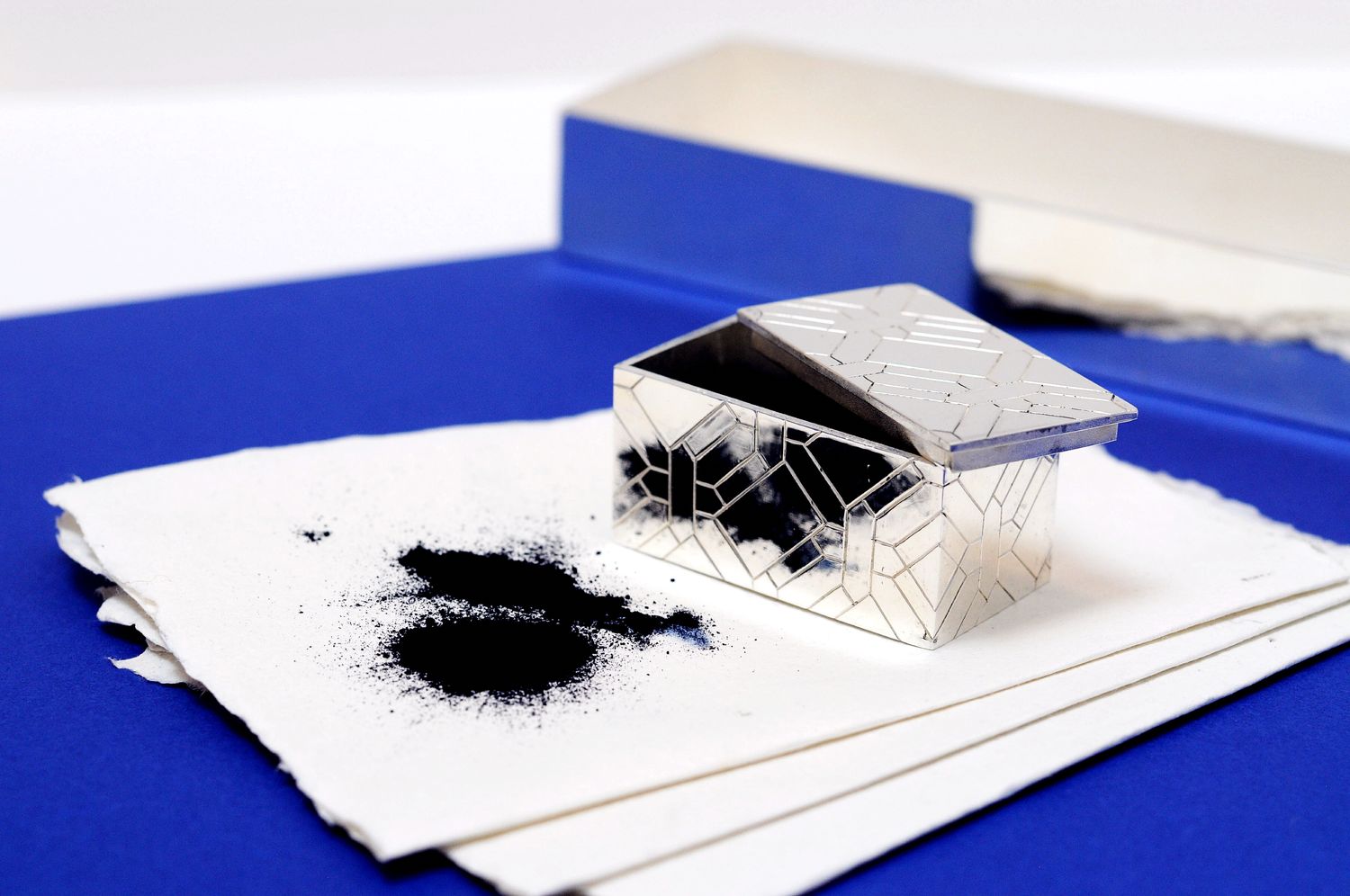
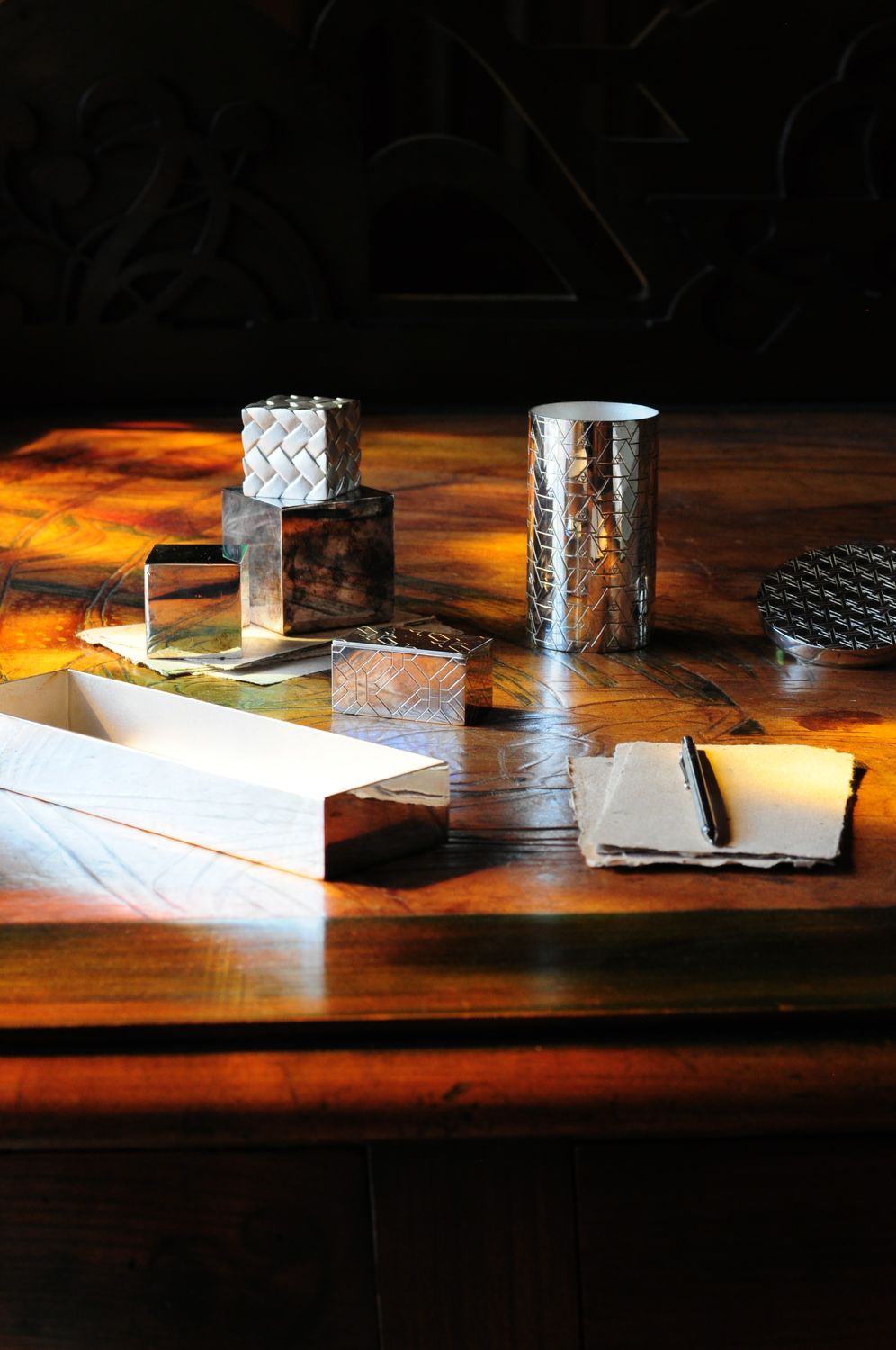
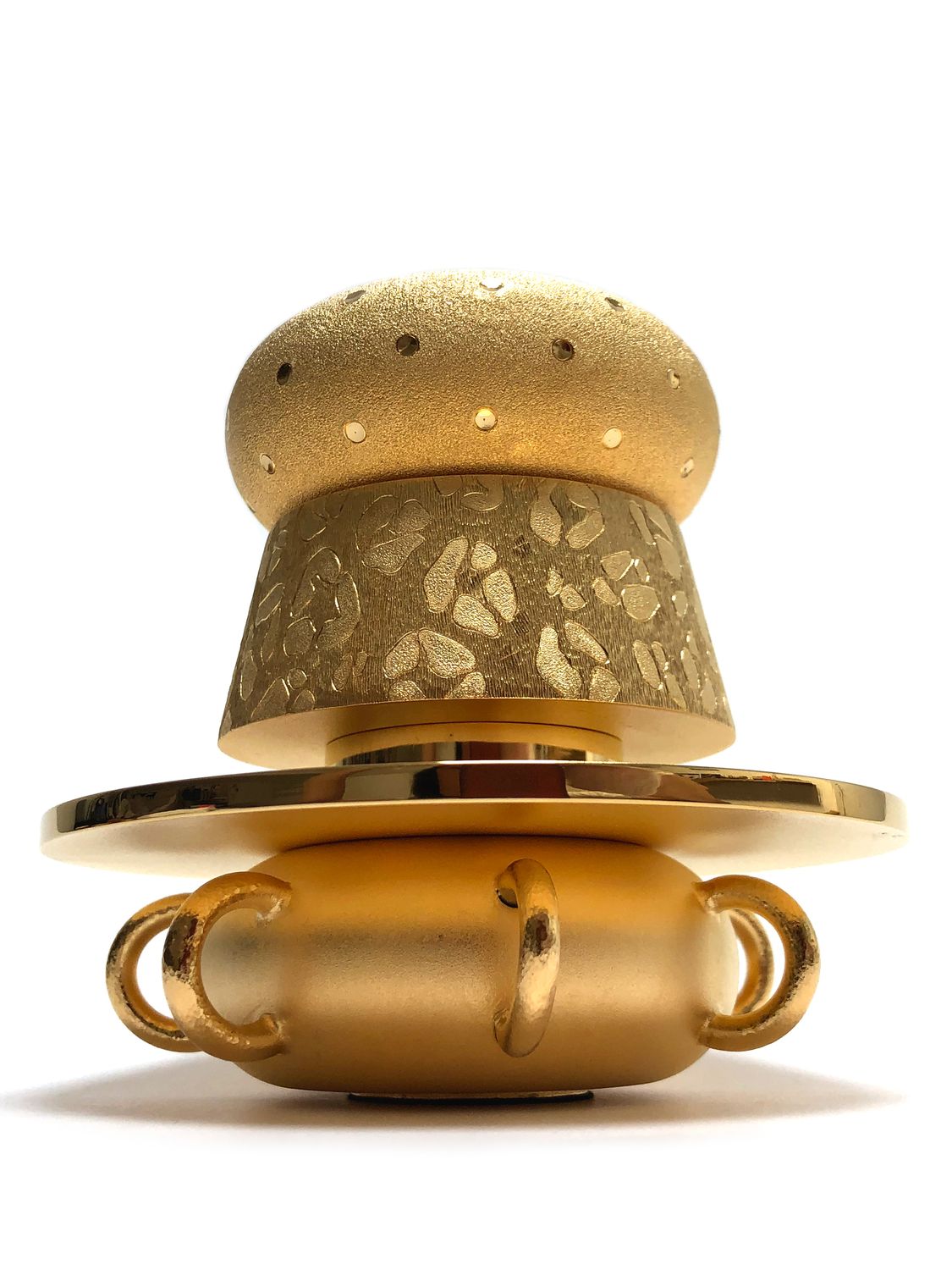
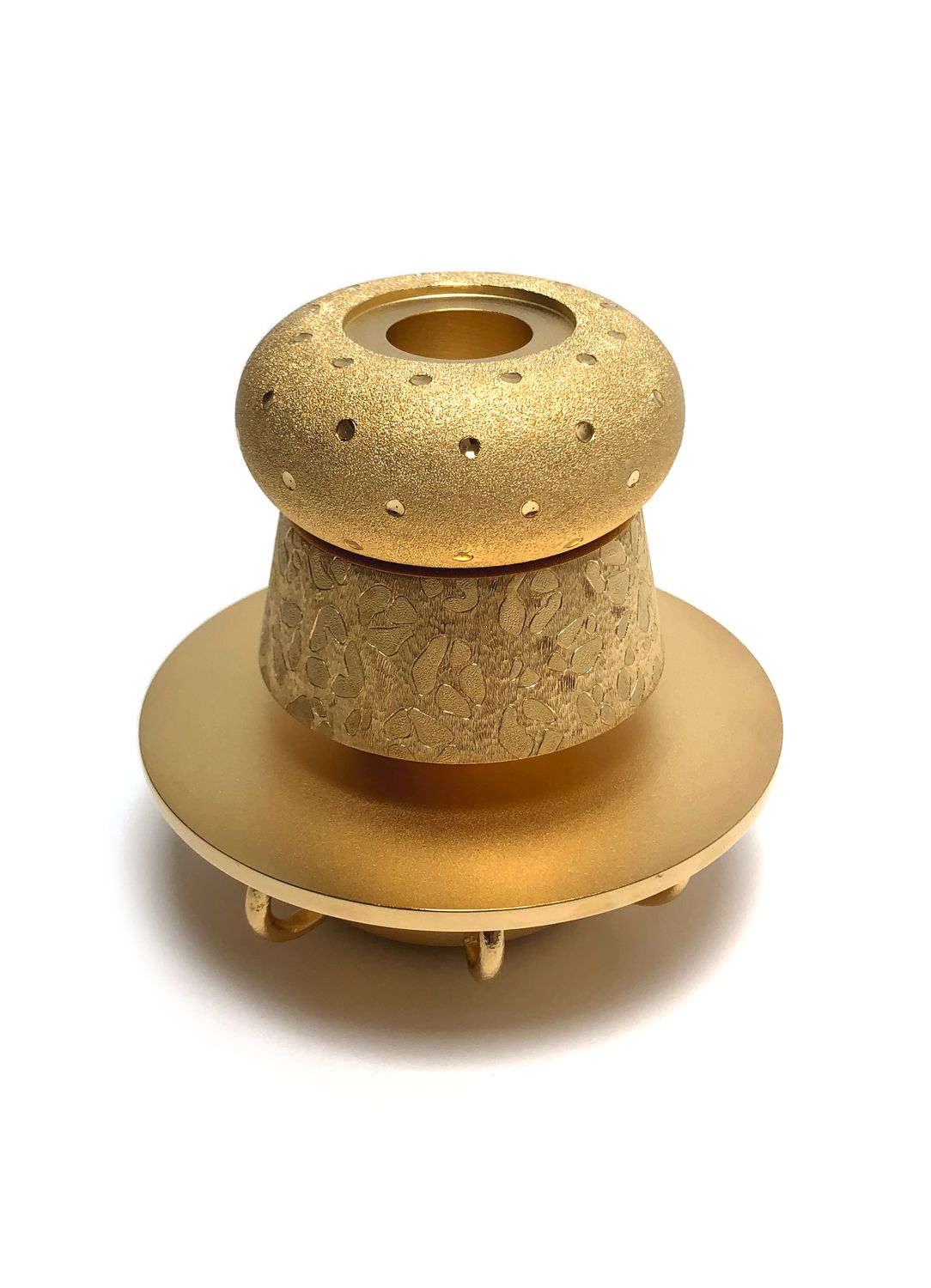

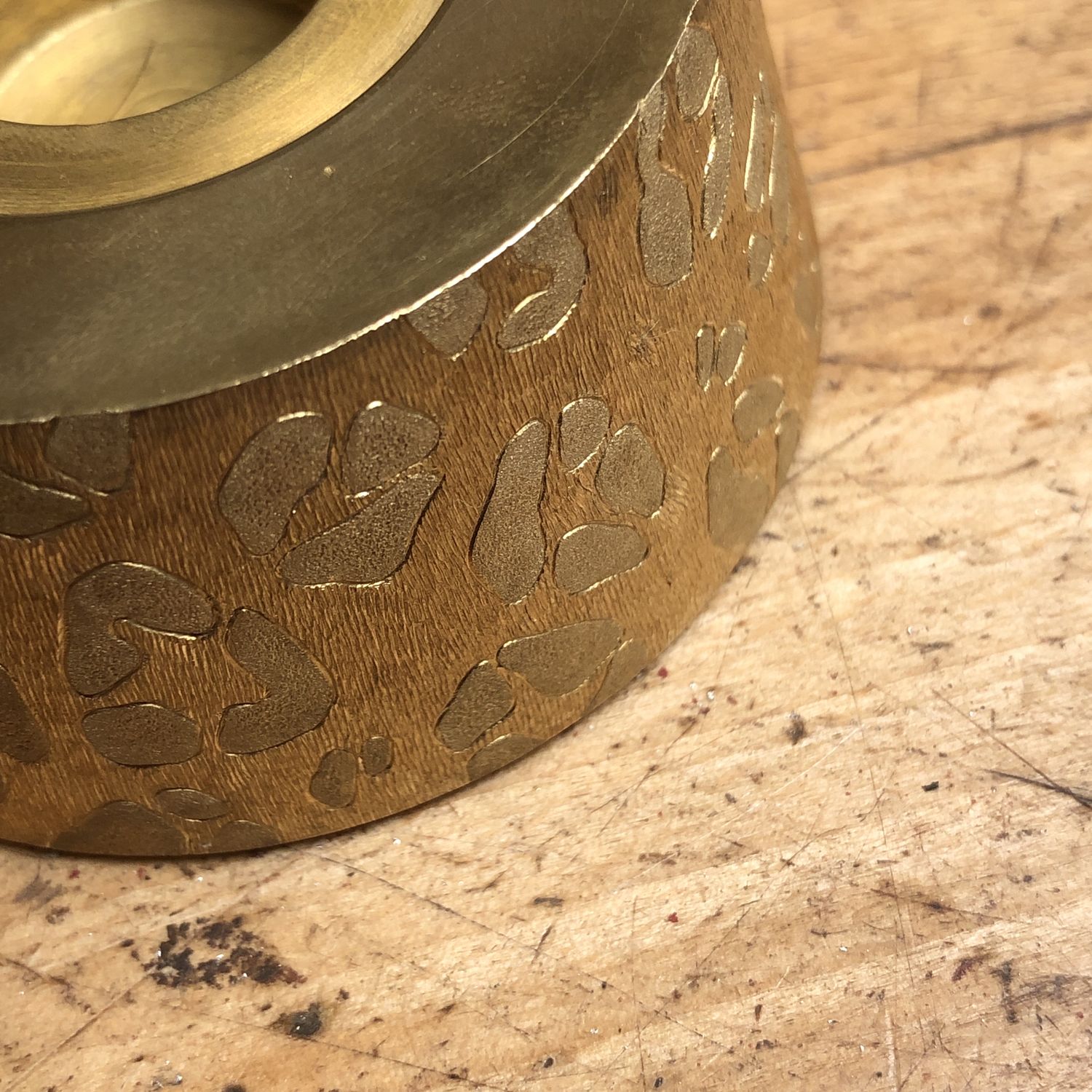

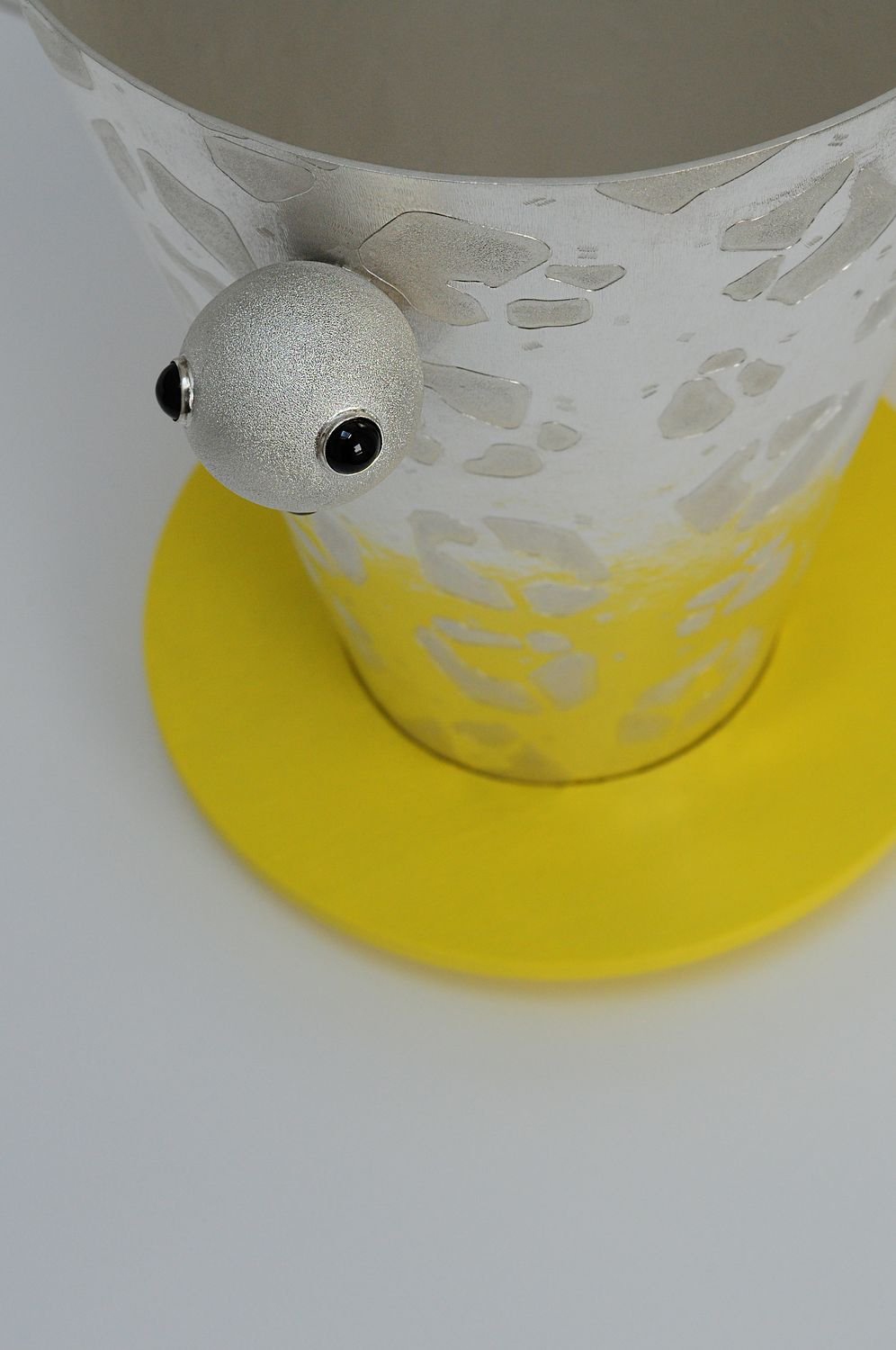
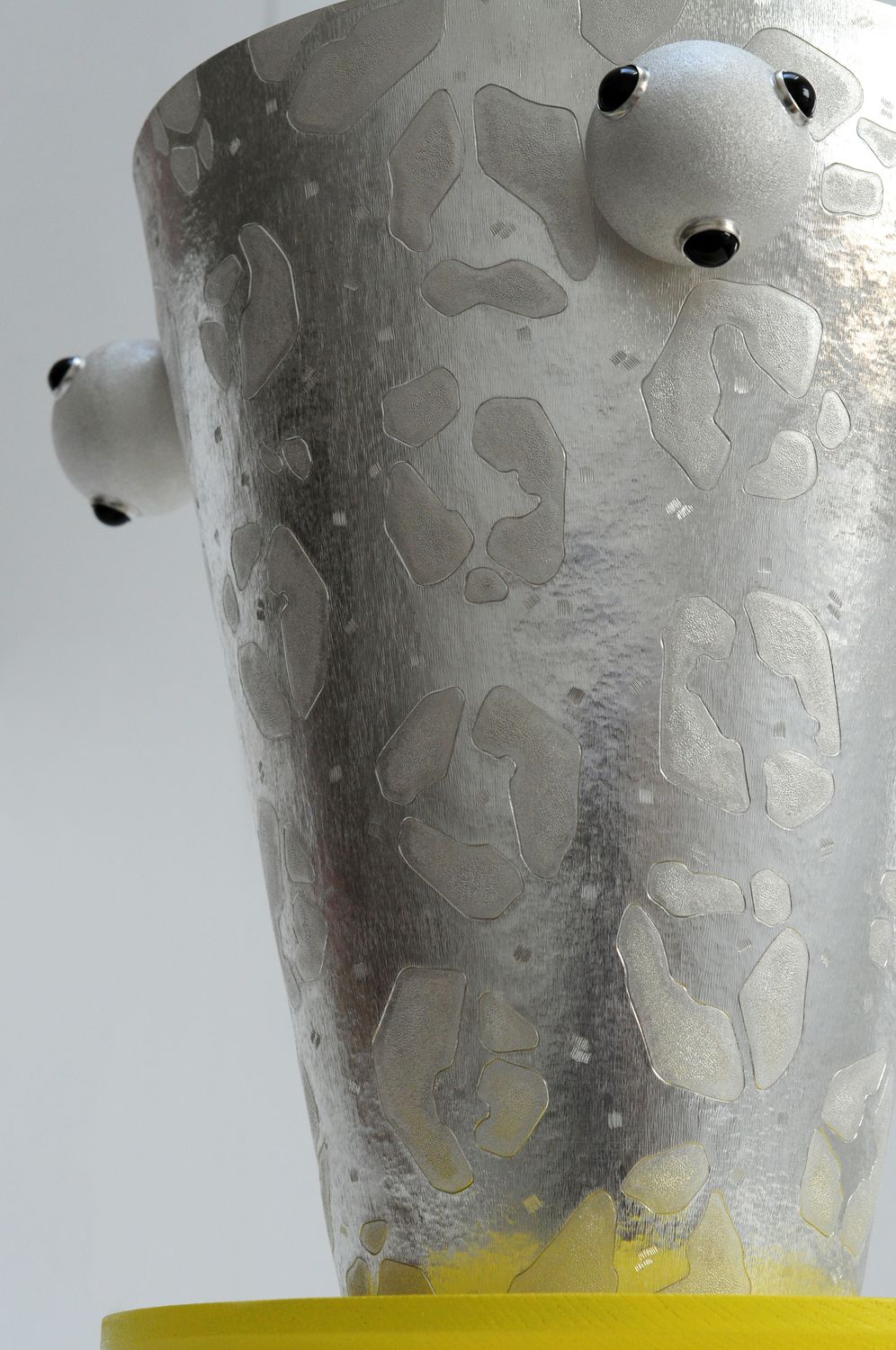
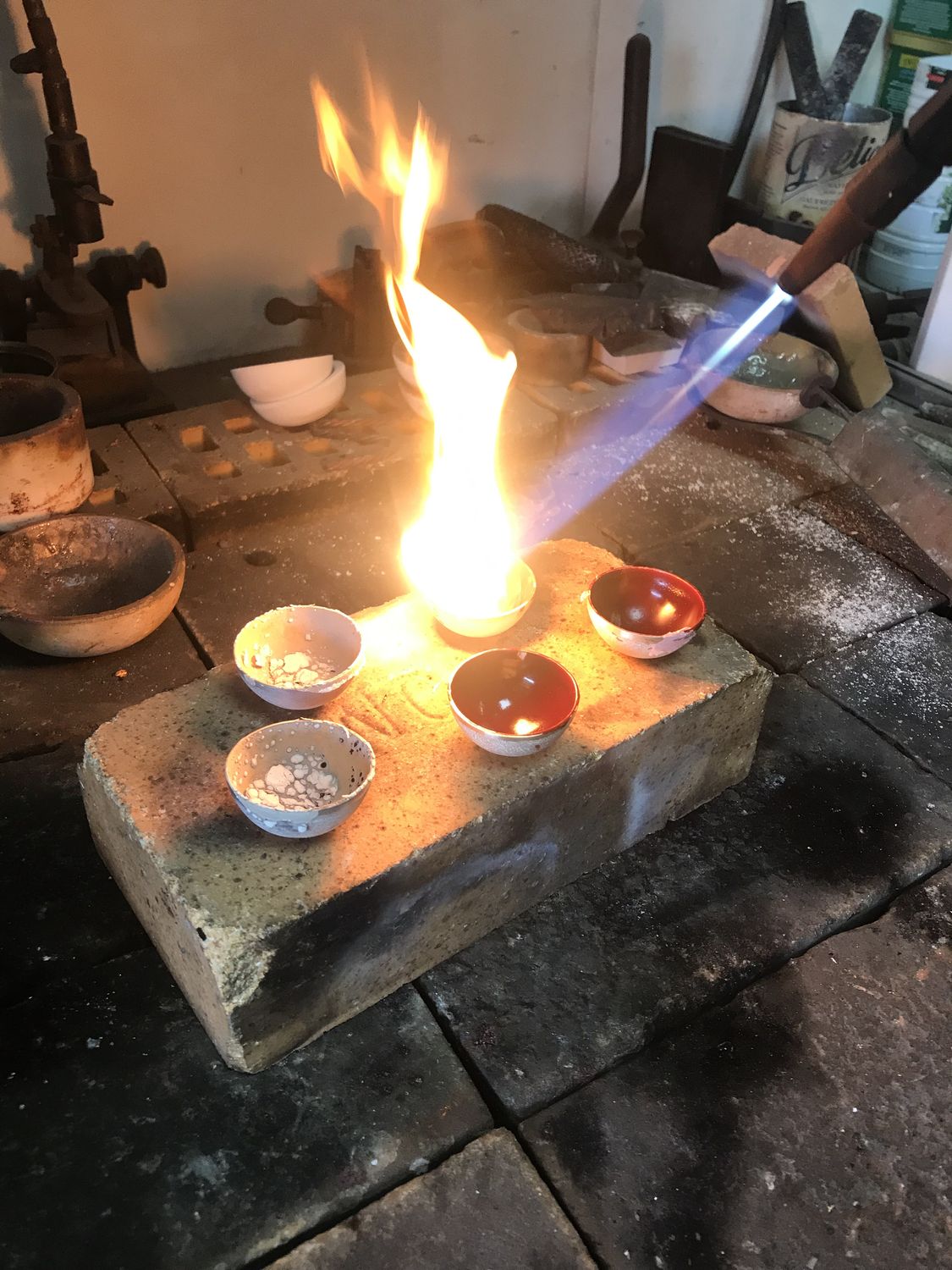
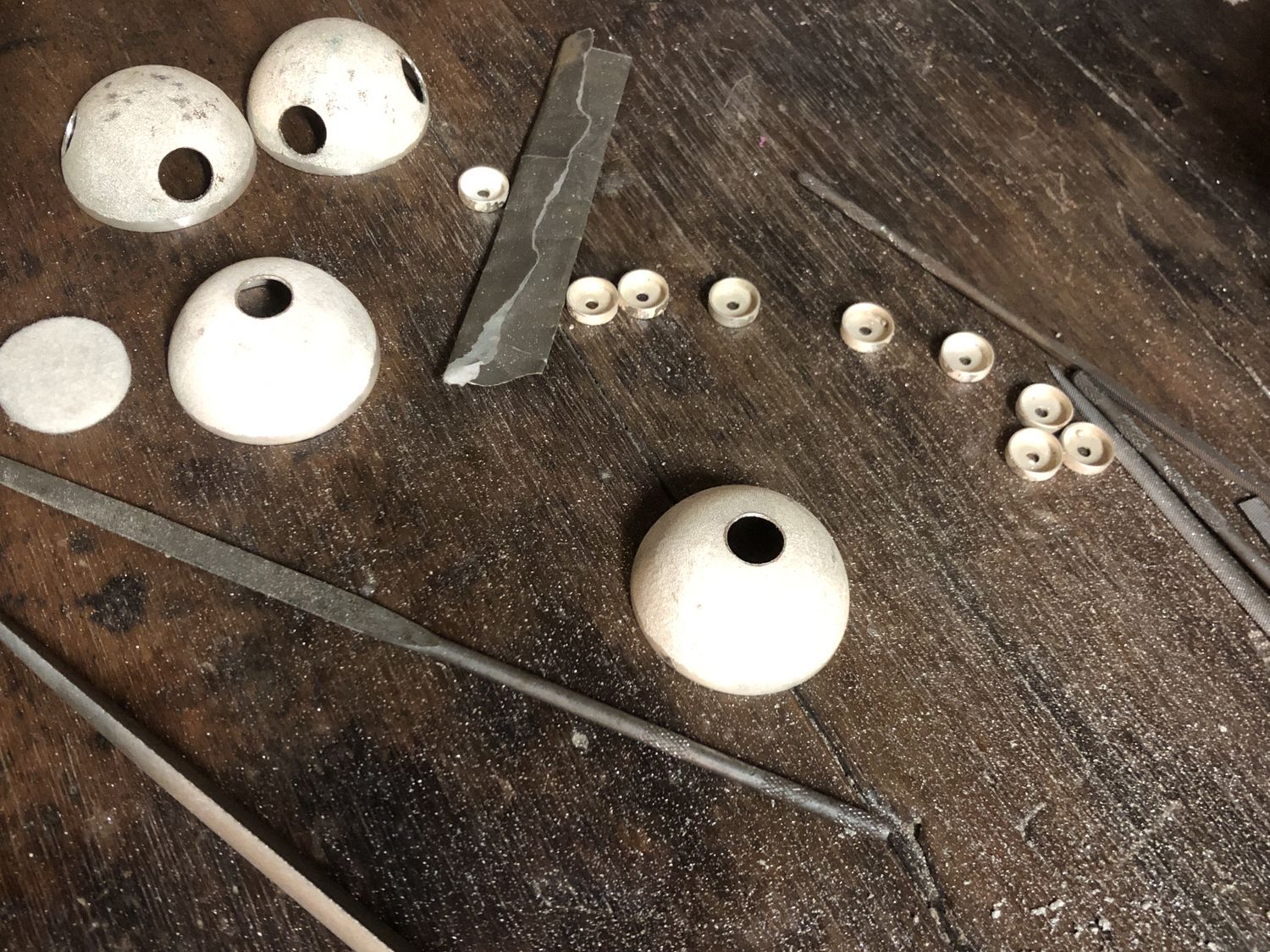
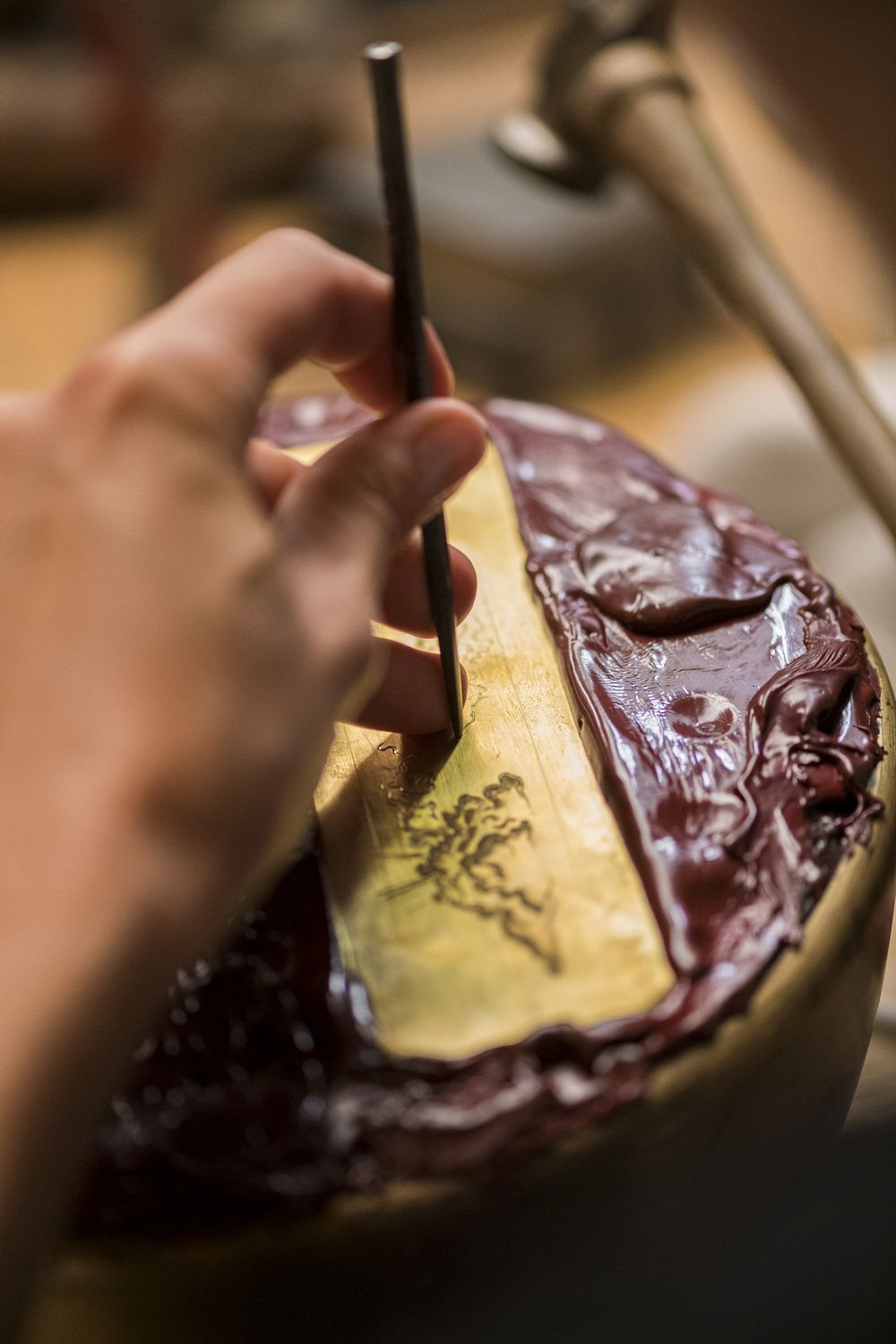

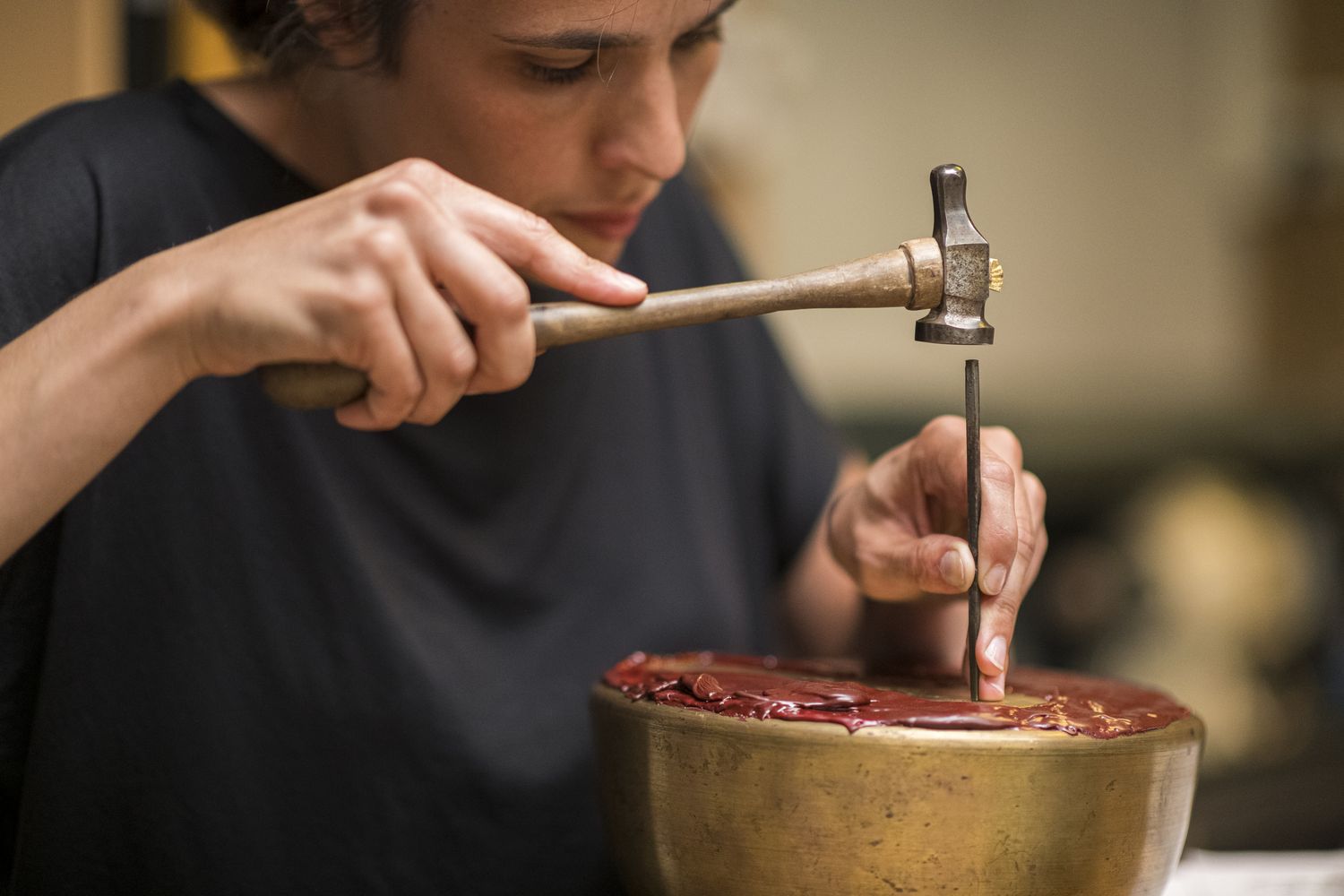
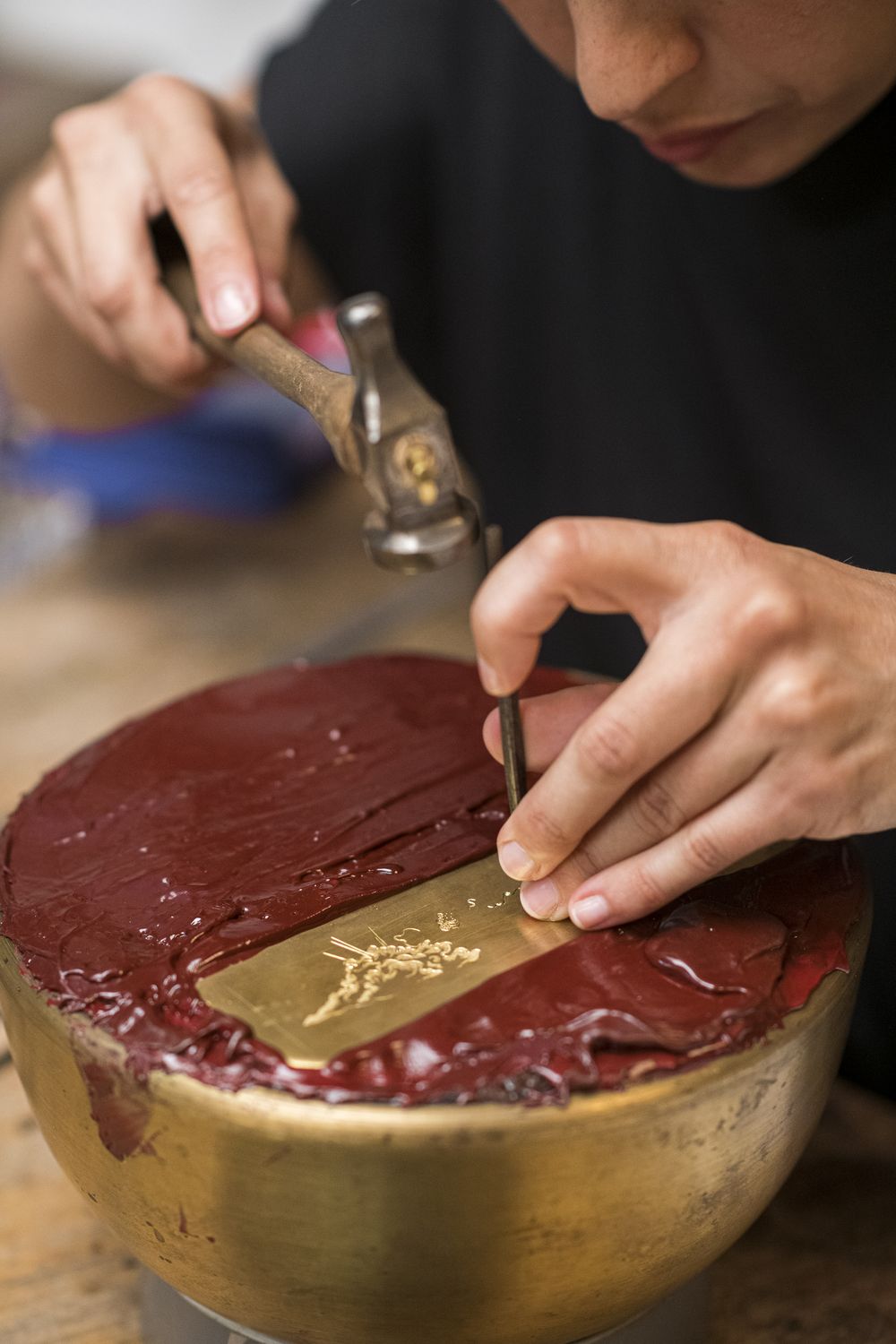
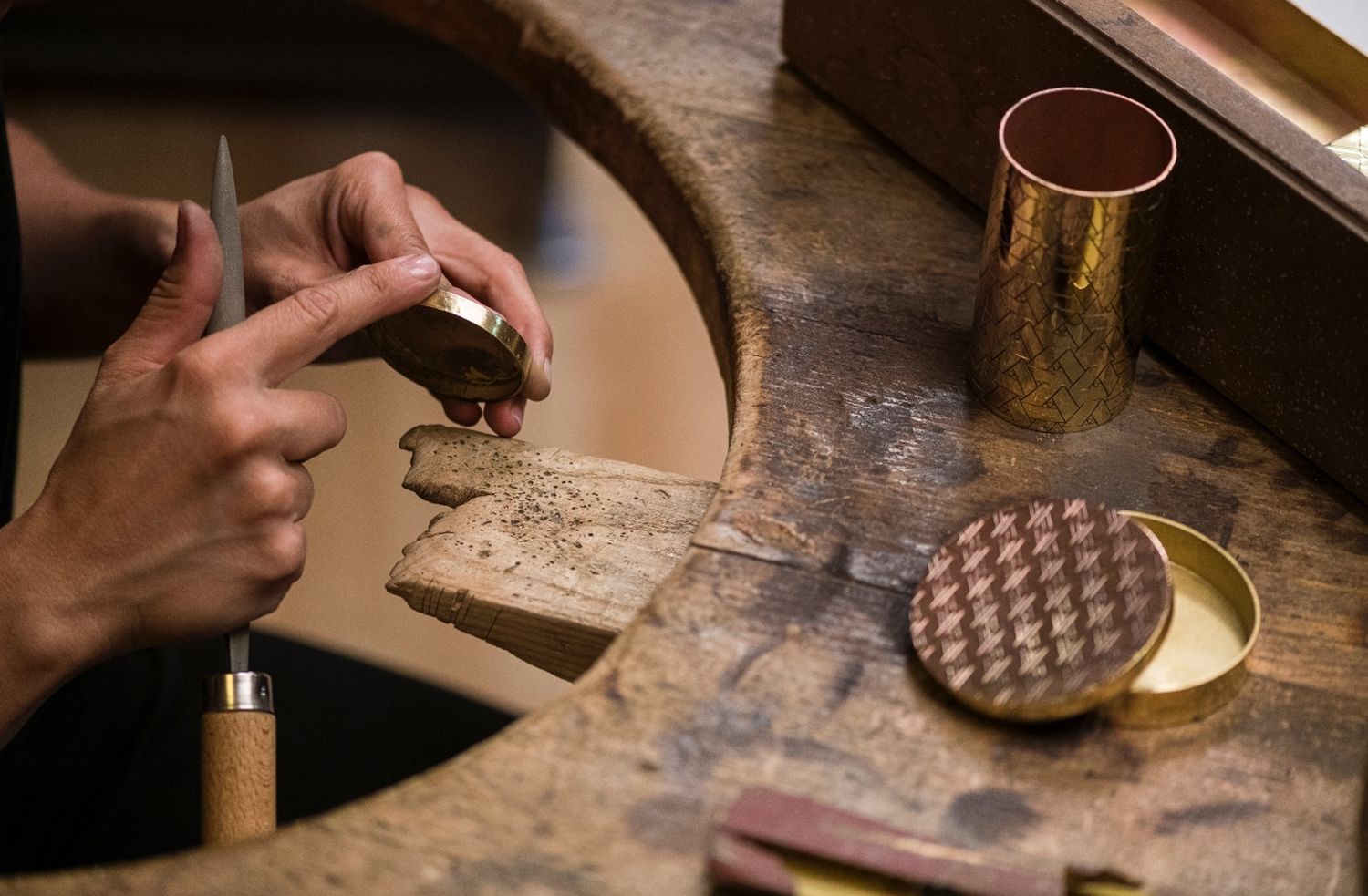


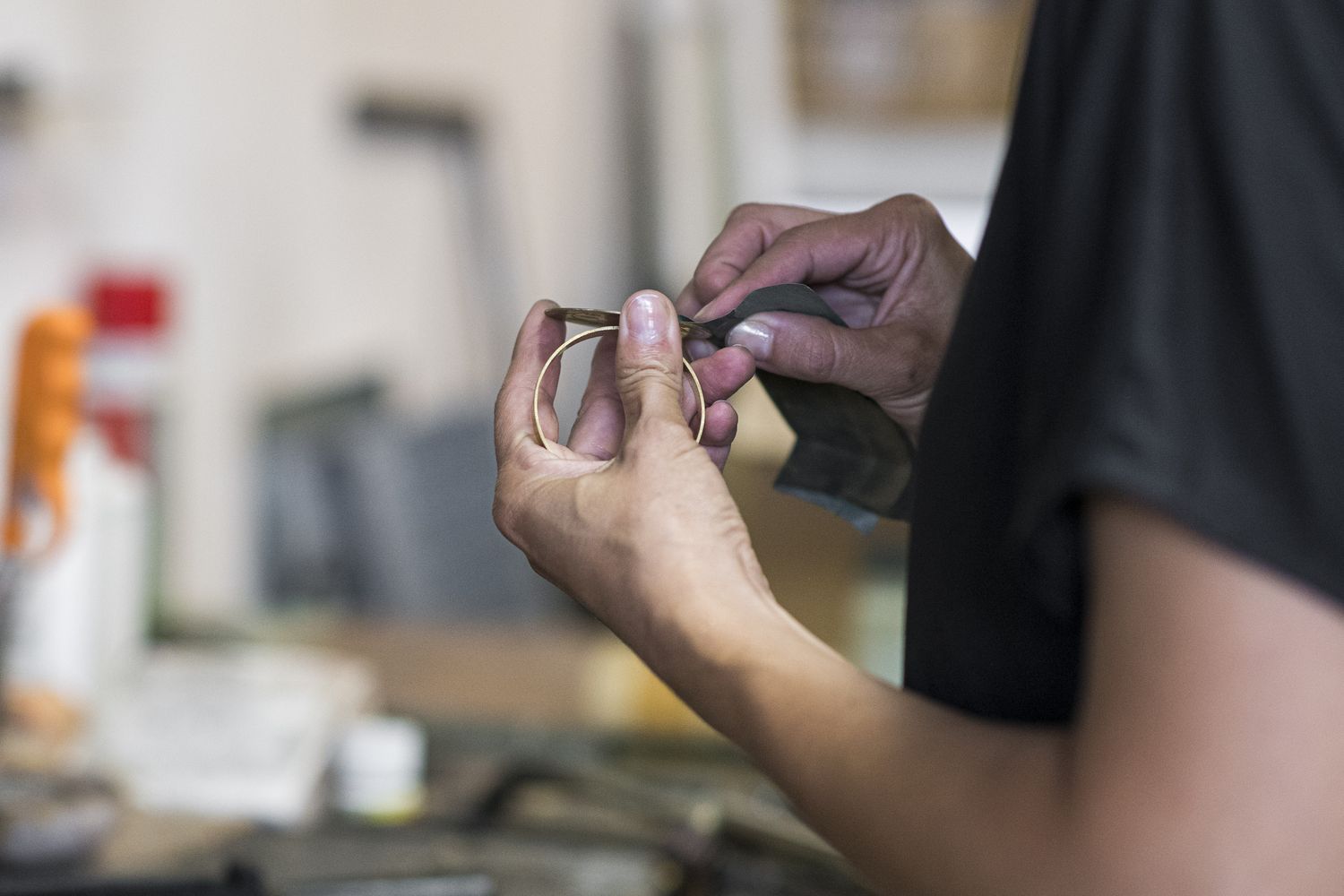
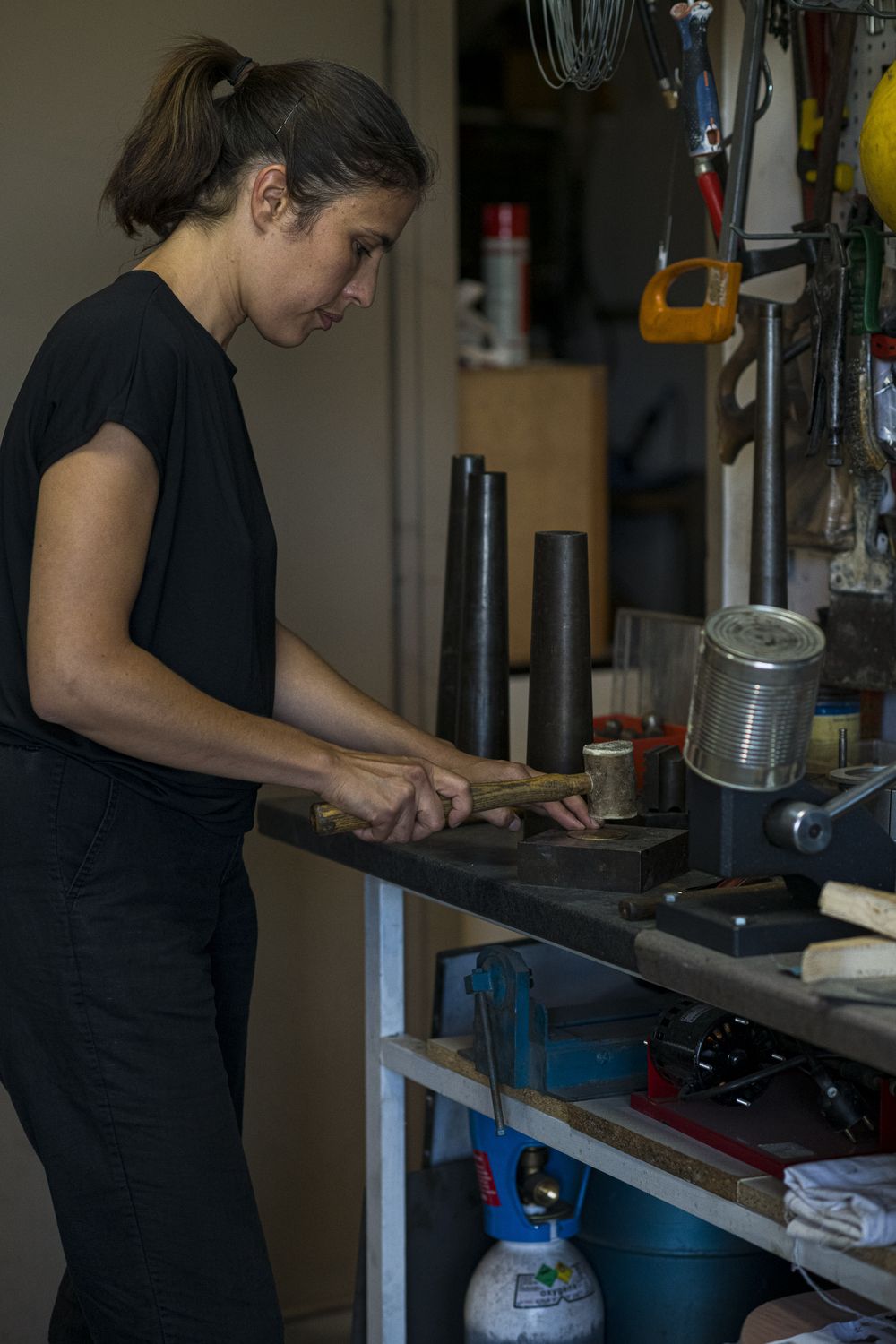
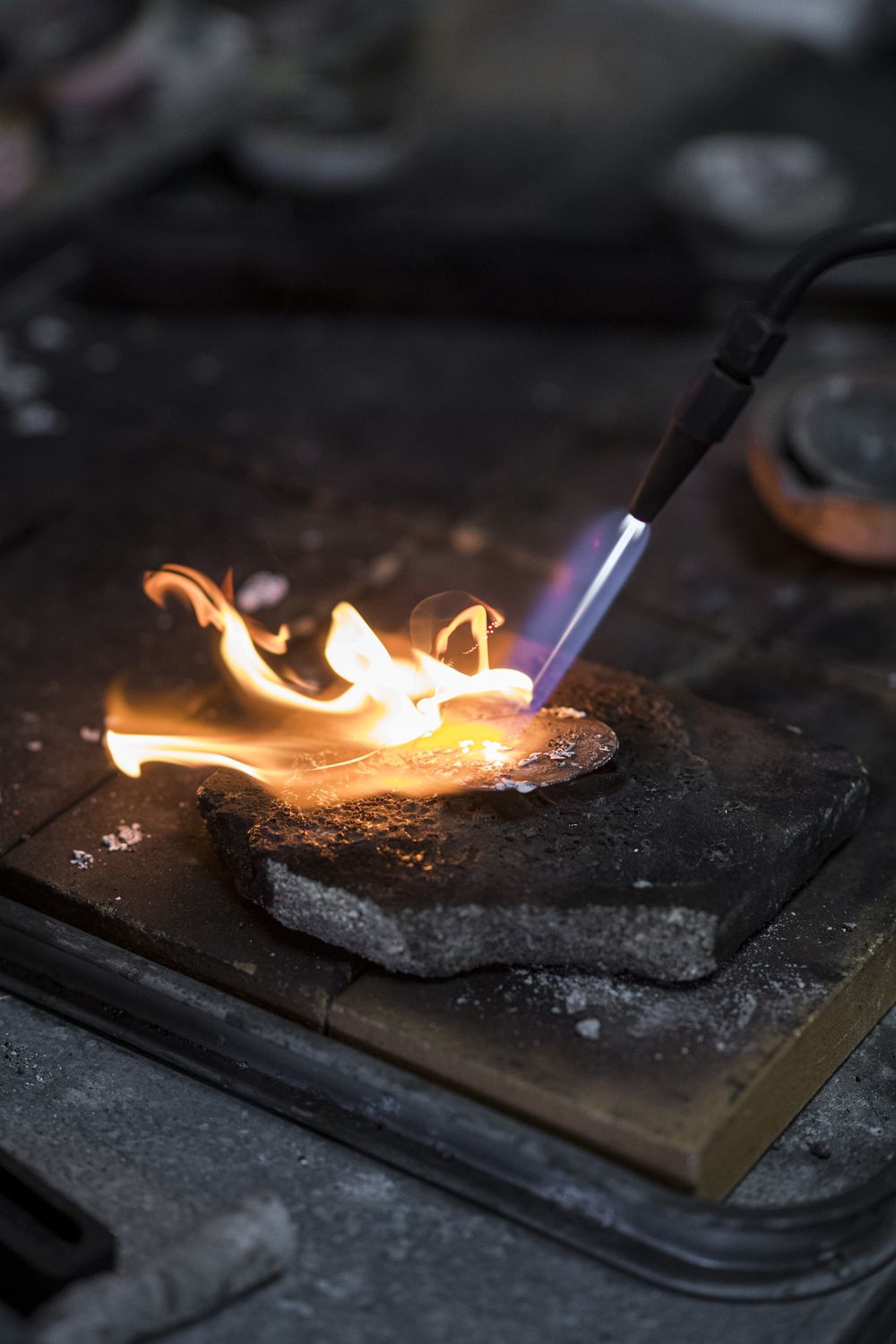
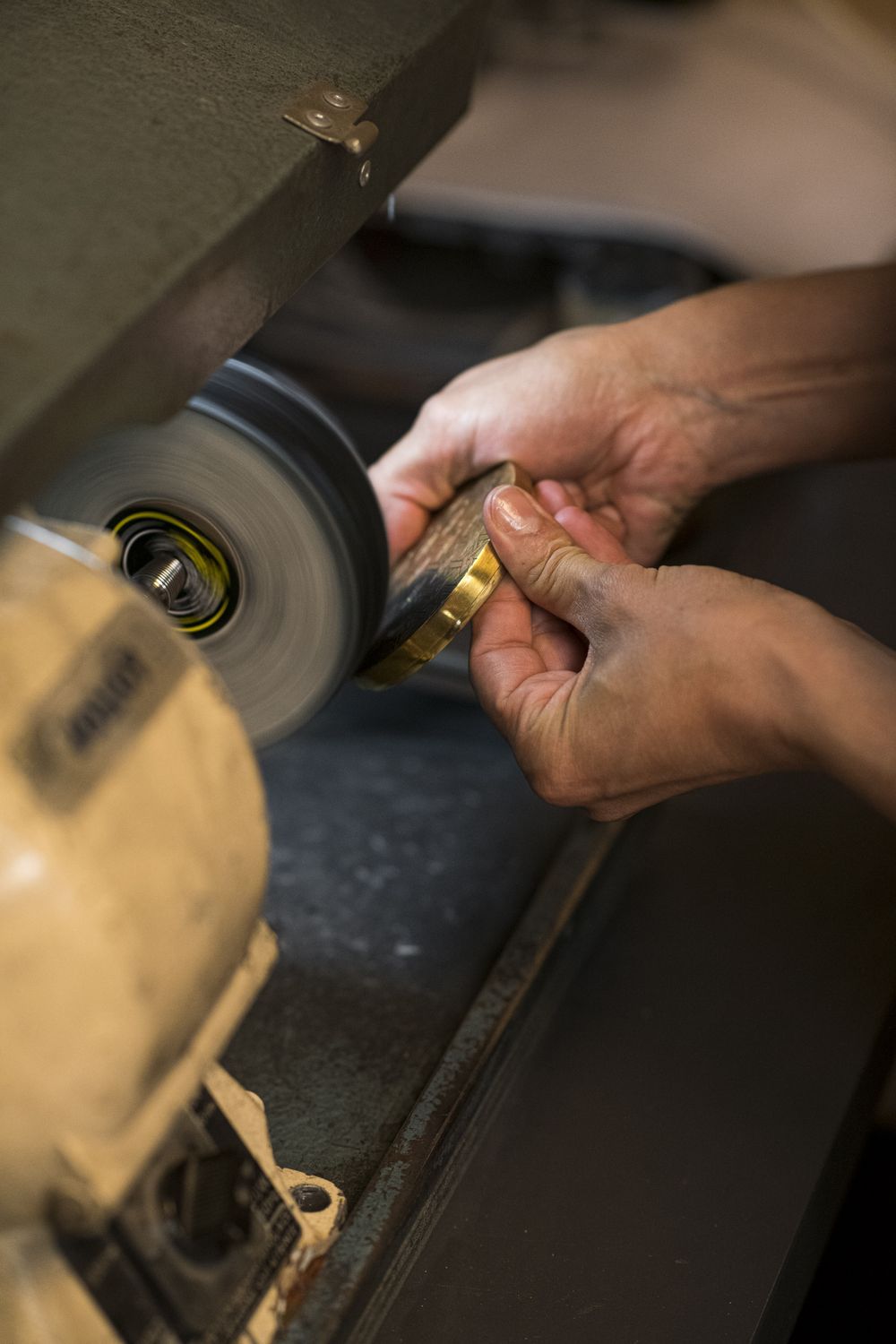
In Venice, metal is an integral part of the city’s history. From the ironwork on palaces to the ornamentation in churches, not to mention the famous gondola oars, the lagoon preserves the legacy of a craft in which the material itself becomes decoration. As early as the Middle Ages, Venetian workshops developed a refined expertise in forging, casting, and metal ornamentation, making Venice one of Europe’s major centers for the decorative arts.
At the heart of this tradition lies metal chasing. This art of relief involves transforming the metal surface using hammers and chisels to create textures, patterns, and plays of light. Inherited from ancient traditions and then elevated during the Italian Renaissance, chasing lies at the intersection of drawing and sculpture, where metal is shaped without ever being removed.
It is this rare and demanding technique that Campus MaNa Venezia now invites you to discover through an immersive training program dedicated to metalwork. Designed as an intensive workshop, the program introduces participants to the fundamental techniques of metal engraving: tracing, matis, repoussé, relief work, and decorative finishes.
Throughout the course, participants learn to use the craft’s iconic tools—hammers, chisels, hammers, torches, and files—through a series of progressive exercises that allow them to explore the main decorative techniques, from flat work to bas-relief and even recasting.
More than just technical training, this immersive experience offers a true sensory exploration of the material. In Venice, the city itself becomes a source of inspiration: architectural details, weathered surfaces, metallic reflections on the water, and antique objects fuel a dynamic dialogue between heritage and contemporary creation.
Through this program, the MaNa Campus champions a contemporary vision of the arts and crafts: passing on historical know-how while opening up new creative perspectives on craftsmanship, ornamentation, and metalwork.
Afternoon
Morning
Afternoon
Morning
Afternoon
Morning
Afternoon
Morning
Afternoon:
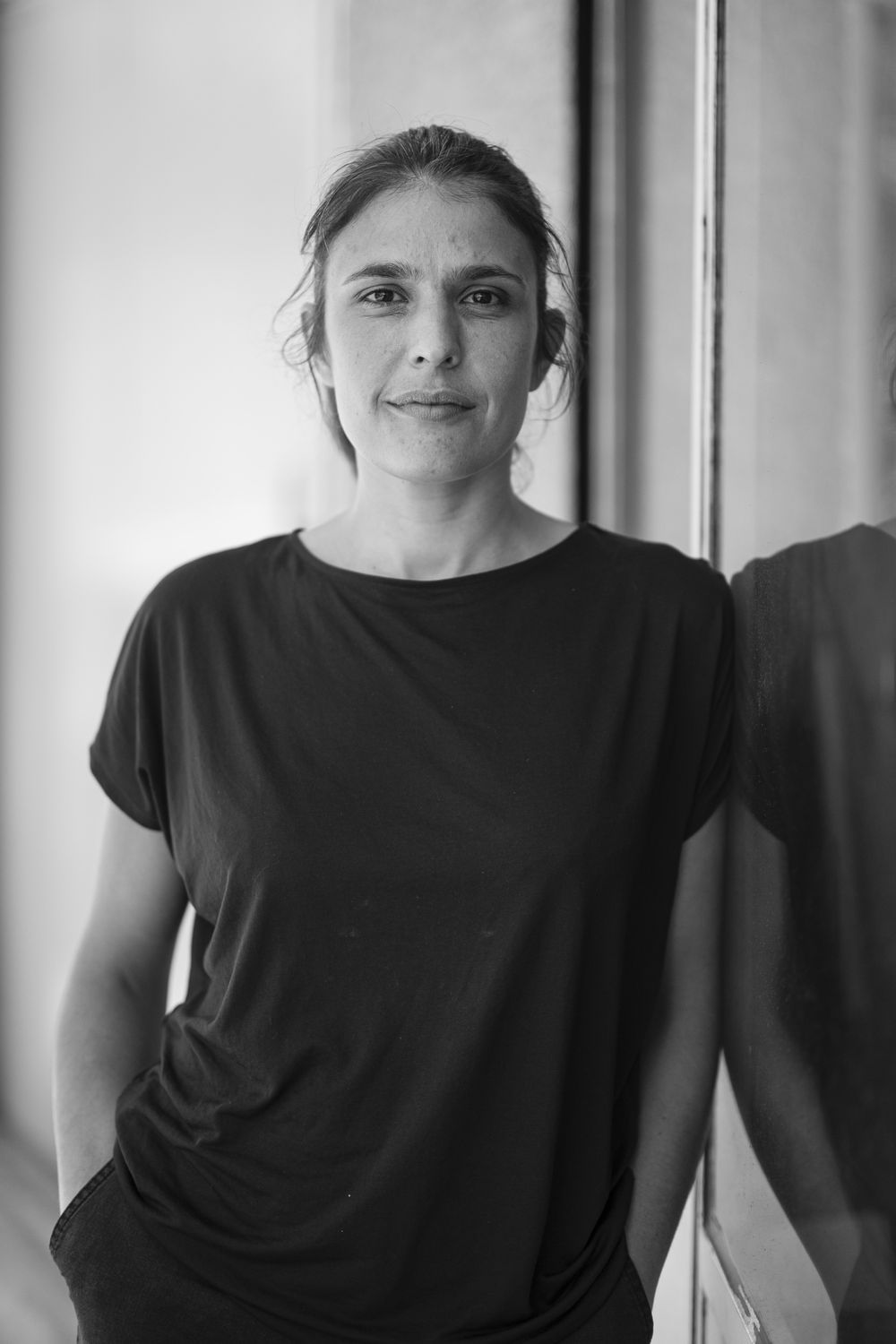
Carole Serny handcrafts exceptional pieces in precious metals and copper alloys. Her work is divided between creating one-of-a-kind pieces inspired by her personal vision and bespoke projects, carried out in collaboration with private clients, galleries, curators, as well as interior designers and architects.
Her creations reflect a free-spirited, lighthearted approach to goldsmithing, imbued with humor and unbound by traditional conventions. They draw inspiration from nature, architecture, and the worlds of art and fashion. Carole crafts each piece with sincerity, poetry, and precision, striking a balance between simple forms and contemporary ornamentation. Convinced of the need for a return to decoration after decades marked by minimalist industrial design, she advocates for ornamentation that carries meaning, capable of telling a story and giving each object a unique identity.
Originally from Chalon-sur-Saône in Burgundy, Carole has always been drawn to drawing and the art of line. As a child, she watched her parents shape their daily lives through DIY and manual activities—an early immersion that nurtured her sensitive connection to movement and the act of “making.”
It was at the École Boulle that she discovered the techniques that now form the foundation of her craft. A visit to the chiseling workshop was a revelation: the sound of the forge, the breath of the blowtorch, the rhythm of the hammers. Chiseling, a major technique in metal ornamentation, immediately became her chosen path.
In chiseling, pieces are shaped, hammered, and decorated using chisels of various profiles and a hammer. Every stroke is final: there is no room for second thoughts; every blow leaves its mark.
In 2019, Carole Serny opened her own workshop. She then deepened her skills in goldsmithing, the art of designing and crafting objects from precious metals. While many trades may be involved in the creation of a piece—turner-embosser, planer, polisher, chaser, engraver, silversmith, or gilder—the goldsmith remains the conductor, overseeing the technical planning, fitting, as well as hot and cold assembly operations.
Today, Carole works as a goldsmith and engraver in the Lot region, in the heart of the Causses du Quercy Regional Nature Park.
Training 100% financeable by AFDAS, or partially covered by AGEFICE.
AFDAS can fully fund training courses conducted outside of France, under certain conditions.
This program is for affiliated or registered artists and authors, as well as performing arts professionals working on a freelance basis.
If you are eligible, we encourage you to contact our sales department beforehand via the "Information Request" form to prepare your application, or to register directly through the page of your chosen training course.

sola di San Servolo,1
Venice, Italy 30124
General Inquiries:
T: +39 344 7702 589
contact@campusmana.com