Scagliola is a traditional decorative technique, originating in Italy in the 17th century, that allows for the reproduction of the appearance of marble and many natural stones using a mixture of very fine plaster, animal glue, and pigments. Long used to embellish churches, palaces, and historic residences, it remains a rare skill, passed down by a few specialized artisans.
During this workshop, participants will discover the fundamental principles of scagliola.
Learning will primarily take place through observation and practice, by creating samples and completing a small intarsio (finishing) project. This workshop offers a complete immersion in a rare craft, while also providing trainees with the necessary skills to pursue their own experimentation in the field of handcrafted finishing and decoration. The practical component will be carried out on samples approximately 20 x 25 x 1 cm.
Upon completion of the training, the trainee will be able to:
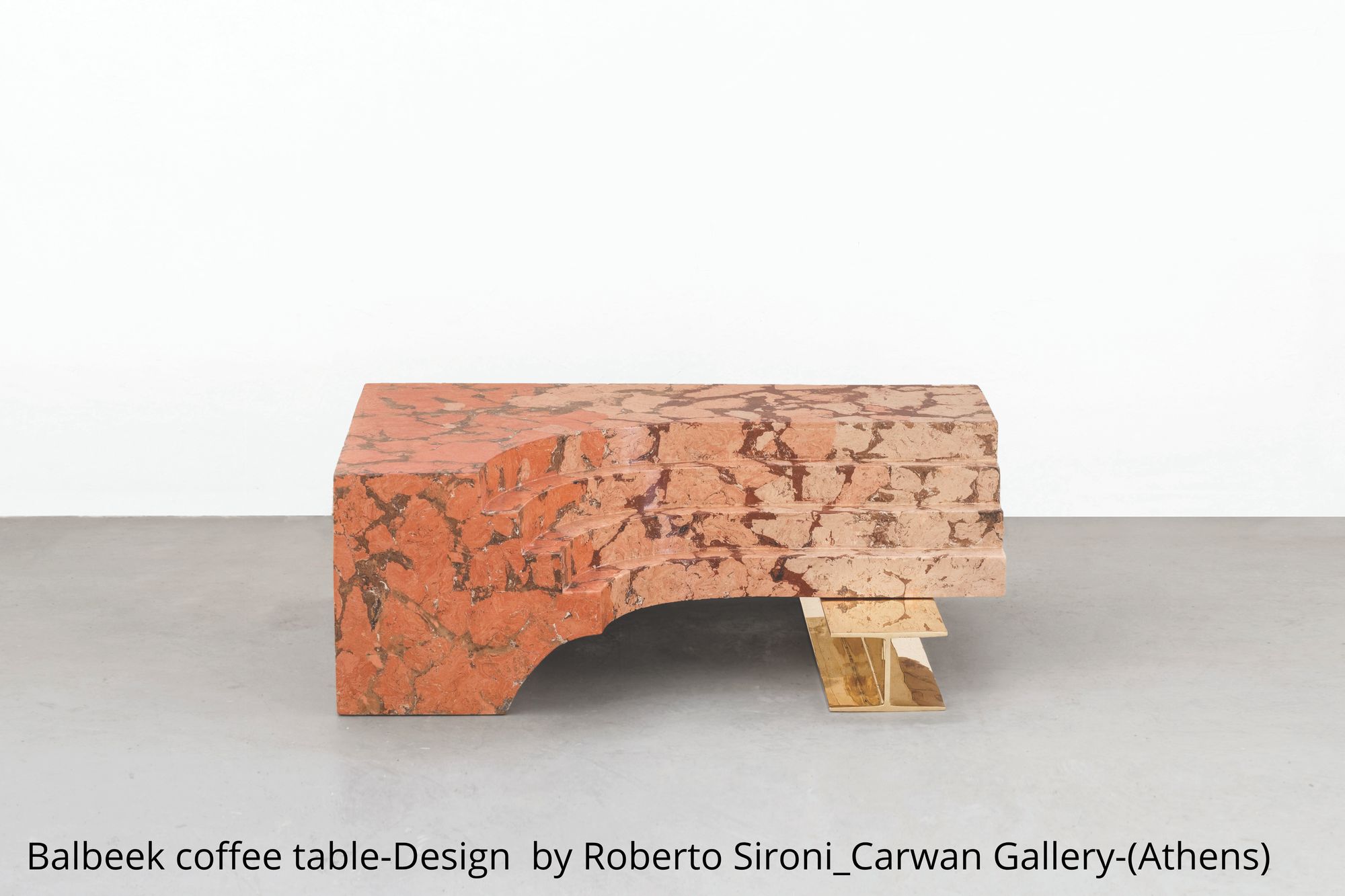

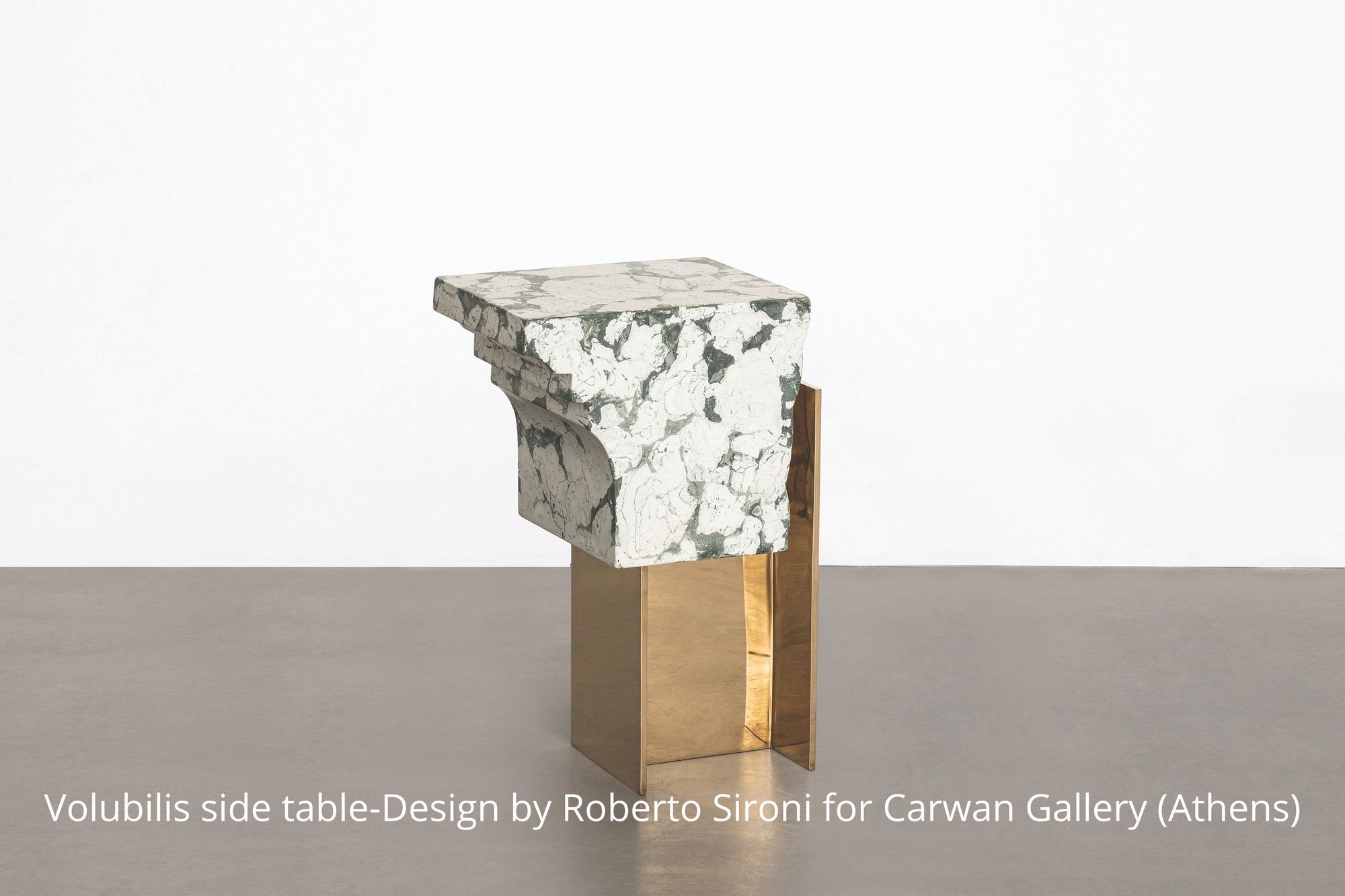


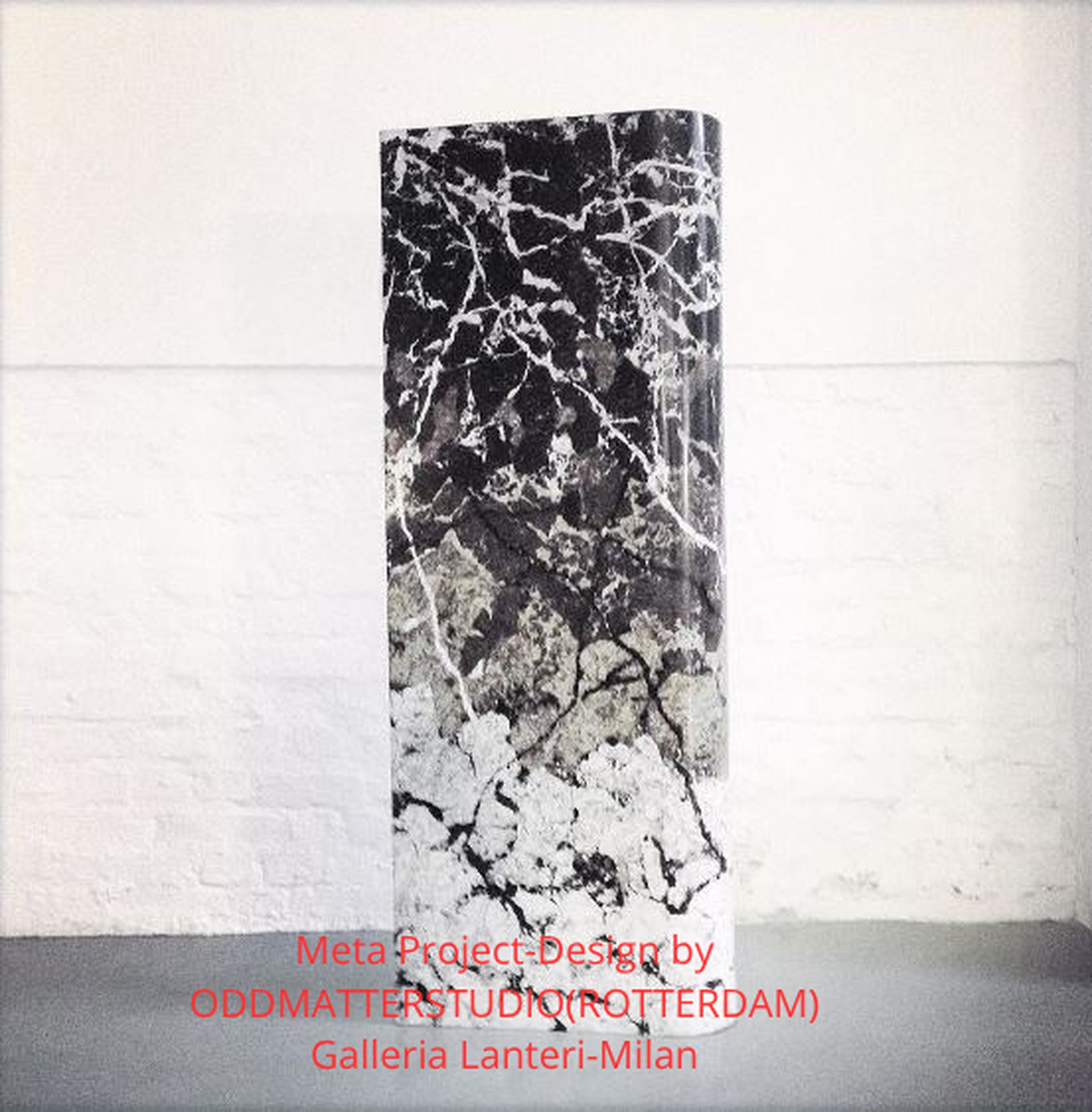
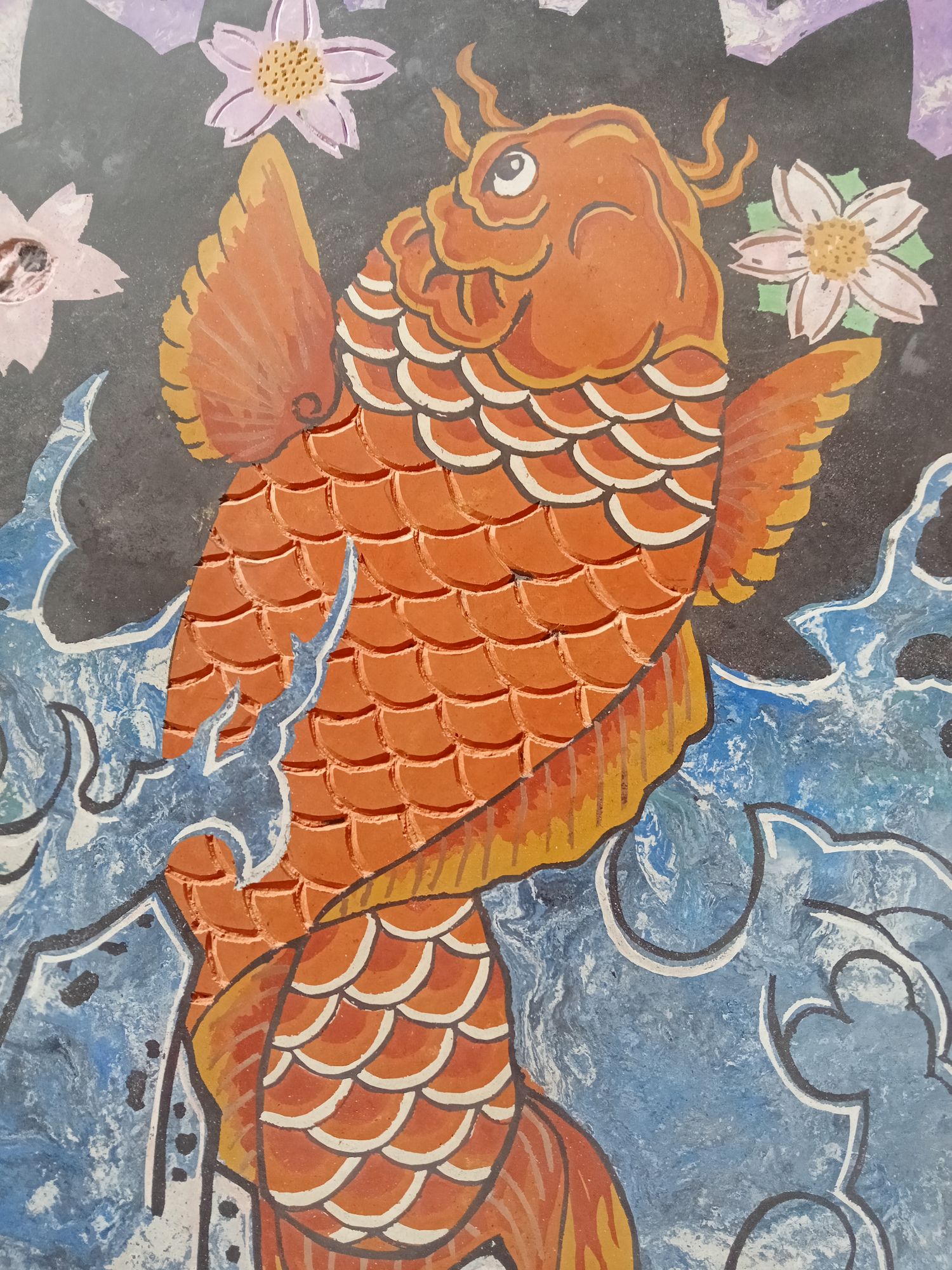
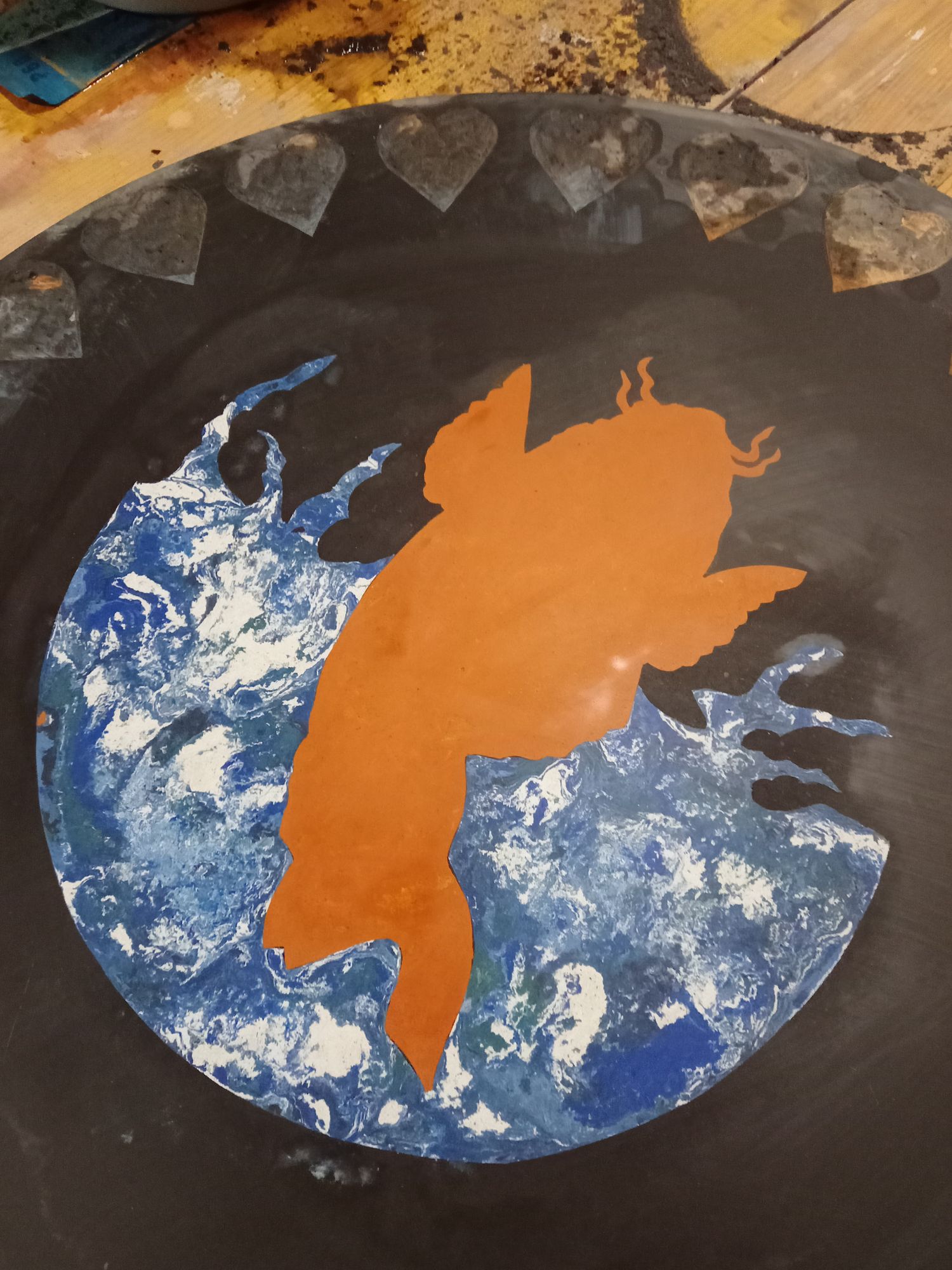
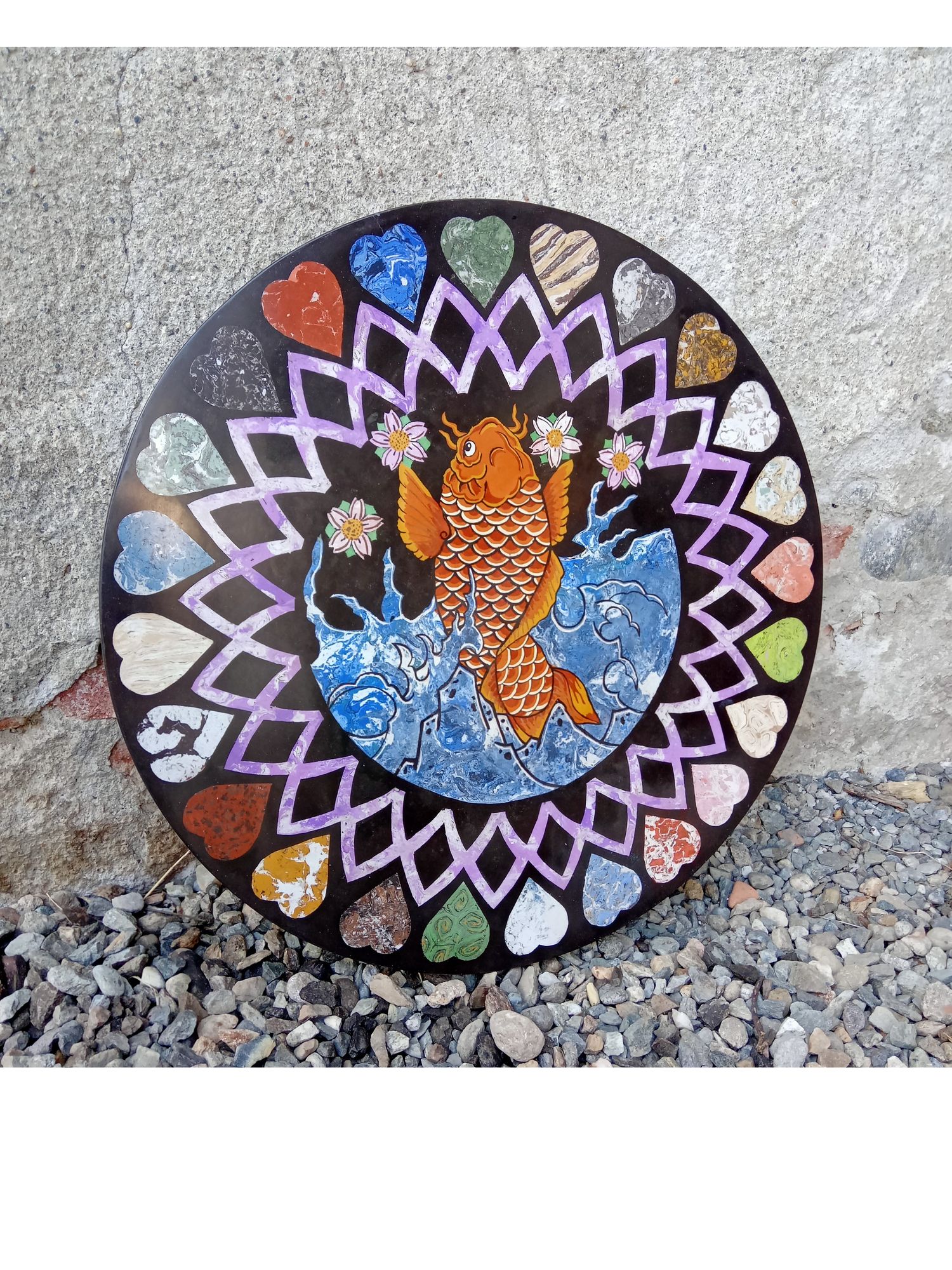
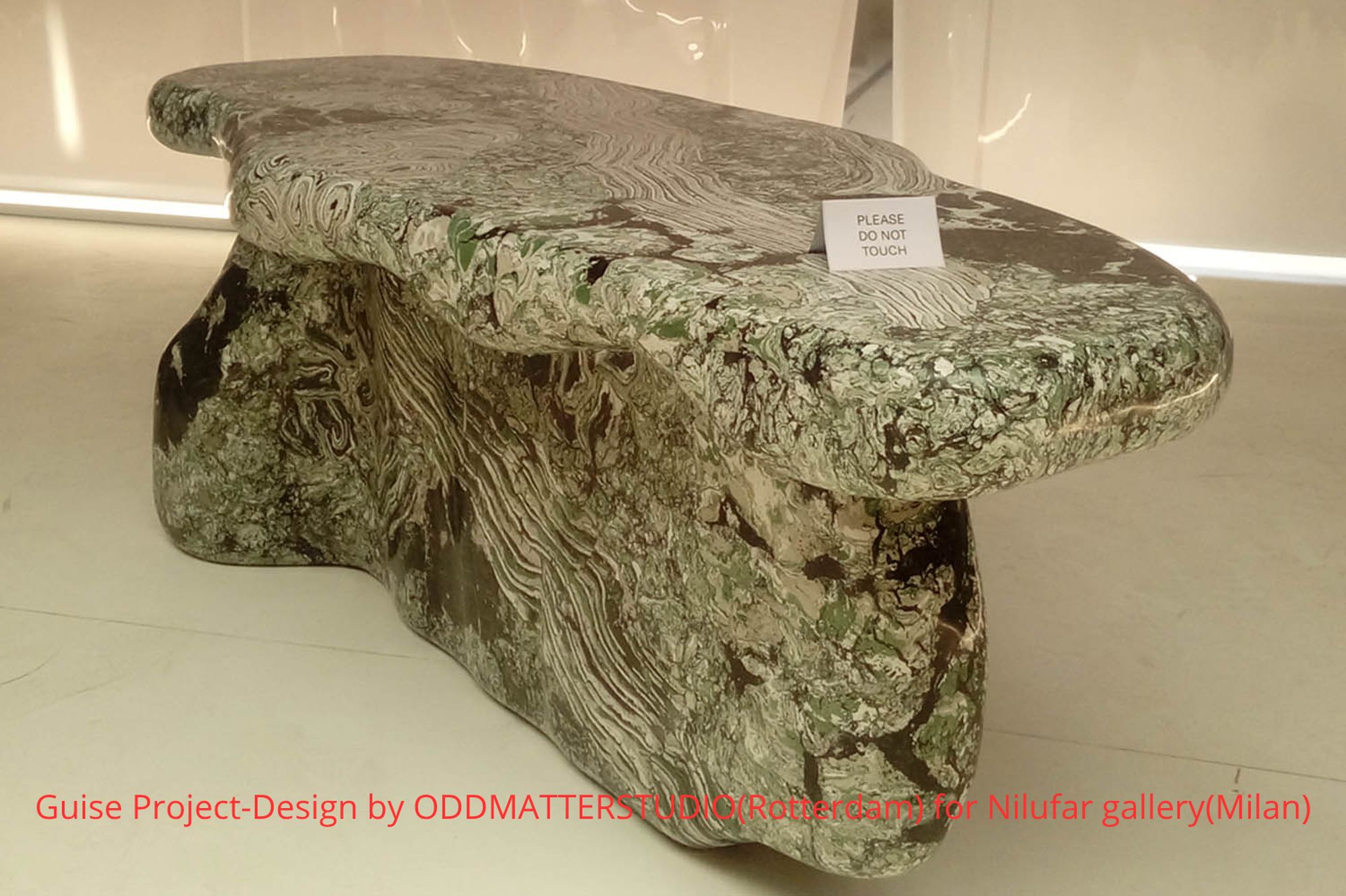


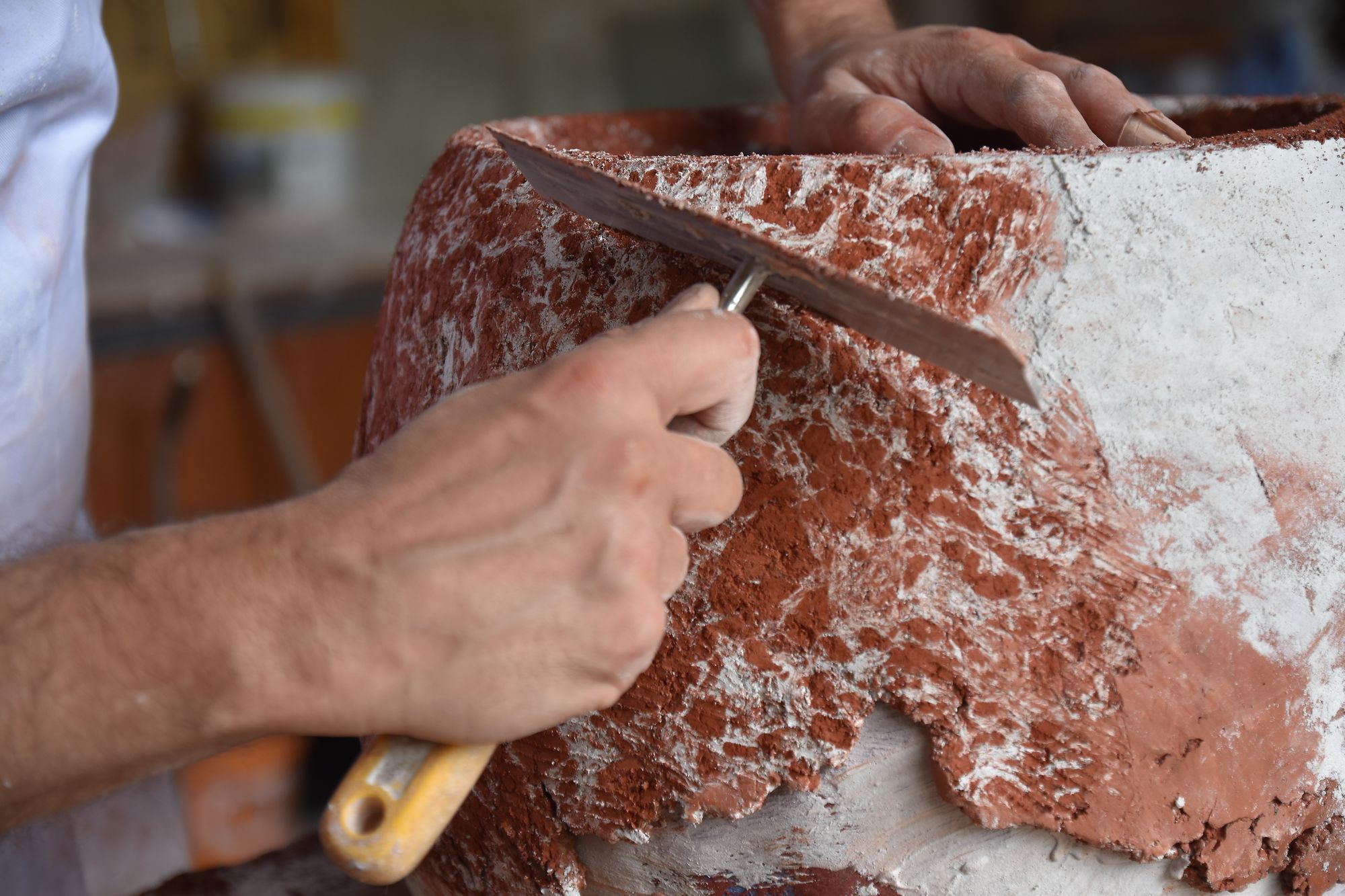
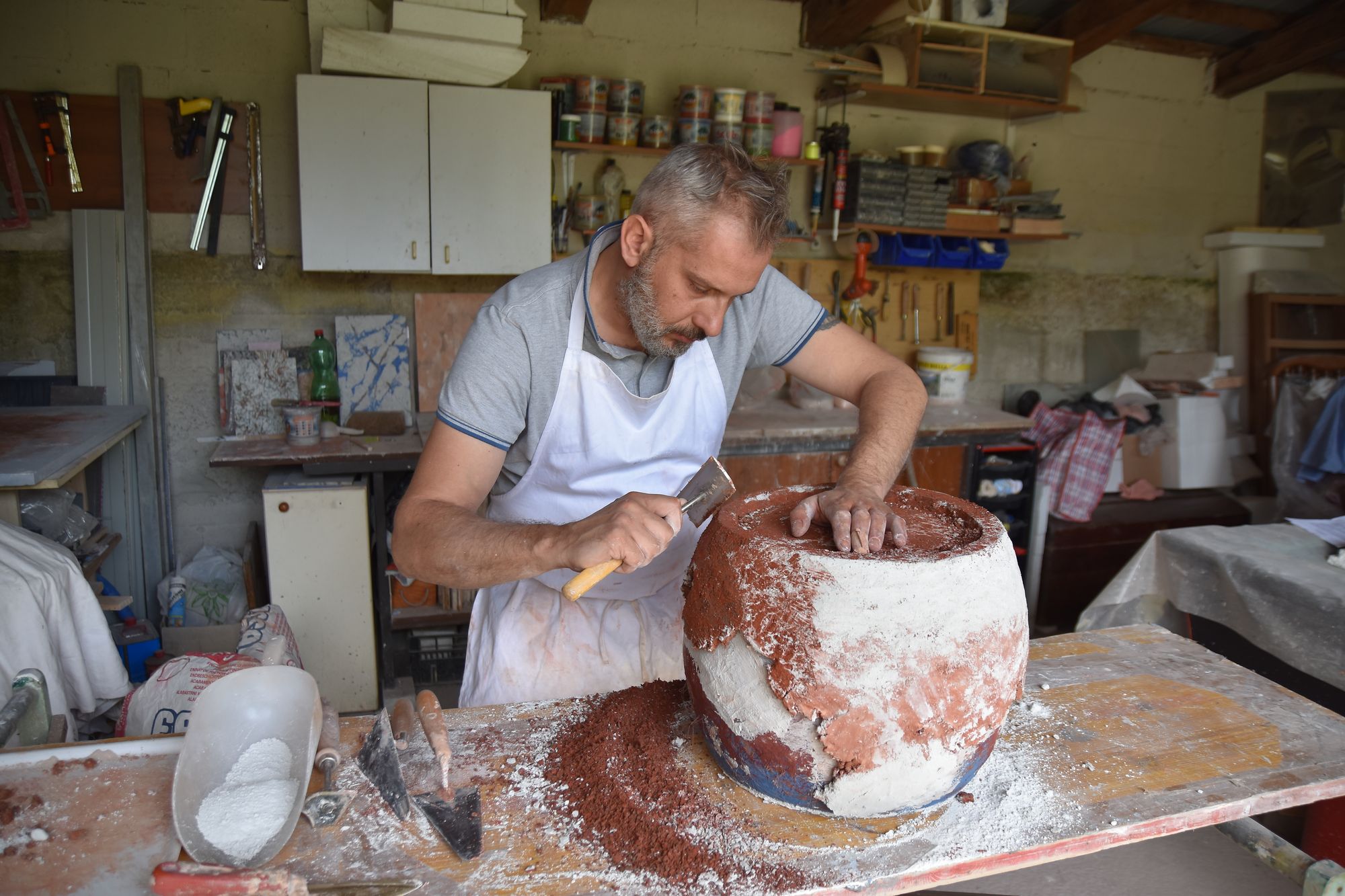

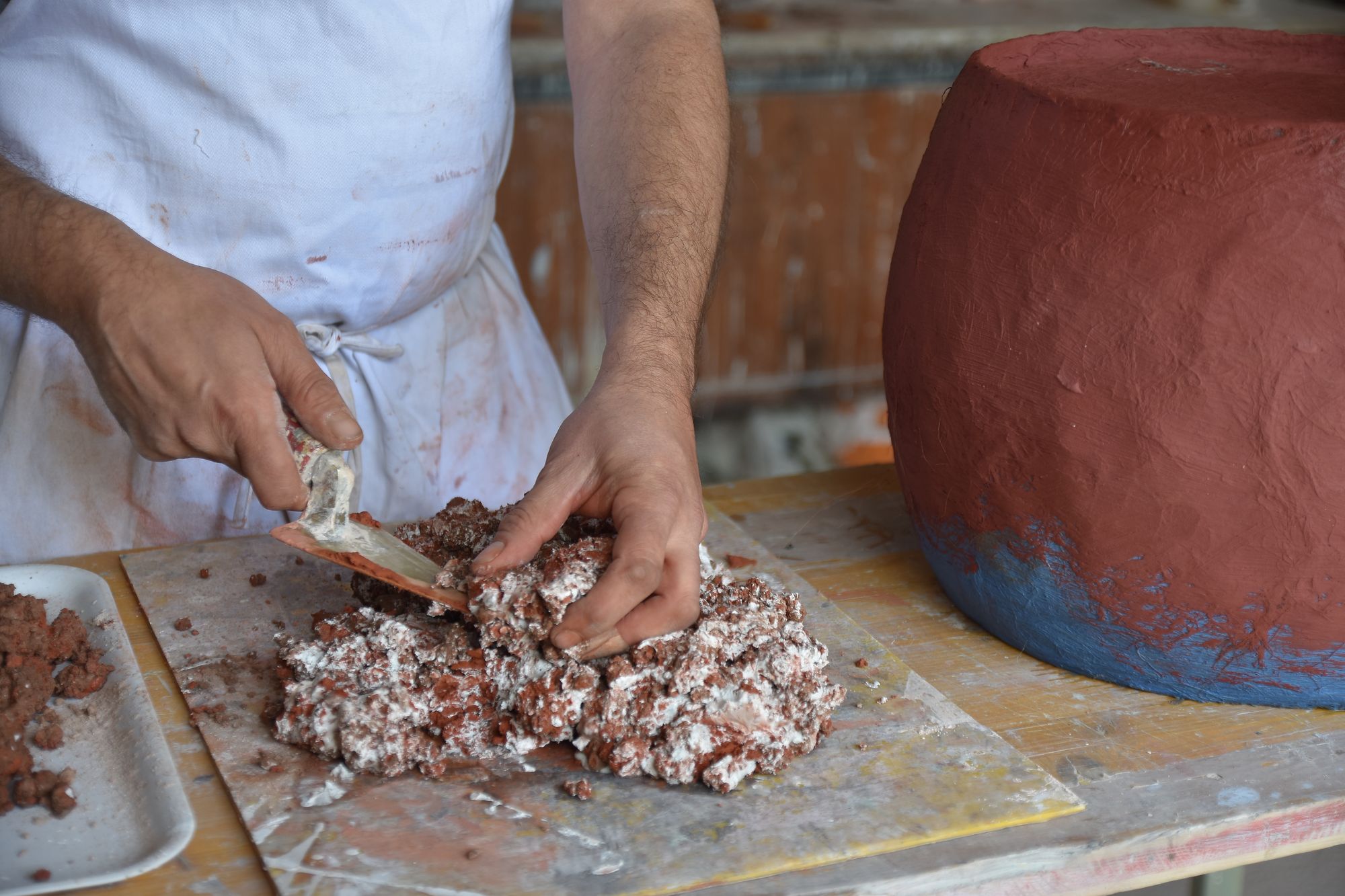
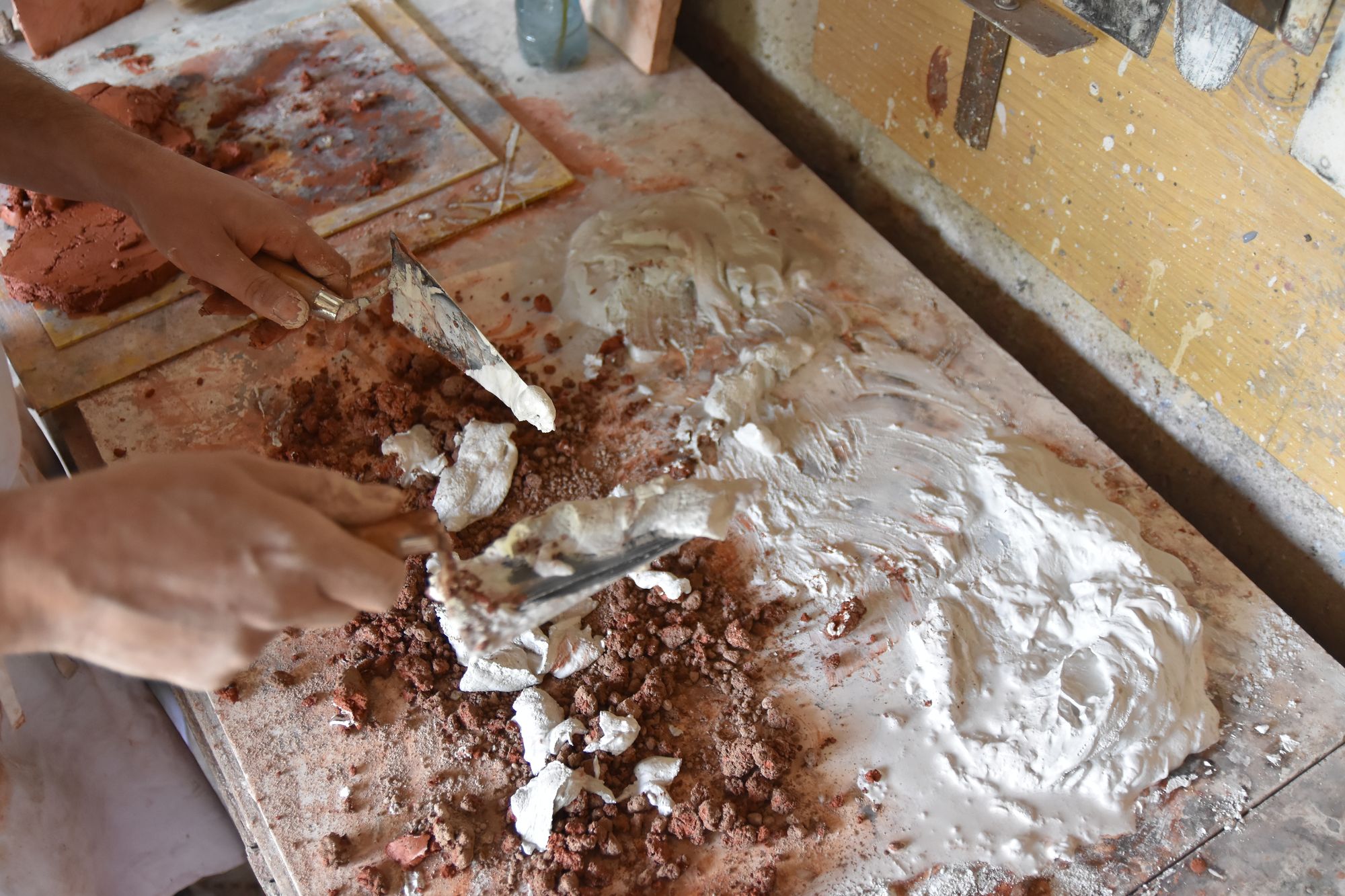
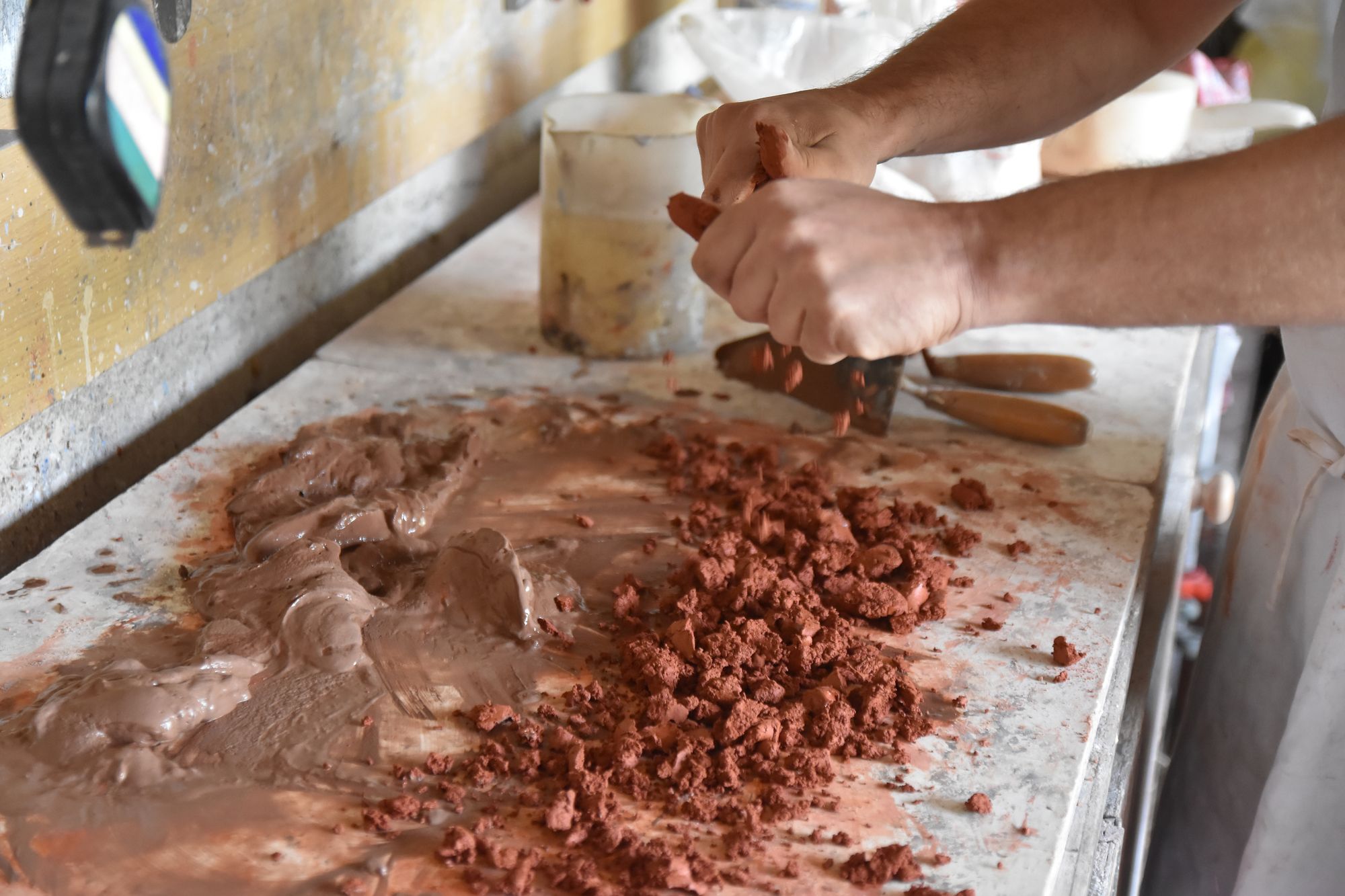
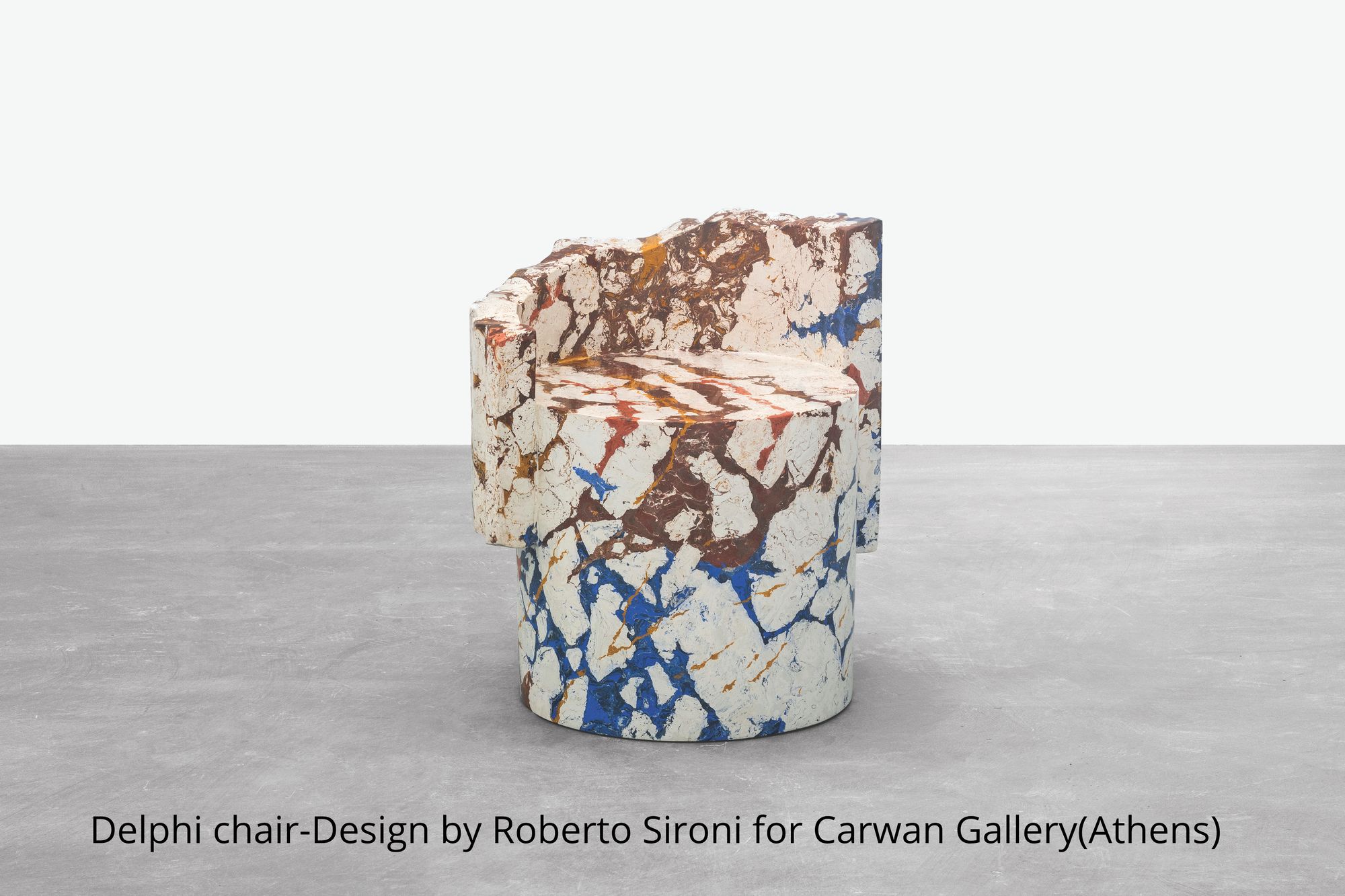

Scagliola is a decorative technique of Italian origin that combines artisanal skill, mastery of materials, and a keen sense of color. Emerging in the 17th century and widely developed in Italy, it allows for the creation of marble, stone, or other visually rich decorative effects using a mixture of very fine plaster, animal glue, and natural pigments.
Long used to adorn churches, palaces, and aristocratic residences, scagliola has established itself as a valuable alternative to real marble. Its greatest strength lies in its plasticity: it allows for an infinite chromatic palette and plays of veins, fractures, or clouds that the artisan composes by hand, using various traditional techniques or inlaid designs.
The meticulous and demanding manufacturing process relies on a succession of ritualistic steps: preparing the colors, applying the still-soft material, and cycles of stuccoing and sanding of increasing finesse until a perfectly smooth and glossy surface is achieved. The finish, applied with oil and beeswax, reveals the depth and luminosity characteristic of this technique.
Today, scagliola is experiencing a true revival. Artisans, designers, and restorers draw upon this tradition to create unique pieces: decorative panels, contemporary furniture, objets d'art, tabletops, and architectural elements. Each handcrafted creation bears the variations and irregularities that make it truly singular.
At the crossroads of art and craft, scagliola remains a rare technique, passed down by a few masters who perpetuate this centuries-old expertise. She embodies a sensitive relationship with materials and offers unparalleled creative freedom, making each piece a work deeply rooted in history while engaging in a dialogue with contemporary creation.
Afternoon
Morning
Afternoon
Morning
Afternoon
Morning
Afternoon
Morning
Afternoon
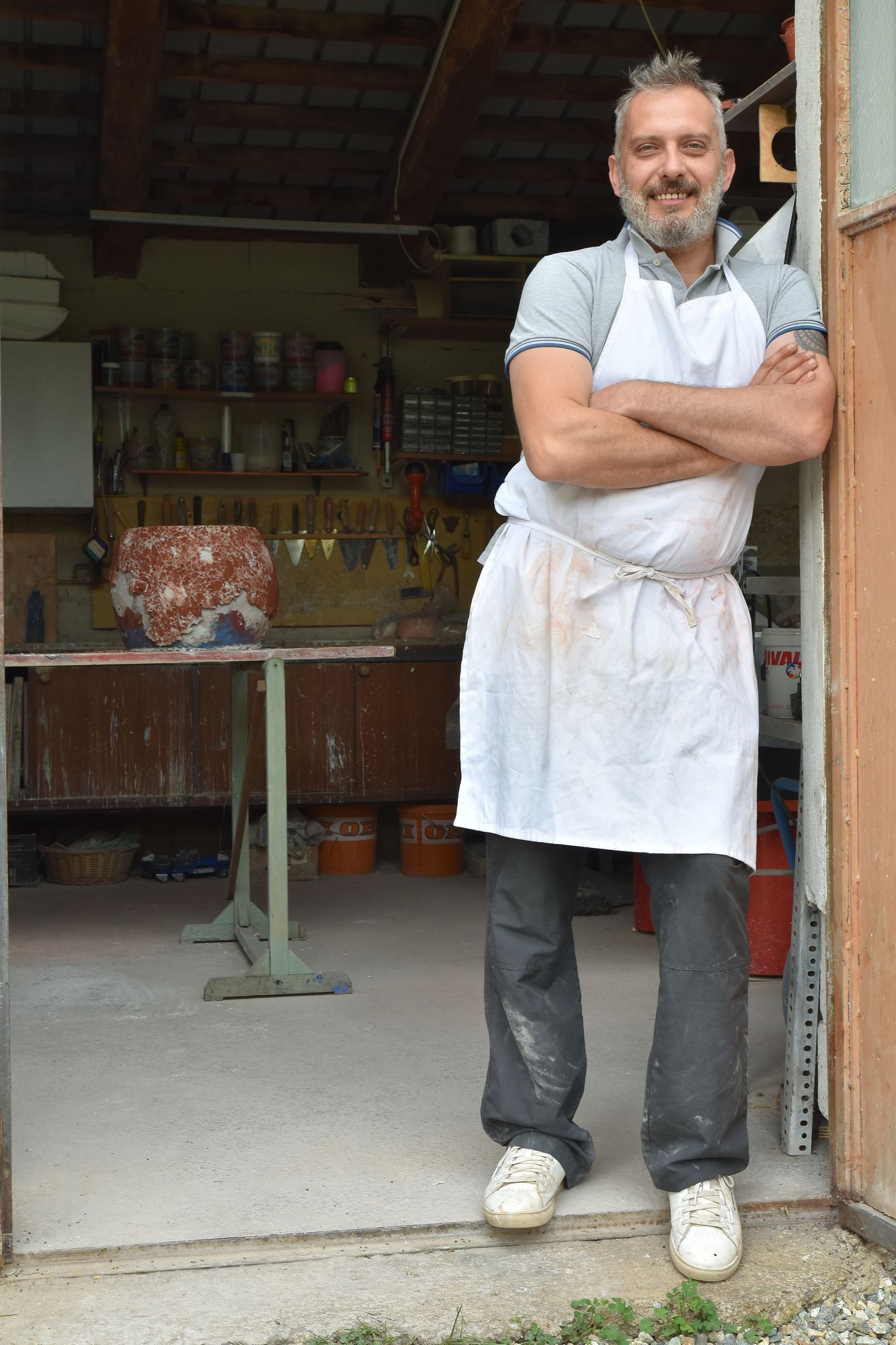
Born in 1977 in Biella, Piedmont, Simone Desirò was immersed in the world of decorative arts from childhood, inspired by his maternal grandfather and his father—both decorators. After completing his studies, he joined the family business, where he honed his appreciation for decorative craftsmanship.
He went on to supplement his training with specialized courses in gilding and the painting of faux marble, faux wood, and faux moldings. In 2005, he discovered the *scagliola* technique through the Rima Artificial Marble Association. Studying under master craftsman Silvio Dellavedova—the last guardian of this Piedmontese tradition—Desirò mastered the craft and gave it a contemporary twist.
A victory in a regional competition in 2016 marked a turning point: he brought *scagliola* into the realm of collectible design, reinterpreting it for the modern era. Since then, collaborations with designers, international galleries, and major fashion houses have enabled him to create unique pieces, cementing his reputation as a standout artisan in the revival and reimagining of this ancient technique.
Training 100% financeable by AFDAS, or partially covered by AGEFICE.
AFDAS can fully fund training courses conducted outside of France, under certain conditions.
This program is for affiliated or registered artists and authors, as well as performing arts professionals working on a freelance basis.
If you are eligible, we encourage you to contact our sales department beforehand via the "Information Request" form to prepare your application, or to register directly through the page of your chosen training course.

sola di San Servolo,1
Venice, Italy 30124
General Inquiries:
T: +39 344 7702 589
contact@campusmana.com