





For the first time, Campus MaNa is offering a unique and original course in textile design, combining sewing and ornamentation, led by Stéphane Plassier, fashion designer and lecturer at the Institut Français de la Mode (IFM) as part of the Global Fashion Management Executive MBA program. This course teaches students how to design and make clothes without using a sewing machine, drawing inspiration from traditional textile practices and contemporary creative processes.
The pieces created, whether lightweight or more structured, are designed to last and can be reproduced after the course.
At the end of the course, students will be able to:
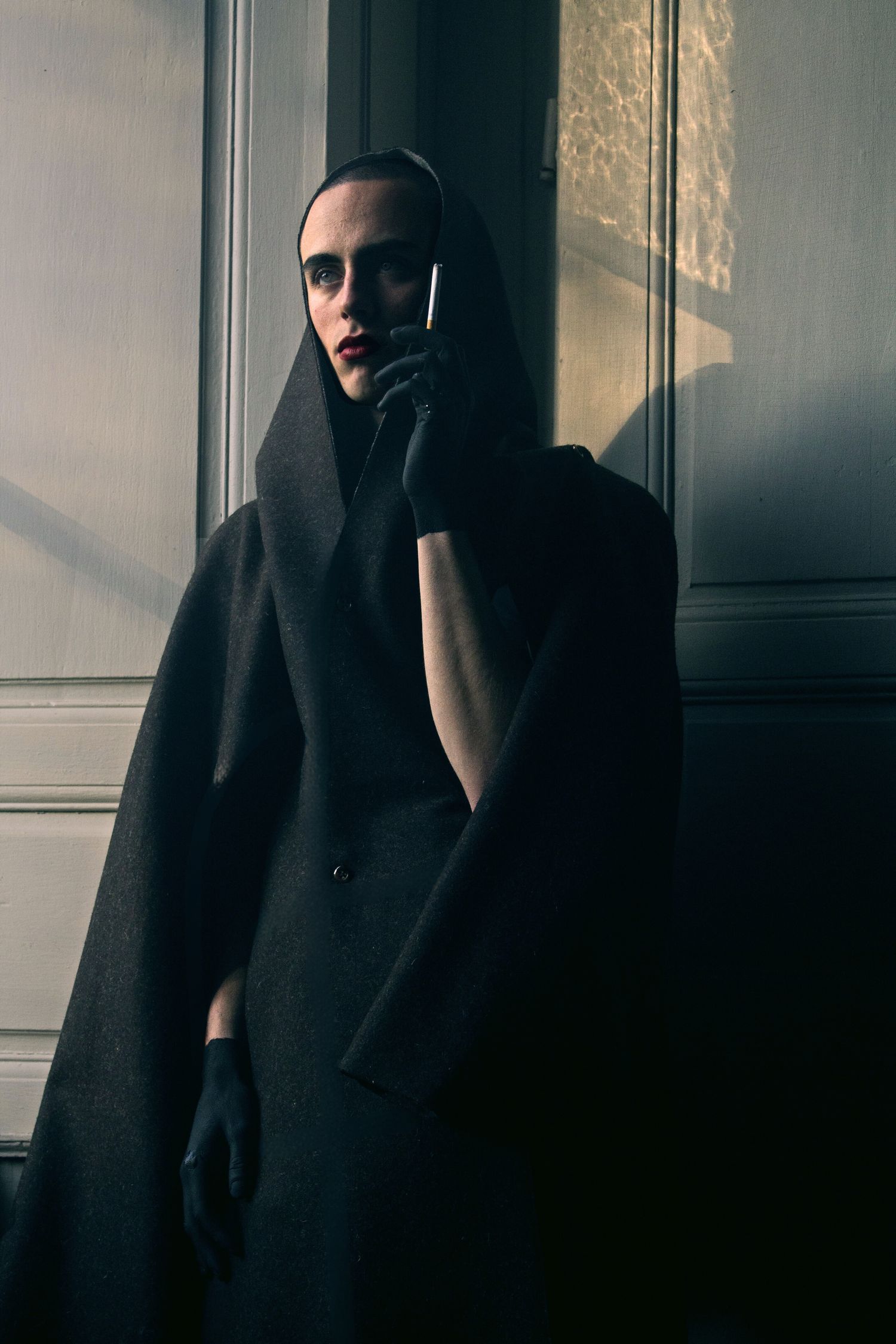
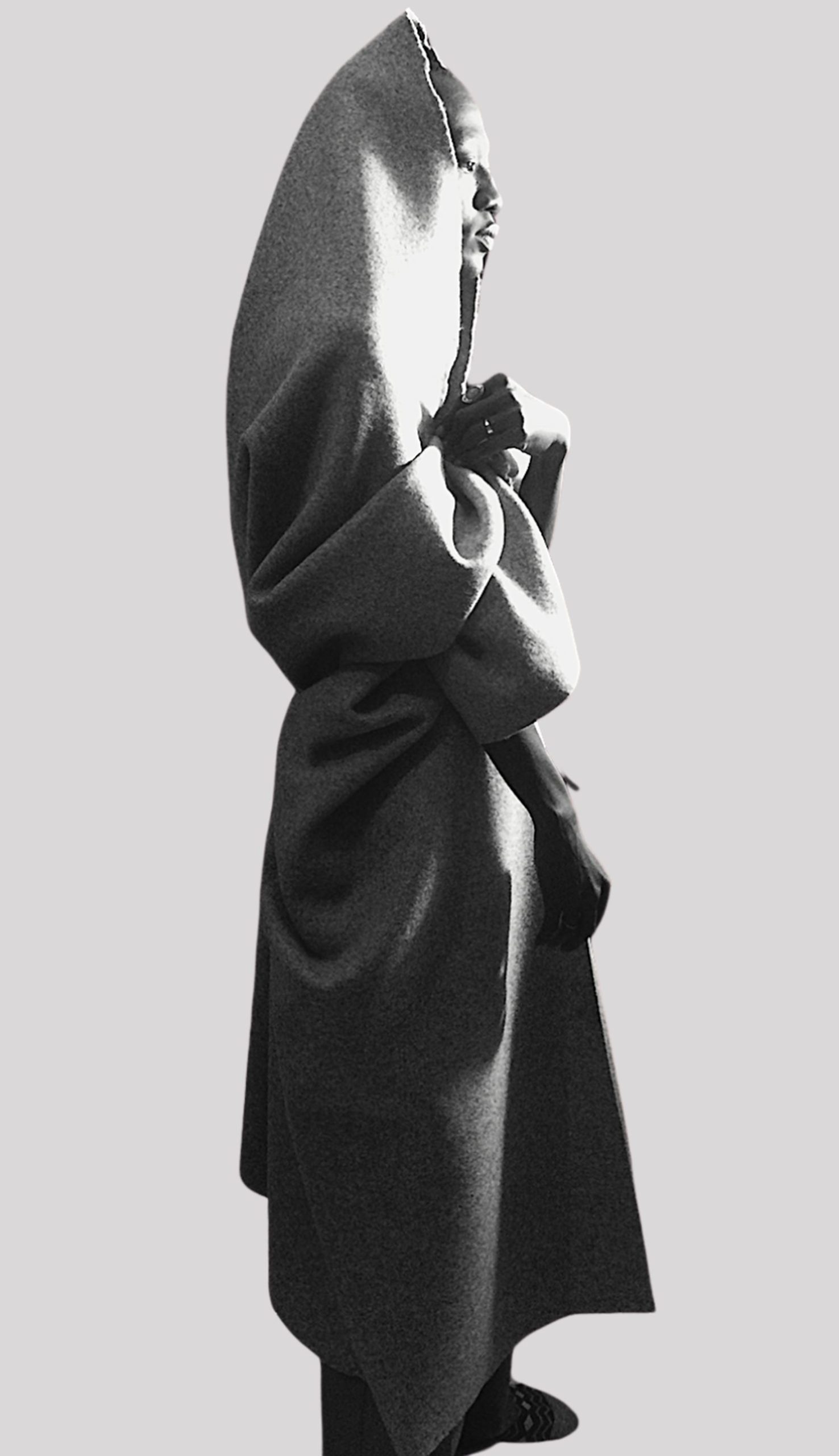
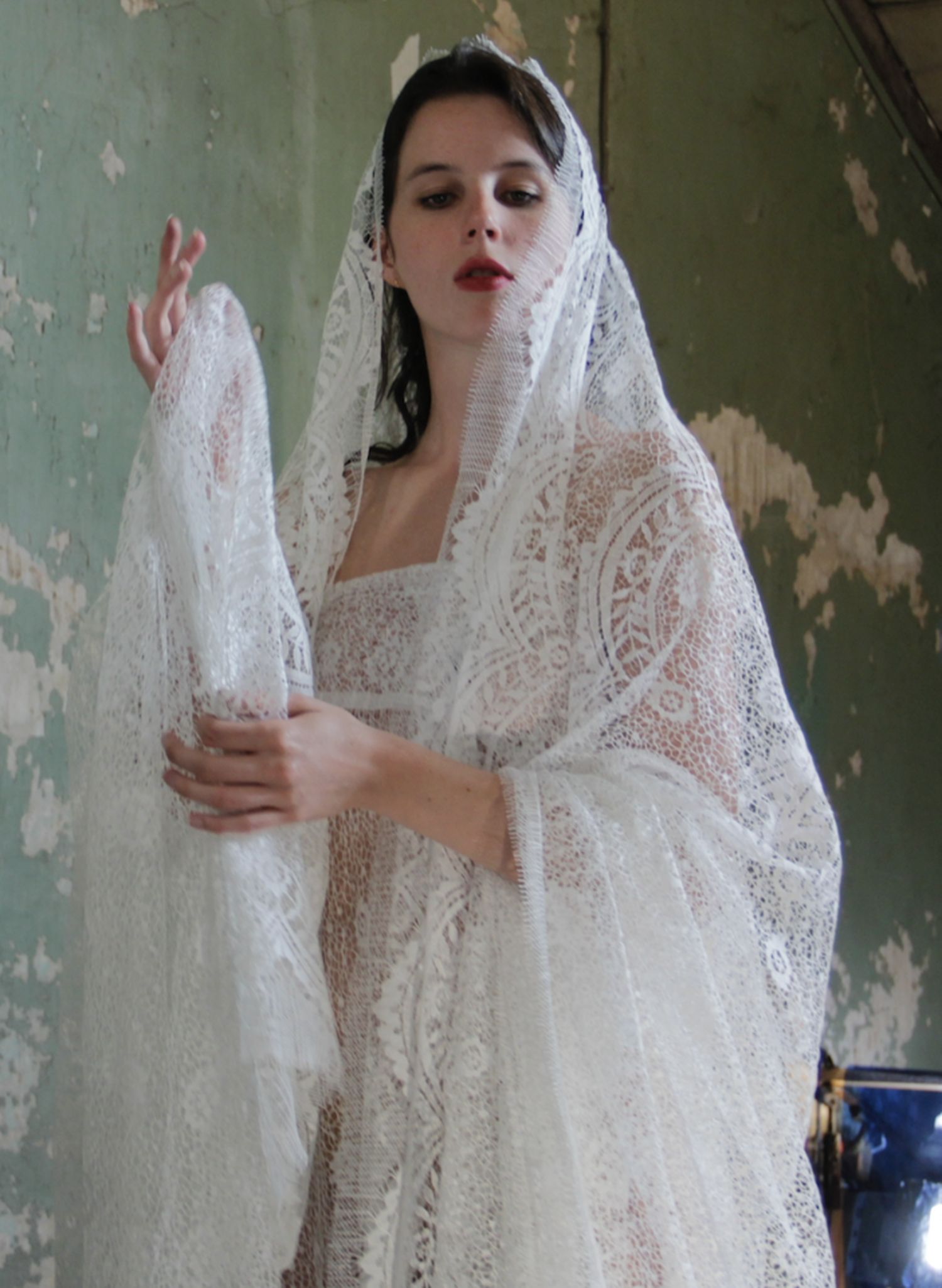
This course offers an immersion into the world of textiles worn across civilizations, questioning their function, symbolism, and cultural use. From saris to ponchos, veils to stoles, shawls to plaids, these pieces of fabric tell stories of identity, social status, and rites of passage.
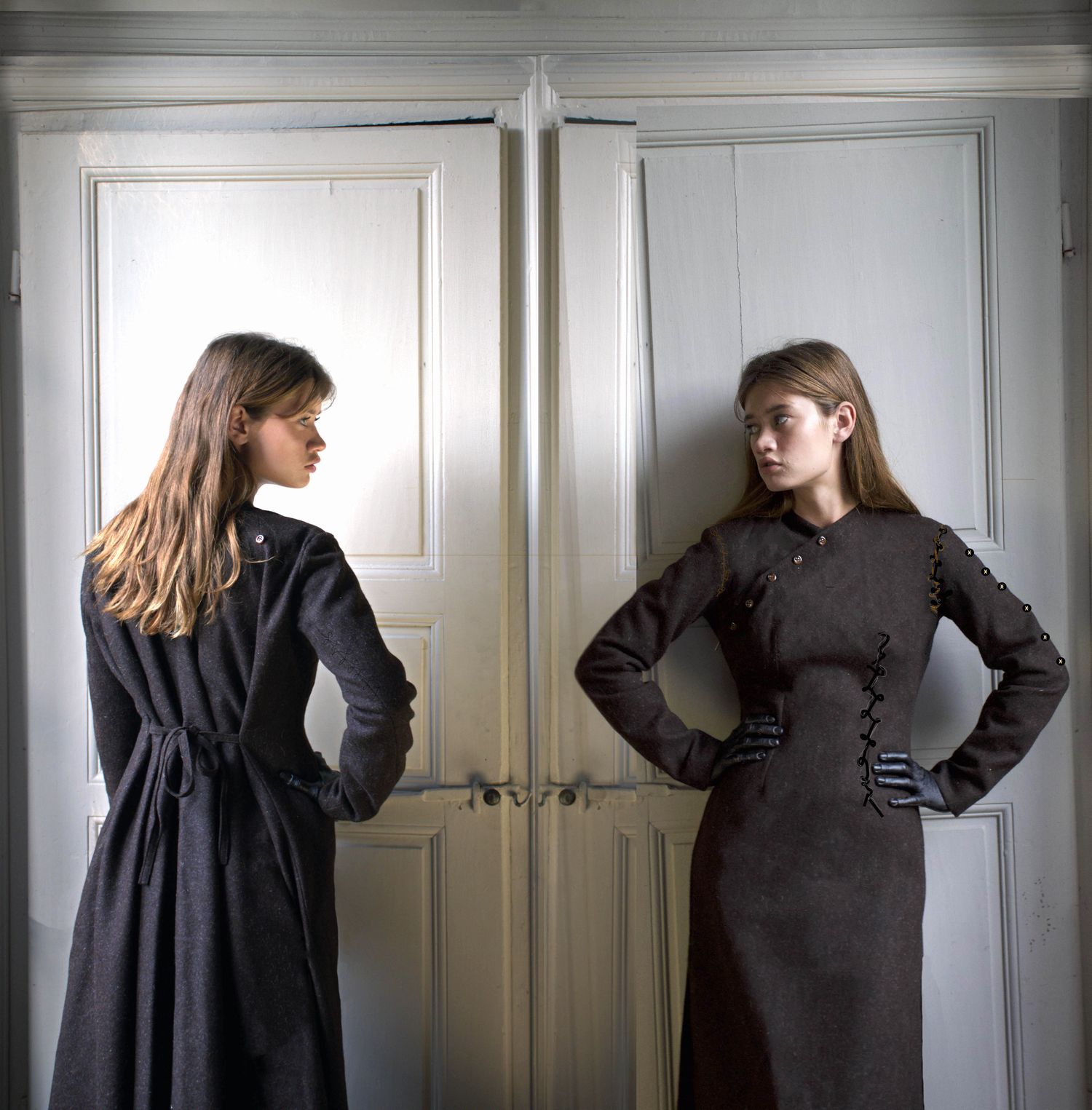
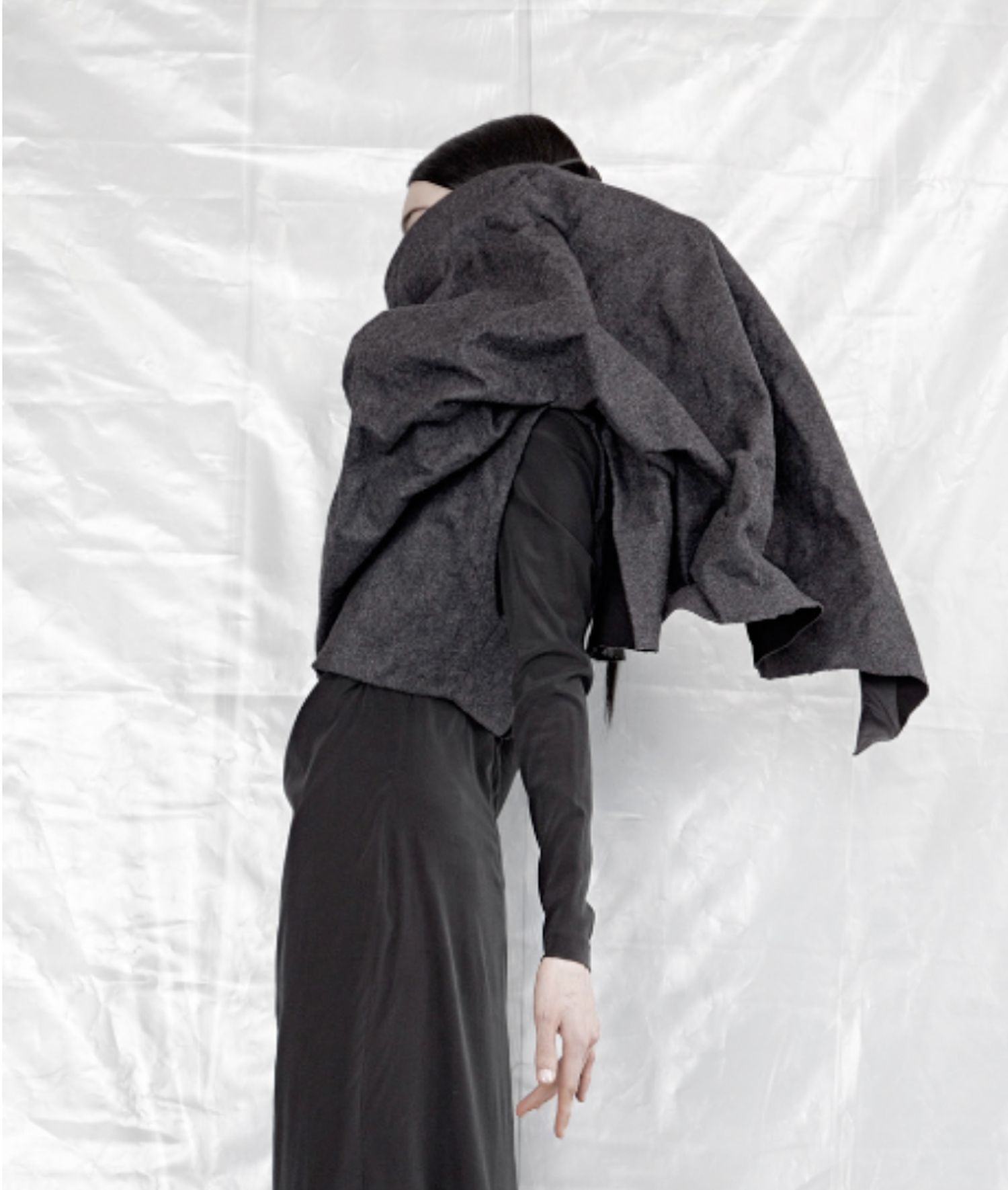
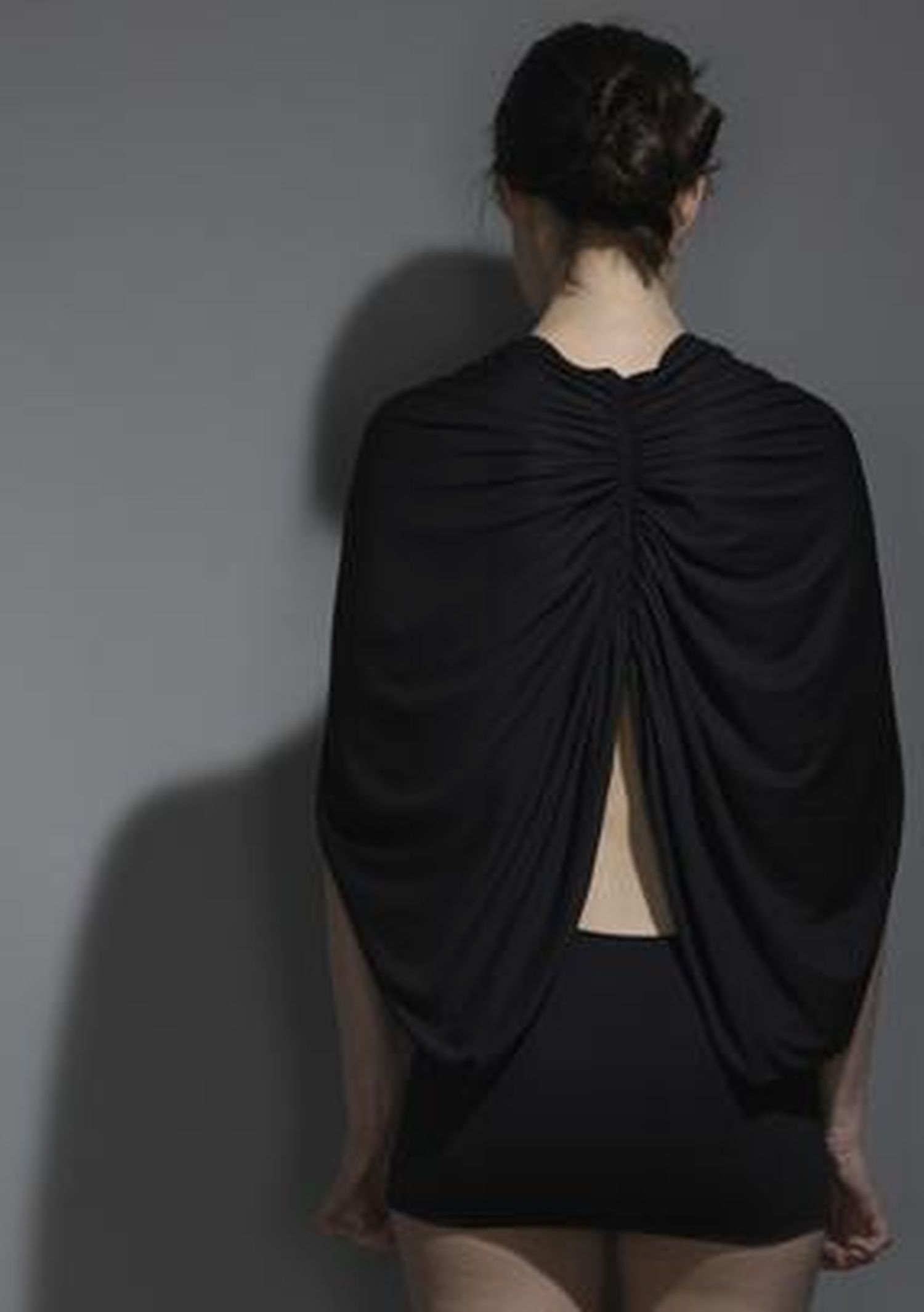
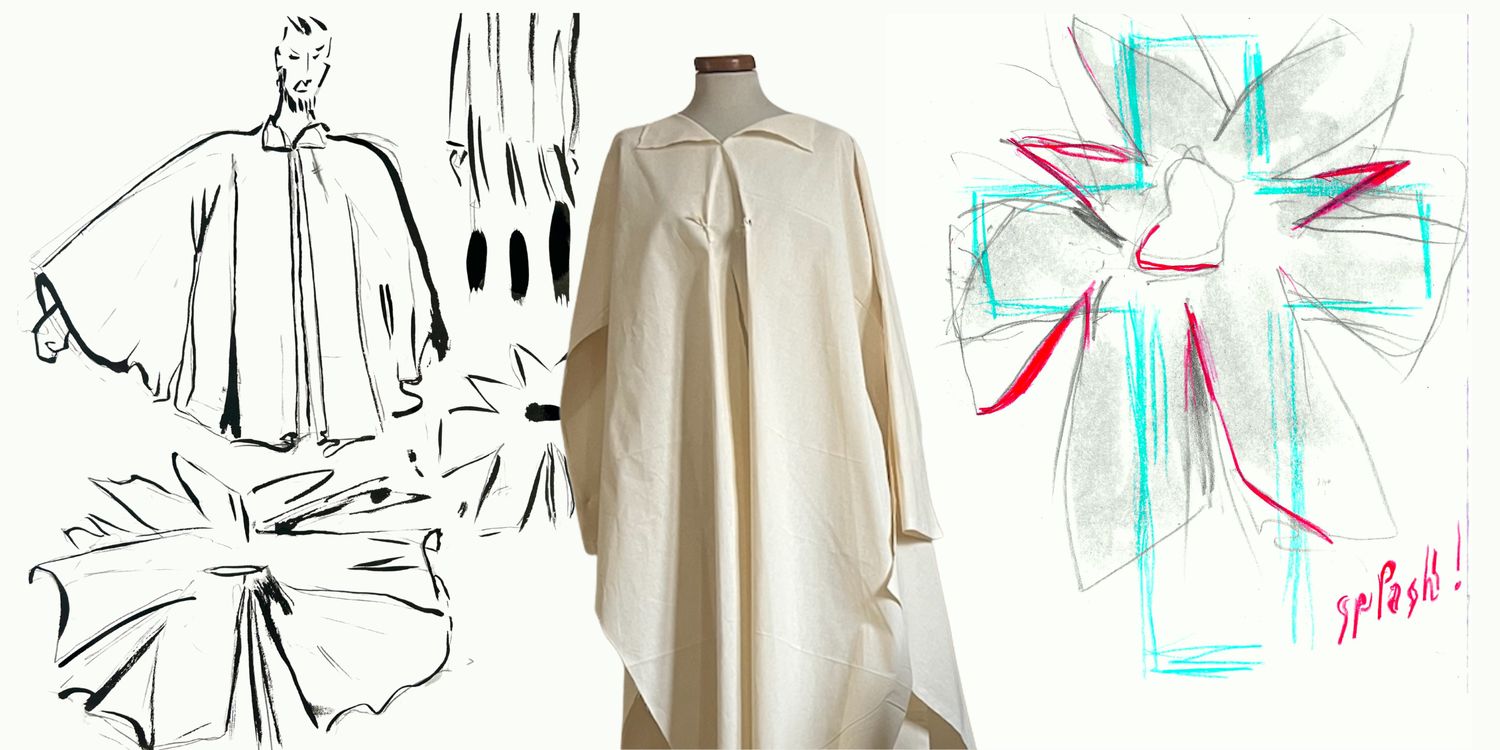
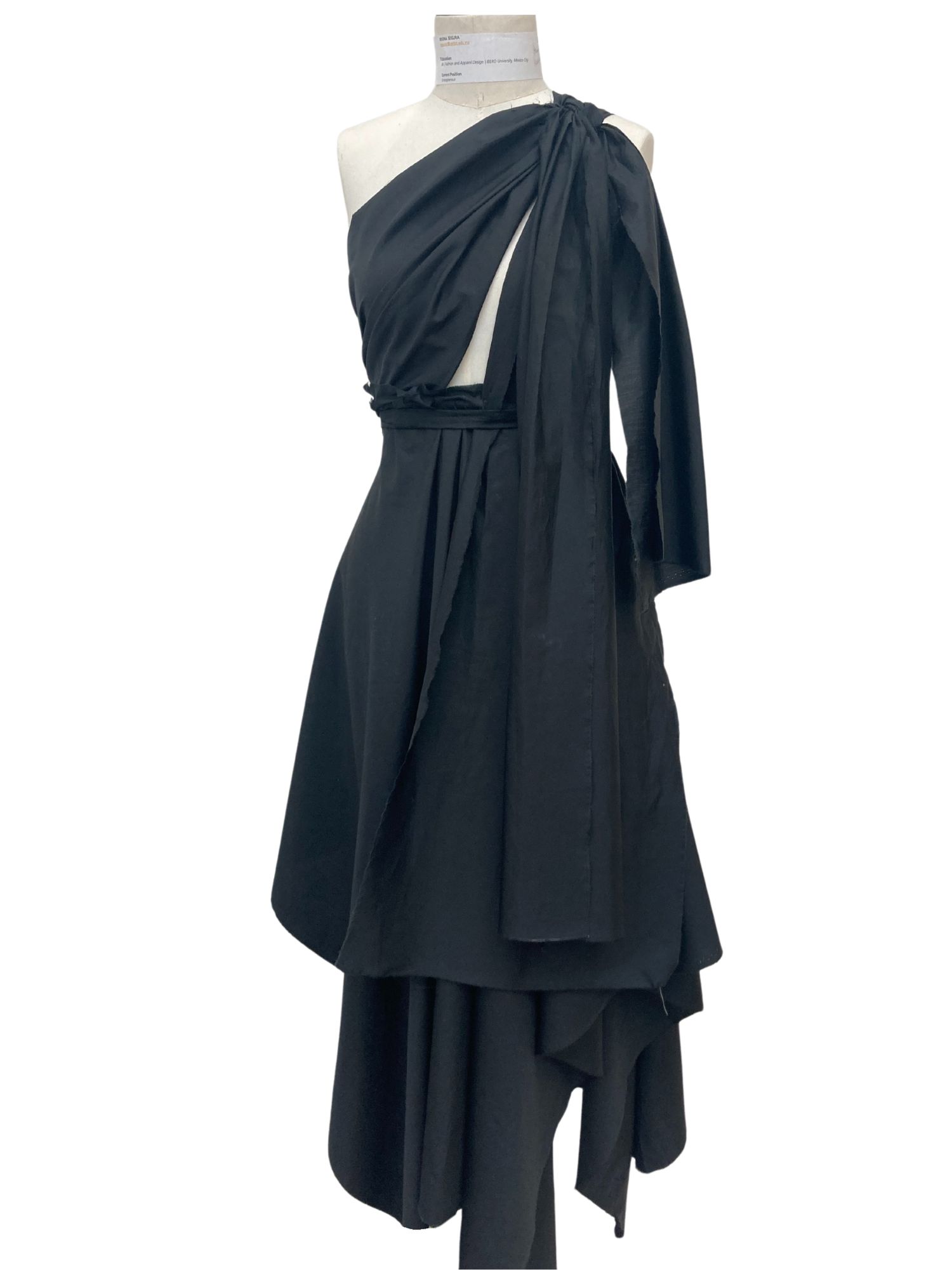
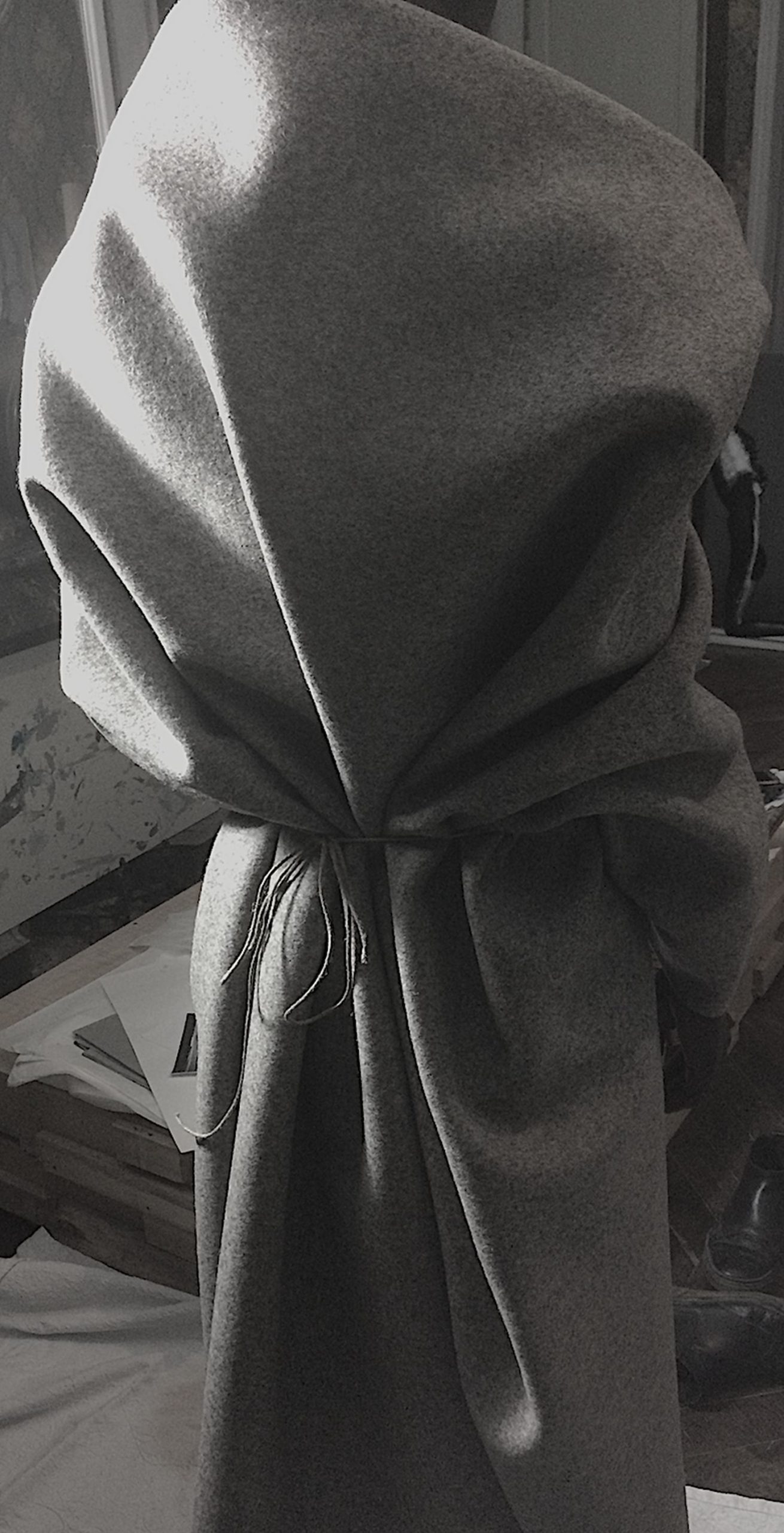
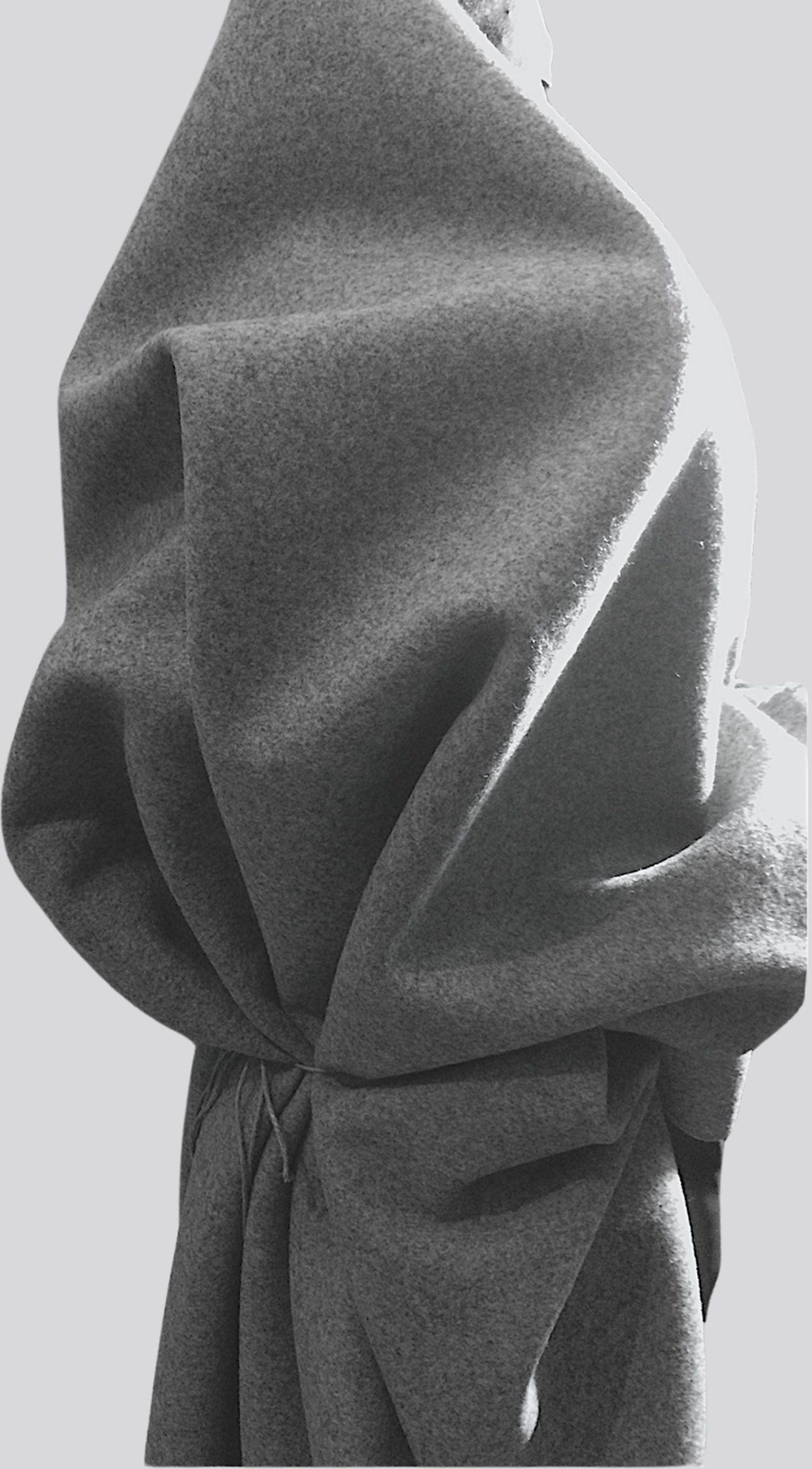
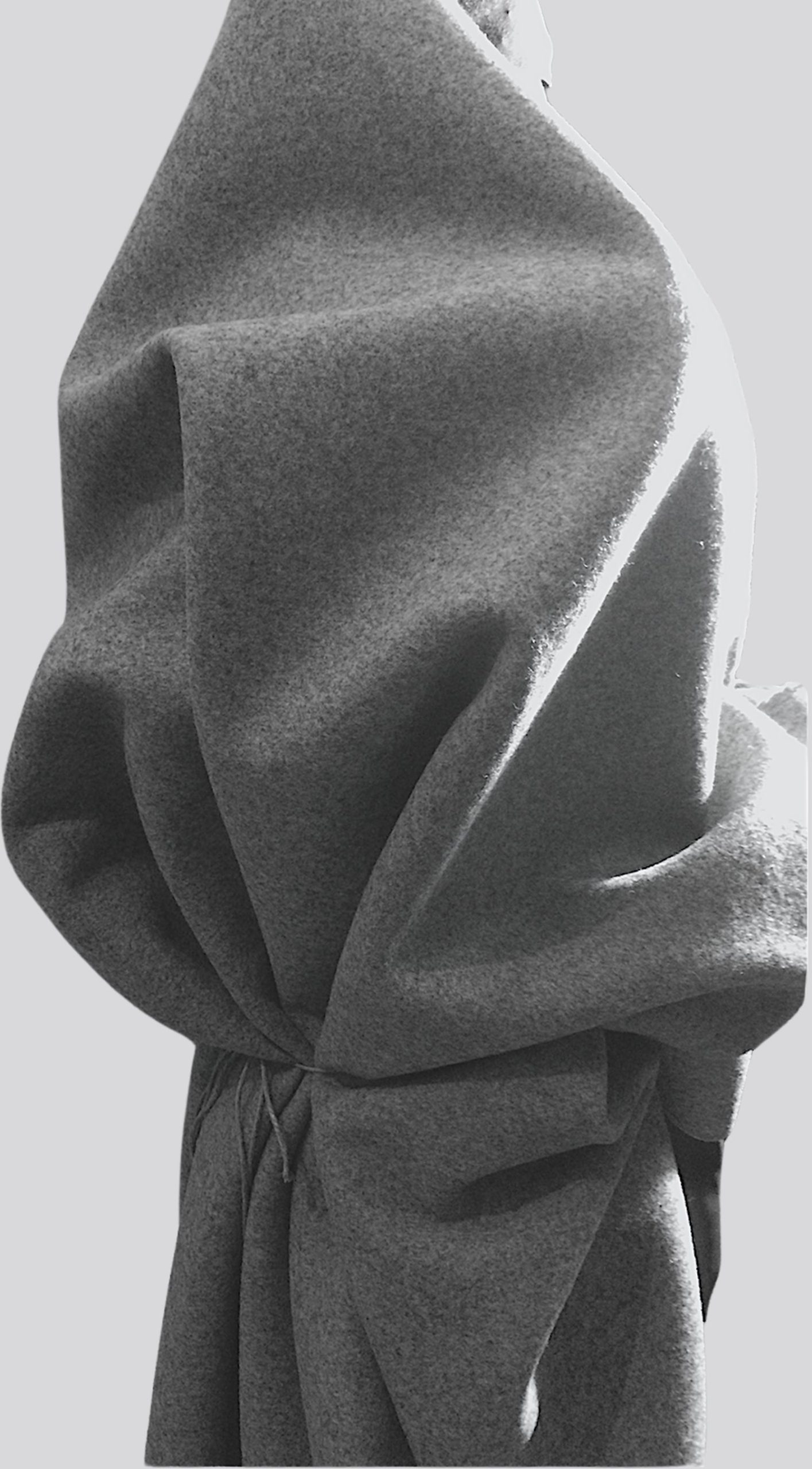
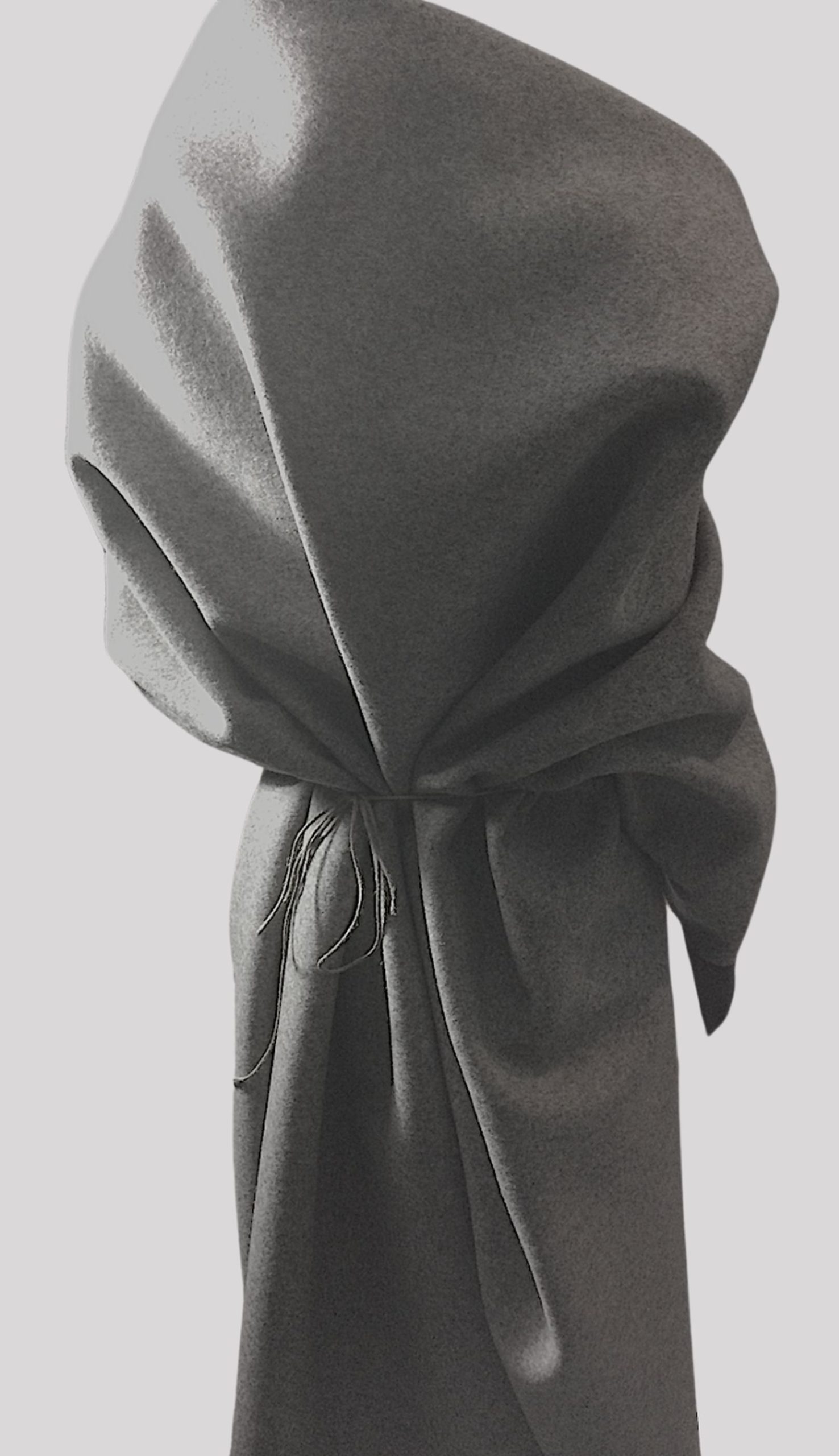
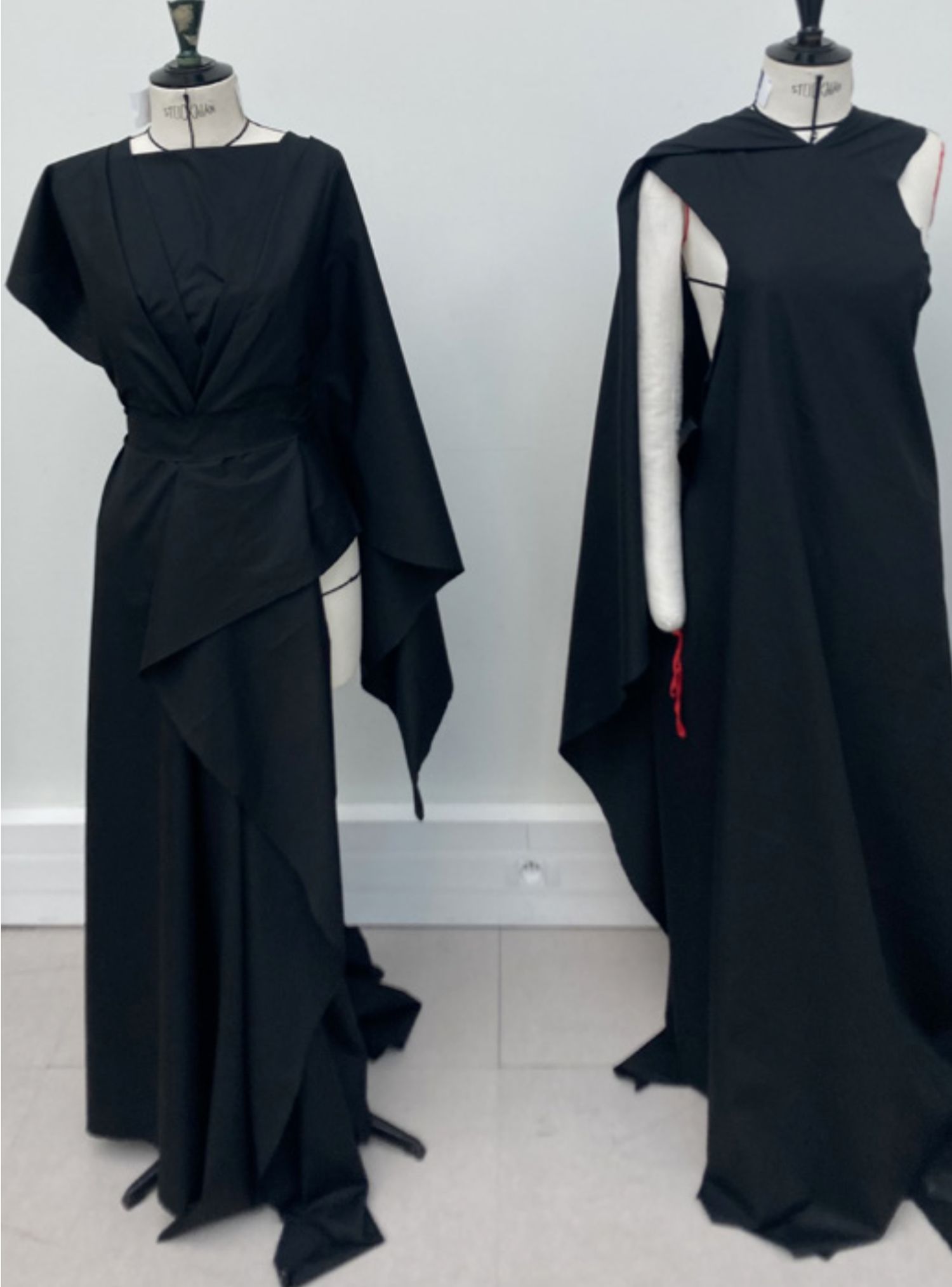
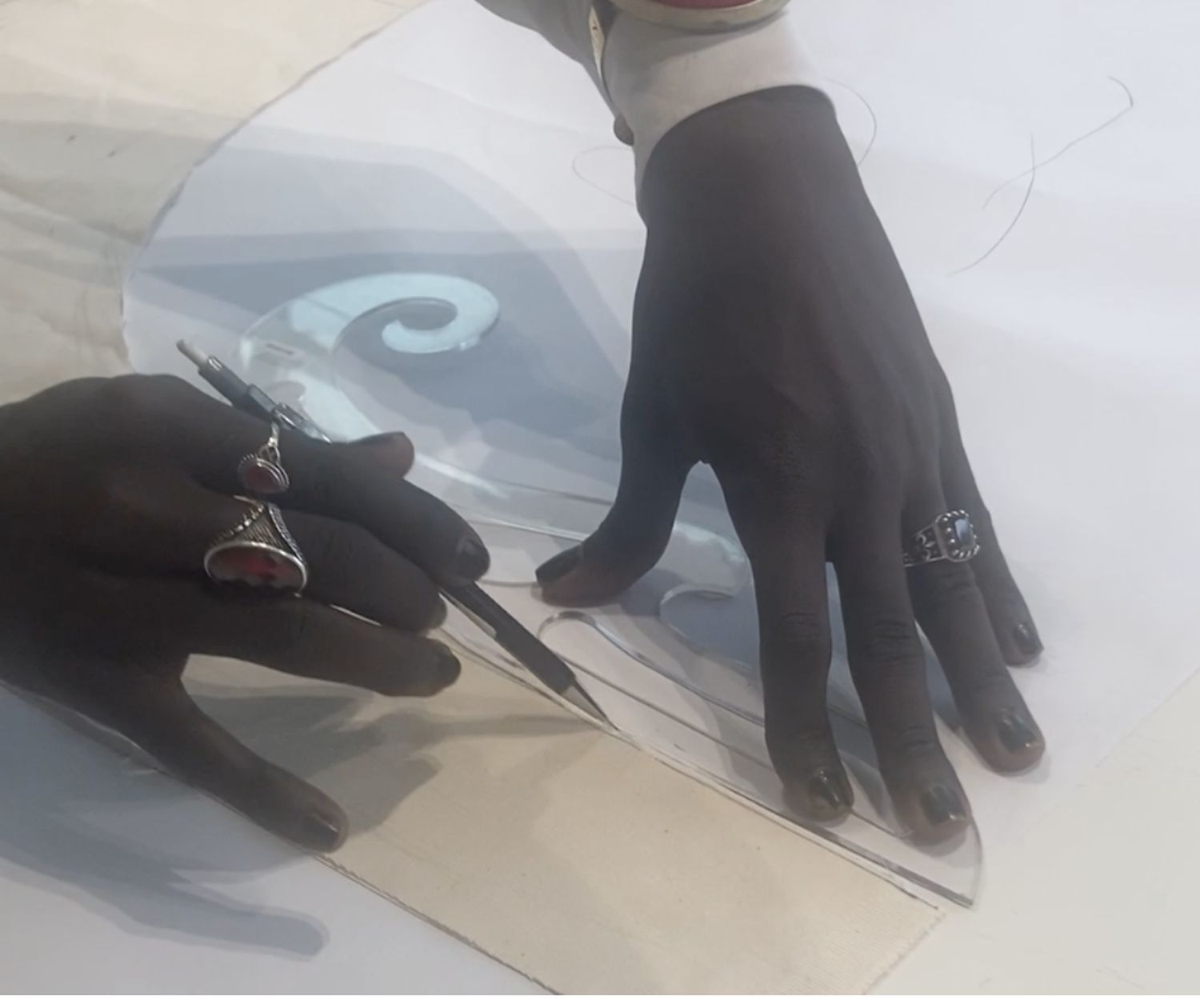
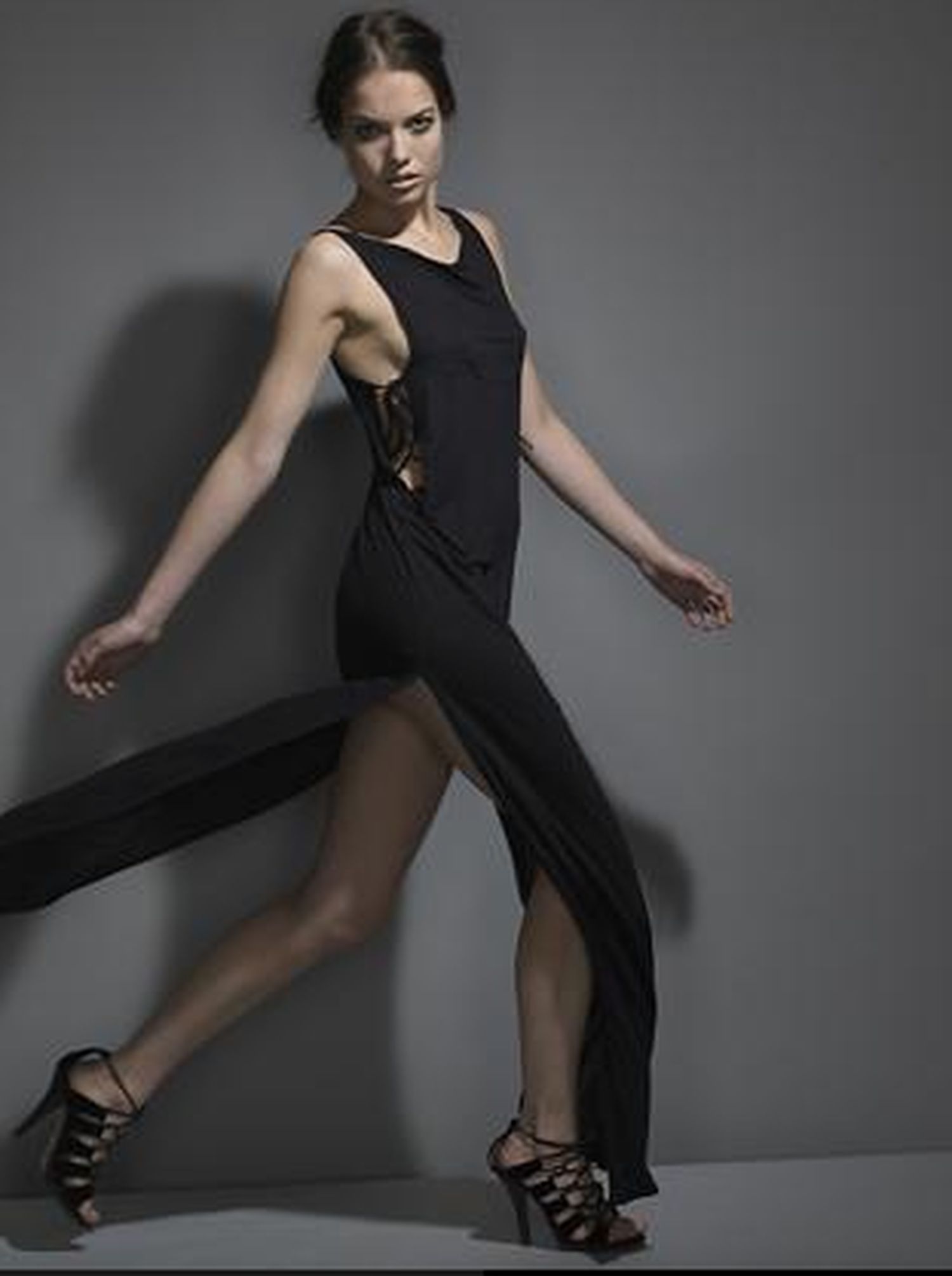
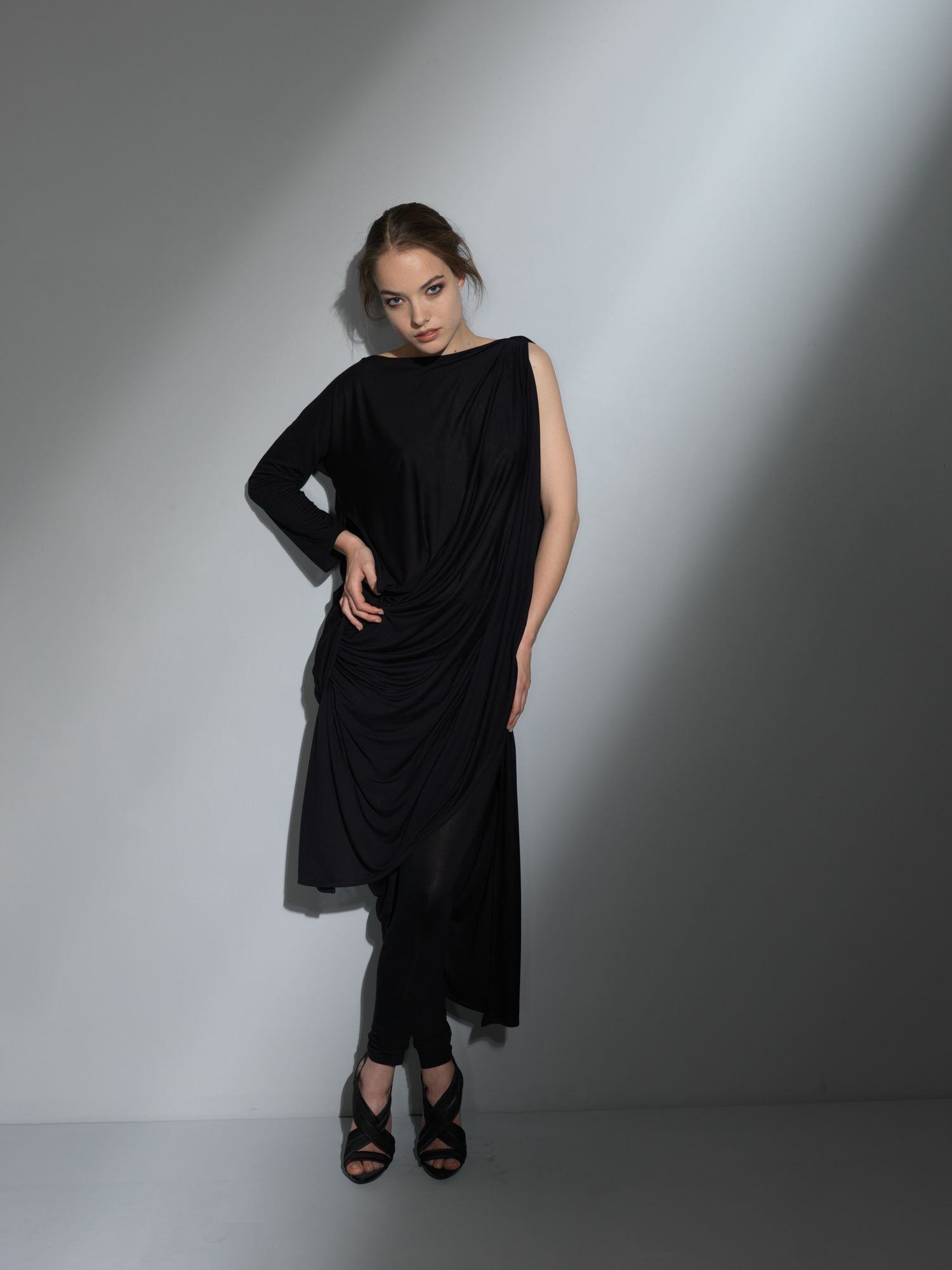
Drawing on traditional and contemporary practices, participants are invited to explore an intuitive approach to clothing: draping, folding, tying, and wrapping. This method involves textile origami, free pattern making, and cutting as a construction principle, to imagine garments made in a single piece, without seams.
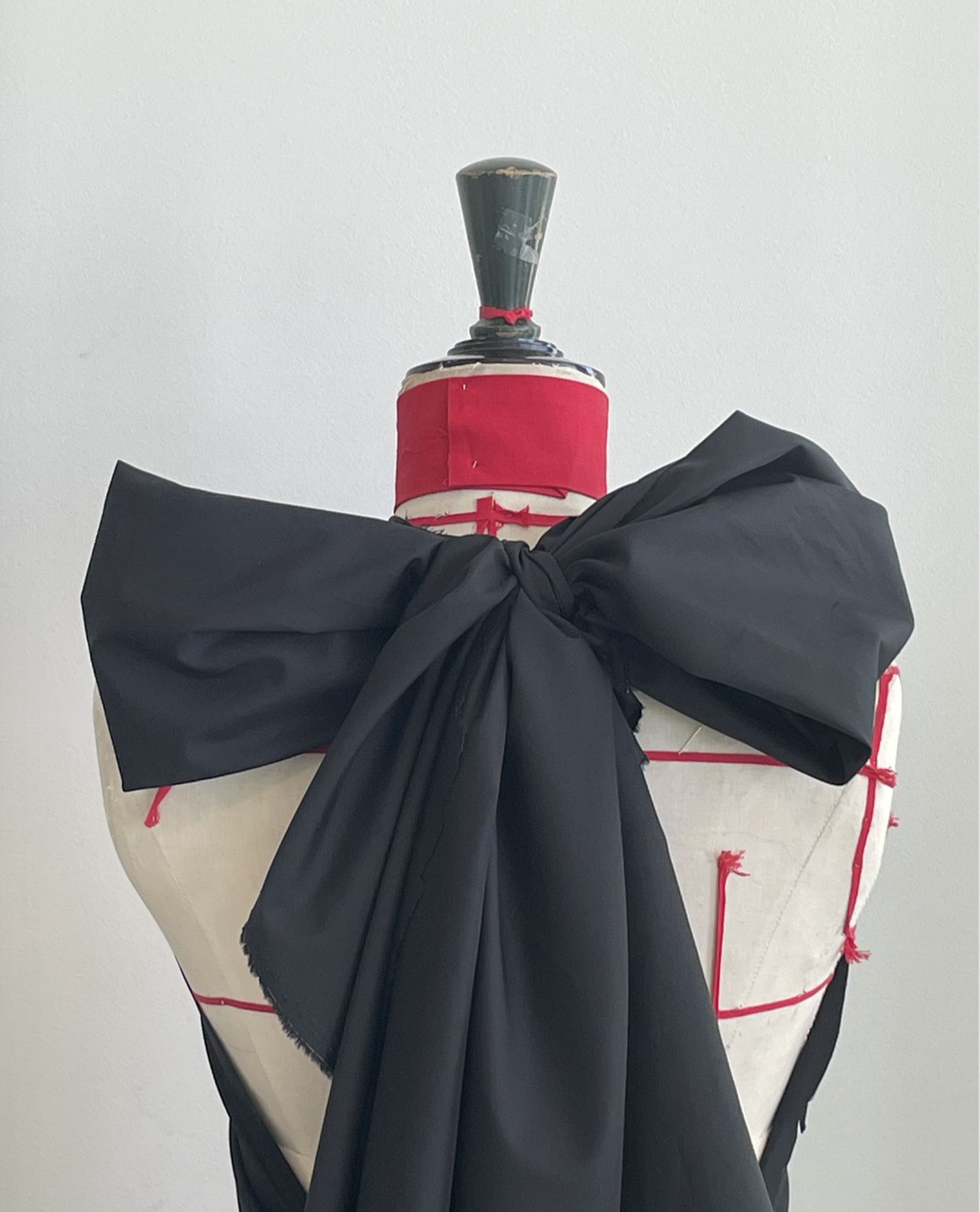
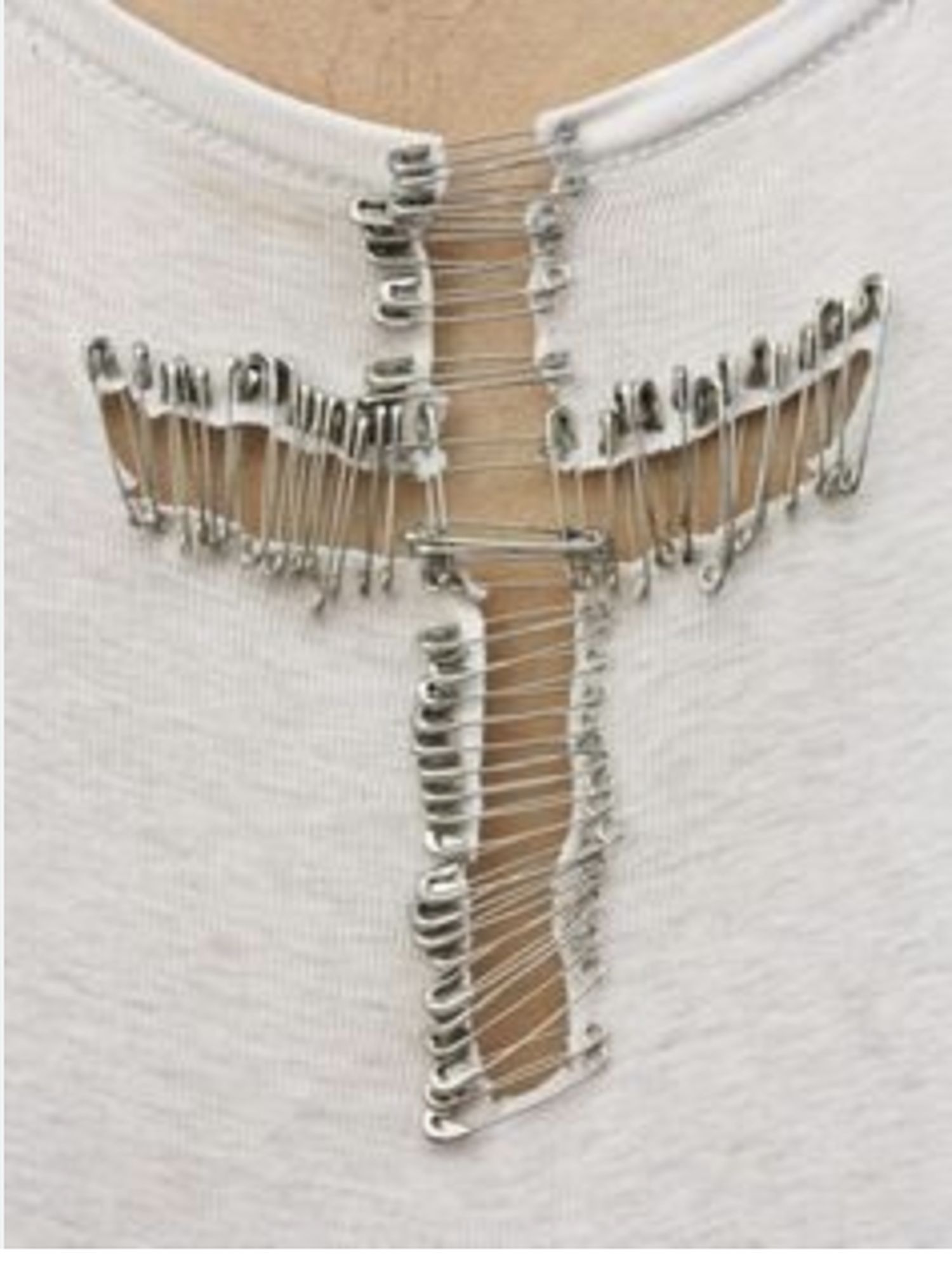
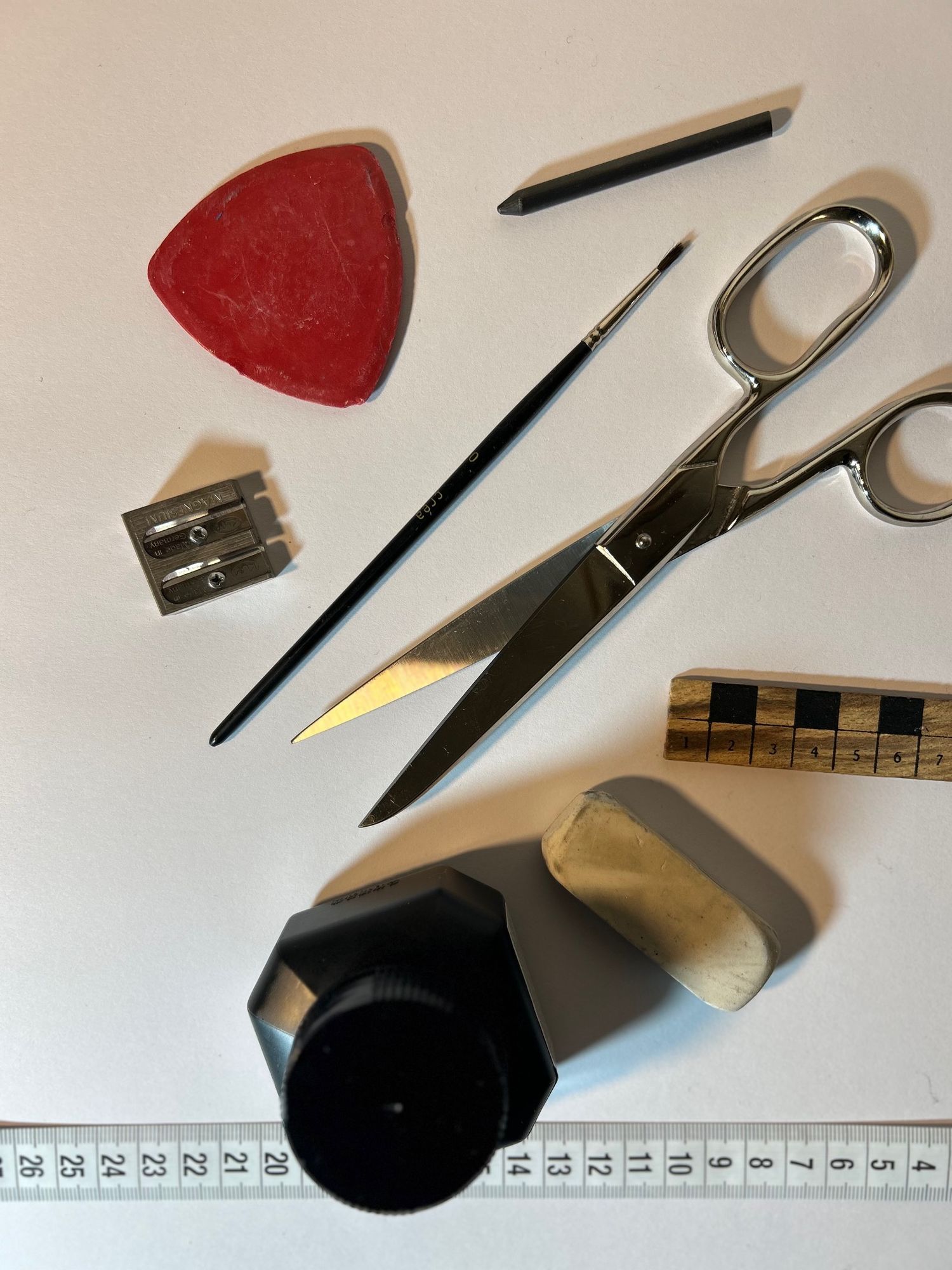
Long considered "accessories," these textiles become the foundation of a redesigned garment: modular, fluid, expressive. The workshop also explores alternative assembly systems: pins, brooches, lacing, rings, and even repurposing everyday objects to create fasteners and structure volume.
The training course focuses on practical work. It is led by Stéphane Plassier, a fashion designer who has been running a "Seamless Sewing" workshop at the IFM (Institut Français de la Mode) for several years. For the first time, he is offering this workshop at the MaNa Campus, in a new version that does not require a sewing machine.
Starting with a simple piece of fabric, each participant designs one or more unique pieces, freely experimenting with volumes, materials, techniques, and fastening systems. The emphasis is on creative freedom, personal expression, and formal exploration.
At the end of the course, learners leave with their own seamless garments, testament to their sensitive craftsmanship and unique creative approach.
Morning
Afternoon
Morning
Afternoon
Mornings and afternoons
Morning
Afternoon
Fashion designer and visual artist
A fashion designer with a unique vision, Stéphane Plassier cultivates an artistic approach to clothing, where the body becomes a medium for expression and textiles a territory for experimentation. Trained in both art and fashion design, he moves freely between performance, costume, design, and contemporary creation.
Known for his poetic silhouettes and his often sculpted or draped pieces, he views clothing as a visual and emotional language. His work defies the conventions of ready-to-wear fashion, borrowing as much from theater and rituals as from the collective imagination. Each creation tells a story, often instinctive, always personal.
Founder of his own studio and a regular collaborator with fashion houses, cultural institutions, and artists, he also designs scenographic projects and installations. His universe is populated by transformed materials, repurposed objects, and plastic and textile gestures.
As a workshop leader at the Institut Français de la Mode and La Cambre, Stéphane Plassier passes on his taste for creative freedom, precise gestures, and a sensory approach to fashion. In his workshops, he invites participants to unlearn the codes in order to better invent.
Through the training offered at Campus MaNa, he introduces participants to a different way of designing clothing: without a sewing machine, using intuition, materials, and ingenuity.
Training 100% financeable by AFDAS, or partially covered by other operators such as FAFCEA, AGEFICE, FIFPL, OPCO EP etc.
If you are concerned, we invite you to contact our sales department in advance via "Request for information" in order to prepare your file, or to register directly via the page of the chosen training course.




89350 Champignelles
T: +33 (0)3 86 45 23 42
contact@campusmana.com
