





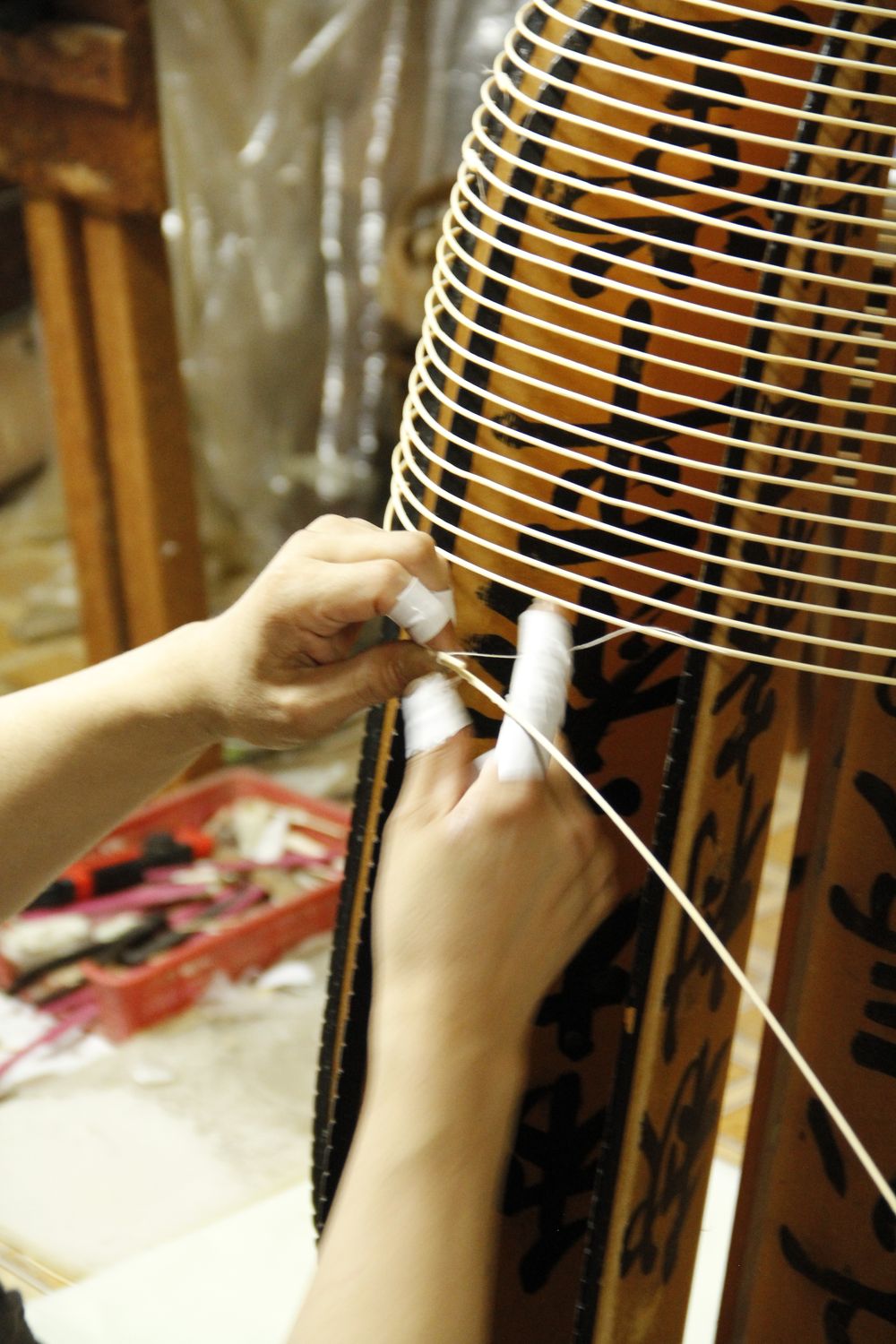
In the heart of Osaka, where neon lights and LED screens have replaced the flickering glow of yesteryear, Akimura Taiheidō, founded in 1921, continues to tirelessly craft chōchin, traditional Japanese lanterns. At the helm of the company, Keizo Akimura, fourth generation, defends a threatened but essential craft, combining ancestral know-how with contemporary rigor.
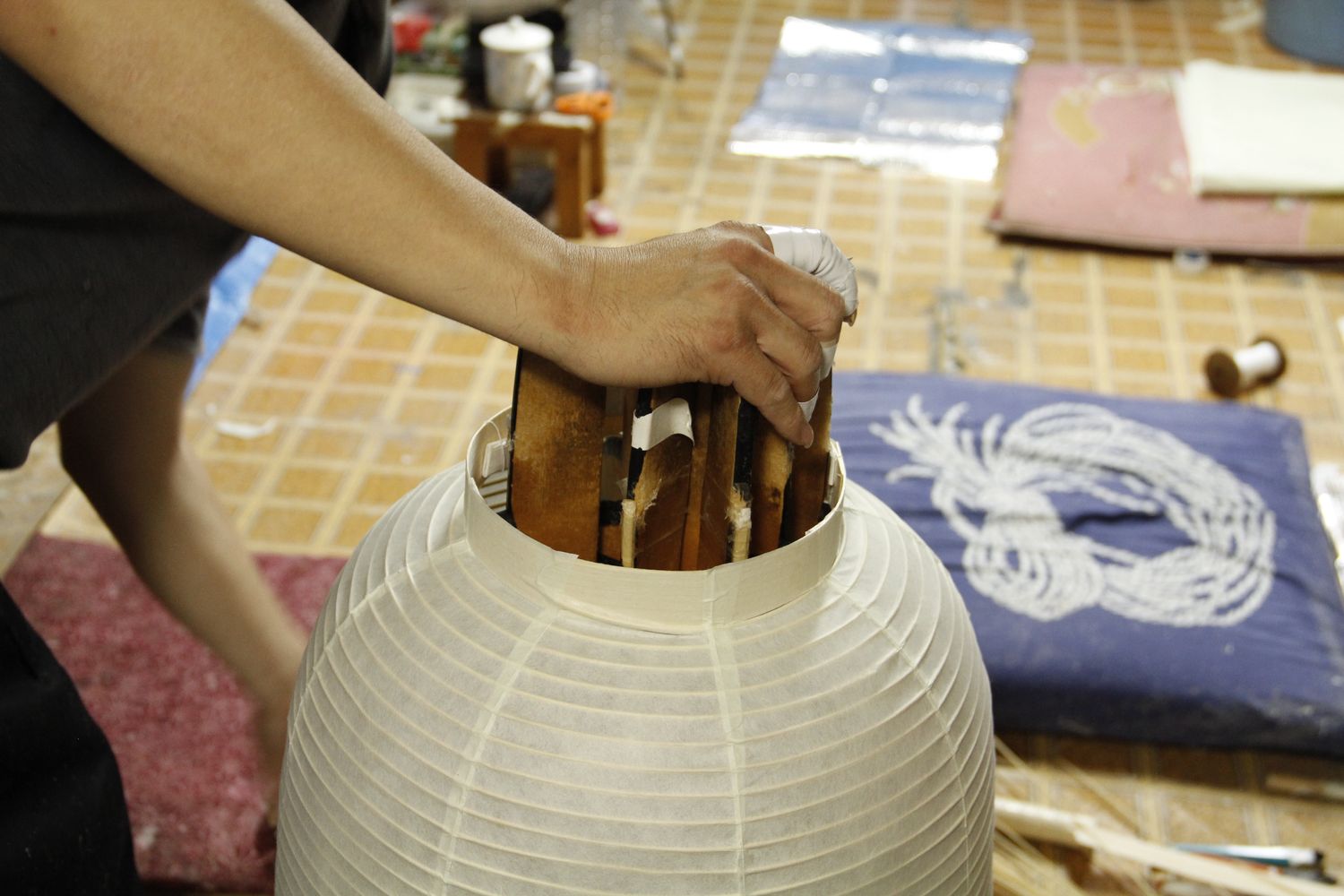
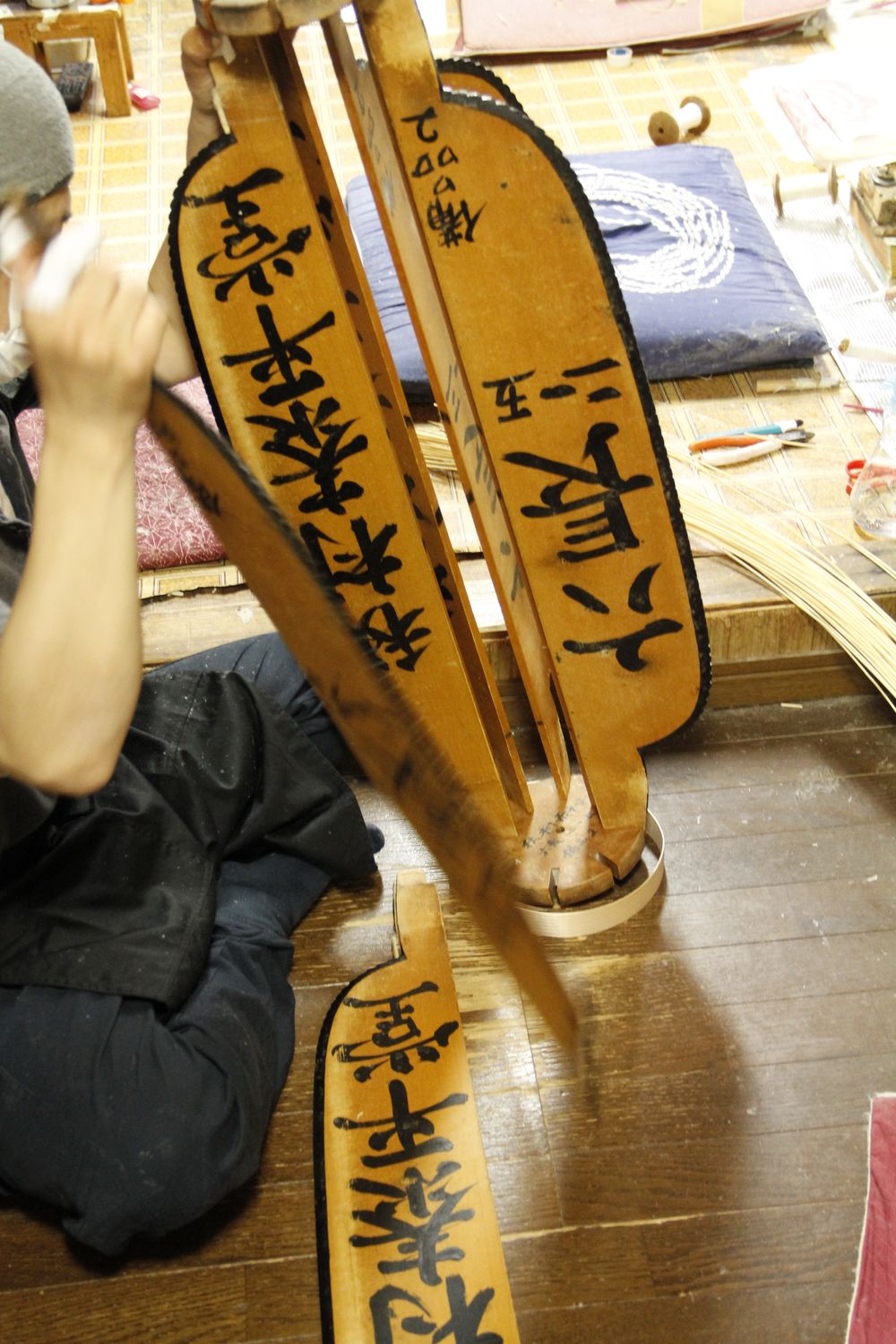
A former wholesaler turned integrated workshop, Akimura Taiheidō allows Keizo Akimura to control every stage of production, from assembling the removable wooden mold to winding the frames, applying the washi paper, and decorating with calligraphy and traditional motifs. In constant contact with researchers, the craftsman explores these techniques using a scientific and analytical approach, ensuring solidity, optimal light diffusion, and aesthetic fidelity.
Faced with a decline in the number of artisans, Keizo Akimura transformed the company's business model, bringing production in-house to preserve and defend tradition. Each lantern is designed according to the needs of customers, temples, retailers, or restaurateurs, with logos, patterns, and atmospheres integrated with precision.
Among its notable achievements is a monumental 2.70-meter lantern for the Kinpusenji temple, a UNESCO World Heritage Site, fifty years after its first delivery. More recently, a collaboration with Beams Japan demonstrated the workshop's ability to engage with the world of fashion, giving tradition a contemporary visibility.
Keizo Akimura's most ambitious project is Akimura Village, a self-sufficient ecosystem dedicated to lanterns: bamboo cultivation, washi paper making, workshops, and the transmission of skills. Scheduled for completion in 2028, it aims to ensure the survival of this living heritage.
For Keizo Akimura, guardian of a century of light, the lantern is no longer just a simple light source: it embodies memory, signal, identity. And perhaps, soon, the beating heart of a village entirely devoted to light.



89350 Champignelles
T: +33 (0)3 86 45 23 42
contact@campusmana.com