





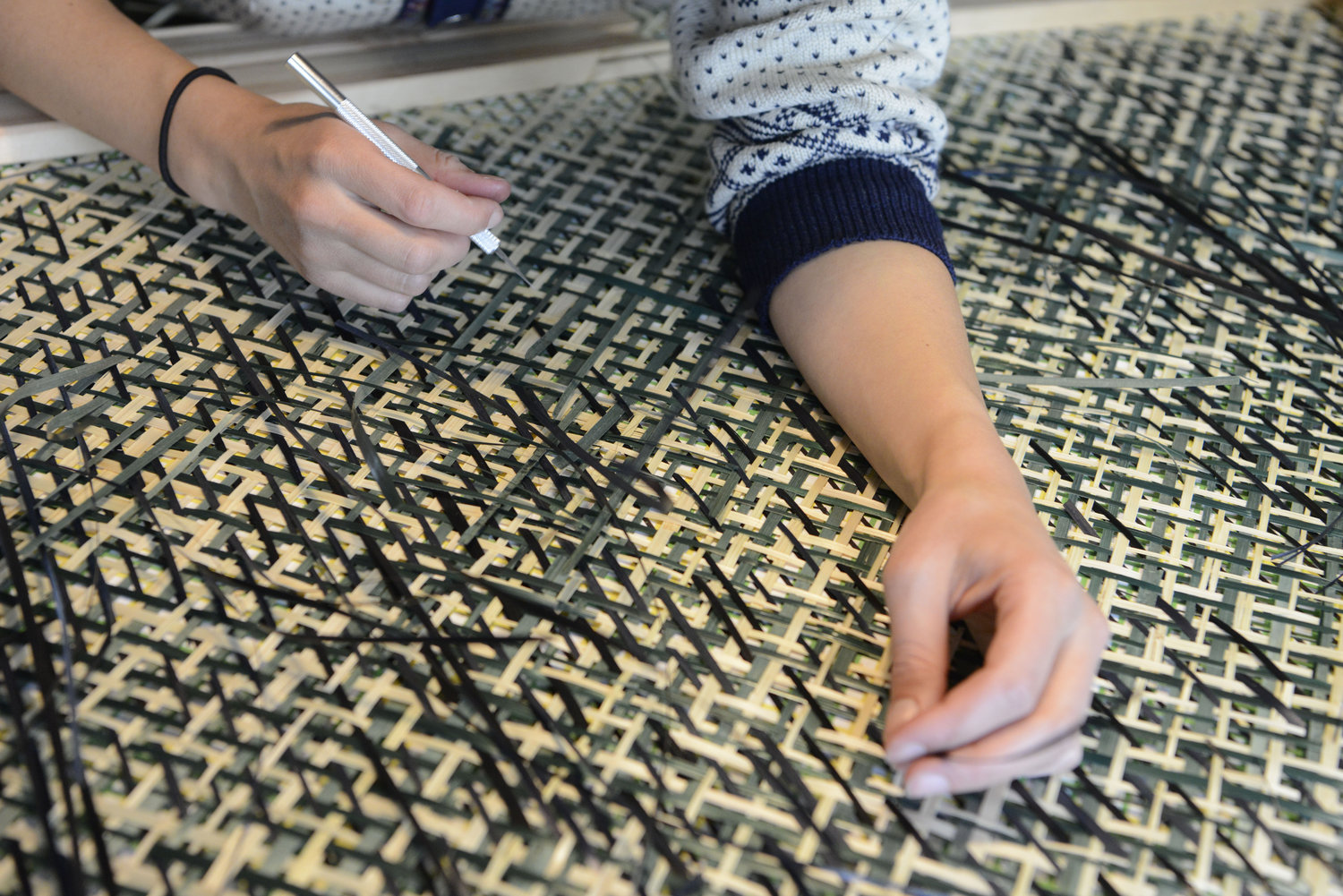
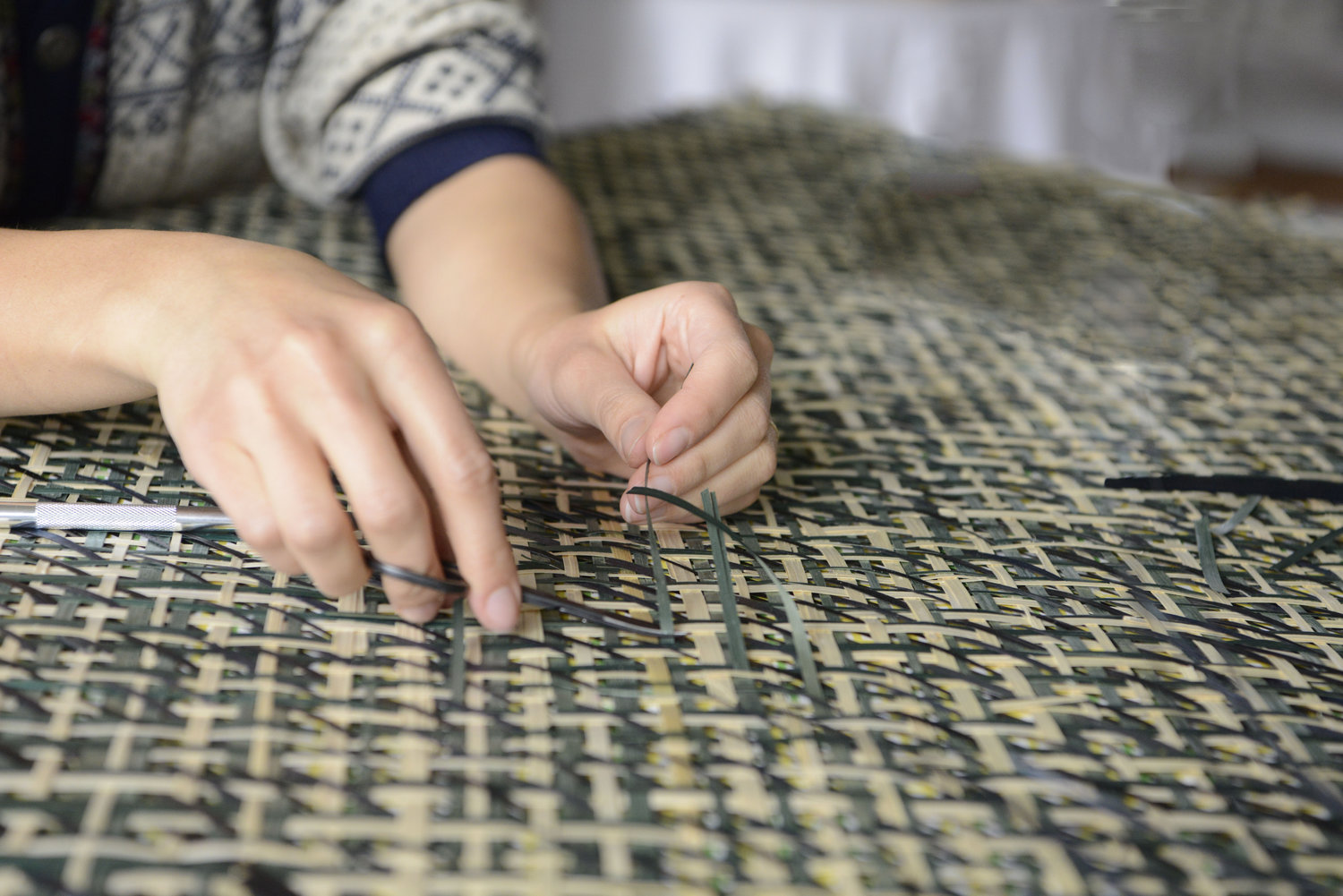
This workshop invites you to immerse yourself in the world of weaving and basketry through an approach that is both creative and socially conscious. You will learn traditional techniques that you will be encouraged to adapt and reinvent while working with natural or recycled materials.
Designed as a space for experimentation, this course will allow you to explore new textures, create original materials, and envision contemporary applications, all within a sustainable and innovative framework.
By the end of the course, participants will be able to:
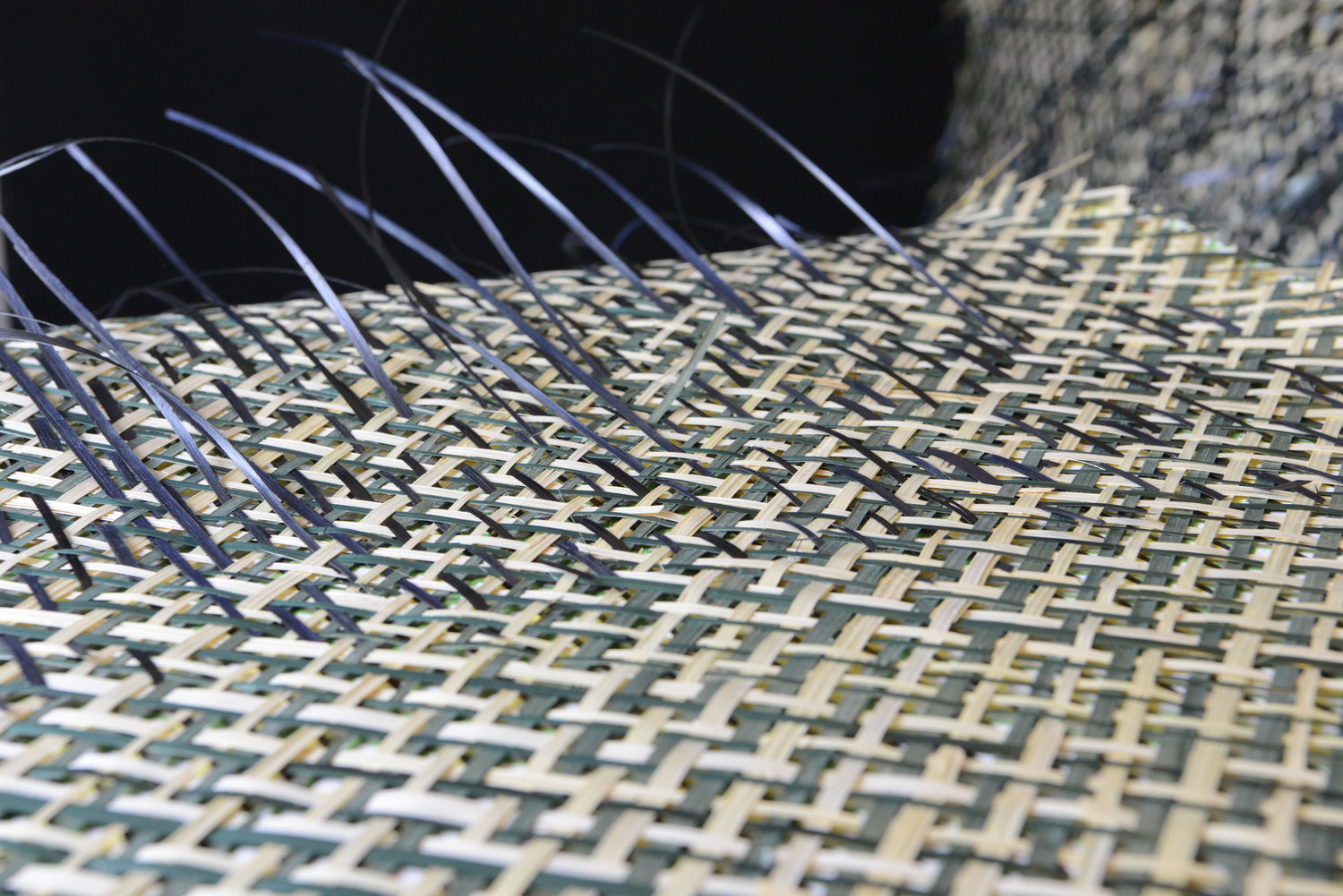
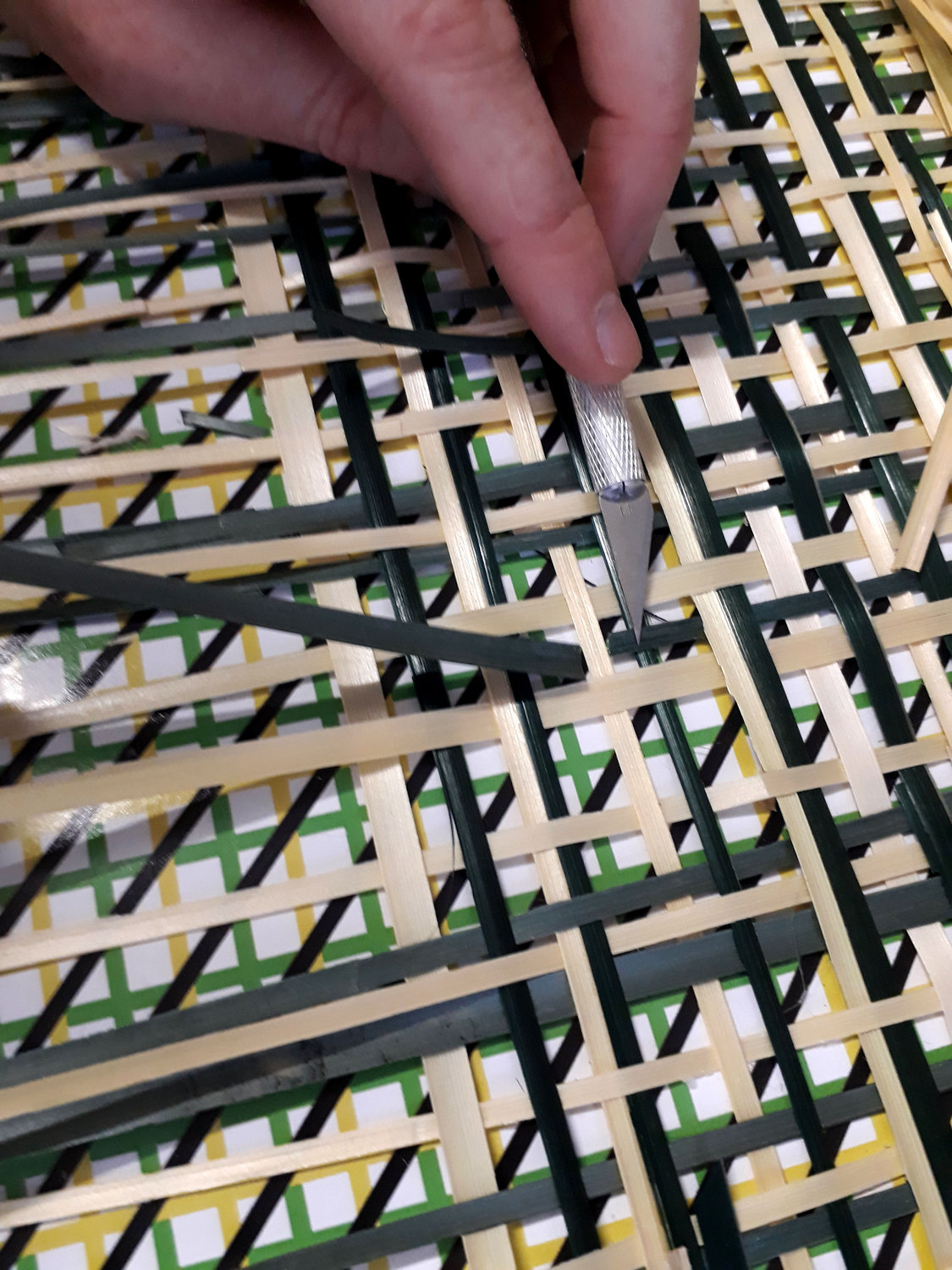
This workshop offers an exploration of materials through a structural approach to weaving and basketry. Initially, participants will discover and master the basics of traditional two- and three-dimensional techniques, including basketry and multi-strand weaving.
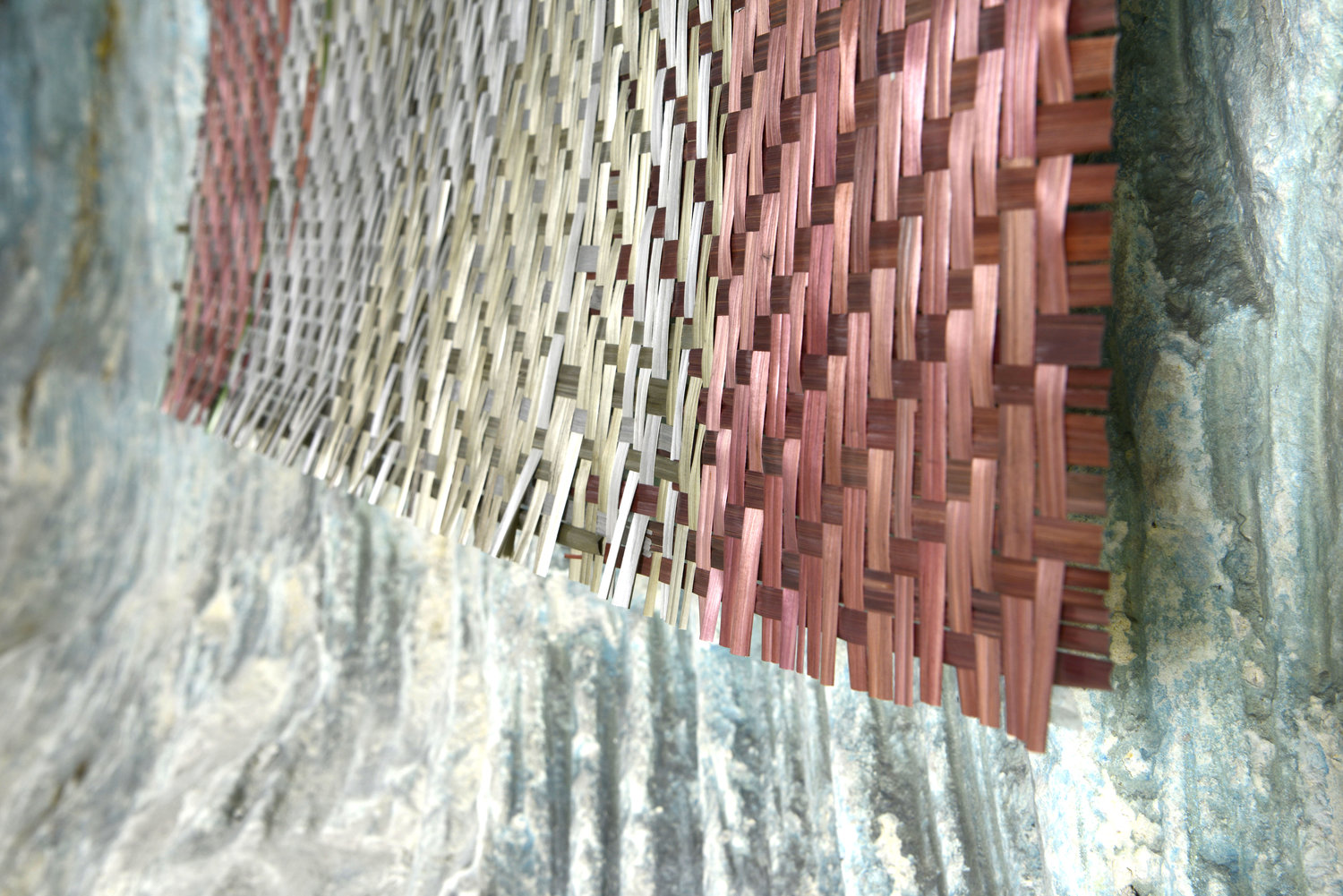
In the second phase, these skills are put into practice through experimentation with various materials, both natural and recycled (wood, straw, textiles, metal, etc.).
The goal is to examine the relationship between techniques and materials, while fostering a curious and creative approach: do we want to create a flexible or rigid material? How does it take shape? What uses can we imagine?
Throughout the course, each participant will be able to focus their research on a personal issue or pursue a more open-ended and interdisciplinary exploration.
Regular discussion sessions will enrich everyone’s reflections and fuel their experiments.
Morning
Afternoon
Morning
Afternoon
Morning
Afternoon
Morning
Afternoon
Morning
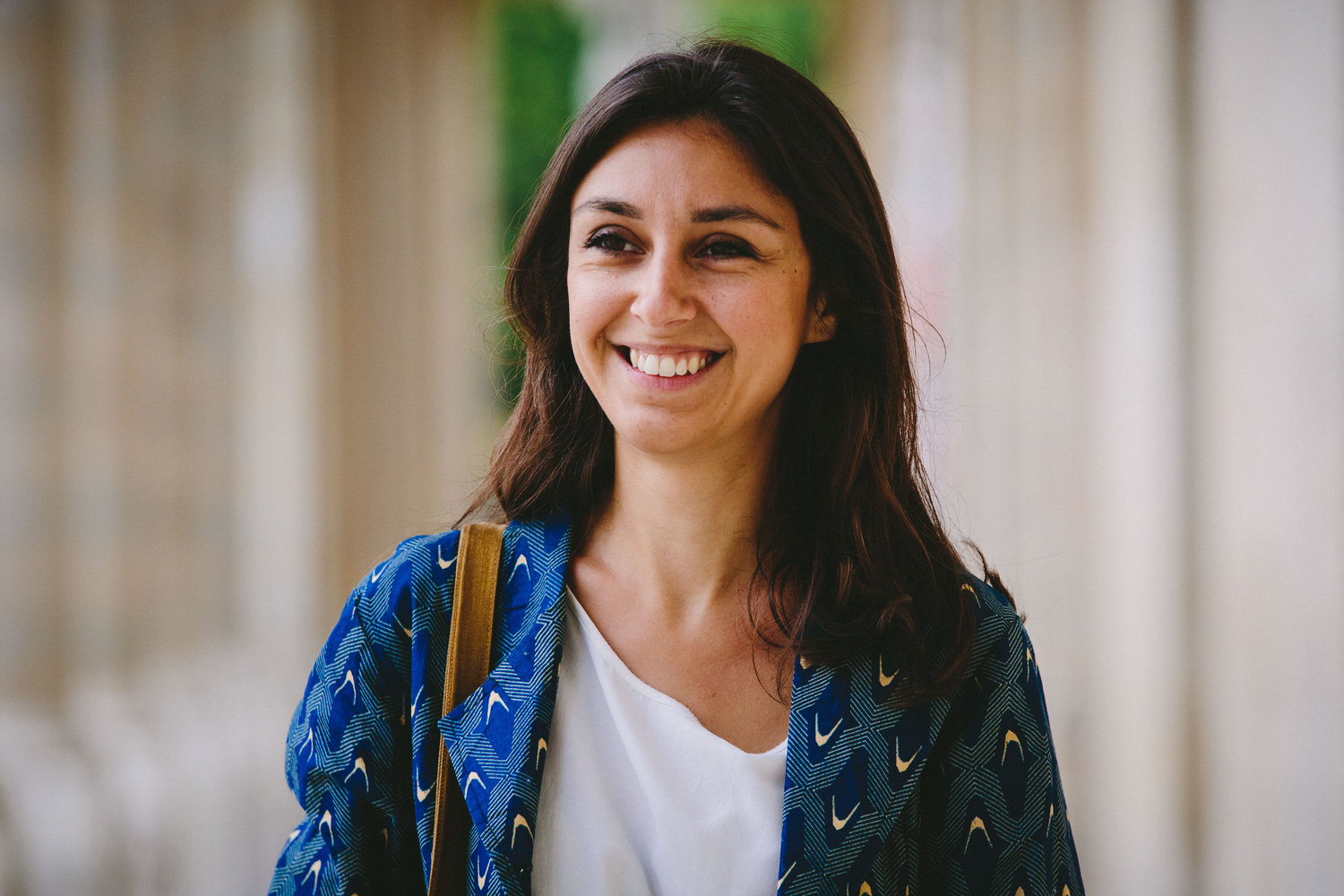
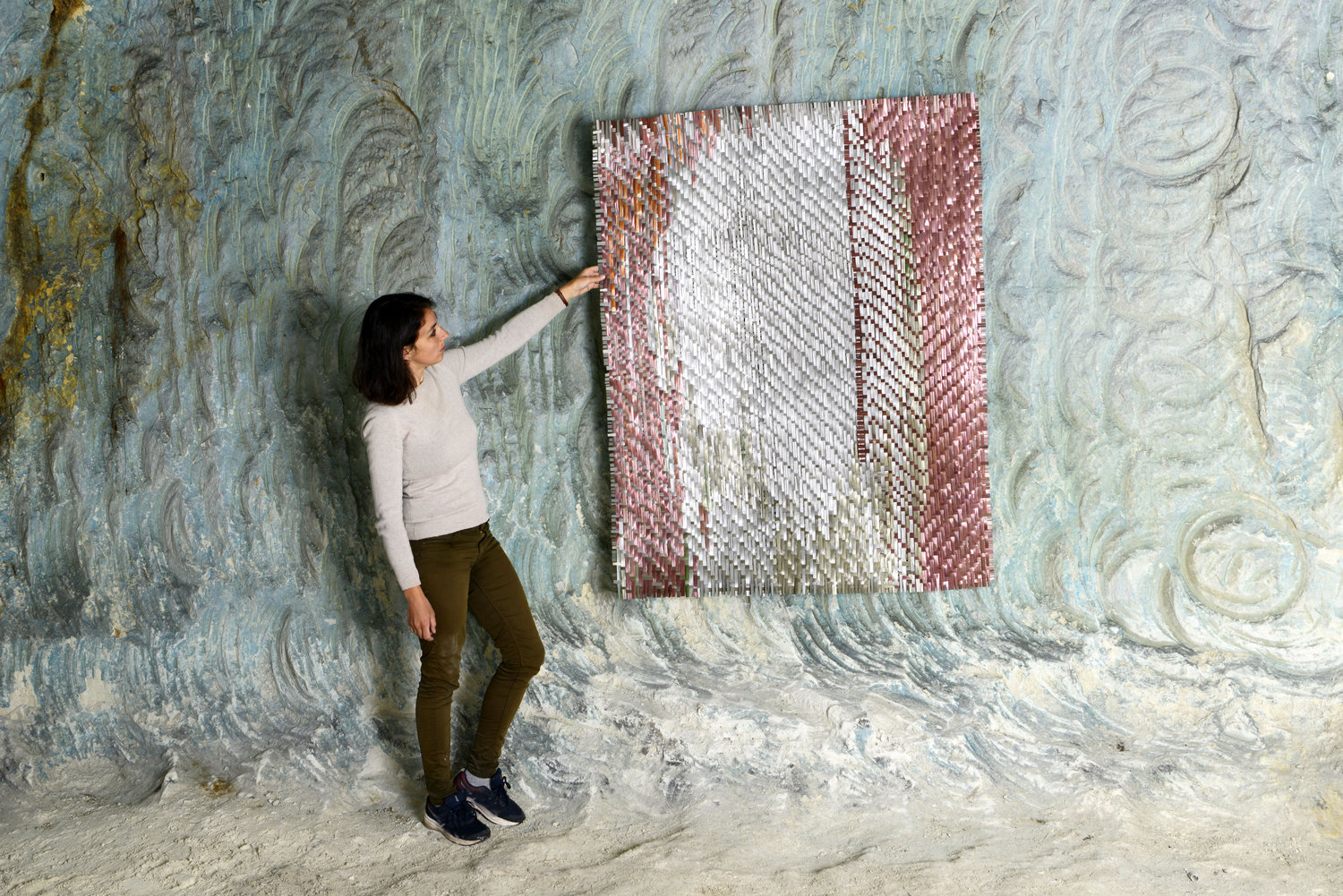
Textile designer and weaver Lena Perraguin is a graduate of ENSCI-Les Ateliers in Paris. After gaining experience in both the artisanal and textile industries, she founded Studio Impressif in 2018.
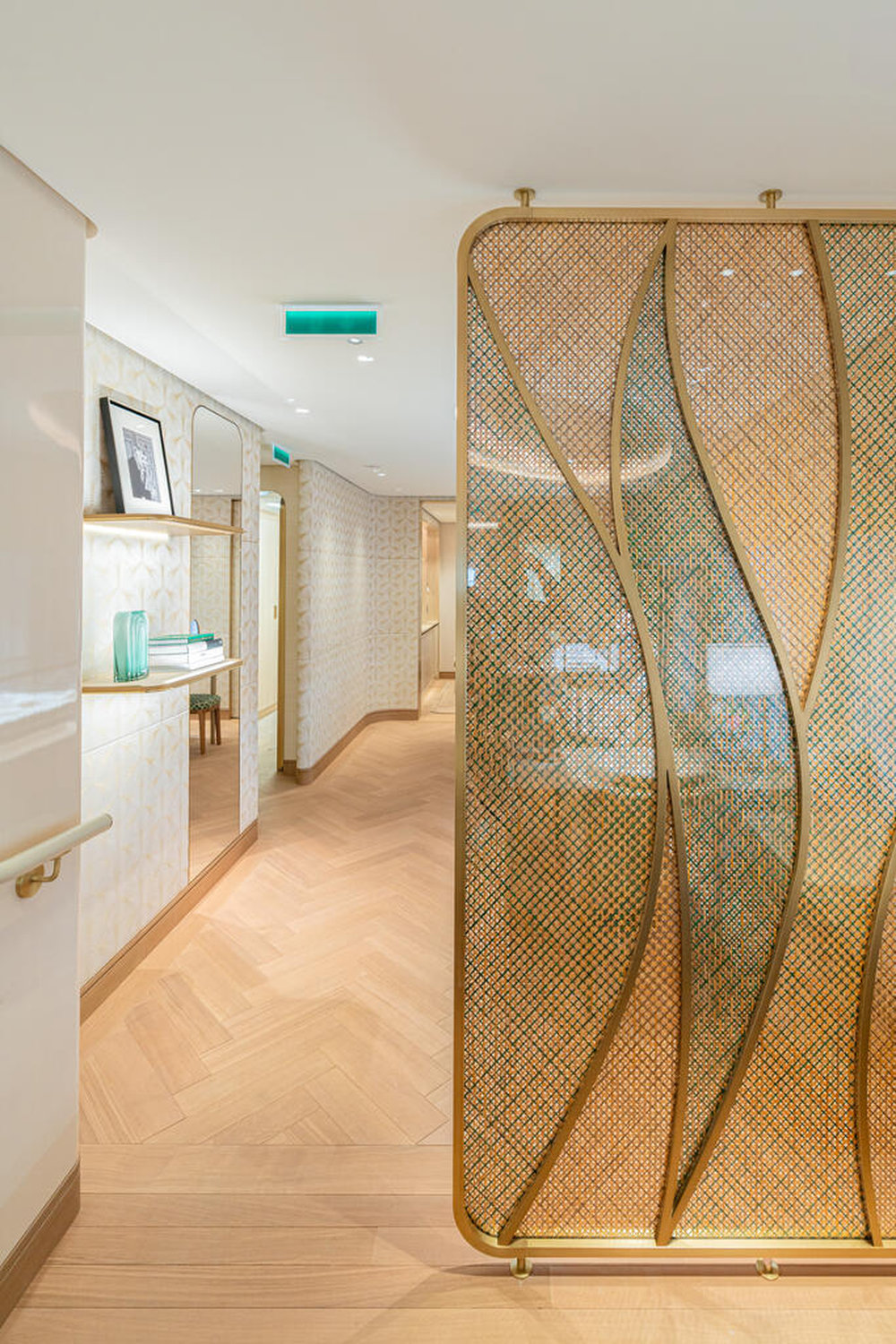
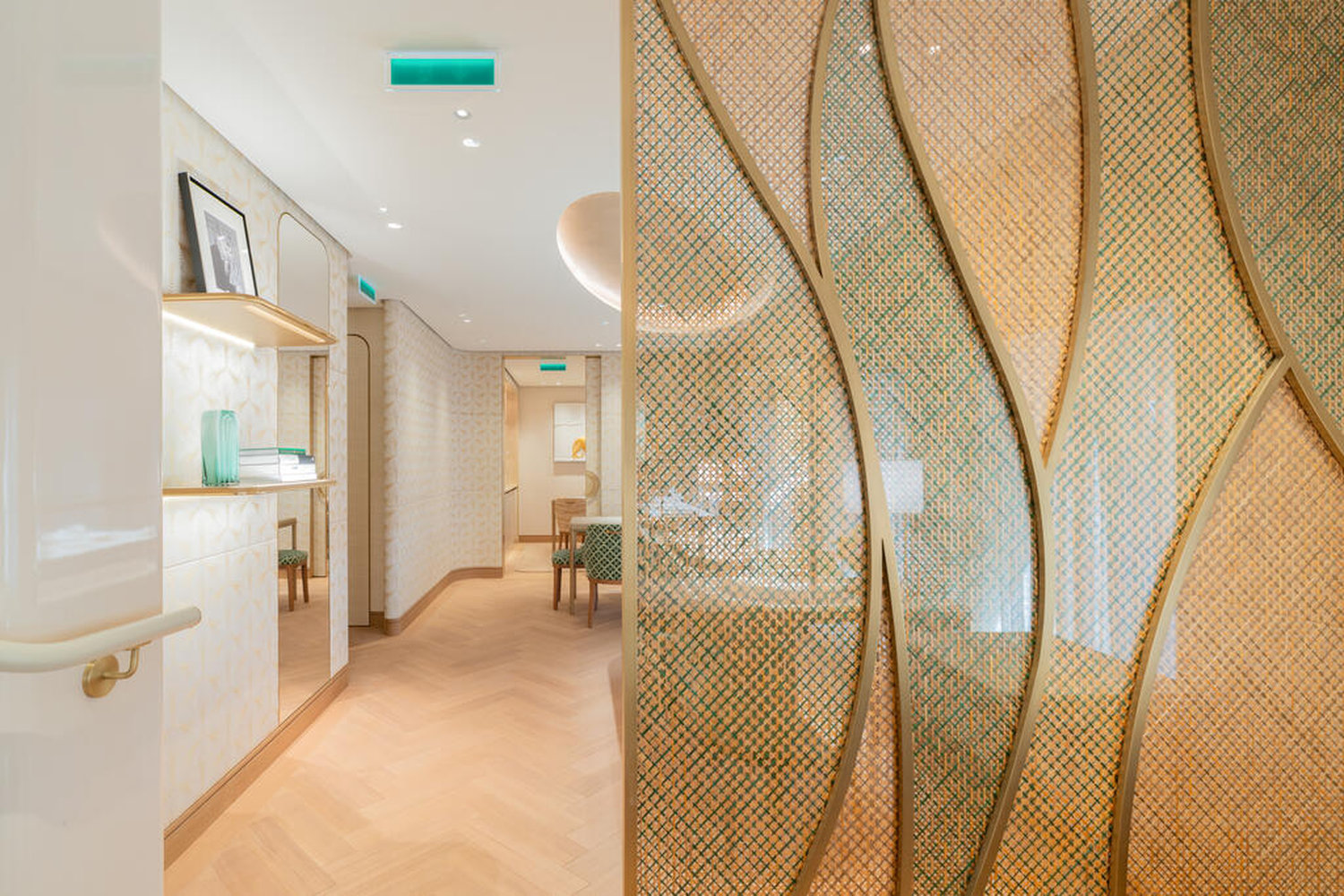
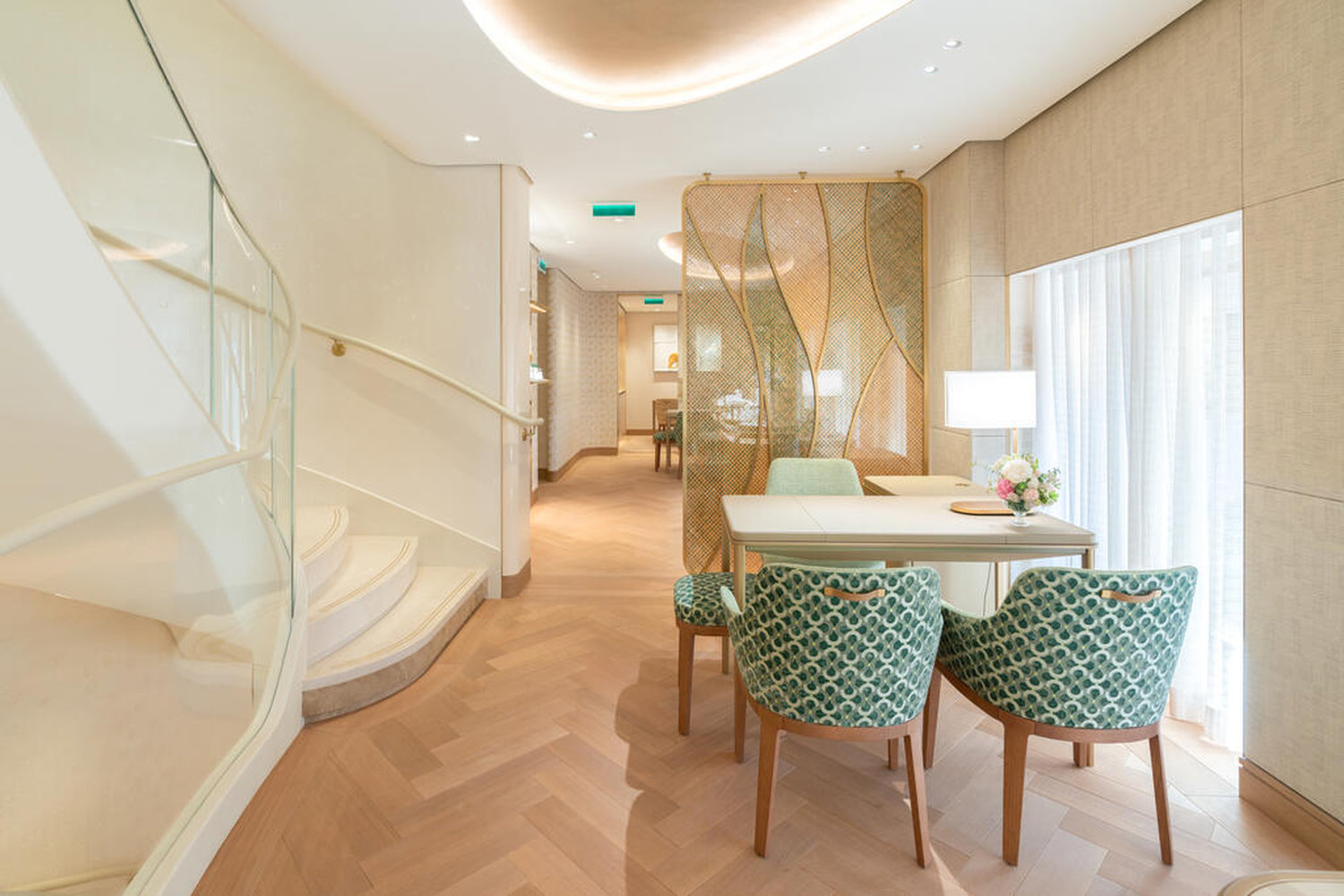
Based in Aurignac, at the foot of the Pyrenees, the studio is dedicated to research into materials, at the intersection of fine craftsmanship, experimentation, and natural fibers. There, Léna Perraguin creates custom textile pieces for luxury brands, interior designers, and artistic projects: decorative elements, upholstery fabrics, screens, and headboards.
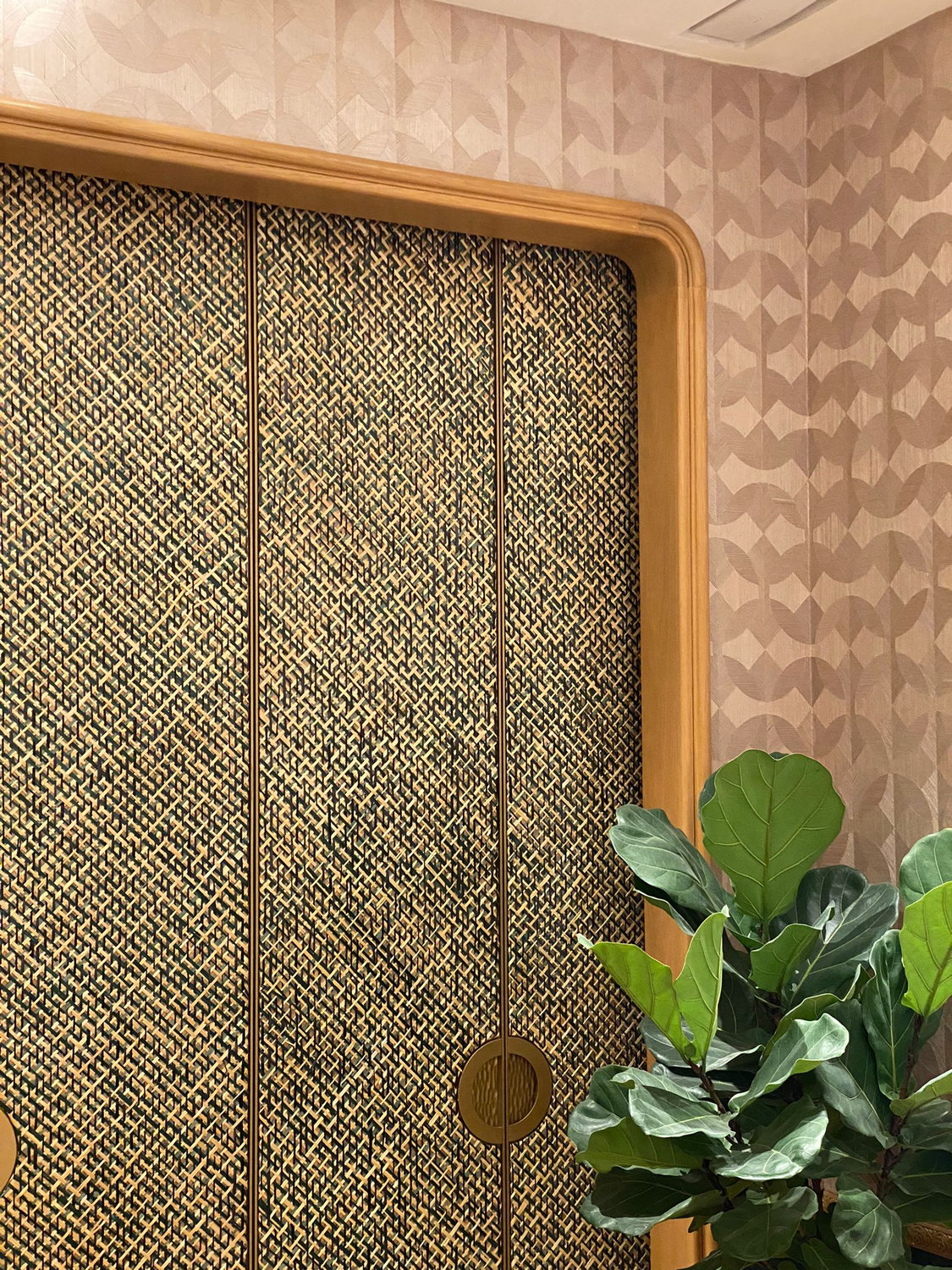
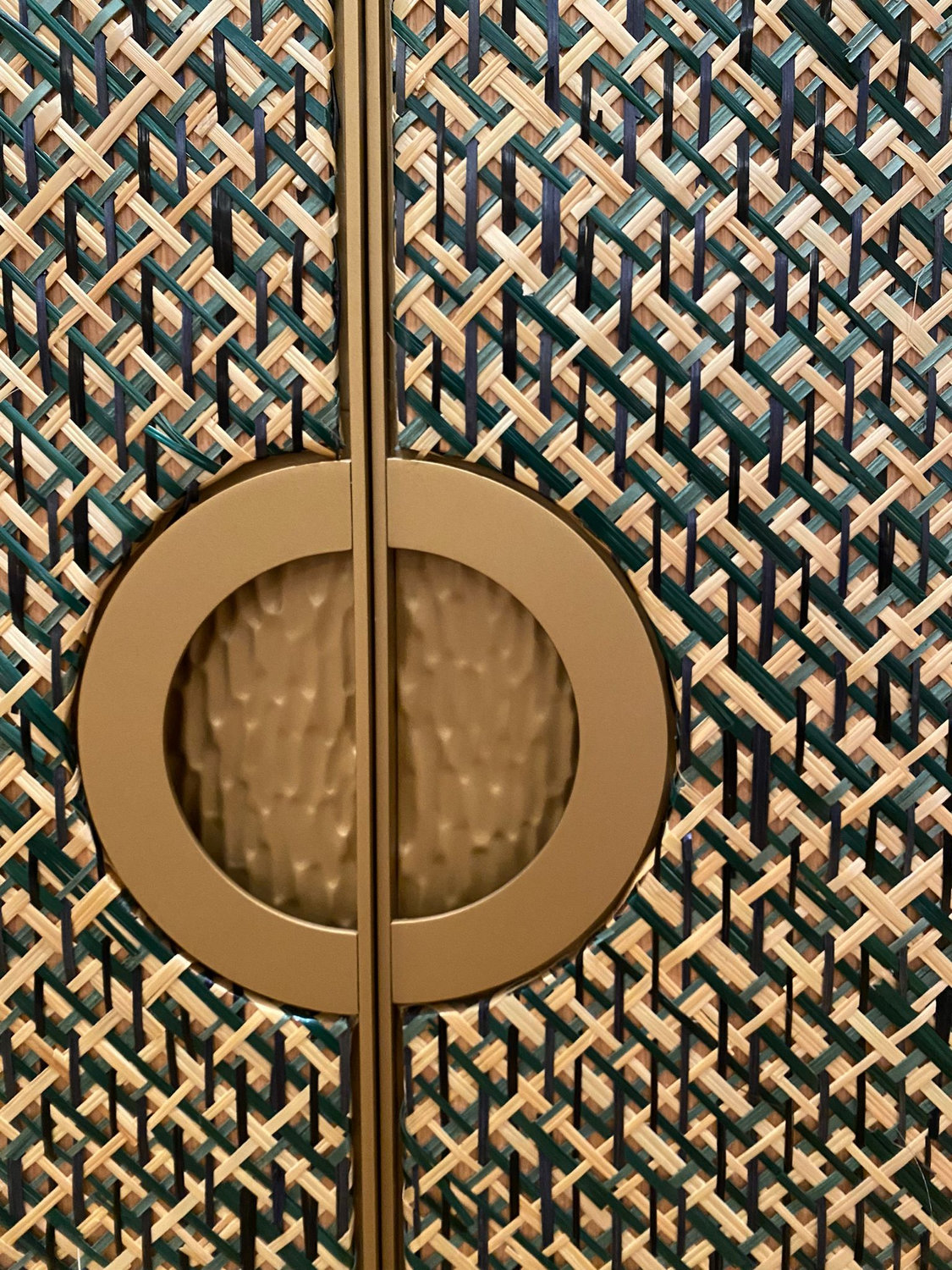
Her work relies exclusively on manual techniques of hand-weaving and braiding, which she adapts and reinterprets based on traditional skills such as basketry and cane work. Material is at the heart of her approach, with particular attention paid to textures, volumes, and the sensory qualities of the fibers.
Committed to a responsible approach, she prioritizes natural materials sourced from local supply chains—notably wool, linen, hemp, and rye straw—in collaboration with small French producers. This exploration stems from a desire to highlight artisanal craftsmanship and rethink its role in contemporary design.
Straddling tradition and innovation, her pieces explore a sensitive textile language, sometimes enriched by collaborations with blown glass, giving rise to compositions that blend transparency, brilliance, and materiality.
Training 100% financeable by AFDAS, or partially covered by other operators such as FAFCEA, AGEFICE, FIFPL, OPCO EP etc.
If you are concerned, we invite you to contact our sales department in advance via "Request for information" in order to prepare your file, or to register directly via the page of the chosen training course.
89350 Champignelles
T: +33 (0)3 86 45 23 42
contact@campusmana.com
