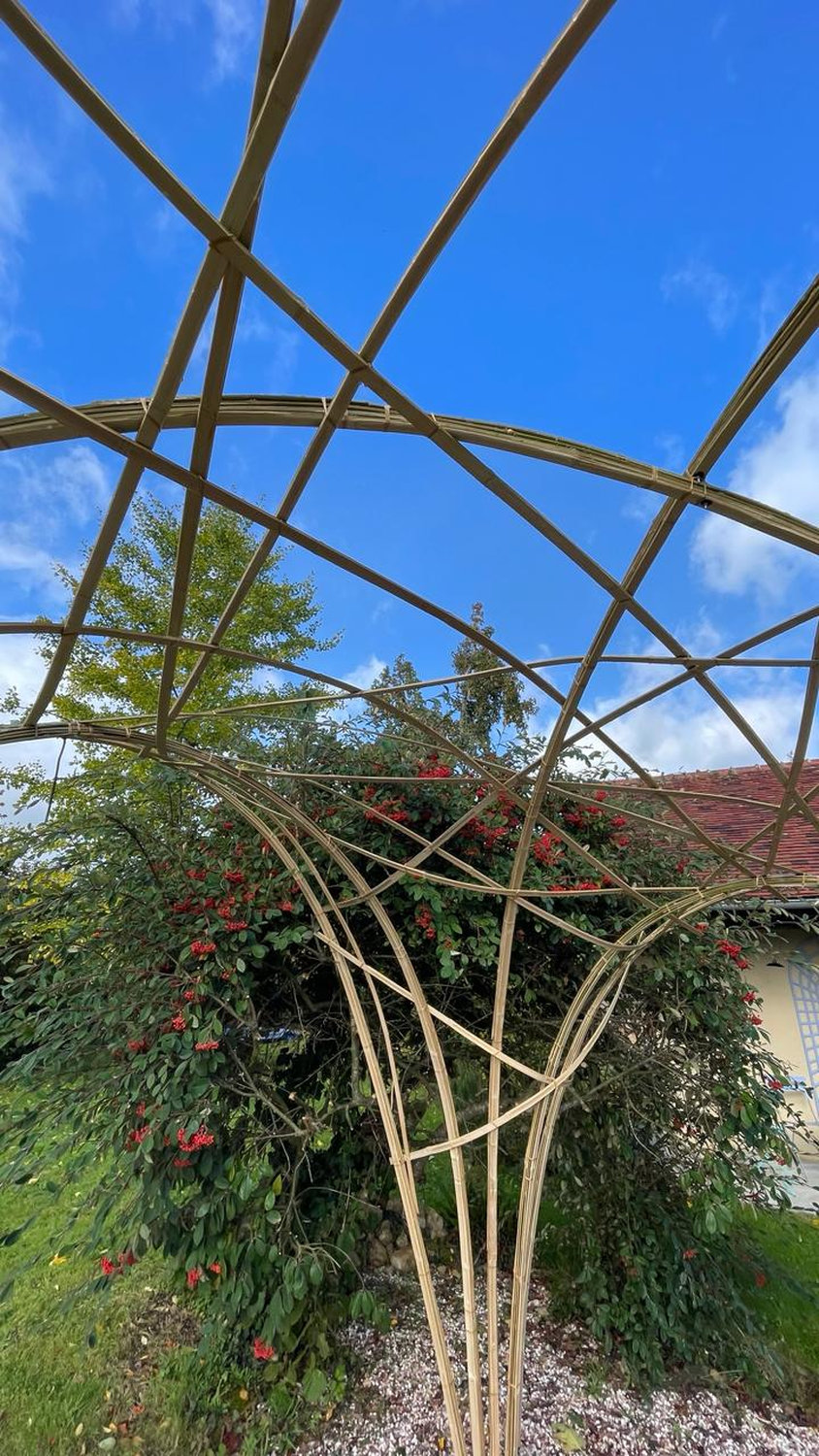
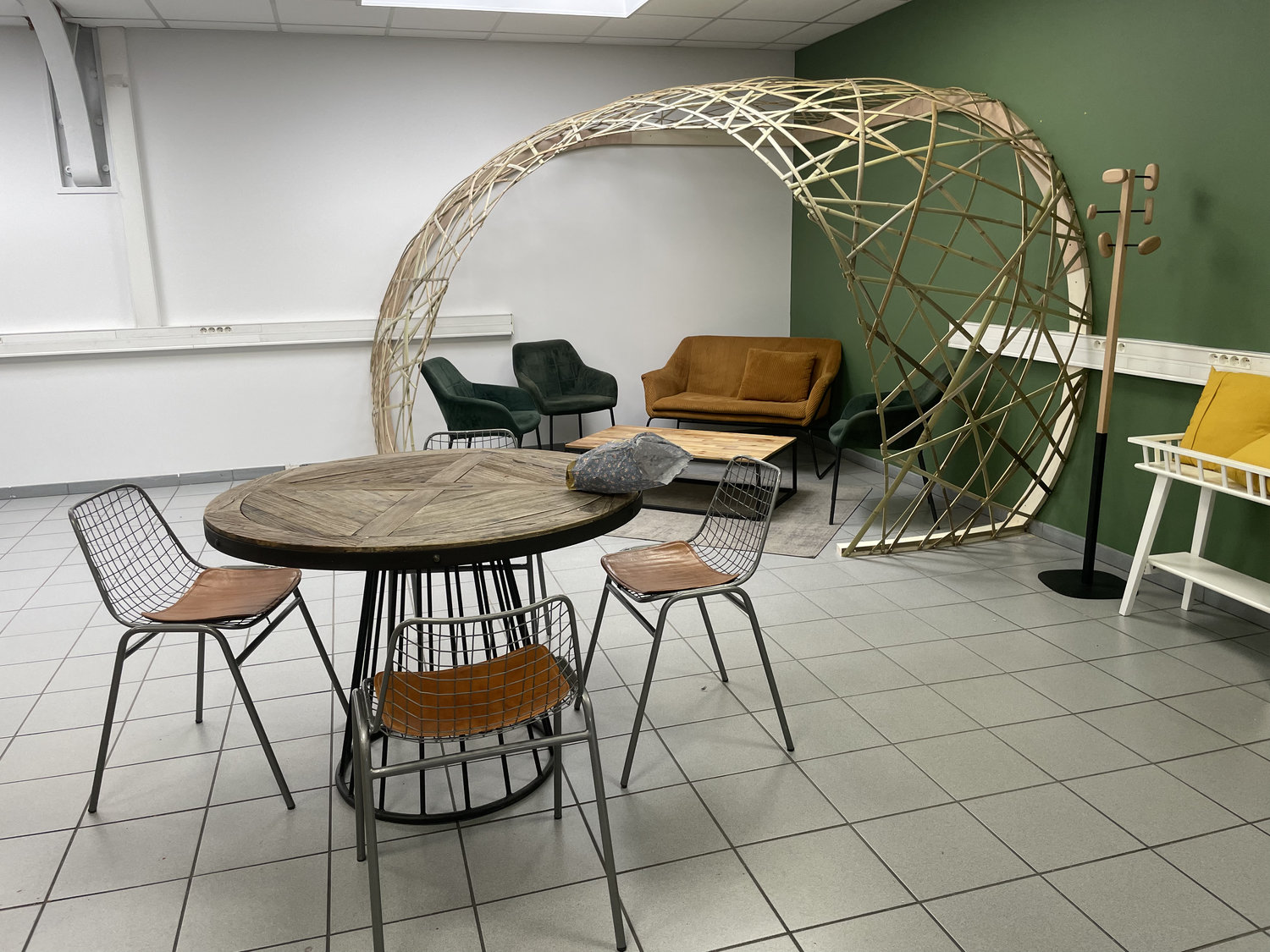
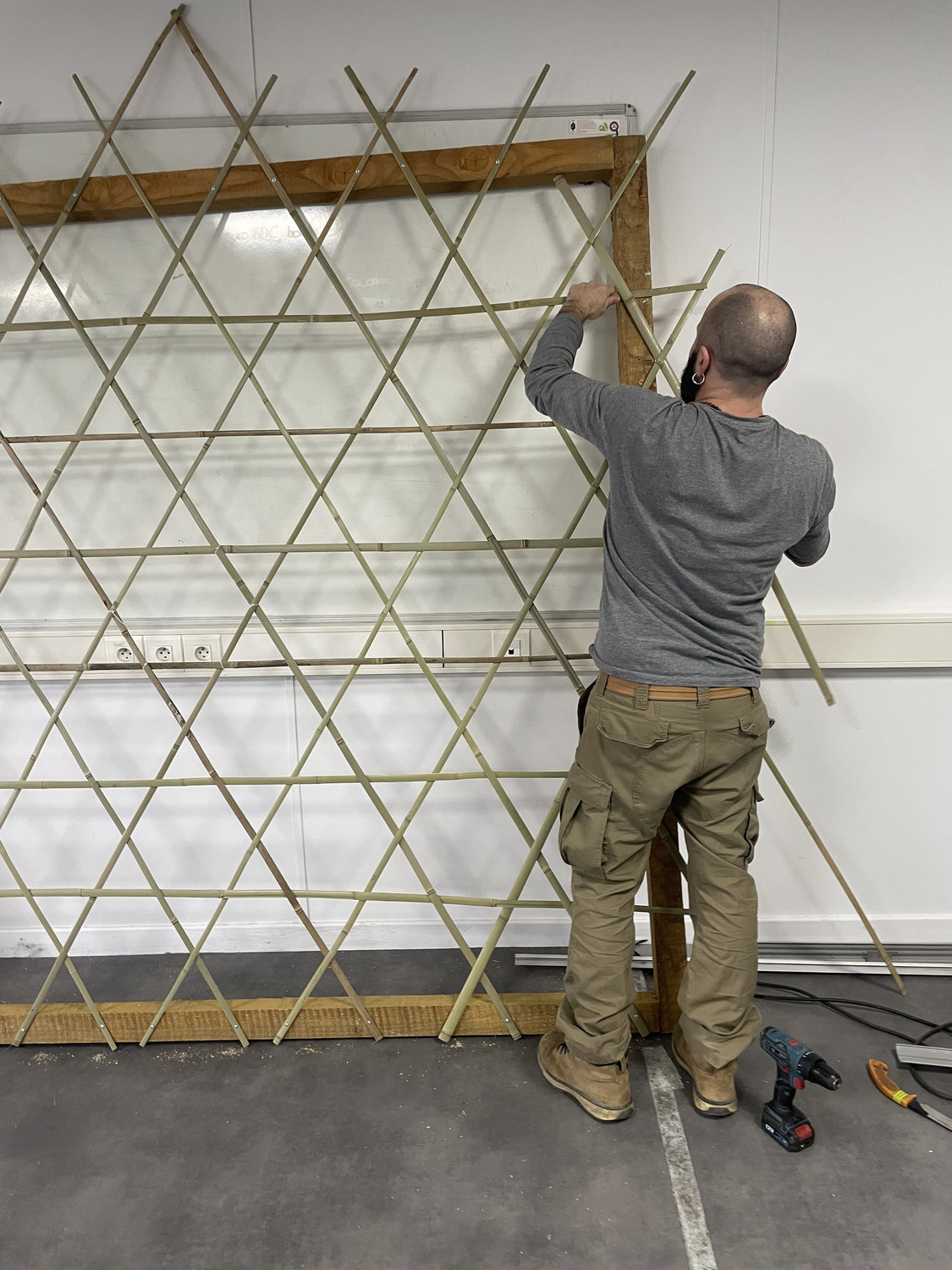
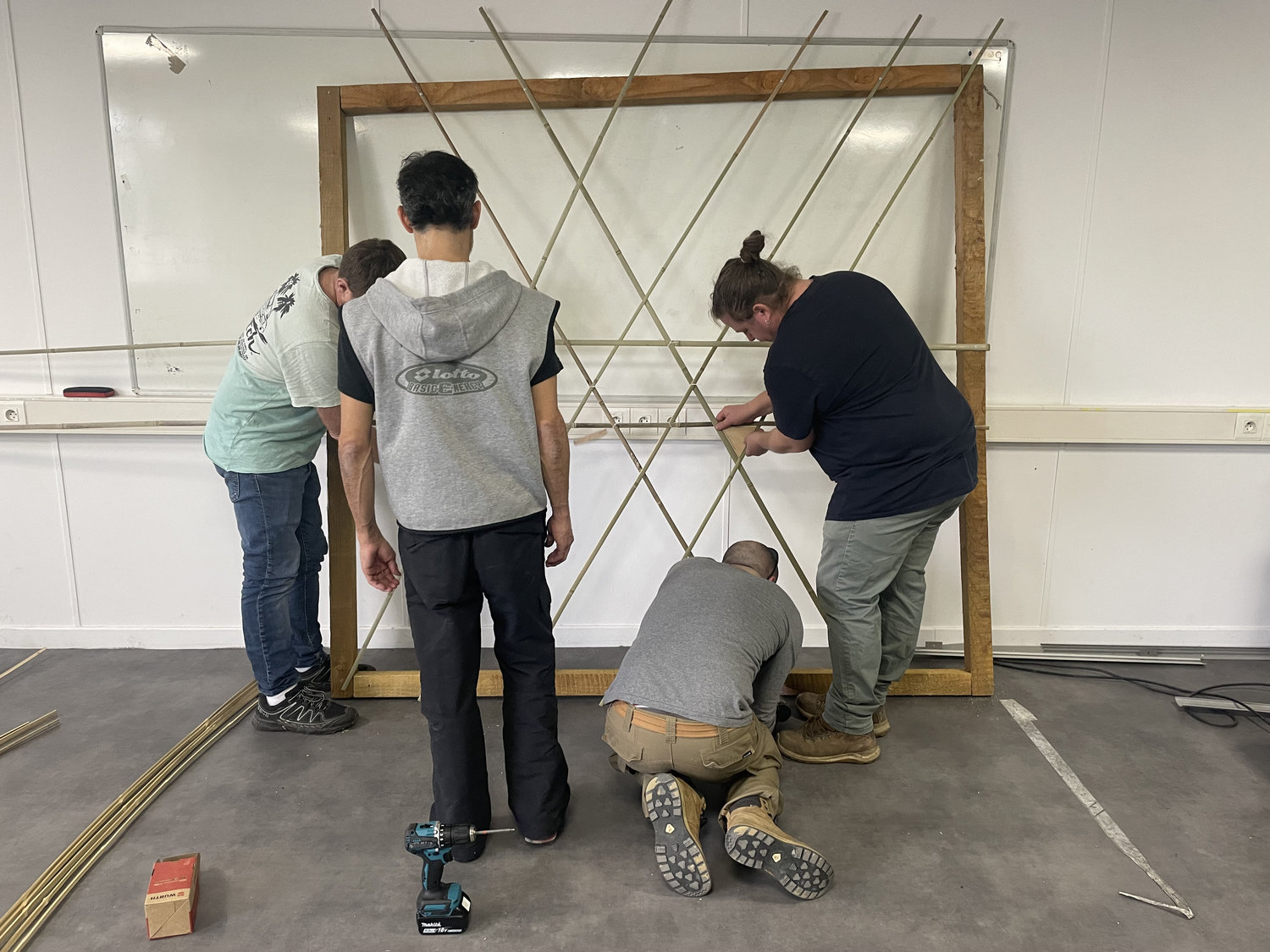
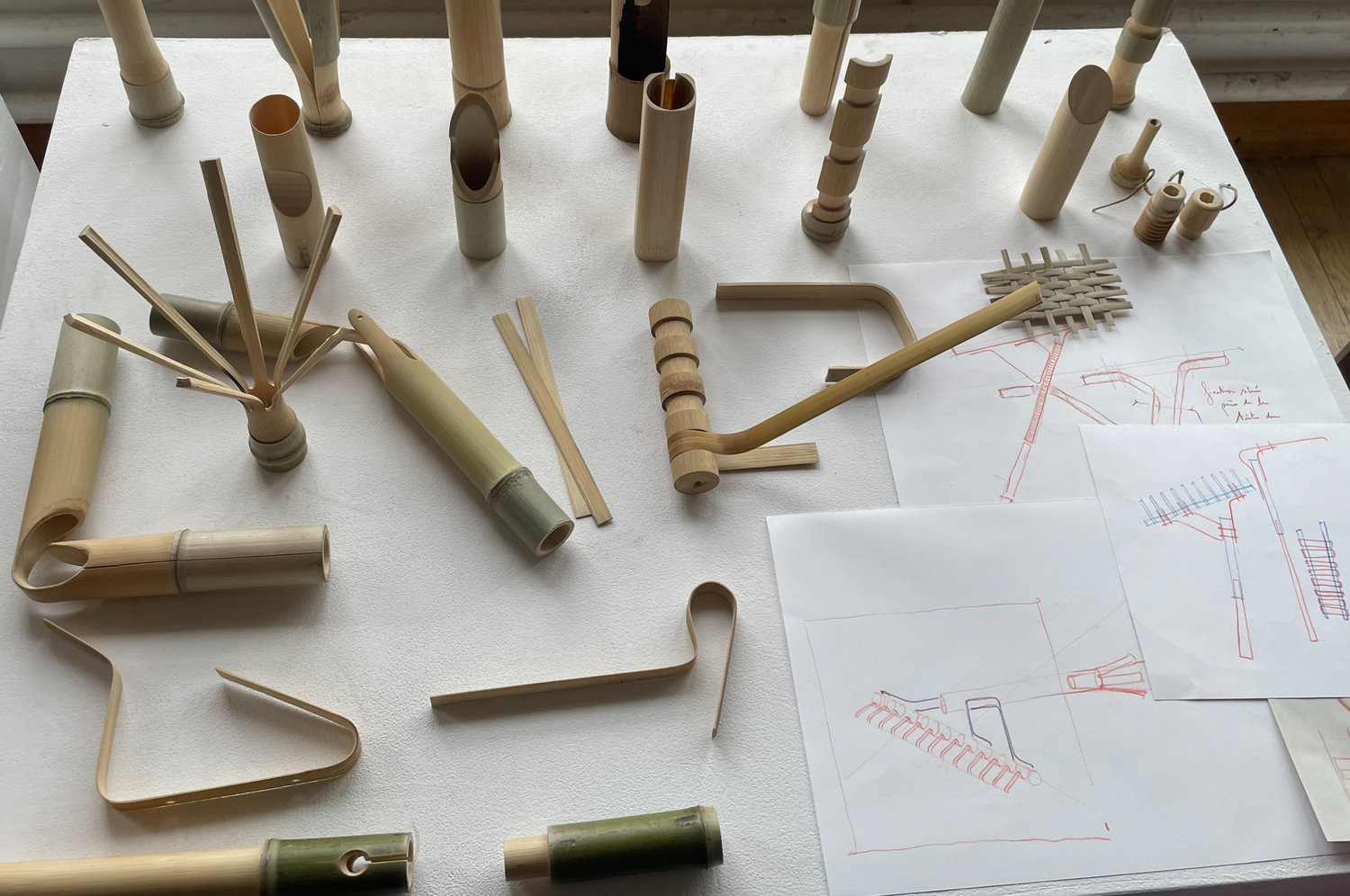
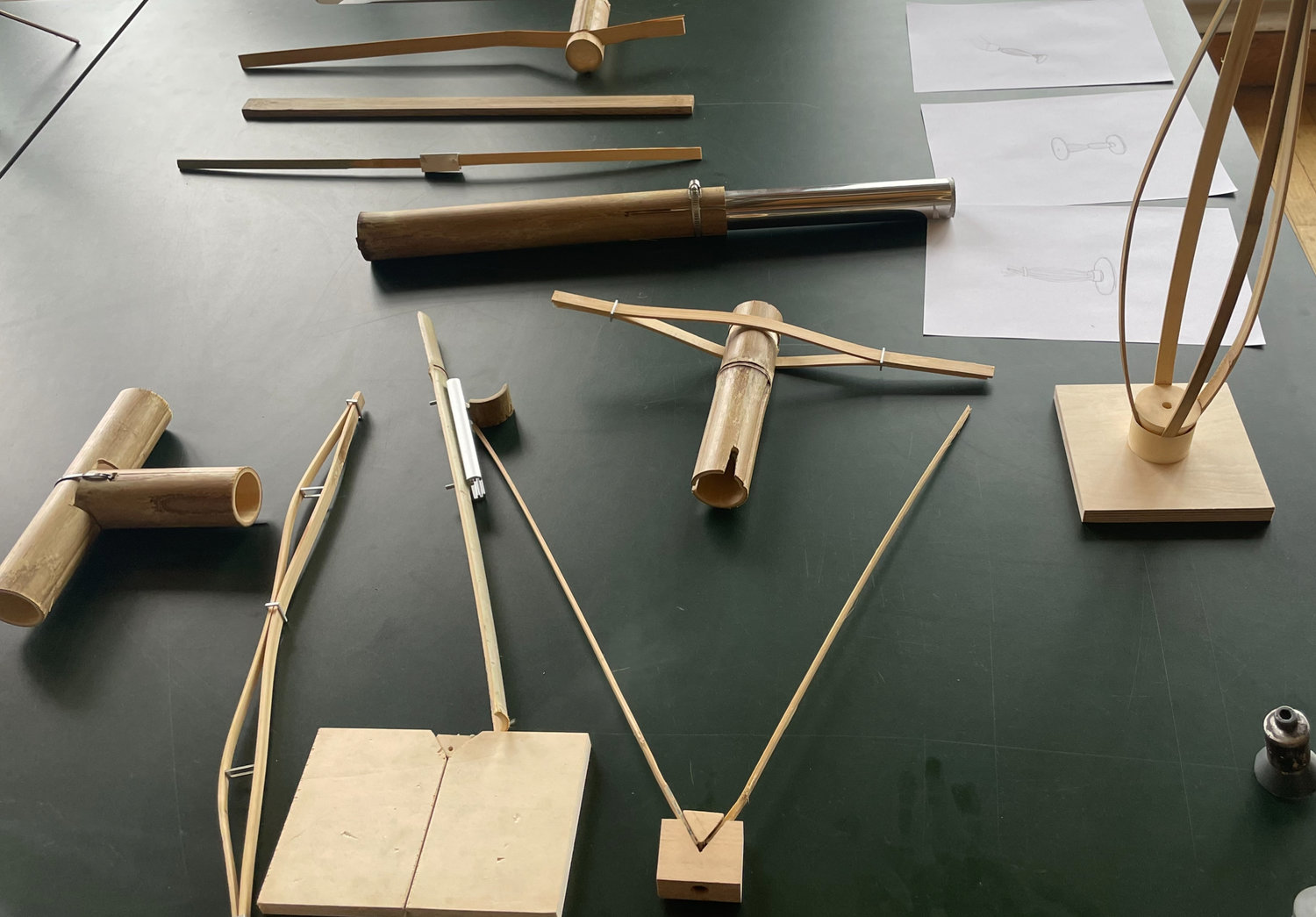
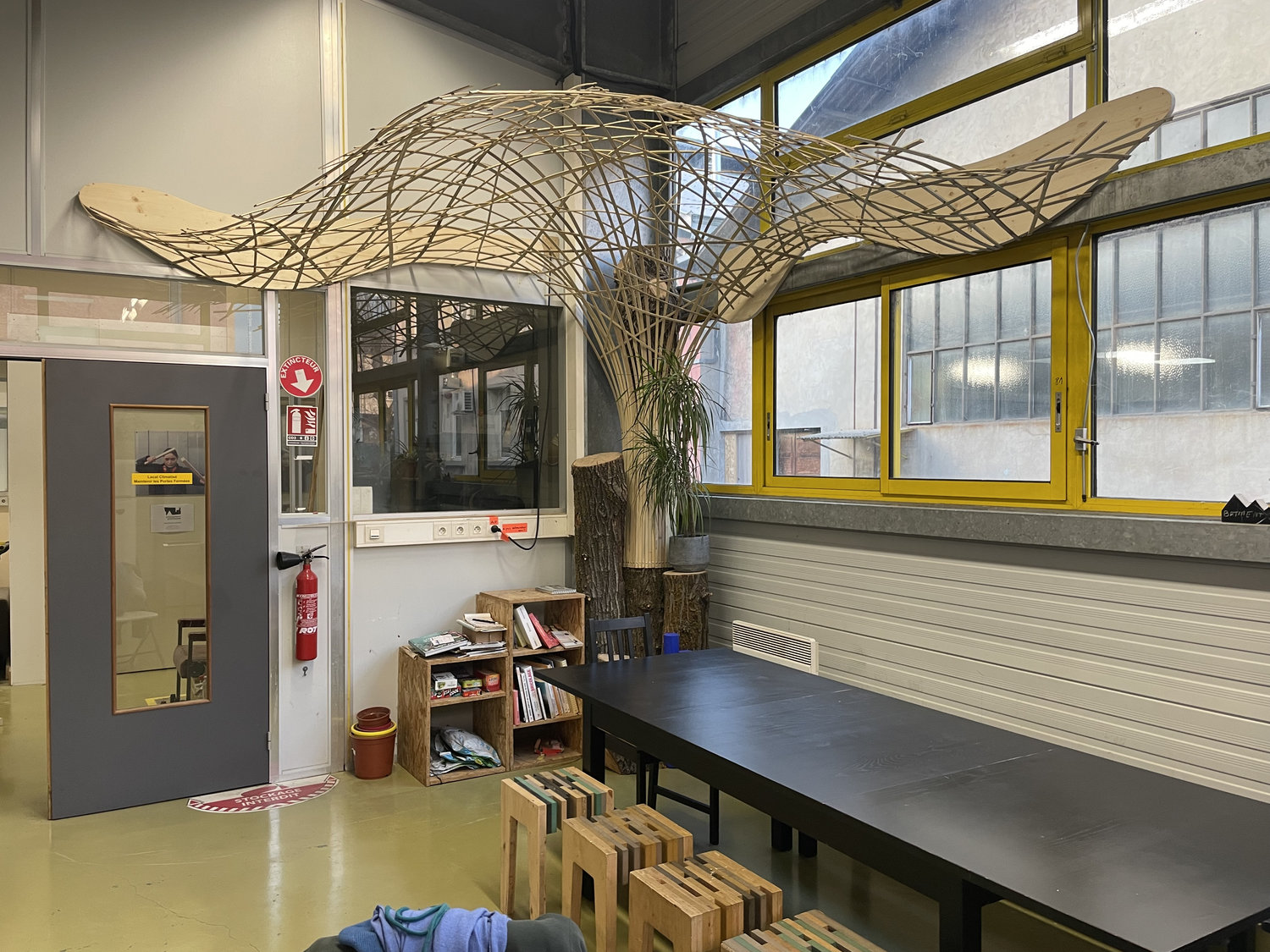
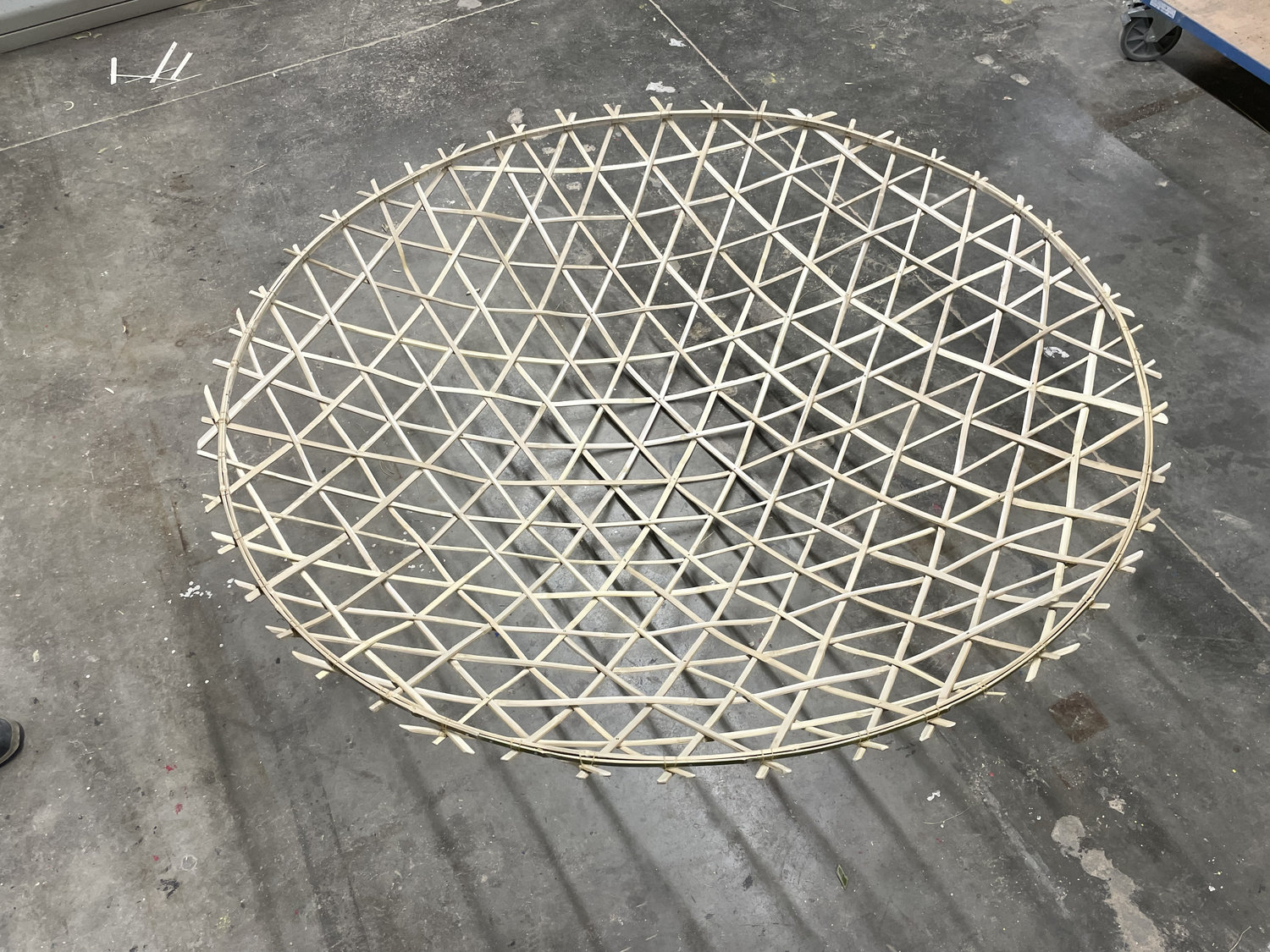
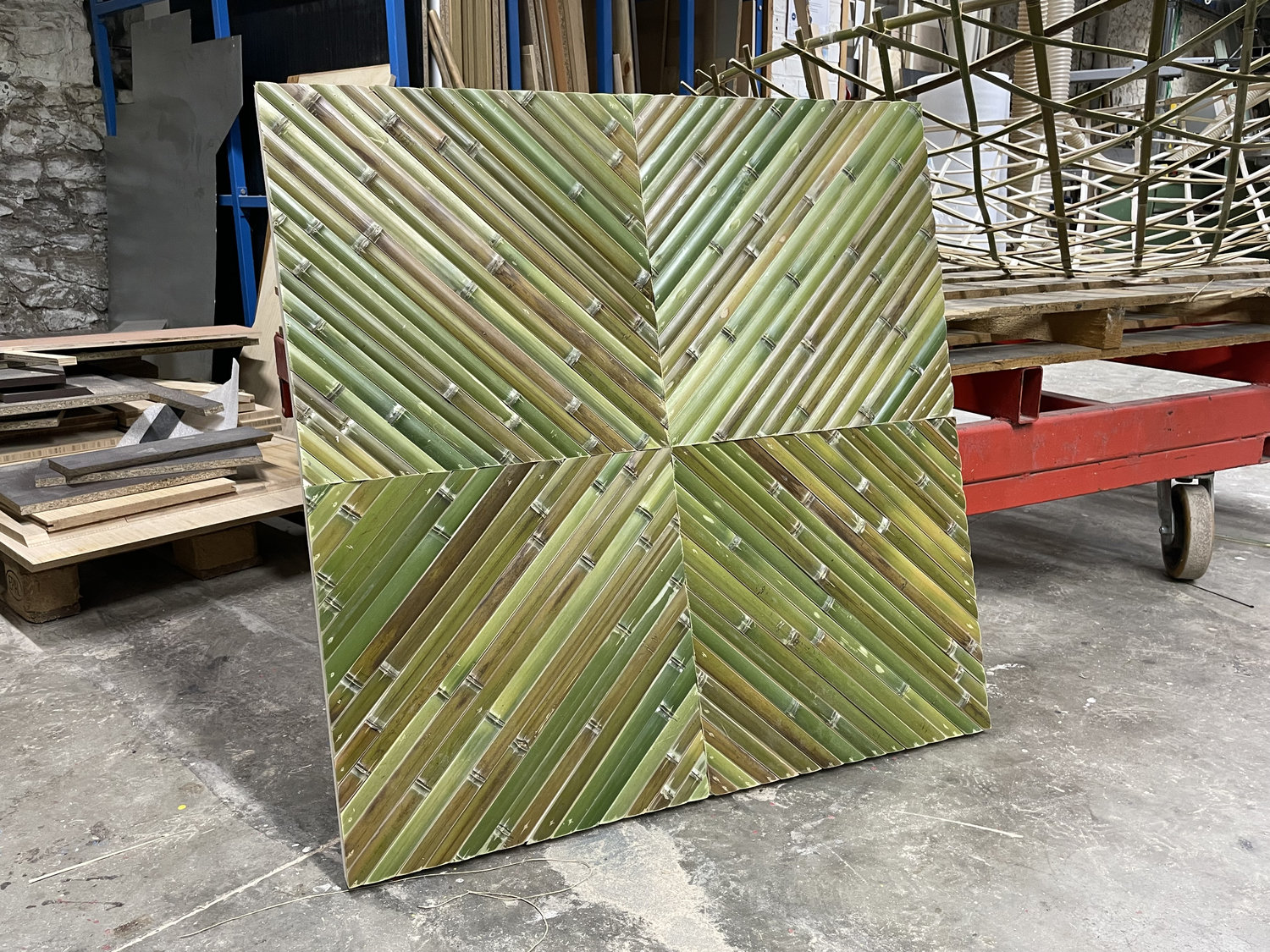
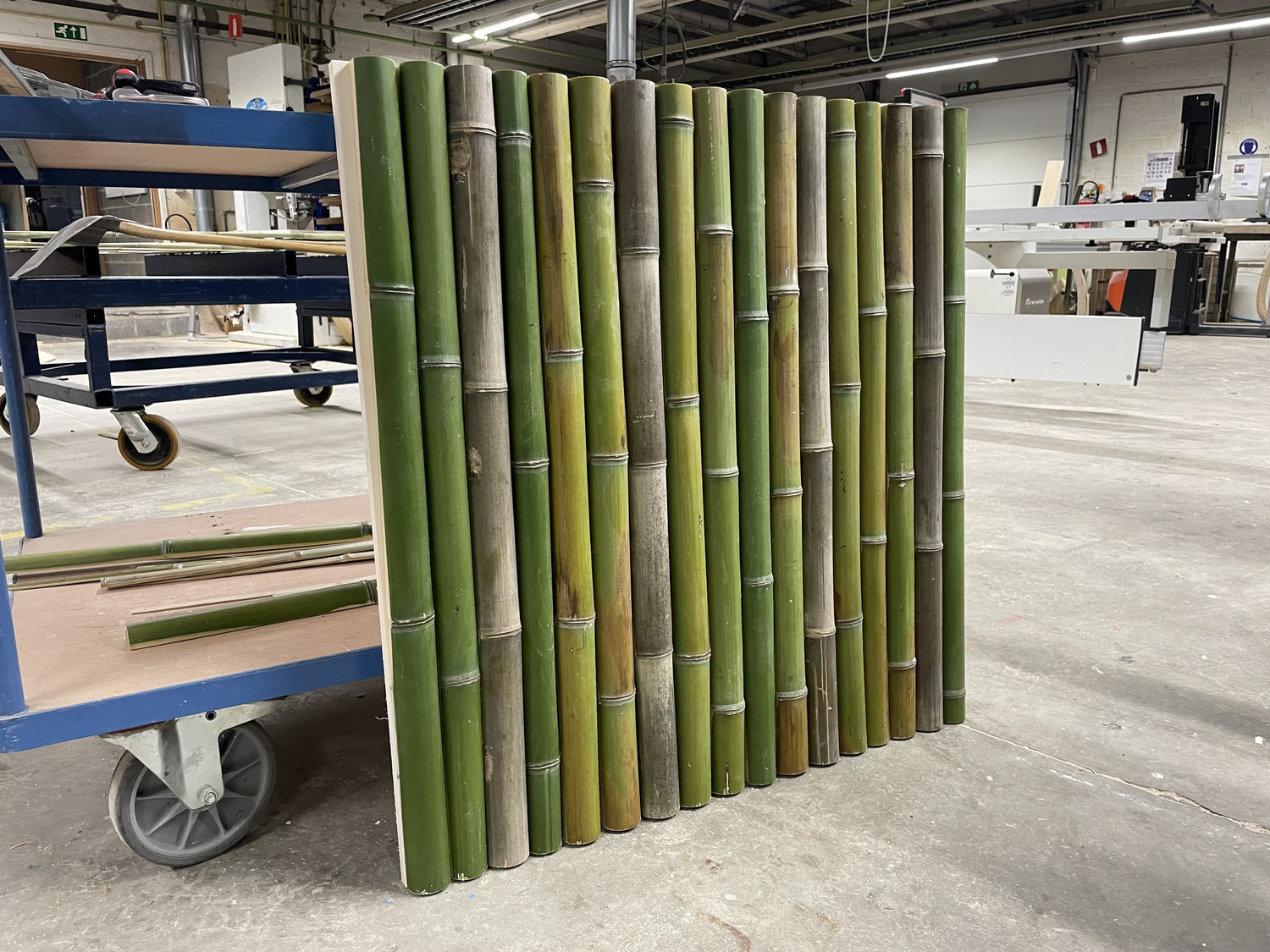
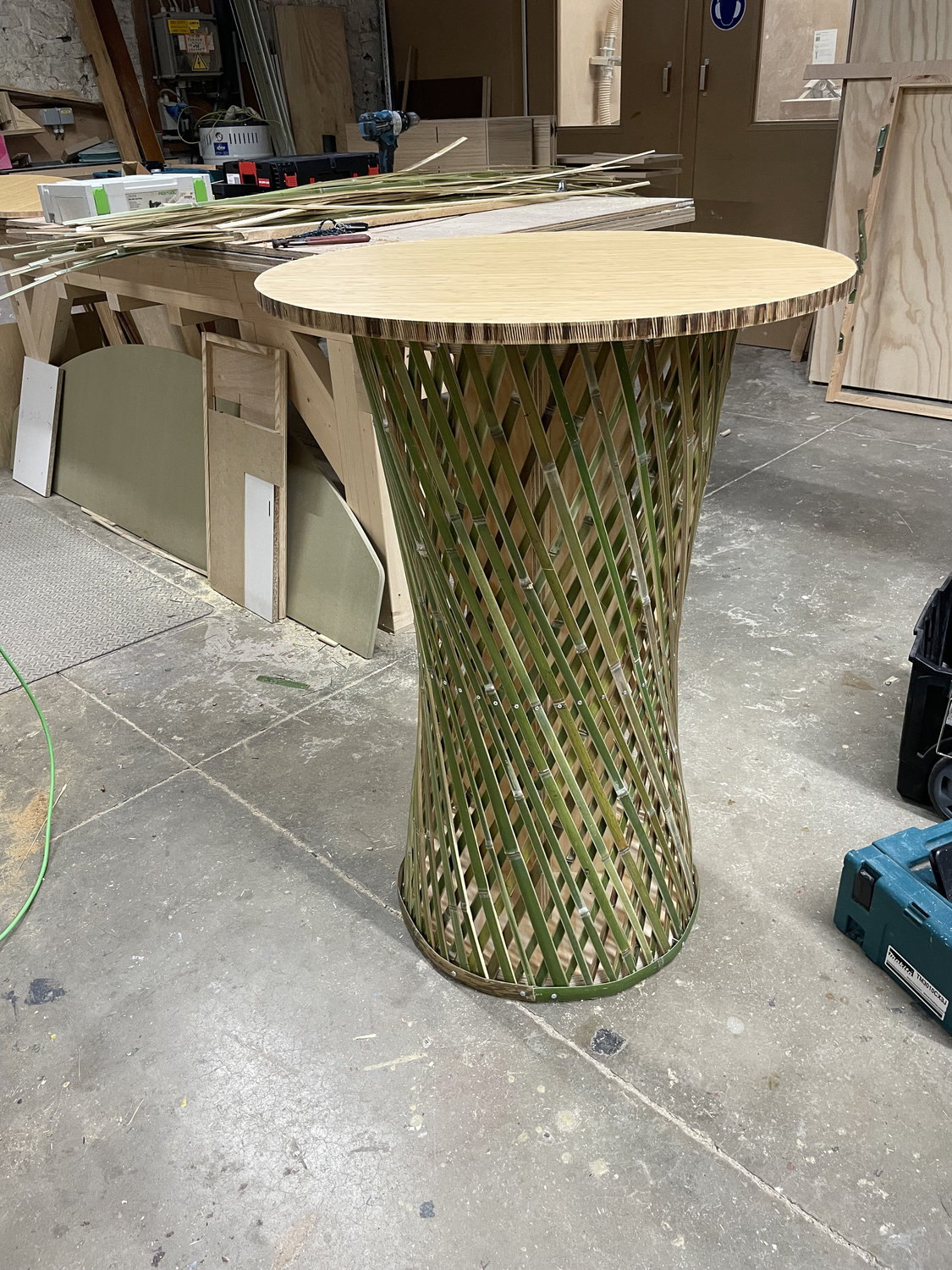
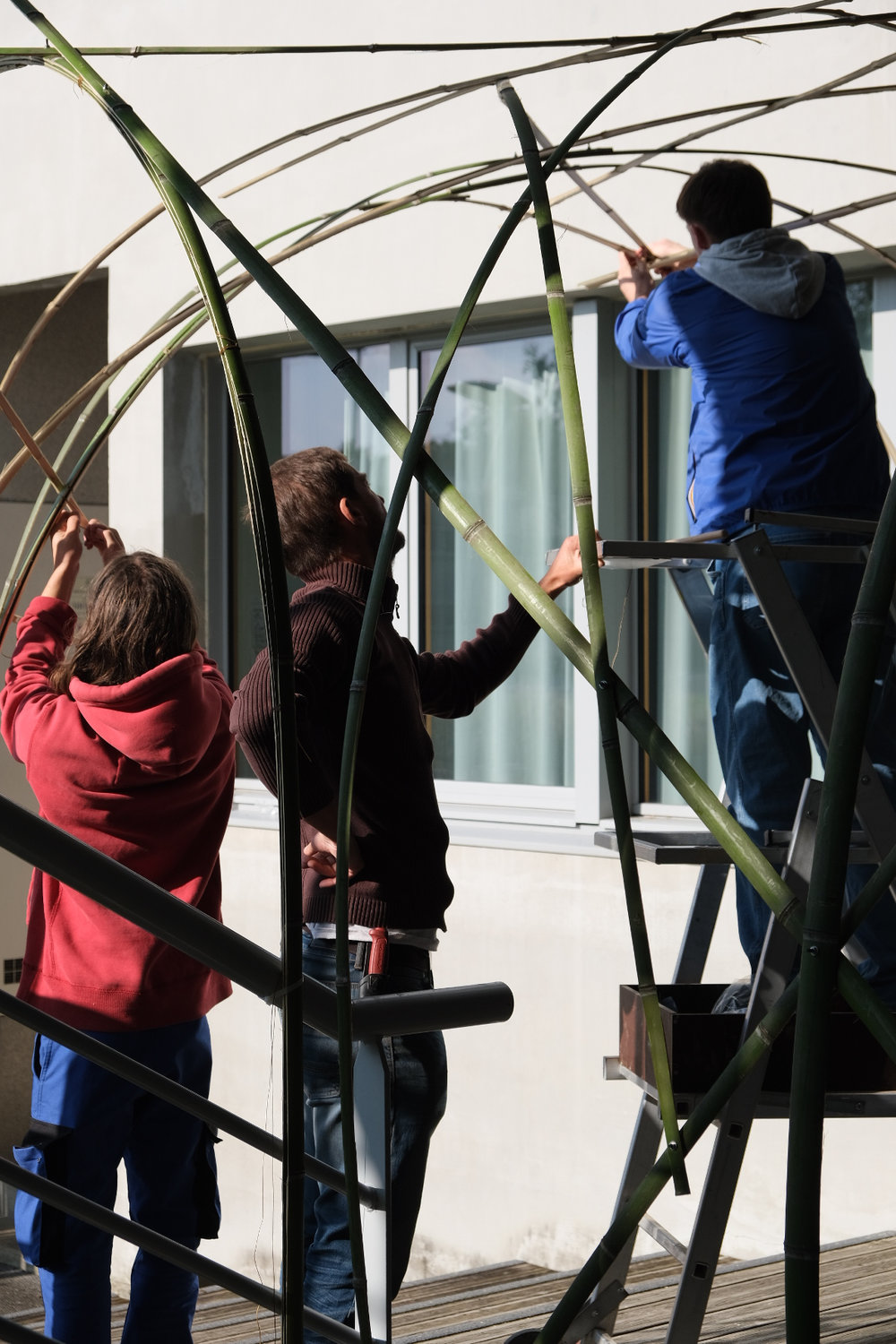
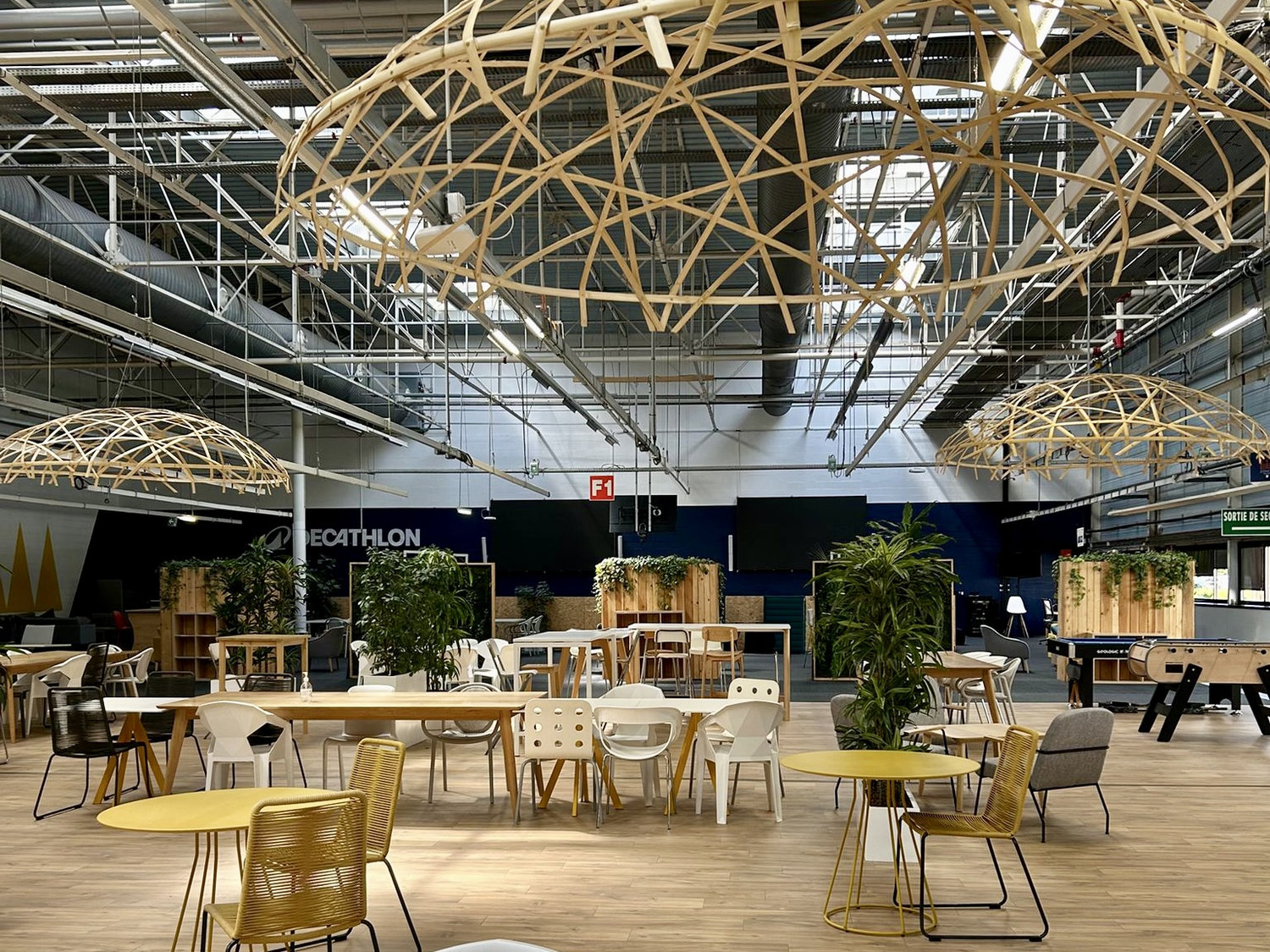
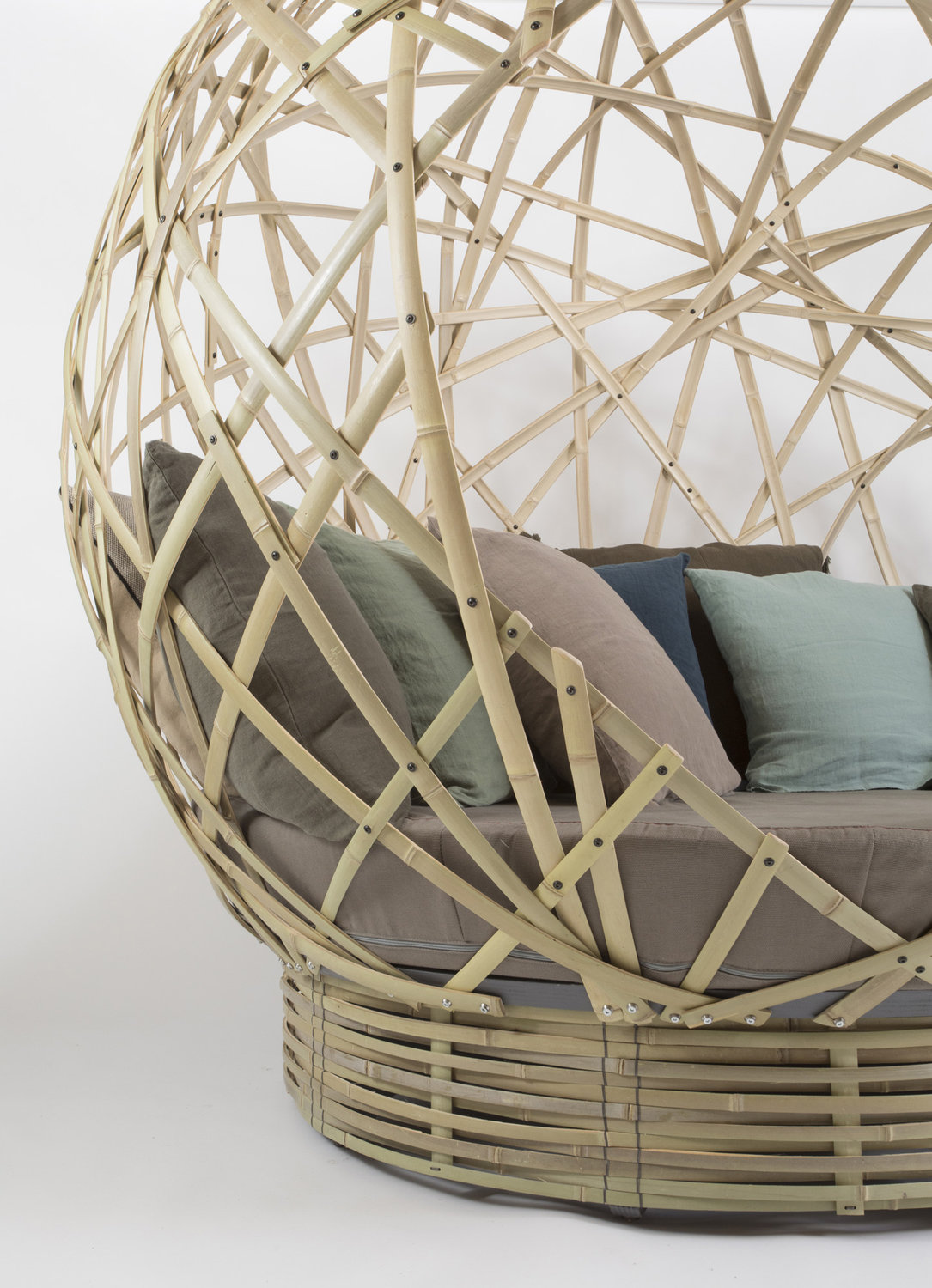
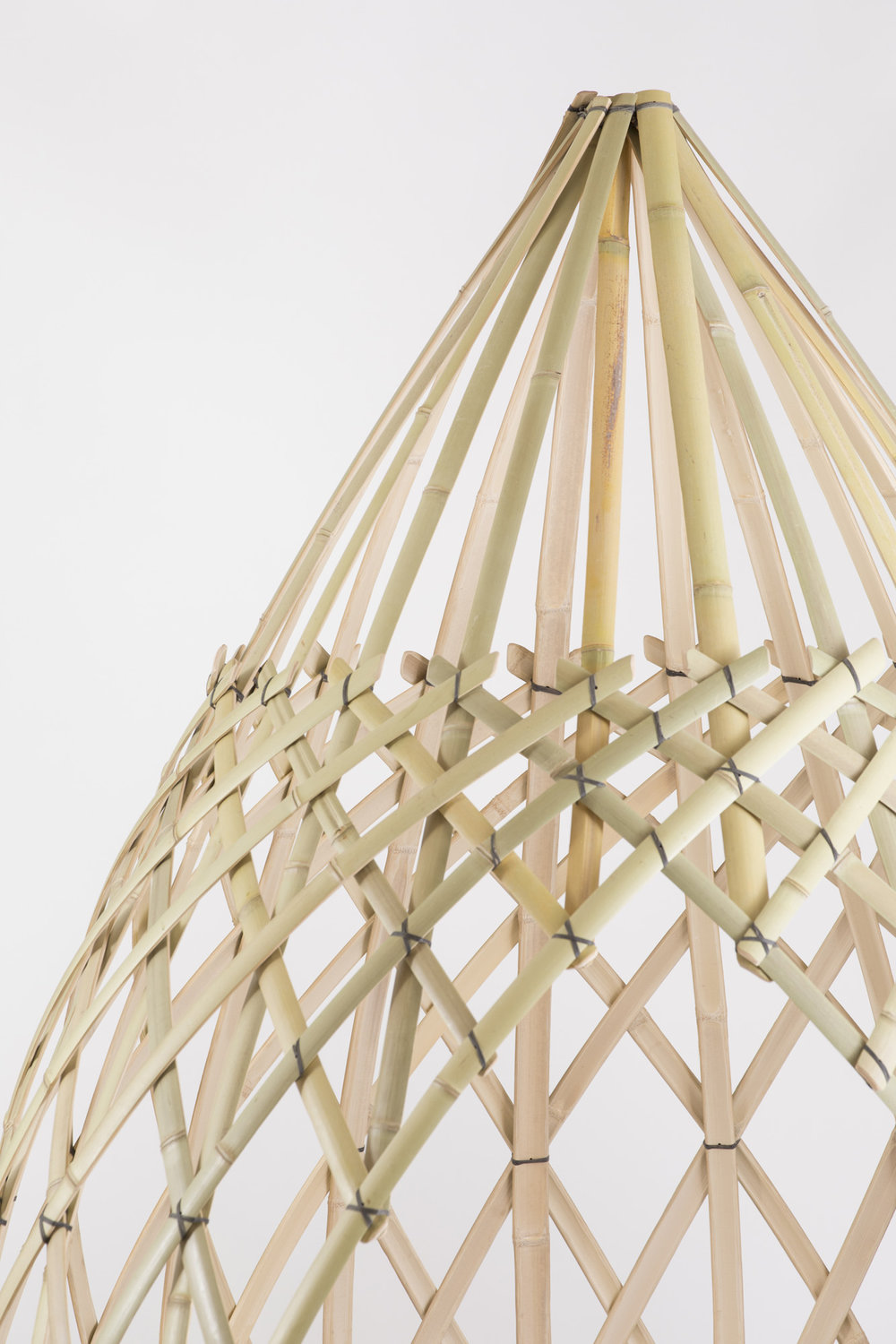
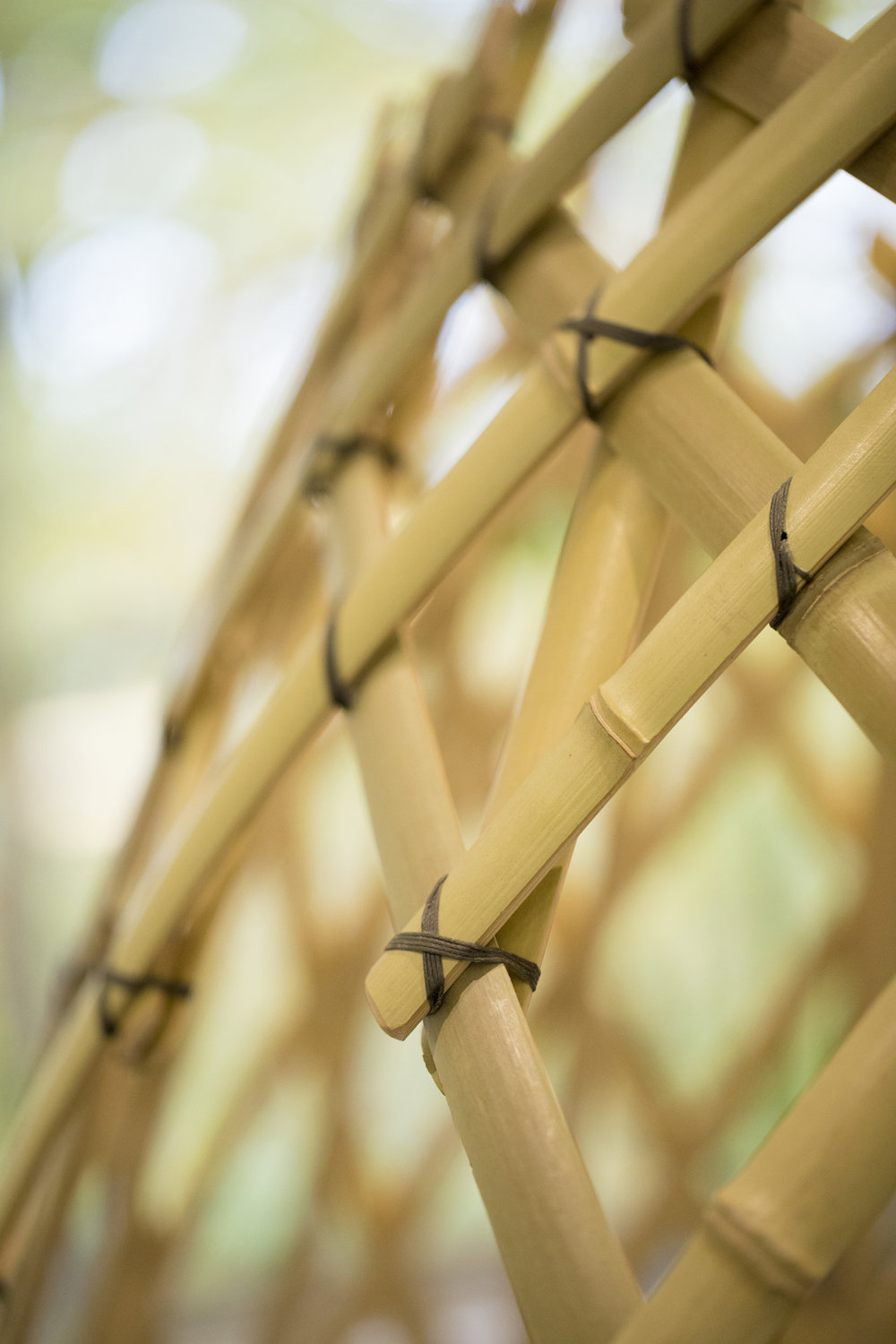
This workshop dedicated to the craft of bamboo slats offers a rare immersion into an exceptional skill set, developed by Jean-Baptiste Dubois and honed through more than 200 projects completed in France and around the world.
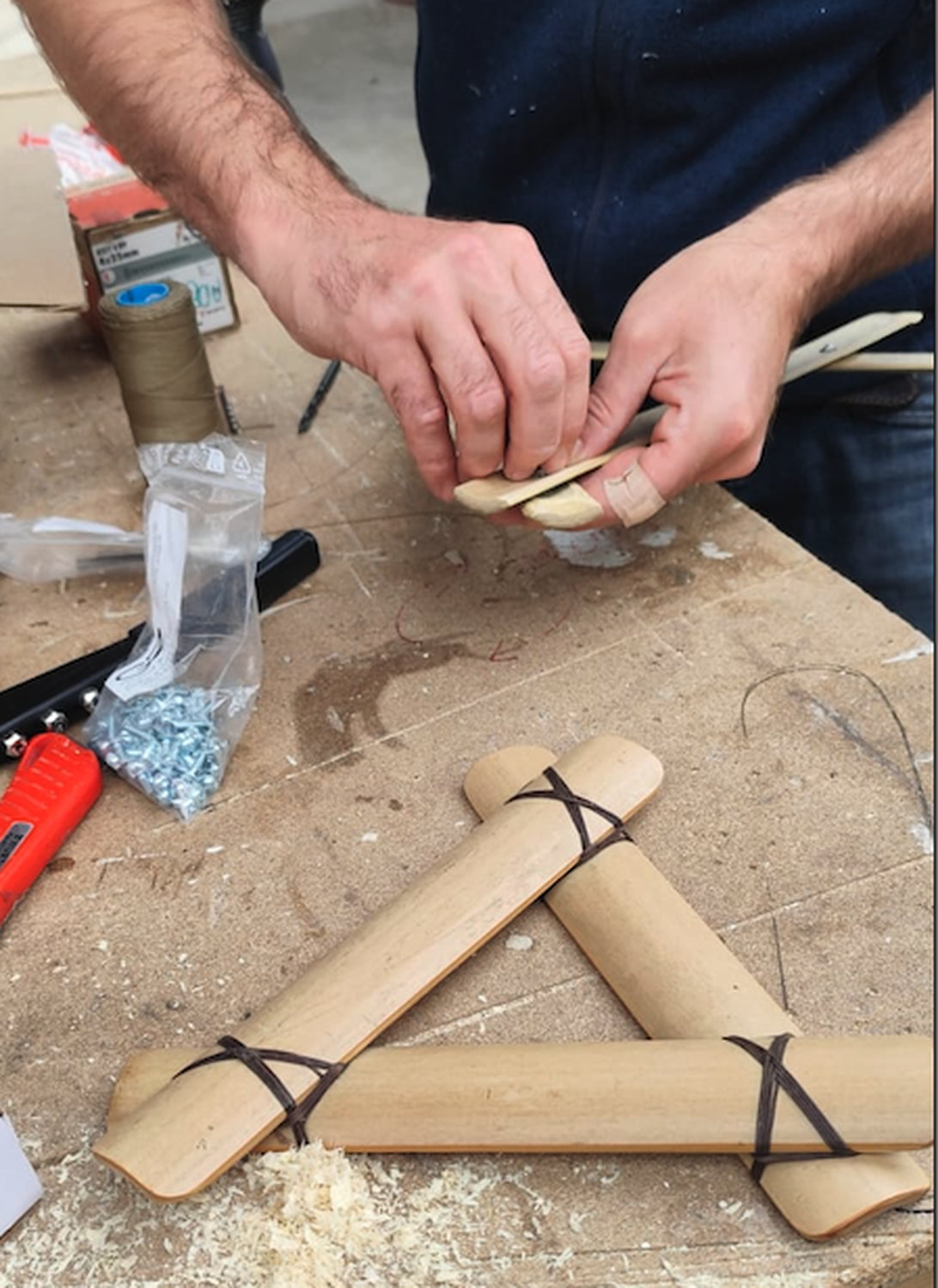
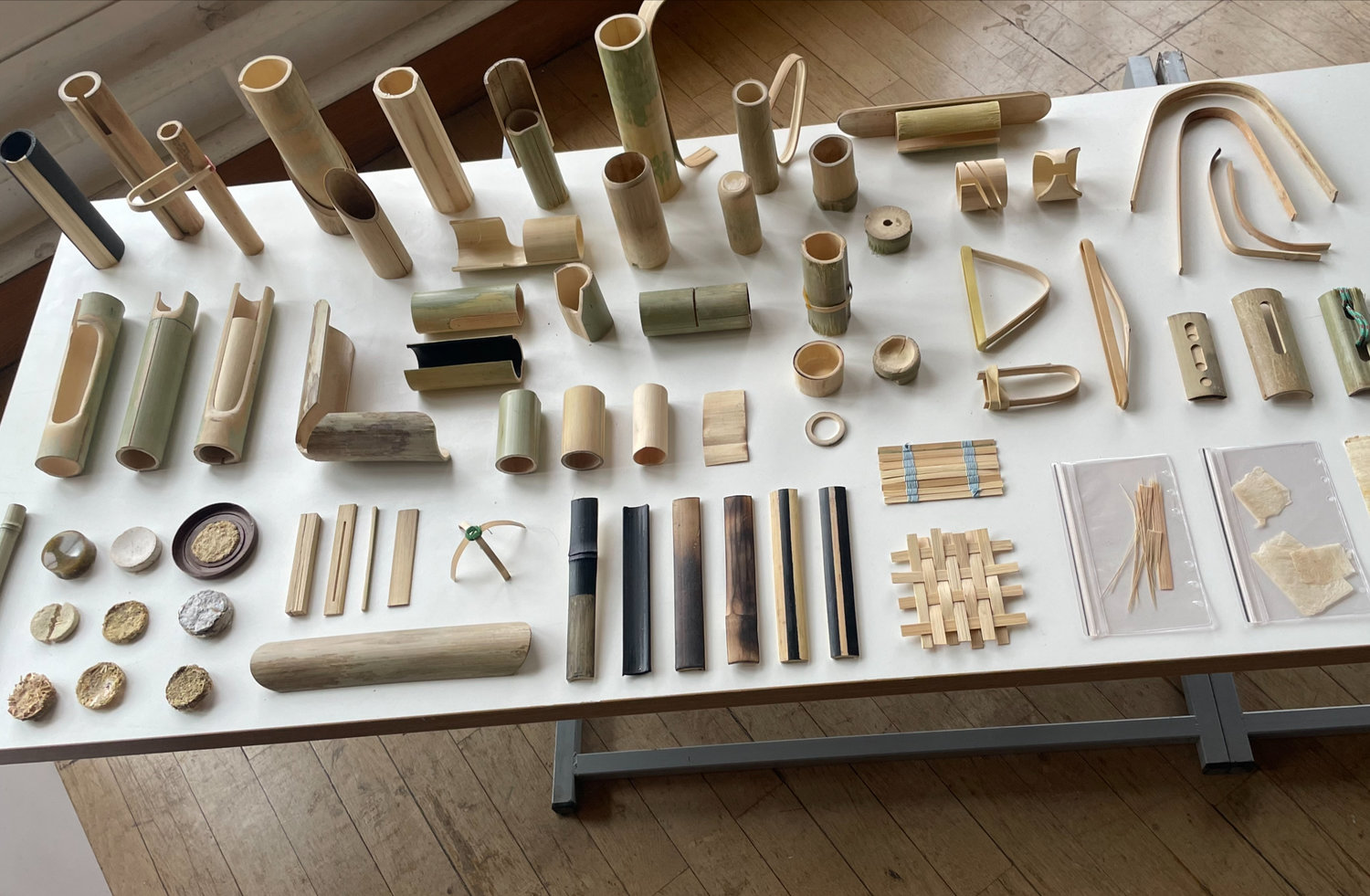
Over five intensive days, participants delve into the heart of a living and demanding material. They learn to understand bamboo in all its dimensions—technical, structural, and environmental—while developing practical mastery of essential techniques: processing, assembling, and applying the strips in custom projects.
Much more than a technical training course, this is a comprehensive professional development experience that enables participants to move from raw material to the design of furniture and decorative and functional pieces. Upon completion of the program, participants will possess skills they can immediately apply to envision, design, and cost-estimate bamboo projects, grounded in a philosophy of sustainable and distinctive design.
Designed as a true skills accelerator, this training is aimed at interior designers, architects, artisans, and craftspeople, including carpenters, landscape architects, and basket weavers, as well as anyone already skilled in manual work who wishes to specialize in an innovative, eco-friendly, and rapidly growing material.
A concrete opportunity to stand out, expand your scope of work, and incorporate a material that is still underutilized but offers considerable creative and architectural potential.
Upon completion of the training, participants will be able to:
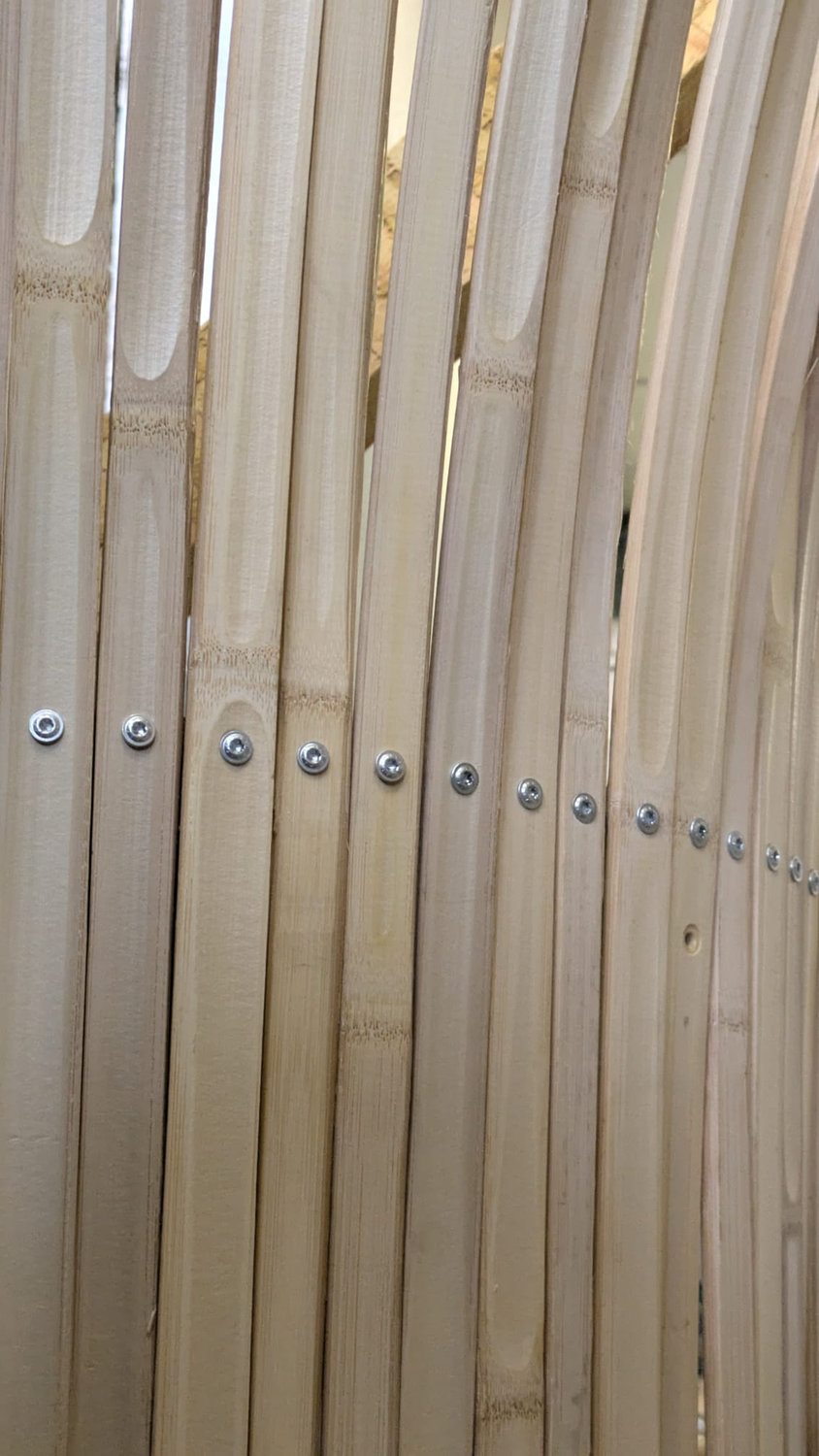
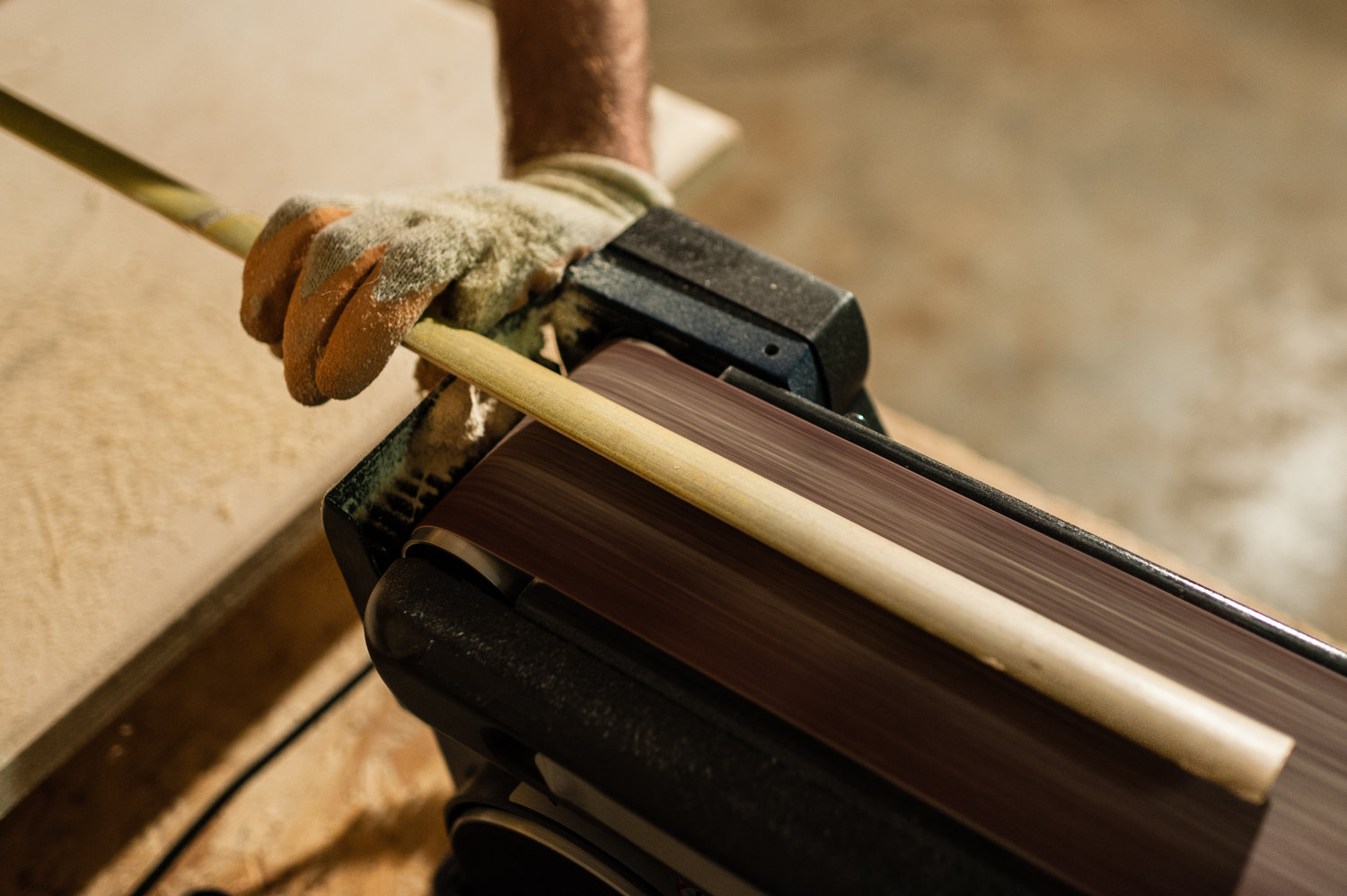
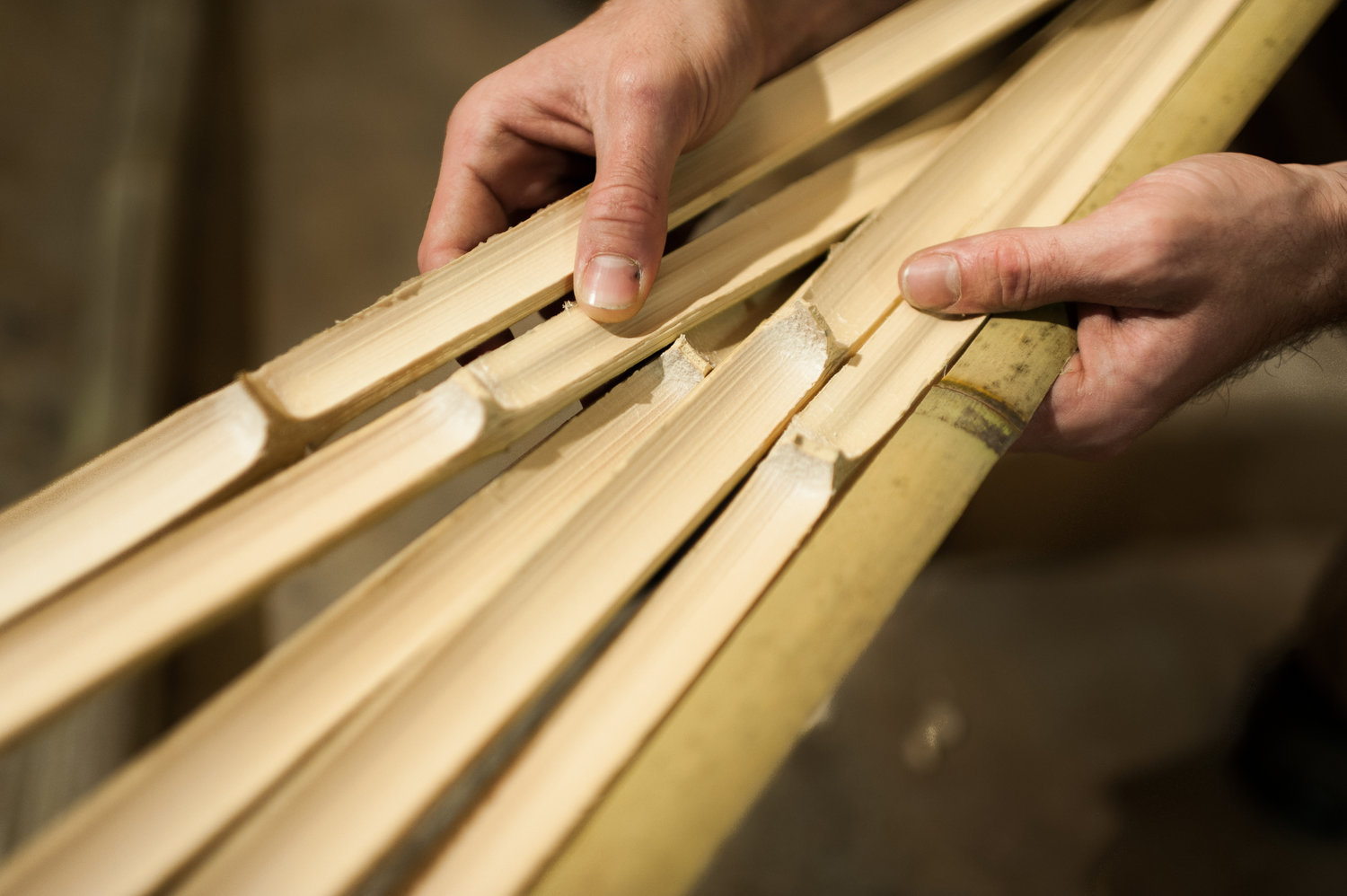
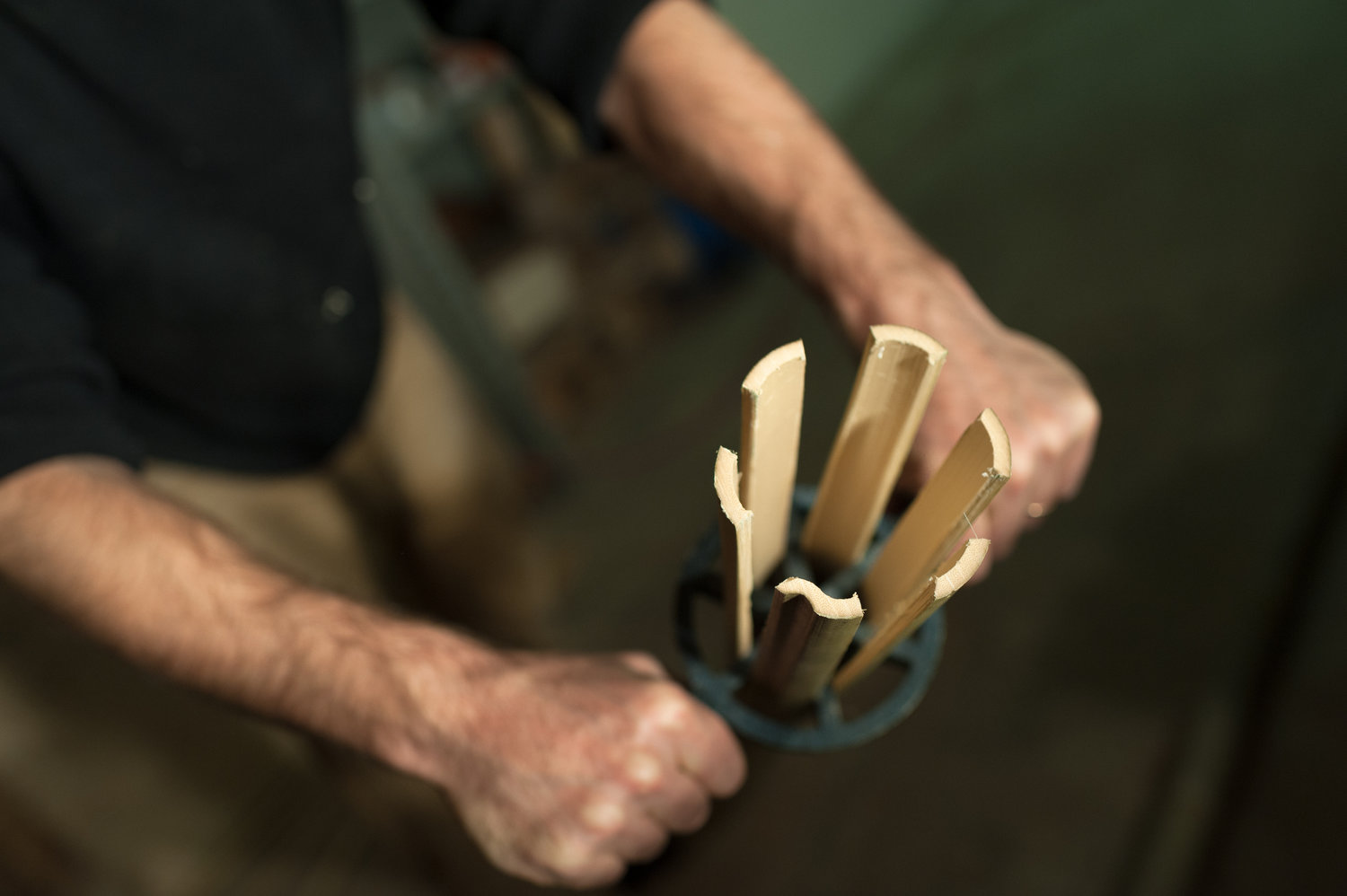
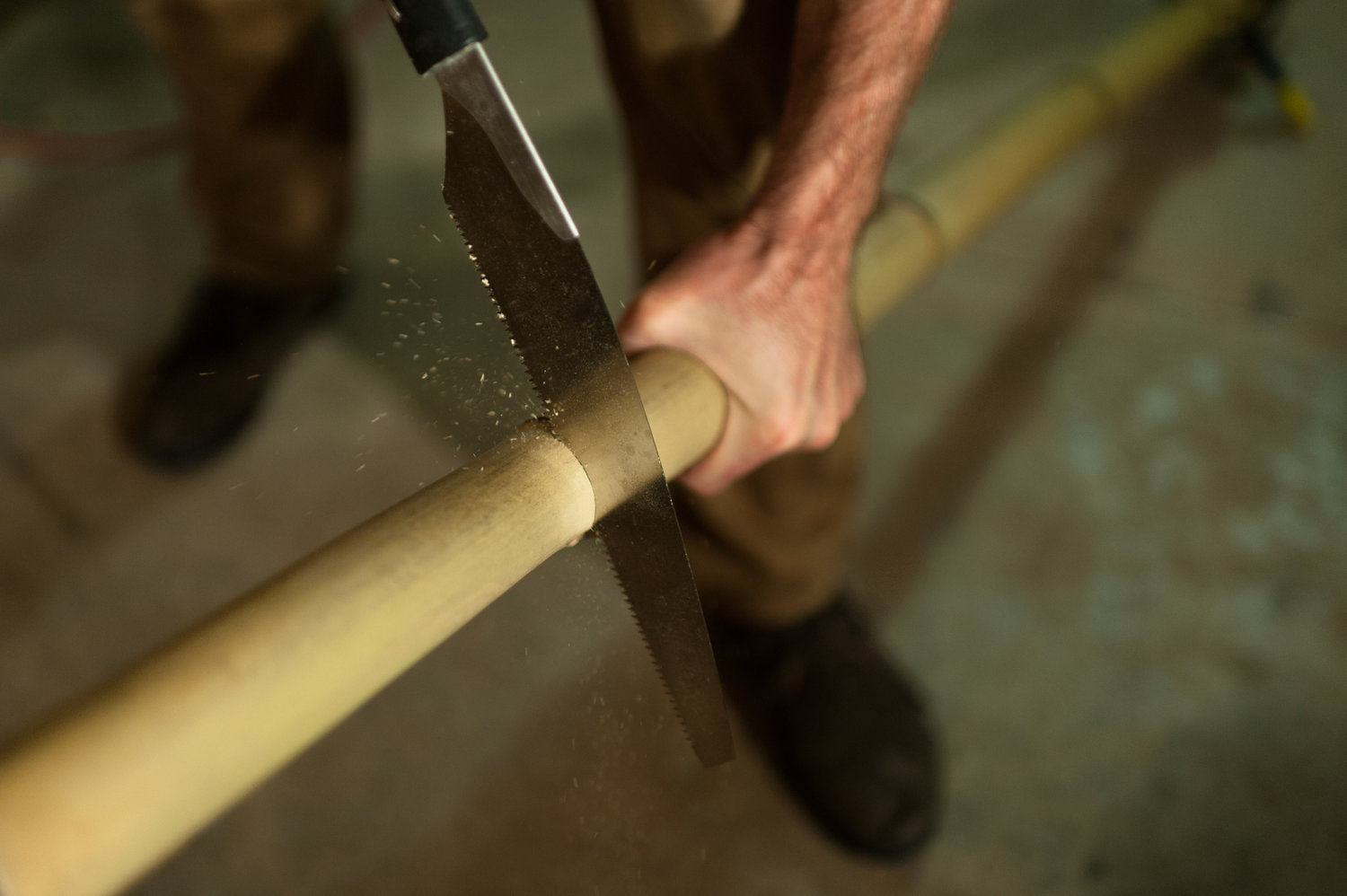
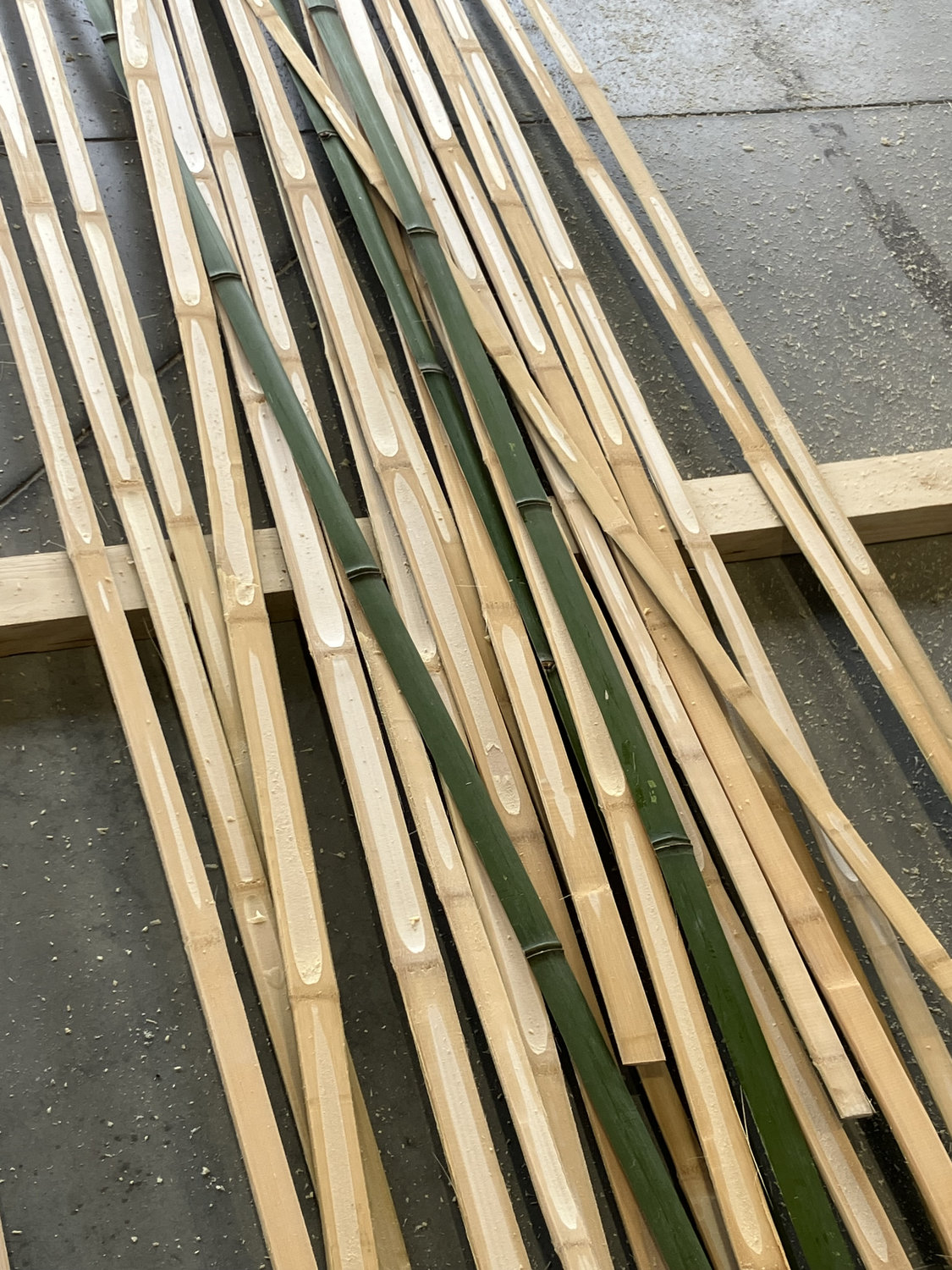
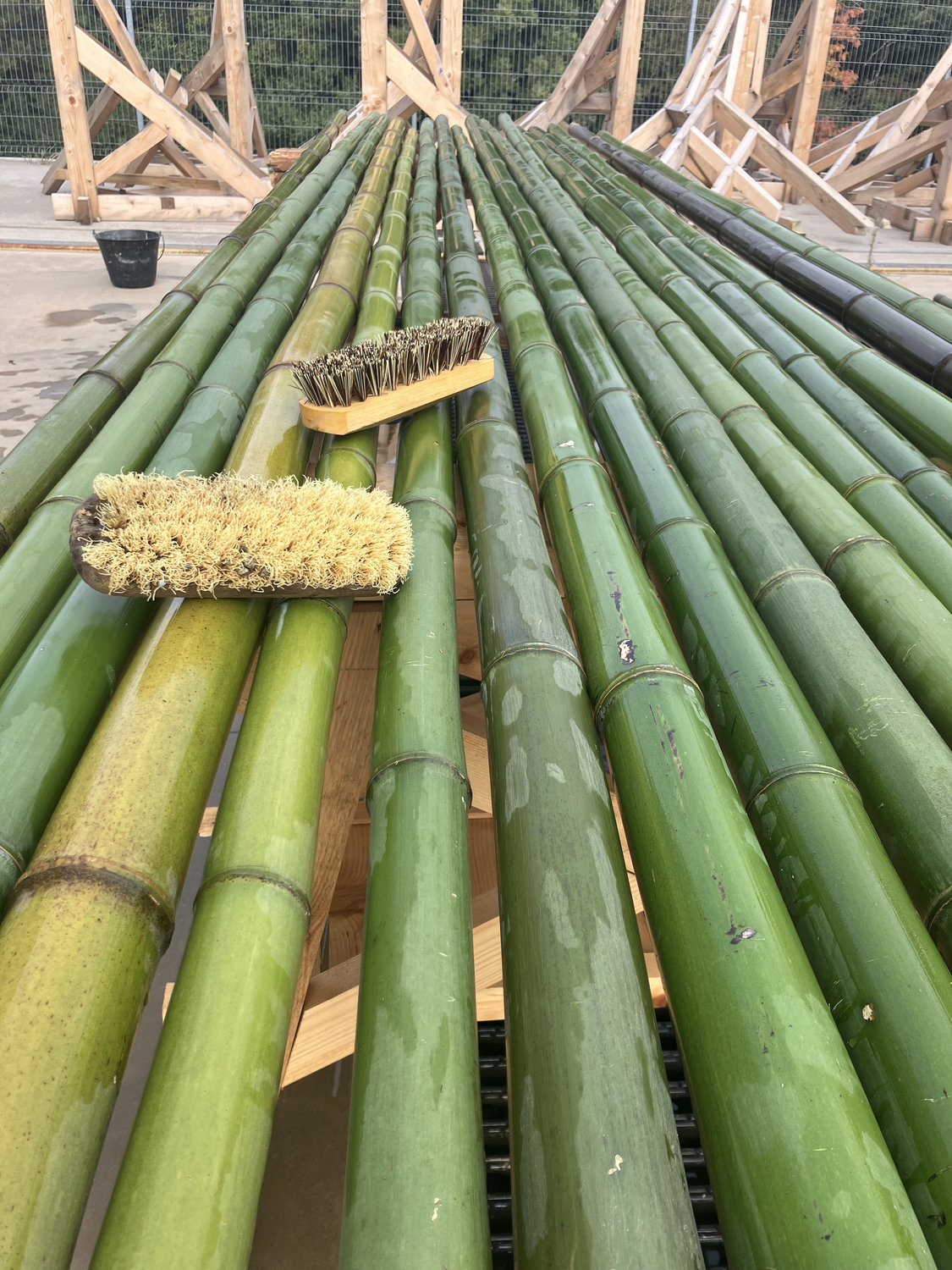
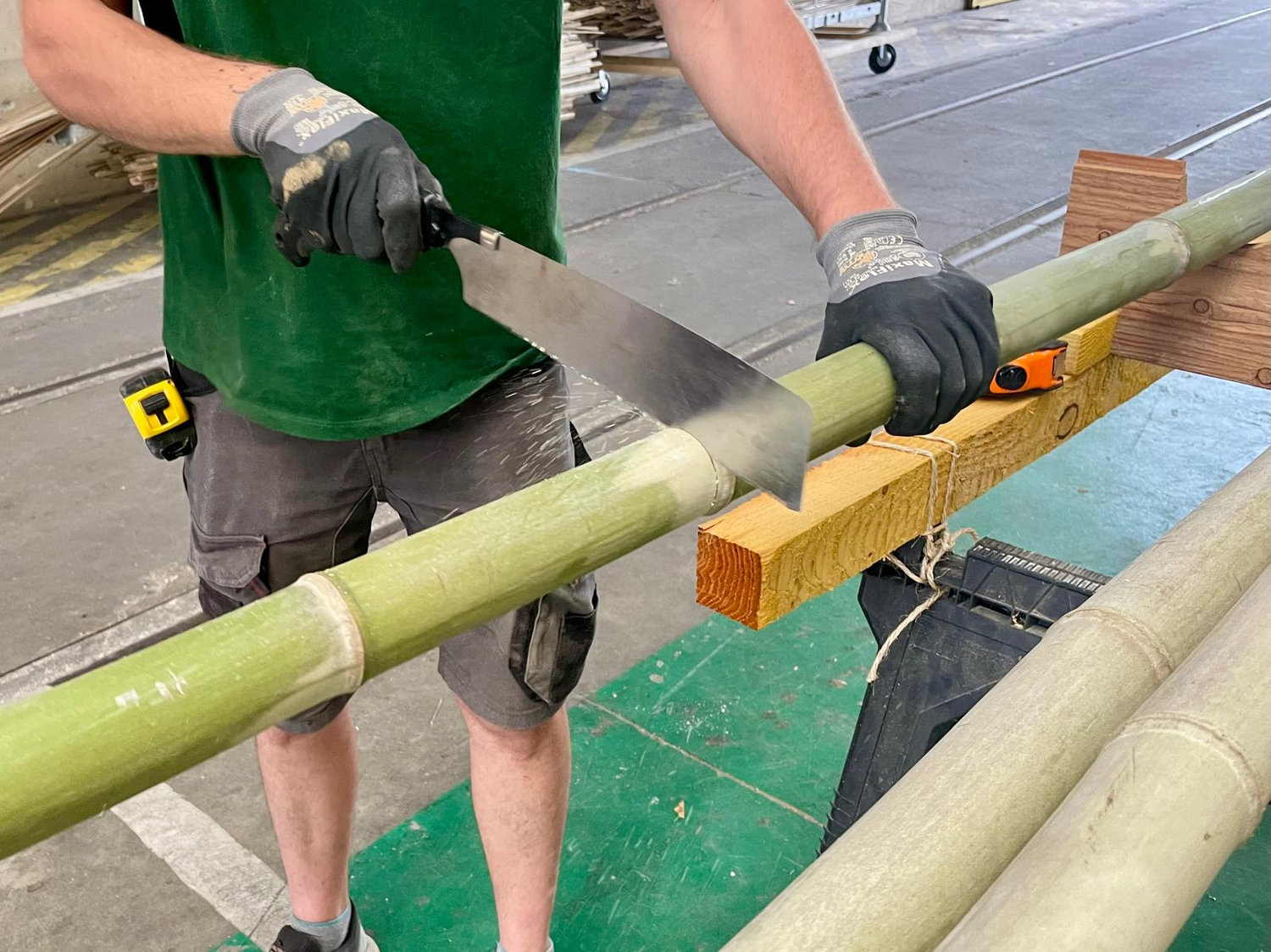
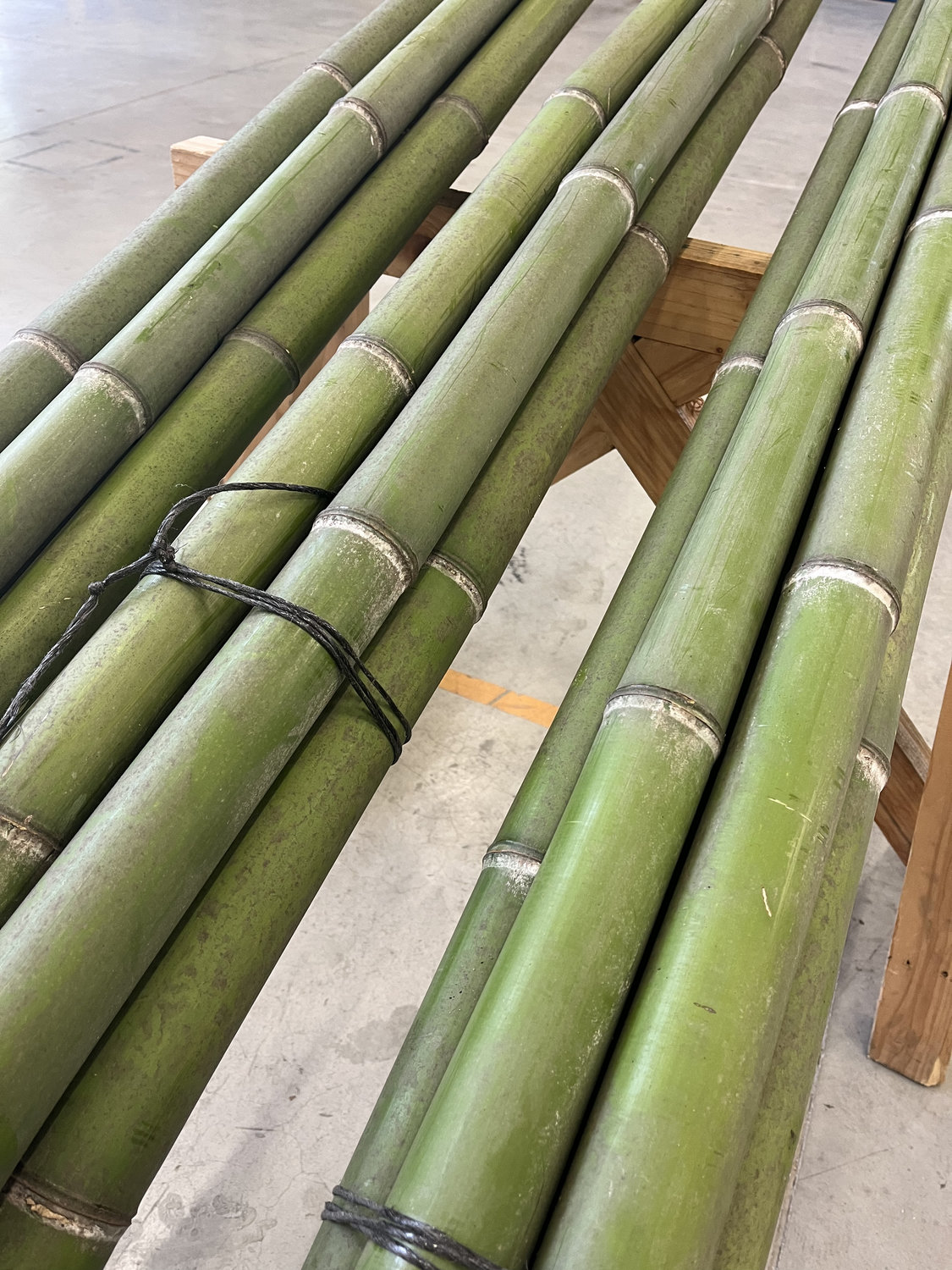
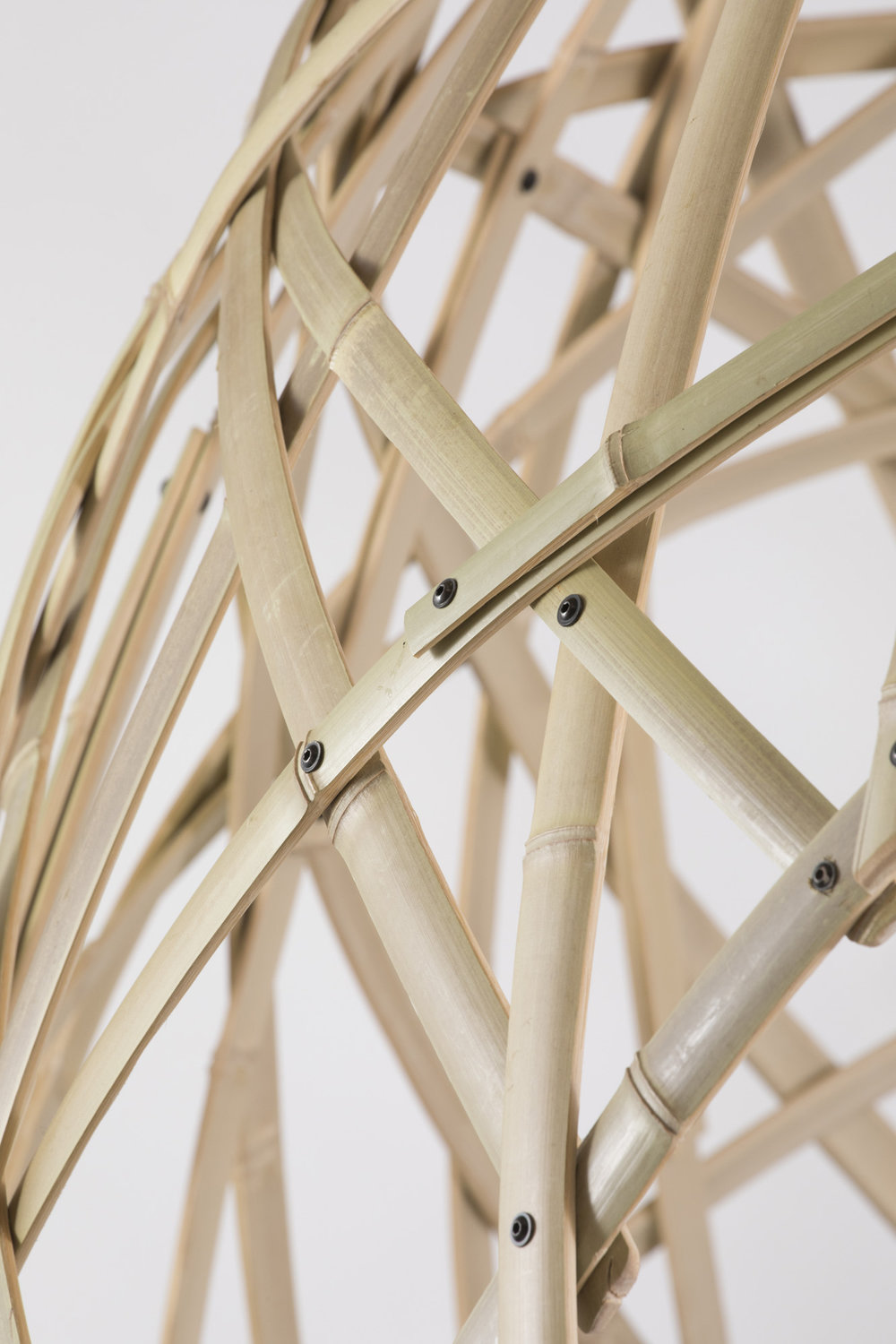
The training program offers a comprehensive immersion in the fundamental techniques of bamboo slat craftsmanship. Participants learn about the unique characteristics of the material and its natural environment, as well as the key stages of the production process: sourcing, transportation, storage, and preparation of the raw material. They then learn to transform the bamboo into strips through splitting, resplitting, and planing, before moving on to assembly work using appropriate tools and fastening systems.
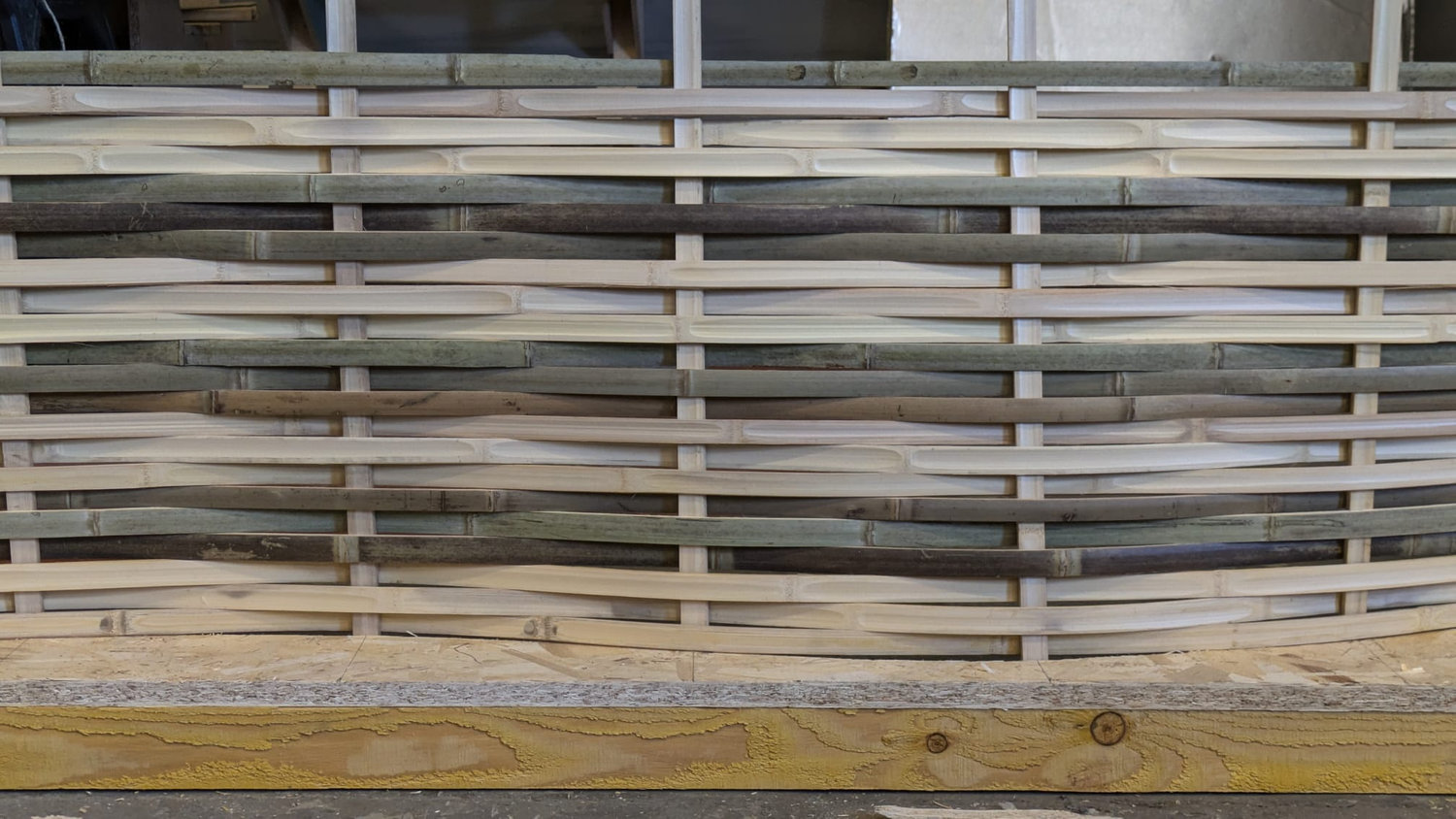
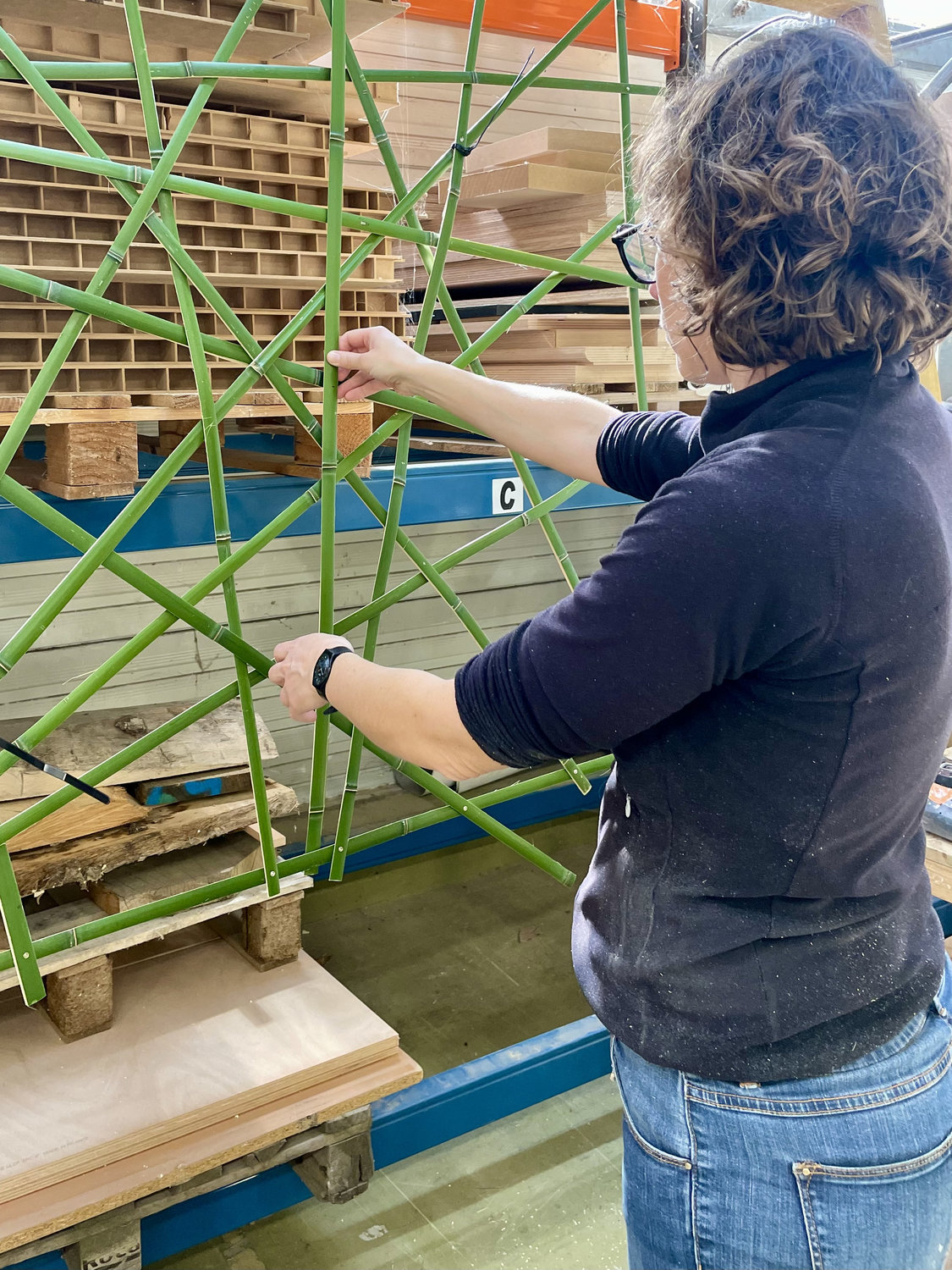
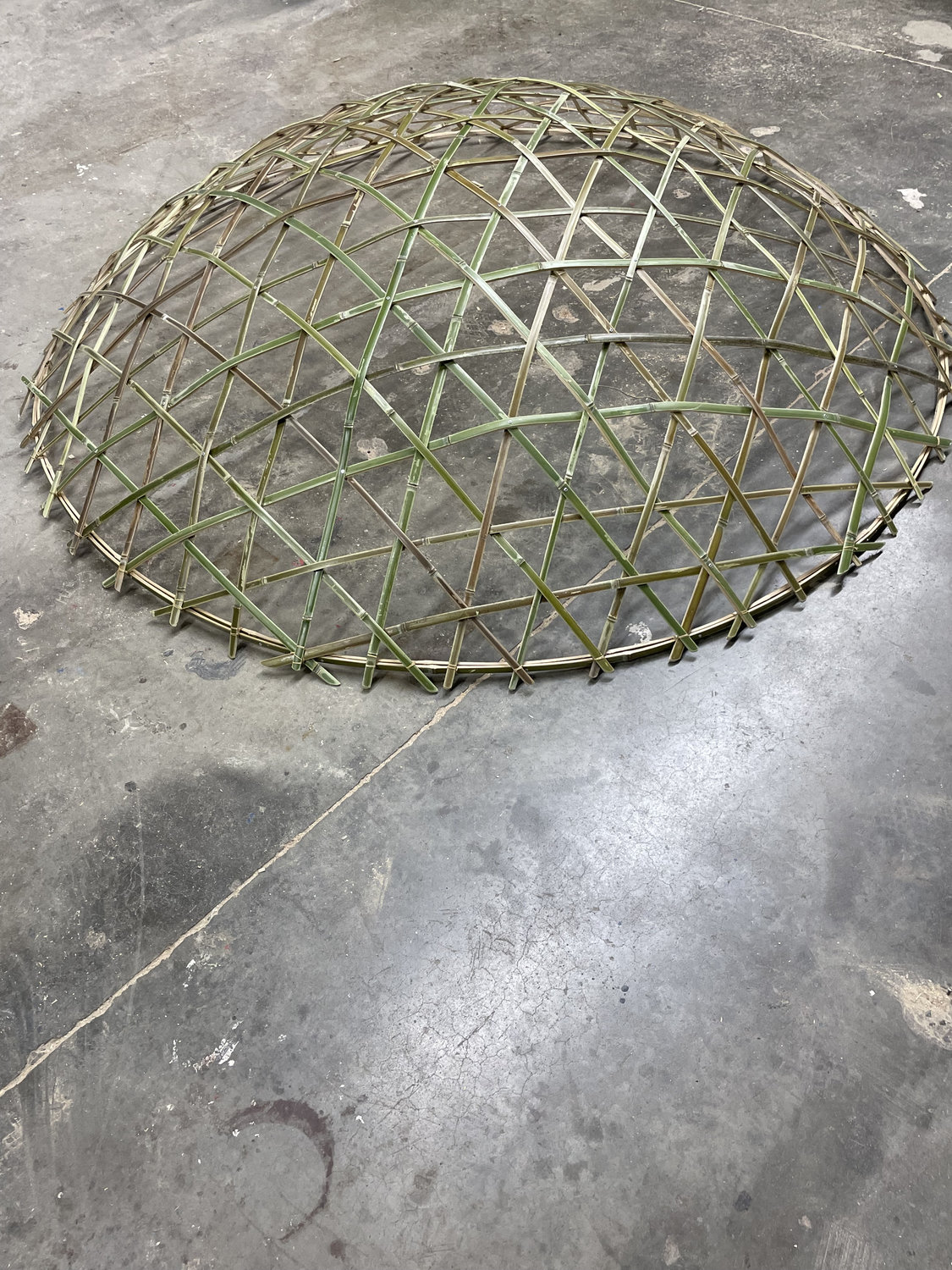
The program also includes instruction on the main types of weaving, as well as the basics of designing and cost-estimating a bamboo slat project. The entire course is conducted in accordance with safety regulations and the construction principles specific to this material.
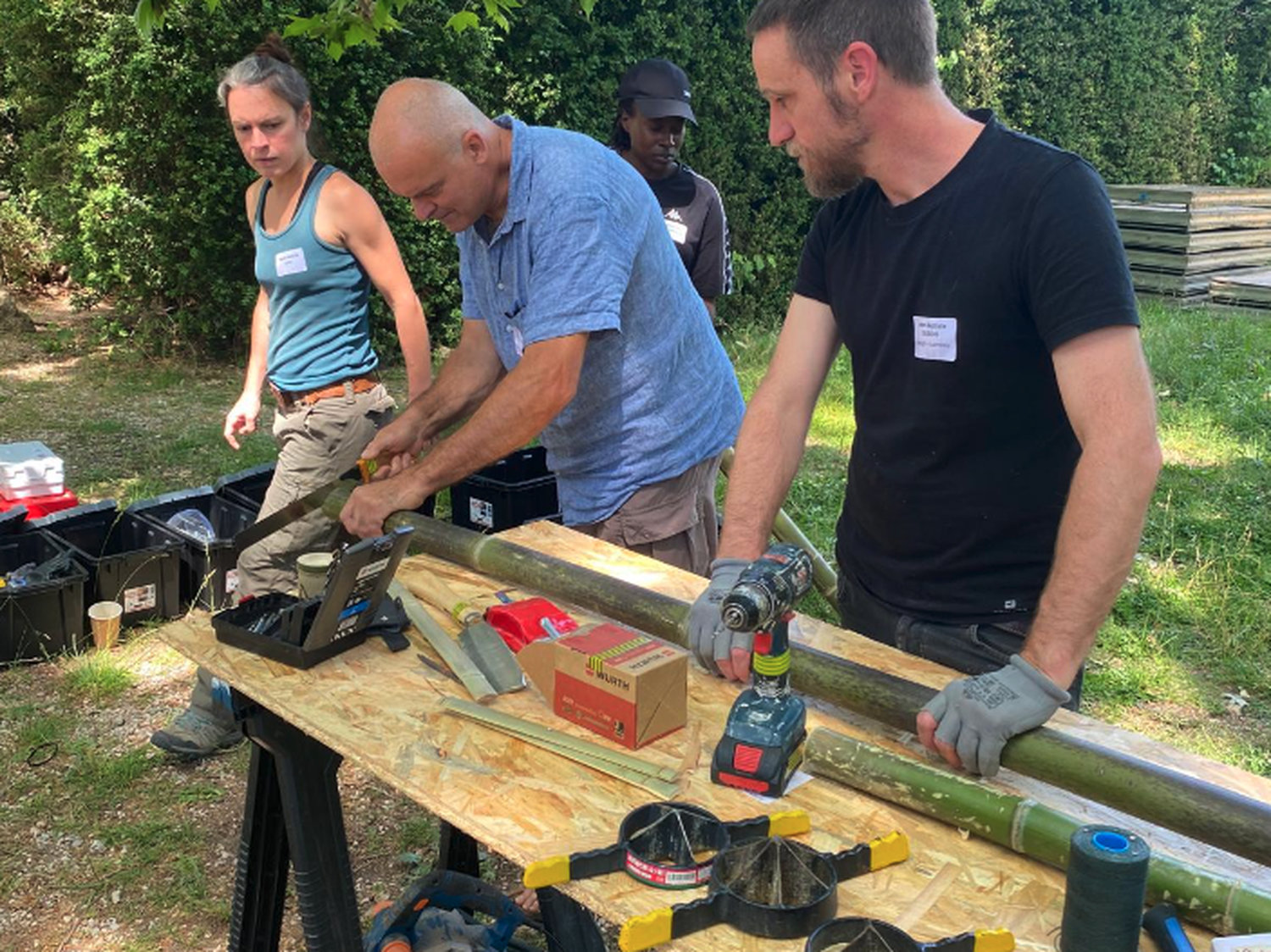
This workshop program is distinguished by its balance between theoretical instruction and intensive hands-on practice, with the hands-on completion of bamboo projects throughout the course. Its progressive and comprehensive approach allows participants to progress from discovering the raw material to the ability to evaluate and cost a complete project. It thus offers an in-depth immersion in bamboo craftsmanship and develops skills directly applicable in a professional context.
Afternoon
Morning
Afternoon
Morning
Afternoon
Morning
Afternoon
Morning
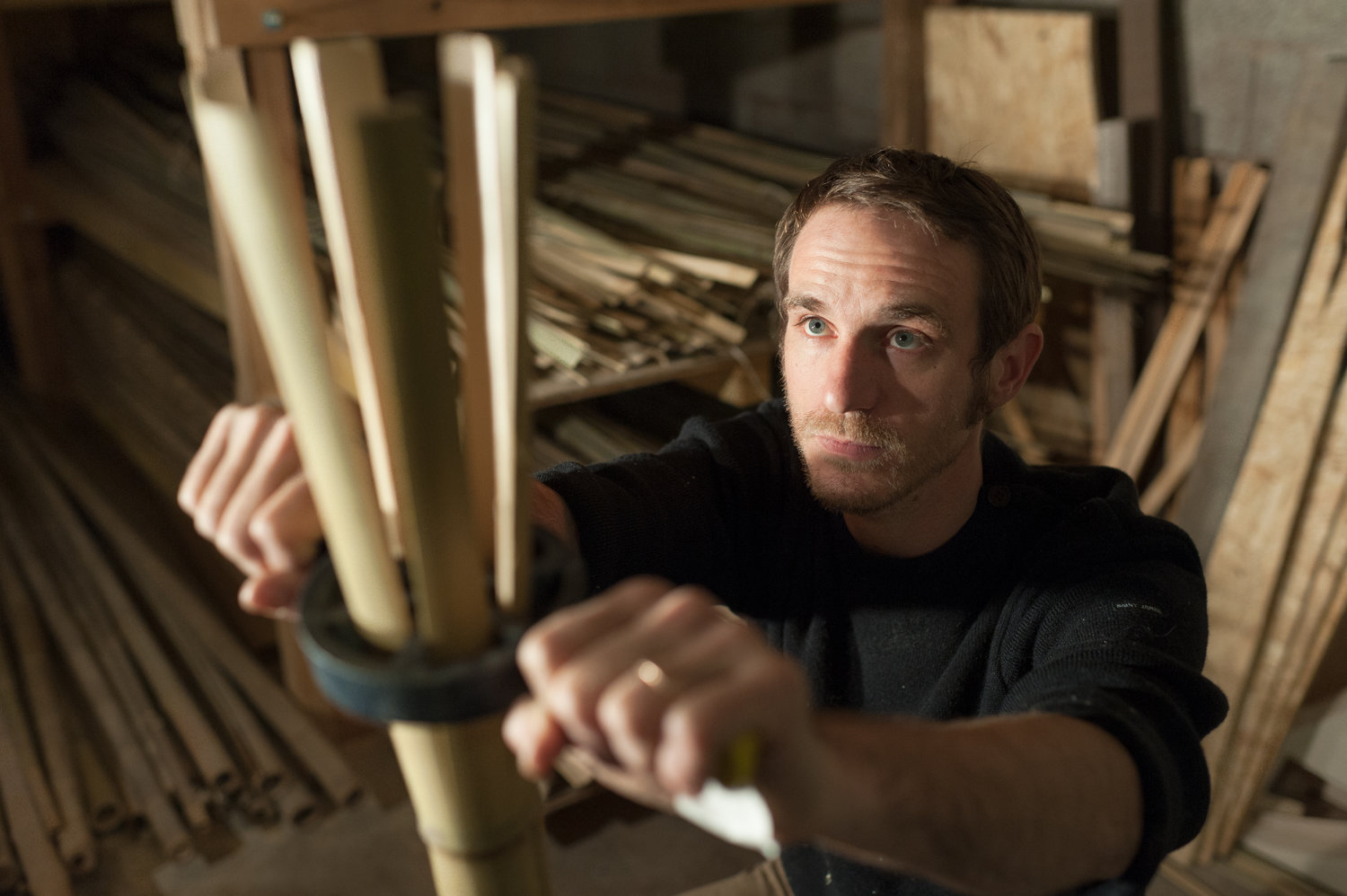
In the world of contemporary design and craftsmanship, Jean-Baptiste Dubois has, over the course of just over twenty years, charted a path that blends material exploration, project engineering, and workshop culture. A central theme emerged very early on: bamboo, not merely as a resource, but as a field of experimentation at the intersection of ecology, technology, and creativity.
His path, however, did not follow a straight line. Trained in management and marketing at EDHEC Business School, then in intercultural relations and development at the University of Lille 3, he completed his studies with a year-long exchange in Bangkok. Very early on, the international arena established itself as a space for learning as much as for shifting perspectives. Southeast Asia even became a place of extended immersion, particularly in the early 2000s, when he lived among the Karen ethnic group in Thailand. There, he discovered the gestures, customs, and vernacular logic of bamboo.
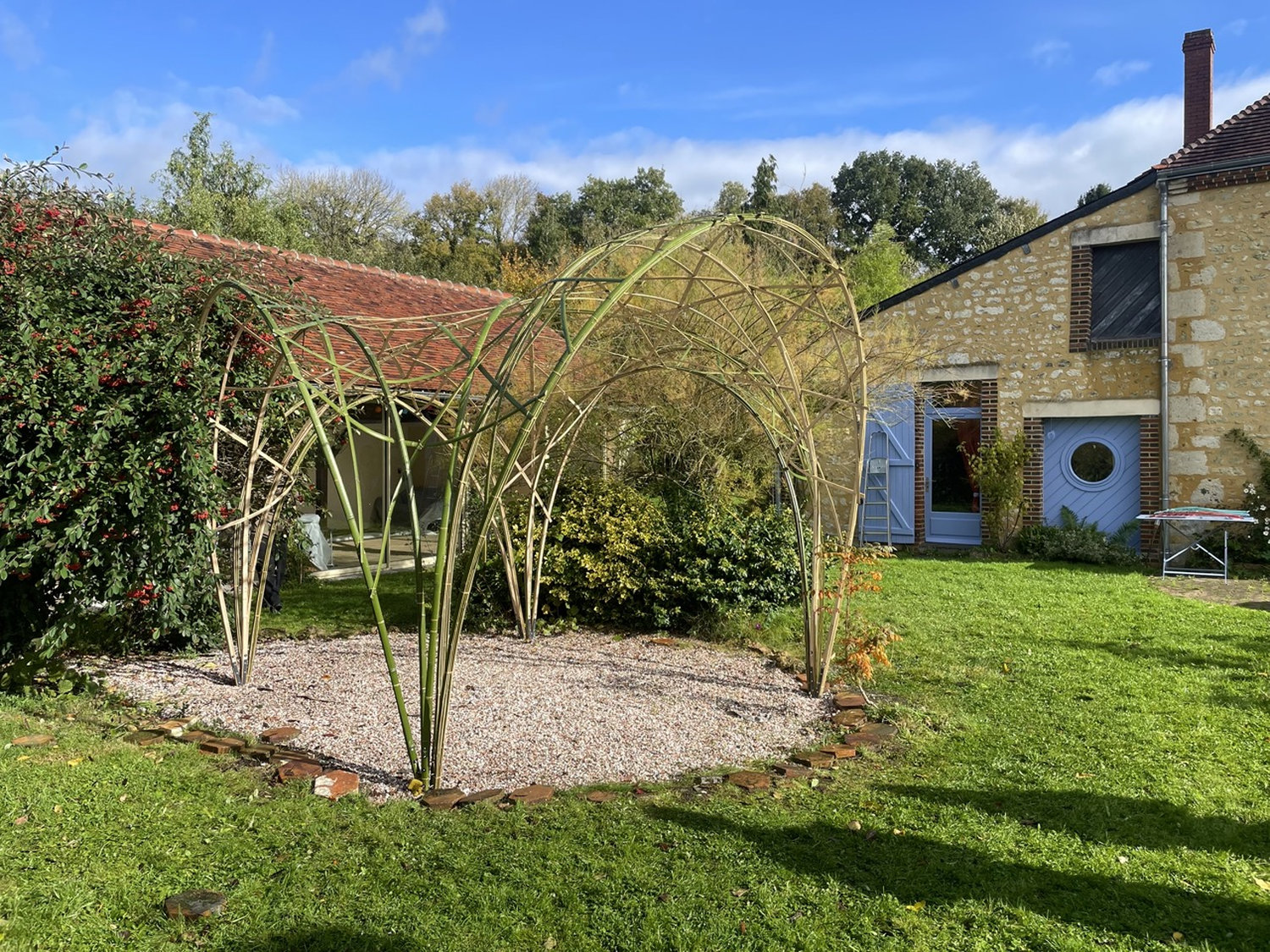
But it was a later image that served as a revelation: a bamboo canopy glimpsed in a land art installation on the roof of MoMA in New York. The material then ceased to be merely an object of ethnographic or artisanal study; it became an architectural potential and a space for innovation.
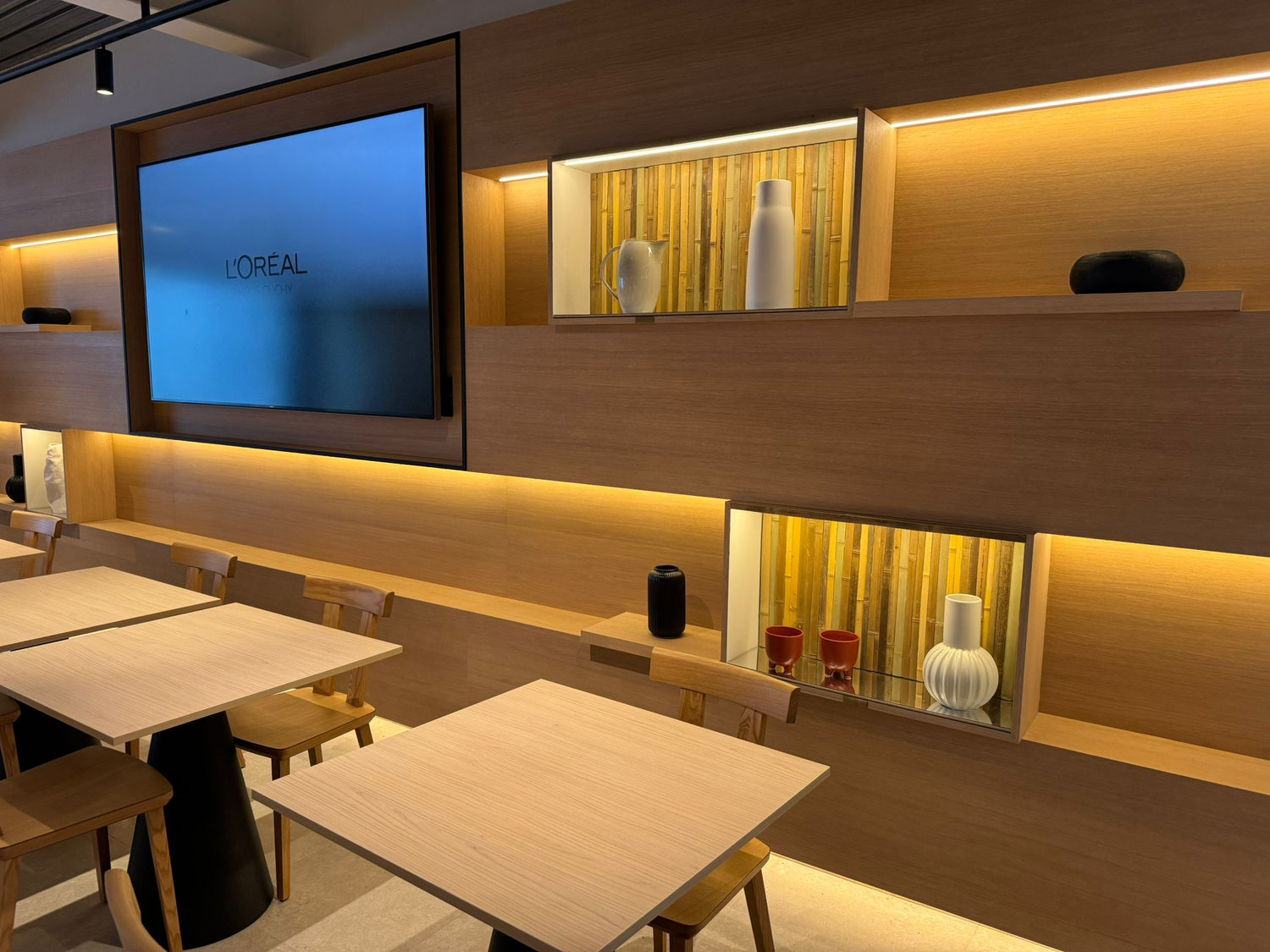
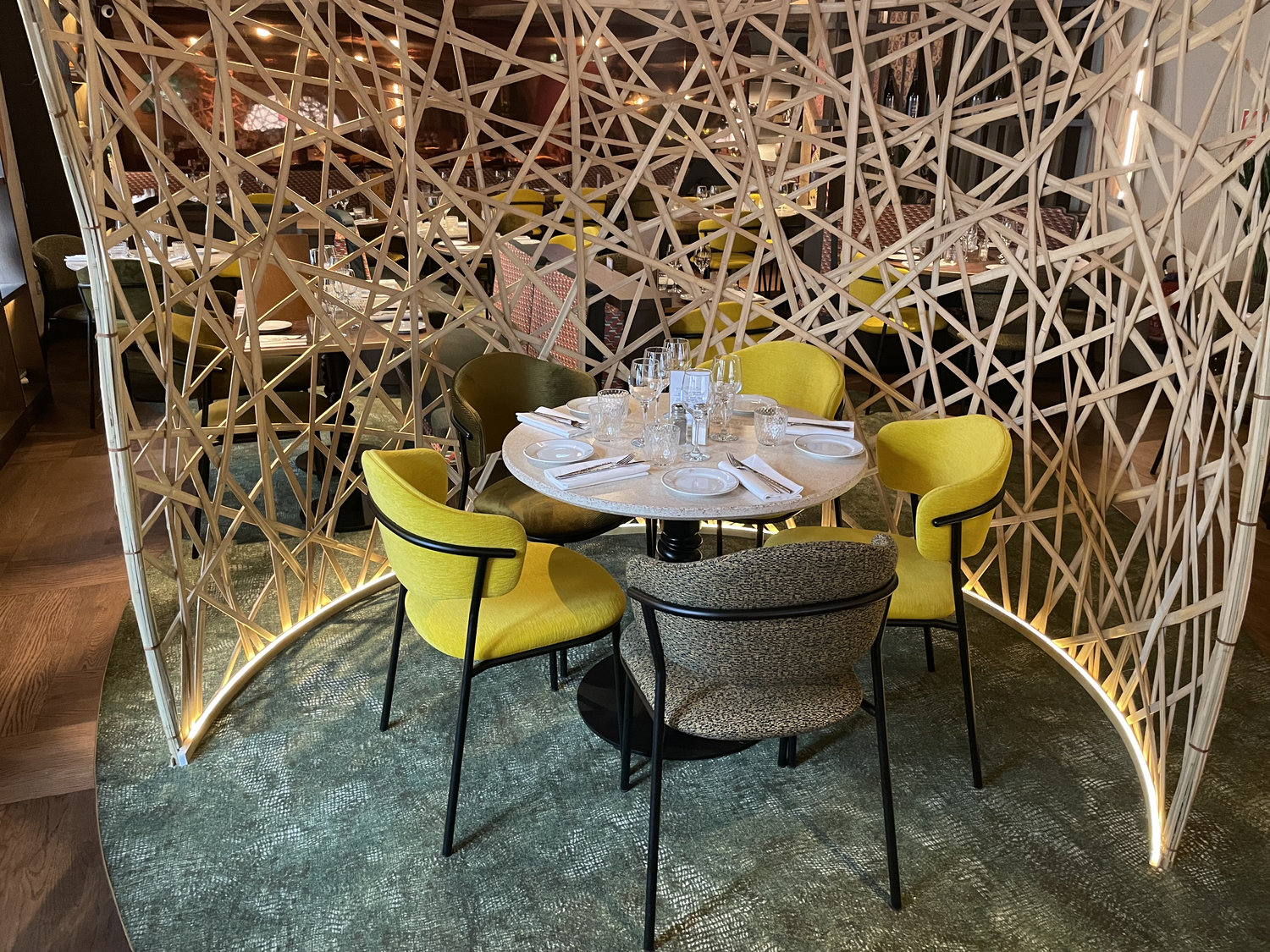
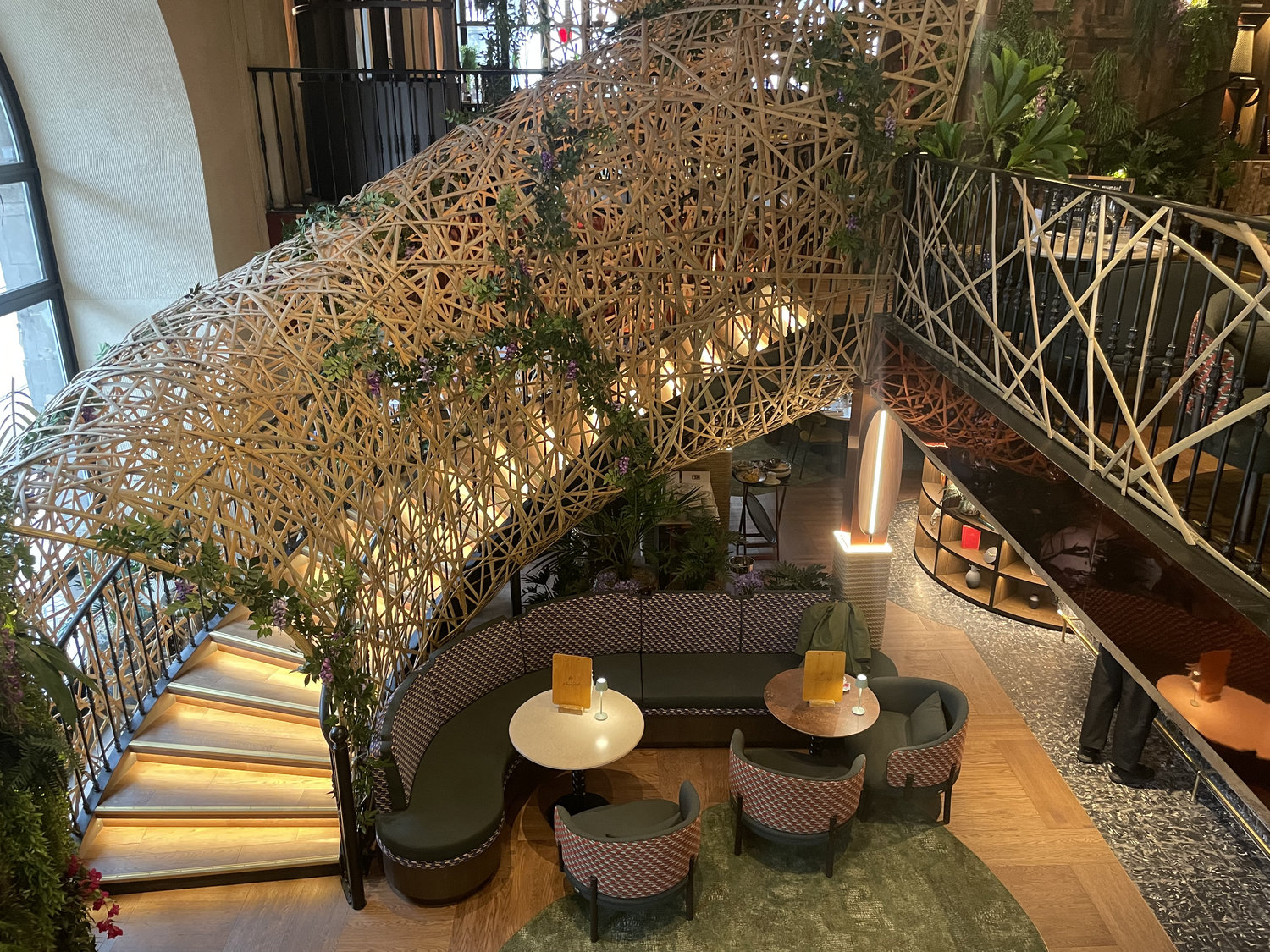
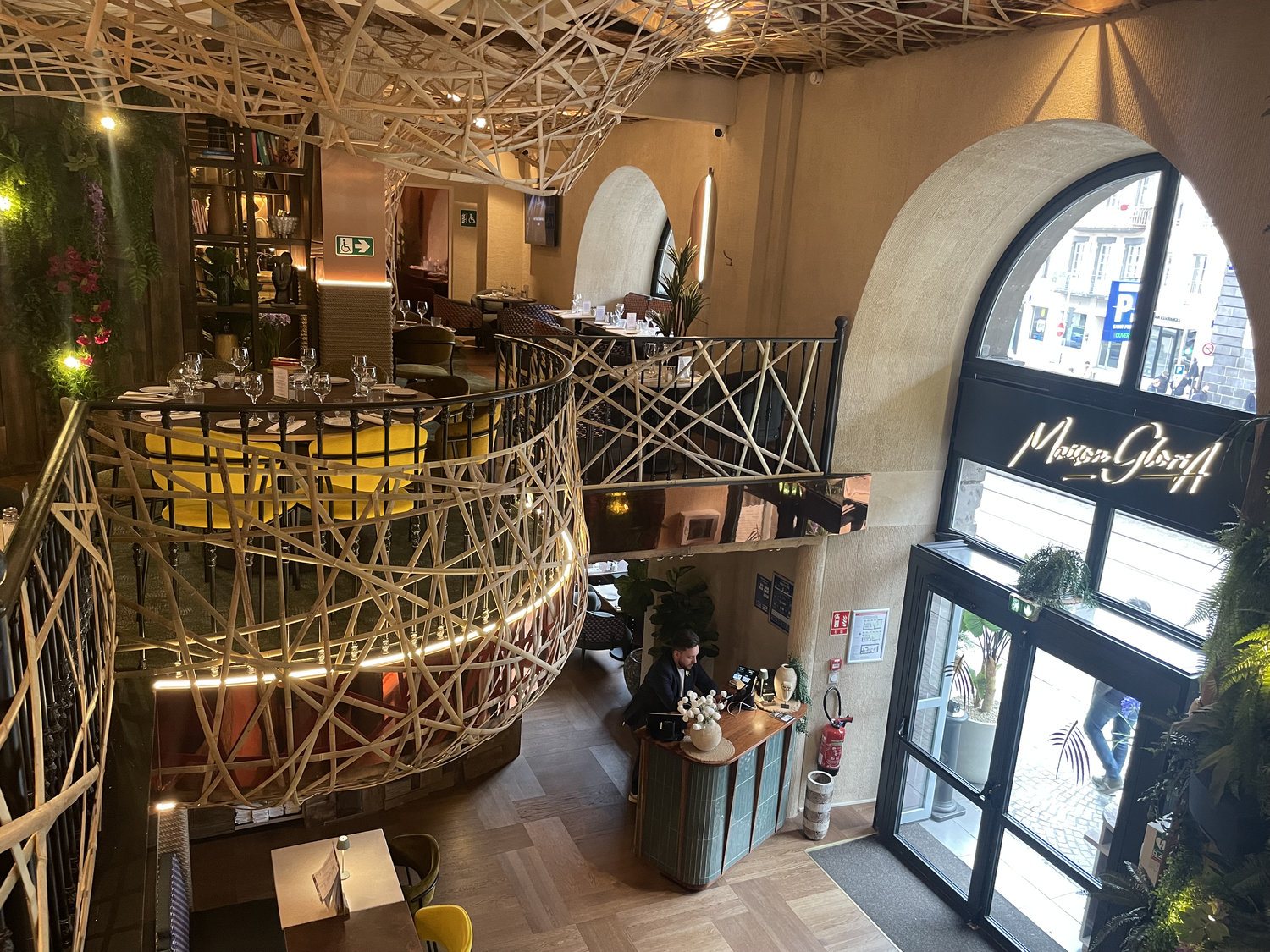
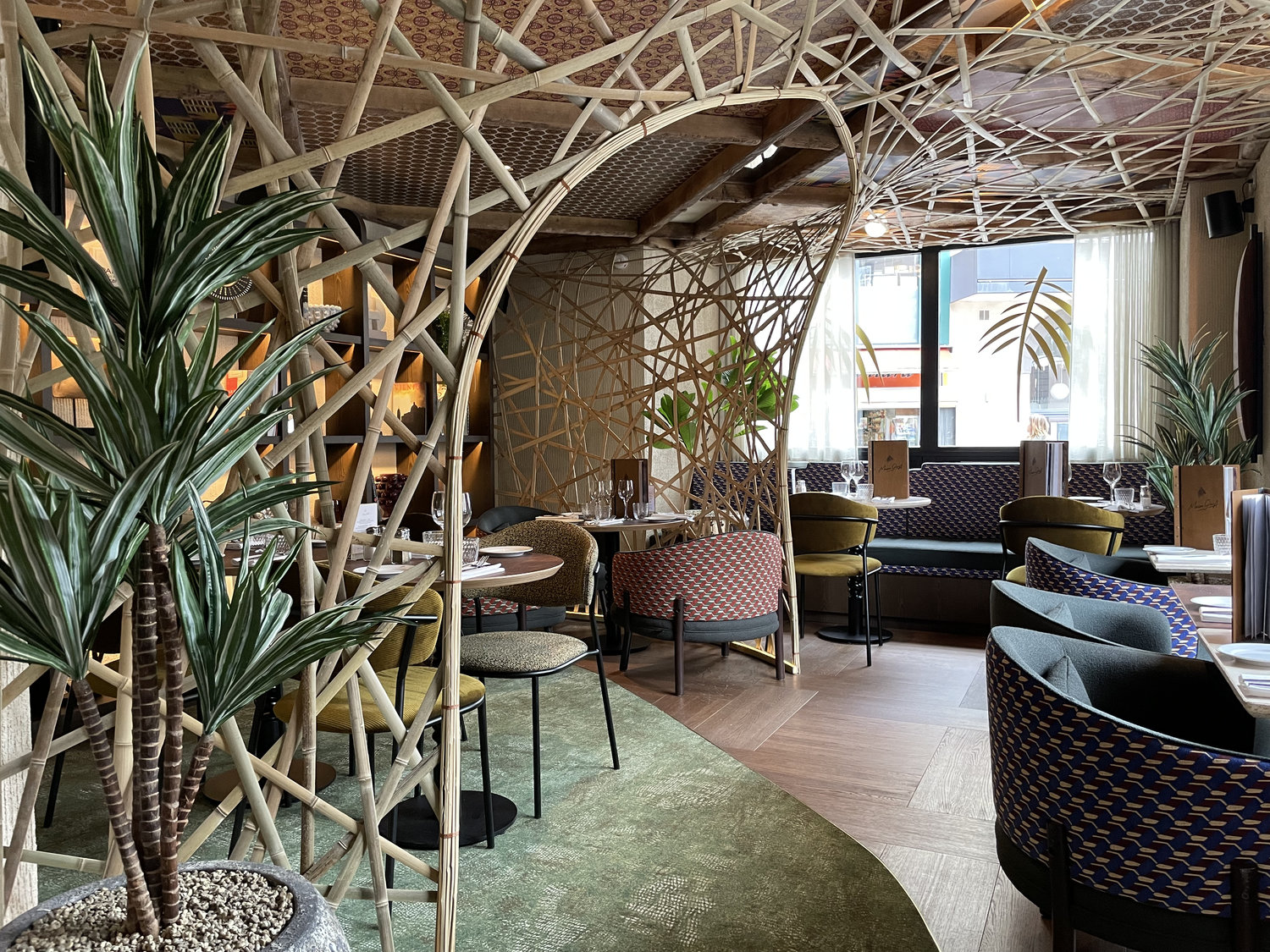
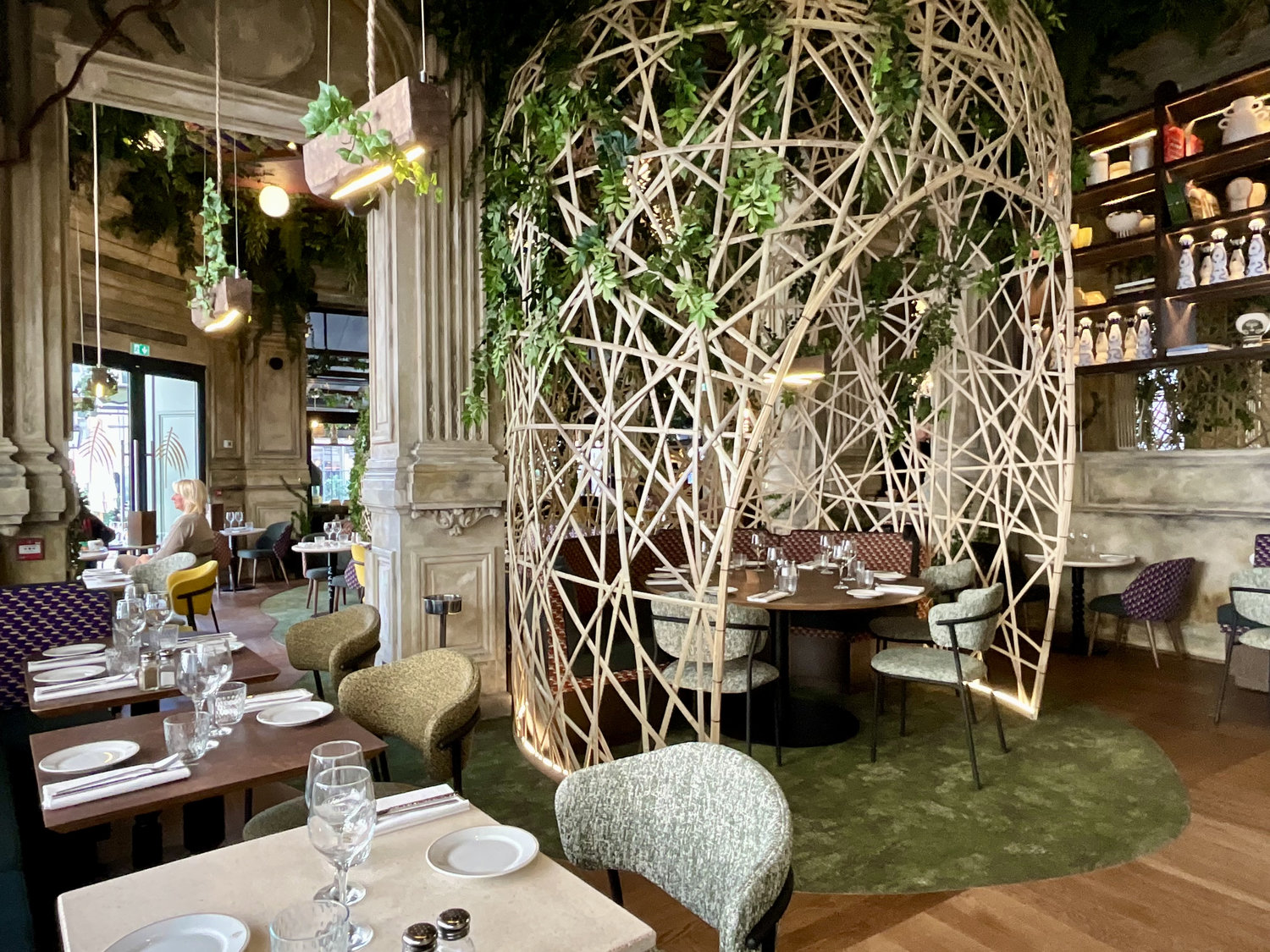
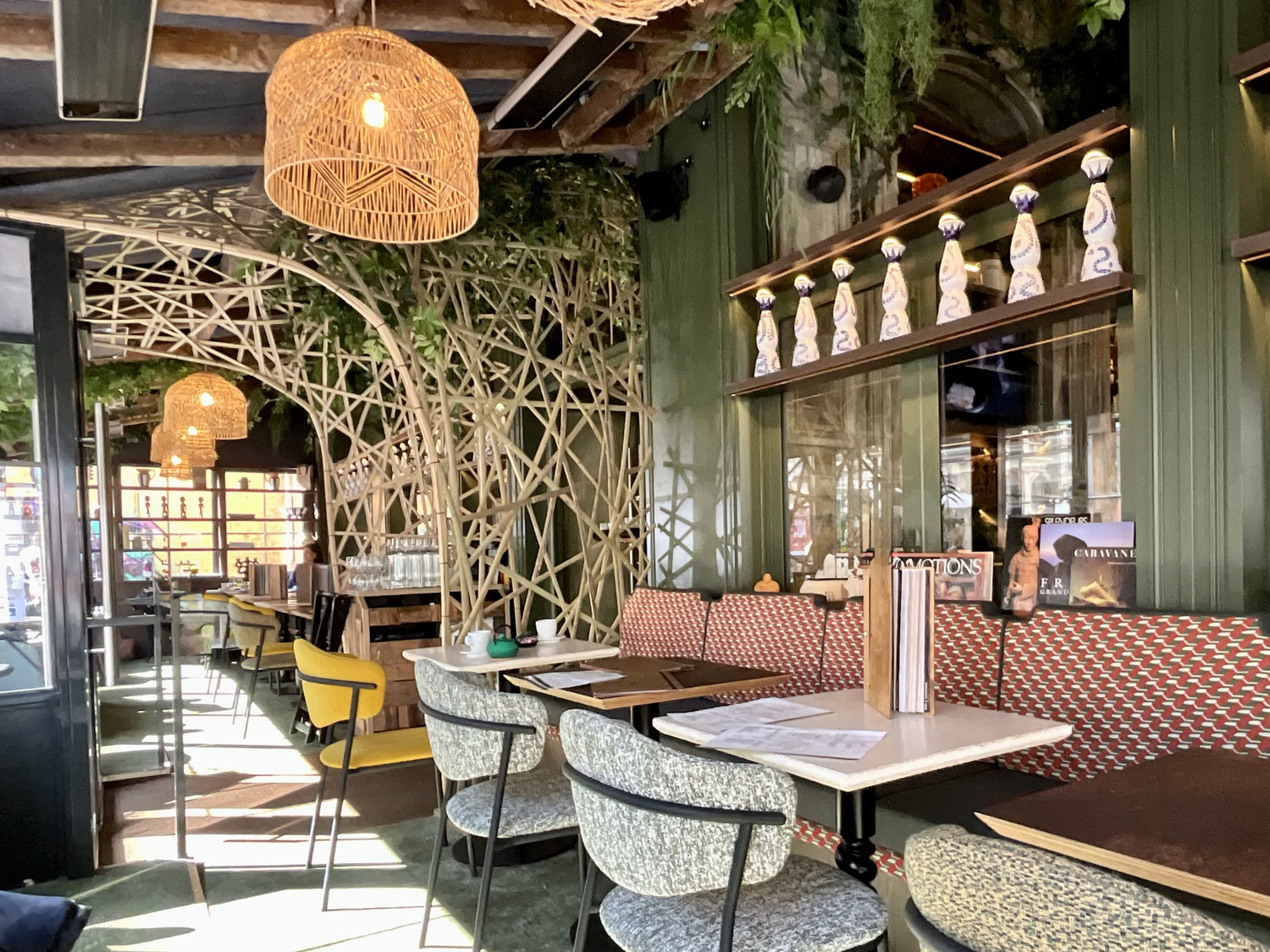
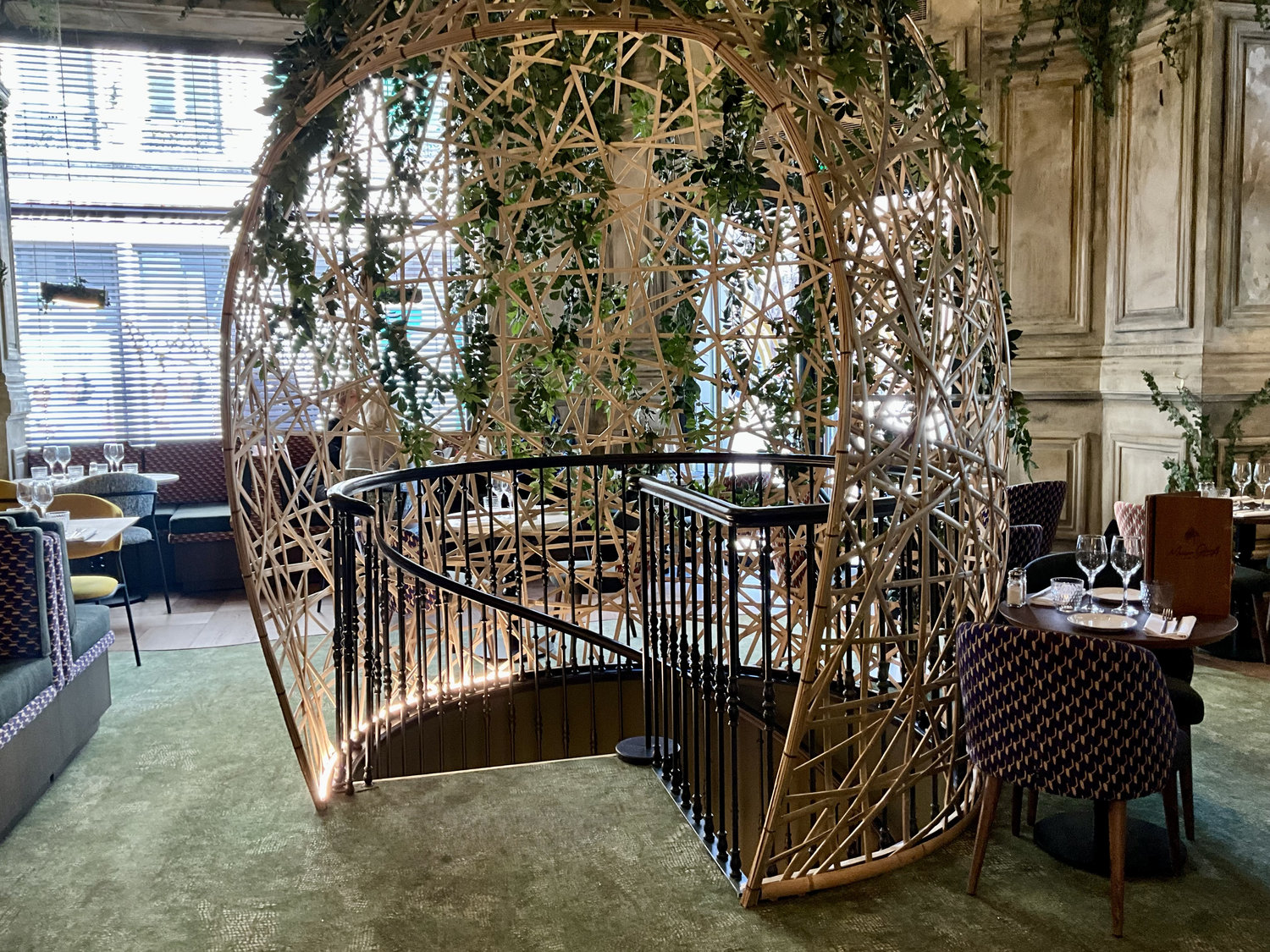
In 2015, he founded the Déambulons studio. For nearly nine years, he led the studio and built a team of about fifteen people. The studio specializes in French bamboo slats and has developed a robust portfolio: over 850 project studies, including more than 200 completed in France and internationally. Furniture, scenography, custom installations… the approach appeals to architects, landscape architects, and scenographers, gradually establishing the studio as a discreet yet recognized leader in the field of design using bio-based materials.
This expertise has earned him several awards, notably from the Institut Français du Design and the French Design 100. But today, Jean-Baptiste Dubois has shifted the focus of his work. Based in Lyon, he now devotes himself to consulting and training, supporting projects specializing in the design of bamboo structures.
The nature of his role has changed: less of a maker of objects, more of a facilitator of methods and experiences. In this vein, he is also involved with 60 000 Rebonds, continuing a path where learning, resilience, and knowledge-sharing take center stage.
Throughout this journey, marked by constant back-and-forth between the field and strategy, between Asia and Europe, between the workshop and engineering, one intuition persists: that of a living material, bamboo, capable of connecting worlds that seemed to be at odds with one another.
Training 100% financeable by AFDAS, or partially covered by other operators such as FAFCEA, AGEFICE, FIFPL, OPCO EP etc.
Accommodation and meals included
If you are concerned, we invite you to contact our sales department in advance via "Request for information" in order to prepare your file, or to register directly via the page of the chosen training course.

89350 Champignelles
T: +33 (0)3 86 45 23 42
contact@campusmana.com