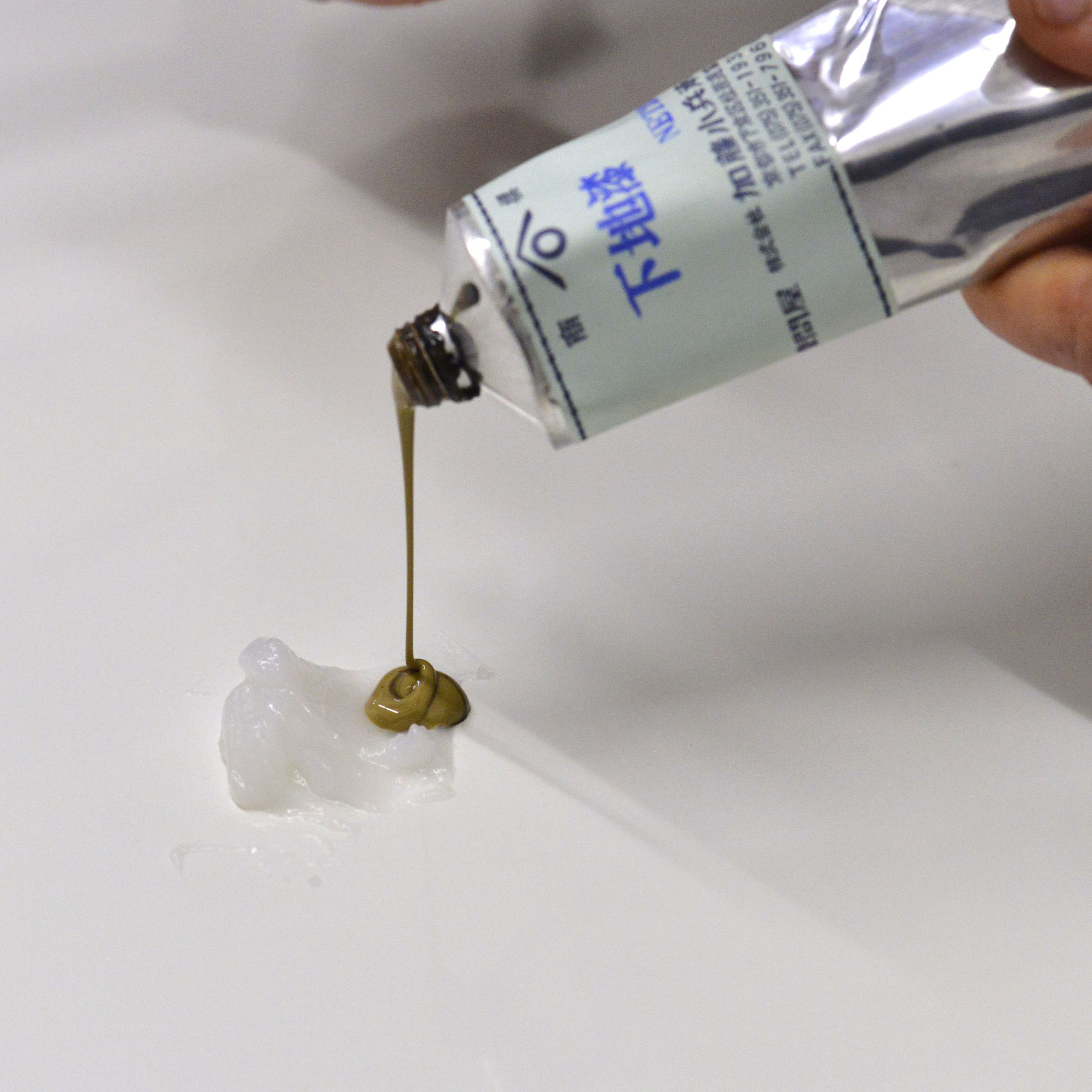
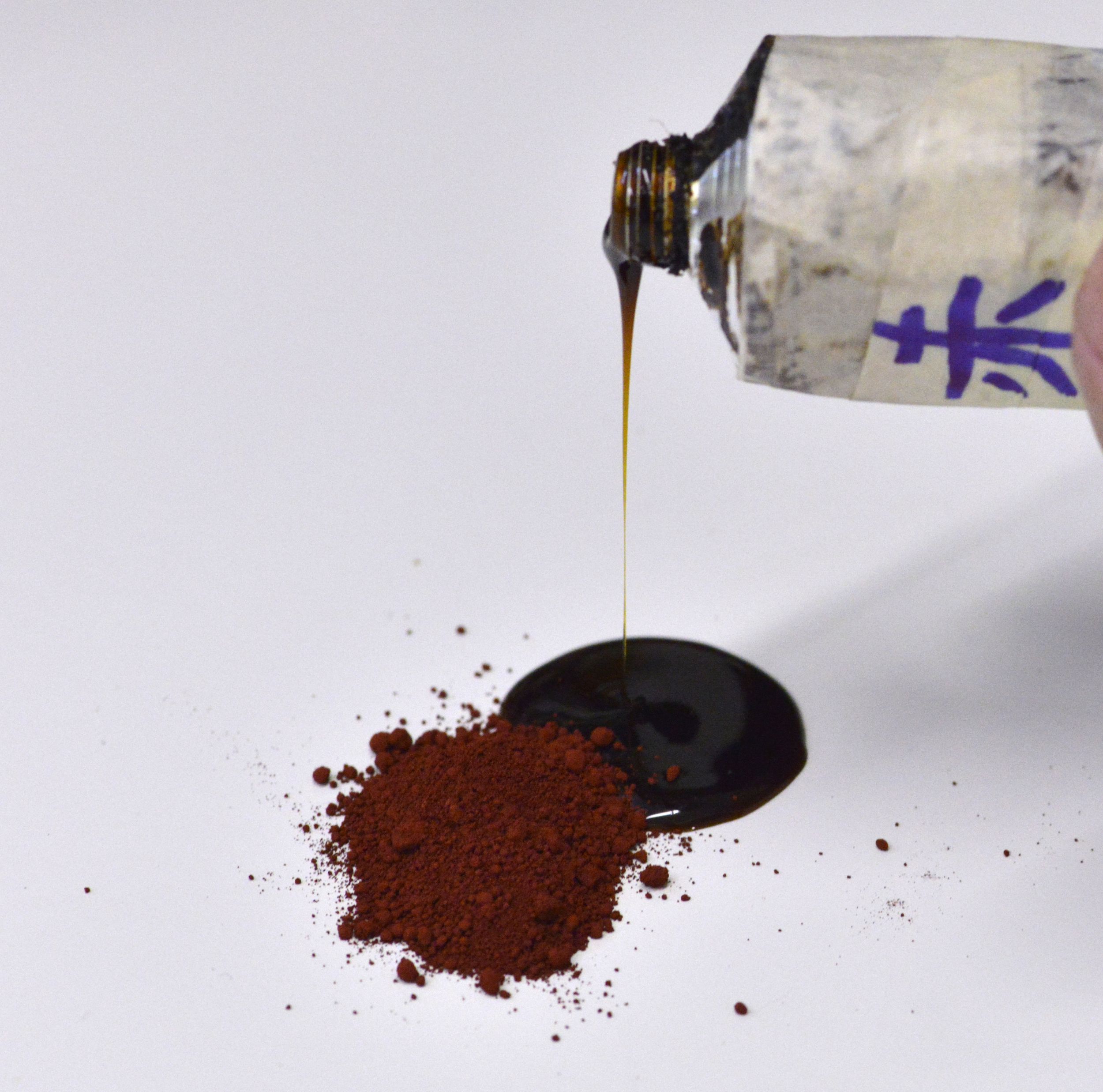
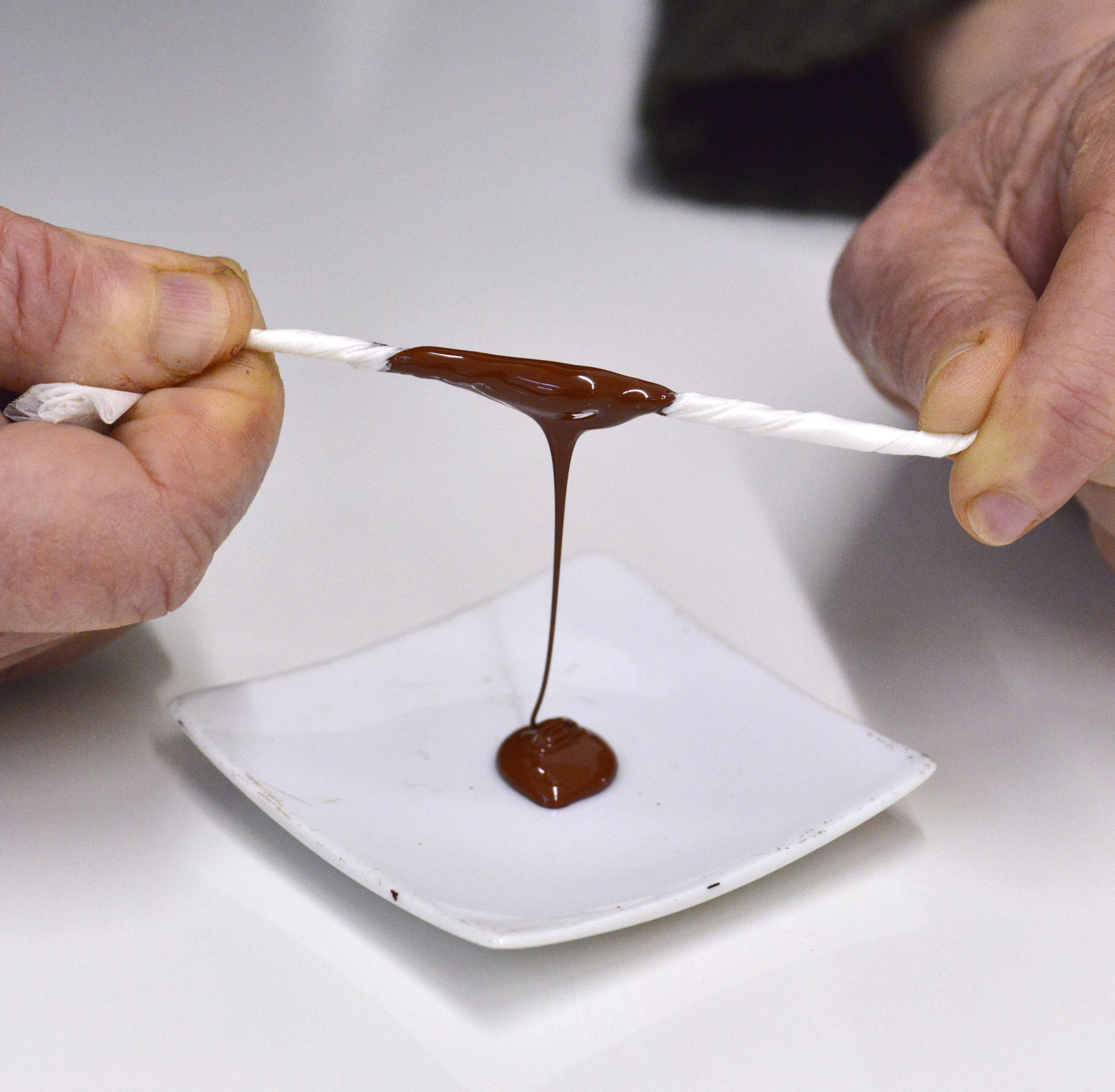
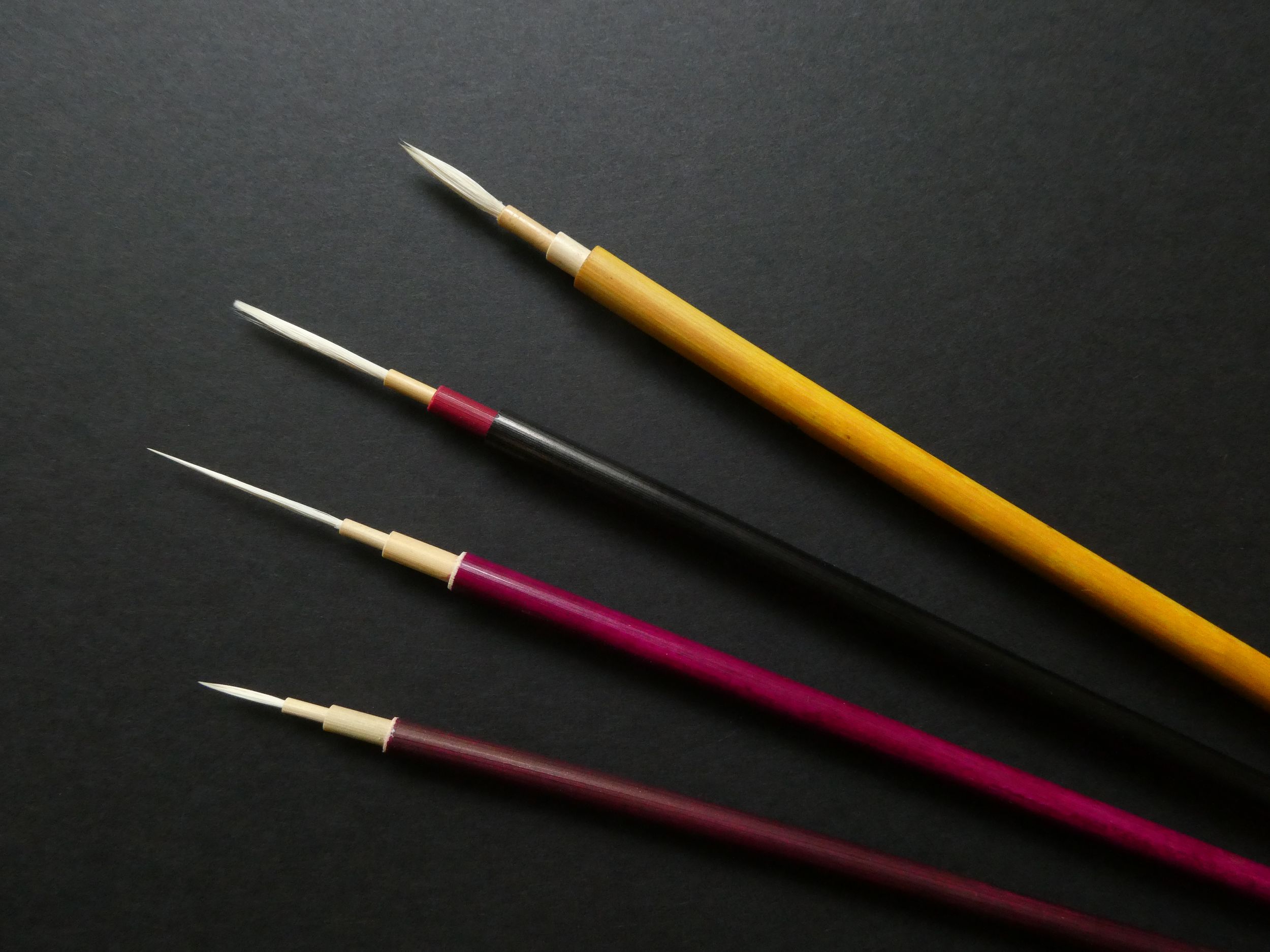
Martine Rey, an artist specializing in urushi lacquer, teaches kintsugi—the art of repairing both physical and symbolic wounds—using time-honored techniques. In Japan, lacquer is considered a prestigious art form—a decorative art that traditionally highlights the finish of objects with the finesse of a goldsmith.
As a contemporary artist, Martine Rey quickly reimagined this approach. Rather than creating objects where lacquer would be nothing more than a redundant or superfluous addition, she selects objects with a history and seeks to transform how we view them by applying lacquer. Her goal is to give lacquer its full value as a precious material. She does not view it as a mere means of protection or decoration, but as a substance that elevates ordinary, anonymous, abandoned, and neglected objects to the status of relics or talismans. Beneath the lacquer, these objects reveal themselves and unveil unexpected depths.
Over the course of five days, she will introduce participants to this artisanal craft and to this natural lacquer with its incredible properties.
By the end of the workshop, participants will be able to:
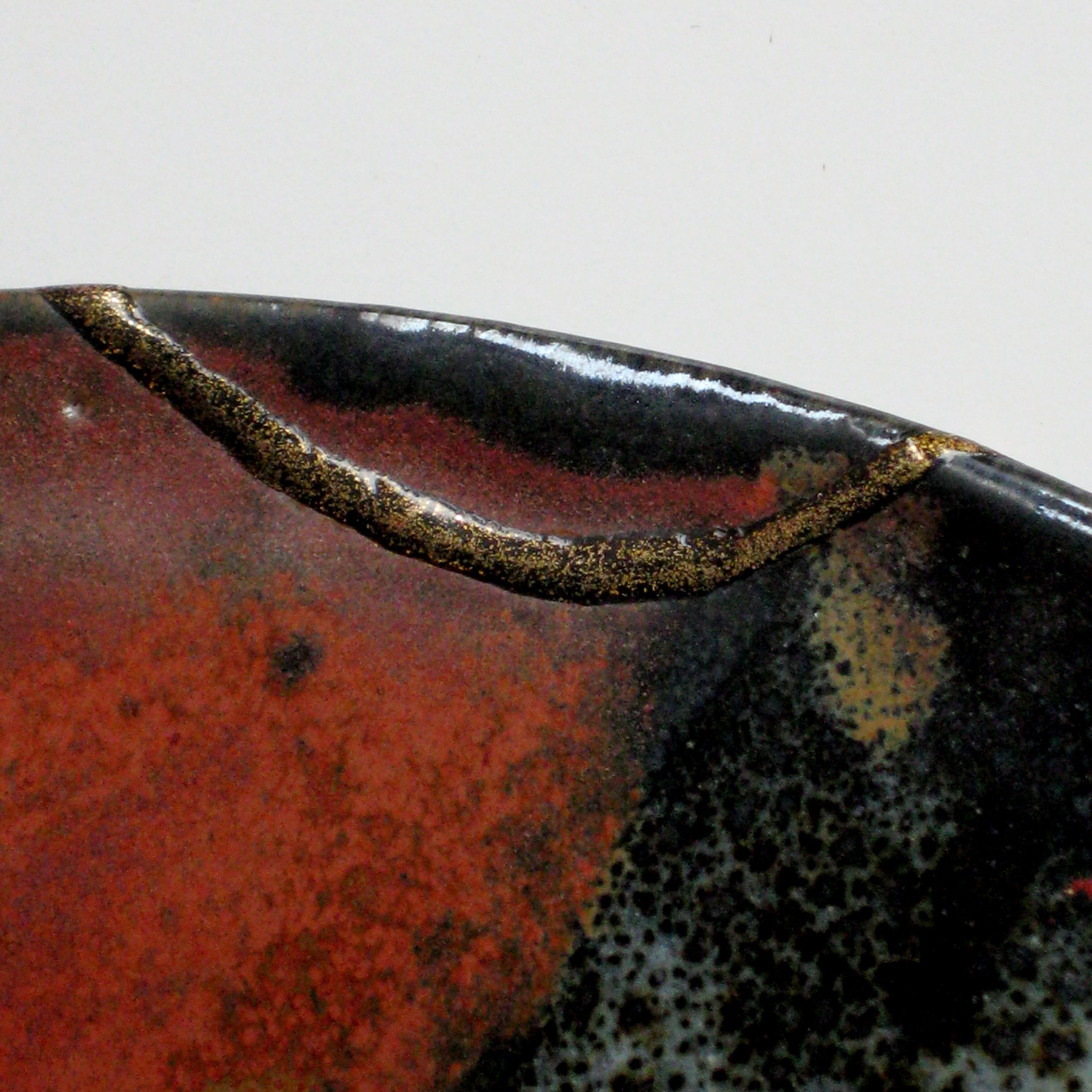
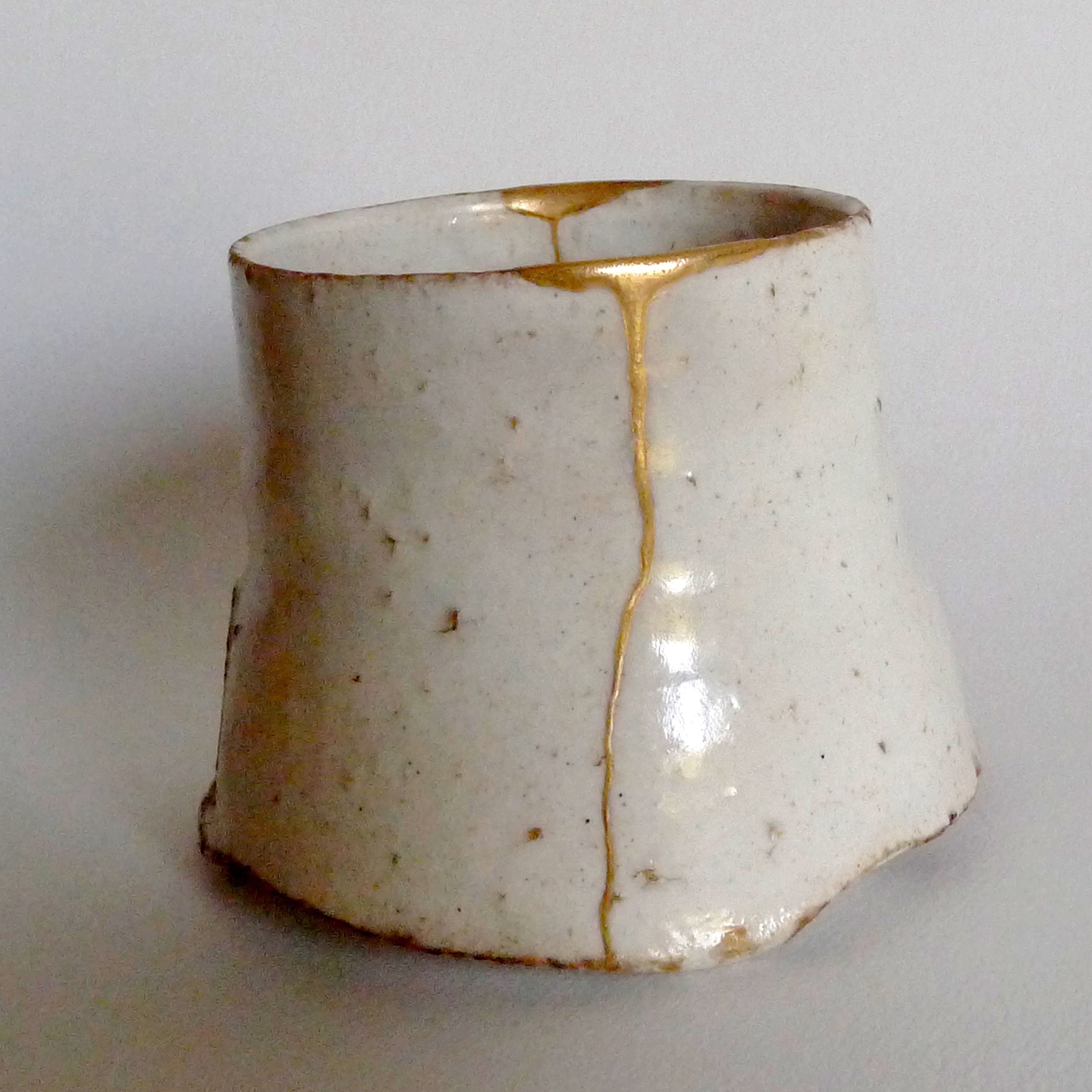
Kintsugi, an art form that symbolizes resilience and the beauty of life’s scars, transforms cracks into sources of strength. Literally meaning “golden joint” in Japanese, kintsugi involves restoring broken or damaged objects not by hiding their cracks, but by enhancing them with gold. This art celebrates imperfection and fragility, revealing the unique value of every crack.
Through the technique of lacquer—with its painstaking, slow, and meticulous process—Martine Rey evokes memories of moments spent watching her mother tenderly mend the children’s clothes. She recalls the wind pushing the clouds, the moments spent collecting pebbles that bulged her pockets.
Afternoon
Morning and afternoon
Morning and afternoon
*Plant-based lacquer can cause allergic contact dermatitis (which is why gloves must be worn !), so to minimize any potential effects, you can take homeopathic remedies one week before (and then one week after)
For 40 years, Martine Rey’s ever-evolving body of work has explored space-time through urushi lacquer and the melancholy of objects—a concept dear to Japanese culture: mono no aware.
The artist thus engages with a material whose application technique aligns with her own personal and artistic journey—one marked by patience and delicacy.
“I create objects that foster an emotional—even intimate—connection between the viewer and the object, an unceasing quest for the lost object, and/or the one that has always been missing.”
Martine Rey, a lacquer artist specializing in urushi plant-based lacquer, discovered this ancient technique 40 years ago while studying at Kyoto University of the Arts in Japan, where she was trained by Master Shinkai. This formative journey profoundly influenced her artistic path, revealing to her an intimate connection with Japanese culture. Since then, she has continually reinvented this living material in her works.
After training in “European lacquer” at the École Supérieure des Arts Appliqués in Paris, she settled in Voiron, where she still lives and works today. In 1980, she founded the LAC association (Laqueurs Associés pour la Création), and taught plant-based lacquer at the École Nationale Supérieure des Arts Appliqués et Métiers d’Art in Paris from 2002 to 2009. Her work has been exhibited in France and abroad, and she has been selected several times for the Ishikawa Triennale. She has also been invited to the World Urushi Culture Council Symposium in Tokyo and the International Fair of Lacquer and Painting Design in Ishikawa.
Far from limiting herself to simply decorating objects, Martine Rey uses urushi to transform ordinary objects into relics or talismans, revealing their history and hidden essence. Her approach is marked by an intimate connection to Japan and its aesthetic, particularly the “poignant melancholy of things” (Mono no aware). Her work is rooted in a quest for silent beauty, where the slow, meticulous nature of the lacquer technique marks the passage of time, imbuing every gesture with memory and sensitivity. For 40 years, she has explored this space-time, bringing out the full depth and preciousness of urushi lacquer.
Martine Rey thus creates a shared space of discovery and intimacy, a place where memories and gestures intertwine. This space unfolds through the multiple layers of lacquer, akin to palimpsests (manuscripts made from parchment reused after previous writings have been erased), deeply buried. Here, the lacquer serves as a witness to the passage of time, connecting the present to memory.
Martine Rey is represented by Galerie Sinople. A former resident of Villa Kujoyama, she is particularly committed to passing on her craft. She is passionate about Urushi lacquer.
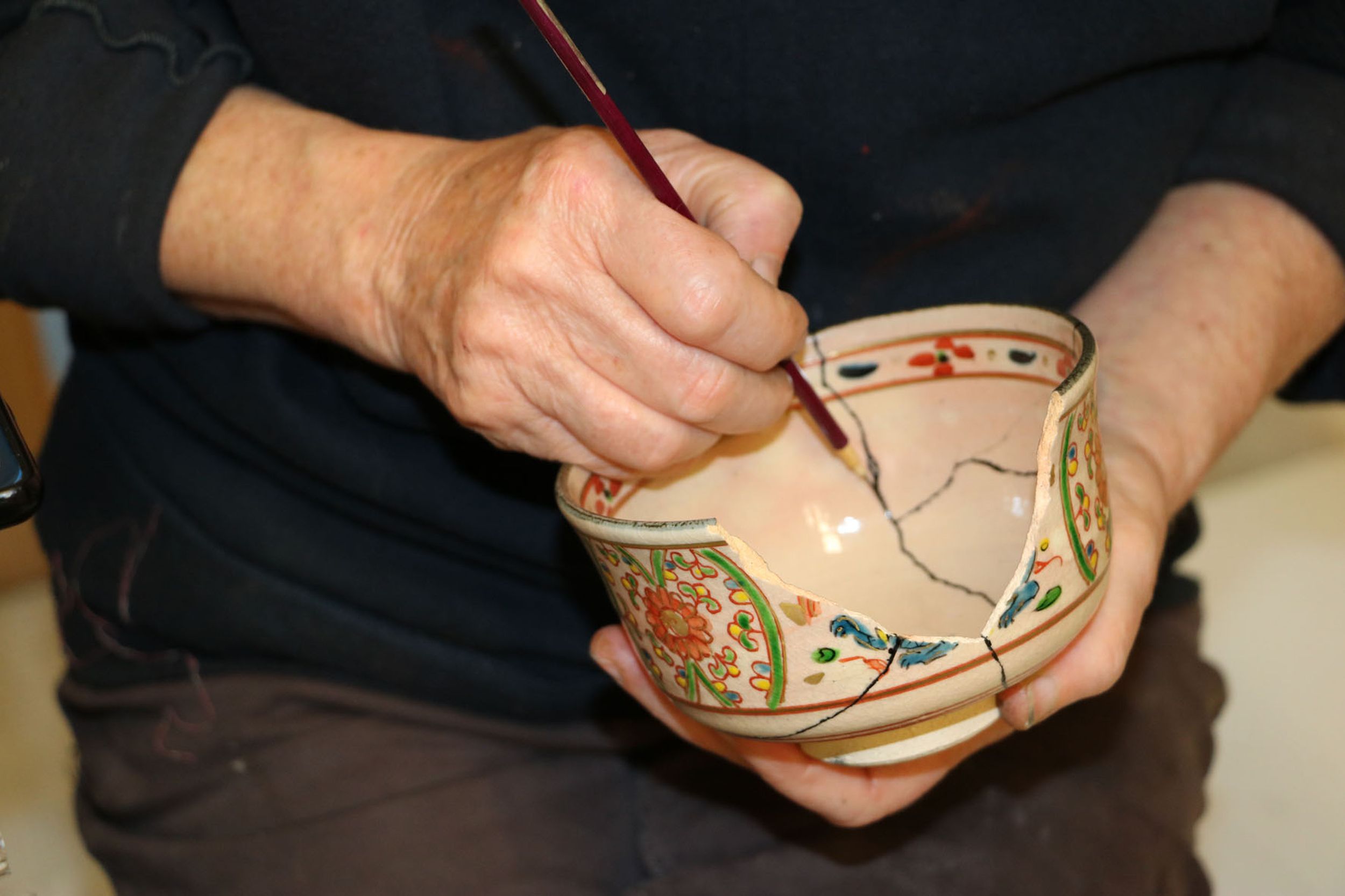
She teaches kintsugi, the art of repairing wounds—both literal and figurative—using centuries-old techniques.
Training 100% financeable by AFDAS, or partially covered by other operators such as FAFCEA, AGEFICE, FIFPL, OPCO EP etc.
Accommodation and meals included
If you are concerned, we invite you to contact our sales department in advance via "Request for information" in order to prepare your file, or to register directly via the page of the chosen training course.

89350 Champignelles
T: +33 (0)3 86 45 23 42
contact@campusmana.com