
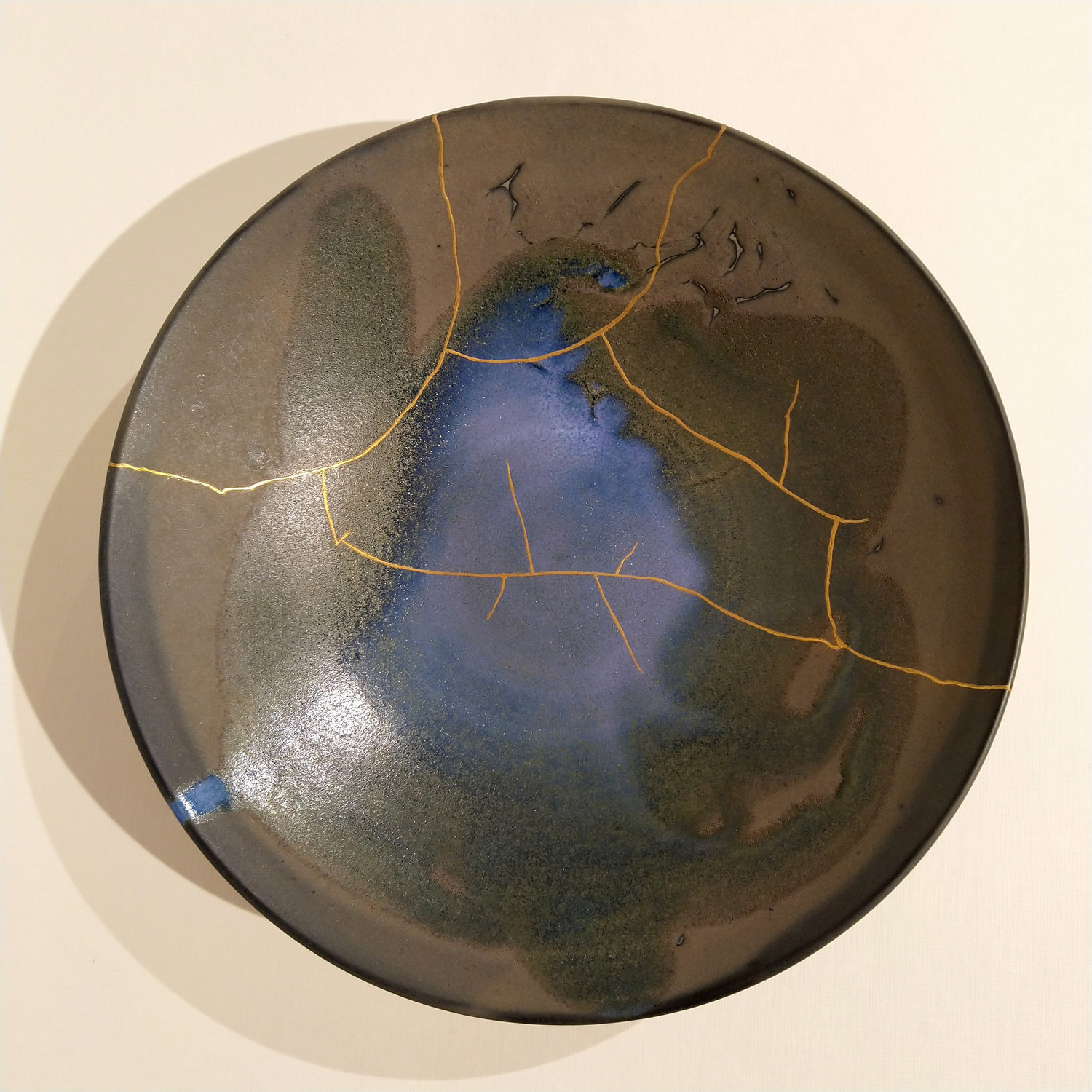
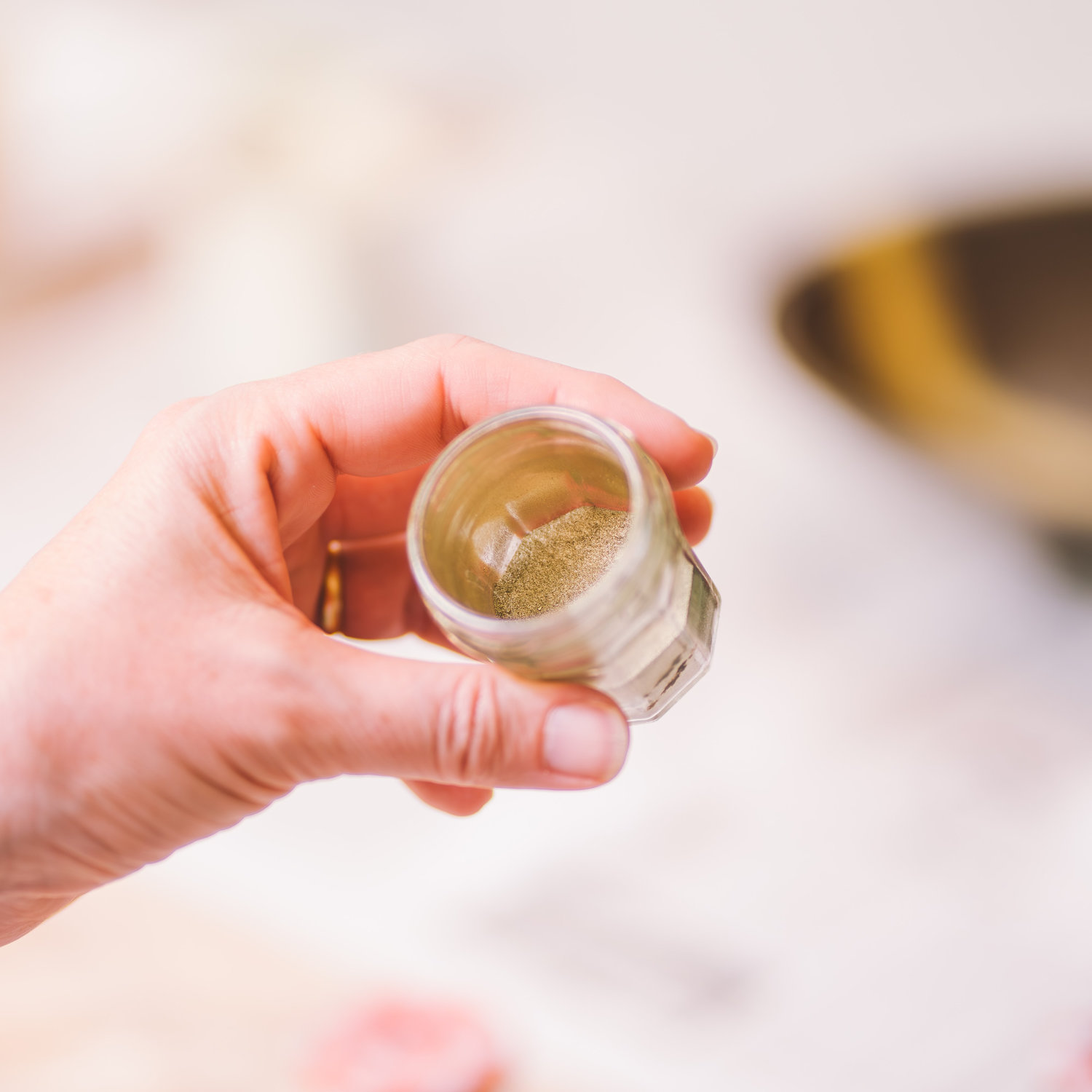
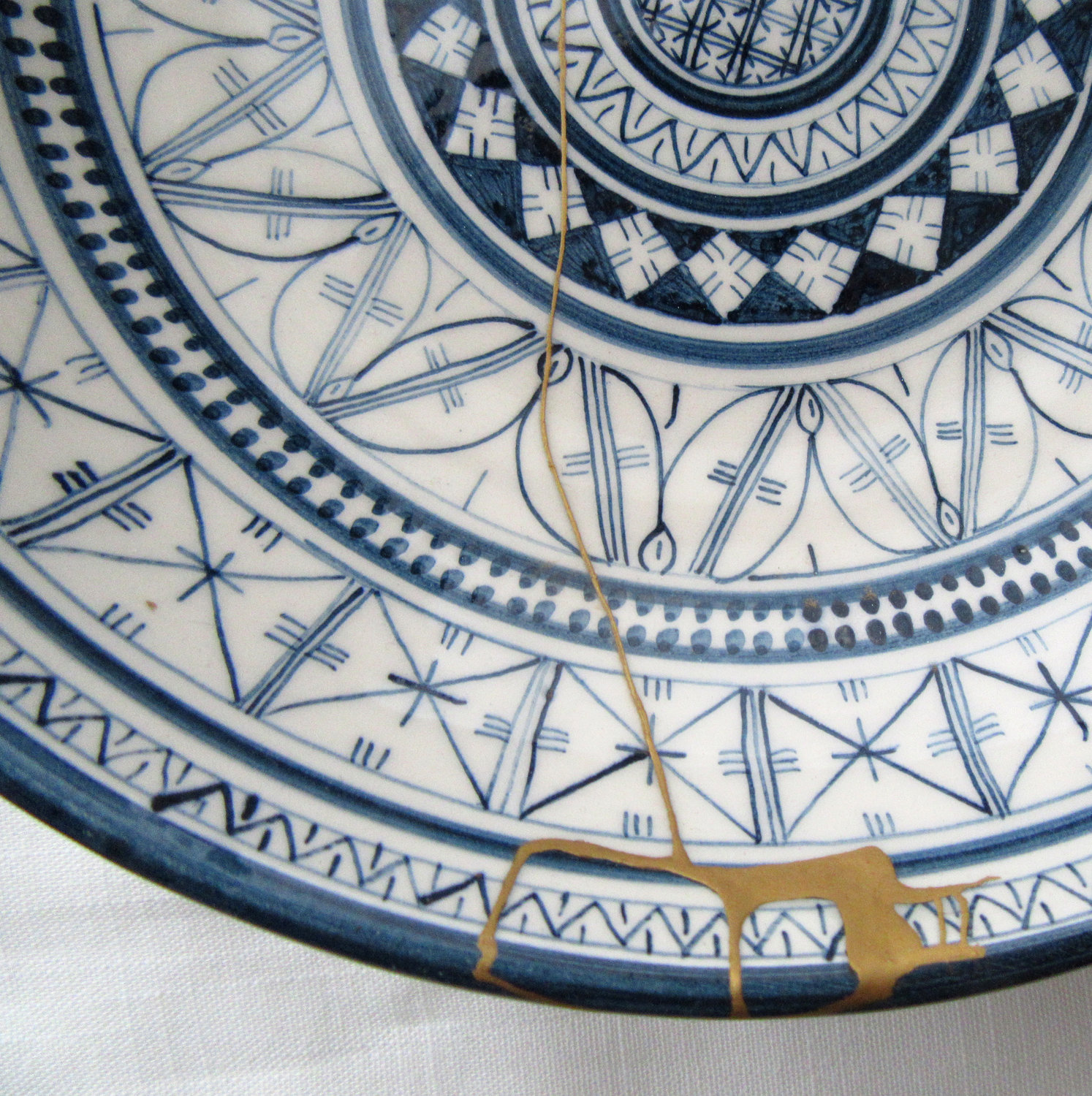
The art of Kintsugi involves breathing new life into a broken object by repairing it while highlighting its cracks rather than hiding them. In Japan, this practice originally involved repairing ceramics so they could be reused. It draws on several techniques from the millennia-old craft of plant-based lacquer (urushi).
This workshop offers a 5-day immersion in the art of kintsugi to discover the techniques and methods of plant-based lacquer (urushi).
By the end of the workshop, participants will be able to:
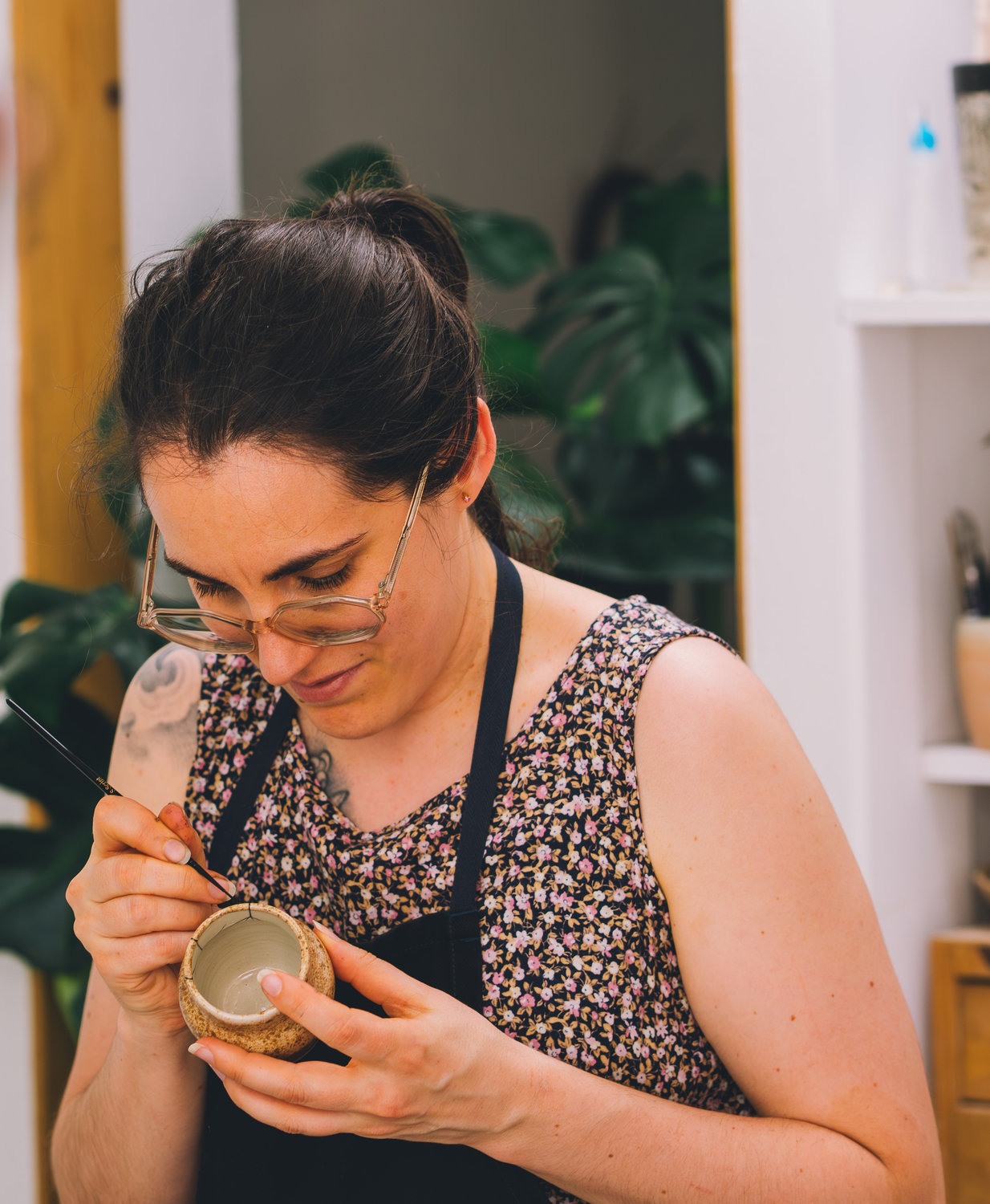
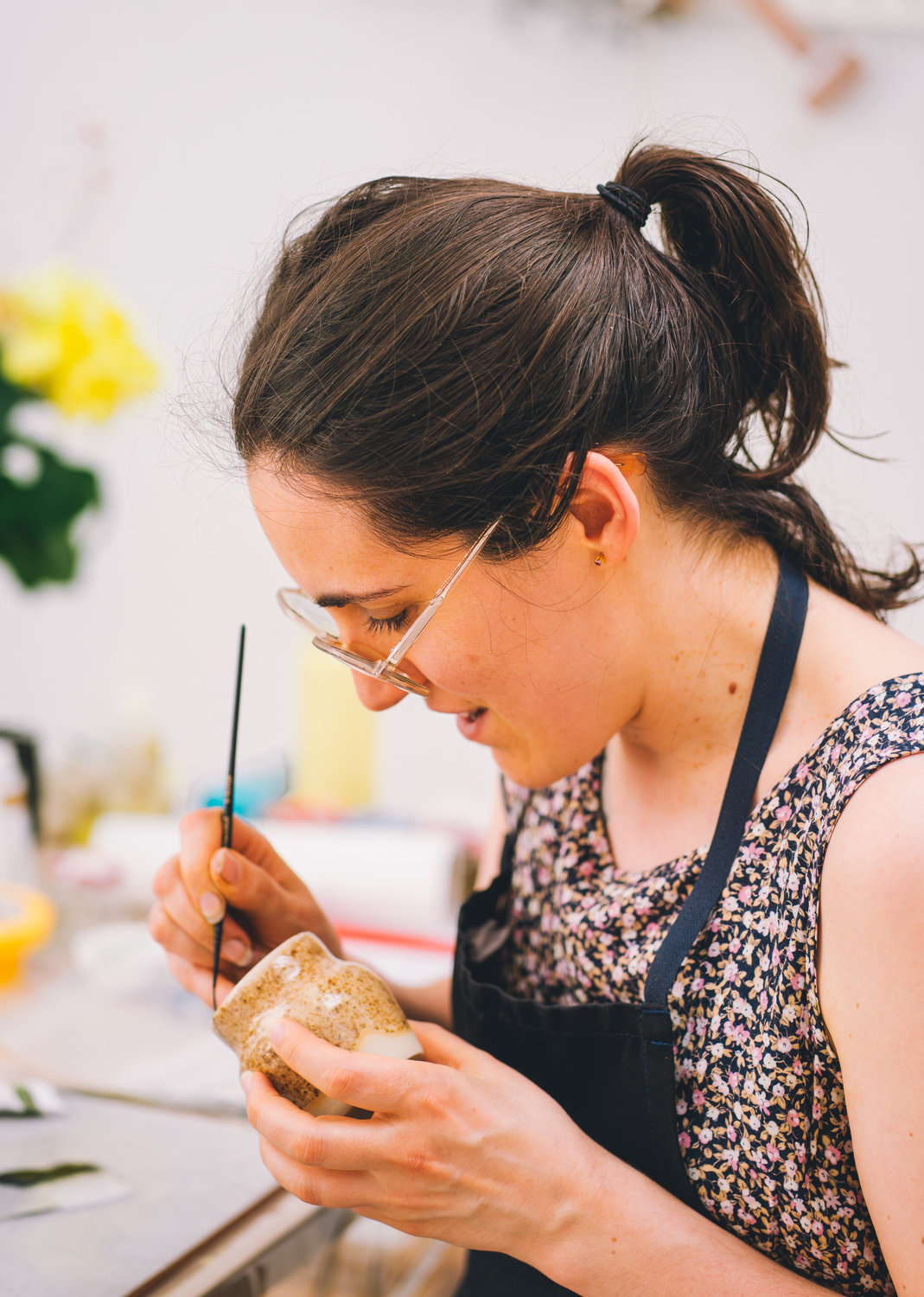
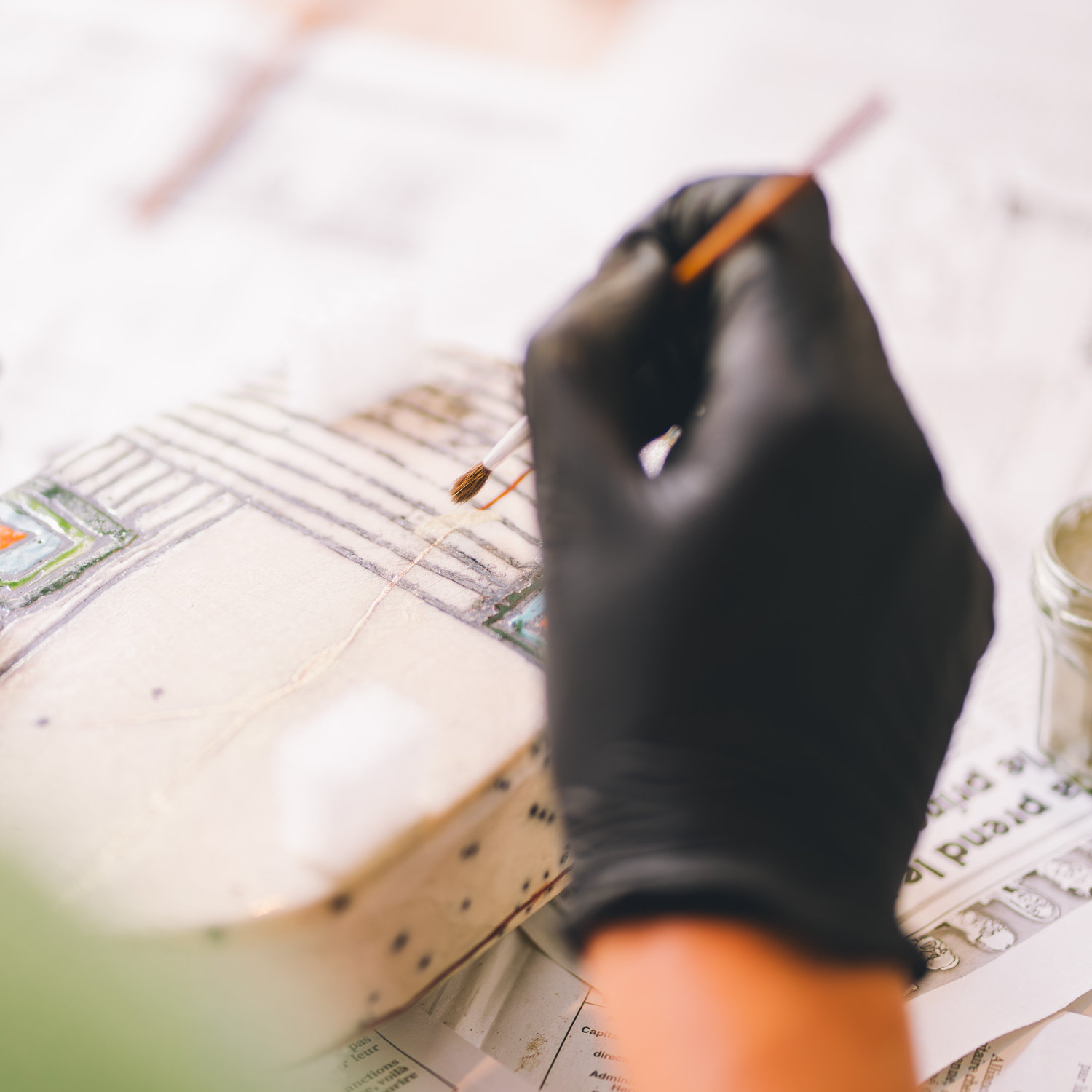
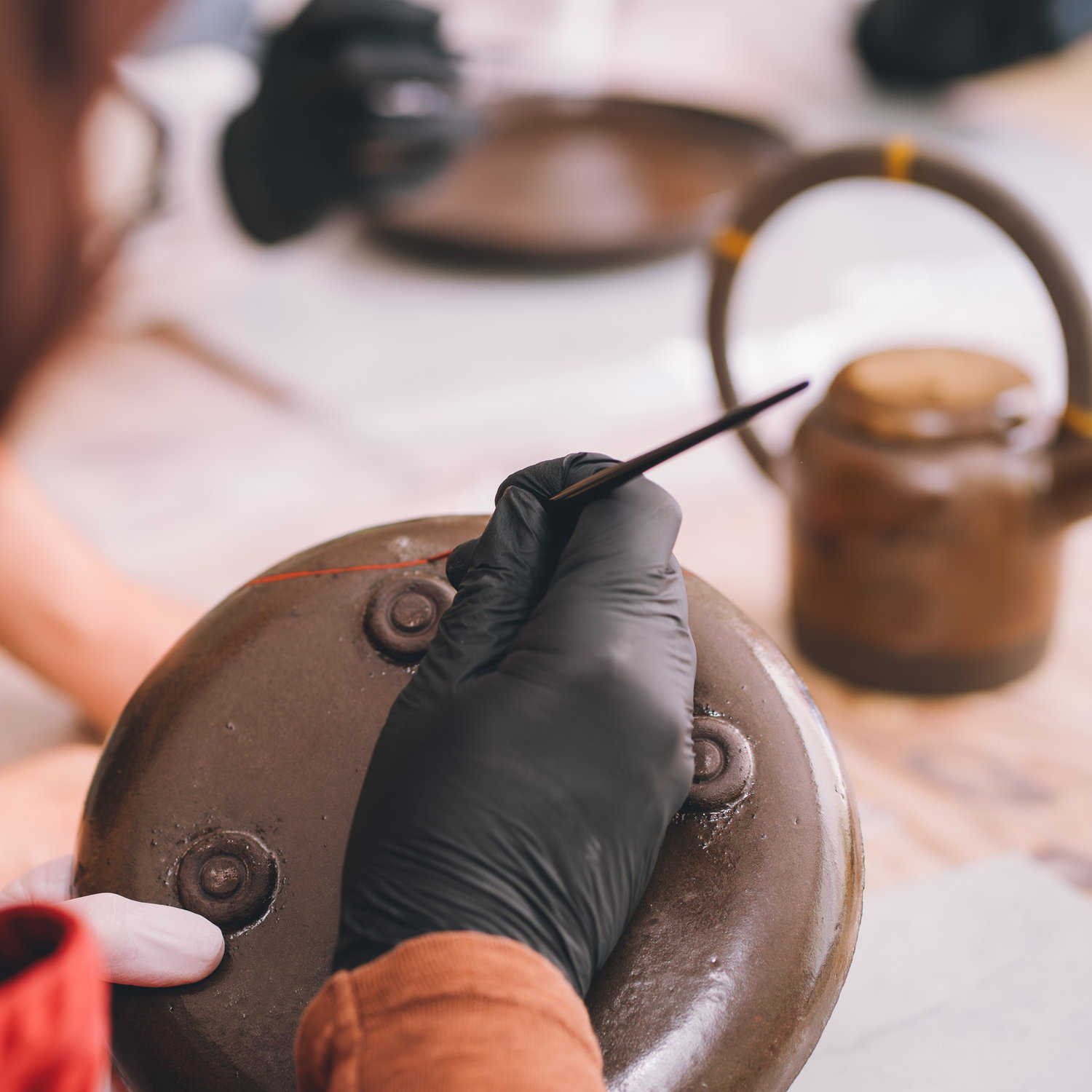
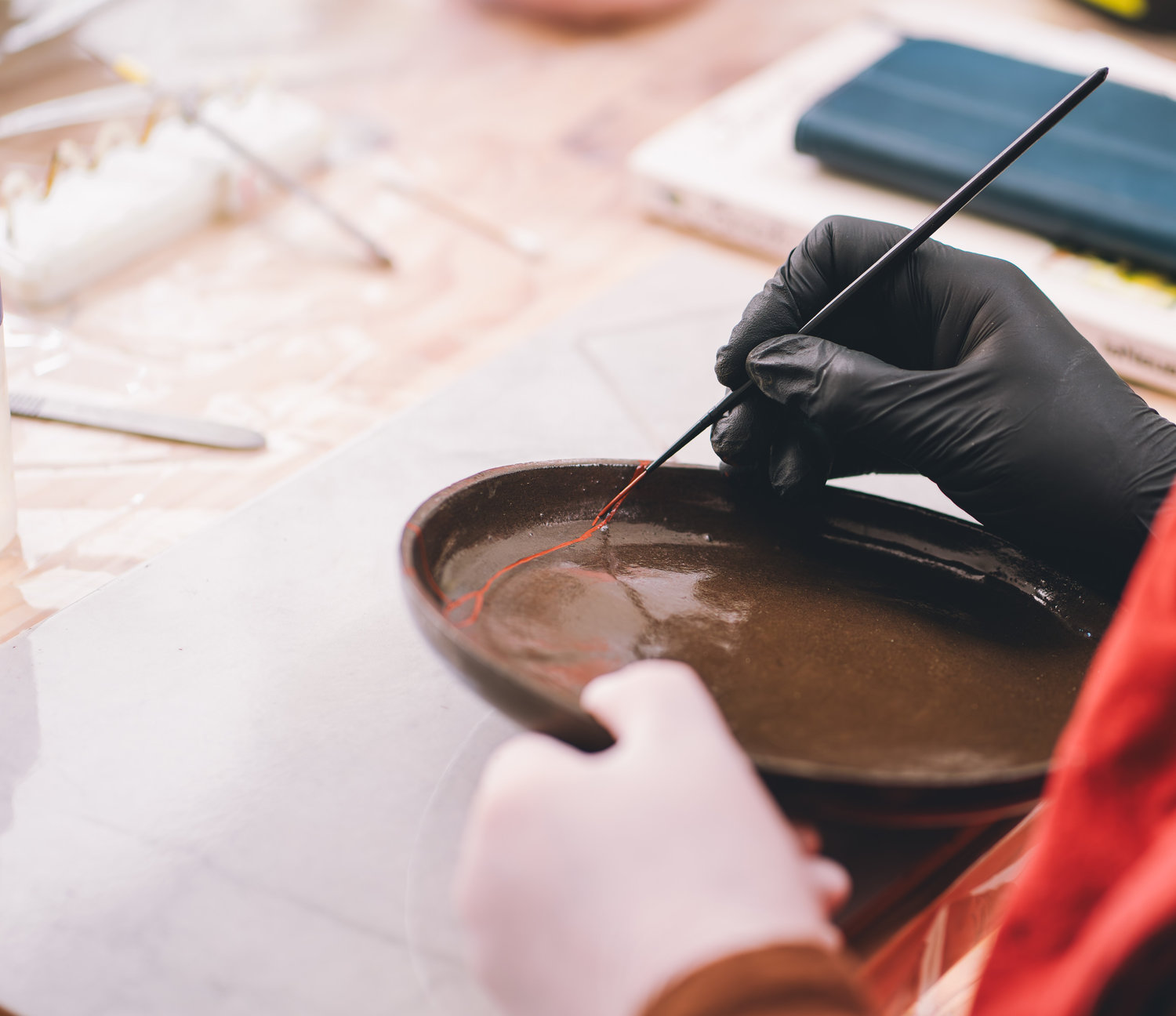
Over the course of five days, participants learn about and practice the four main steps of kintsugi: gluing, filling, surface smoothing, and finishing. Guided by instructor Blandine Hamon, they master the tools and techniques of this practice by working on their own objects, each with its own unique characteristics.
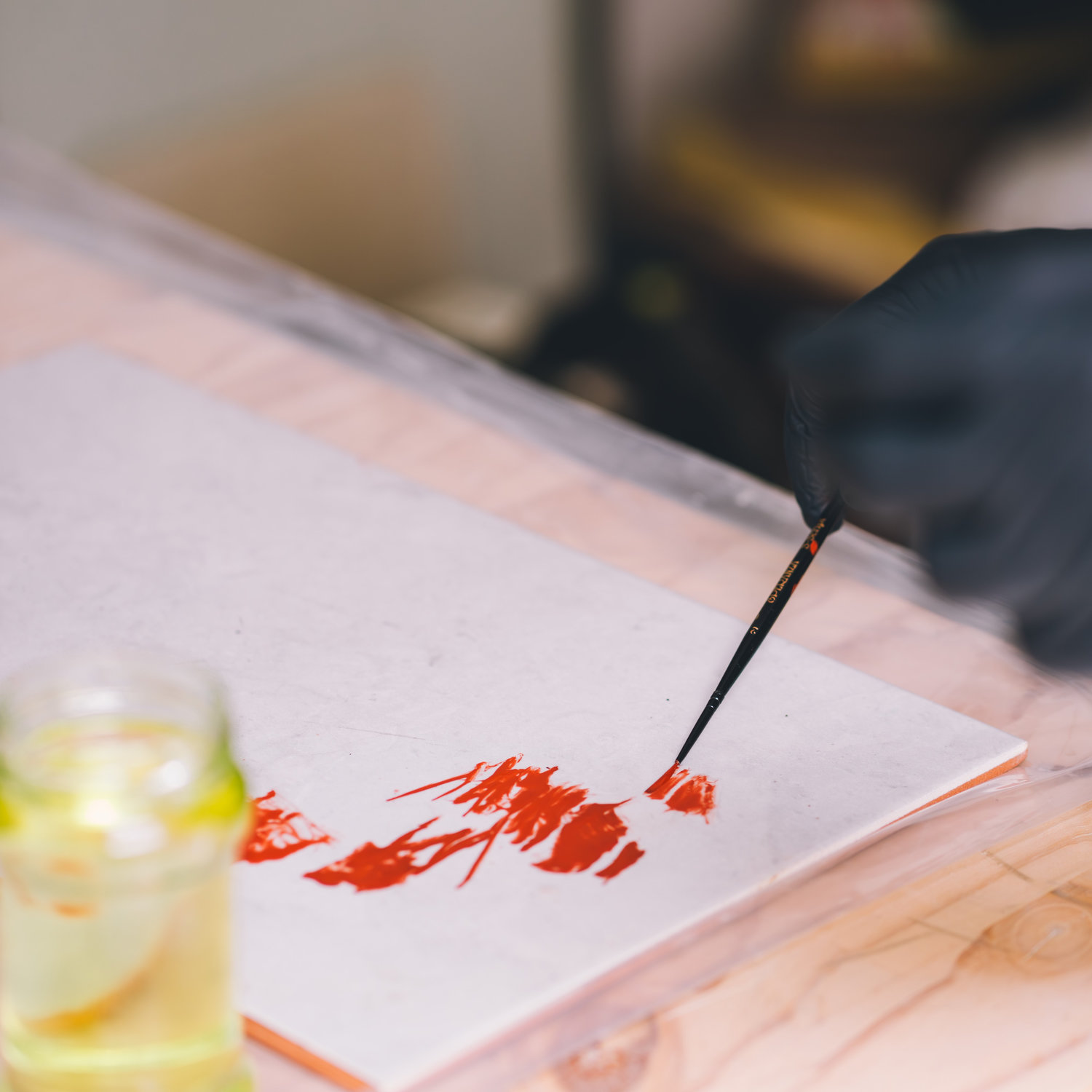
They also learn about polymerization curing—a process unique to this natural material—which requires a slower pace of work. Depending on the pieces to be repaired and their curing times, some may need to be temporarily bonded with synthetic materials so that the final steps can be completed.
During drying times, participants explore the traditional craft of plant-based lacquer, which inspired Japanese artisans to create kintsugi.
Afternoon
Morning and Afternoon
Morning and afternoon
Morning and afternoon
Morning
Afternoon
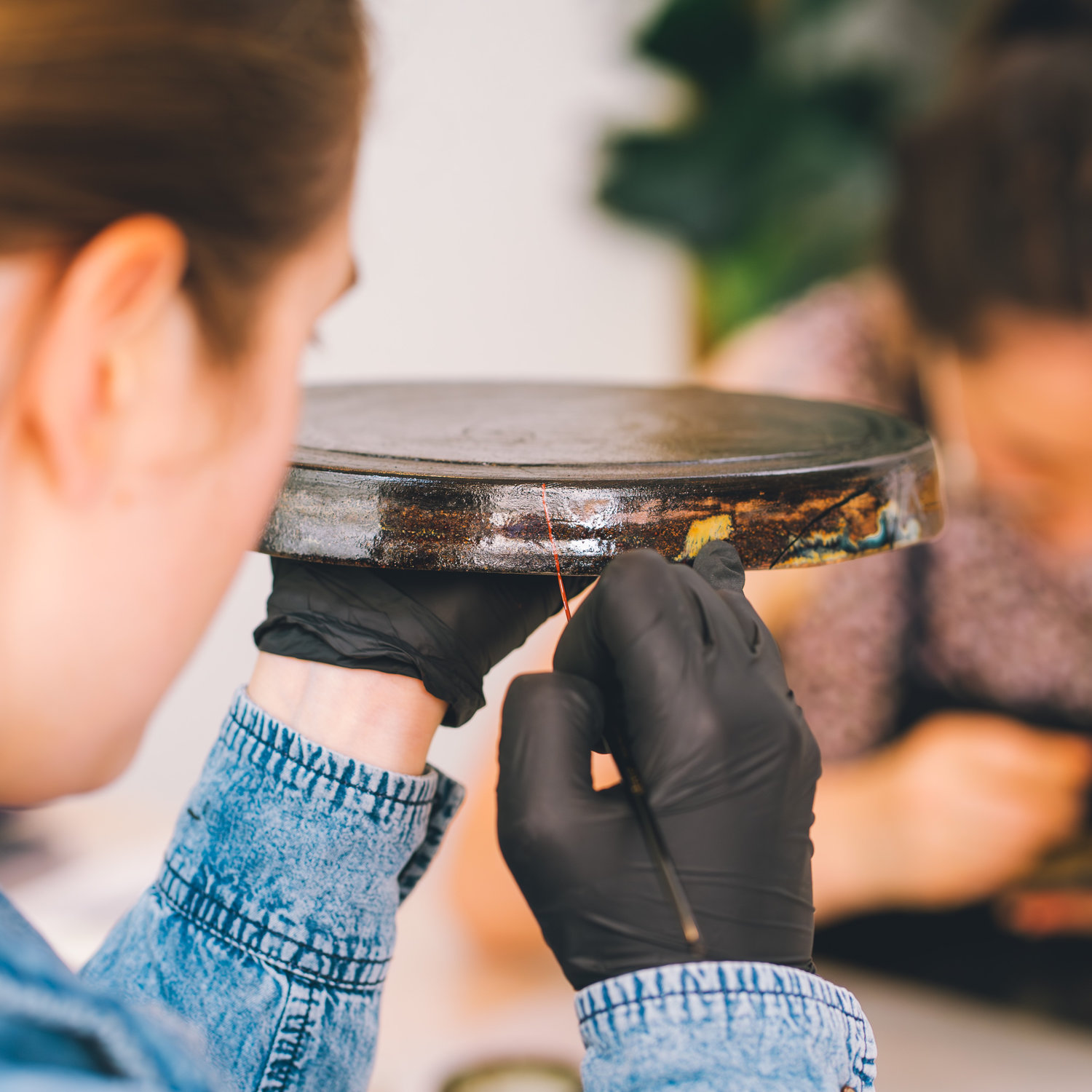
Plant-based lacquer can cause allergic reactions, but don’t worry! The amounts used are very small. Gloves will be provided to participants.
Blandine Hamon is an artisan specialising in lacquerwork, a demanding craft that combines technical skill, patience and artistic sensitivity. After studying applied arts, she trained in lacquerwork at the École Olivier de Serres in Paris, before continuing her apprenticeship in Japan at Kyoto University of the Arts. This immersion enabled her to deepen her knowledge of urushi, the traditional Japanese plant-based lacquer, and to develop an approach informed by the fusion of ancestral craftsmanship and contemporary creation.
On her return to France in 2017, she established her practice at HB Laque, where she uses this unique material to create pieces and surfaces with profound and luminous qualities. Her career reflects a commitment to passing on and promoting the arts and crafts, as well as a constant exploration of materials, time and the artisanal process.
Training 100% financeable by AFDAS, or partially covered by other operators such as FAFCEA, AGEFICE, FIFPL, OPCO EP etc.
Accommodation and meals included
If you are concerned, we invite you to contact our sales department in advance via "Request for information" in order to prepare your file, or to register directly via the page of the chosen training course.

89350 Champignelles
T: +33 (0)3 86 45 23 42
contact@campusmana.com


