





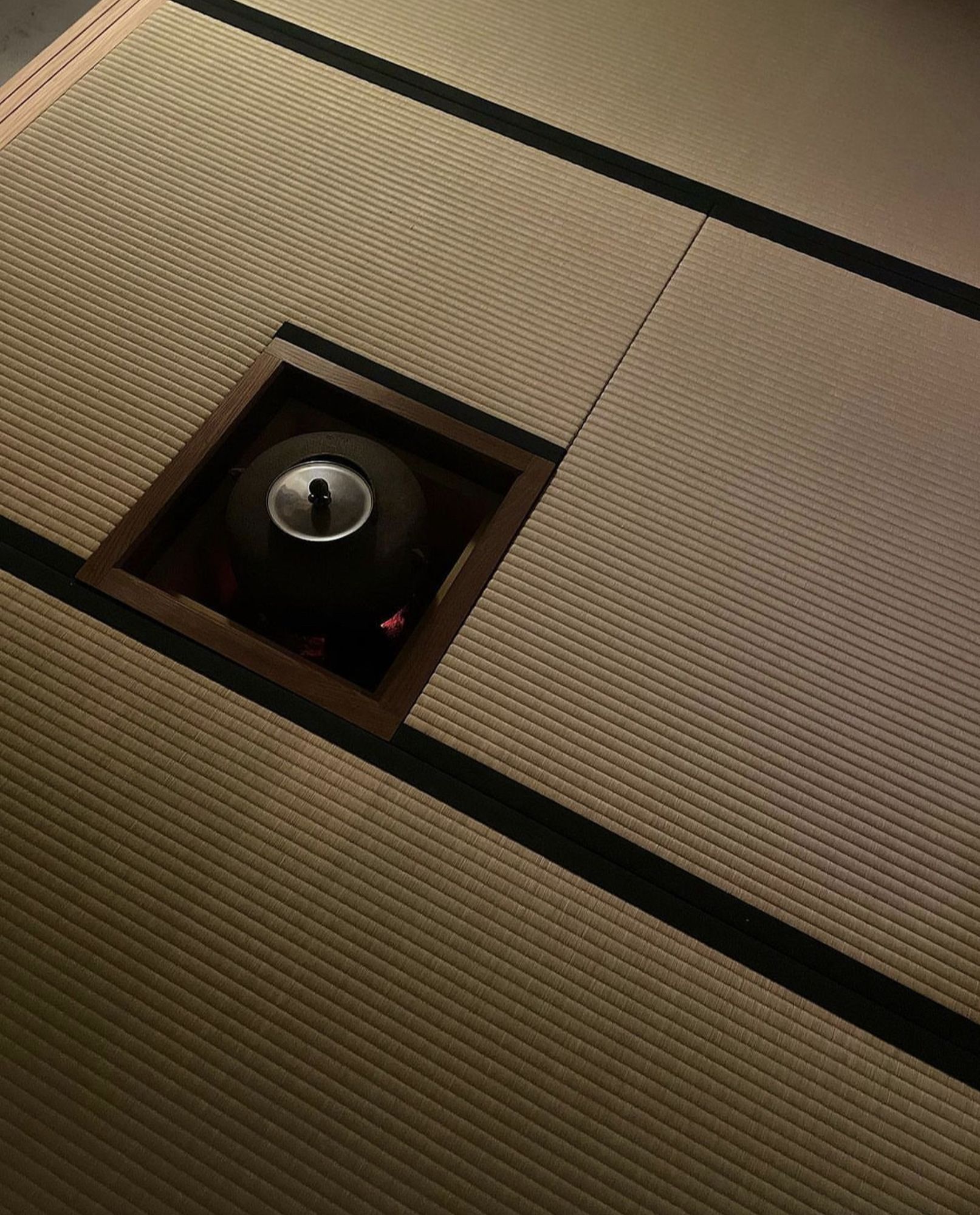
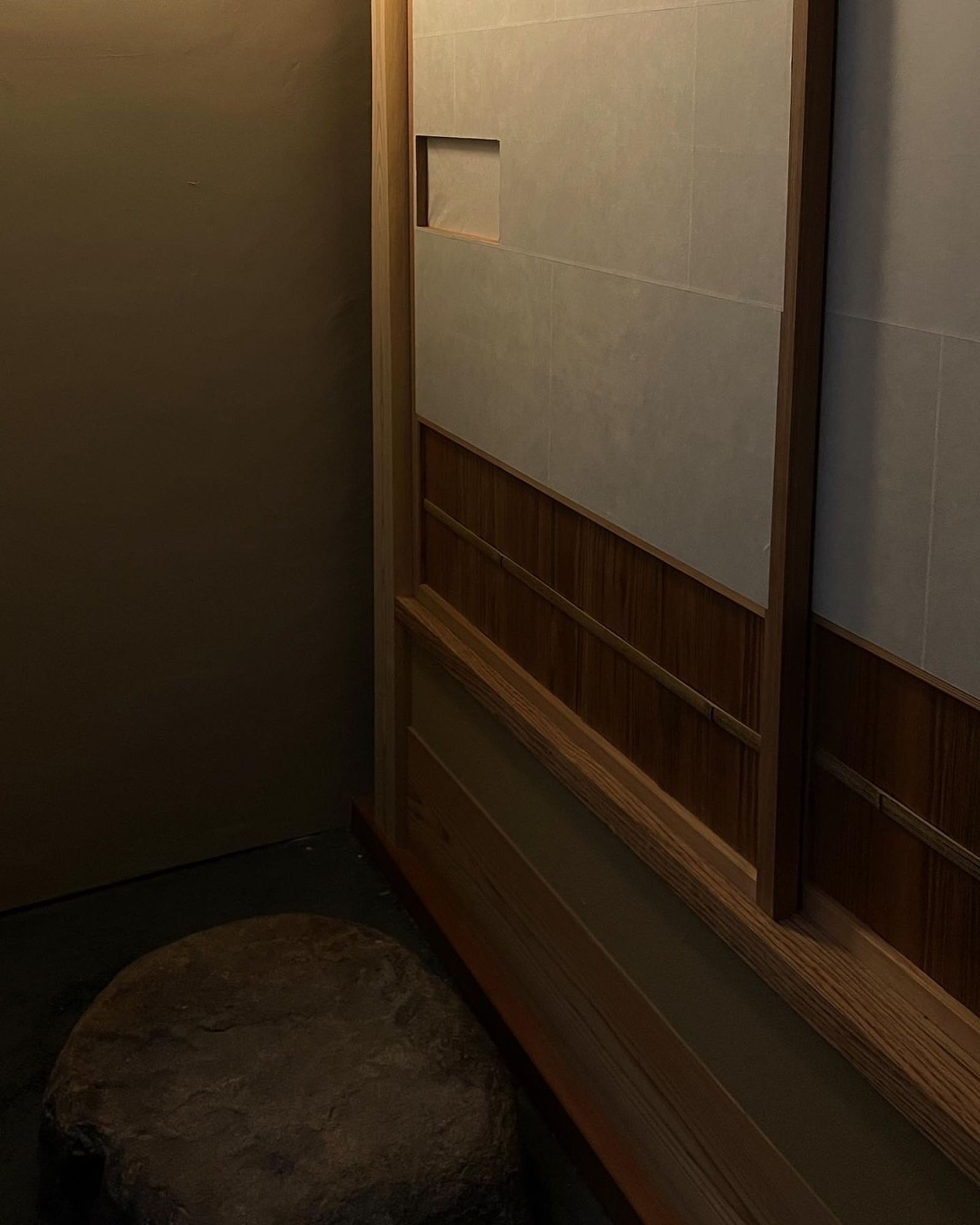
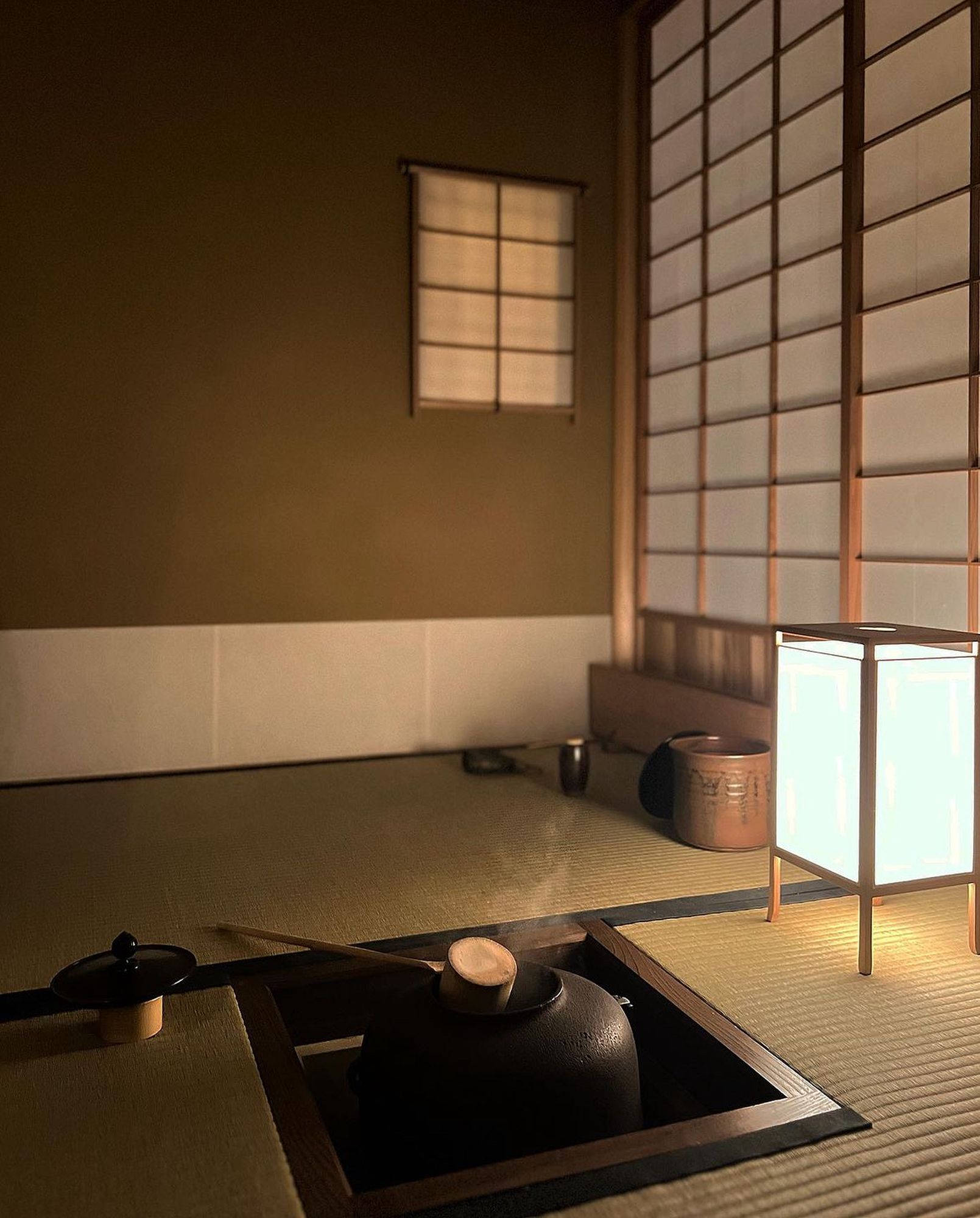
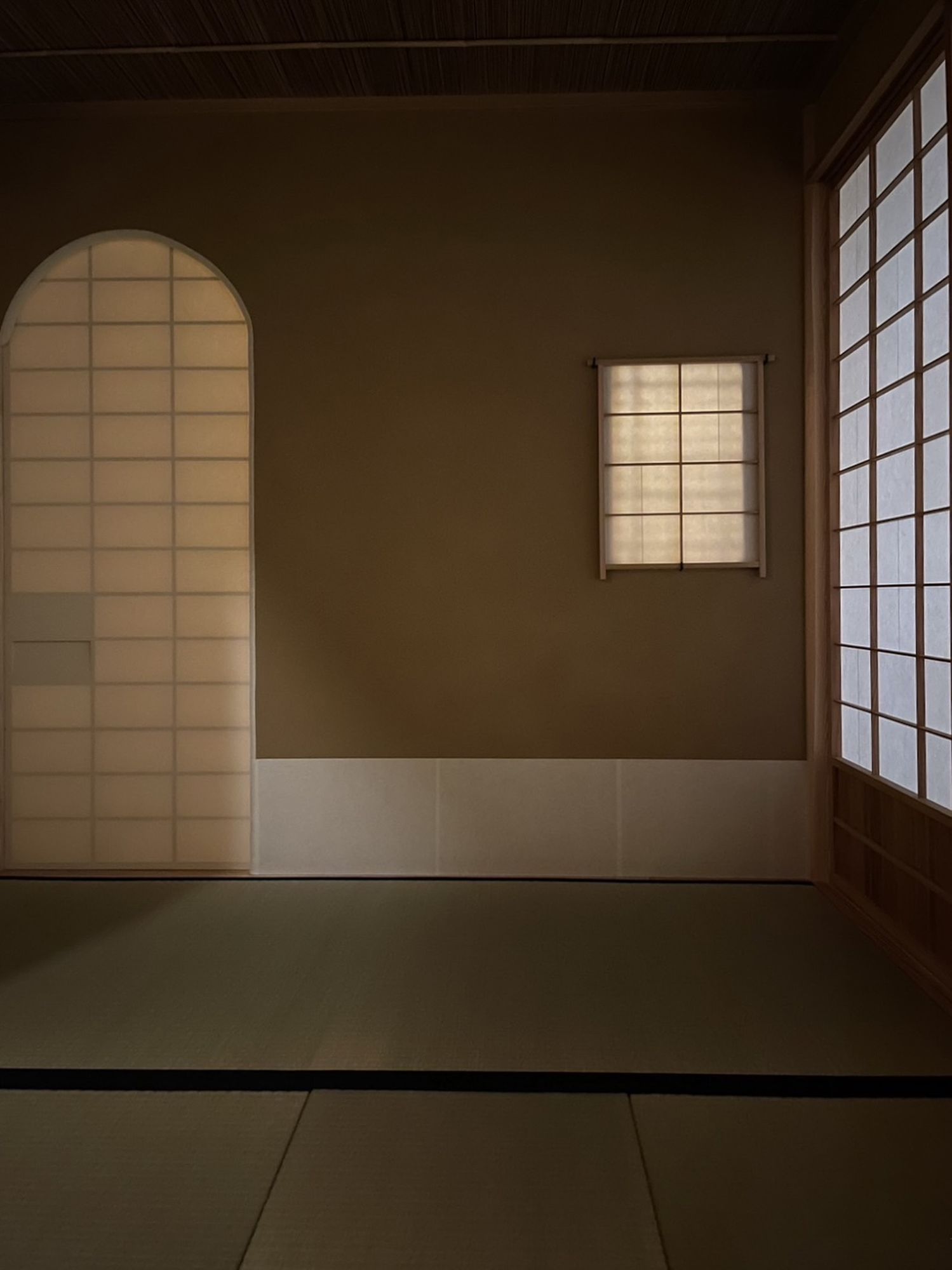
Six centuries ago, at the heart of the Muromachi period, the teahouse emerged in Japan, becoming much more than a simple building: a sanctuary of serenity, a space for genuine interaction with others and for self-discovery. Passed down through generations, it embodies a unique, subtle, and refined architectural and cultural tradition.
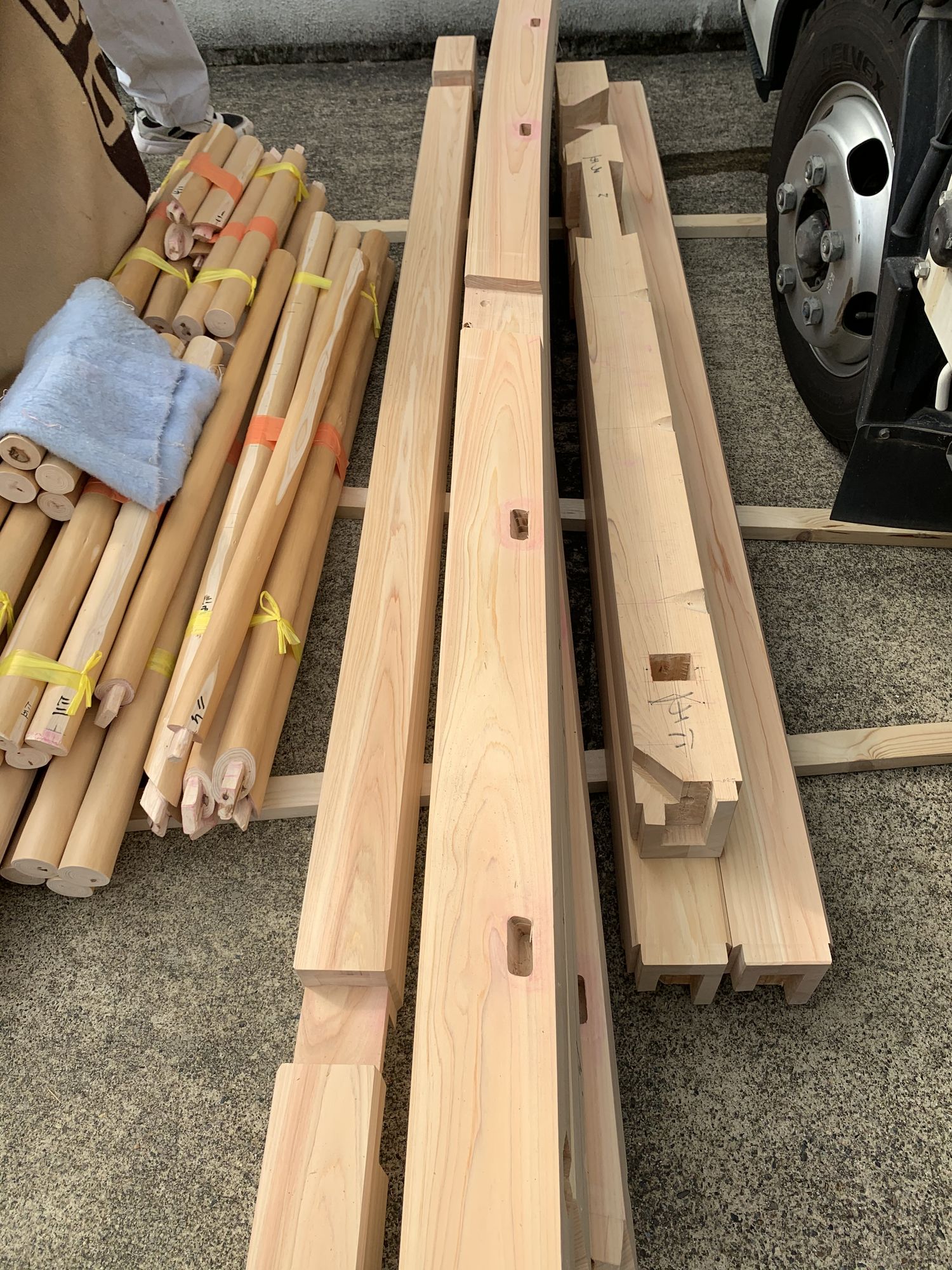
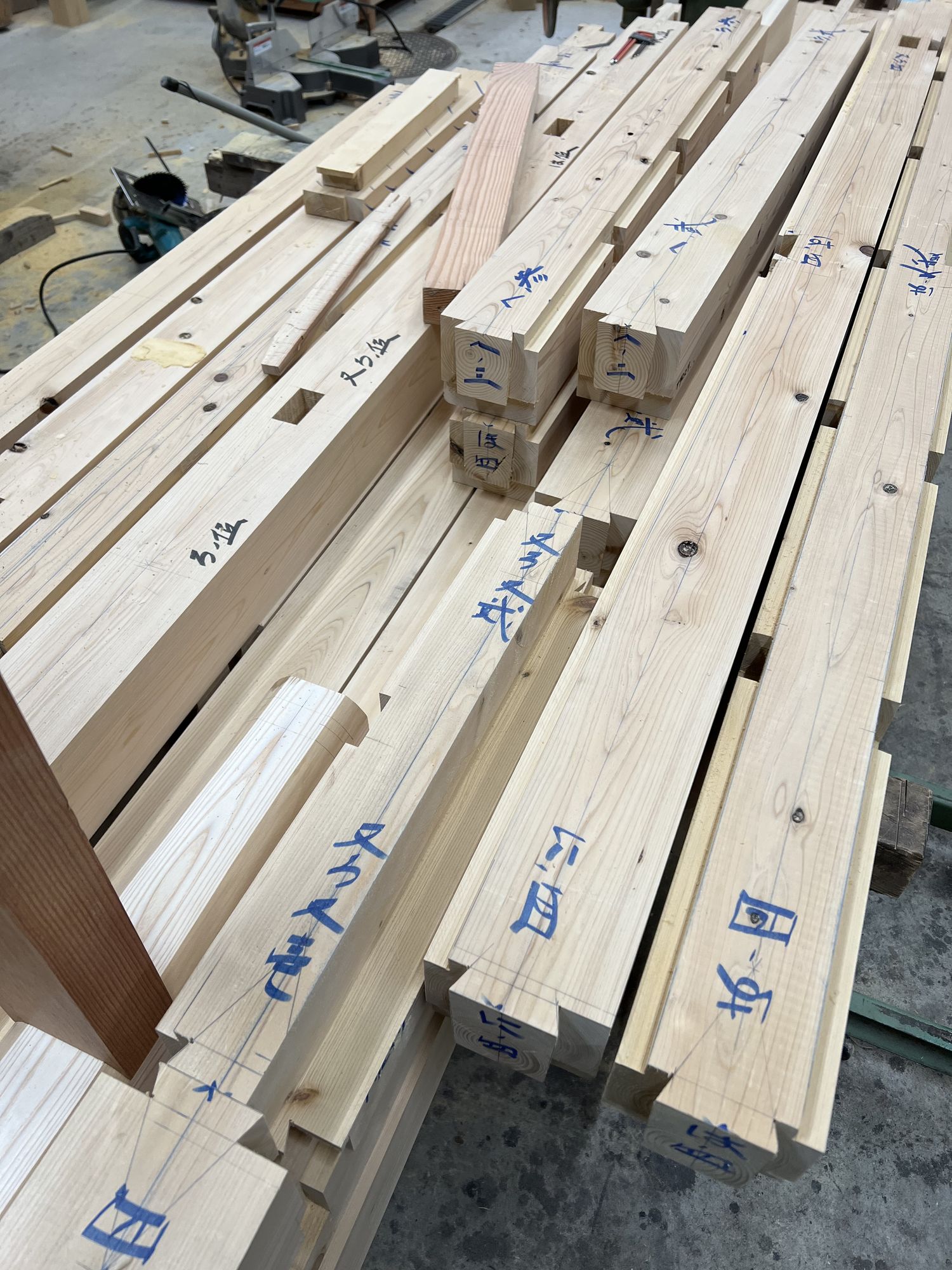
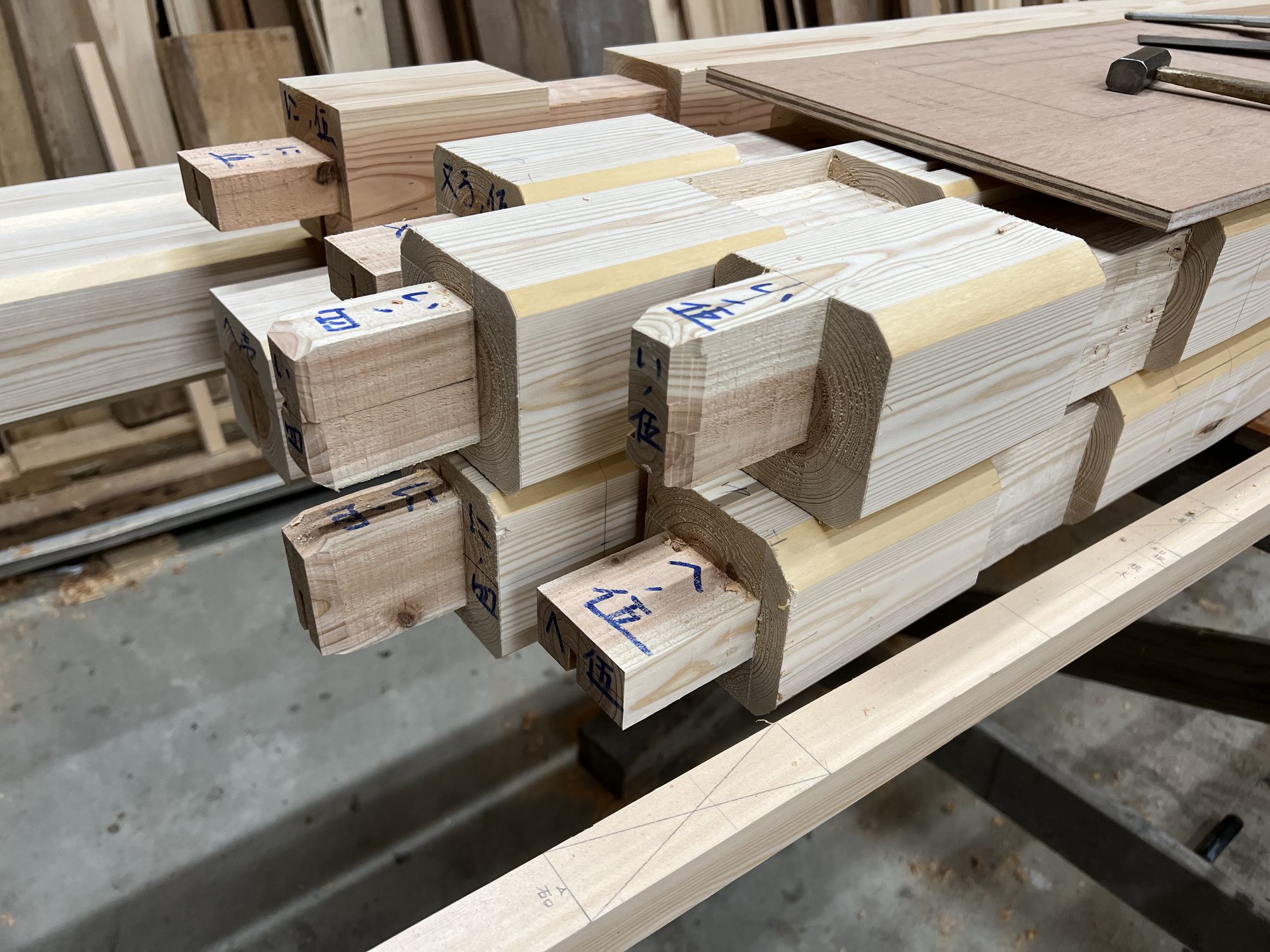
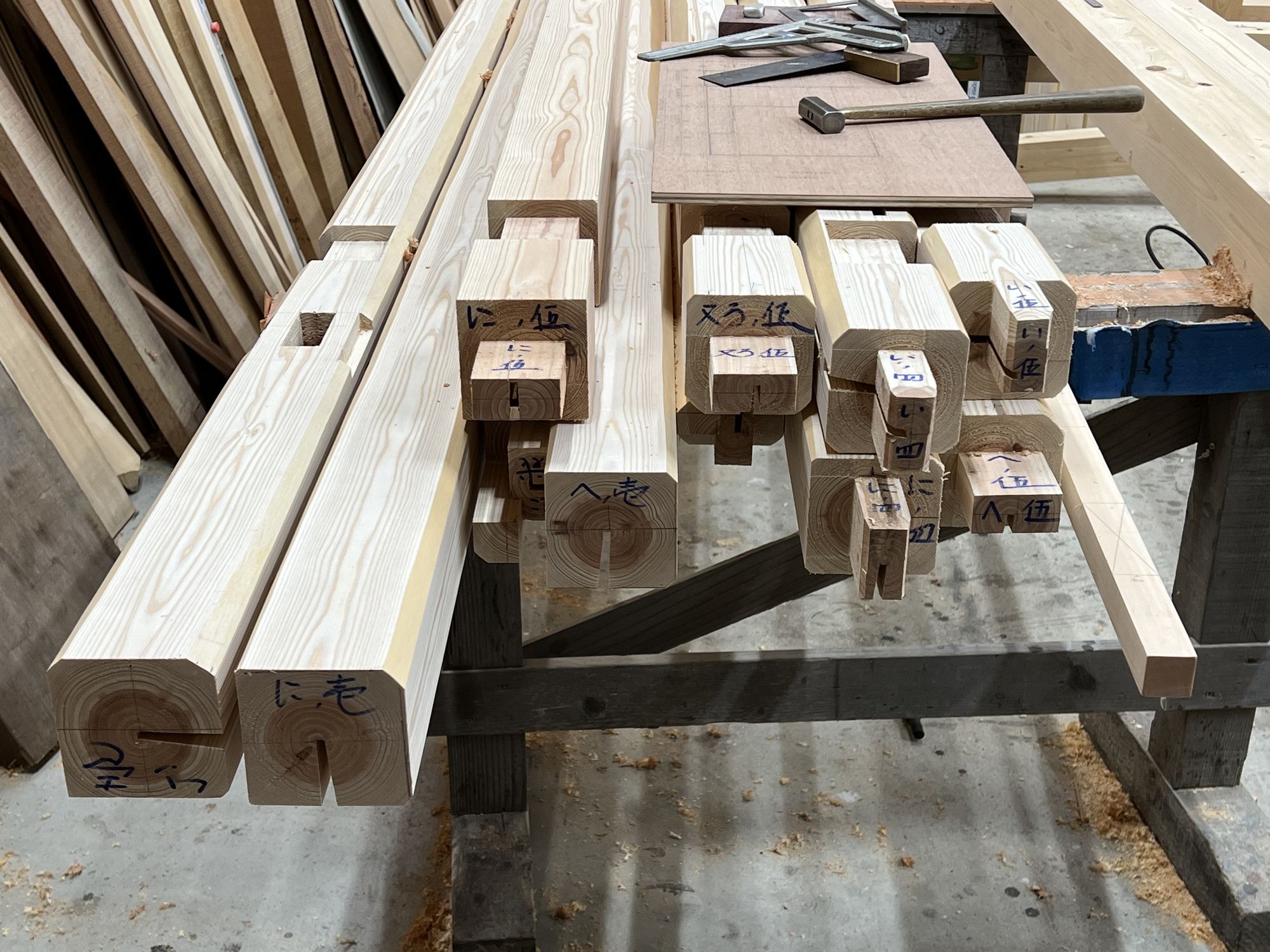
In this program, participants delve into this philosophy, exploring the spiritual foundations of teahouse architecture and the art of sukiya construction, a craft of precise and delicate woodwork. They will build a teahouse frame without nails, screws, or glue, respecting the ancestral techniques of Japanese carpentry, where every gesture counts and every joint tells a story.
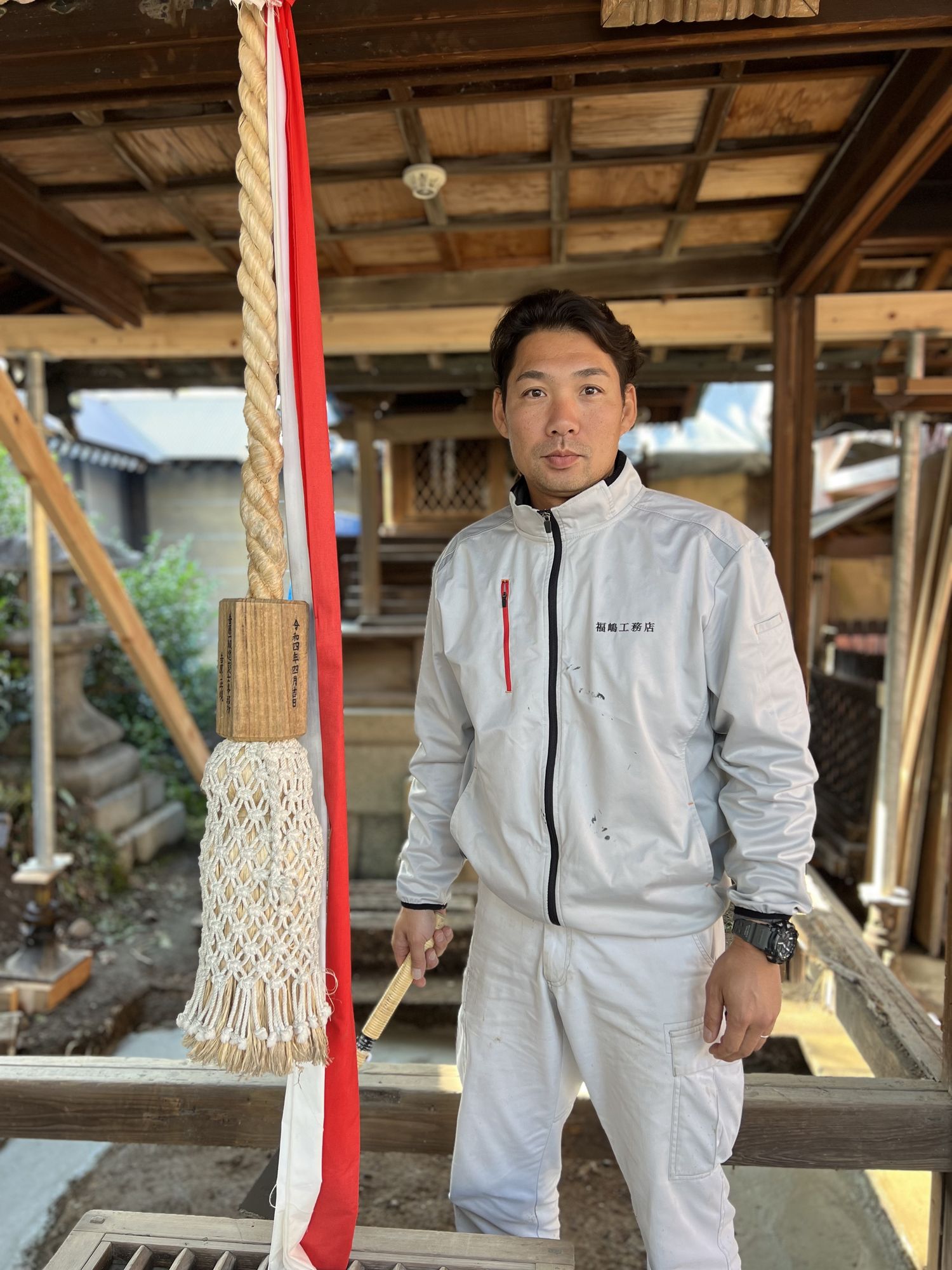
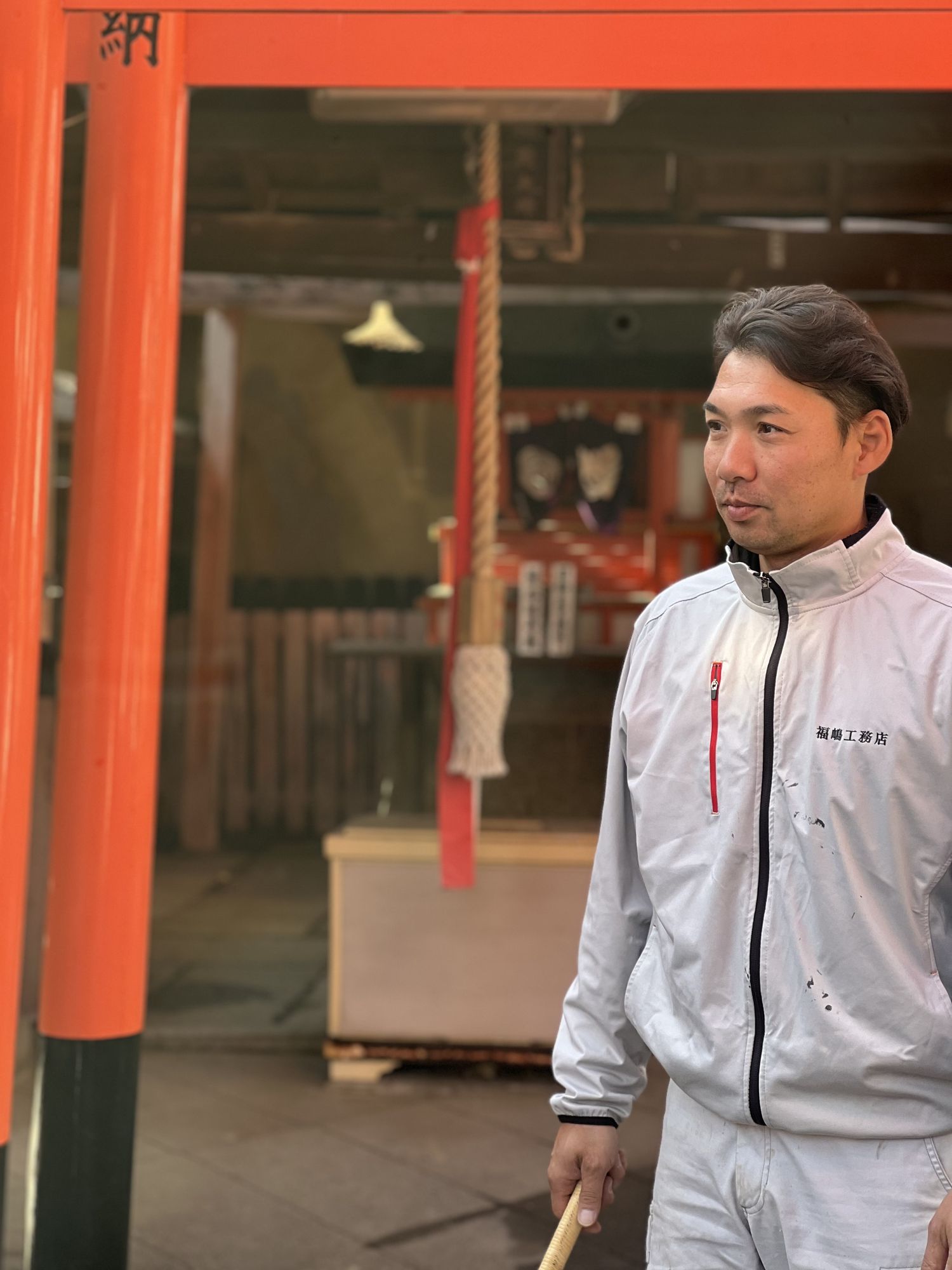
Guided by architect Masayuki Inaida and Akiyoshi Fukushima, an experienced Japanese sukiya carpenter, they will learn to combine technical rigor with artistic sensibility. Throughout the training, participants will develop precision, logic, patience, and a collaborative spirit, while discovering the pleasure of creating a space that exudes harmony.
Please note: the wood used will be standard local wood from France. Advanced skills, such as interpreting the natural characteristics of wood or selecting rare, traditional woods, are not included in this program.
Depending on the participants' skill level, the structure may not be fully completed by the end of the workshop.
Upon completion of the training, the trainee will be able to:
By constructing the complete frame of a teahouse, this program offers a hands-on immersion into the structure and spirit of traditional Japanese carpentry. Participants discover, step by step, how a teahouse is composed: pillars, base beams, crossbeams, and braces—their roles and how they distribute forces to create a stable and harmonious space.
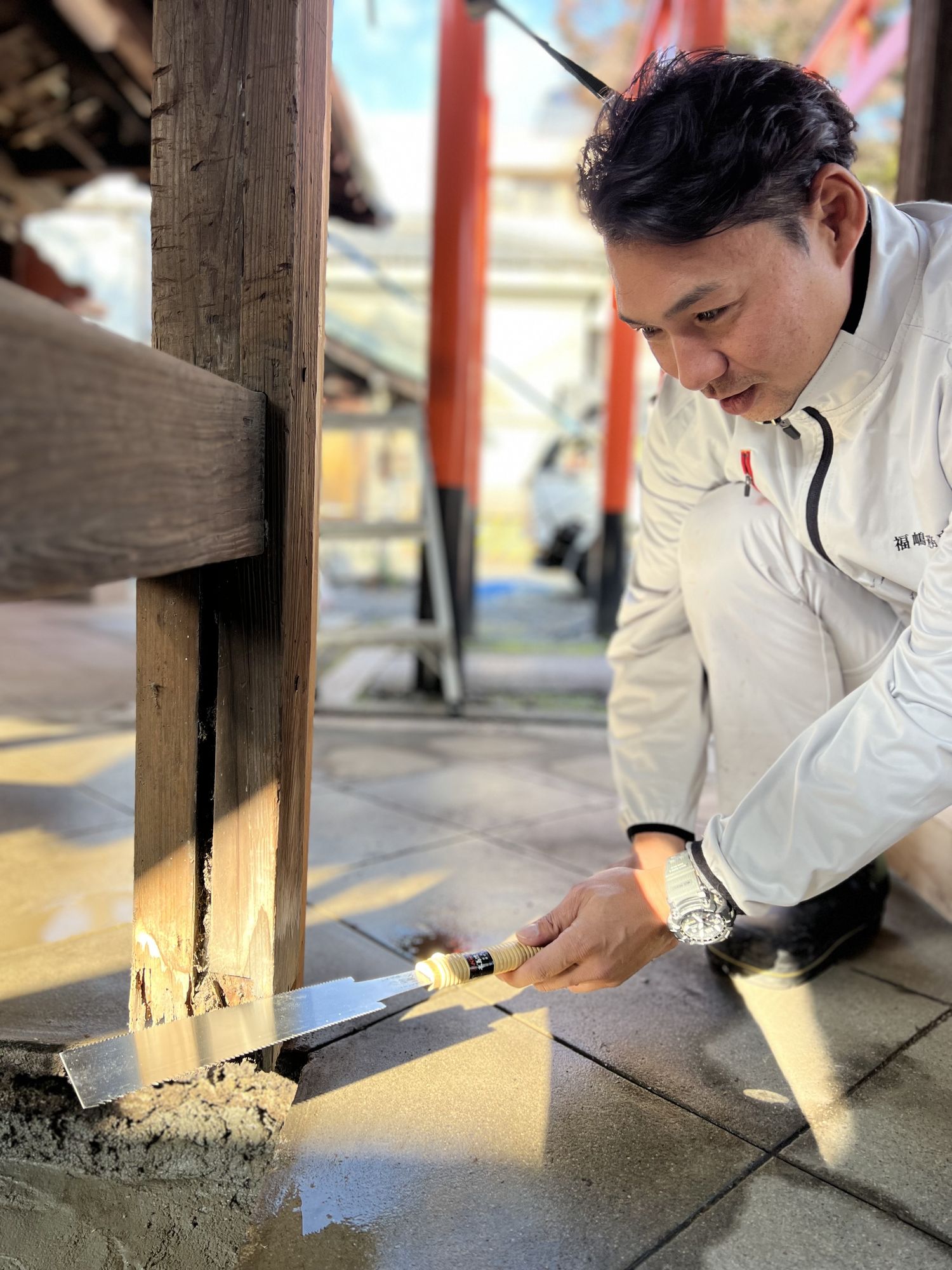
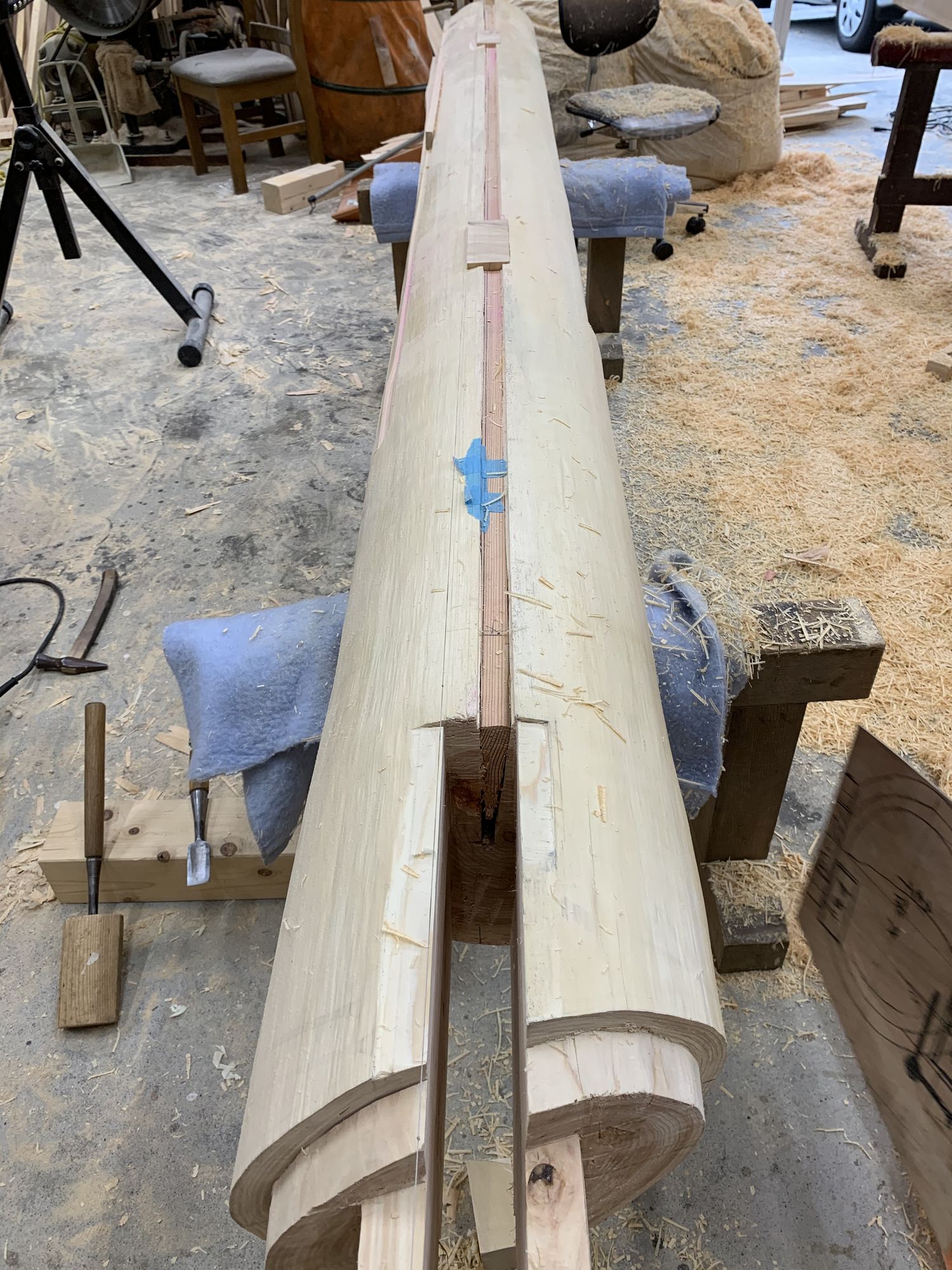
The training is structured around a strong practical component. Trainees are introduced to layout (sumitsuke), the progressive working of wood, and the precise handling of traditional tools such as chisels and hand saws, before tackling the Japanese joinery techniques essential for constructing a sukiya frame.
Learning is achieved through experimentation: fitting pieces together, making successive adjustments, and refining them with millimeter precision. Little by little, the pieces take shape and come together to become a self-supporting structure. Once completed, the structure is dismantled and reconfigured into modules, ready to be transported and reassembled elsewhere.
Beyond the technical aspects, the program offers a glimpse into the philosophy of the teahouse: the creation of duma (intentional space), the reduction to the bare essentials, and that unique Japanese aesthetic of "unfinished beauty," where imperfection becomes a value. These principles guide the participants throughout the process, enriching both their actions and their perspective.
Morning and Afternoon
Morning and Afternoon
Morning and Afternoon
Morning and Afternoon
Morning and afternoon
Morning and afternoon
Morning and afternoon
Morning and afternoon
Morning and afternoon
Morning and afternoon
The Architect of Spaces Where the World Breathes
Born in Osaka in 1976 and now based in Kyoto, Masayuki Inaida was not destined to become one of the most singular artisans of sukiya architecture. A graduate of Doshisha University, he began his career in the precision machinery industry, a world of millimeter-perfect precision. But very quickly, the call of wood, of ancestral craftsmanship, and of an aesthetic in harmony with nature became too strong. He left engineering to cross the threshold into a quieter world: that of traditional Japanese construction.
In 2005, he joined Yamanaka Komuten, the company in charge of the buildings at Daitoku-ji, Kyoto's iconic Zen temple. There, amidst centuries-old pillars and tea pavilions, he honed his understanding of wabi-sabi, of emptiness, of the beauty of the unfinished. House after house, in Japan and abroad, he discovered that building is not simply about erecting a structure, but about cultivating a state of mind: that of attentive presence to the world.
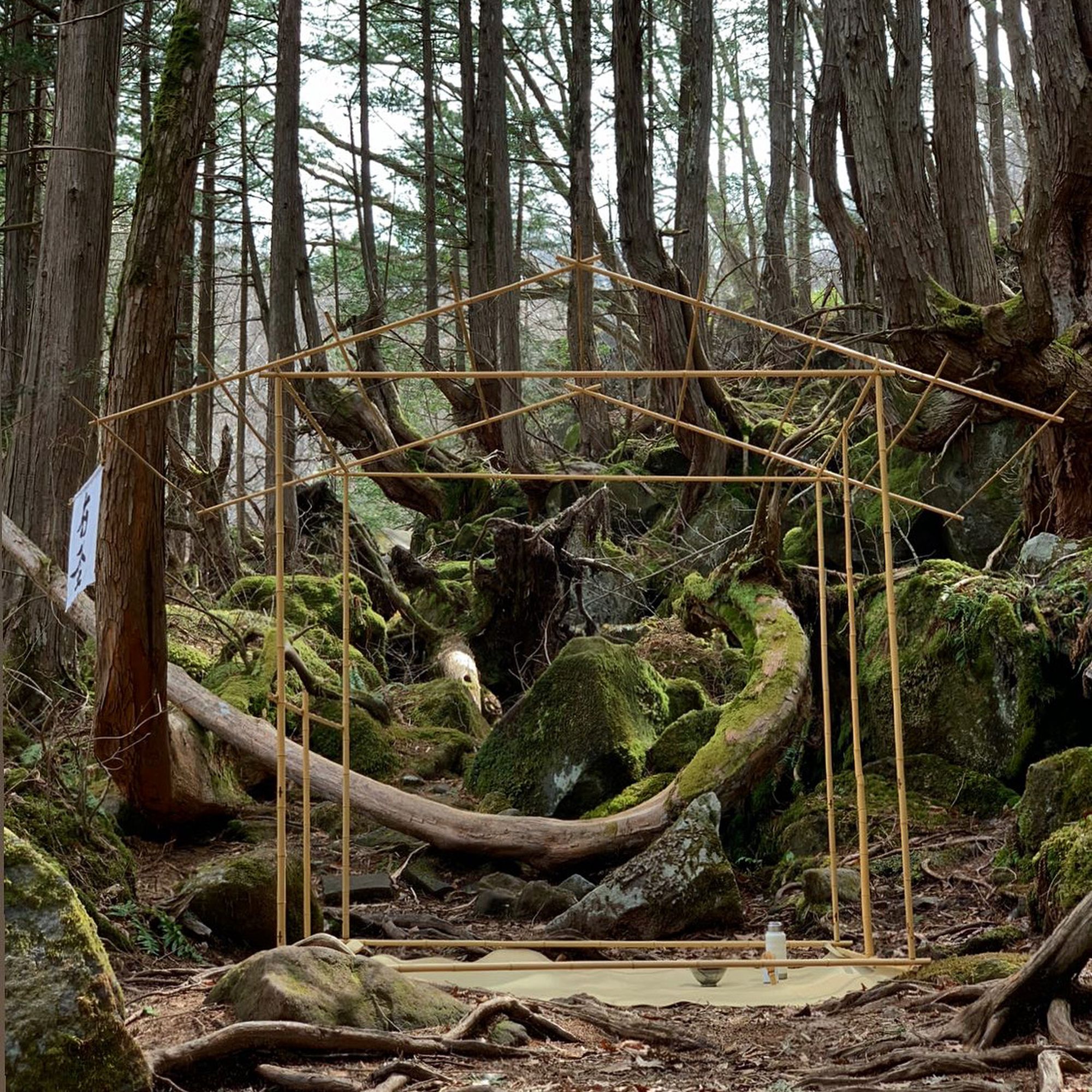
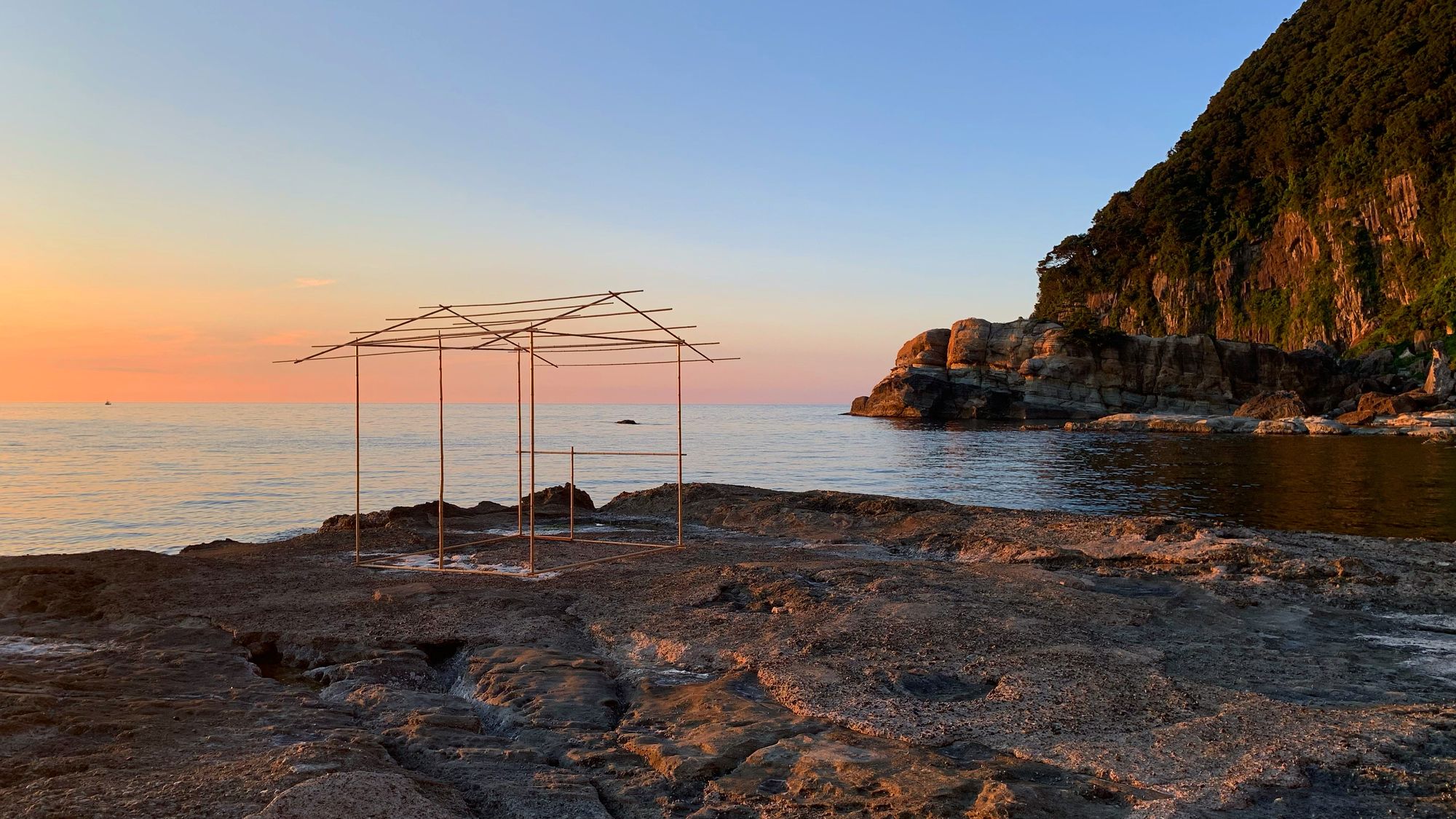
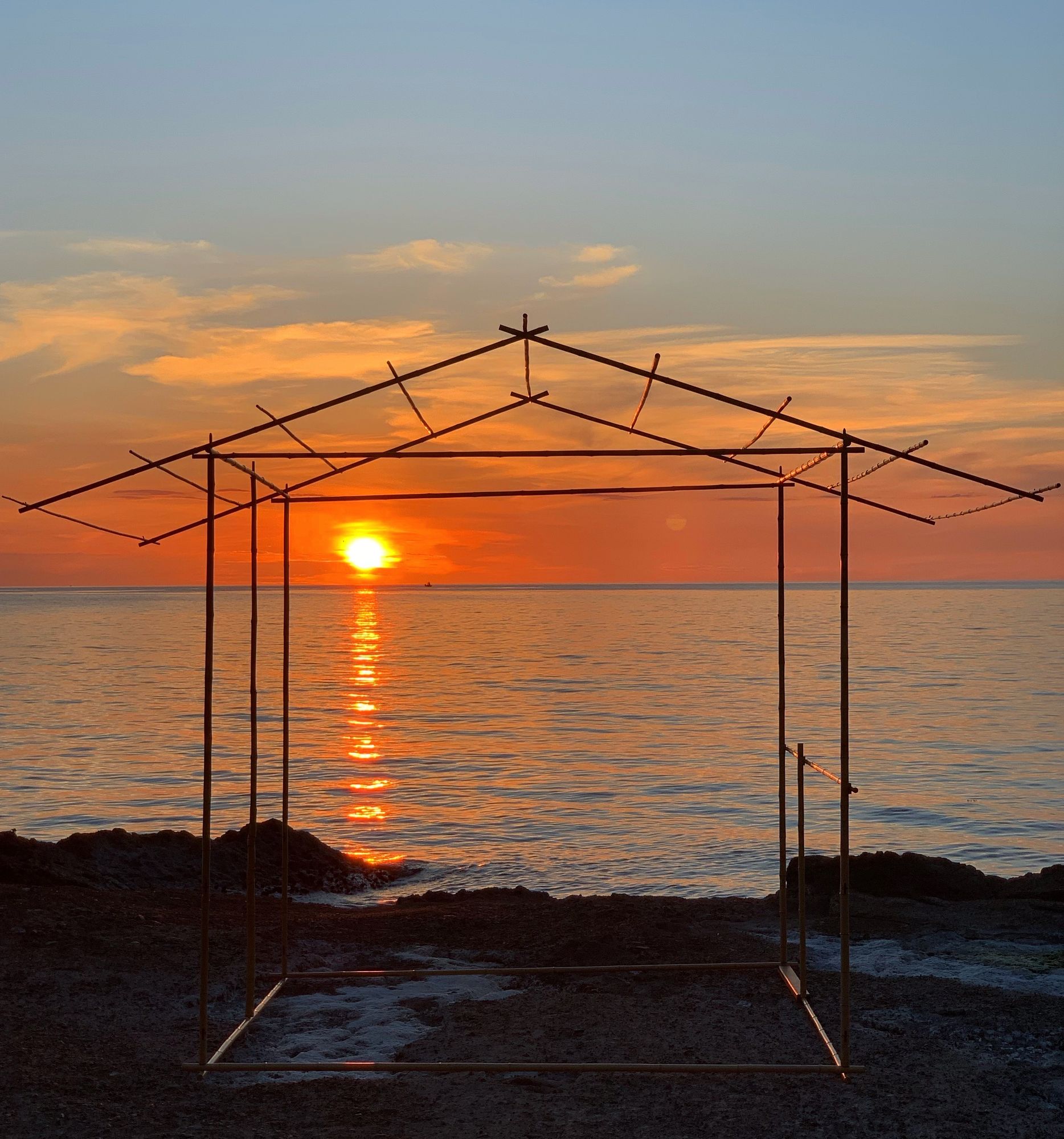
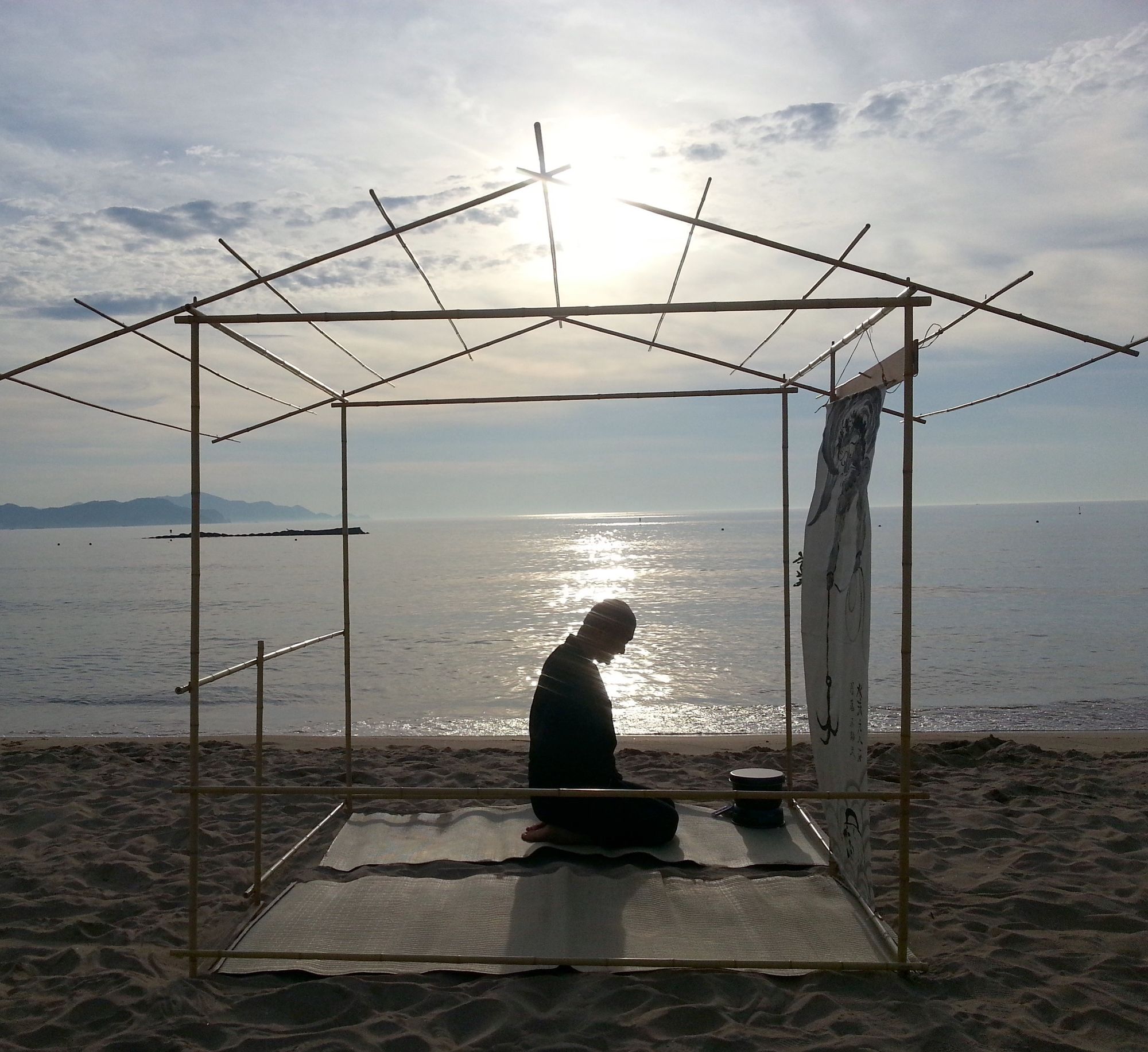
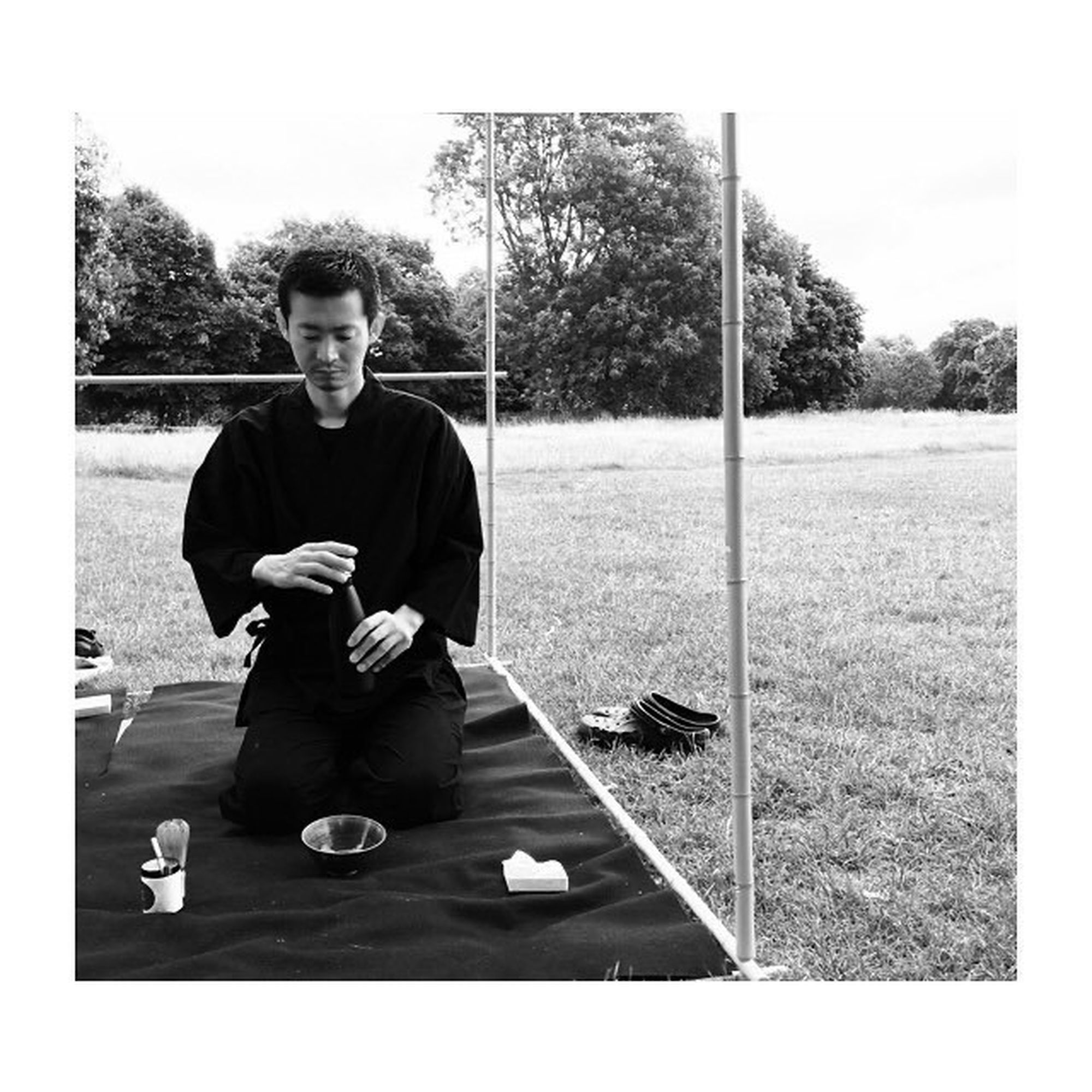
Ten years later, driven by the desire to freely share the essence of the tea room, he designed Kian, a bamboo tea house structure, transportable and self-assembled by one person. A bold move: to transform all of nature into a tea pavilion. Forests, rivers, coastlines, and even cities became his playground. Kian traveled from France to the United Kingdom, from the United States to the Japanese mountains, creating suspended moments where tea became a universal language.
In recent years, Masayuki Inaida has taken this fusion of ritual and landscape even further by organizing a tea ceremony at the summit of Mount Fuji, a symbolic experience of the intimate connection he seeks to rekindle between humanity and nature.
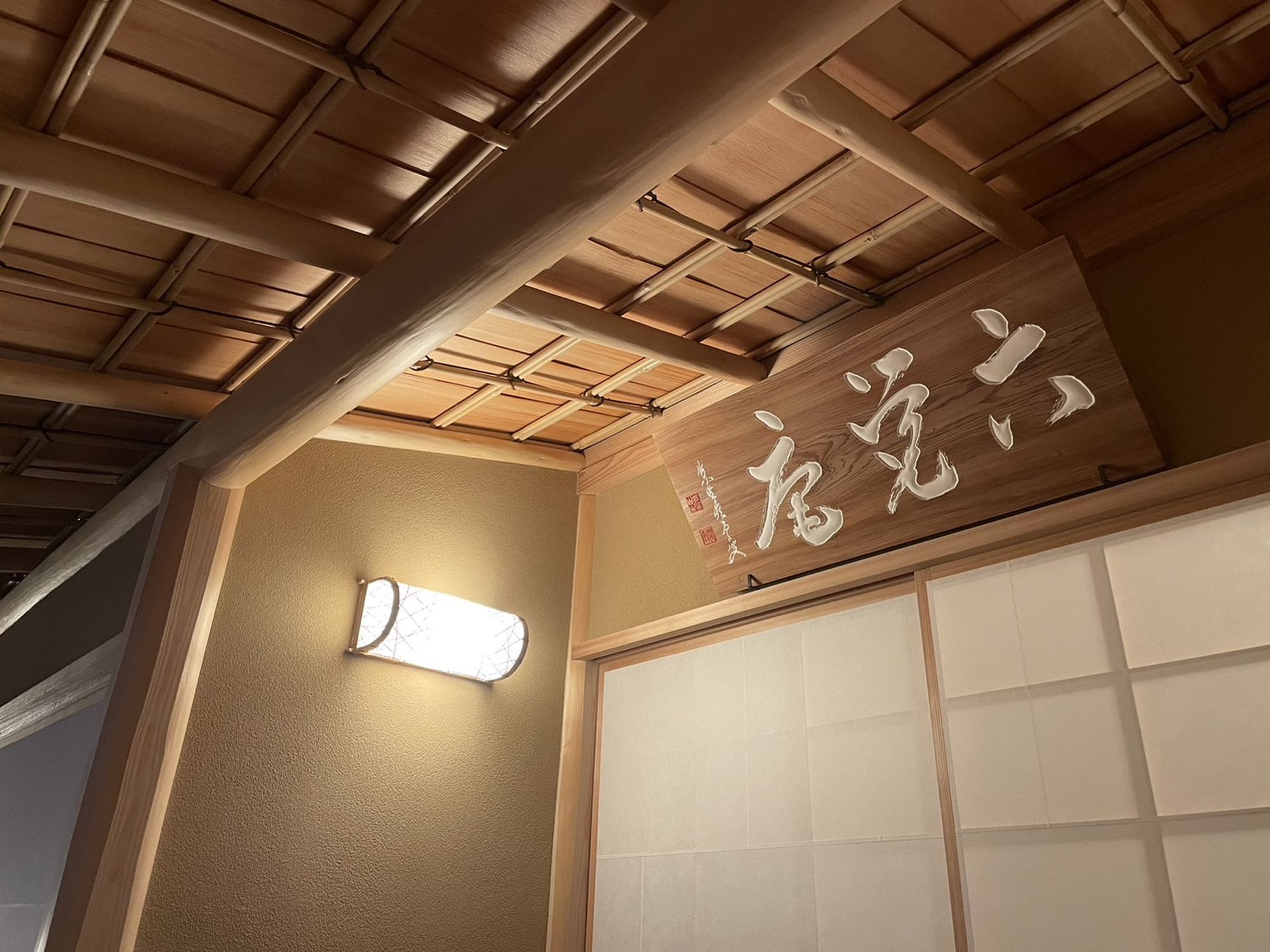
In 2022, in the midst of a global pandemic, he built Rokkaku-an, a tea house in Paris's 1st arrondissement. The space became a refuge, a place for emotional connection in a time marked by distance.
Three years later, he oversaw the renovation of a sushi restaurant in Montmartre, where he installed a counter made of 350-year-old Yoshino hinoki wood. Designed, exported, and assembled under his supervision, this ancient wood embodies the history of Japanese craftsmanship that he wishes to make visible to the world.
His work has been widely featured in the Japanese and international press.
Today, Masayuki Inaida continues to travel between Japan and Europe, carrying with him a vision: to create spaces and experiences that allow everyone to rediscover an essential gesture—that of being present, to oneself, to others, to nature.
The Carpenter Who Listens to the Silence of Wood
Born in 1983 in Kyoto, where he still lives and works, Akiyoshi Fukushima gravitated toward sukiya architecture from a very young age. At eighteen, he chose this demanding path, captivated by the simplicity of teahouses and by an aesthetic where beauty is expressed more through restraint than ostentation.
He trained with Taniguchi Komuten, under the tutelage of the master Taniguchi, heir to Sotoji Nakamura, an emblematic figure of sukiya carpentry during the Shōwa era. For thirteen years, Fukushima acquired far more than just technical skills: he absorbed a philosophy of craftsmanship, founded on absolute respect for materials, precision as a discipline, and the idea that the essential often lies in what is unseen.
Following this apprenticeship, he established his own practice. He then worked with several major Siemoto lineages of the tea ceremony, participating in the construction, restoration, and relocation of teahouses throughout Japan. Remaining faithful to hand tools and traditional joinery techniques, he seeks above all to reveal the presence of wood, its texture, its aging, and the temporal dimension that makes natural materials unique.
For Akiyoshi Fukushima, building is not simply about assembling a structure. His work is part of a larger project: to perpetuate a cultural spirit and design spaces where one can return to oneself. The teahouse, he explains, is a place that engages in a silent dialogue with those who enter it. Today, he continues this mission with consistency and humility: to preserve a heritage, to transmit knowledge, and to keep the architecture of tea houses alive as a resolutely contemporary practice, not a fixed heritage, but a way of looking ahead to the future.
Training 100% financeable by AFDAS, or partially covered by other operators such as FAFCEA, AGEFICE, FIFPL, OPCO EP etc.
If you are concerned, we invite you to contact our sales department in advance via "Request for information" in order to prepare your file, or to register directly via the page of the chosen training course.









89350 Champignelles
T: +33 (0)3 86 45 23 42
contact@campusmana.com
