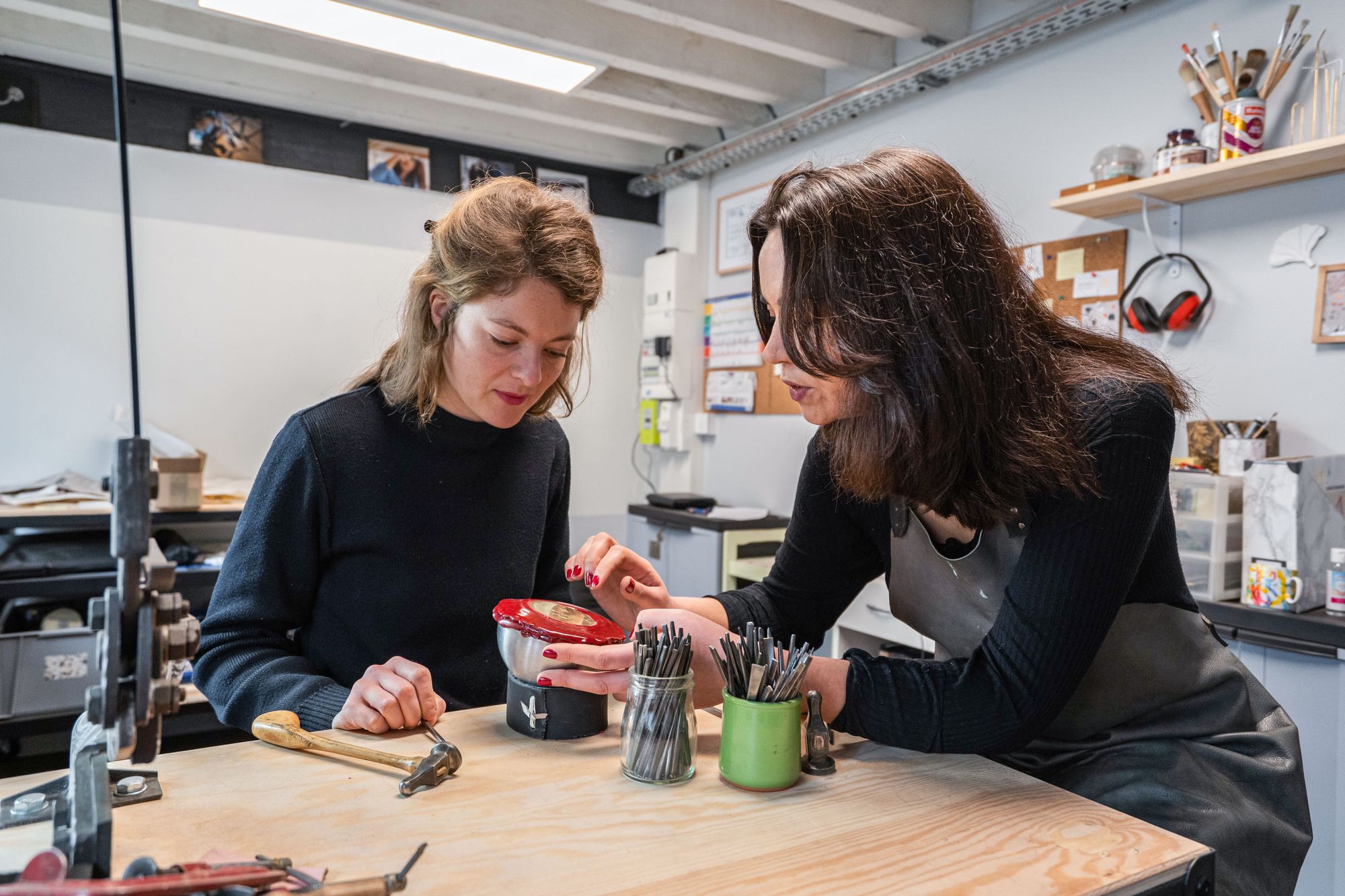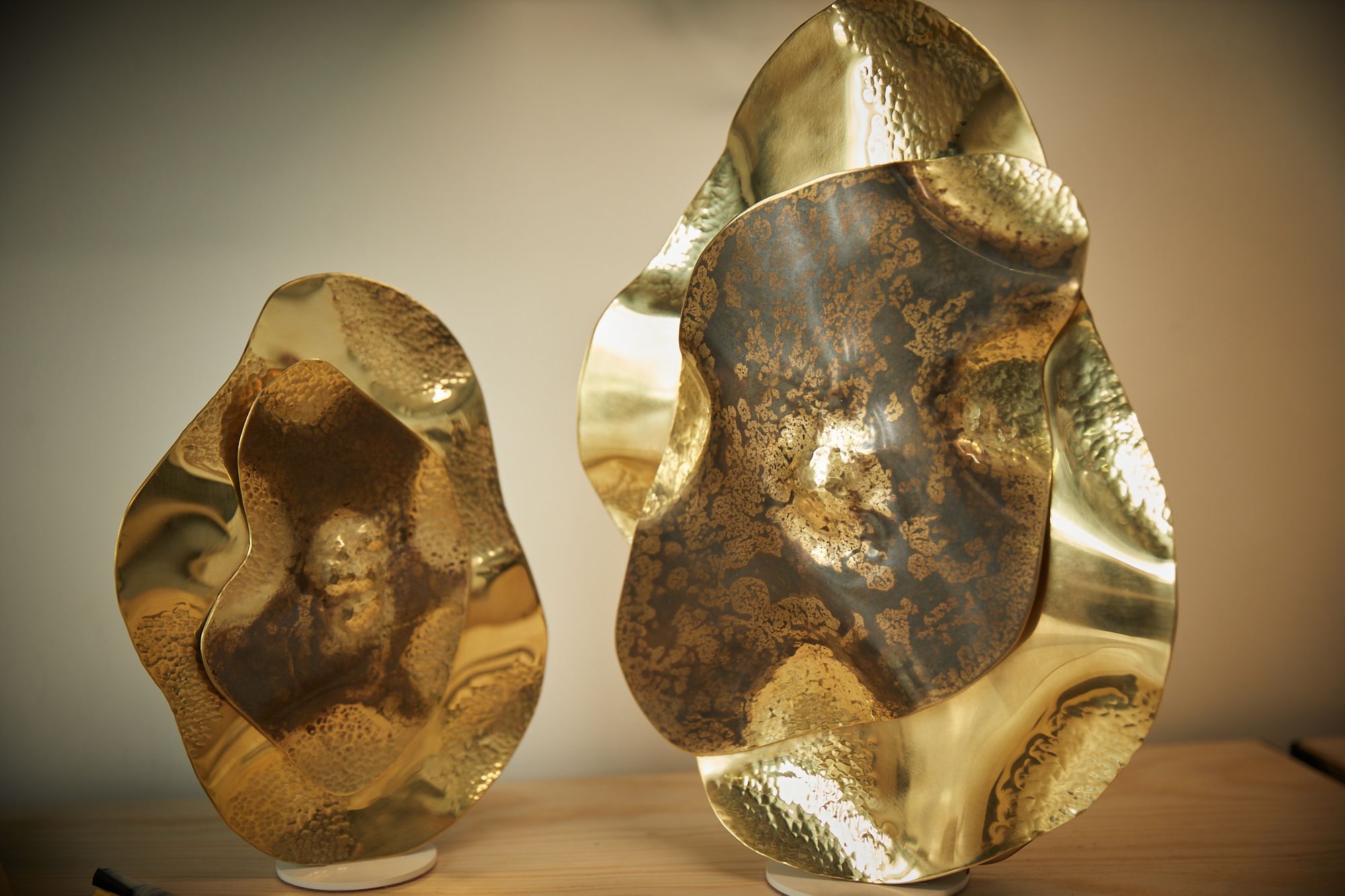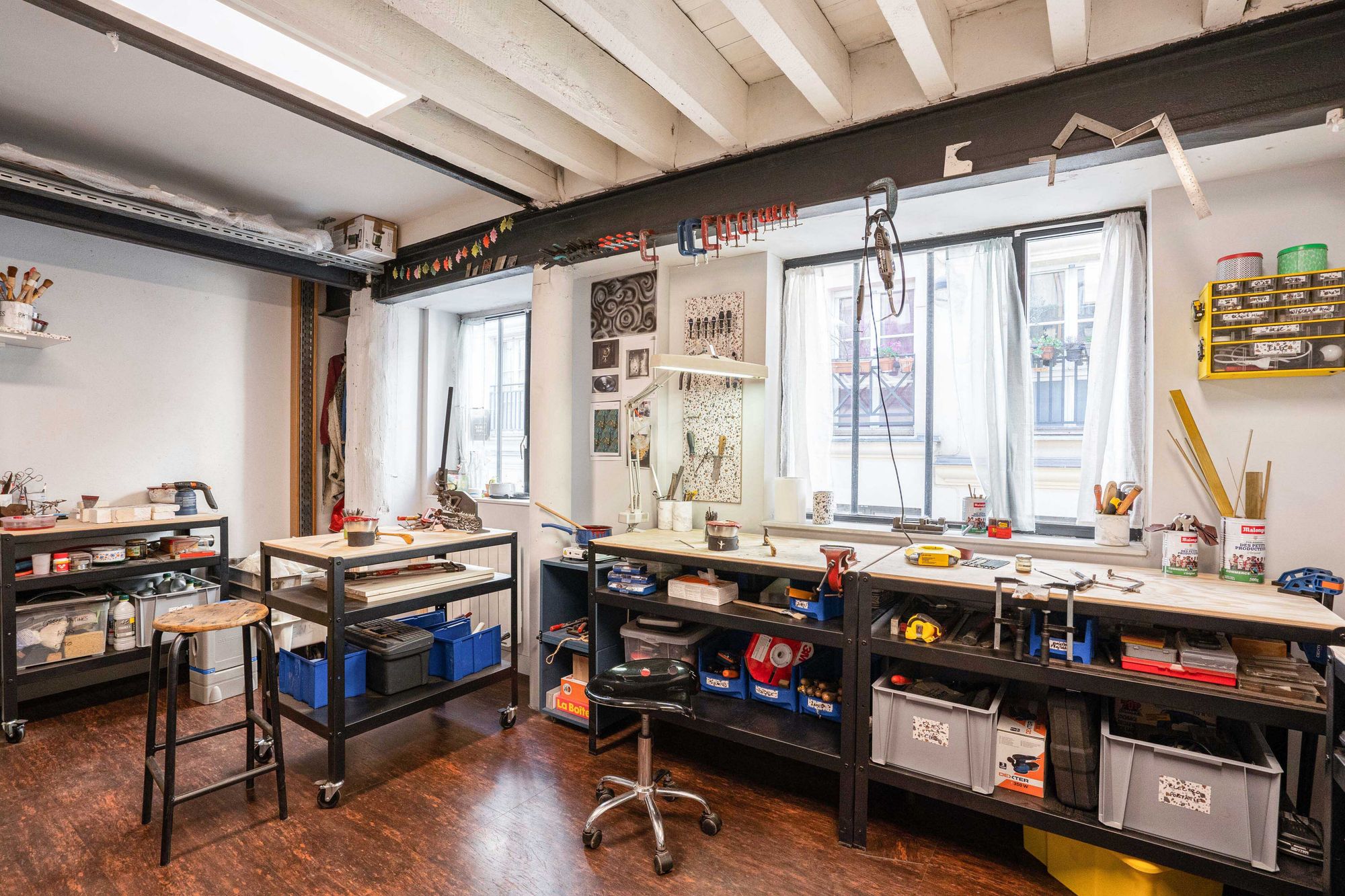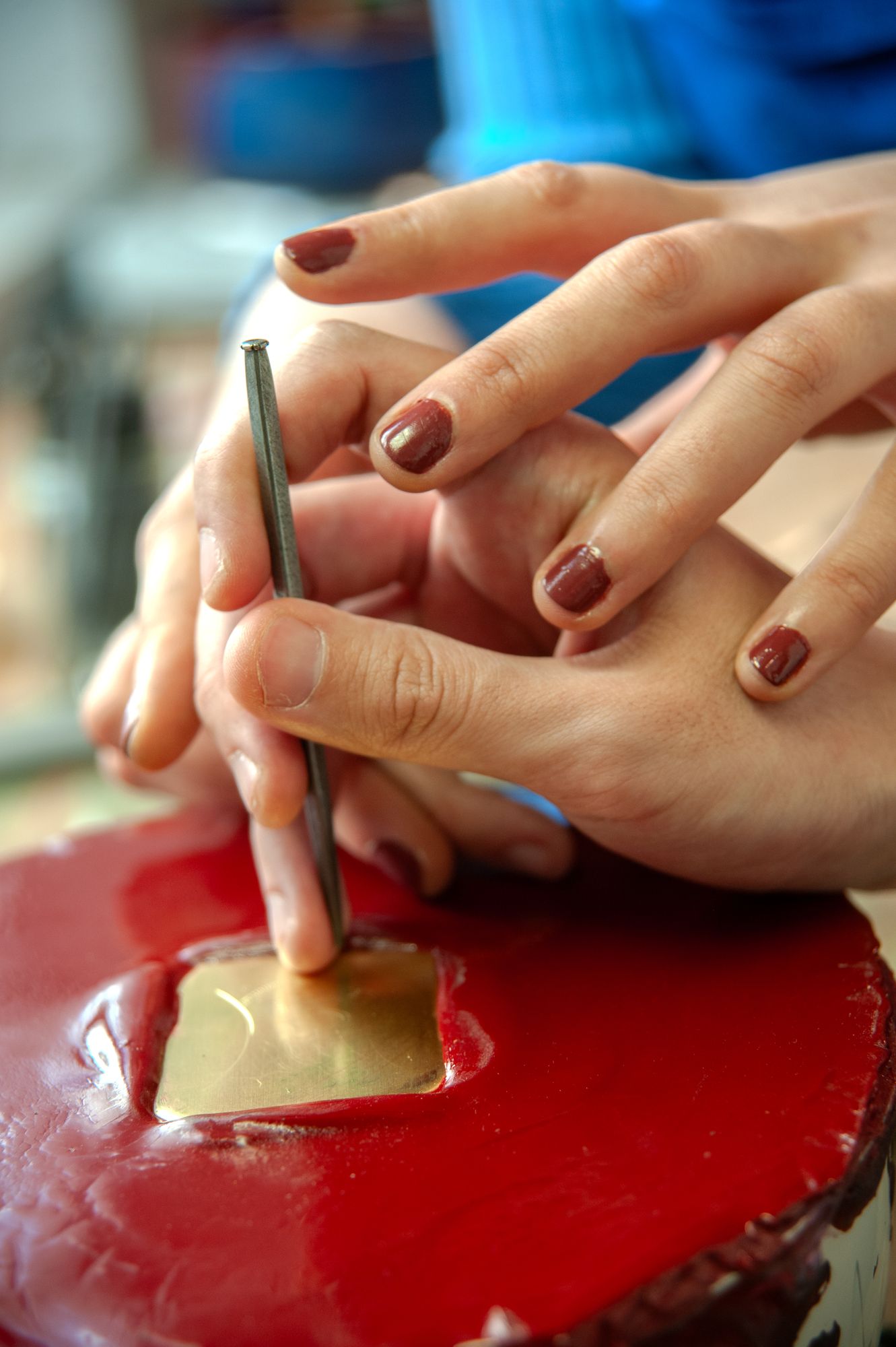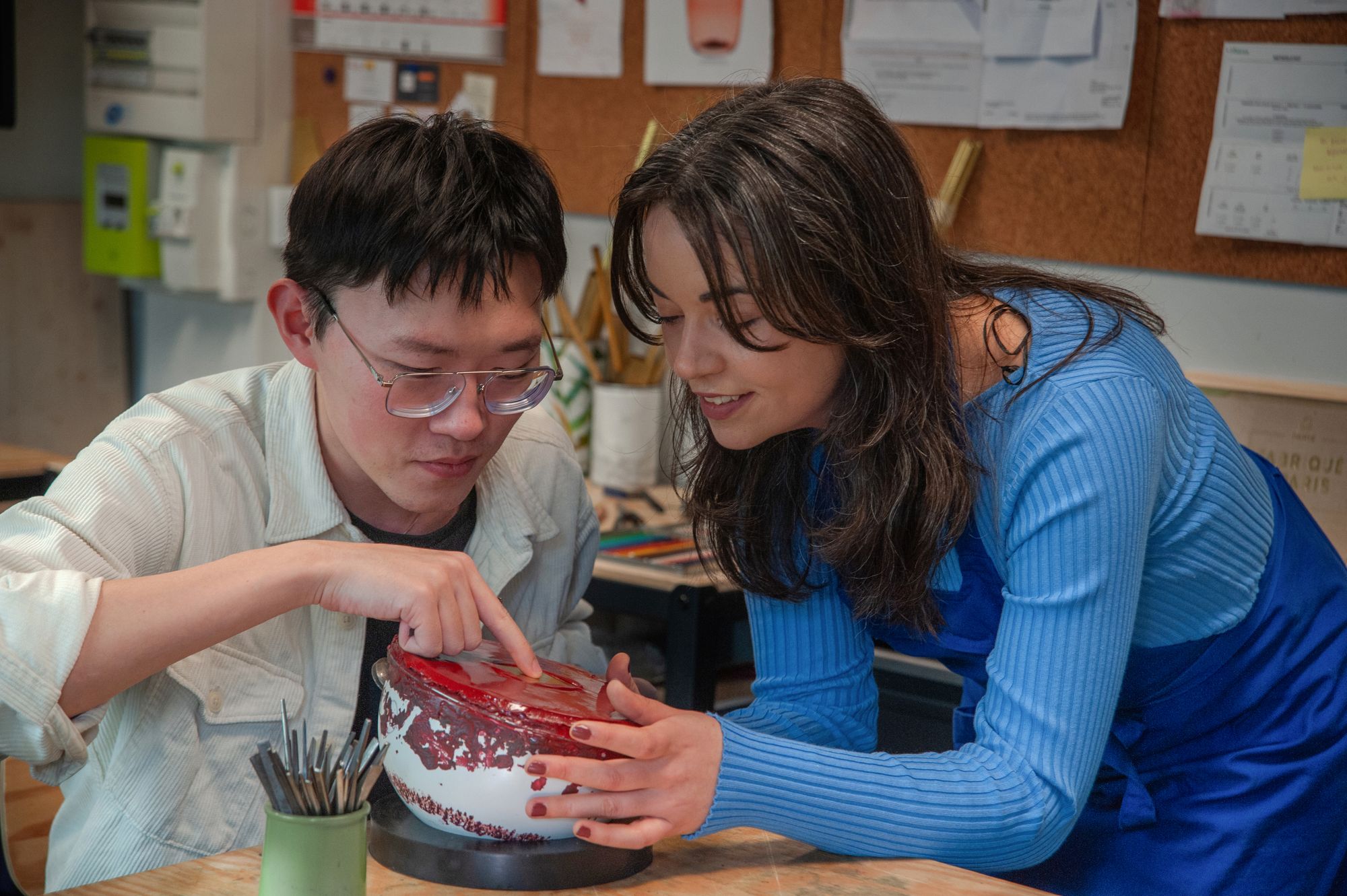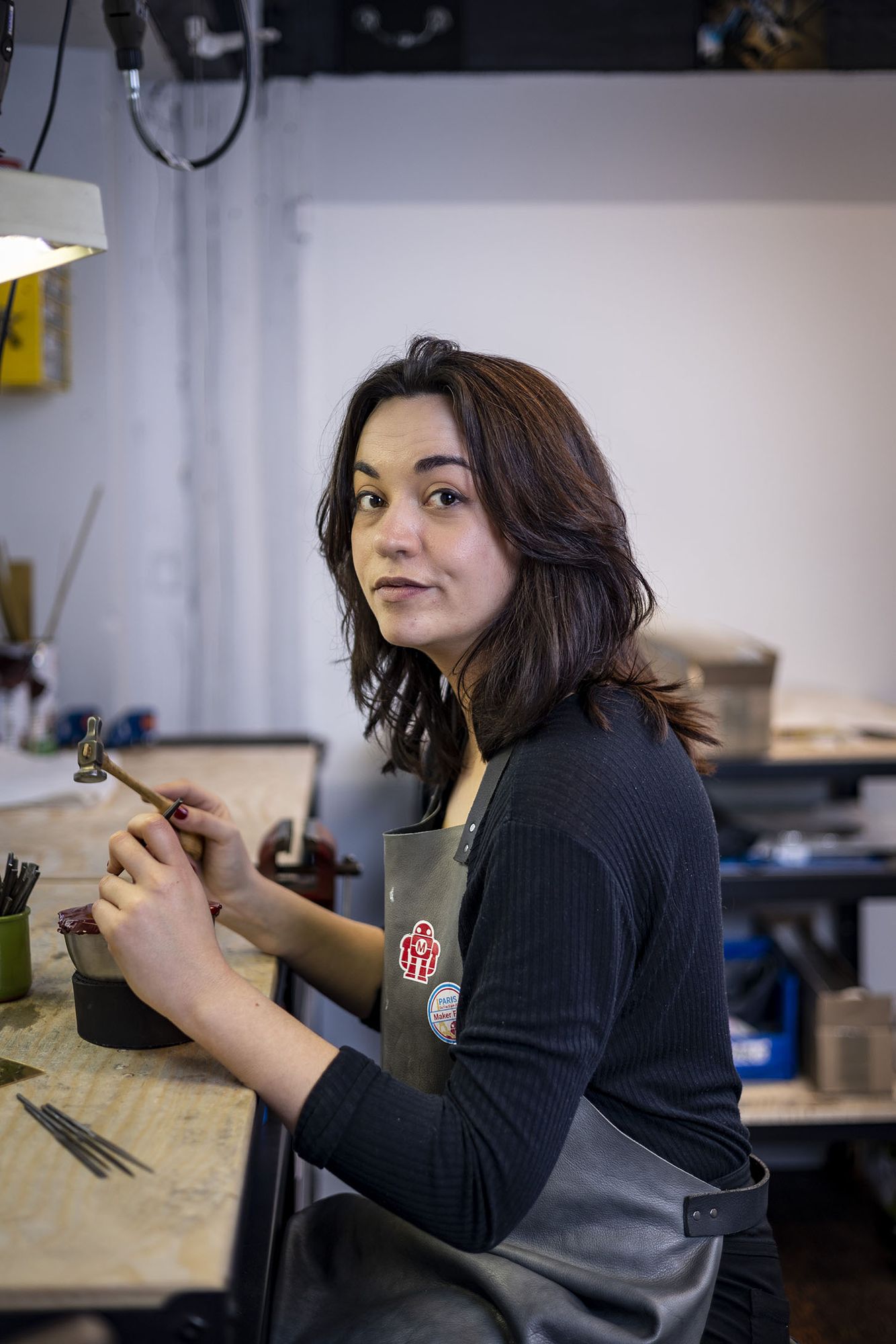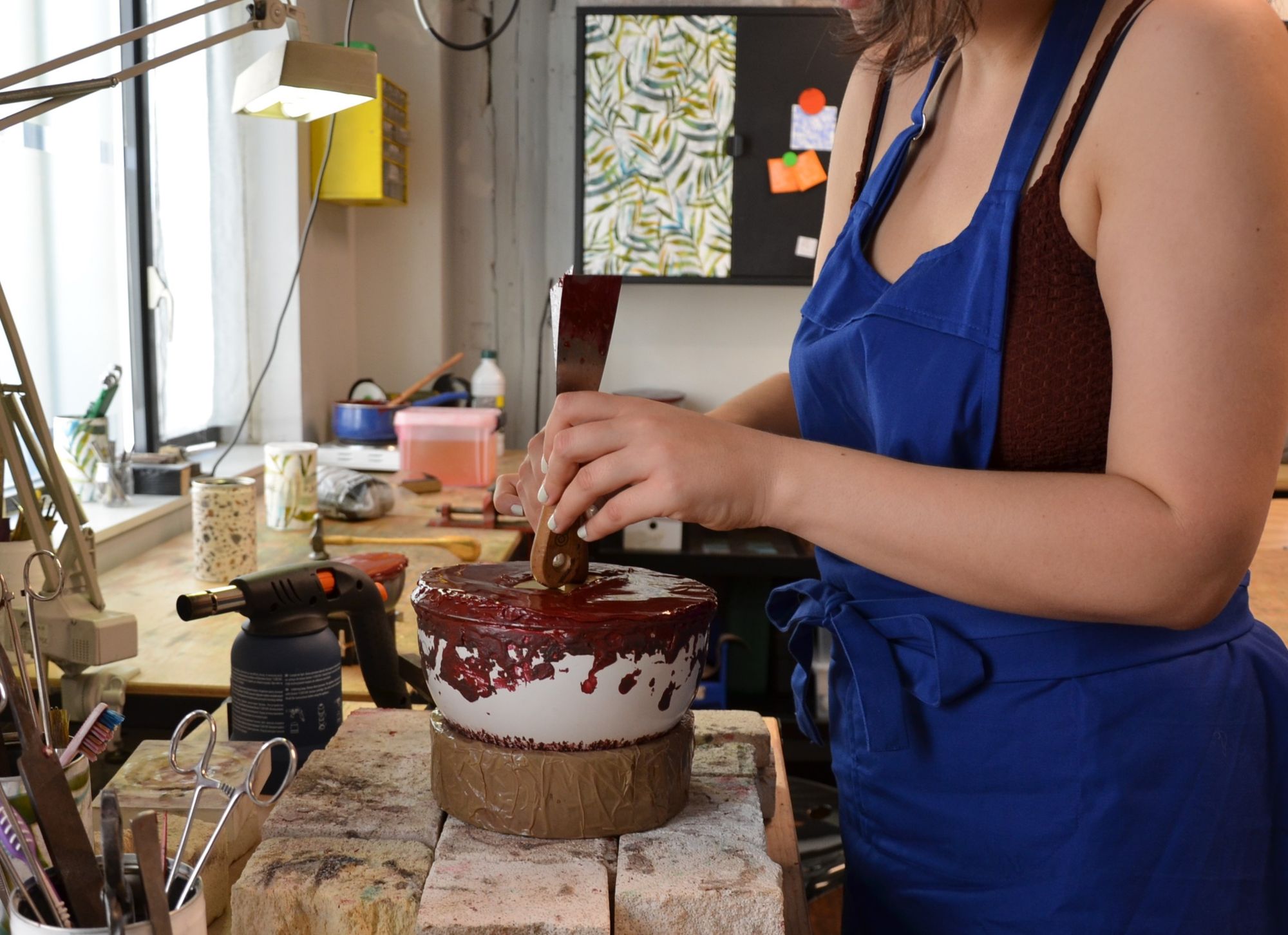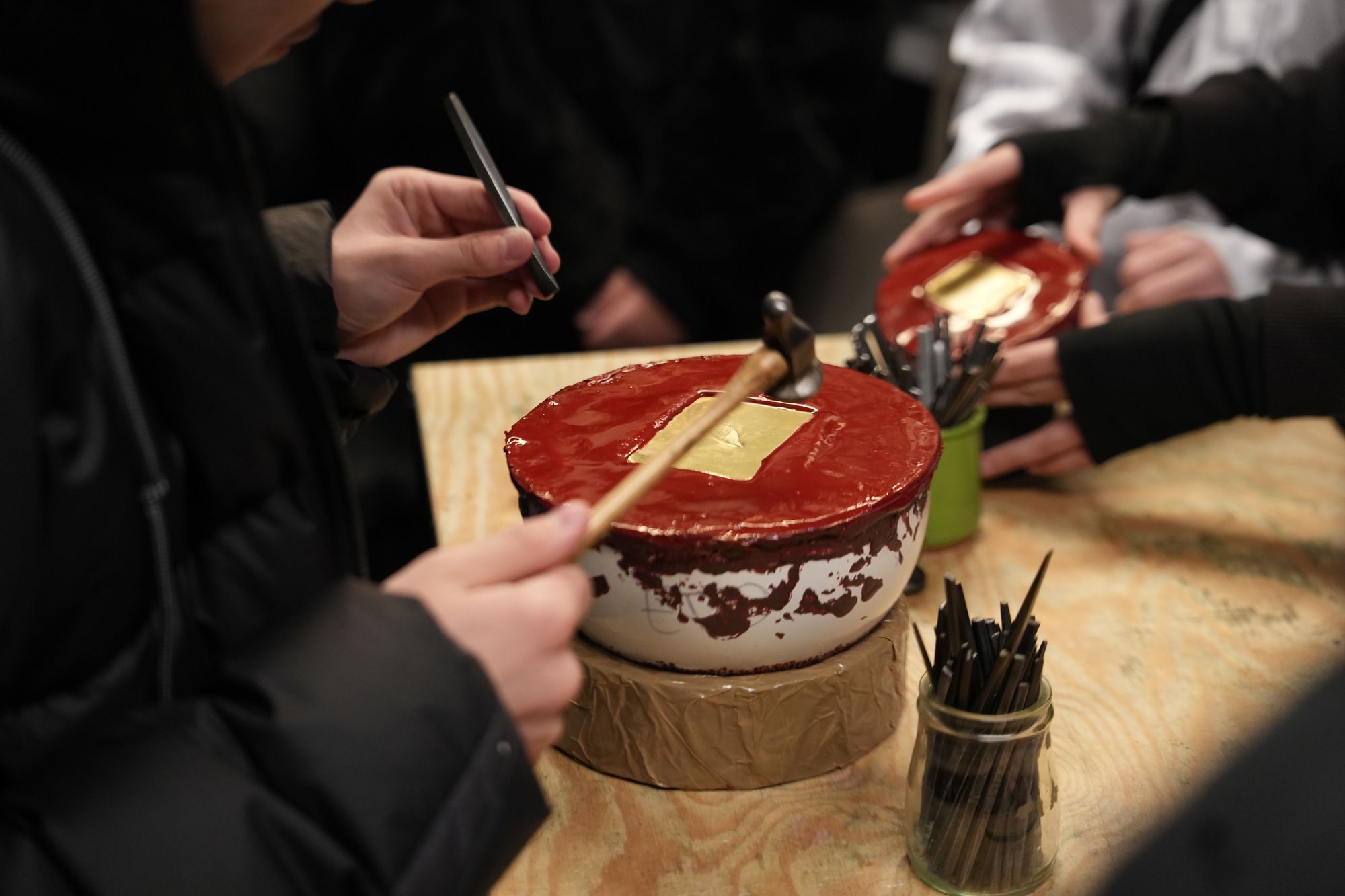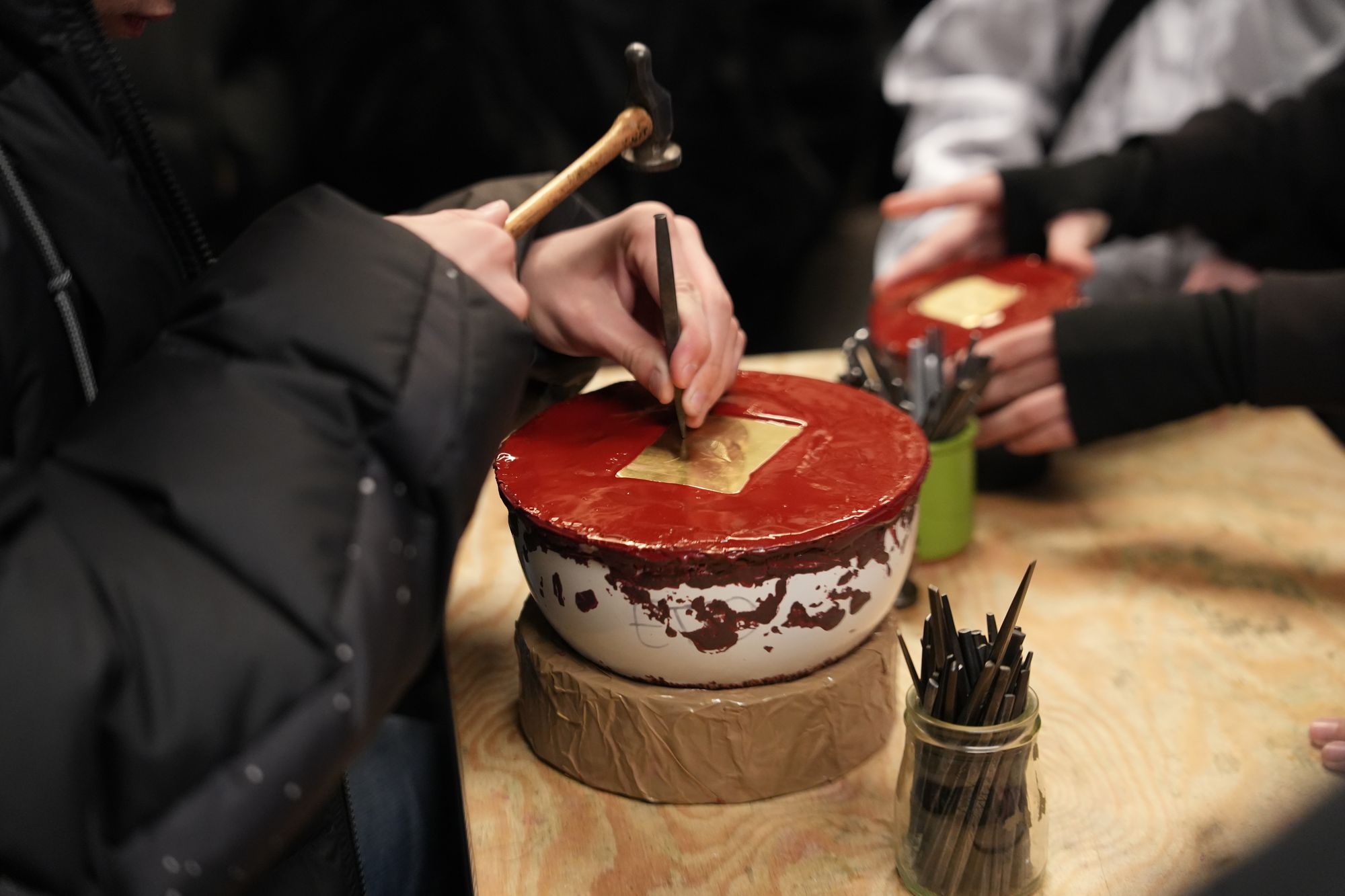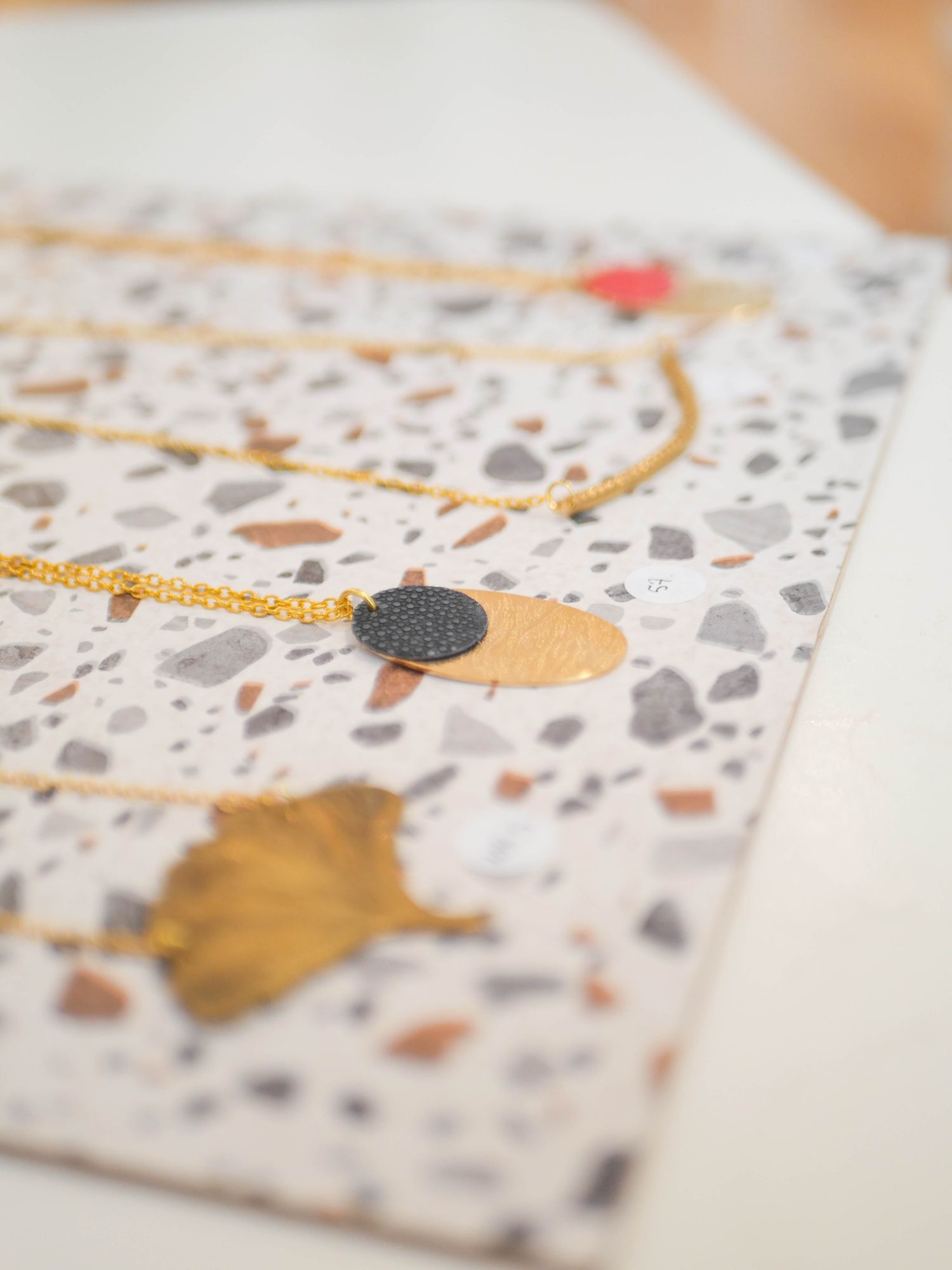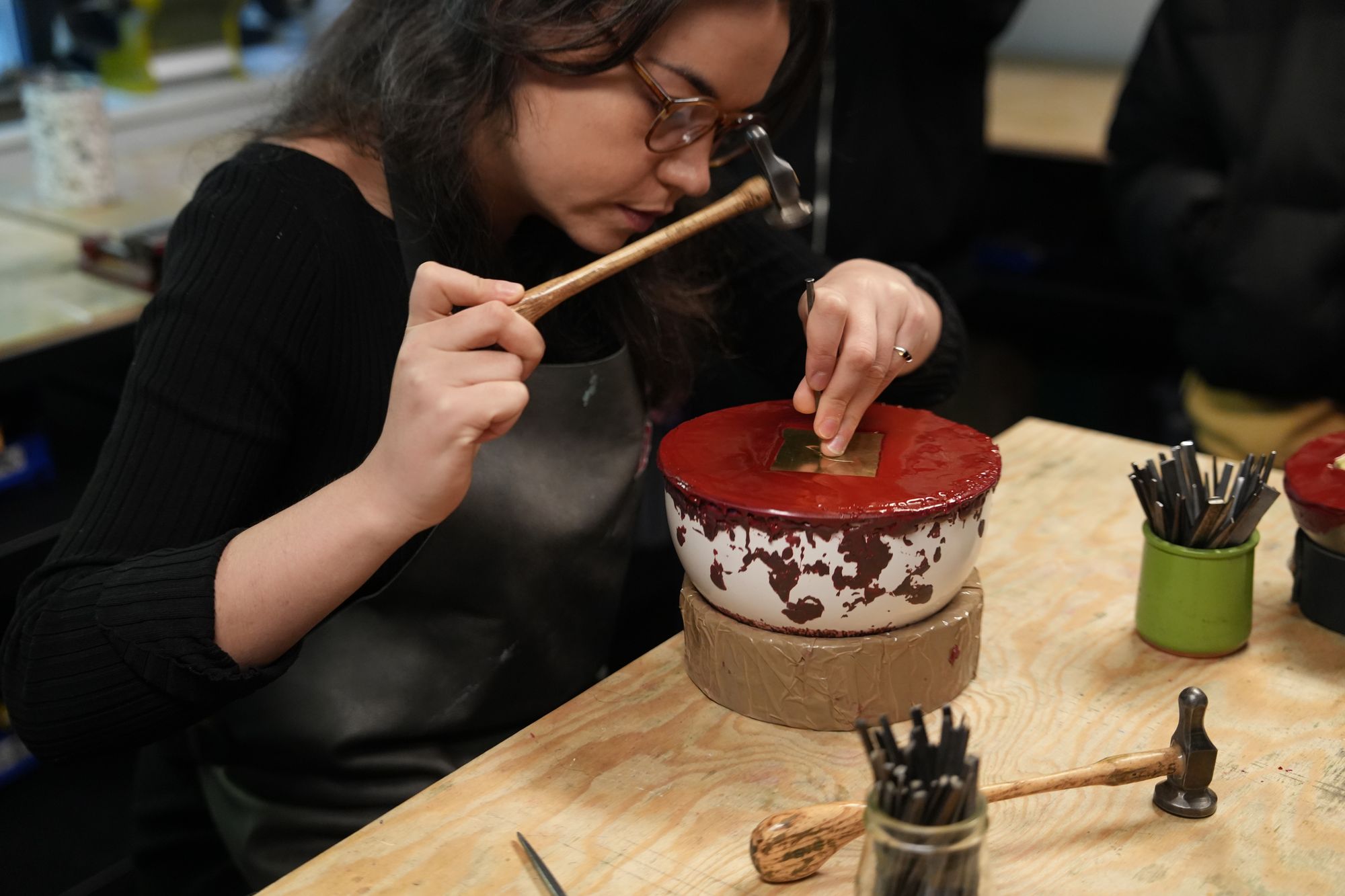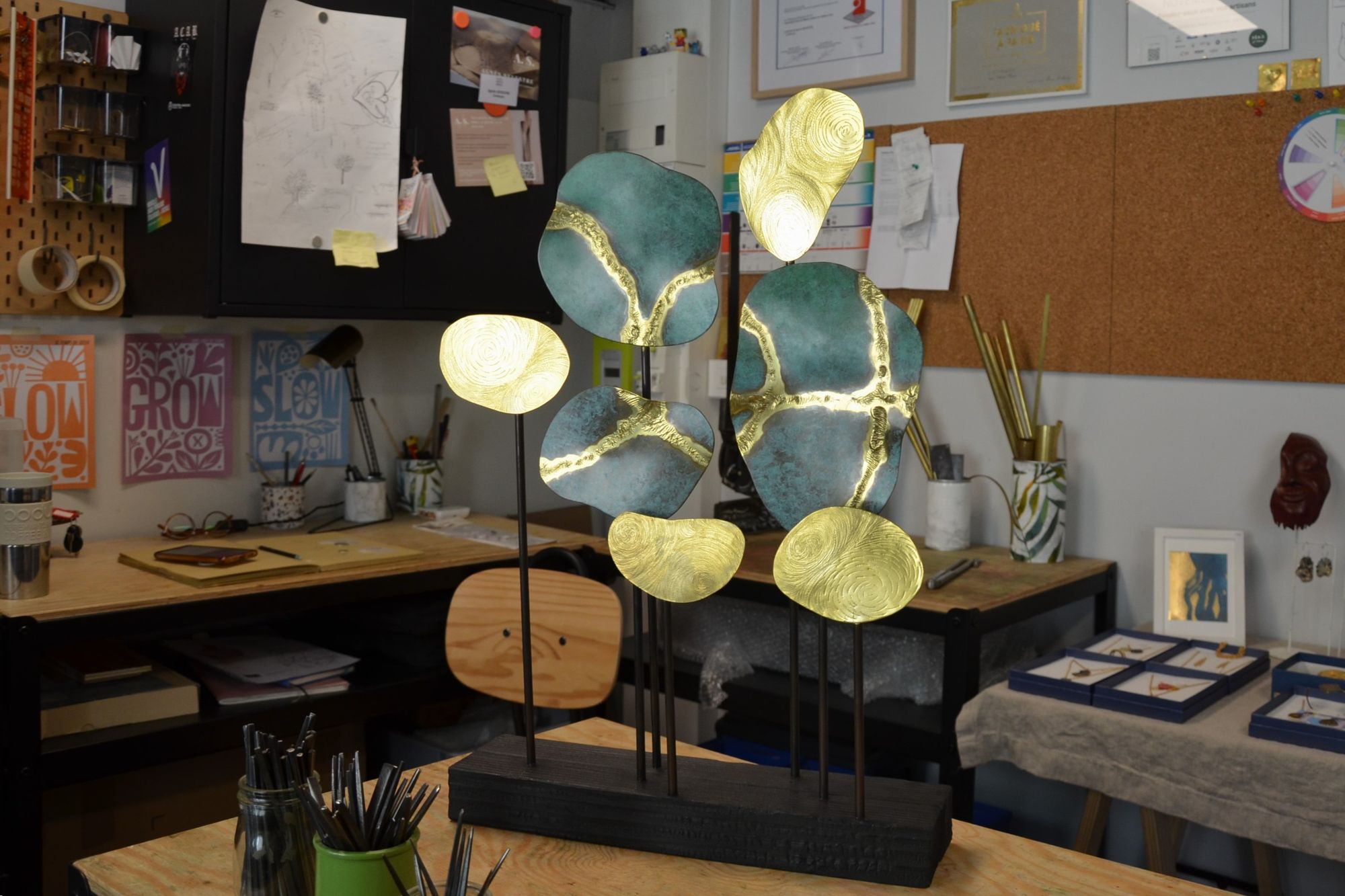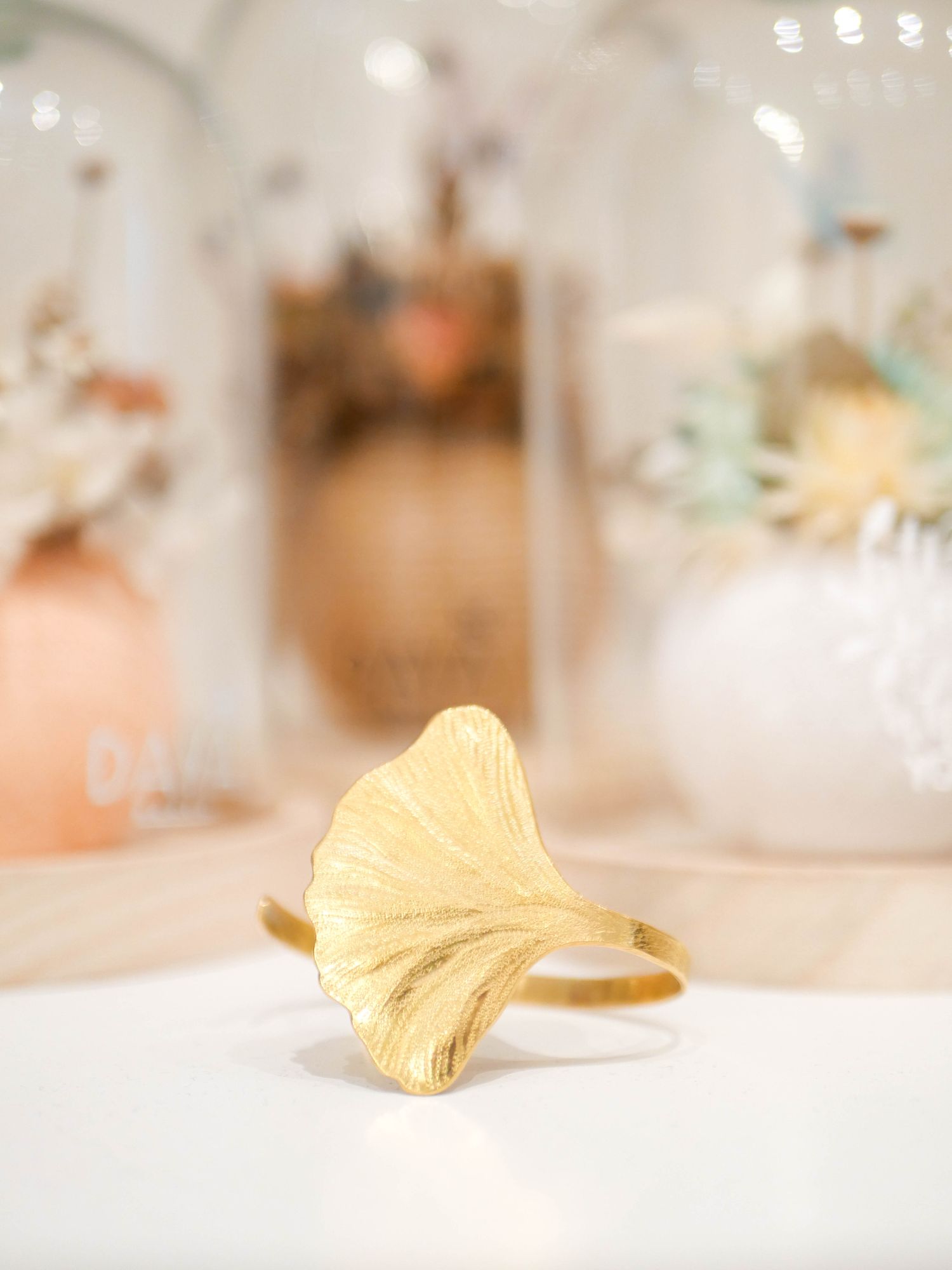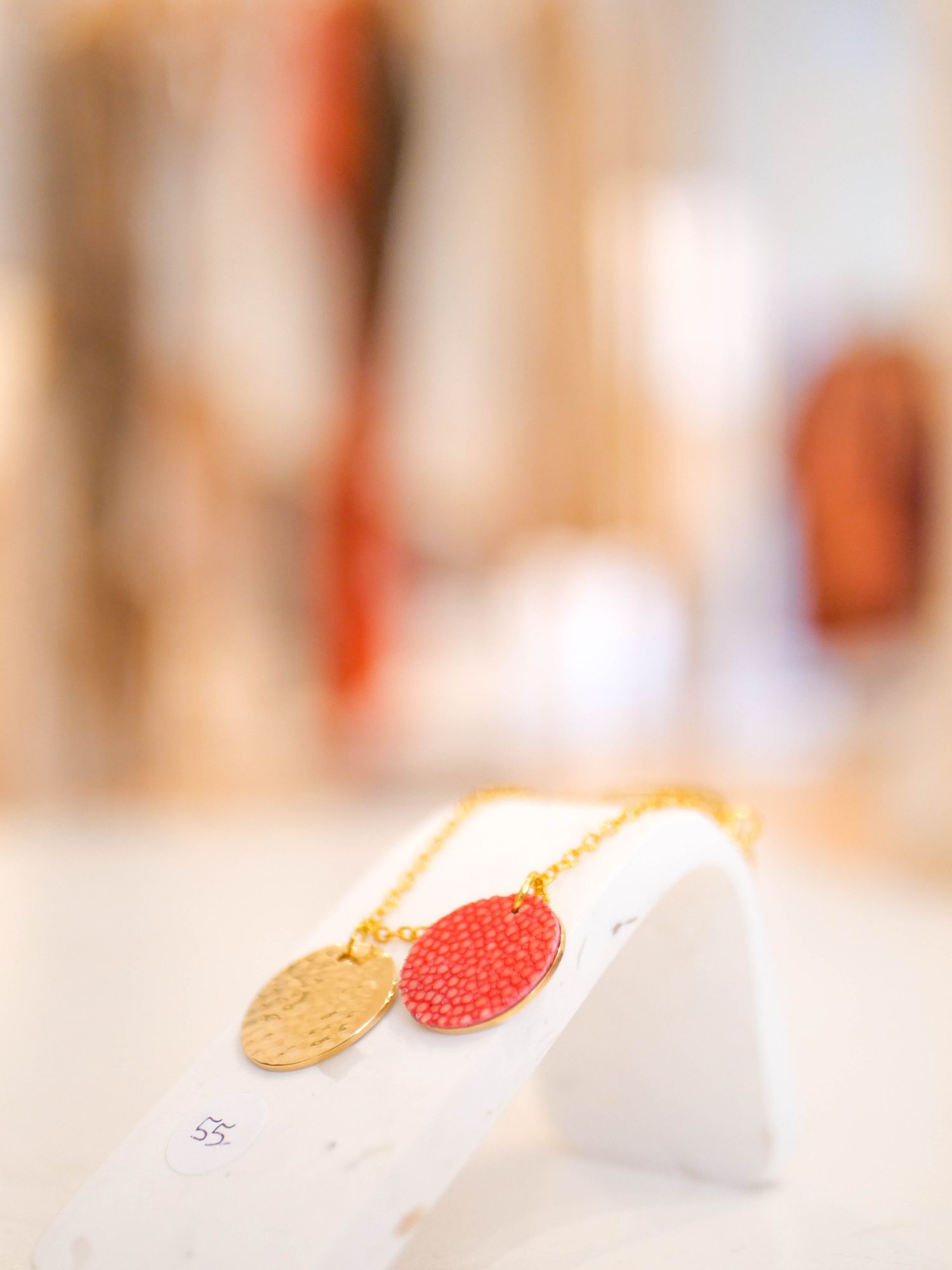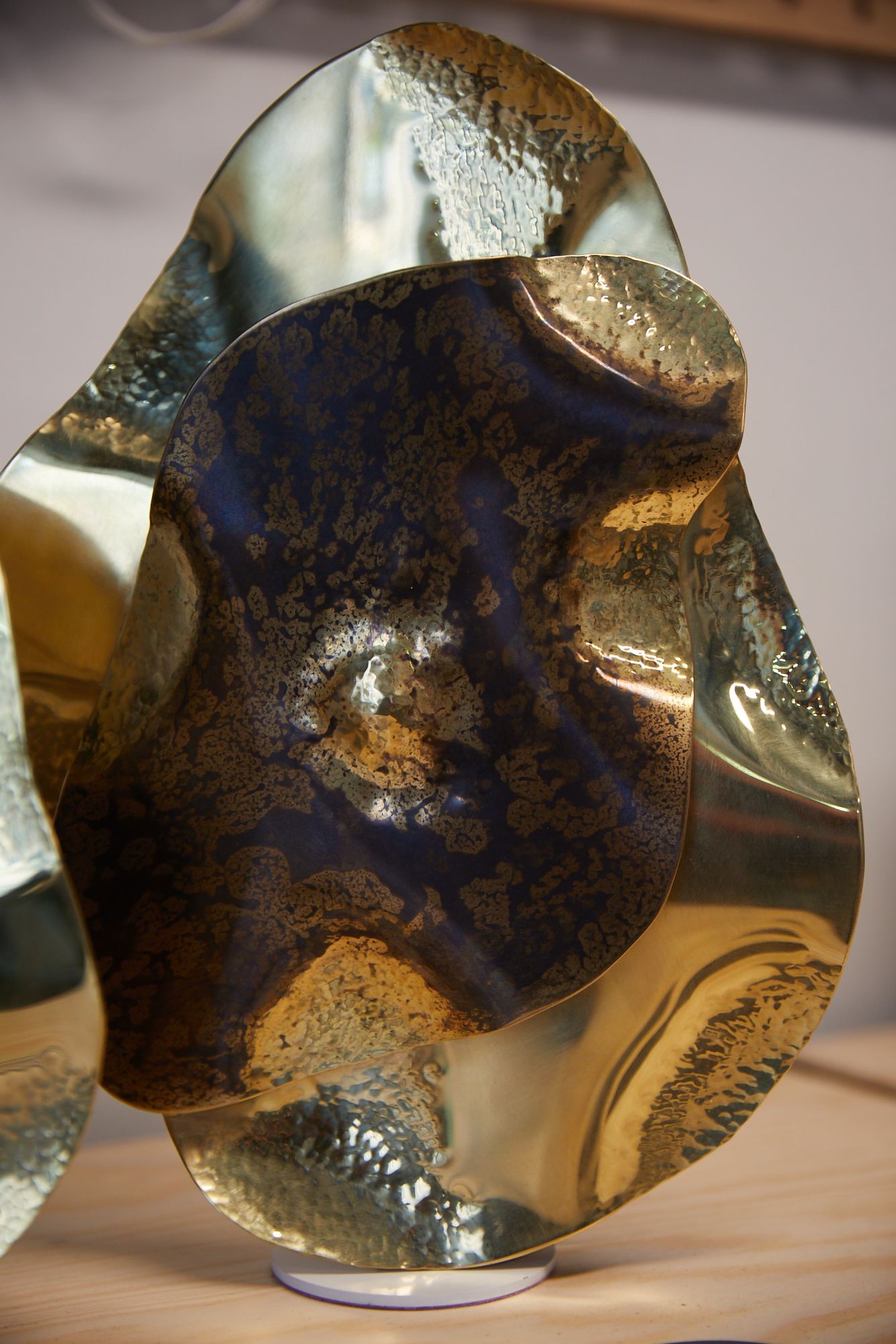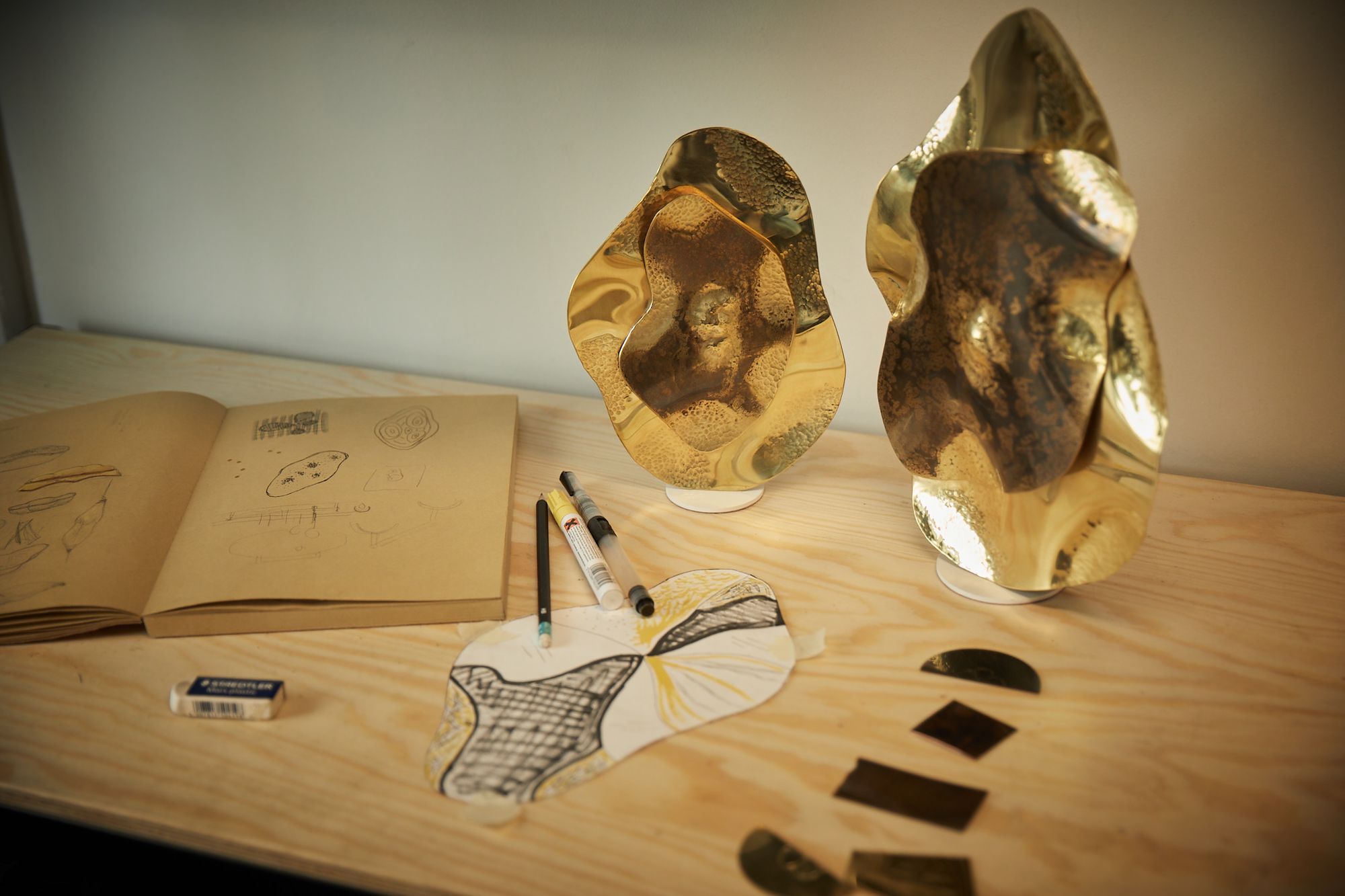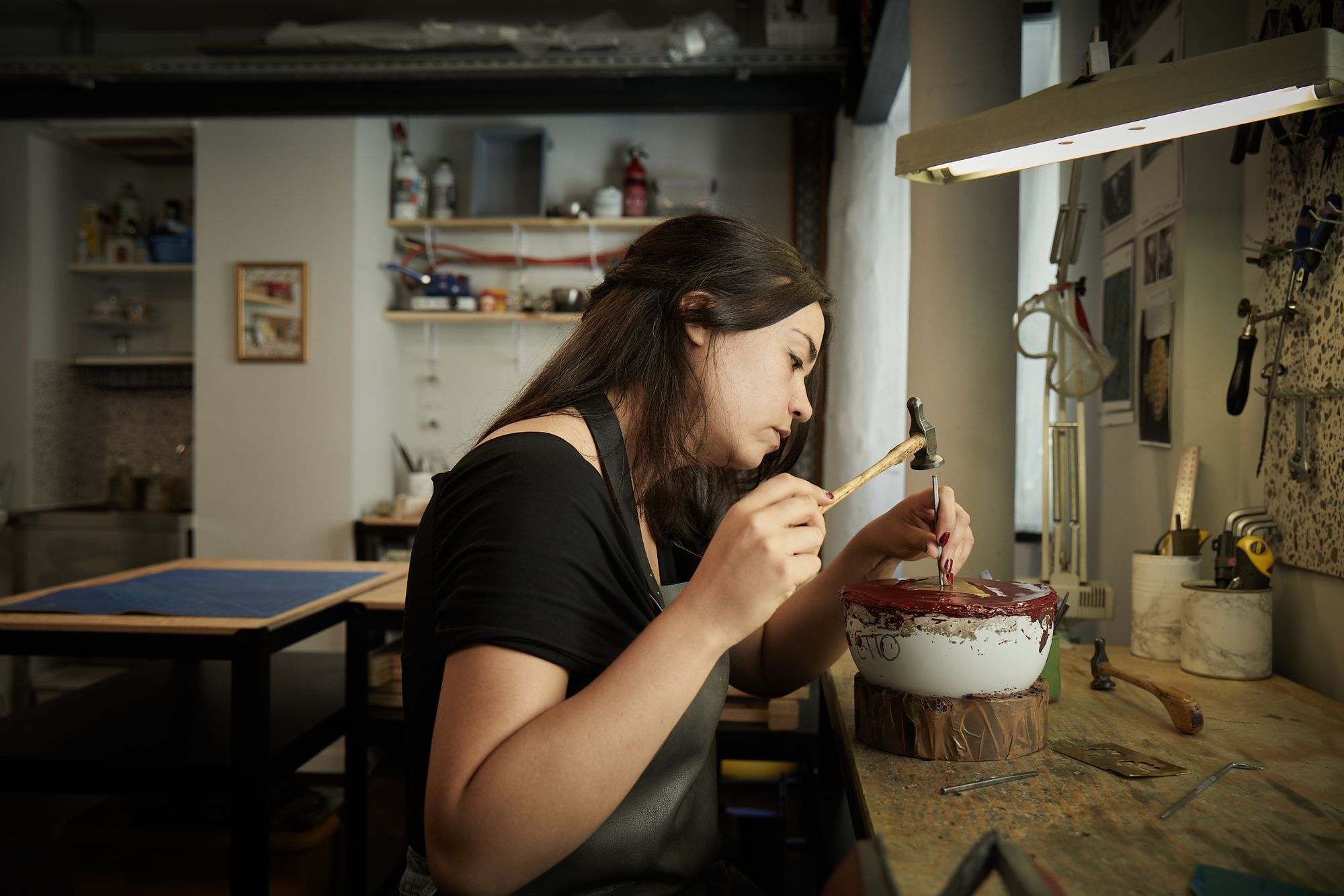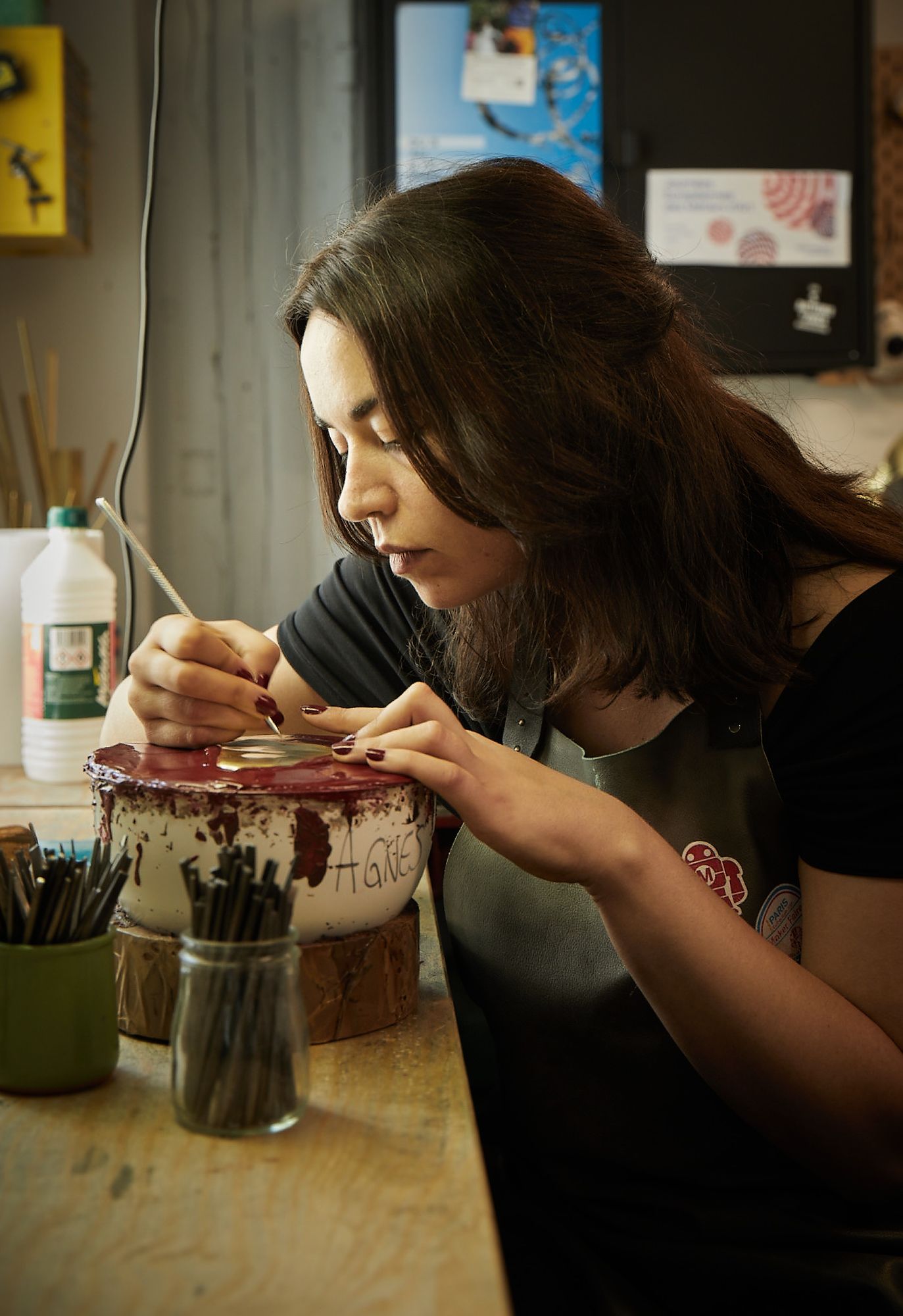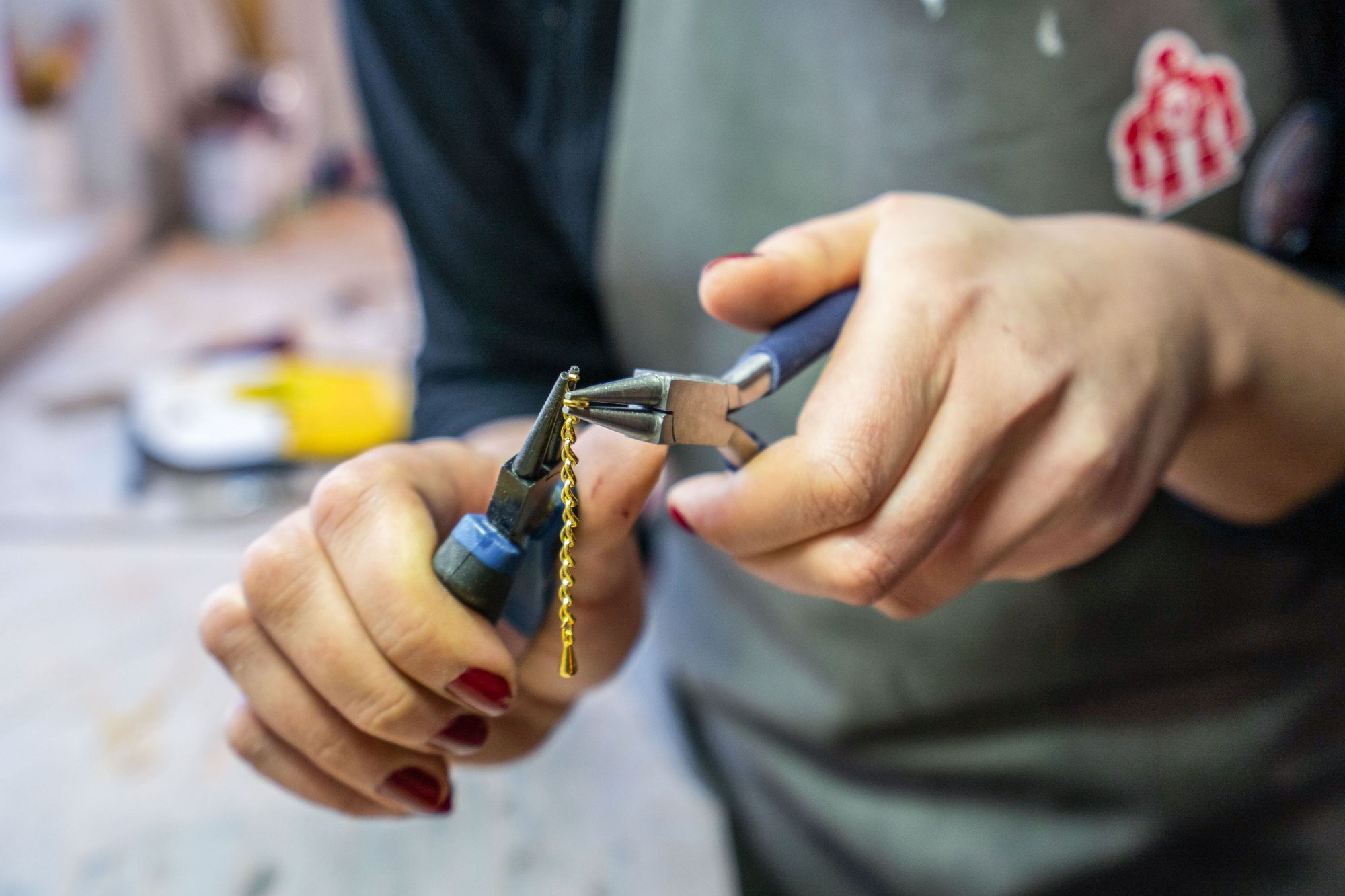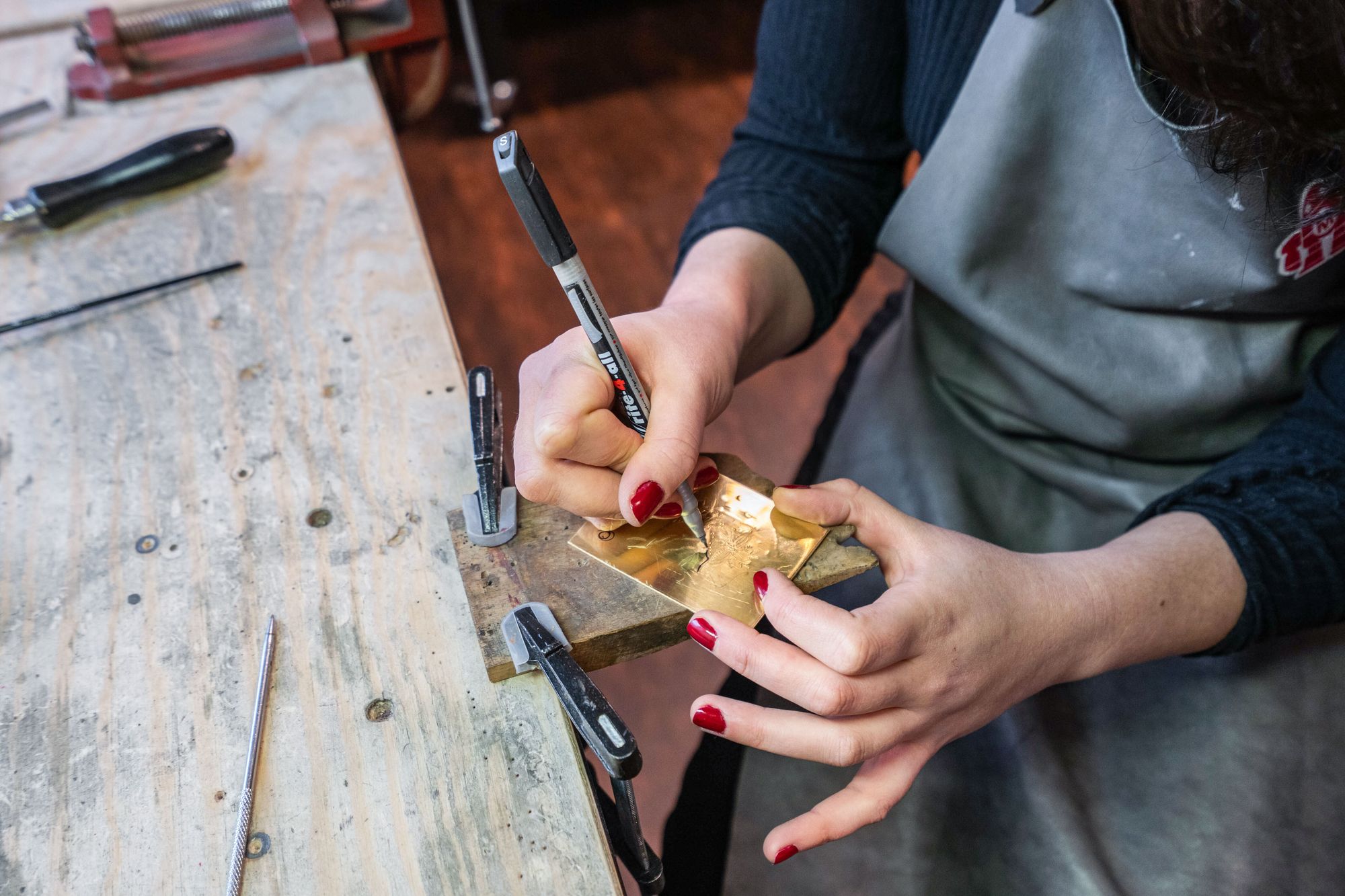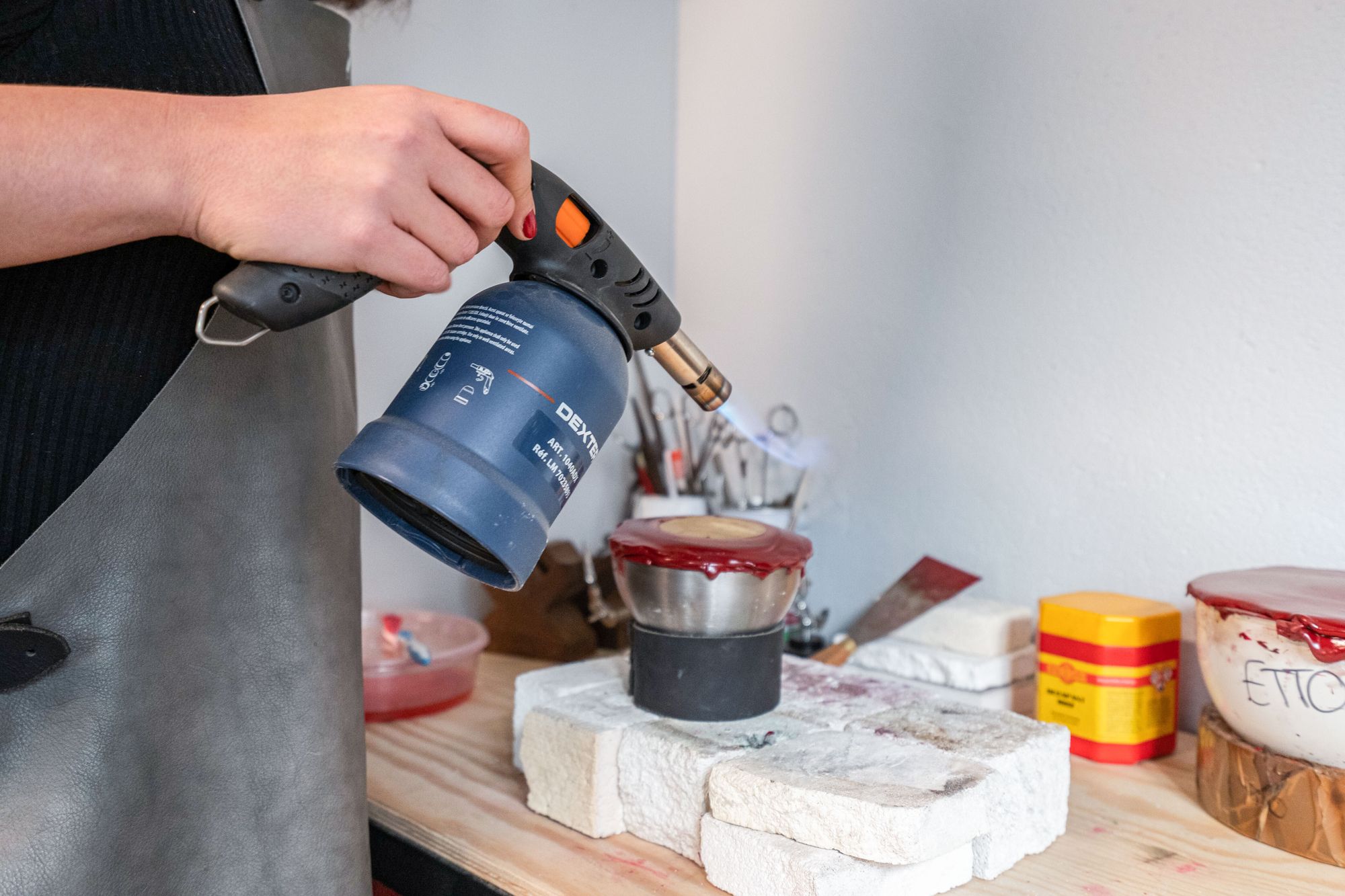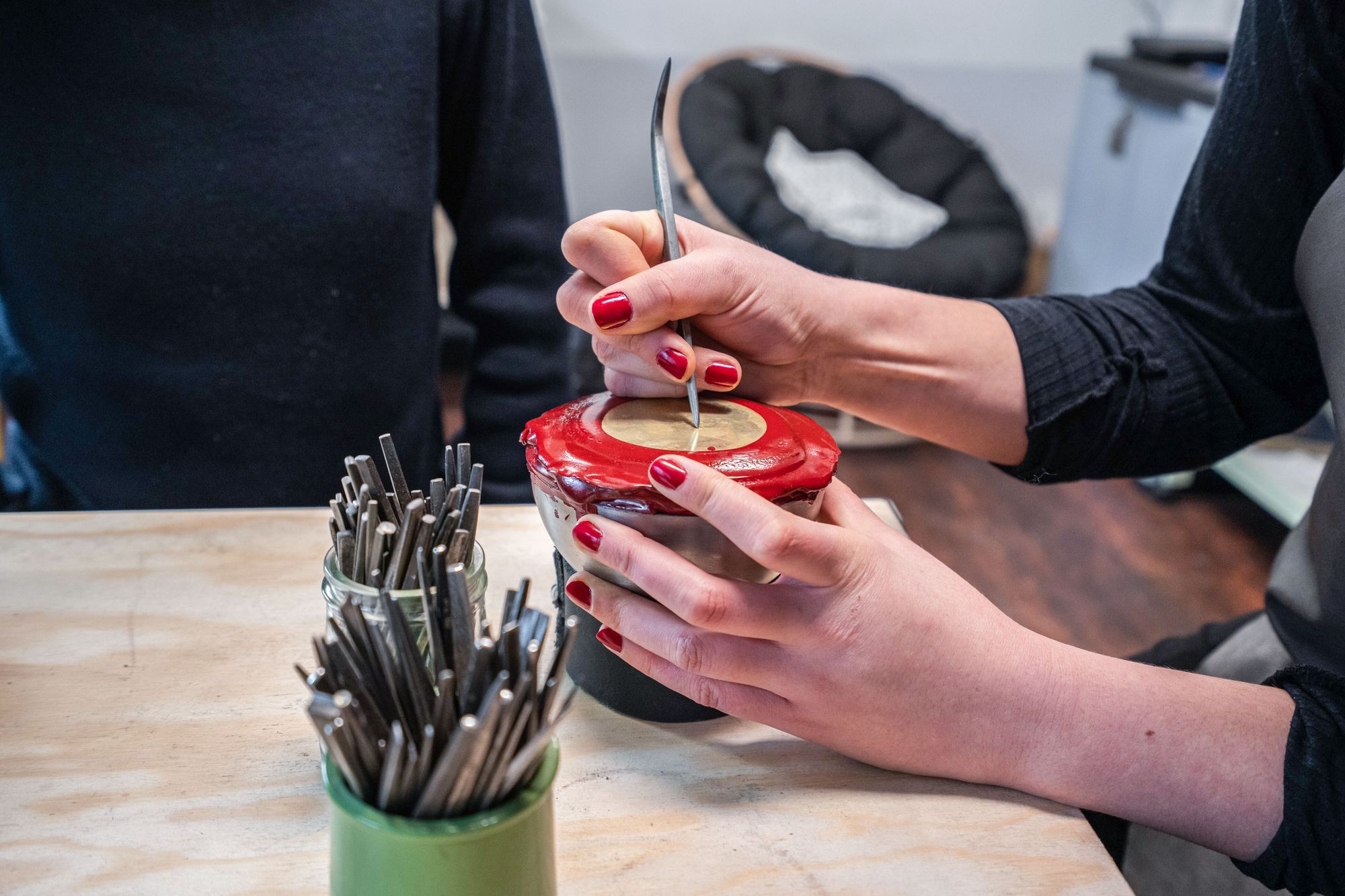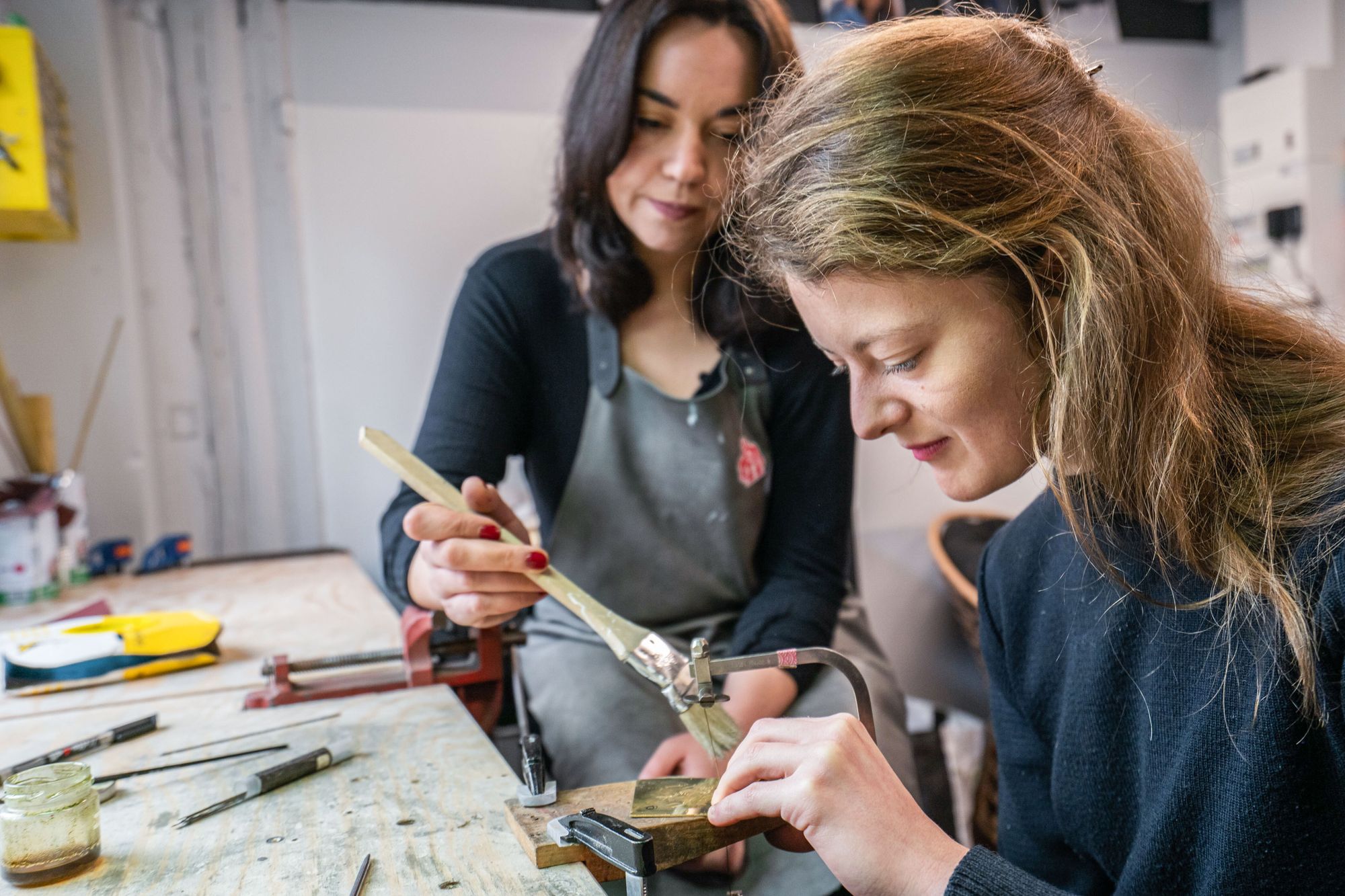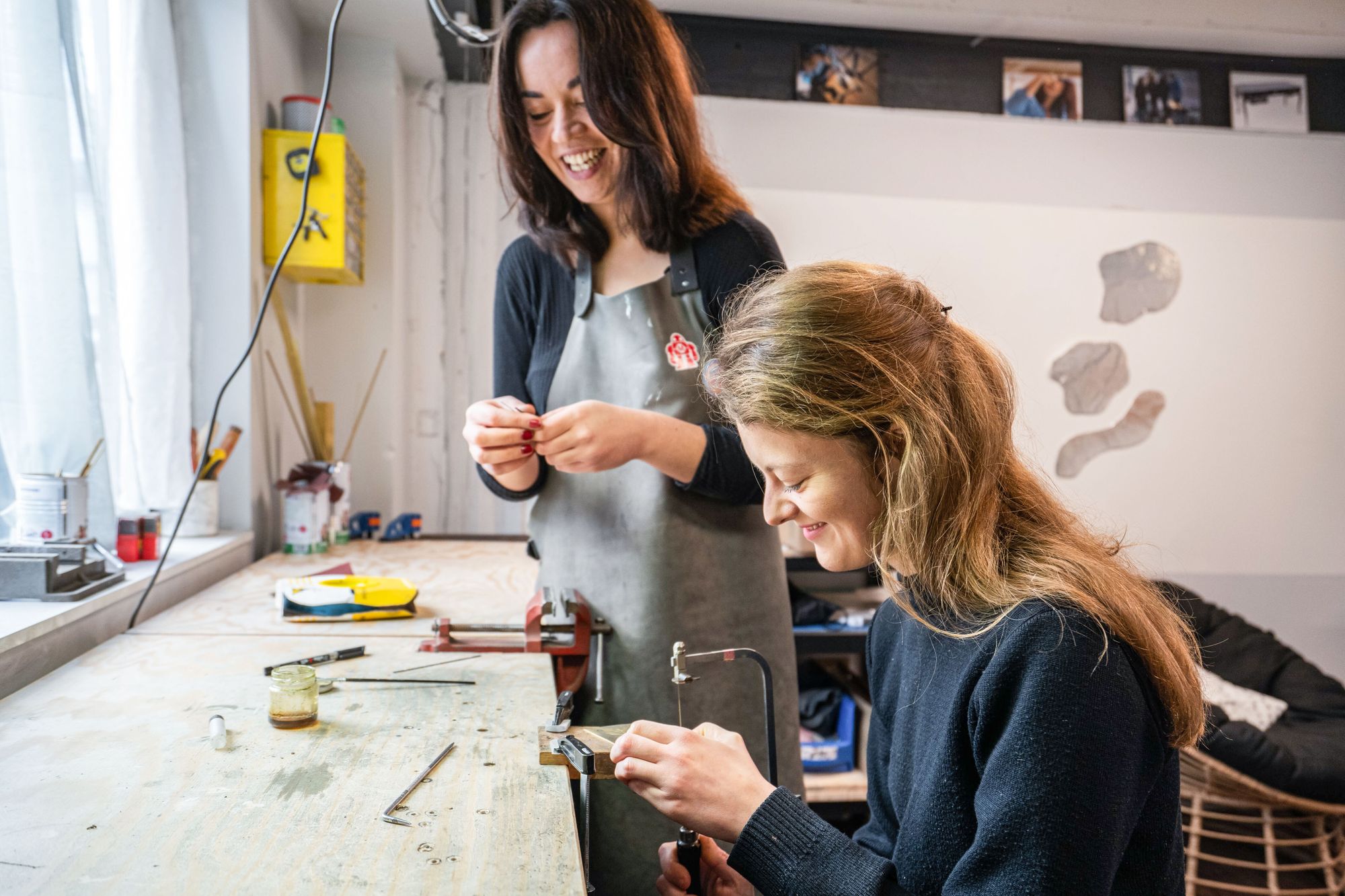



This course offers an introduction to the craft of chasing through the creation of metal ornaments. Trainees will learn how to make their own chasing ball, use traditional tools, and master the basics of matis and repoussé. The week alternates between technical learning, ornamental research, and the creation of a personal piece.
At the end of the course, trainees will be able to:
Chasing is a precious and ancestral skill that involves working the surface of metal cold, without removing or adding material. Using specific tools—chisels, hammers, and punches—the craftsman creates relief, textures, or patterns directly within the metal mass.
This technique, used since ancient times, allows for three-dimensional drawing with finesse and precision. It is central to many disciplines: jewelry, goldsmithing, sculpture, art restoration, and contemporary design.
The training offered introduces students to the fundamentals of chasing, discovers the tools, explores suitable metals, and creates their first compositions. Step by step, each student learns to observe the material, feel the movement, and develop their eye.
Combining technical rigor and personal expression, this practice offers a unique immersion into the world of hand-worked metal, a time suspended between precision, patience, and creativity.
Schedule
Morning
Afternoon
Morning
Afternoon
Morning
Afternoon
Morning and Afternoon
Afternoon
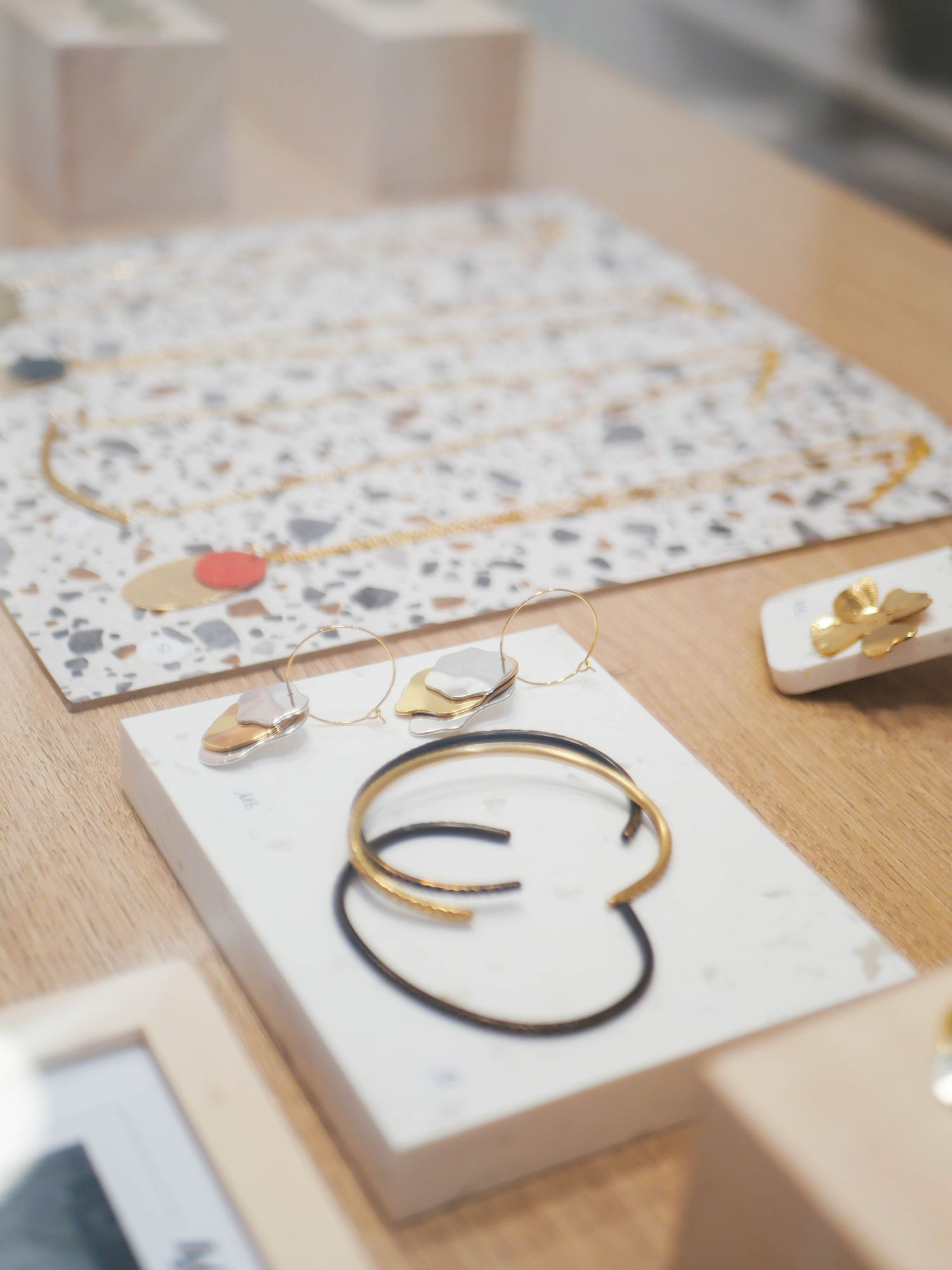
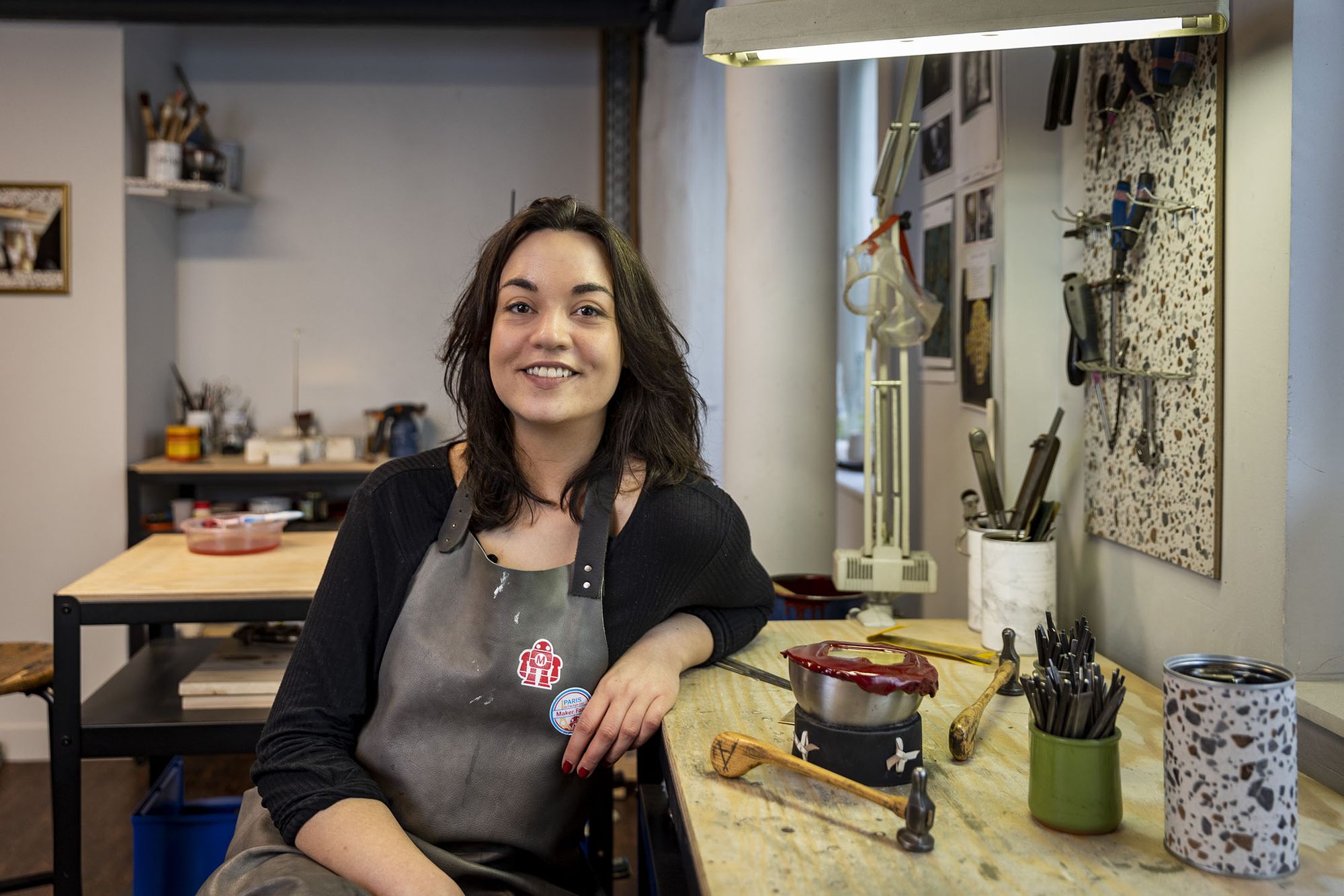
Based in Paris, Agnès Sevestre is an artist, craftswoman, and instructor. A graduate of the École Boulle in bronze chasing and setting, she creates unique jewelry, objects, and sculptures in her studio, imbued with poetry and strength. Her world, deeply inspired by nature and the aesthetics of Art Nouveau, reinvents the codes of classical ornamentation to give them a resolutely contemporary feel.
Each piece she creates is born from a sensitive dialogue with the material. The metal, initially rigid and cold, transforms under her hands: it softens, molds, and comes to life. This transformation is at the heart of her artistic and pedagogical approach.
With over 11 years of experience, Agnès enthusiastically shares her expertise, whether during workshops or with students at the DNMADE Metal Creation program at ENSAAMA. Deeply committed to the transmission of artistic crafts, she pays particular attention to younger generations as well as audiences less familiar with these practices.
In 2024, she published Découvrir la ciselure, a self-published book introducing students to this subtle and delicate art, with the aim of making learning it accessible to as many people as possible. She is also a member of the jury for the Un des Meilleurs Apprentis de France competition, contributing with her attentive and caring eye to uncovering the talents of tomorrow.
Training 100% financeable by AFDAS, or partially covered by other operators such as FAFCEA, AGEFICE, FIFPL, OPCO EP etc.
If you are concerned, we invite you to contact our sales department in advance via "Request for information" in order to prepare your file, or to register directly via the page of the chosen training course.
89350 Champignelles
T: +33 (0)3 86 45 23 42
contact@campusmana.com