





The art of coppersmithing, born in the 14th century in Dinant, Belgium, uses malleability to shape sheet metal and incorporate it into everyday household objects such as furniture and tableware. A source of infinite creativity, we will see that this technique can have applications in a wide variety of metal design and construction sectors.
During this training, Ulysse Lacoste, a coppersmith, will guide you through the geometric approach to shapes and introduce you to the transformation of copper and brass.
At the end of the training, the trainee will be able to:
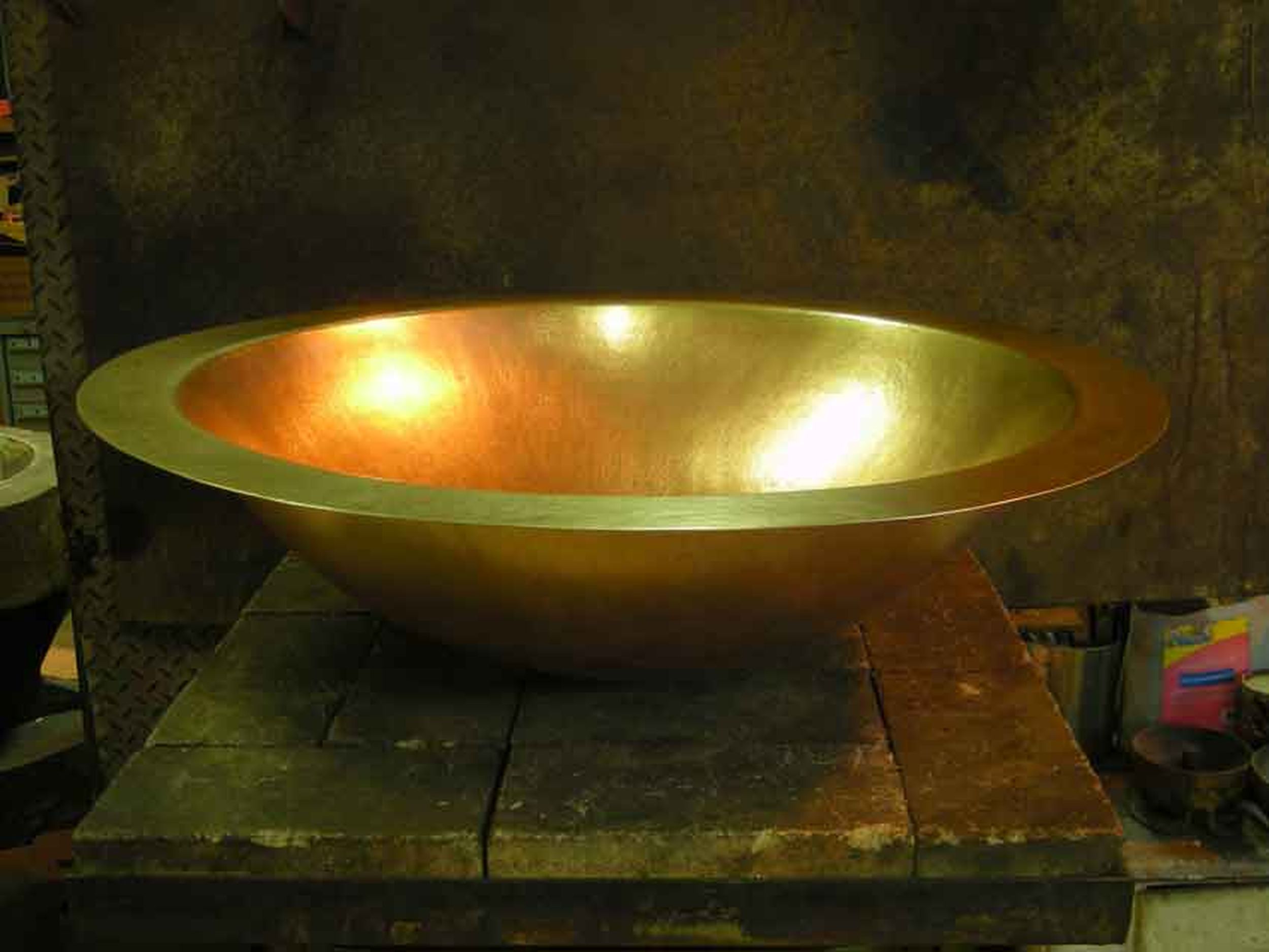
Copperware refers to the art of shaping copper and its alloys, particularly brass, using techniques such as hammering, stretching, shrinking, planishing, and patination. Although traditionally associated with the city of Dinant (Belgium), where it flourished from the 12th century onward, its origins date back to antiquity, when copper was already being worked while hot to create utilitarian and decorative forms.
Over the centuries, the craft has evolved, gradually incorporating various processes, such as soldering and shaping from cut pieces. These techniques, complementary to hammering, have made it possible to create more complex objects and refine the finishes.
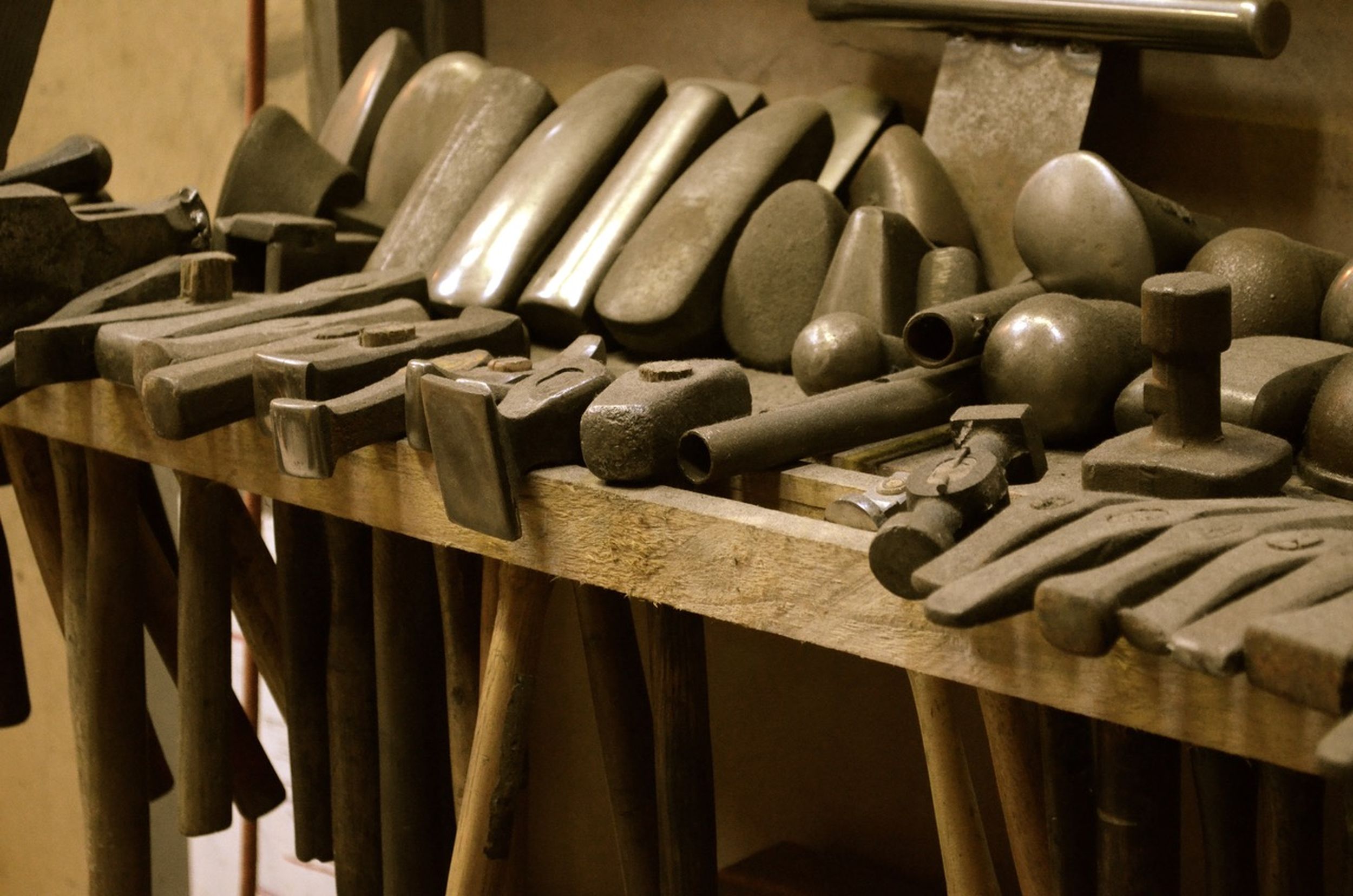
In this workshop, Ulysse Lacoste, a coppersmith and metalworker, guides participants through the practical exploration of these techniques: understanding forms, drawing and cutting, shaping with a hammer, creating or adapting tools, autogenous welding, patinas, and finishes. Through a personal project, learners discover how to transform copper and brass to give them volume, character, and coherence.
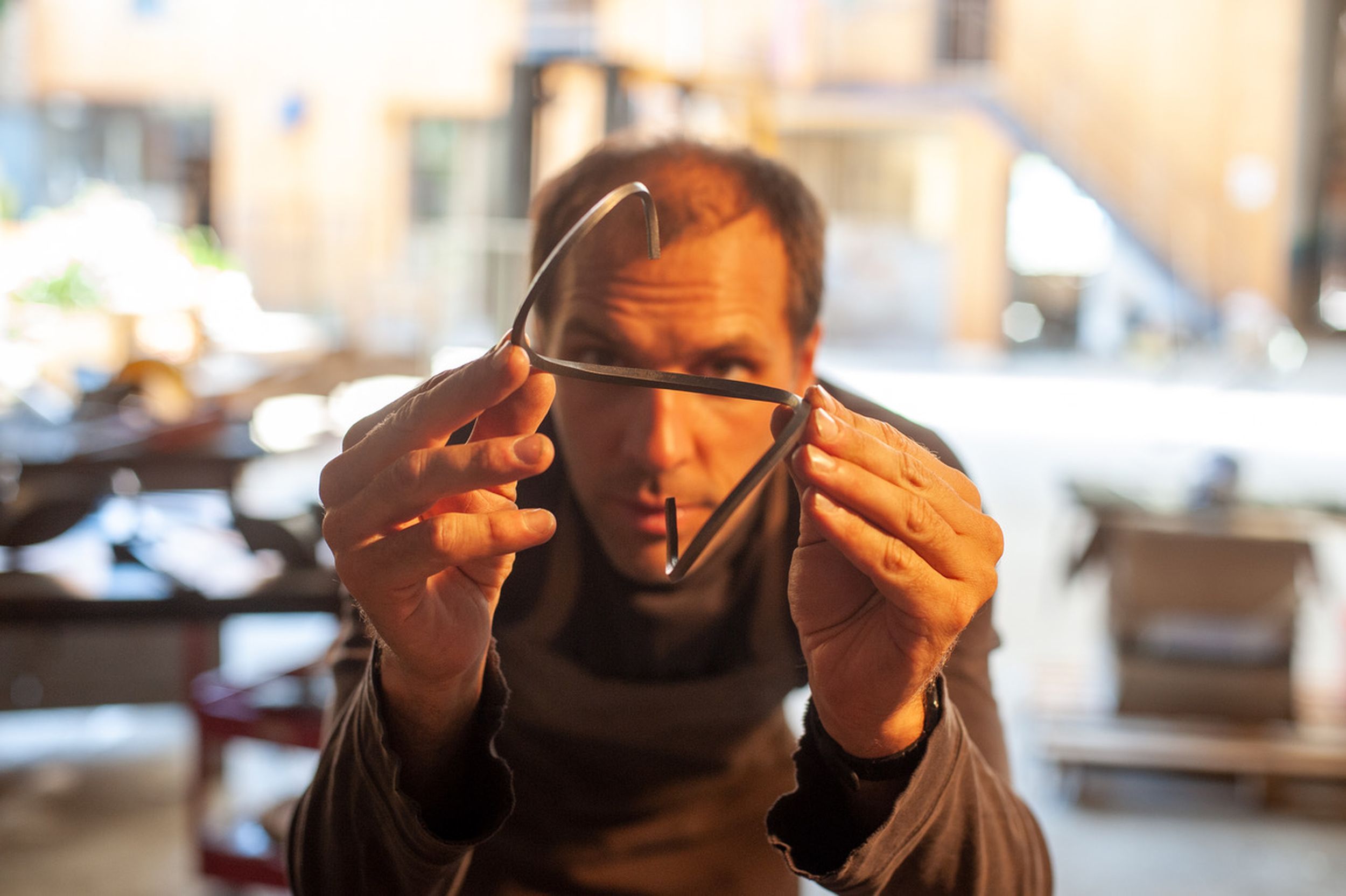
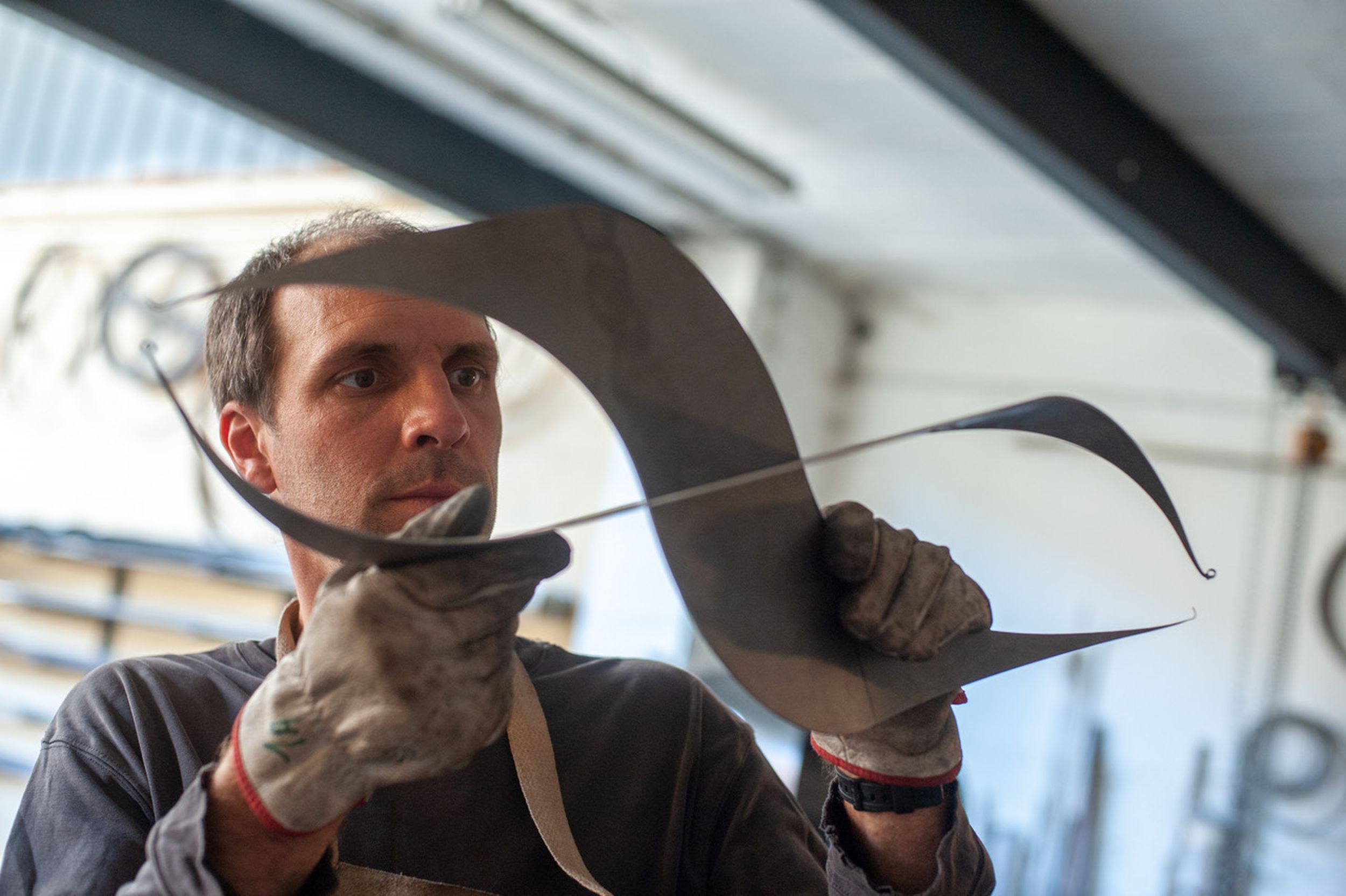
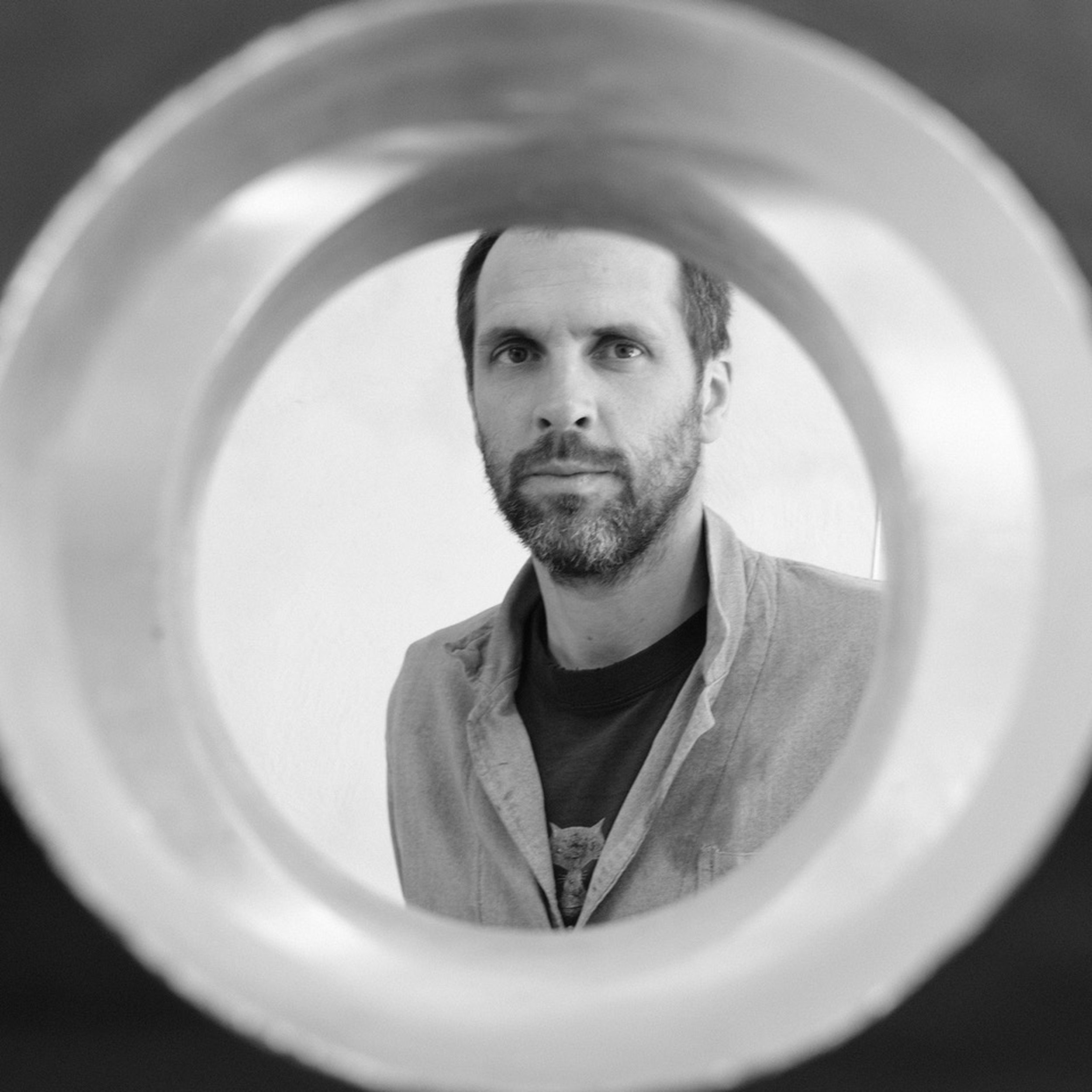
Trained as a coppersmith, Ulysse graduated from the École Olivier de Serres. Immersed in science, he has been exploring the laws of equilibrium, gravitation, and movement for nearly twenty years. His metalwork expertise, nurtured by traditional coppersmithing techniques and enriched by contemporary and industrial processes, allows him to develop a unique sculptural style.
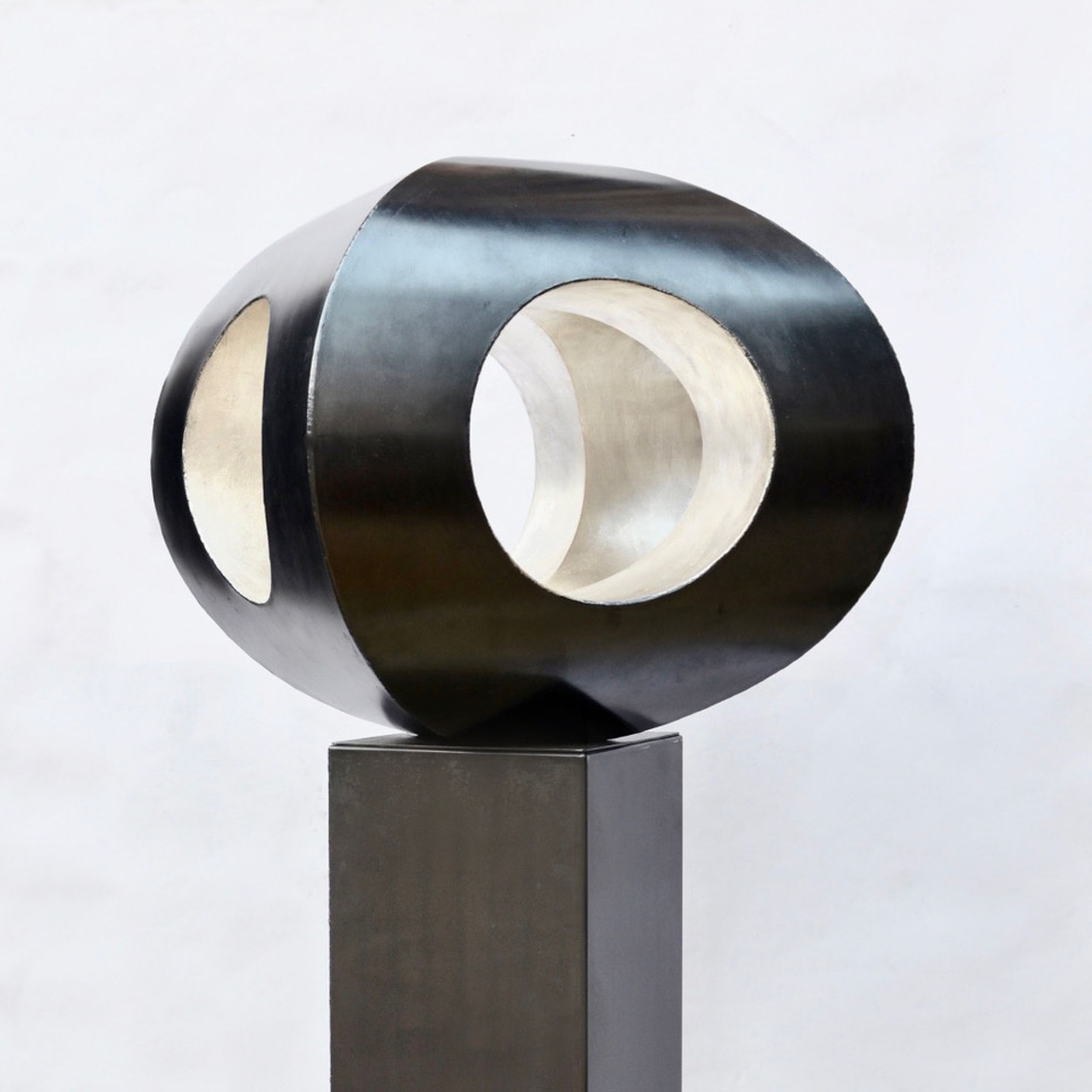
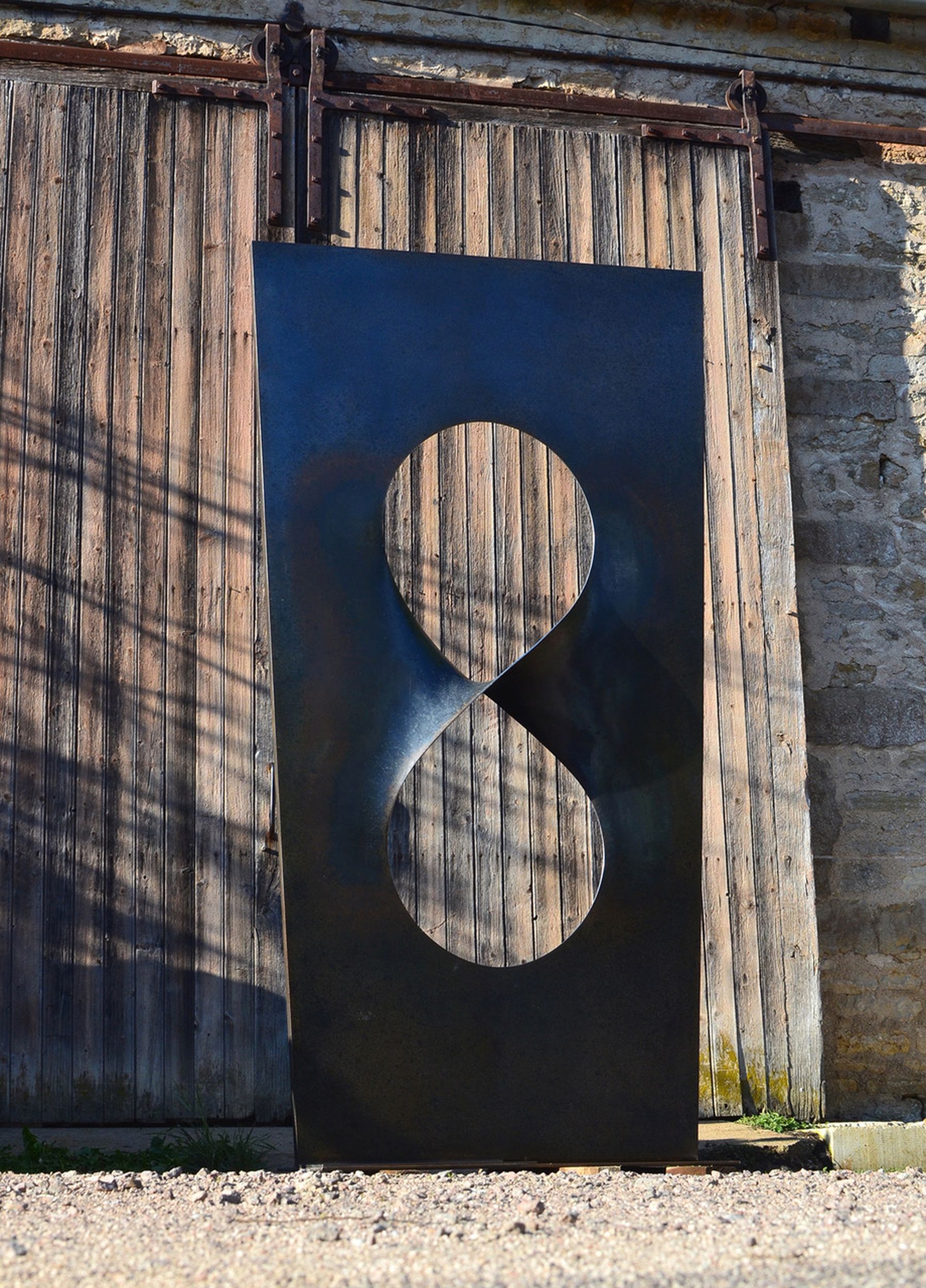
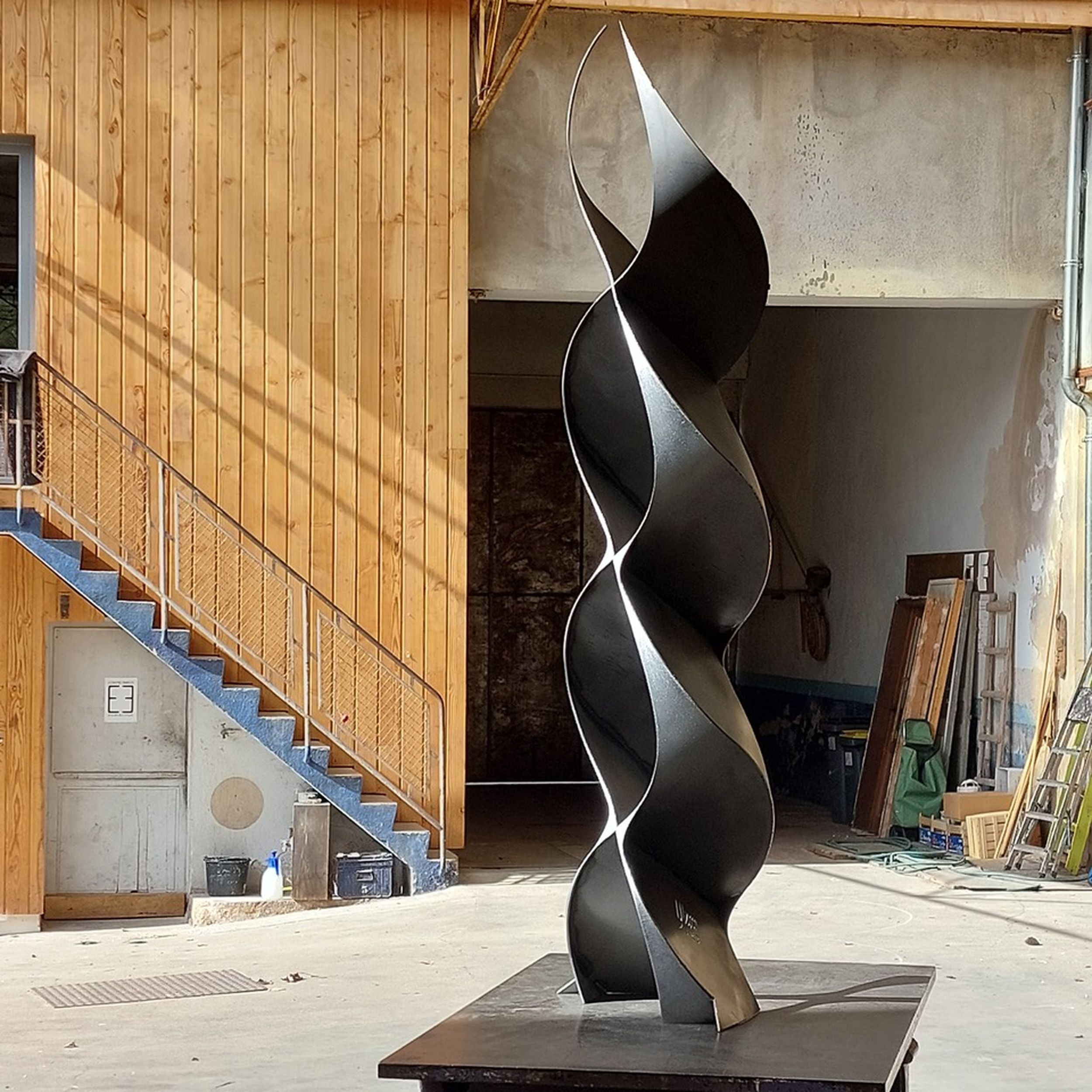
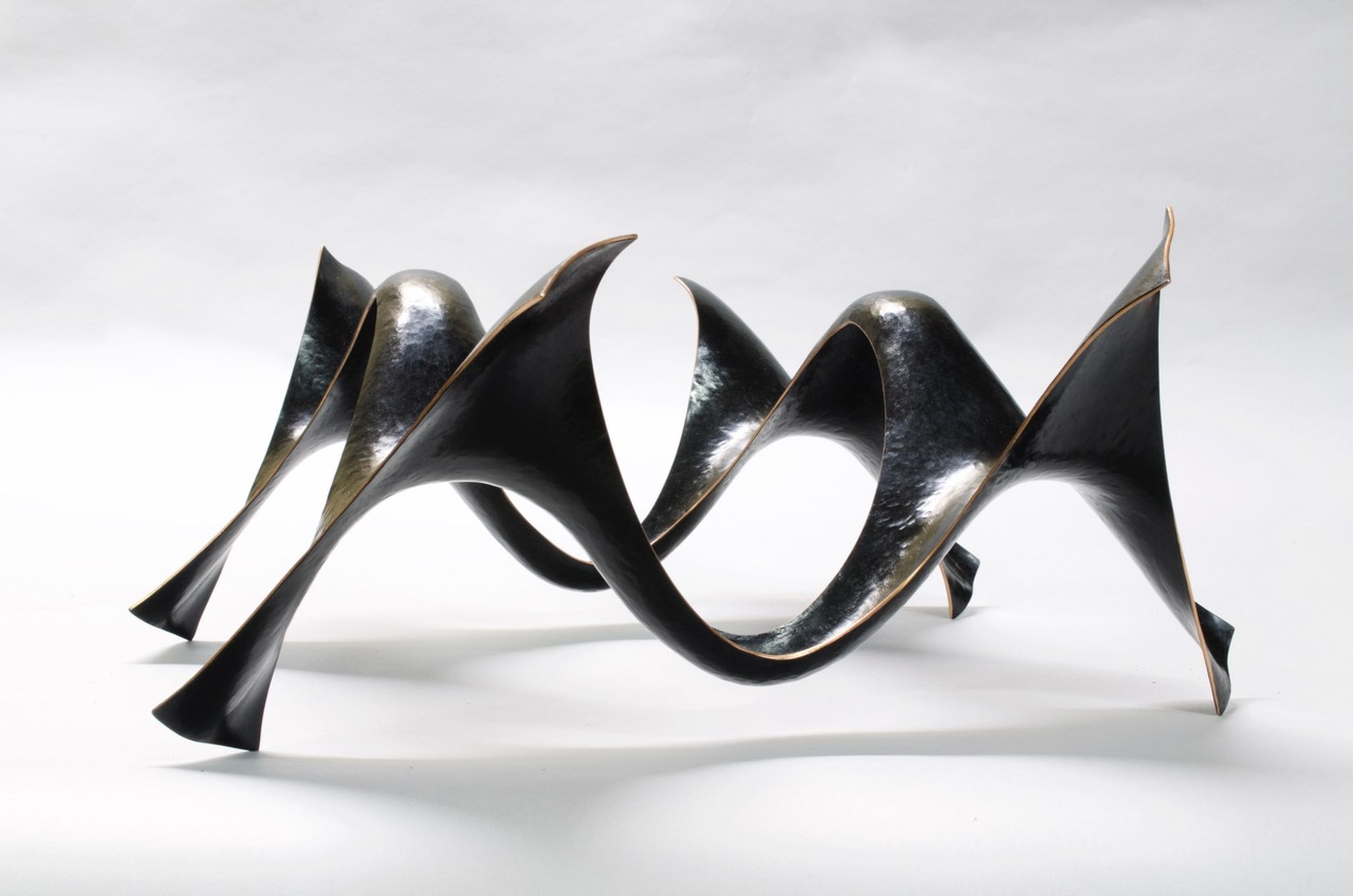
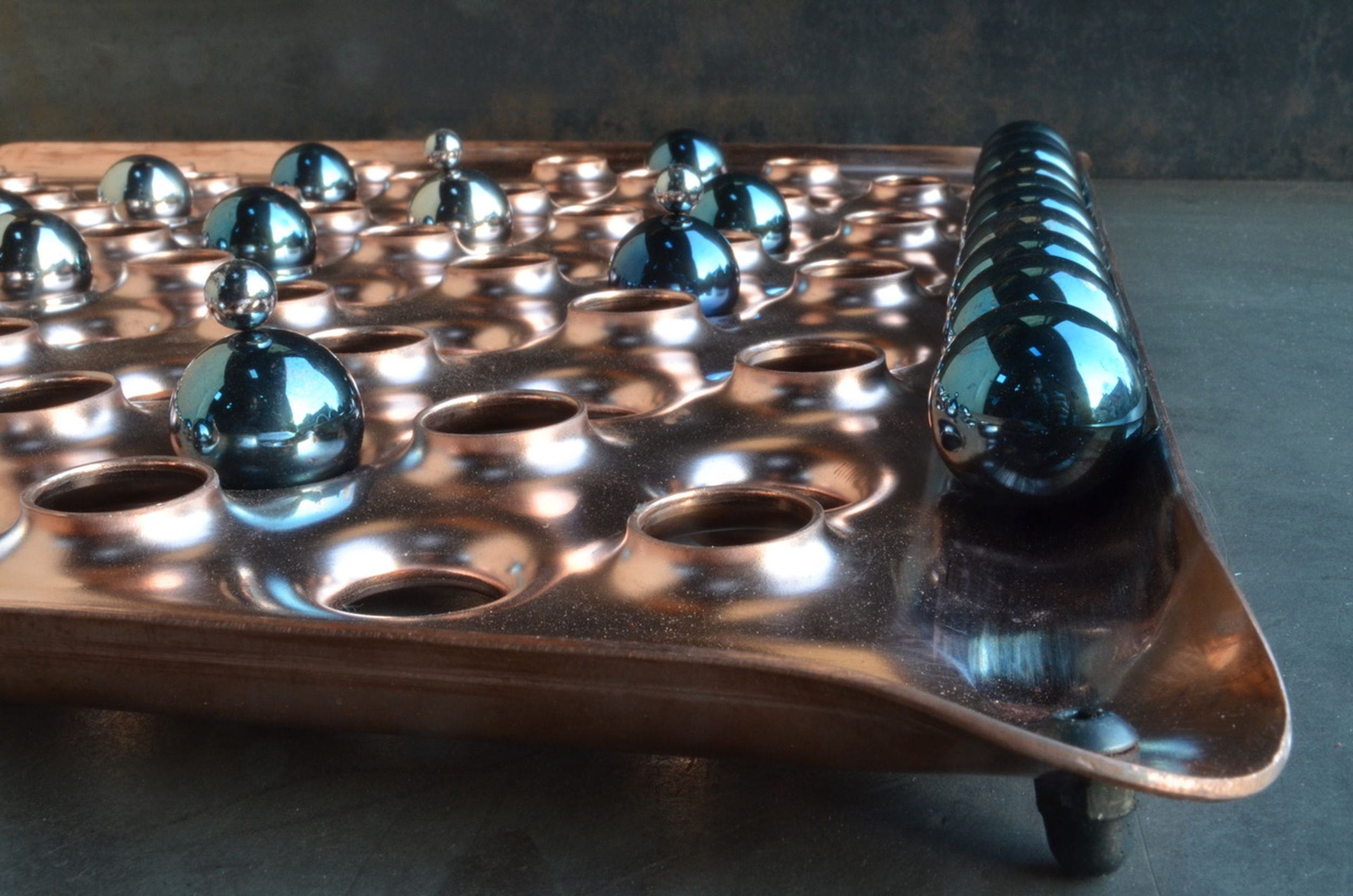
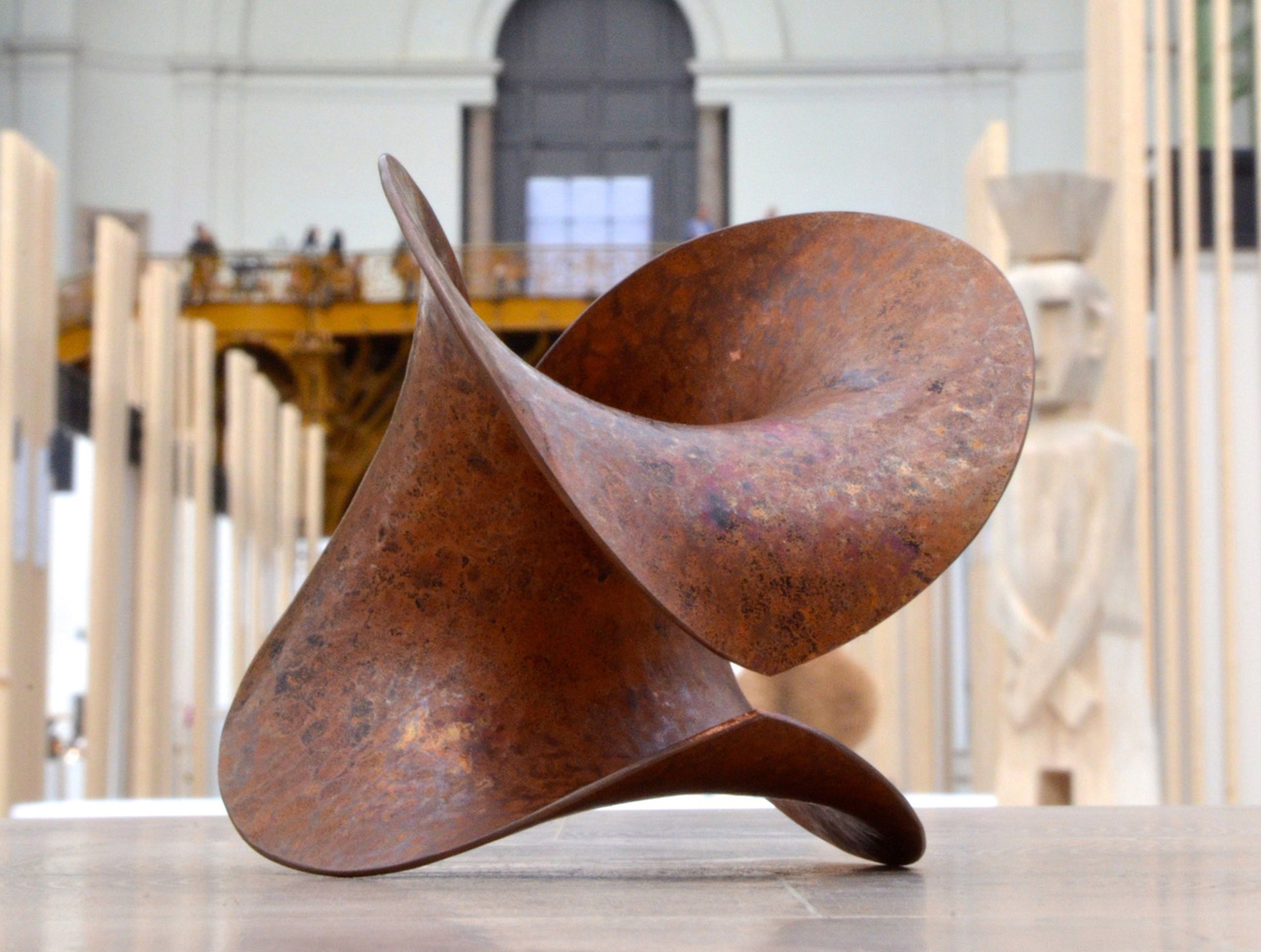
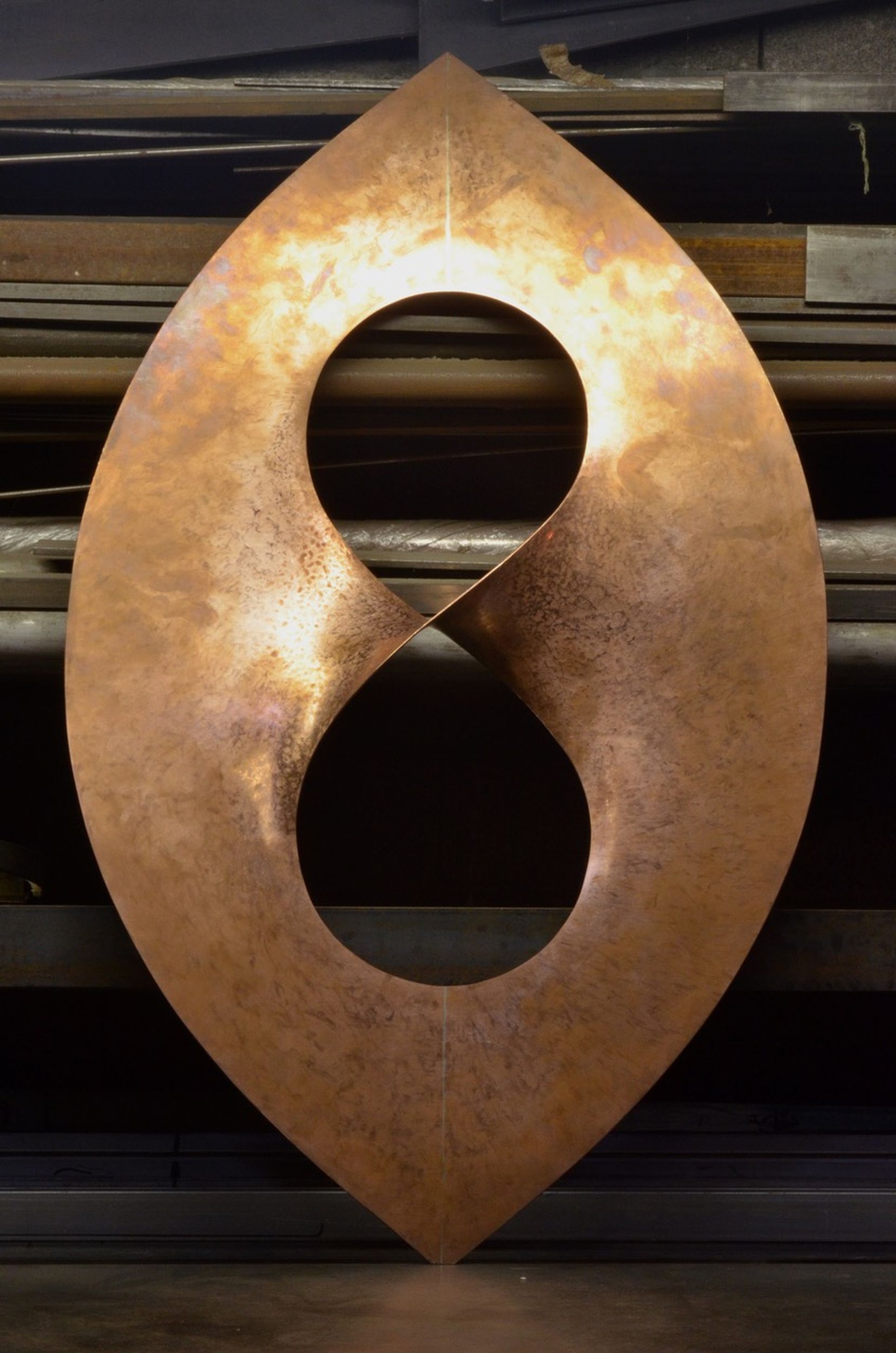
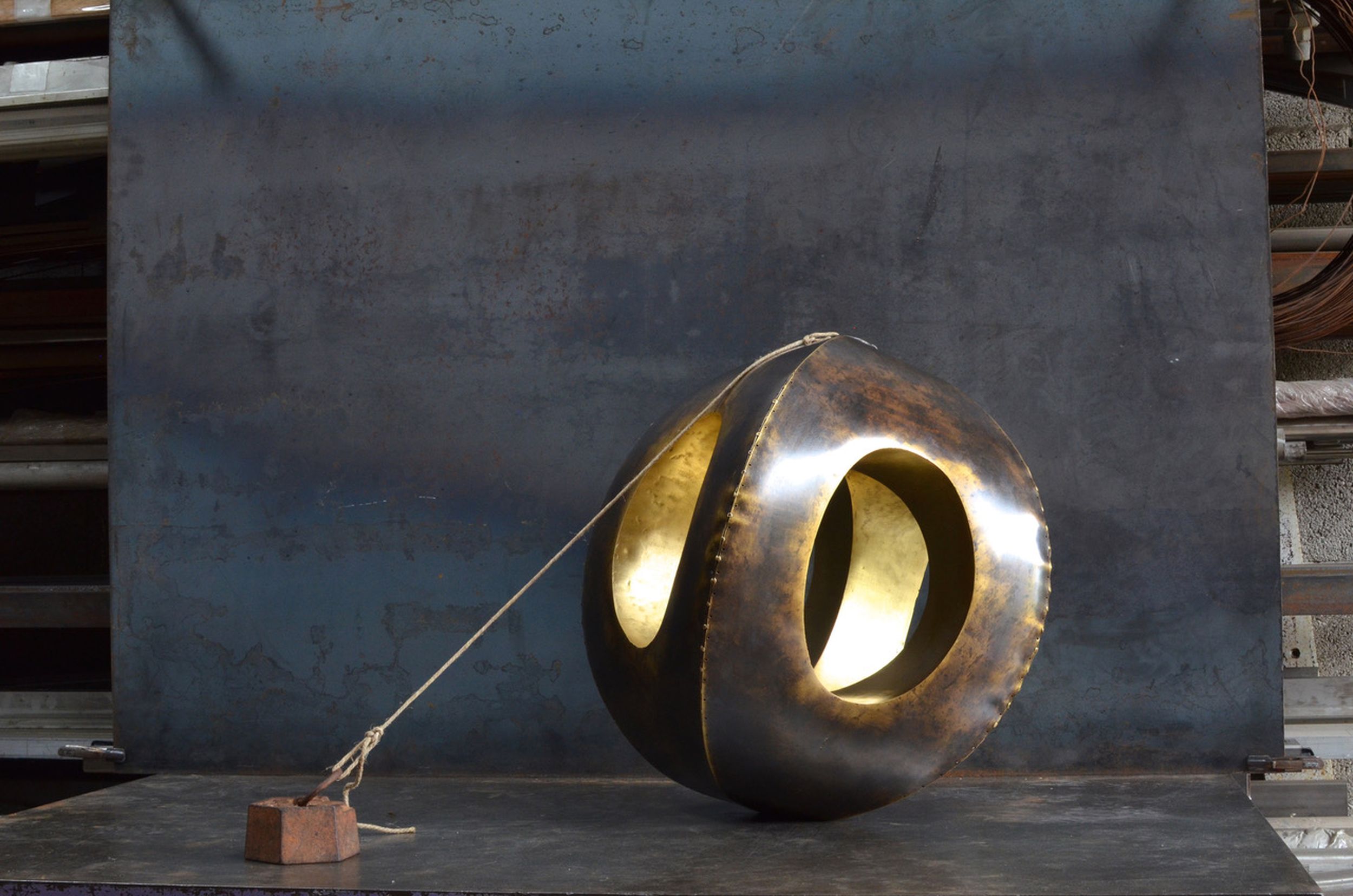
His works take the form of geometric games: mobiles in perpetual imbalance, stabiles in tension where forces cancel each other out at a fragile point of equilibrium. He conceives of a sculpture of interaction, accessible, vibrant, and sensitive to the slightest breath.
Ulysse currently collaborates with several scientific and cultural institutions (Musée des Arts et Métiers, Palais de la Découverte, Institut Henri Poincaré, Exploradôme, etc.). He also creates apparatus and set designs for the circus world, exhibits monumental sculptures, and performs in public spaces.
Attentive to their environment, her works seek synthesis, embrace abstraction, and celebrate simplicity.
Price(s) including the cost of training, accommodation and full board, materials and personal protective equipment.
89350 Champignelles
T: +33 (0)3 86 45 23 42
contact@campusmana.com
