




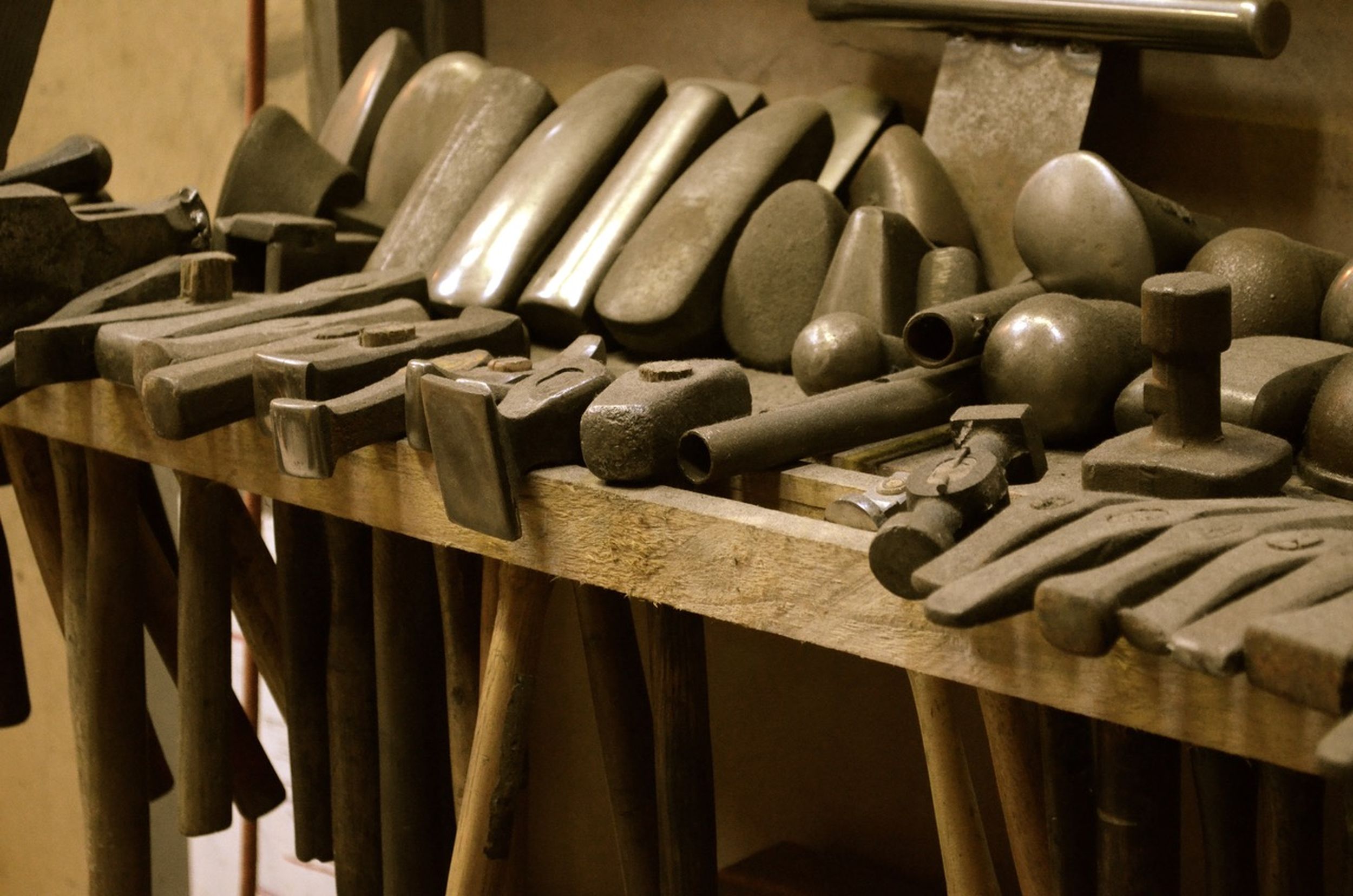
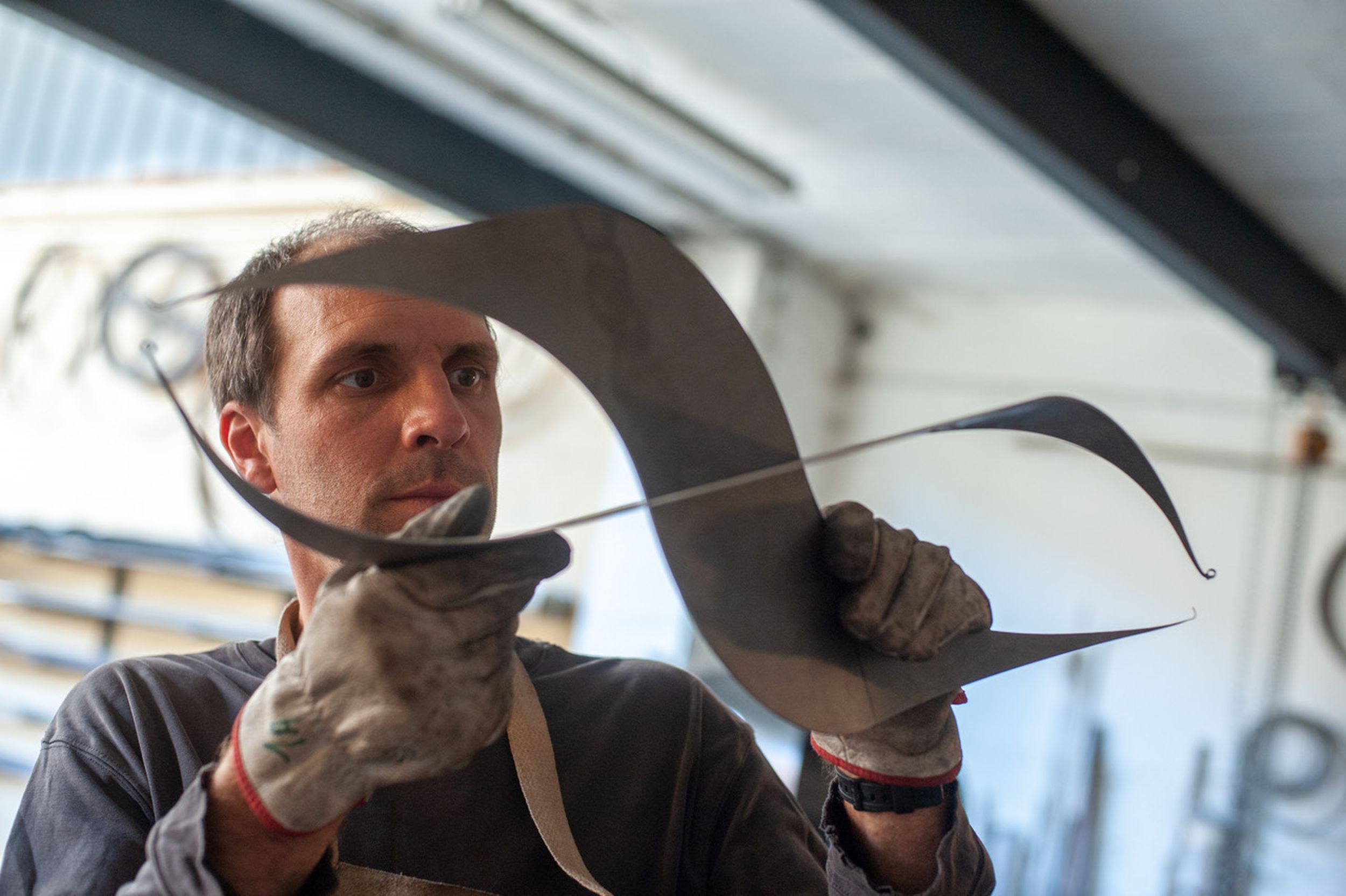
After an initial immersion in the workshop and an introduction to the fundamental techniques of metalwork, this second module offers a more personal and creative approach to working with metal. Ulysse Lacoste provides individualized guidance to each participant, consolidating acquired skills and exploring new possibilities. Depending on individual needs, he can revisit essential principles such as stretching, shrinking, and planishing; delve deeper into hammering techniques within an individual project; or guide the learning of autogenous torch welding on copper and brass. This progression also offers the opportunity to adapt or create specific tools, experiment with hot patination using oxides, and learn various metal finishing techniques.
This module, developed in response to requests from several alumni, addresses the need for more time and freedom in practicing metalwork. The hammering process requires regularity, patience, and a familiar relationship with the tools. This week offers a unique opportunity to refine your technique, gain confidence, and develop a more personal approach. By rediscovering the hammer with greater freedom, each participant can gradually reclaim the technique and adapt it to their own projects.
Upon completion of the training, the trainee will be able to:
Copperware refers to the art of shaping copper and its alloys, particularly brass, using techniques such as hammering, stretching, shrinking, planishing, and patination. Although traditionally associated with the city of Dinant (Belgium), where it flourished from the 12th century onward, its origins date back to antiquity, when copper was already being worked while hot to create utilitarian and decorative forms.
Over the centuries, the craft has evolved, gradually incorporating various processes, such as soldering and shaping from cut pieces. These techniques, complementary to hammering, have made it possible to create more complex objects and refine the finishes.
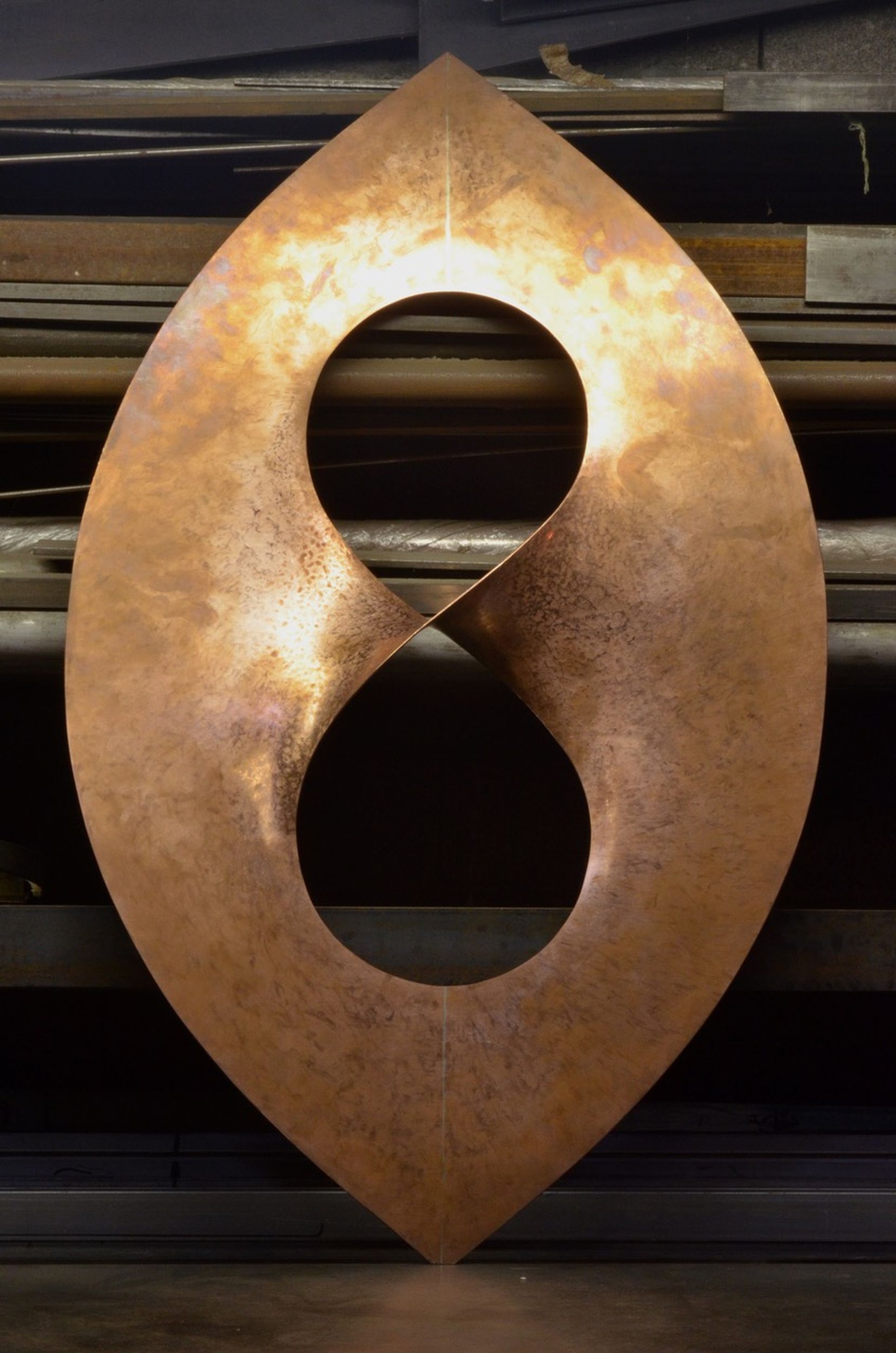
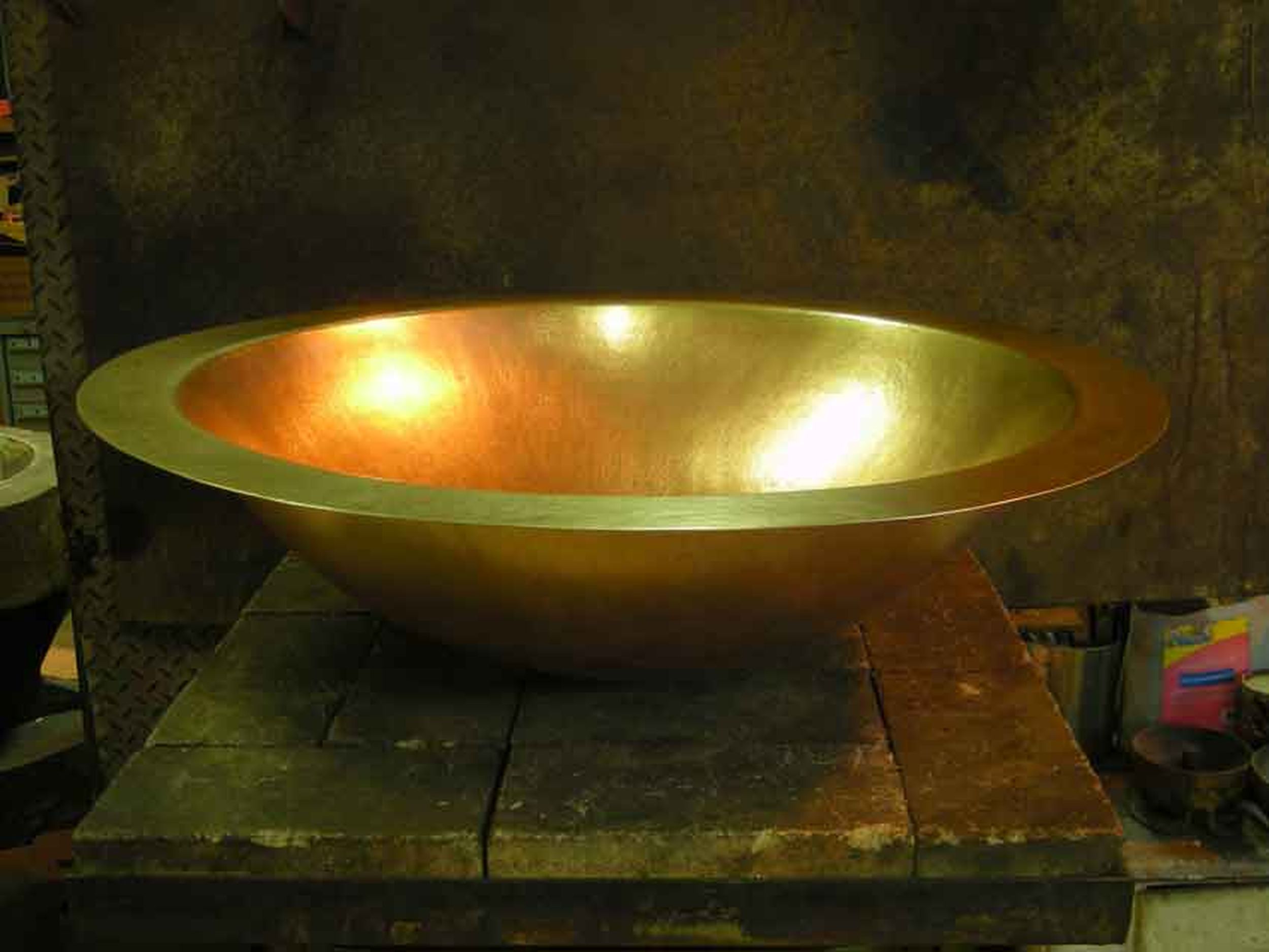
In this workshop, Ulysse Lacoste, a coppersmith and metalworker, guides participants through the practical exploration of these techniques: understanding forms, drawing and cutting, shaping with a hammer, creating or adapting tools, autogenous welding, patinas, and finishes. Through a personal project, learners discover how to transform copper and brass to give them volume, character, and coherence.
Morning and afternoon
Morning and afternoon
Morning and afternoon
Morning and afternoon
Morning and Afternoon
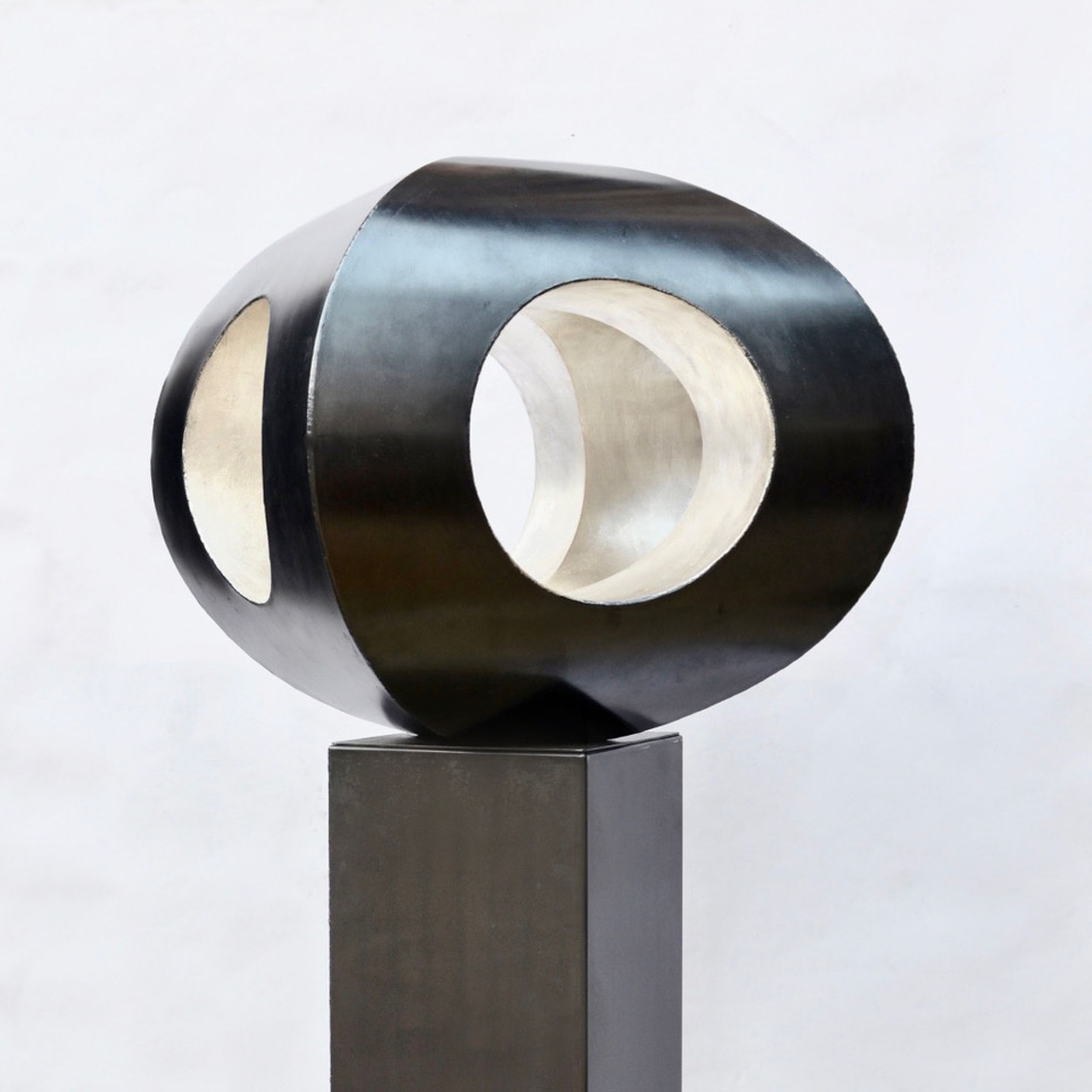
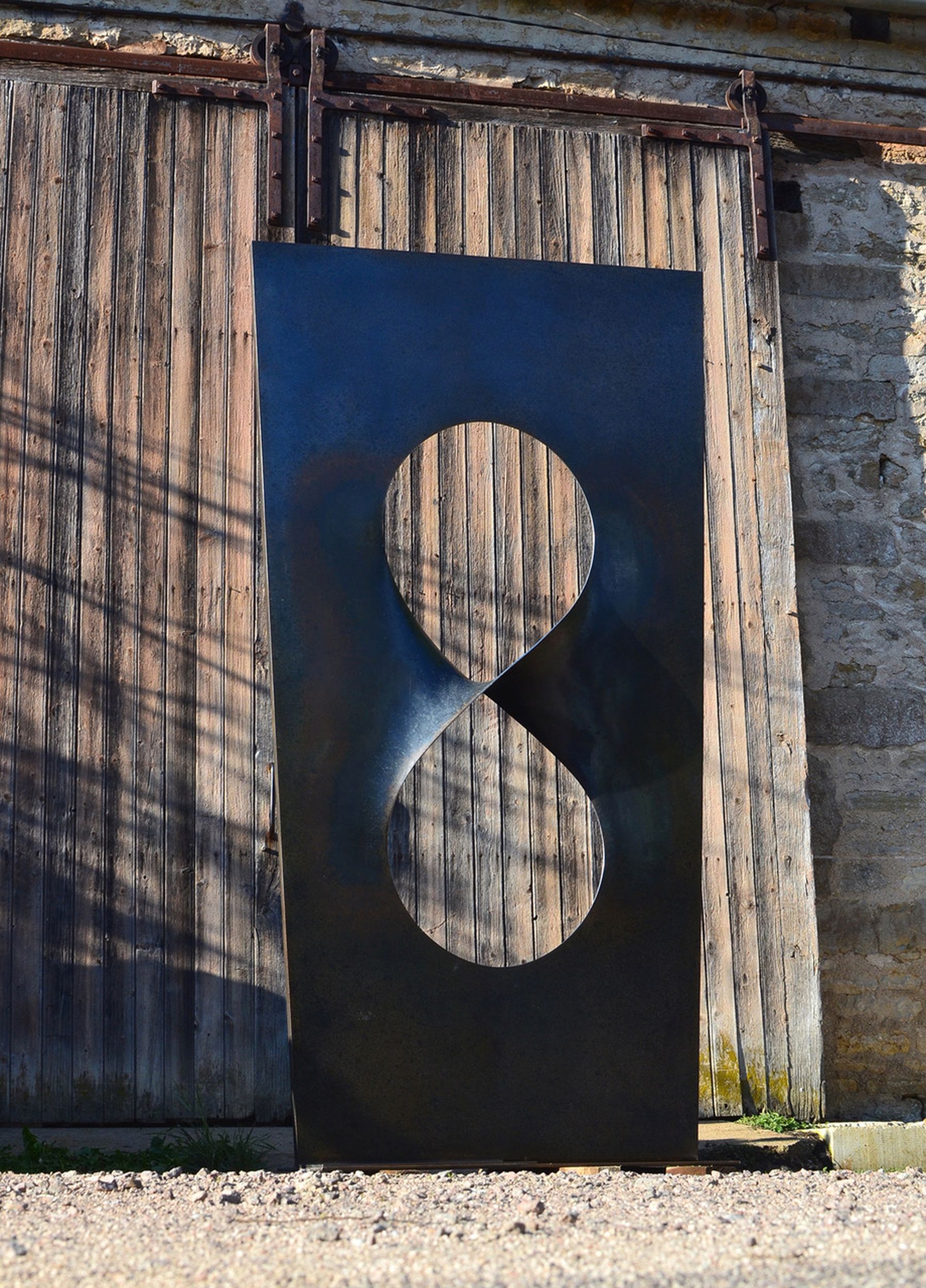
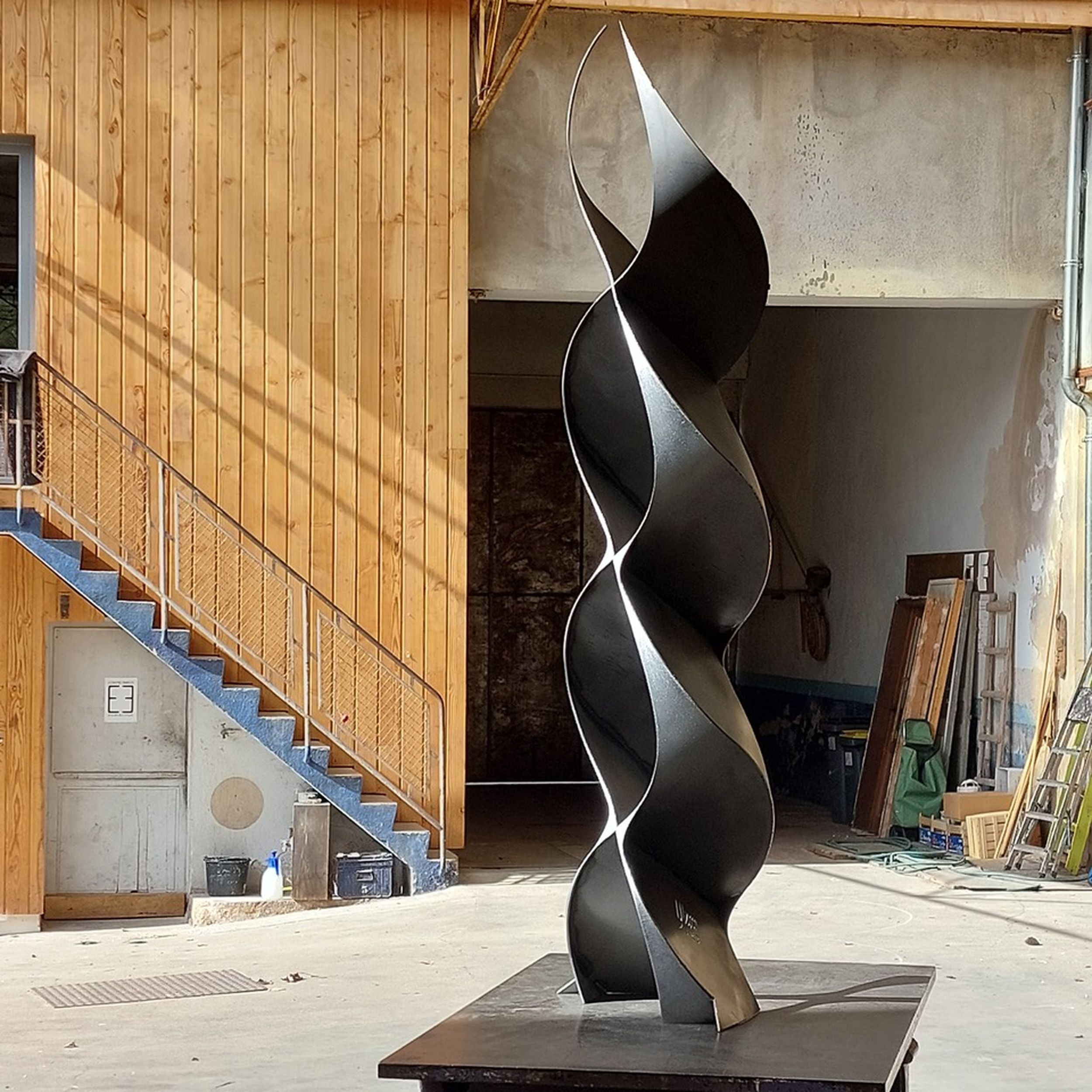
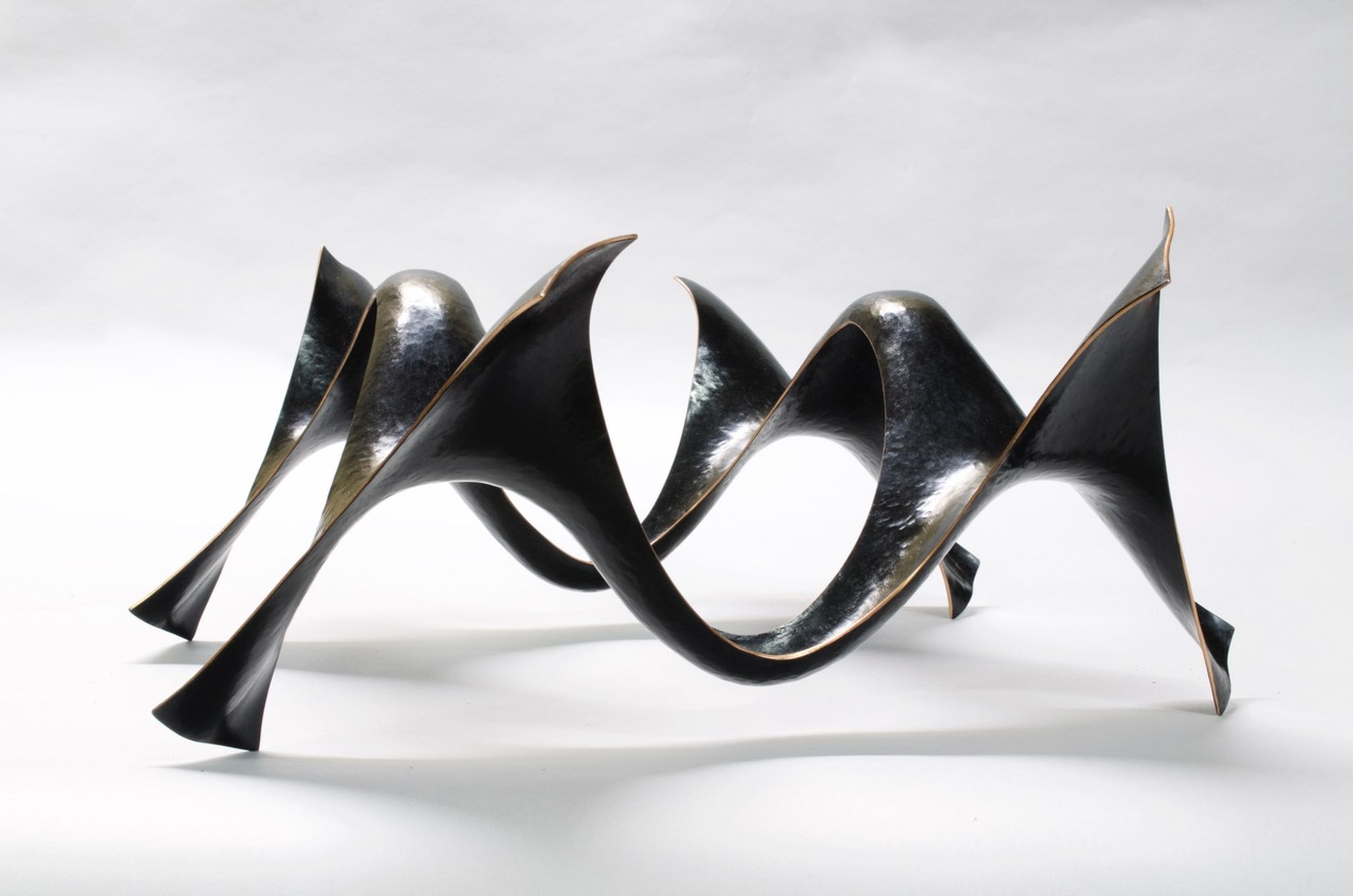
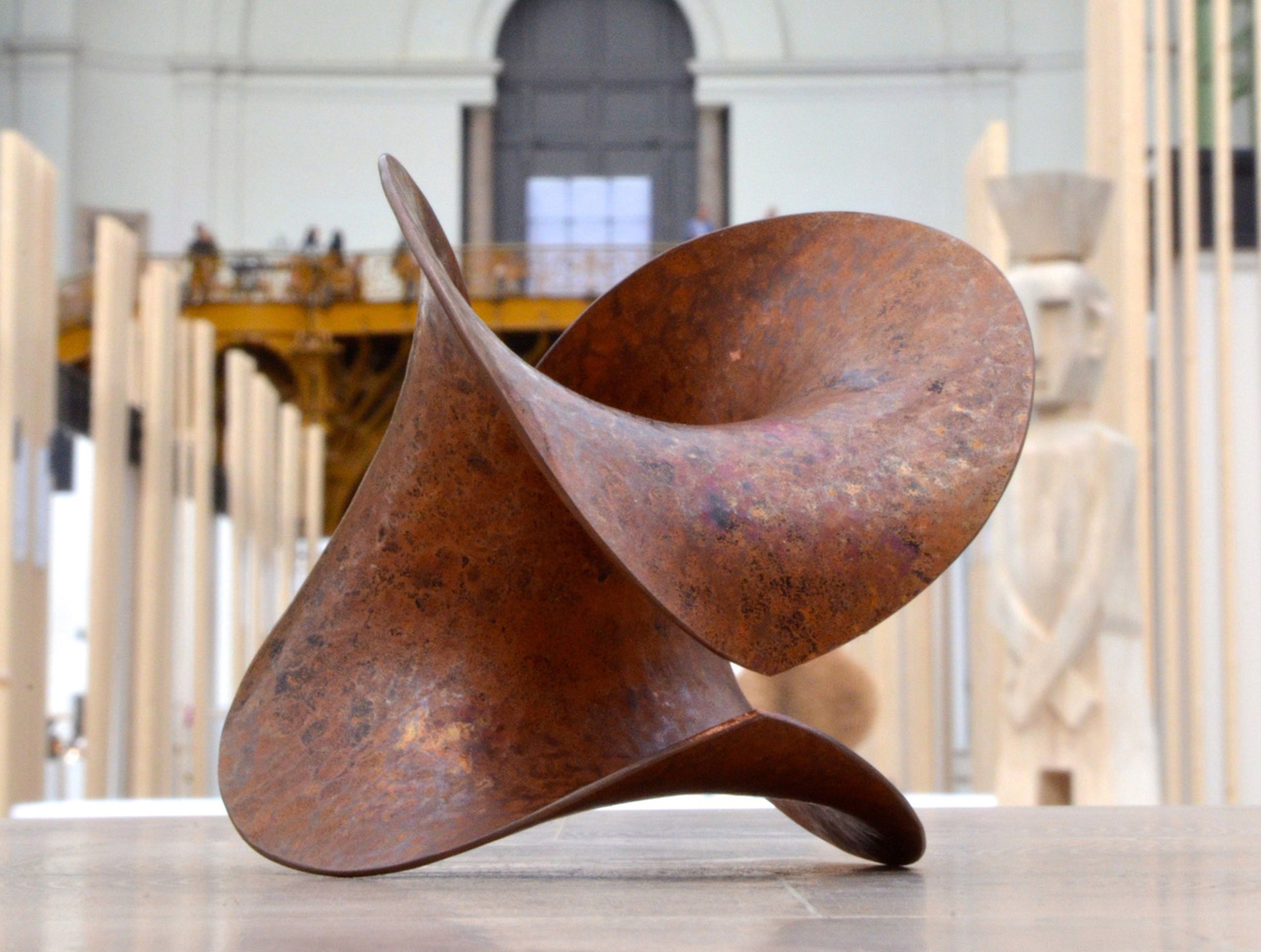
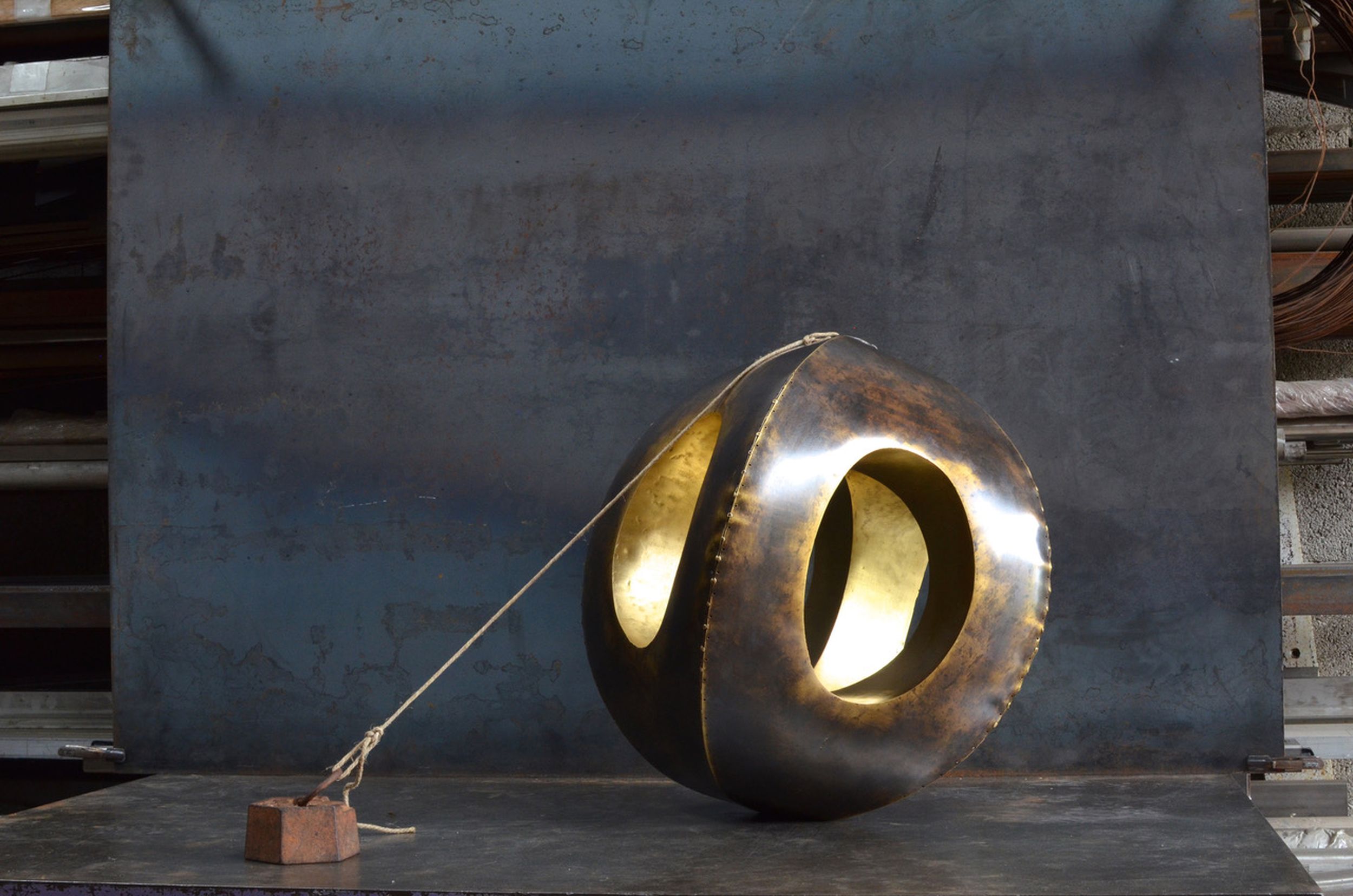
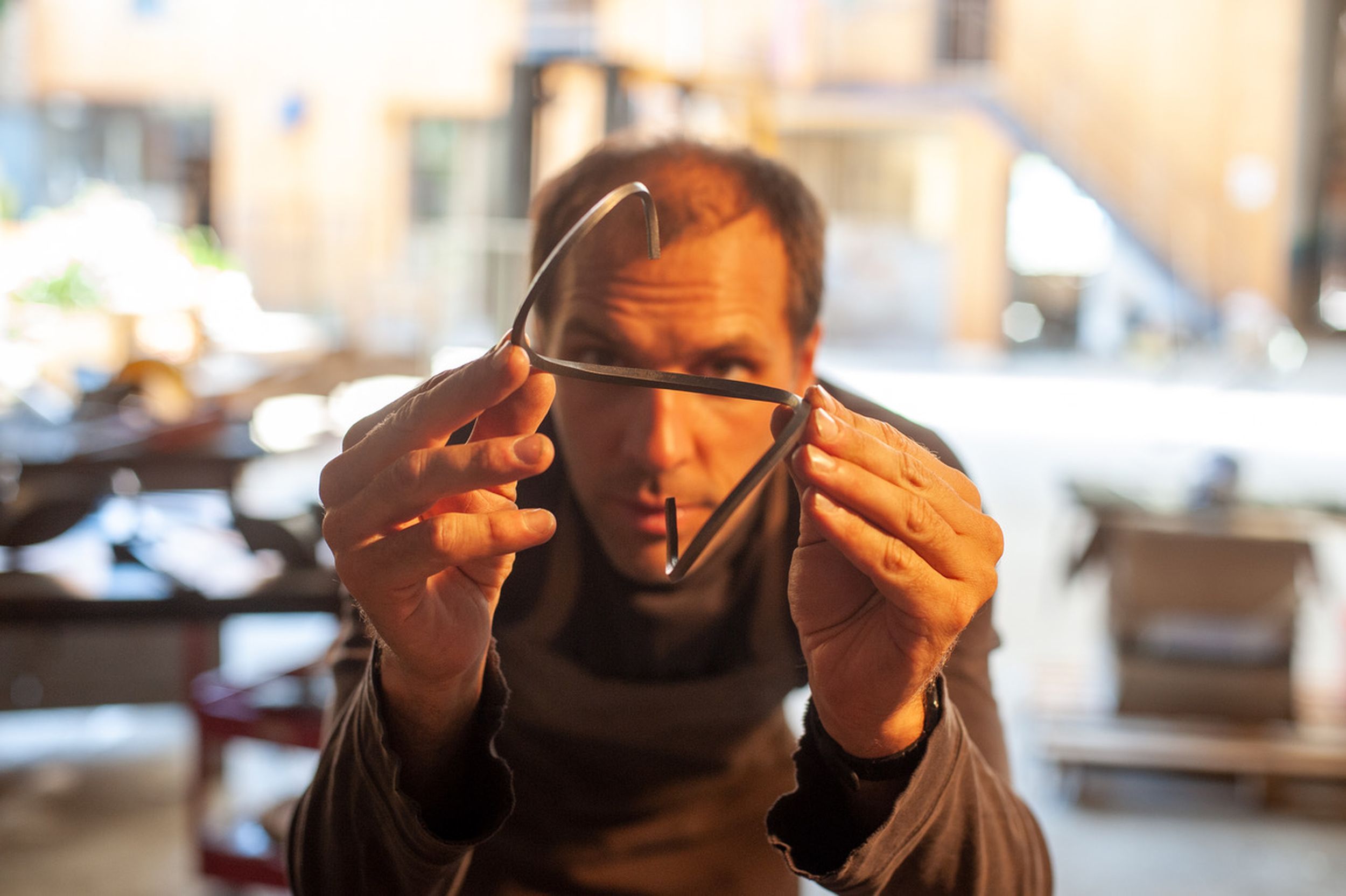
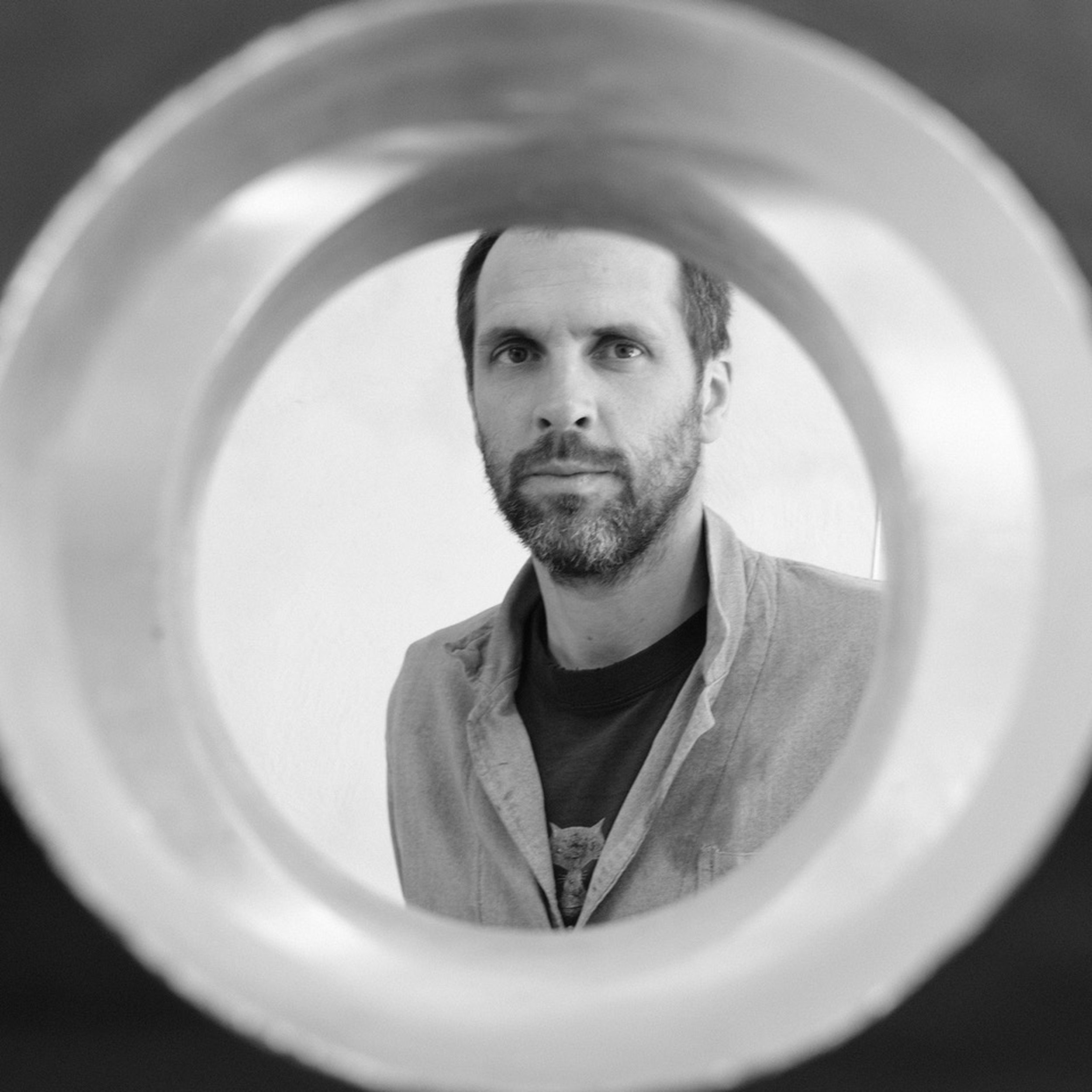
Trained as a coppersmith, Ulysse graduated from the École Olivier de Serres. Immersed in science, he has been exploring the laws of equilibrium, gravitation, and movement for nearly twenty years. His metalwork expertise, nurtured by traditional coppersmithing techniques and enriched by contemporary and industrial processes, allows him to develop a unique sculptural style.
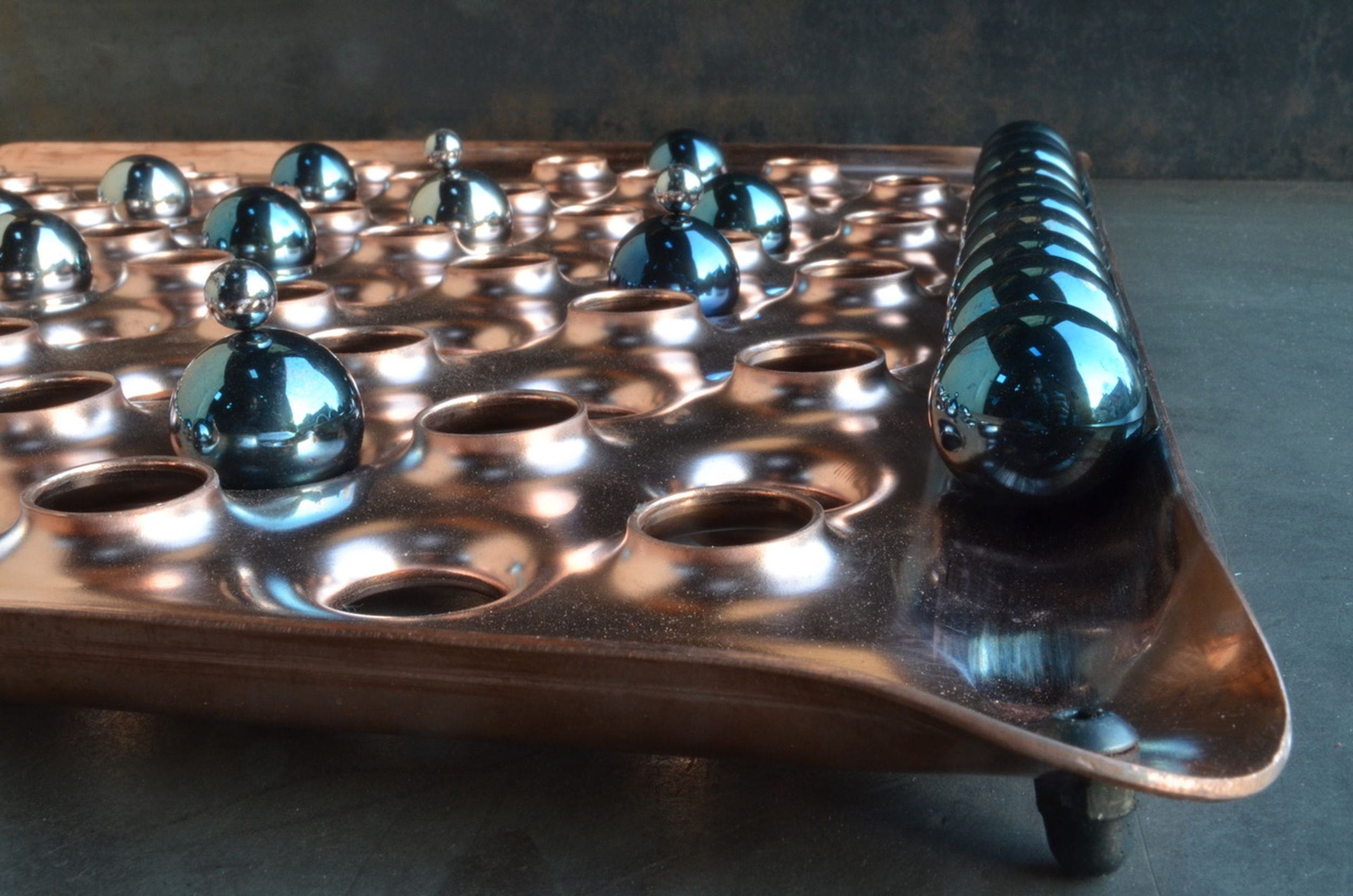
His works take the form of geometric games: mobiles in perpetual imbalance, stabiles in tension where forces cancel each other out at a fragile point of equilibrium. He conceives of a sculpture of interaction, accessible, vibrant, and sensitive to the slightest breath.
Ulysse currently collaborates with several scientific and cultural institutions (Musée des Arts et Métiers, Palais de la Découverte, Institut Henri Poincaré, Exploradôme, etc.). He also creates apparatus and set designs for the circus world, exhibits monumental sculptures, and performs in public spaces.
Attentive to their environment, her works seek synthesis, embrace abstraction, and celebrate simplicity.
Training 100% financeable by AFDAS, or partially covered by other operators such as FAFCEA, AGEFICE, FIFPL, OPCO EP etc.
If you are concerned, we invite you to contact our sales department in advance via "Request for information" in order to prepare your file, or to register directly via the page of the chosen training course.
89350 Champignelles
T: +33 (0)3 86 45 23 42
contact@campusmana.com
