Exploring glass, cement, and slate; experimenting with tools; discovering techniques; composing, creating, and sharing: this workshop offers a sensory and hands-on immersion in working with materials, where textures, light, and form are in constant dialogue. Through hands-on workshops, graphic research, the development of a personal project, and a visit to the glassmakers of Murano, each participant is invited to develop their own creation within a dynamic of knowledge transfer, experimentation, and exchange.
By the end of the course, participants will be able to:
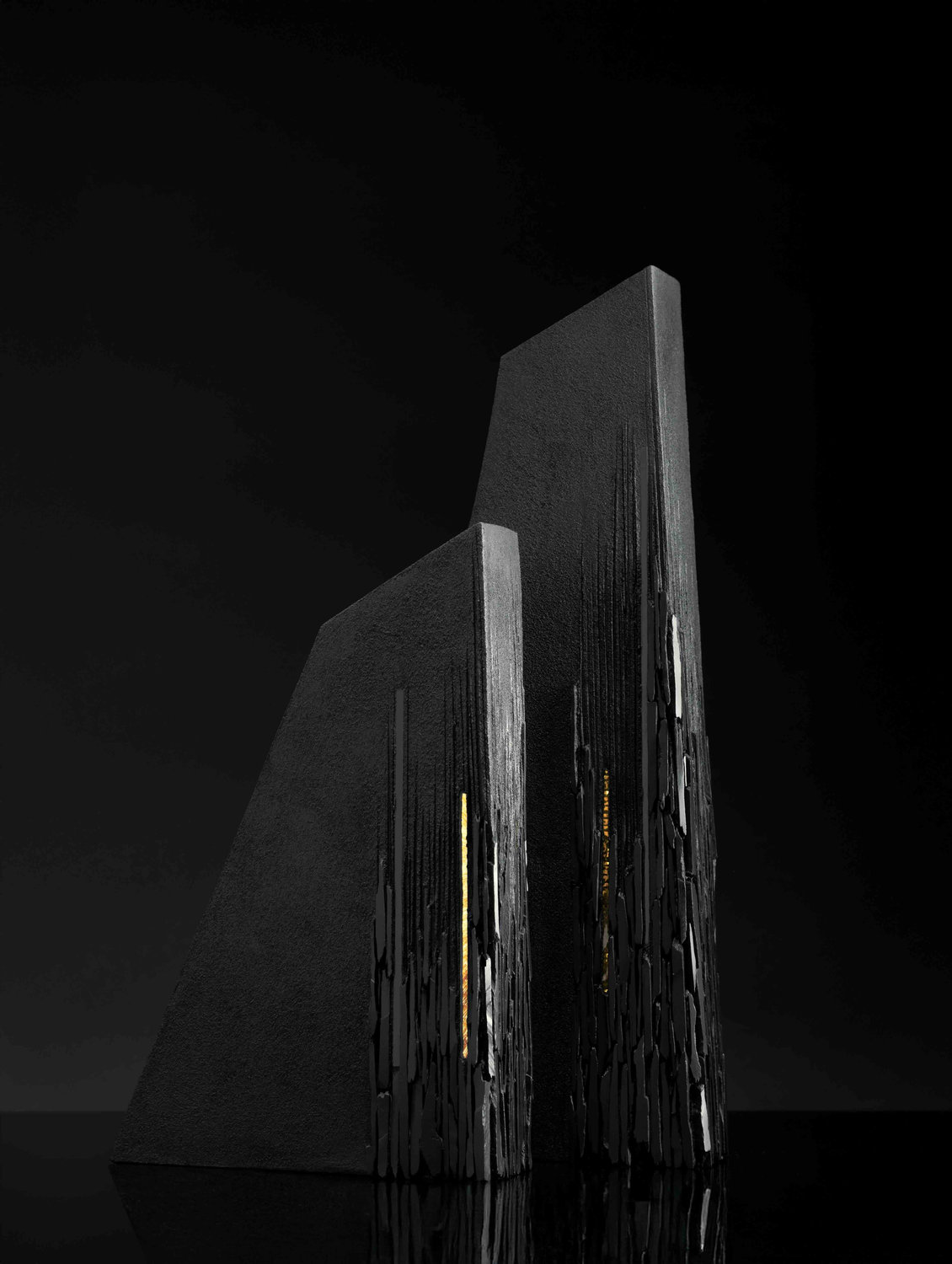
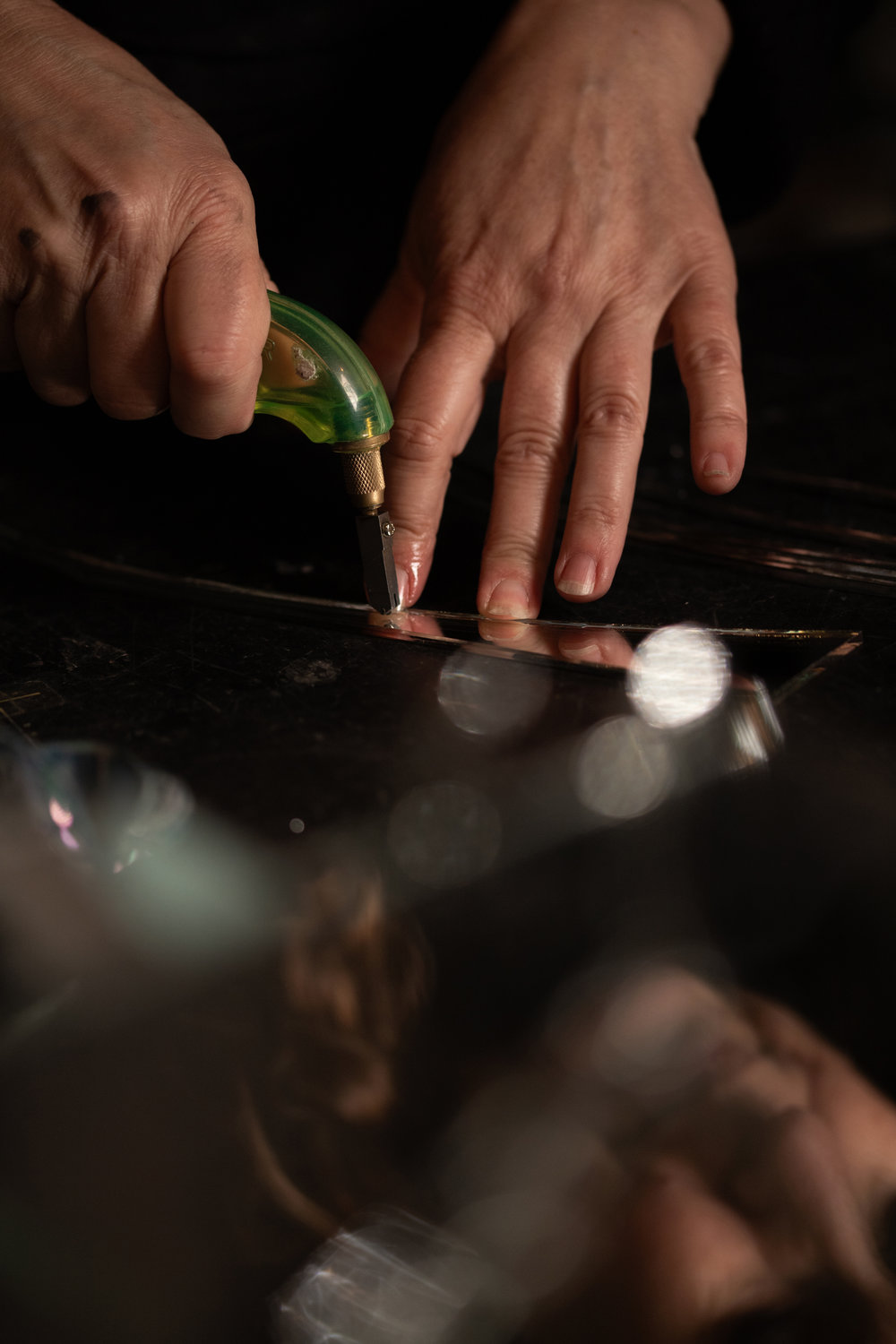
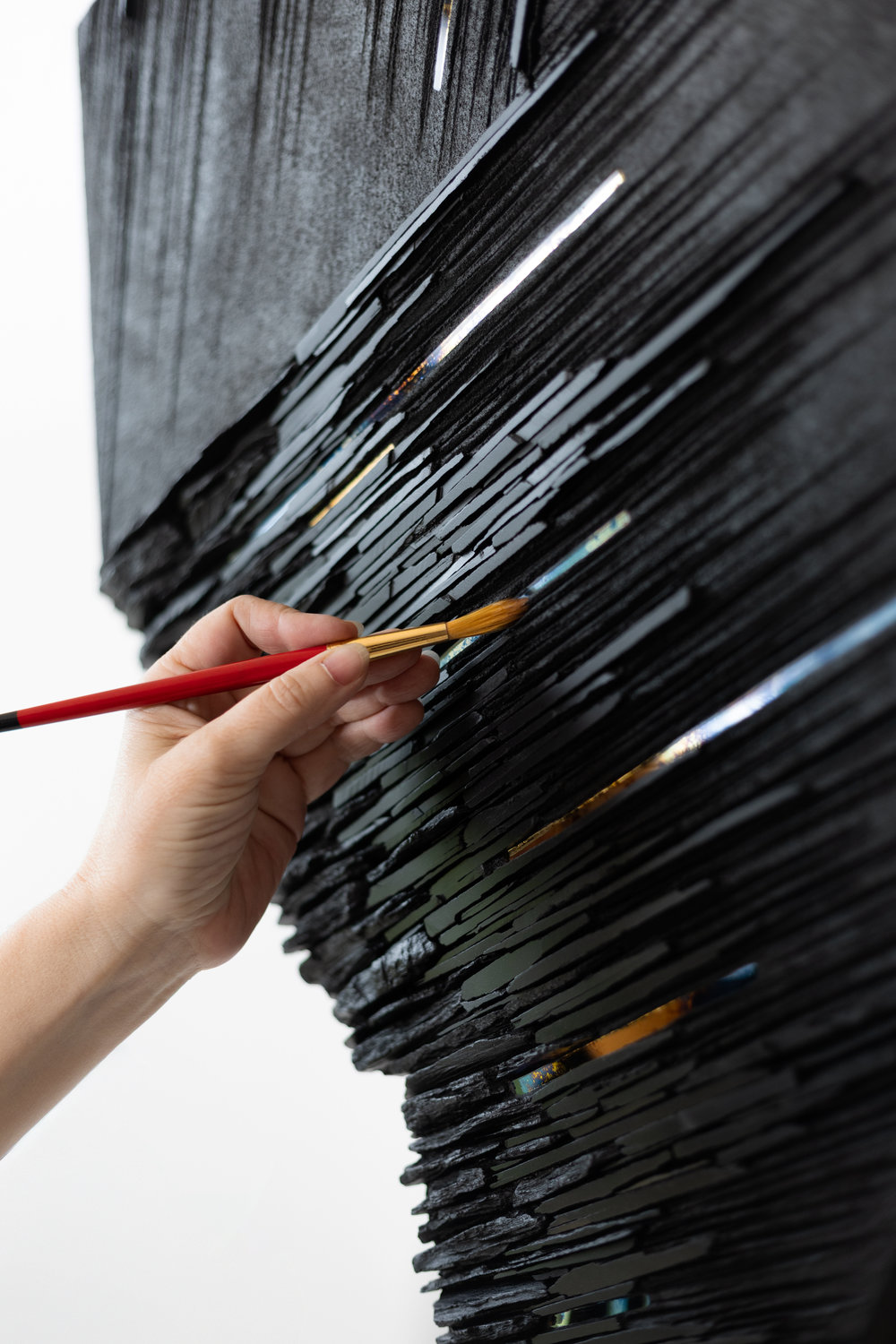
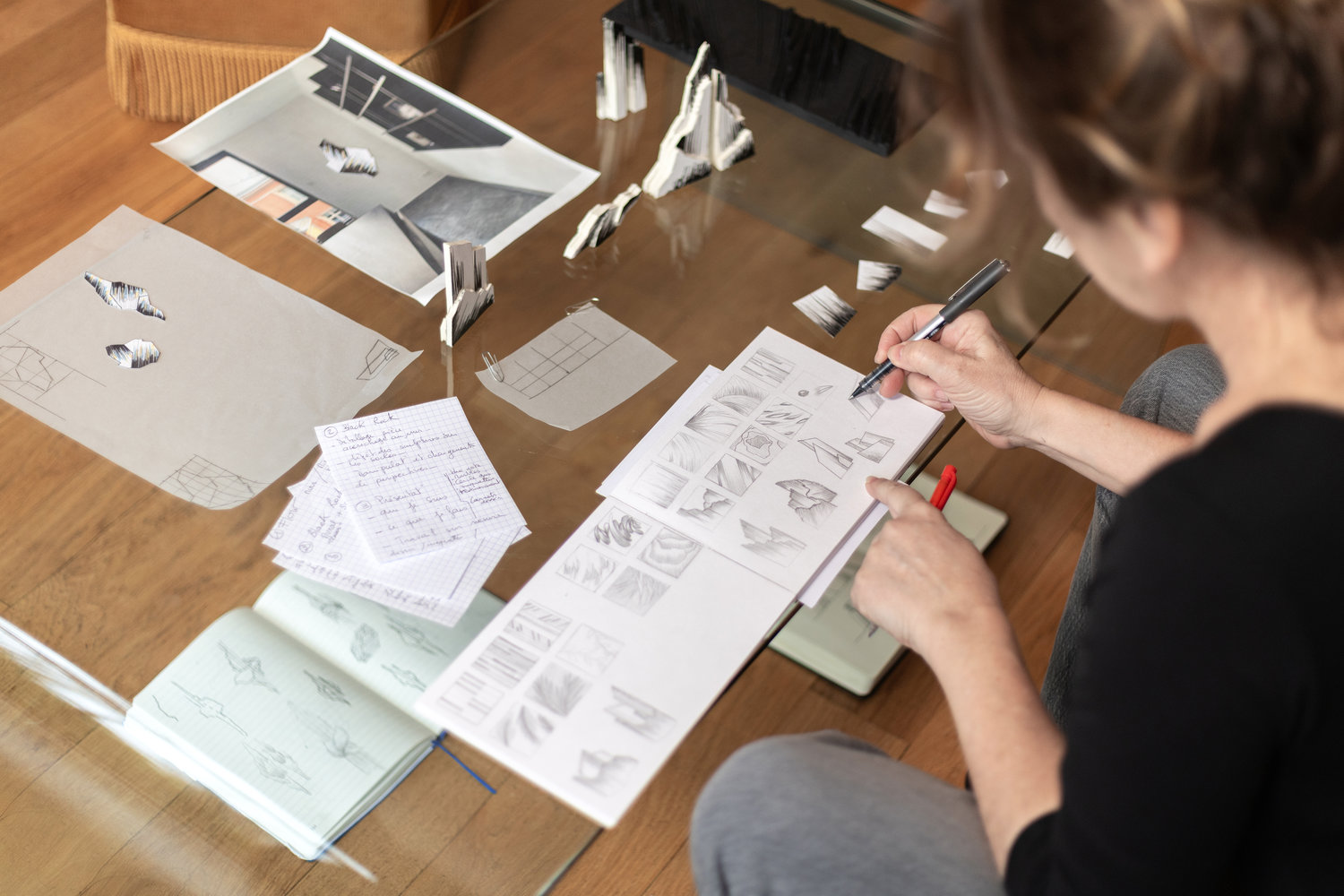
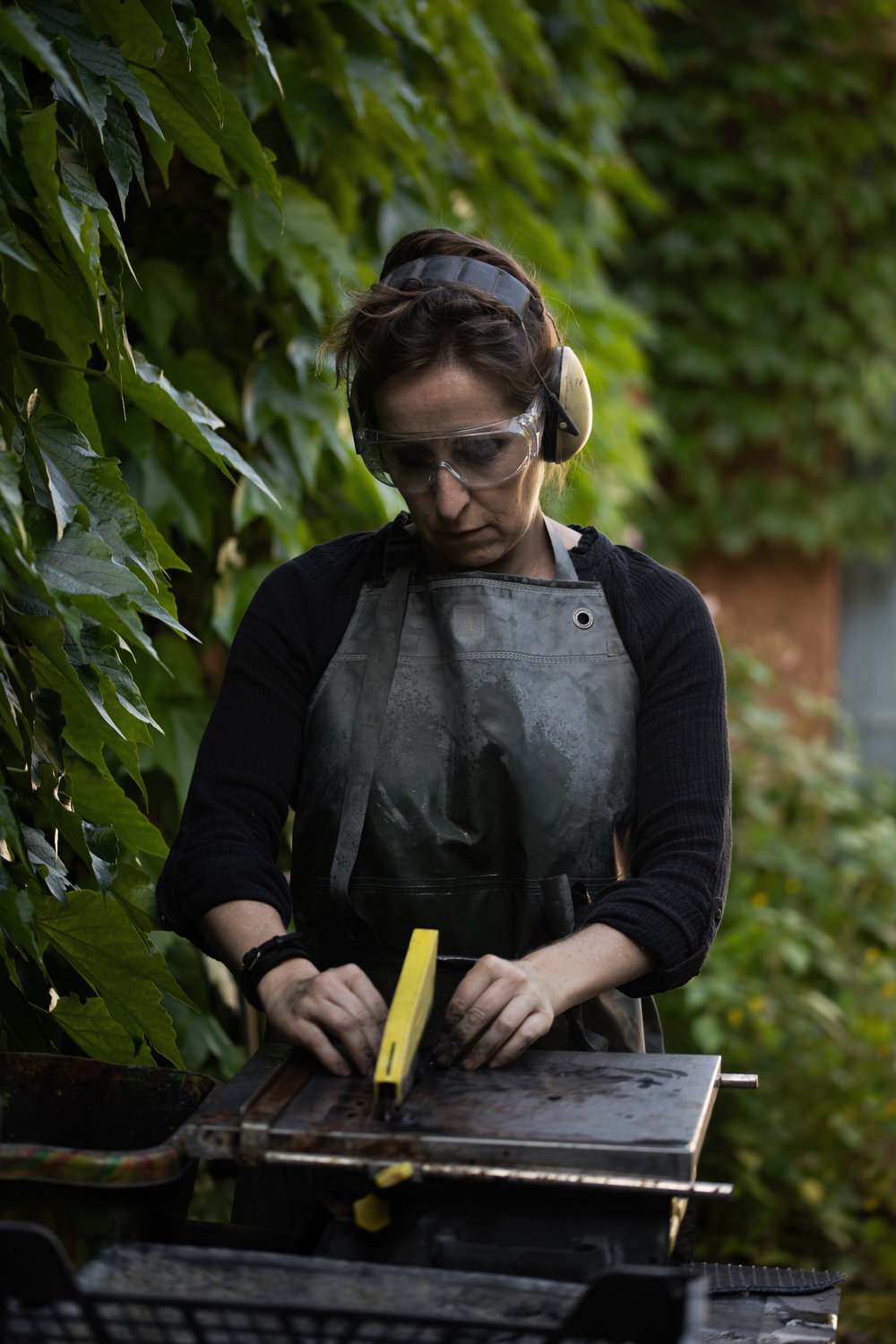
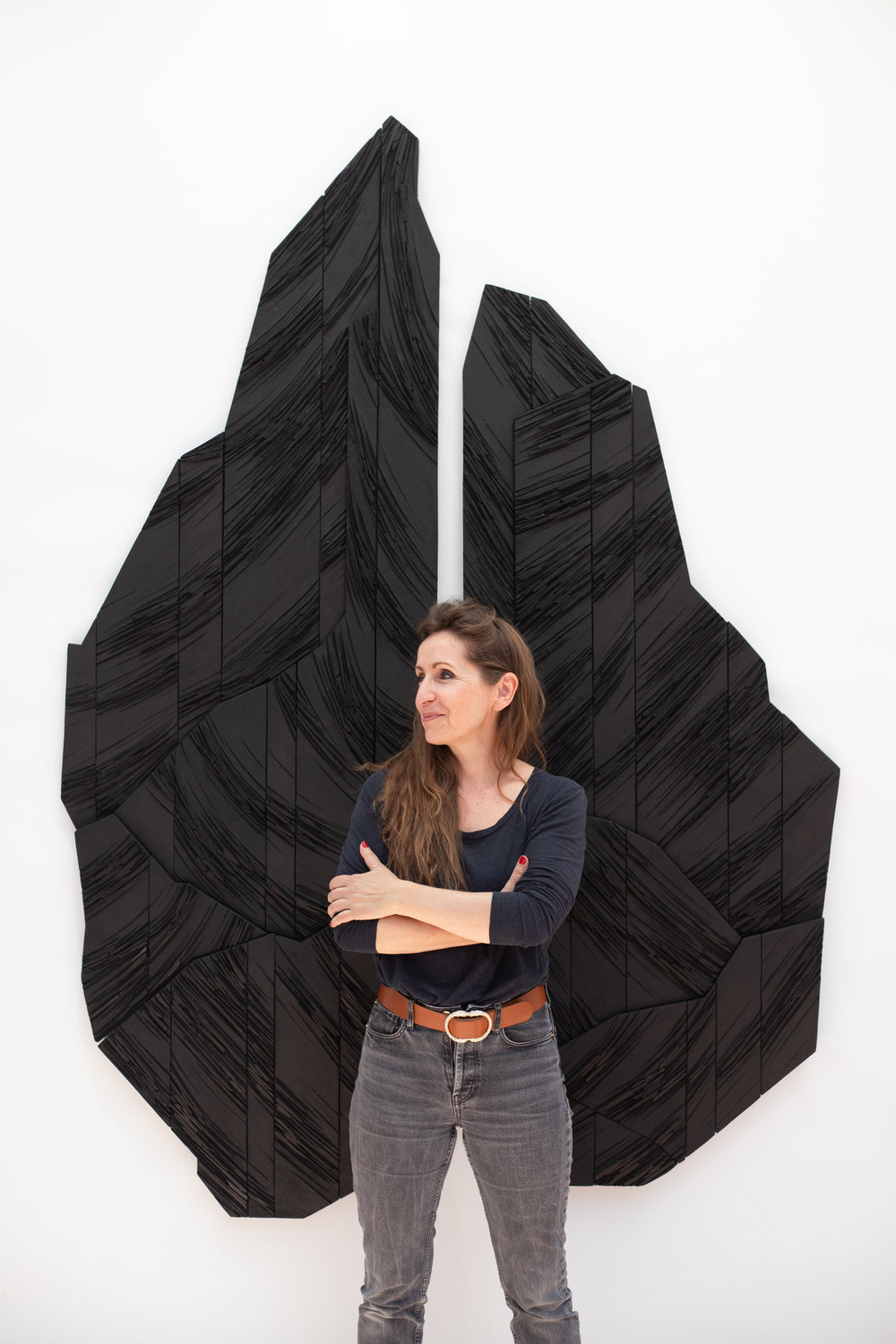
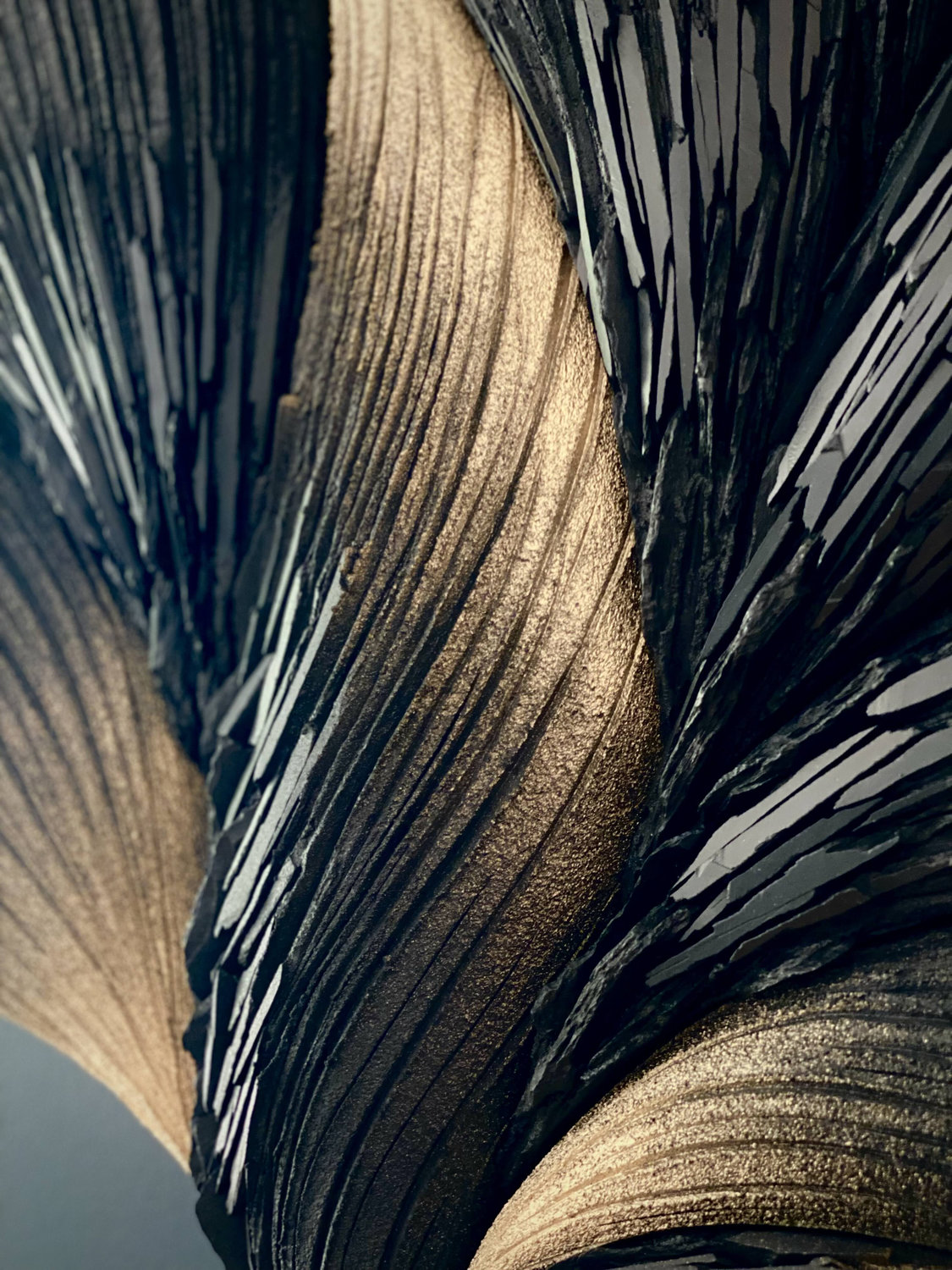
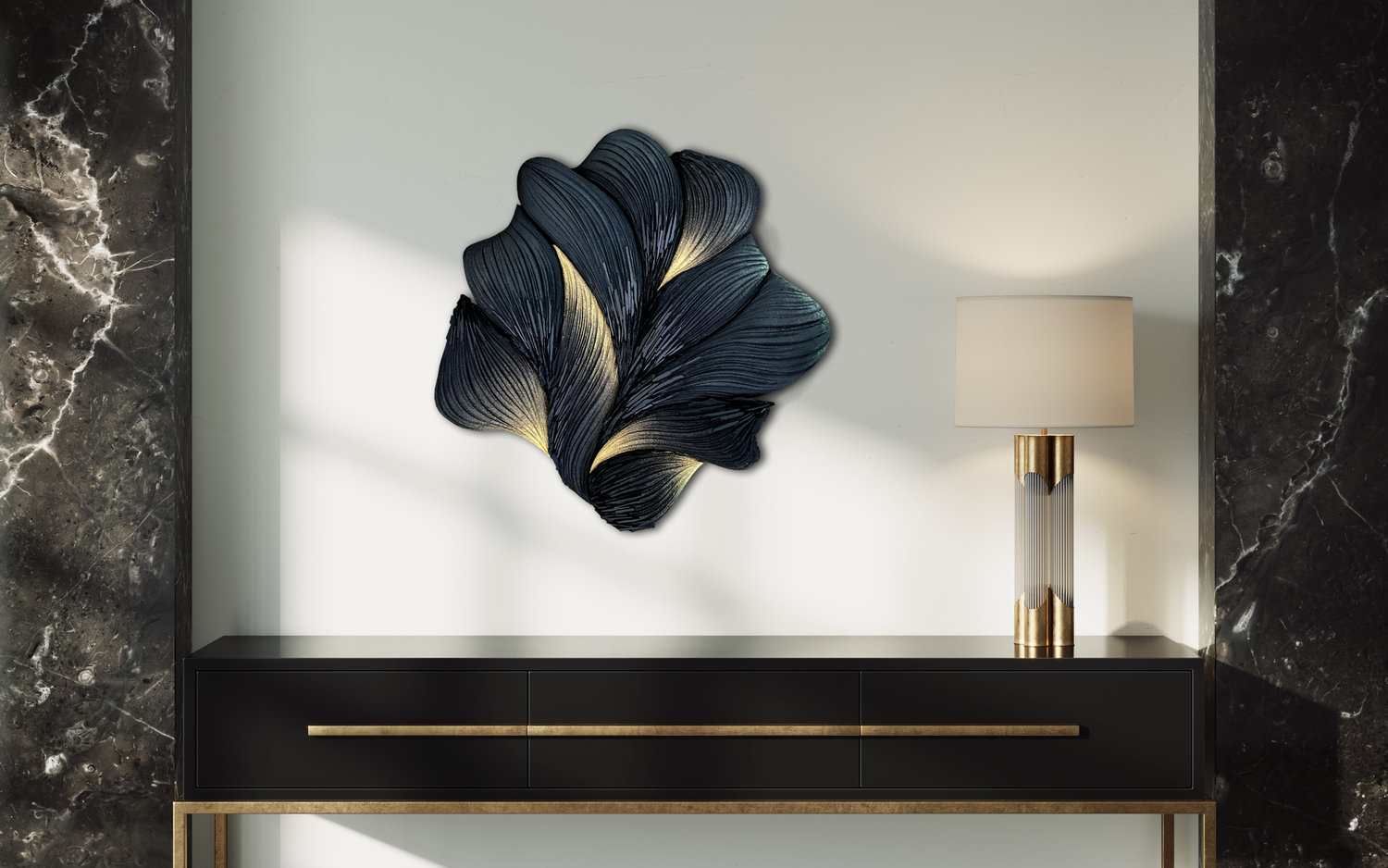
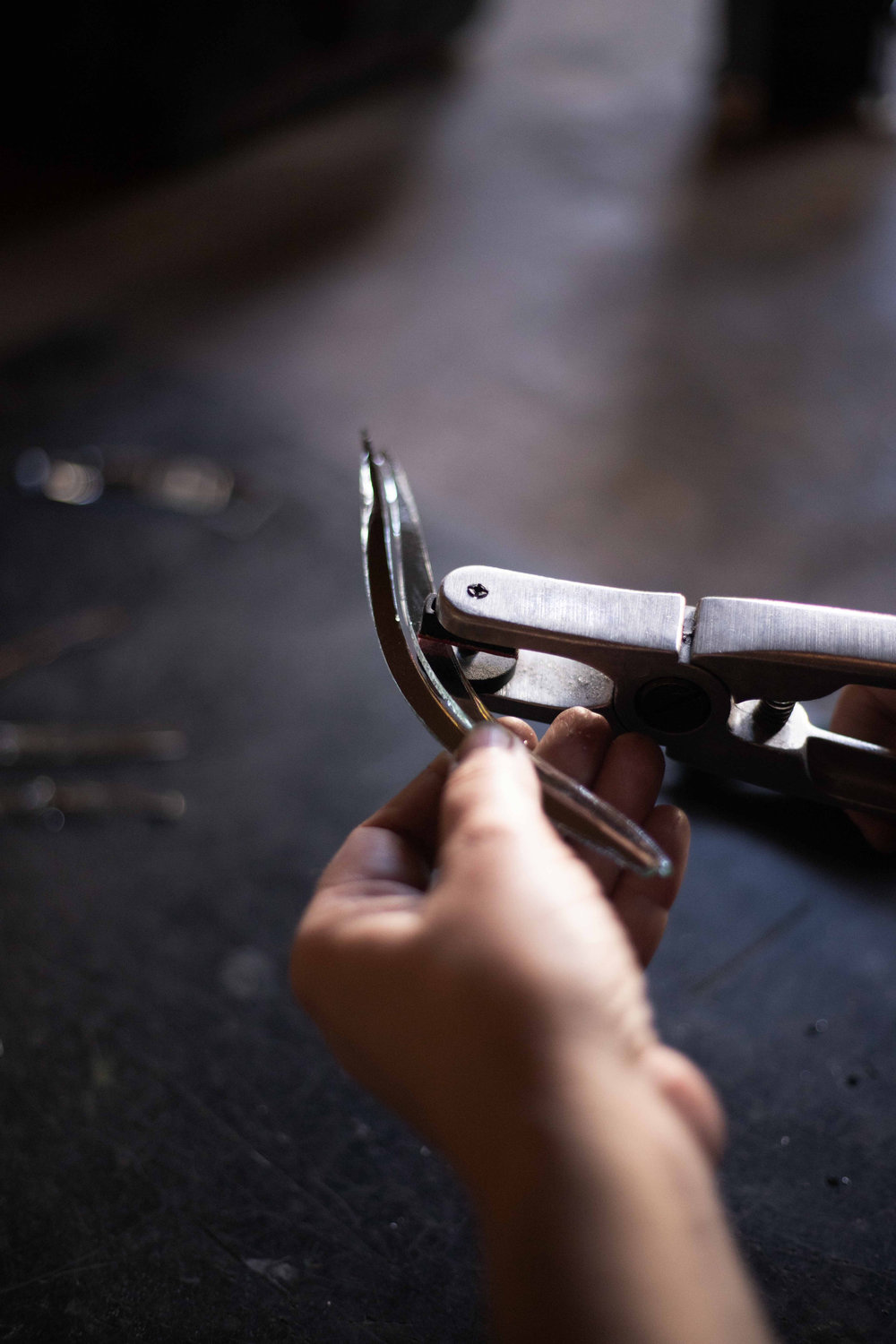
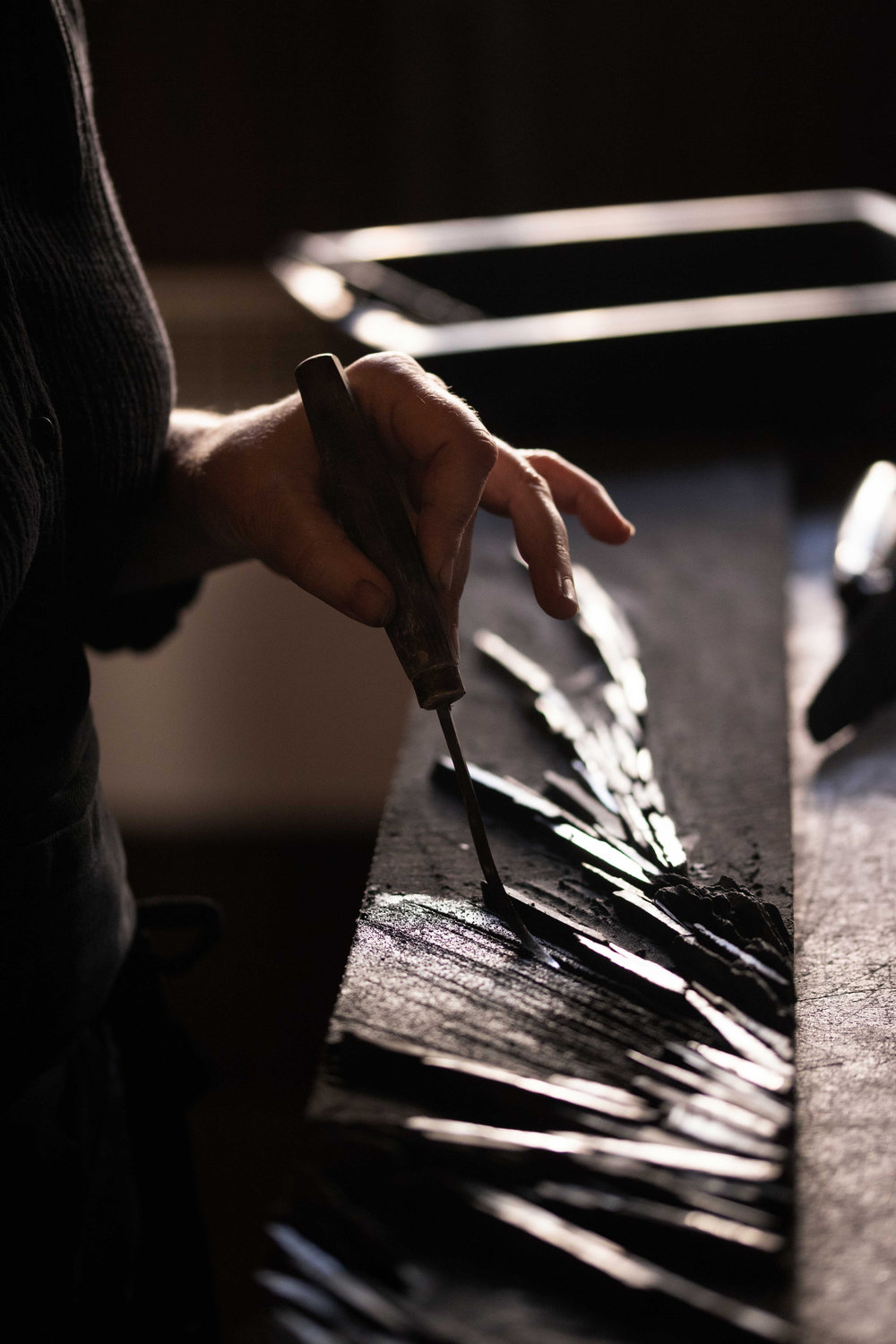
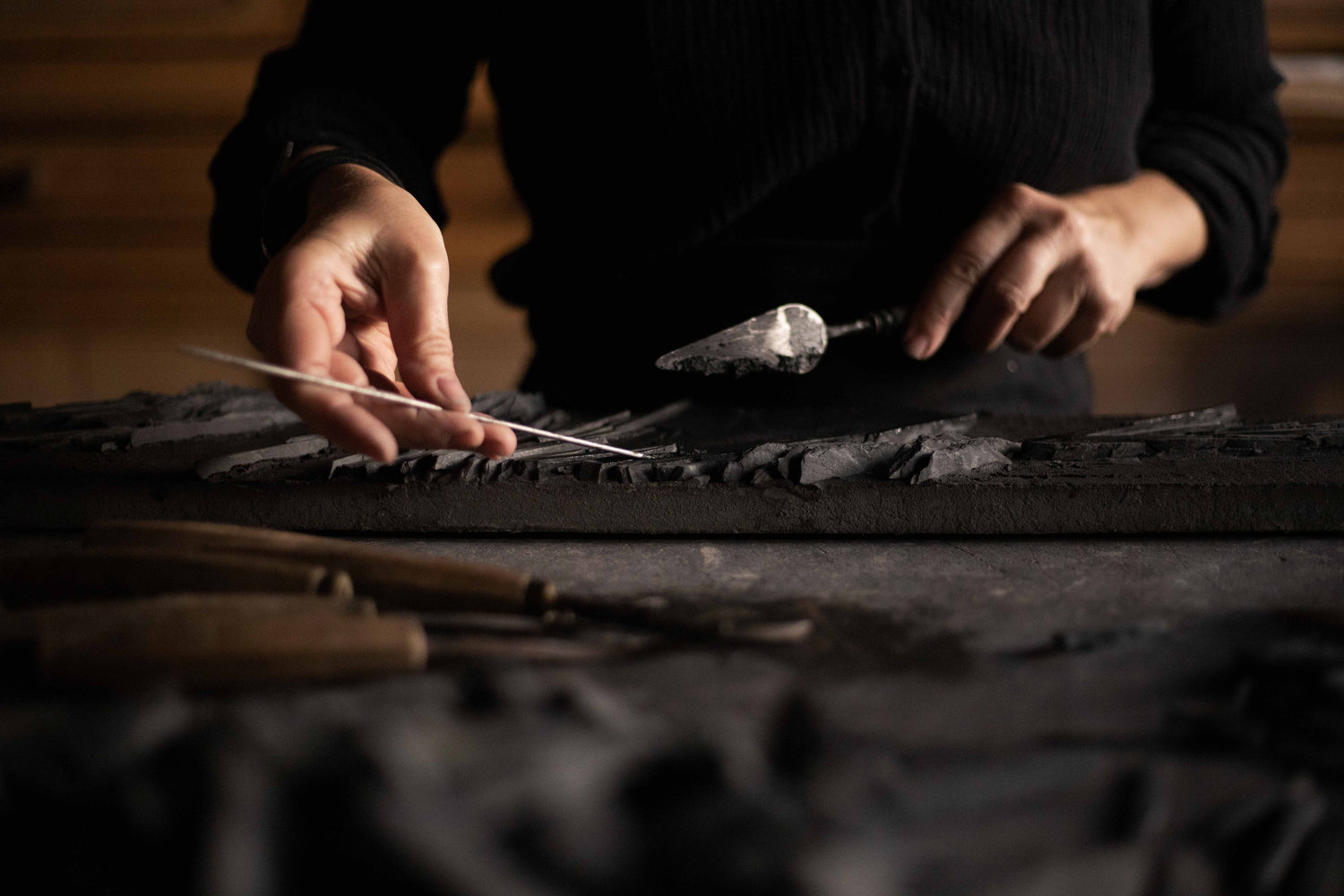
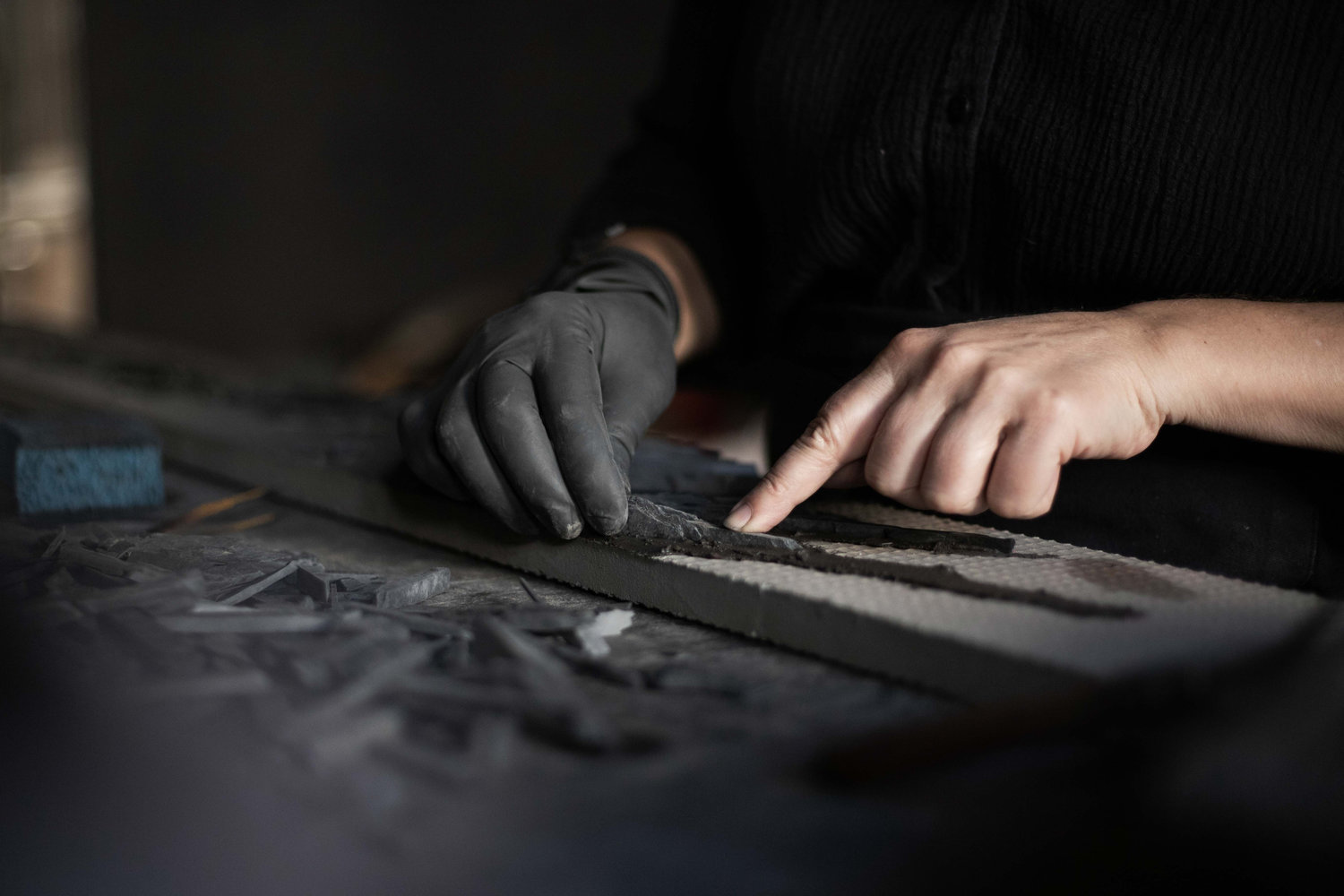
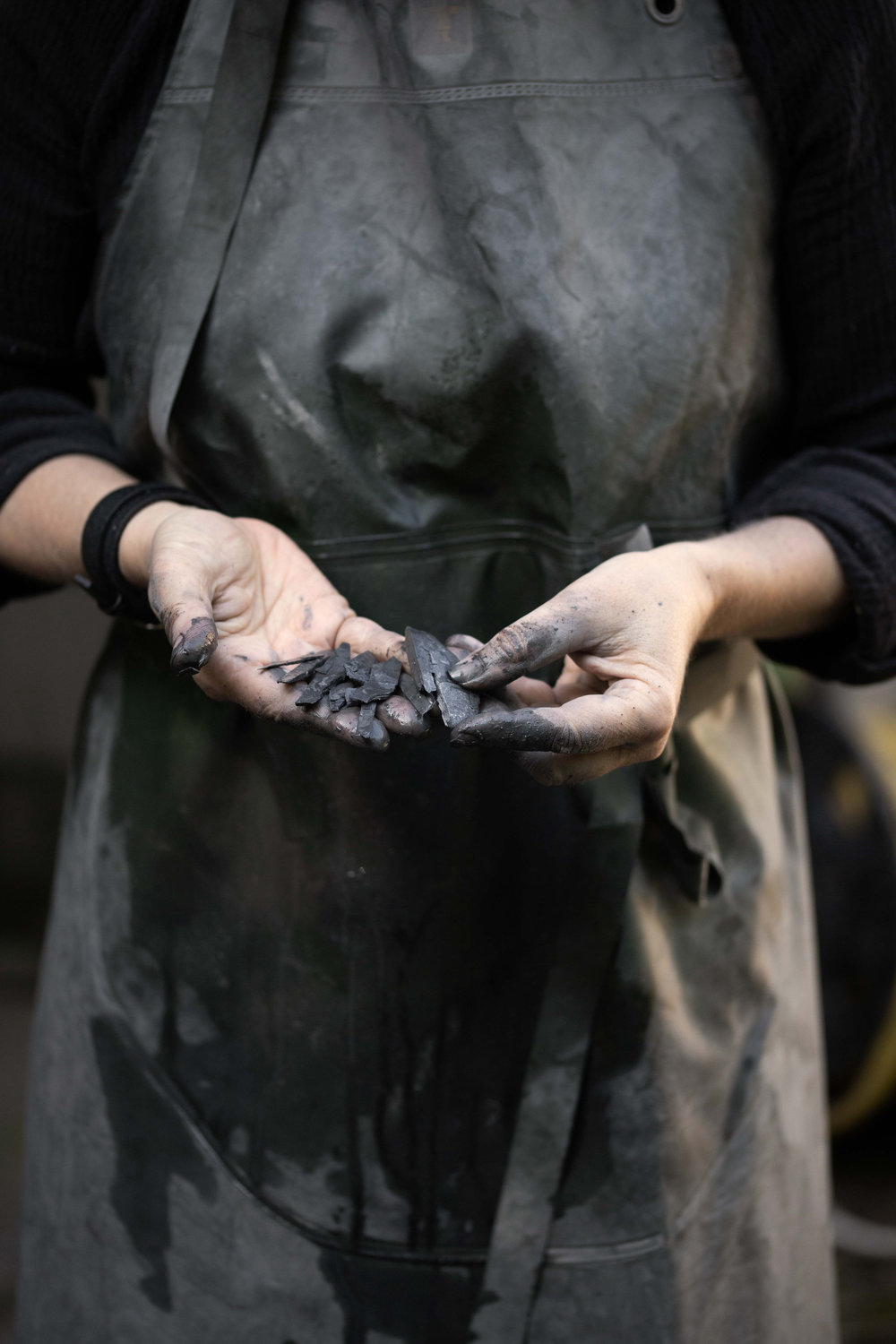
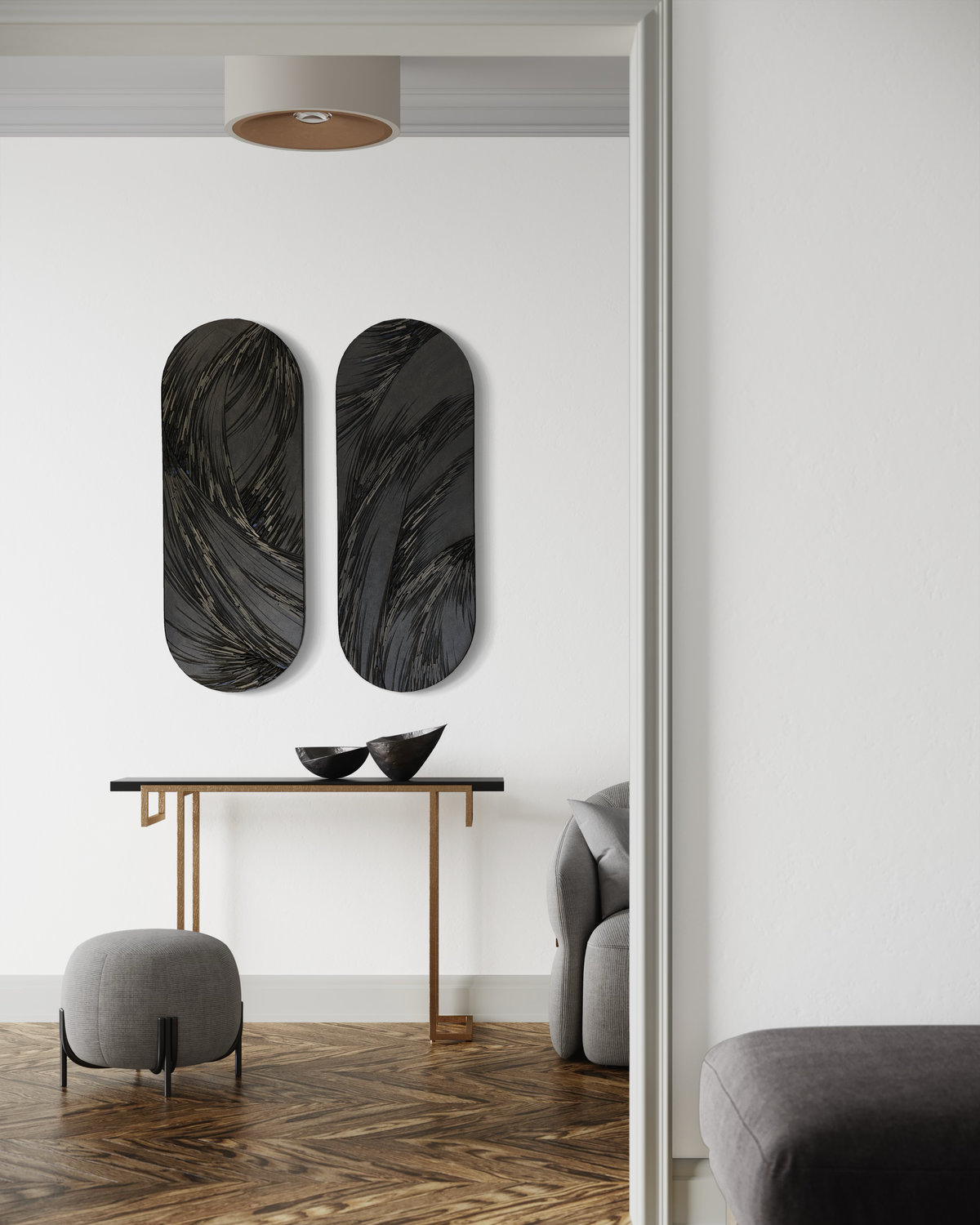
The workshop will begin with an introduction to the materials central to the project: cement, slate, and glass. This initial session will allow participants to become familiar with the materials’ properties, uses, and the creative possibilities they offer.
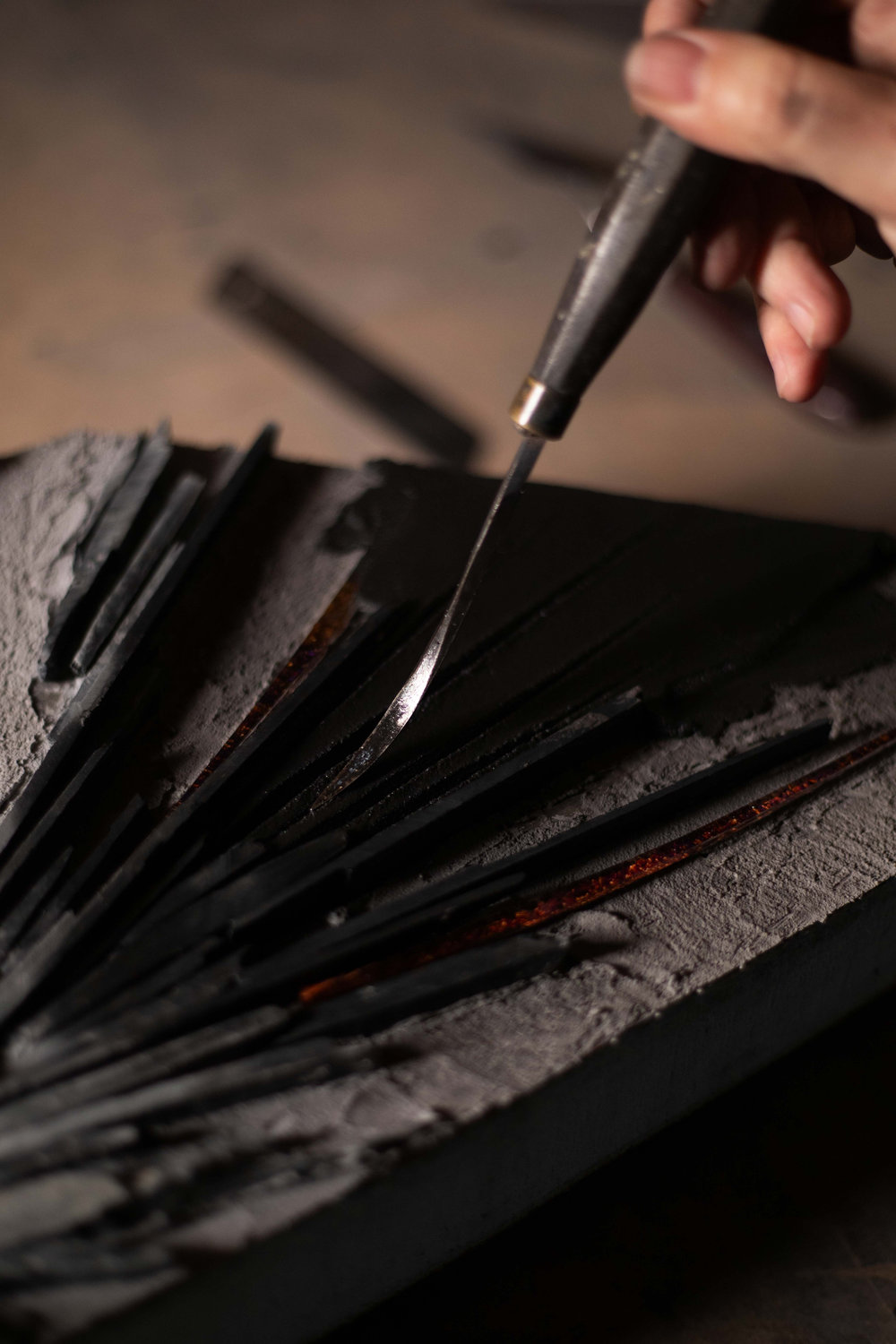
Participants will then be divided into three workshops to gain hands-on experience with the tools and techniques specific to each material. By creating models, each participant will be able to put their initial learnings into practice, experiment with combinations of materials, and explore different creative approaches.
A presentation session will be dedicated to this exploratory work, allowing each participant to share their experience, their experiments, and their approach to the work. This collaborative aspect is an integral part of the training: discussions, diverse perspectives, and the exchange of ideas fuel the group’s dynamic and enrich everyone’s projects.
In the next phase, the course will guide participants in developing a personal creative project. Reflection on graphic composition will help participants define their artistic intent, visual language, and project direction. This stage will be followed by a design phase, during which each participant can structure their approach and organize the various technical stages of production.
The course will also include a cultural outing featuring a visit to the Murano glassblowers’ workshops—a unique opportunity to discover exceptional craftsmanship and broaden one’s perspective on the artistic uses of glass.
Finally, the last few days will be devoted to bringing the projects to completion: finishing touches, adjustments, and showcasing the creations will allow each participant to finalize a personal piece, informed by experimentation, reflection, and collaboration.
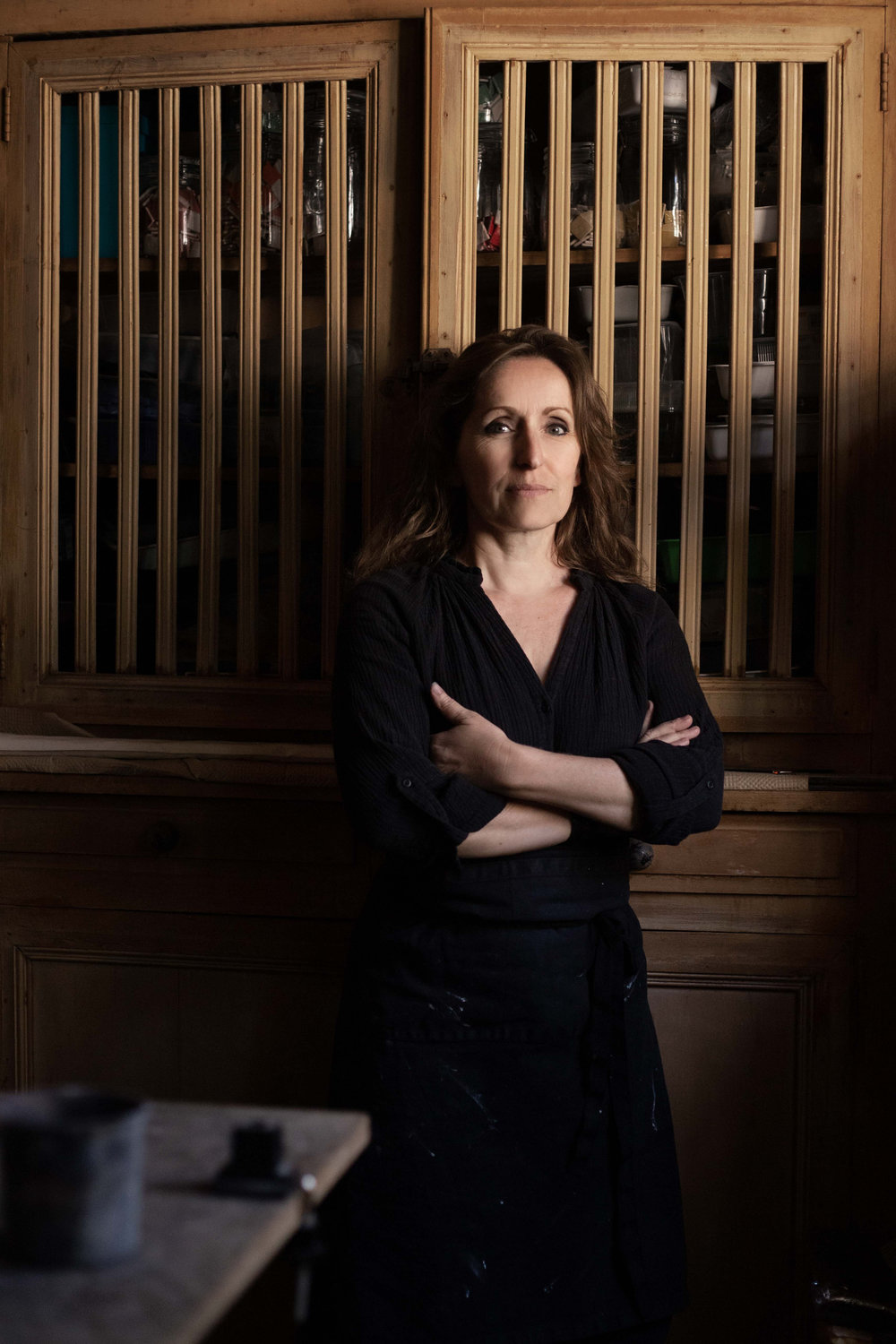
Rozenn Alapetite
For nearly twenty-five years, Rozenn Alapetite has been developing a unique body of work at the intersection of mosaic, sculpture, and materials. Trained in mosaic art after earning a high school diploma in the arts, she took her first steps working on projects to decorate floors and walls before devoting herself to creating art objects and then to her own studio work. Very early on, she embraced this ancient art form to push its boundaries and develop a personal visual language.
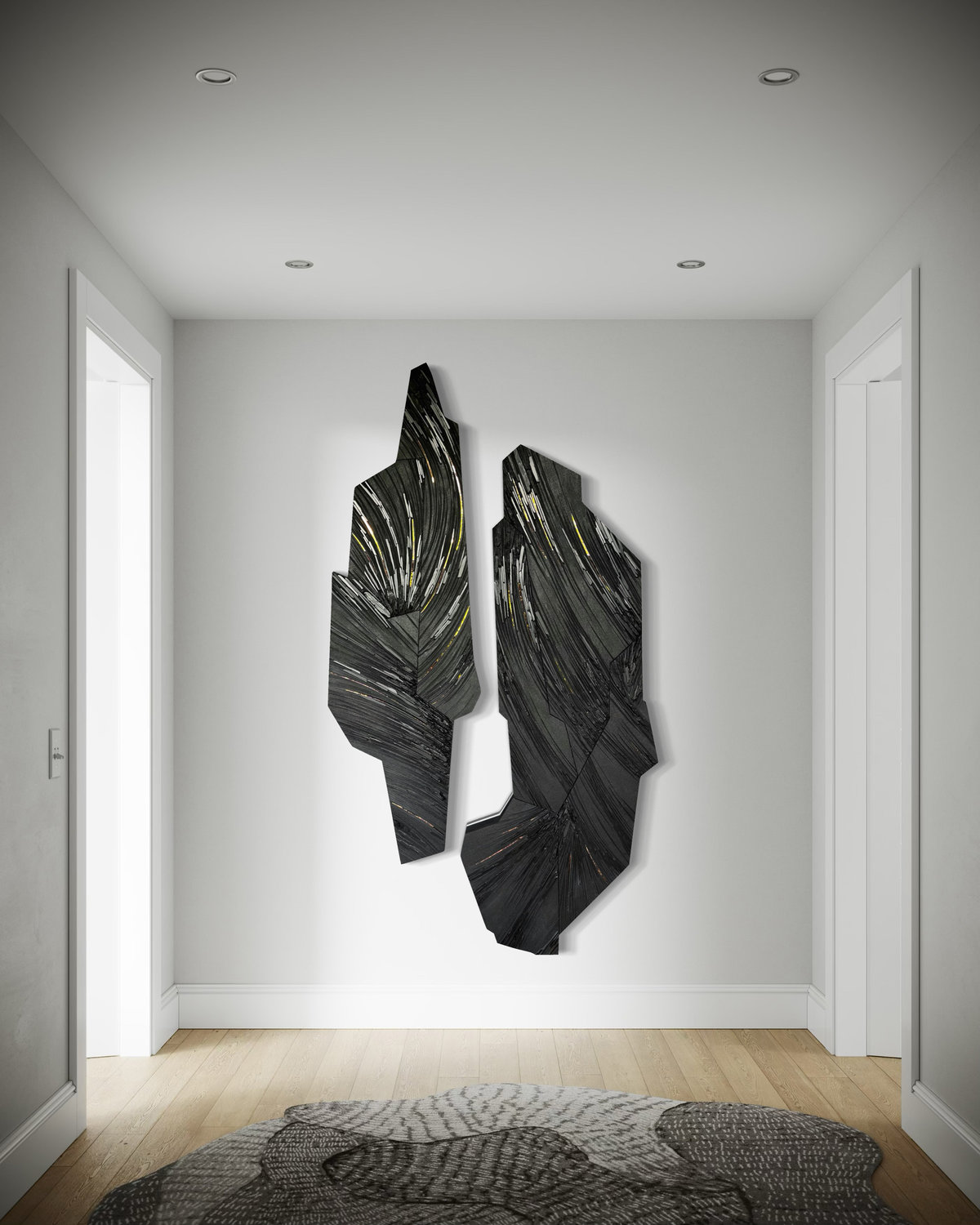
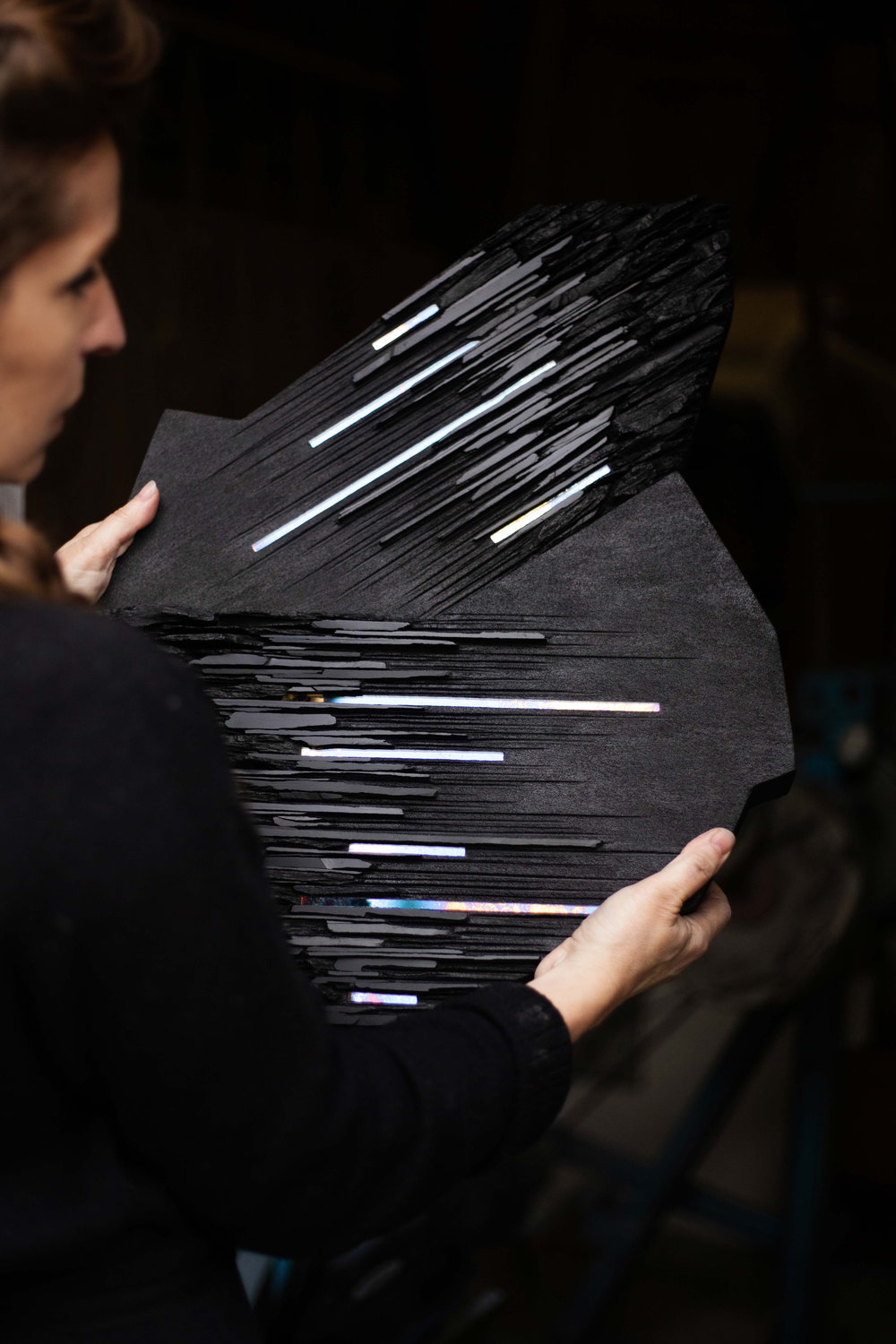
At the heart of her approach, three materials interact: glass, cement, and, more recently, cut slate. Drawing on the tools and techniques of traditional mosaic art, Rozenn Alapetite gradually reverses the proportions: cement, initially a simple finishing material, becomes a central element of the composition, while glass is now used in small touches to catch the light and make the surface shimmer. Her works emerge from this tension between matte and glossy, between the mineral roughness of the cement and the brilliance of the glass.
In her studio, paintings, sculptures, and wall compositions take shape through a patient process of assembly, carving, layering, and inlaying. Each piece explores the possibilities of relief, texture, and light. The eye never rests on a single spot: as the viewer moves, the surface comes alive, reflections shift, and contrasts change. A subtle vibration then courses through the work, as if the material were responding to the viewer’s presence.
In recent years, slate has enriched this artistic universe. This material, also linked to the history of mosaic art, lends her latest collections a more earthy dimension. Rozenn Alapetite evokes the slow and powerful movements of tectonic plates, emphasized by the use of a black oxide pigment that accentuates the effects of rock, faults, and displacement.
Exhibited in numerous art fairs and galleries, the artist also shares her expertise through workshops offered at schools of applied arts. Her work thus follows a dual trajectory: that of constantly evolving artistic exploration, and that of a commitment to materials, their memory, and their power to transform through light.
Training 100% financeable by AFDAS, or partially covered by AGEFICE.
AFDAS can fully fund training courses conducted outside of France, under certain conditions.
This program is for affiliated or registered artists and authors, as well as performing arts professionals working on a freelance basis.
If you are eligible, we encourage you to contact our sales department beforehand via the "Information Request" form to prepare your application, or to register directly through the page of your chosen training course.

sola di San Servolo,1
Venice, Italy 30124
General Inquiries:
T: +39 344 7702 589
contact@campusmana.com