This five-day workshop is designed to help participants master the technical and creative fundamentals of ceramics while learning to design a small, cohesive collection of pieces.
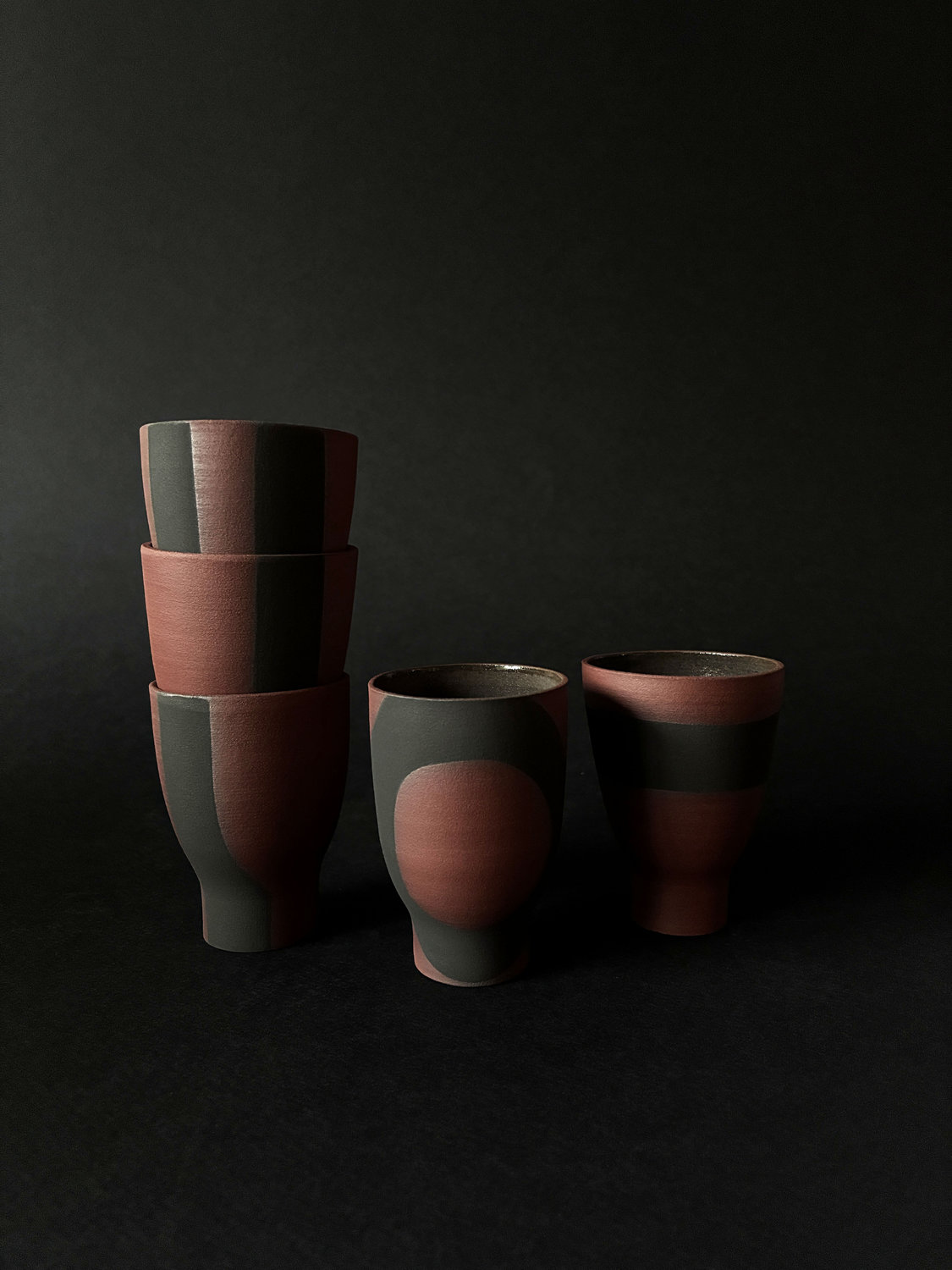
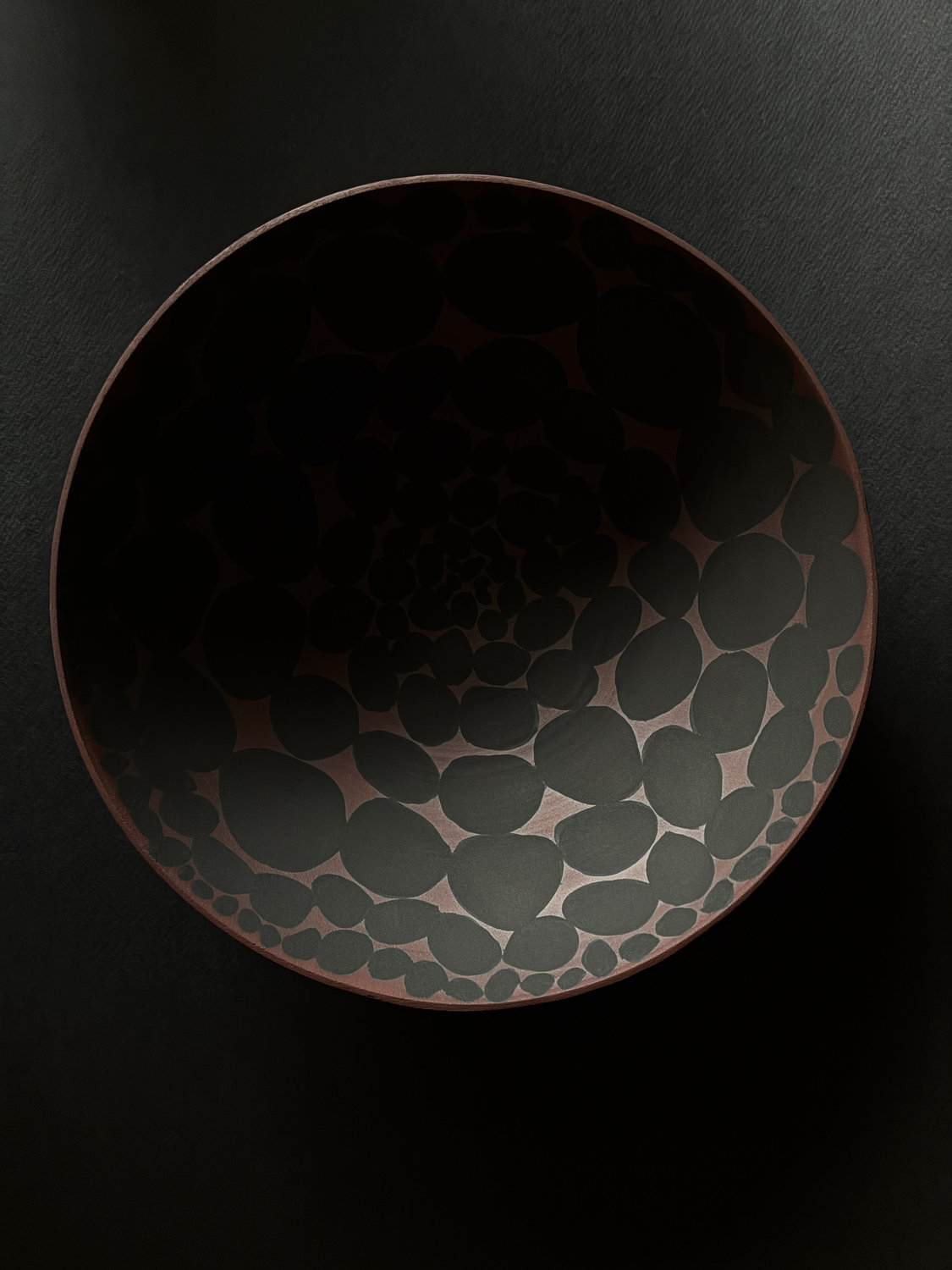
Participants will learn to use the potter’s wheel by adopting the proper movements and postures, as well as how to create simple forms such as cups, bowls, plates, salad bowls, and vases…
The course will also cover slab building using a slab roller and slip-joining techniques. An introduction to engobe decoration techniques and their application will round out the training, along with graphic research through ink drawing to develop a personal visual style.
Finally, participants will explore the various stages of creating a ceramic piece, through to loading and firing the kiln, as part of a process to create a cohesive and accomplished artisanal collection. Through this course, Charlotte Sauvat invites participants to discover a sensitive and contemporary approach to ceramics, where form, gesture, and decoration interact to give rise to coherent, unique, and vibrant objects.
By the end of the course, participants will be able to:
Note: Not all items can be baked on site.
Designed as a comprehensive introductory course, this five-day workshop combines technical training, creative experimentation, and the development of a personal artistic vision. It offers the opportunity to explore the entire ceramic production process, from working with clay to firing the pieces, while guiding participants in the creation of their first cohesive and distinctive collection.
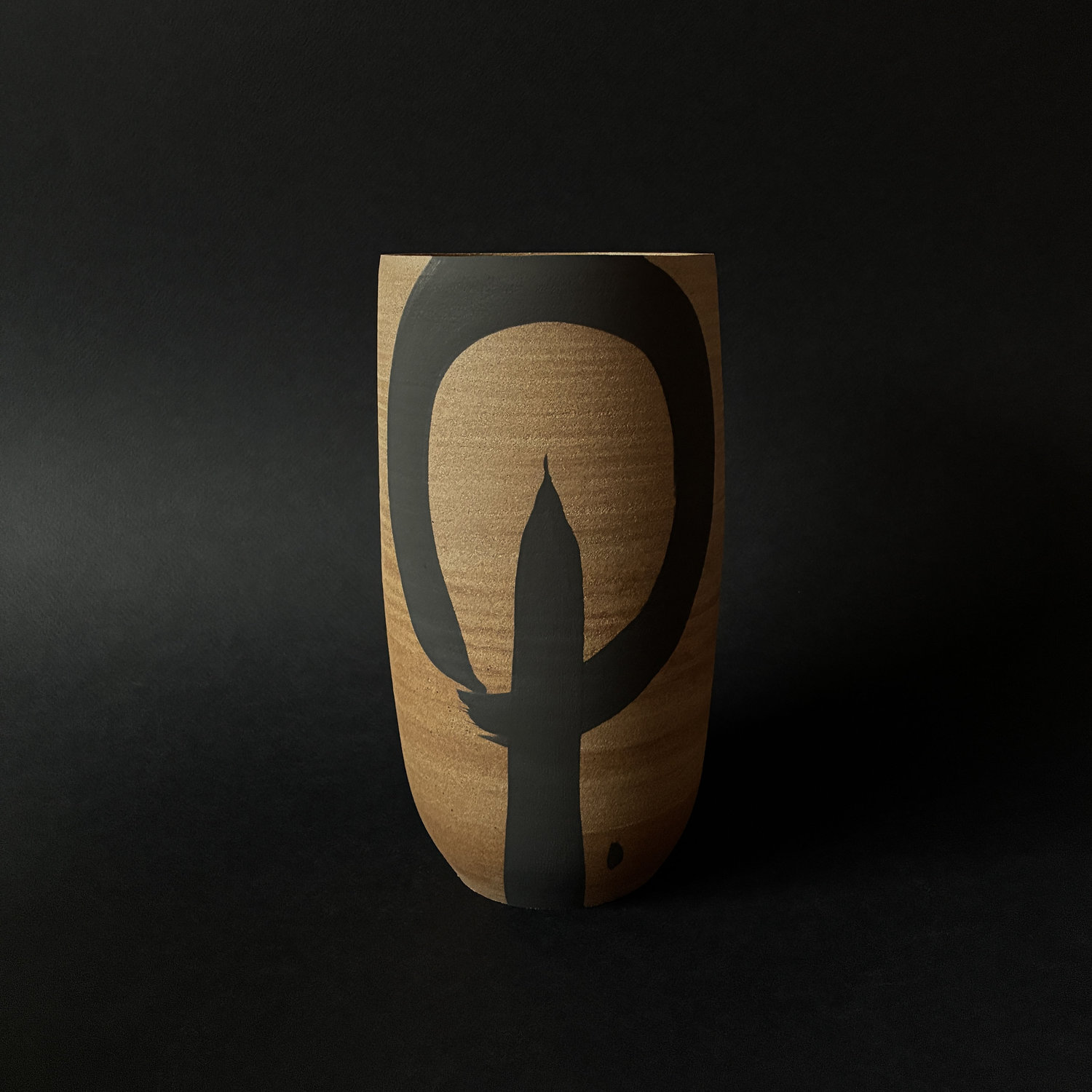
Working on the potter’s wheel is a central focus of the course. By mastering the fundamental techniques, proper body positioning, and methods specific to wheel-throwing, participants will learn to center the clay, build simple forms, and perform wheel-throwing operations. Cups, bowls, plates, salad bowls, and vases will serve as vehicles for the gradual acquisition of technical skills.
Slab building will enrich this practice through the use of a slab roller and slip-joining techniques. This approach will allow participants to explore other construction methods, develop new volumes, and expand formal possibilities within a single collection.
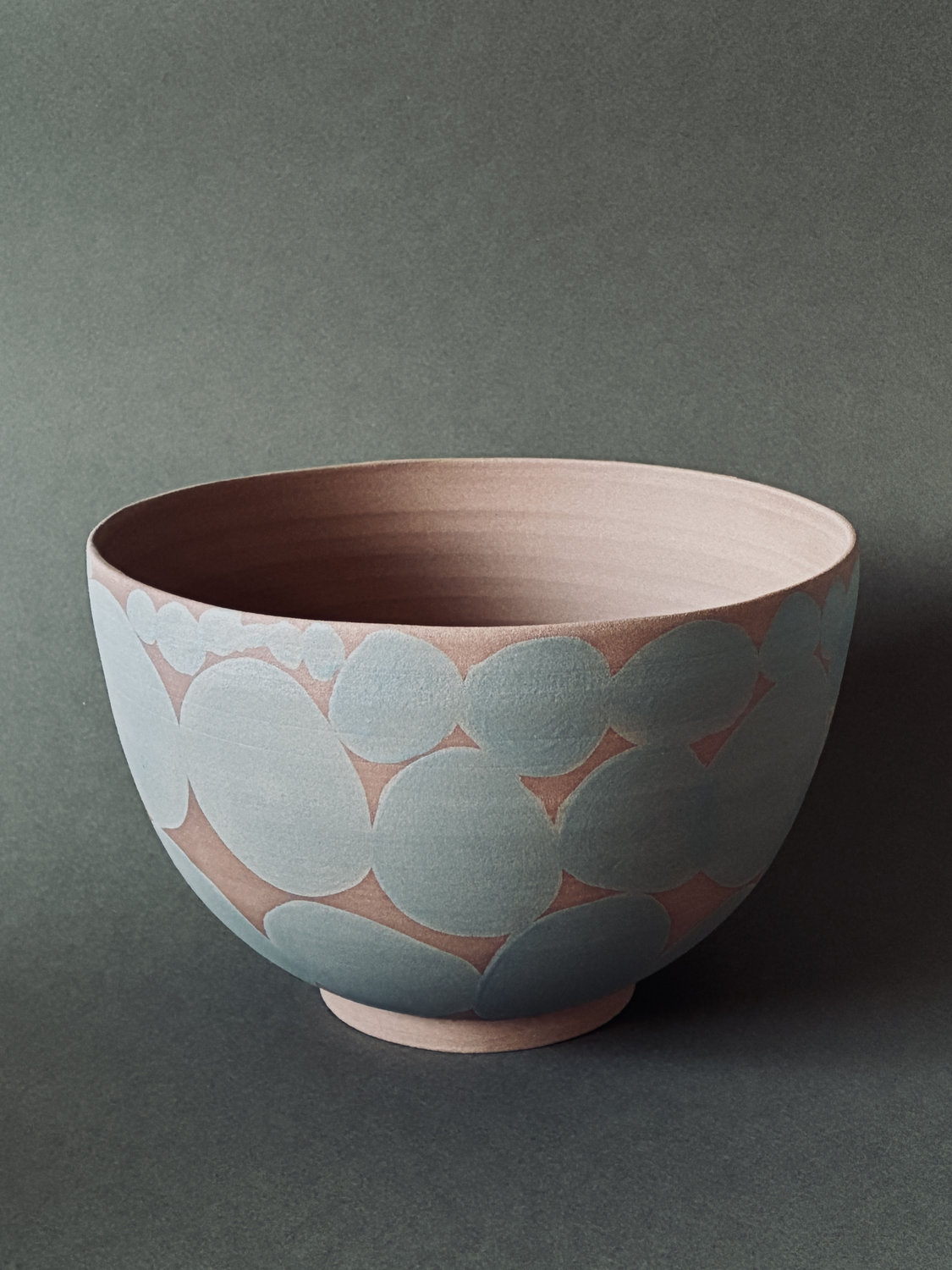
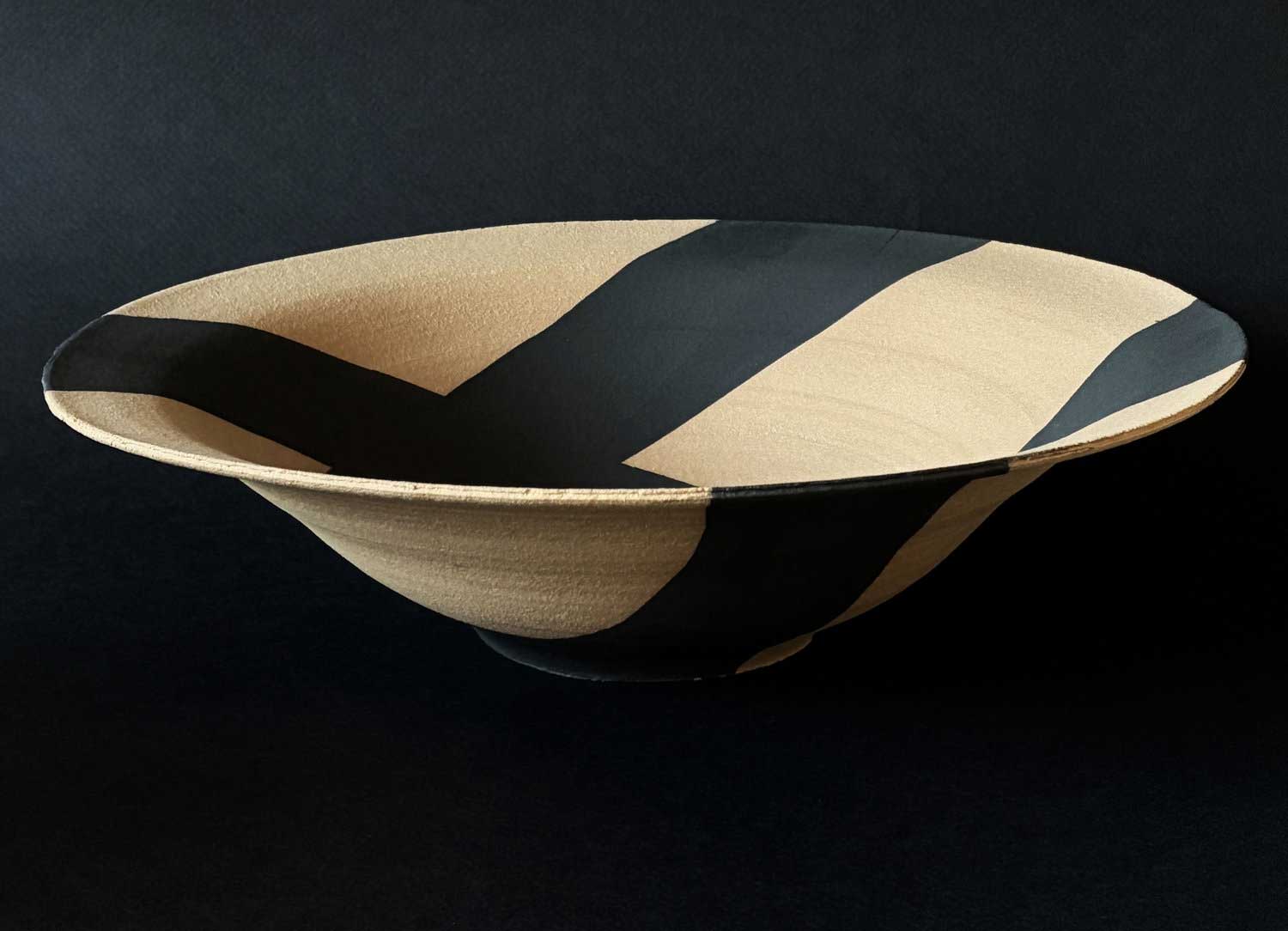
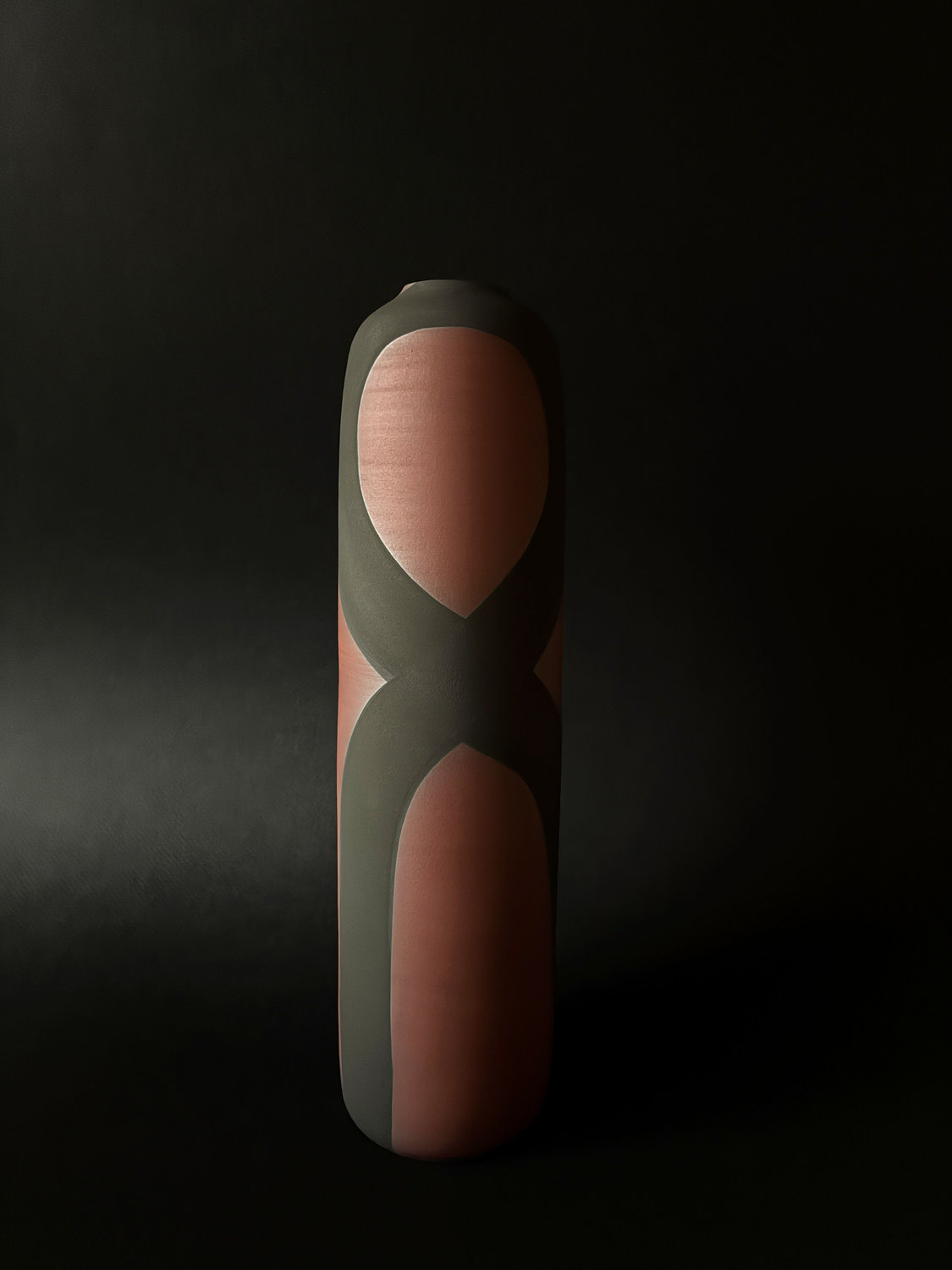
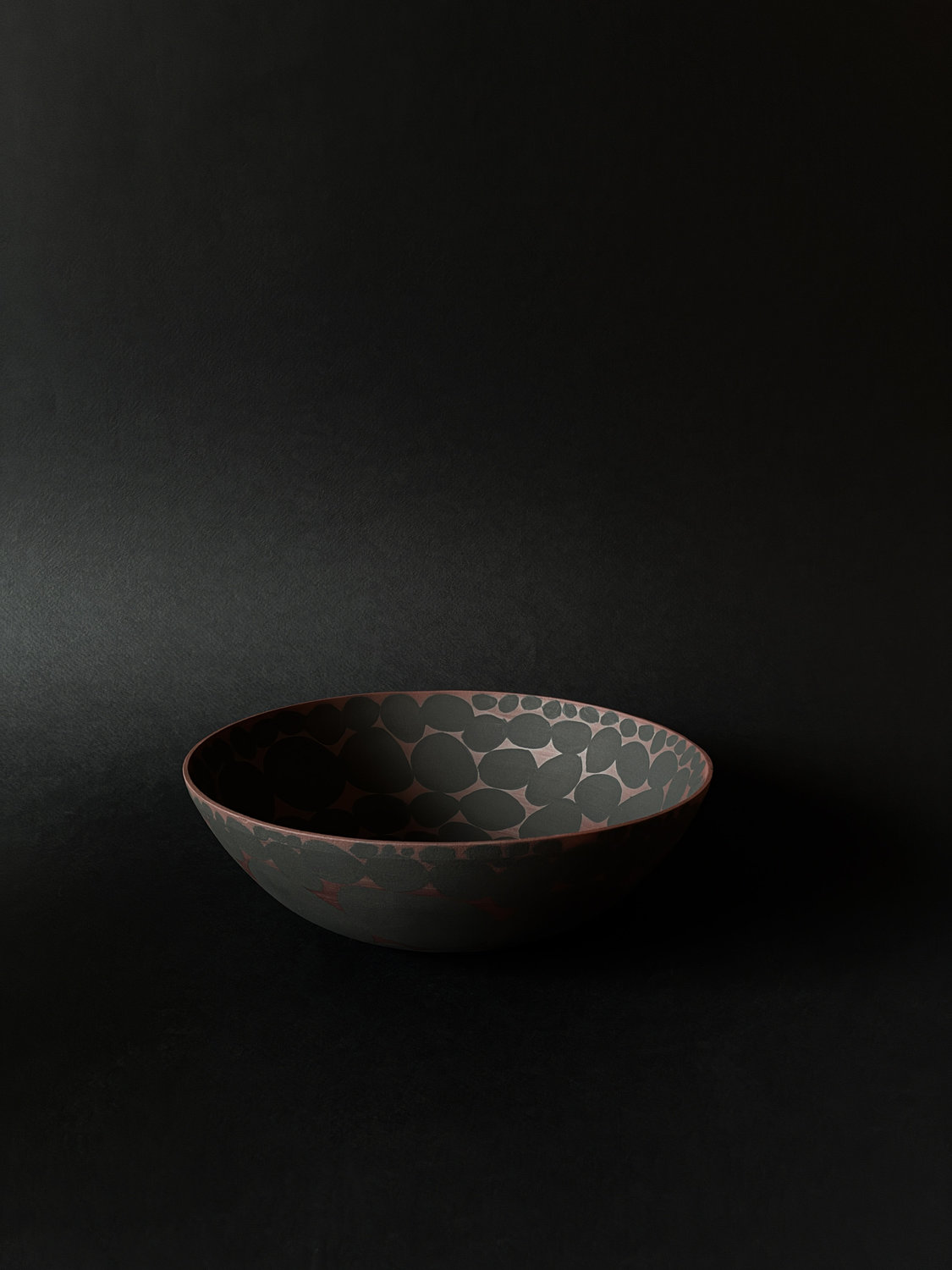
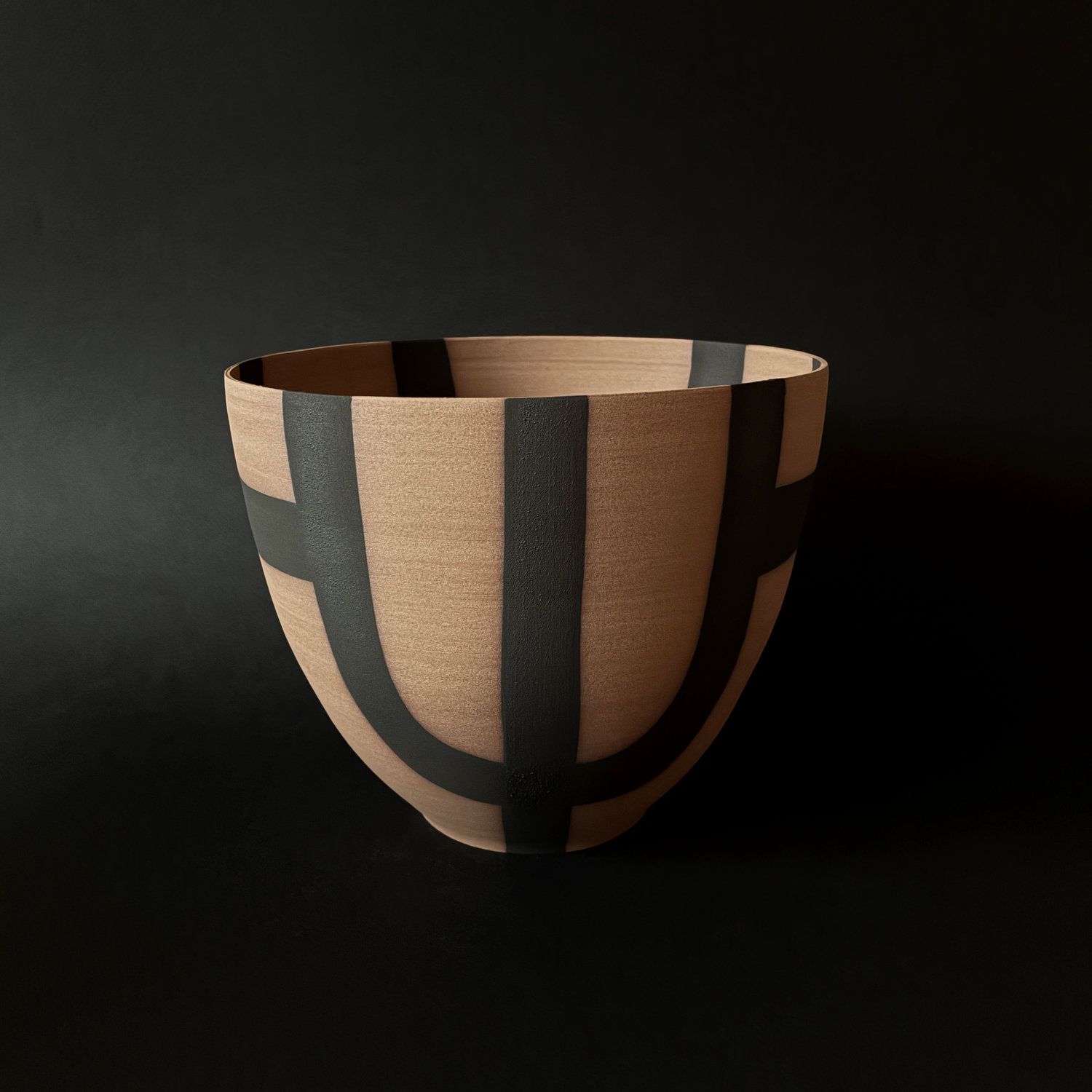
Significant emphasis will be placed on graphic and decorative research. Through ink drawing, each participant will be invited to develop a personal visual vocabulary and experiment with different creative avenues. These explorations will then be translated onto clay through the discovery of engobe decoration techniques: color preparation, application, layering of patterns, interplay of materials, and surface effects.
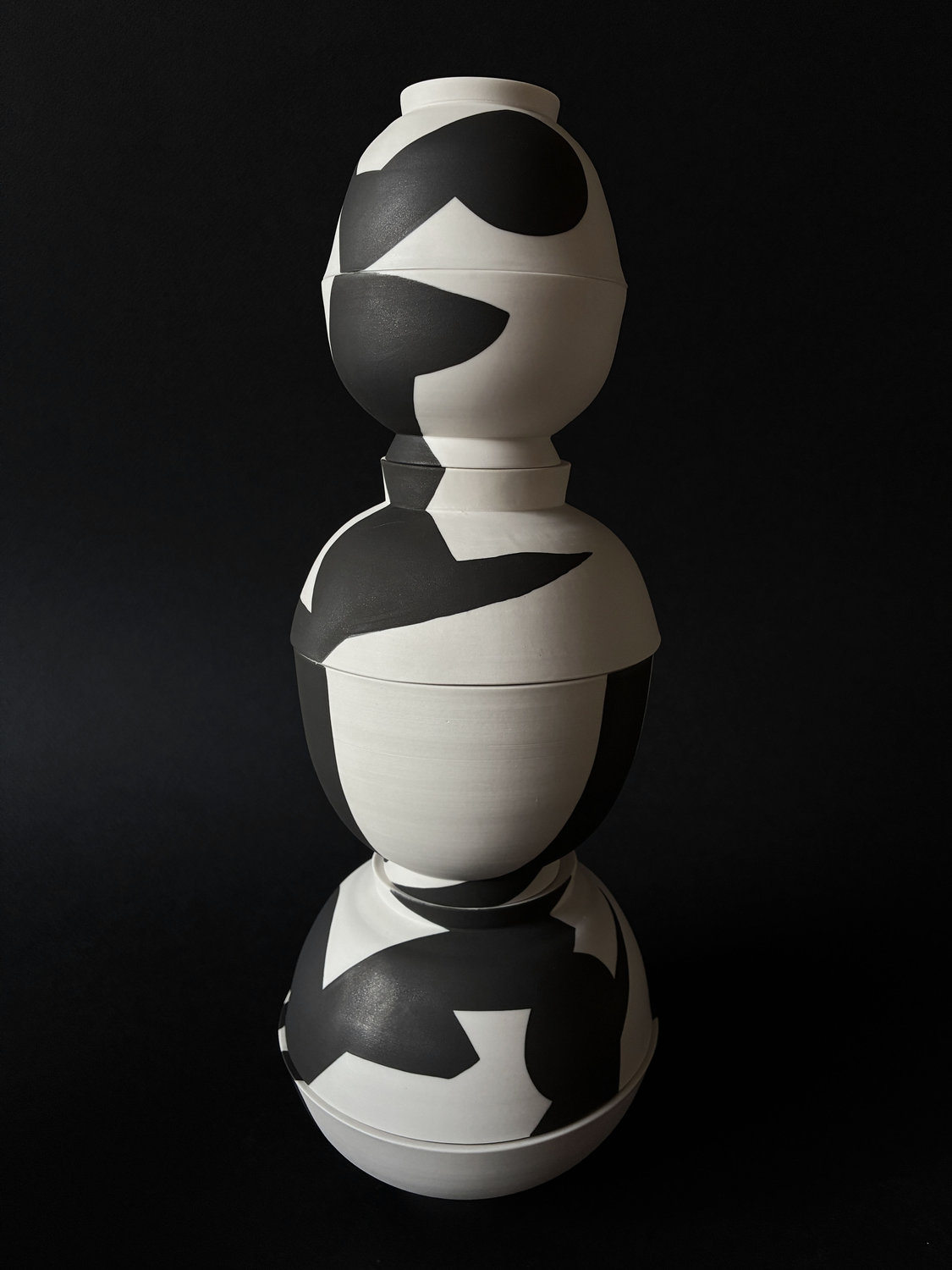
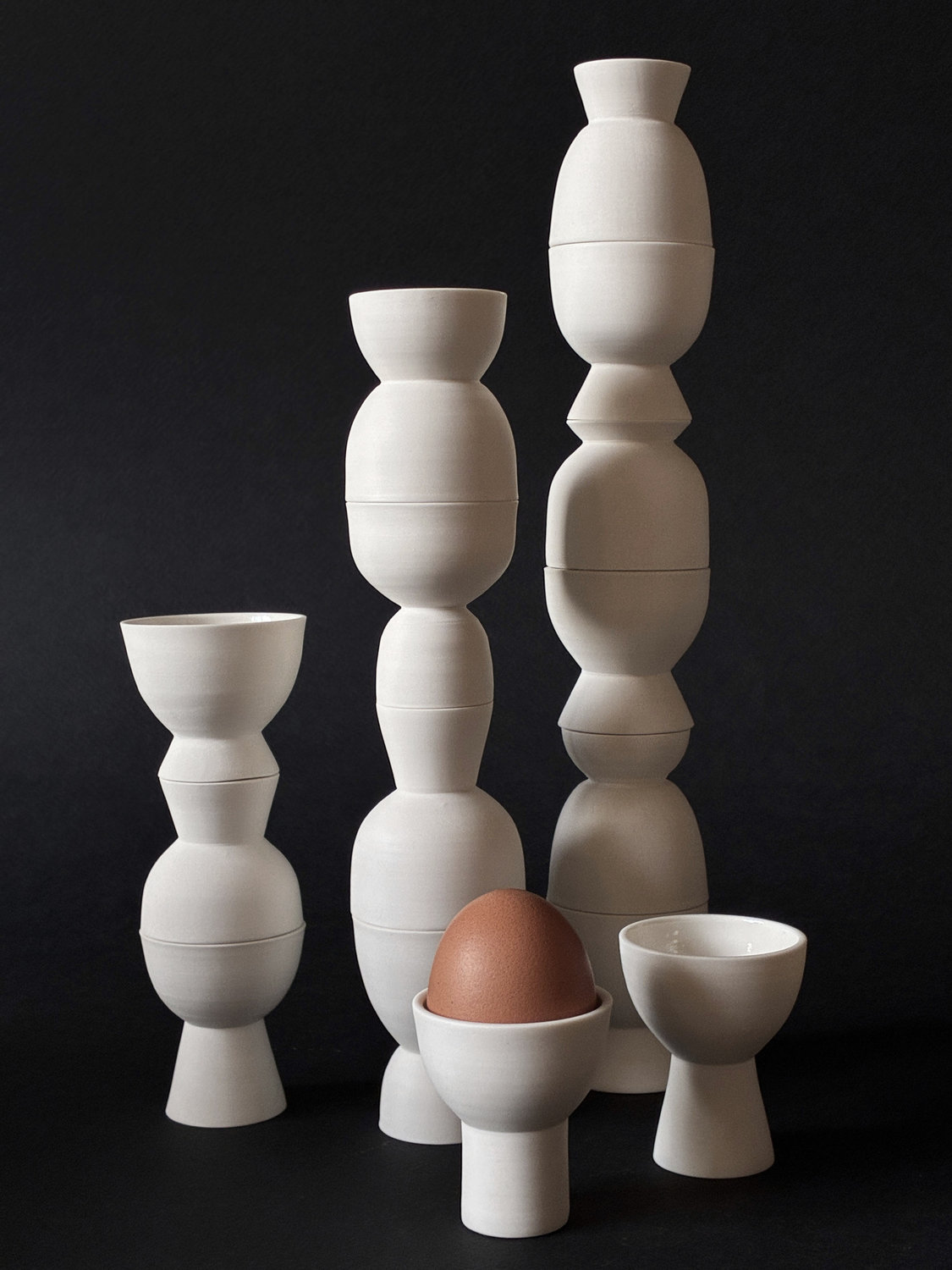
All works will be part of a reflection on the concept of a collection: coherence of forms, harmony of decorations, dialogue between pieces, and the assertion of an aesthetic identity. This approach will allow for the integration of artisanal know-how and creative expression in the development of a personal project.
The various stages of finishing and firing will also be covered: drying, preparation of the pieces, application of engobes, loading the kiln, and the fundamental principles of ceramic firing.
By the end of the workshop, participants will have acquired the technical foundations necessary to create simple ceramic pieces, as well as the methodological tools to develop a first coherent, personalized, and accomplished artisanal collection.
Afternoon
Morning and afternoon
Morning
Afternoon
Morning and afternoon
Morning
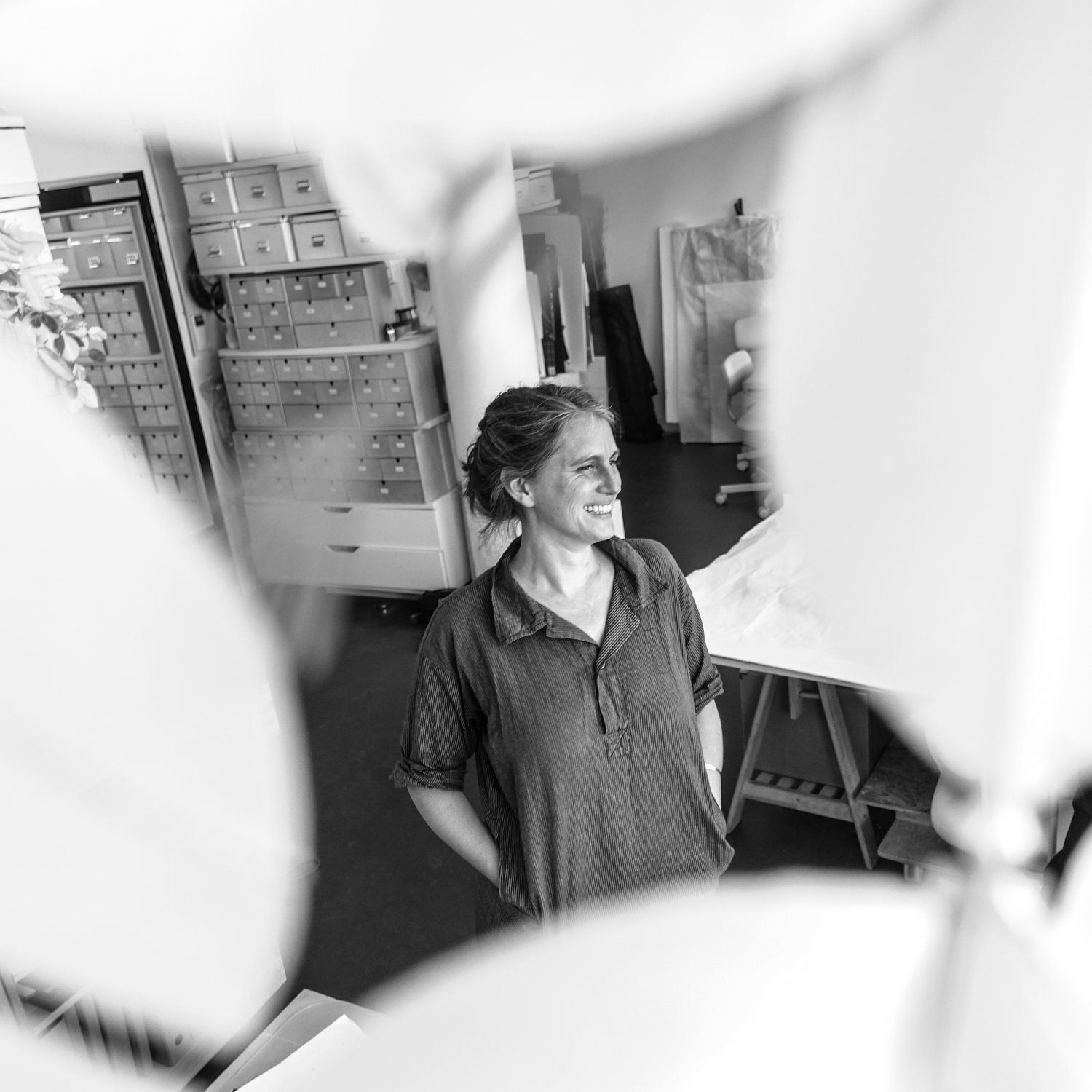
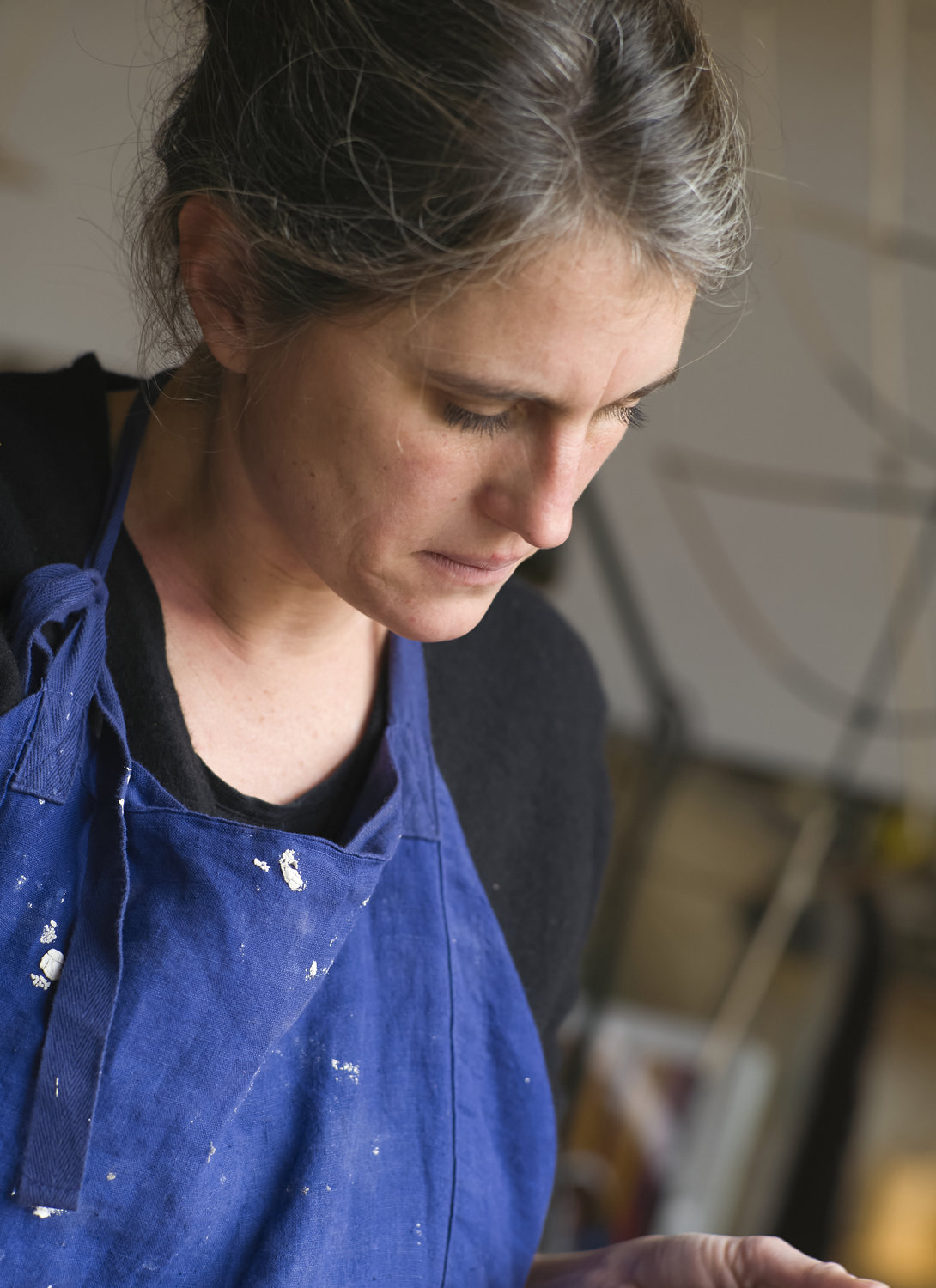
An accessory designer for over twenty-three years, Charlotte Sauvat has built her career within the demanding world of fashion and luxury. A graduate of ENSAAMA in Paris, she has collaborated with several renowned fashion houses, including Lanvin, Balmain, and Isabel Marant, developing expertise in design, materials, and volume.
Several years ago, ceramics emerged as a natural extension of her creative process. As a self-taught artist, she gradually turned to wheel-throwing and engobe decoration, exploring a visual language rooted in the simplicity of forms, the rhythm of lines, and the pursuit of balance.
At the heart of her work, the relationship between gesture and volume occupies a central place. The decoration does not simply adorn the object after the fact: it emerges from its very construction, follows its curves, and plays a full part in how it is perceived. The engobe lines emphasize the movements of the form, revealing its tensions or subtly altering its perception.
Based in her studio in Burgundy, Charlotte Sauvat primarily creates functional pieces in Puisaye stoneware and porcelain, reflecting her taste for clean lines and her focus on everyday use.
For the past five years, she has also been sharing her expertise with students and professionals through courses and workshops offered at various design schools. Her teaching approach emphasizes observation, experimentation, and an understanding of volume, while encouraging the development of a personal artistic voice.
Training 100% financeable by AFDAS, or partially covered by other operators such as FAFCEA, AGEFICE, FIFPL, OPCO EP etc.
Accommodation and meals included
If you are concerned, we invite you to contact our sales department in advance via "Request for information" in order to prepare your file, or to register directly via the page of the chosen training course.

89350 Champignelles
T: +33 (0)3 86 45 23 42
contact@campusmana.com