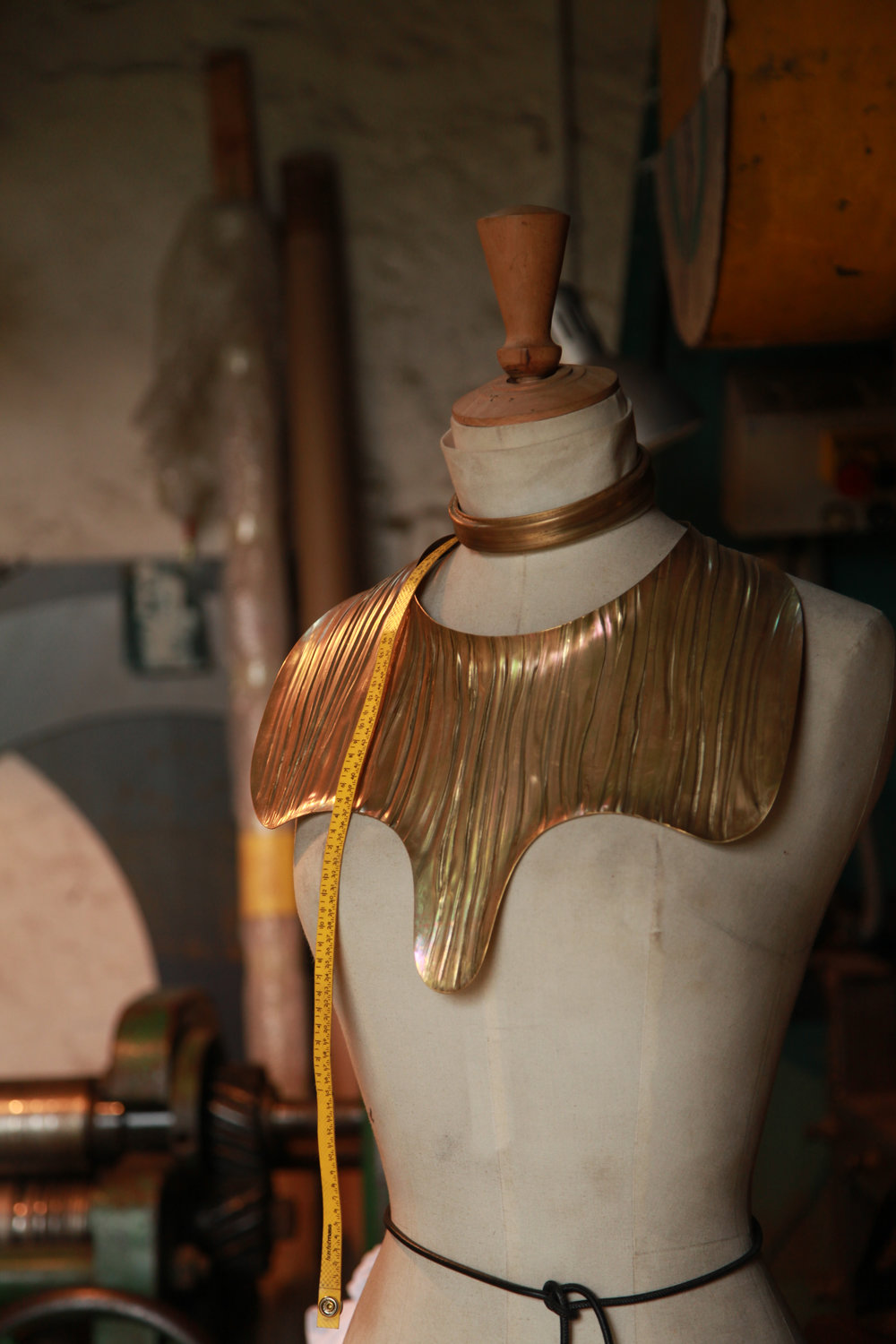
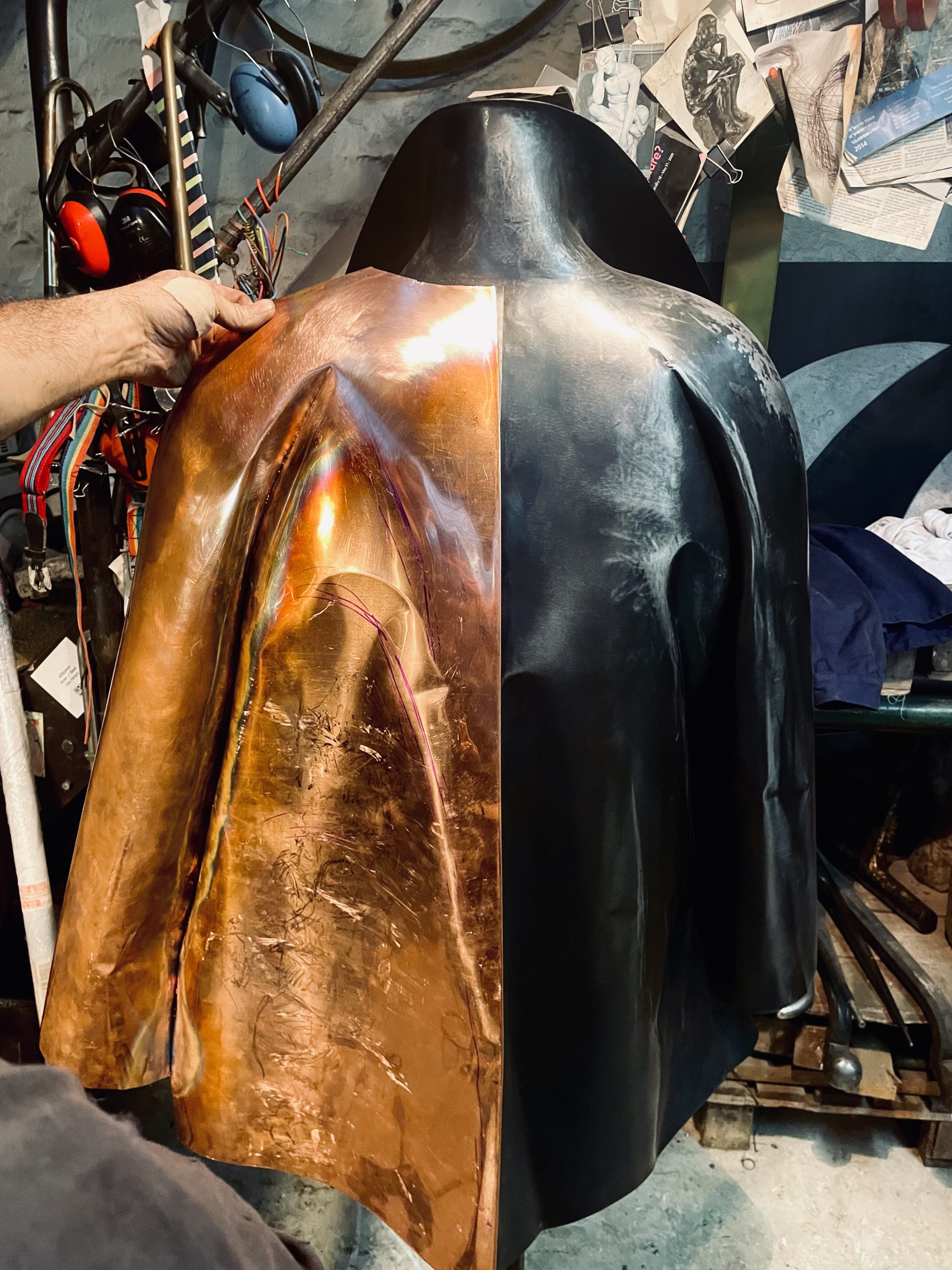
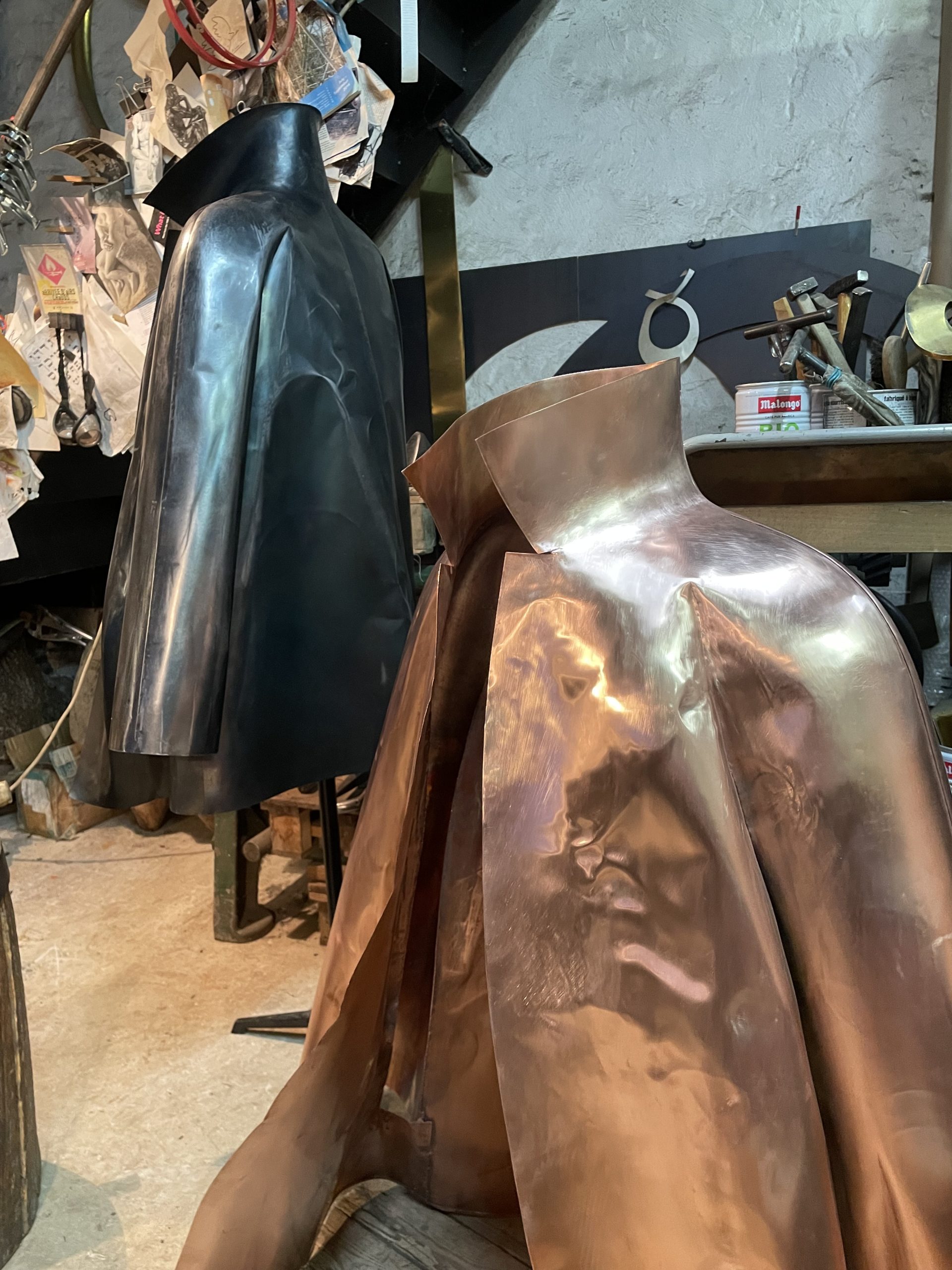
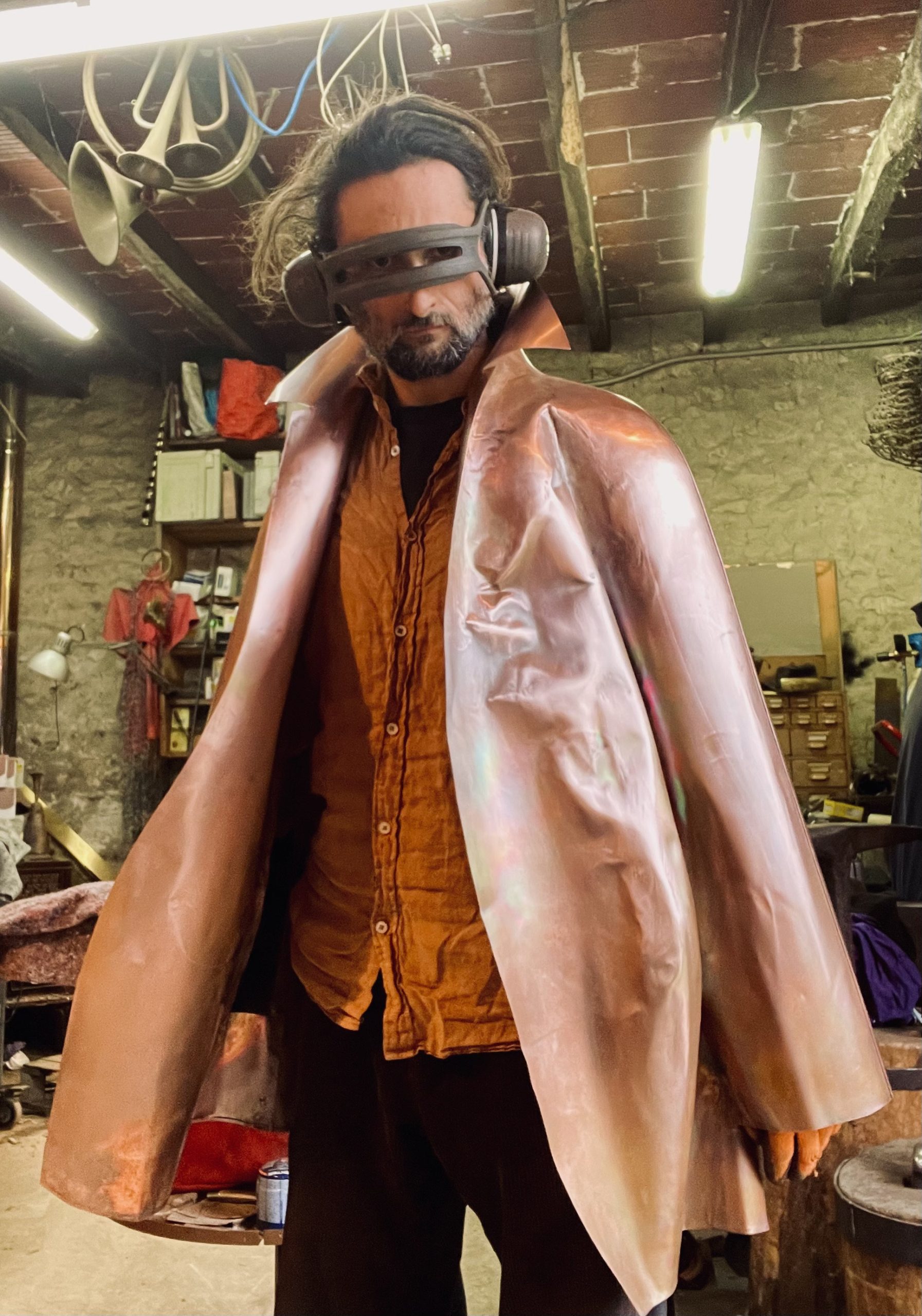
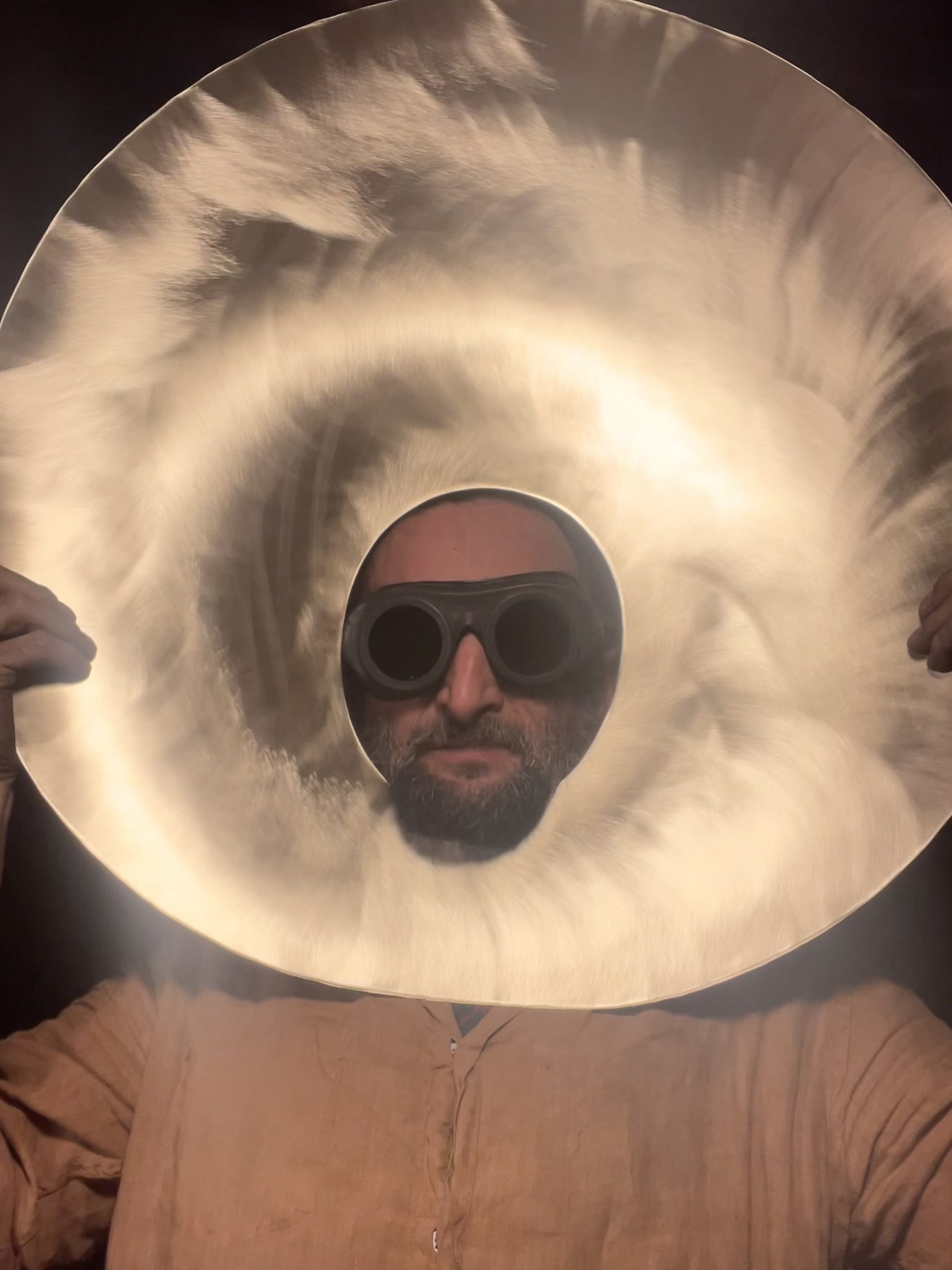
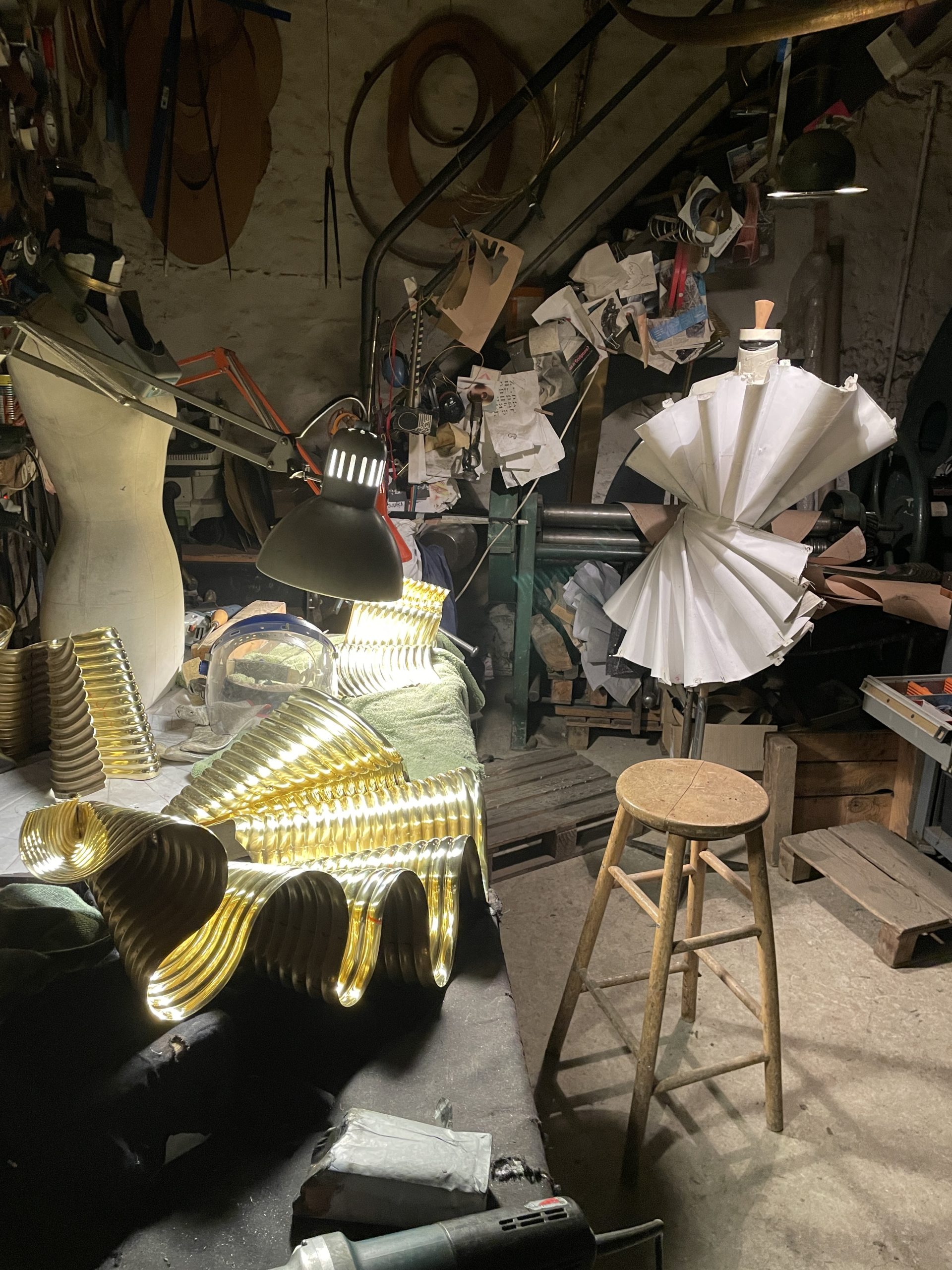
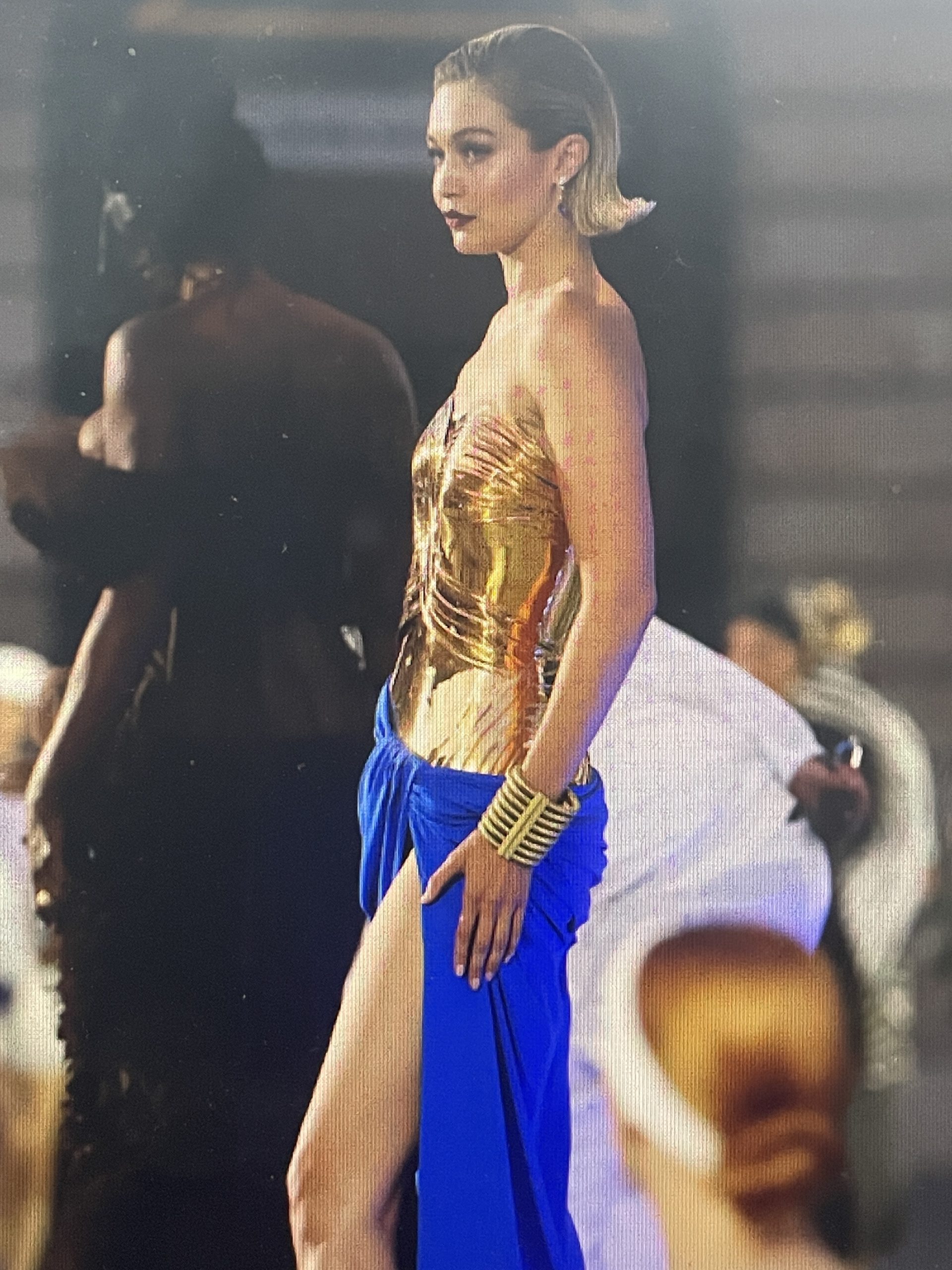
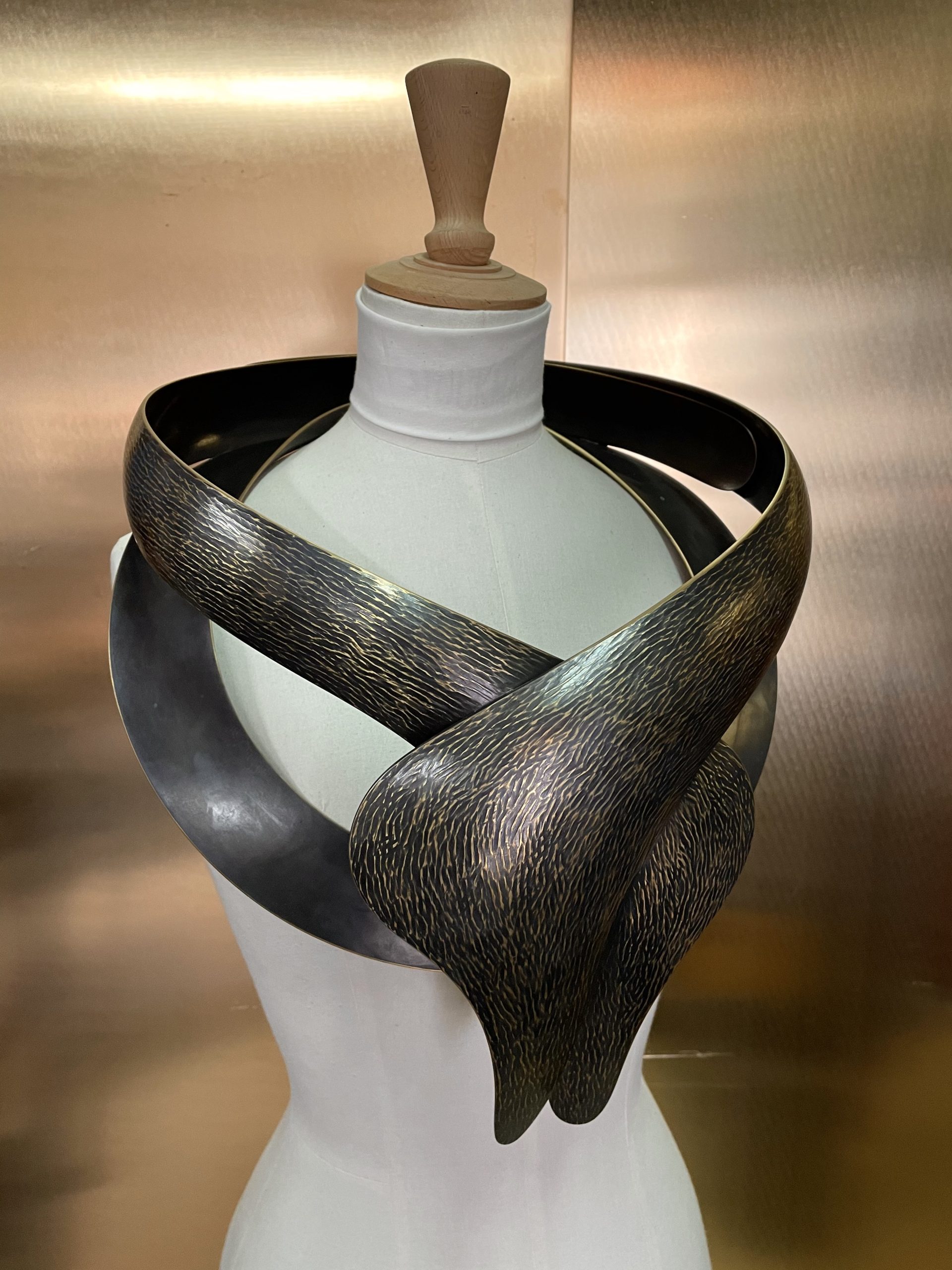
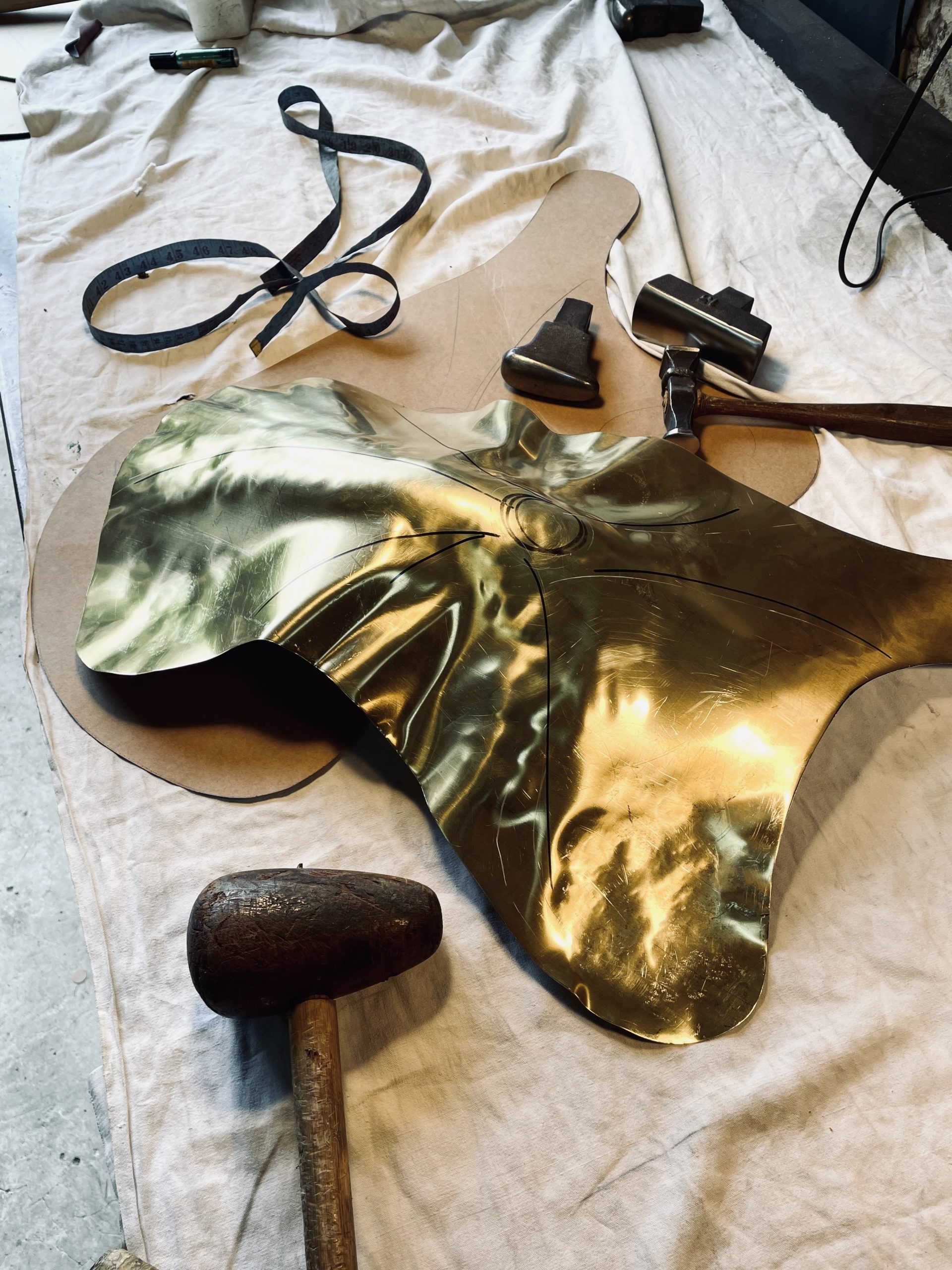
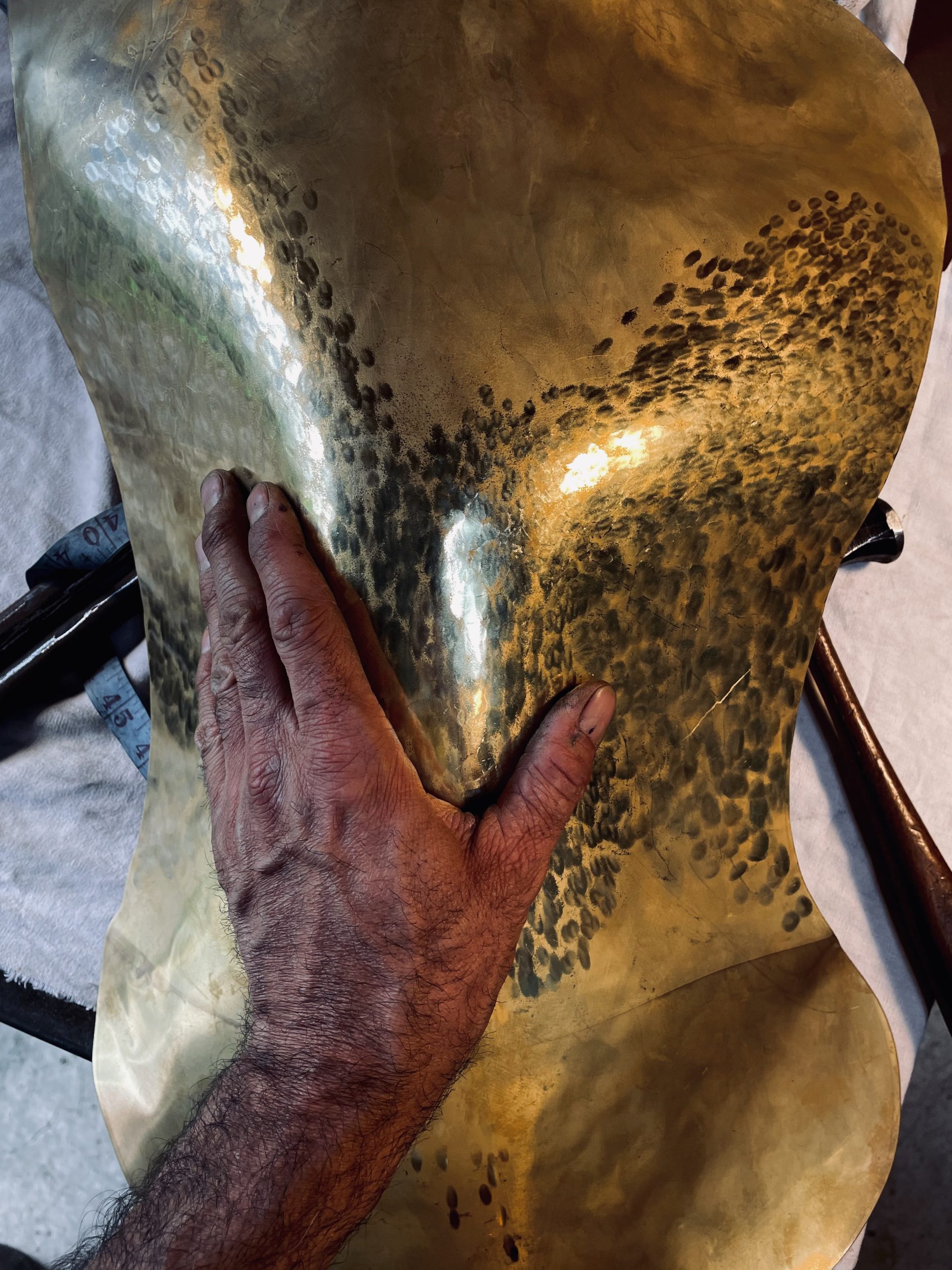
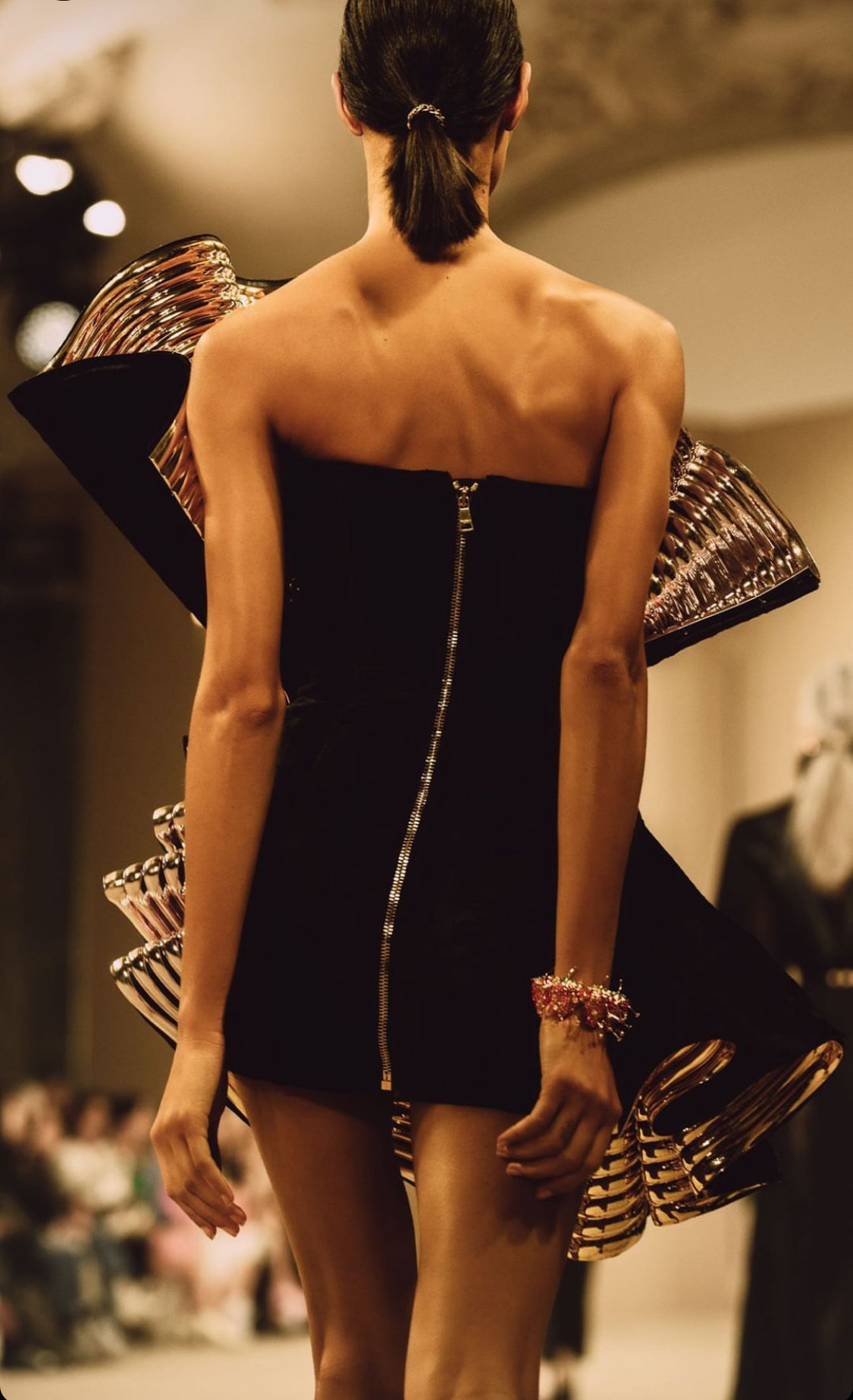
Immerse yourself in the delicate, sculptural world of copperwork applied to fashion accessories.
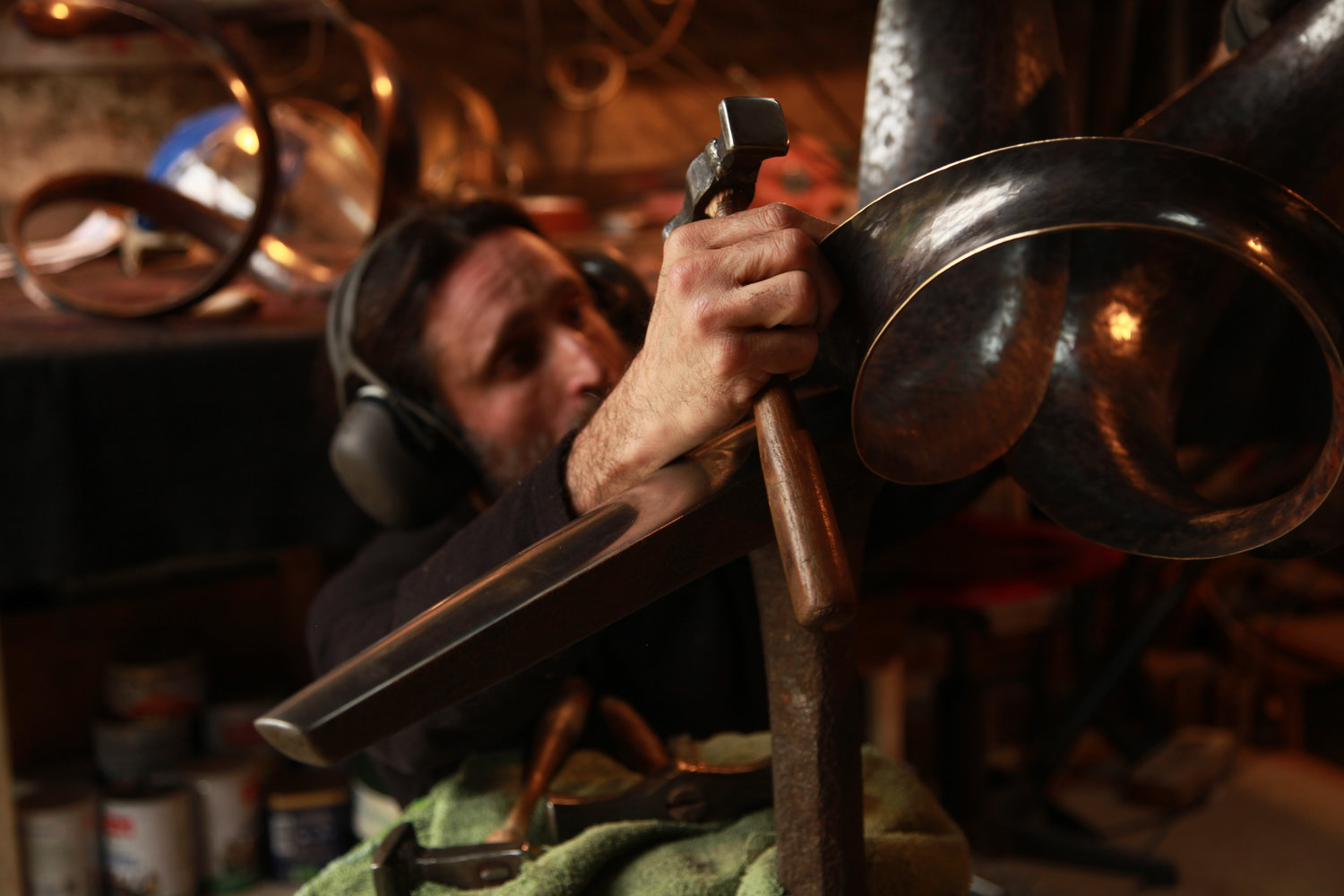
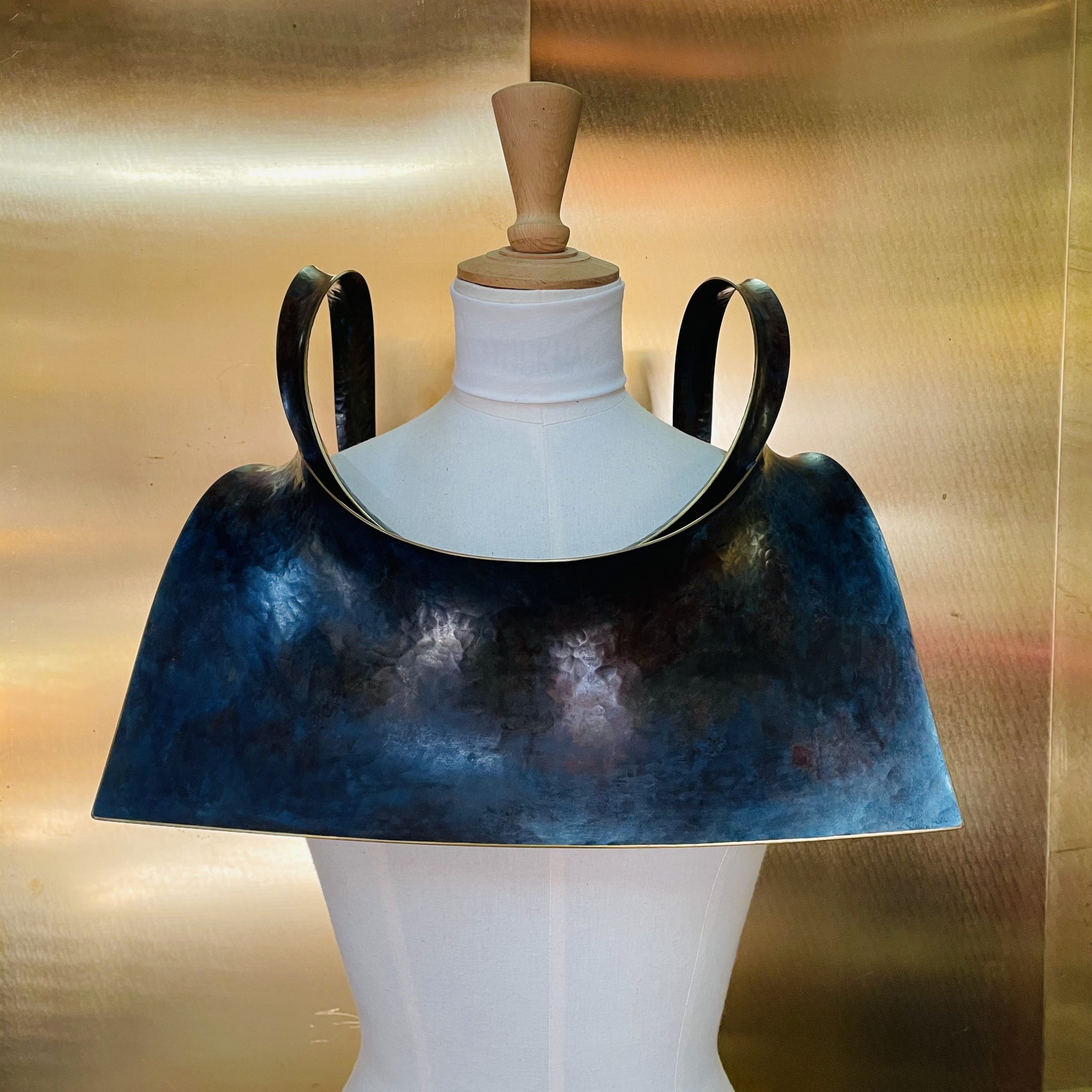
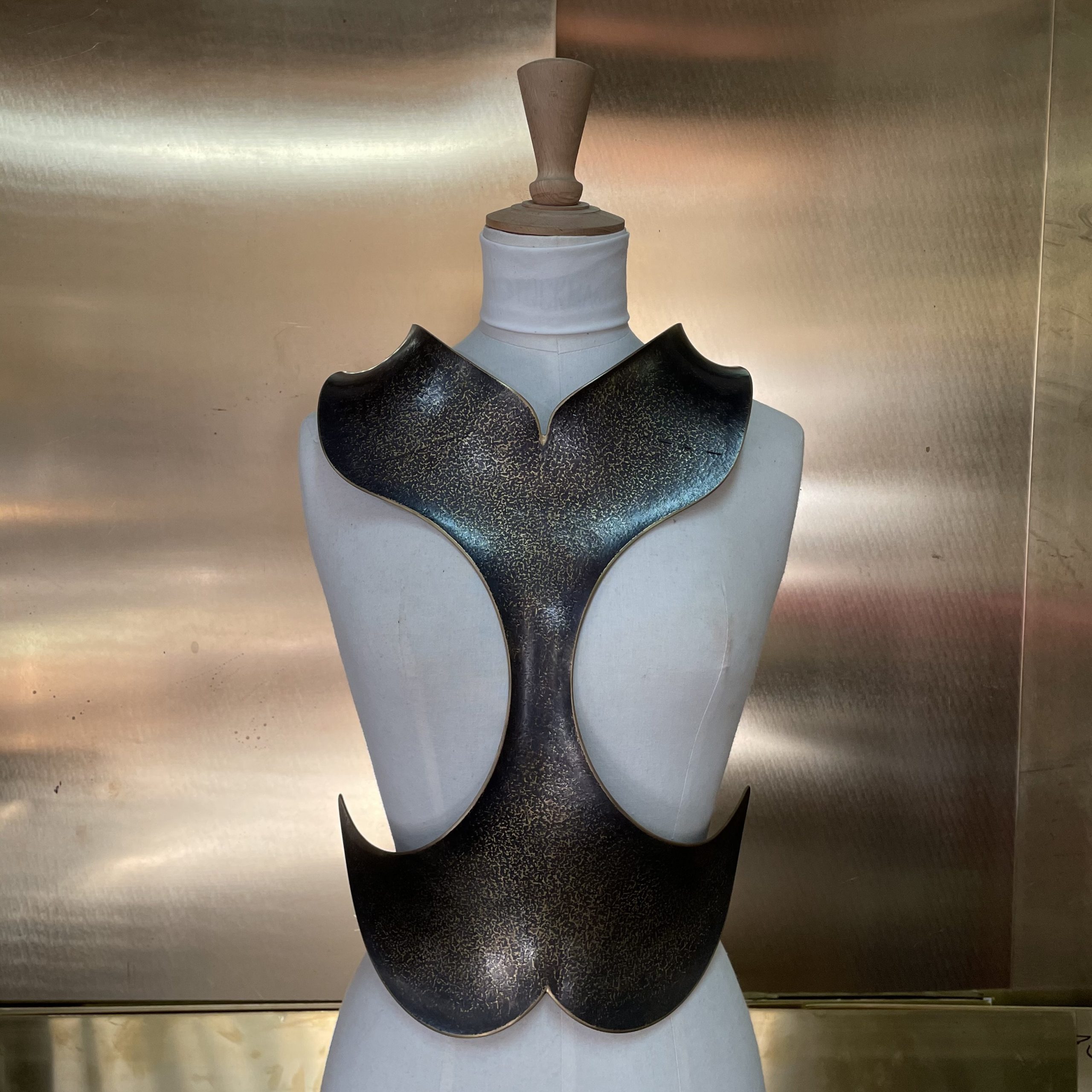
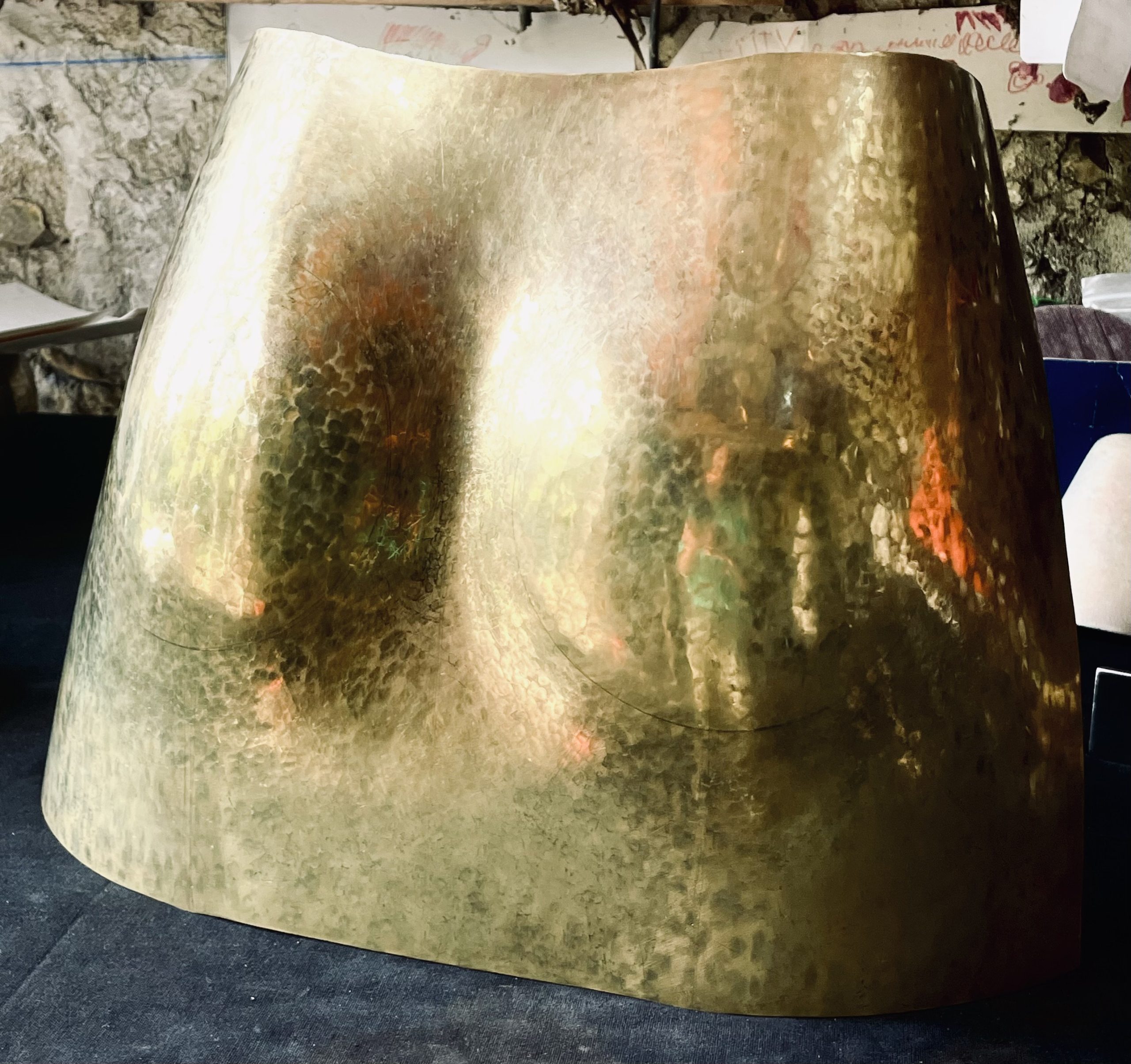
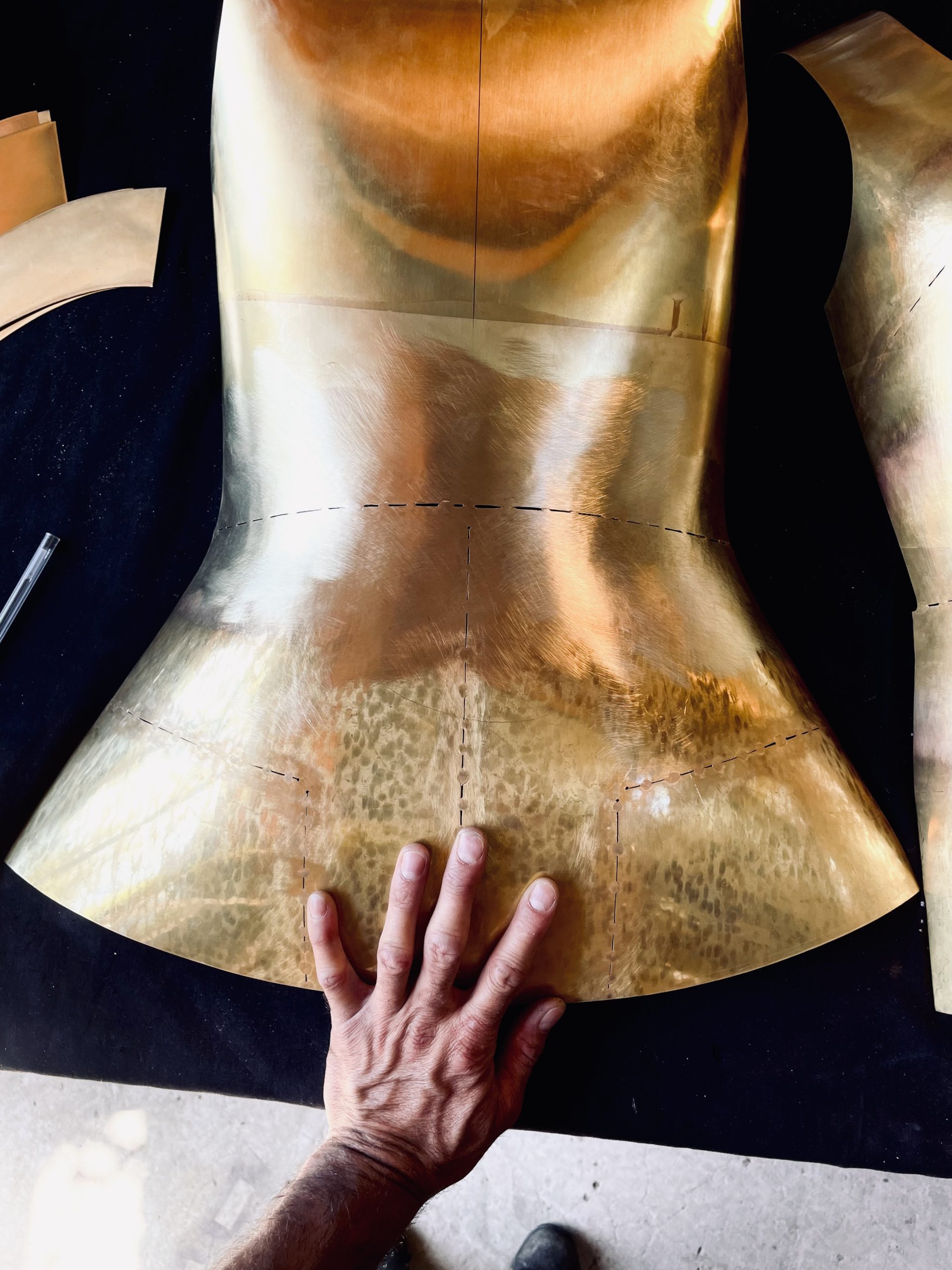
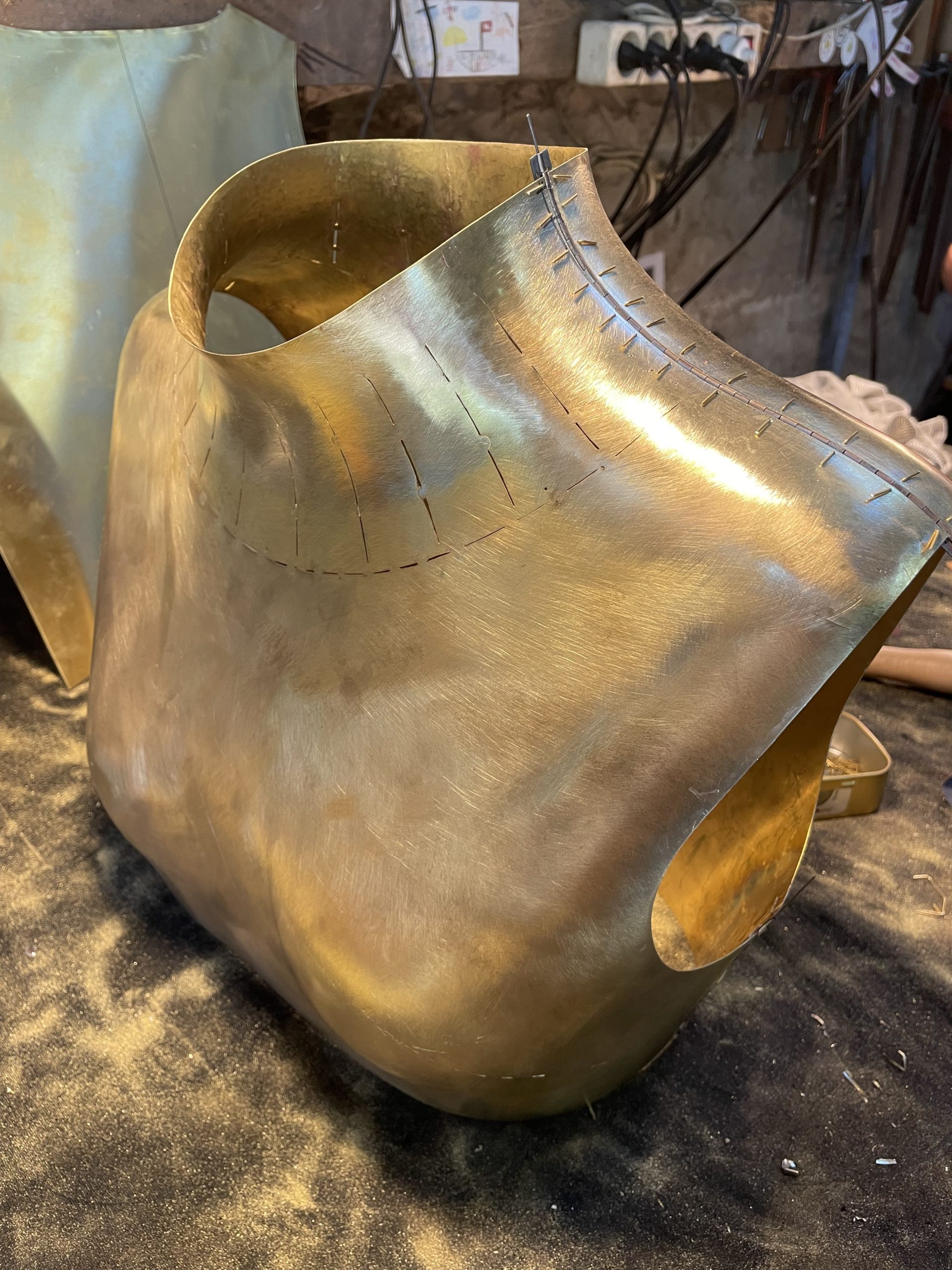
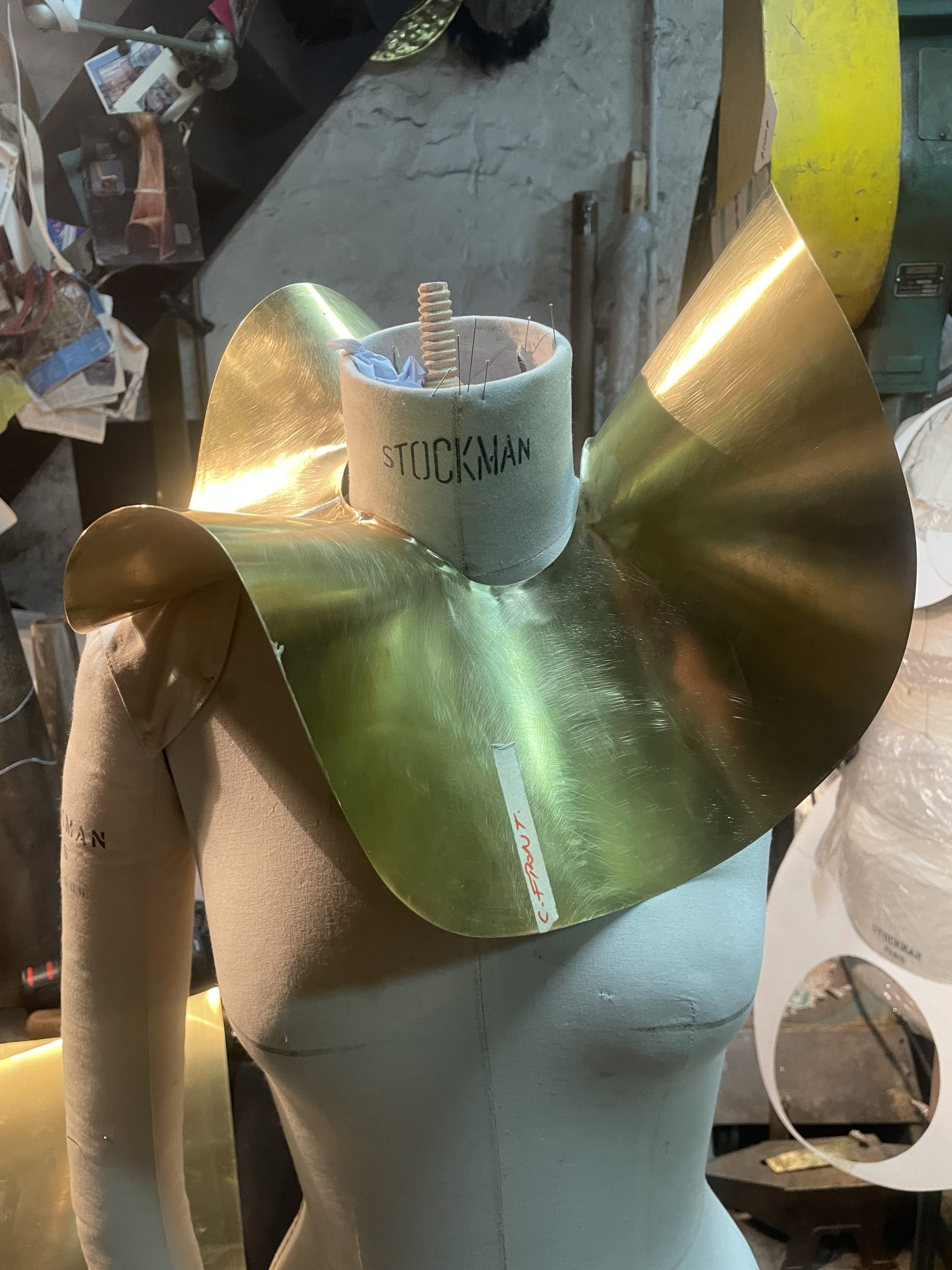
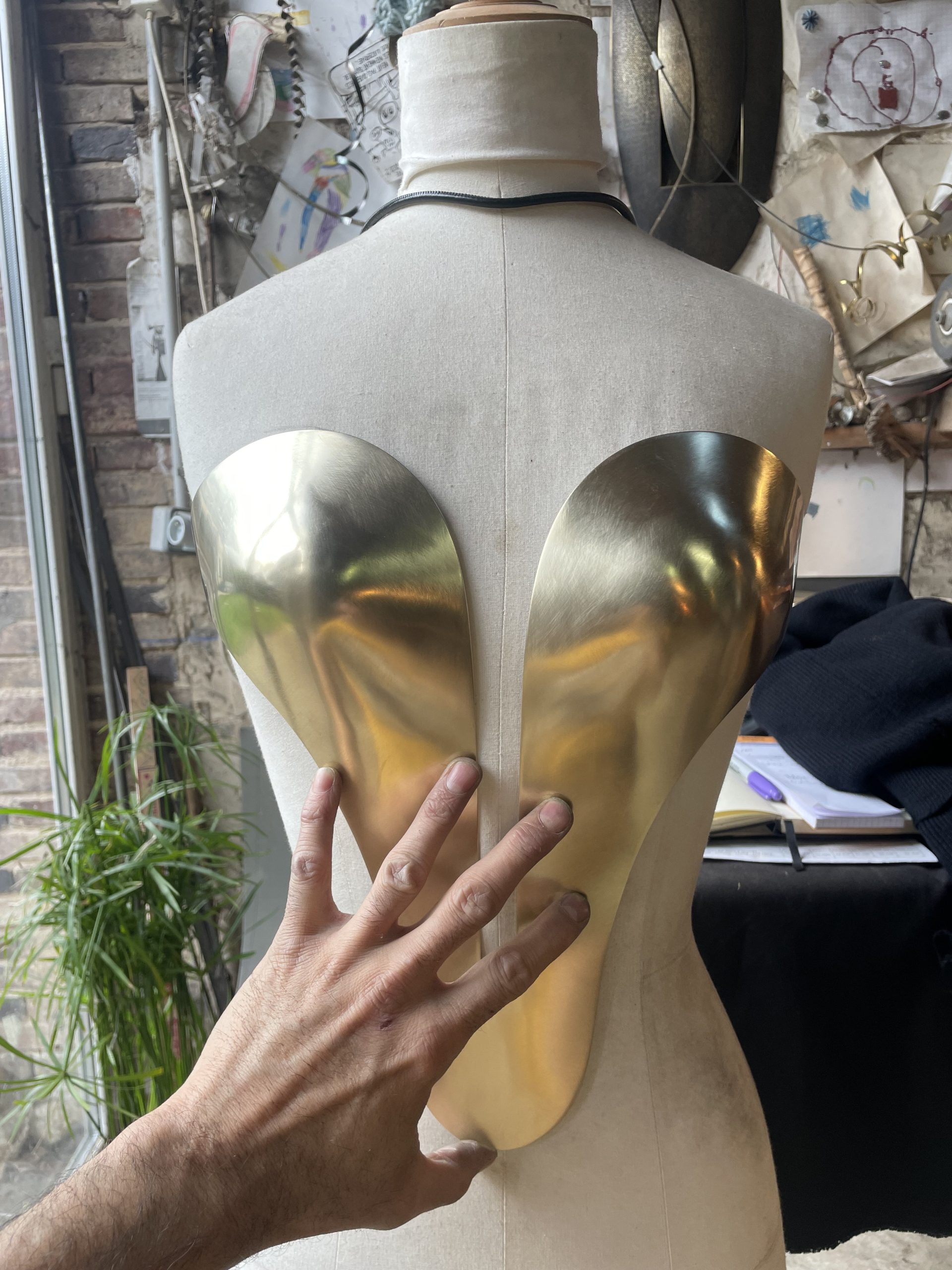
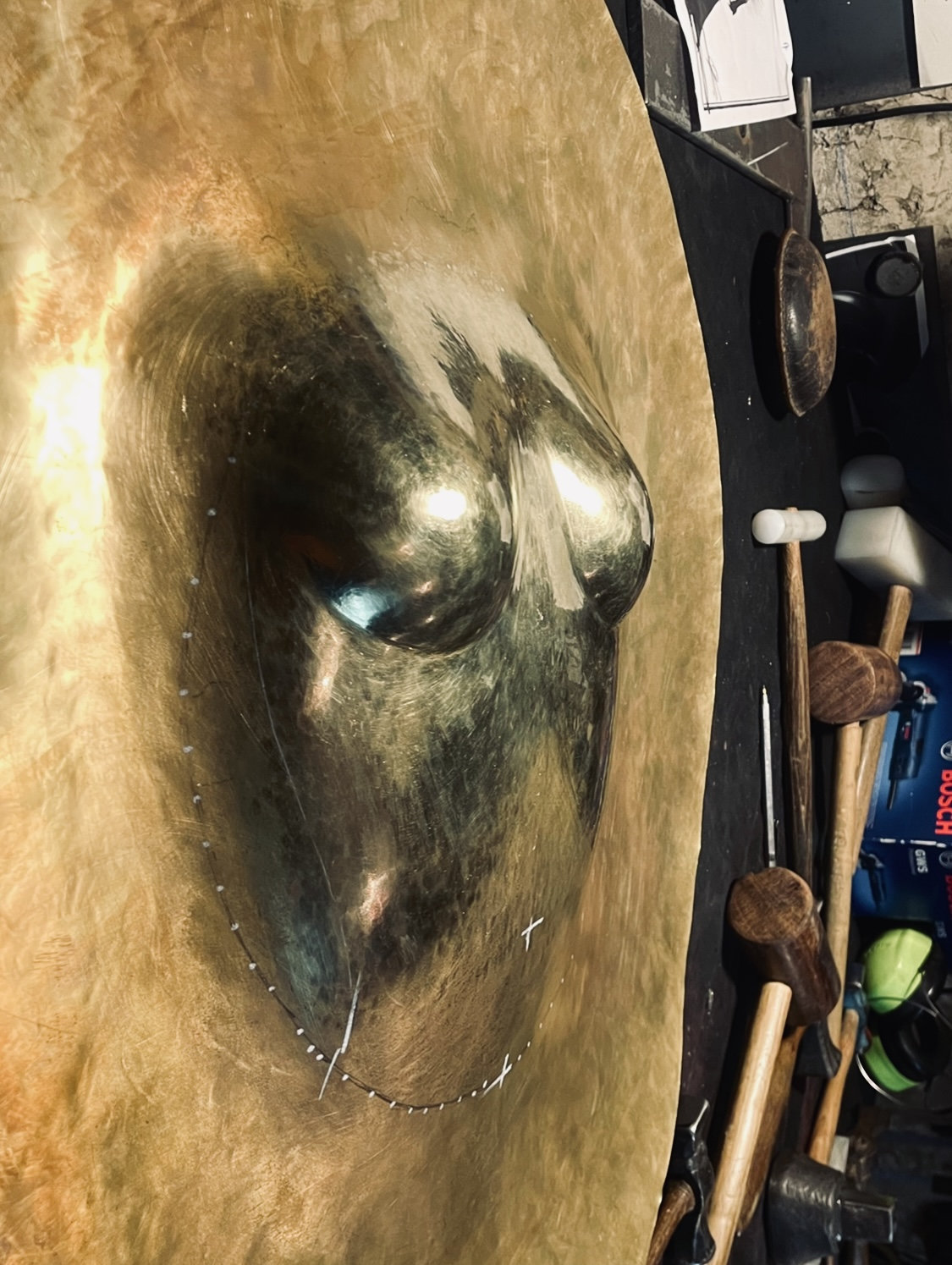
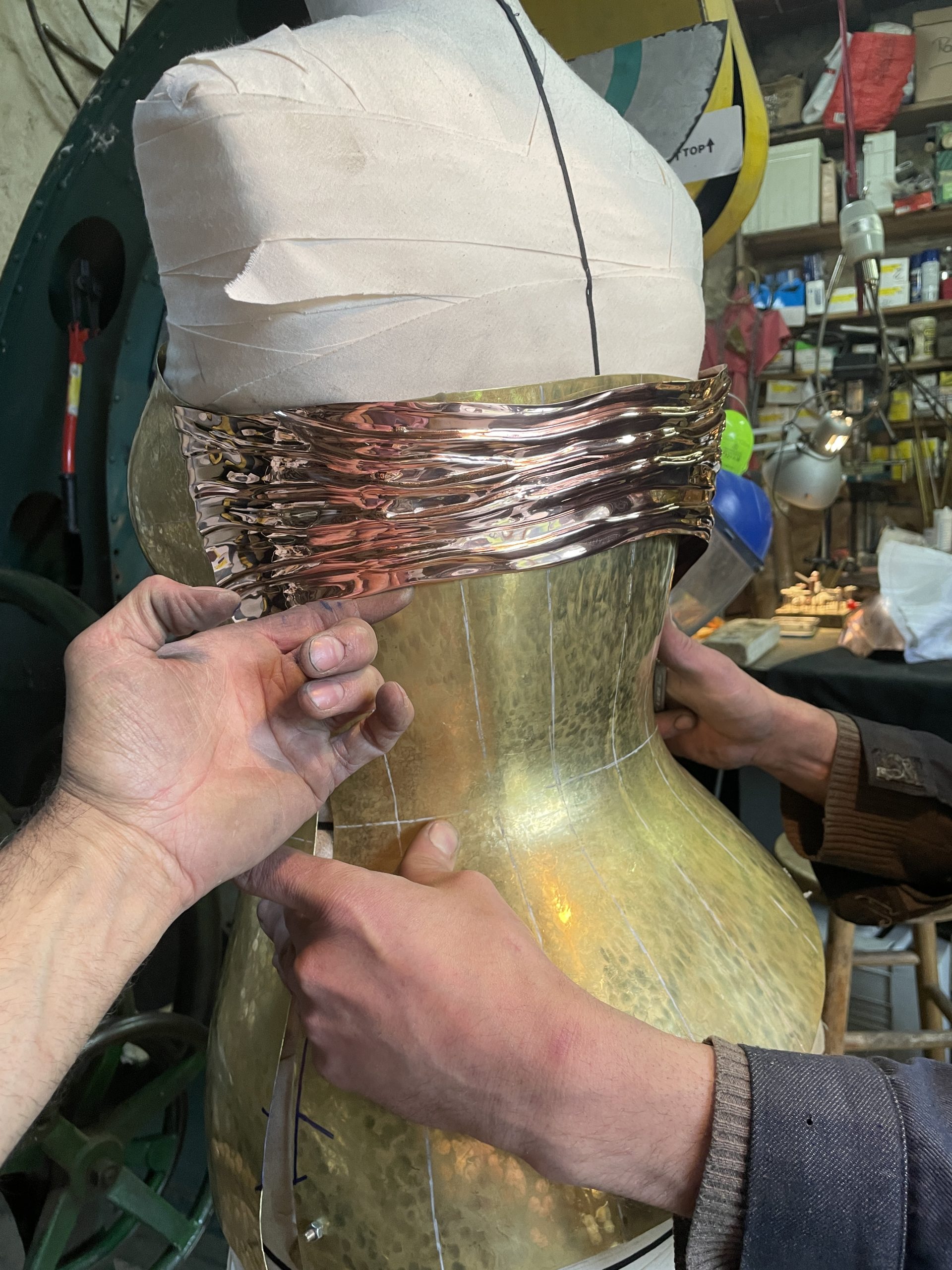
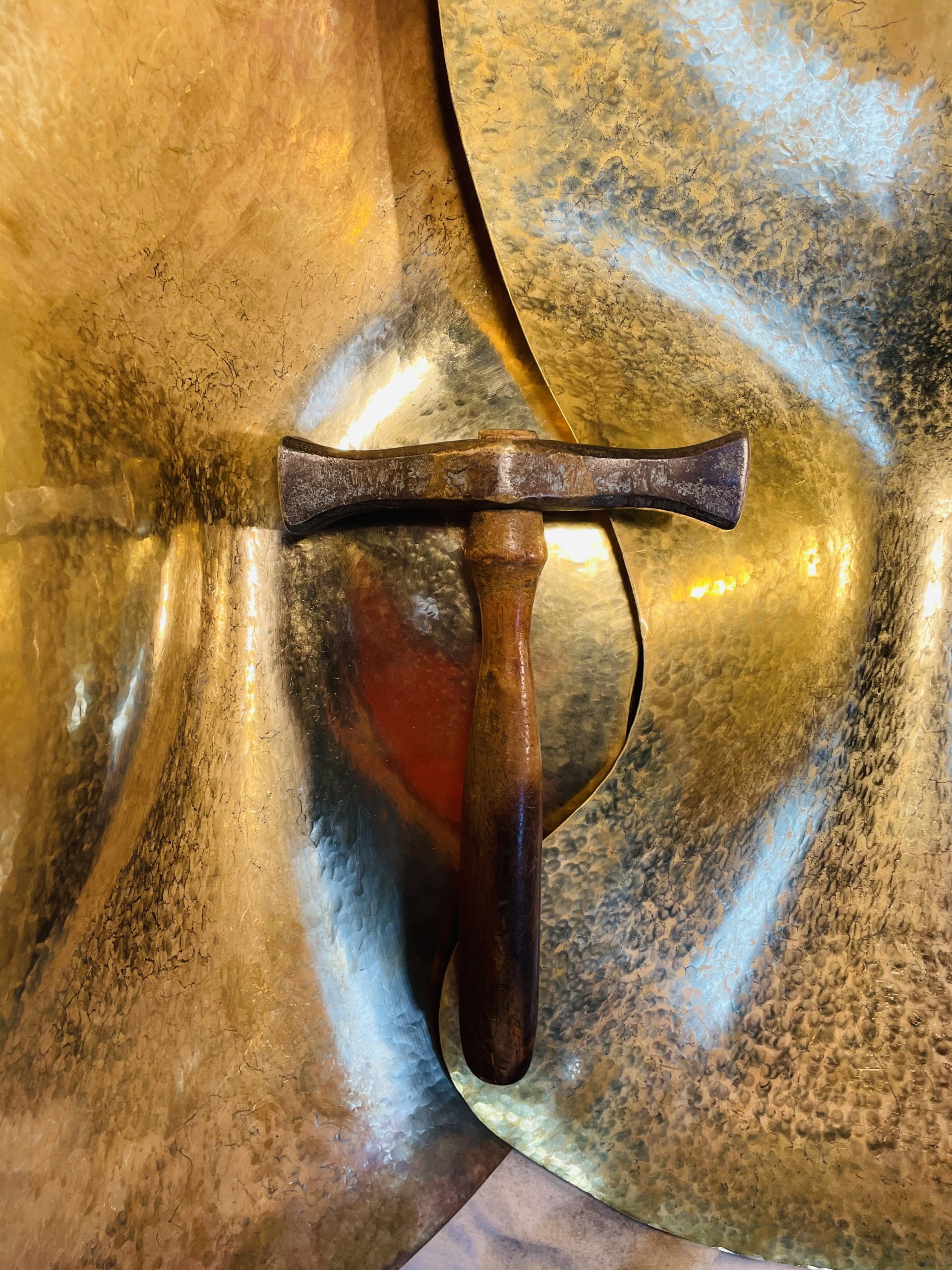
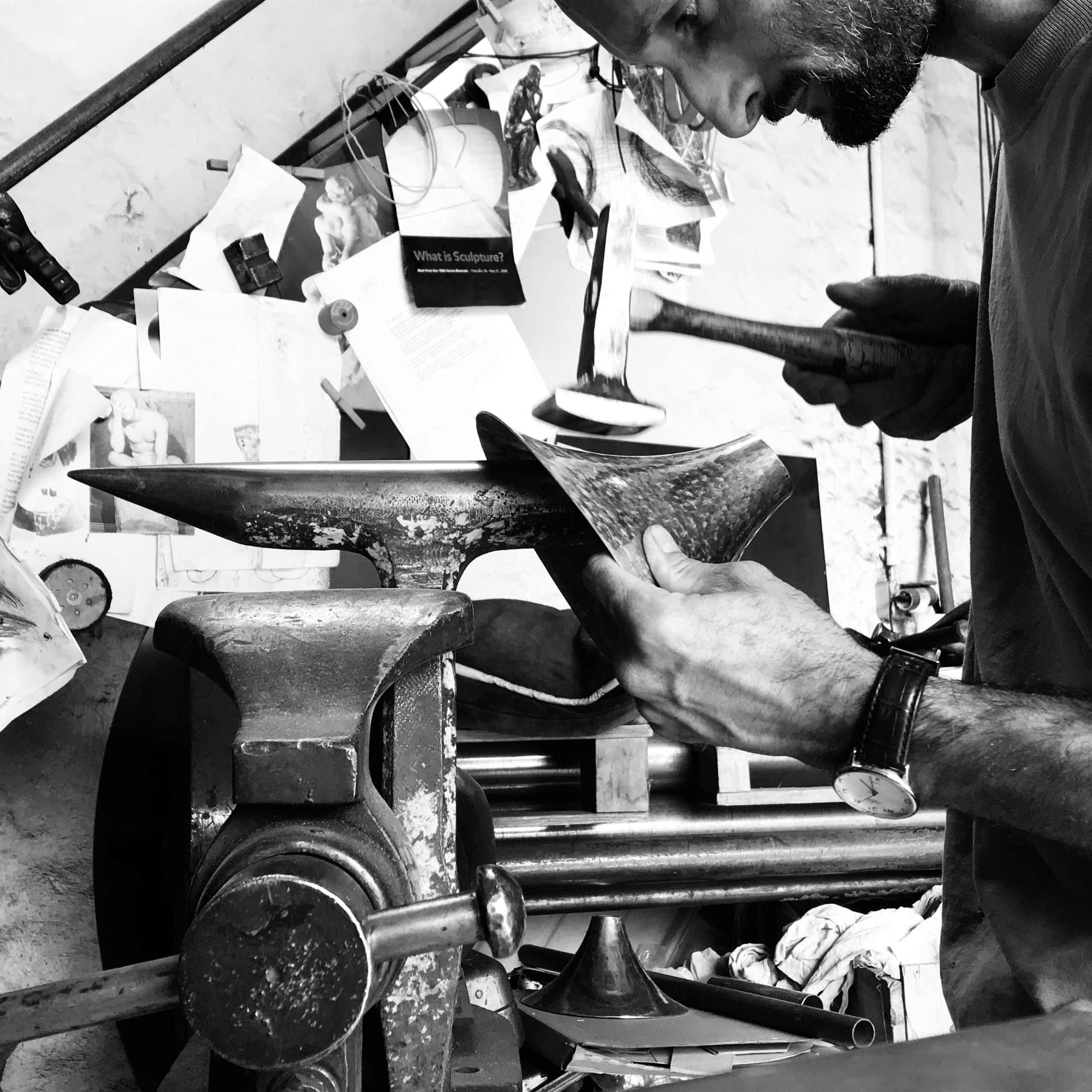
This workshop invites you to explore the art of shaping sheet metal with a hammer to create unique forms inspired by the body, its movements, and its adornments.
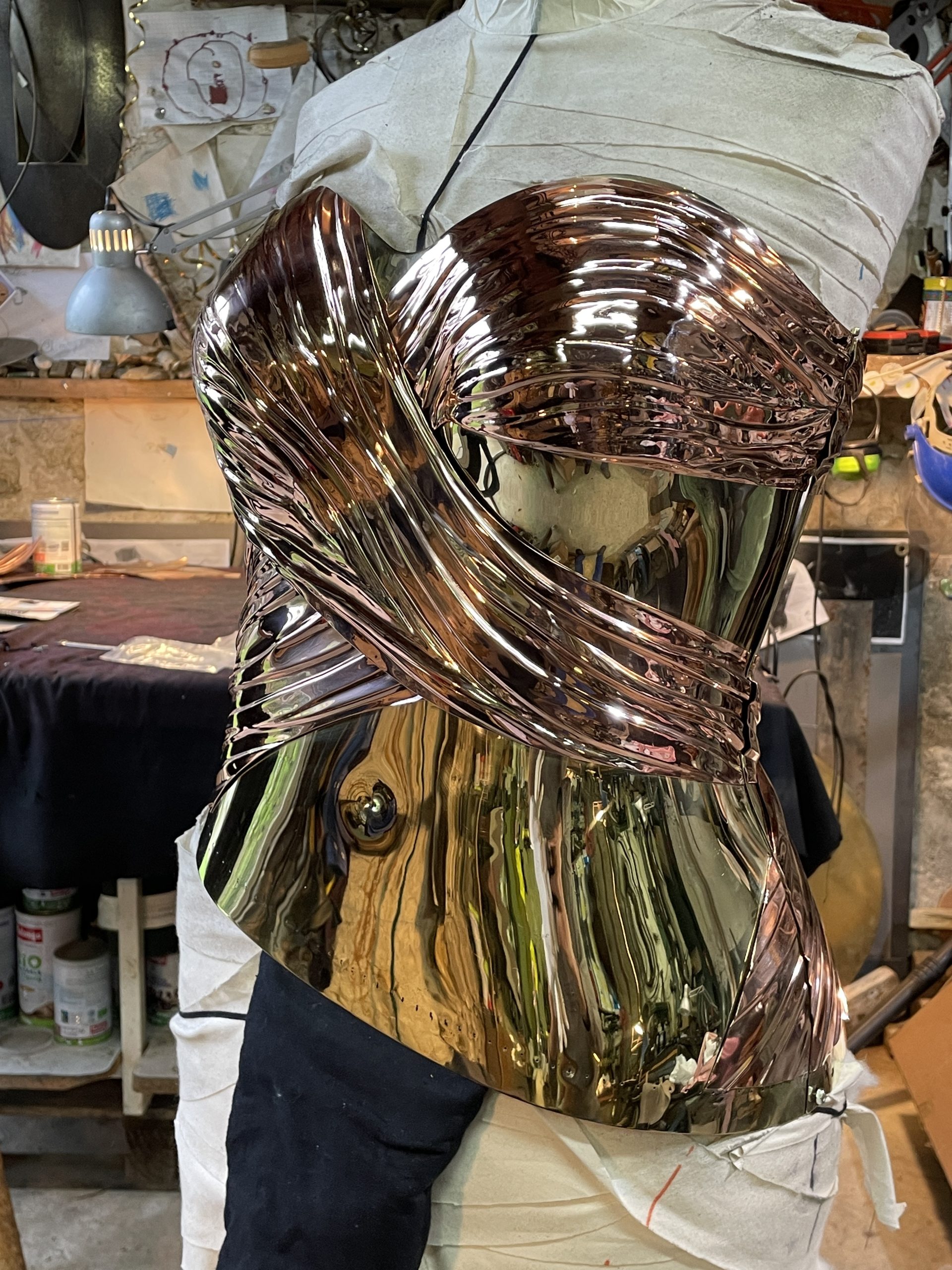
Through experimentation and creation, participants will transform abstract or figurative drawings into wearable, organic, or architectural forms, where metal becomes a living, expressive material.
By the end of the course, participants will be able to:
This workshop offers a creative immersion into the world of copperwork and sheet metal forming, blending traditional craftsmanship, artistic experimentation, and contemporary design.
Whether discovering fundamental techniques or deepening existing skills, participants will explore the many possibilities of metal transformation: accessories, jewelry, wearable pieces, sculptural forms, or ornamental designs.
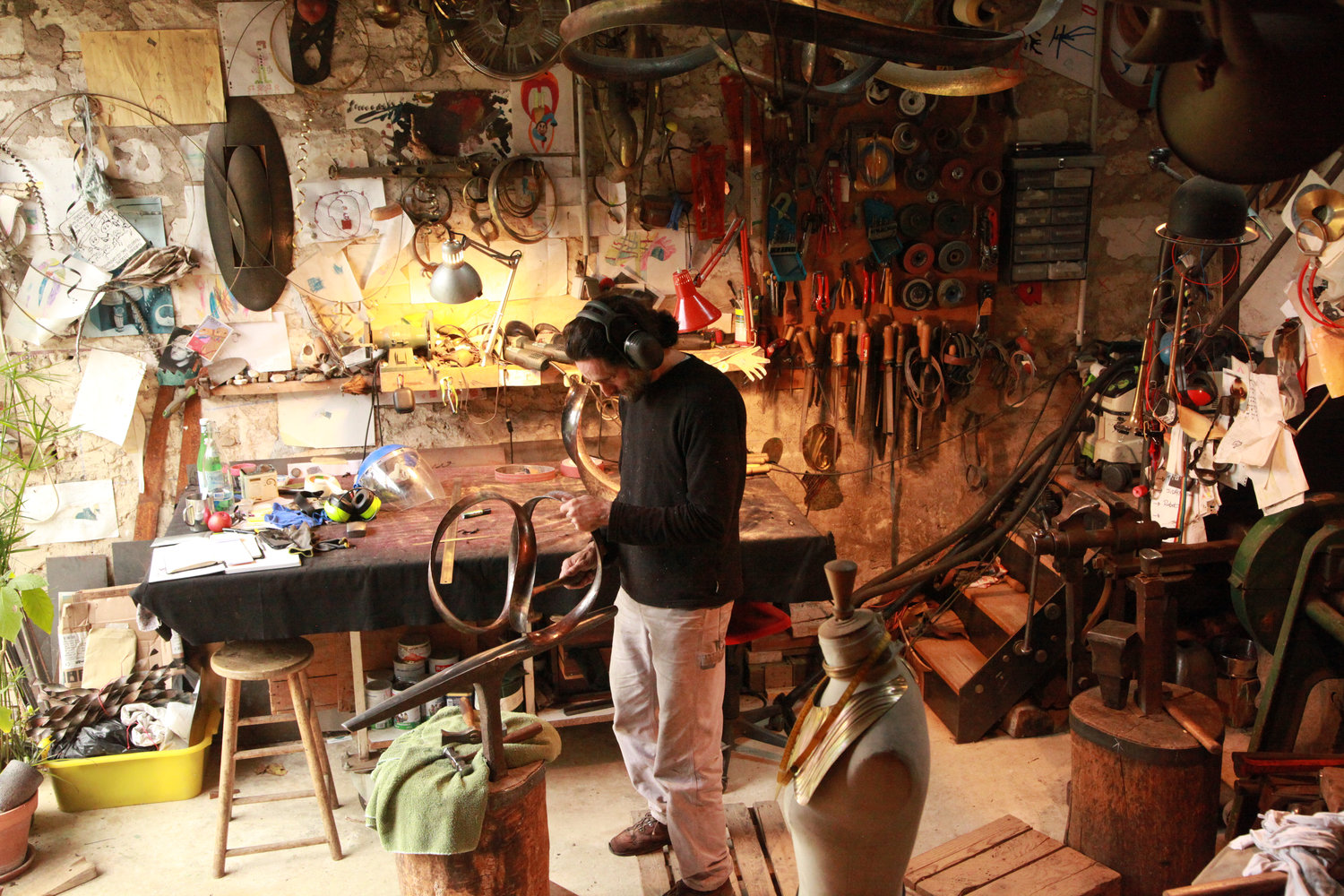
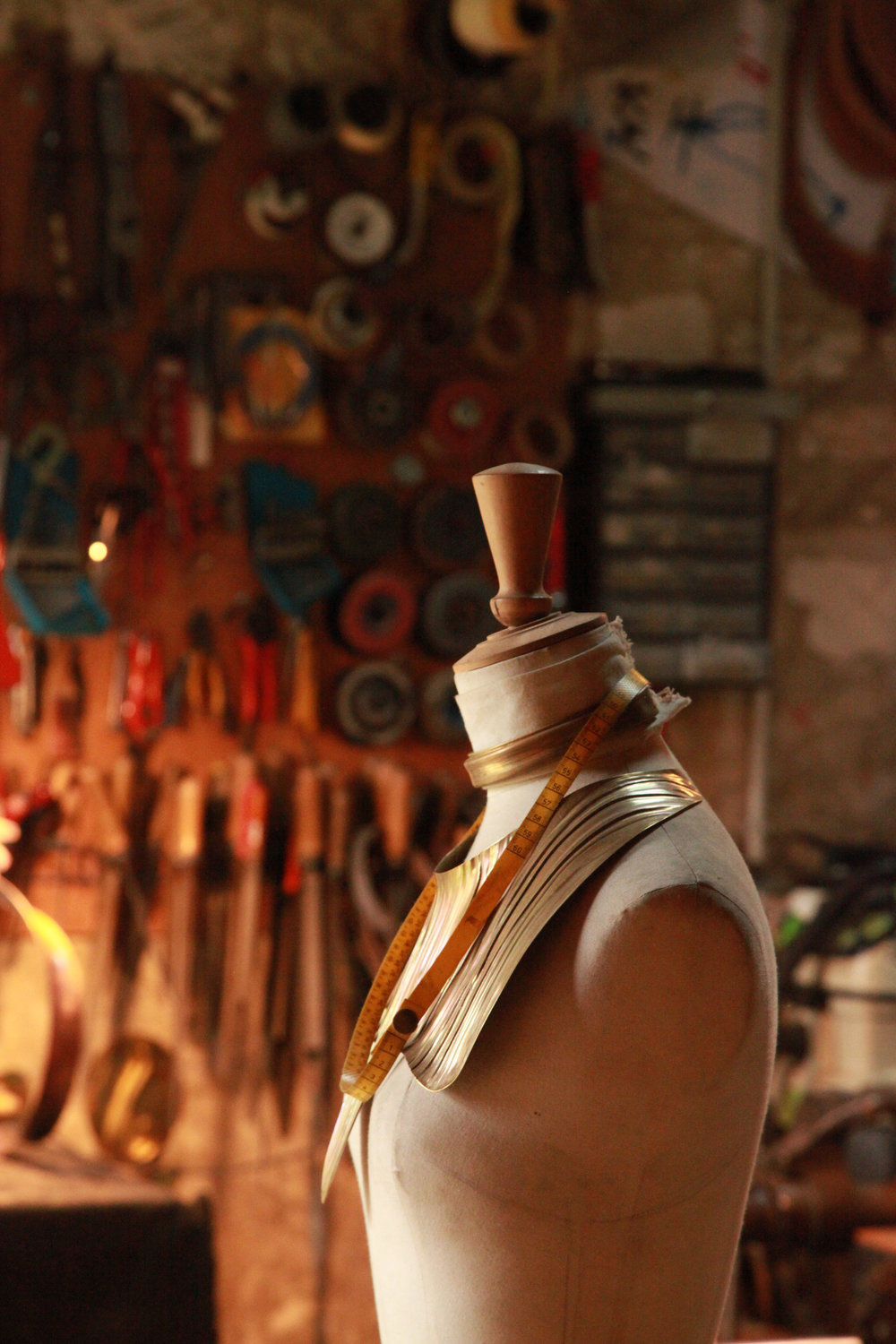
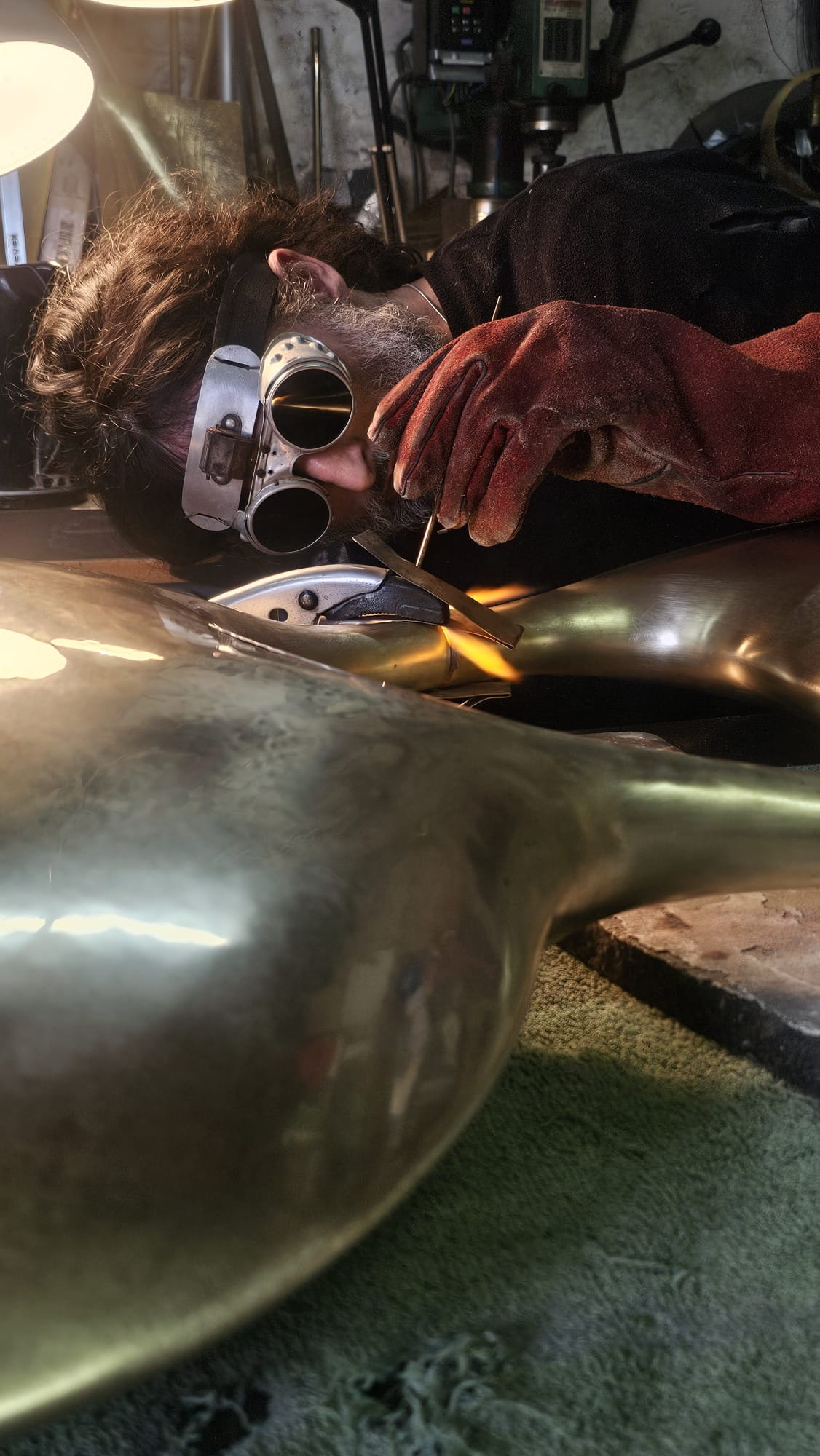
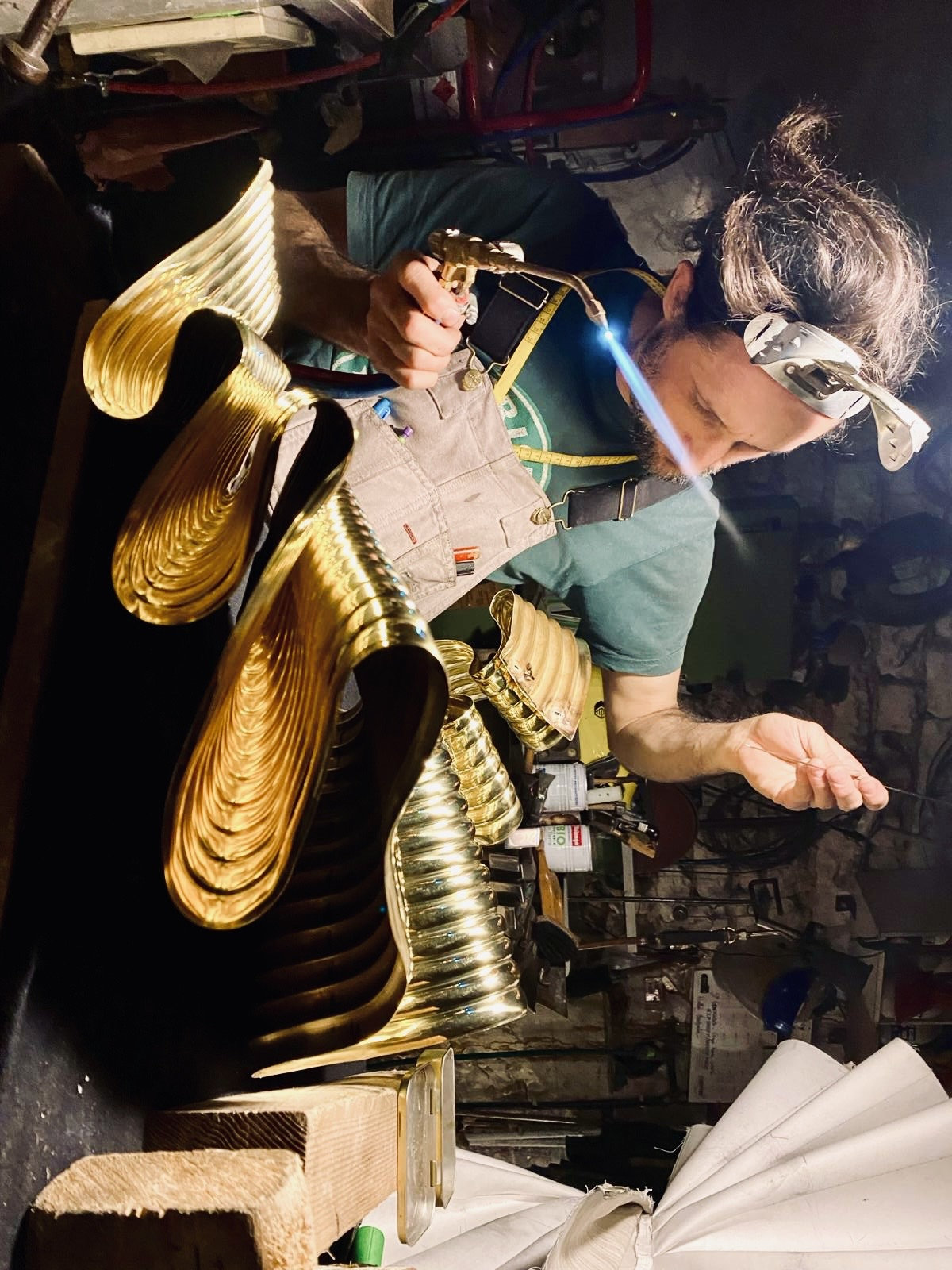
By learning essential techniques (hammering, shaping, working with a blowtorch, and using mandrels and workshop tools), each participant will gradually develop a sensitive relationship with the material and volume.
The research process will draw on drawing, modeling, and pattern-making to conceive unique forms, playing with scale, movement, and the presence of the body.
Conceived as a laboratory for experimentation and creation, the workshop will become a space for free exploration where participants can assert their personal style, nourish their imagination, and create a dialogue between metal, the body, and sculpture.
Elie Hirsch prioritizes personalized guidance, attentive to the pace, sensibility, and personality of each participant.
These broad outlines form an evolving framework, designed to adapt to the group’s dynamics, the research undertaken, and the projects developed throughout the course.
Morning
Afternoon
Morning
Afternoon
Morning
Afternoon
Morning
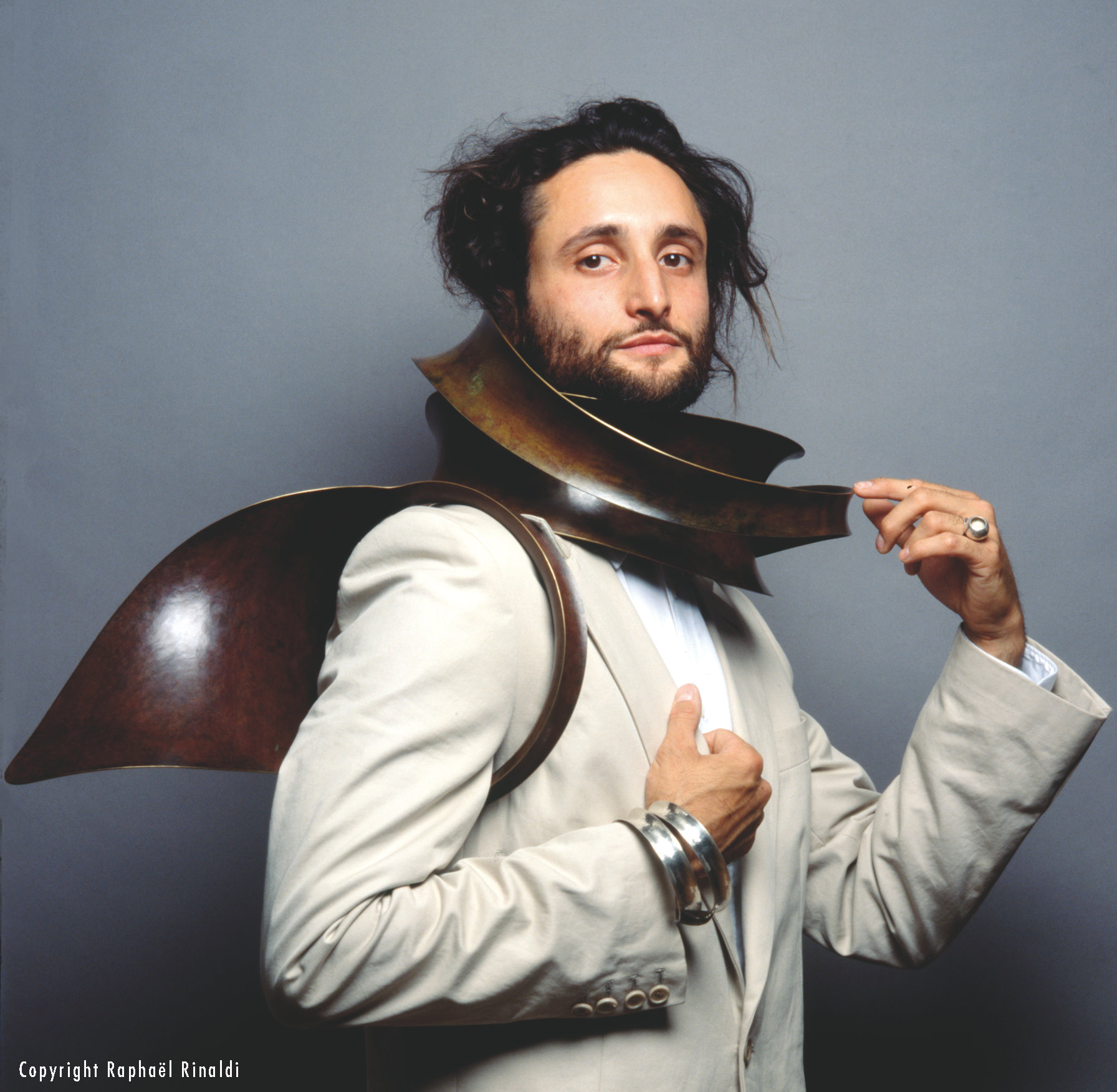
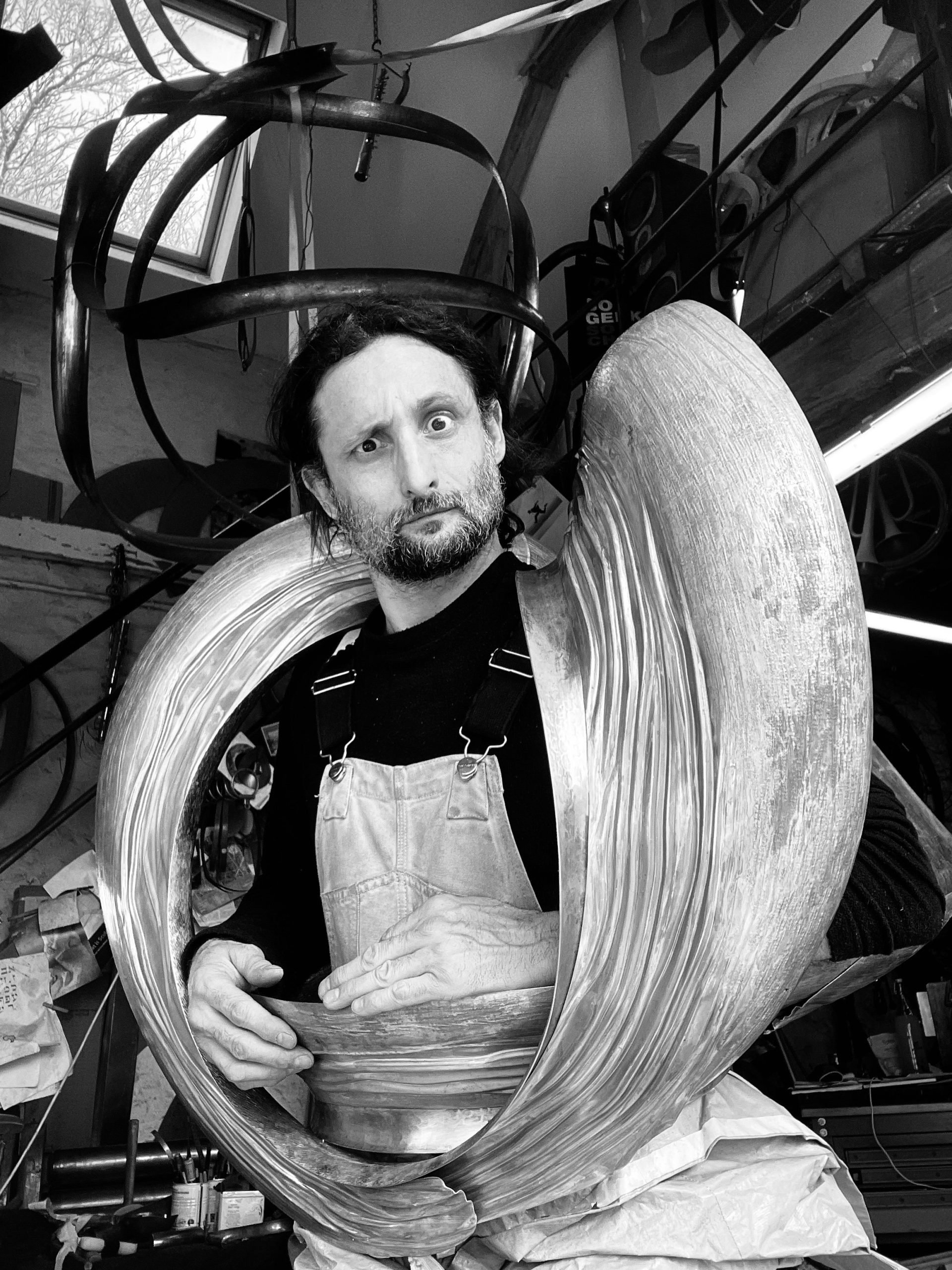
Trained in the arts and crafts, with degrees in ceramic design and metal sculpture, Elie Hirsch specialized in working with large-scale pieces under the guidance of copper smith Hervé Wahlen, whose studio he joined for two years. This formative experience anchors a practice in which metal is treated as a supple, almost organic material.
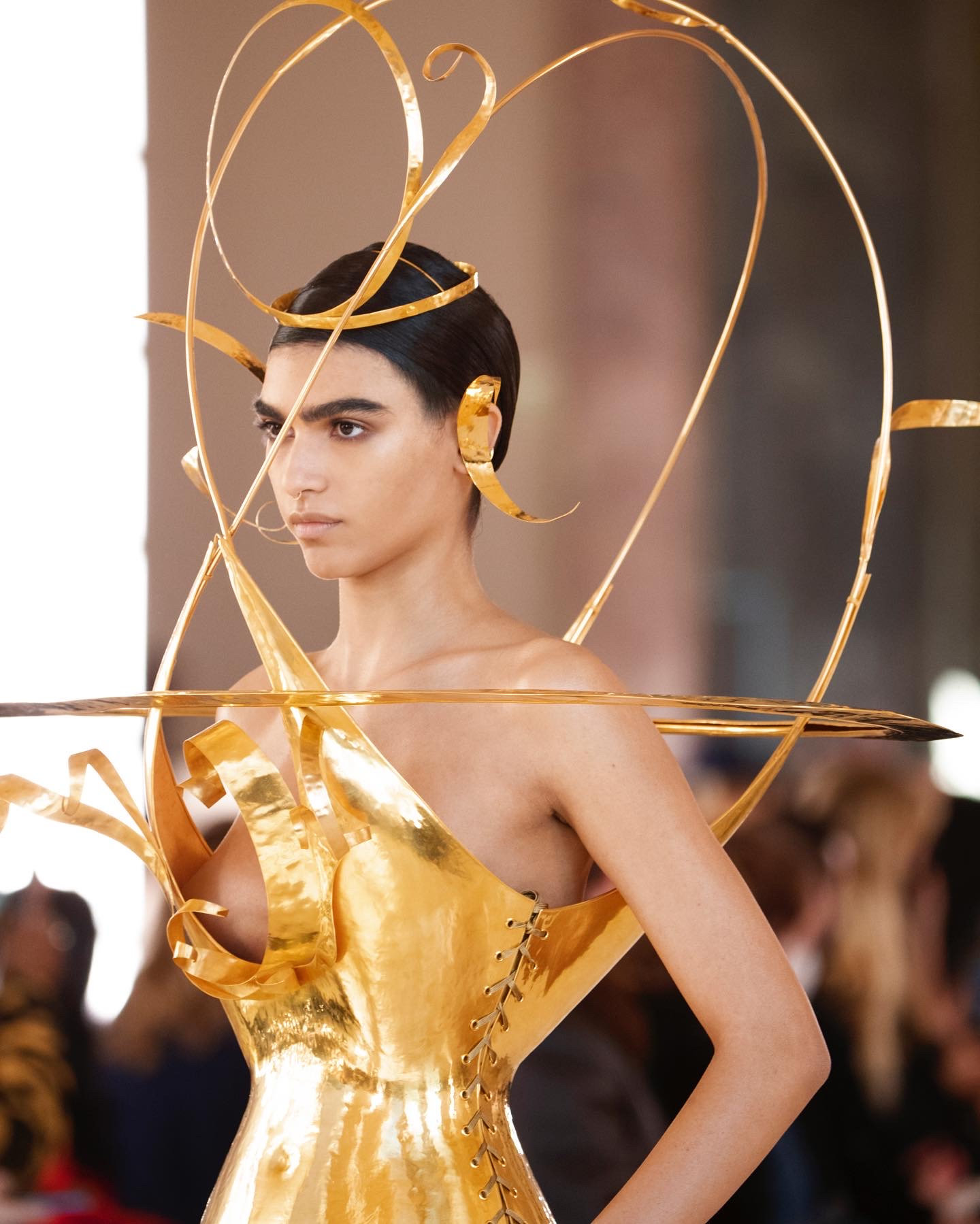
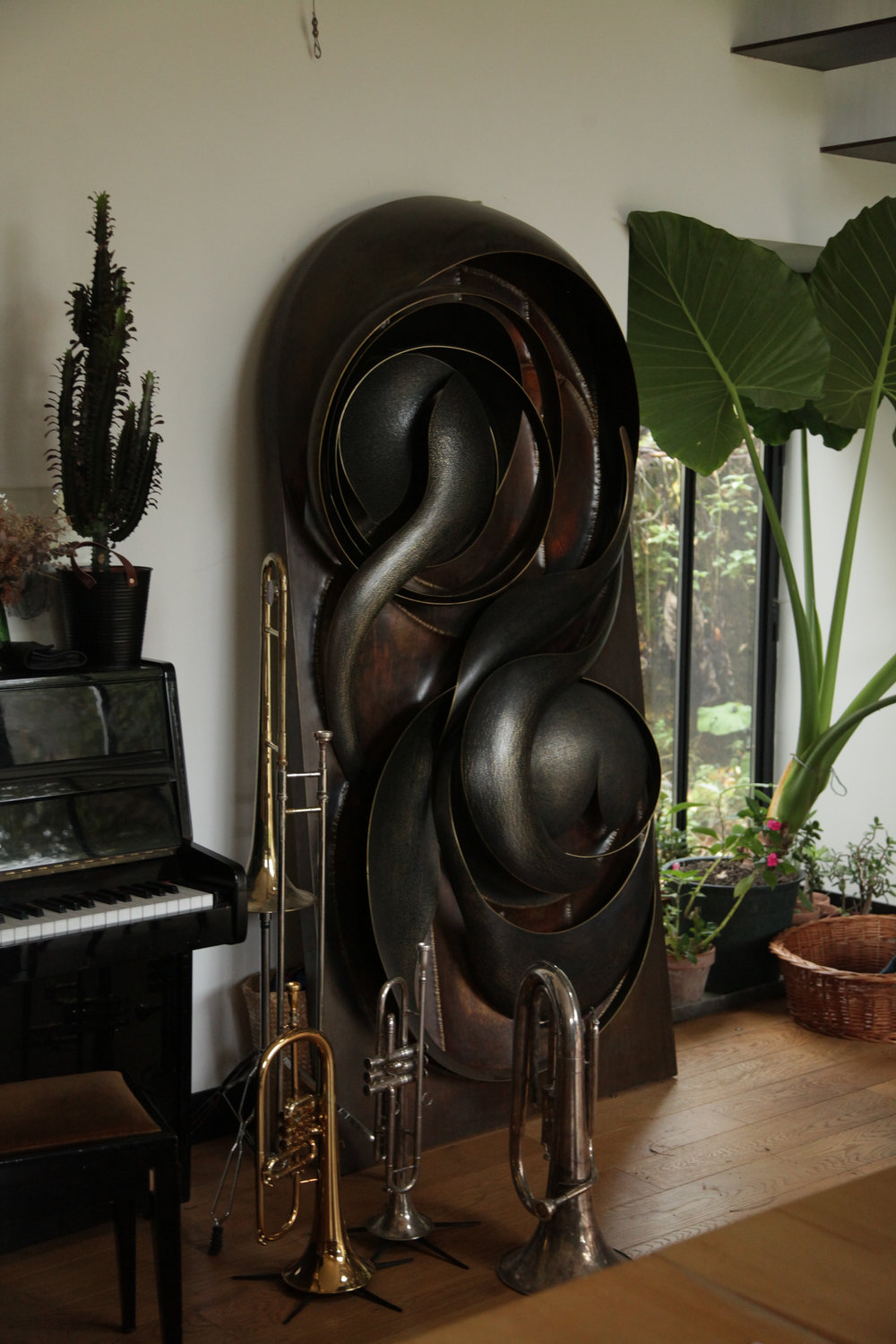
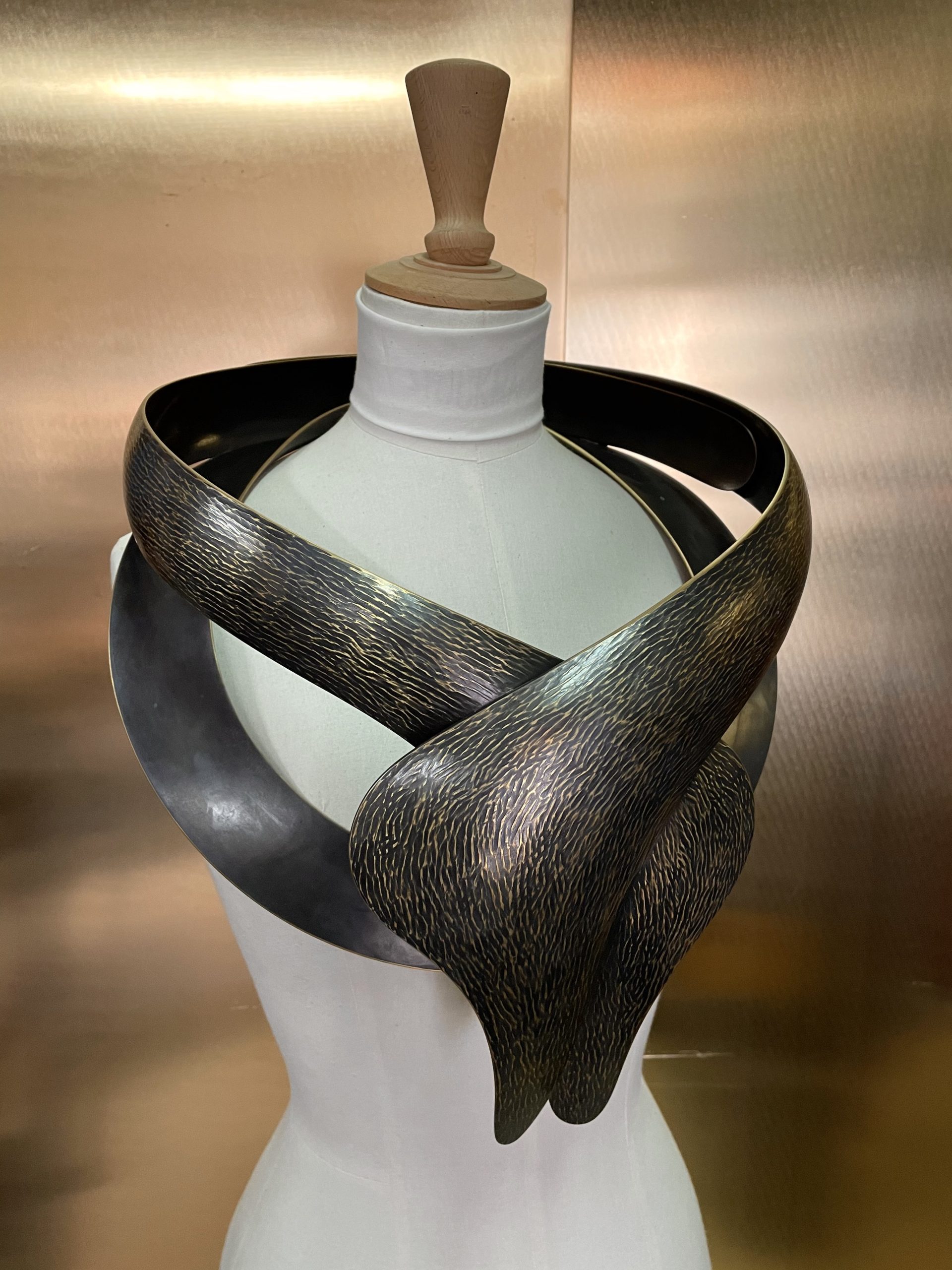
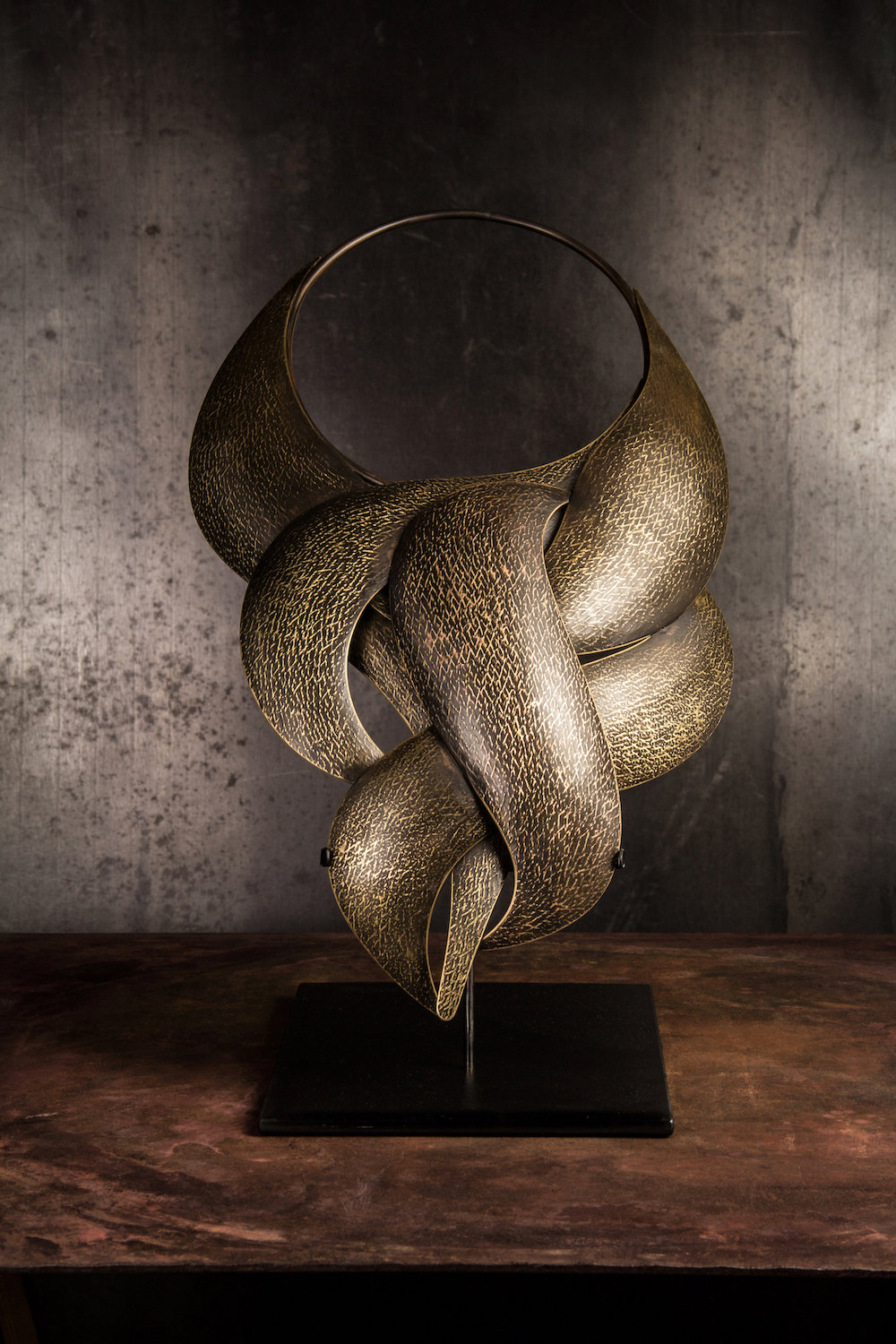
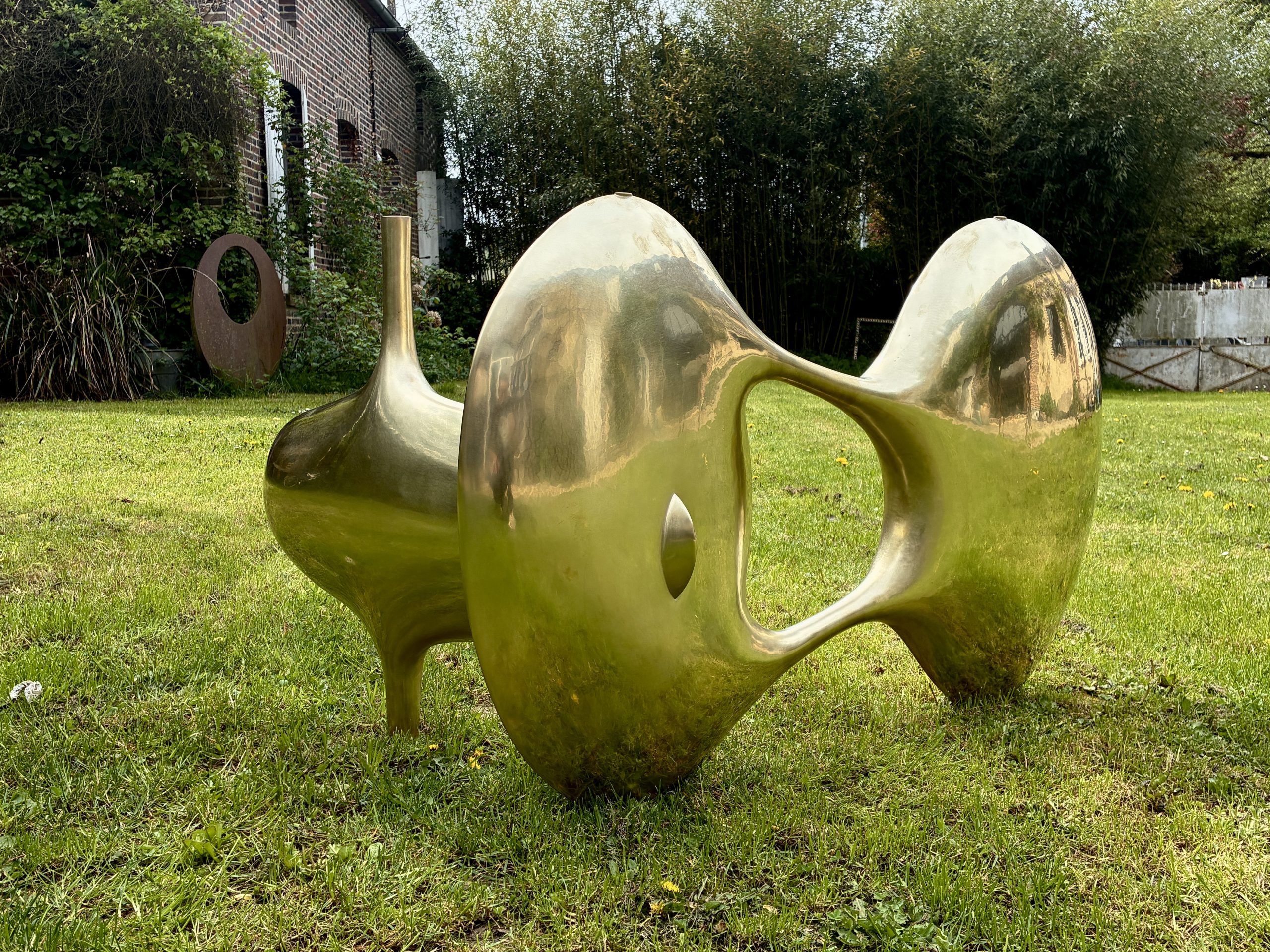
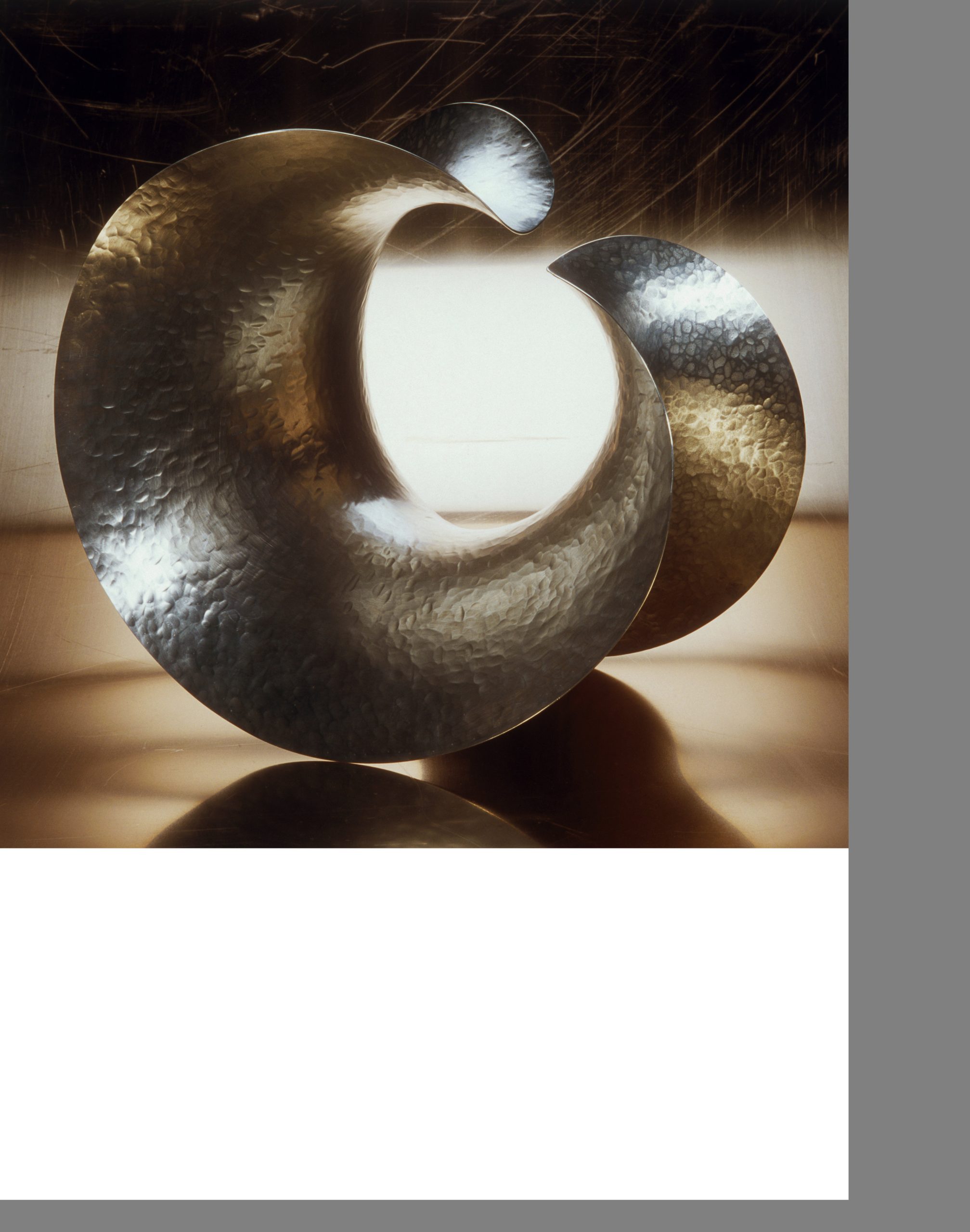
His work explores forms in motion: volutes, twisted ribbons, continuous lines that seem to unfold endlessly. Drawn in a single gesture, his sculptures evoke both the movement of the body and the fluidity of fabric. Whether standing or suspended, they retain a slight oscillation, as if the material had not fully frozen its momentum. The hammering reveals a sensitive, weathered surface, bearing the imprint of the artisan’s touch.
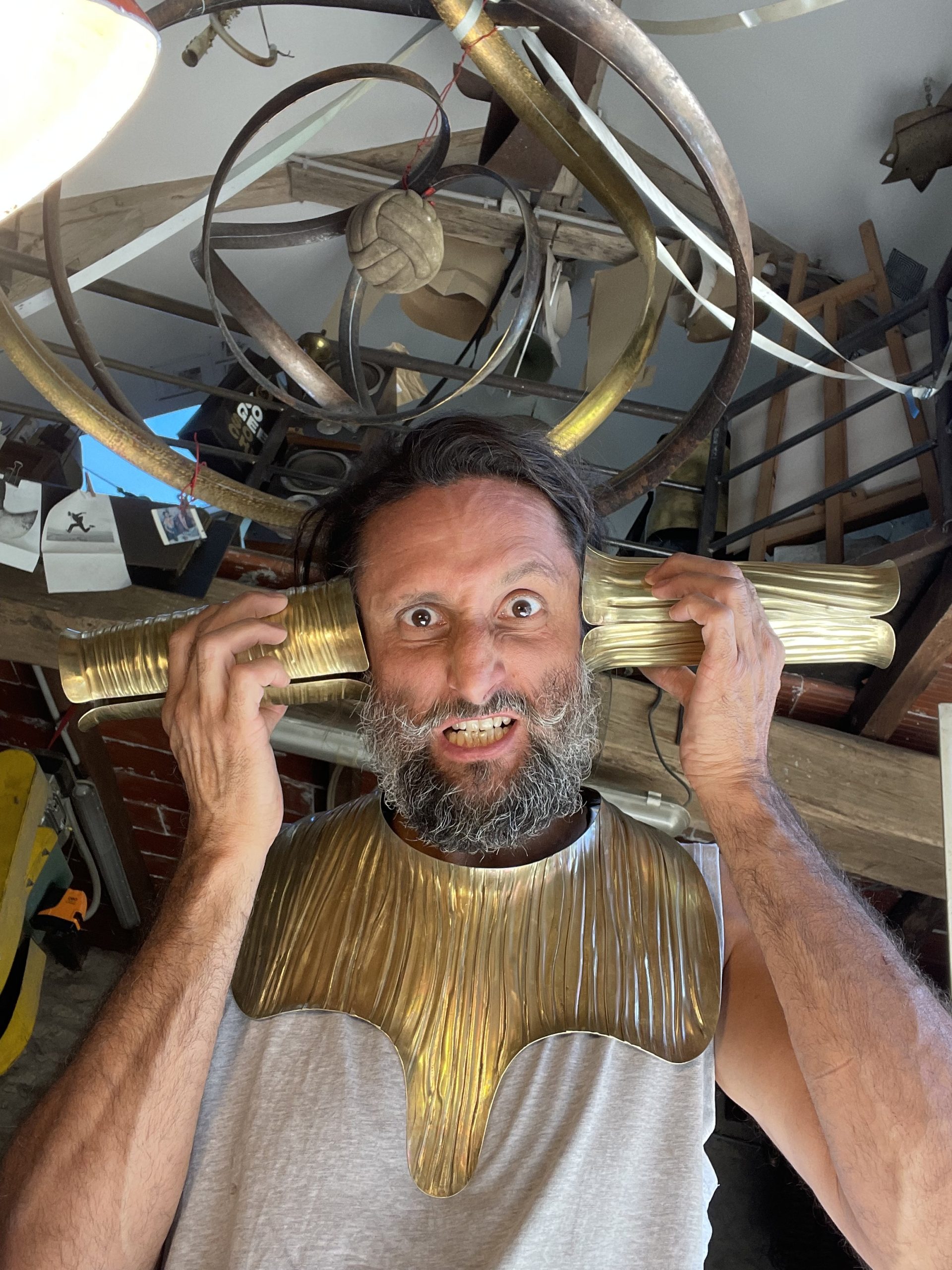
Alongside sculpture, Elie Hirsch develops a jewelry practice that feeds into his visual research. This back-and-forth between intimate scale and monumental formats structures his entire approach, in a continuum between ornament, volume, and movement.
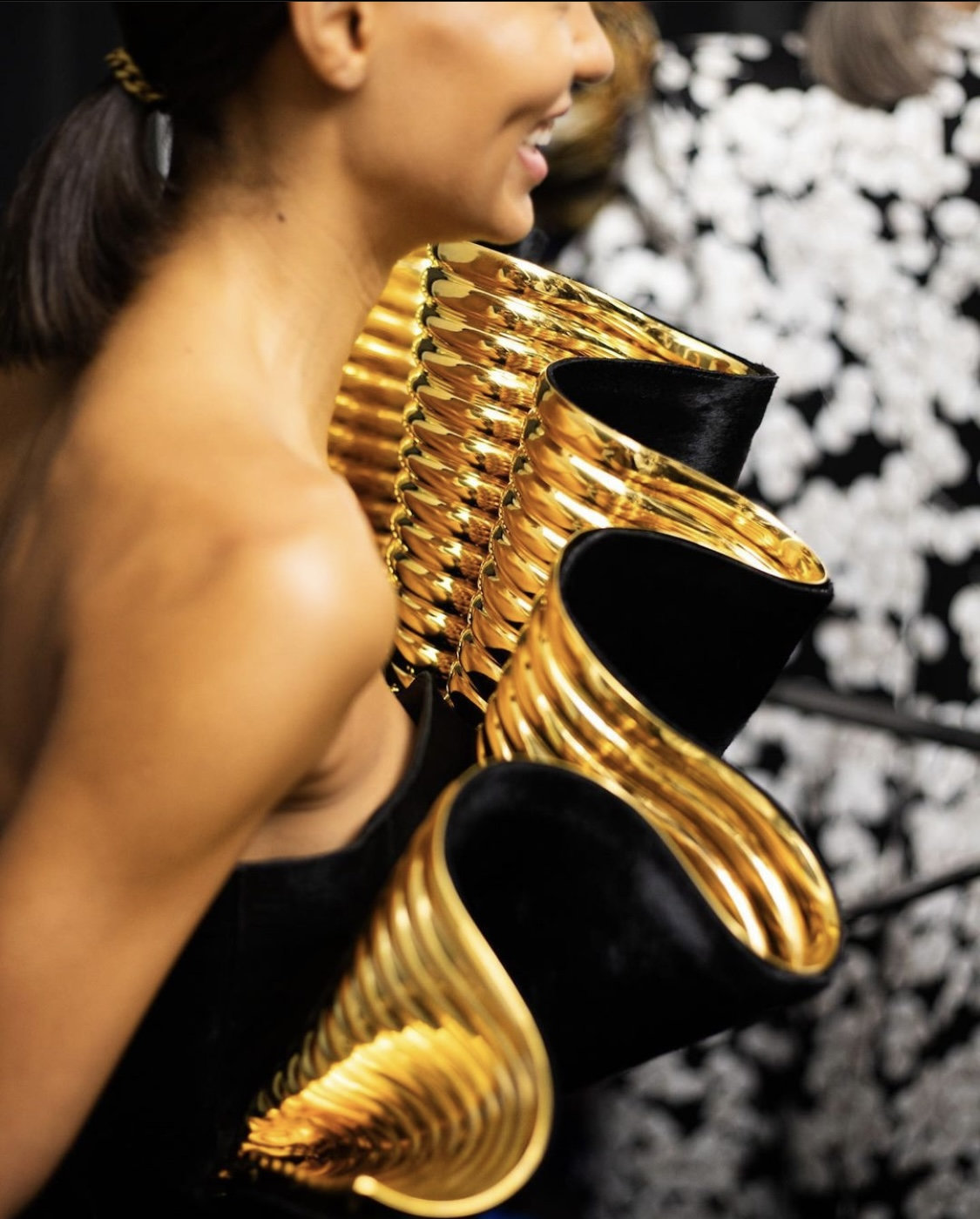
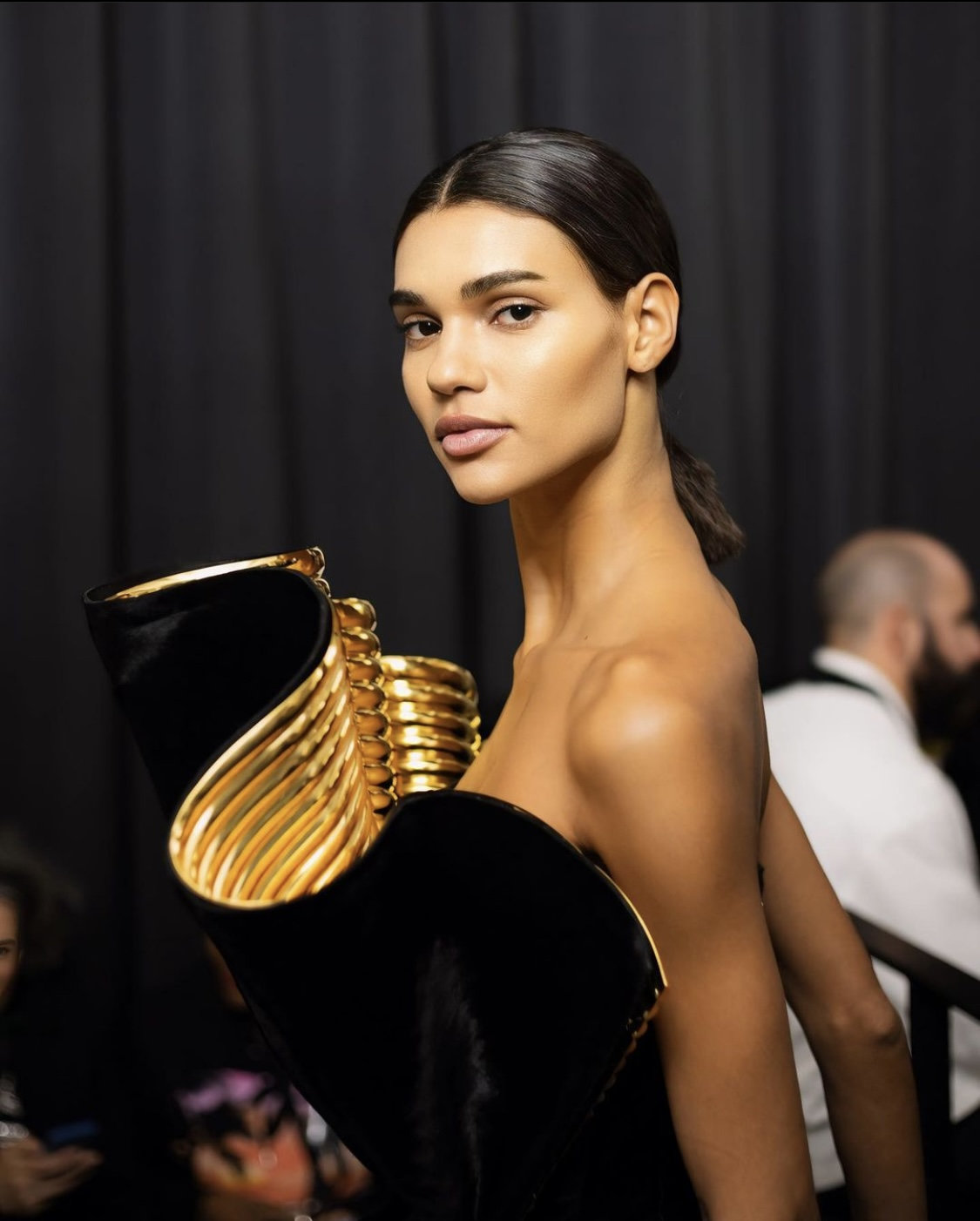
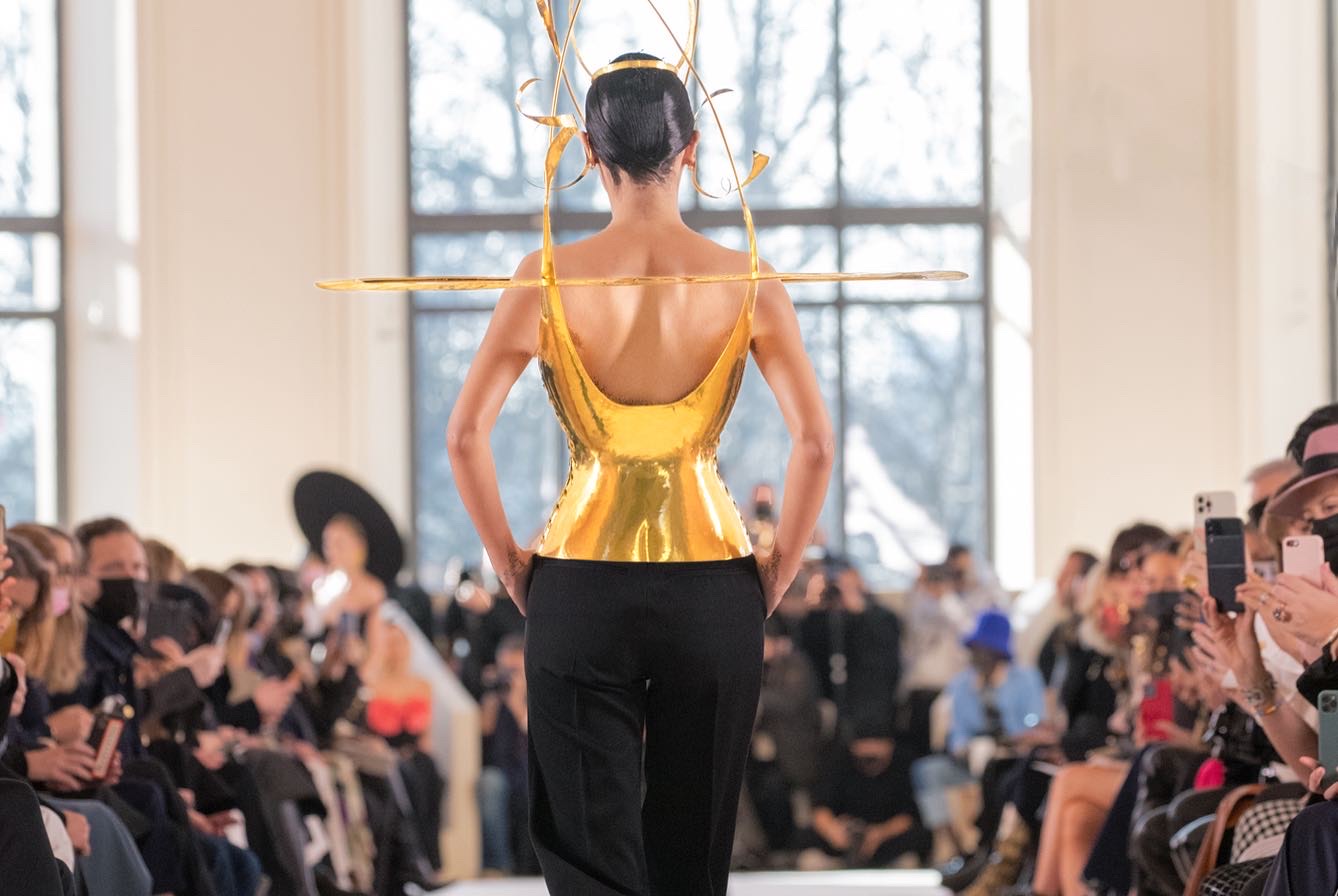
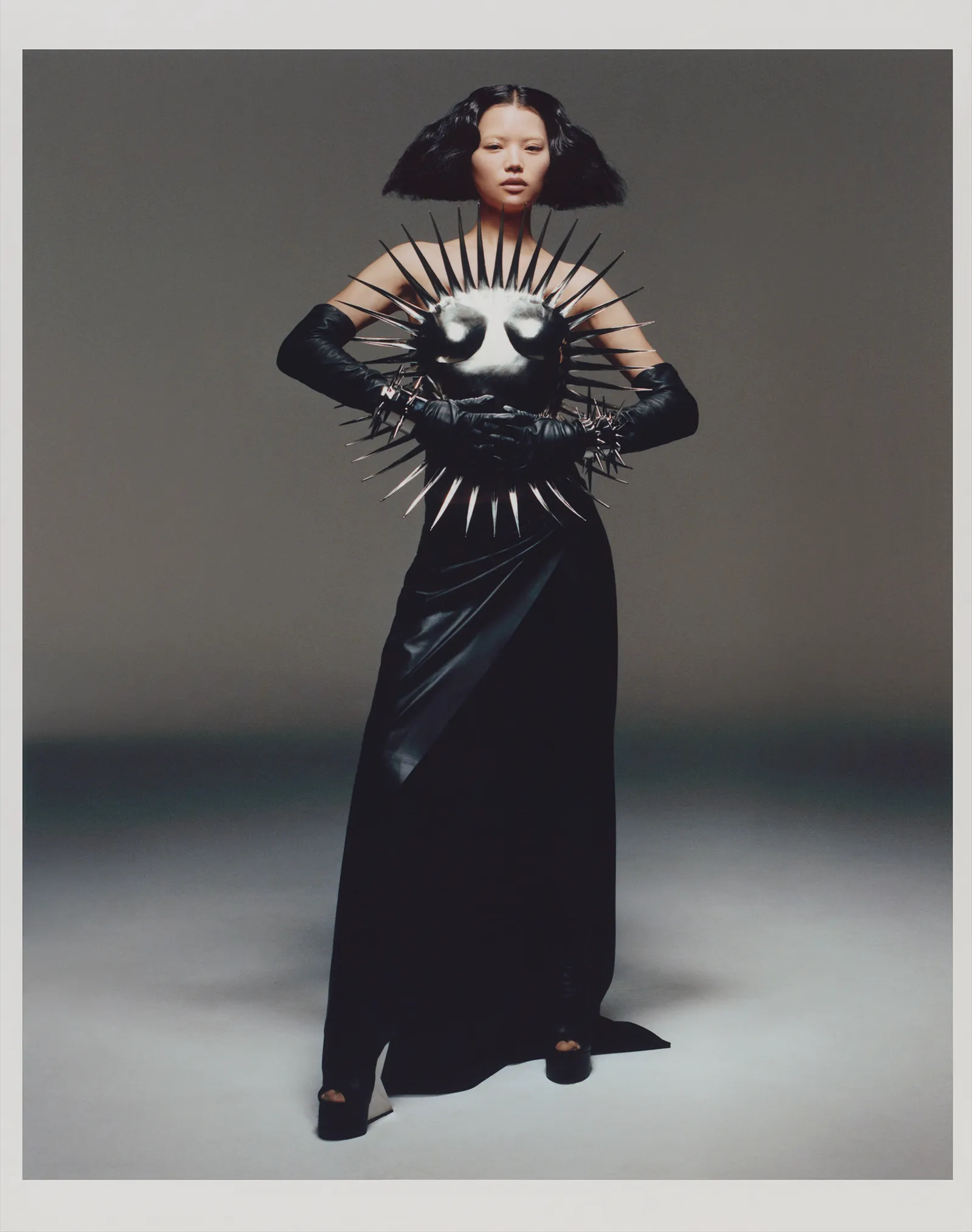
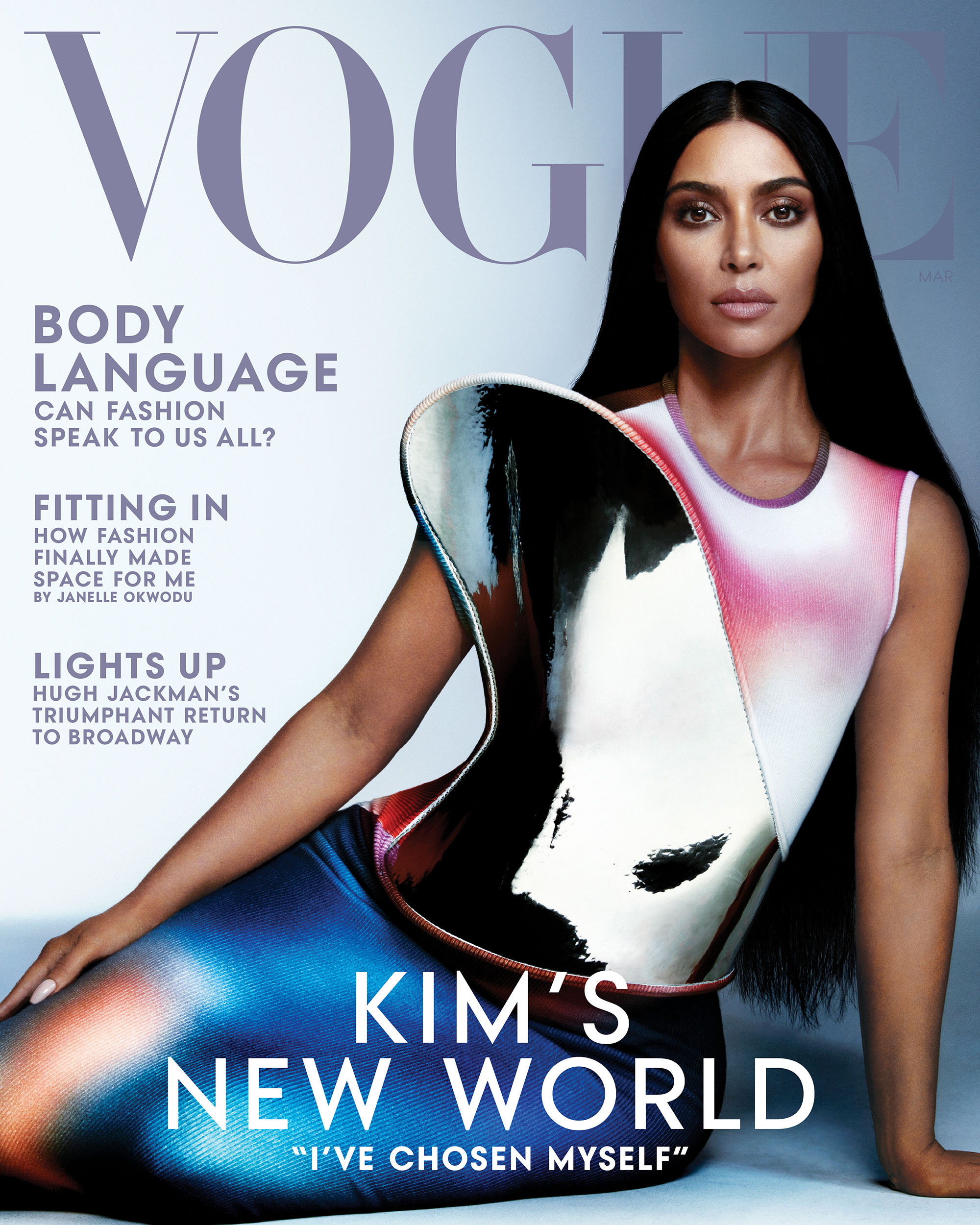
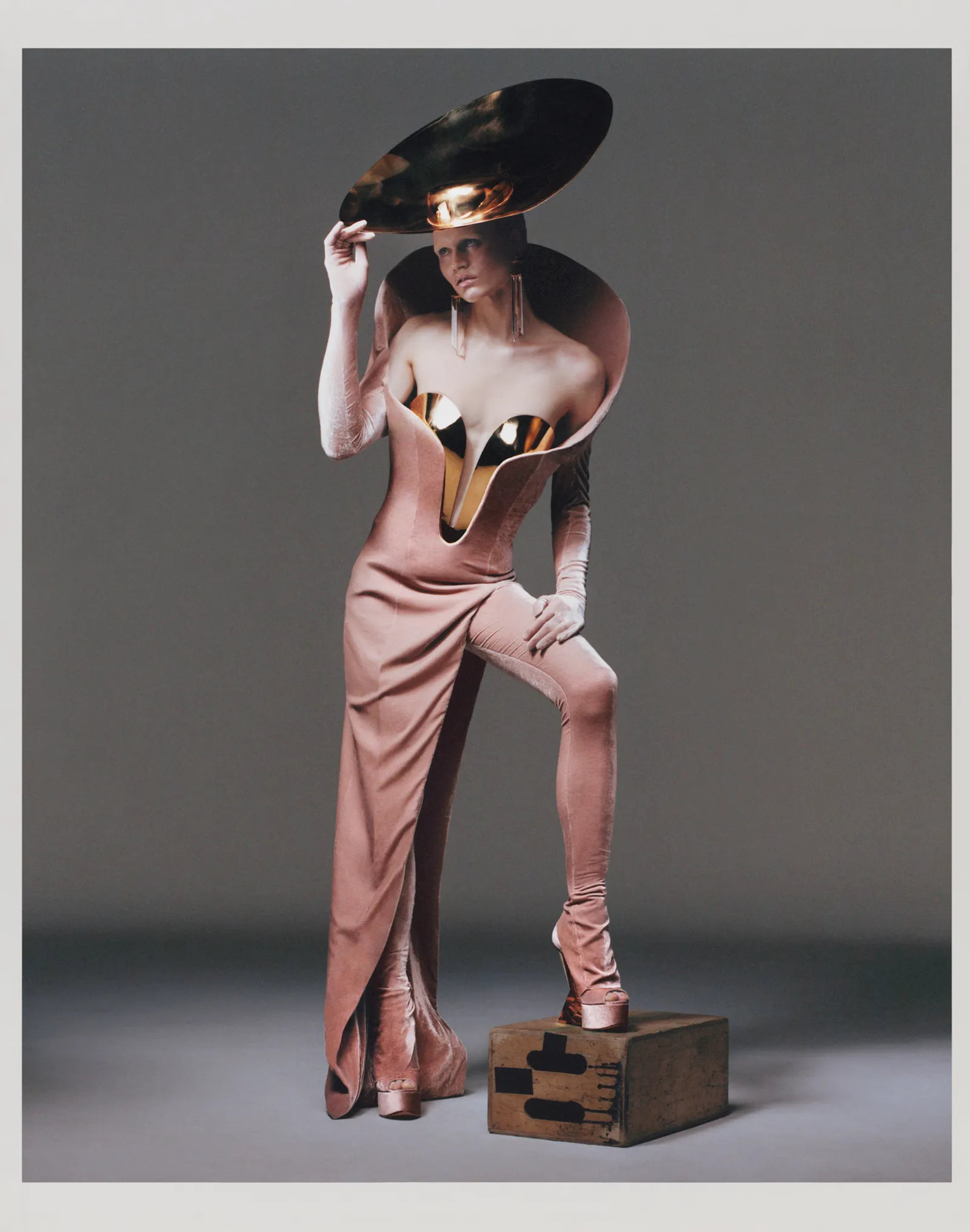
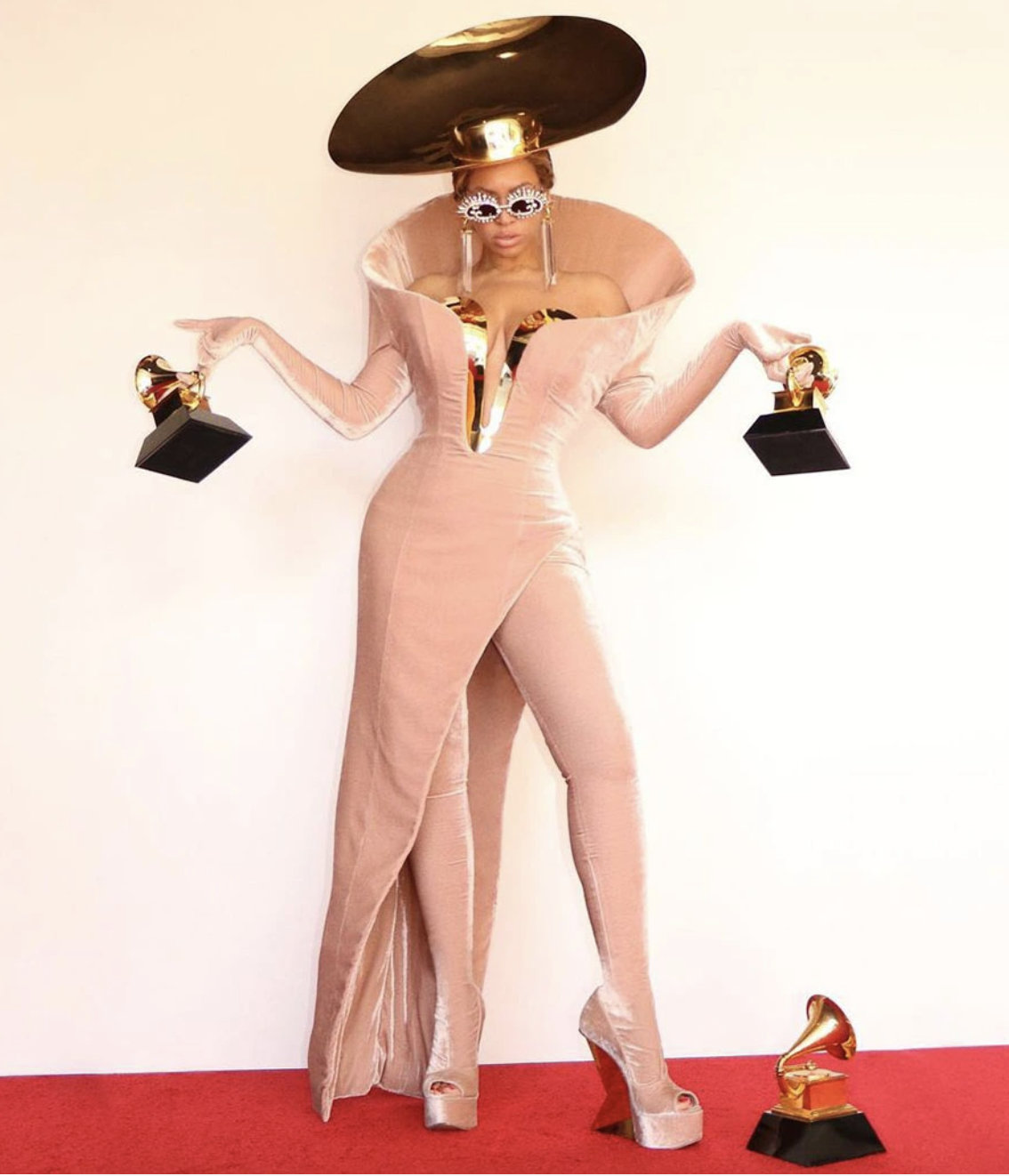
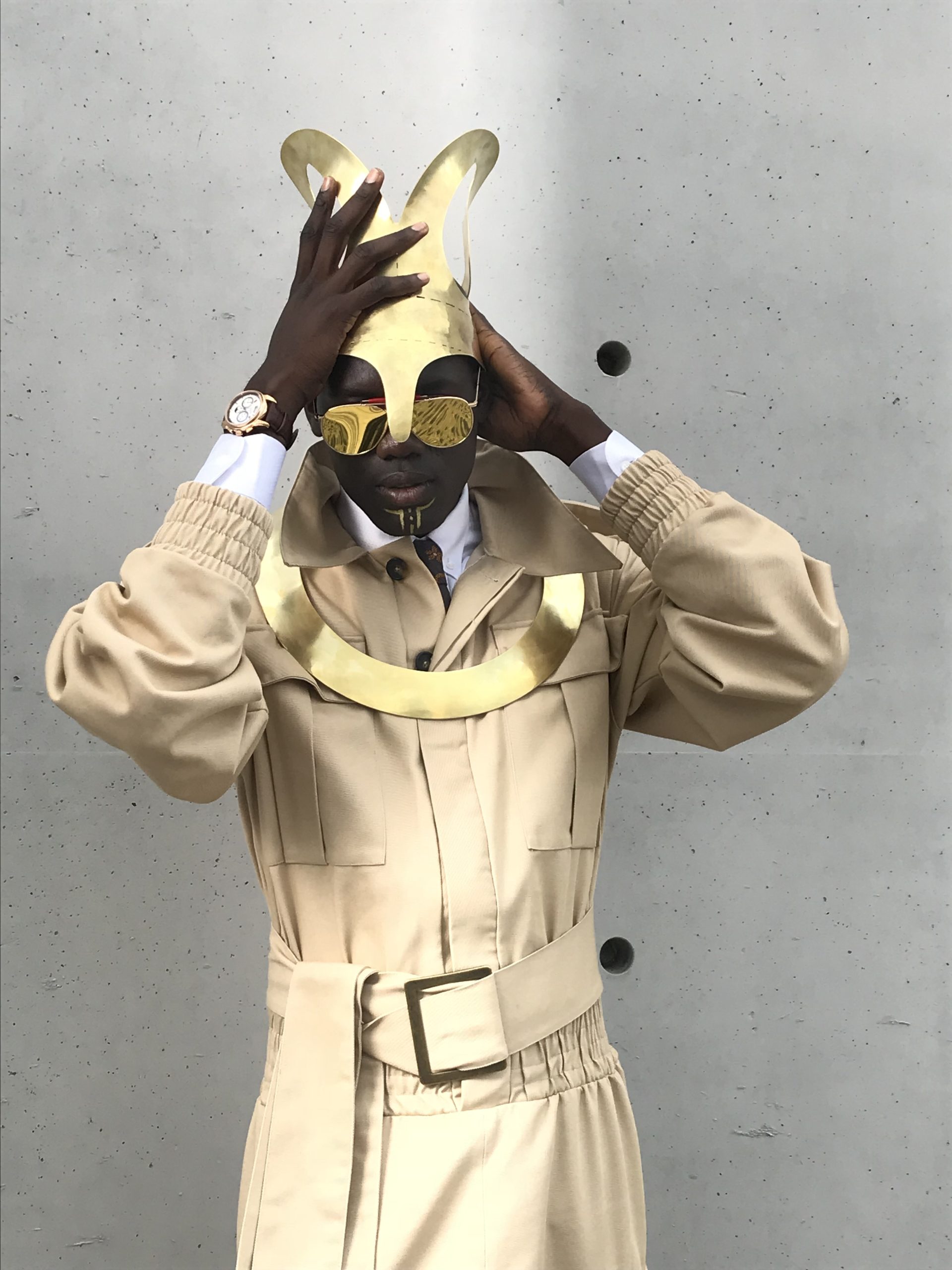
His formal language also finds an extension in fashion. He collaborates with houses such as Balmain, for which he creates pieces worn notably by Beyoncé, as well as with Schiaparelli, participating in projects where metal is treated as a sculpted textile. This approach extends a broader exploration of the porosity between clothing and sculpture.
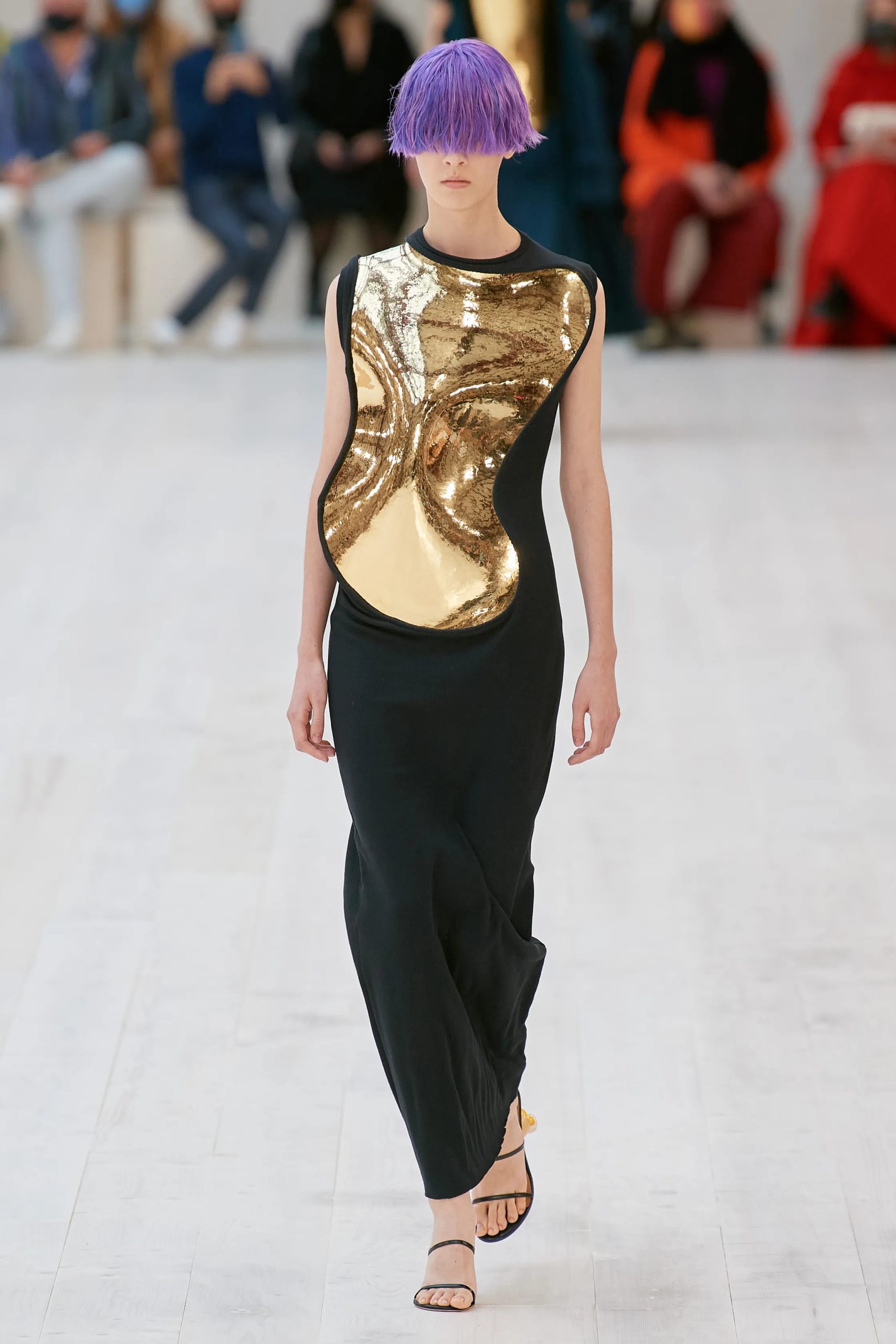
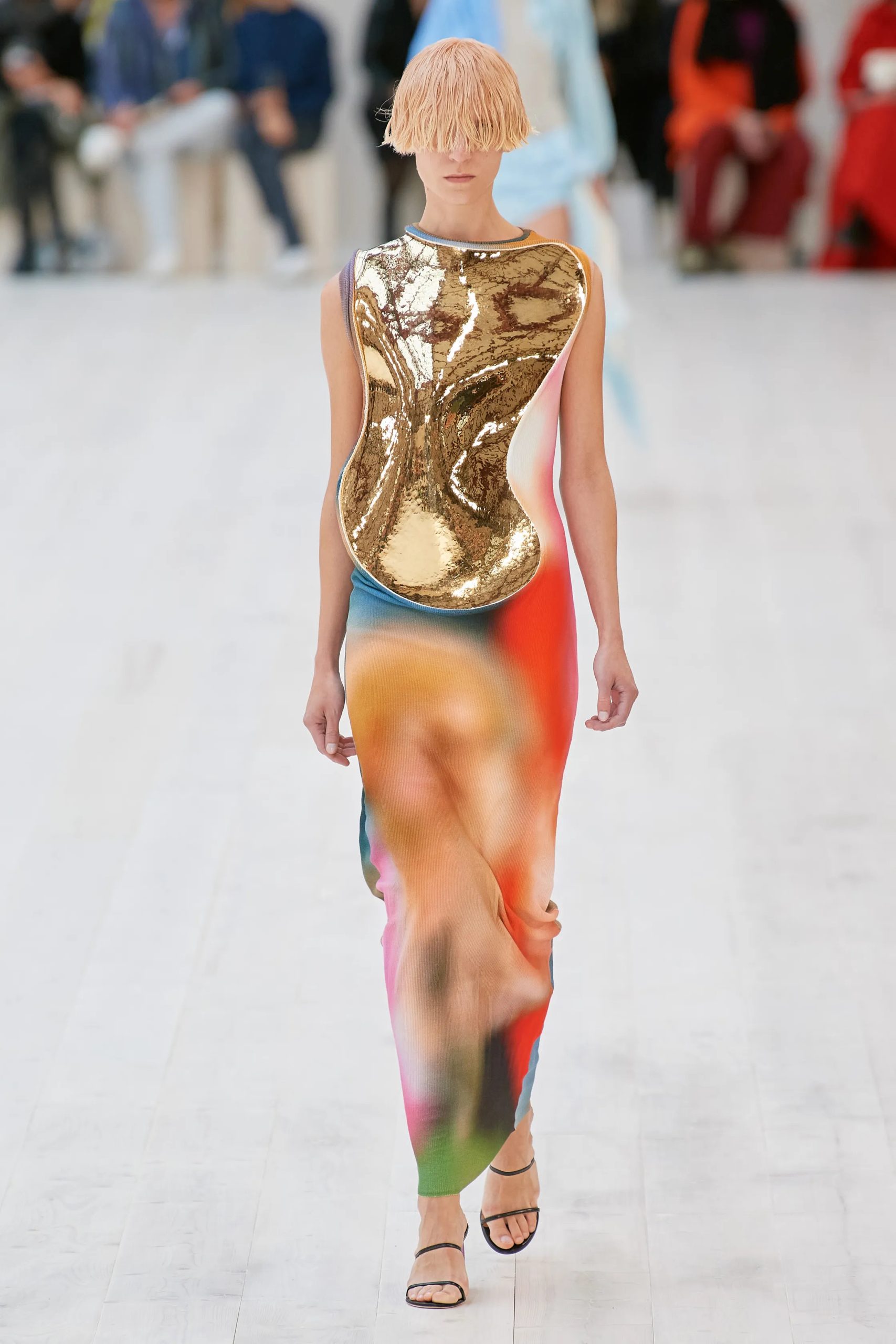
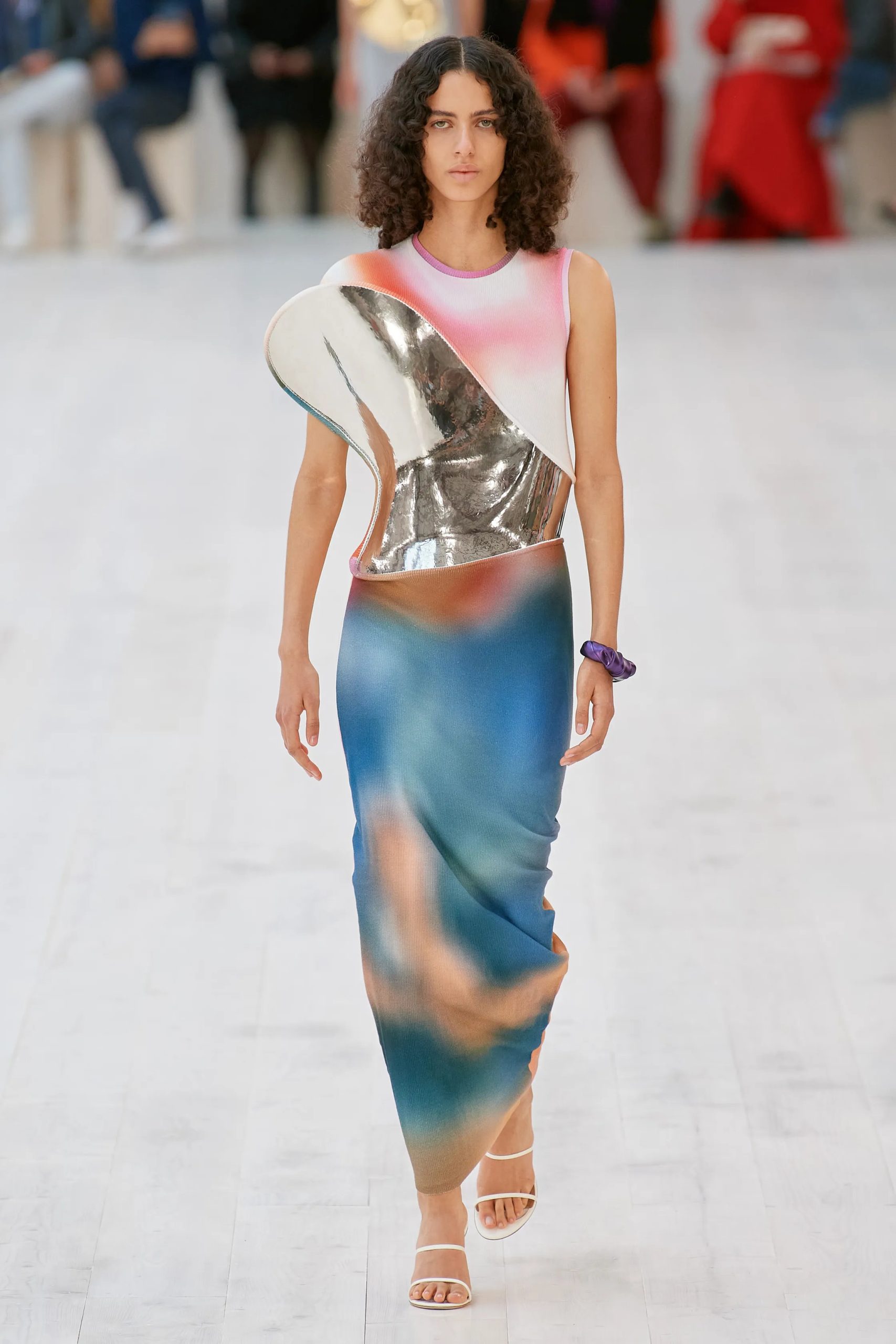
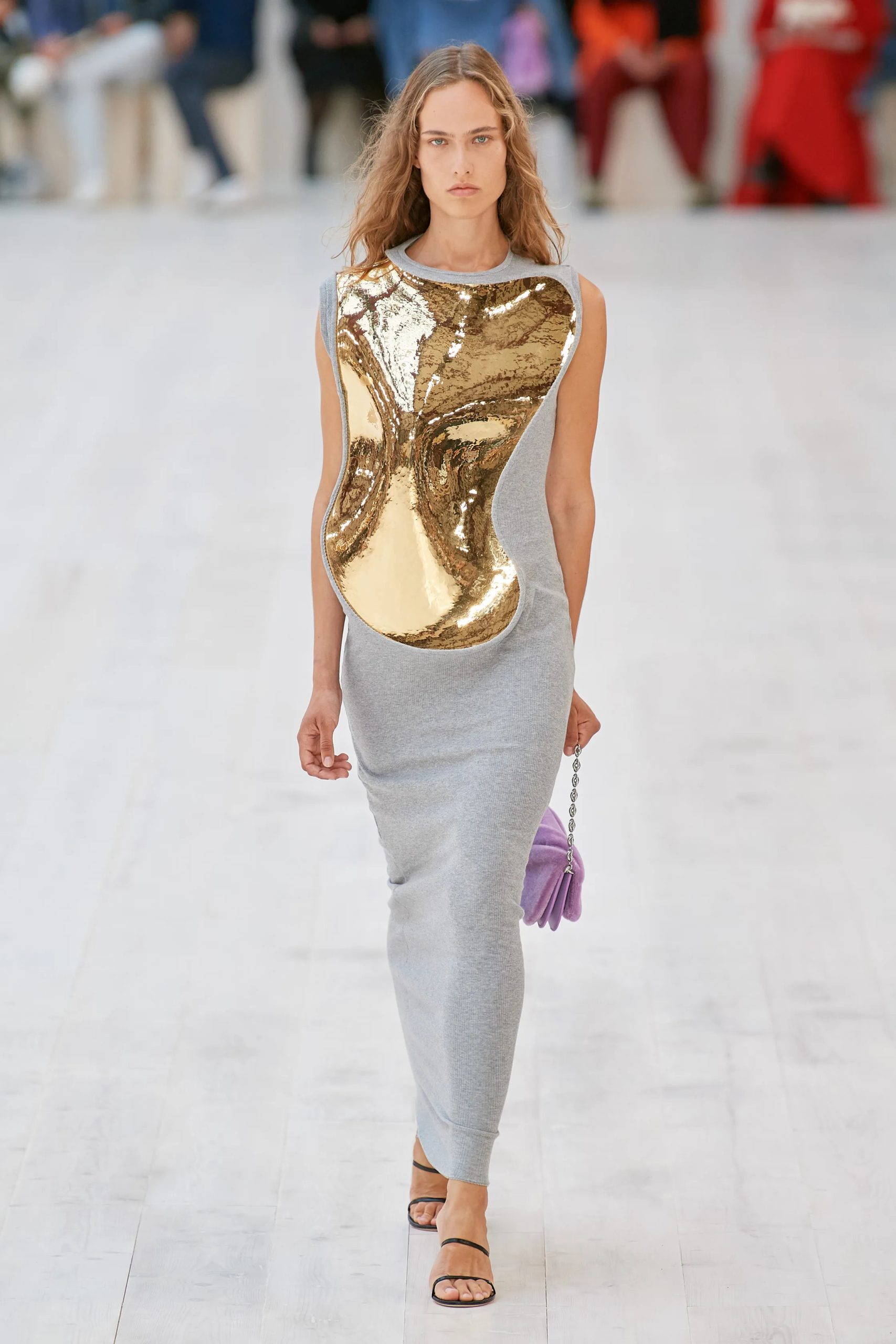
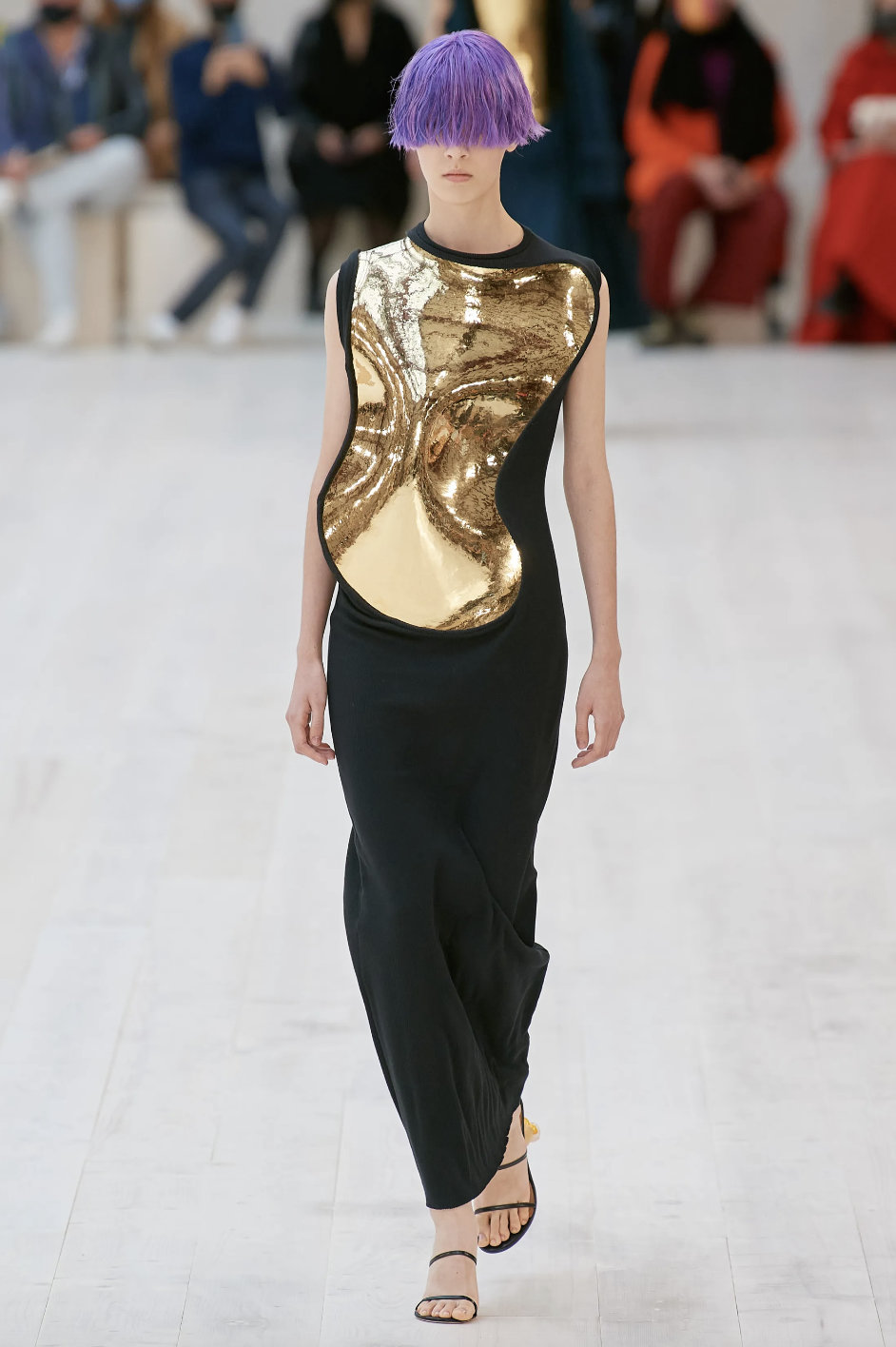
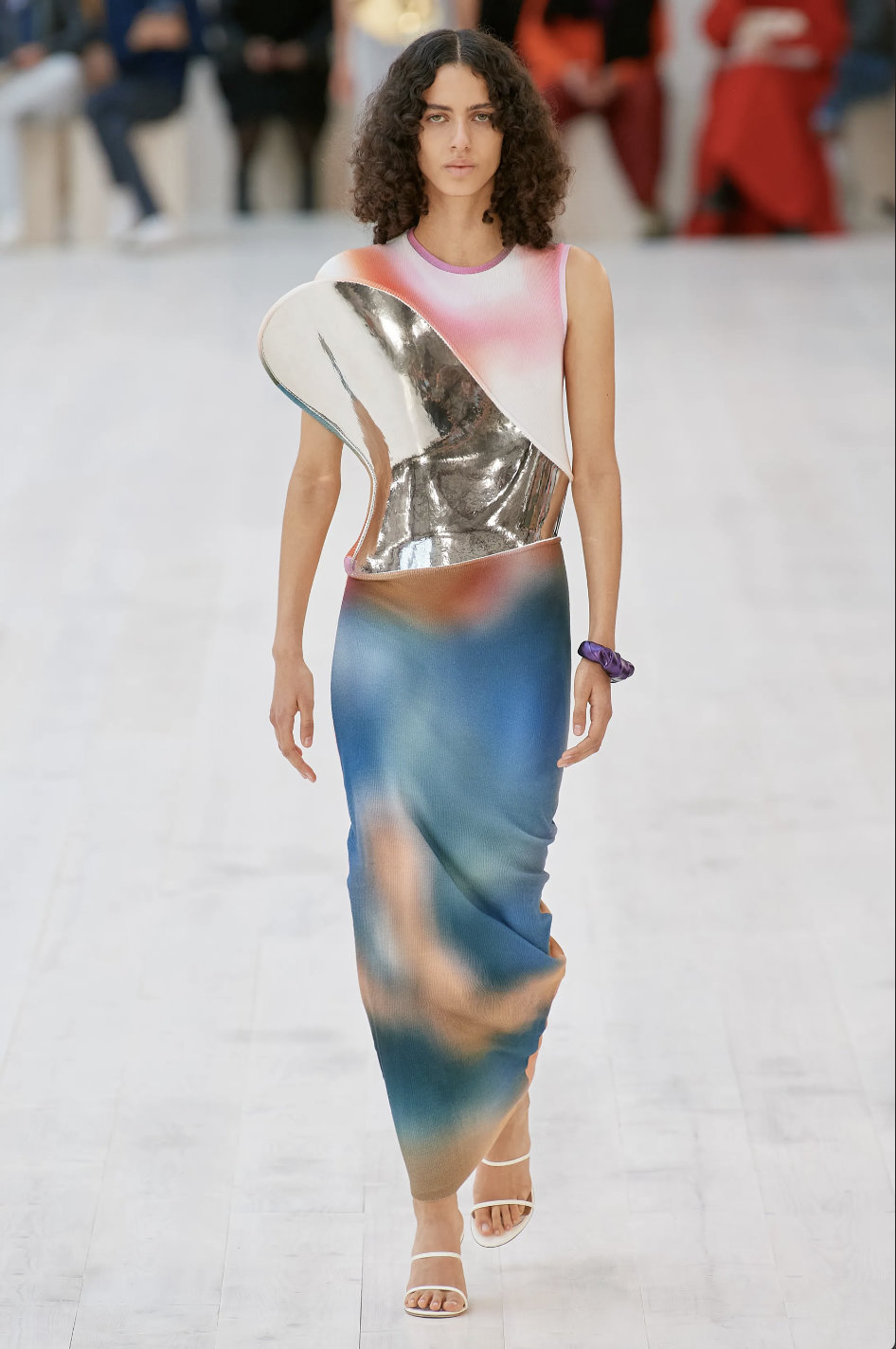
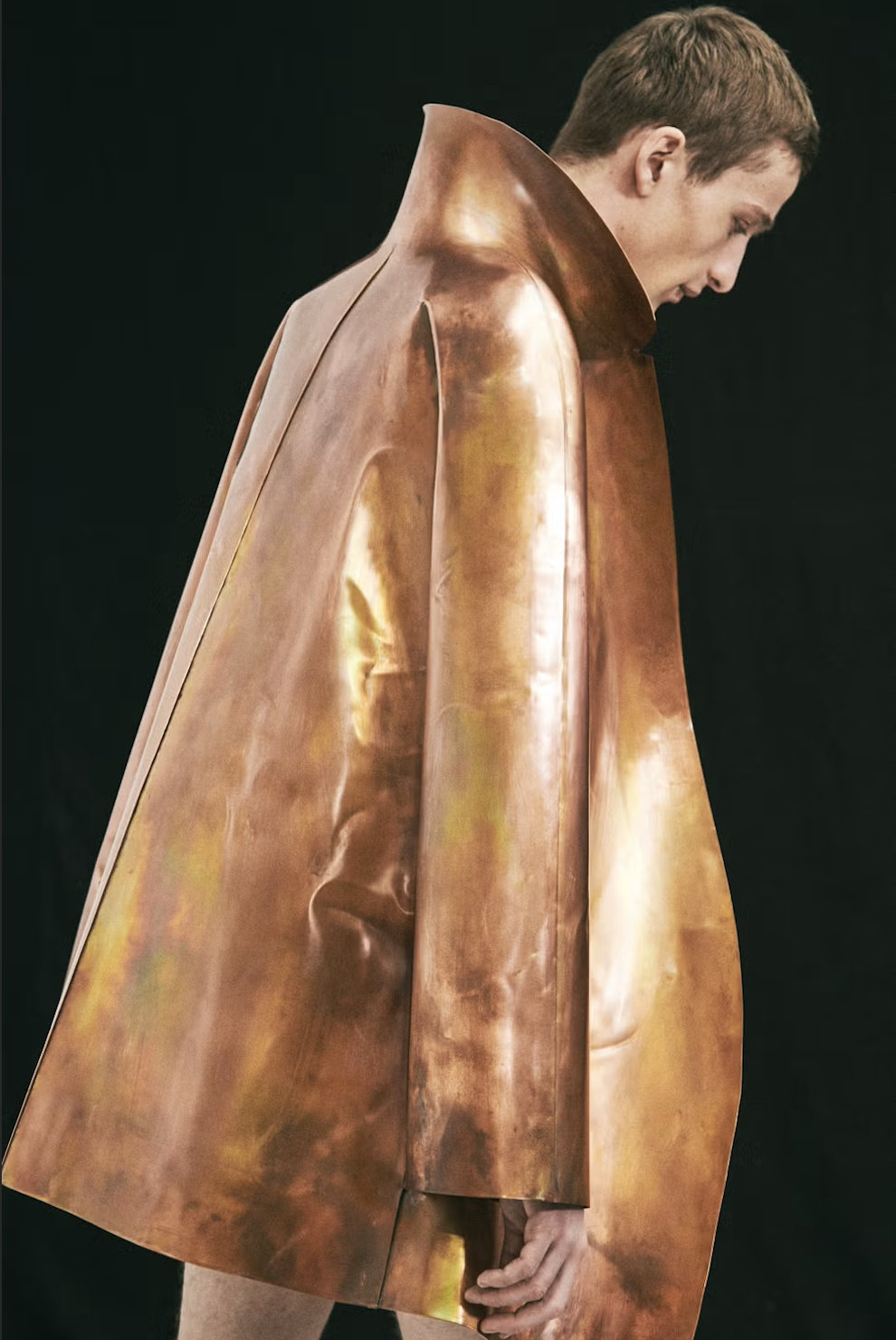
Winner of the Ateliers d’Art de France Young Creators competition in 2007, he now exhibits internationally, from Paris to New York, from London to Seoul and Florence. A notable collaboration with Loewe recently reinforced this hybrid dimension: pieces in hammered copper and pewter, conceived as garments, were presented at Paris Fashion Week. Designed using textile patterns and then entirely handcrafted, they reflect a single ambition: to transform the rigidity of metal into movement, fluidity, almost like breathing.
Training 100% financeable by AFDAS, or partially covered by other operators such as FAFCEA, AGEFICE, FIFPL, OPCO EP etc.
Accommodation and meals included
If you are concerned, we invite you to contact our sales department in advance via "Request for information" in order to prepare your file, or to register directly via the page of the chosen training course.

89350 Champignelles
T: +33 (0)3 86 45 23 42
contact@campusmana.com