





This training course offers an immersion into the challenges of glass recycling, with a focus on the reuse of glass dust, currently considered to be a final waste product.
Drawing on glassmaking expertise, it combines technical mastery, creative expression, and consideration of the constraints specific to the material. The approach is part of a commitment to environmental responsibility: transforming waste into a resource, reducing the impact of waste, and rethinking production cycles from a more sustainable perspective.
At the end of the training, participants will be able to:
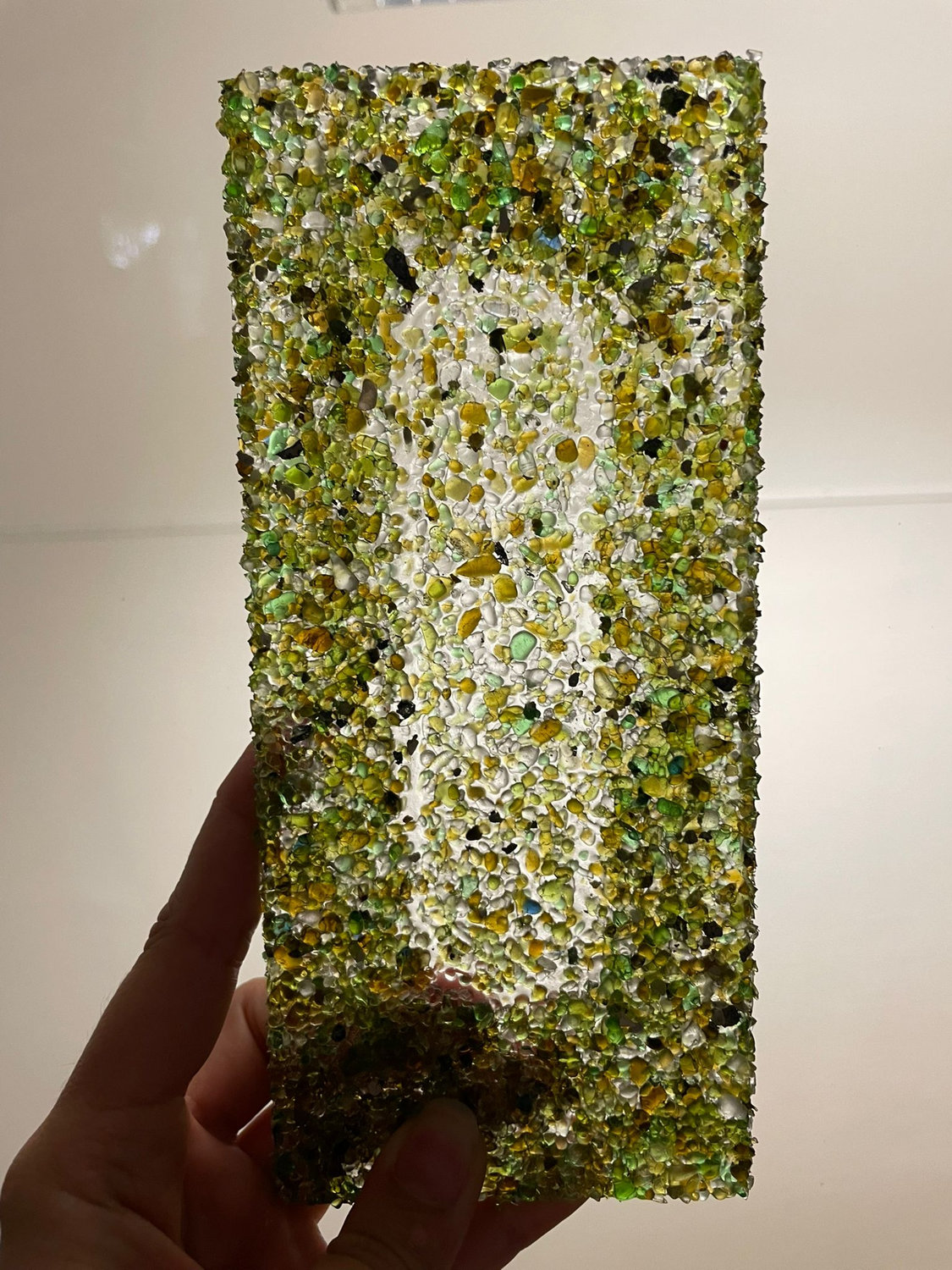
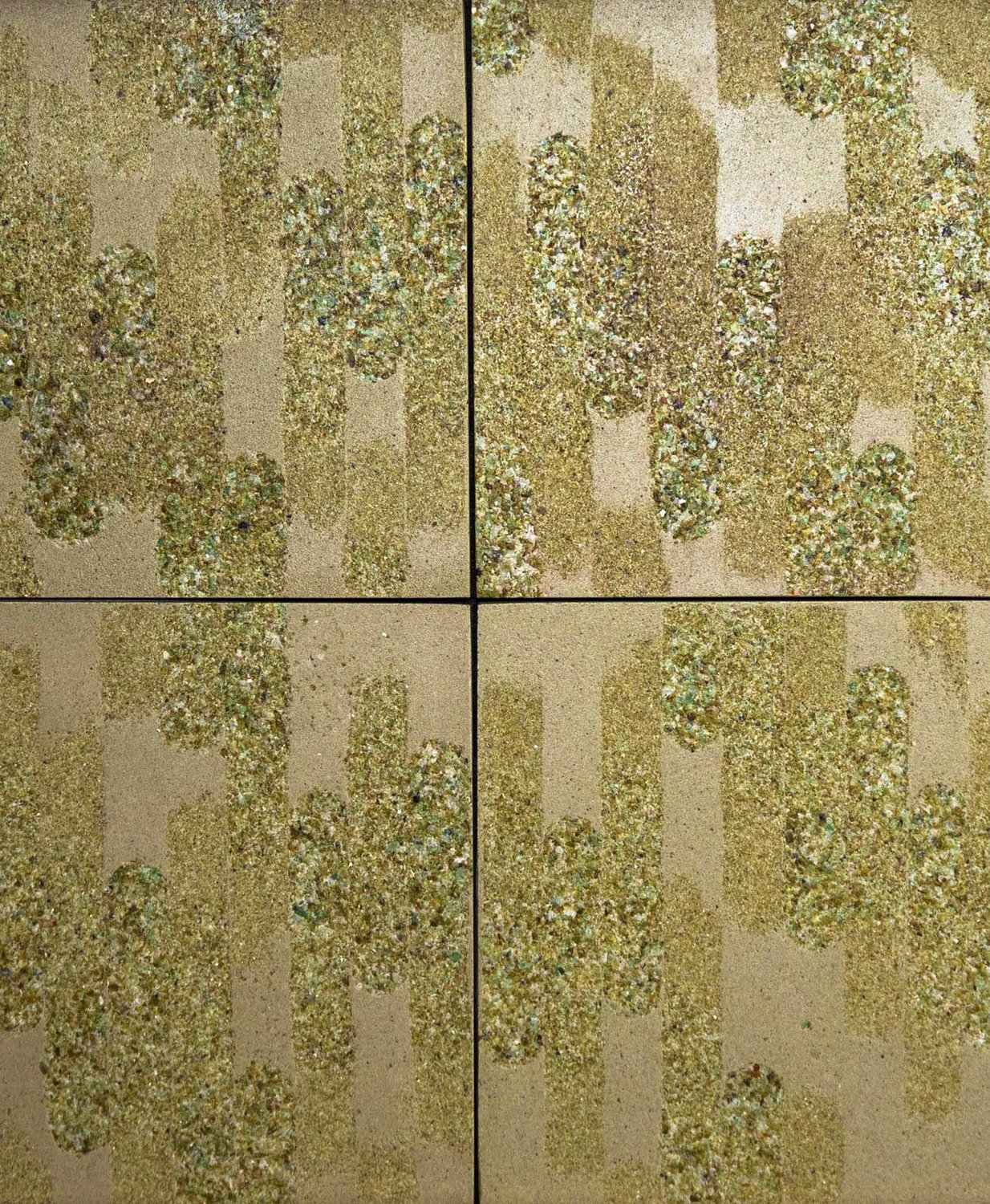
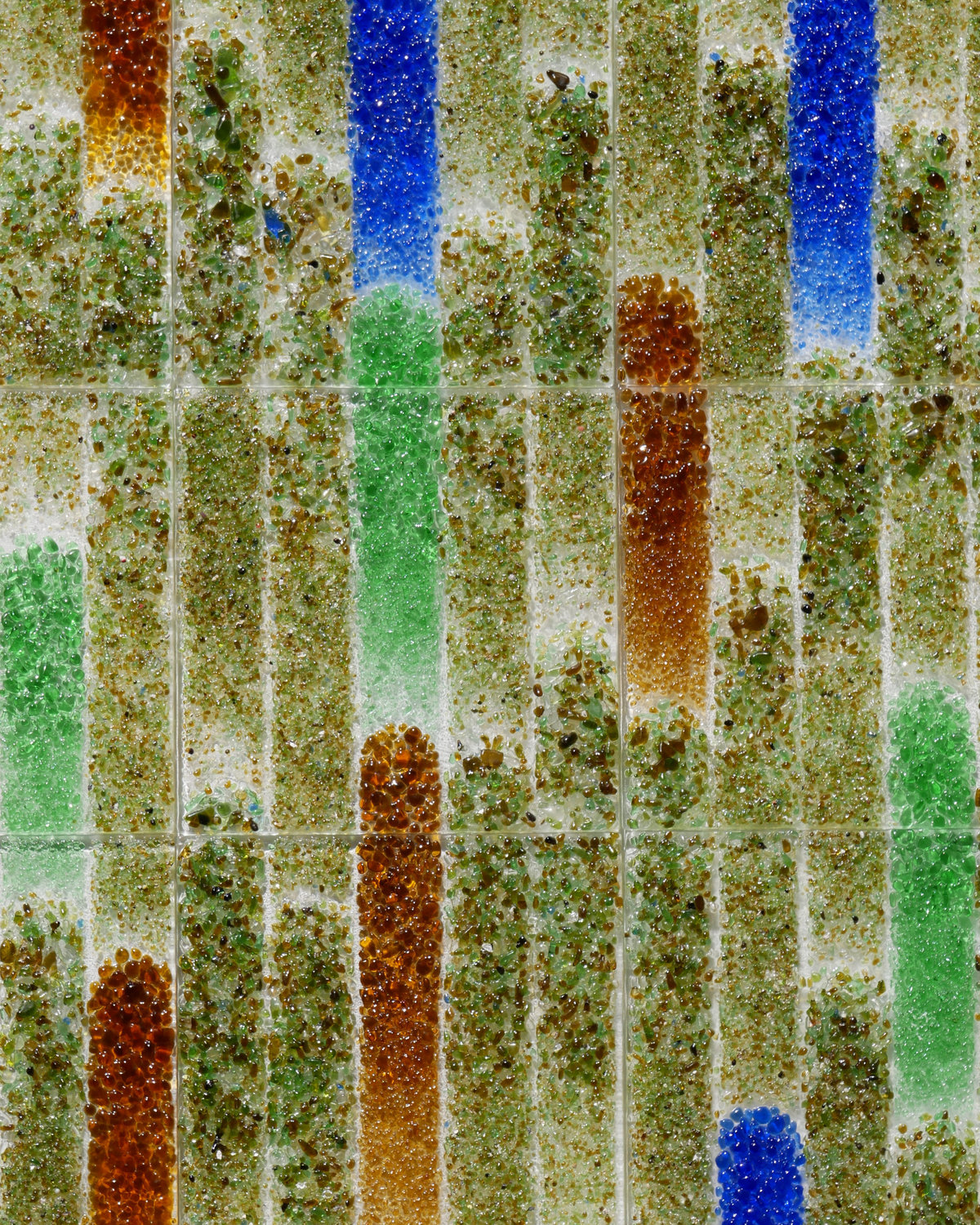
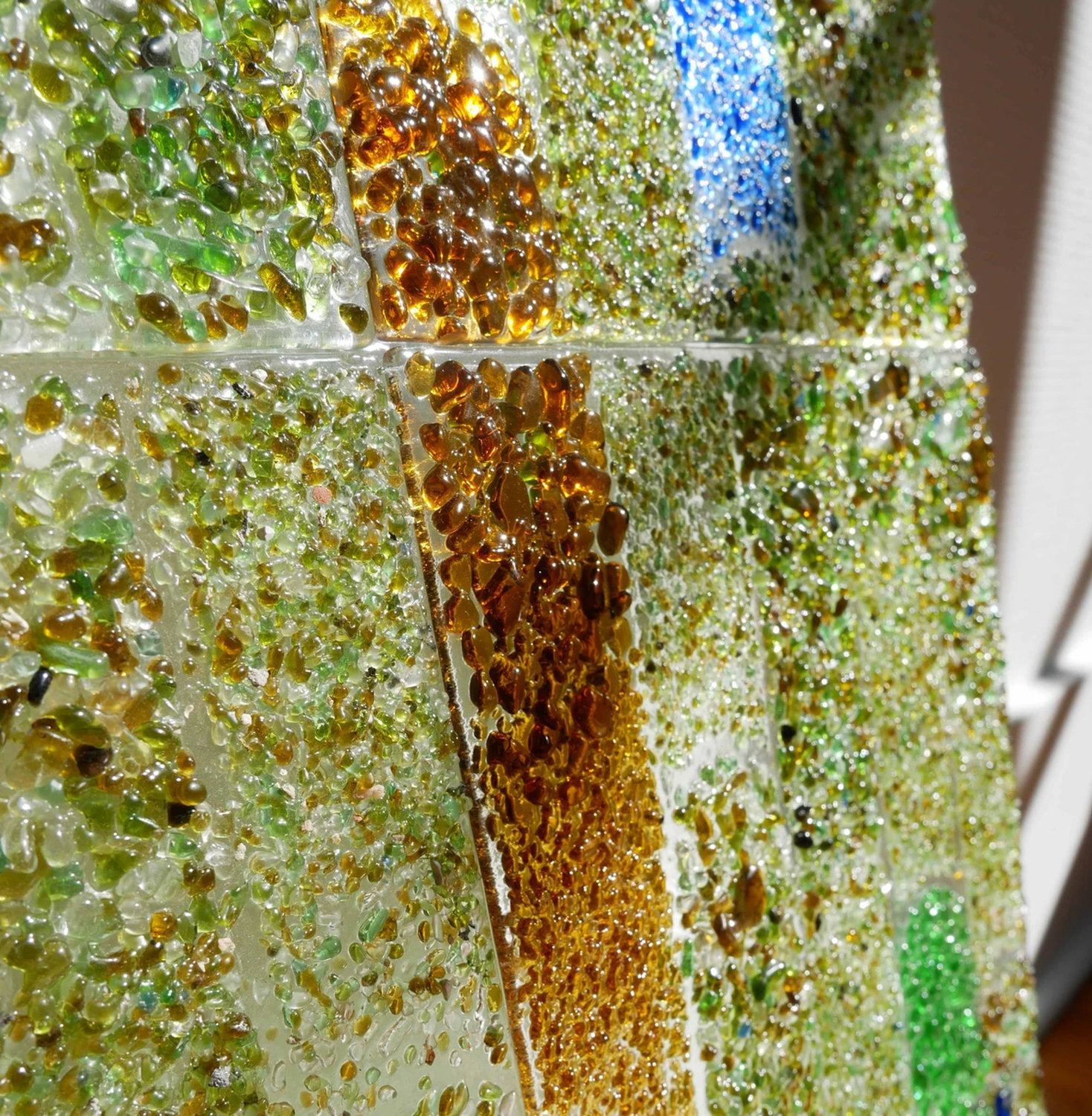
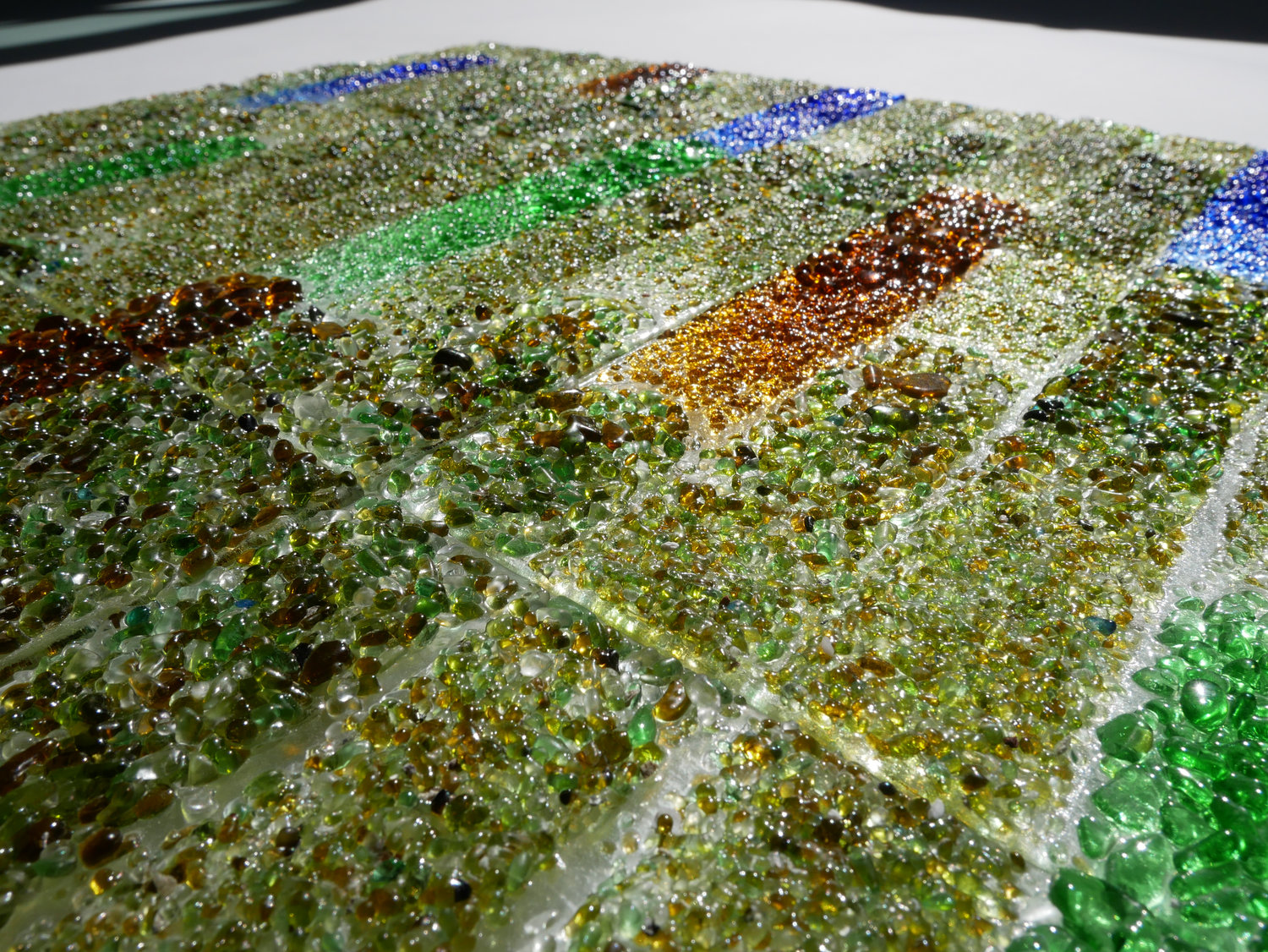
This training course offers an immersion in the Terre de Verre project, an applied research initiative dedicated to the recovery of glass fines from the recycling industry. Currently considered difficult to exploit due to their particle size of less than 3 mm and the presence of impurities, these particles nevertheless hold largely untapped potential.
Participants are invited to consider this waste as a resource, through an experimental approach combining scientific analysis, craftsmanship, and design thinking.
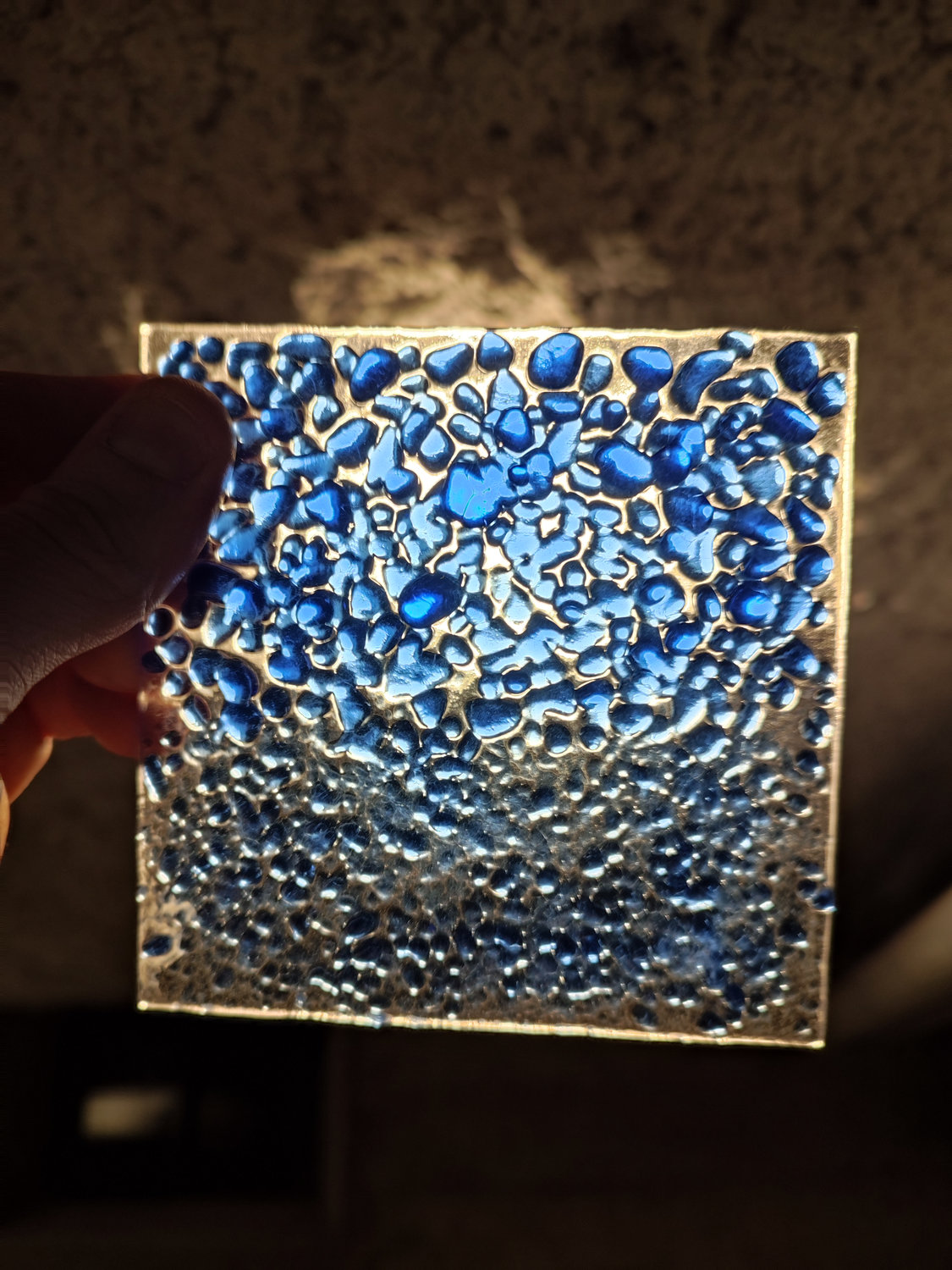
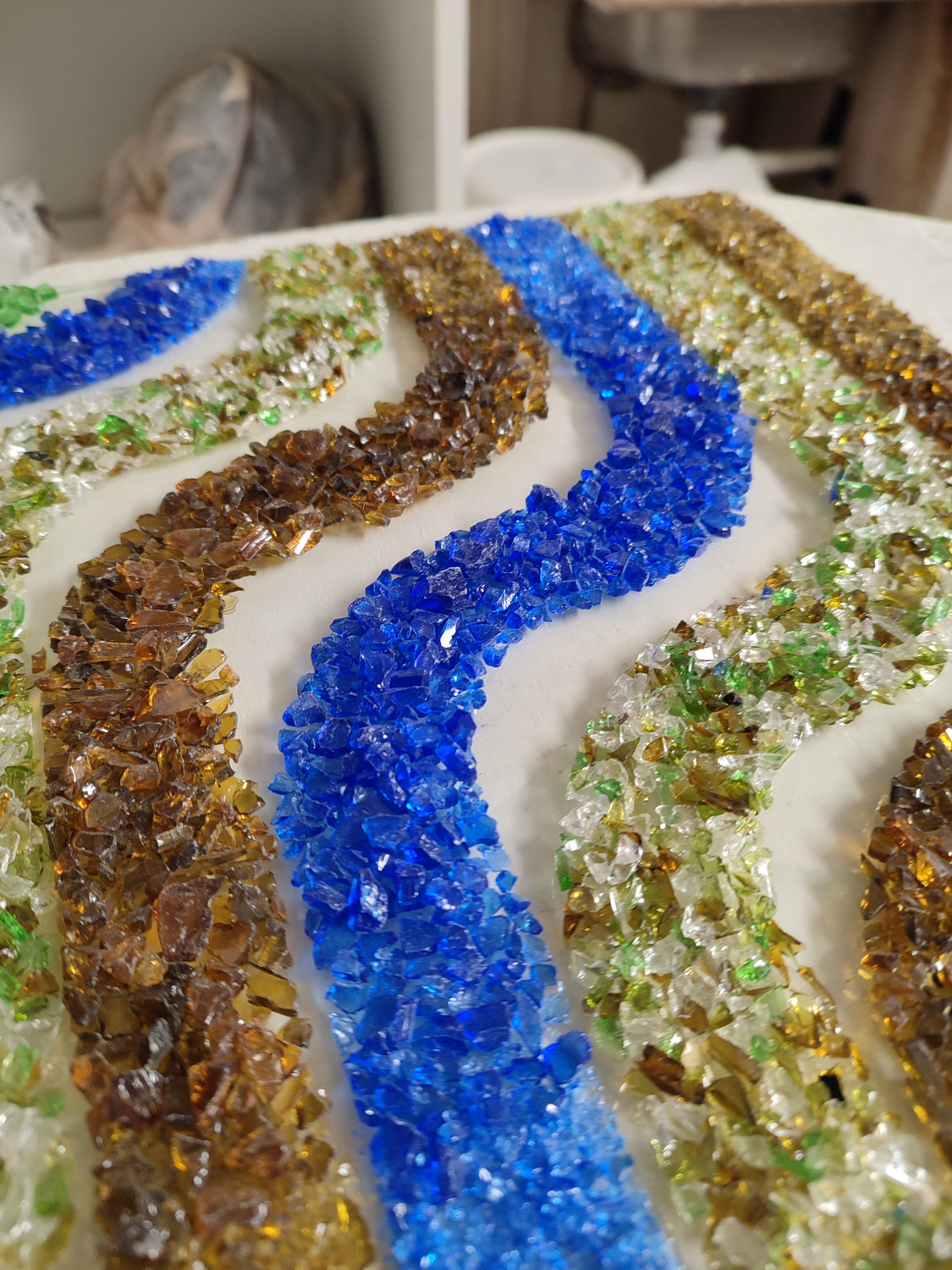
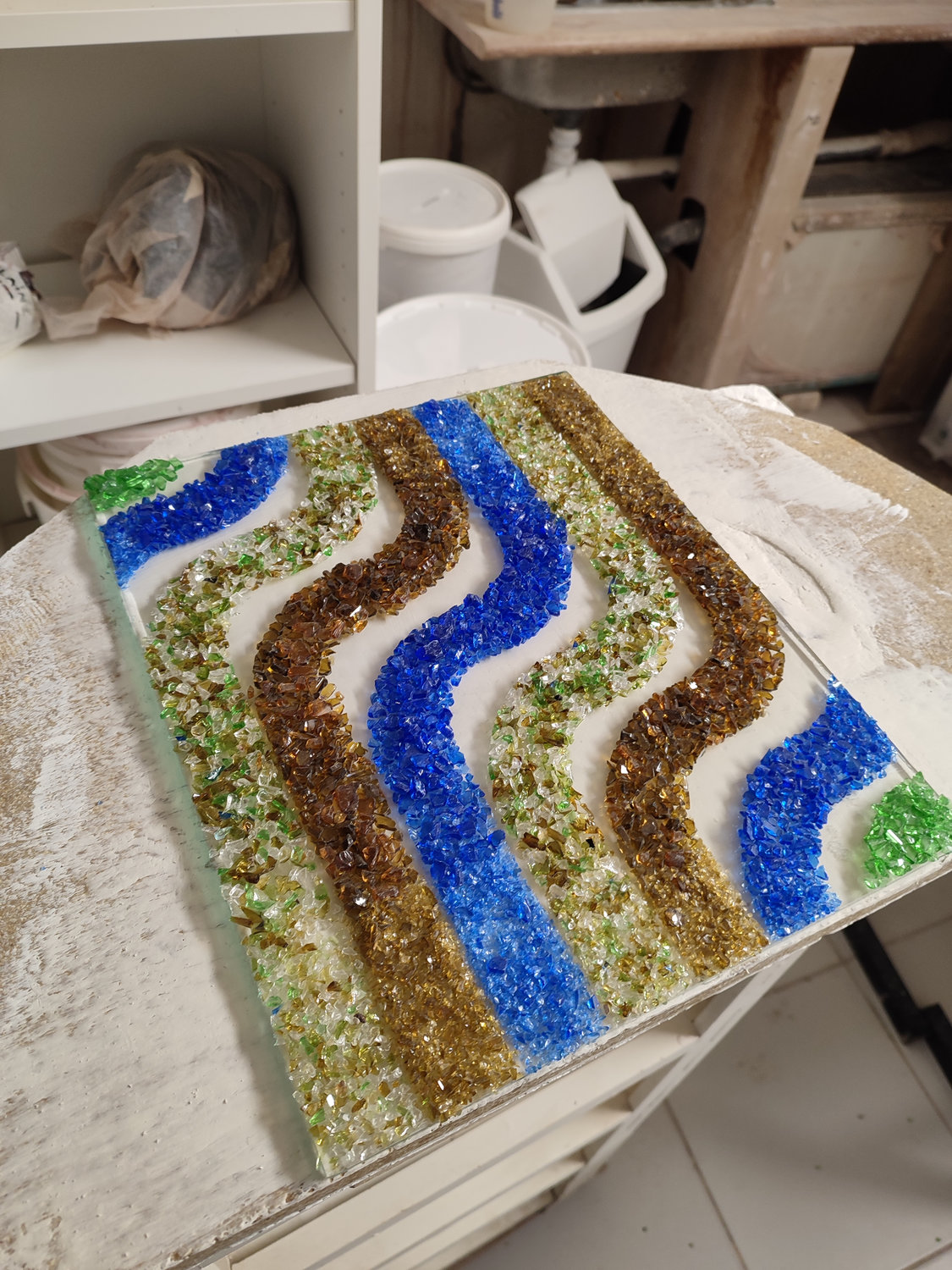
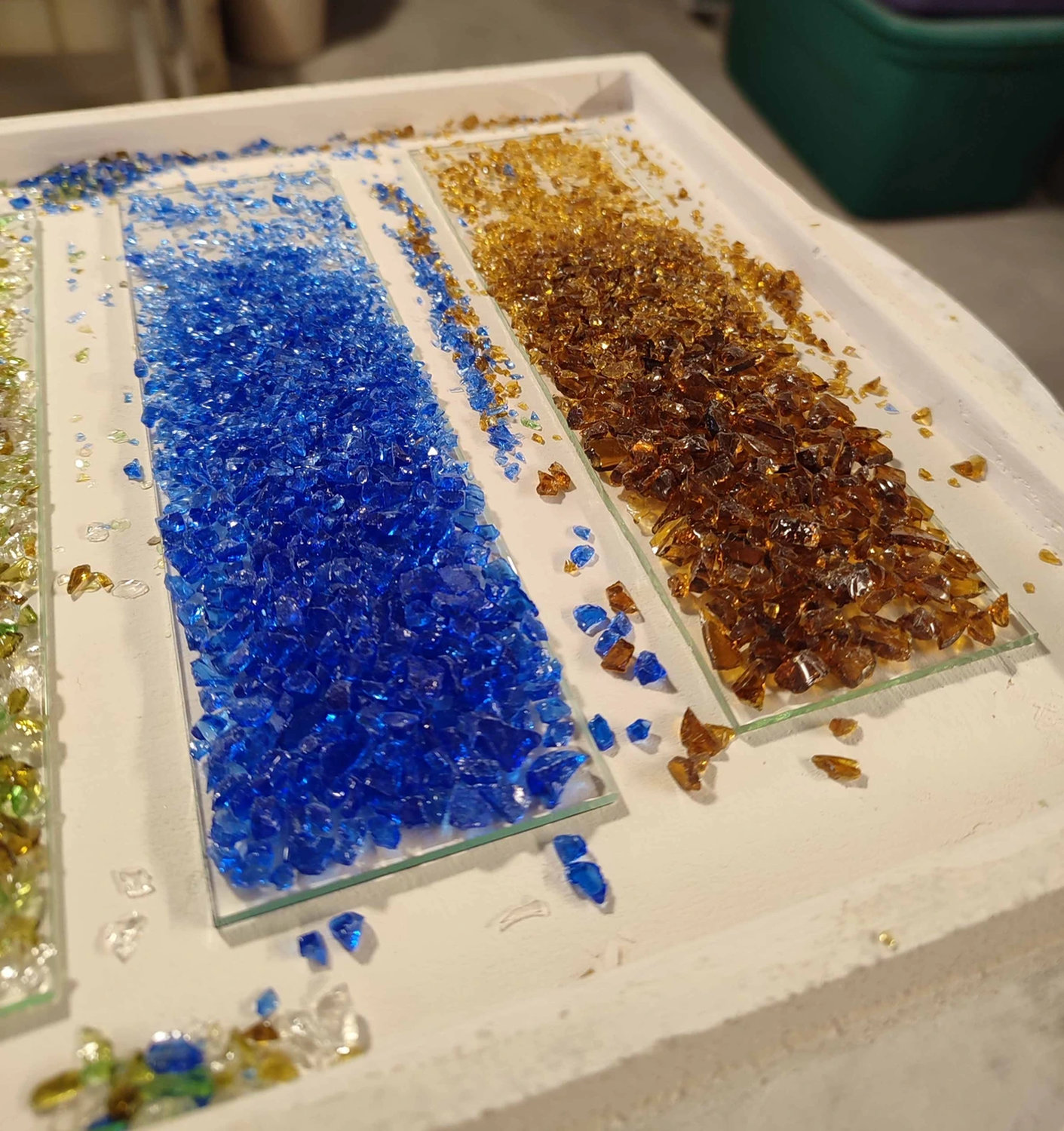
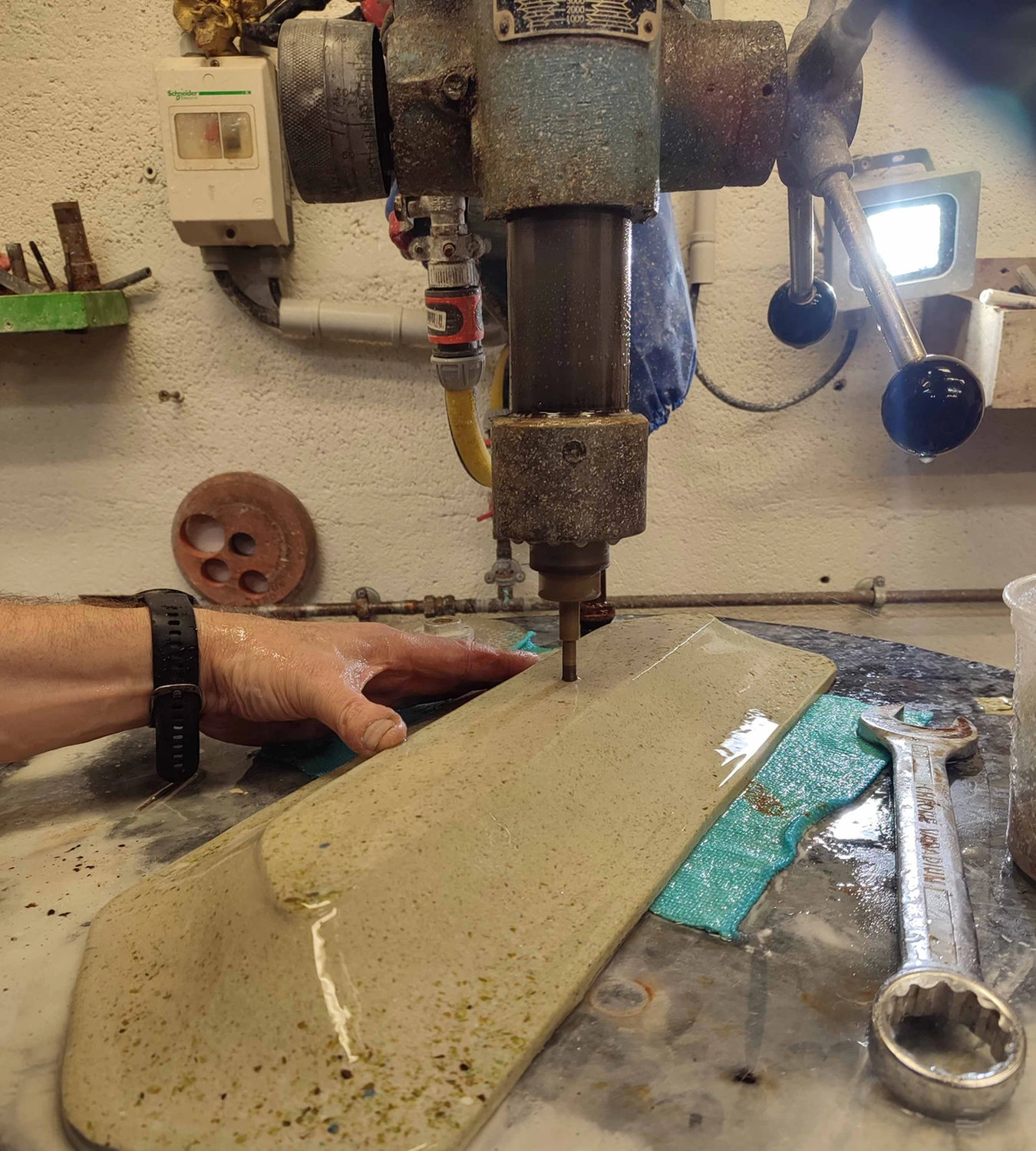
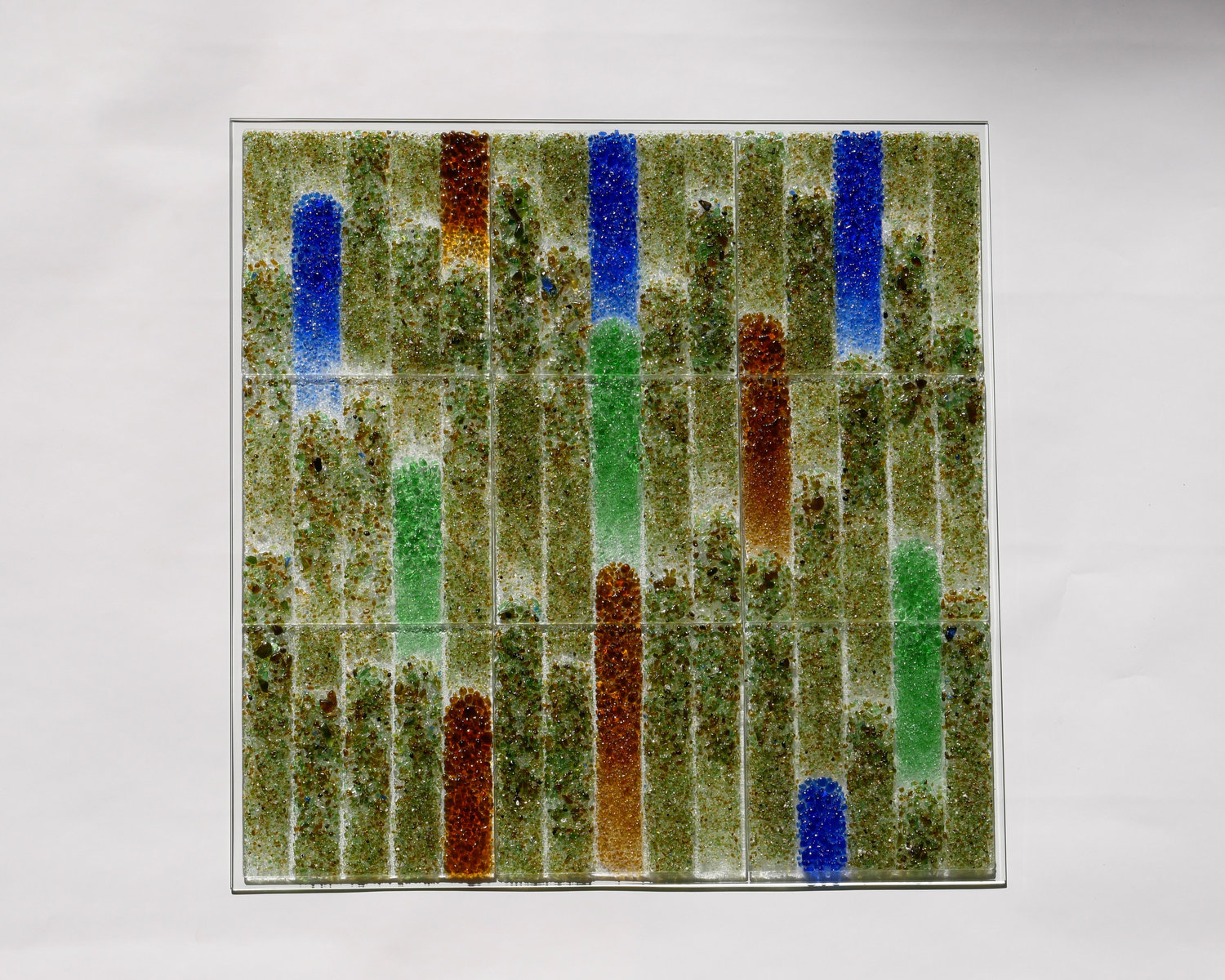
During the week, they will study the properties of these glass fines in order to understand their constraints and possibilities. Based on this observation phase, they will experiment with different transformation processes, particularly those related to fusing and decorative techniques.
The teaching approach is based on a material-based research methodology: testing, documenting, adjusting, and prototyping. Learners will be guided in the design of forms adapted to the specific characteristics of this material.
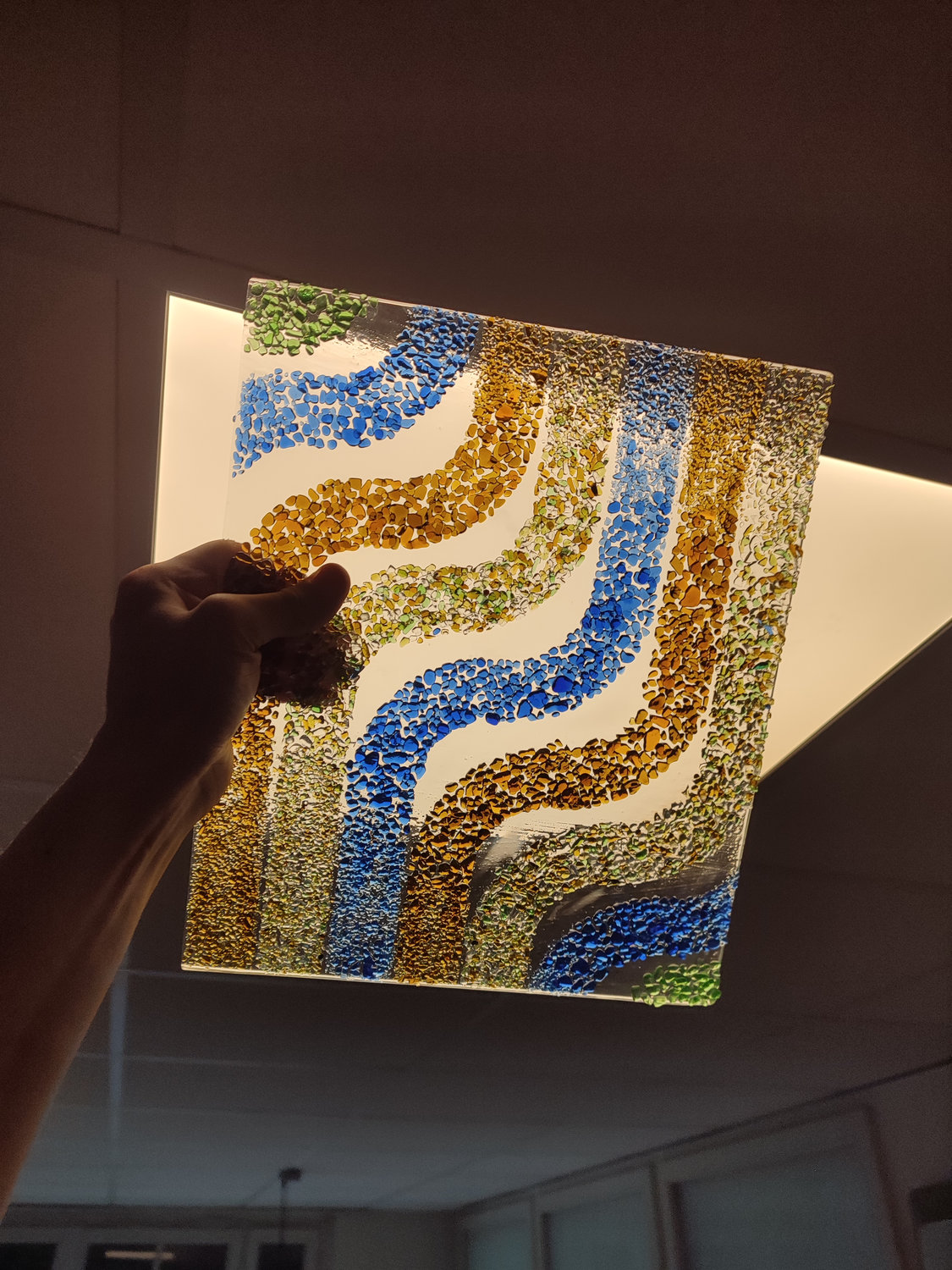
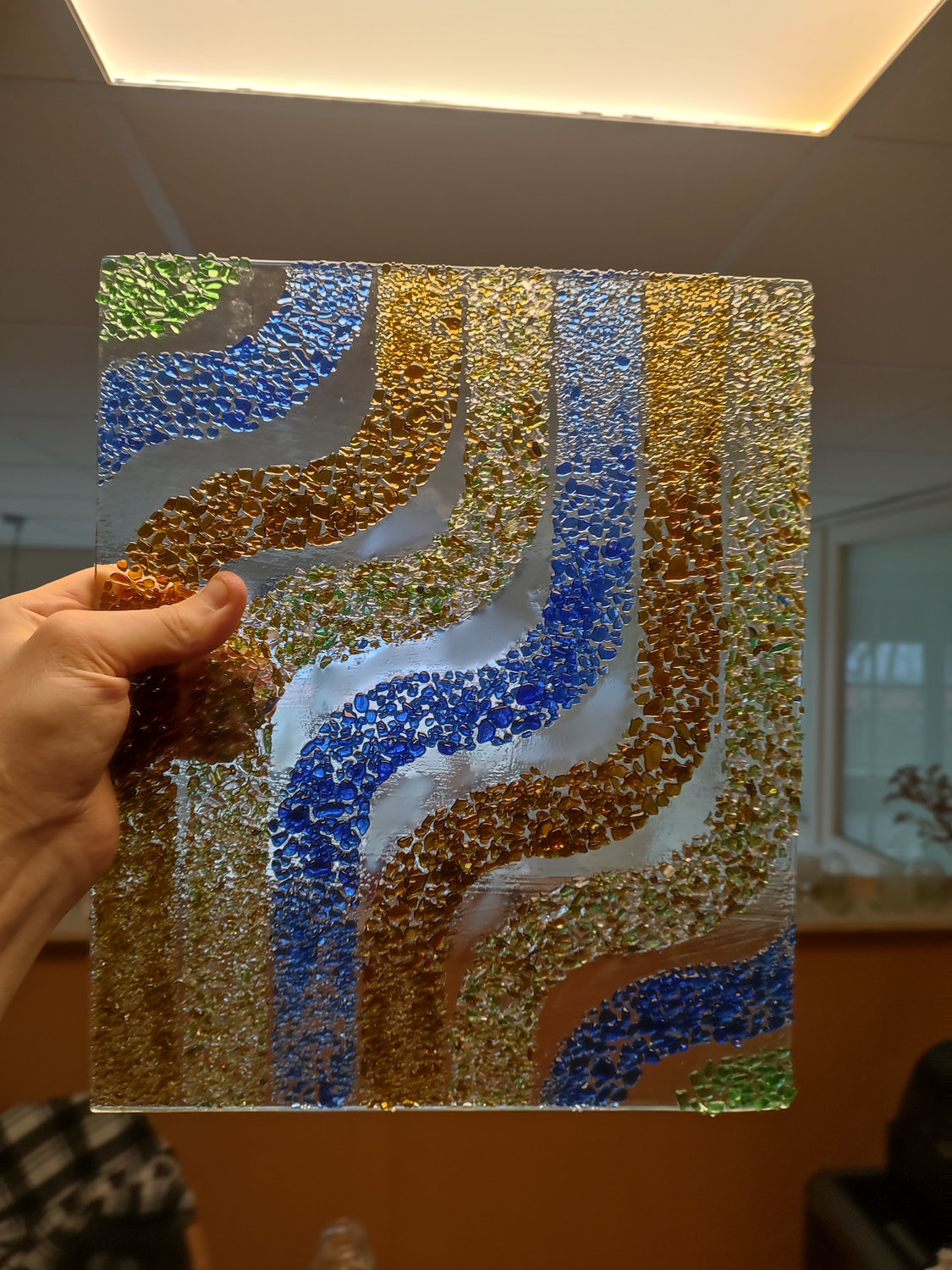
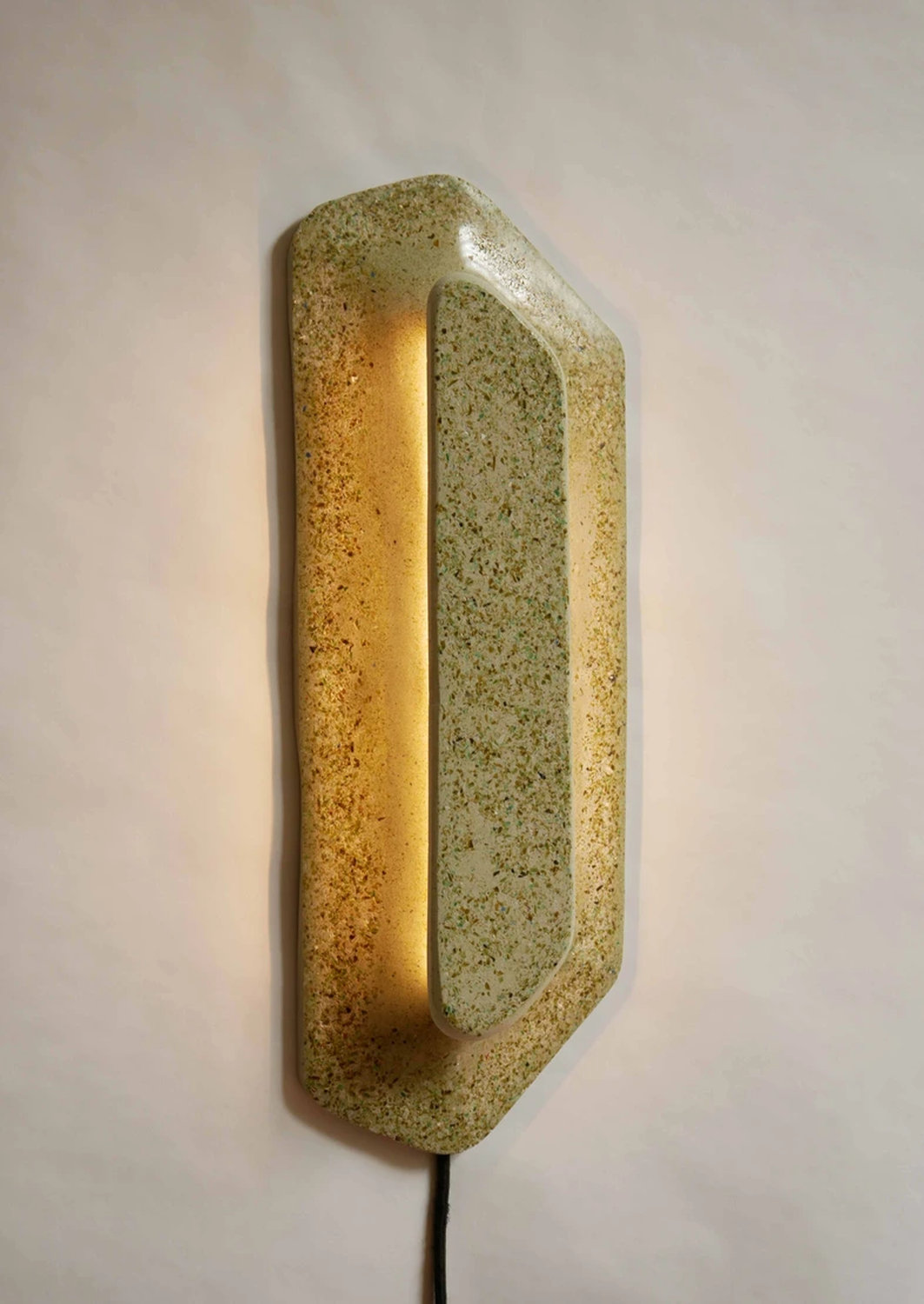
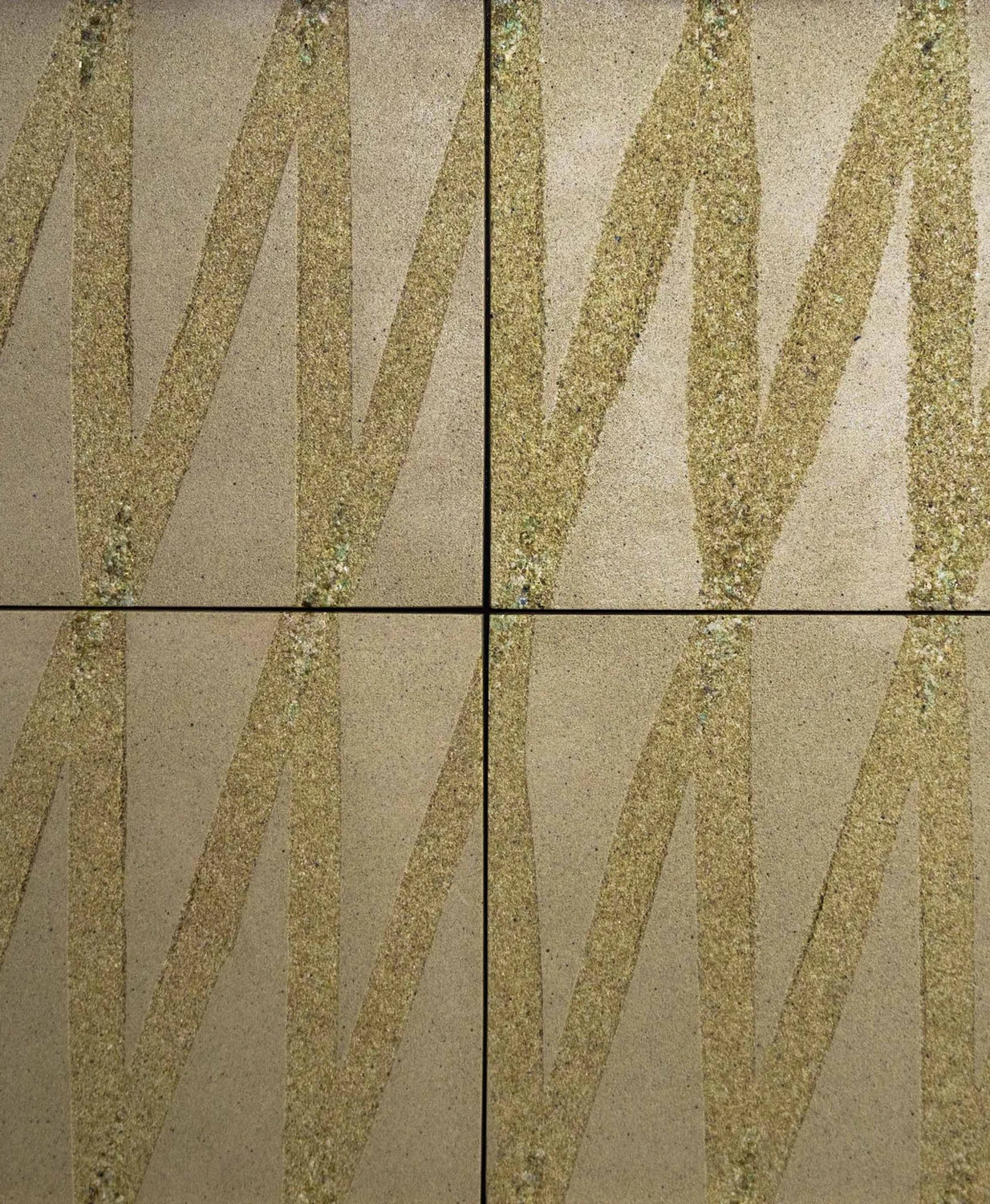
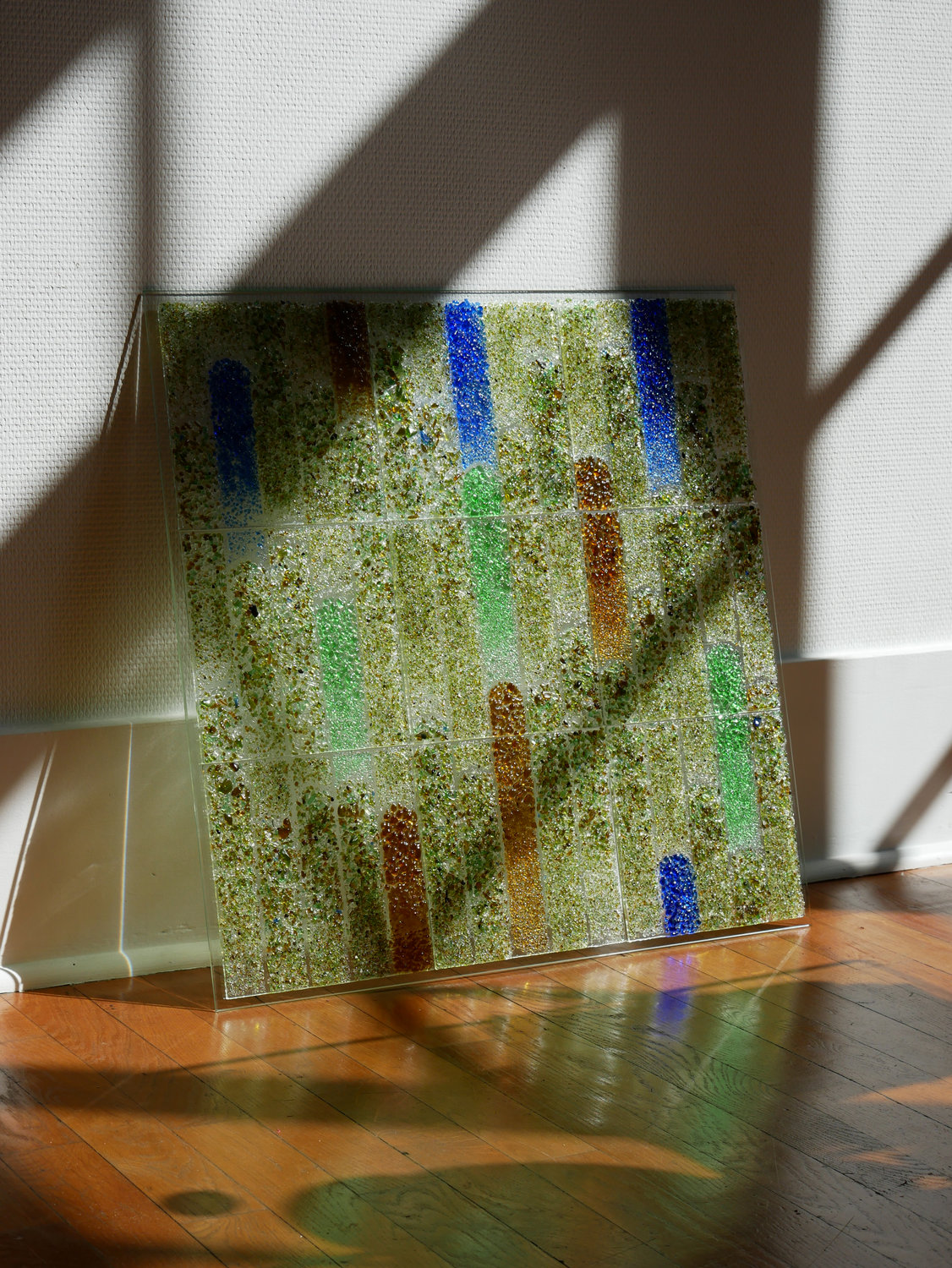
By the end of the course, each participant will have created a demonstration decoration designed as a finished piece, highlighting the plastic and technical qualities of recycled glass. The session is intended to be a space for experimentation and reflection, where the transformation of waste becomes the starting point for a project that is both responsible and aesthetic.
Morning
Afternoon
Morning
Afternoon
Morning
Afternoon
Morning
Afternoon
Morning
Afternoon
A graduate of the École nationale supérieure des Arts Décoratifs and trained by several artisans, Wilfried Becret develops work at the intersection of design, research, and craftsmanship. Both a prototyper and a designer, he focuses on materials as his main field of investigation, favoring experimentation, immersion in the field, and dialogue with artisans, industrialists, and scientists.
In his studio, designed as a laboratory, he explores the transformation of industrial waste materials, particularly those considered non-recyclable. Far from viewing them as waste, he approaches them as resources to be reclassified. By studying their physical, aesthetic, and structural properties, he imagines new uses for them in design, architecture, and furniture. His approach, rooted in an ecosystemic vision, questions the cycles of transformation, the origin of resources, and the possibility of short circuits between industrial production and artisanal manufacturing.
At the same time, Wilfried Becret revisits the gestures and traditions that connect material to form. Glasswork, ceramics, weaving, and basketry become fields of contemporary experimentation. The aim is not to preserve these skills under a bell jar, but to confront them with the current challenges of innovation and eco-design. Hybridization of techniques, transposition of tools, reinterpretation of processes: his work highlights the capacity of artisanal practices to nourish applied and situated research.
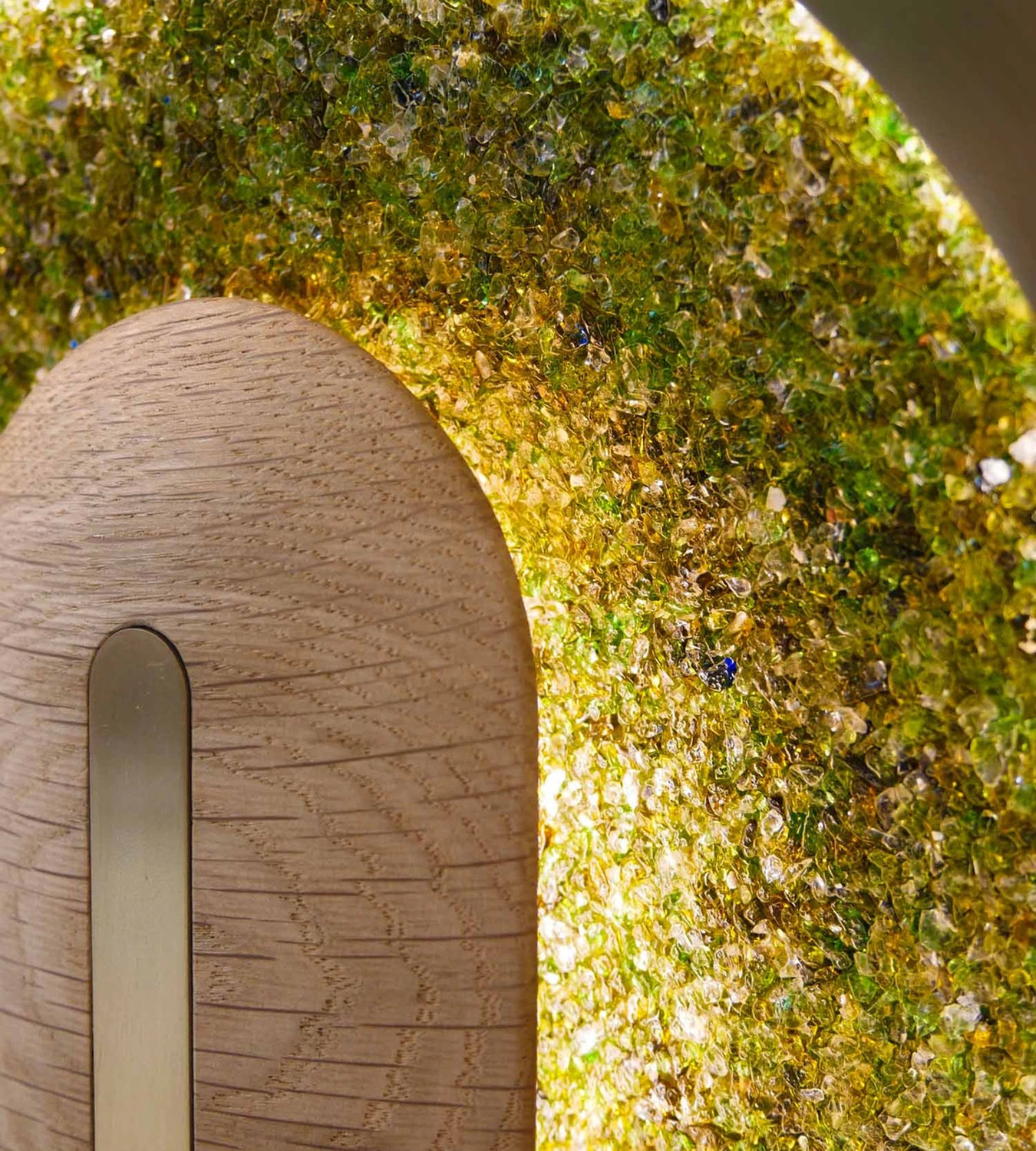
A project devoted to shaping molten glass illustrates this reflection on the process. Usually invisible, the tools that determine the shape and texture of objects are here integrated into the final work. Wooden molds, traditionally hidden, become visible structural elements. The object thus retains the memory of the gesture and reveals the dialogue between material and tool, making the manufacturing process an aesthetic dimension in its own right.
Through an ethic of "making do"—making do with what exists, with available resources, with contemporary constraints—Wilfried advocates for socially engaged creation. His work sketches the contours of a more sober and resilient design, where innovation, memory, and responsibility advance in concert.
Training 100% financeable by AFDAS, or partially covered by other operators such as FAFCEA, AGEFICE, FIFPL, OPCO EP etc.
If you are concerned, we invite you to contact our sales department in advance via "Request for information" in order to prepare your file, or to register directly via the page of the chosen training course.

89350 Champignelles
T: +33 (0)3 86 45 23 42
contact@campusmana.com
