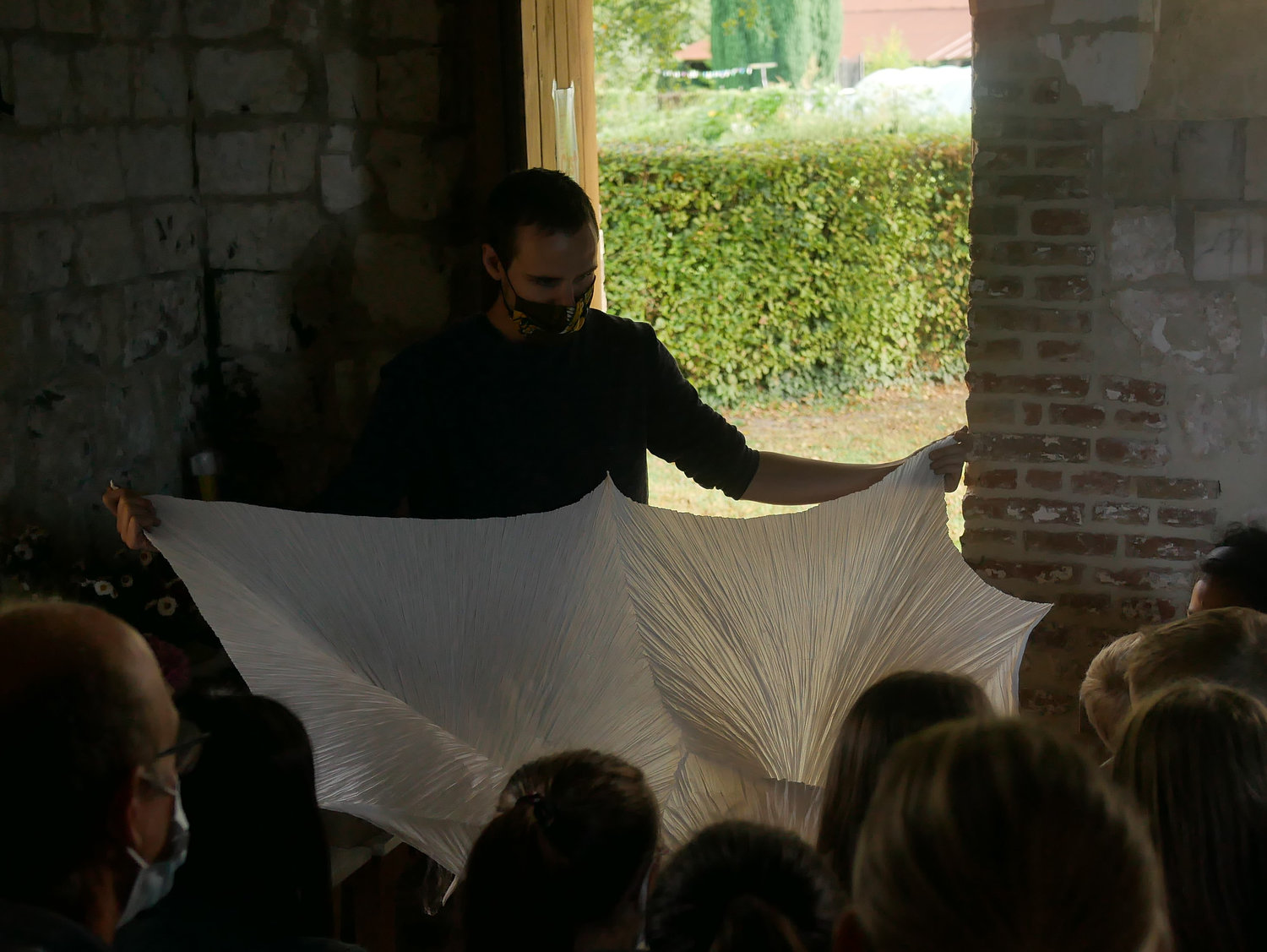
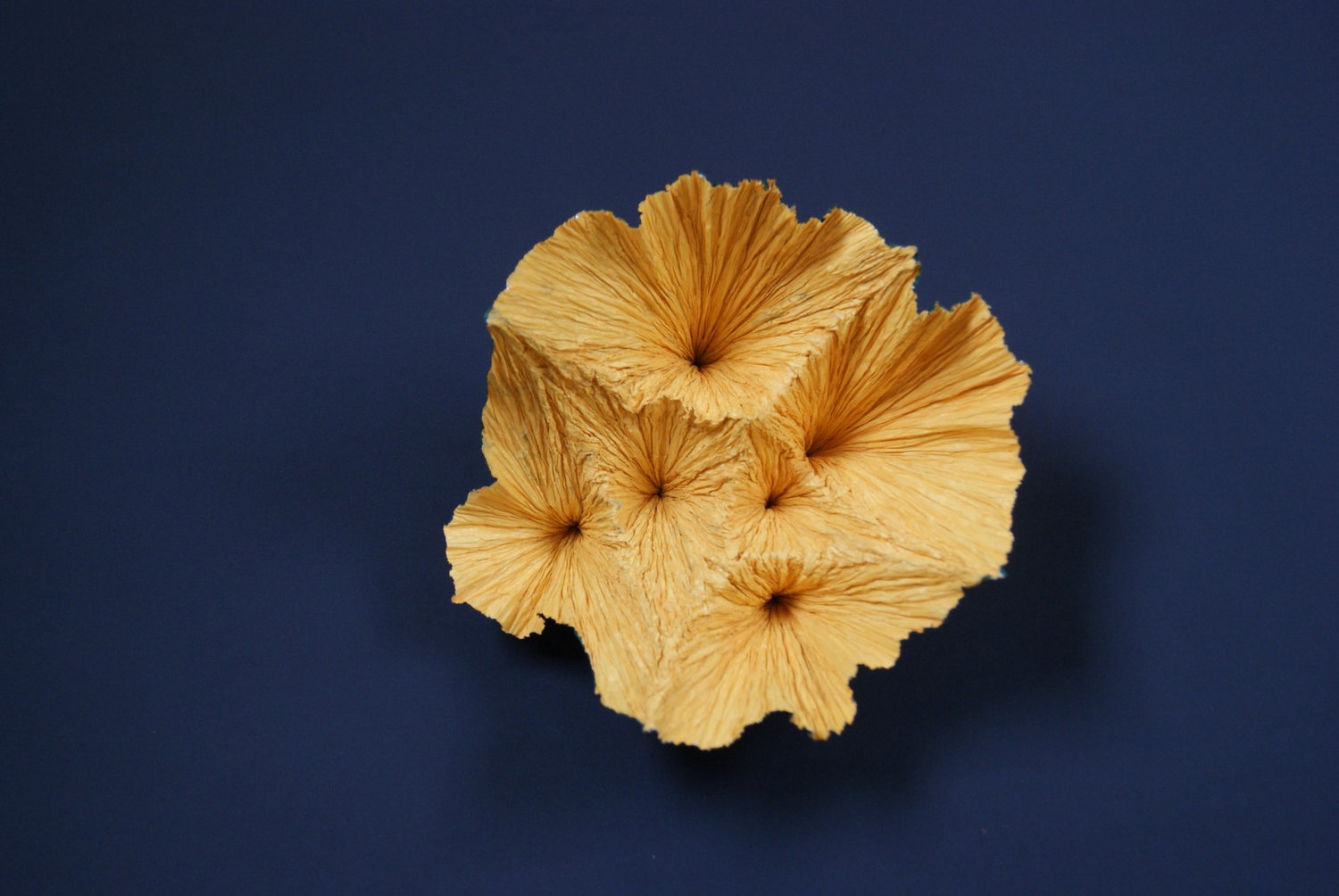
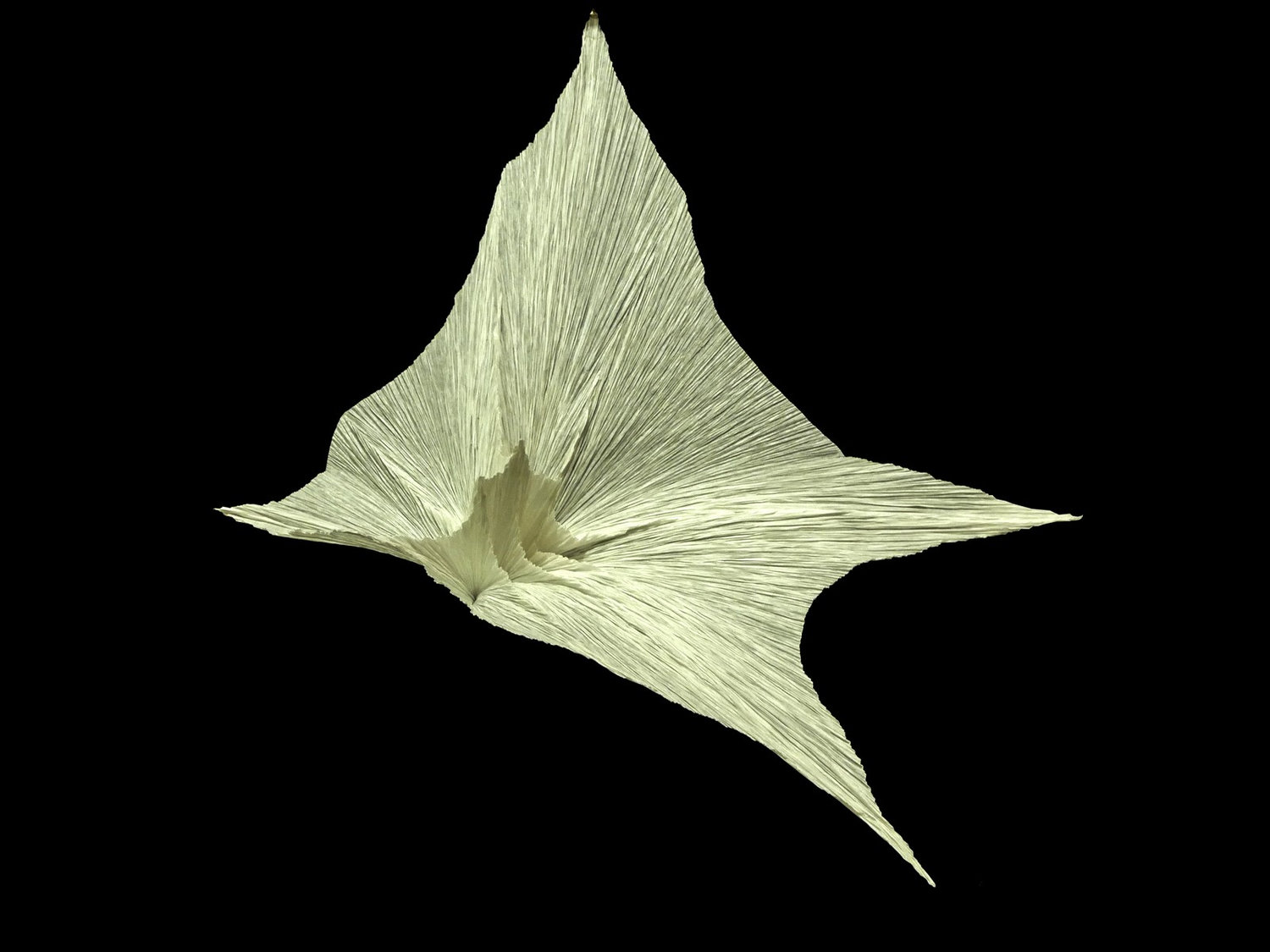
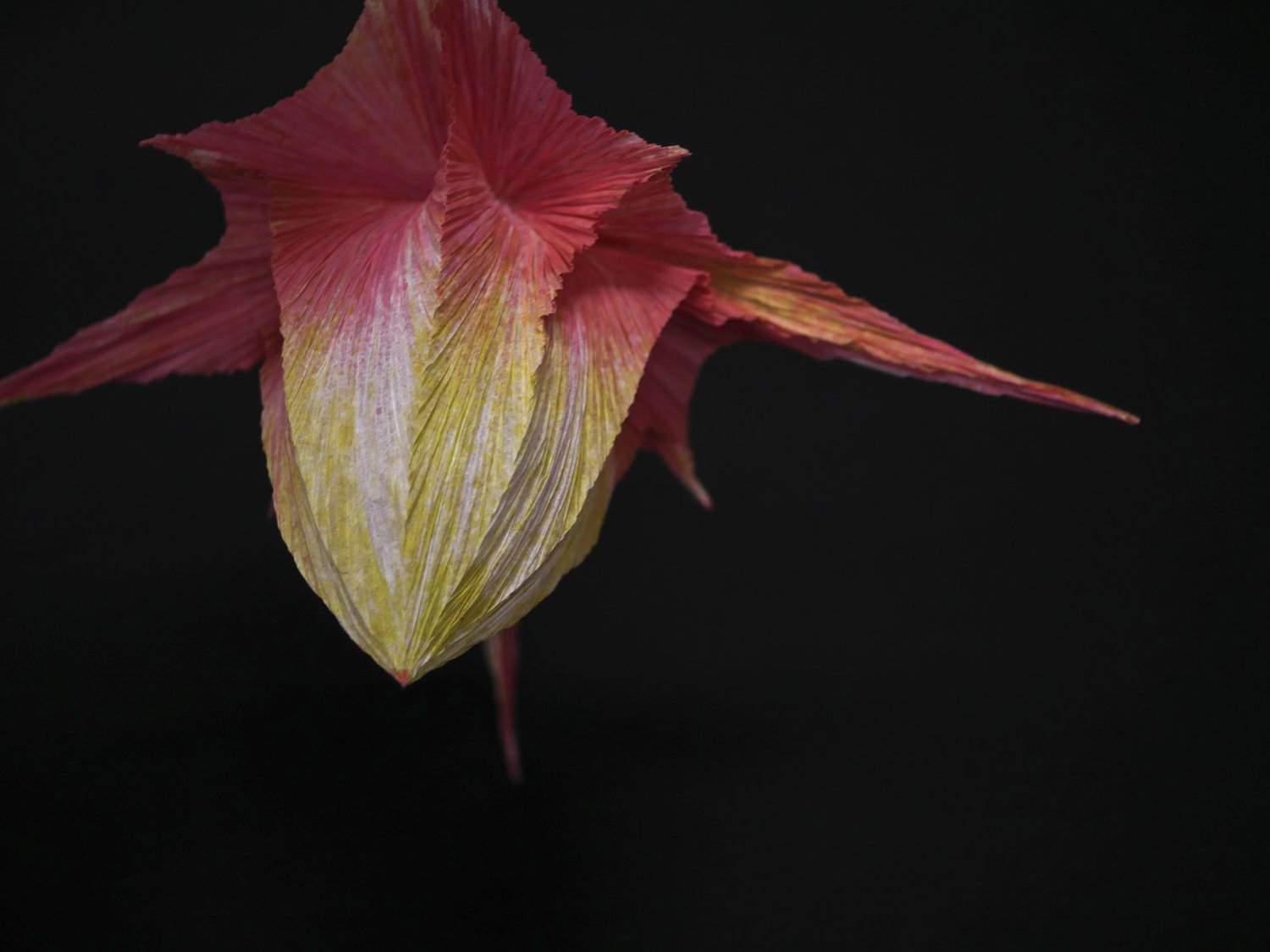
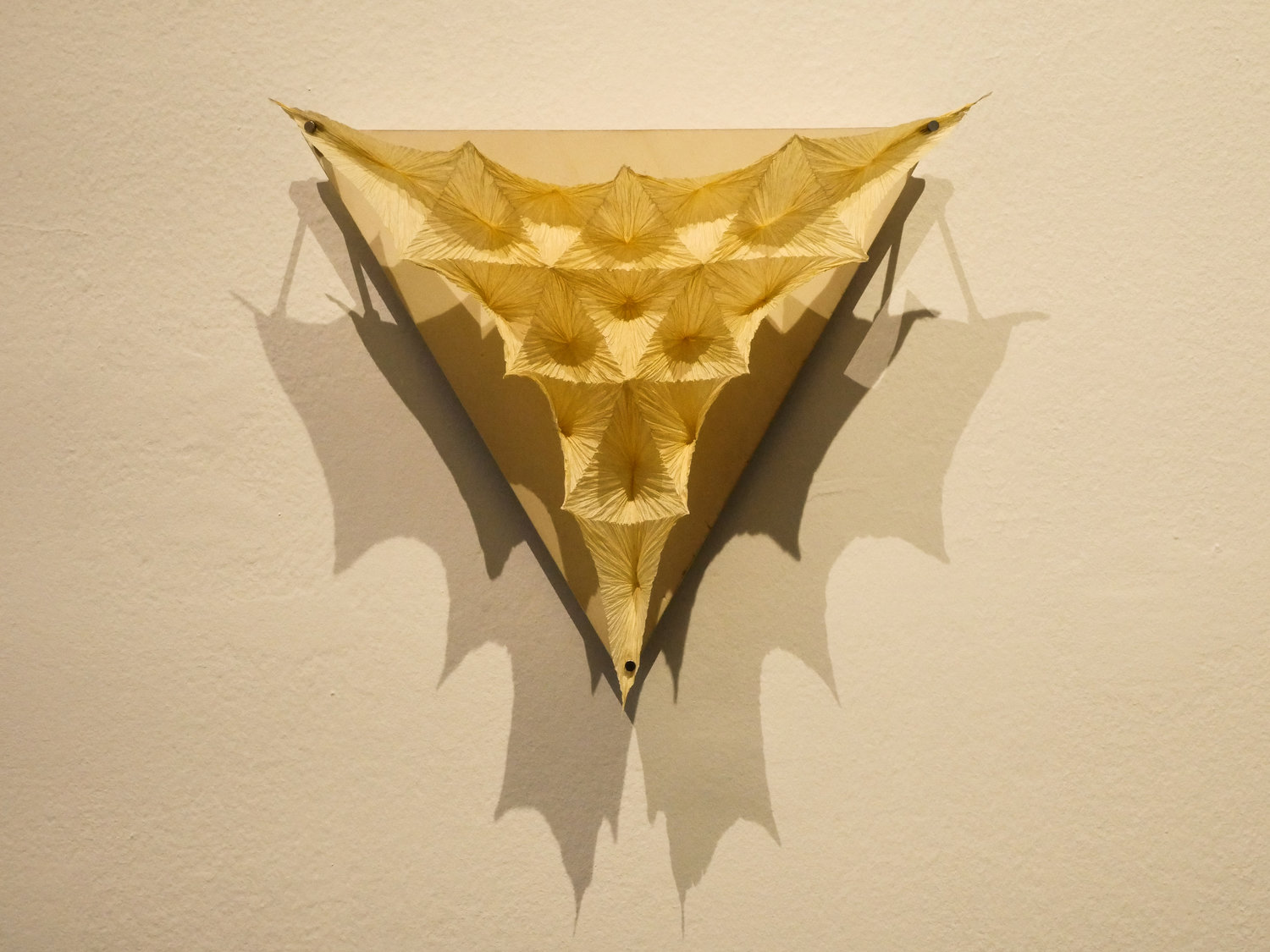
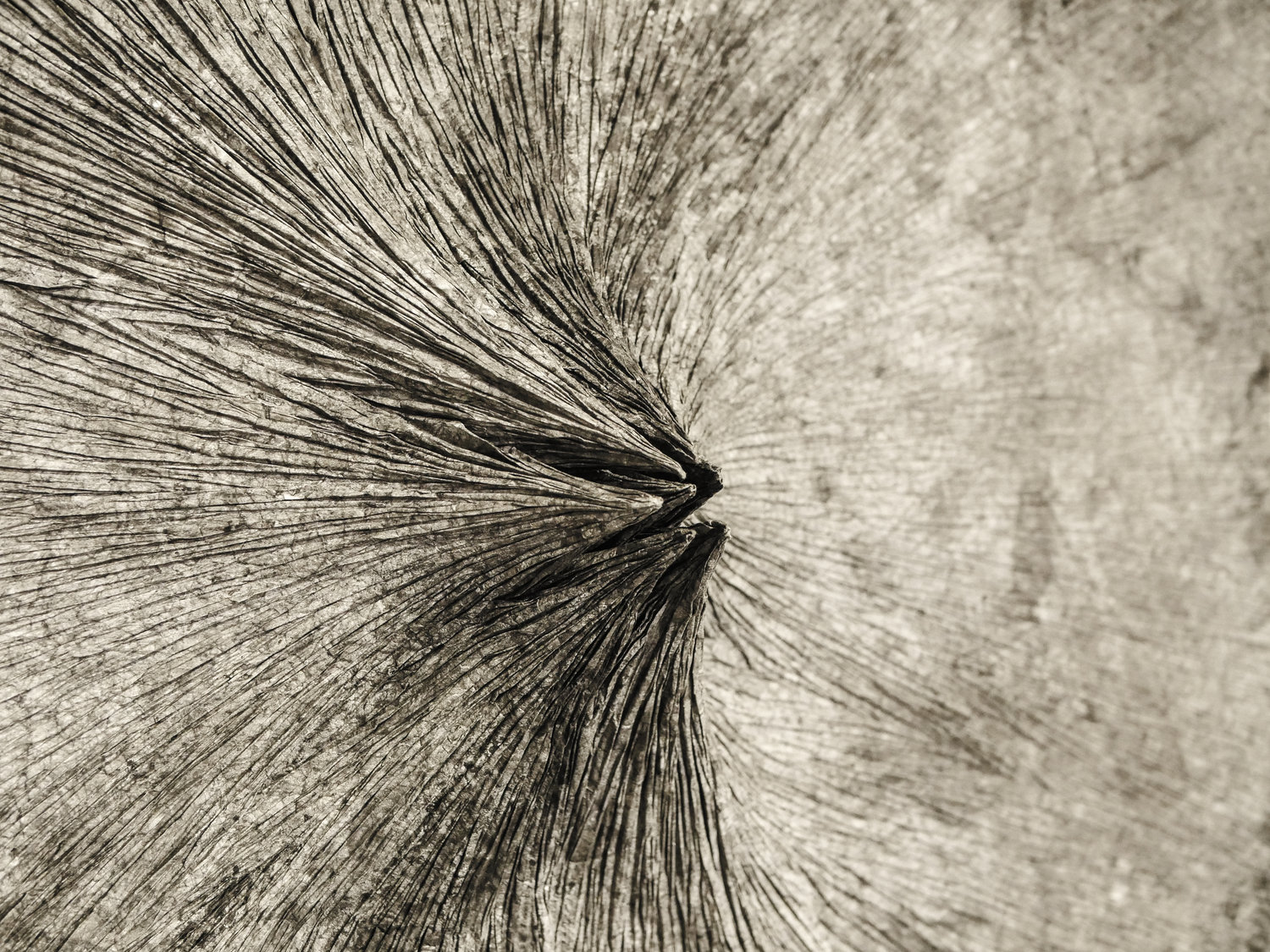
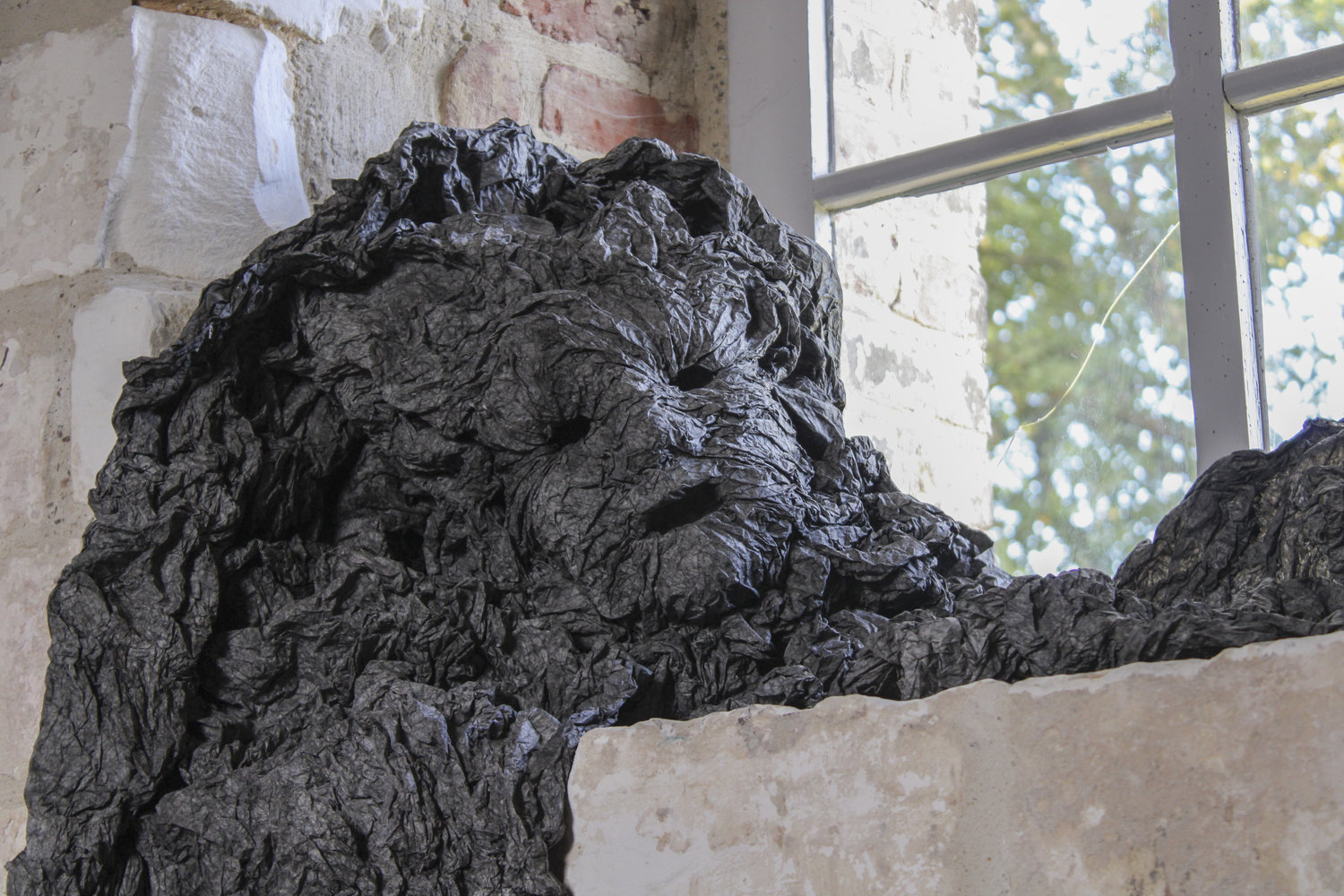
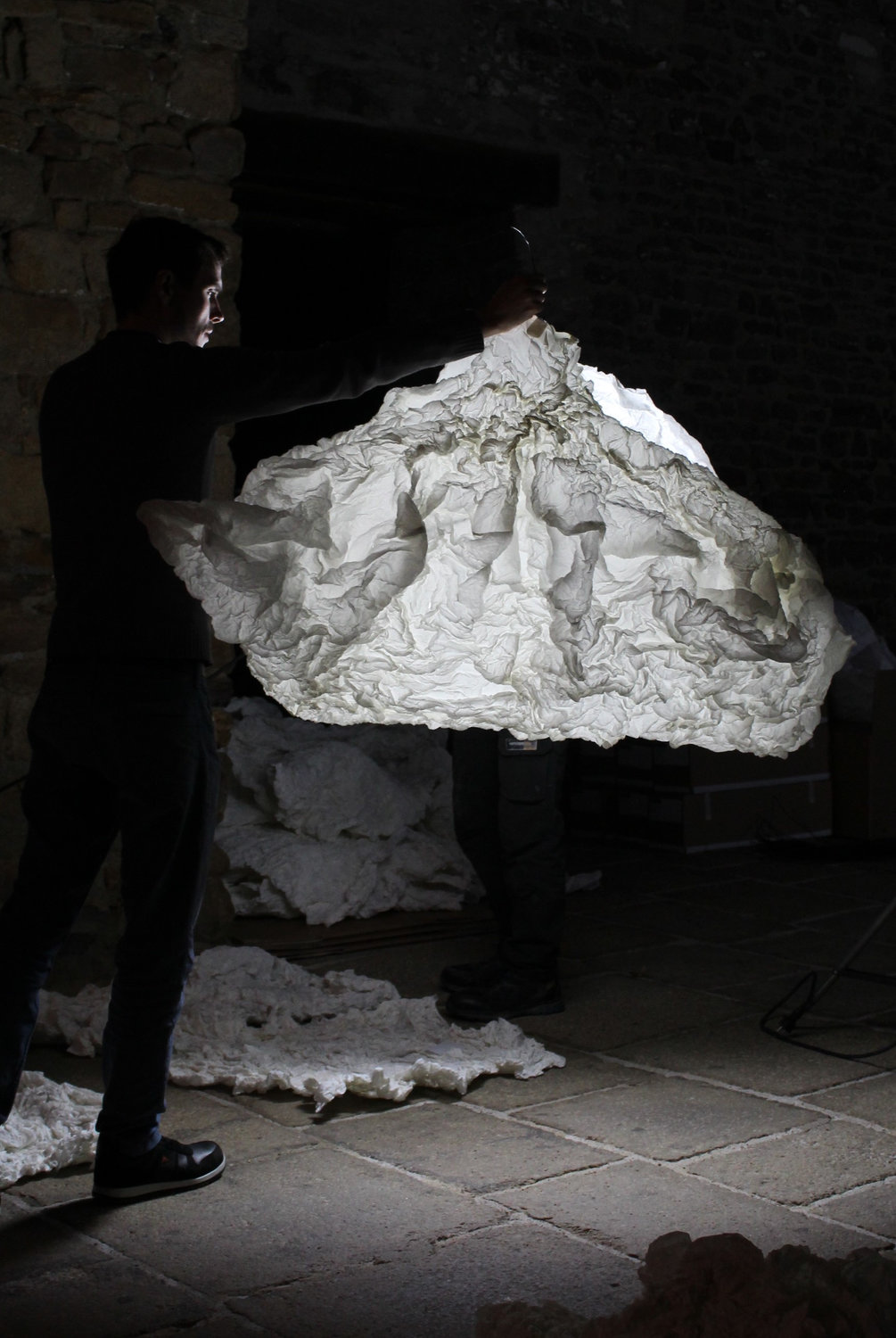
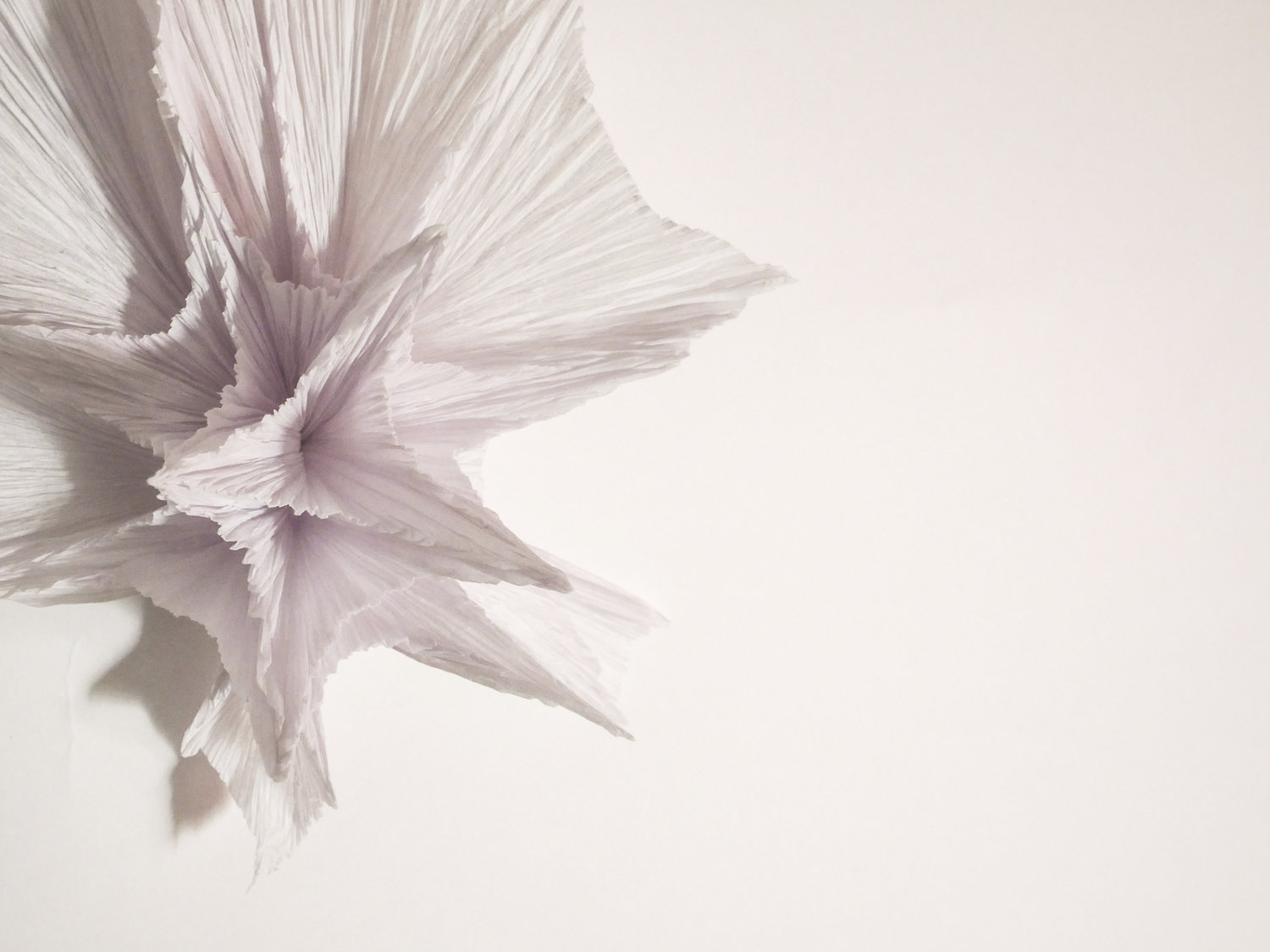
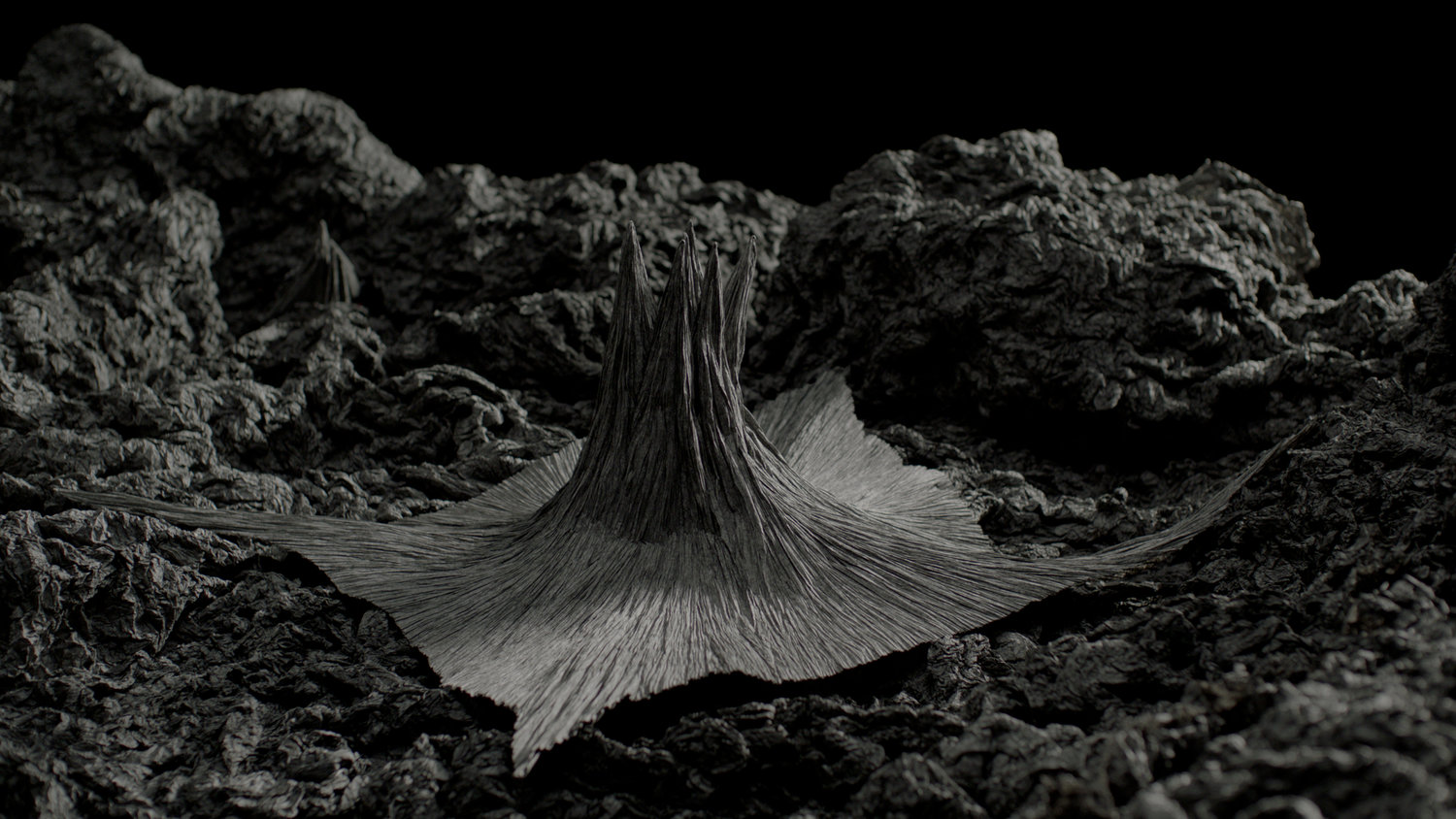
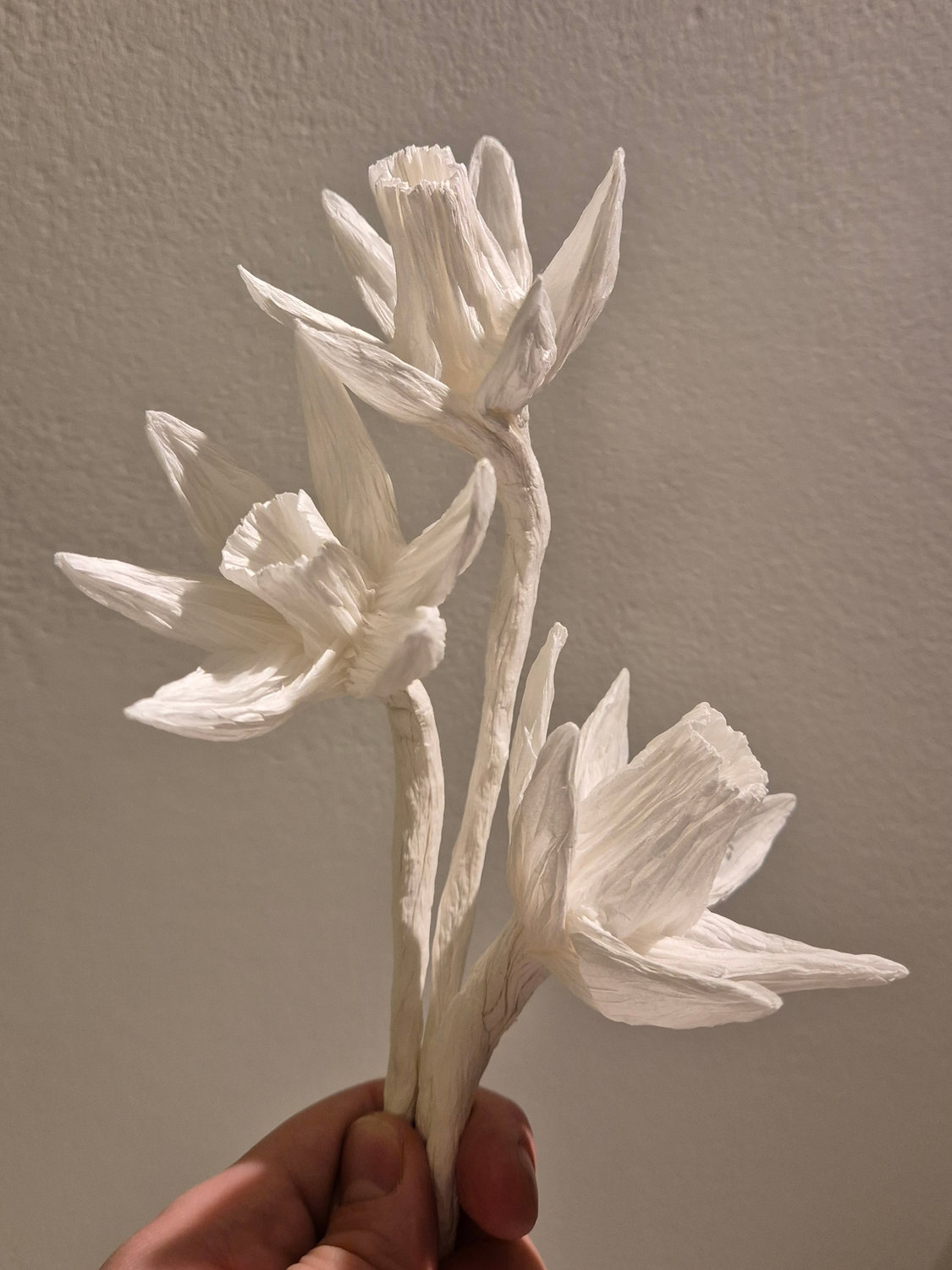
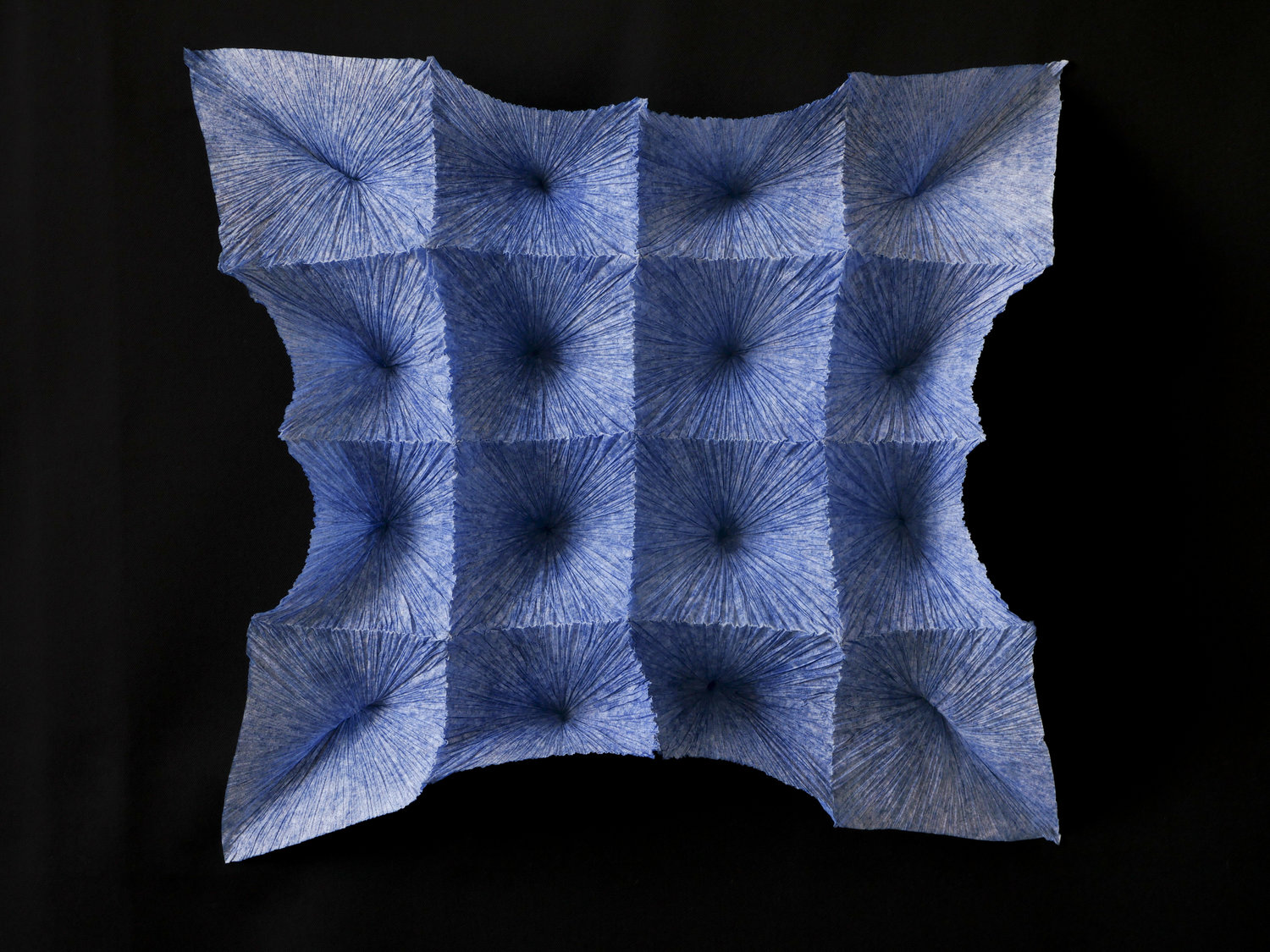
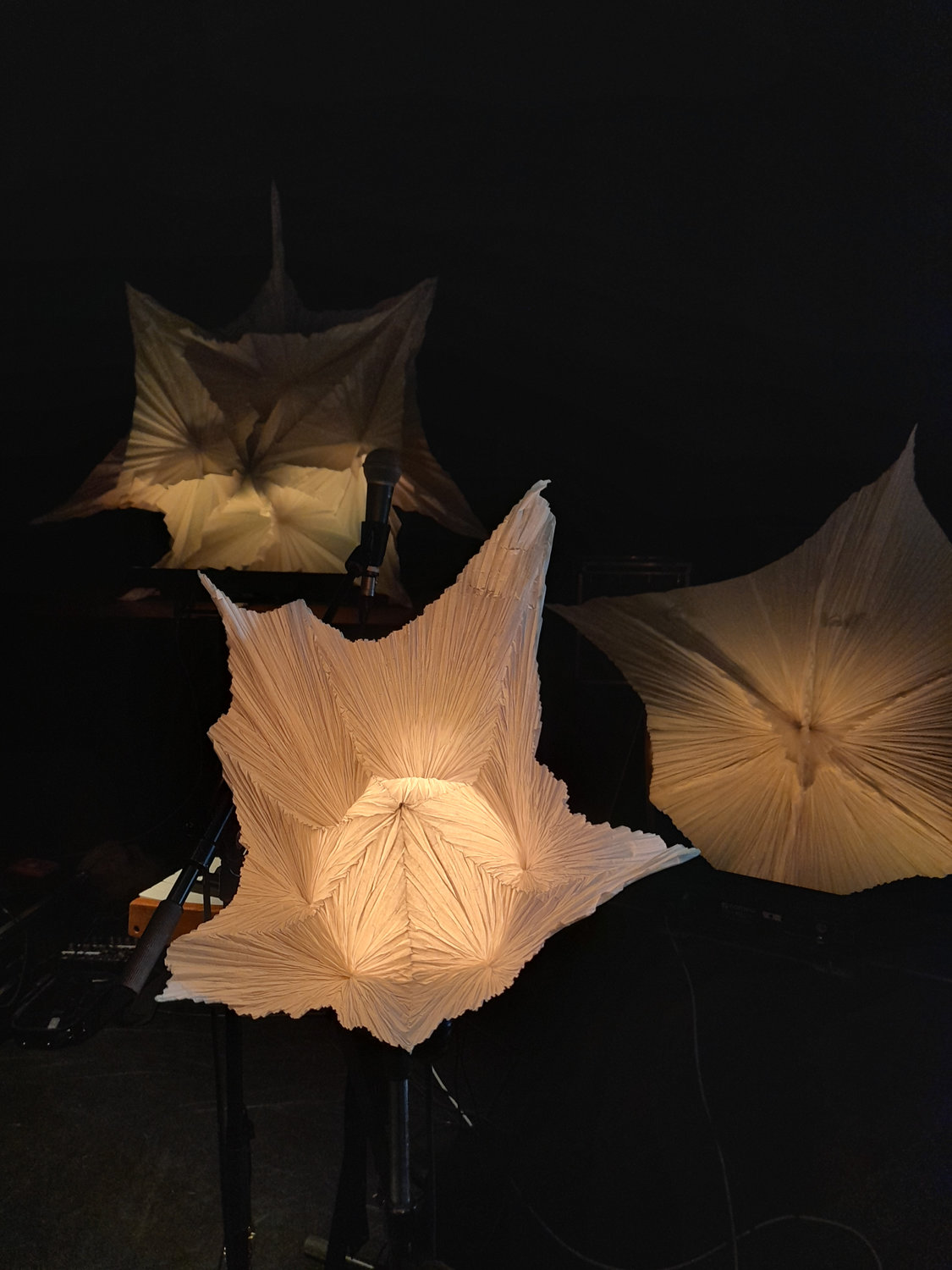
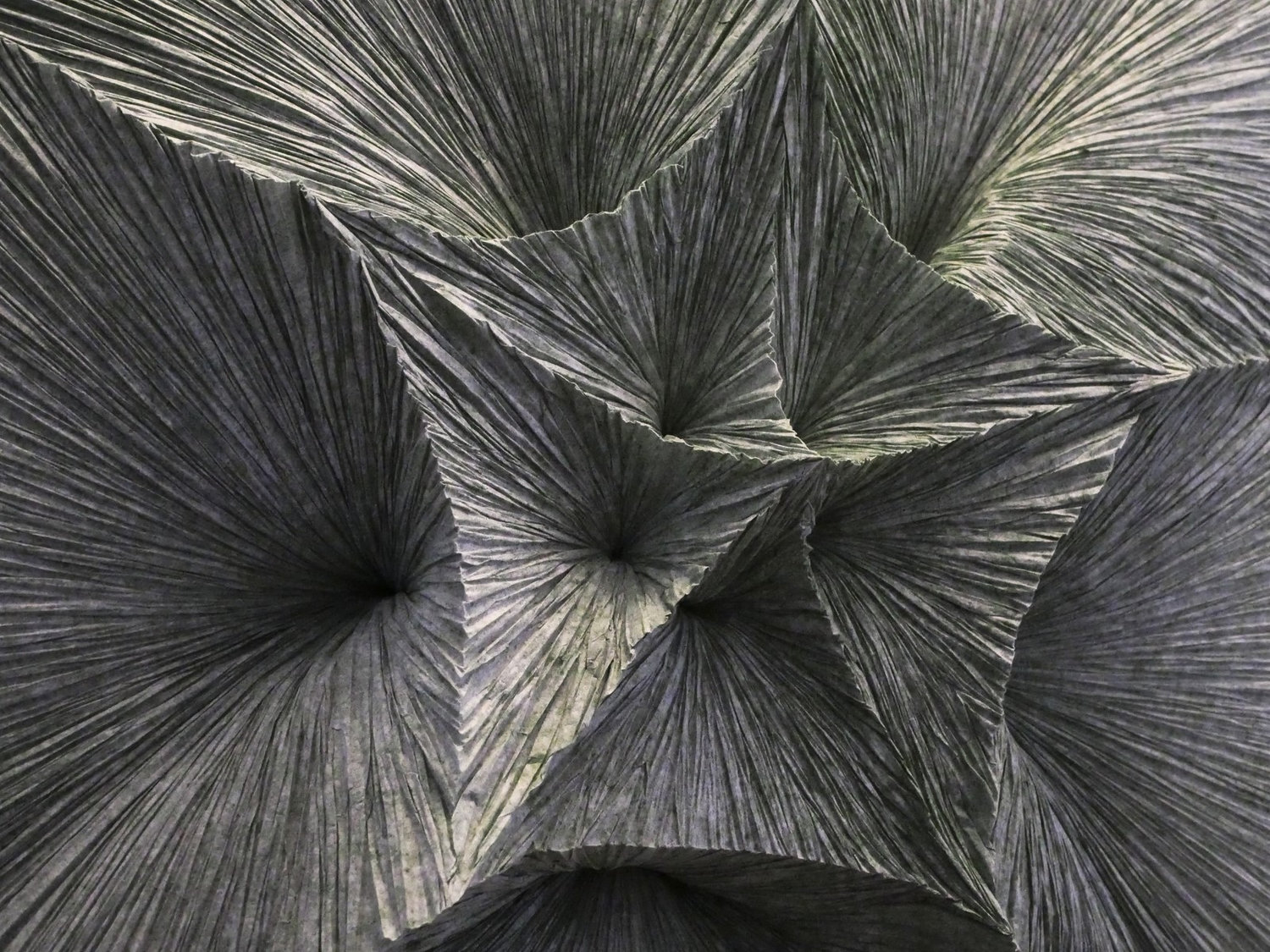
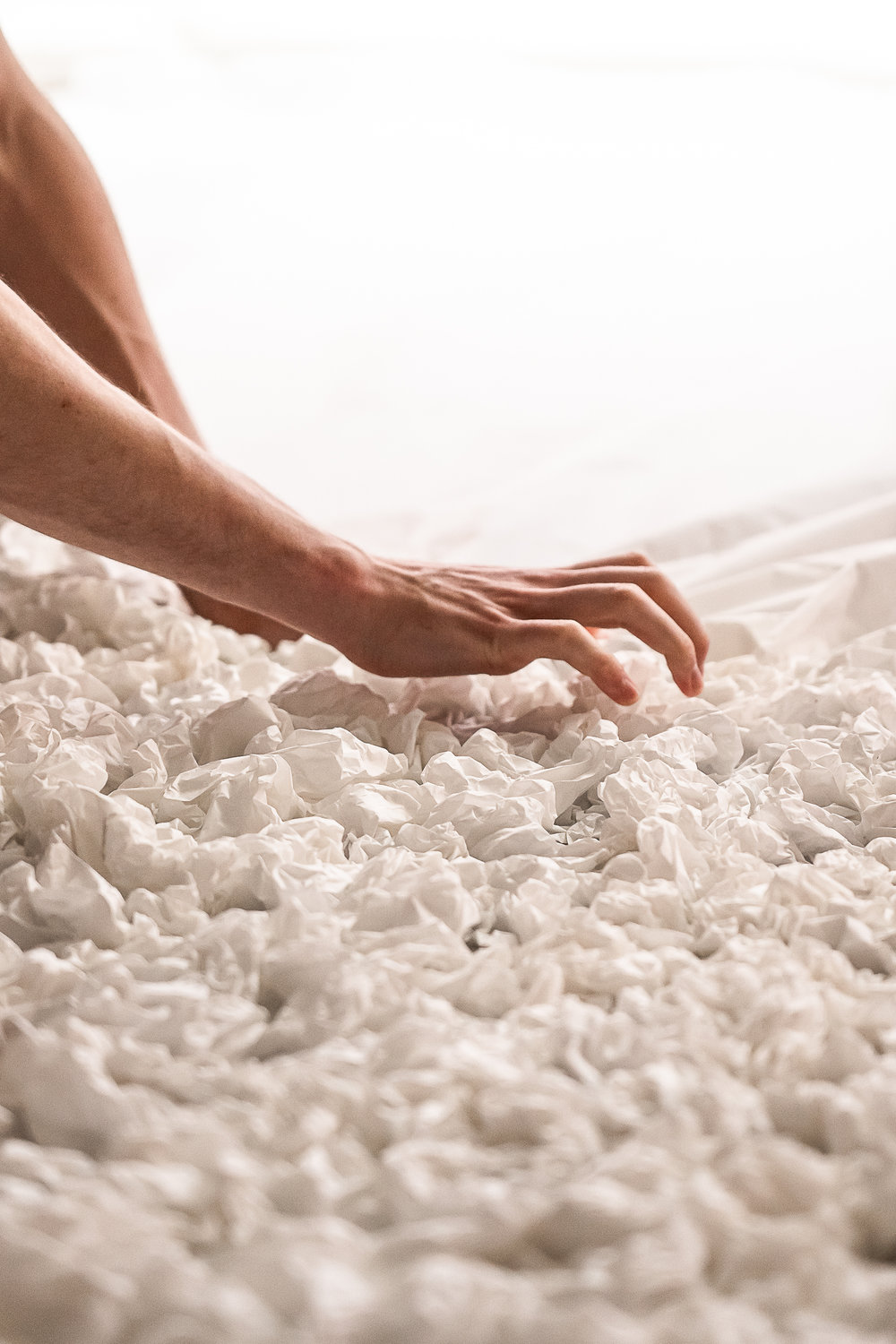
Crumpling paper transforms a simple sheet into unique three-dimensional sculptures, combining aesthetics with organic material. Building on the work of Paul Jackson and further developed since 2000 by Vincent Floderer and CRIMP, crumpling blends origami with sculptural gestures to create bio-inspired forms. Whether chaotic or structured, it opens up artistic and scientific territories that remain largely unexplored.
Over three days, this workshop offers a hands-on immersion, structured around guided exercises, demonstrations, and experiments, to help participants master crumpling and transform paper into living works of art.
By the end of the workshop, participants will be able to:
Paper pleating transforms a simple sheet of paper into unique three-dimensional sculptures that combine aesthetic qualities with a tactile experience. Originating from the work of Paul Jackson and further developed since 2000 by Vincent Floderer and CRIMP, this technique combines the art of origami with sculptural gestures to create forms inspired by living organisms. Whether chaotic or structured, folding opens up fascinating horizons—both artistic and scientific—that remain largely unexplored.
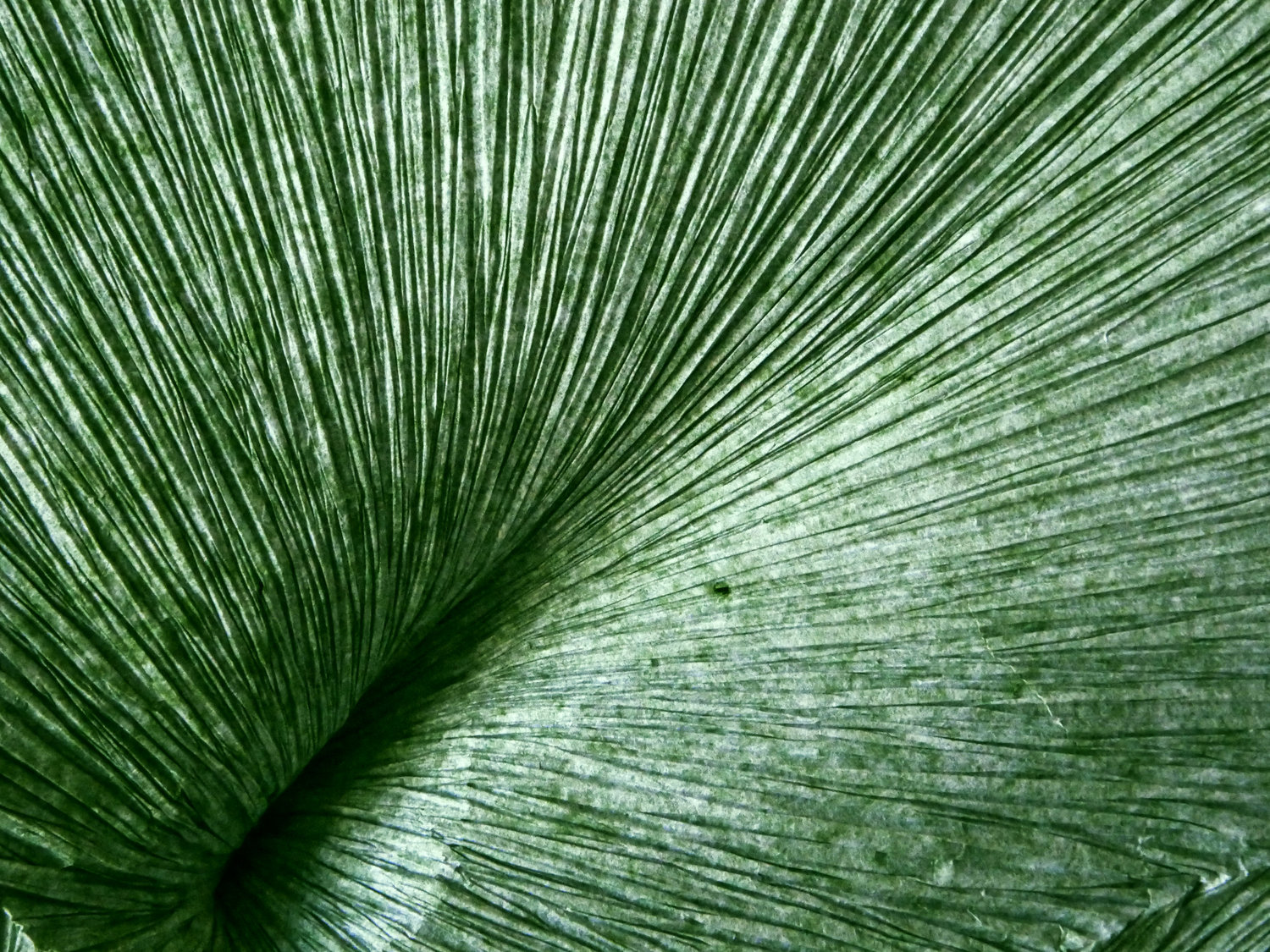
Over the course of three days, participants will immerse themselves in structured pleating through progressive exercises, demonstrations, and hands-on experiments. They will discover the main types of folding—chaotic, radial, and parallel—learn to manipulate paper using moistening and methylcellulose treatments, and test different types of paper and weights.
Each participant will leave with finished pieces, but above all with the skills and know-how needed to further develop and personalize this technique within their artistic or craft practice. A rare opportunity to bring the material to life and explore new creative dimensions.
Afternoon
Morning
Afternoon
Morning
Afternoon
Dewi Brunet is one of the few experts in the world capable of combining origami, pleating, and folding into a practice that is both cohesive and innovative. With twenty years of experience, he has made folding his profession for over a decade, working at the intersection of art, craftsmanship, and scientific research. For Dewi, folding goes beyond mere technique: it constitutes an aesthetic language and a lens through which to observe the world.
Fascinated by the folded intelligence of living organisms, he scrutinizes their structures to develop applications that are both sensitive and innovative. His expertise has earned him recognition as a “master artisan” by the Michelangelo Foundation and, since 2017, membership in CRIMP (Center for Research in Folding Modeling), the world’s first organization dedicated to paper folding.
Training 100% financeable by AFDAS, or partially covered by other operators such as FAFCEA, AGEFICE, FIFPL, OPCO EP etc.
Accommodation and meals included
If you are concerned, we invite you to contact our sales department in advance via "Request for information" in order to prepare your file, or to register directly via the page of the chosen training course.
89350 Champignelles
T: +33 (0)3 86 45 23 42
contact@campusmana.com