





Discovering the Ro-iro technique means immersing yourself in the mirror finish of Japanese Wajima-nuri lacquer.
Each piece is polished with charcoal, impregnated with raw lacquer, and then precisely smoothed to reveal a deep shine and refined textures. A unique immersion in the ancestral art of lacquer, between perfect brilliance and subtle details.
Upon completion of the training, the trainee will be able to:
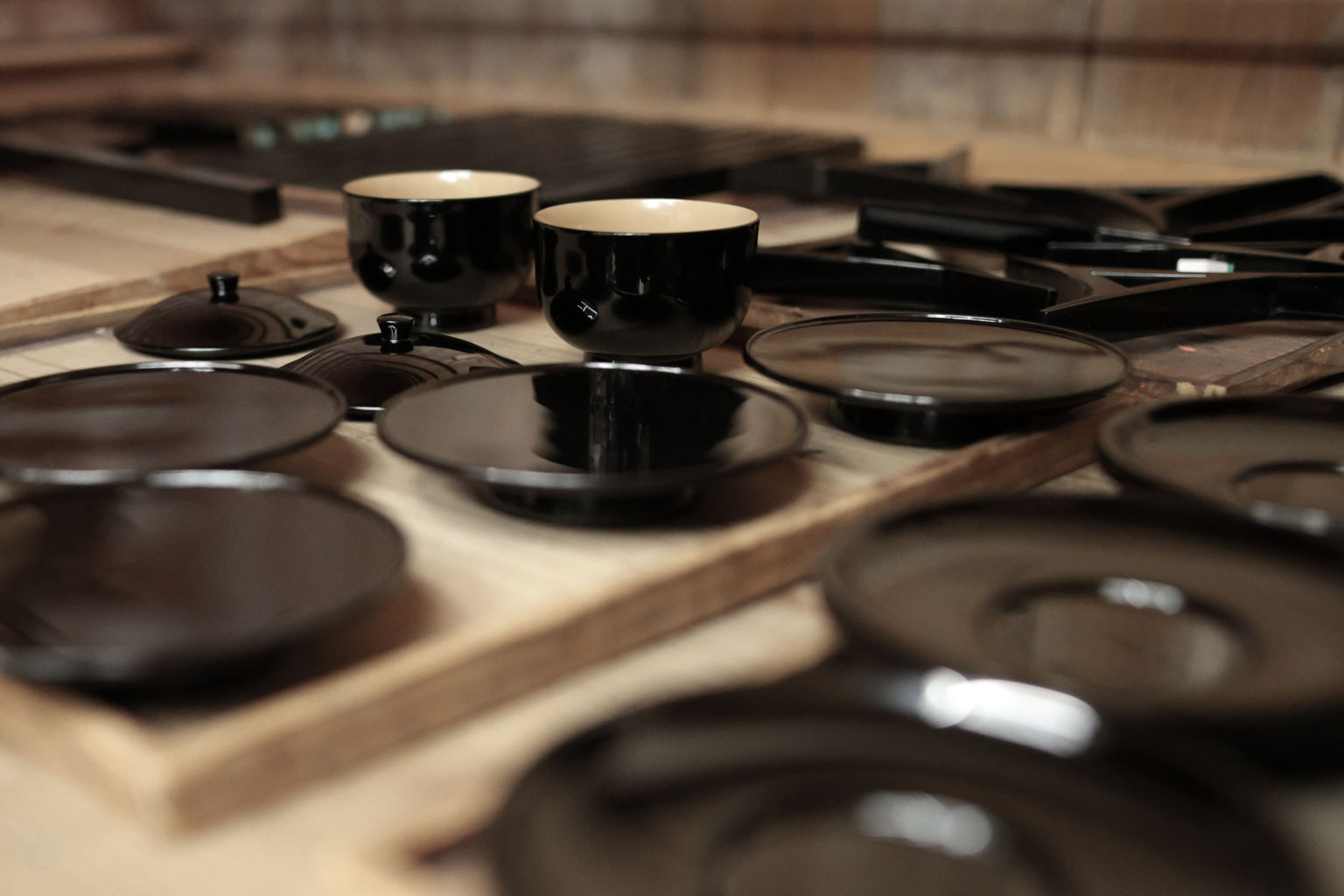
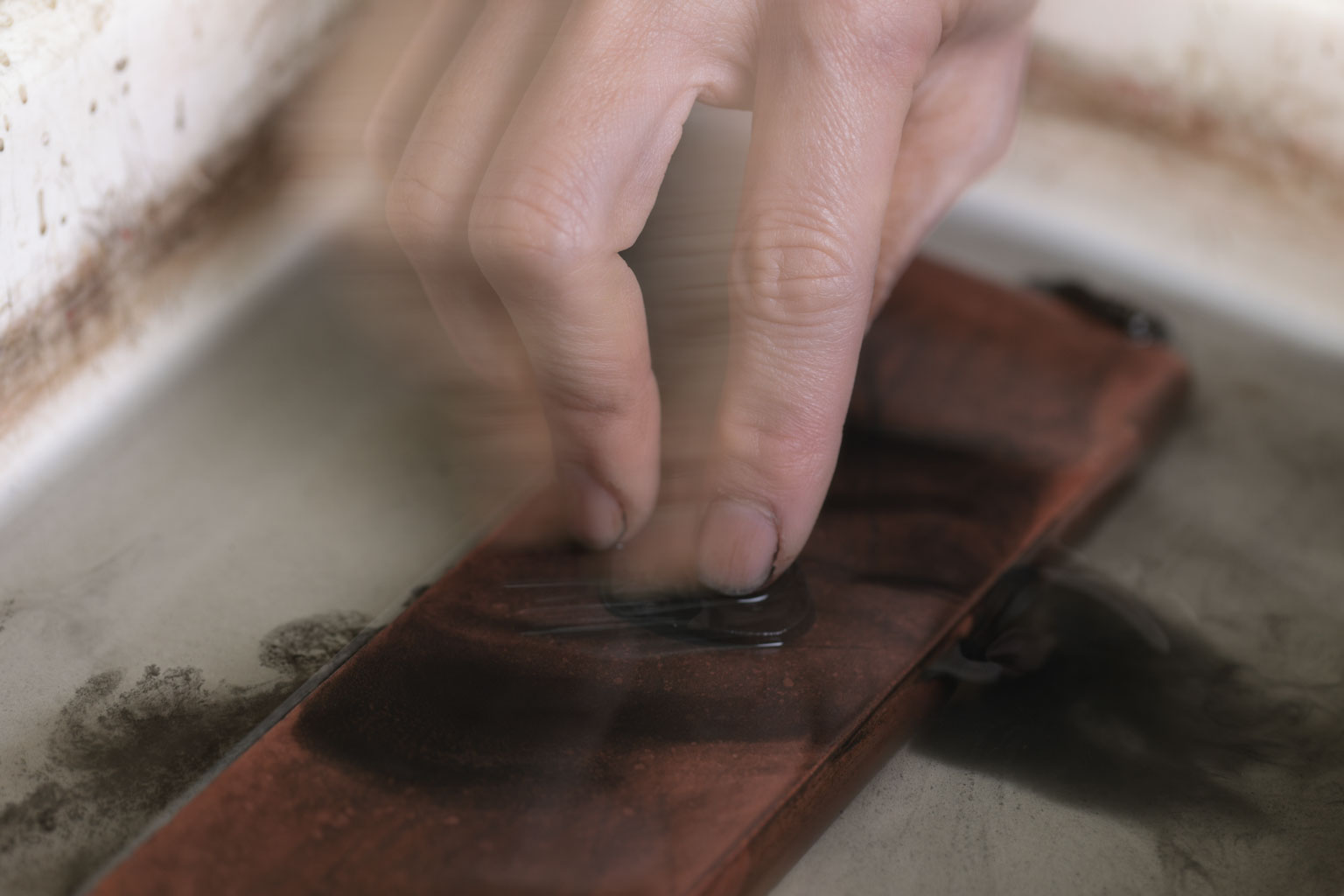
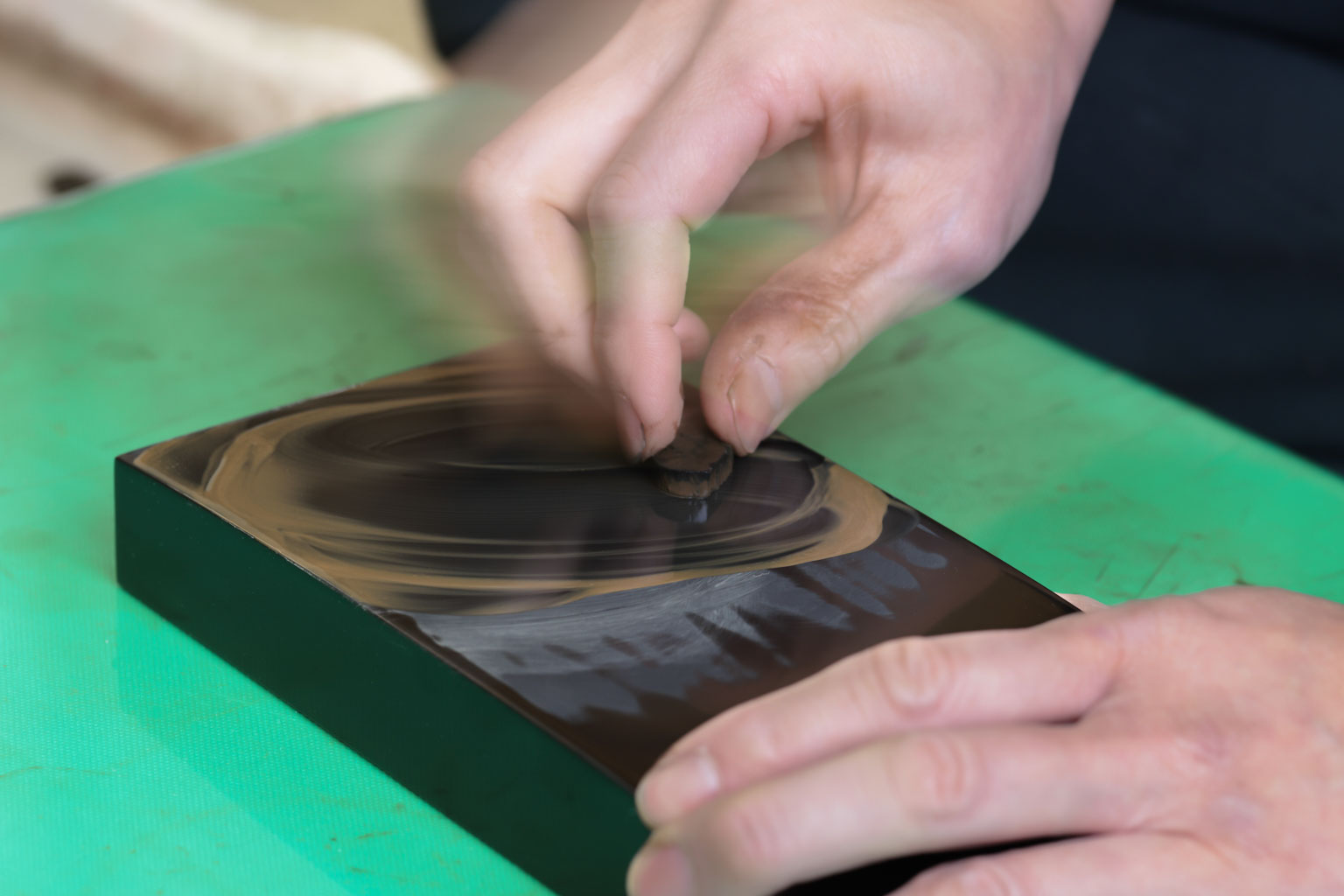
Ro-iro is the epitome of Wajima-nuri craftsmanship, the renowned Japanese lacquerware from Ishikawa Prefecture. This highly specialized finishing technique transforms wooden pieces into veritable living mirrors. After the lacquer layers are applied and dried, the artisan polishes the surface with charcoal, impregnates it with raw lacquer, and then polishes it with abrasives and oil to reveal a deep, mirror-like shine.
Beyond its incomparable brilliance, Ro-iro allows for the exploration of refined textures such as Nashiji (pear skin), Hirame, Kanshitsu, and Ishime, each bringing nuance and subtlety to the surface. Mastering Ro-iro means entering the world of a millennia-old tradition where patience, precision, and aesthetic sensibility combine to elevate Japanese lacquer.
Morning
Afternoon
Morning
Afternoon
Morning
Afternoon
Morning
Afternoon
Morning
Afternoon
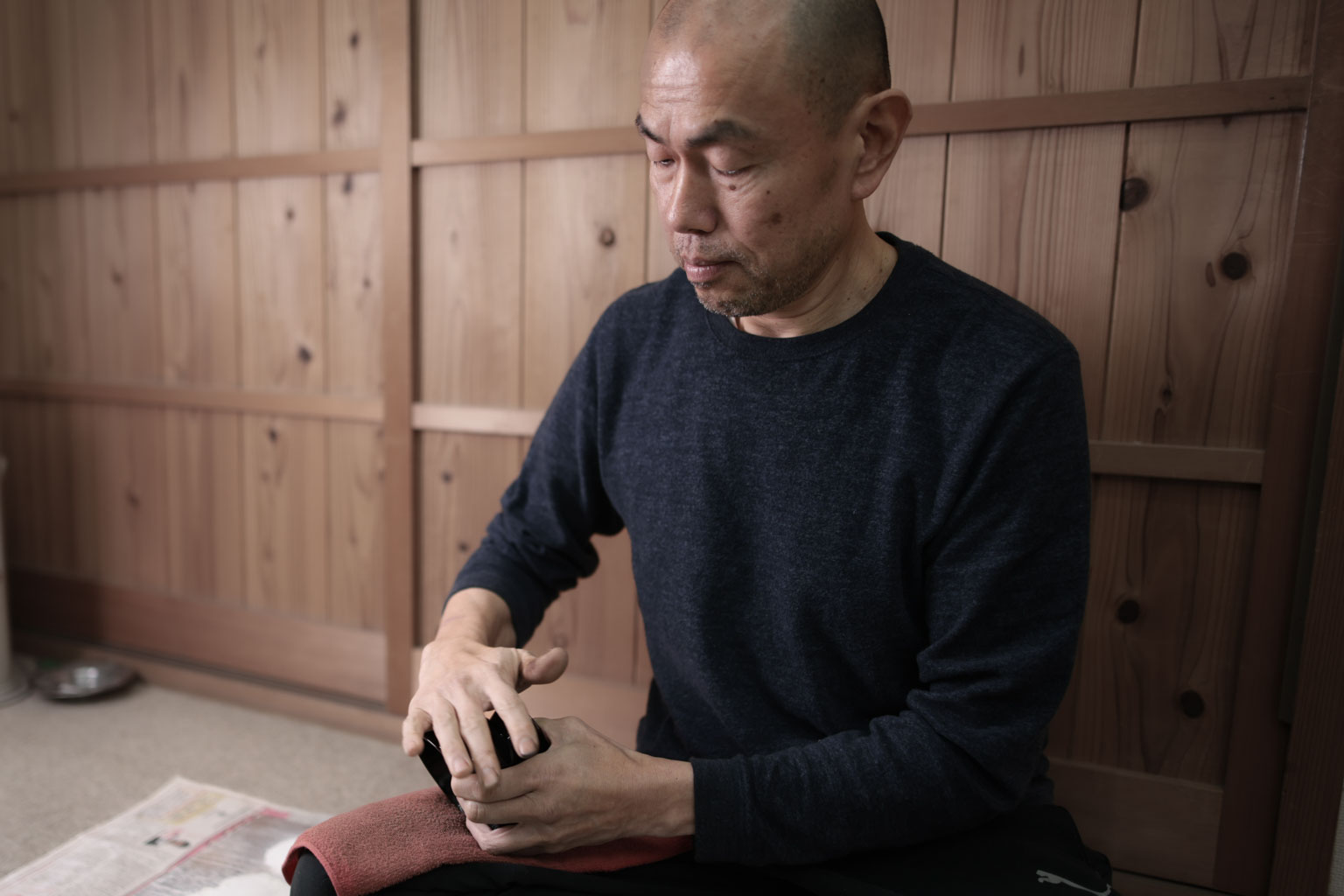
Since his beginnings in 1983, under the tutelage of Mr. Tatsuo Kimura, Ryuuji Kitamura, a Japanese craftsman, has established himself as a leading figure in the delicate art of Ro-iro, an emblematic Wajima lacquer technique. In 1993, he opened his own workshop, developing a style that combines precision, patience, and refinement. His exceptional mastery was officially recognized in 2010 when he received Traditional Craft certification, and further rewarded in 2021 with the prestigious Governor's Award at the Wajima-nuri exhibition.
Ro-iro involves polishing the top layer of lacquer, impregnating it with raw lacquer, and then polishing it with abrasives and oil to achieve a perfect mirror-like shine. But his mastery doesn't stop there: he also excels in various finishes such as Nashiji (pear skin), Hirame, Kanshitsu, and Ishime, each adding depth and texture to lacquered objects.
Today, he shares his unique knowledge at Campus MaNa, offering participants a rare immersion into the world of traditional Japanese lacquer.
Training 100% financeable by AFDAS, or partially covered by other operators such as FAFCEA, AGEFICE, FIFPL, OPCO EP etc.
If you are concerned, we invite you to contact our sales department in advance via "Request for information" in order to prepare your file, or to register directly via the page of the chosen training course.

89350 Champignelles
T: +33 (0)3 86 45 23 42
contact@campusmana.com
