





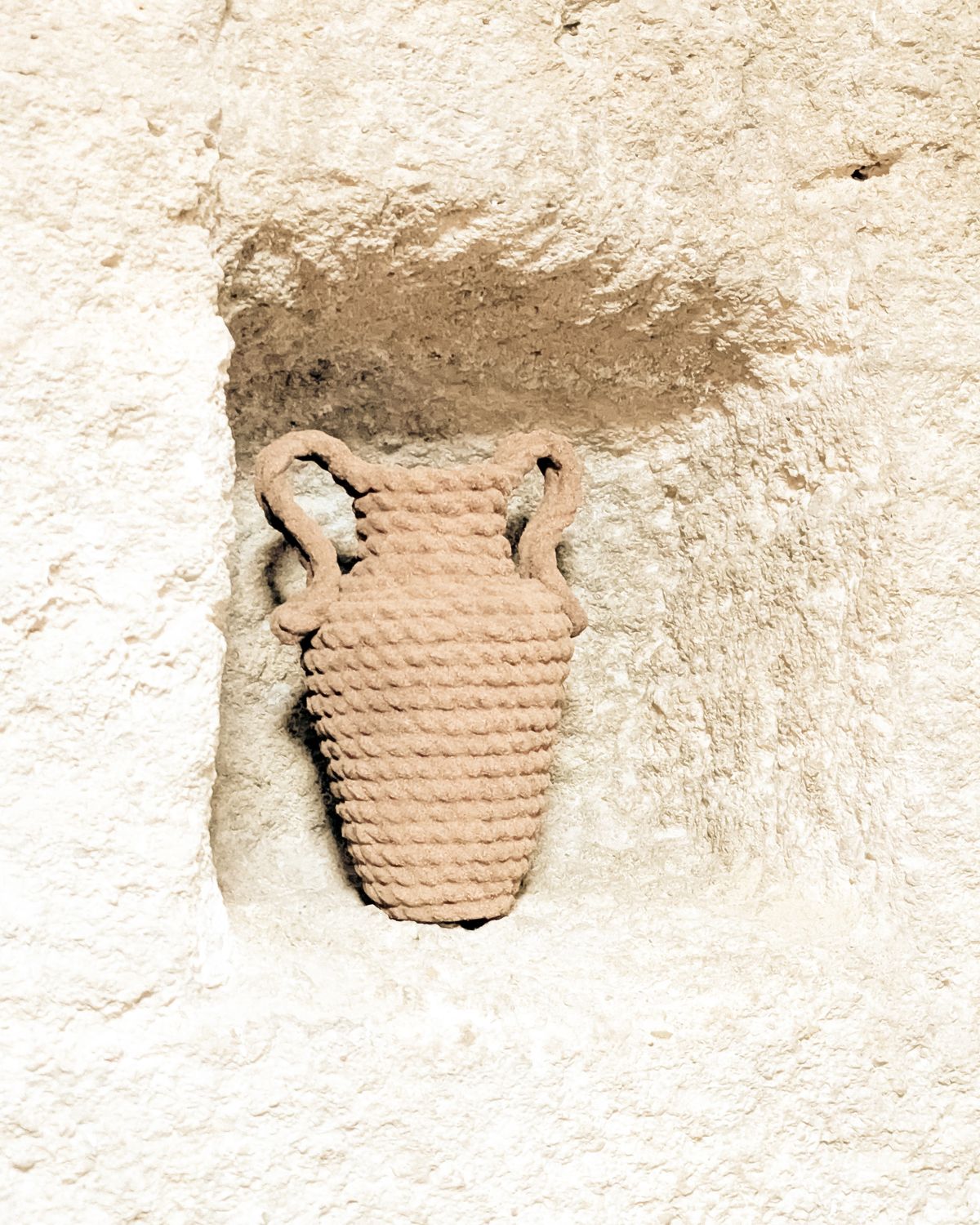
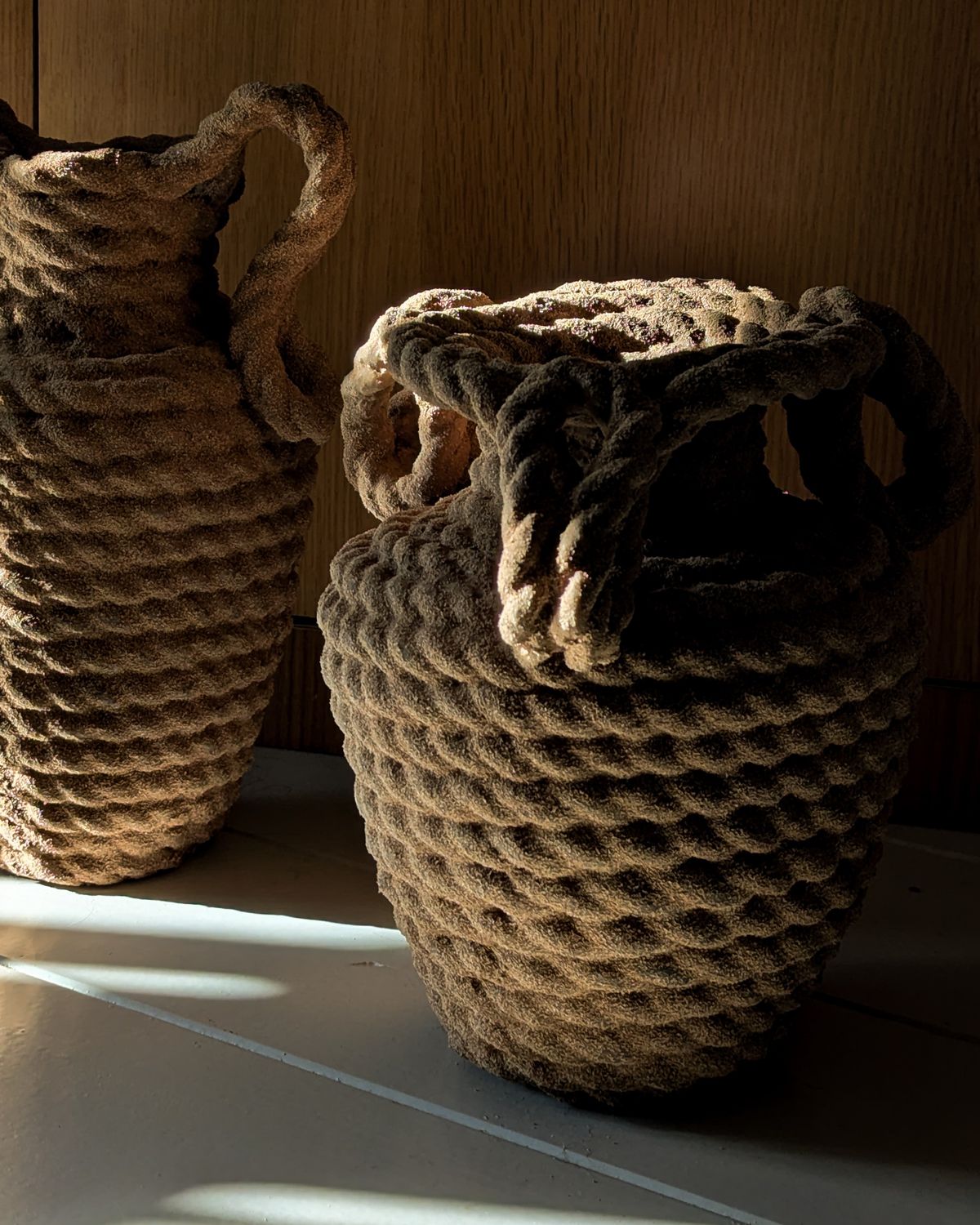
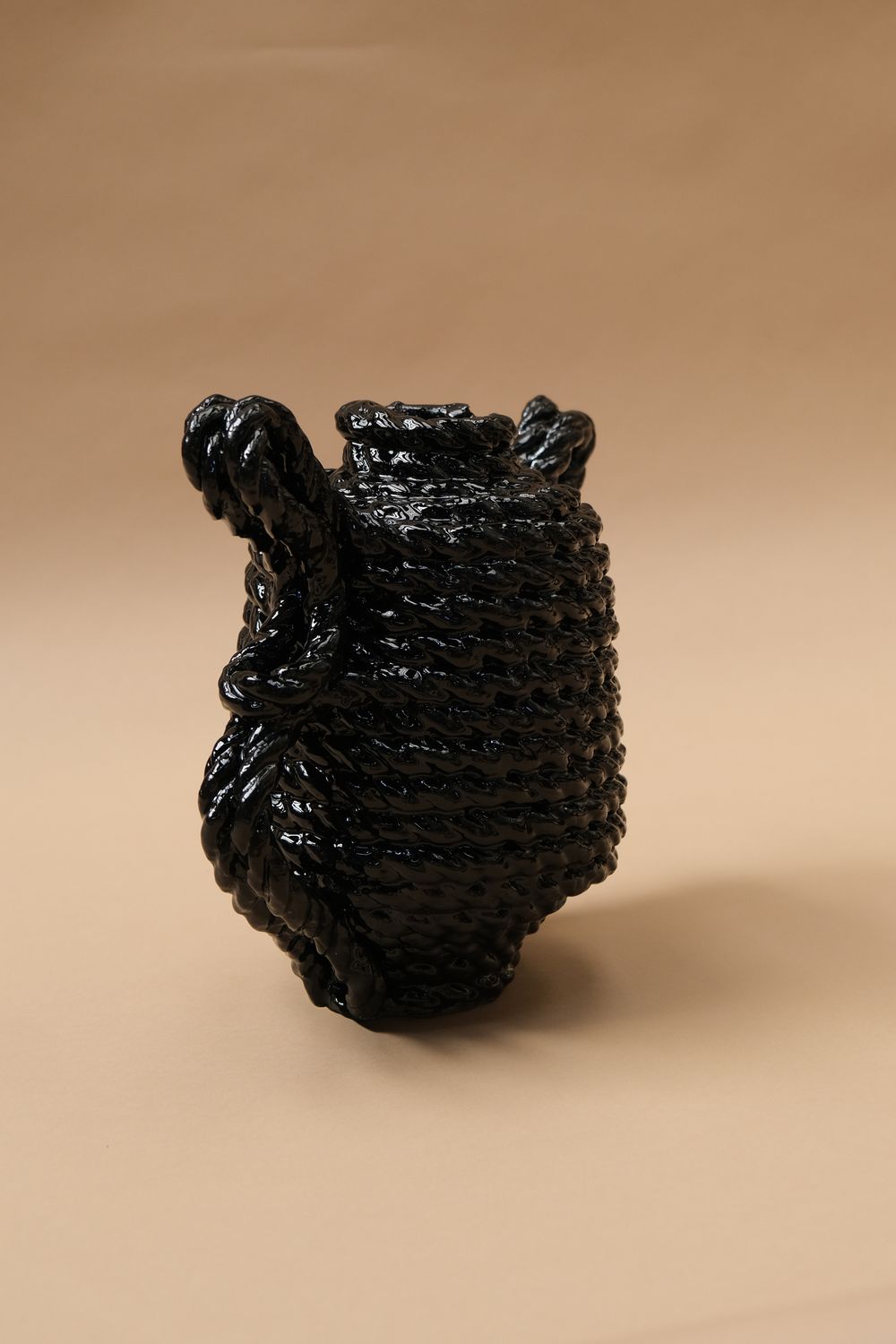
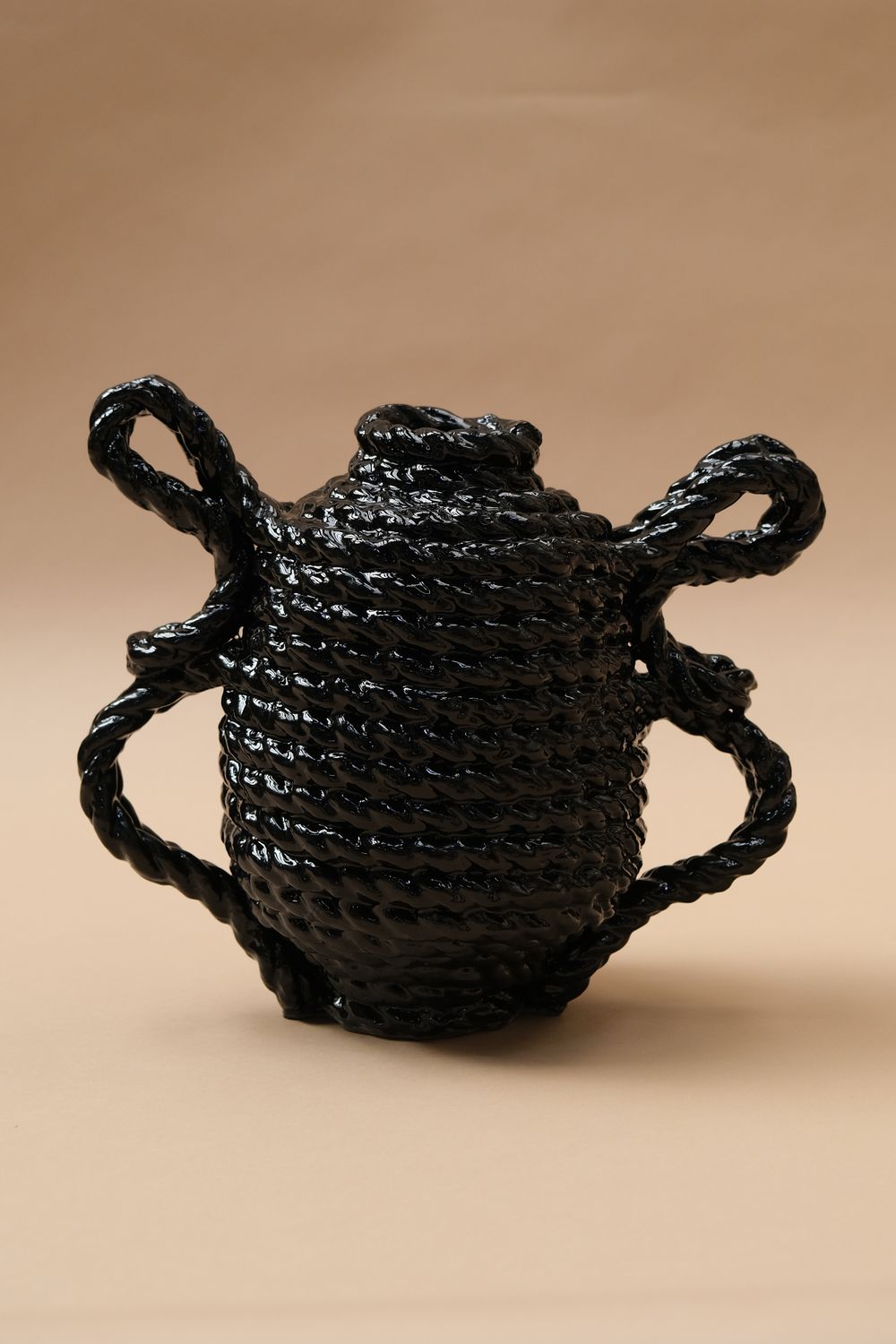
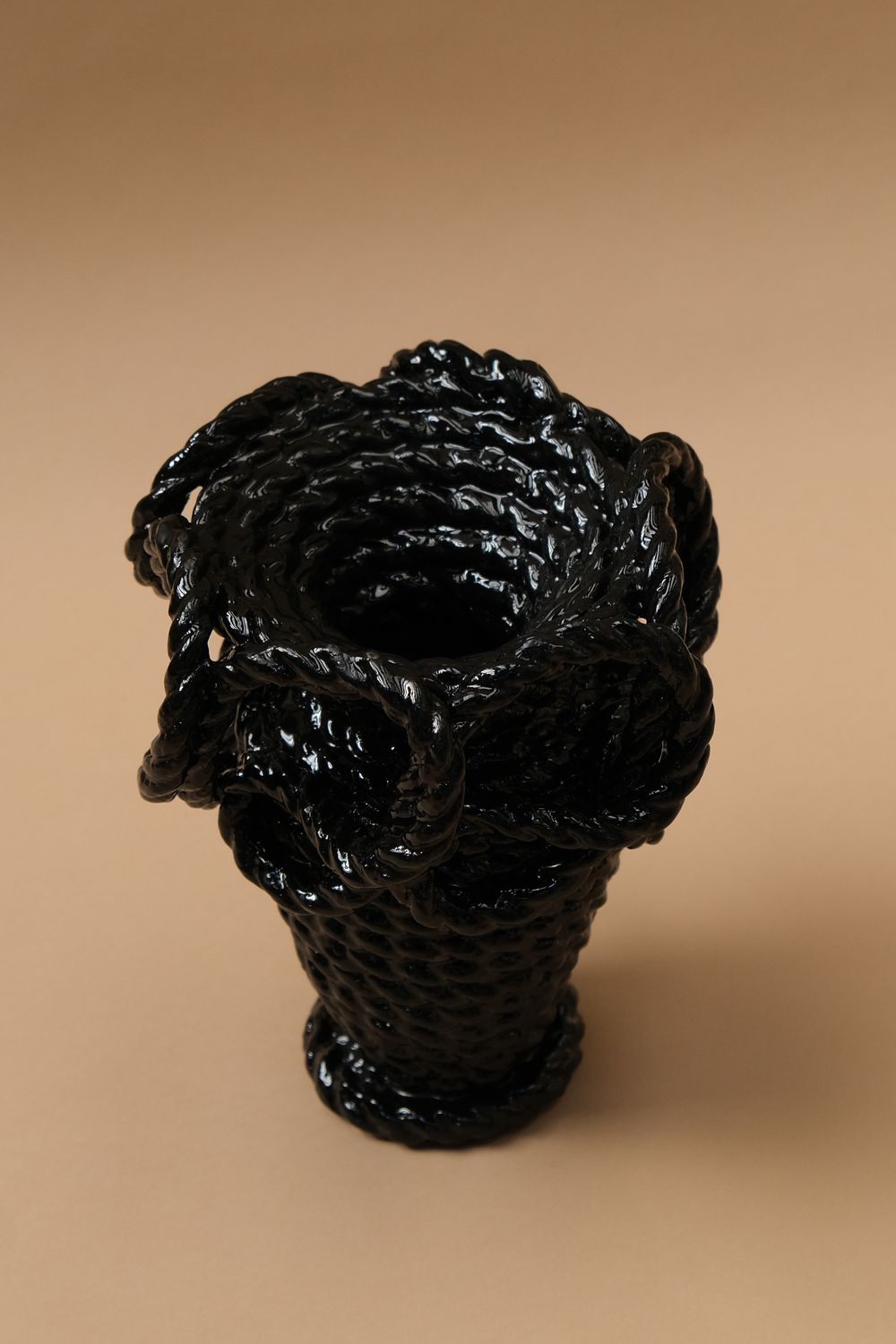
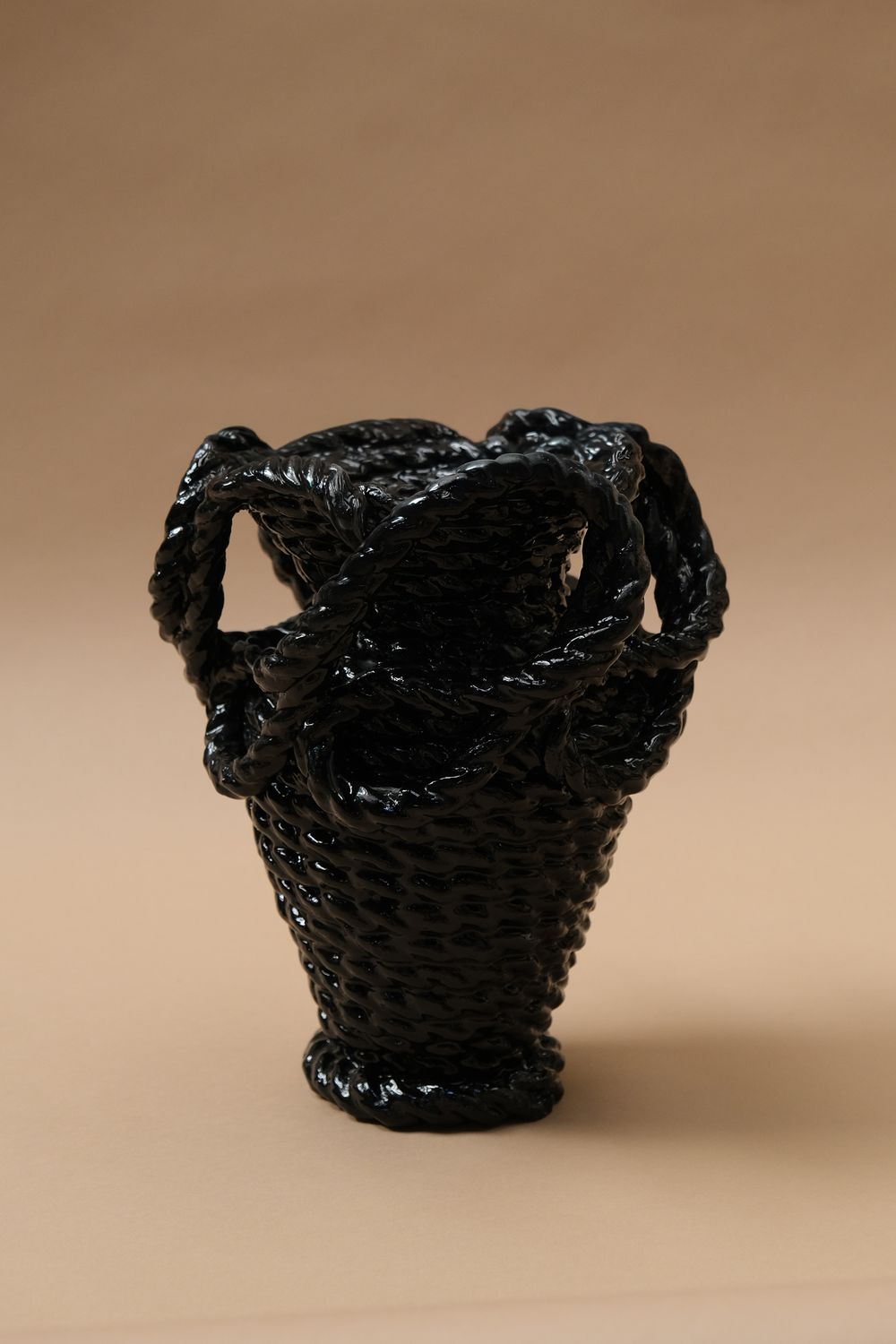
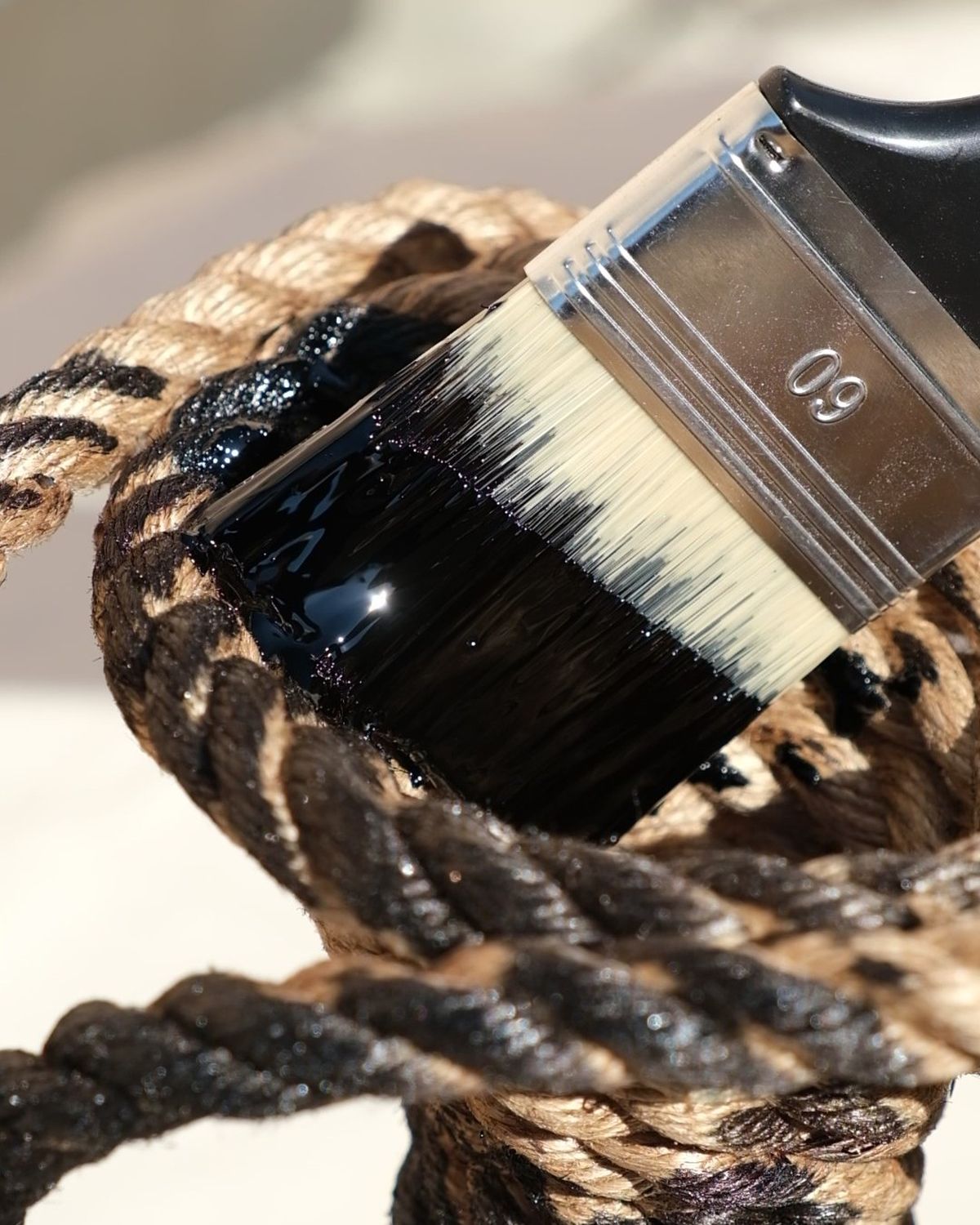
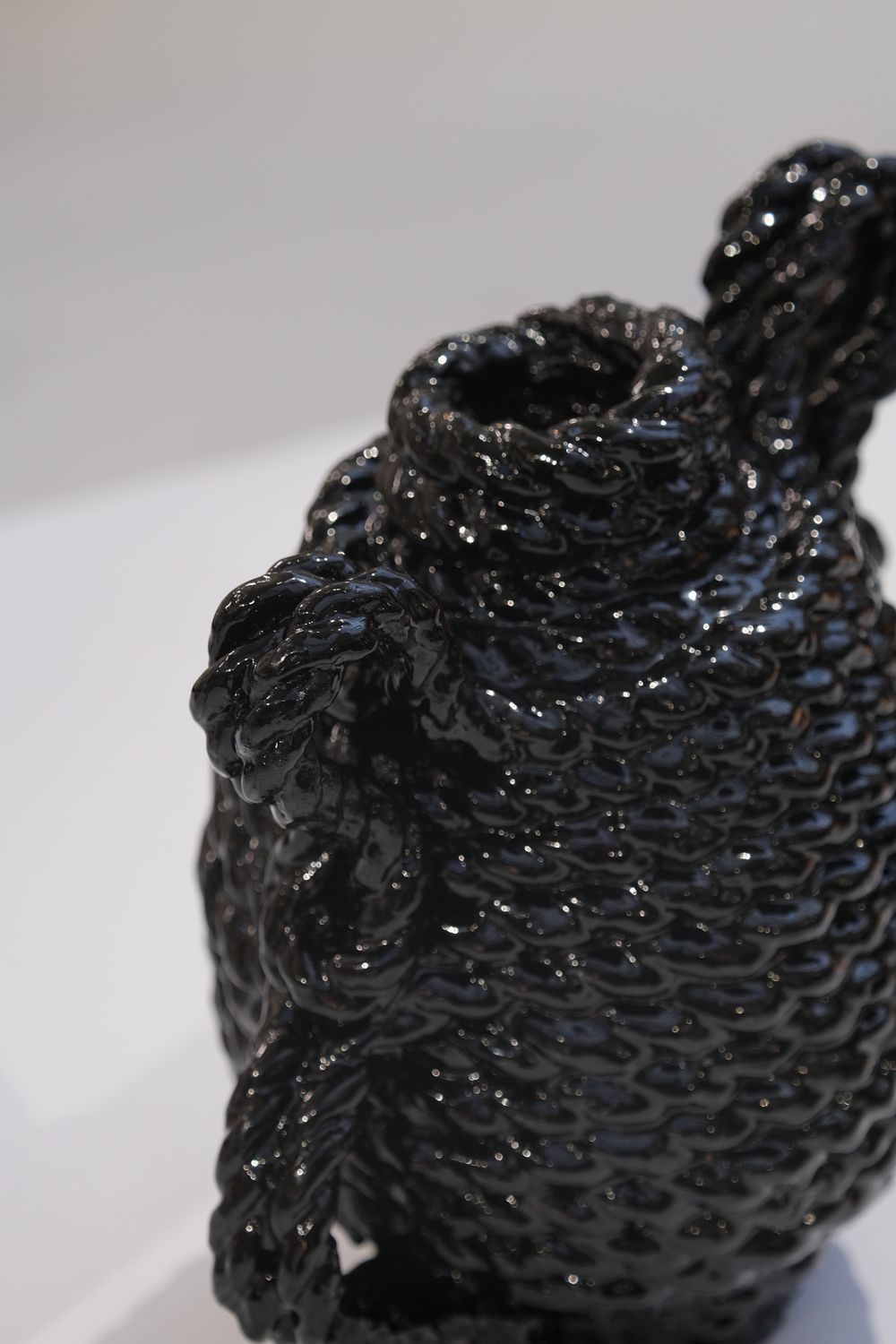
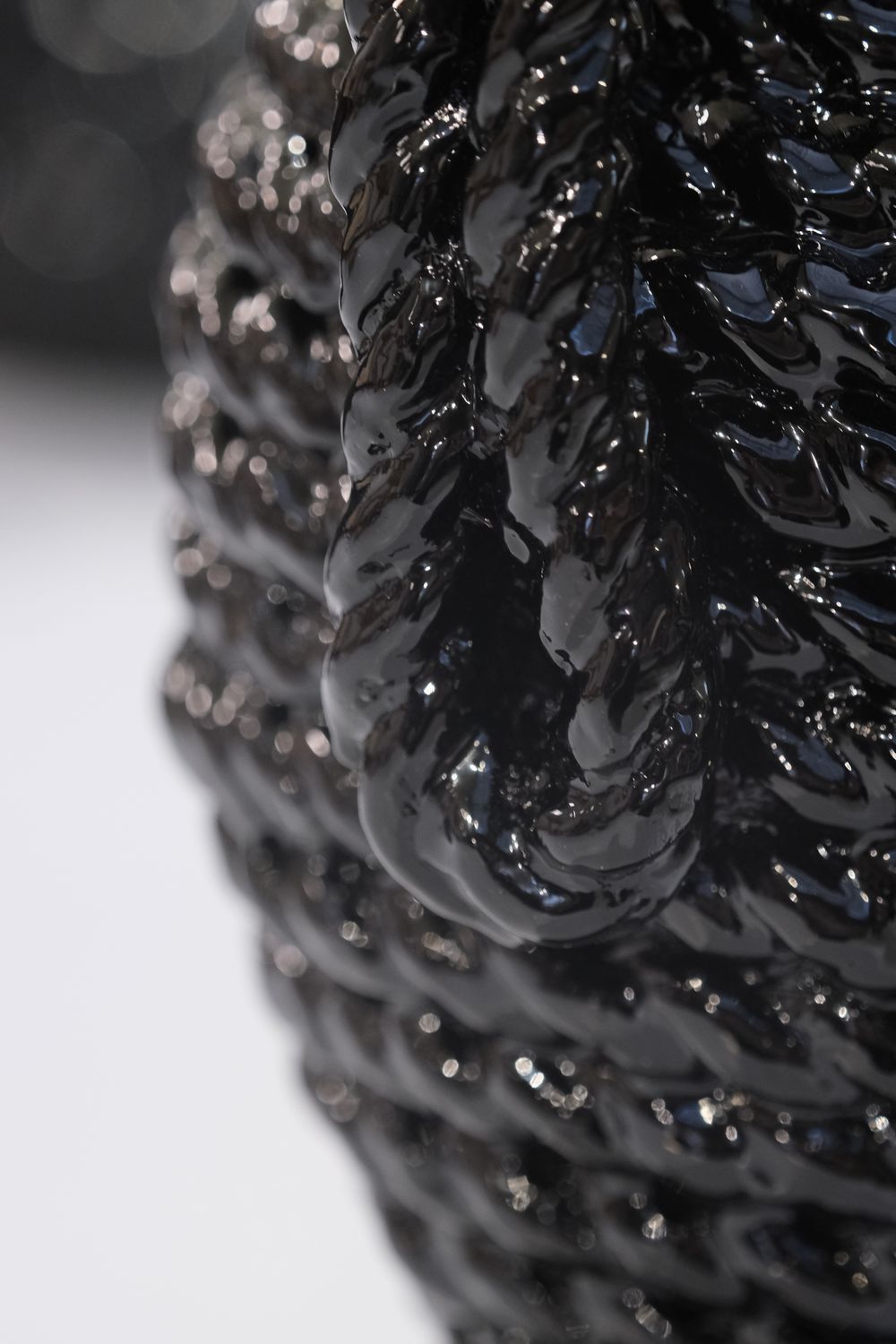
The lacquered rope, reinterpreted by Thomas Noui, finds a new and original expression here. For one week, participants explore gesture, material, and texture, assembling the rope with natural latex and applying a cork powder finish that evokes sand or suede. Each creation thus becomes a reflection of the encounter between traditional know-how and personal experimentation, a unique piece born from the dialogue between history, material, and creativity.
Upon completion of the training, the trainee will be able to:
Originating from Asian, particularly Japanese and Chinese, techniques of lacquered rope involve coating natural fibers with lacquer to make them stronger, waterproof, and more durable. Historically used for functional, ritual, and architectural objects, this technique relies on patient craftsmanship and meticulous attention to the material and the time required for its creation.
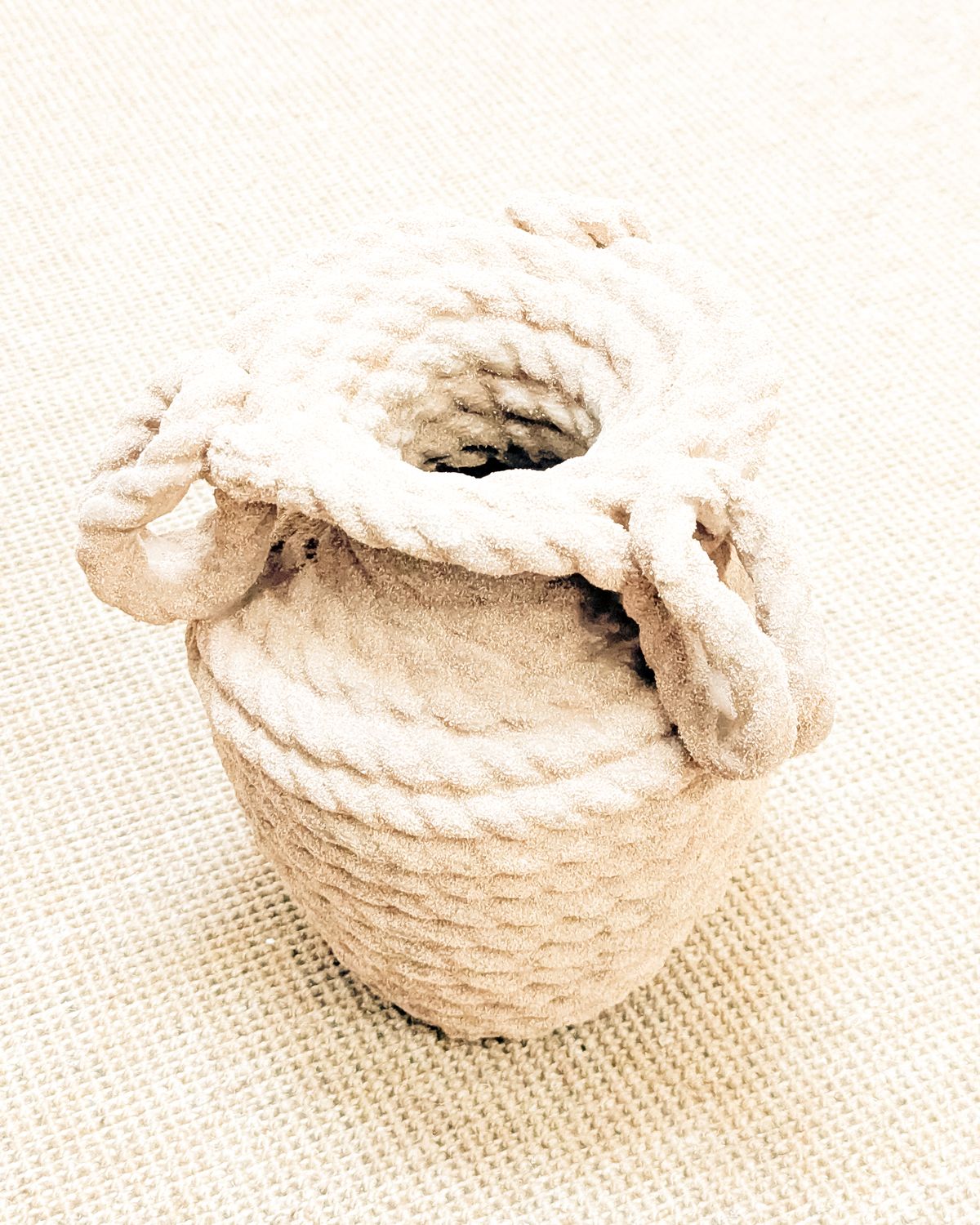
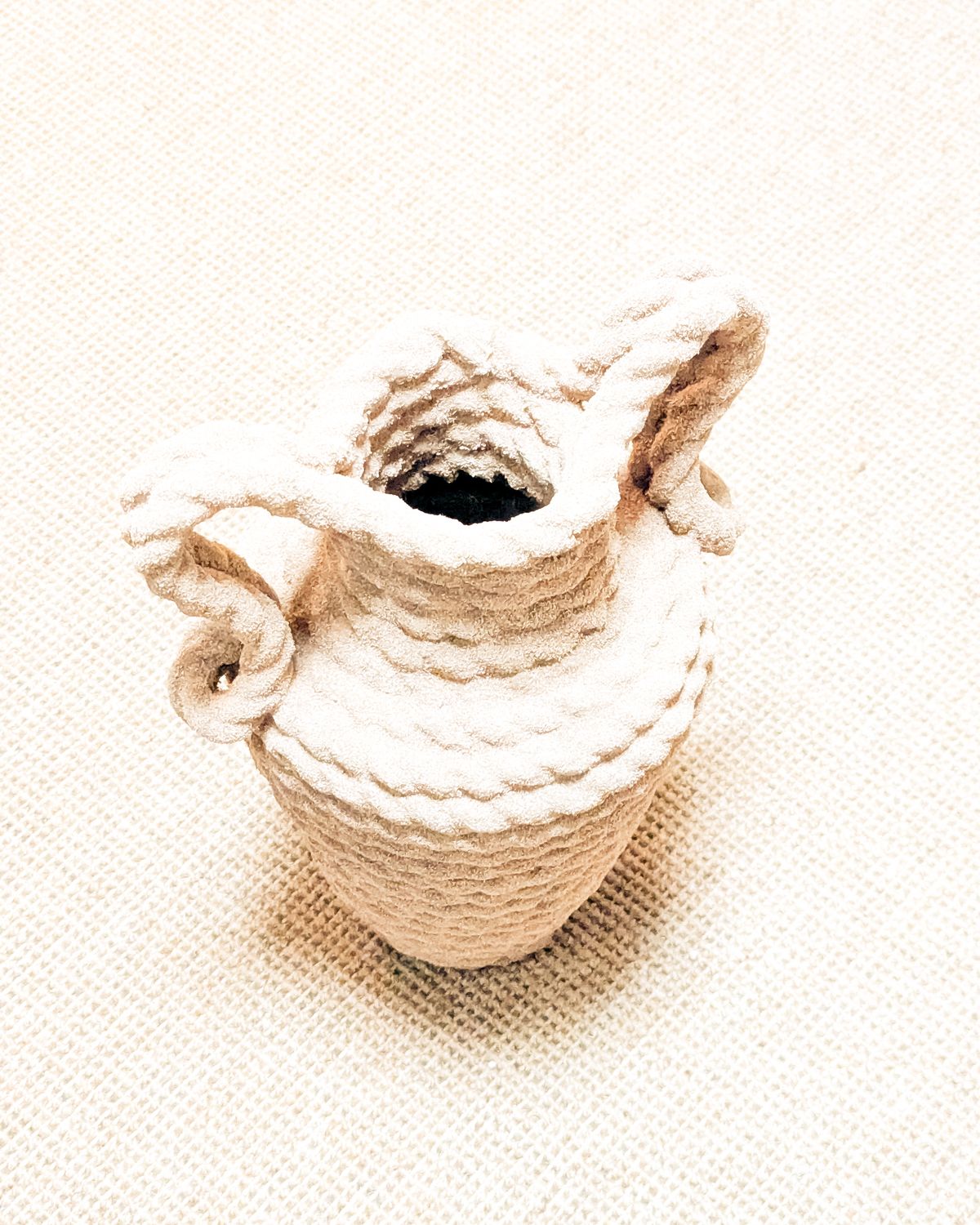
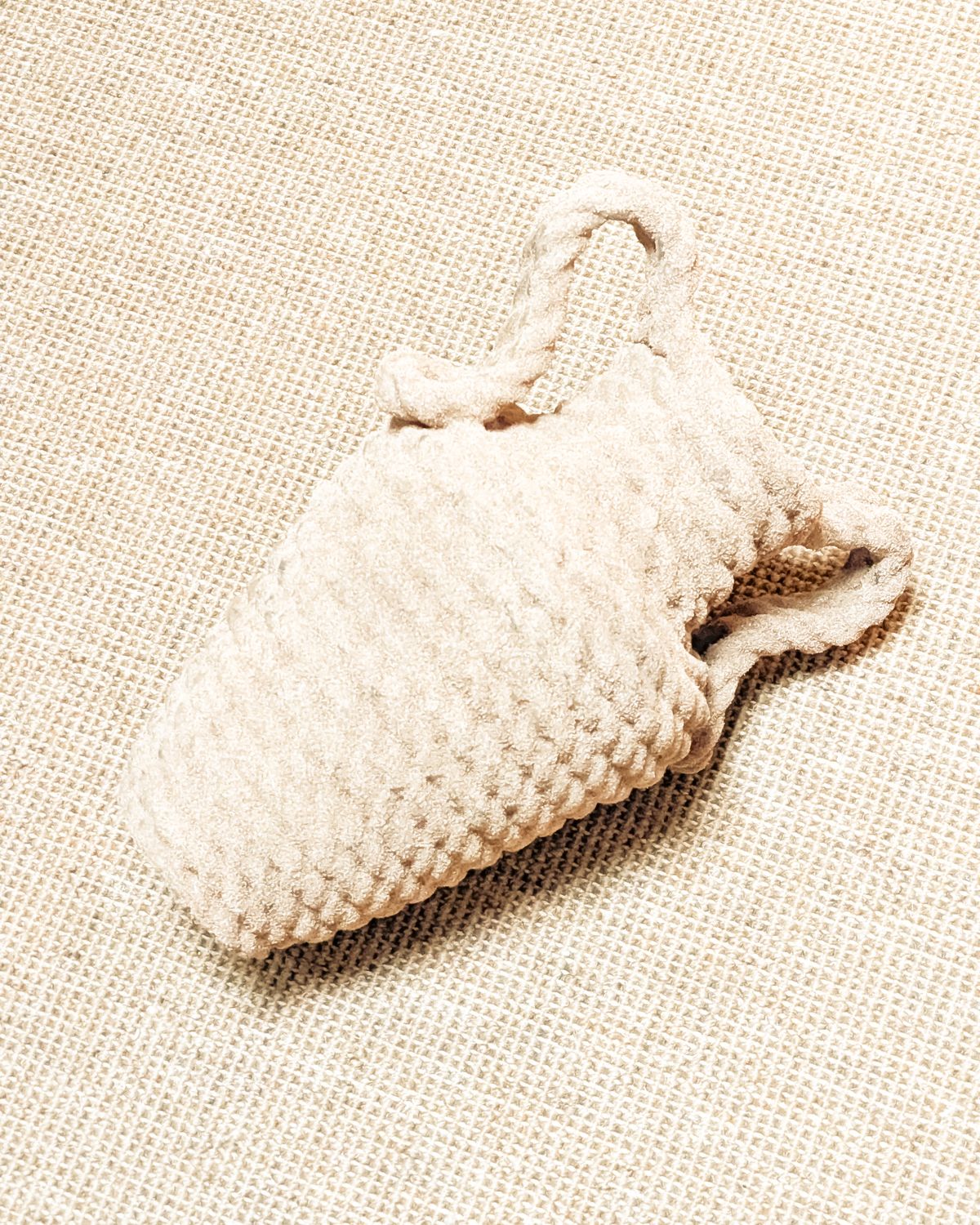
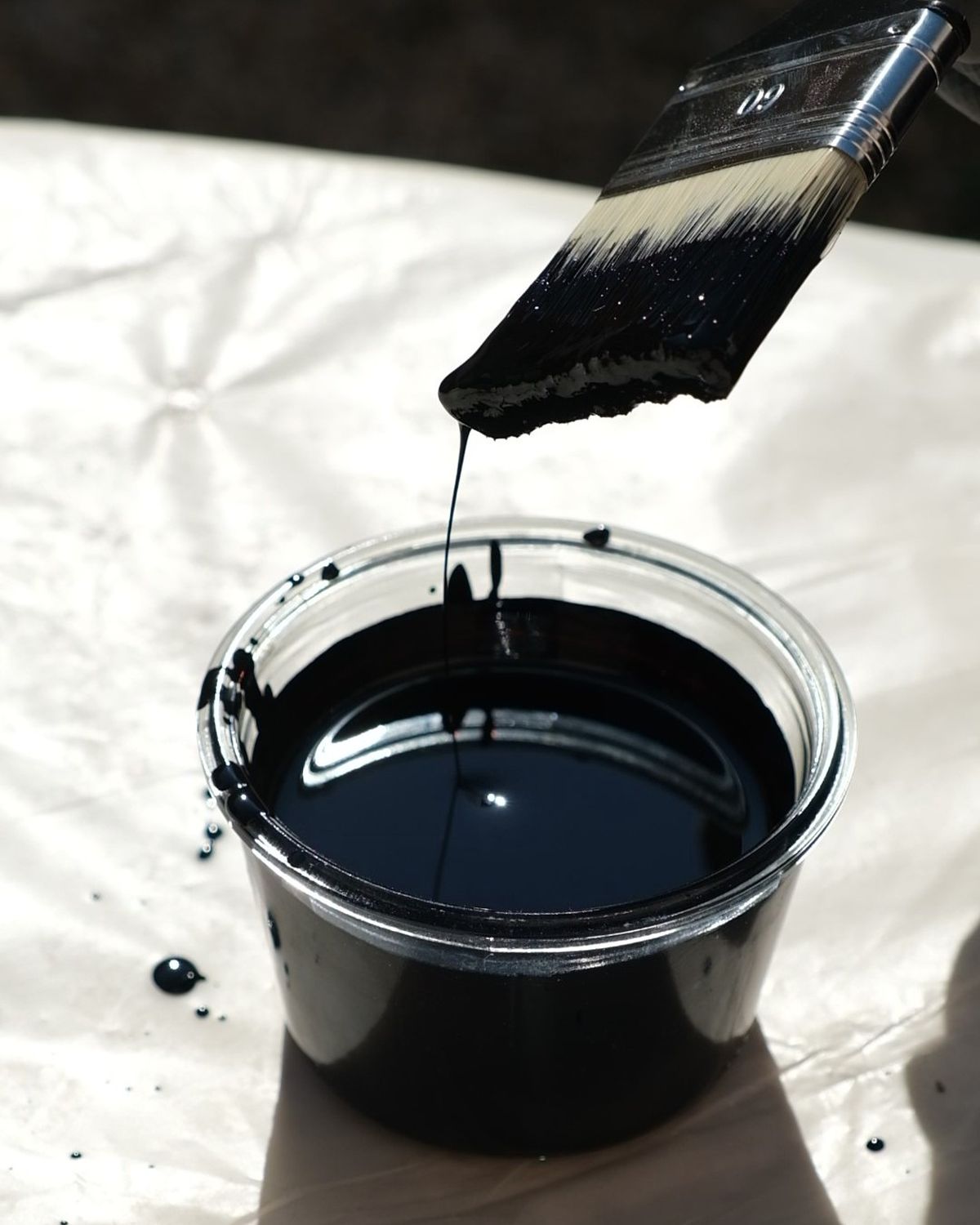
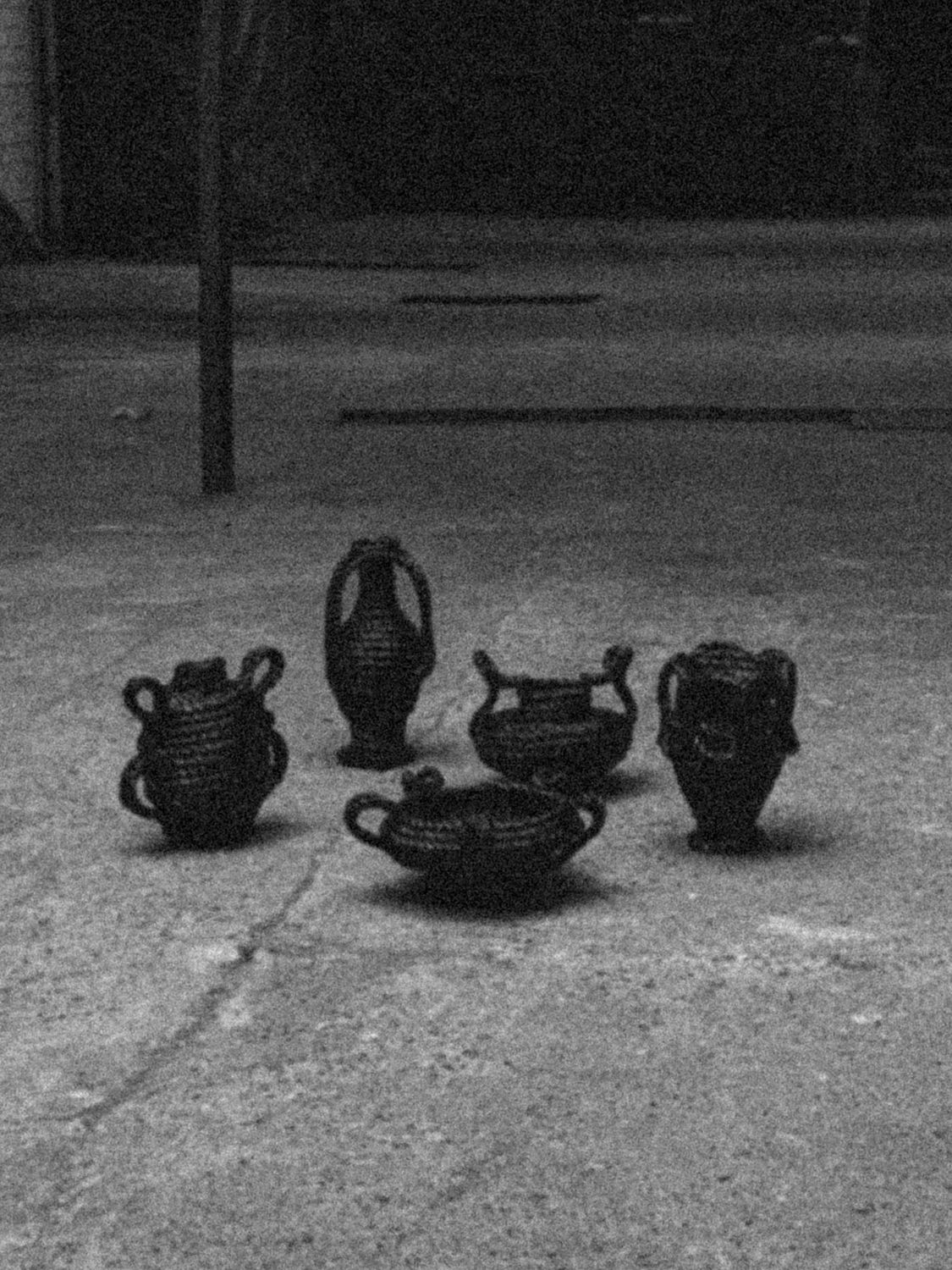
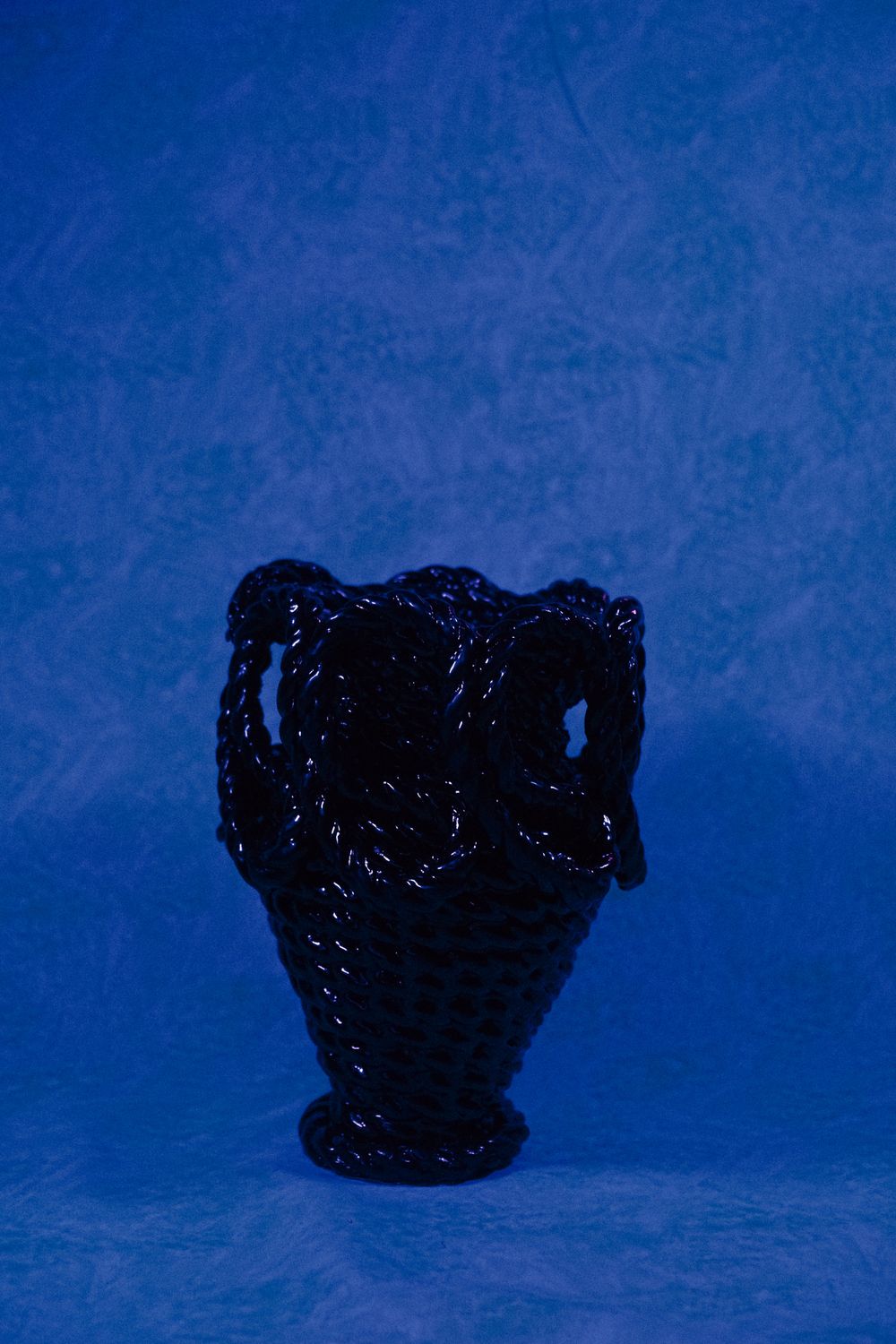
This workshop offers the opportunity to discover and experiment with a contemporary reinterpretation of lacquered rope. The objects created during the week are part of an applied research project. While the principle of assembling the rope strands remains close to traditional techniques, the process is adapted here through the use of natural rubber latex, which acts as both a binder and a waterproofing material. The finishing touch, a flocking of fine cork powder, creates a textured surface reminiscent of sand or suede, echoing forms inspired by Hellenistic antiquity.
The training program's educational content is based on research conducted over several years by Thomas Noui on Japanese craftsmanship and its potential adaptations in a Western context. Participants will discover various alternatives to urushi lacquer, such as pine tar, Martin varnish, and natural rubber latex, developed and tested within the framework of this research.
Throughout the training, participants will be guided through a material-based research methodology. The aim is to understand how observing, analyzing, and adapting traditional techniques can foster a personal and coherent creative process. The creation of the pieces allows participants to explore and integrate several skills: passementerie (trimmings) for constructing volume, lacquer-like techniques for surface treatment, and sculptural principles for overall shaping.
Thomas Noui guides participants through each stage of the project, from the initial sketch and design of the form to the complete creation of the object. At the end of the week, each participant will have produced a personal piece, conceived as a finished object. Made from natural latex, hemp rope, and cork powder, the pieces have a unique finish and are marked to attest to their individuality.
Morning
Afternoon
Morning
Afternoon
Morning
Afternoon
Morning
reverse
Afternoon
Morning
Afternoon
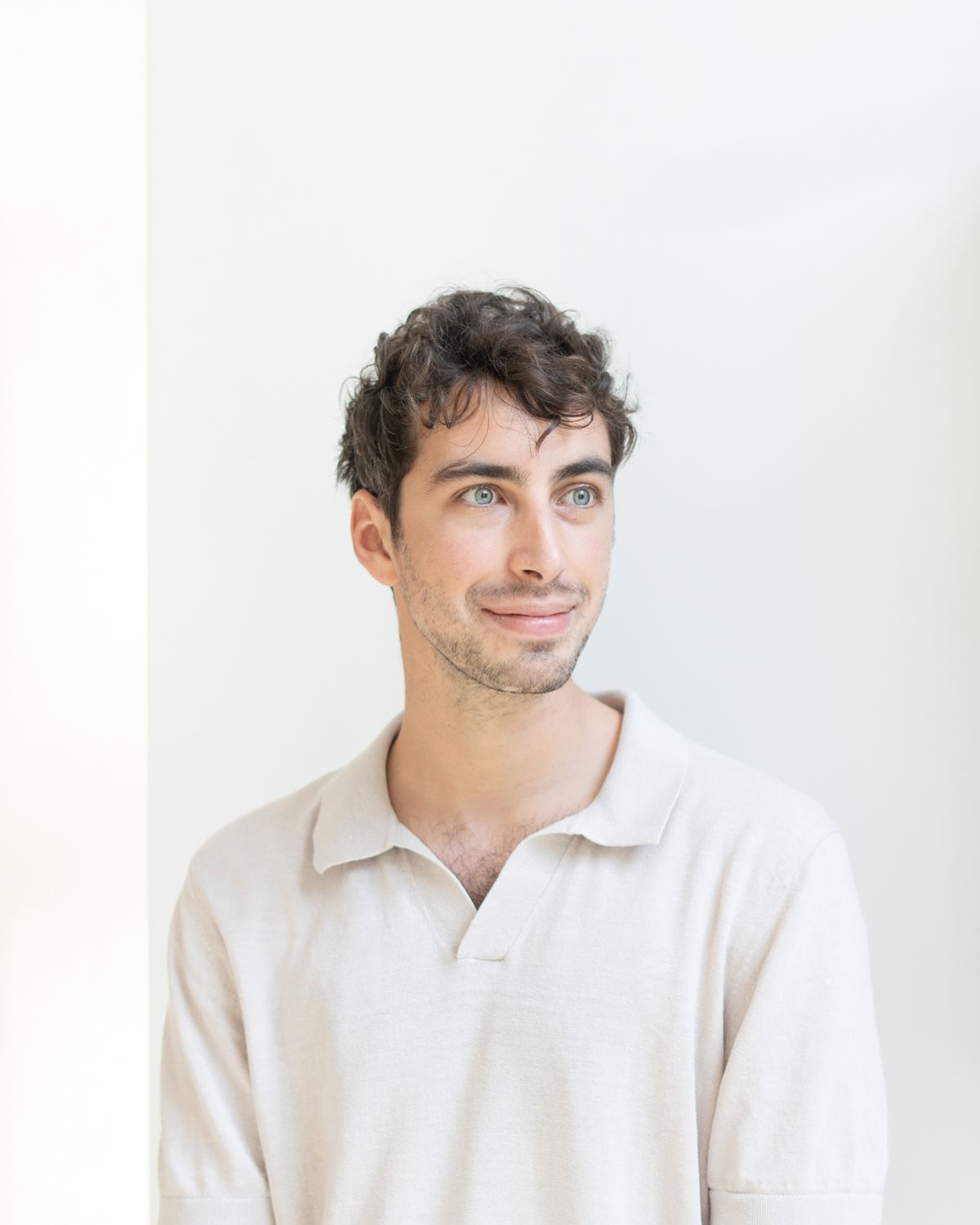
Designer and interior architect, Thomas Noui stands out as a visionary, exploring the connections between craftsmanship, innovation, and conceptual thinking.
Trained in cabinetmaking and art foundry work, he draws inspiration from his passion for archaeology to reinterpret aesthetic and methodological references in his creations. His projects, whether objects or spaces, blend technical rigor, historical research, and artisanal sensitivity.
Recognized by the Mobilier National (French National Furniture Collection) for the quality of his work, he was also awarded the Prix Mathias in 2025.
Training 100% financeable by AFDAS, or partially covered by other operators such as FAFCEA, AGEFICE, FIFPL, OPCO EP etc.
If you are concerned, we invite you to contact our sales department in advance via "Request for information" in order to prepare your file, or to register directly via the page of the chosen training course.

89350 Champignelles
T: +33 (0)3 86 45 23 42
contact@campusmana.com
