Logo campus MANa

The Program

Learning objectives

This short course offers an introduction to featherwork, a rare craft that bridges the gap between traditional arts and crafts and contemporary design. Designed for beginners, it invites participants to discover the fundamental techniques, specialized tools, and the endless creative possibilities that feathers offer.

By the end of the course, participants will be able to:

  • Understand the history and traditions of featherwork
  • Learn to identify, prepare, and work with different types of feathers
  • Use basic techniques to create feather ornaments
  • Foster creativity and artistic expression through this natural material

Content of the program

Throughout the workshop, Julien Vermeulen guides participants in creating their first personal piece by experimenting with the main techniques of collage, assemblage, and shaping.

Beyond the purely technical aspect, this introductory workshop is also an invitation to slow down, observe, feel the materials, and give free rein to intuition. Working with a pen requires precision, gentleness, and patience: it is a true opportunity to reconnect with oneself and with the materials.

The workshop concludes with a collaborative project and a discussion of each participant’s work, offering personalized advice and suggestions for further exploration of the craft. Each participant leaves with their creation, as well as a newfound appreciation for a material as light as it is fascinating.

Day 1

Introduction and Basic Techniques

Afternoon

  • Welcome, introduction to the workshop and the history of featherwork
  • Exploring tools and materials (feathers, thread, backing, tweezers, scissors)
  • Introduction to basic techniques: trimming, recutting, smoothing, and preparing the feather
  • Hands-on exercise: transforming a raw feather into a ready-to-use feather
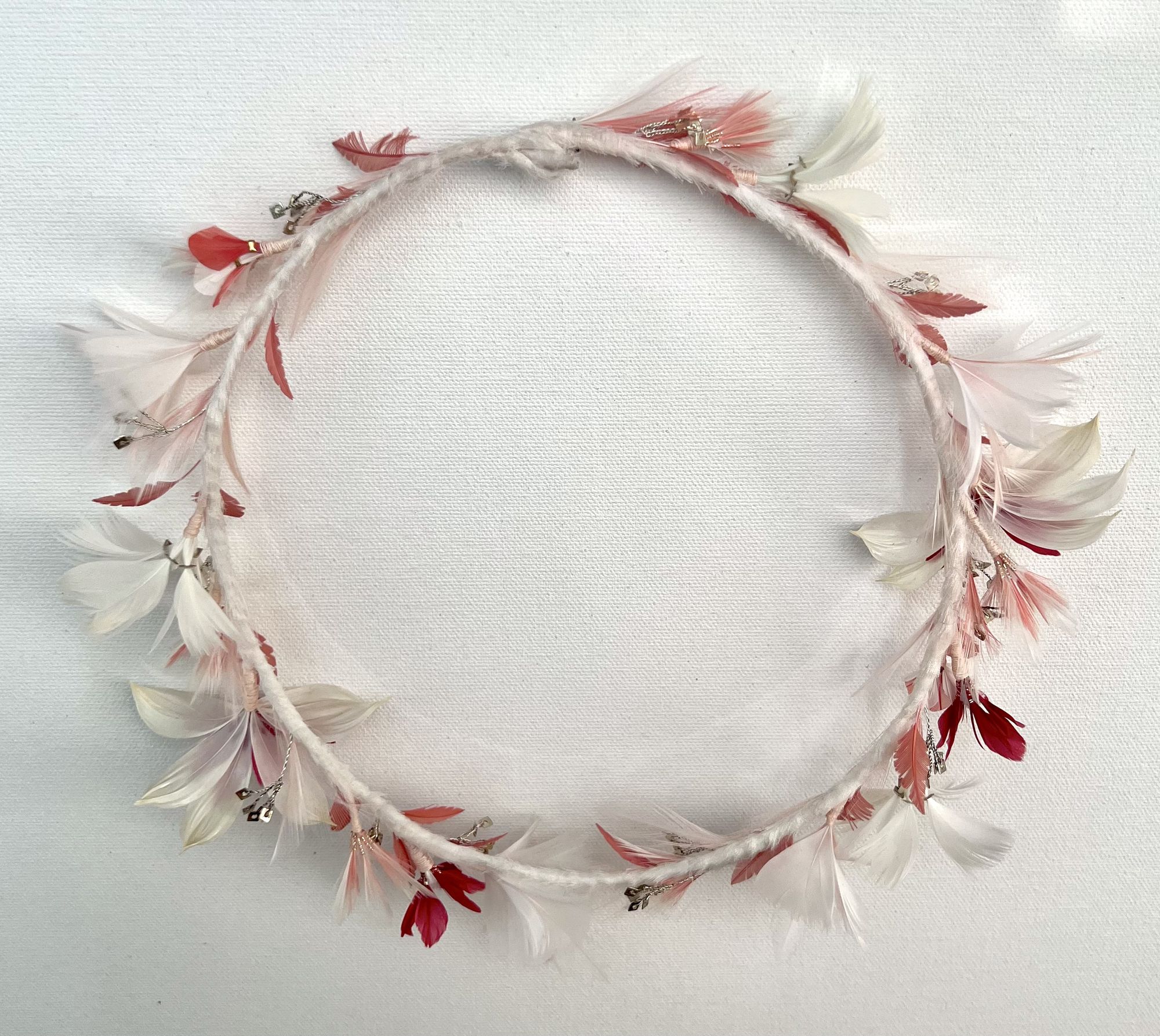
  • Creating a flower or decorative motif with feathers; a small marquetry project (flat mounting)
  • Discussion: Each participant chooses a personal item to customize (hat, jewelry, shoes, etc.)
  • Beginning of the creative process: sketches or mini mood board*

Day 2

Exploring techniques

Morning

  • Demonstration of various techniques: three-dimensional assembly (on wire, on a base), flat and decorative application
  • Guided exercises: creating small technical samples

Afternoon

  • Personalized session: adapting techniques to the chosen object
  • Selection of feathers, colors, and textures for each project
  • Preparation of the first pieces (cutting, sorting, dyeing if necessary)

Day 3

Start of the individual project

Morning

  • Setting up the personalized project: organizing the workspace and preparing materials; beginning the first steps of customizing the object

Afternoon

  • Hands-on work: attaching feathers to the object
  • Individual guidance to correct technique and creative direction
  • Significant progress on the piece

Day 4

Finalizing personal projects

Morning

  • Time dedicated to creating personal pieces
  • Interim finishing touches (adding details, making corrections)

Afternoon

  • Finalizing the pieces
  • Showcasing and presentation: each participant prepares a mini display of their piece (stand, box, mannequin)
  • Group sharing and feedback

Day 5

Guided group project

Morning

  • Introduction to the collaborative project: creating a feather composition on a framed surface (panel or canvas)
  • Assignment of tasks: sorting feathers, choosing a pattern or design, cutting, preparation
  • Beginning of the composition’s assembly.

Afternoon

  • Collective creation of the framed piece
  • Adjustments, finishing touches, and securing the piece in the frame
  • Final presentation of individual creations and the collaborative piece
  • Closing: group photo, presentation of a small symbolic certificate of introduction to featherwork
  • Tidying up the workshop

Monitoring

Details

Vermeulen House

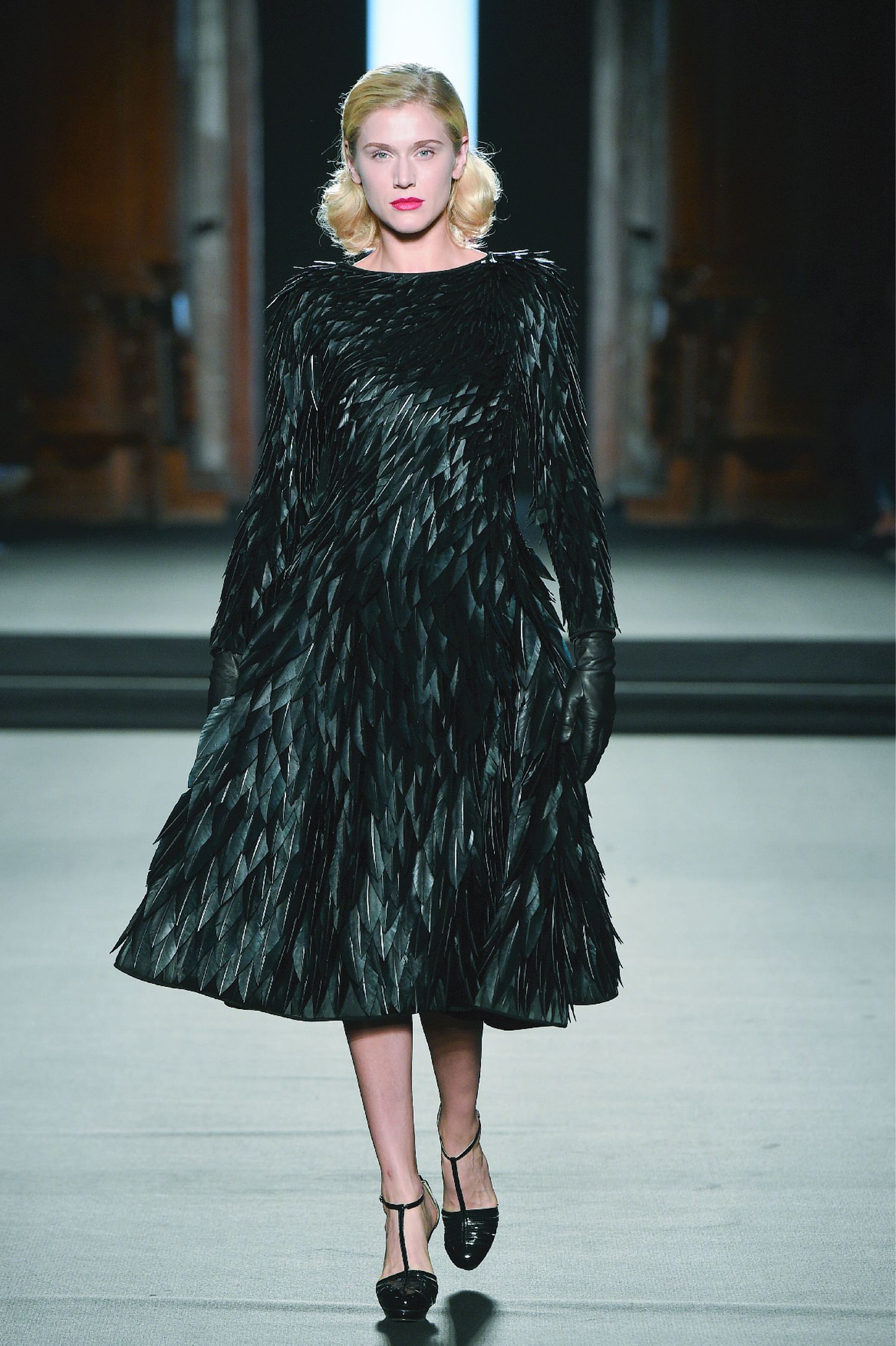
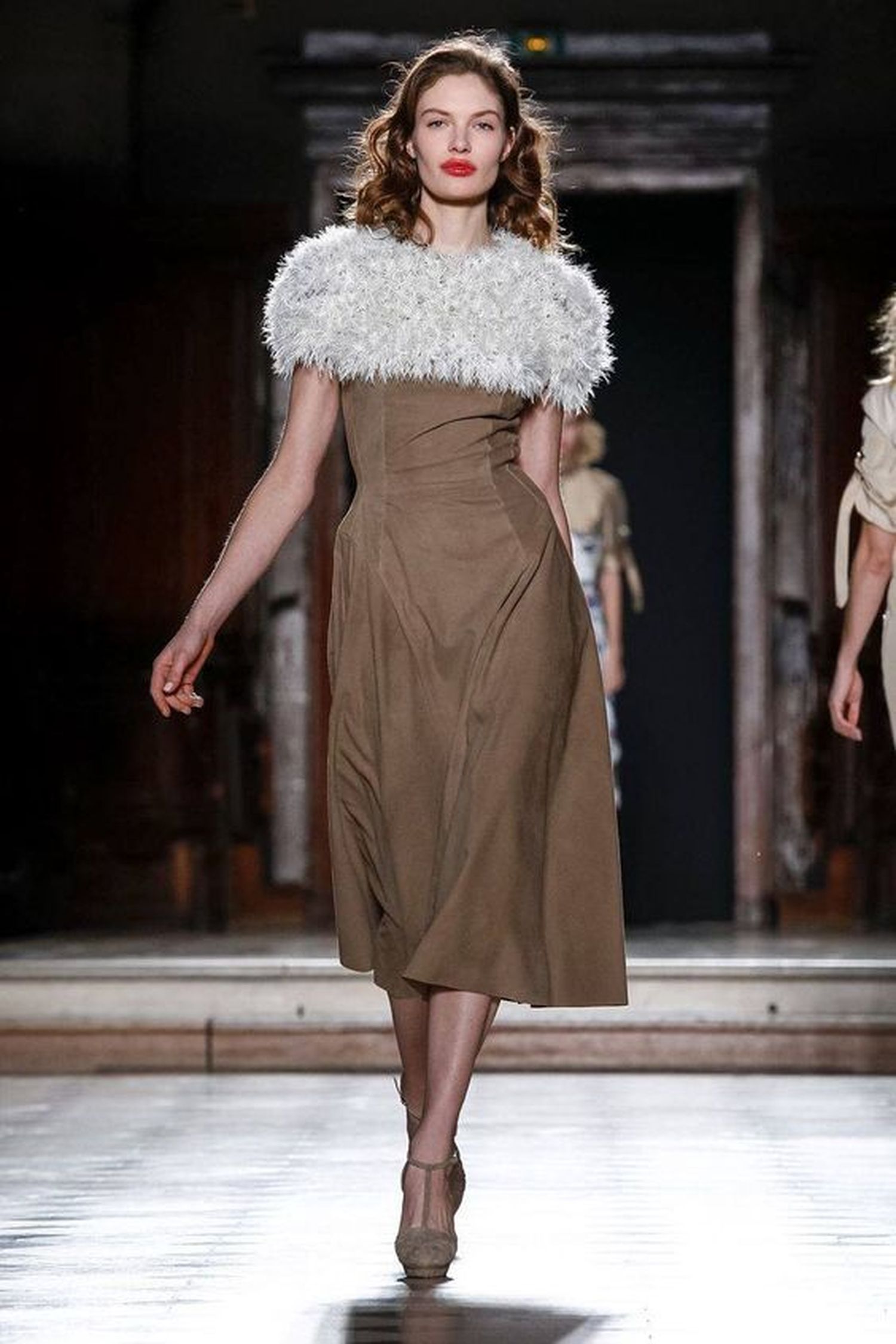
Trained at the Lycée Octave Feuillet, a leading French institution in the art of featherwork, Julien Vermeulen is an exceptional designer who blends tradition and innovation with rare mastery. With a BTS in Fashion Design and a bachelor’s degree in Visual Arts and Art Sciences, he quickly established himself as a key figure in the worlds of haute couture and art.

Since 2015, his studio has collaborated with leading fashion houses—including Yves Saint-Laurent, Dior, Givenchy, Cartier, Lanvin, Schiaparelli, and Dolce & Gabbana—bringing a unique signature to each of his creations that blends delicacy with boldness. In 2020, he joined a Parisian agency that represents him and marked a turning point by presenting his artistic work for the first time at the exhibition “La Promenade du Collectionneur” at the Hôtel Solvay in Brussels.

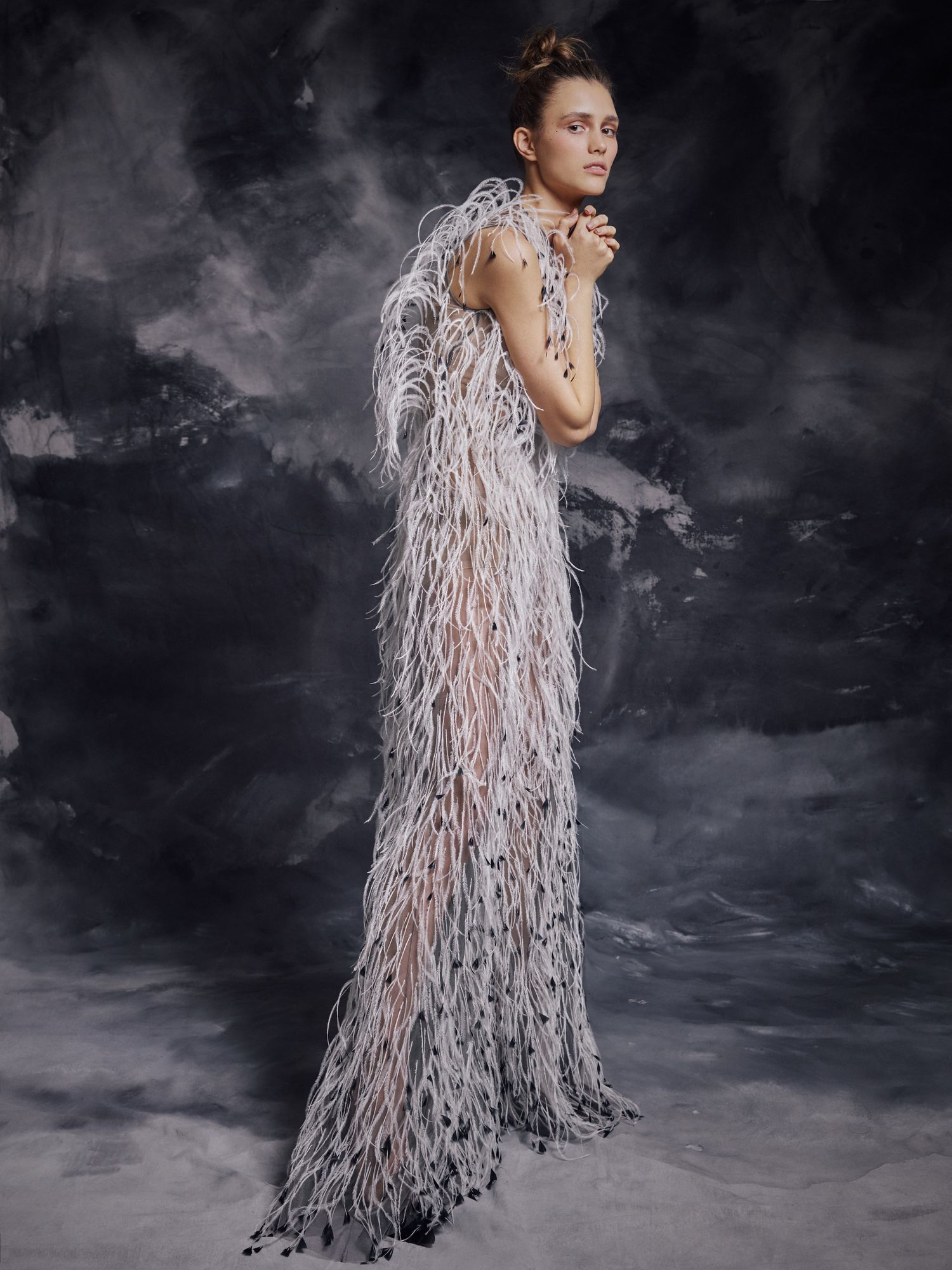
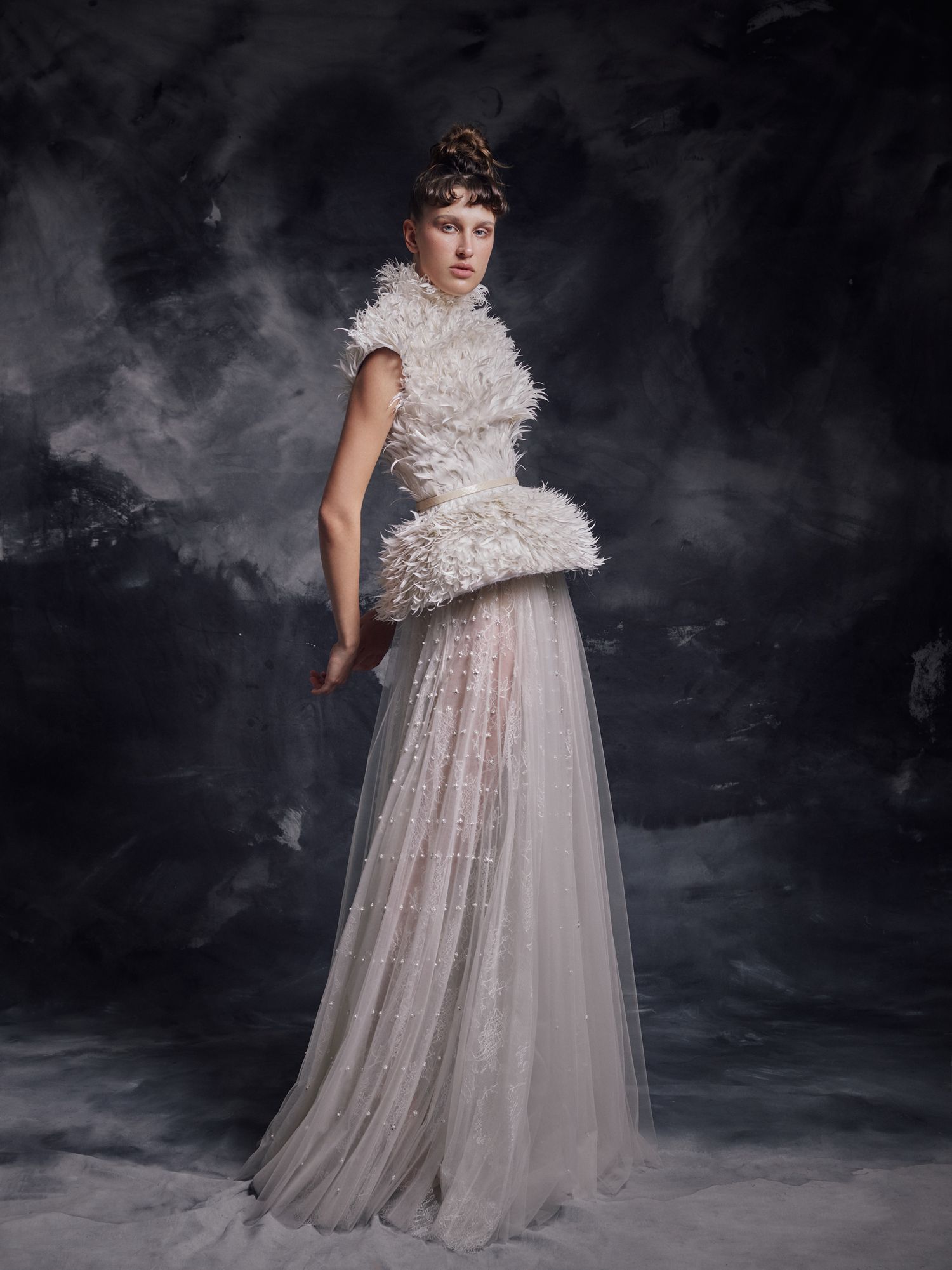
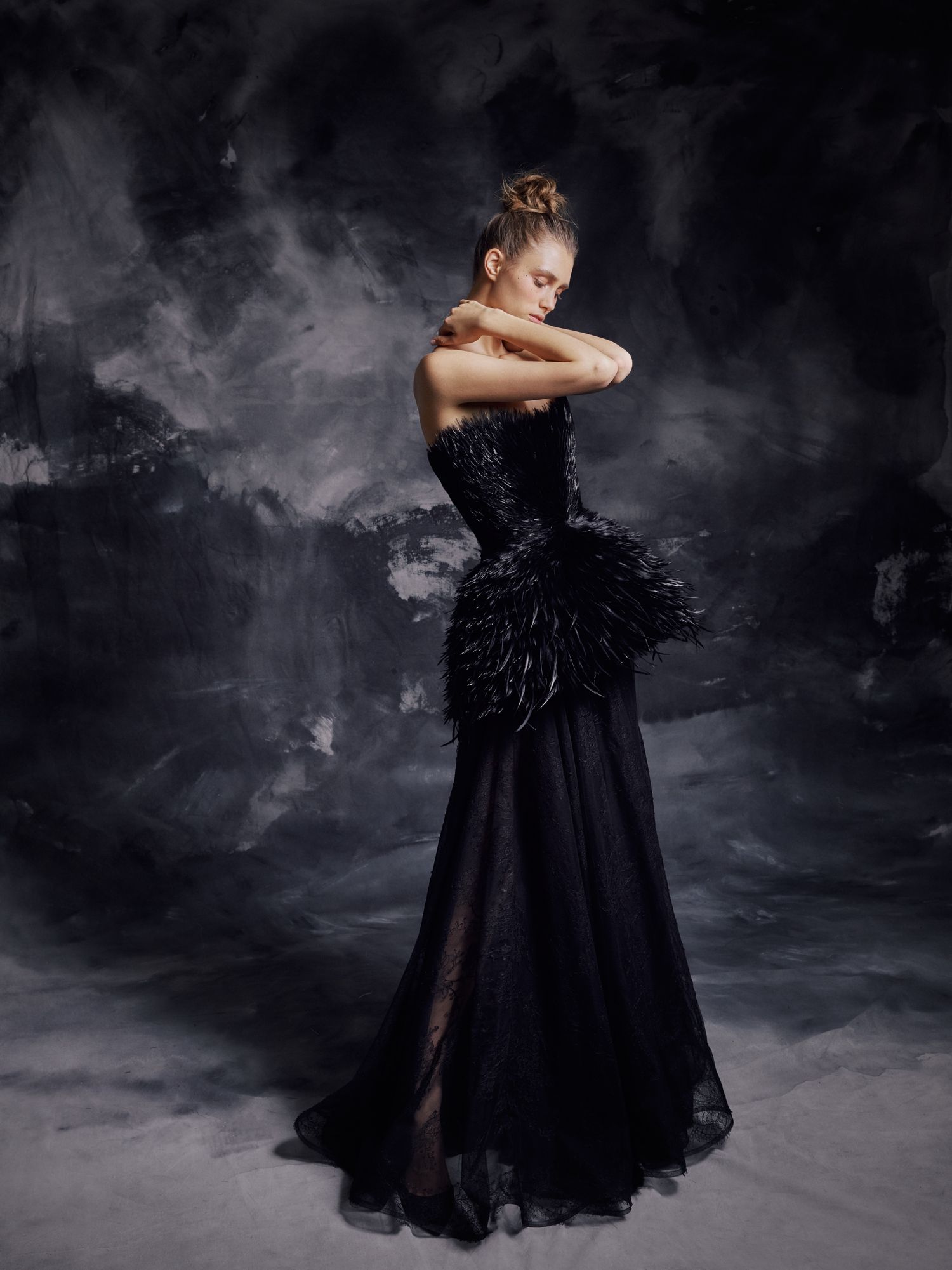
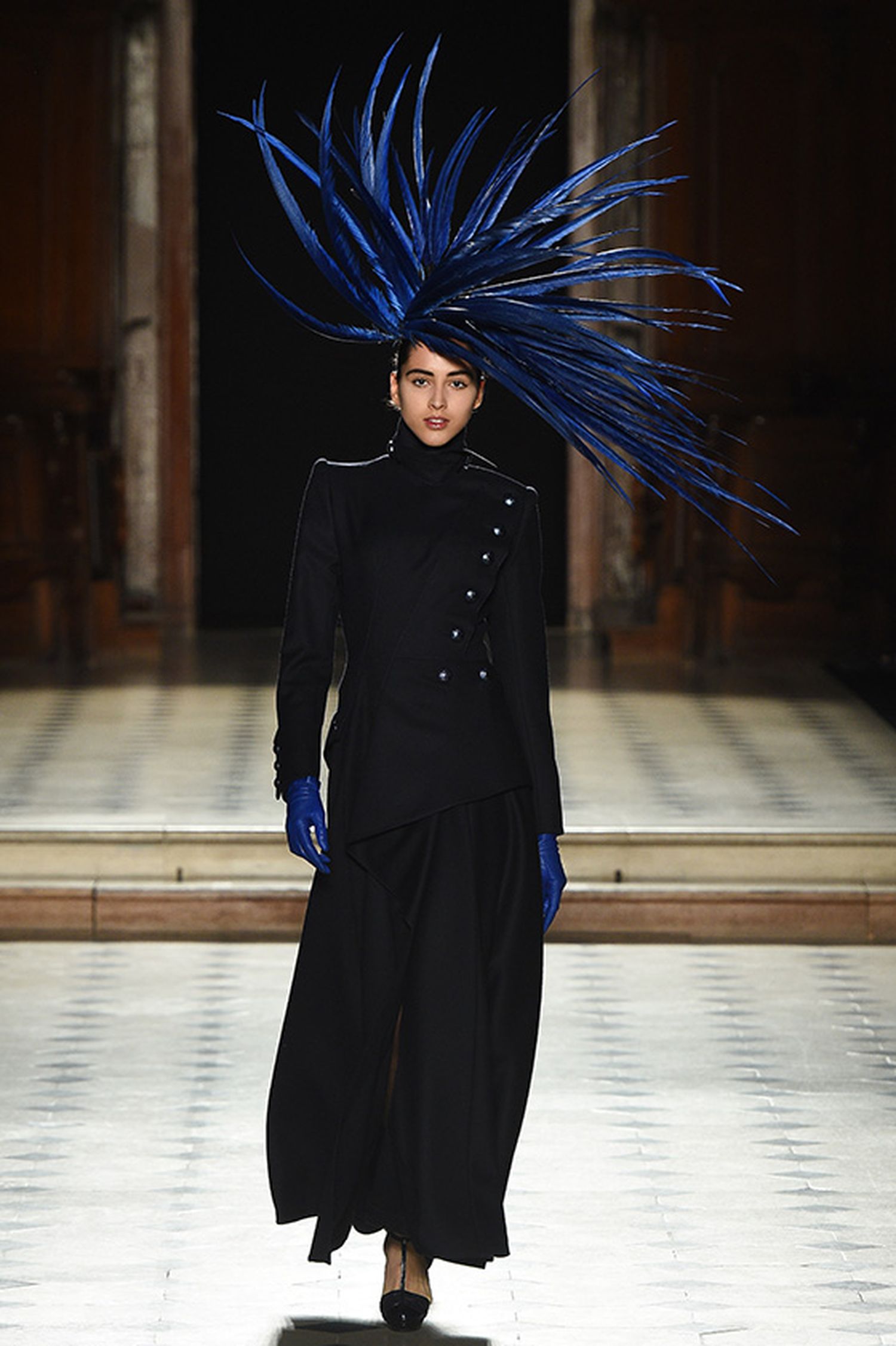
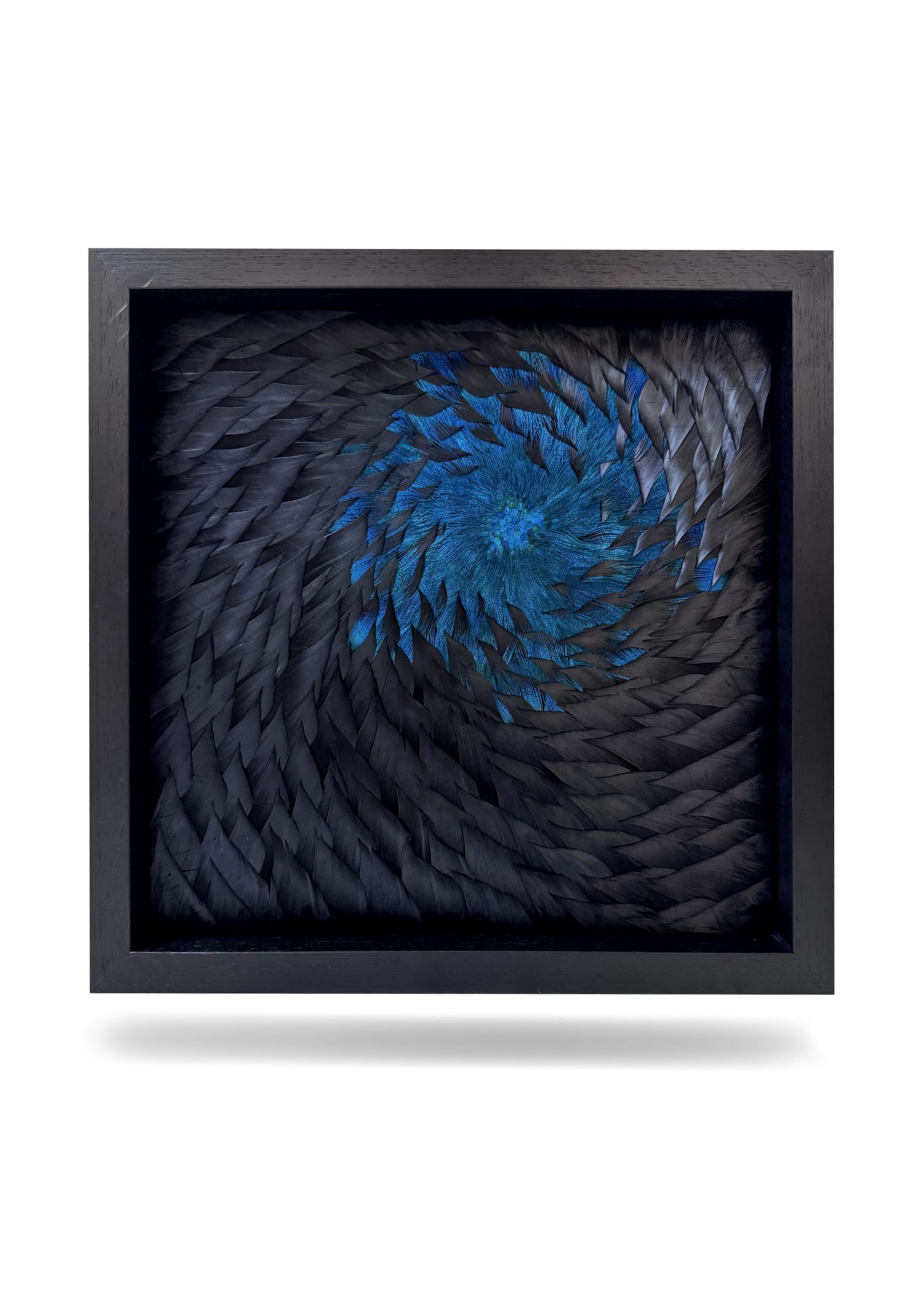
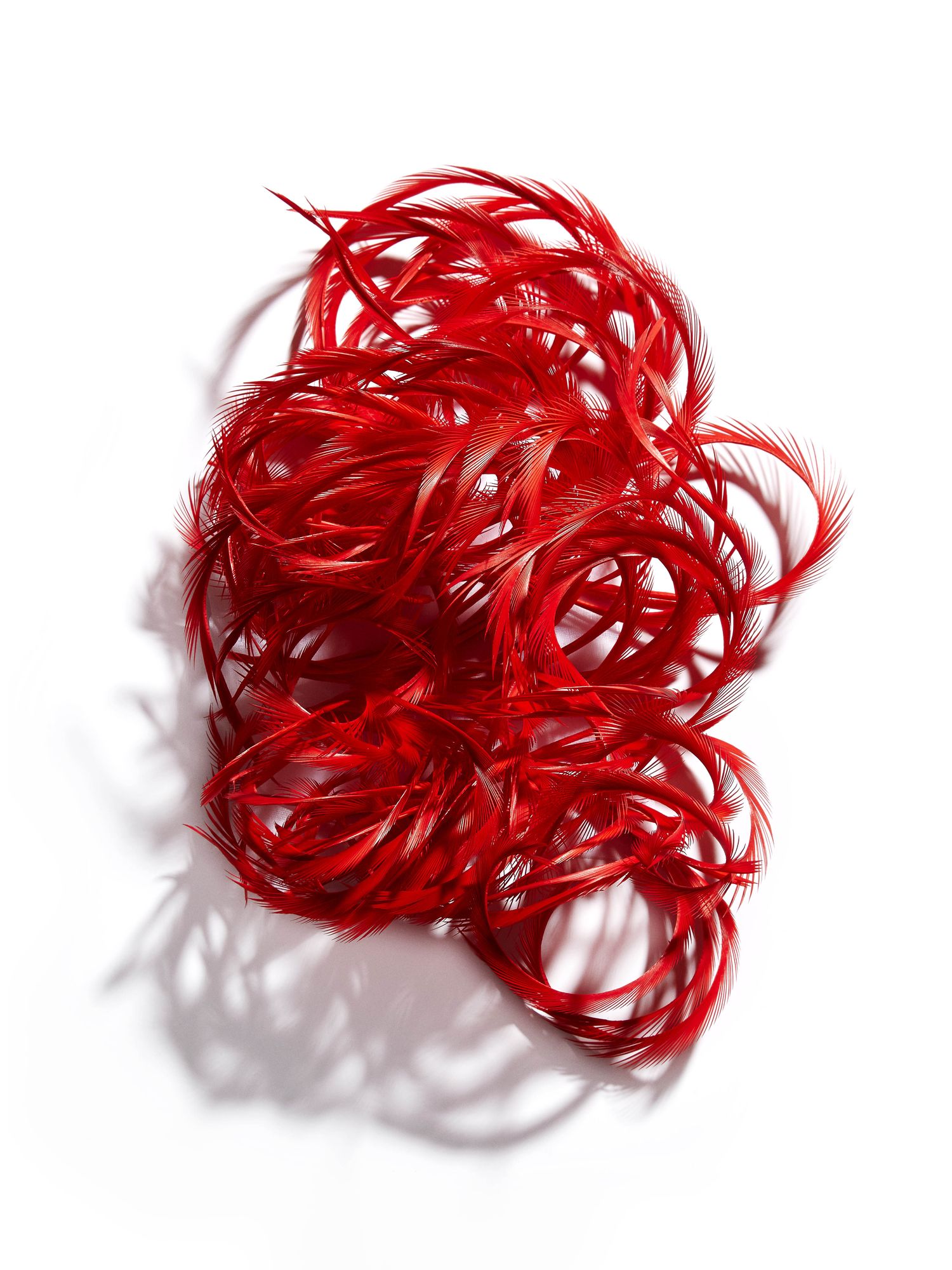
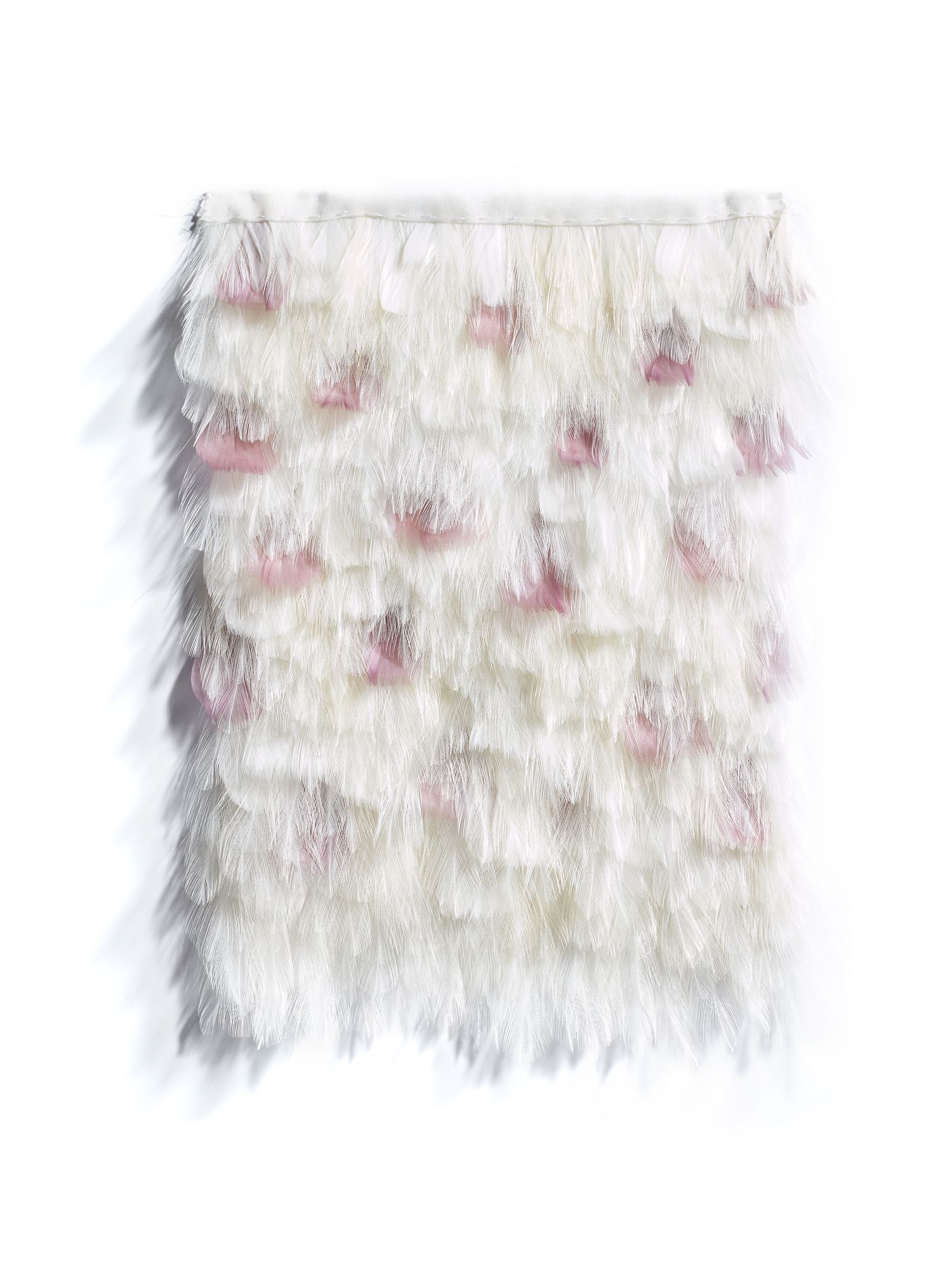
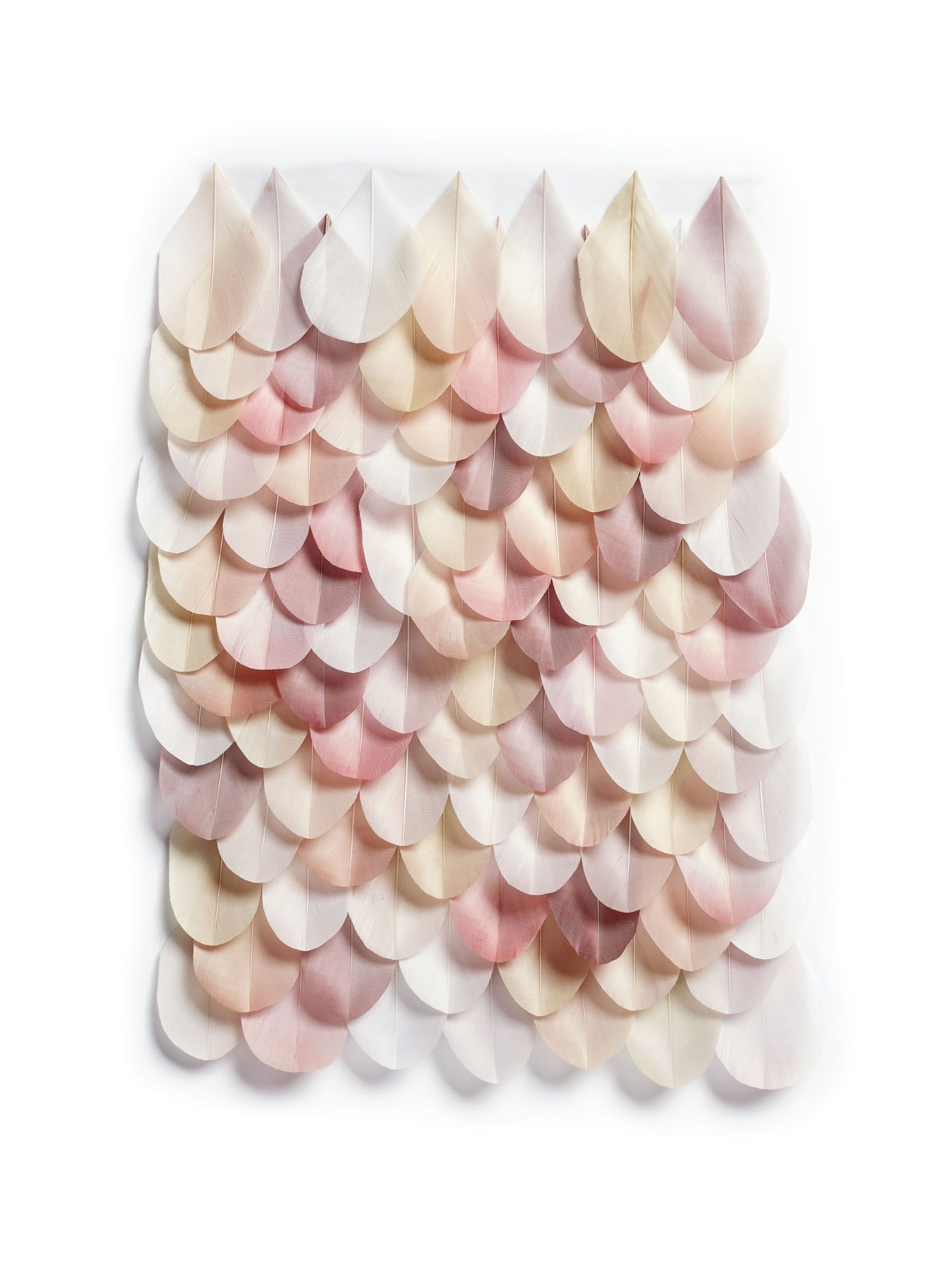
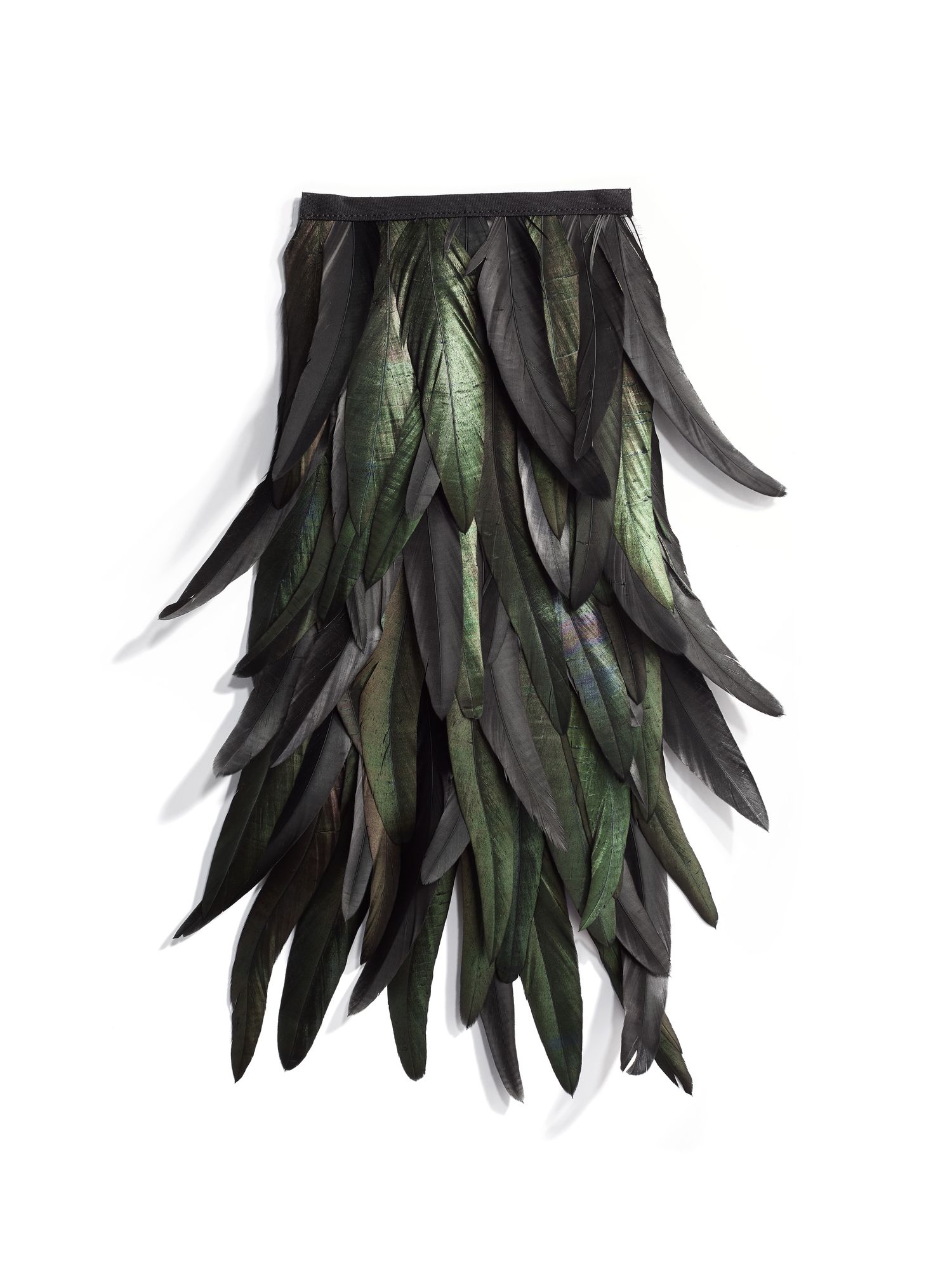
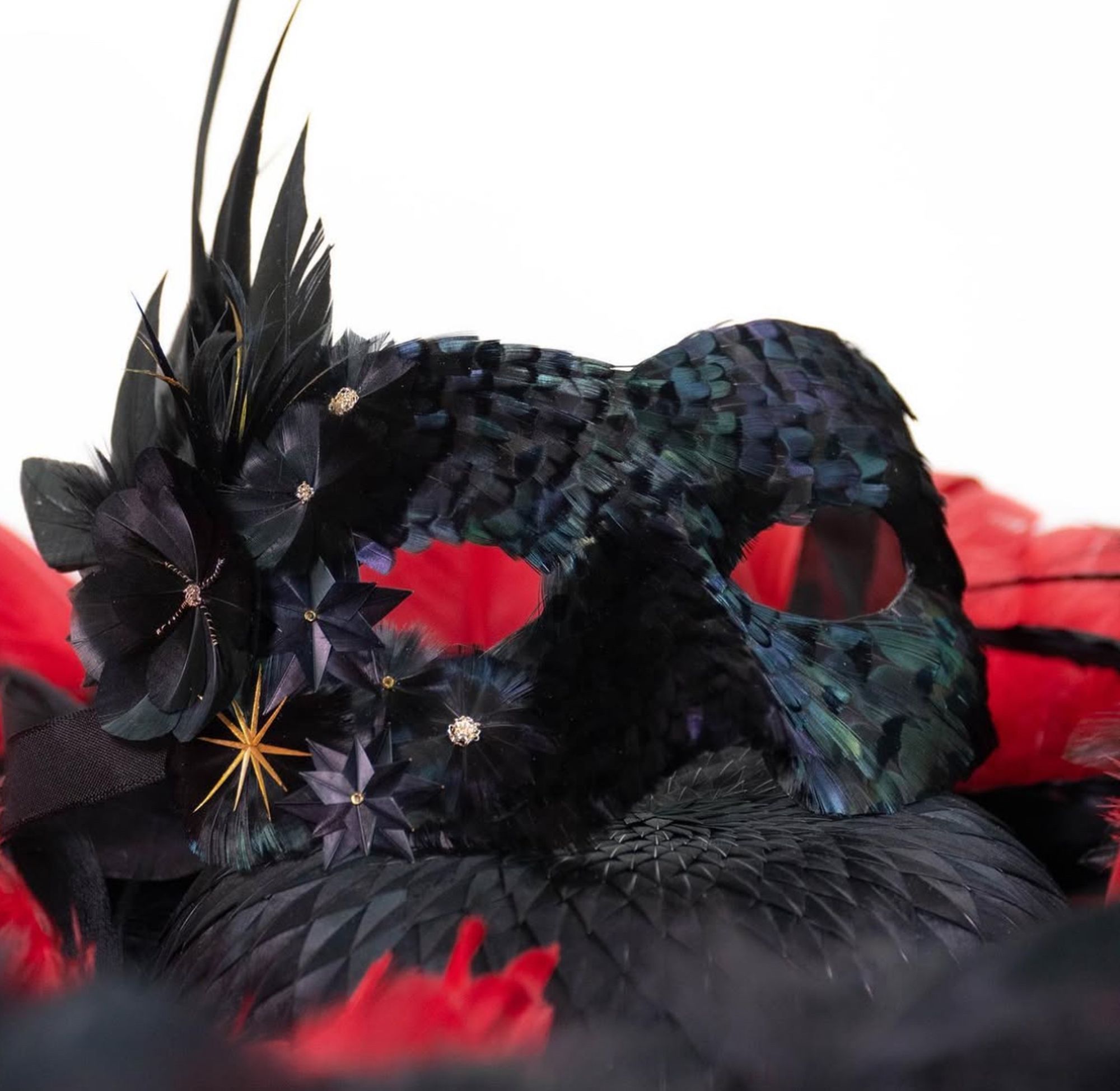
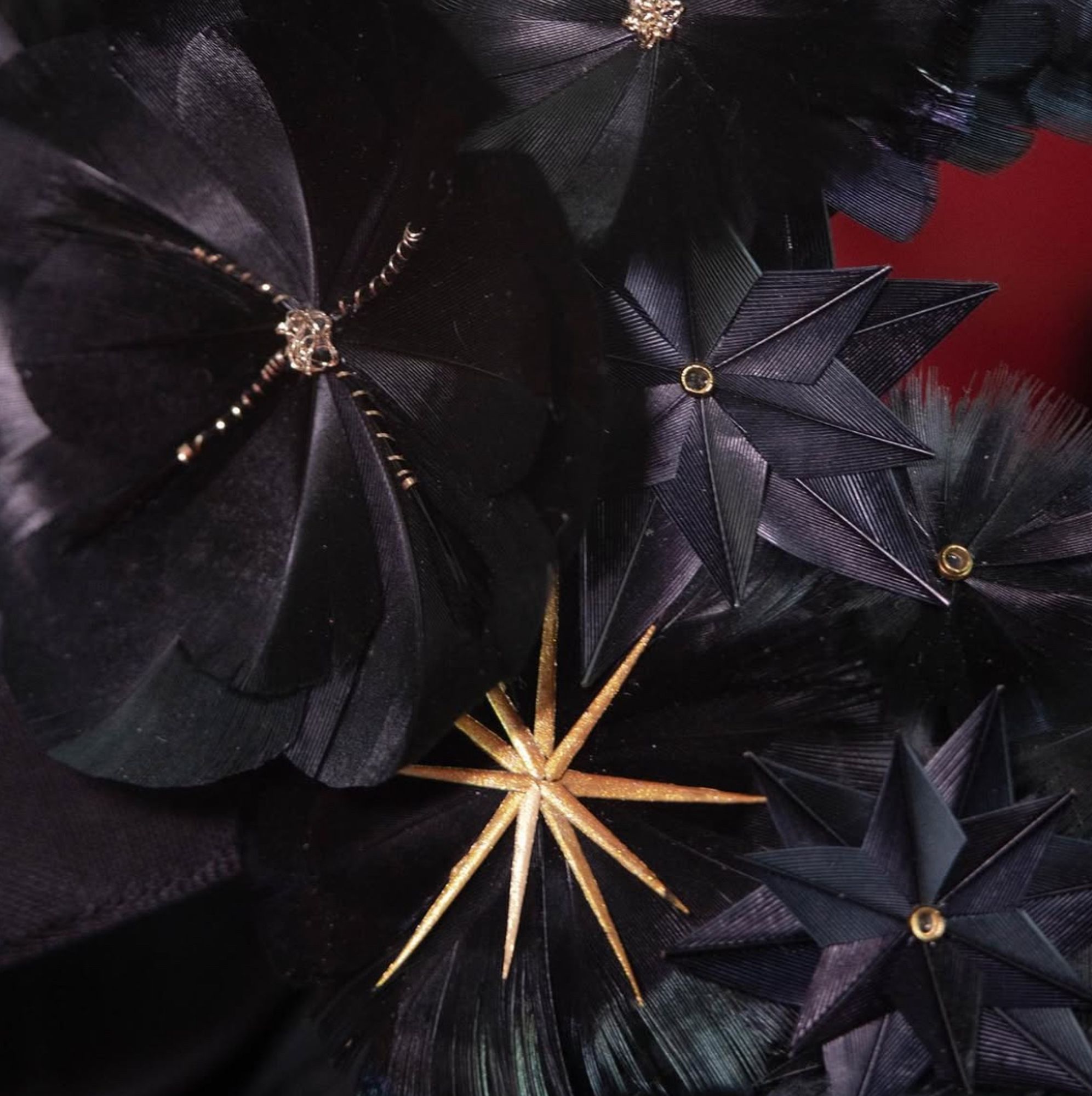
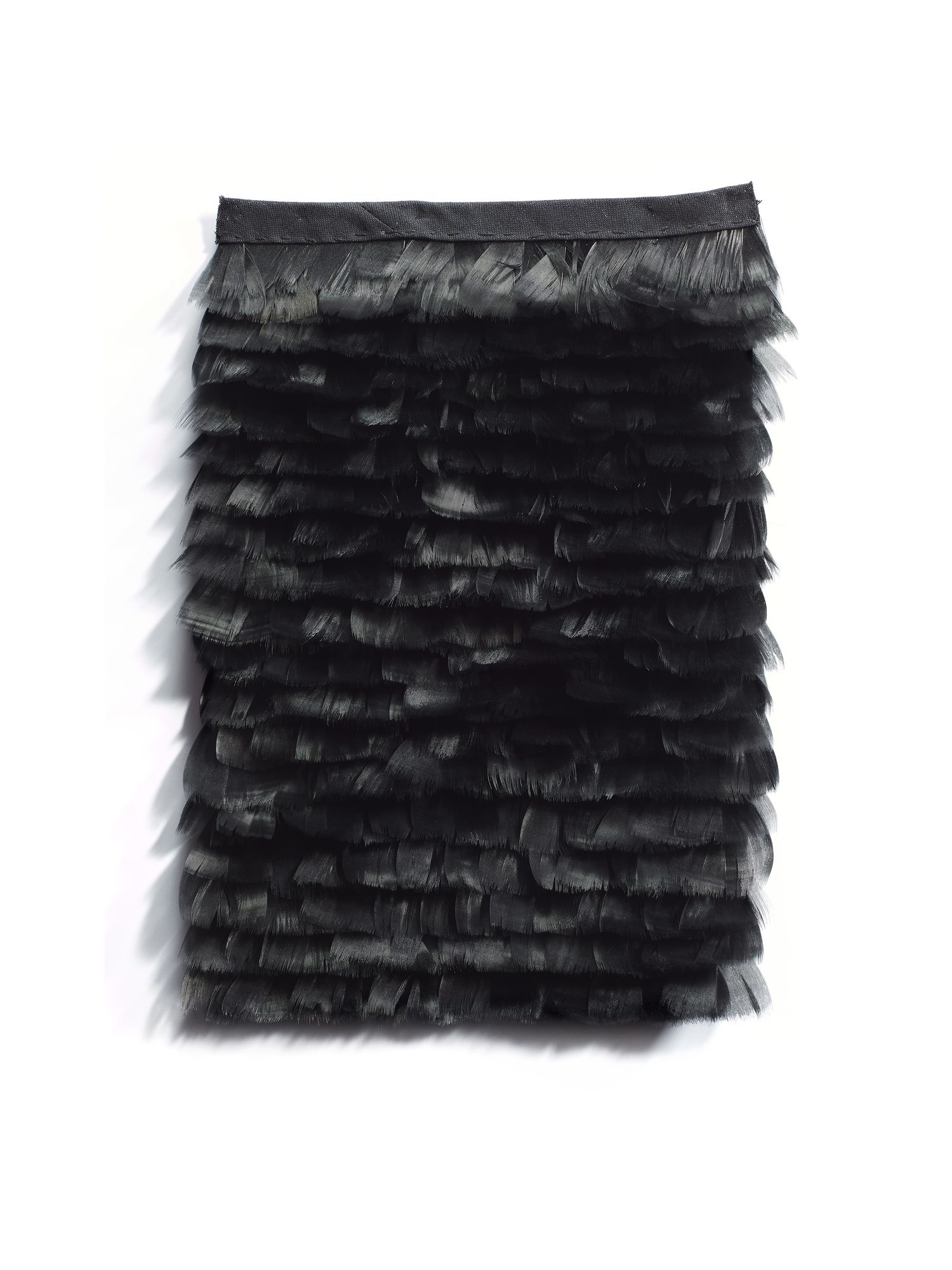
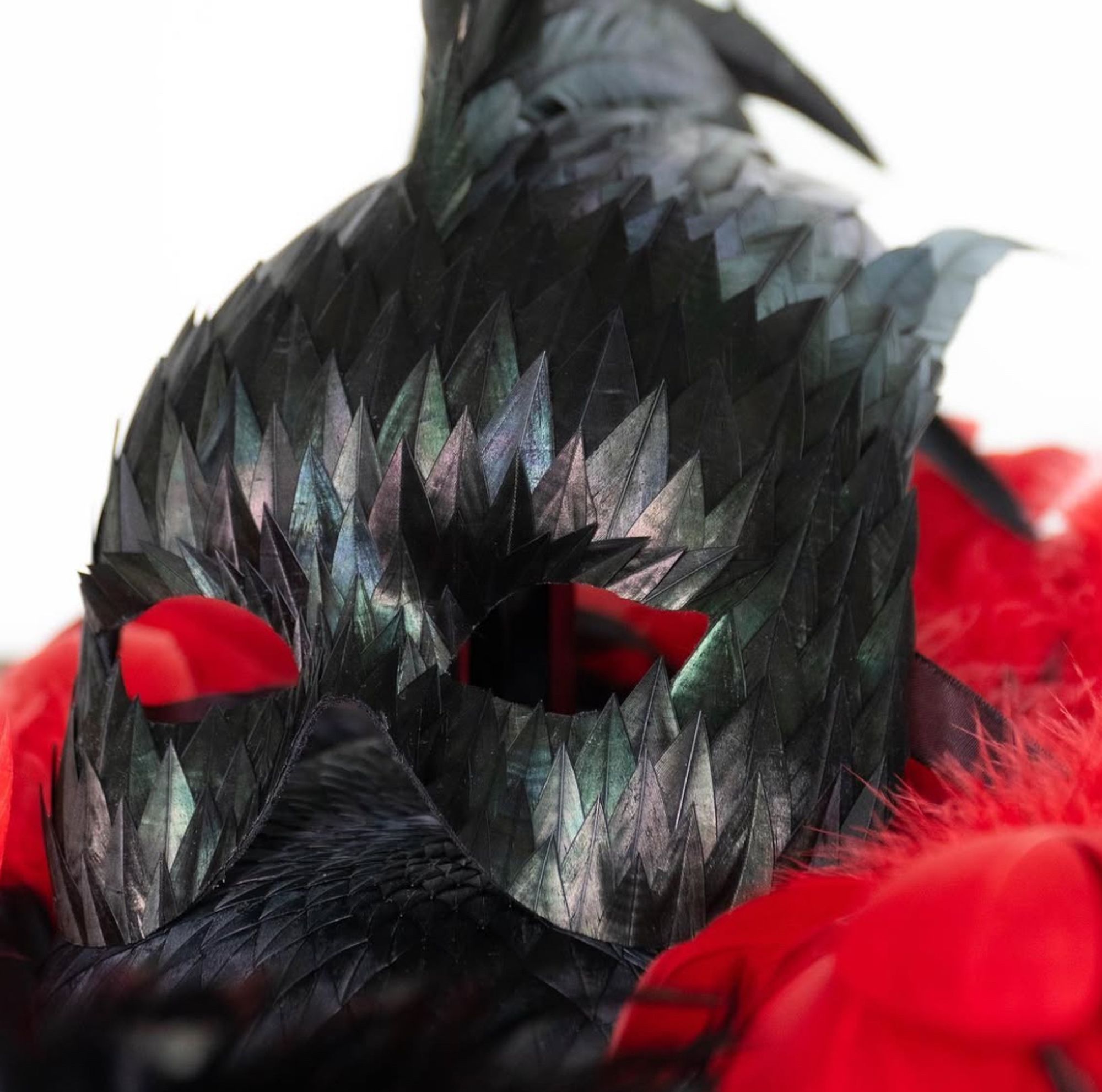
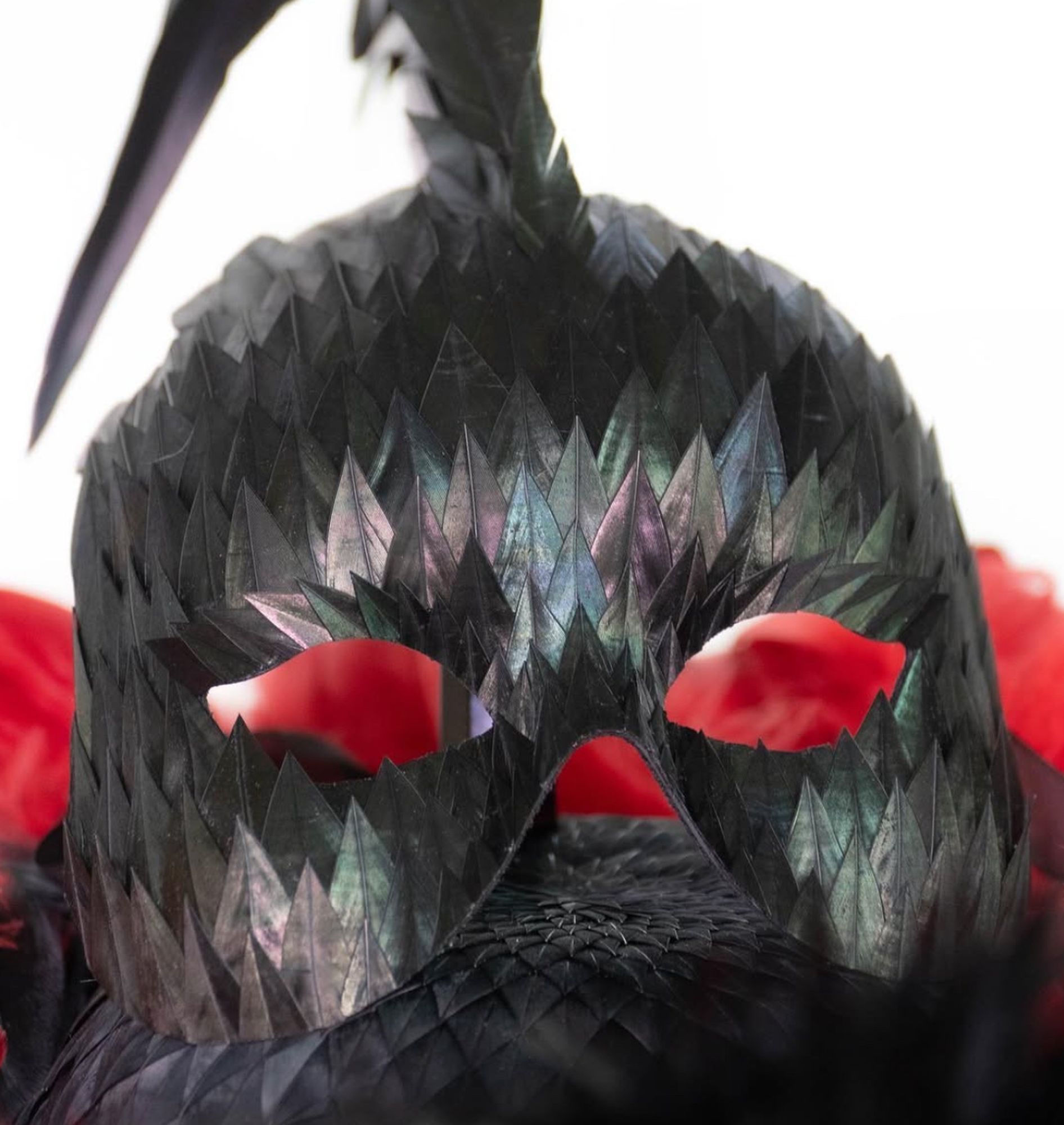
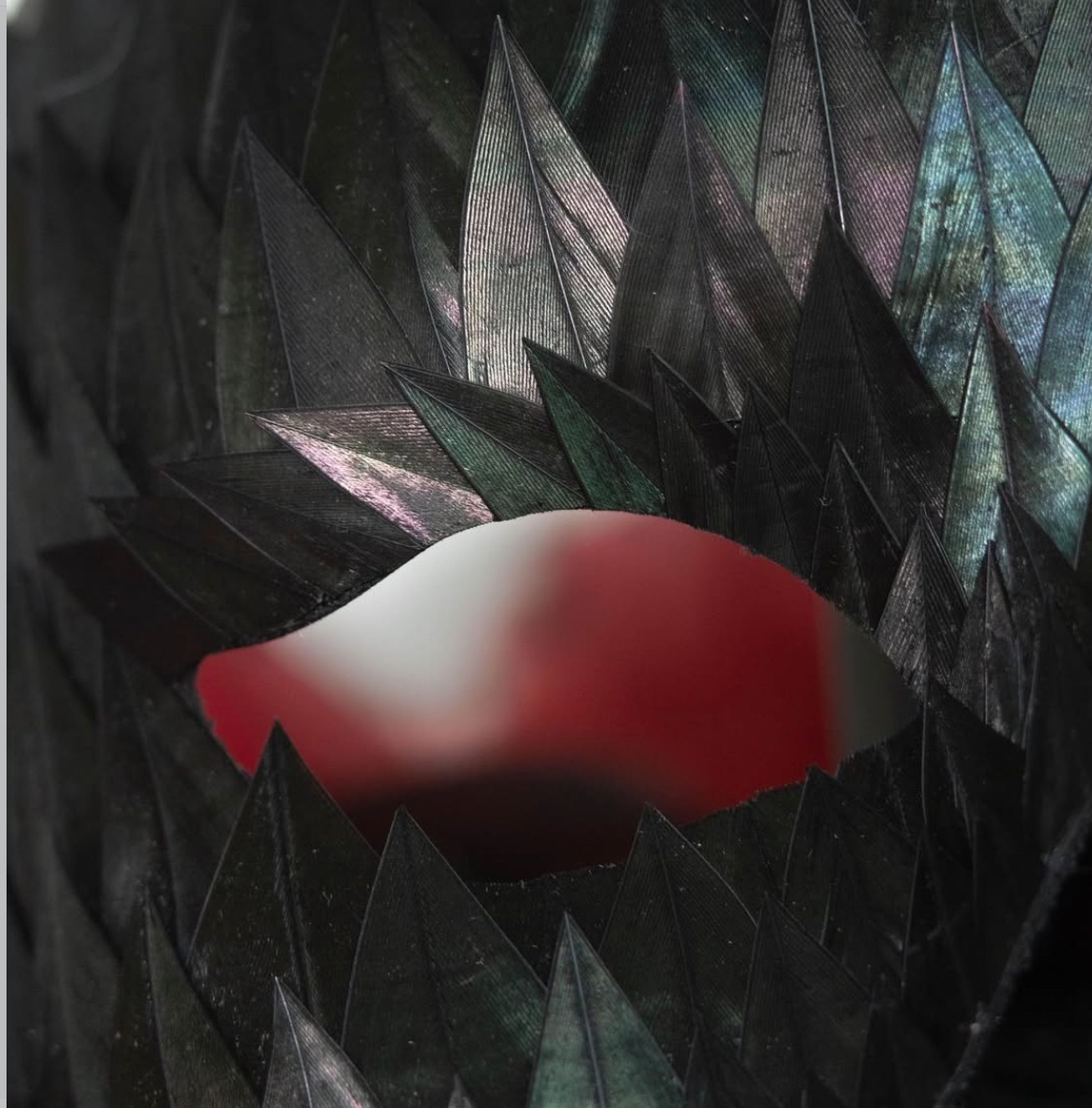
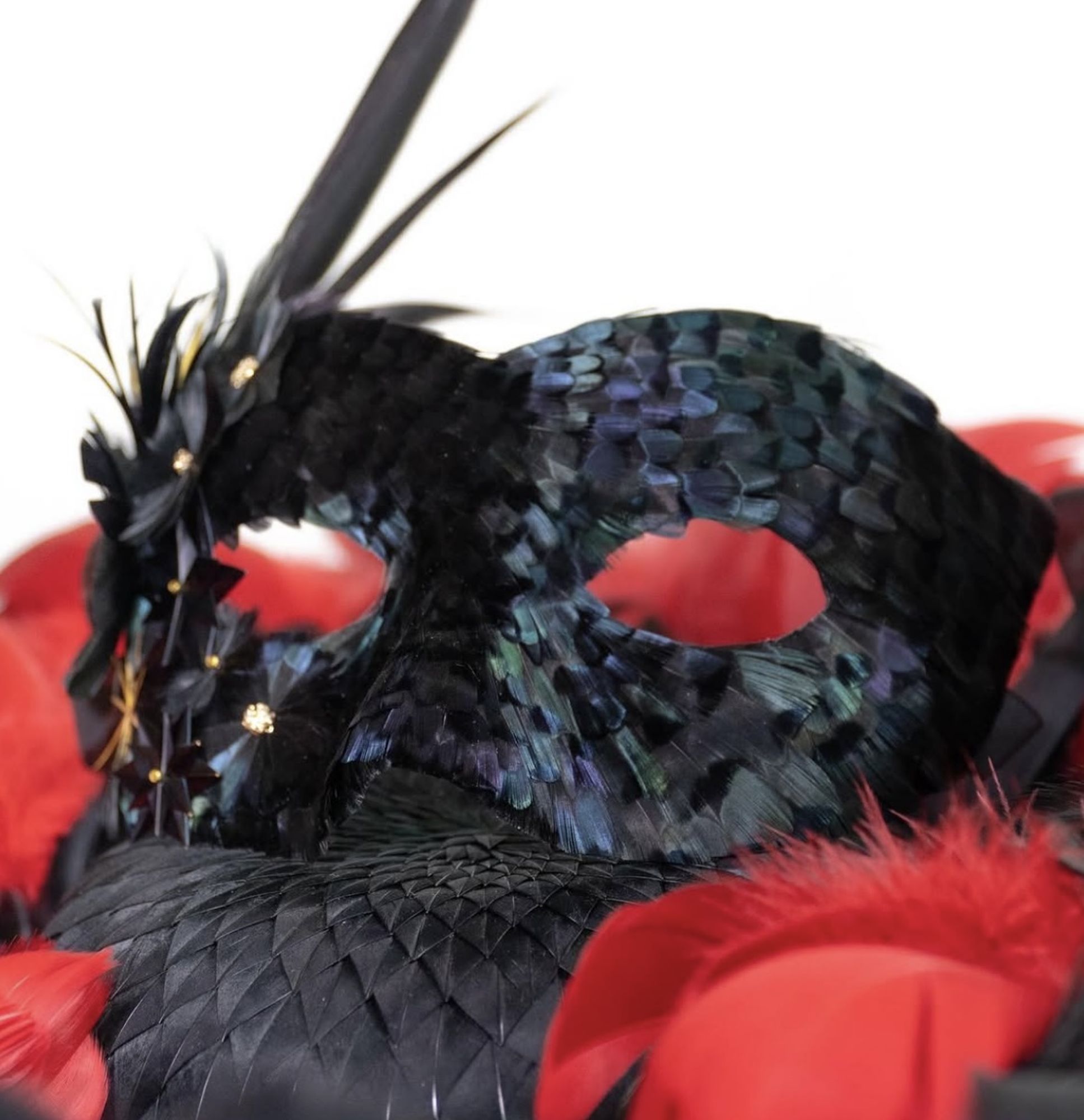
The feather is much more than just a material—it is an infinite source of exploration. While honoring ancestral craftsmanship, the studio constantly pushes technical boundaries, inventing new ways to work with feathers—whether burned, curled, dyed, woven, or glued—to transform them into works of art in their own right. Peacock, ostrich, goose, or pheasant: each feather becomes a centerpiece, whether as a painting, sculpture, or decorative object.

The work *Black Ocean*, created in 2017 for the Espace Toguna at the Palais de Tokyo, exemplifies this virtuosity. Composed of more than 12,000 meticulously cut and dyed turkey feathers, this 20 m² fresco required 1,000 hours of work in just fifteen days. This feat won the prestigious Bettencourt Prize for the Intelligence of the Hand in 2018.

More recently, in 2021, *Black Gem* was added to the permanent collection of the Musée des Arts Décoratifs in Paris, confirming the art world’s recognition of her talent. In 2022, Maison Vermeulen reinterpreted a console table from the Mobilier National for the exhibition “Les Aliénés,” creating “Eden,” a poetic and contemporary homage to the feather.

Maison Vermeulen perfectly embodies the marriage of exceptional craftsmanship and contemporary creativity, making featherwork a living and constantly evolving art form.

Methods

  • Classrooms, multipurpose rooms, workshops with professional-grade equipment
  • Supply of materials
  • Individual and collaborative work
  • Workshop-based work
  • Active participation and hands-on experimentation by participants are emphasized

Evaluation follow-up and modalities

  • Group and personalized progress tracking, regular updates
  • Self-assessment of technical skills
  • Group presentation
  • Attendance sheet for each half-day
  • Certificate of completion issued by Campus MaNa
1841.40€ TTC
5
 days of training
French
English
*The price includes only the cost of the training, including materials and personal protective equipment.
Cost of training
1841.40€ TTC
(for 
5
 days)
Options
Accommodation + catering
408.50€ TTC
(for 
5
 days)
Shuttle from Joigny
50€ TTC
Back anf forth
Individual bathroom
120€ TTC
(for 
5
 days)

Financement OPCO

Training 100% financeable by AFDAS, or partially covered by other operators such as FAFCEA, AGEFICE, FIFPL, OPCO EP etc.

Price:

Accommodation and meals included

If you are concerned, we invite you to contact our sales department in advance via "Request for information" in order to prepare your file, or to register directly via the page of the chosen training course.

Practical information

Target audience:
The workshop is open to all adults, regardless of age or educational background. Each participant is invited to bring an object (no larger than a shoebox) that will serve as the basis for a feather-based creation.
Schedules:
10h-13h / 14h-18h
Location
Campus MaNa Domaine du Croisil, Le Croisil, 89350 Champignelles France
91
%
Training satisfaction rates 2025
Number of participants:
10
Accessibility:
For any disability-related situation, please contact us.
crossmenuchevron-down
linkedin facebook pinterest youtube rss twitter instagram facebook-blank rss-blank linkedin-blank pinterest youtube twitter instagram