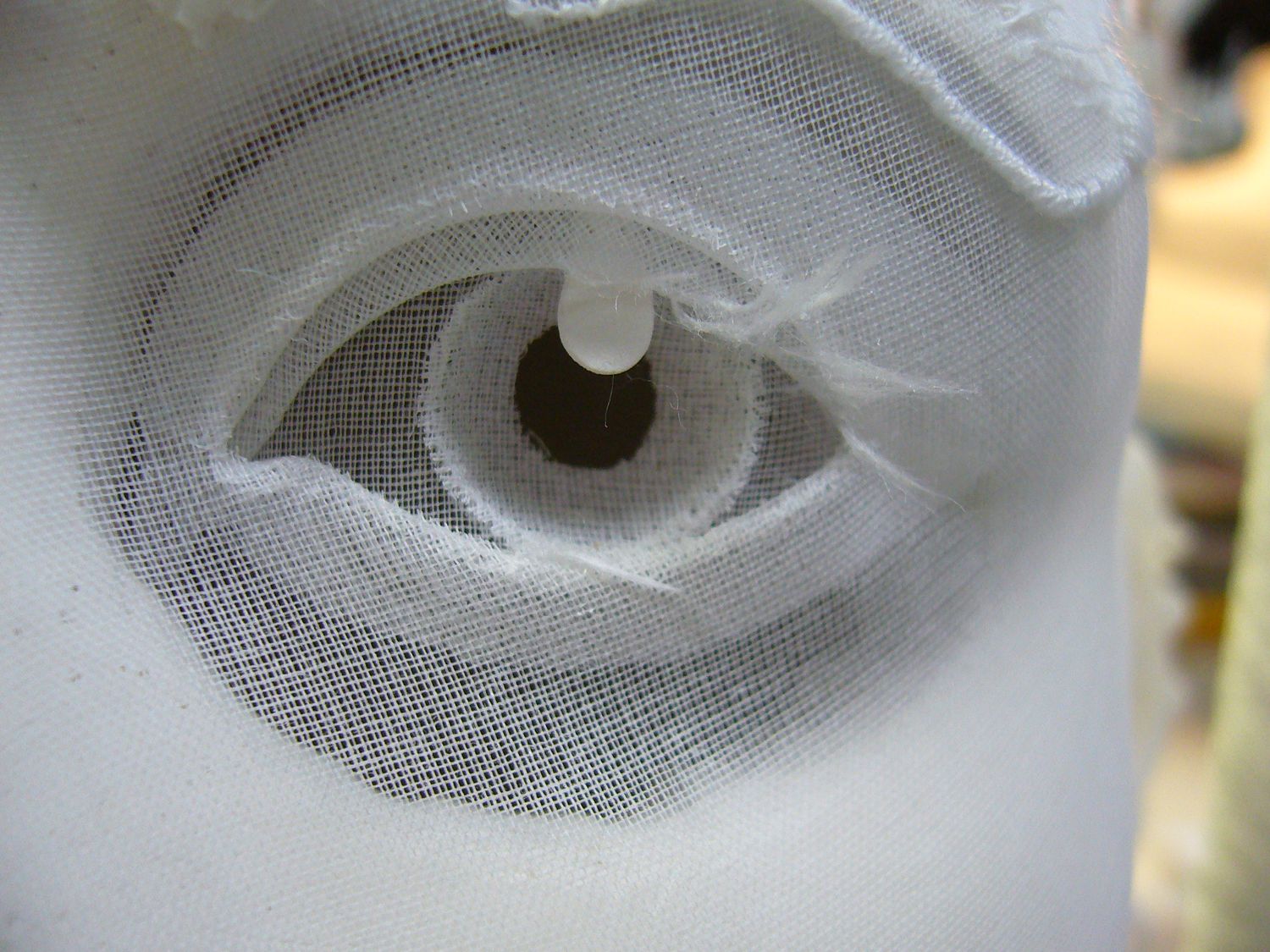
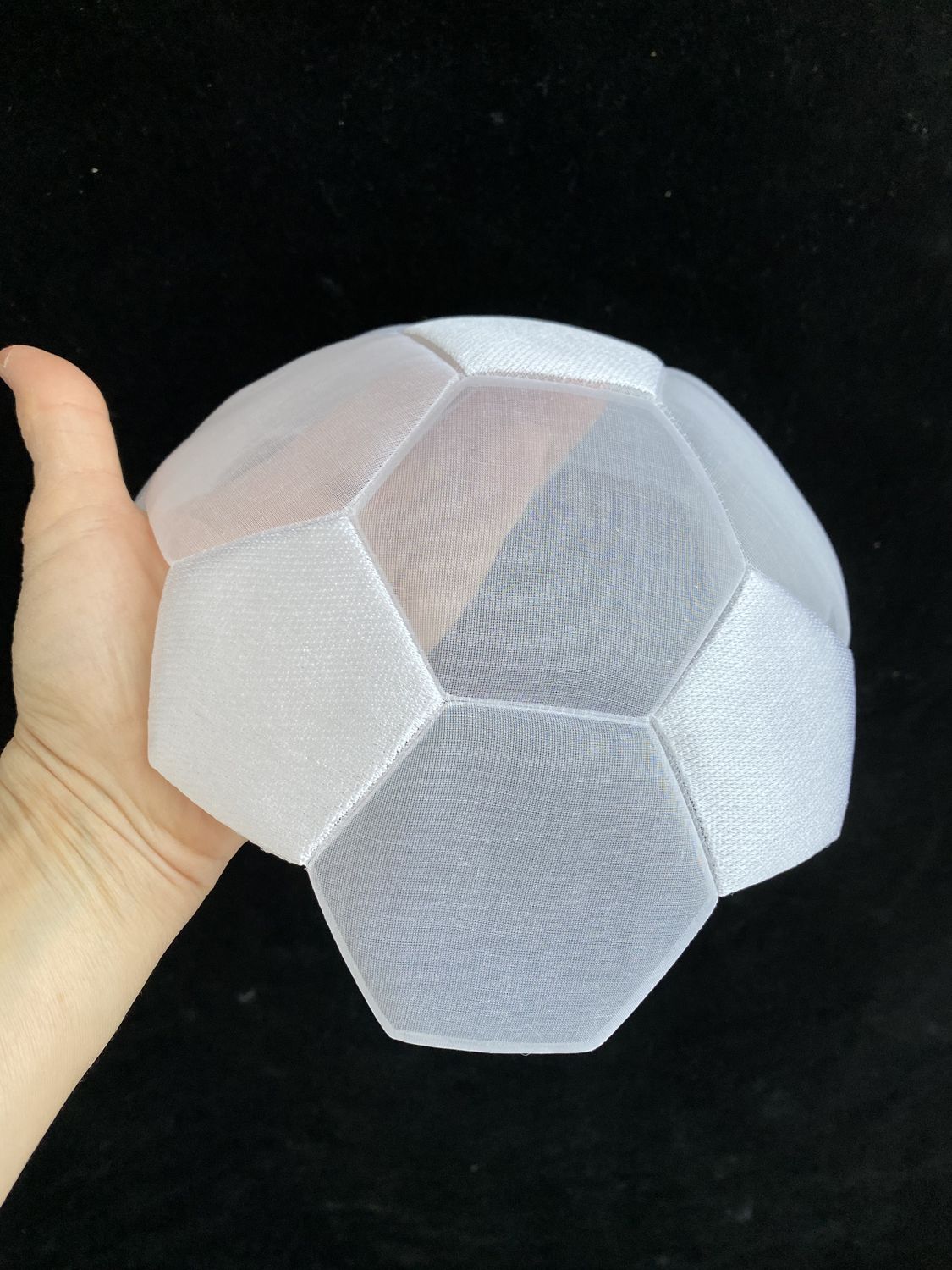
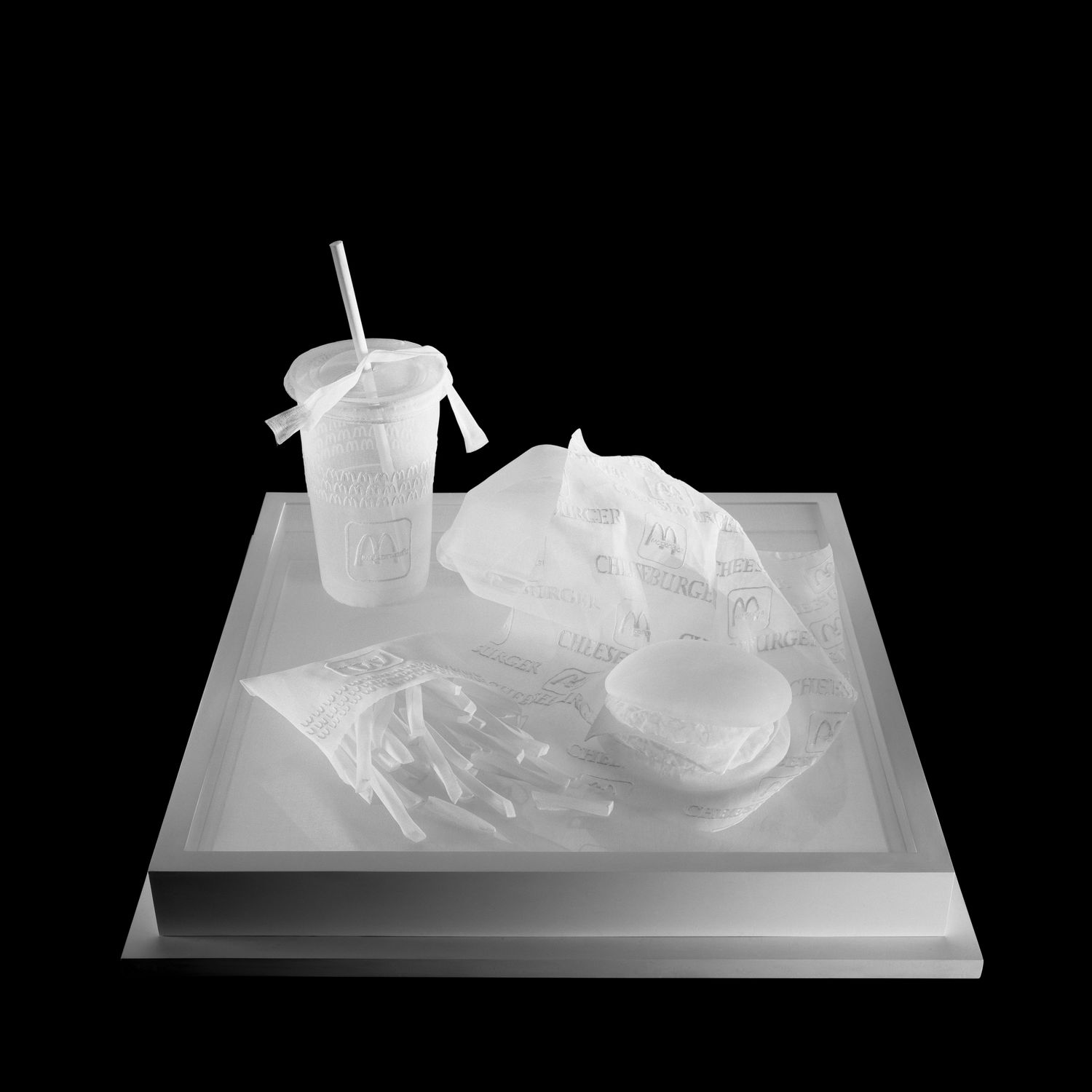
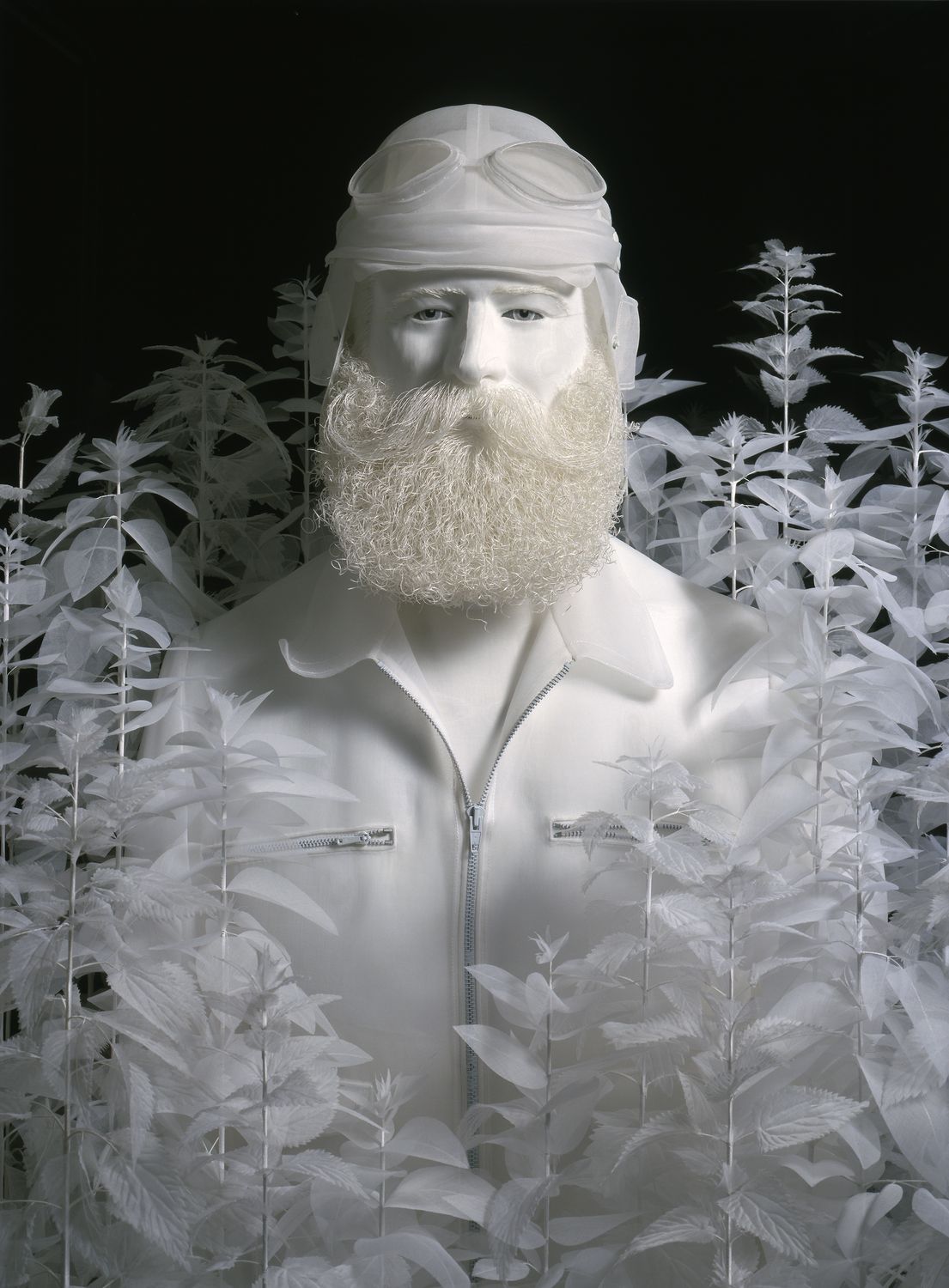
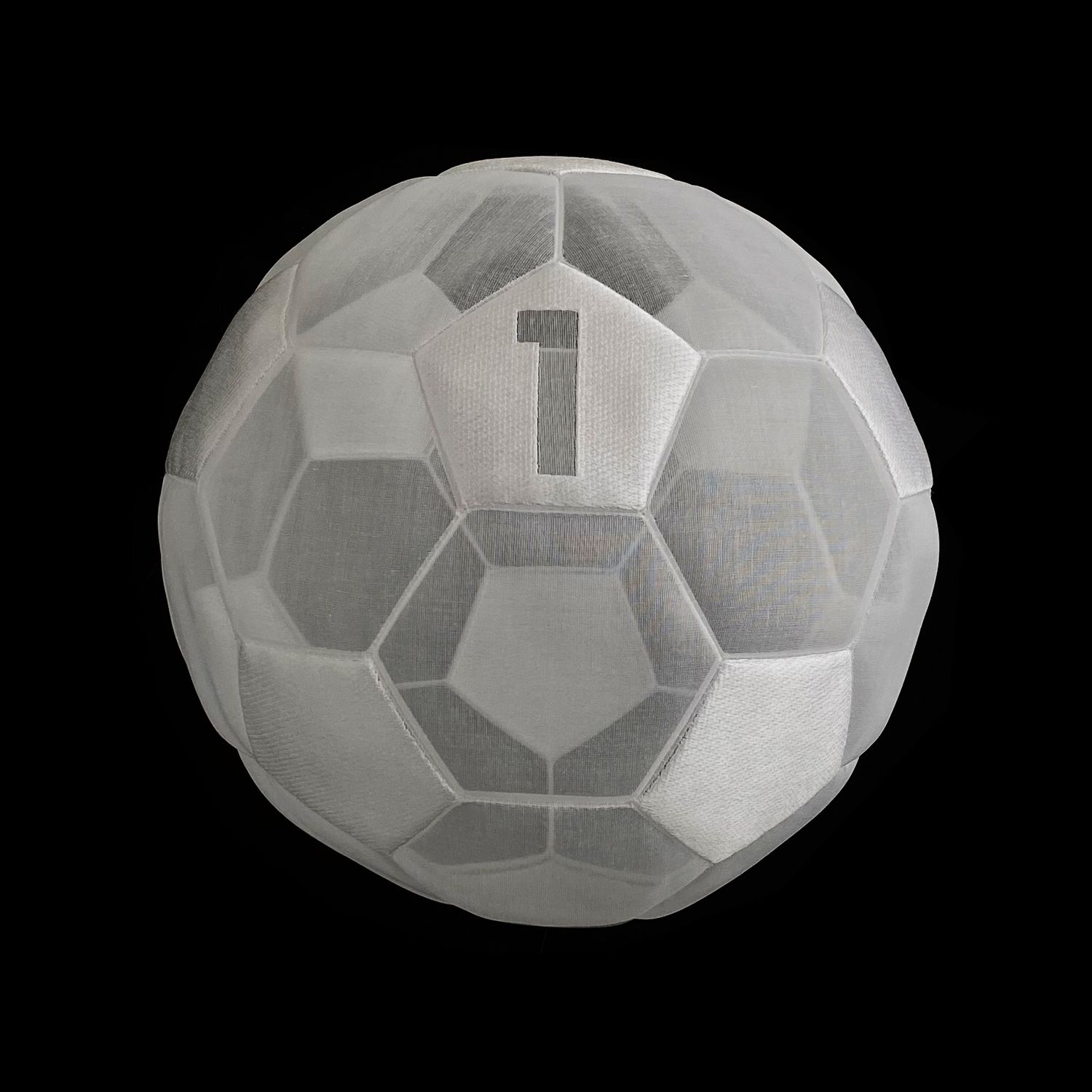
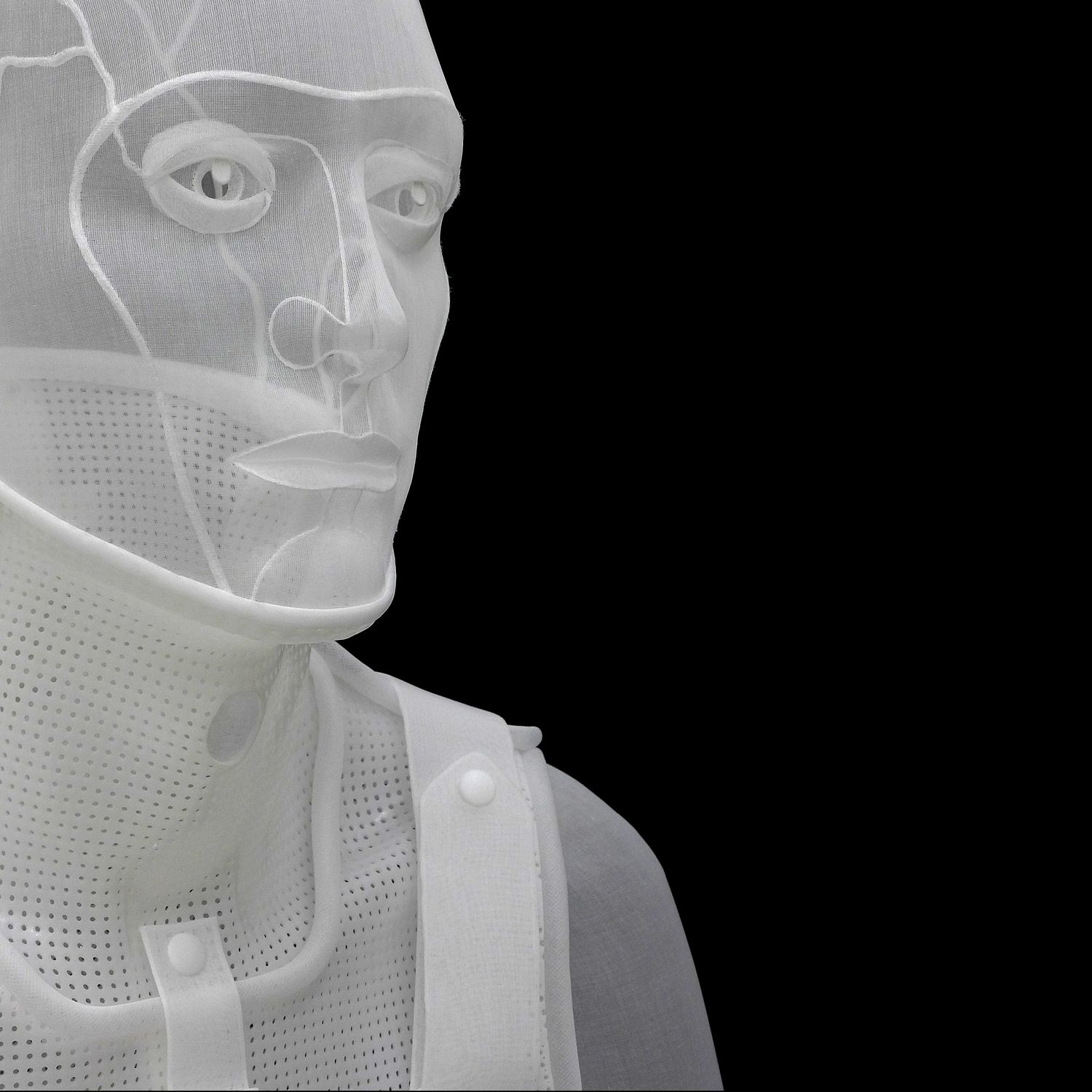
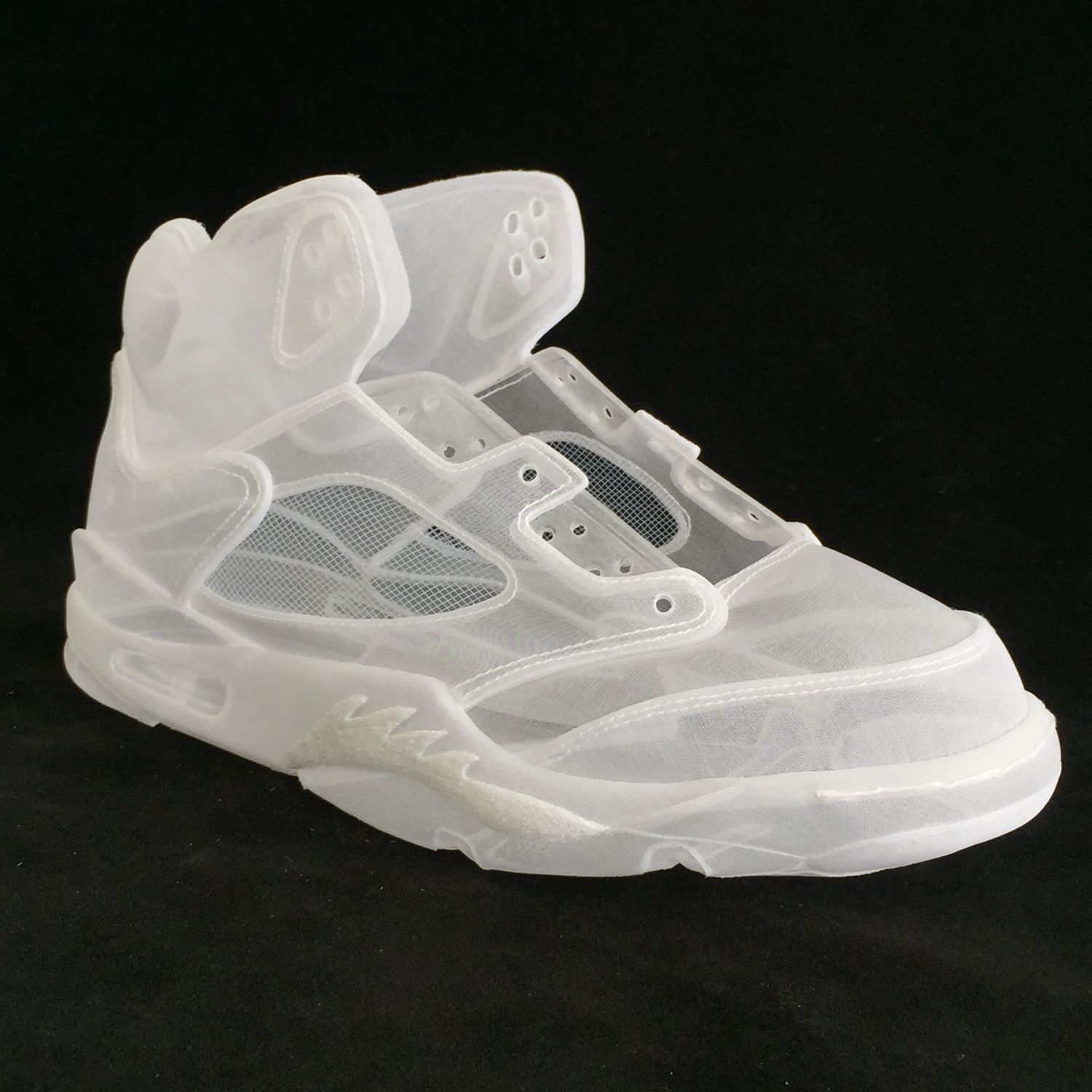
This workshop explores a unique approach to volume, based on creating forms using only their surface. Rather than working with solid material, the focus is on conceiving volume as an envelope constructed using fabric.
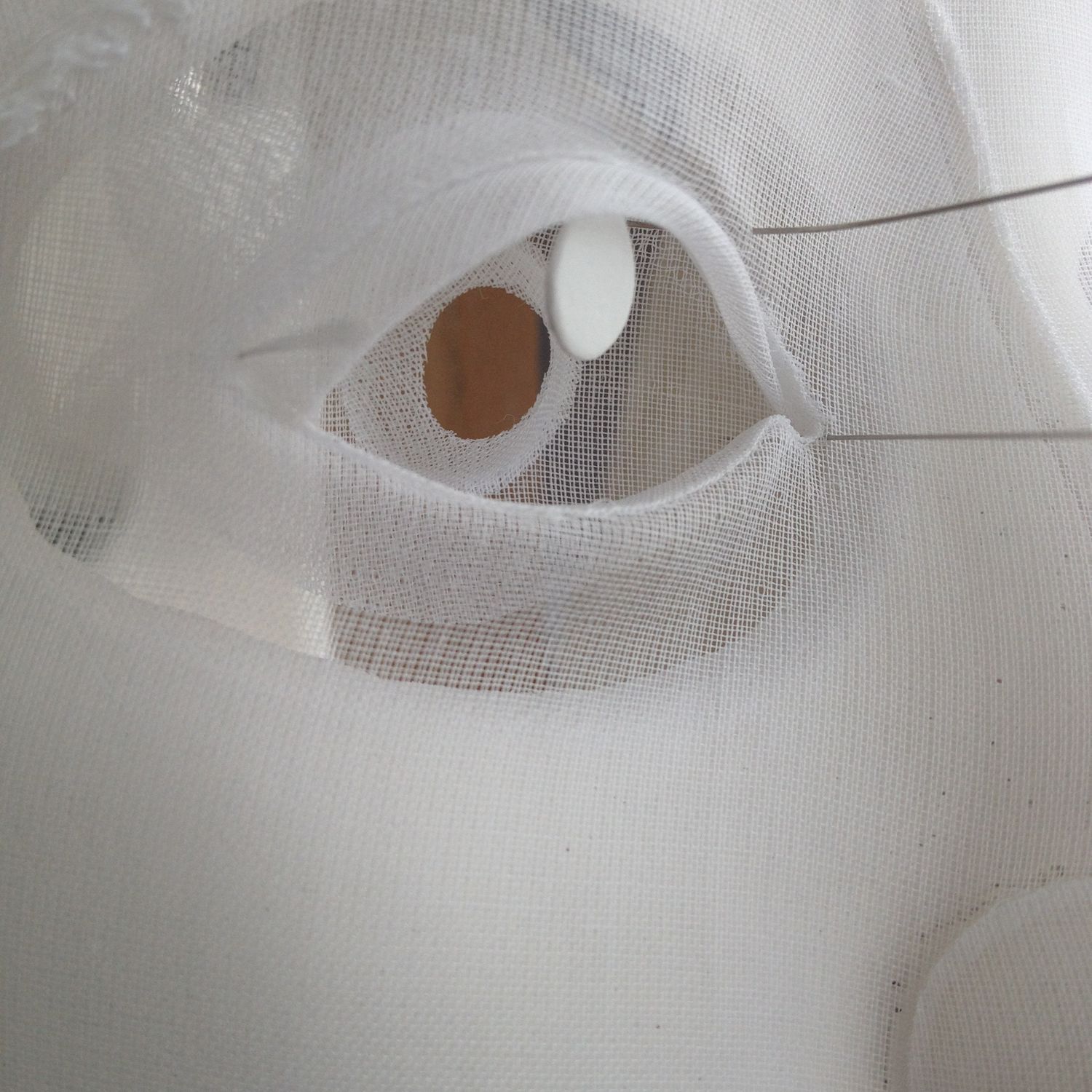
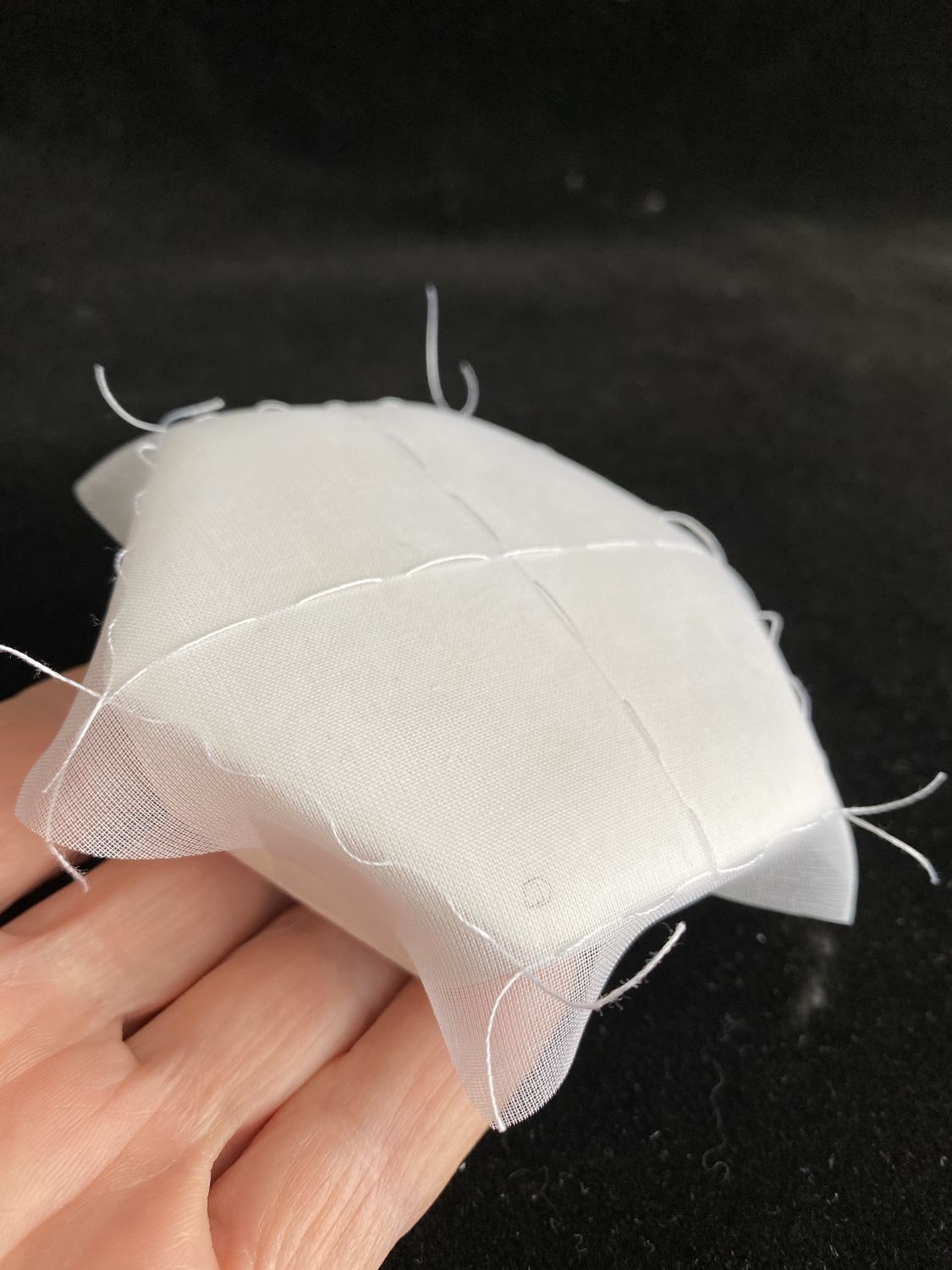
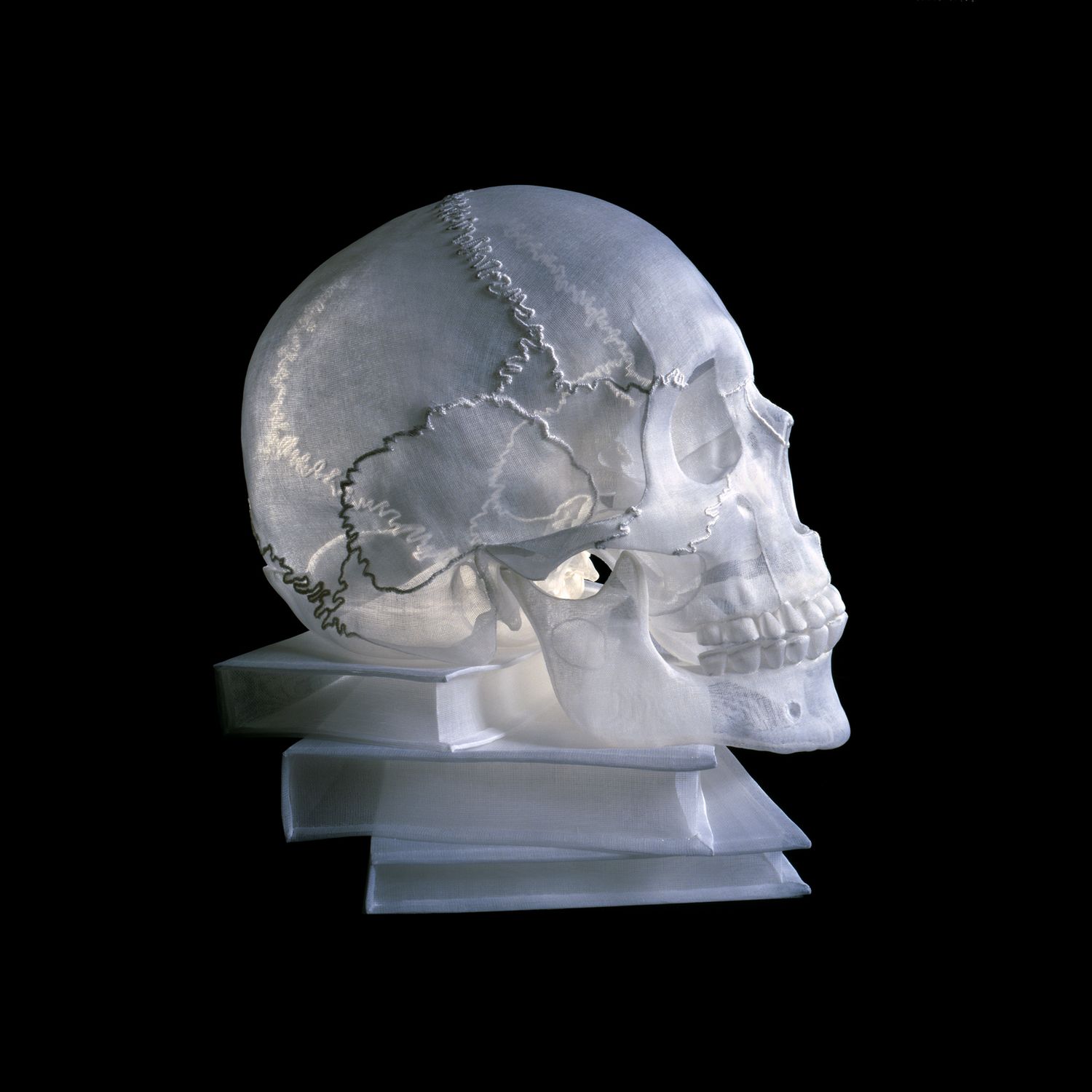
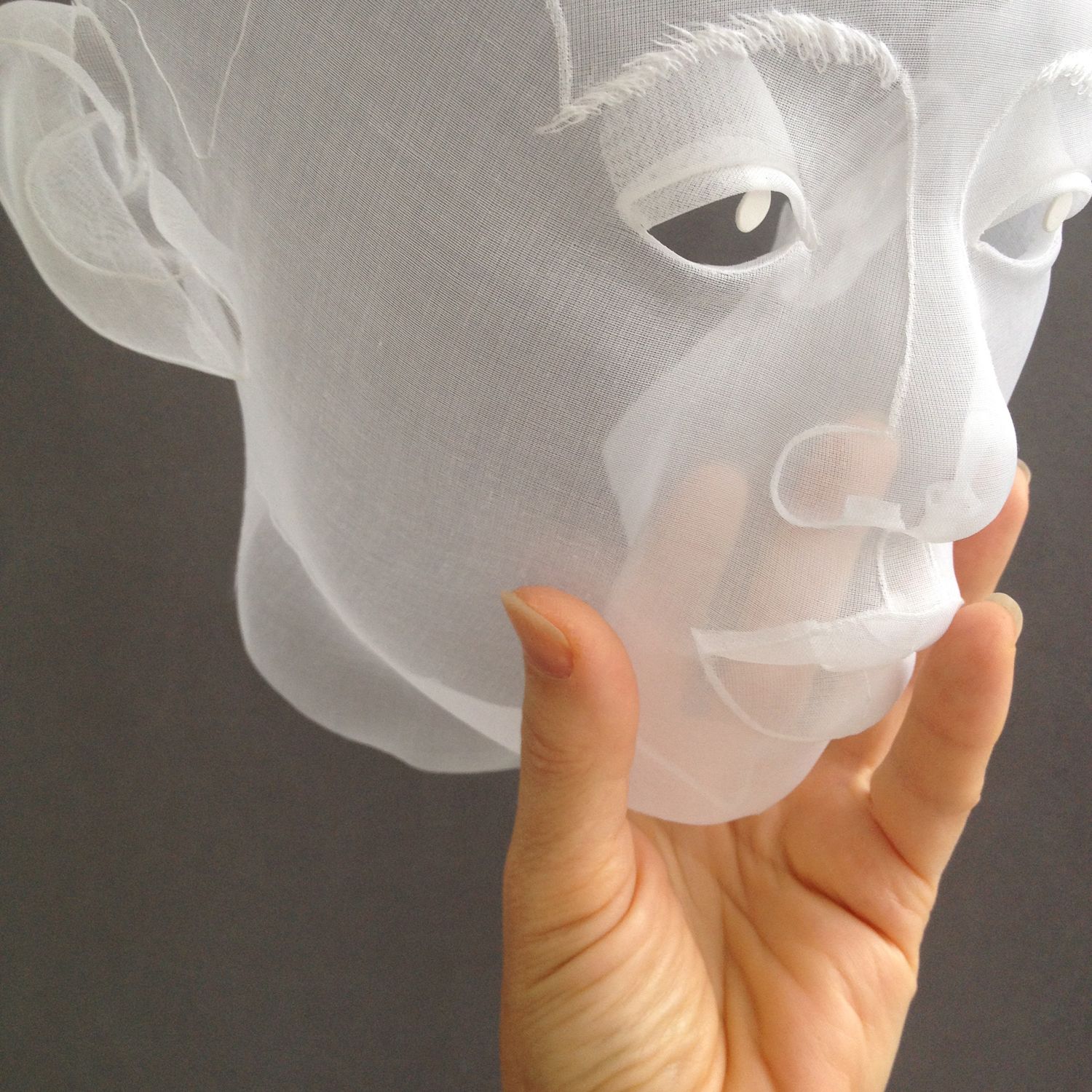
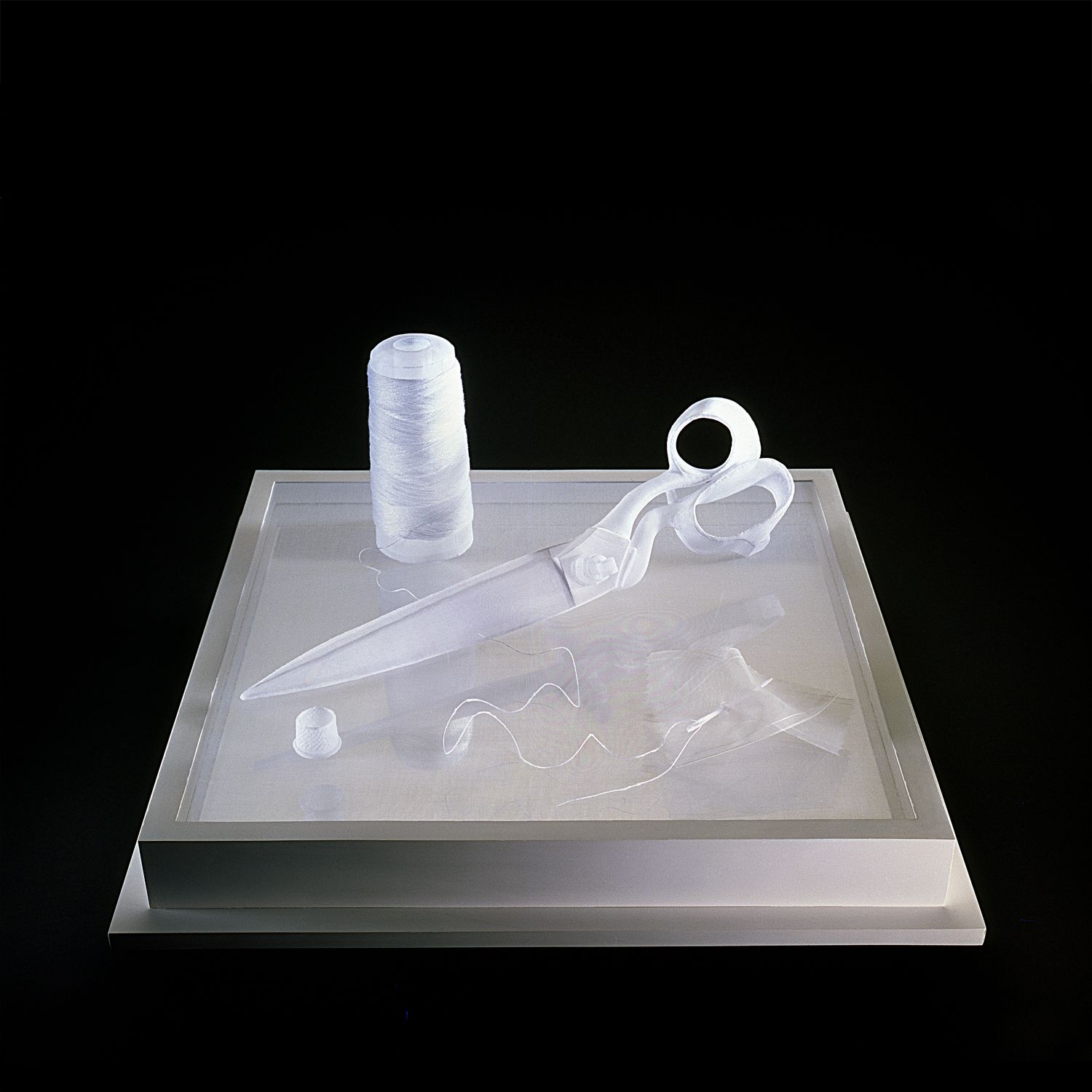
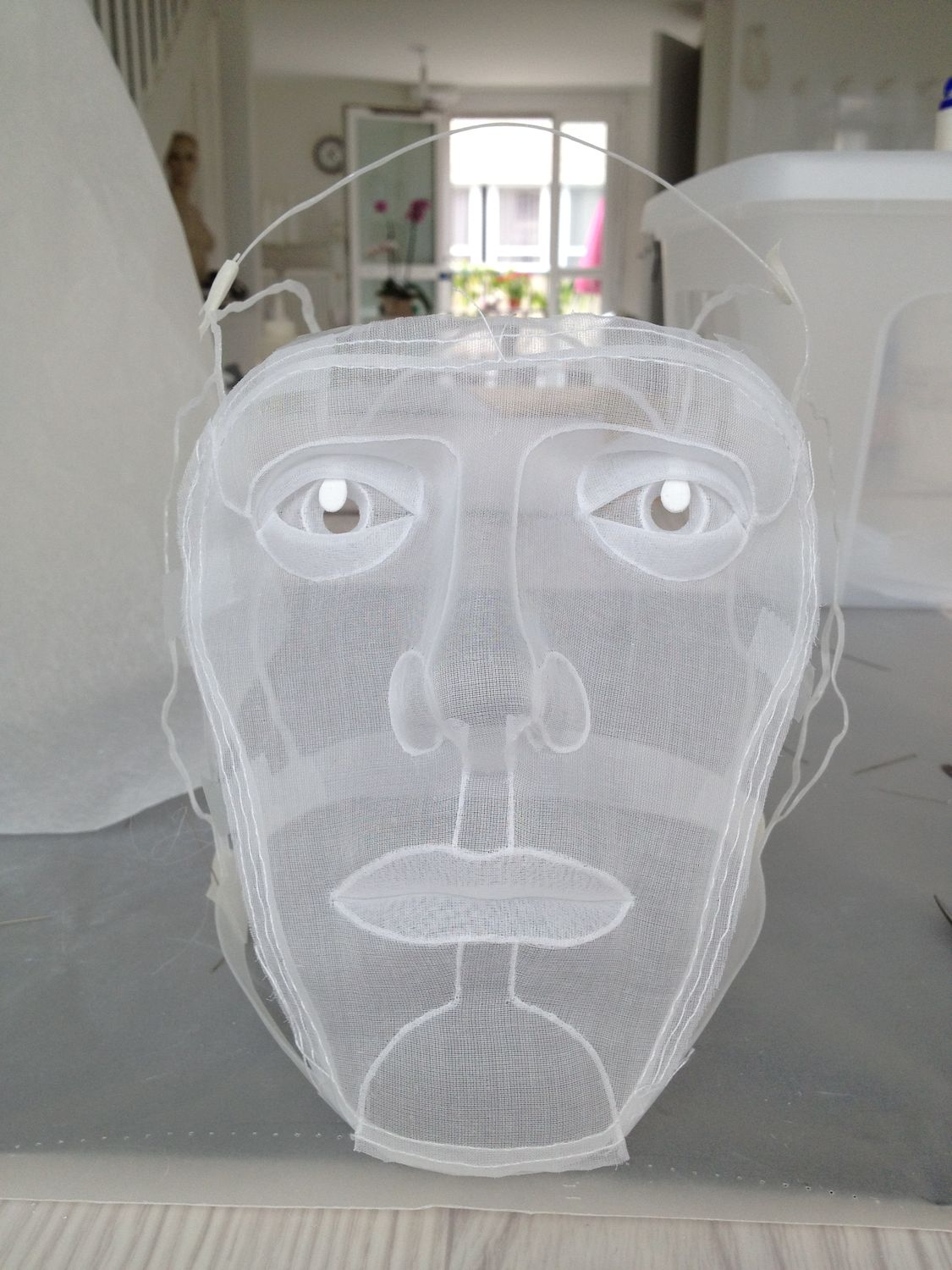
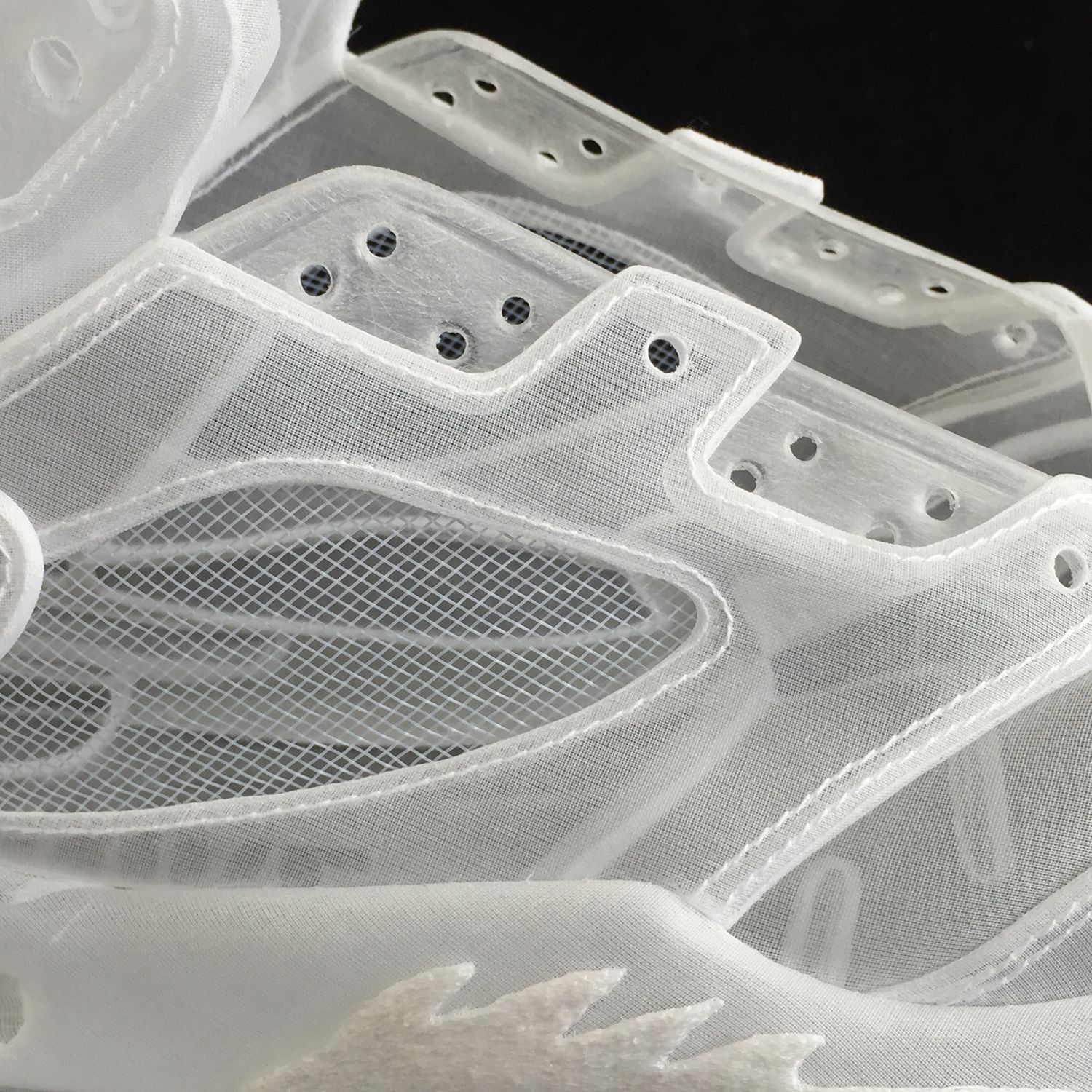
To do this, participants use a specific medium: organdy, a fine cotton fabric that is light, transparent, and structured enough to hold its shape. Through various sewing techniques—assemblies, pleats, tension, and layering—they learn to shape space and create three-dimensional forms without relying on a rigid framework.
Throughout the workshop, this practice offers a fresh approach to the concepts of line, surface, and volume, while also exploring the relationship between empty and full space, opacity and transparency, structure and flexibility. It encourages the development of an approach that is both technical and sensitive, at the intersection of sewing and formal research.
By the end of the training, participants will be able to:
The workshop begins with a presentation of artistic references focused on volume and transparency. Angélique Lefèvre draws in particular on the works of Do Ho Suh, Lee Fimin, and Mariko Kusumoto. She also presents her own approach, explaining her choices: the use of organdy, transparency, white, and the technique she has developed.
Her goal is to teach participants how to work with textiles in three dimensions and to highlight the interplay of empty and full spaces—a highly subtle process that Angélique Lefèvre conveys with patience and passion.
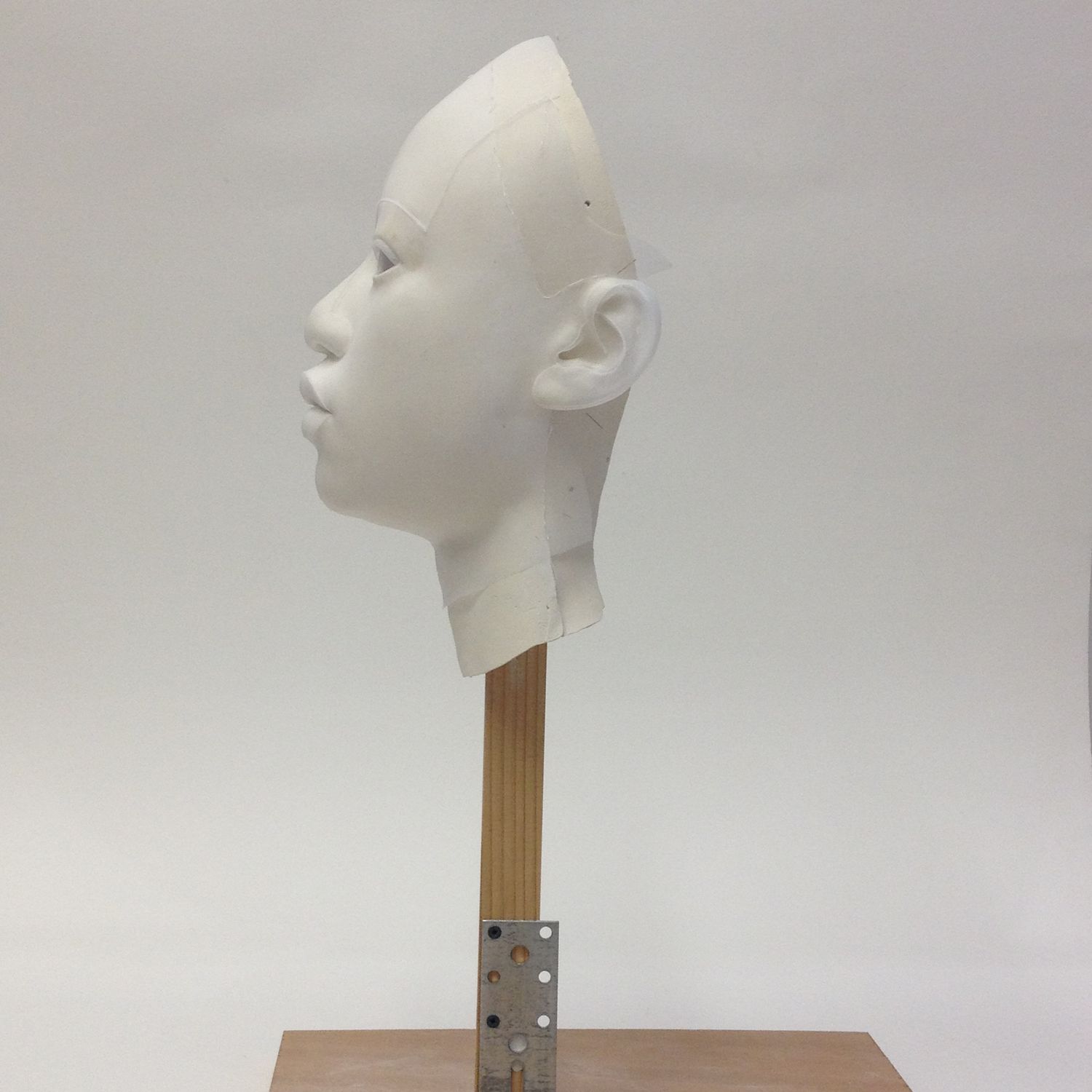
Participants then choose a form to create: a facial feature, an object, a piece of tableware, or a food-related shape. Based on this choice, they are guided in defining a working method that is both aesthetic and technical.
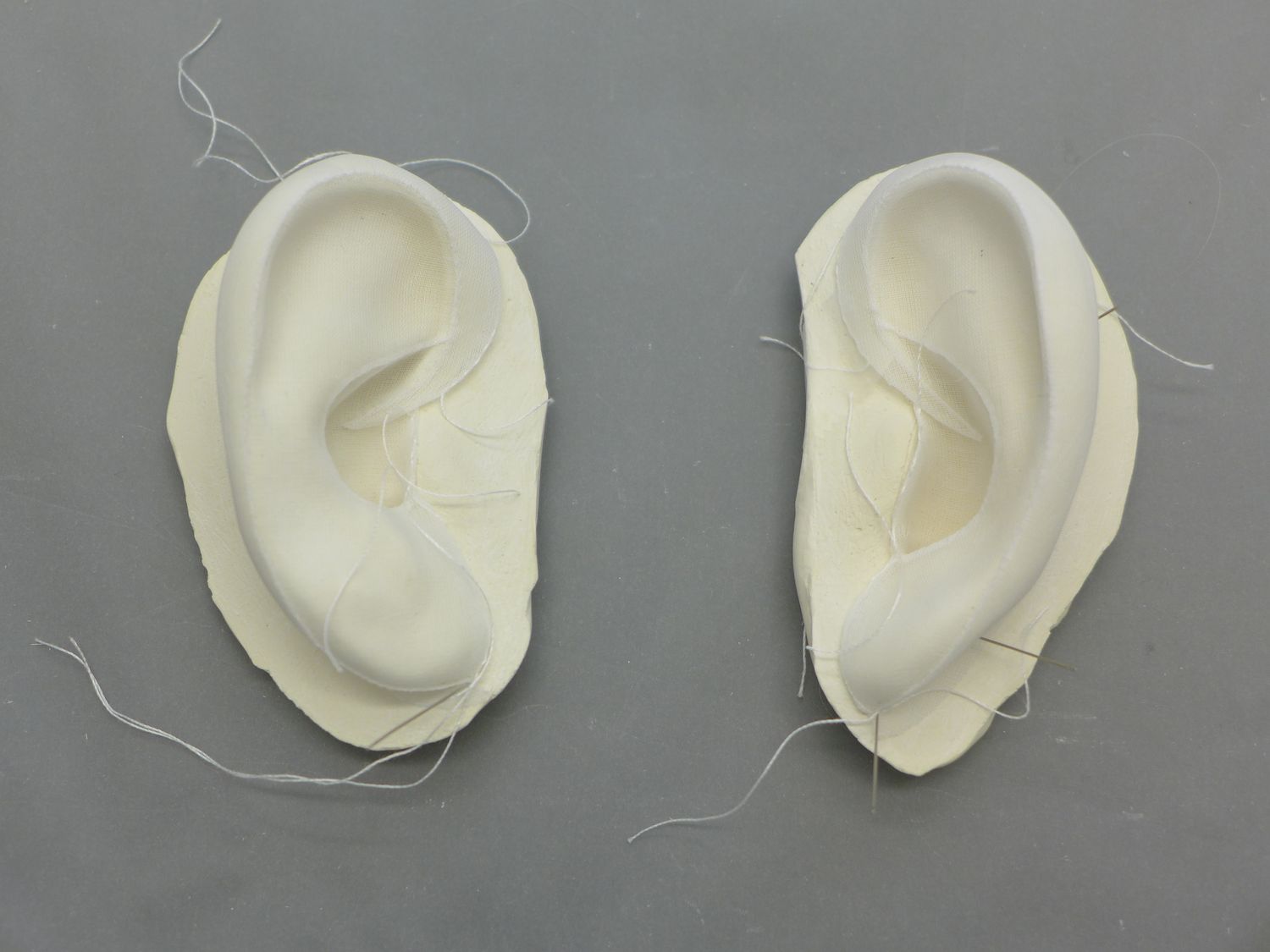
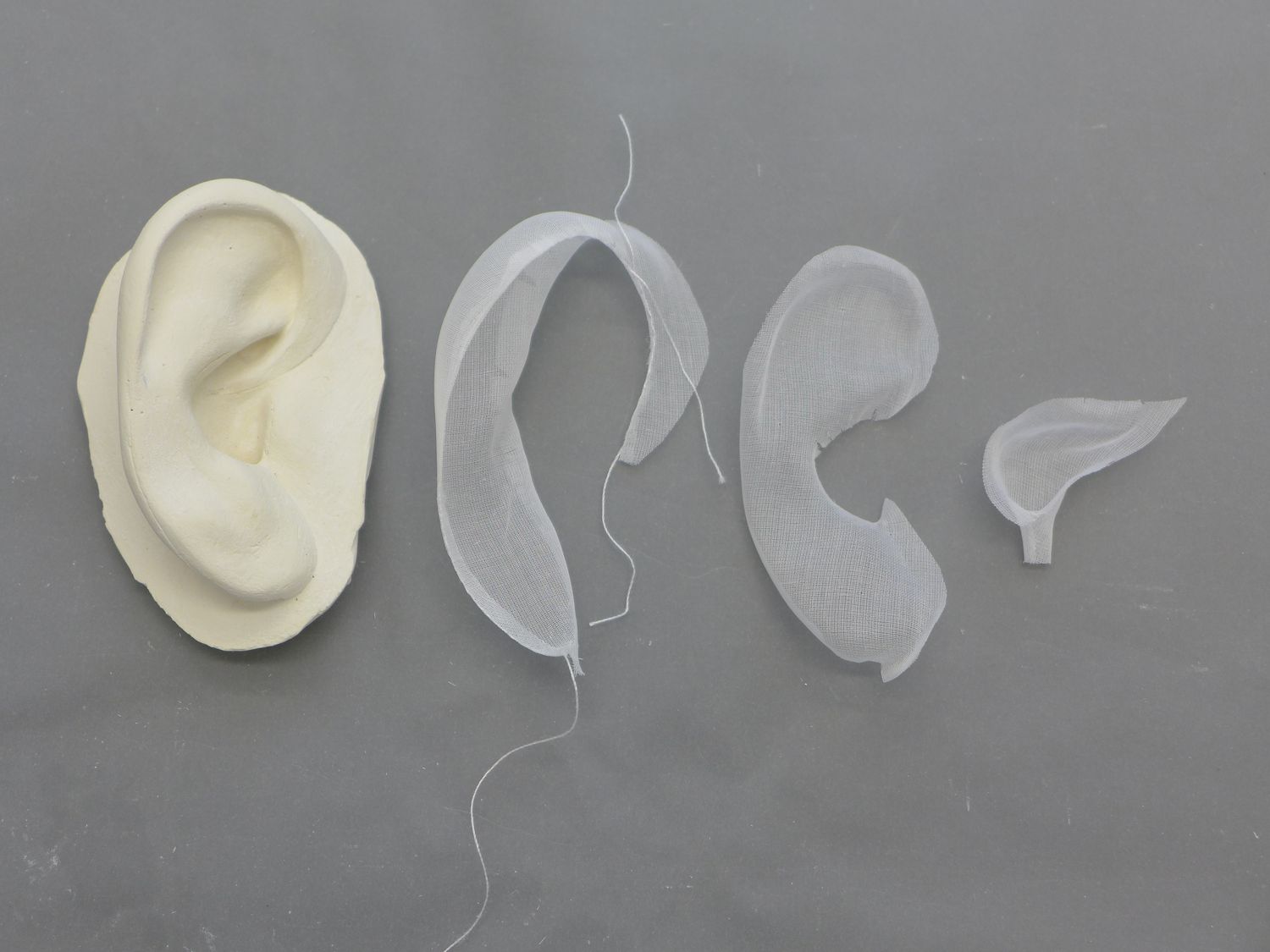
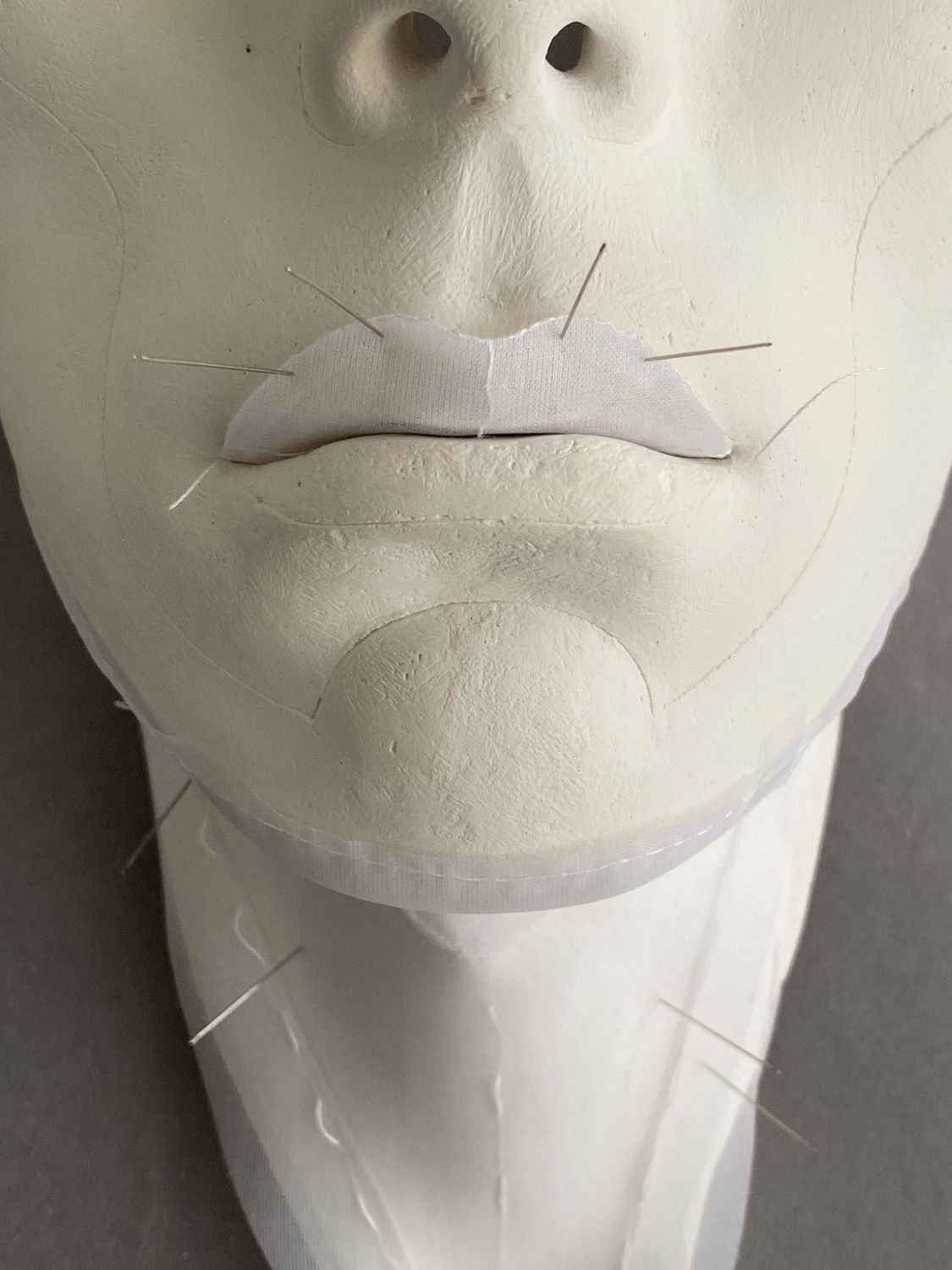
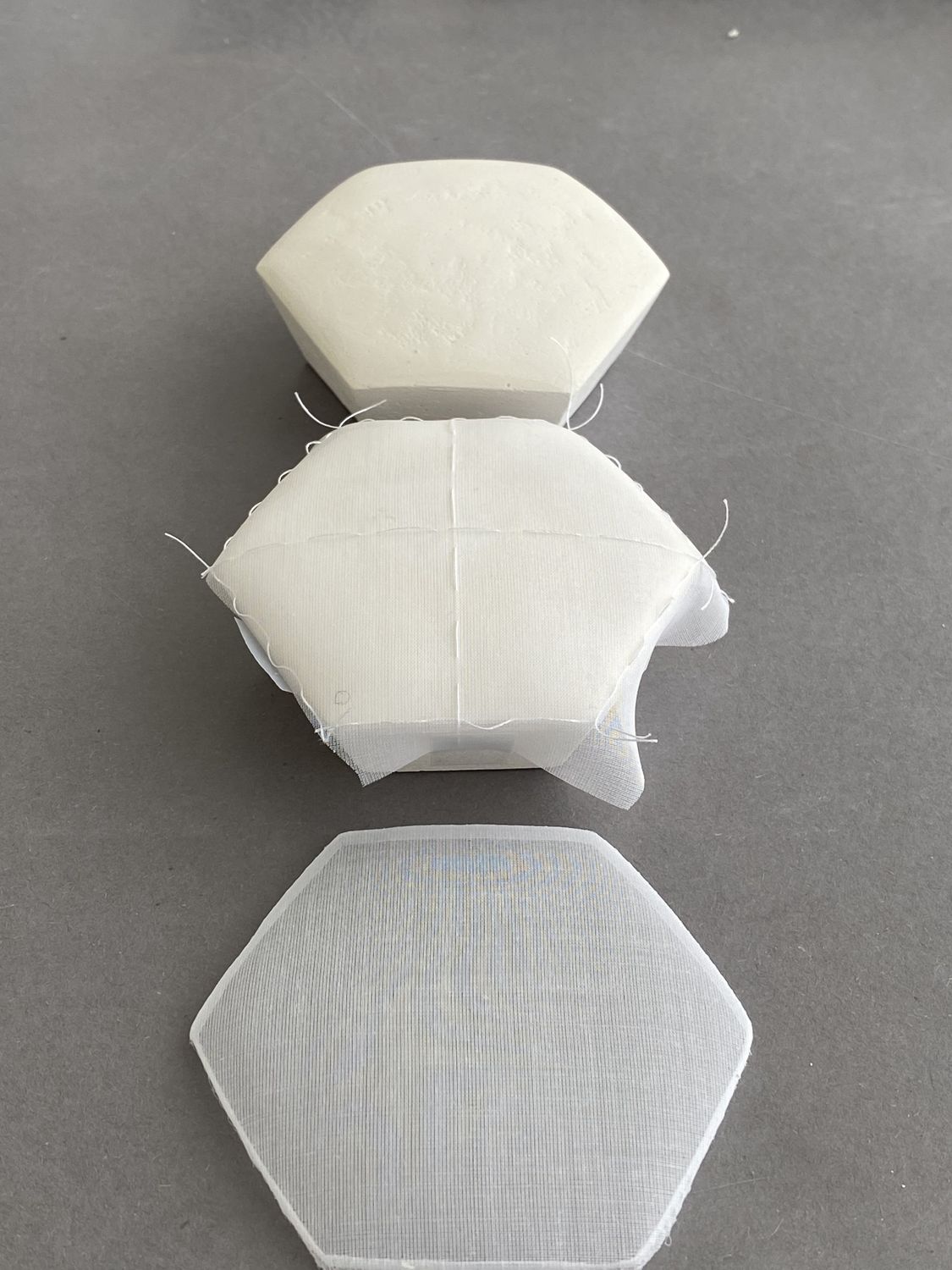
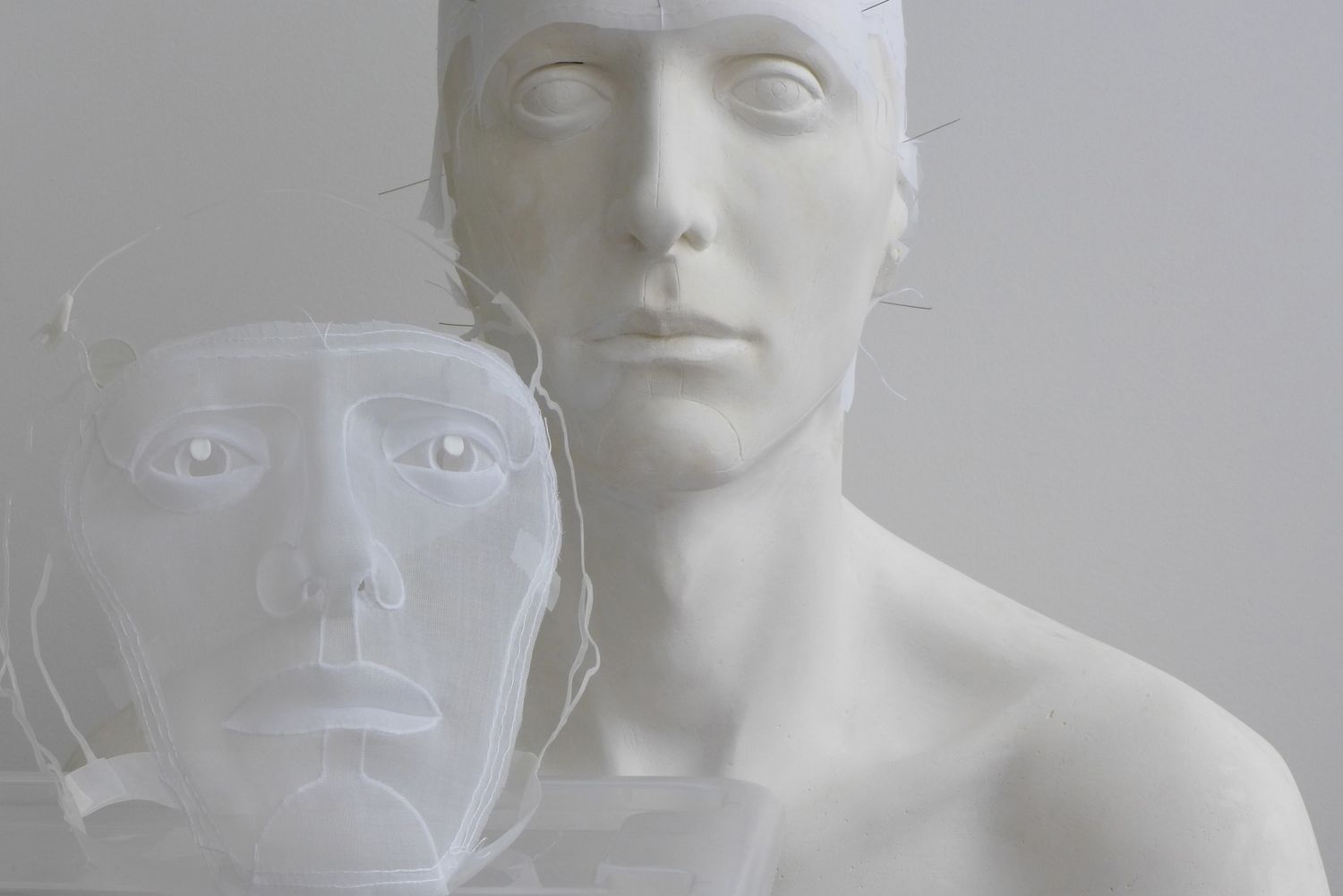
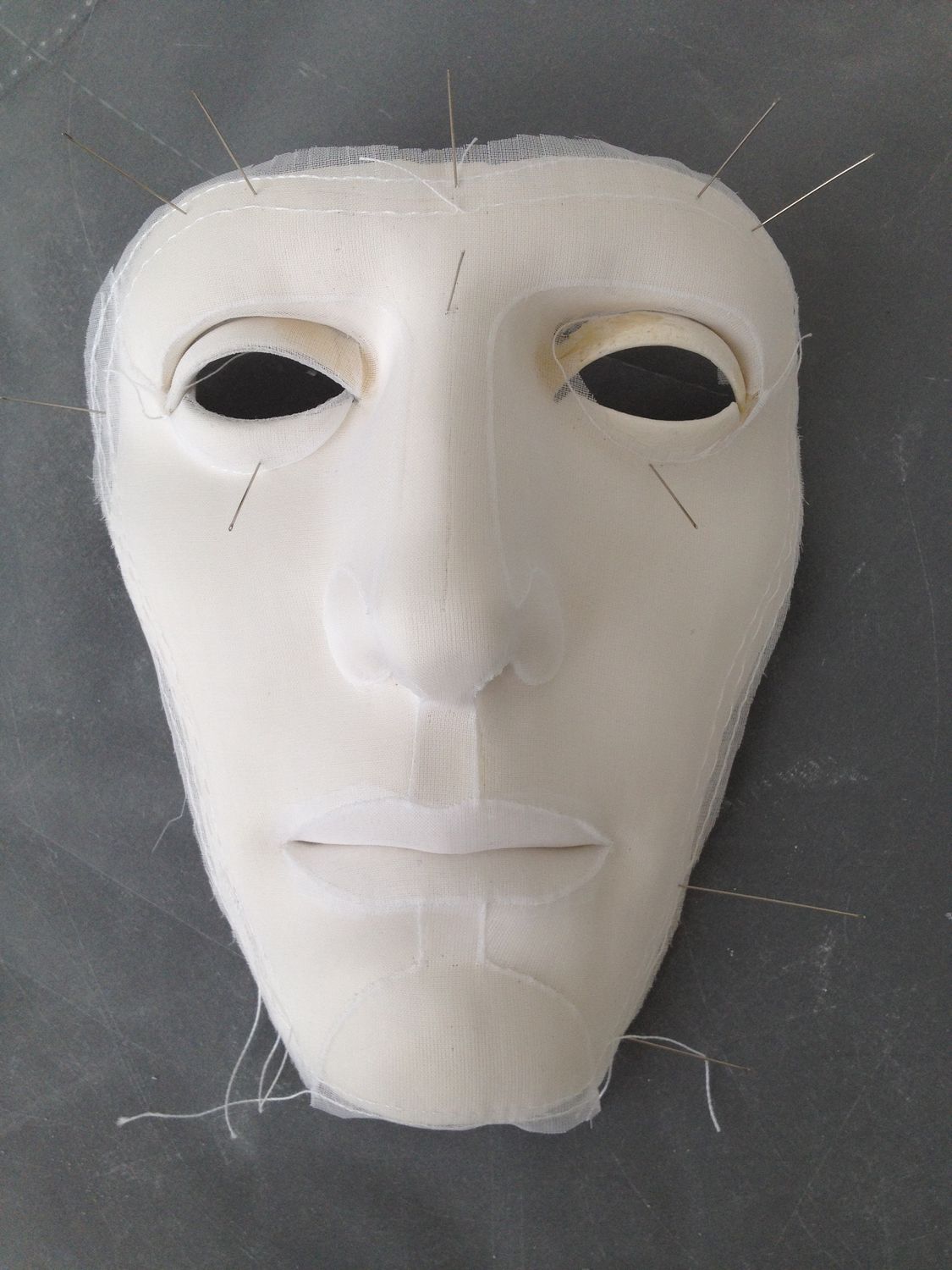
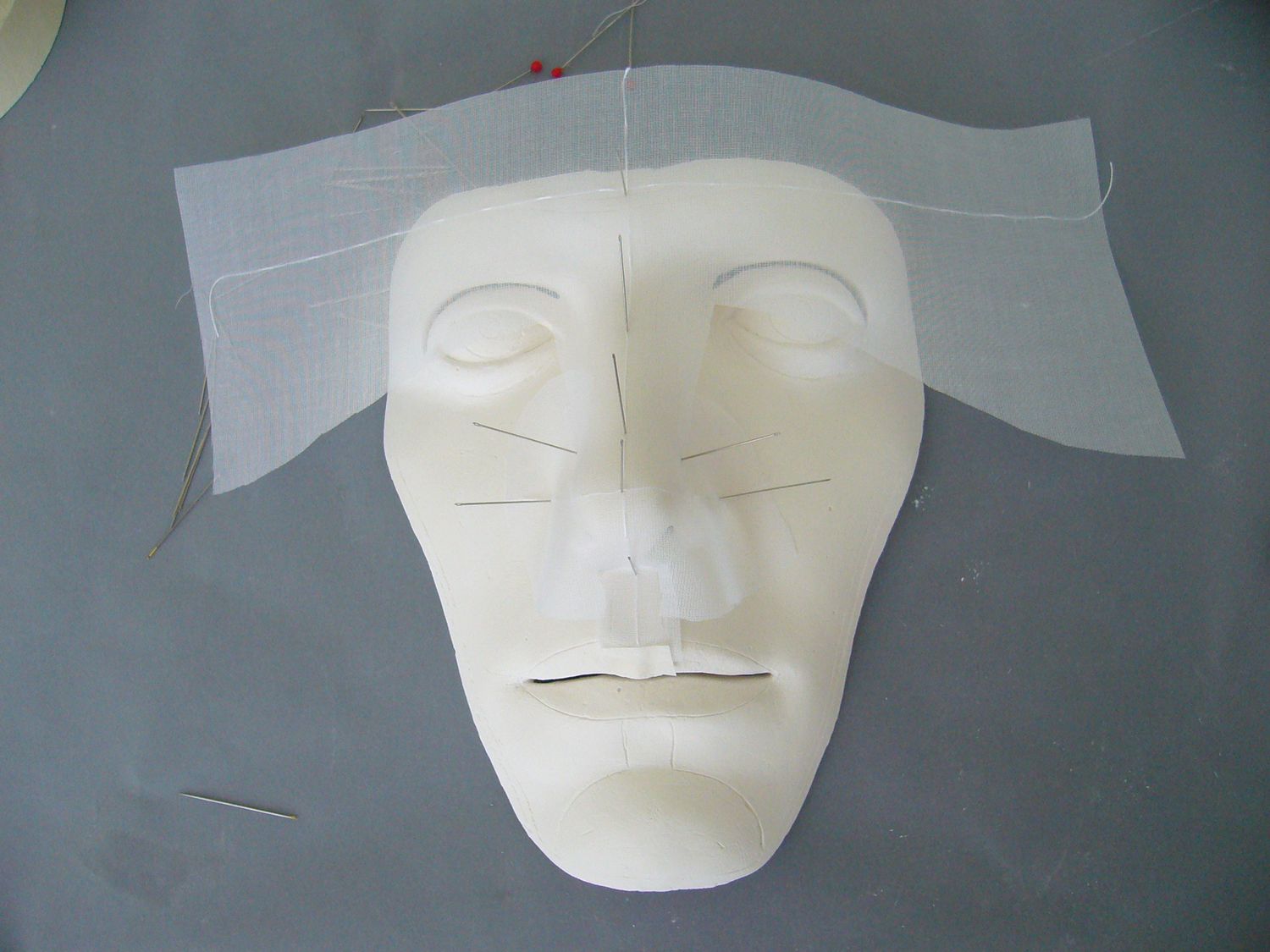
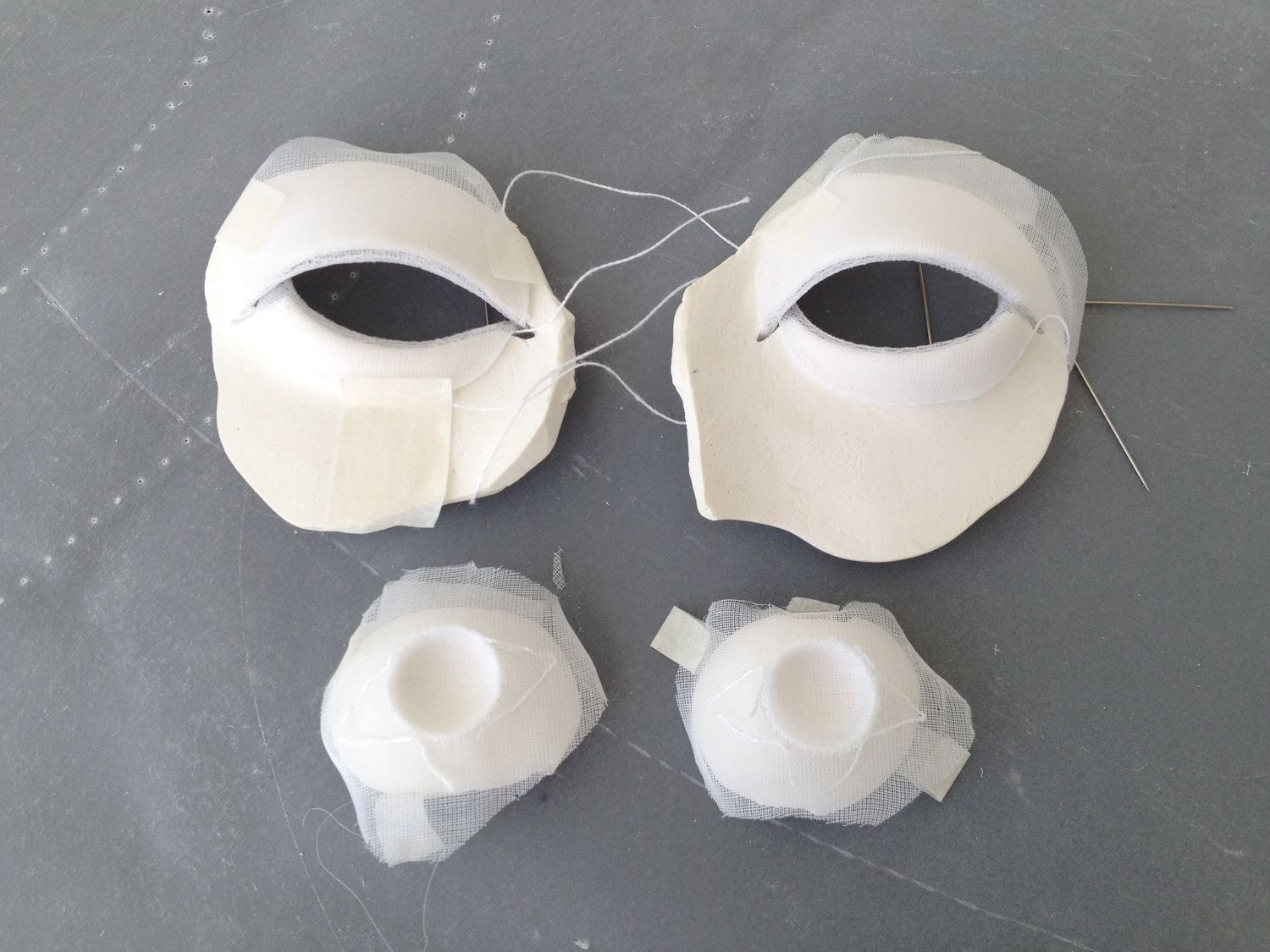
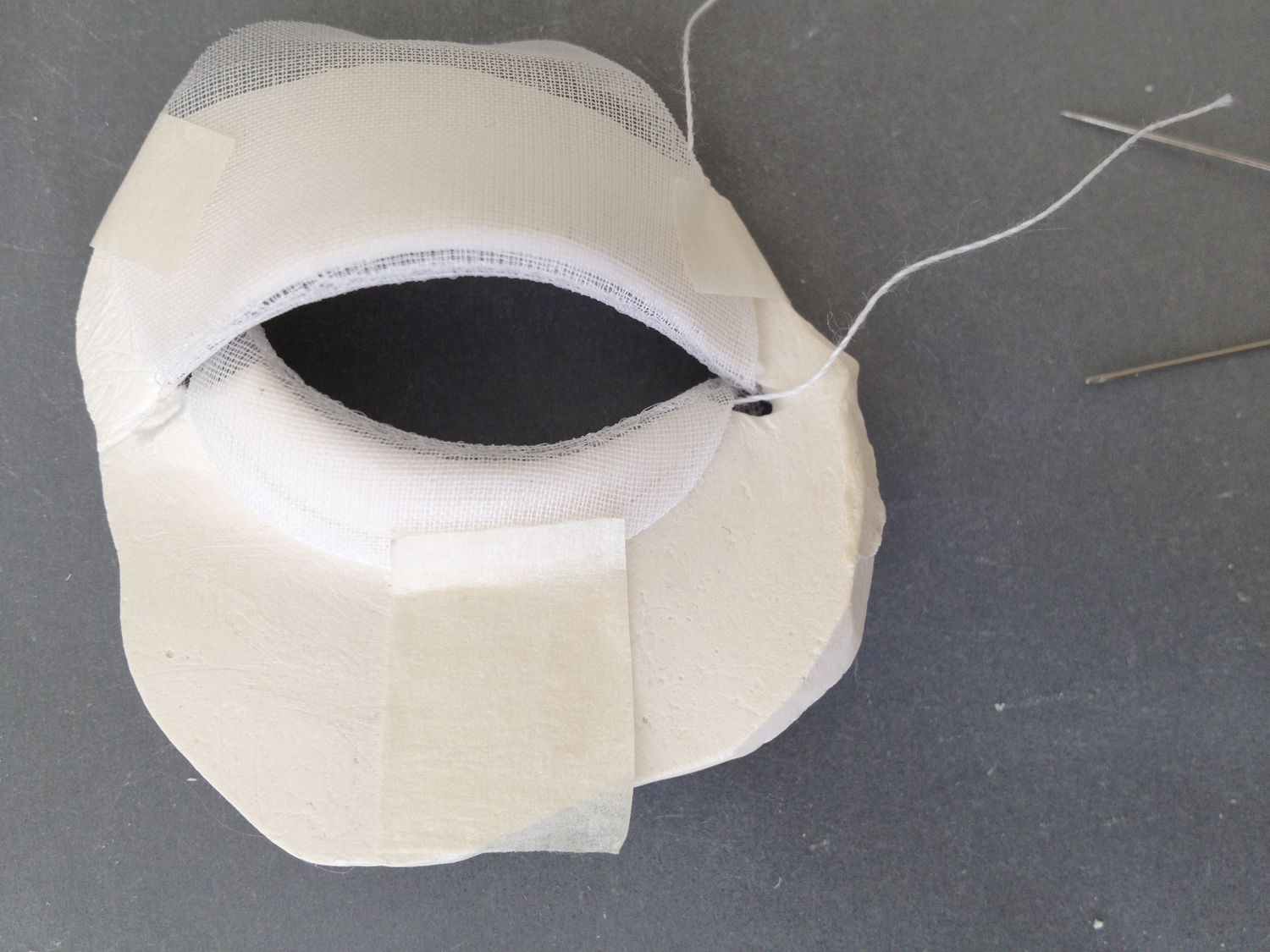
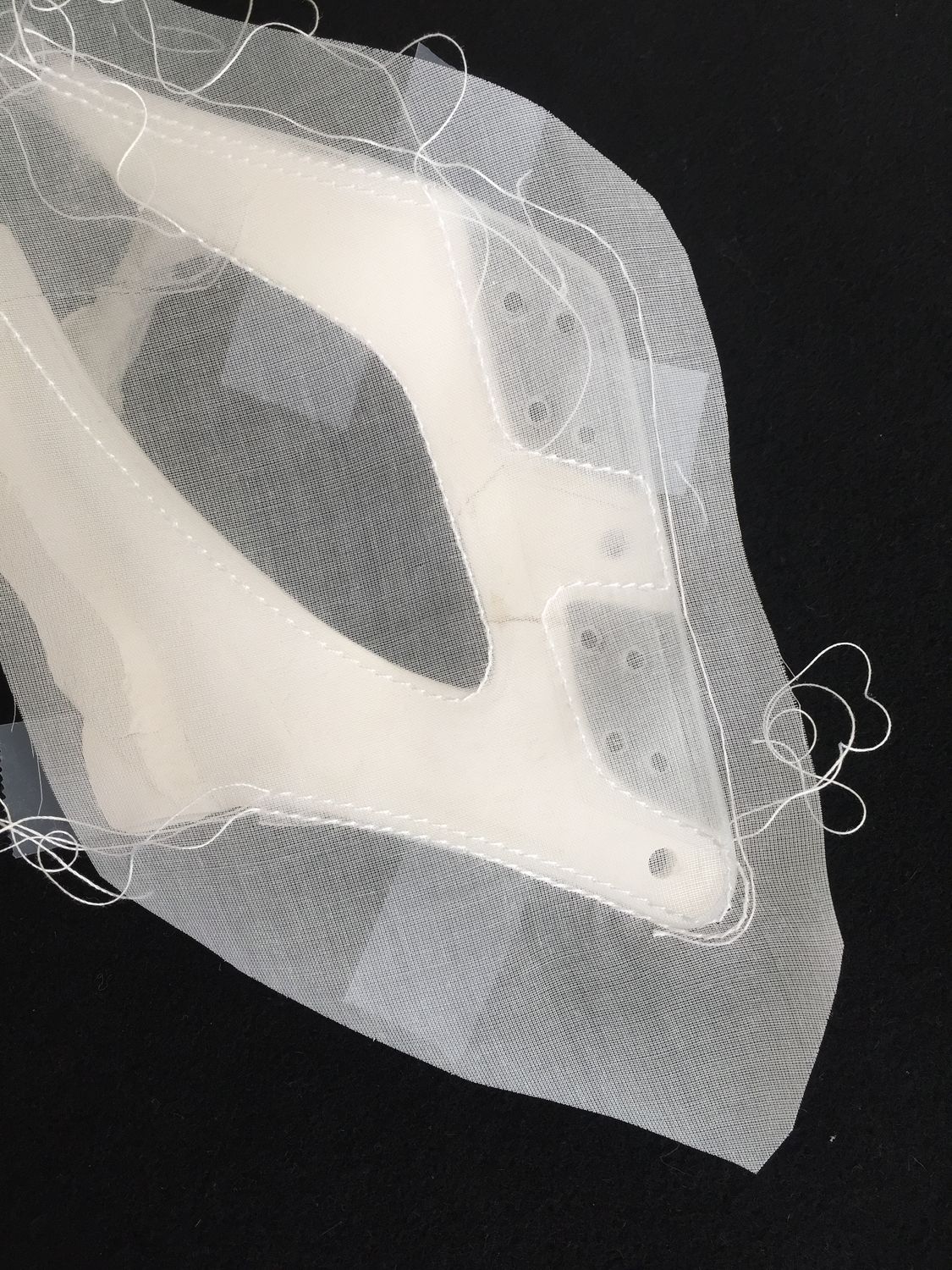
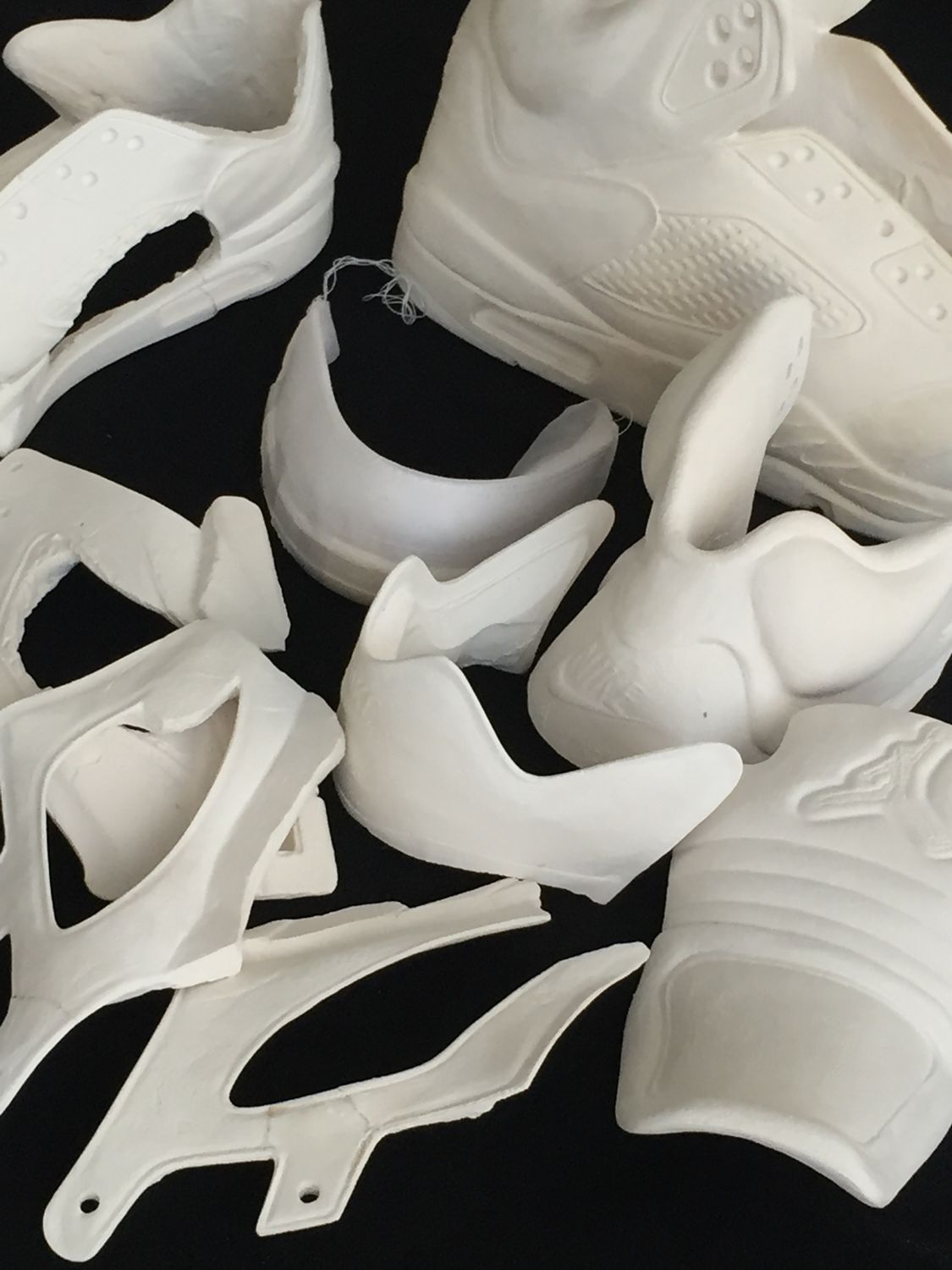
The work relies on the use of plaster forms, which serve as a base for constructing the shapes. The fabric, sometimes dampened, is draped over these forms and then shaped through sewing. Some plaster forms are provided in advance to avoid drying time.
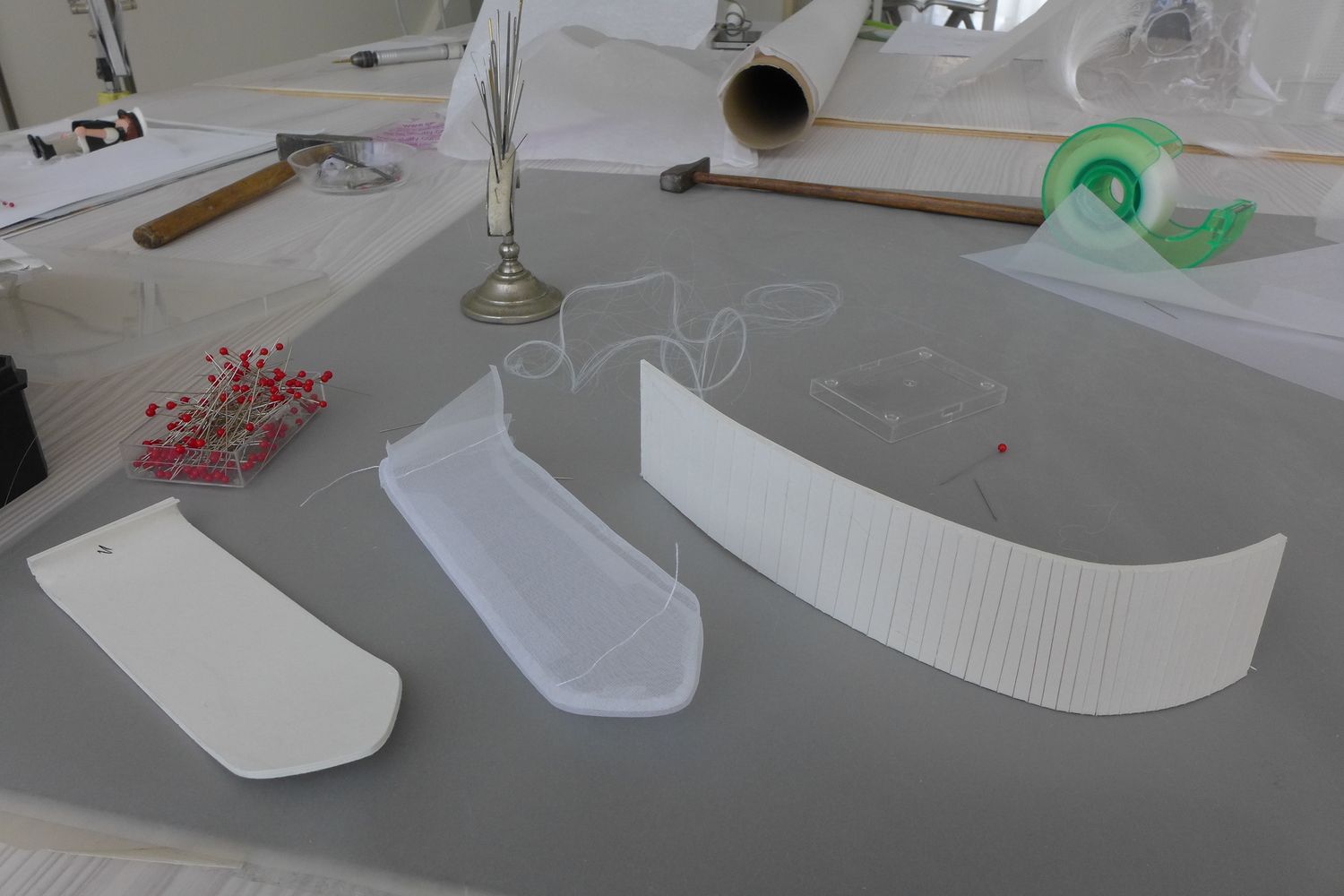
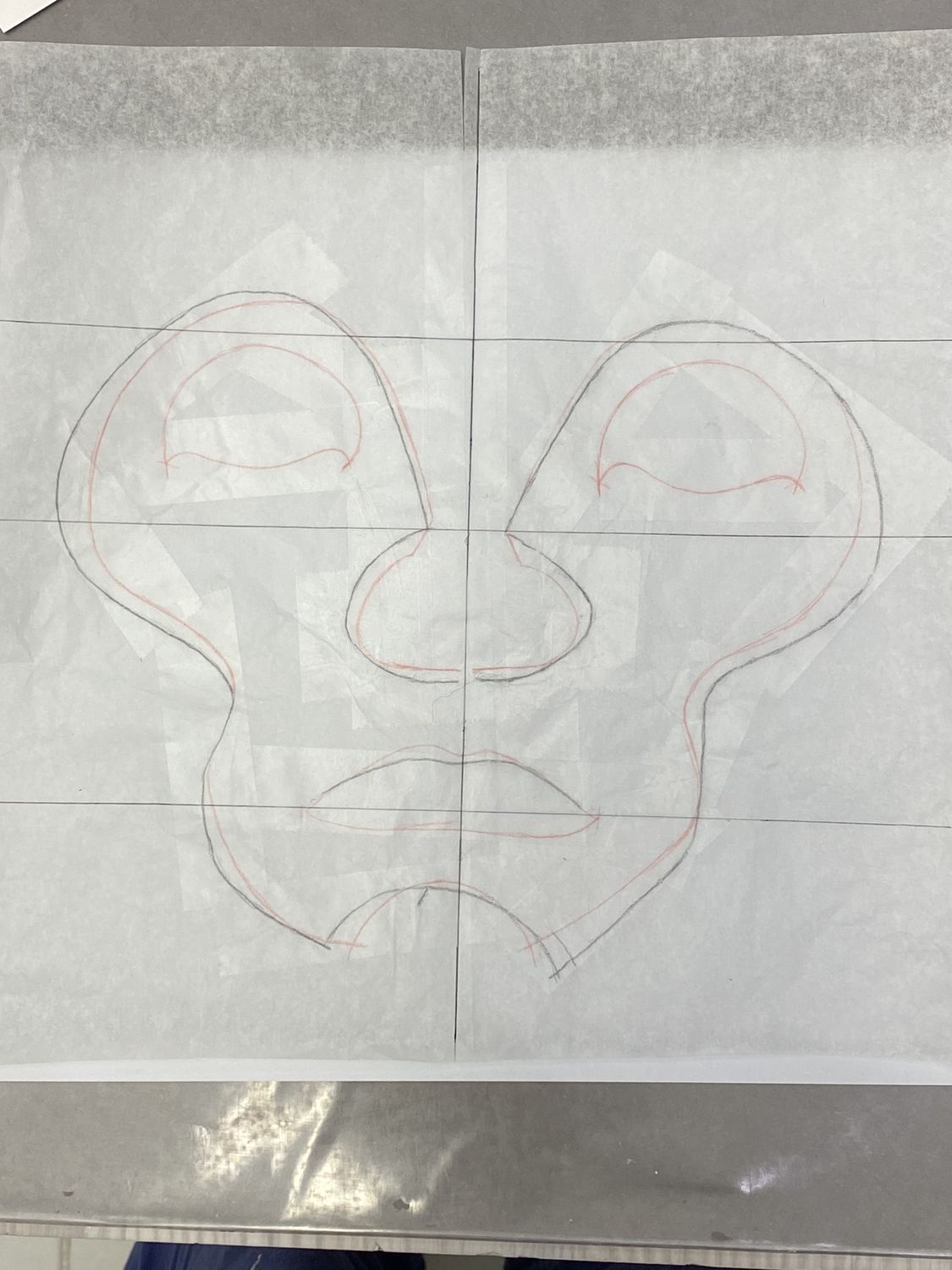
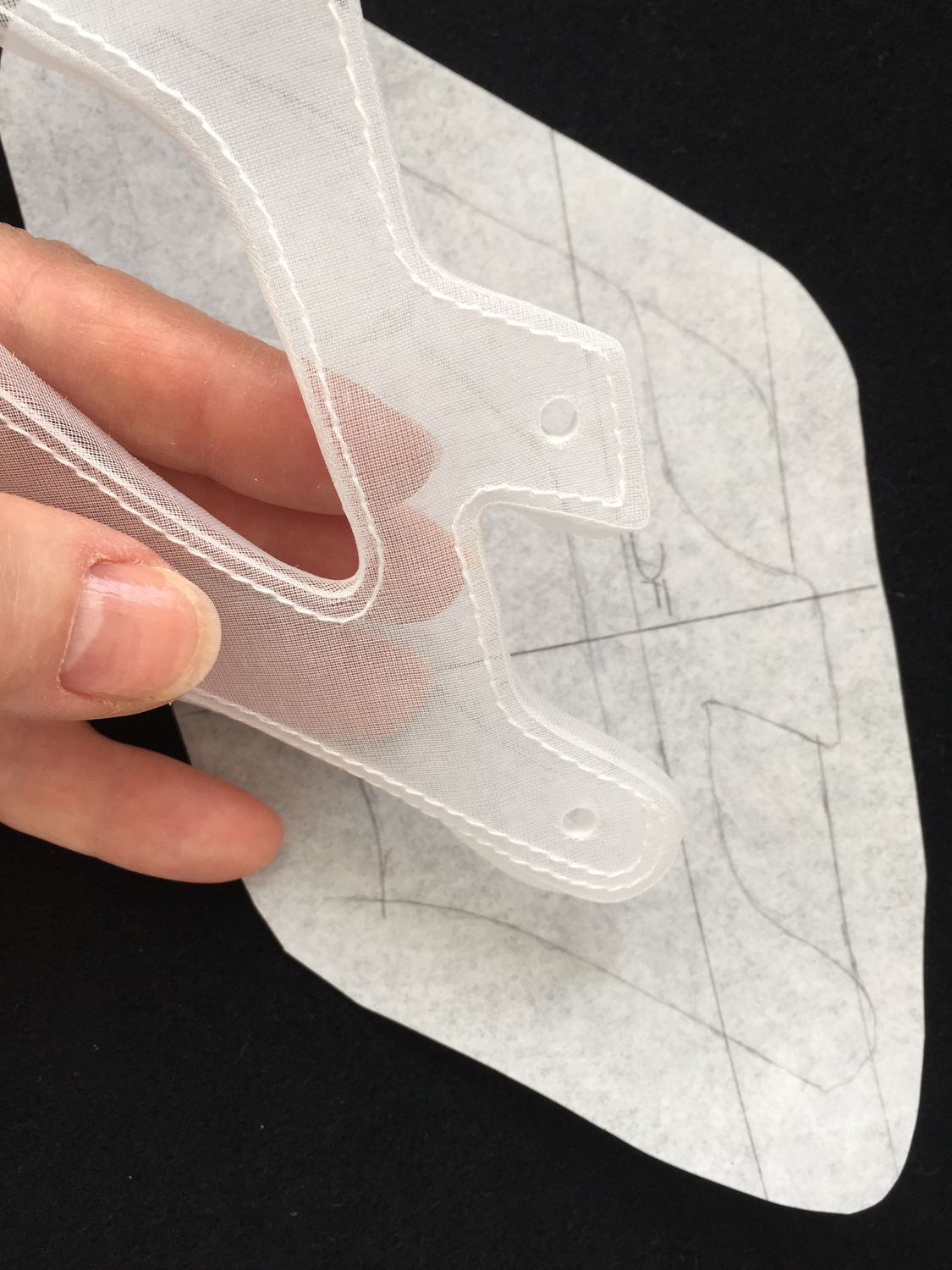
On these supports, sewing lines are marked based on the fabric’s behavior. A pattern is then created to allow for precise cutting of the organdy. Each piece is marked to indicate the sewing lines and the grain of the fabric.
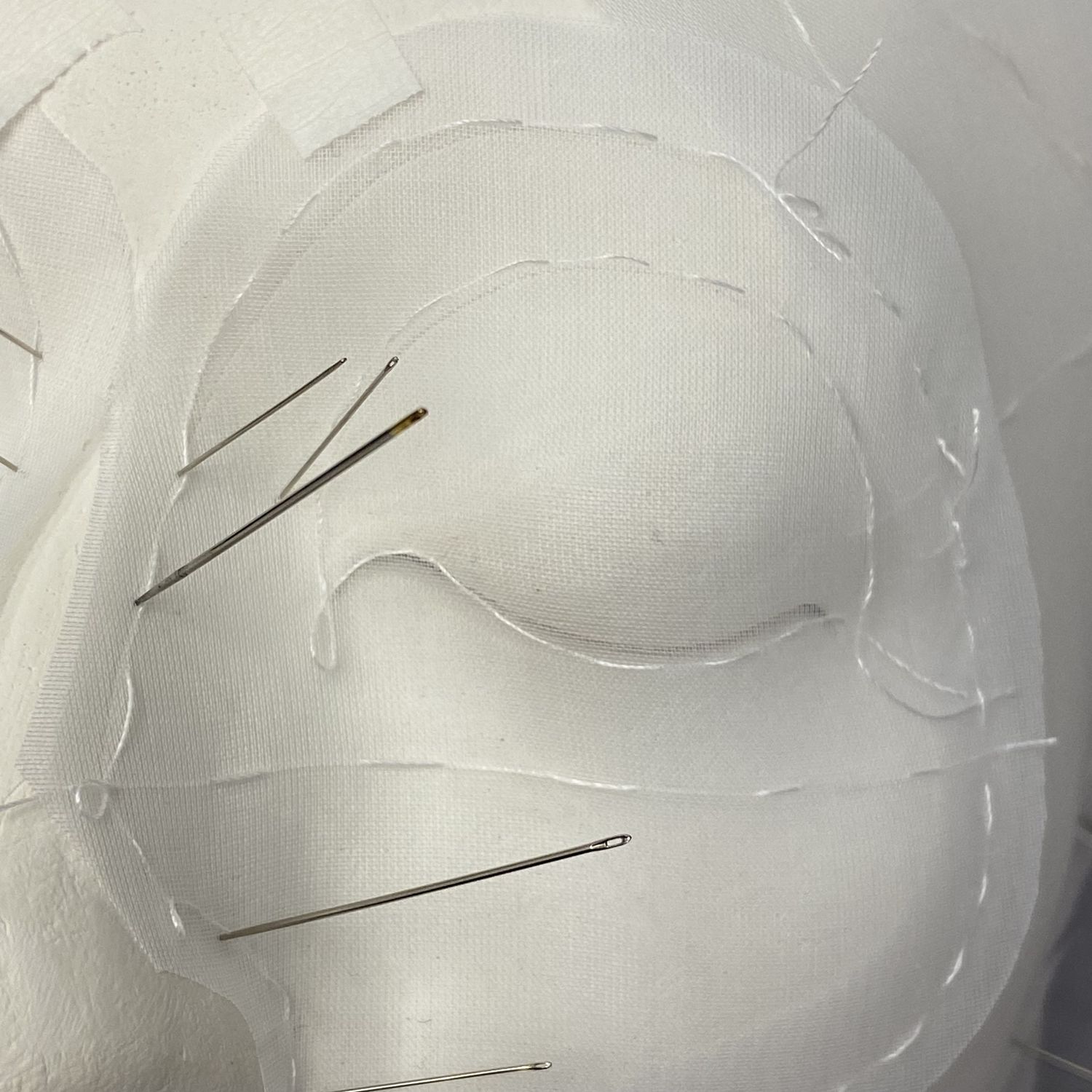
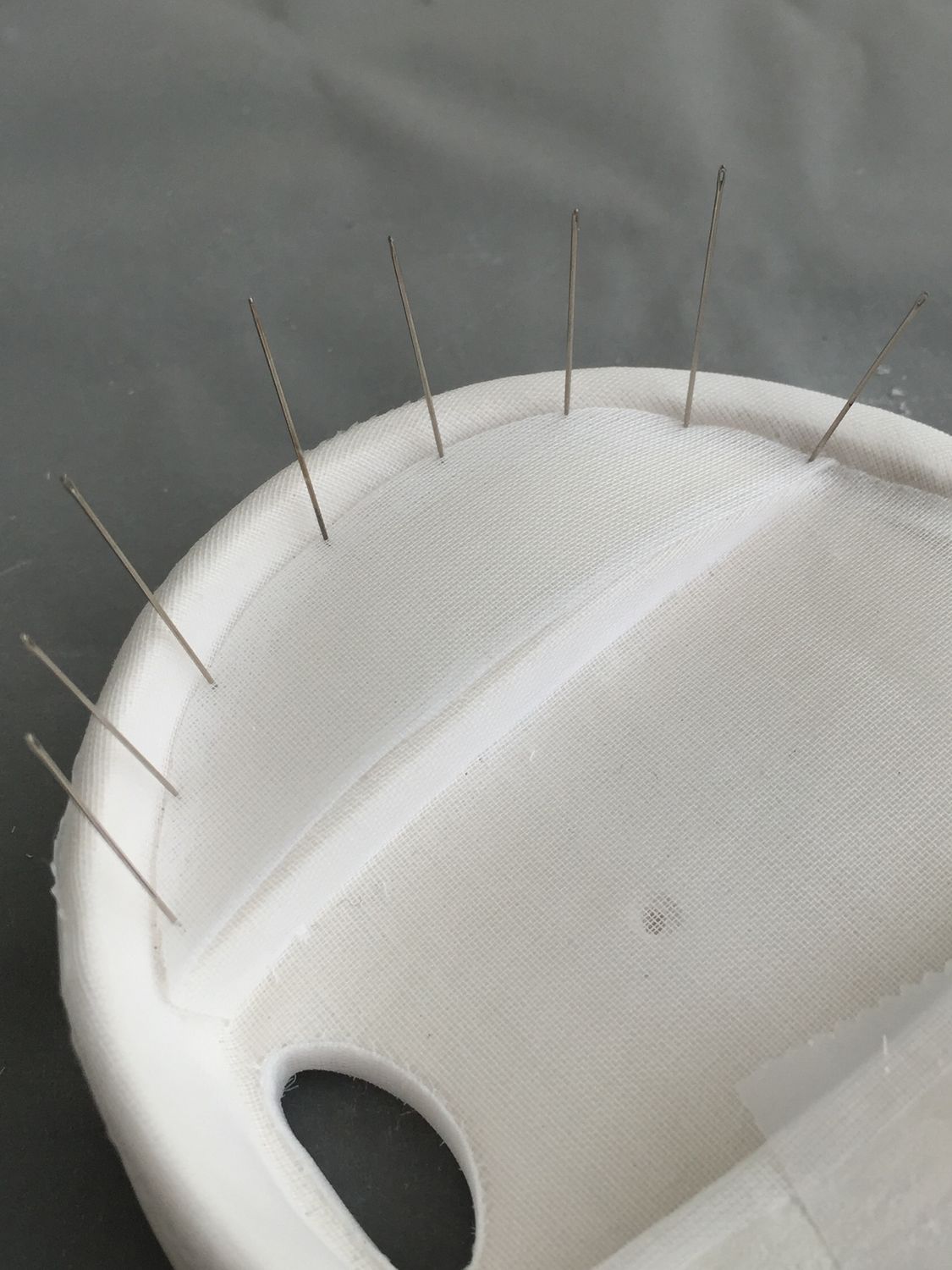
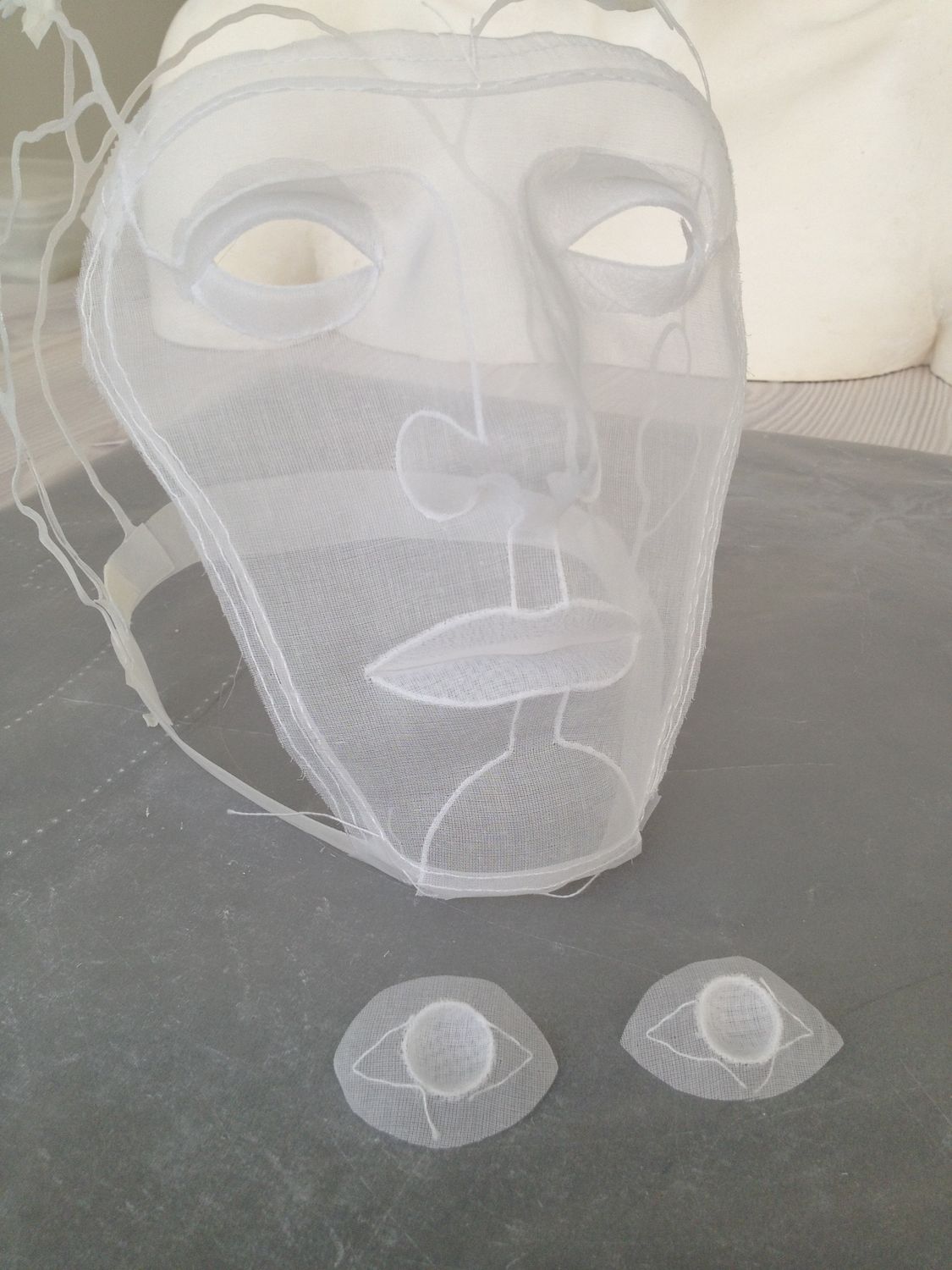
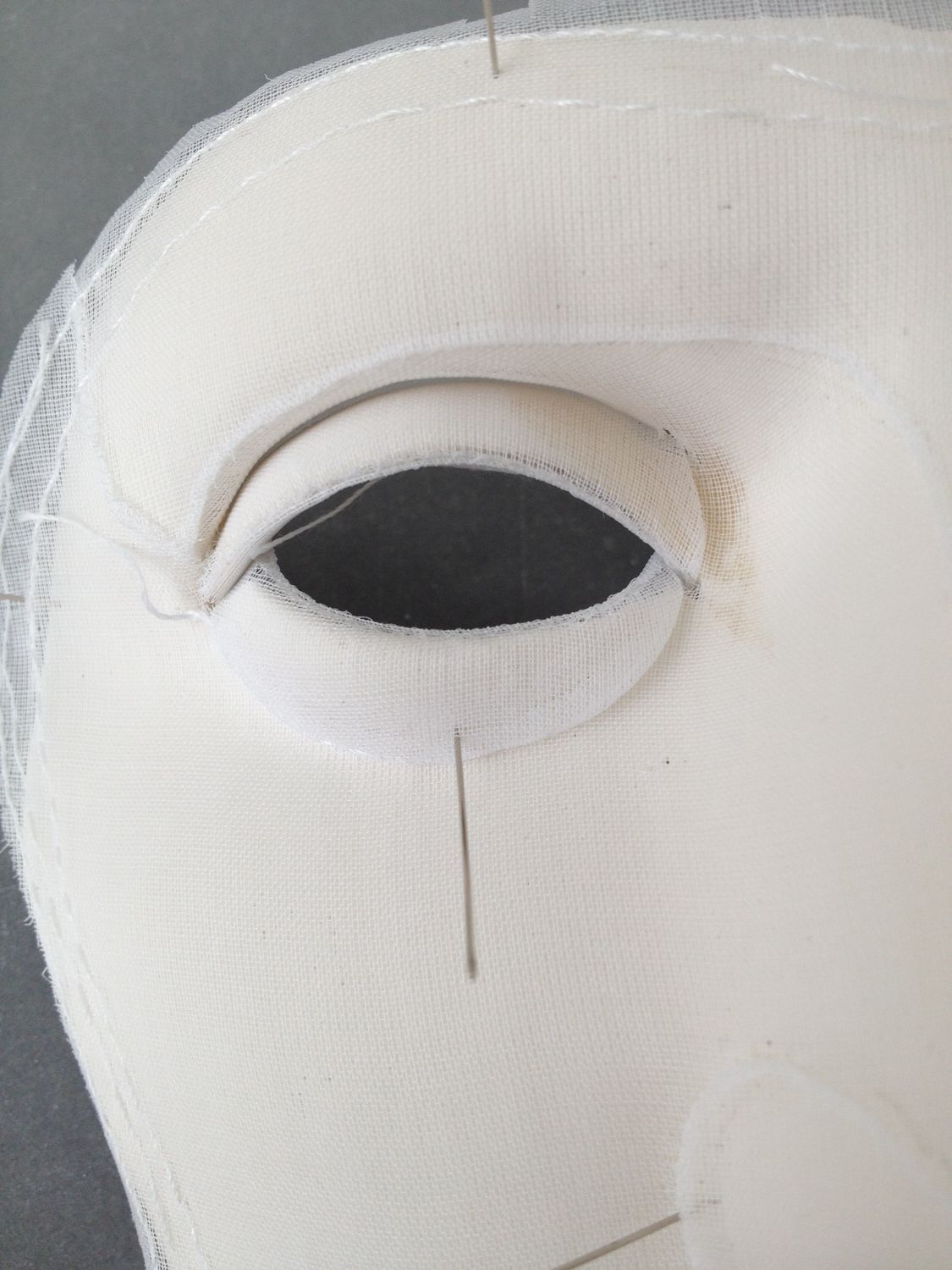
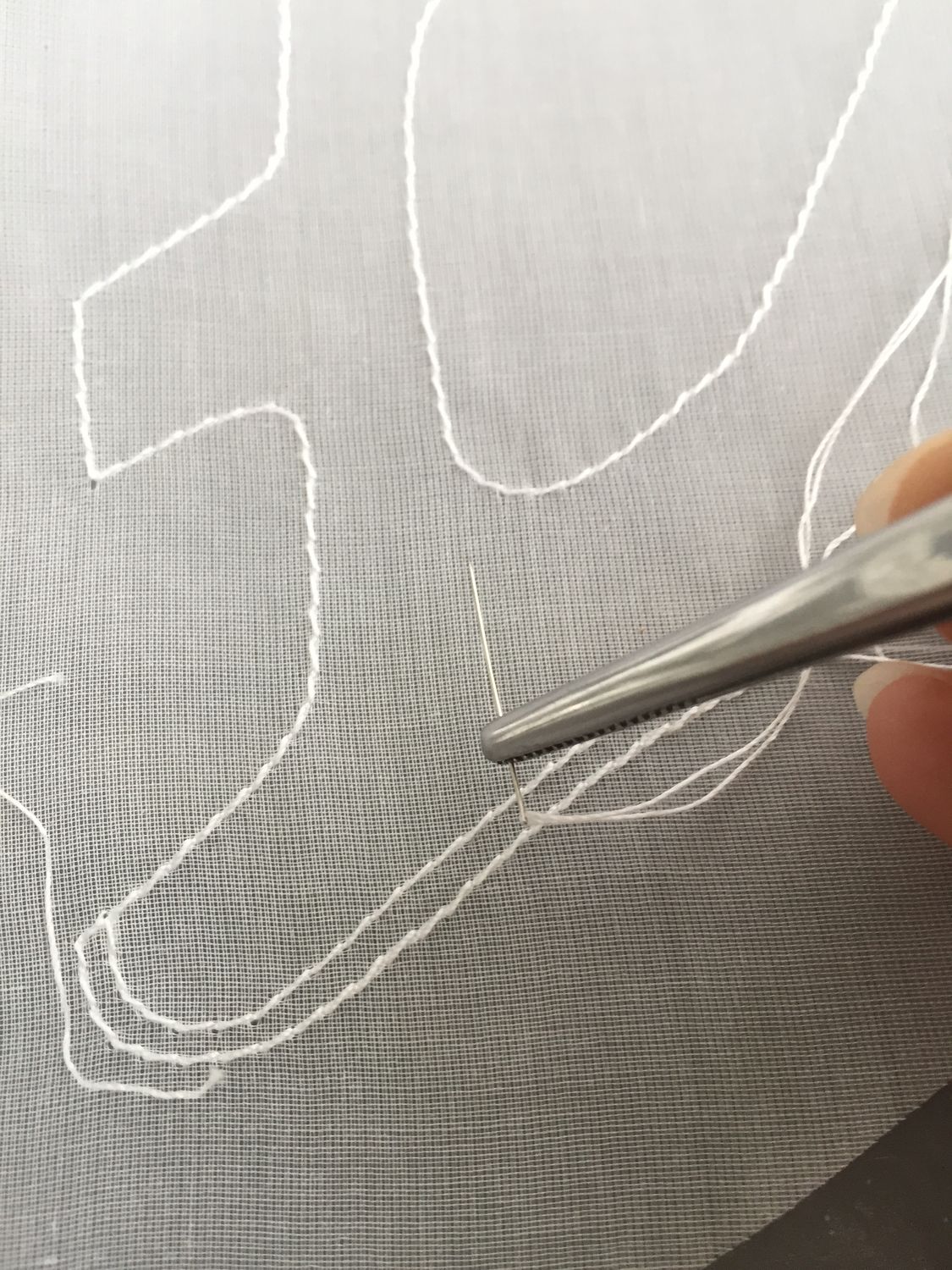
The pieces are pinned to the plaster and gradually assembled. Various sewing techniques are used, such as the blind stitch or zigzag stitch, depending on the desired effect. This work requires precision and attention: the seams are sewn with a very fine needle and transparent thread, stitch by stitch.
A delicate step involves finishing certain seams without a support, once the plaster has been removed, so that nothing remains inside the form.
Beyond the technique, the workshop aims to teach participants how to master a discreet touch, where the stitching recedes into the background to highlight the form. Participants thus develop their own way of working and expressing their artistic intent.
Morning and Afternoon
Morning and afternoon
Morning and afternoon
Morning and afternoon
Morning and afternoon
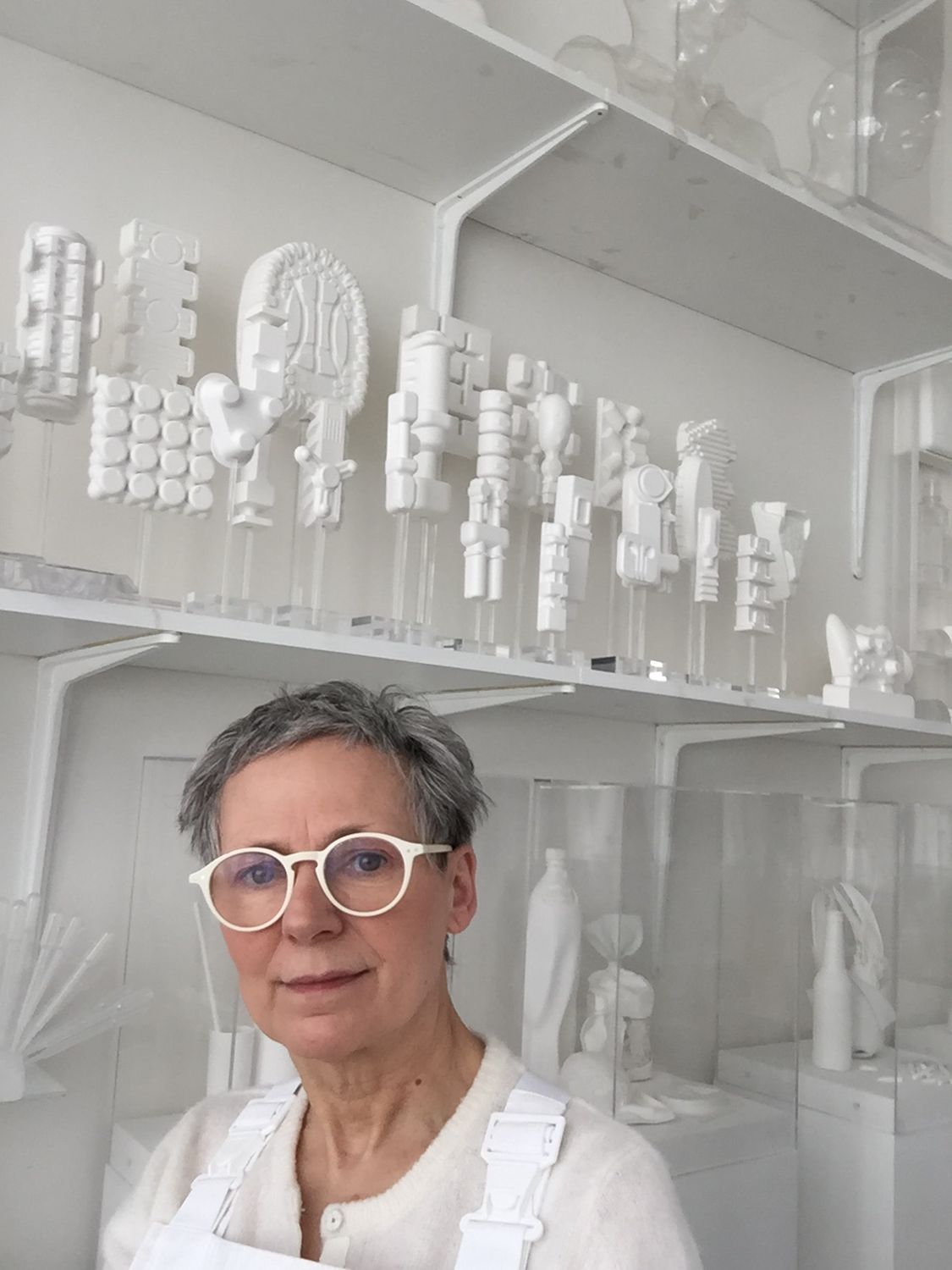
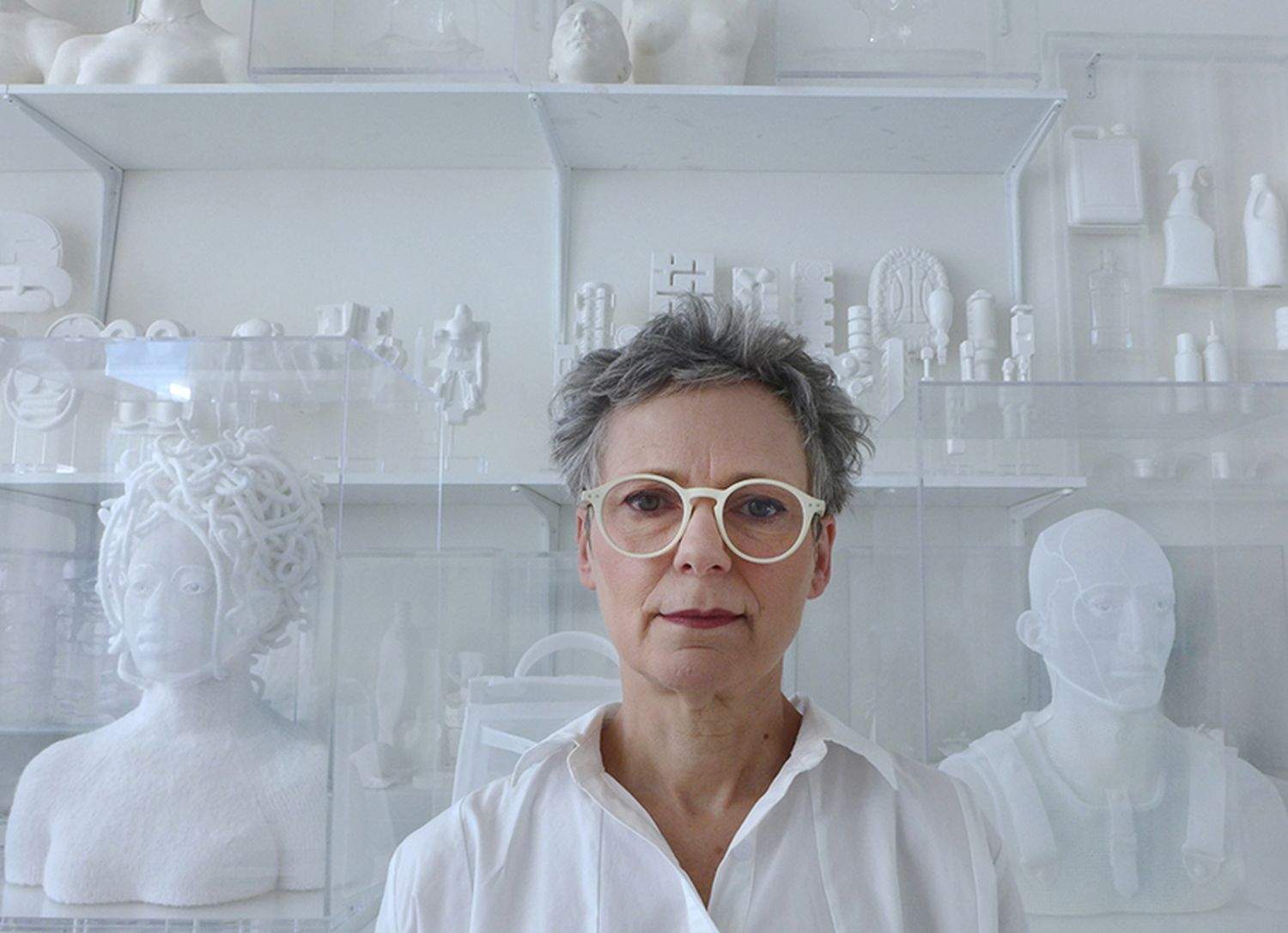
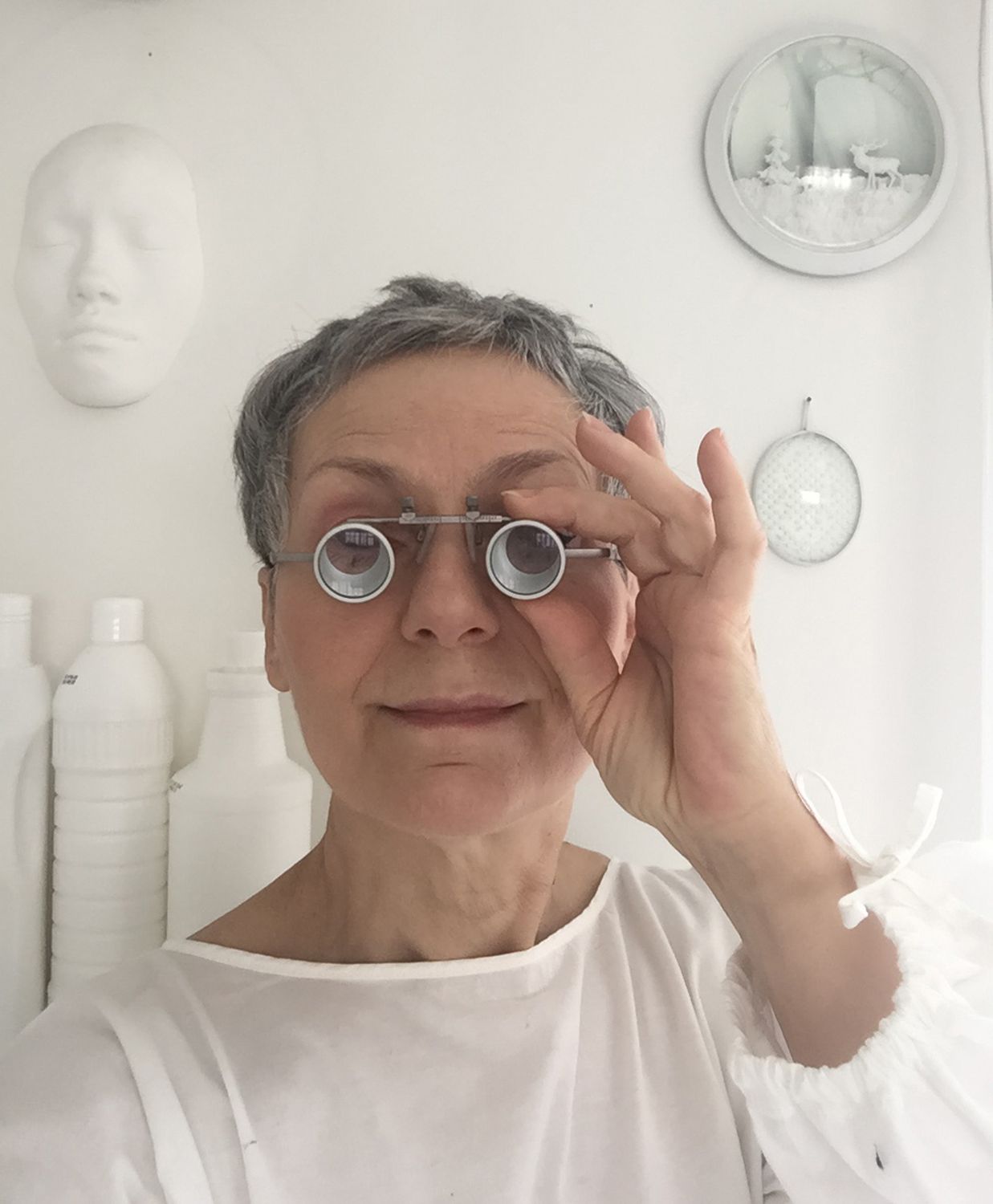
Angélique Lefèvre lives and works in a studio in Paris. Her work offers a poetic interpretation of the contemporary world, developed through a multi-stage process.
Trained in the humanities, she first developed an interest in narratives and human stories. Her experience as a secondhand dealer then refined her perspective on objects: from the most ordinary to the most unique, all take on a special value over time. She finally trained as a patternmaker, where she learned to transform a flat surface into a three-dimensional form—a skill that has left a lasting mark on her artistic practice.
Her work quickly attracted the attention of major fashion houses. Under the direction of Leïla Menchari, she created objects for Hermès intended for the store windows at 24 Faubourg Saint-Honoré: bags, animals, architectural elements, and pastries. She also collaborated with Dior on a version of the Lady Dior bag presented in a traveling exhibition in Asia, as well as with Patek Philippe on the Twenty~4 women’s watch.
She also works for Van Cleef & Arpels and Sisley, as well as for private collectors. Some pieces become sculptures in their own right, such as a mustachioed Leica, a Louis Vuitton cabin trunk, or a bust of Jean Paul Gaultier.
Her works have entered public collections, notably at the FRAC Normandie in 2007 with *Jeune fille au MP3*, and then at the Galila’s P.O.C art center in Belgium in 2020 with *Madame De I.*
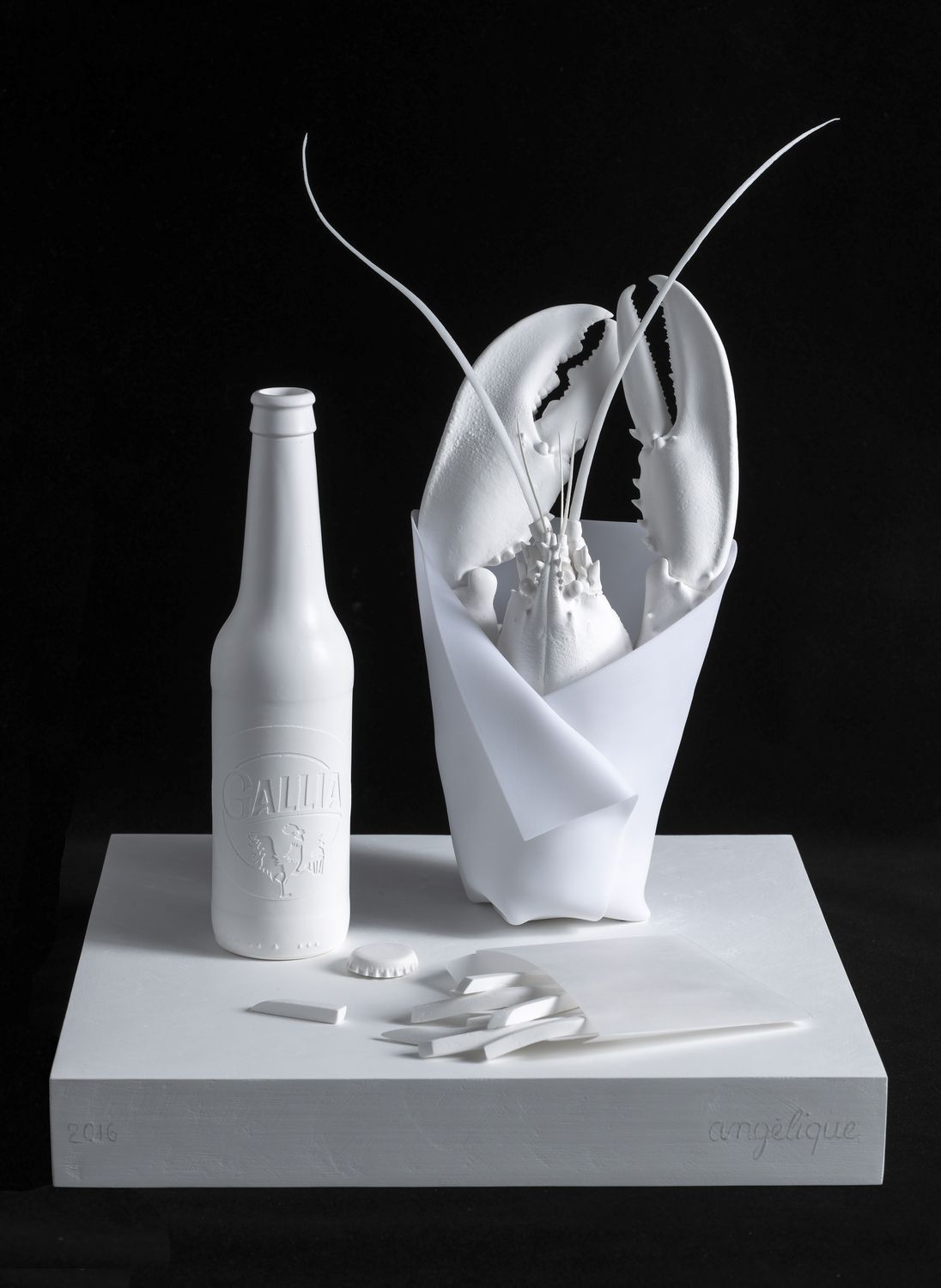
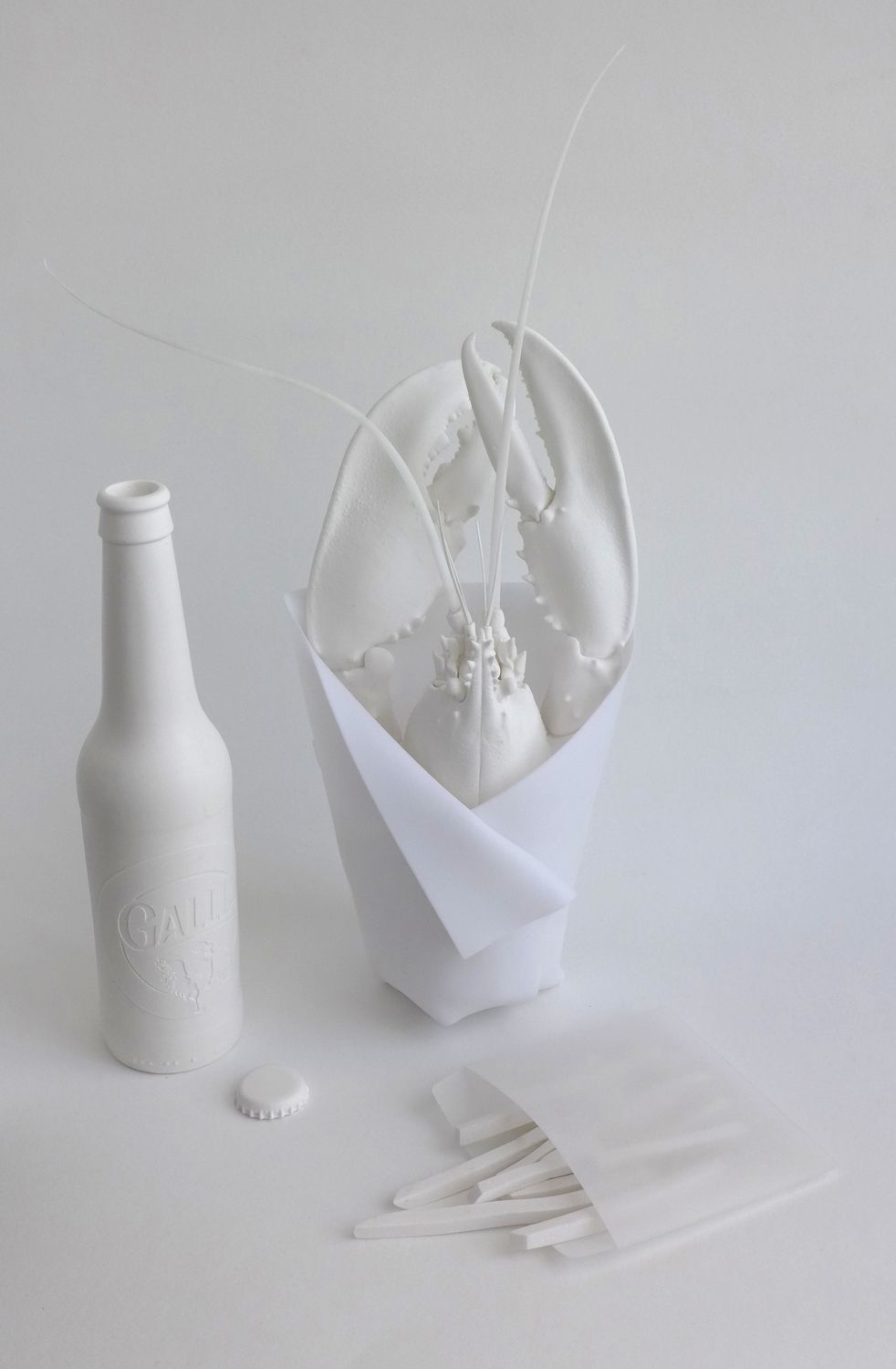
Today, her work focuses on everyday objects and their thermoformed packaging. She transforms these hollow forms into solid volumes, giving them a new presence. Through this approach, she explores the themes of recycling and upcycling in art.
Training 100% financeable by AFDAS, or partially covered by other operators such as FAFCEA, AGEFICE, FIFPL, OPCO EP etc.
Accommodation and meals included
If you are concerned, we invite you to contact our sales department in advance via "Request for information" in order to prepare your file, or to register directly via the page of the chosen training course.
89350 Champignelles
T: +33 (0)3 86 45 23 42
contact@campusmana.com