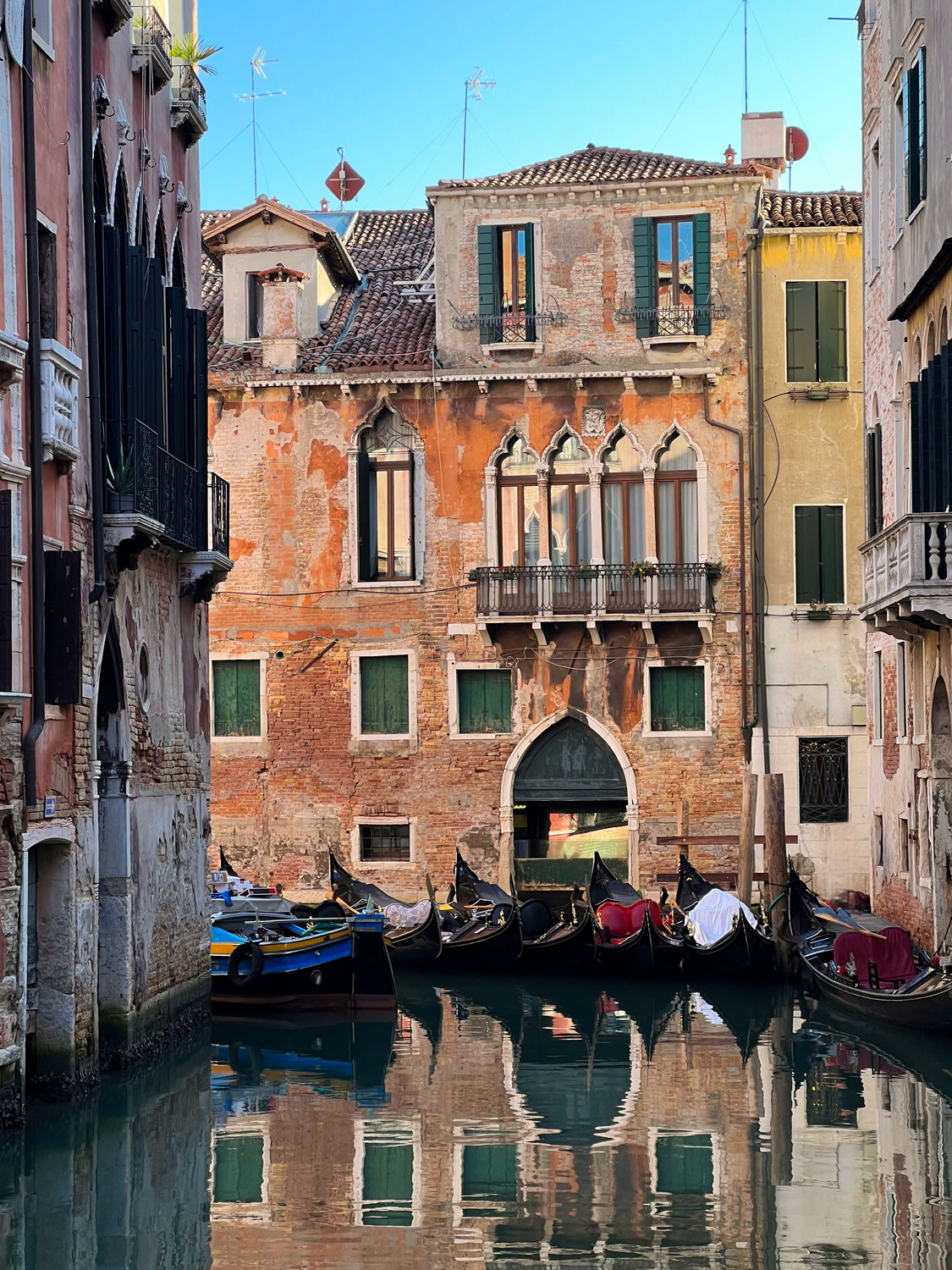
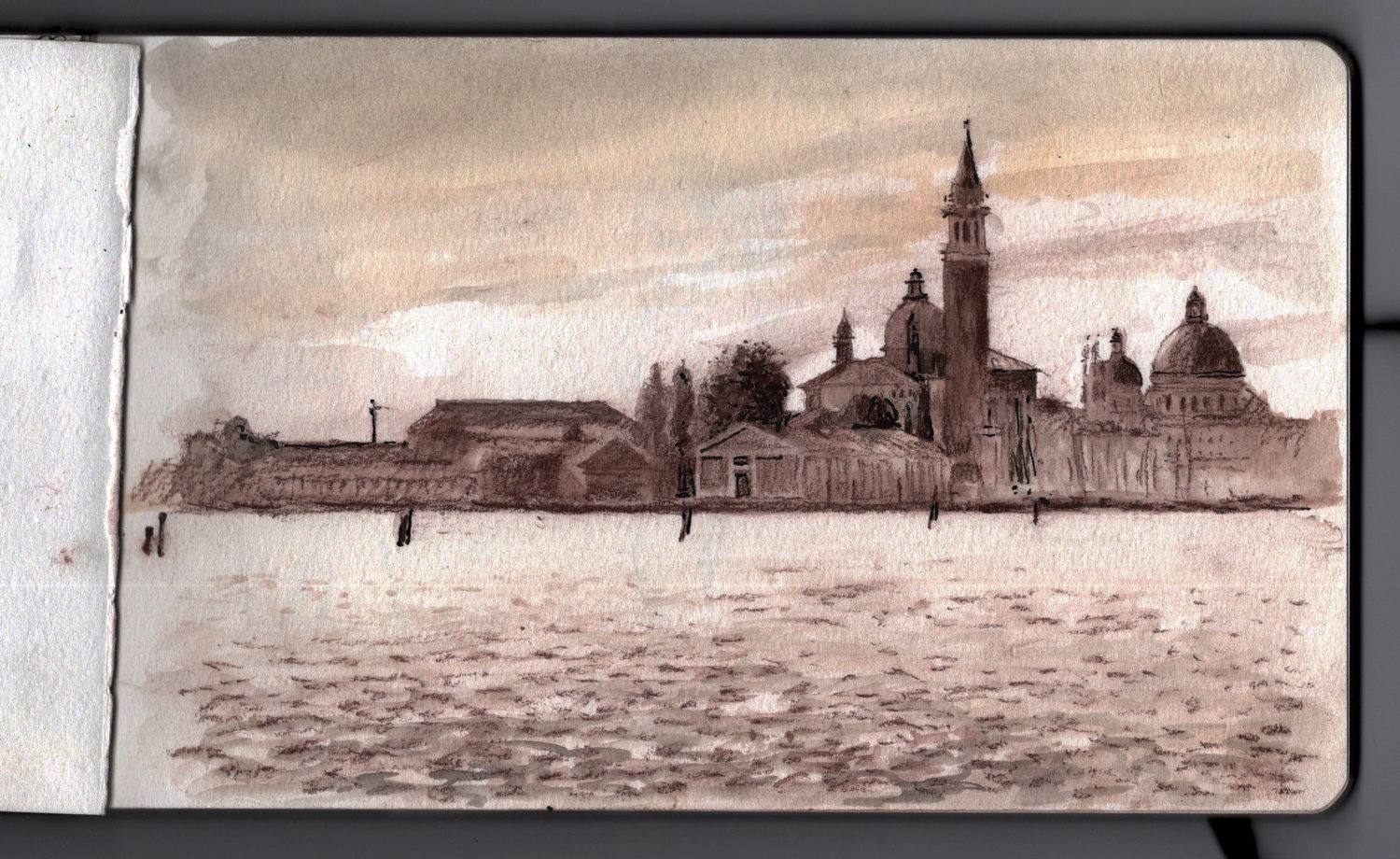
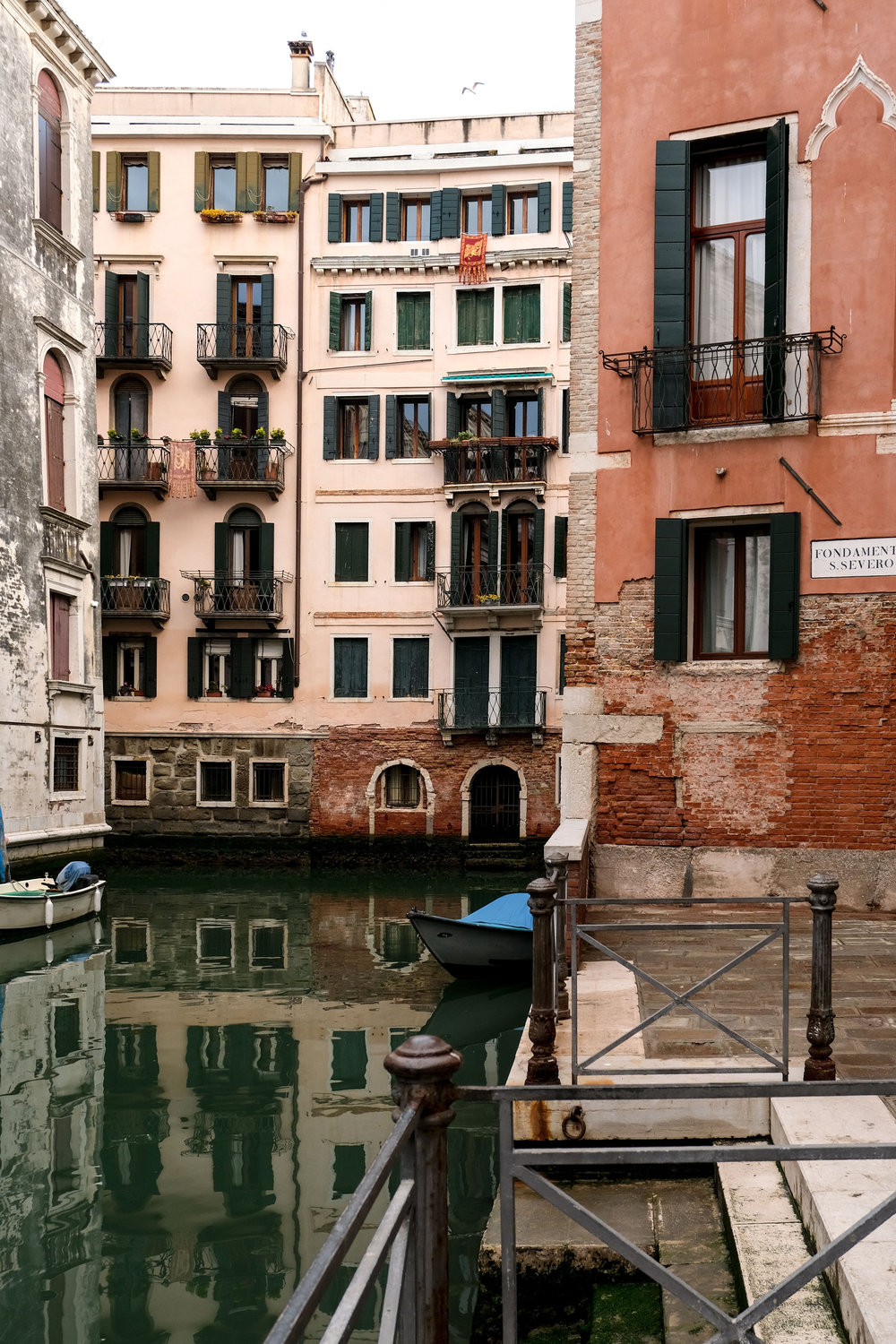
Venezia © Anna Romanova

,

Stroke
With Matthieu Lemarié
From 27/01/2027 to 29/01/2027

The training

Educational objectives:

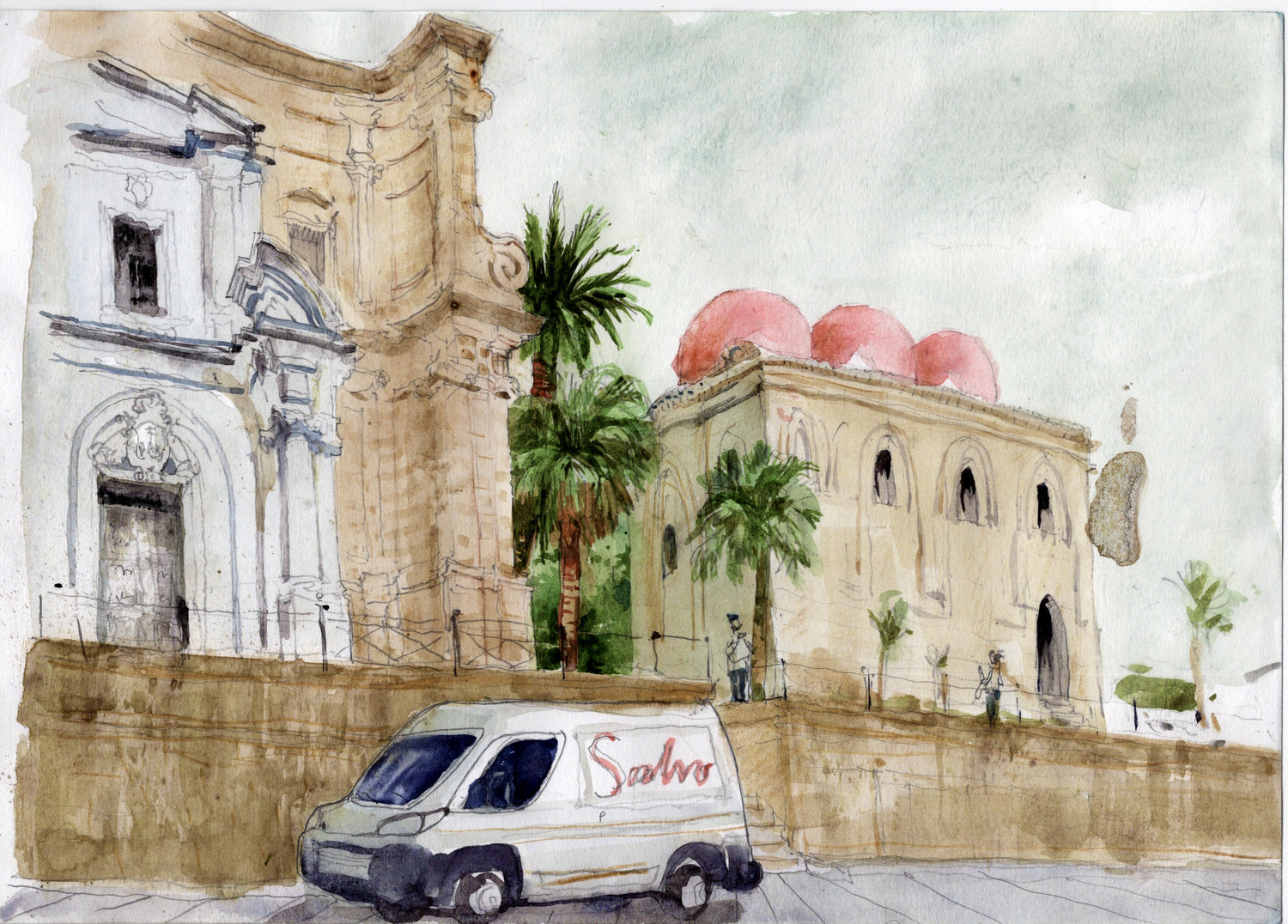
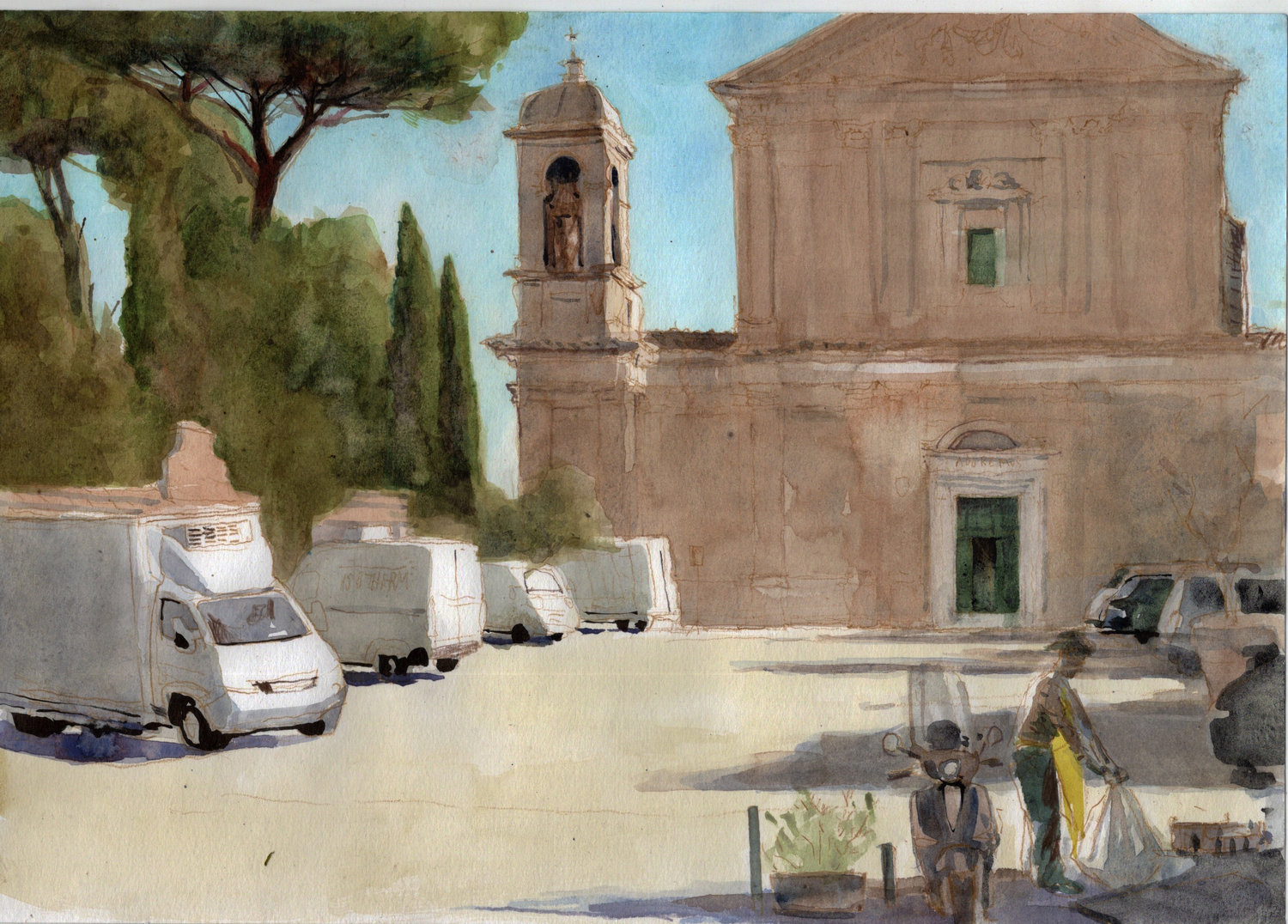
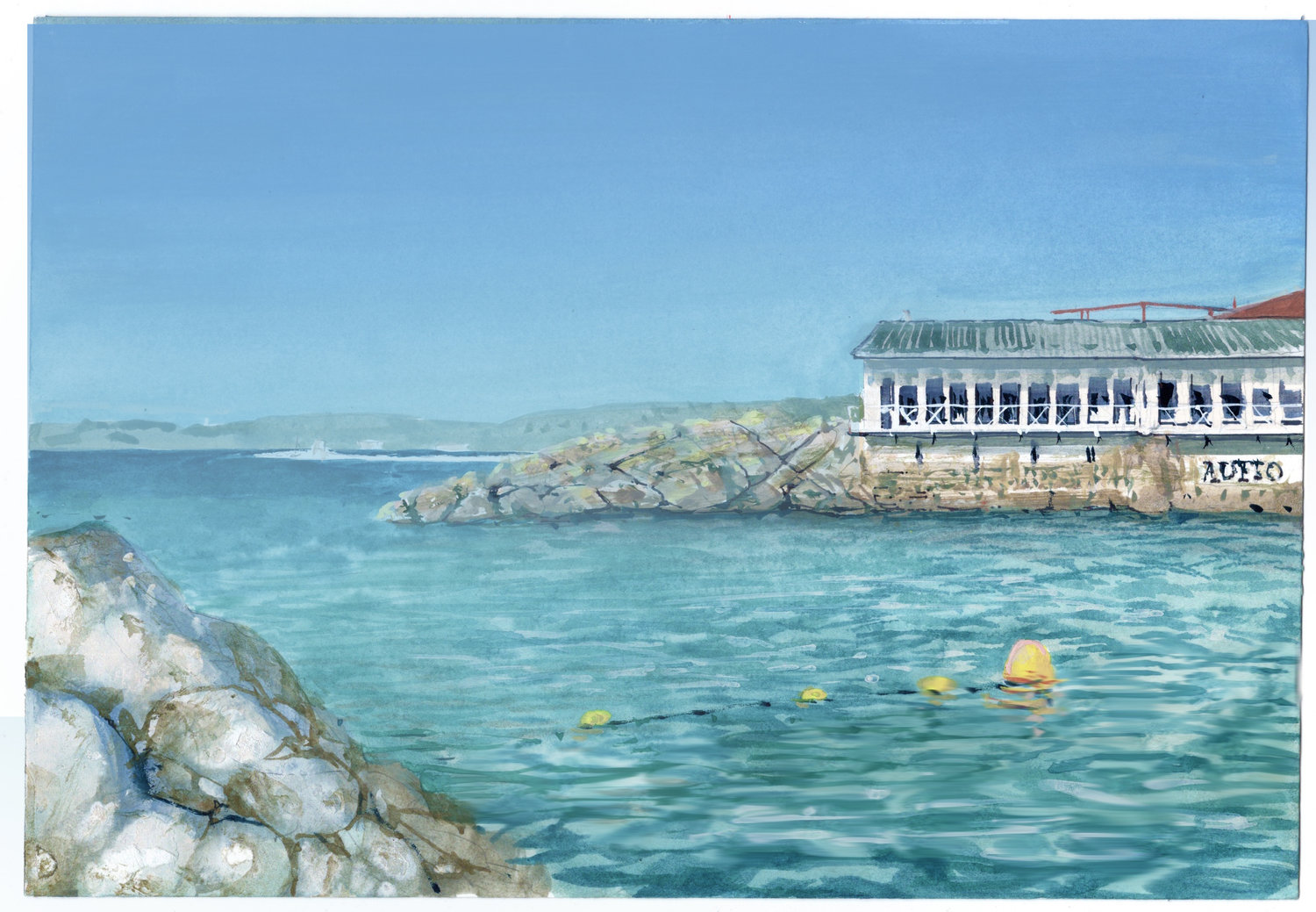
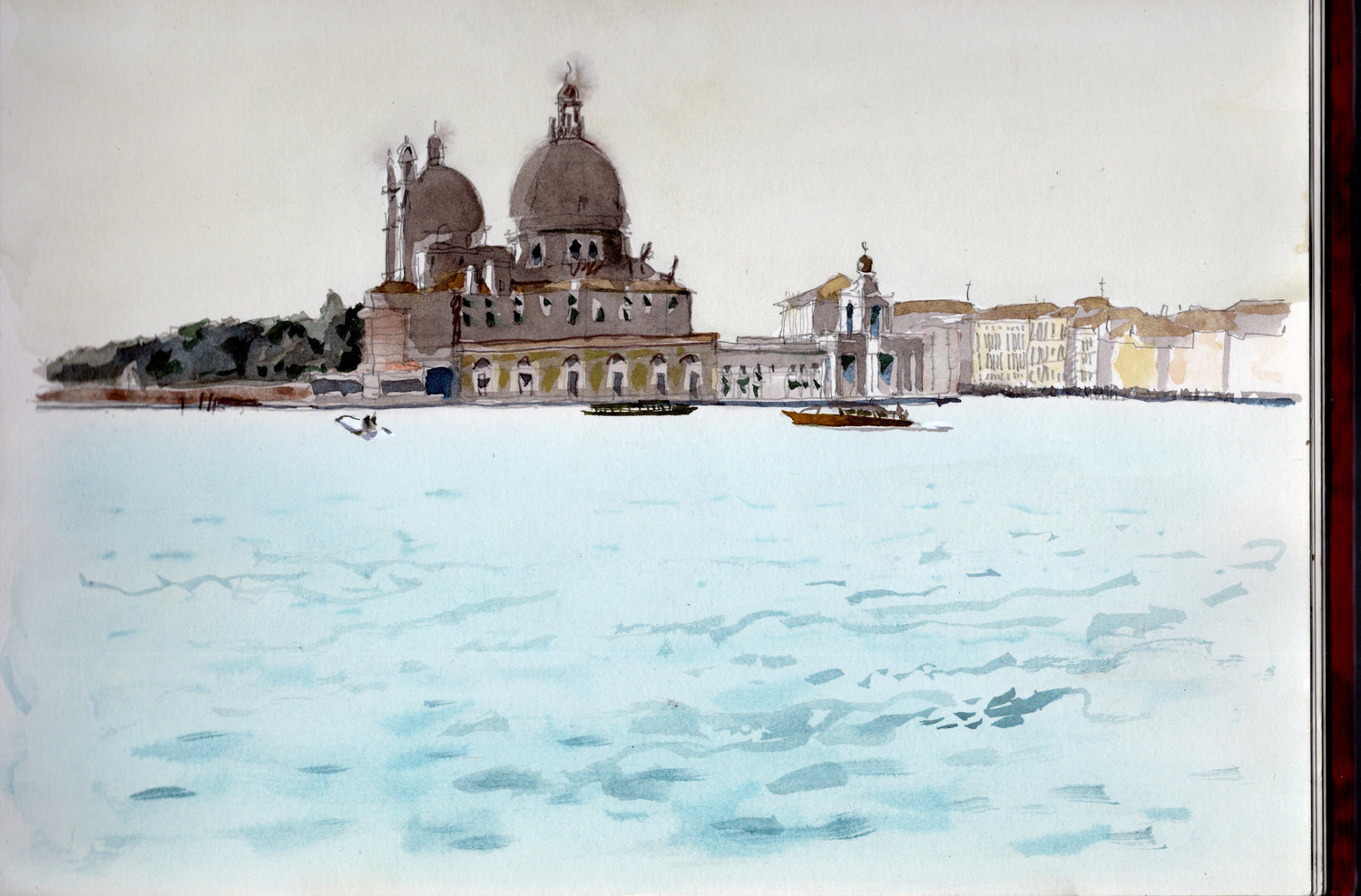
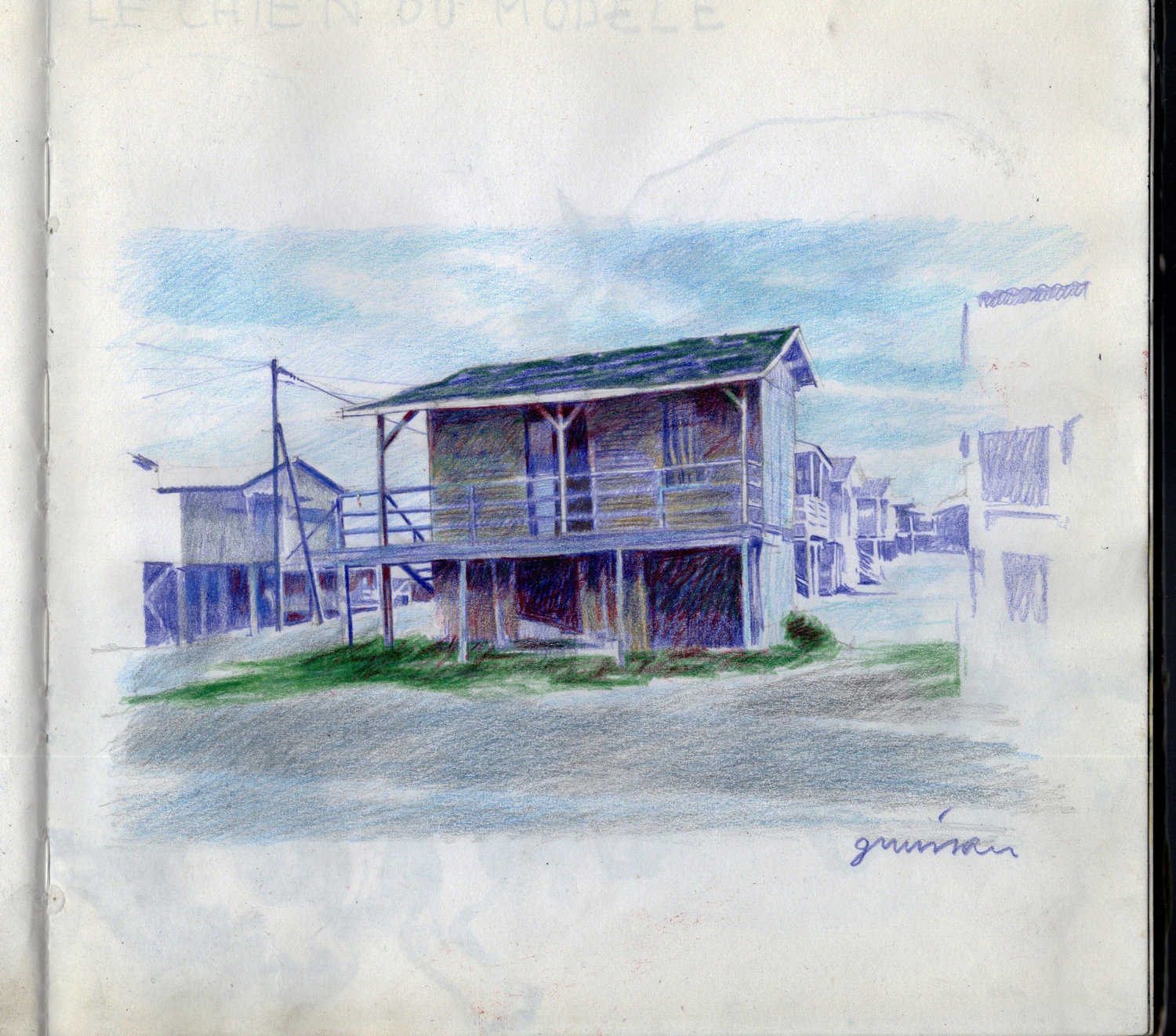
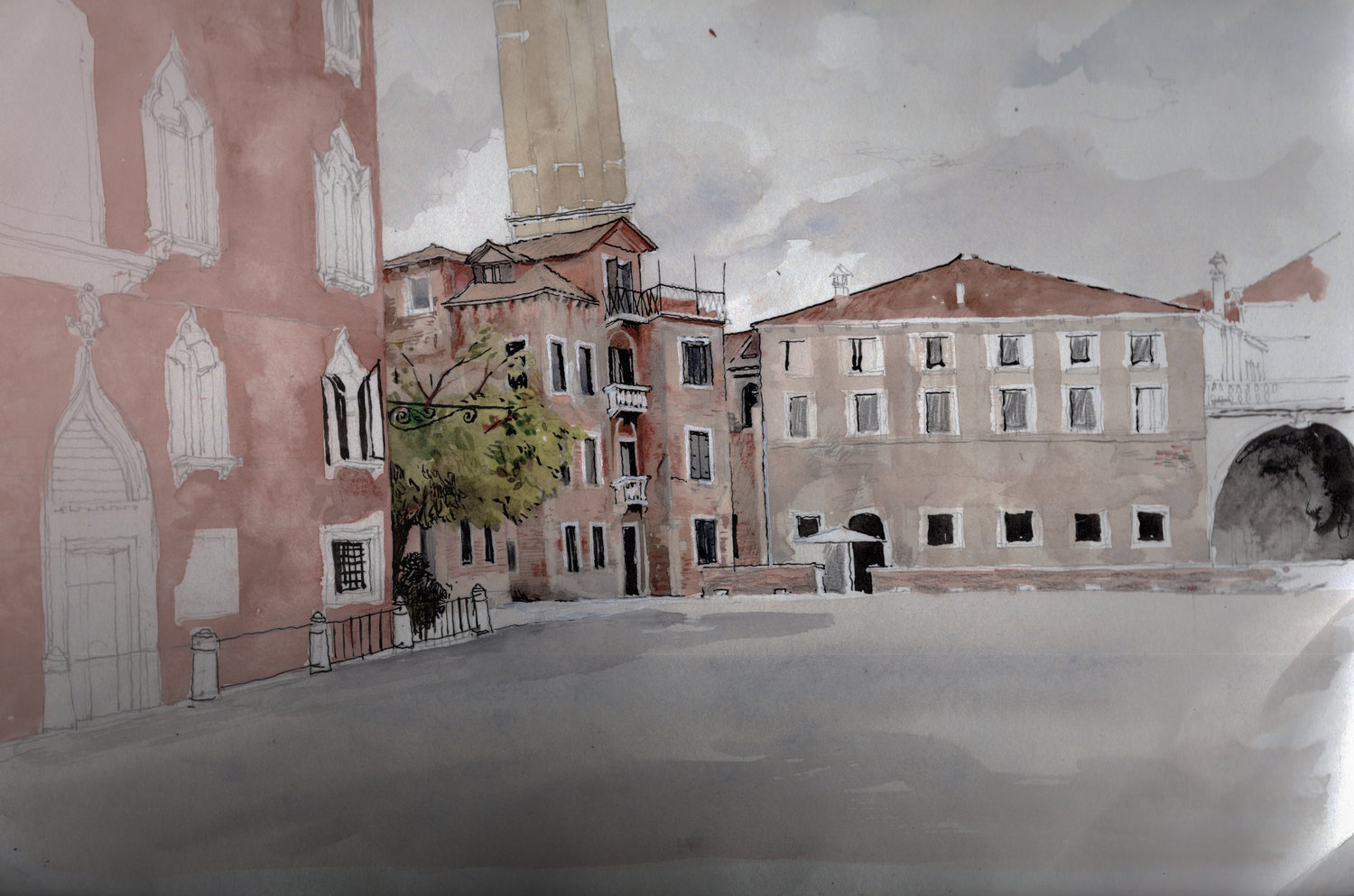
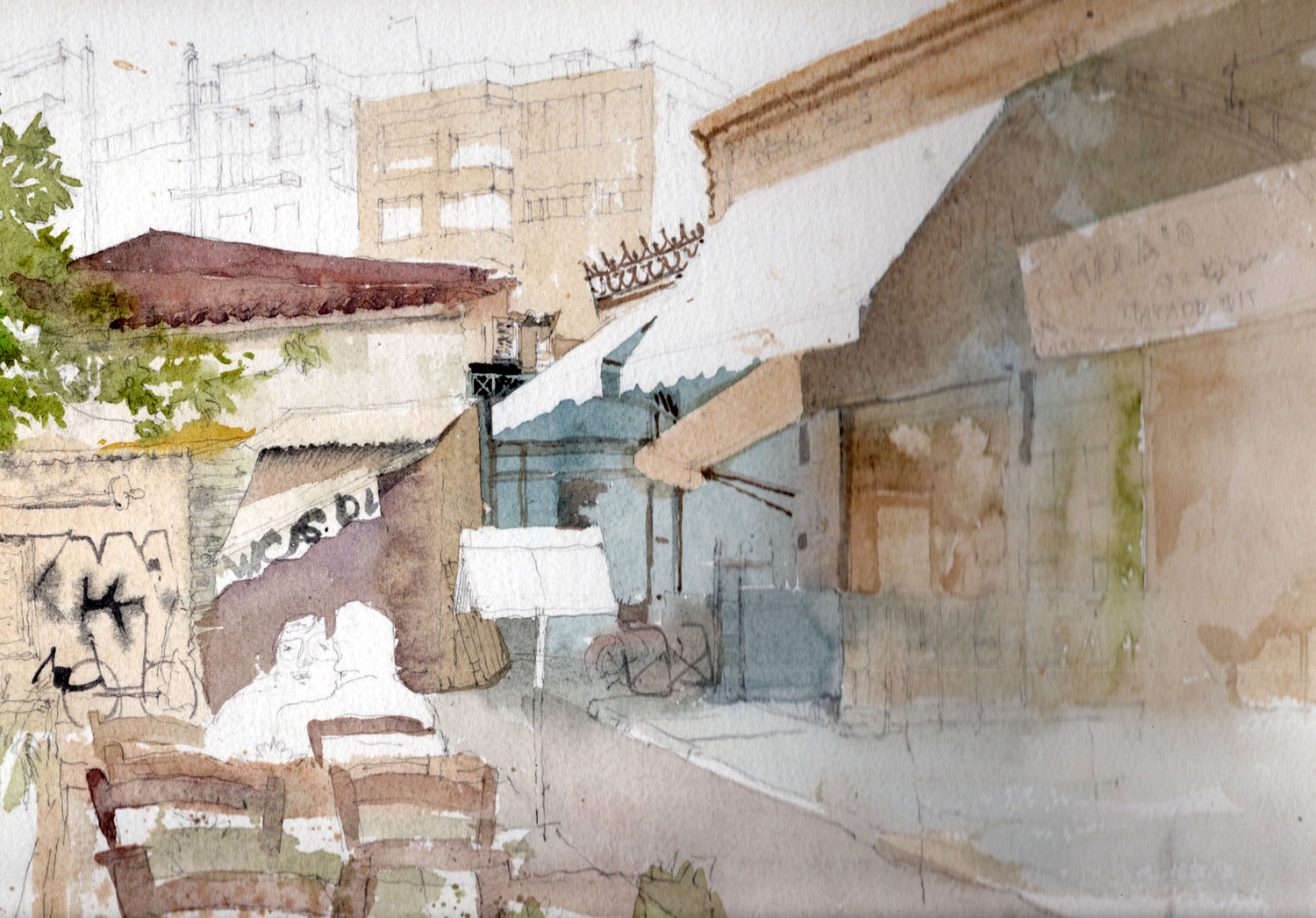
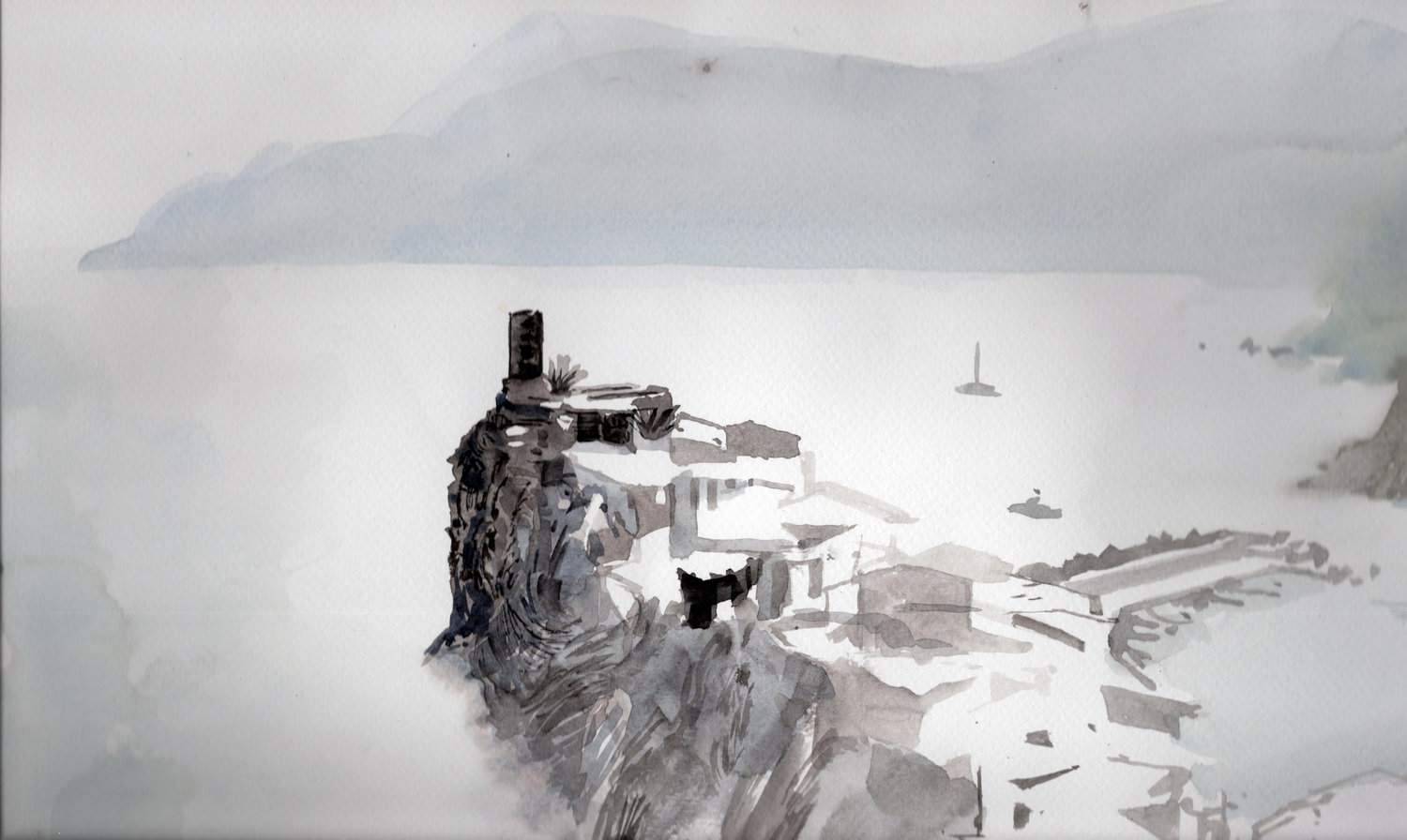
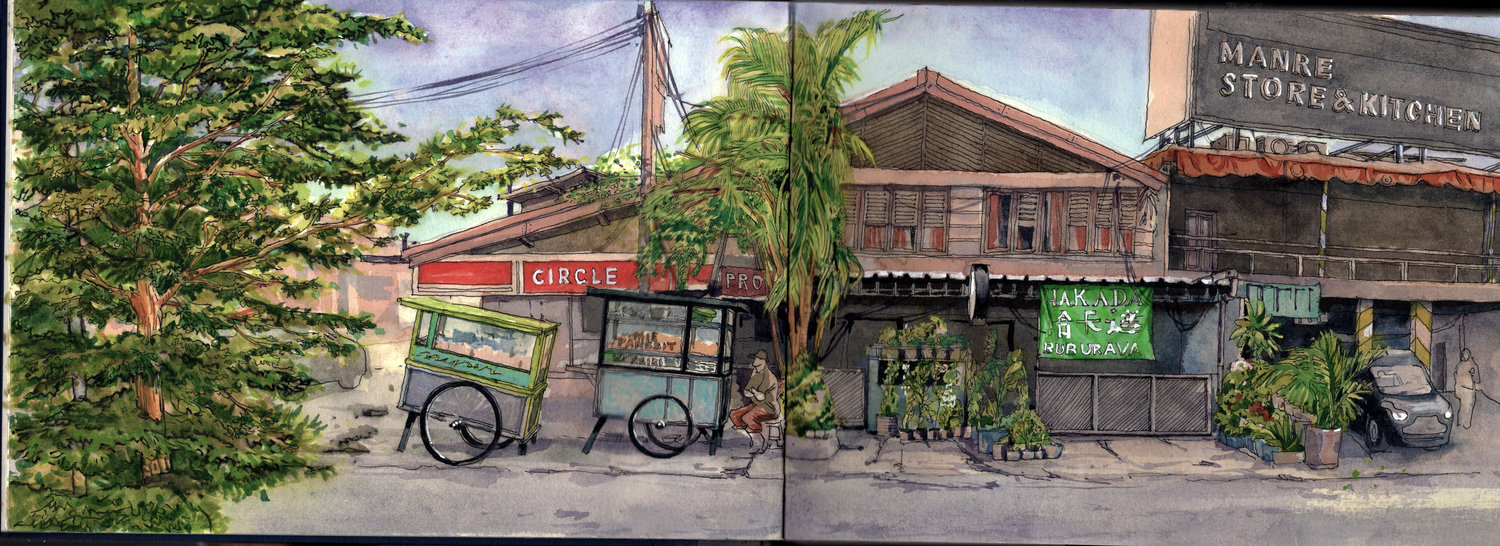
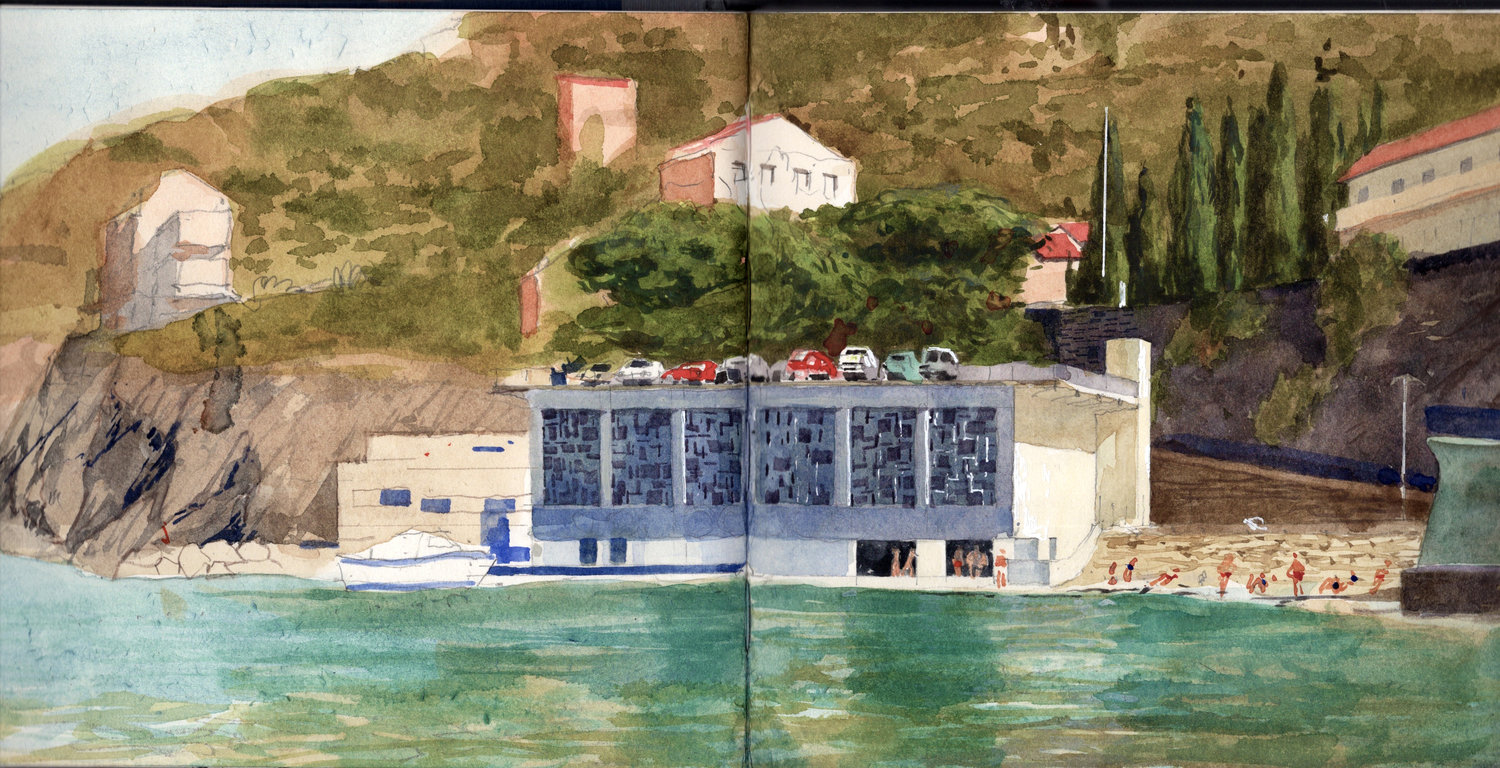
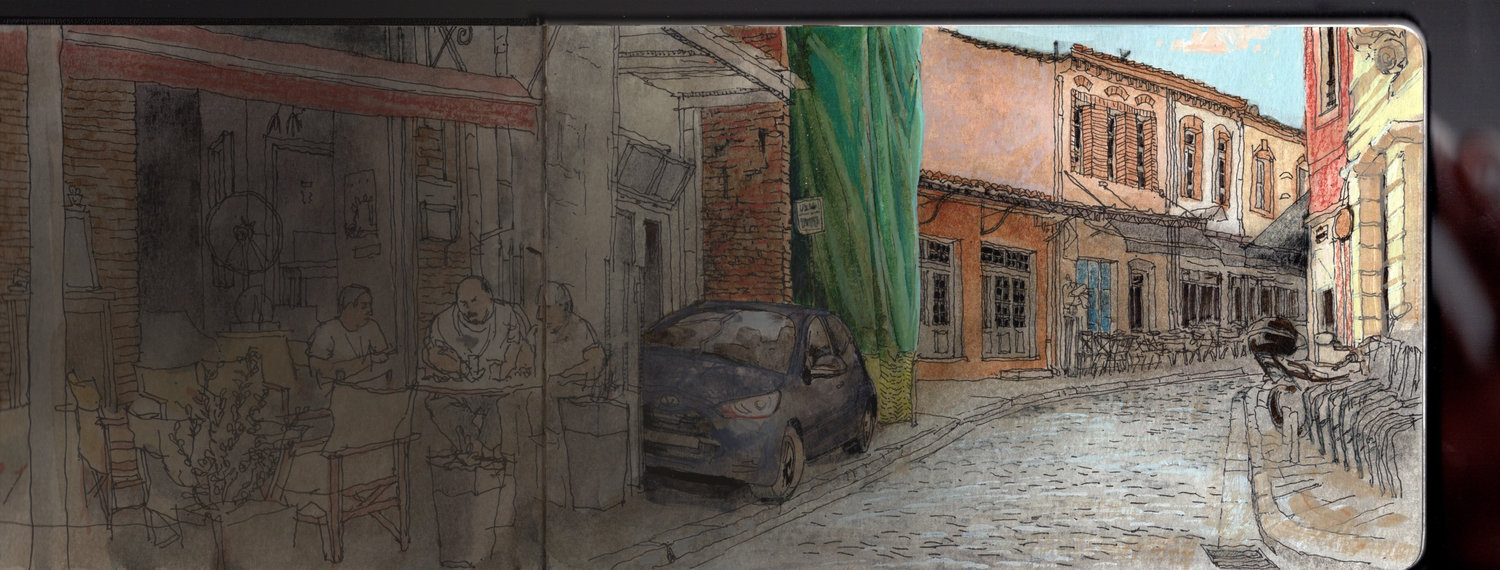
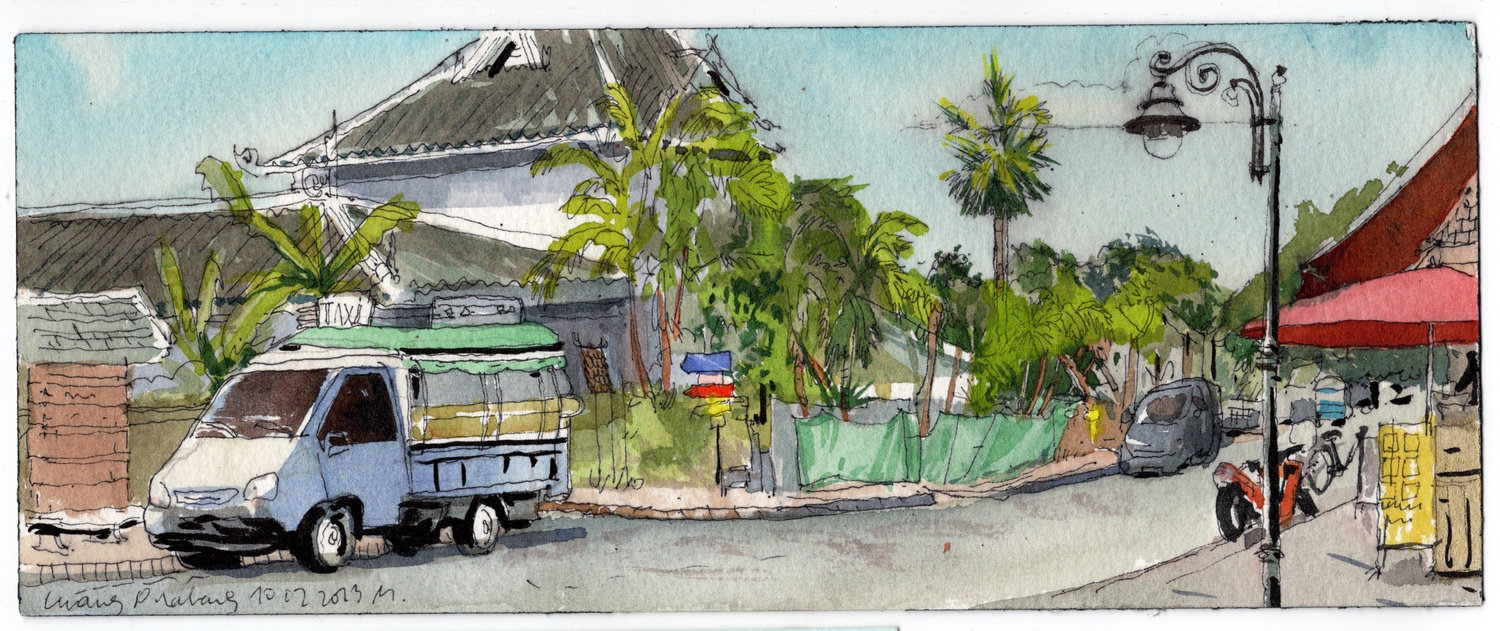
Watercolor has a special relationship with architecture. Through its transparency, lightness, and ability to suggest rather than describe everything in detail, it allows a building, a street, or an urban landscape to be rendered with just a few strokes of color and light.

In Venice, this approach takes on a unique dimension. The city offers an exceptional setting for observation: facades, palaces, campi, bridges, canals, and perspectives come together to form an architectural landscape where light, reflections, and color constantly transform forms.

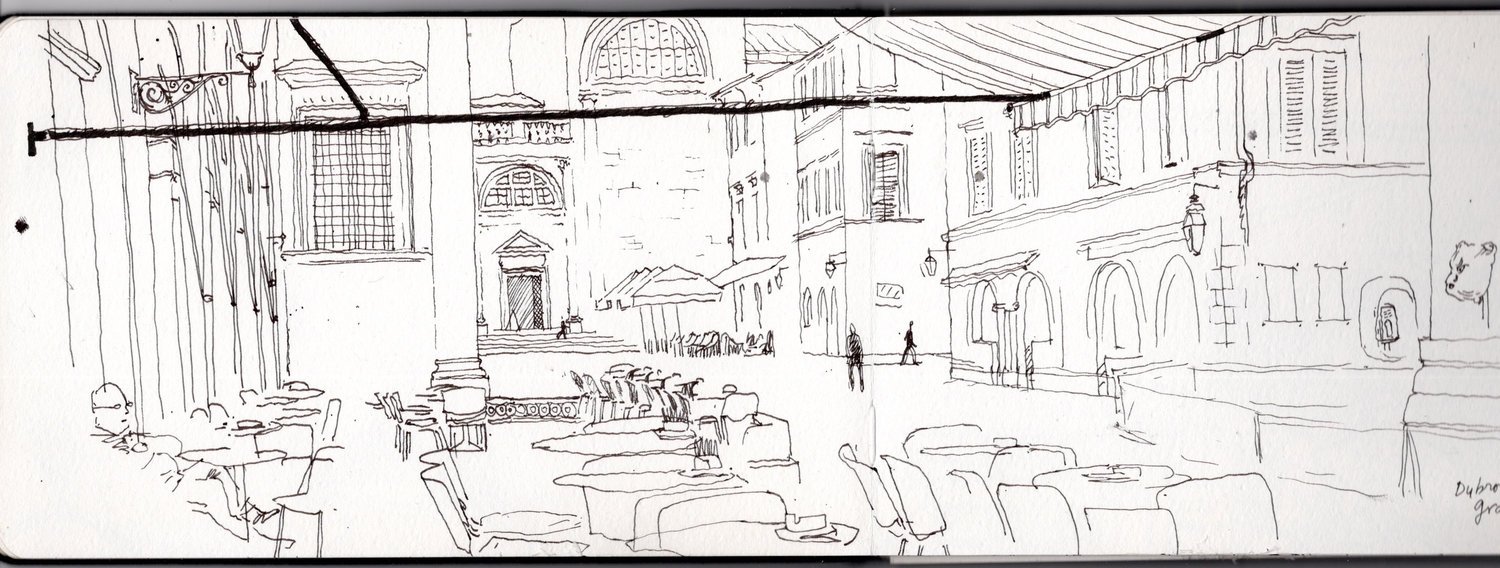
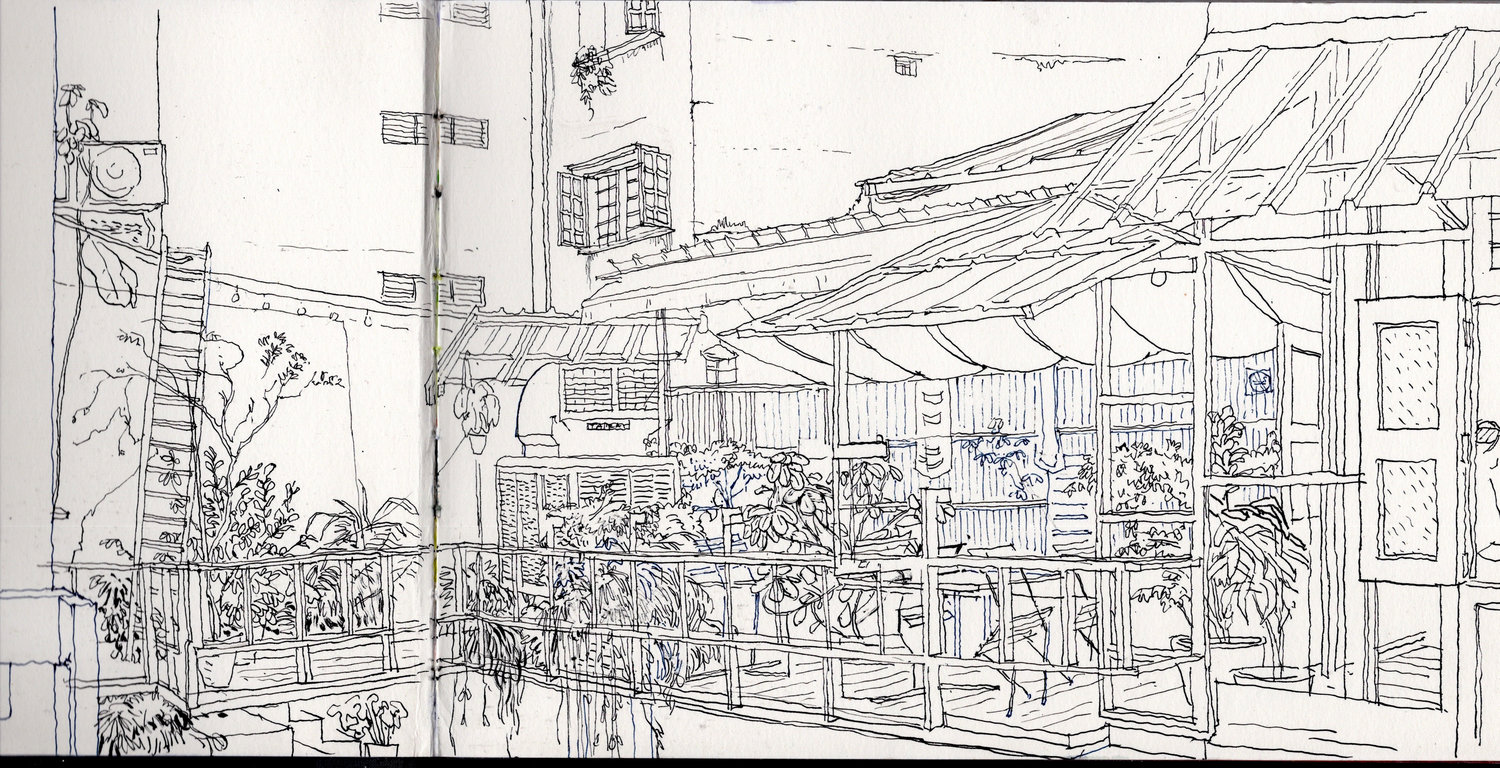
Over the course of three days, participants will be invited to explore watercolor painting through the observation of Venetian architecture. The workshop will focus on the fundamentals of architectural drawing—proportions, perspective, lines, volumes, and composition—while developing a freer approach to color and light.

The goal will not be to mechanically reproduce a building, but to learn how to select, simplify, and interpret. A facade can be suggested by just a few lines; a perspective can be enhanced by varying tones; a reflection on the water can become an essential element of the composition.

Through a combination of technical exercises, on-site observations, and personal projects, this course will help you develop a watercolor technique particularly well-suited to travel sketches, urban landscapes, and architectural drawing.

As part of Campus MaNa Venezia, the learning experience draws directly from the city: Venice becomes at once a subject of study, a laboratory of light, and a source of inspiration.

By the end of the course, participants will be able to:
  • Understand the fundamental principles of watercolor as applied to architecture;
  • Construct architectural forms using simple lines, shapes, and volumes;
  • Apply the essential rules of perspective;
  • Observe and render the proportions of a building;
  • Develop a color palette suited to architecture and the urban landscape;
  • Work with transparencies, layering, and areas of white;
  • Depict light and shadows through color;
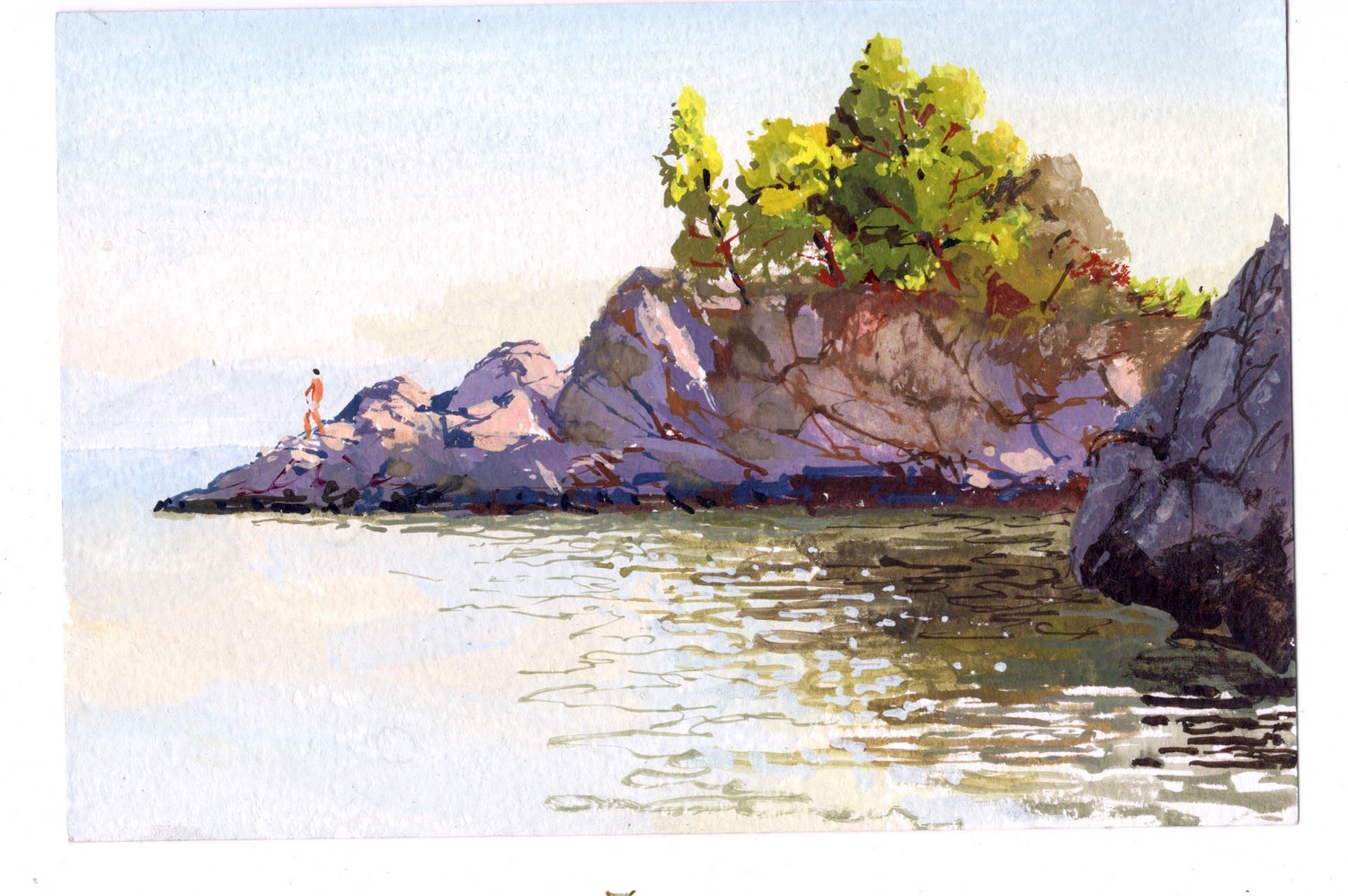
  • Depict reflections and atmospheric effects;
  • Simplify architecture without losing its character;
  • Compose an image or a sketchbook page centered on an architectural subject;
  • Develop a personal style in watercolor.

Training content

The course alternates between technical instruction, demonstrations, drawing and watercolor exercises, on-site observation, and individual projects.

Special attention will be given to the unique characteristics of the Venetian landscape: its perspectives, its facades, the interplay between architecture and water, as well as the variations in light that constantly alter our perception of the city.

Day 1: Observing and Sketching Architecture

Morning

  • Welcome and course overview
  • Introduction to watercolor and architectural drawing
  • Overview of materials and the different uses of the brush
  • Preparing the paper and managing water
  • Observation of Venetian architecture
  • Principles of perspective applied to facades and streets
  • Composing a subject using simple shapes and lines
  • Preparatory sketching exercises

Afternoon

  • Perspective and Depth
  • Constructing facades and openings
  • Working on proportions and vanishing lines
  • First wash drawings and establishing values
  • Study of cast shadows
  • Exercise based on Venetian architecture
  • Work on the motif and individual guidance

Day 2: Light, Color, and Atmosphere

Morning

  • Understanding light in the urban landscape
  • Study of tones and contrasts
  • Warm and cool shadows
  • Transparency and layering of washes
  • Color mixing and creating a cohesive palette
  • Demonstration of light on a building facade
  • Exercises in rendering the same architectural structure under different lighting conditions

Afternoon

  • Architecture and water: understanding reflections
  • Rendering canals, water surfaces, and water vibrations
  • Vertical reflections and distortions
  • Work on atmospheric effects
  • Simplification and Suggestion
  • Creating a Complete Watercolor Painting
  • Individual guidance and corrections

Day 3: From the travel sketchbook to personal interpretation

Morning

  • Creating a Personal Composition
  • Choosing the viewpoint and framing
  • Architecture, people, and elements of urban life
  • Incorporating vegetation, boats, and elements of daily life
  • Working on the hierarchy of details
  • Developing a personal artistic style
  • Creating a series of sketches and watercolors

Afternoon

  • Finalizing the works
  • Finding a balance between drawing and color
  • Final touches, contrasts, and details
  • Composing a page for a travel journal
  • Presentation of the work
  • Group analysis of the work
  • Review of the techniques covered
  • Training evaluation

Trainers

with Matthieu Lemarié

The principle of illusion lies at the heart of decorative art, and Matthieu Lemarié excels in this field. He practices painting in a wide variety of forms, spanning both the decorative arts and the arts and crafts: monumental murals, delicate illuminations, glazed ceramic tiles, canvases painted for the opera, striking trompe-l’œil works, and even faithful reproductions for the cinema. His unique expertise has led him to collaborate with prestigious clients such as renowned museums, famous directors, and leading institutions.

He has contributed to the design of sets for numerous operas at iconic venues such as the Paris Opera, Versailles, and Rouen. His talents are also sought after by leading figures in the arts scene, including Ariane Mnouchkine, Zingaro, and Cirque du Soleil, for whom he designs spectacular sets.

Film was his first creative outlet after graduating, where he helped create murals for the movie *Vatel*. He subsequently collaborated with directors such as Jean-Pierre Jeunet, Roman Polanski, Alain Chabat, Éric Rohmer, and Woody Allen, for whom he notably painted a fake Picasso.

Recognized for his expertise in the fine arts, Matthieu Lemarié also works in museum scenography and display design. Since 2019, the design firm GGSV has enlisted his services for various large-scale projects, notably at the Villa Medici, where his artistry and craftsmanship continue to fascinate.

Methods used

  • Art Workshop
  • Outdoor Sketching
  • Demonstrations by the instructor
  • Progressive technical exercises
  • Preparatory sketches
  • Architectural observation exercises
  • Perspective studies
  • Watercolor work using transparent washes
  • Experimentation with different wash techniques
  • Guided individual work
  • References to the history of drawing and the urban landscape
  • Group analysis of the artwork

Monitoring and evaluation procedures

  • Individual and group monitoring of assignments
  • Regular advice and corrections from the instructor
  • Monitoring of progress throughout the exercises
  • Assessment of understanding of the principles of perspective
  • Assessment of mastery of the main watercolor techniques
  • Analysis of the ability to depict architecture, light, and atmosphere
  • Presentation of work at the end of the course
  • Self-assessment of technical and artistic skills
  • Certificate of Completion issued by Campus MaNa
1490€ incl. VAT
3
 days of training
English
French
Italian
*The price includes only the cost of the training, including materials and personal protective equipment.

Practical information

Target audience:
The course is open to all adults, regardless of age or educational background.
Venues & organization:
Campus Mana Venezia - à Venise
Cancellation conditions:
21 days before the start of the training
Number of participants:
15
93
%
Training satisfaction rates 2024

Pay online

crossmenuchevron-down linkedin facebook pinterest youtube rss twitter instagram facebook-blank rss-blank linkedin-blank pinterest youtube twitter instagram