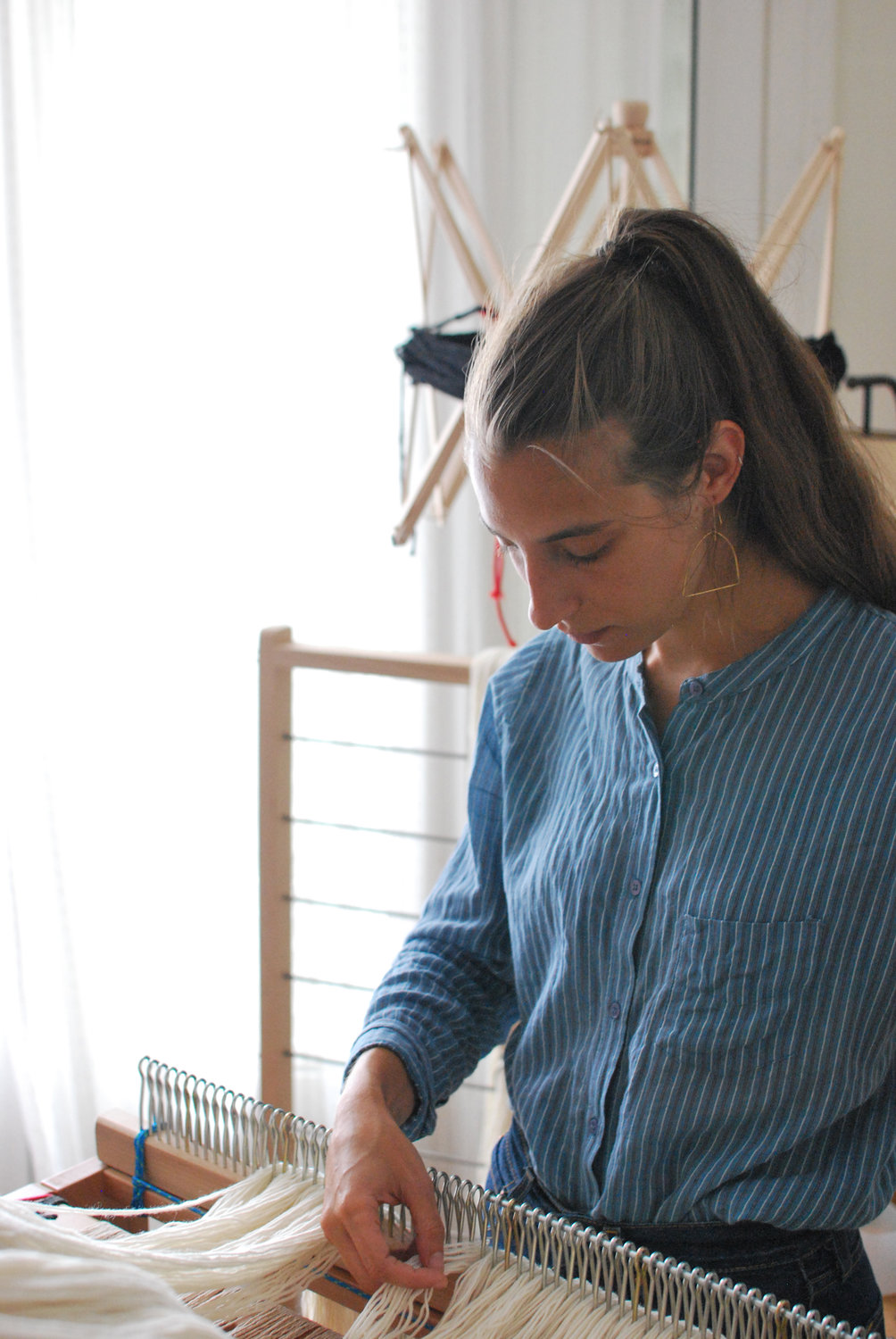
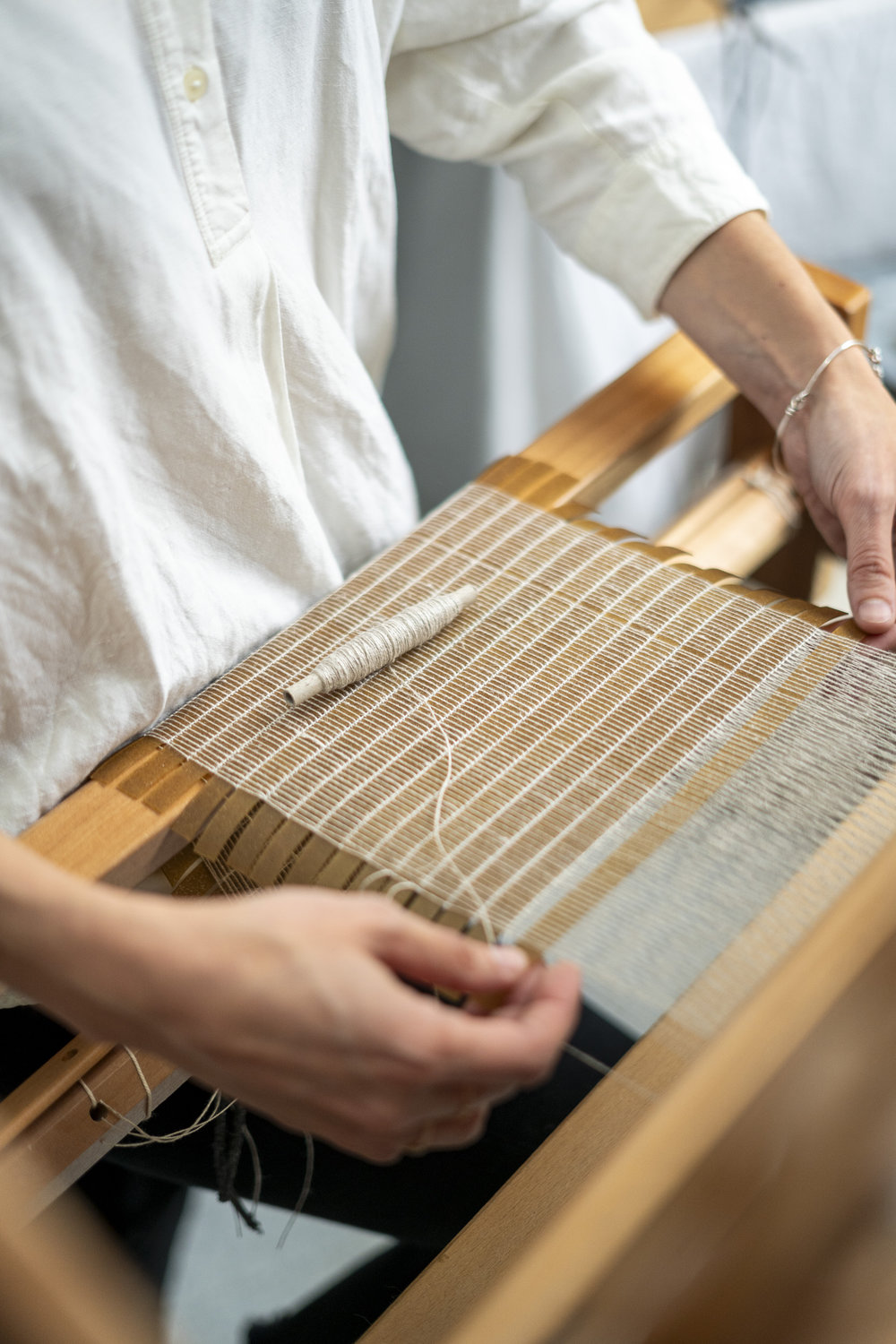
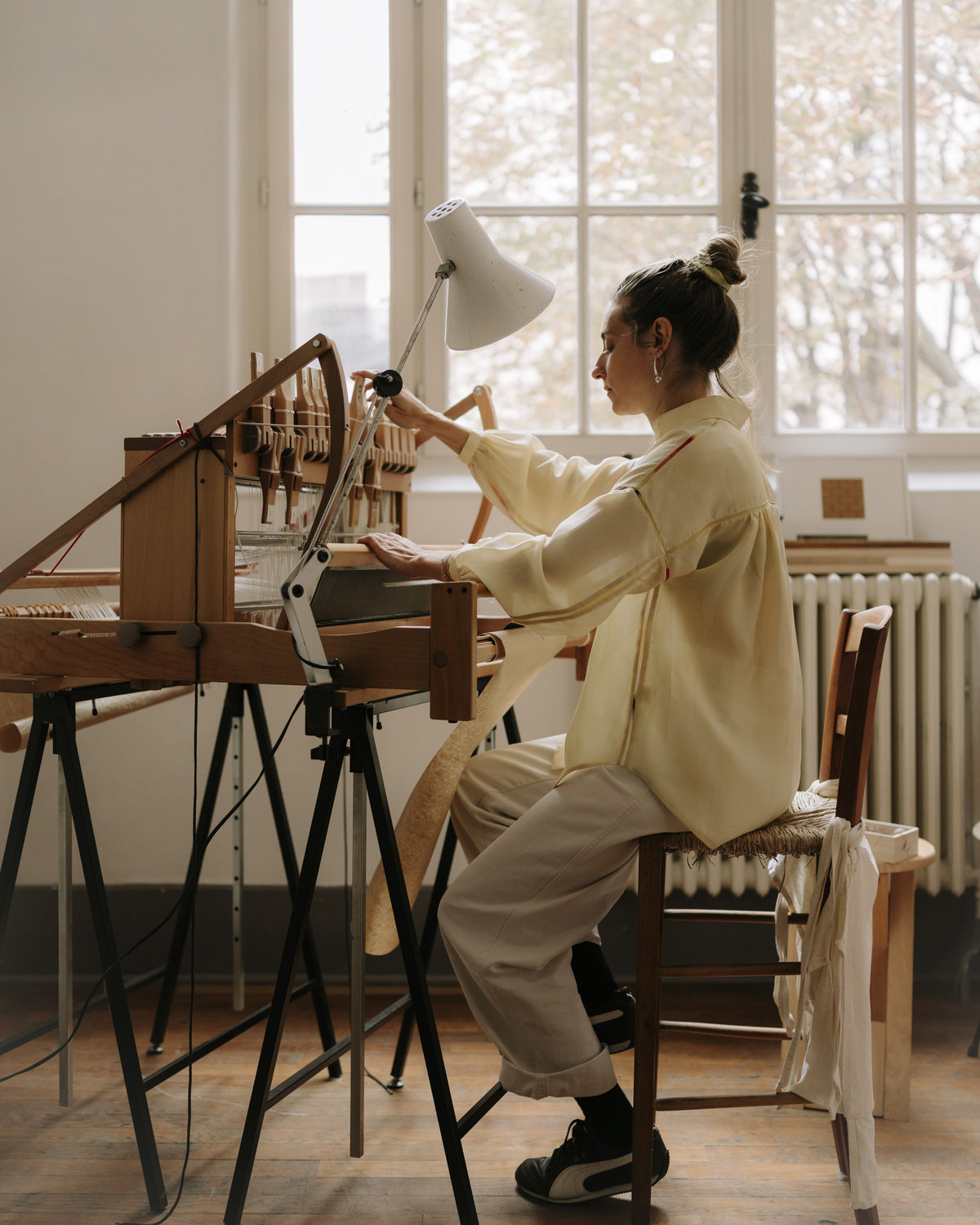
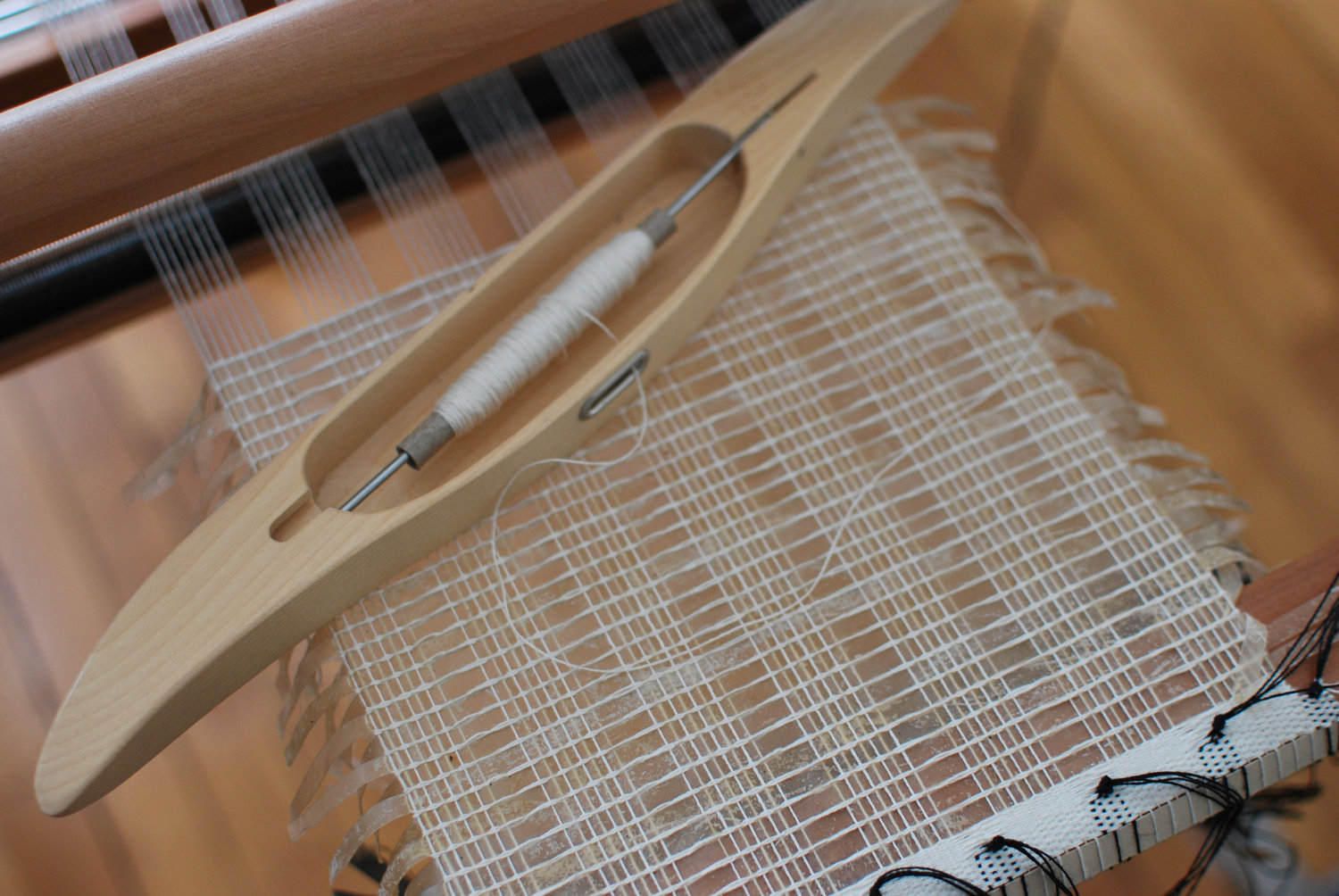
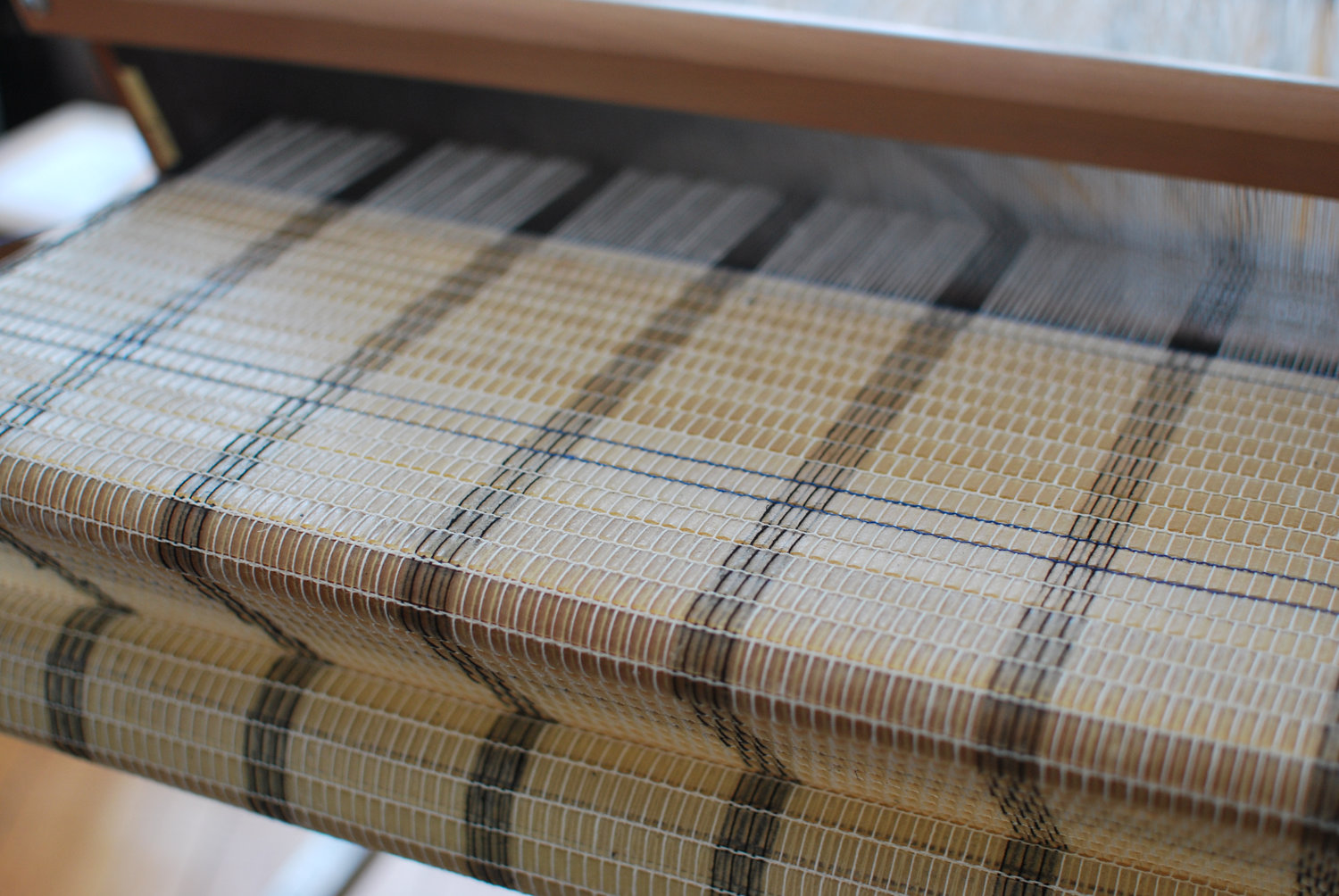
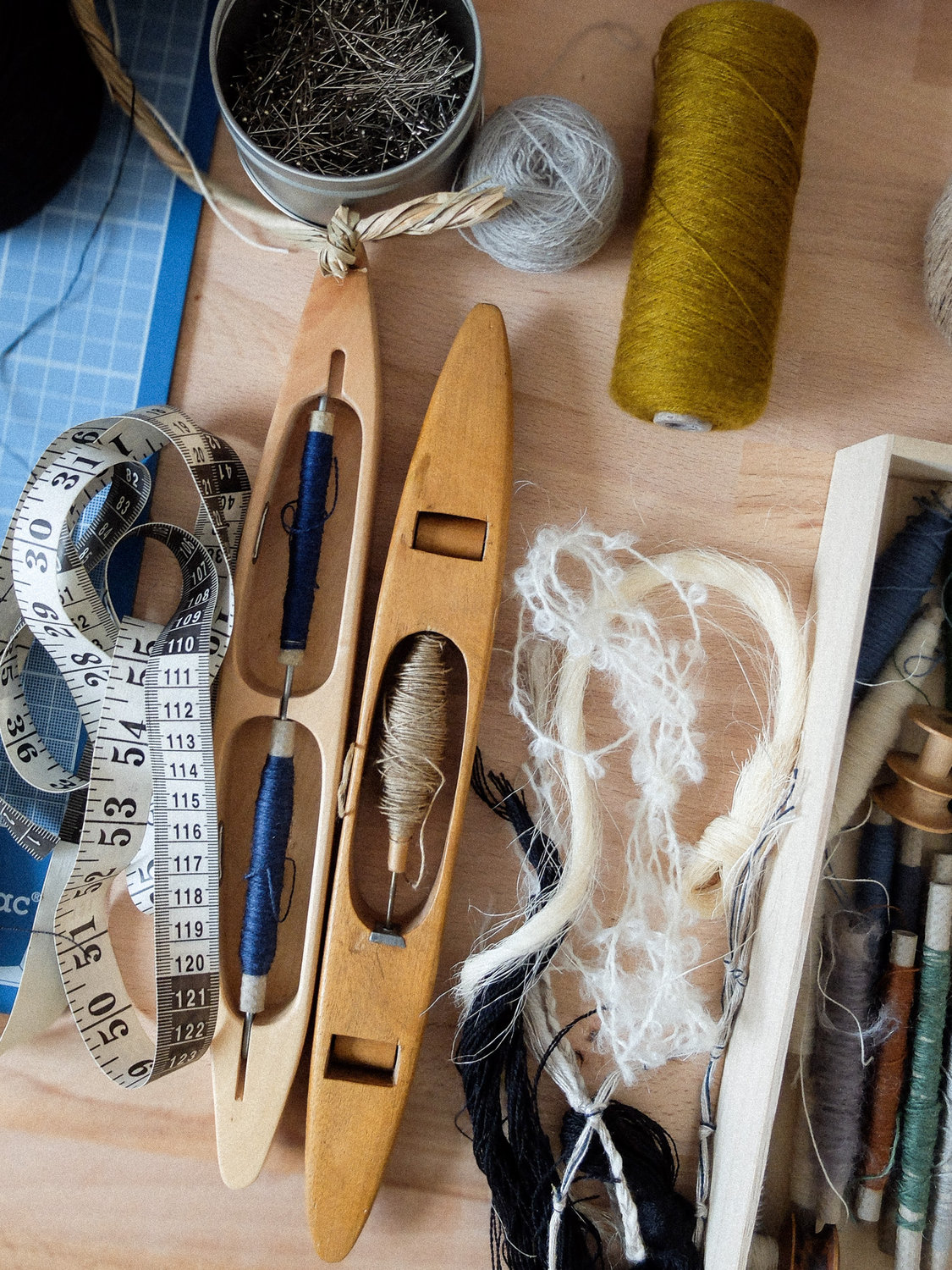
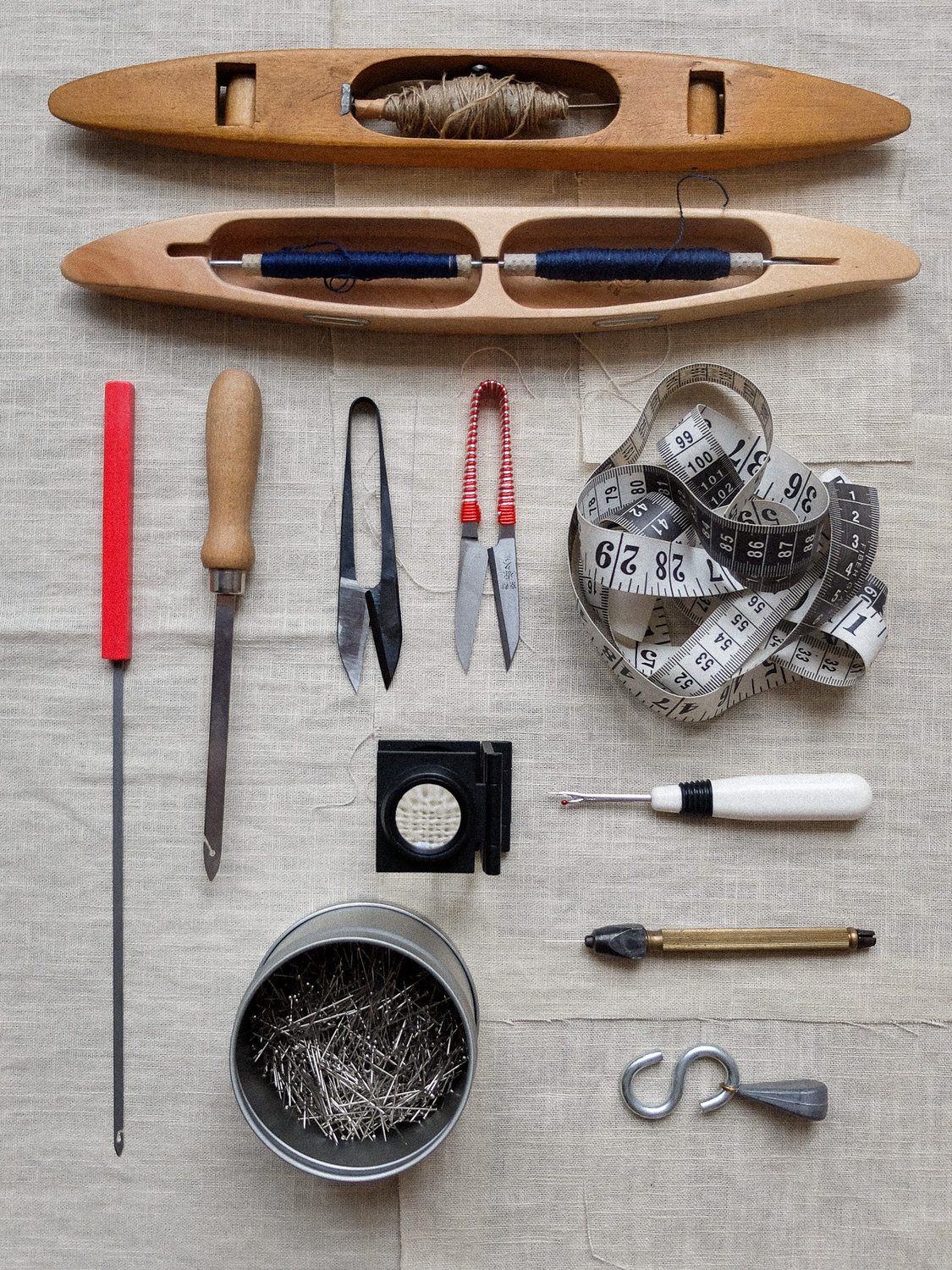
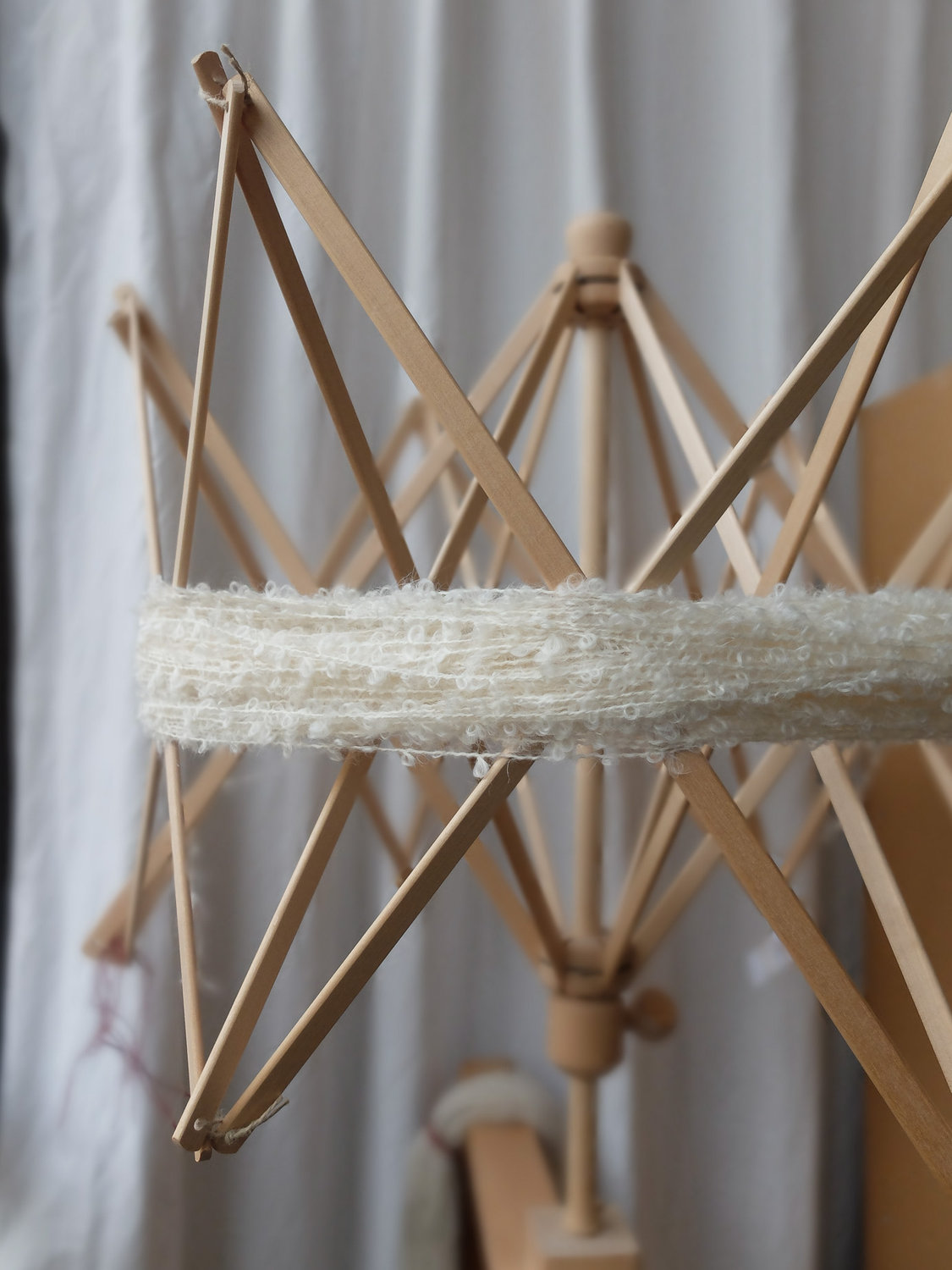
This workshop offers an immersive experience in the world of artisanal weaving. Participants will explore the materials (natural fibers and paper) and their properties, as well as the fundamental principles of textile construction. By learning technical techniques (warp setup, warp-weft interlacing) and exploring basic weaves, they will develop a creative approach that combines colors, textures, and patterns. The course alternates between theoretical instruction, hands-on experimentation, and the creation of woven objects.
By the end of the course, participants will be able to:
The workshop introduces the basics of artisanal weaving by exploring its history, fundamental principles (warp and weft), and basic weave patterns (plain weave, twill, satin). Participants explore different materials, including natural fibers and paper, to understand their properties and uses.
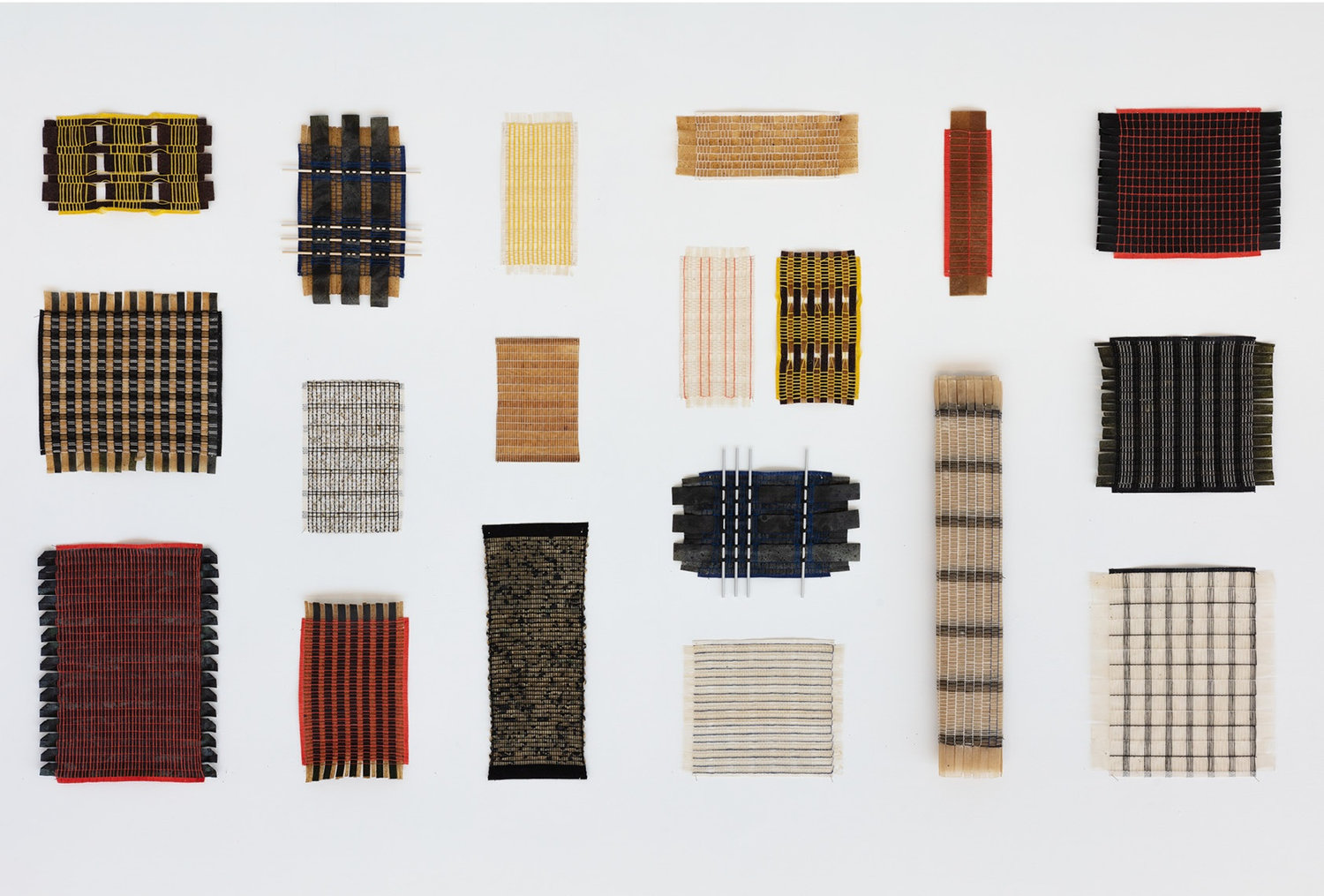
A creative approach is developed through drawing weaves on graph paper to create a weave notebook and building a personal creative world. Participants experiment with colors, patterns, and material combinations to define a visual concept.
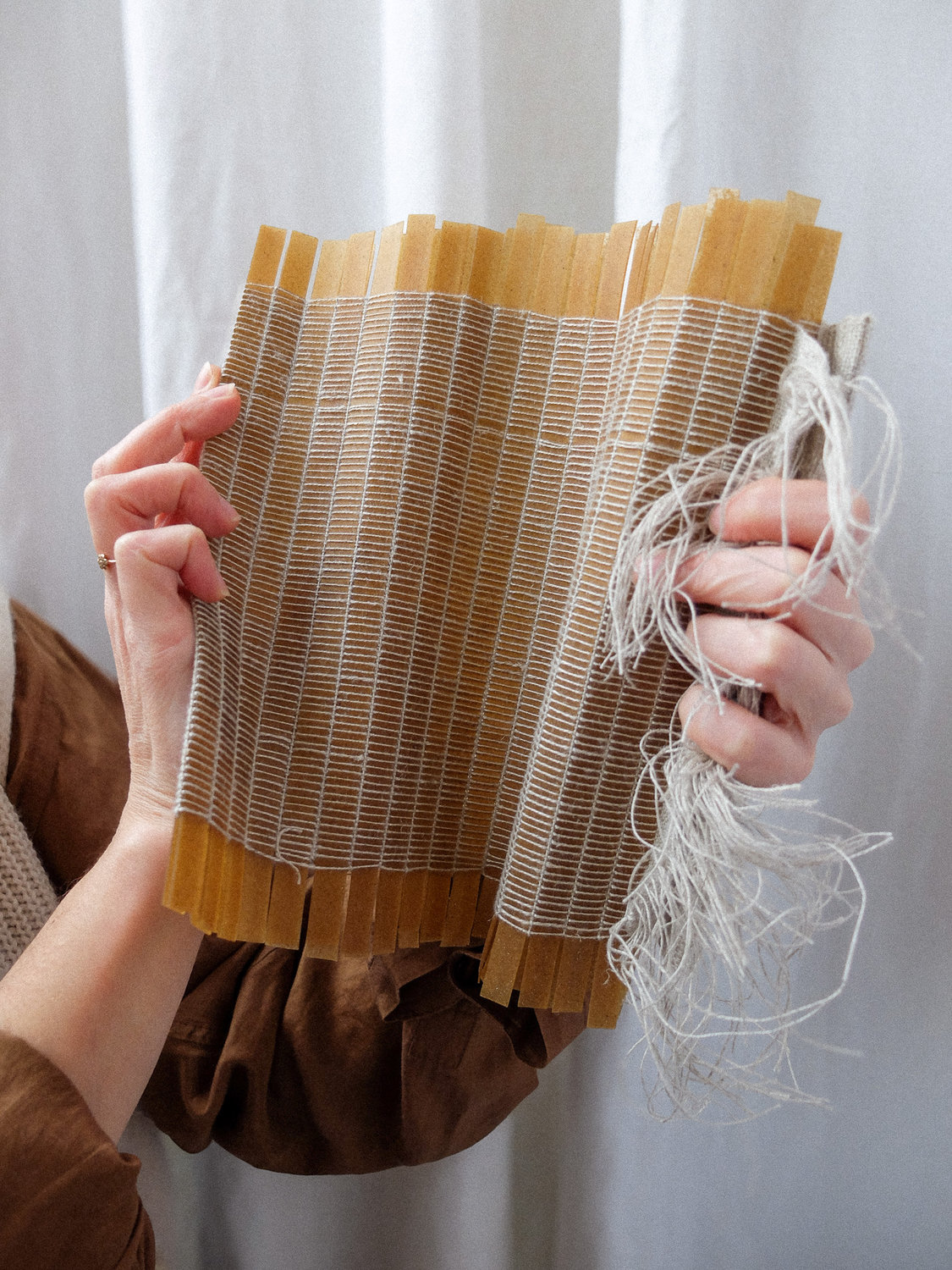
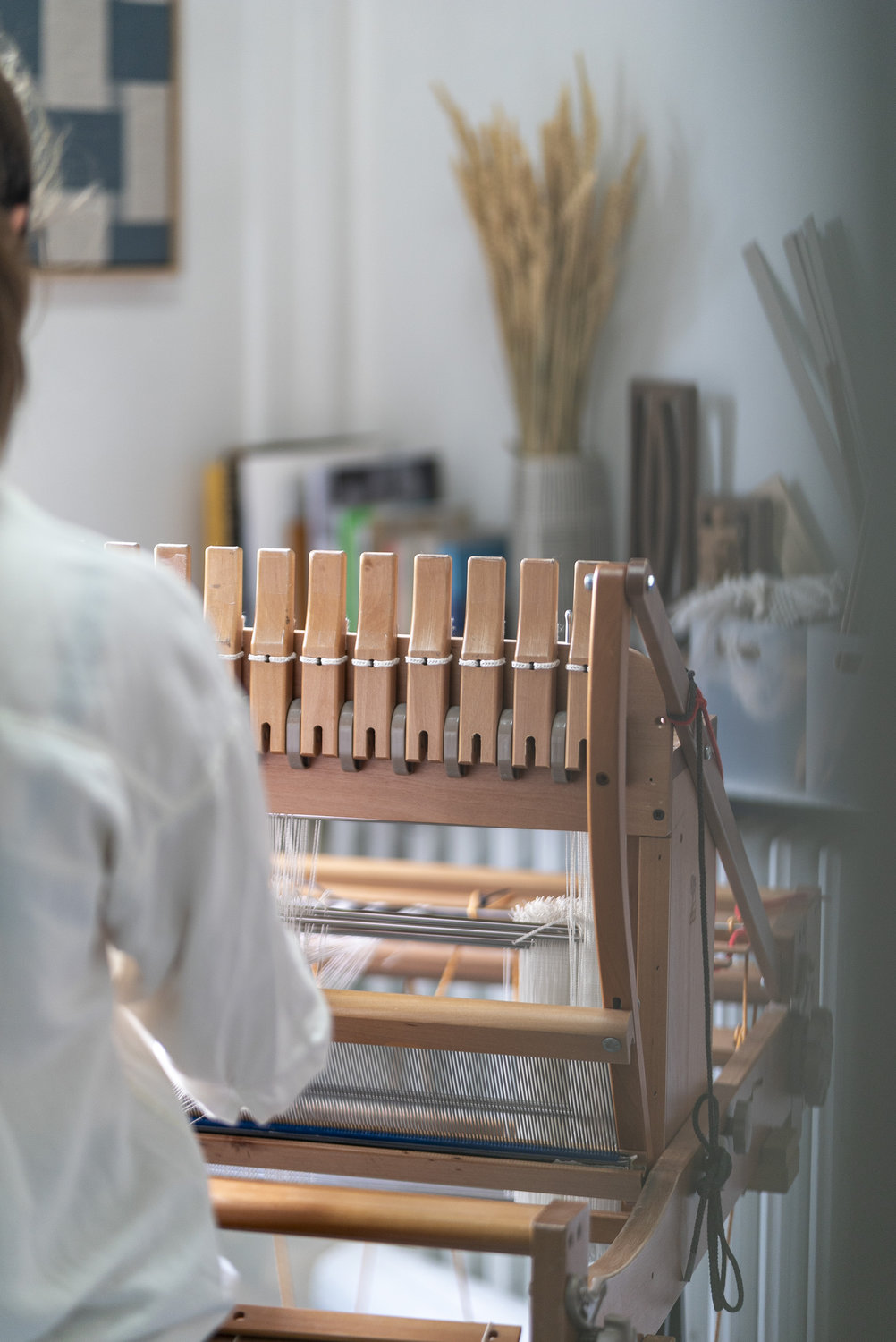
Experiments in off-loom weaving help participants understand textile structures before putting their knowledge into practice on a loom built during the course.
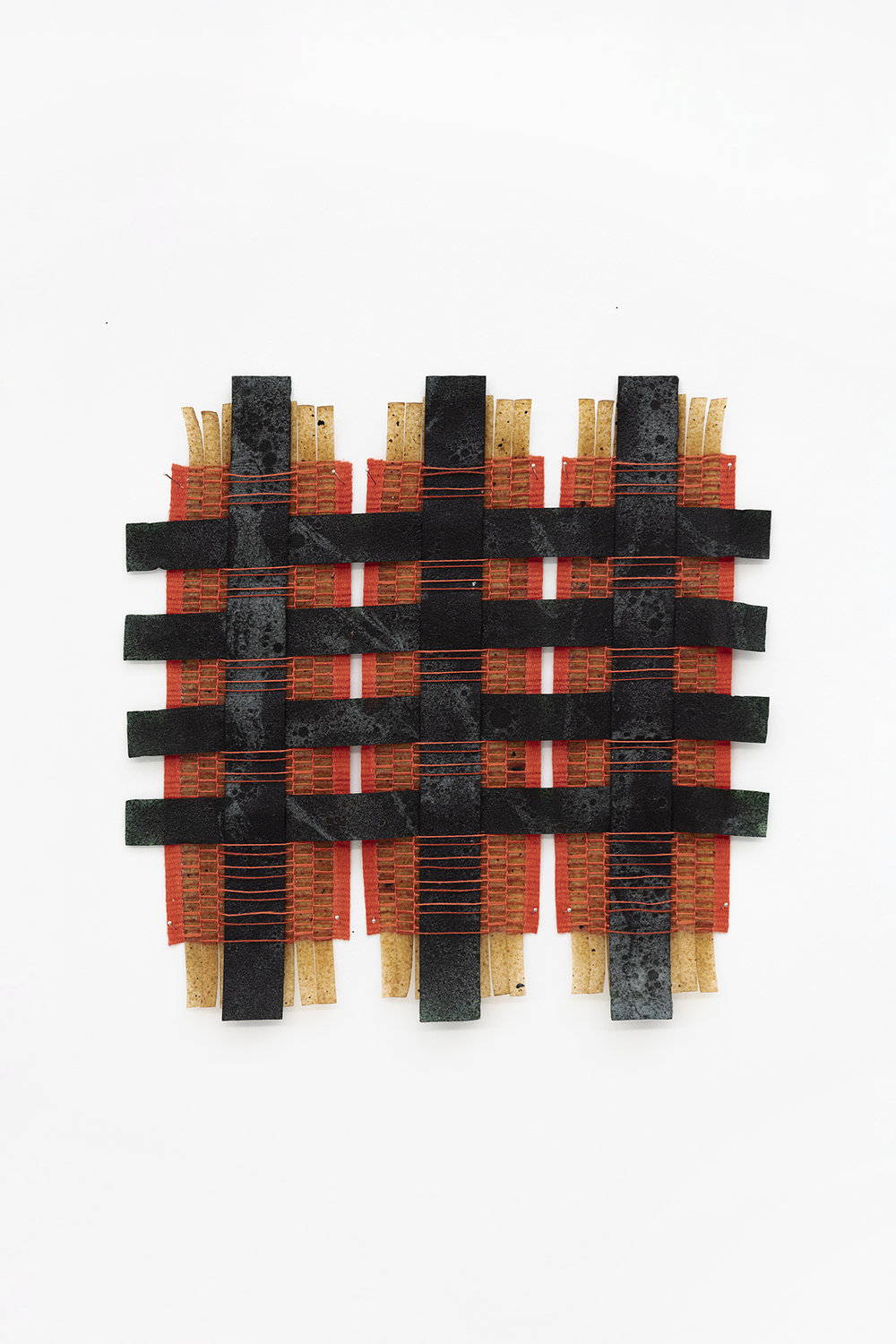
Trainees then carry out a personal weaving project, including warp setup, material selection, and the creation of a three-dimensional object (candleholder, trinket box, or basket).
Afternoon
Morning and afternoon
Morning and afternoon
Morning and afternoon
Morning
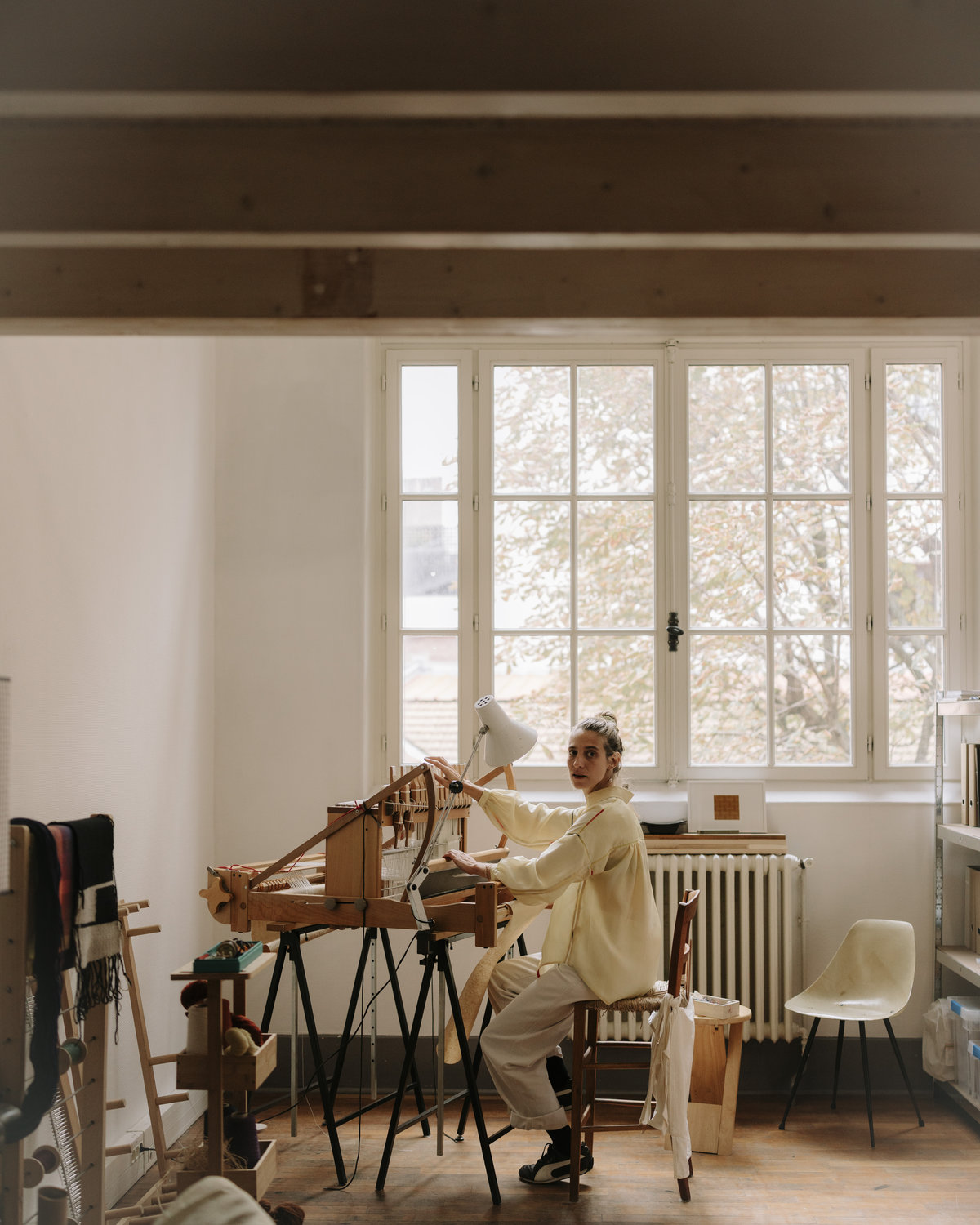
Hanako Stubbe is a textile designer and artisan weaver. Trained at ENSCI-Les Ateliers and ENSAAMA Olivier de Serres, she is currently a resident at the Ateliers de Paris incubator (class of 2024–2026).
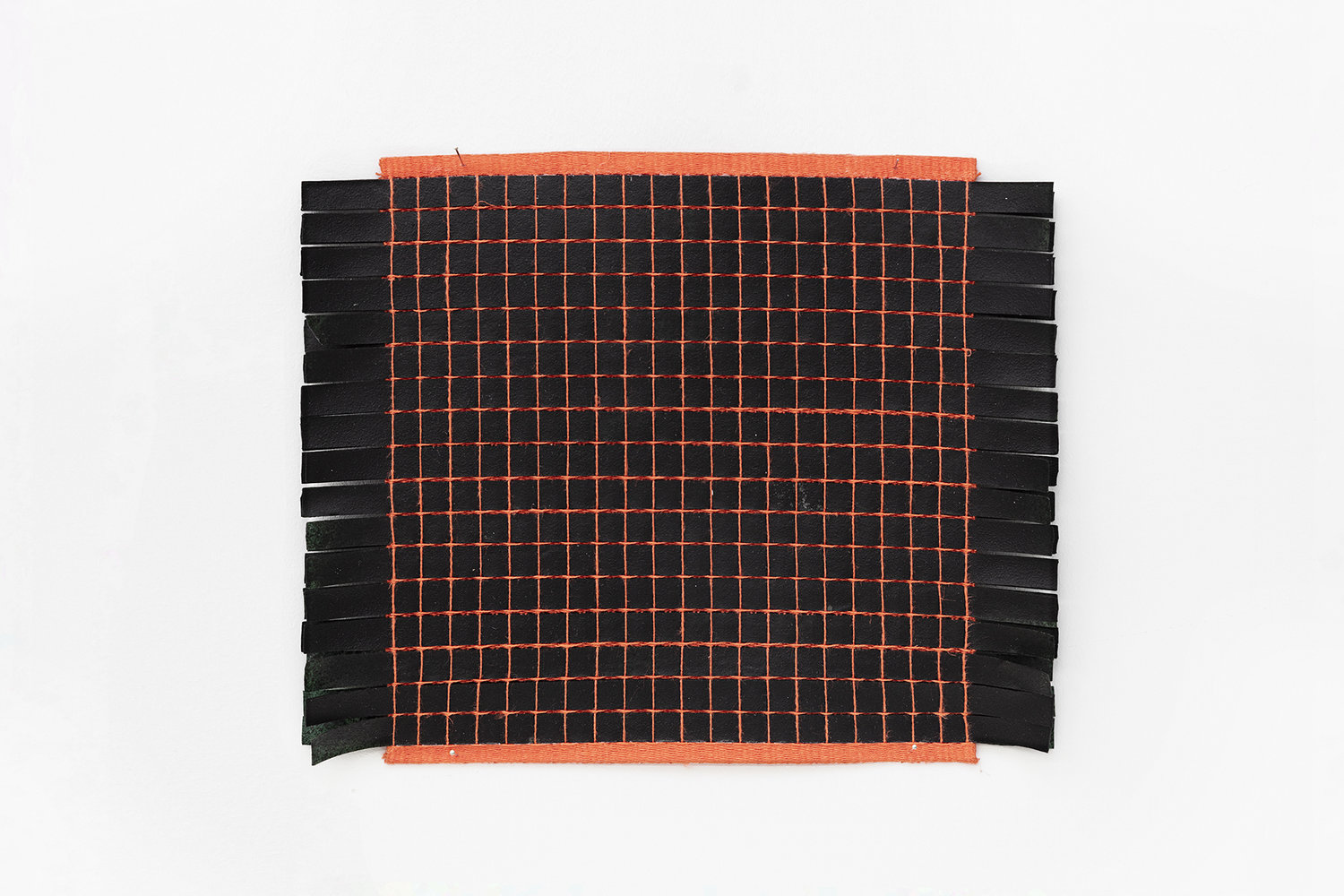
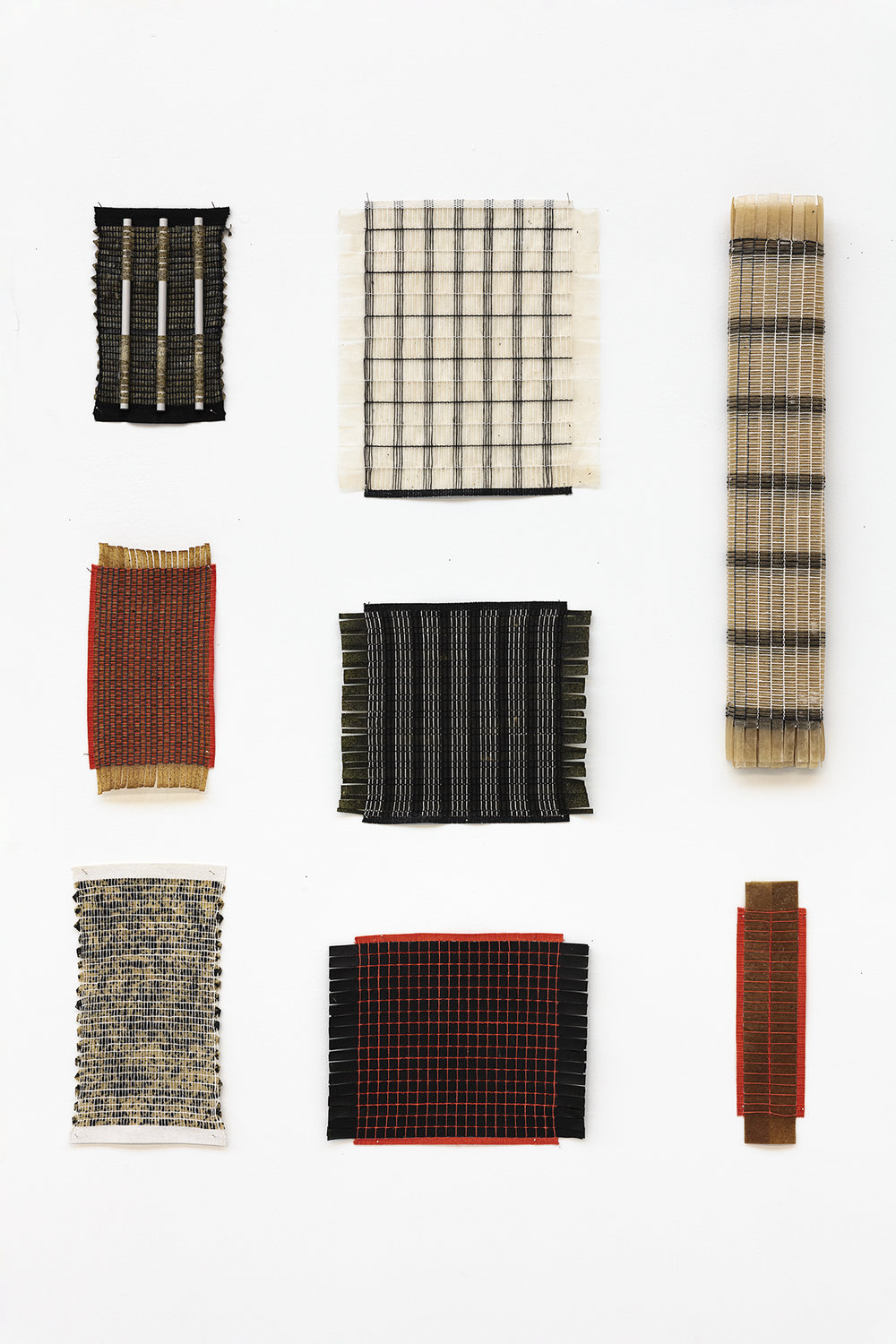
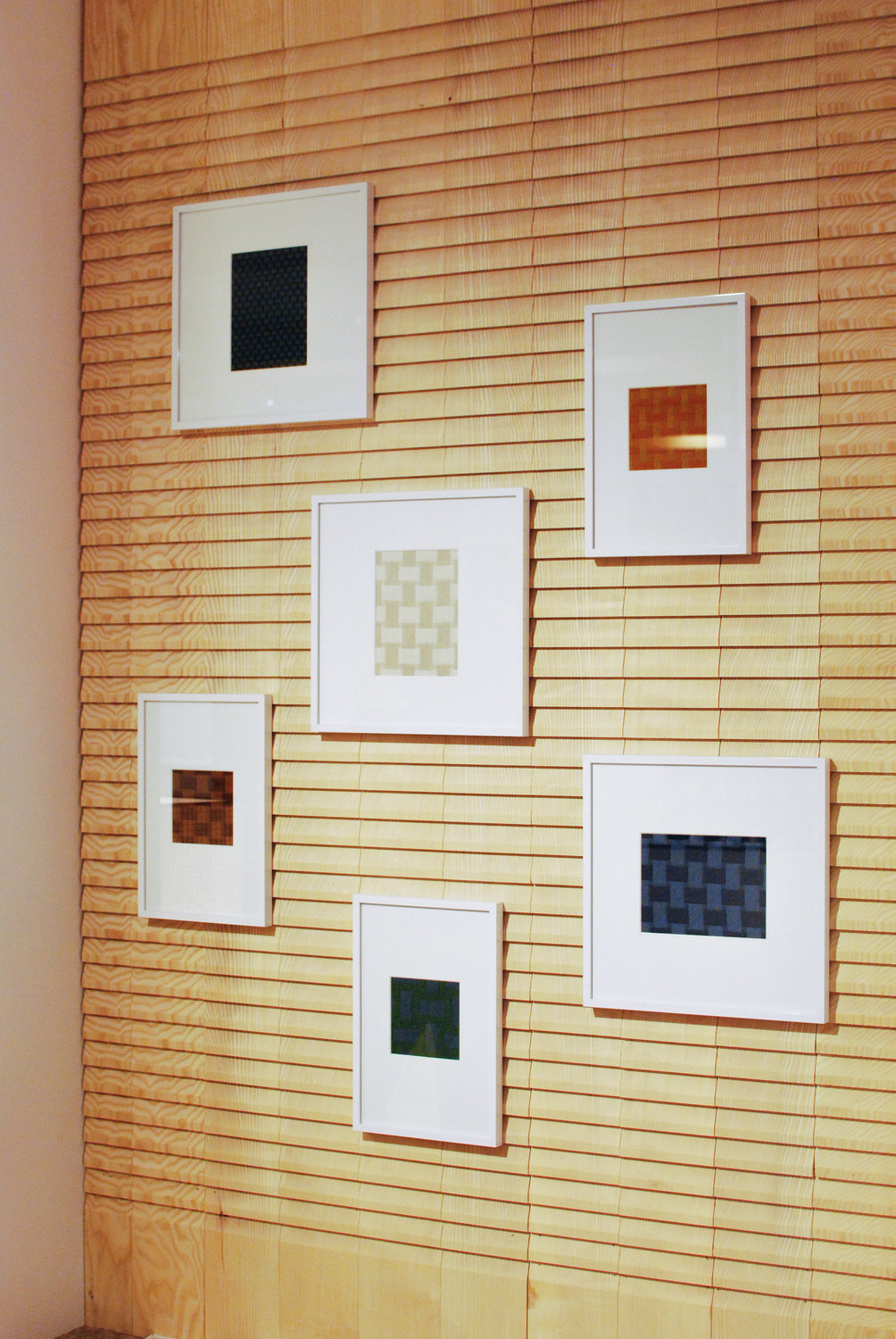
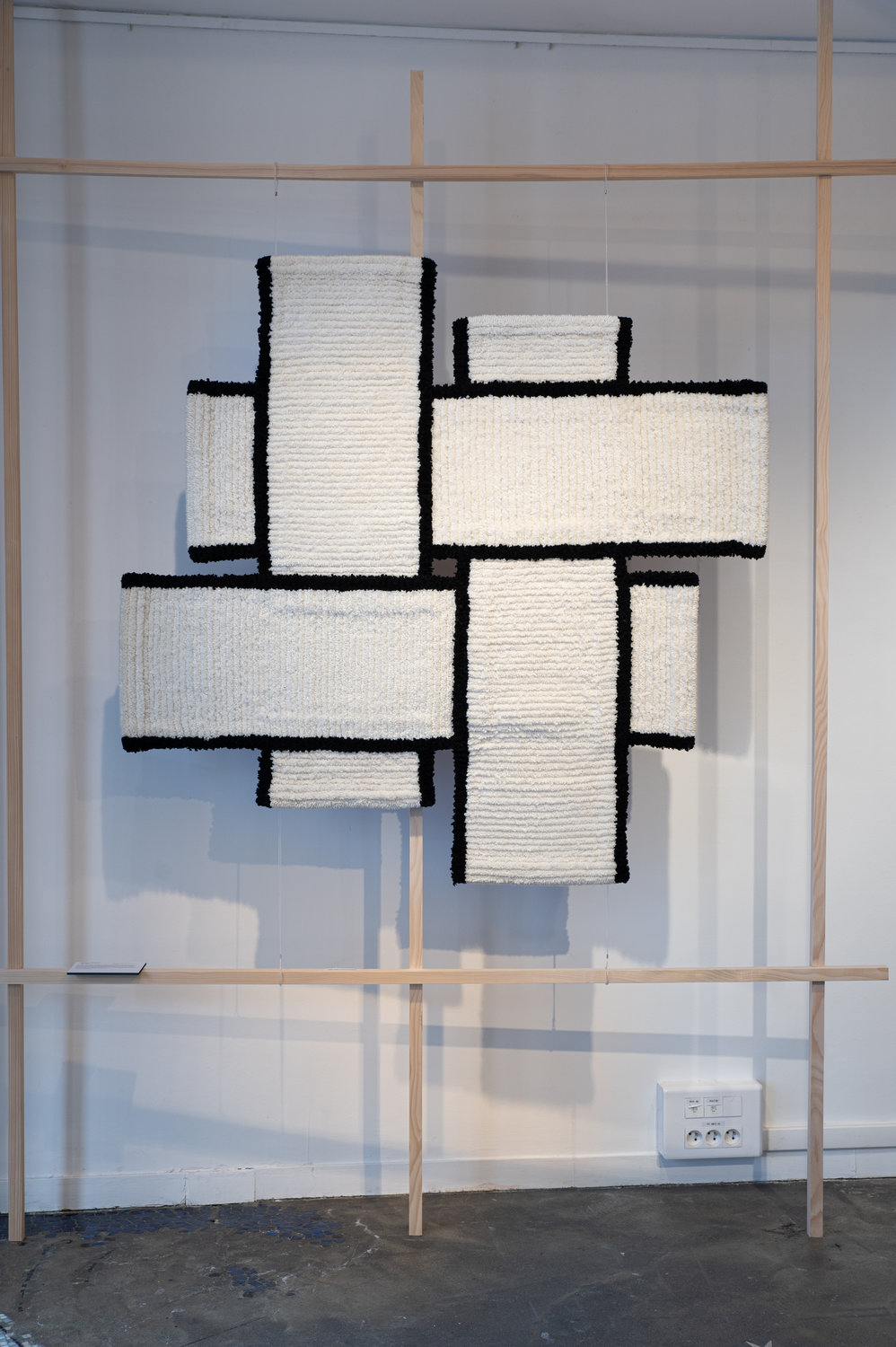
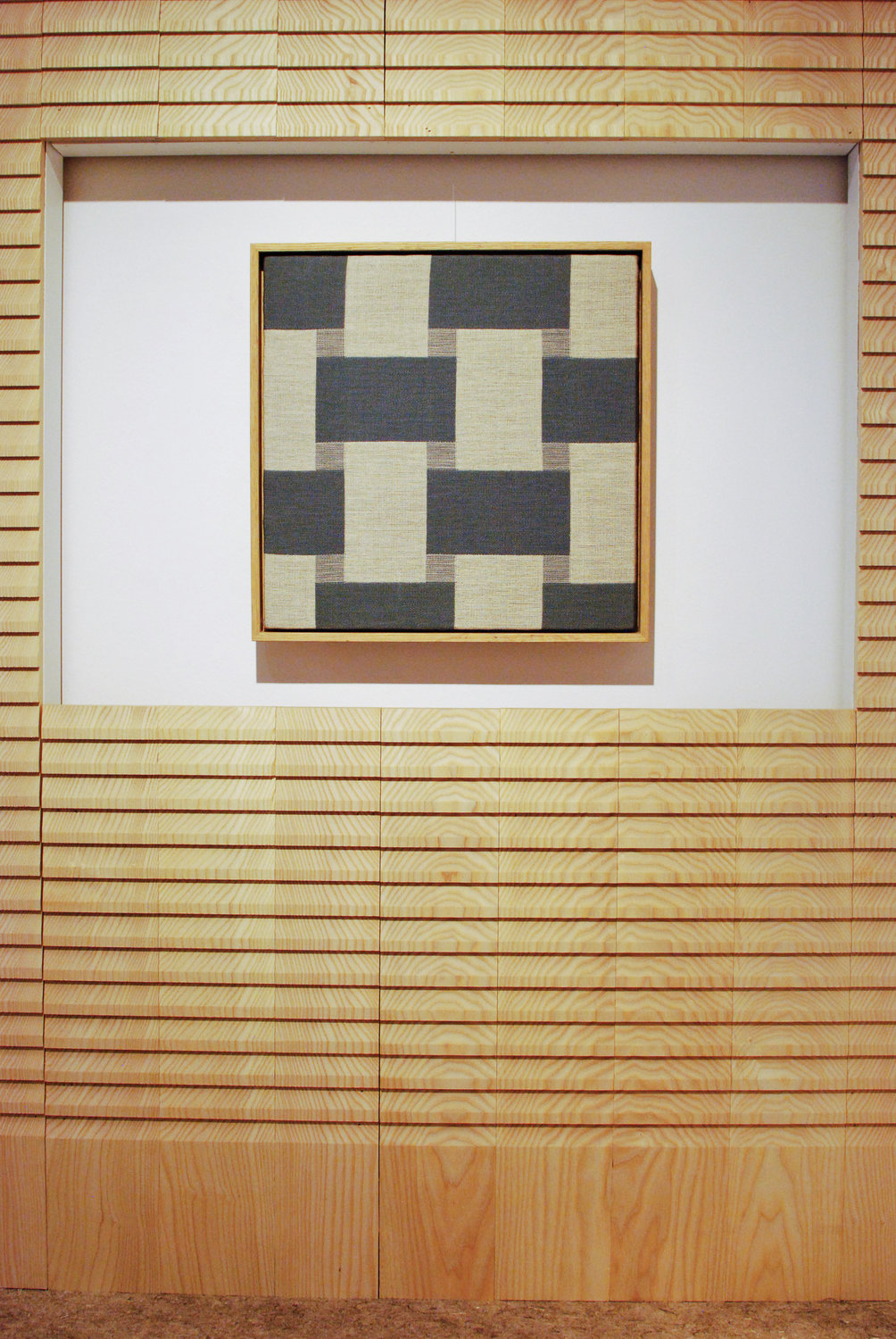
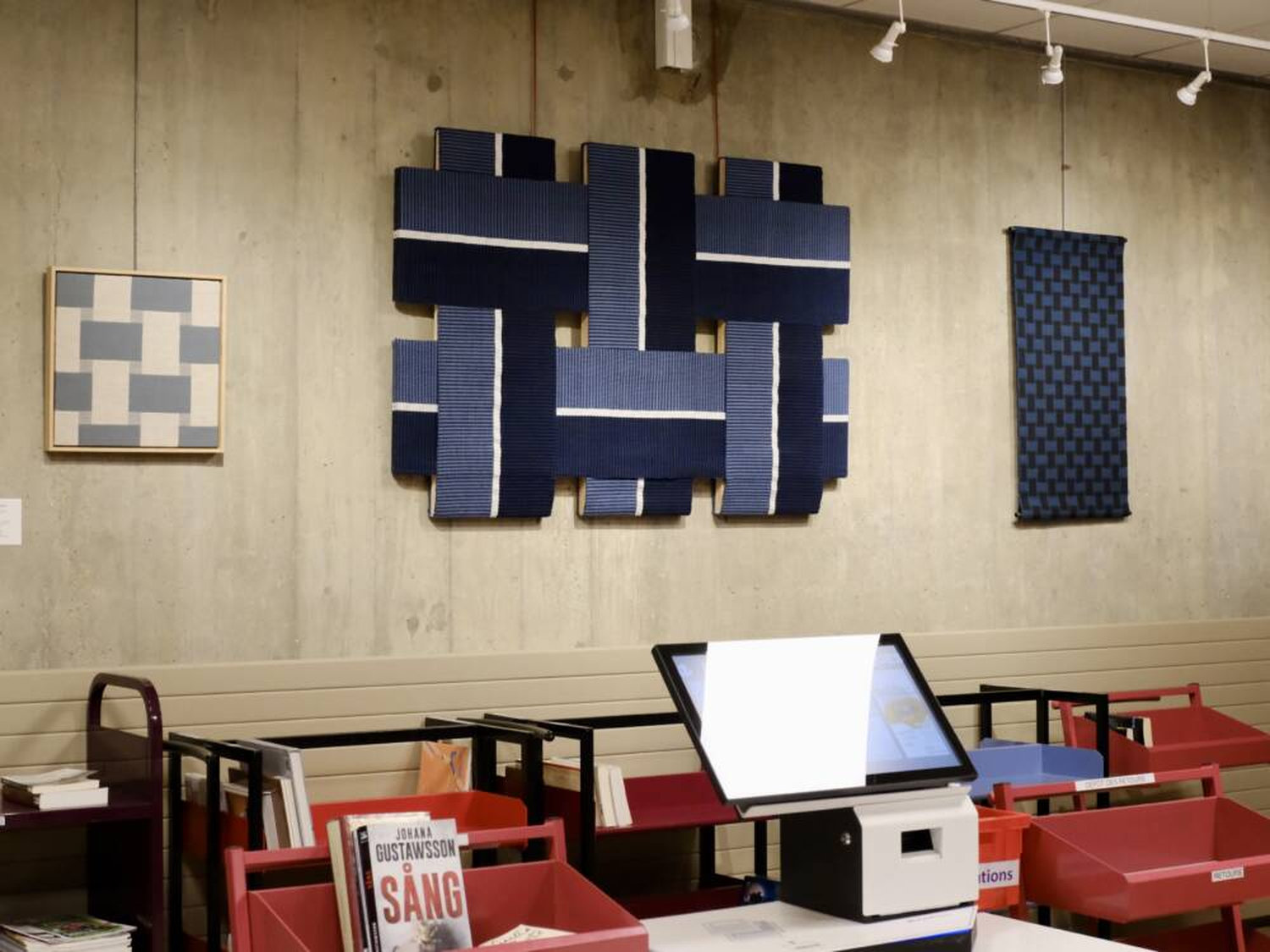
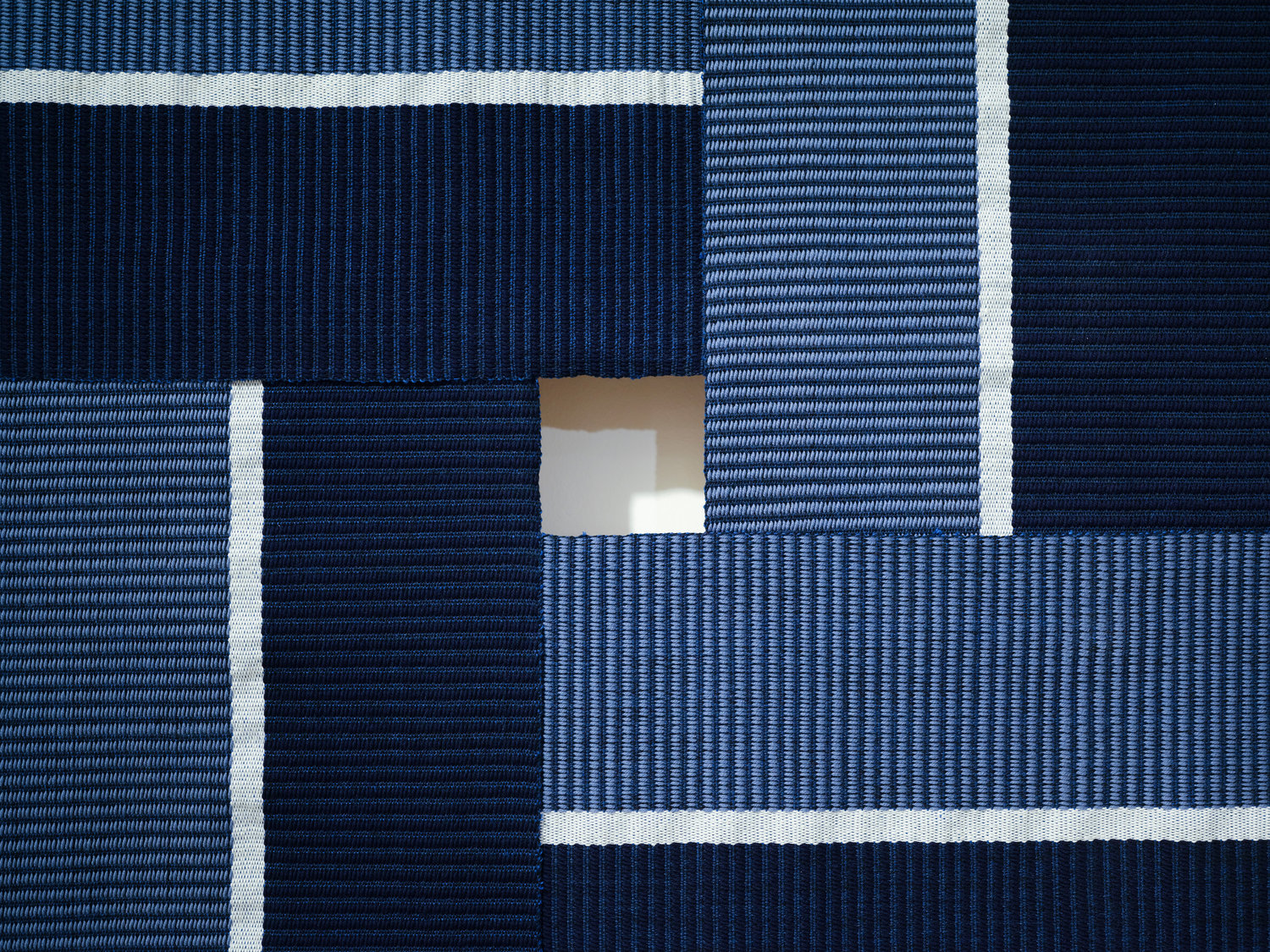
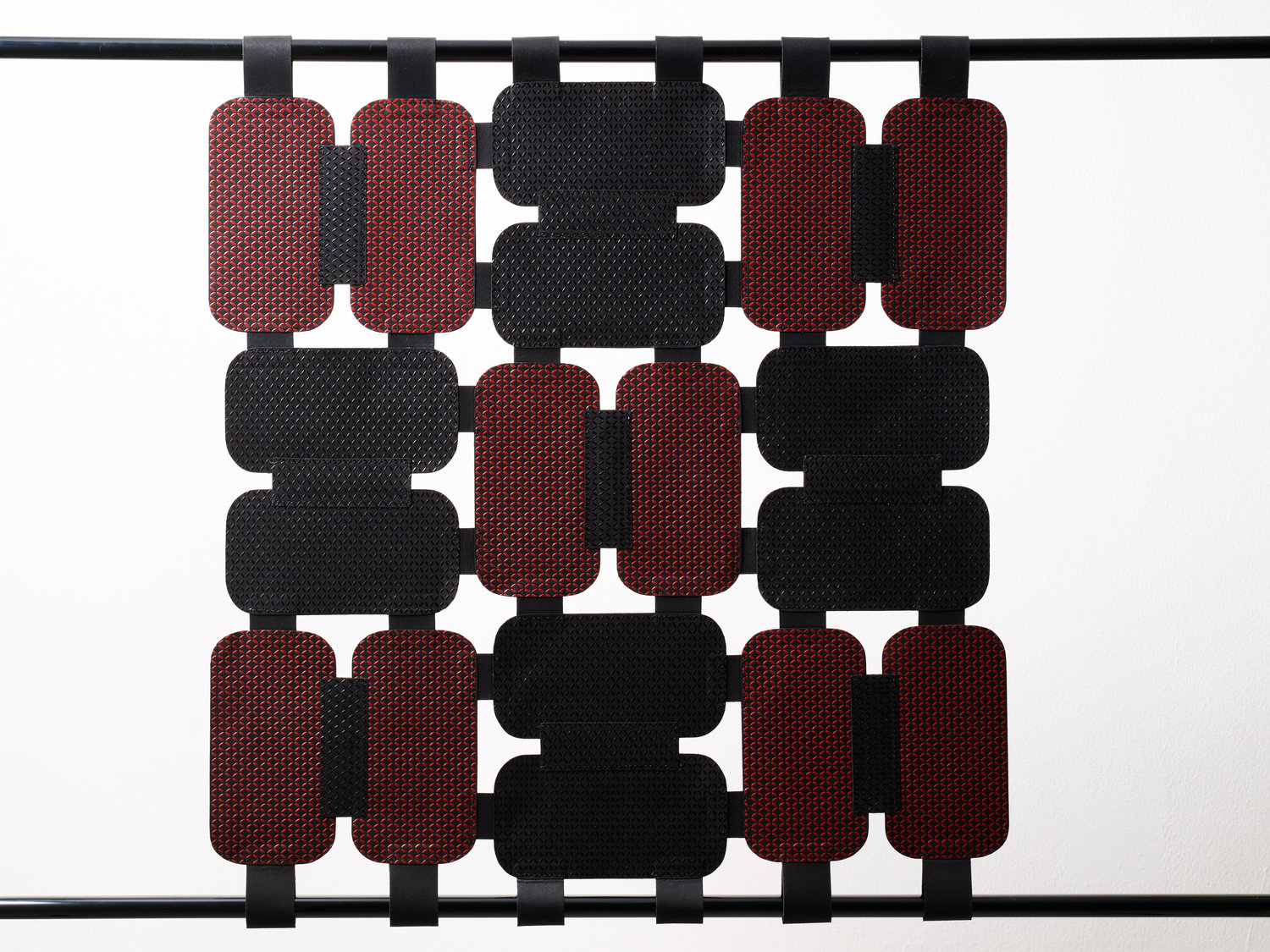
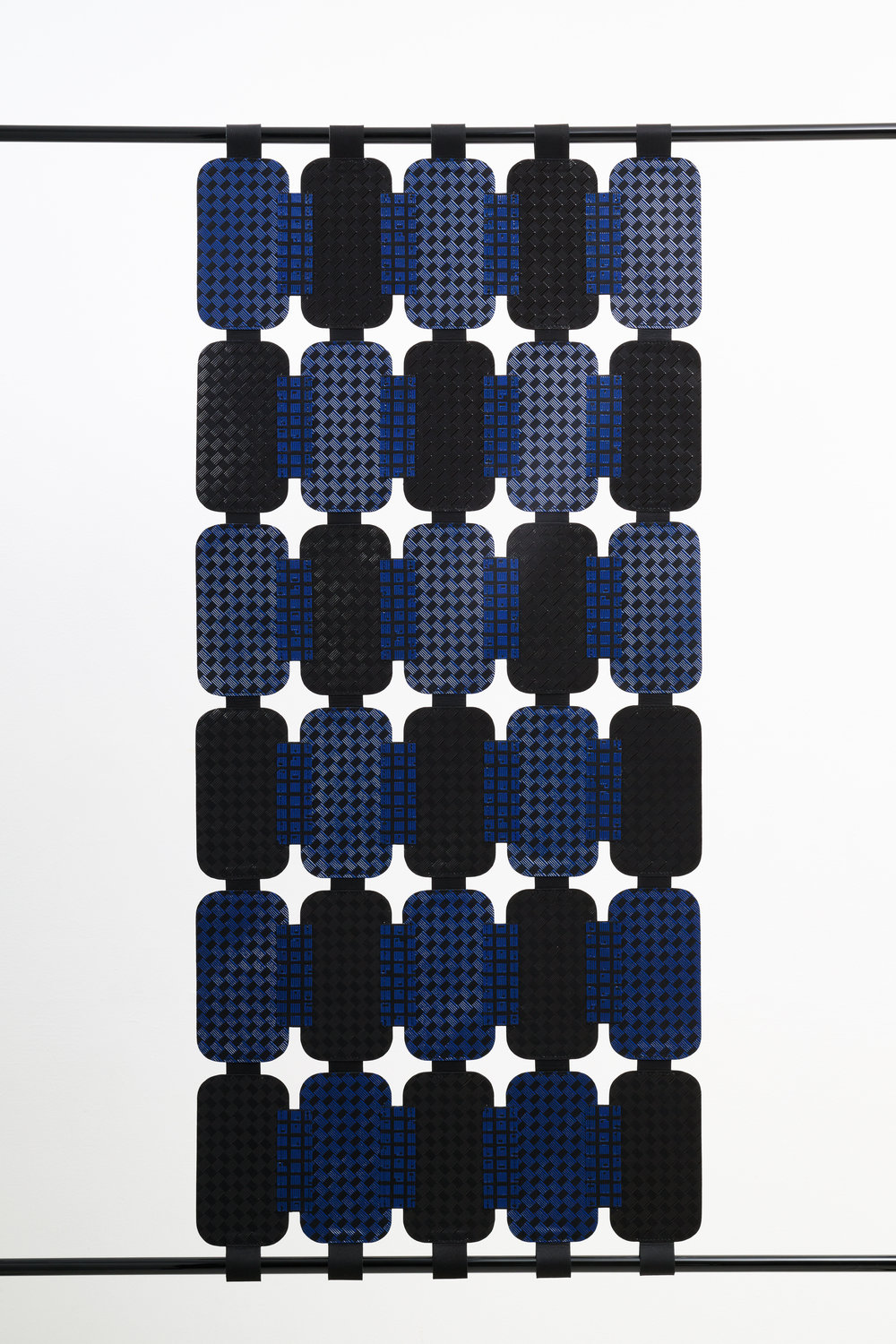
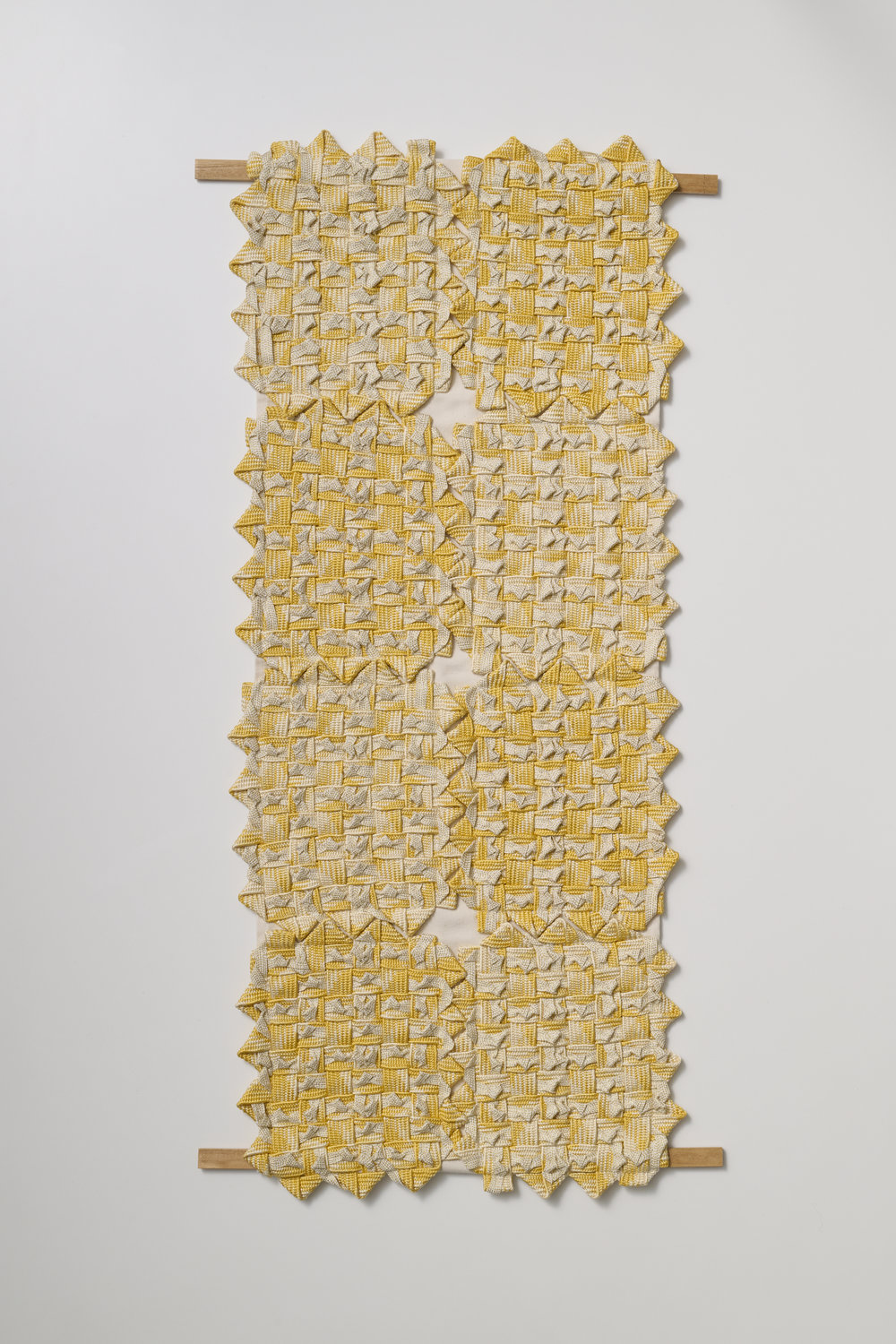
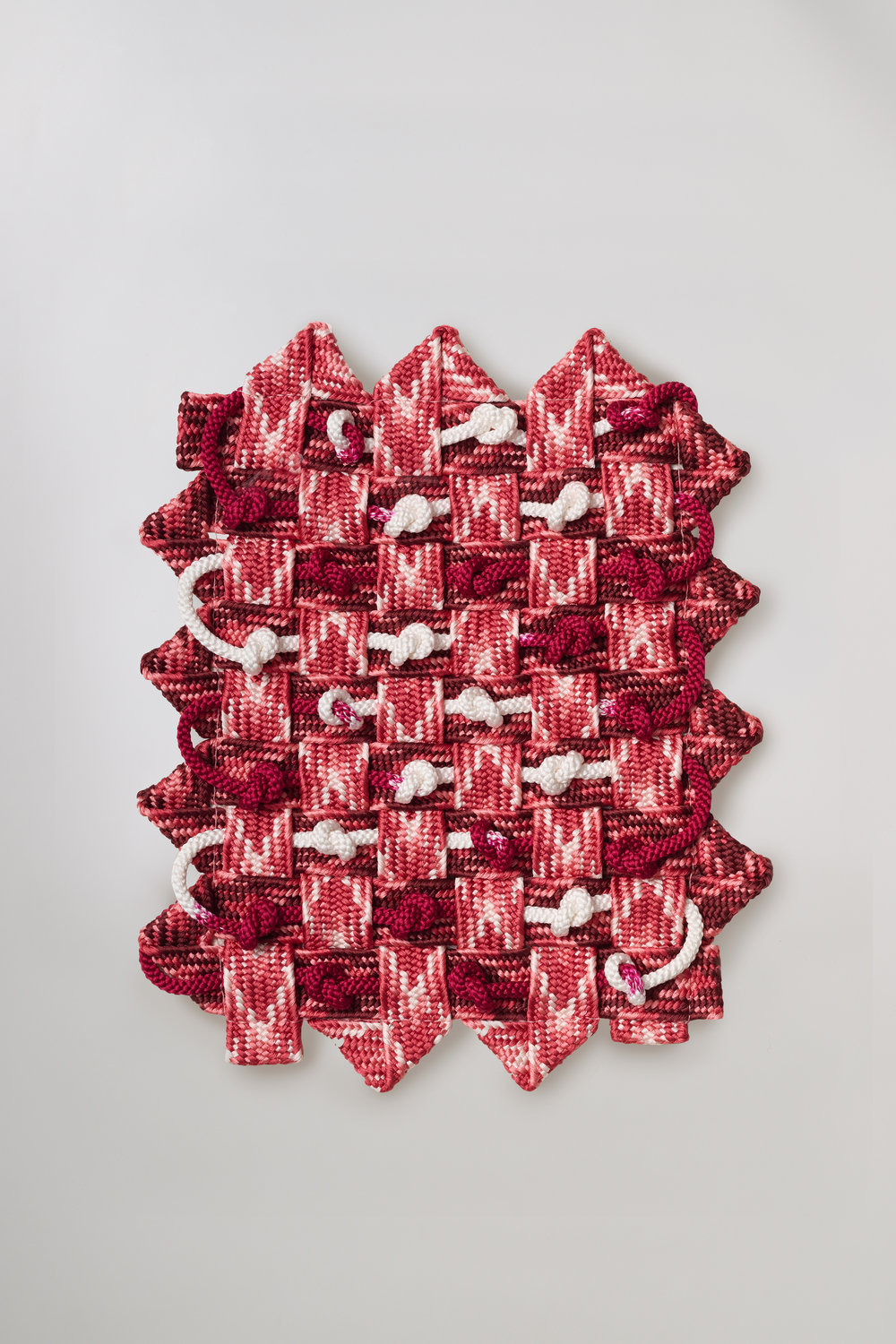
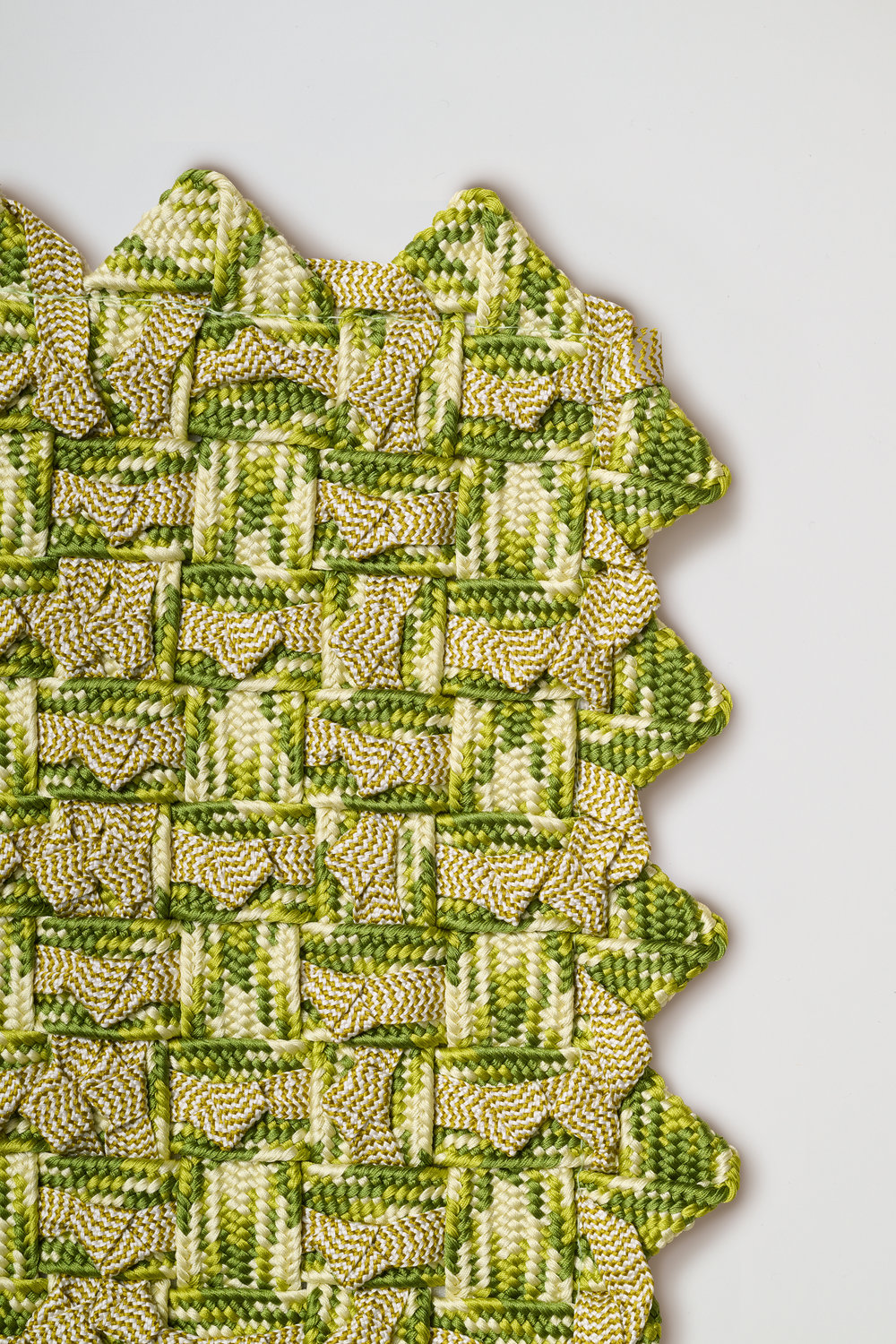
Her practice revolves around the creation of wall hangings and hand-woven pieces, custom-made for interior design projects. She develops delicate, sensory work centered on the architecture of fabric, the construction of colors, and the exploration of materials.
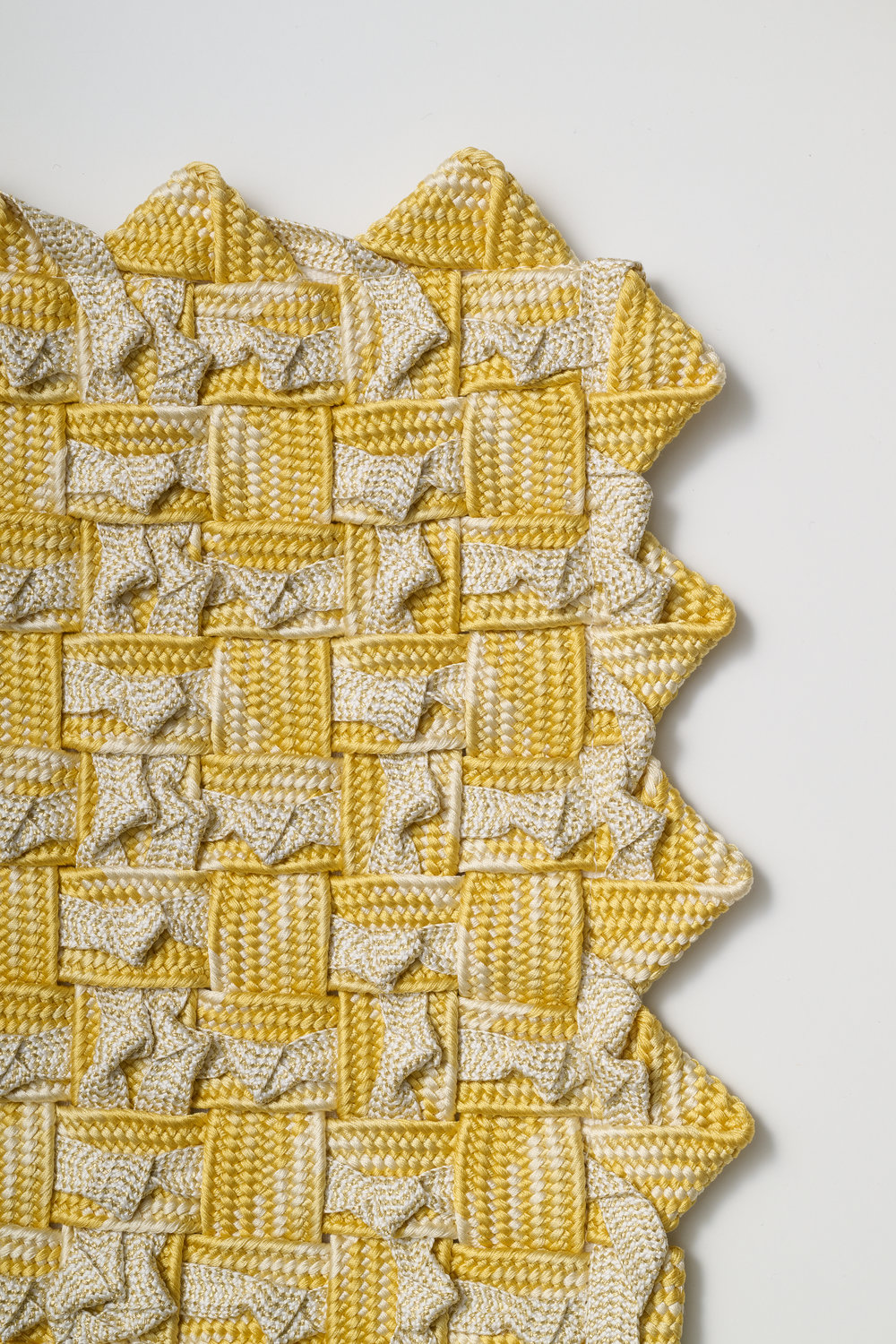
In her works, the structures of the textile—warp and weft, interplay of threads, and layering of materials—become a true language. What remains invisible to the naked eye is revealed through gesture and scale, transforming weaving into a medium for both expression and transmission.
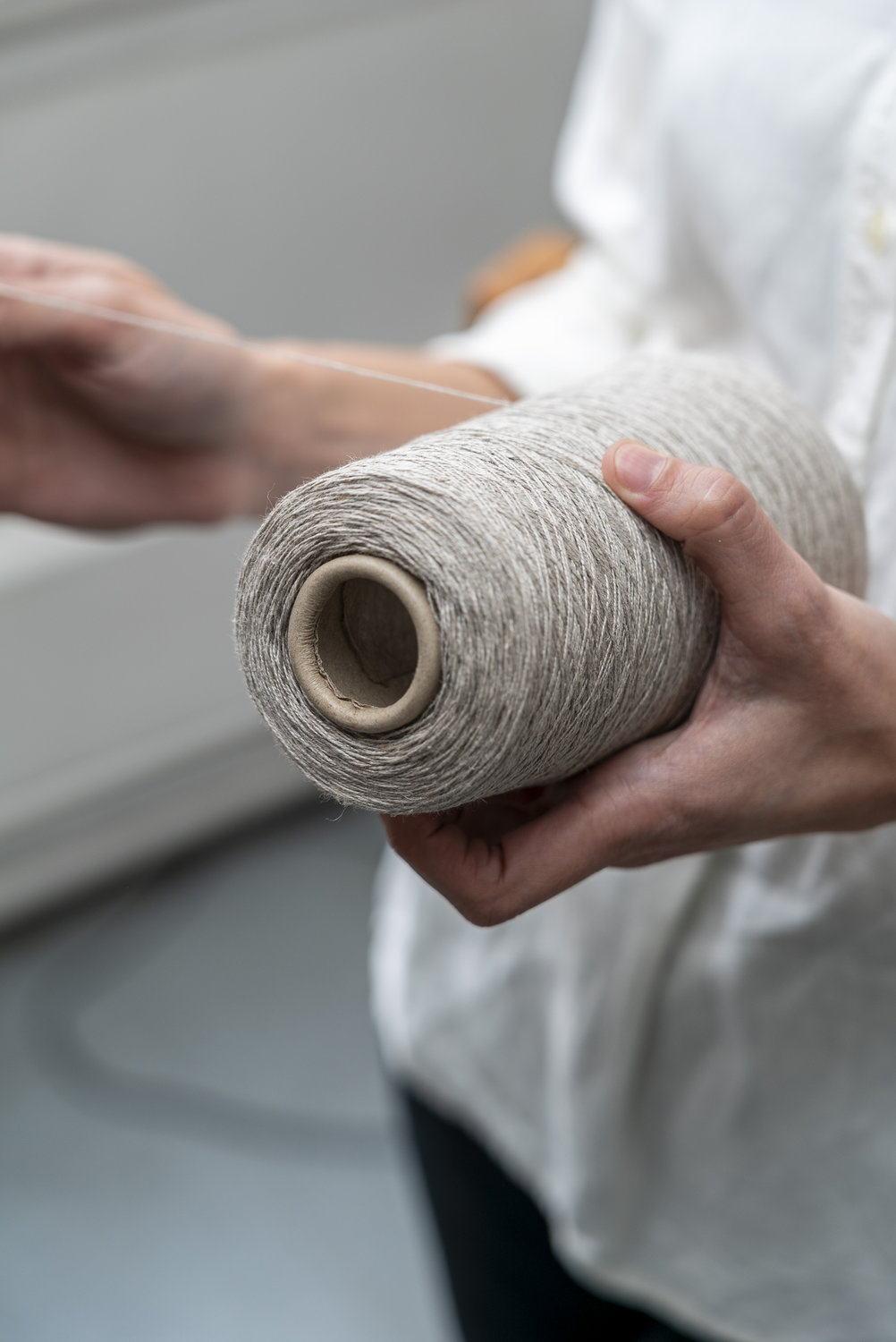
Mindful of the origin of her materials, she prioritizes ethical and sustainable French production, collaborating notably with manufacturers certified as Entreprise du Patrimoine Vivant (Living Heritage Company), such as Filature Fonty. She also explores bio-based materials, as evidenced by her research on seaweed conducted with Samuel Tomatis.
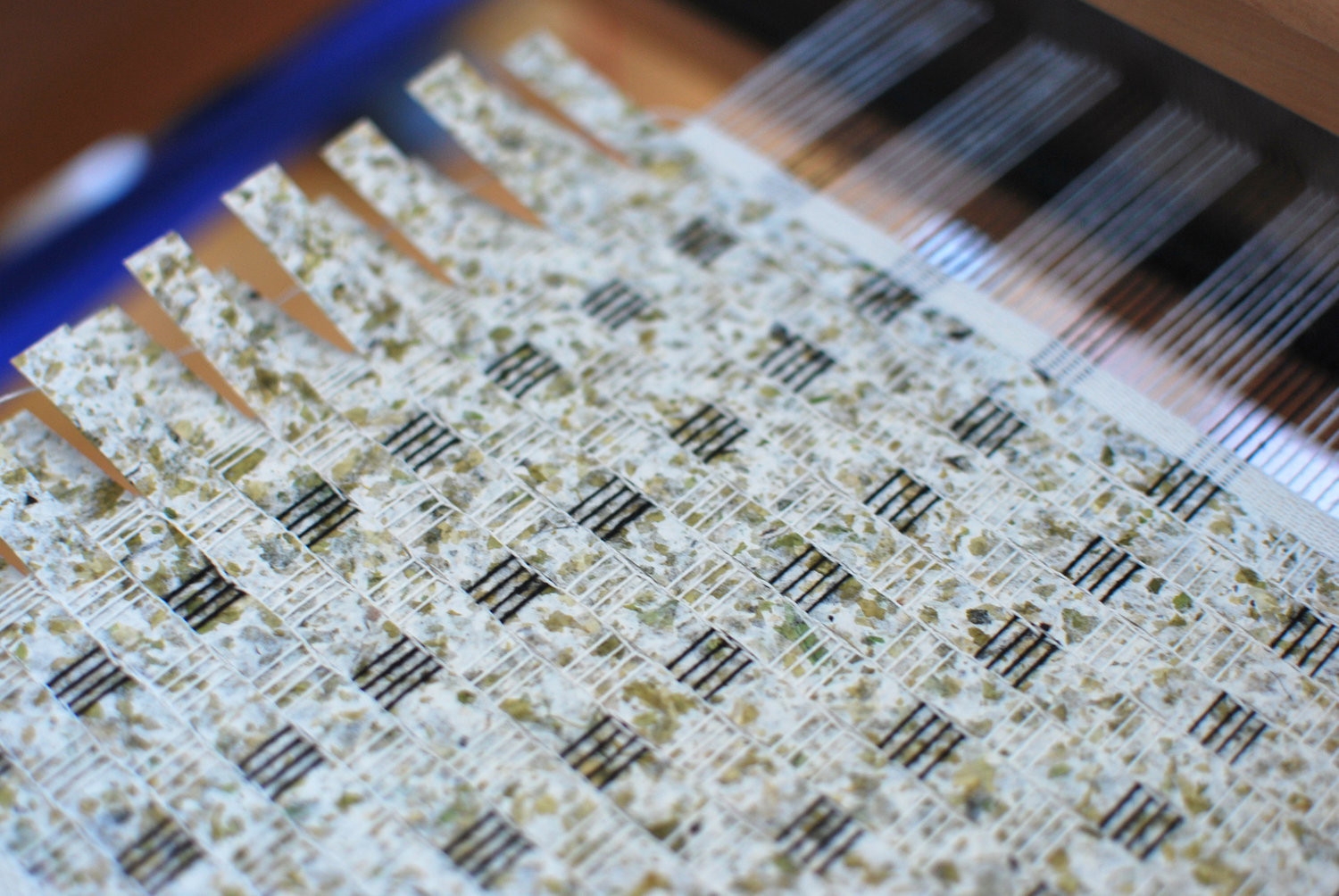
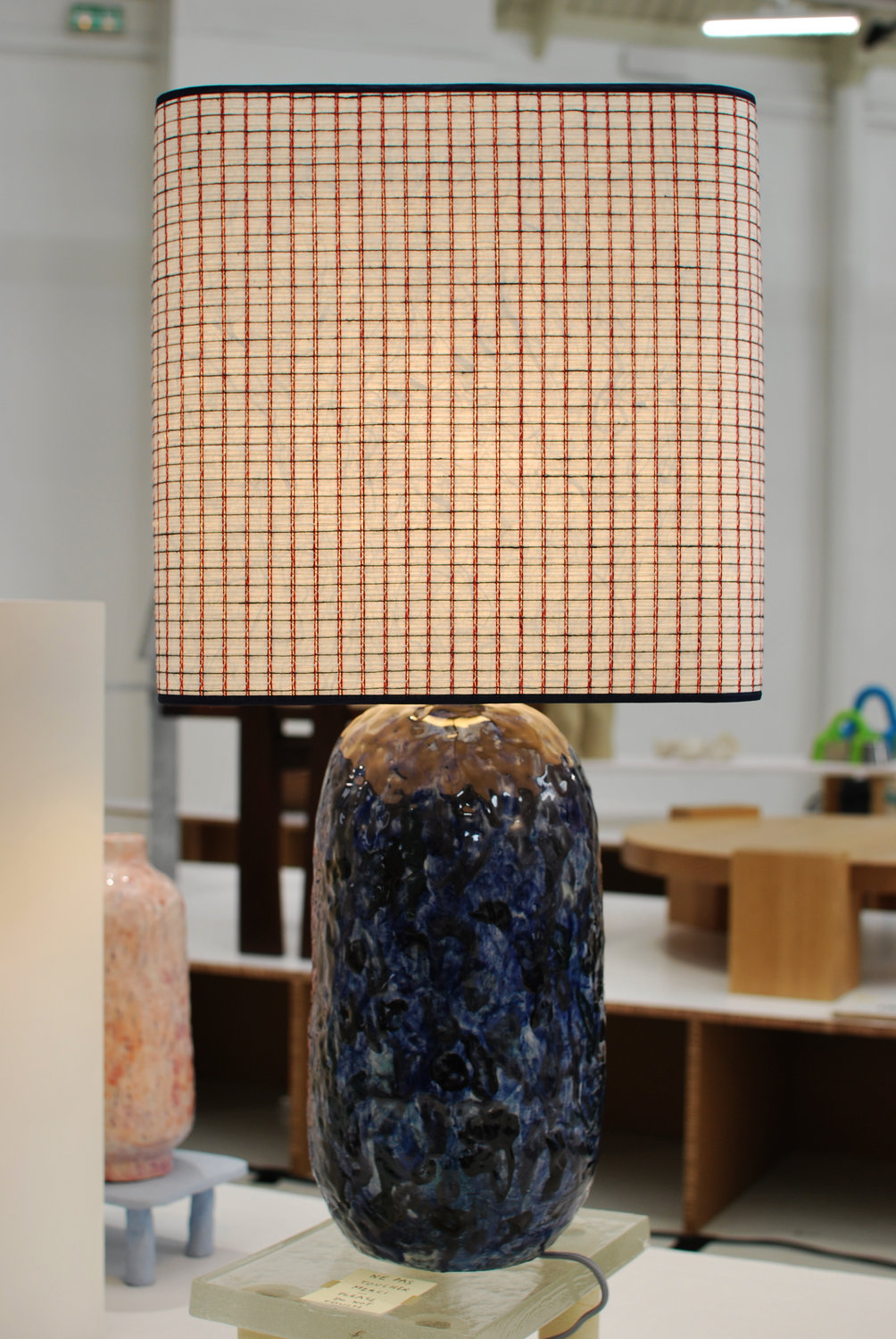
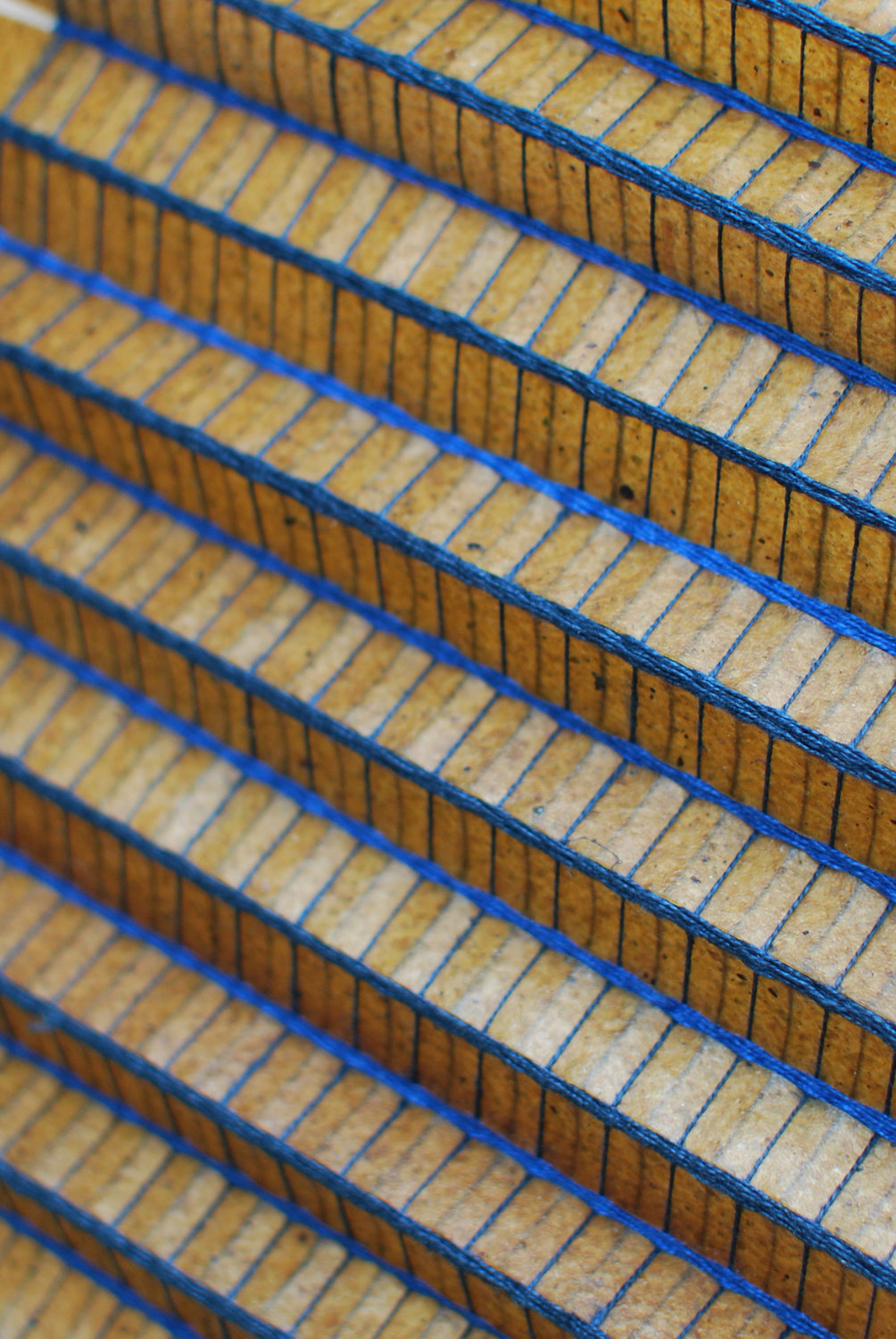
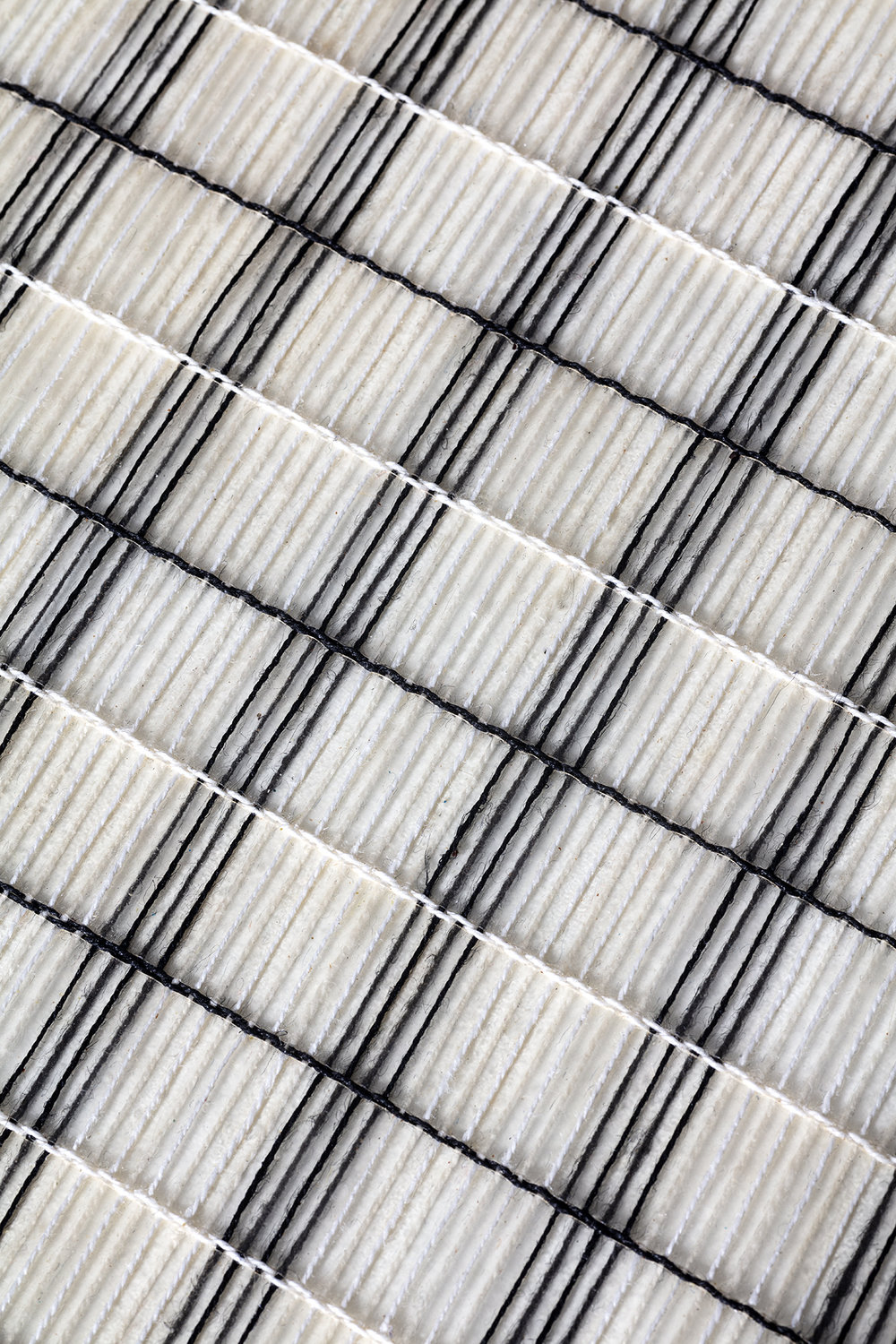
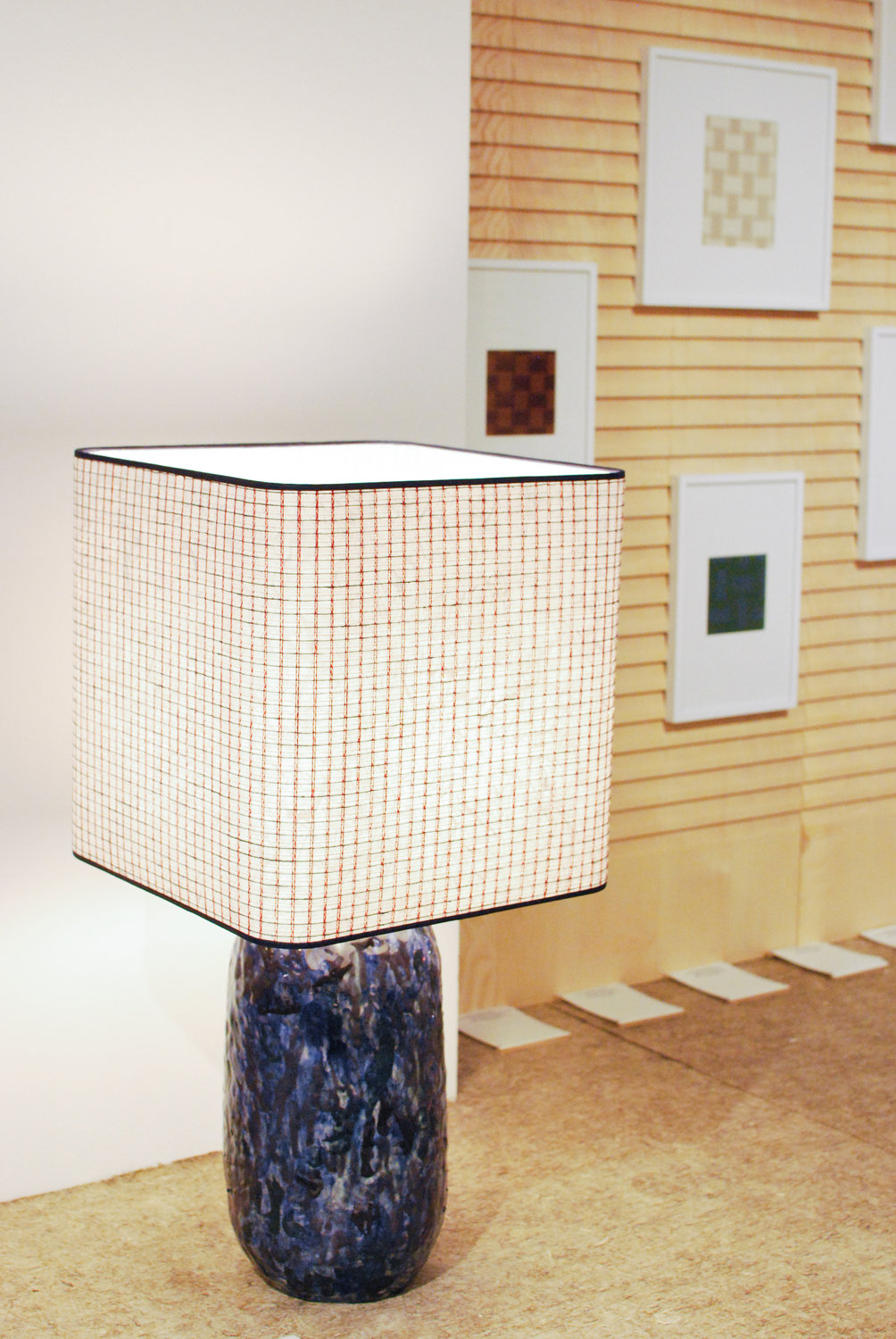
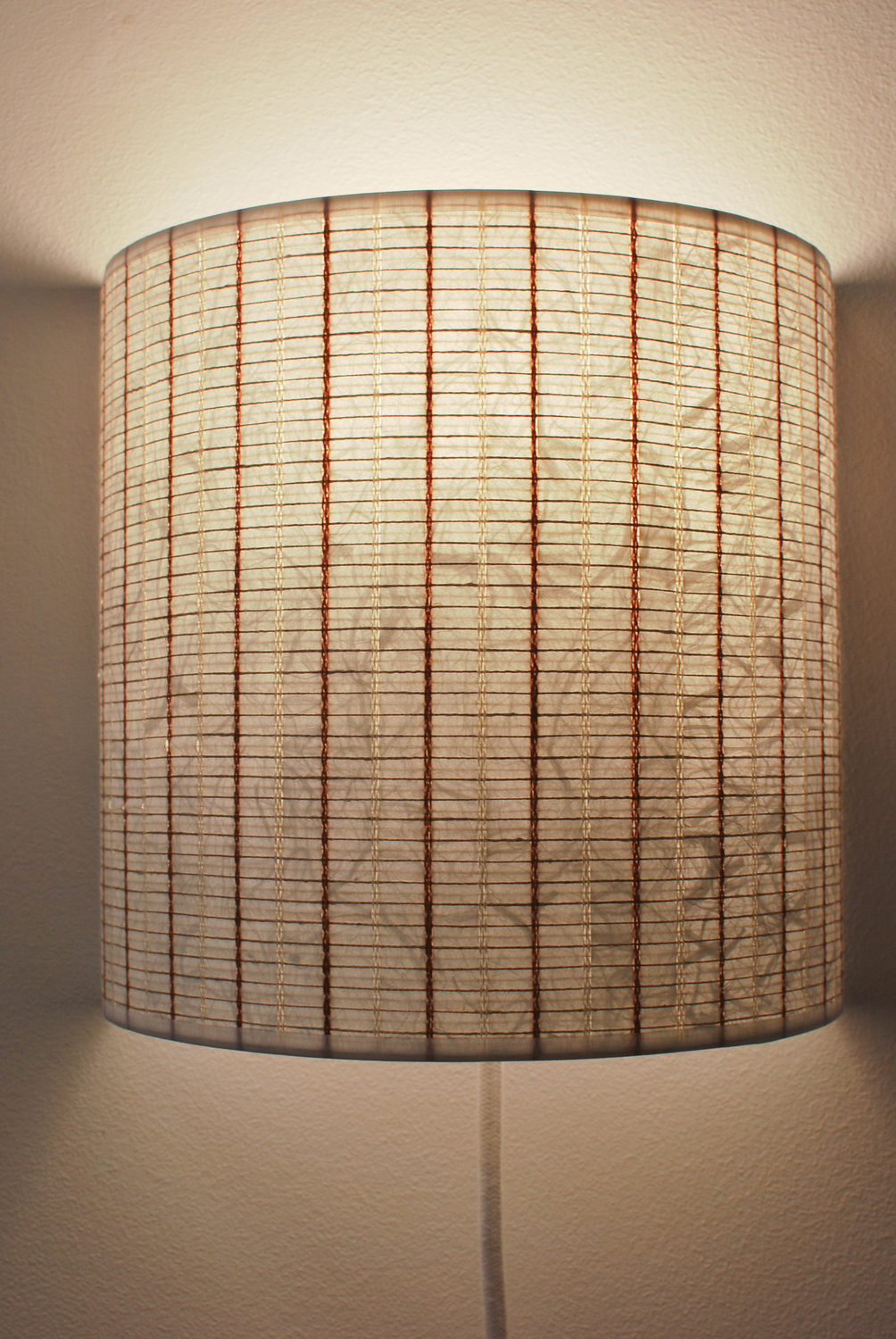
Her recent travels and encounters with Japanese craftsmanship have led her to incorporate washi paper into her weavings, opening new avenues of experimentation for lighting fixtures and decorative textiles where artisanal traditions and contemporary design engage in dialogue.
Her work is rooted in a collaborative dynamic with designers, artisans, fabric manufacturers, and interior architects. Among her recent projects are a collaboration with feather artist Maud Ruby presented at “Oui Design New York” with Villa Albertine, a project with Samuel Tomatis and Decathlon Advanced Design, as well as collaborations with the Japanese firms Maekawa Inden and Domyo as part of the Edo Tokyo Kirari program, for which she was awarded in 2025.
Training 100% financeable by AFDAS, or partially covered by other operators such as FAFCEA, AGEFICE, FIFPL, OPCO EP etc.
Accommodation and meals included
If you are concerned, we invite you to contact our sales department in advance via "Request for information" in order to prepare your file, or to register directly via the page of the chosen training course.



89350 Champignelles
T: +33 (0)3 86 45 23 42
contact@campusmana.com