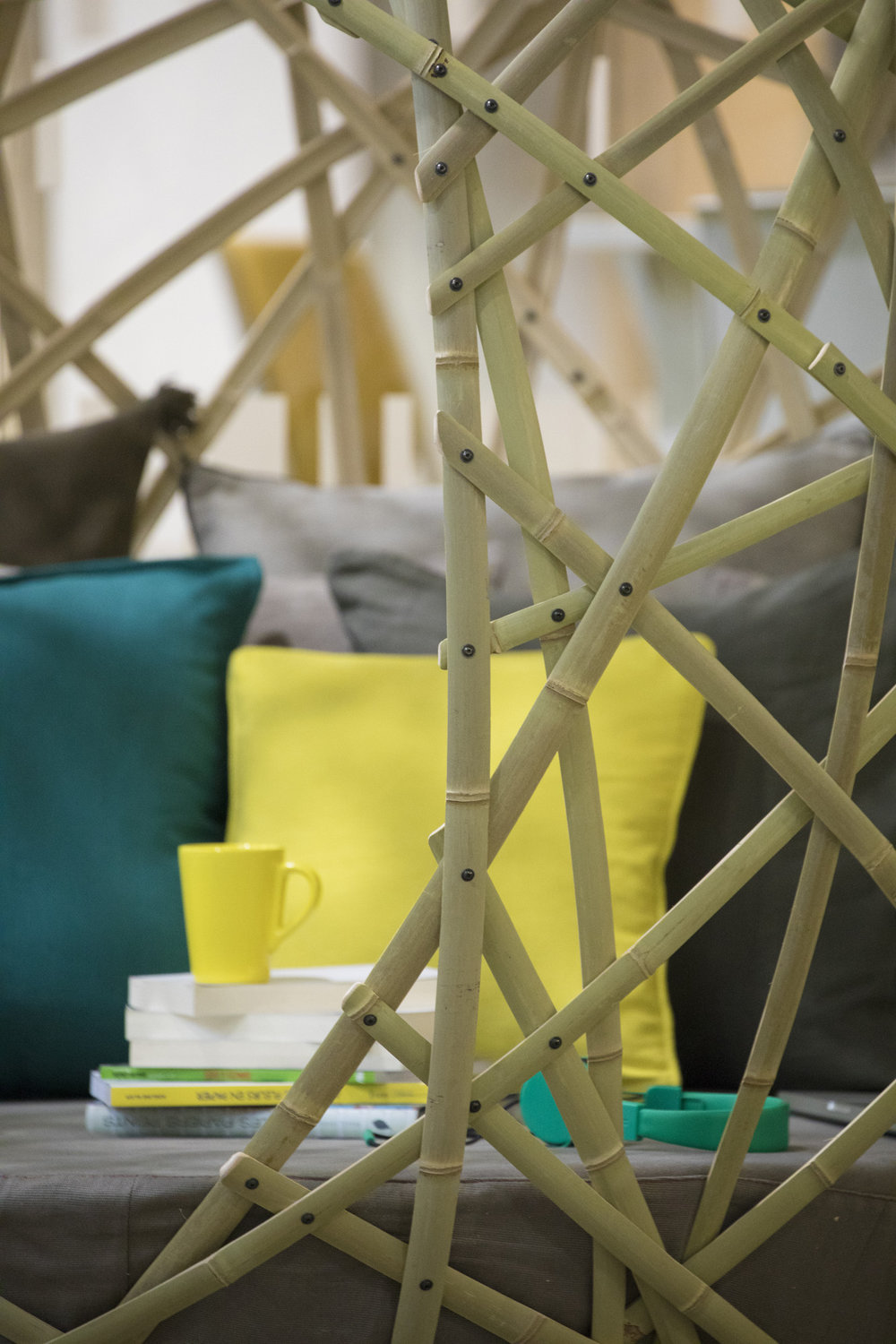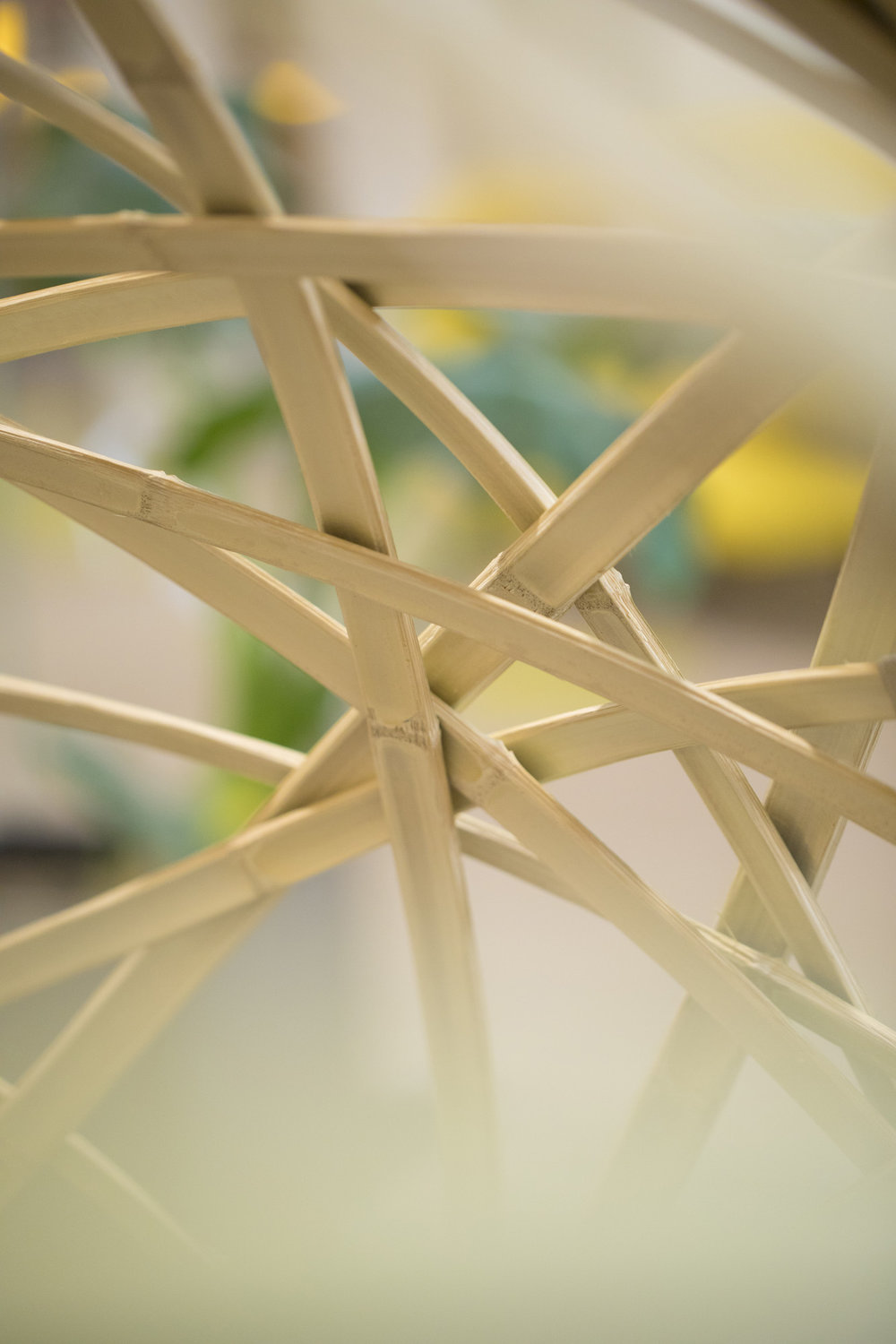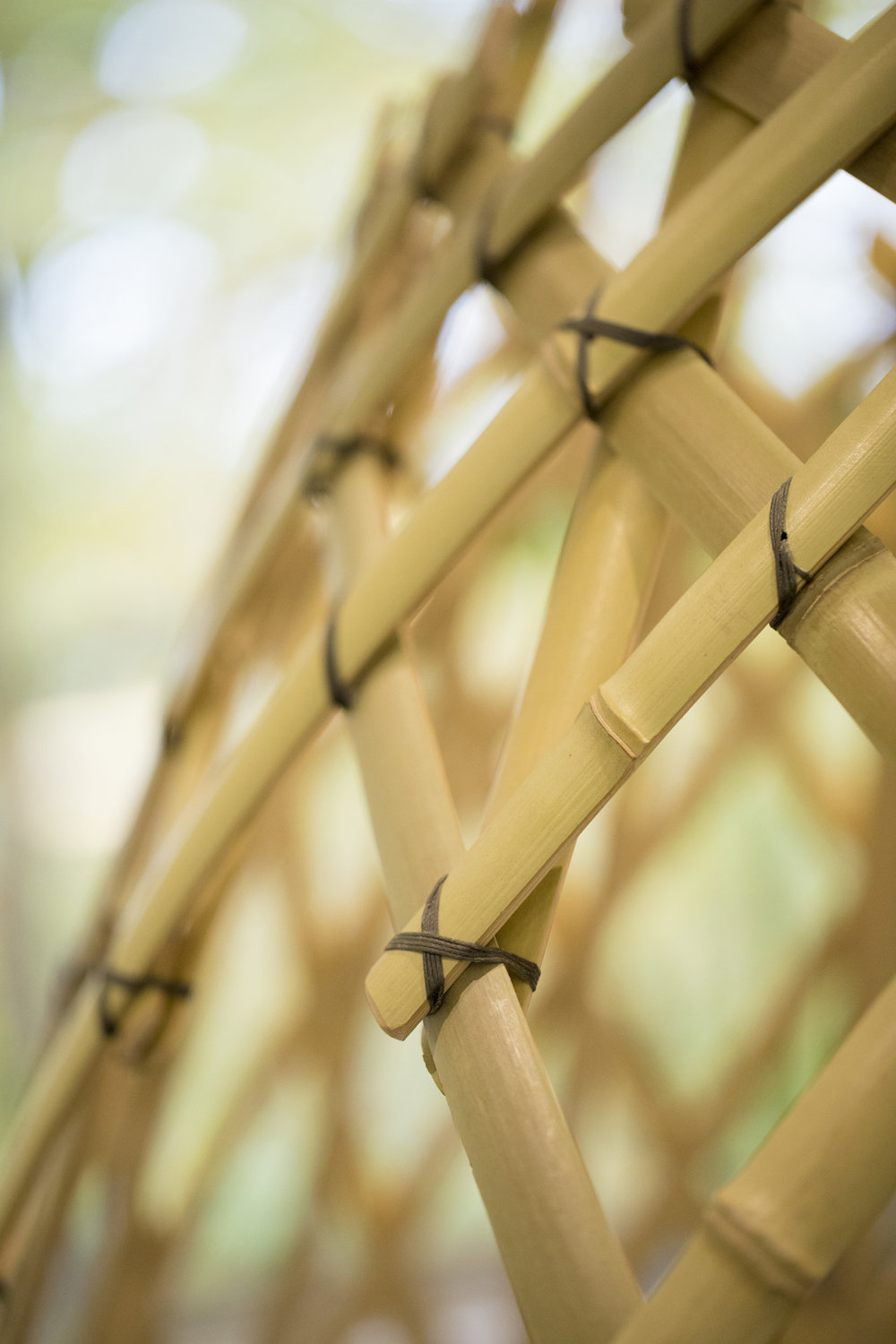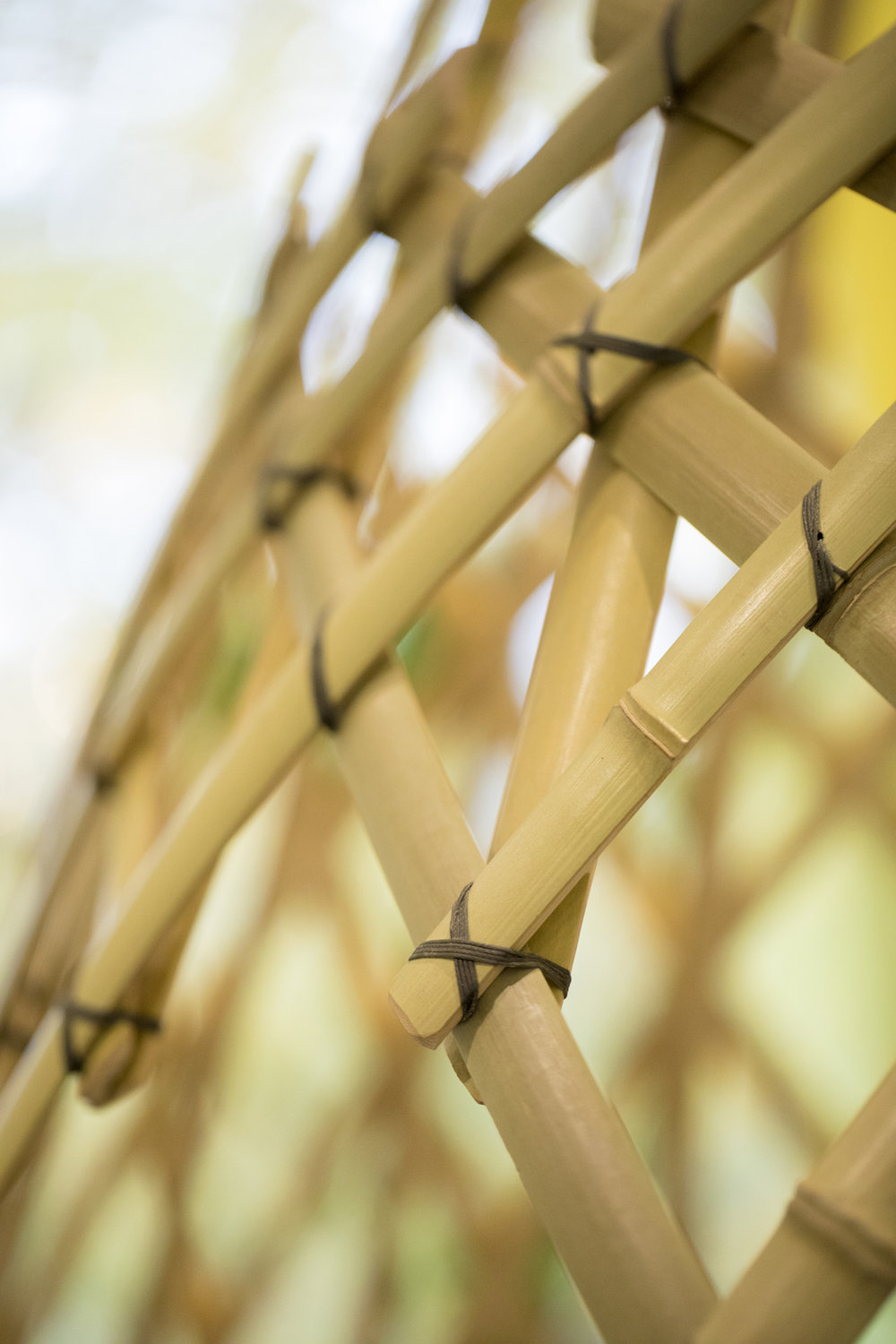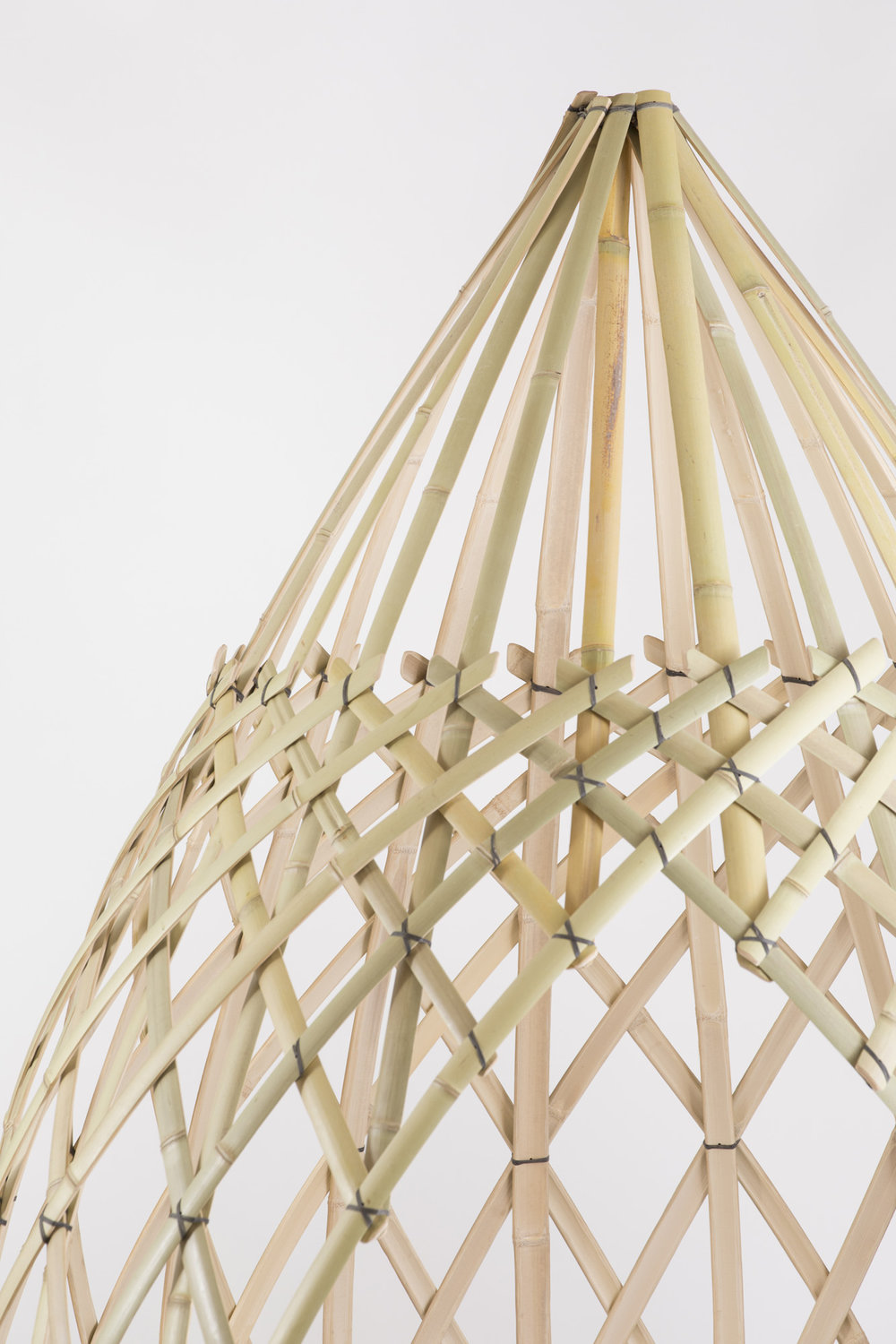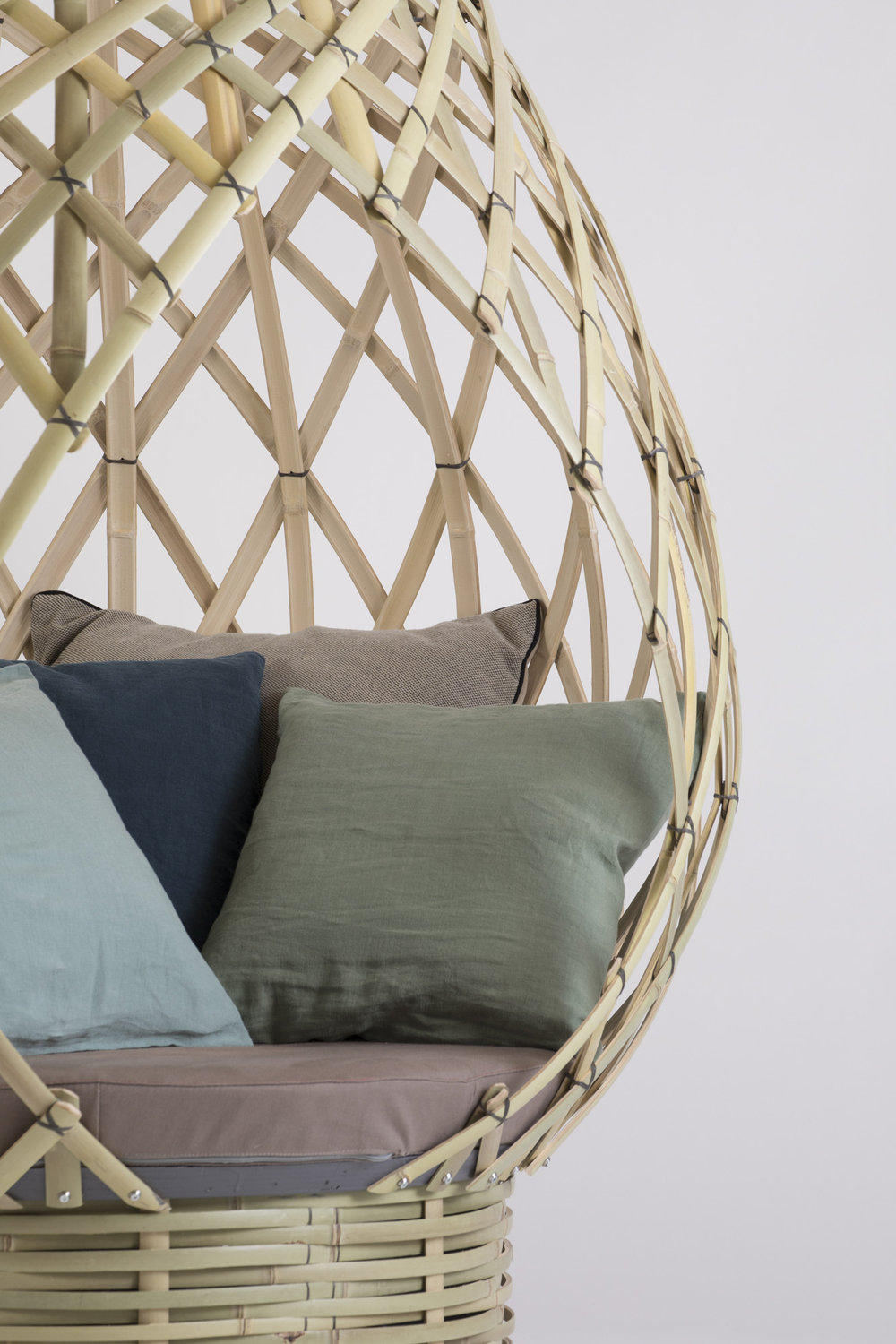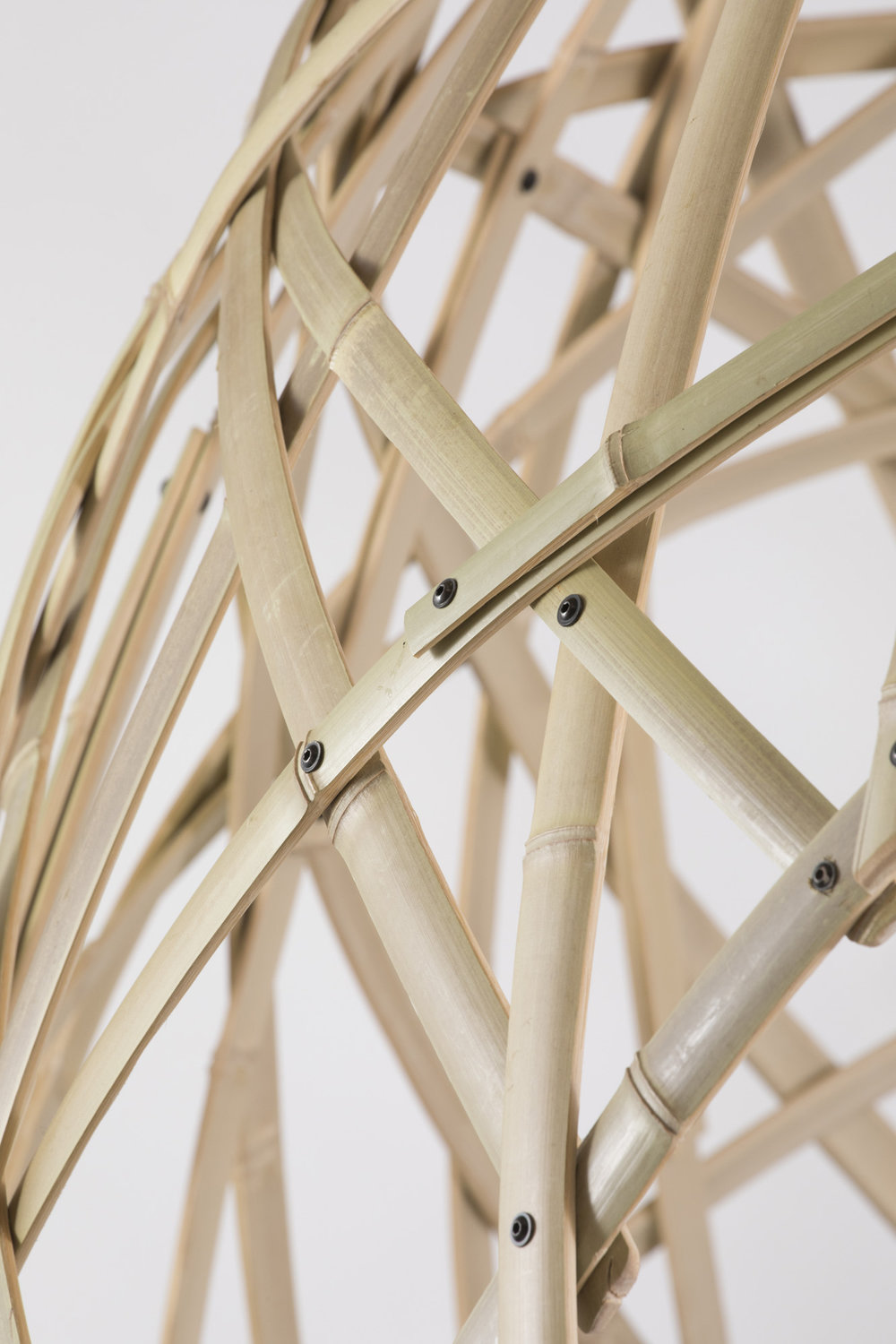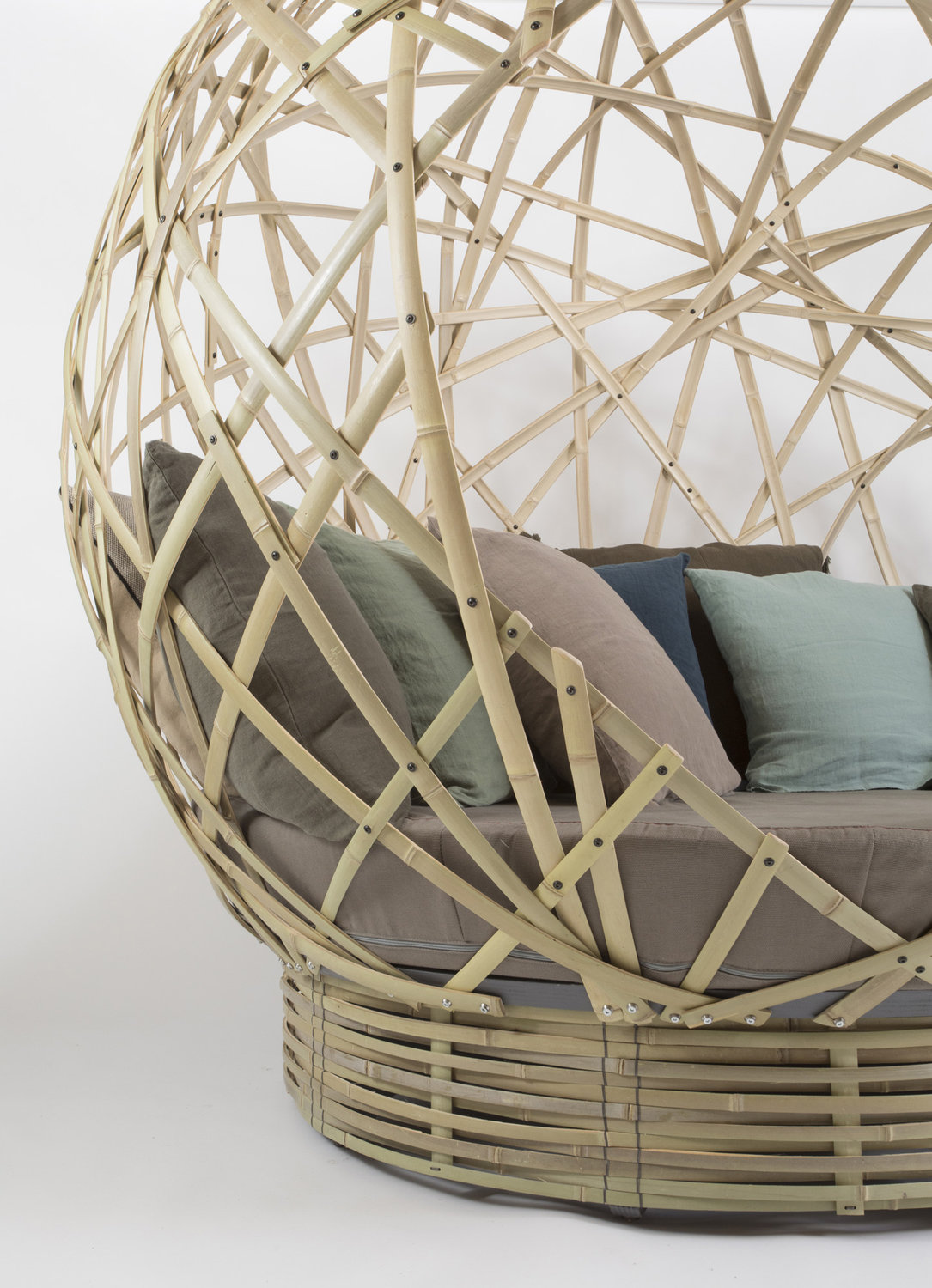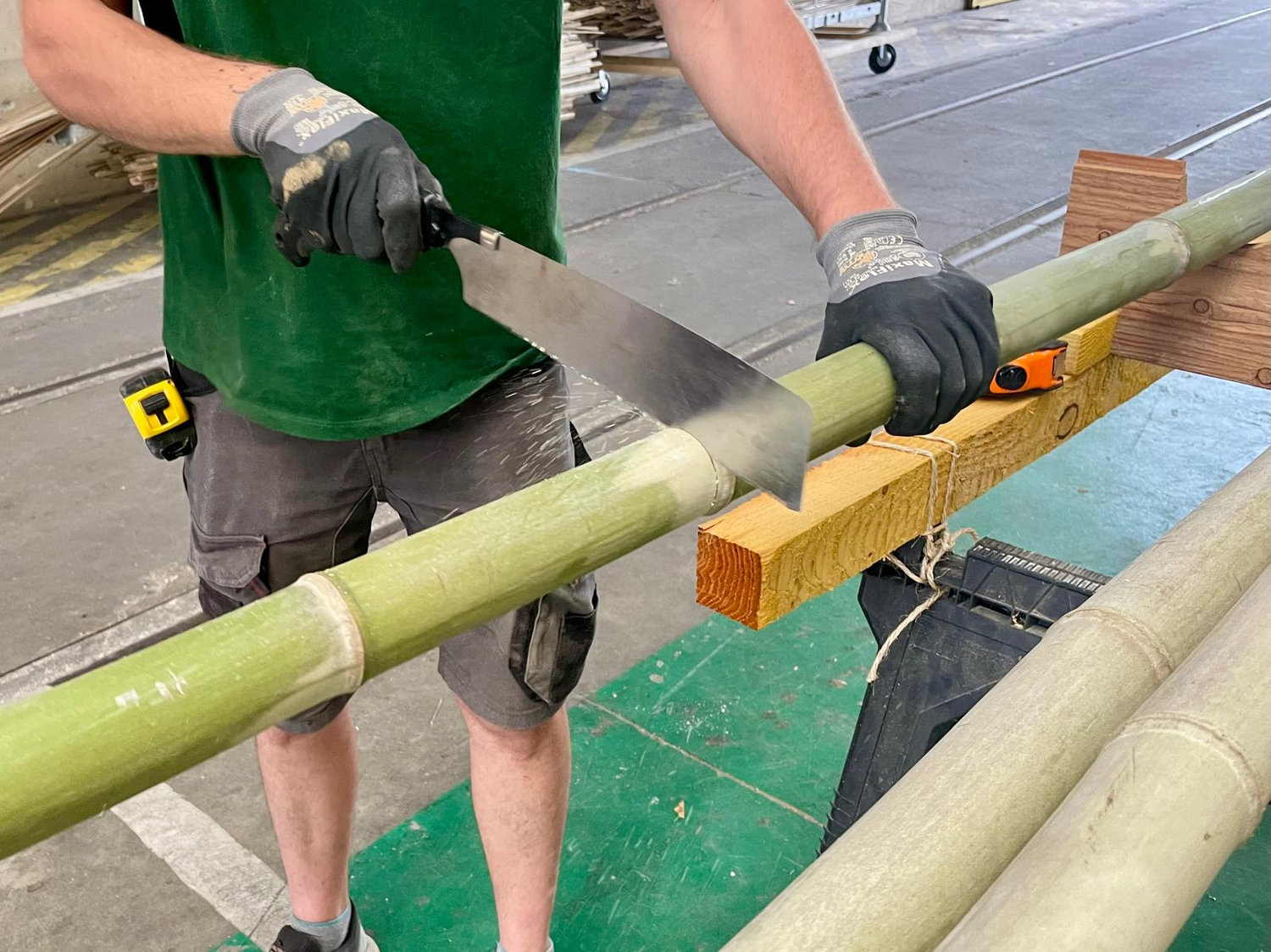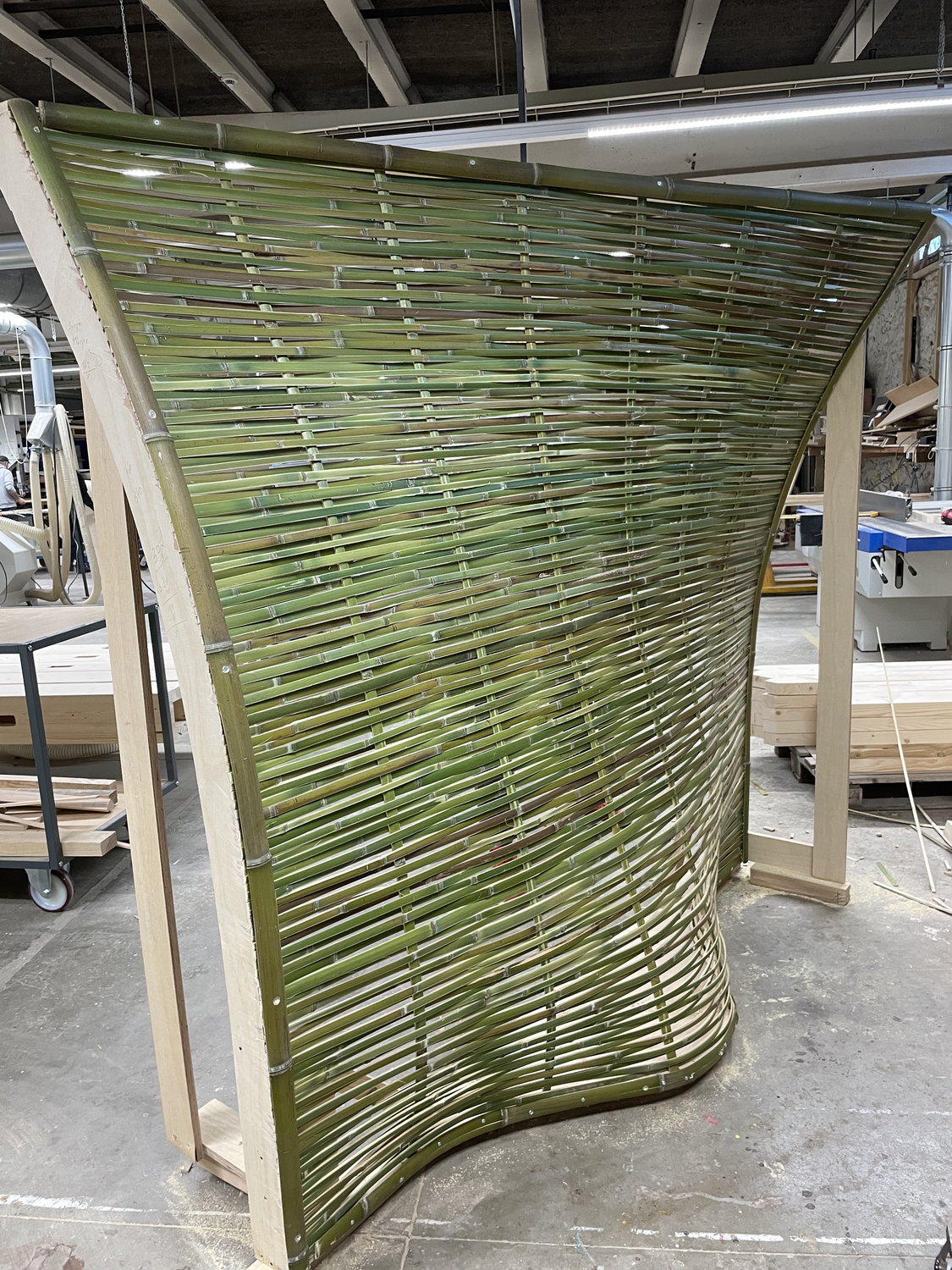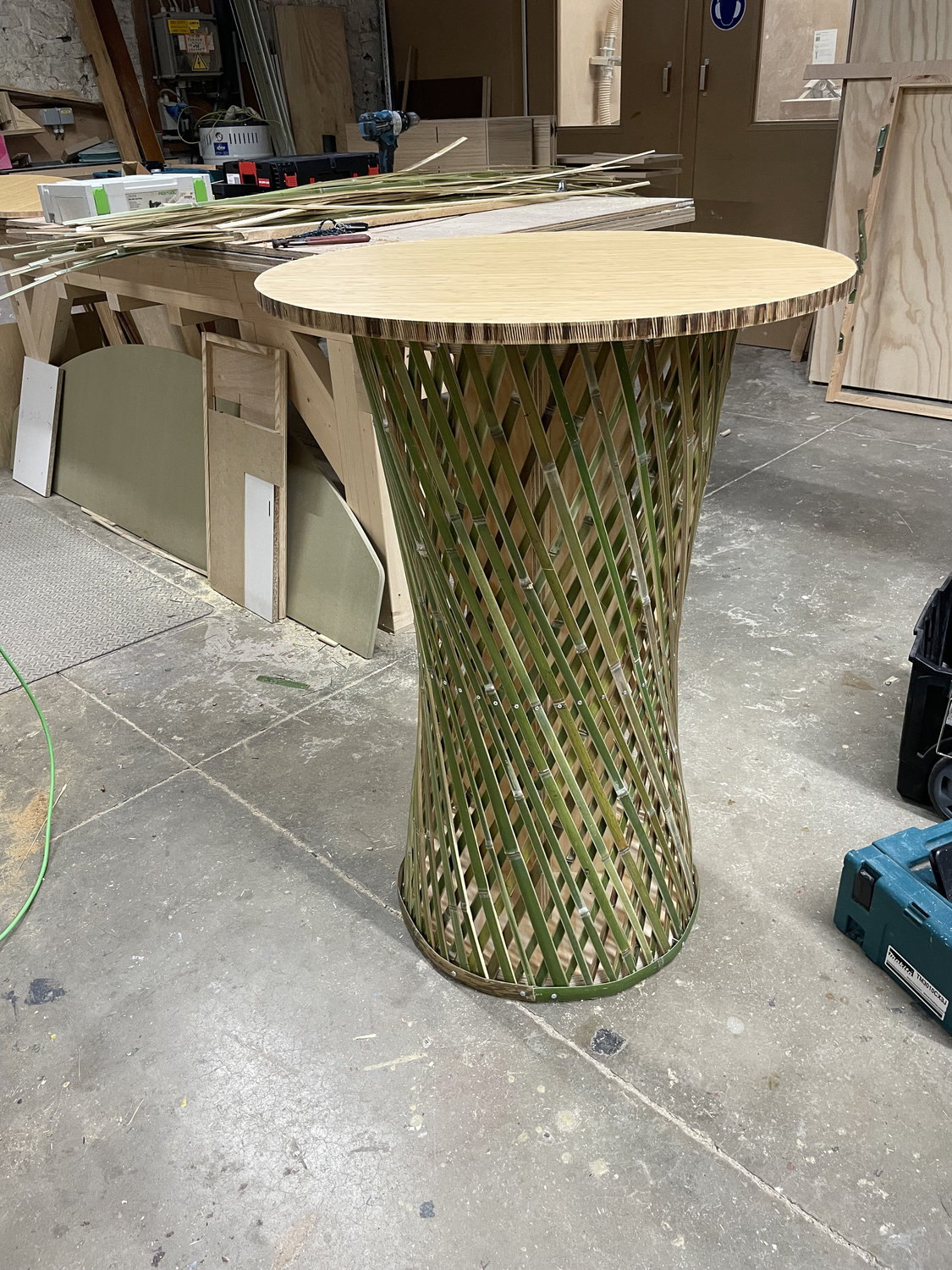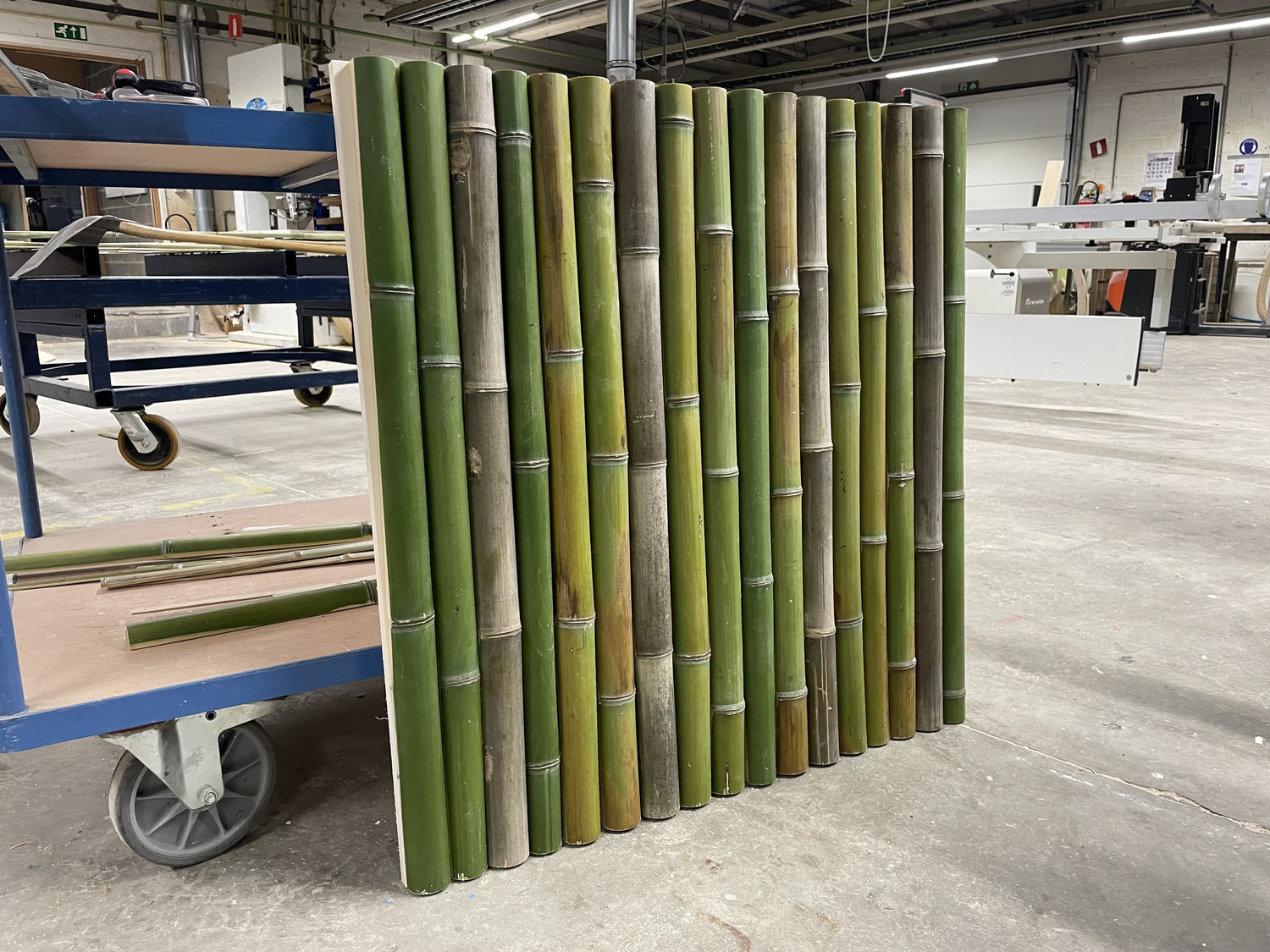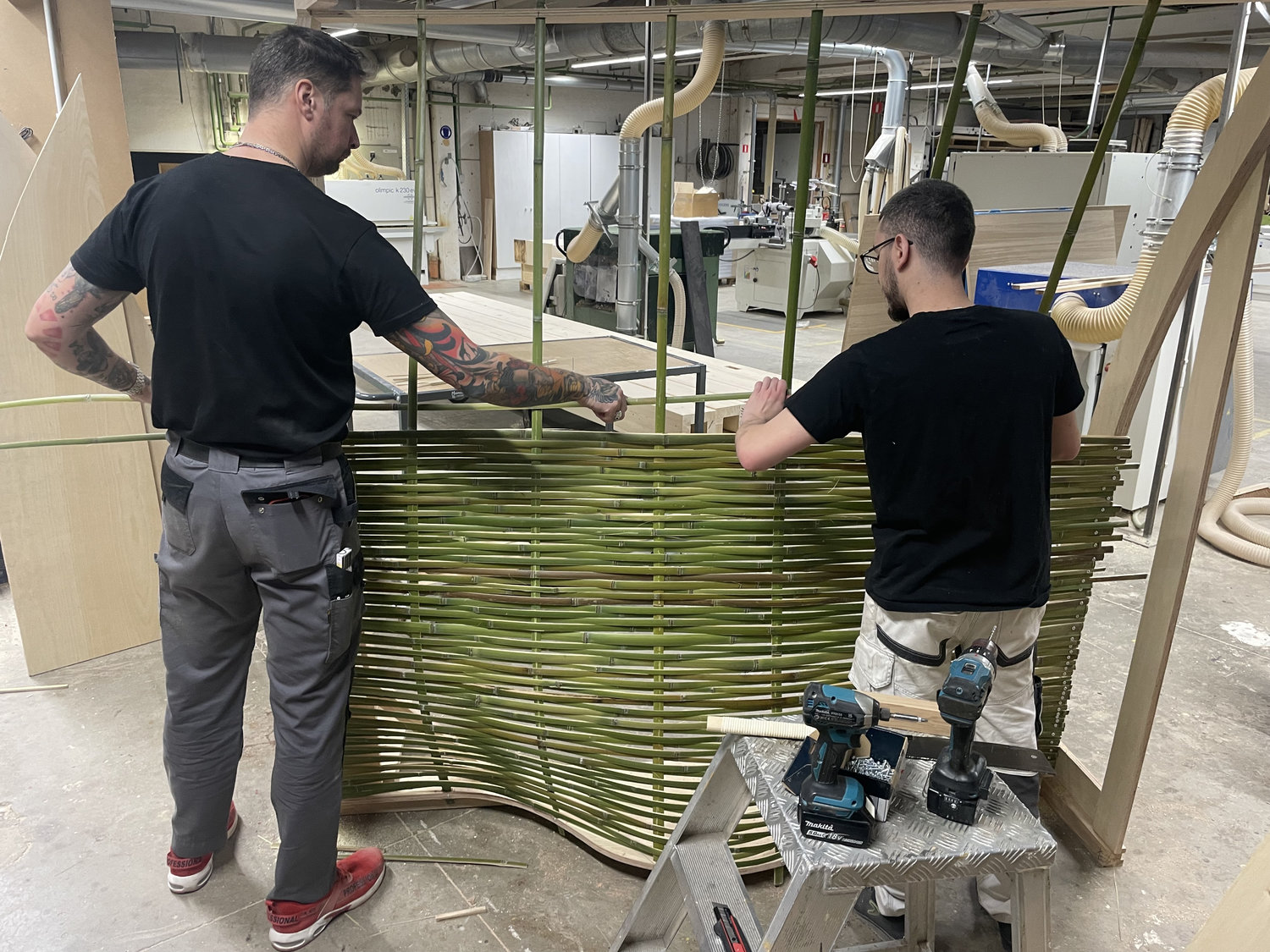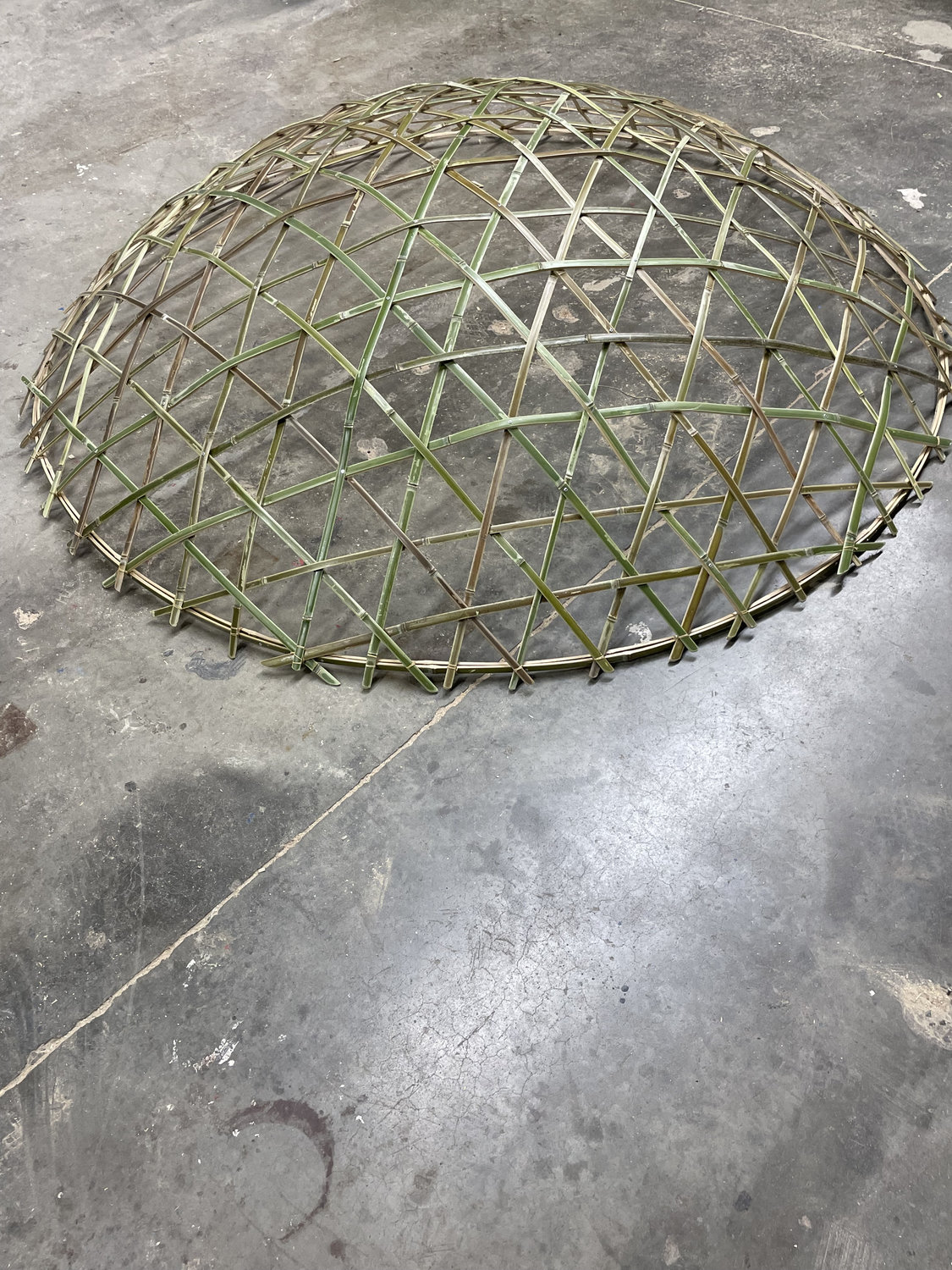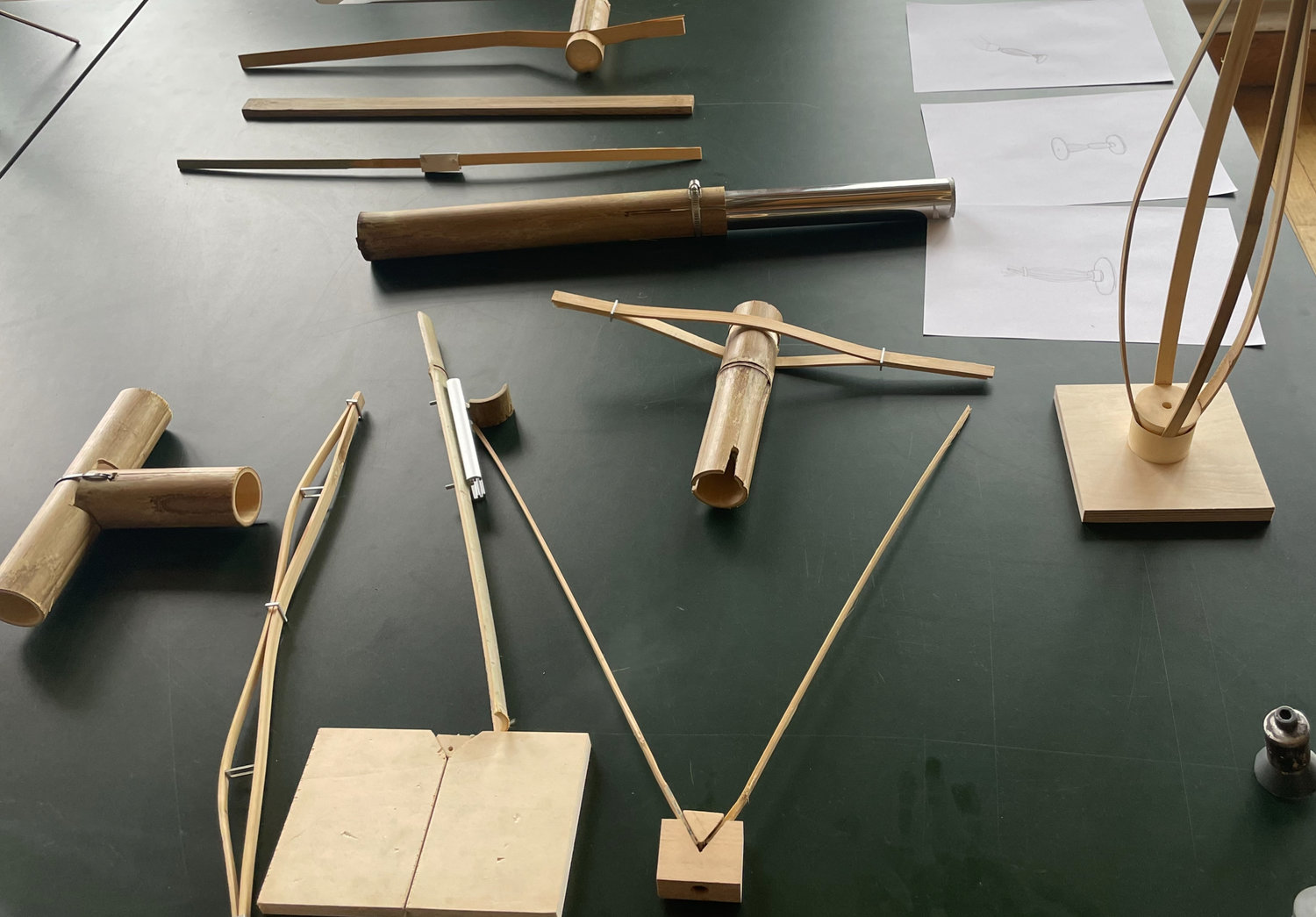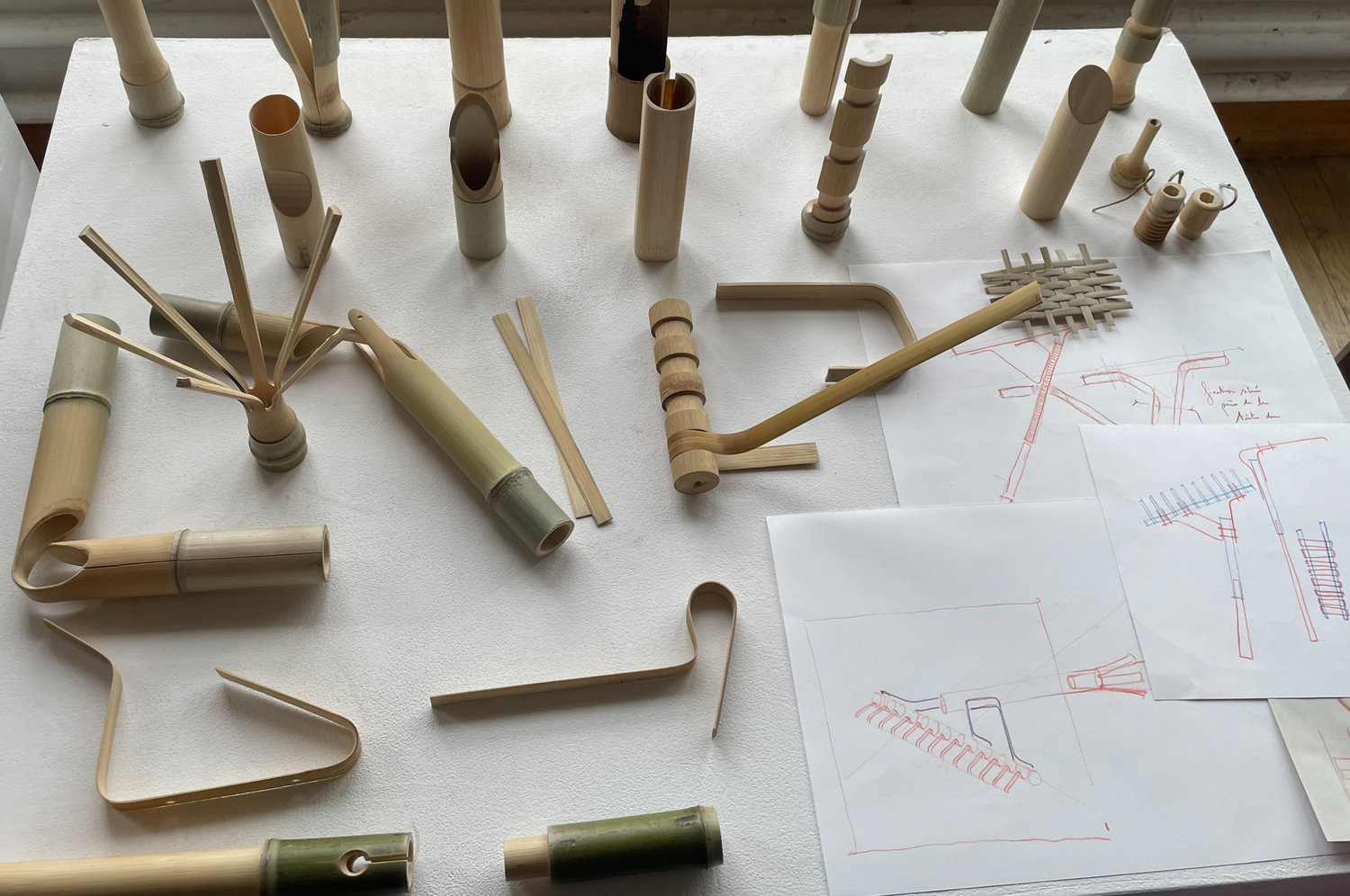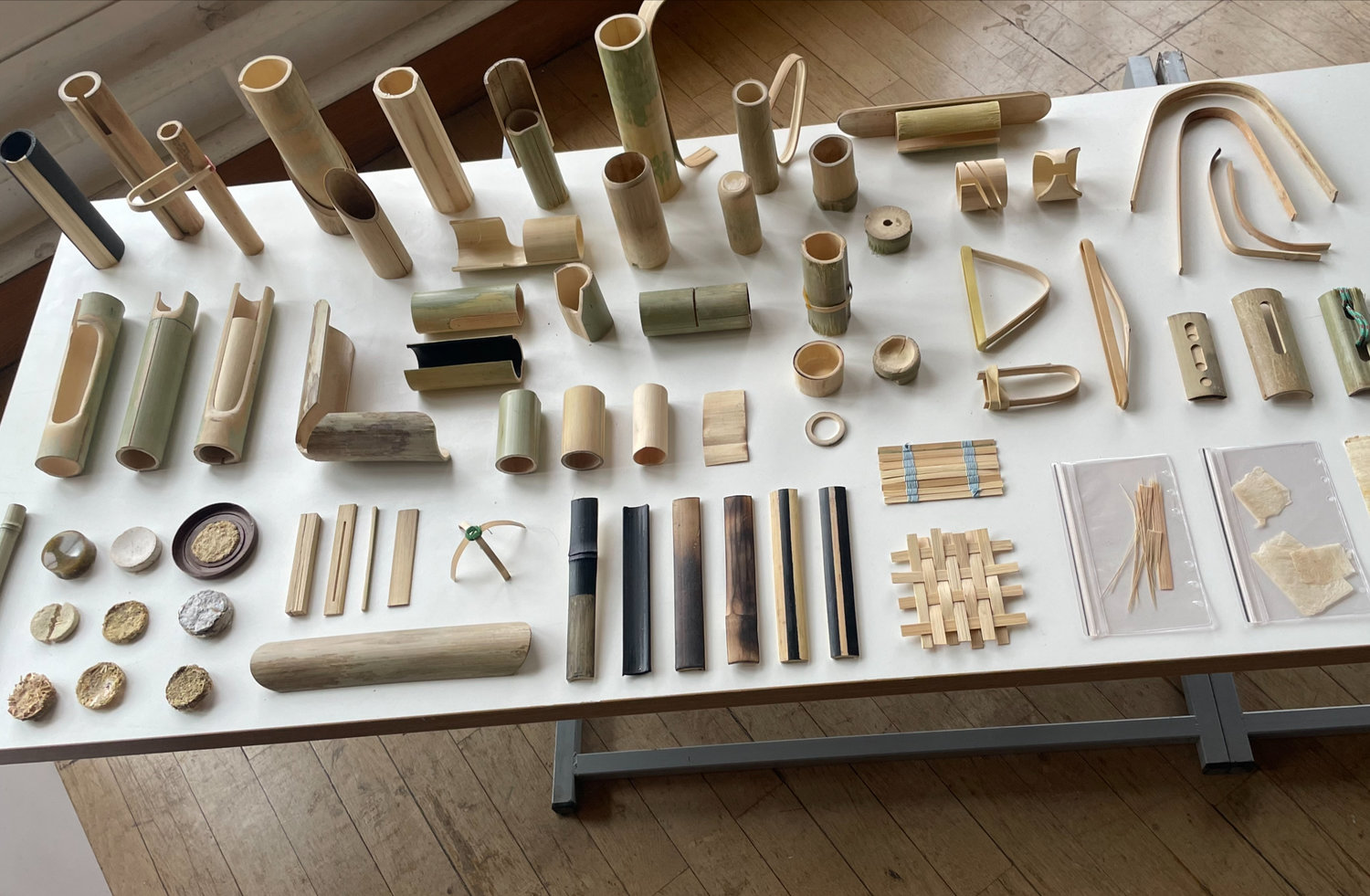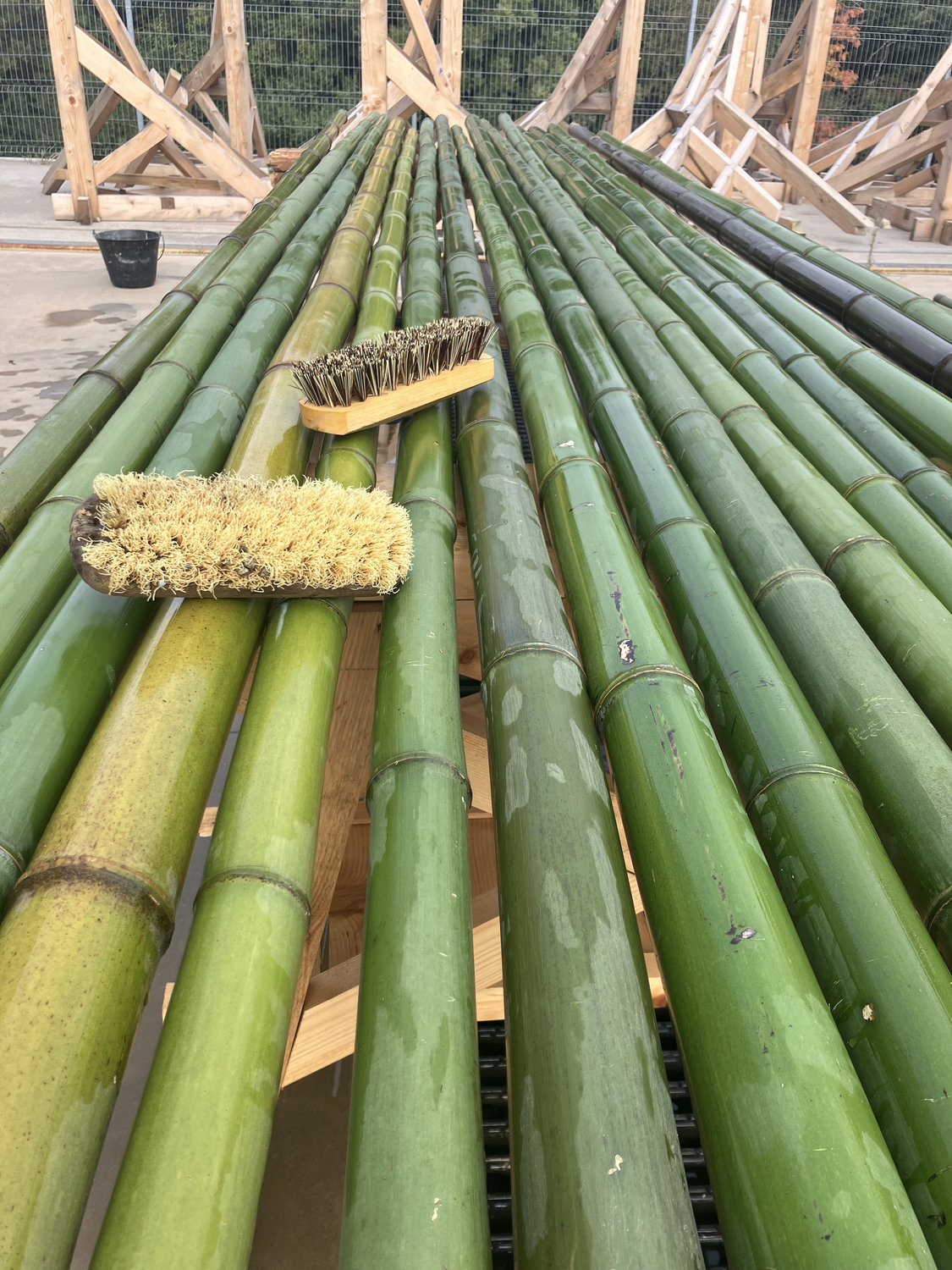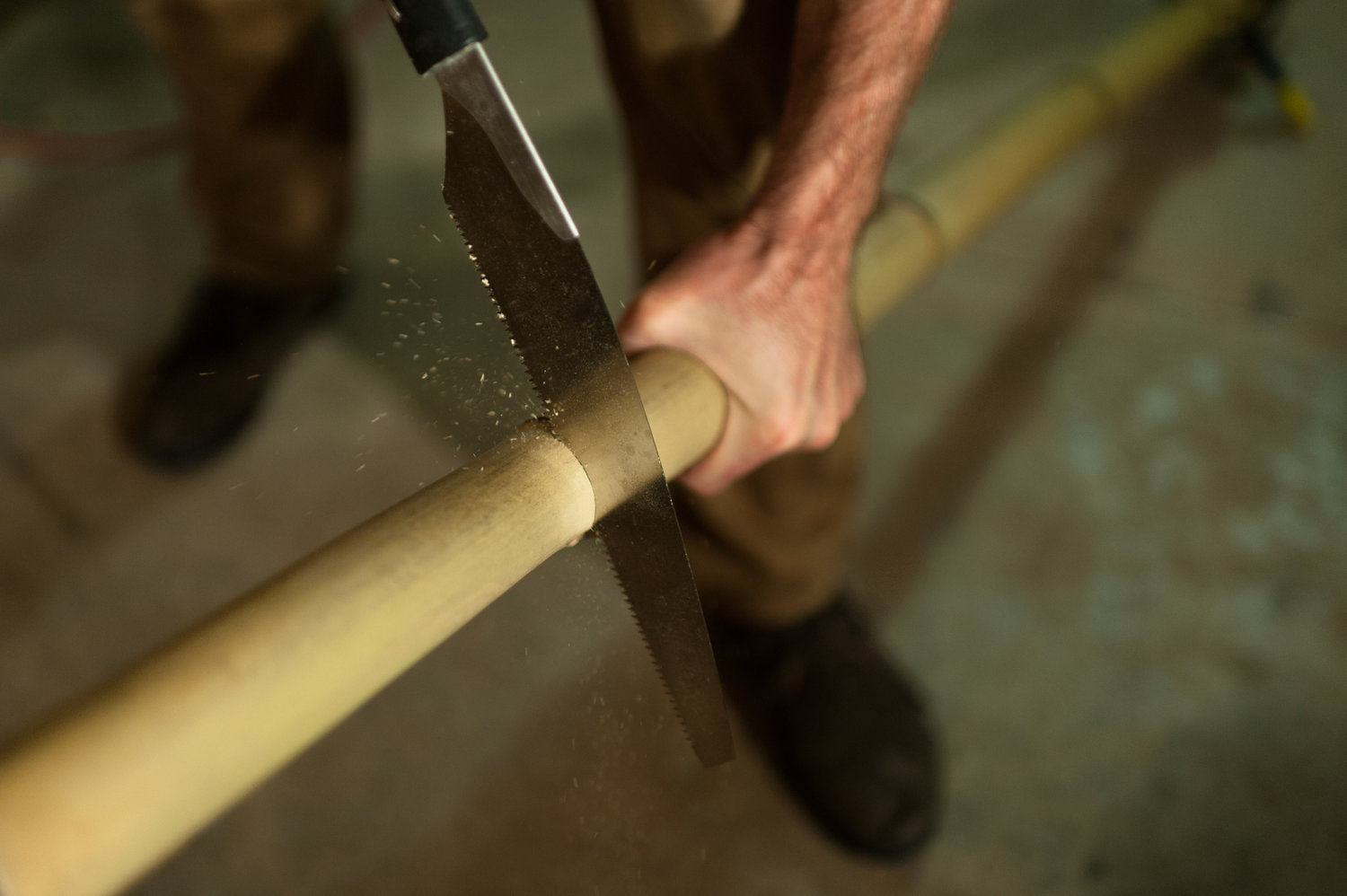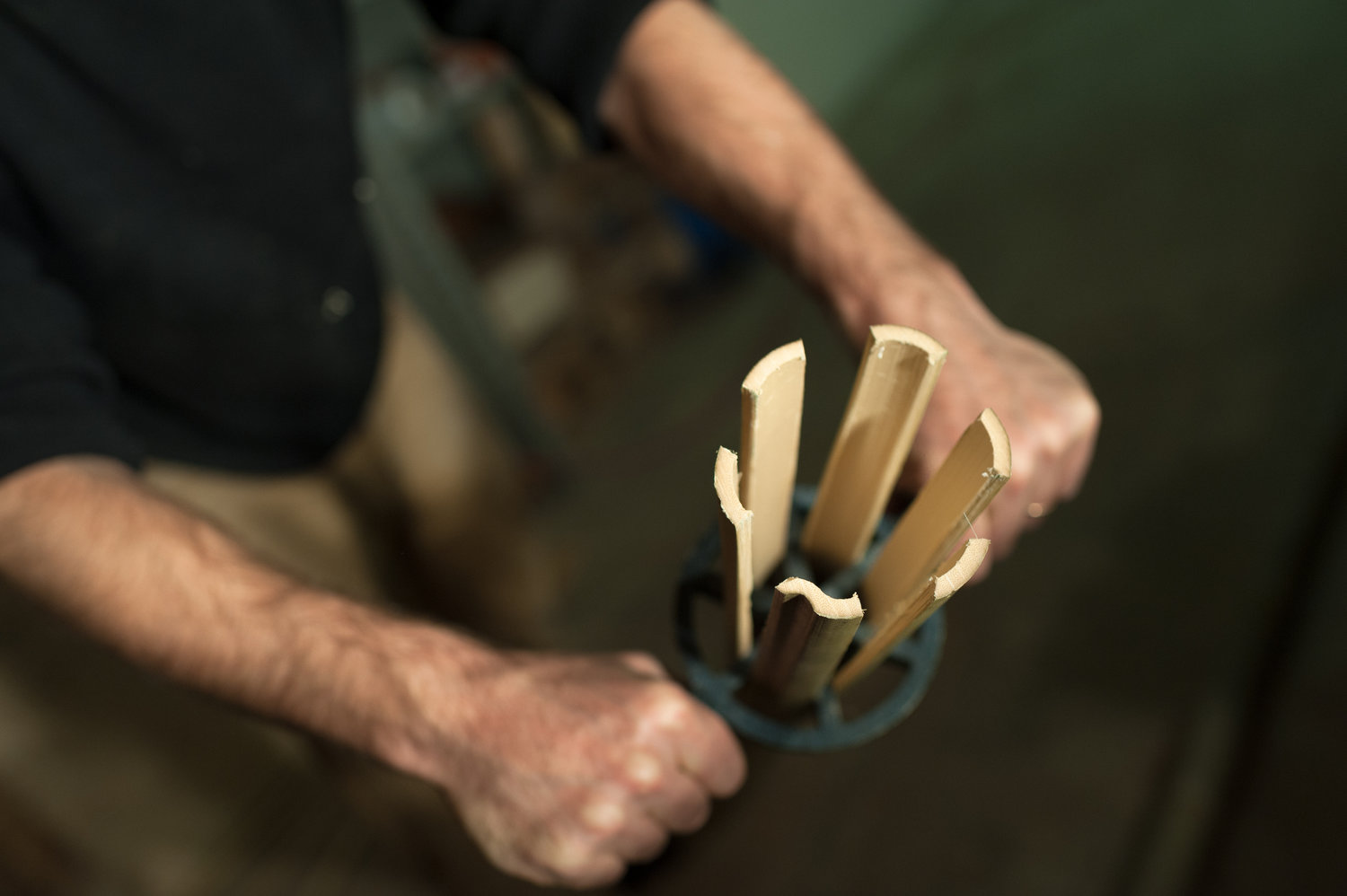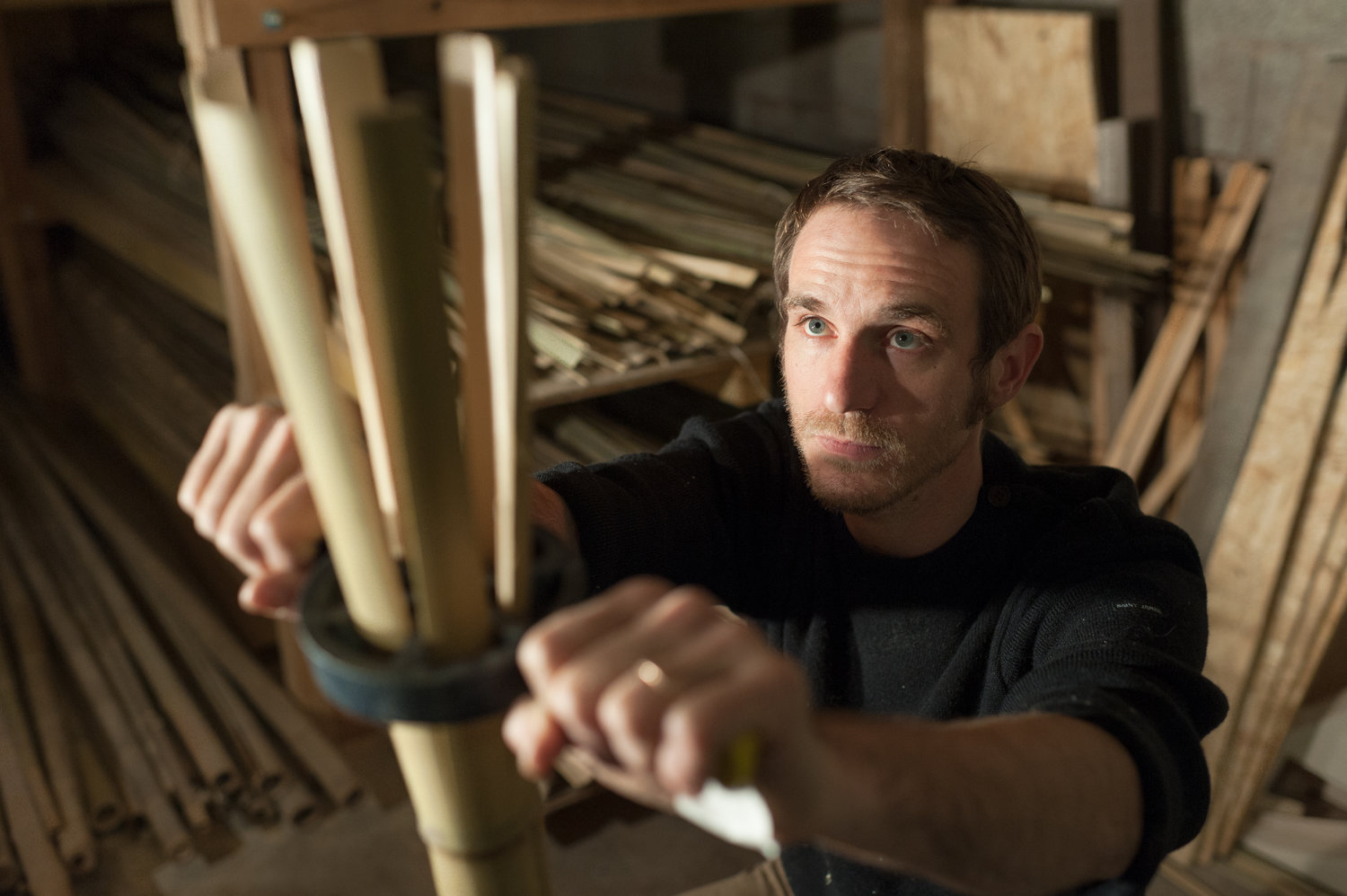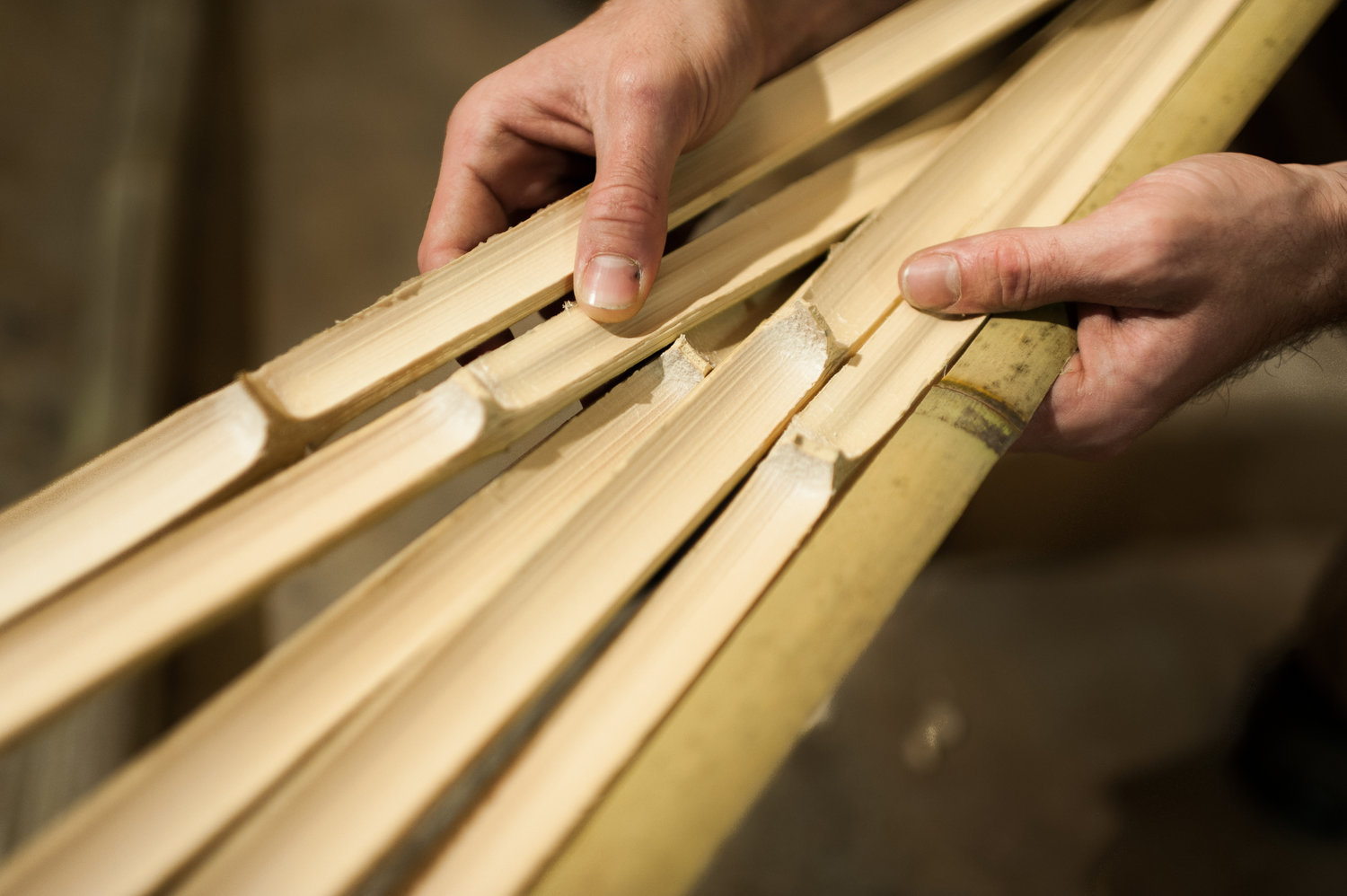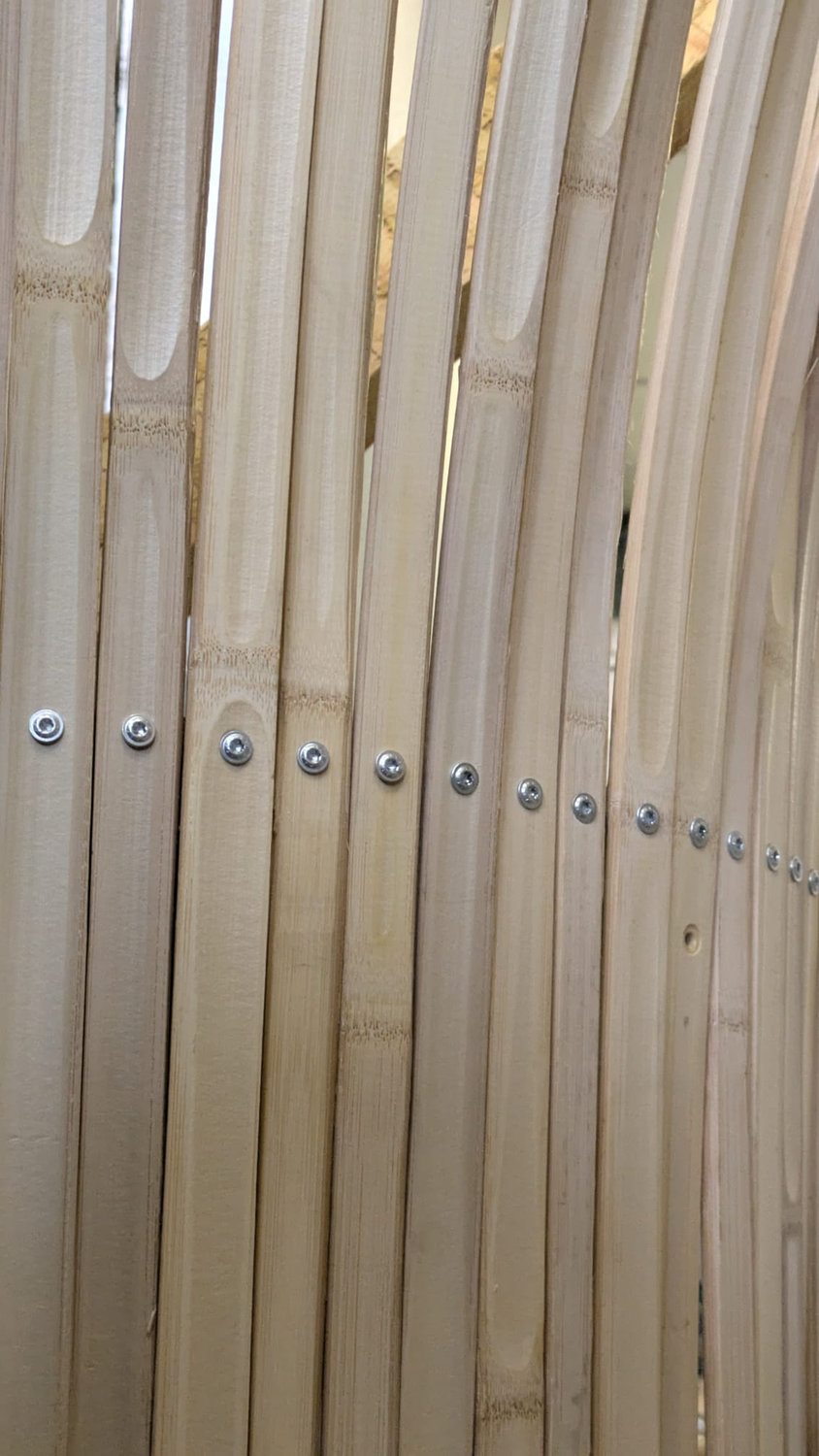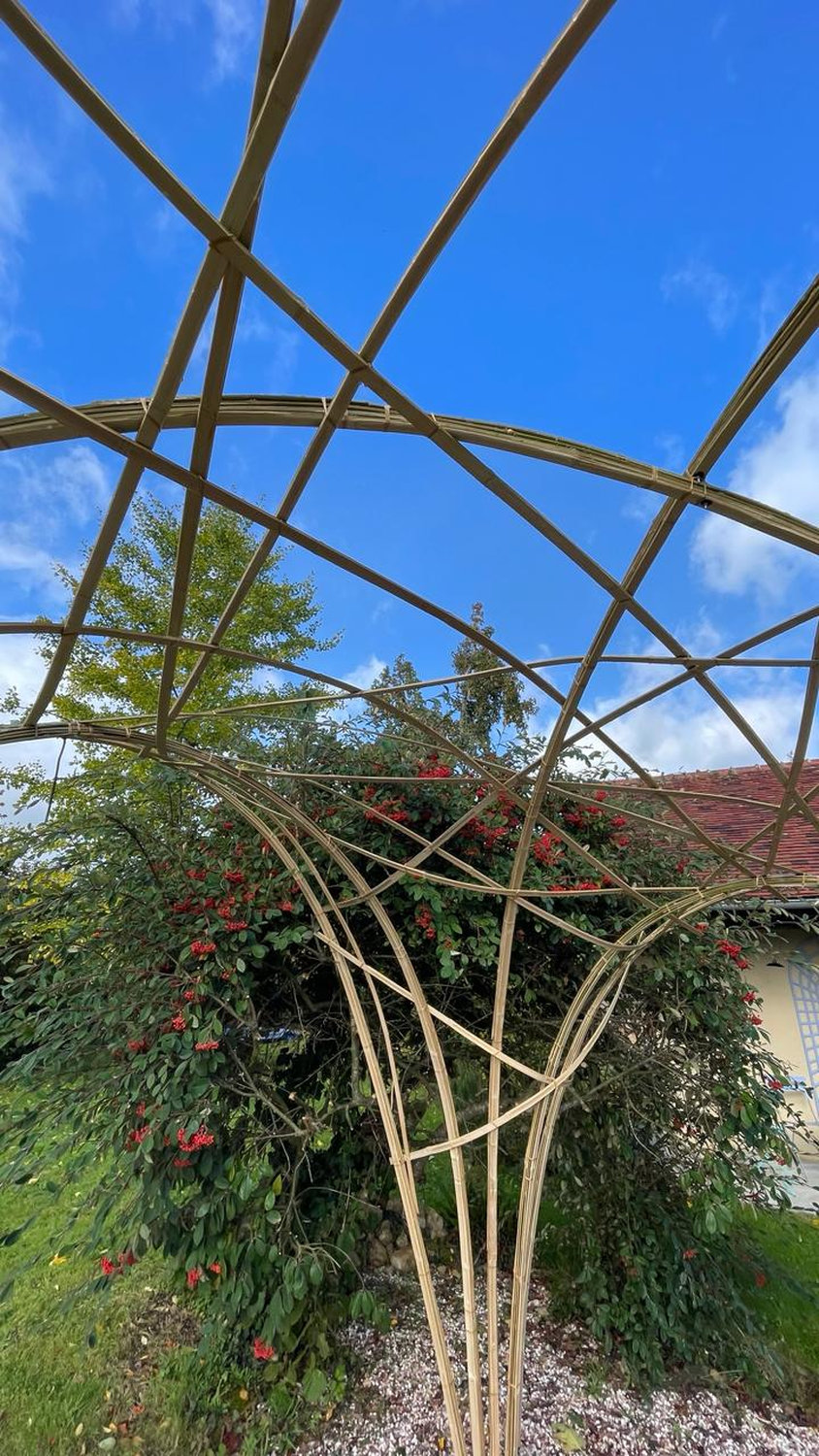
In the world of contemporary design and craftsmanship, Jean-Baptiste Dubois has, over the course of just over twenty years, forged a path that blends material exploration, project engineering, and workshop culture. A central theme emerged very early on: bamboo, not merely as a resource, but as a field of experimentation at the intersection of ecology, technology, and creativity.
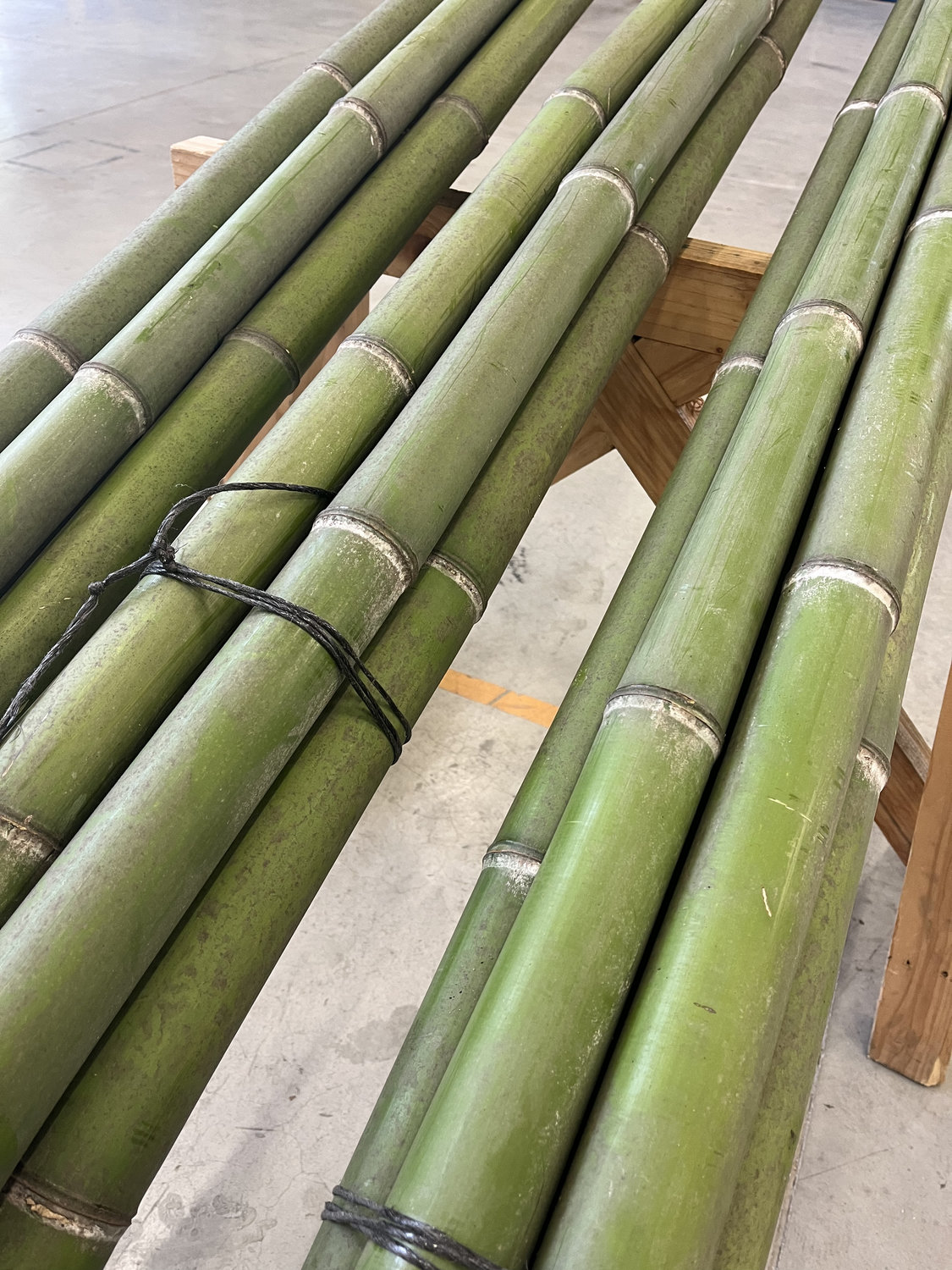
His career path, however, has not followed a straight line. After studying management and marketing at EDHEC Business School, followed by intercultural relations and development at the University of Lille 3, he rounded out his education with a year abroad in Bangkok. From an early age, the international arena emerged as a space for both learning and gaining a broader perspective. Southeast Asia even became a place of extended immersion, particularly in the early 2000s, when he lived among the Karen ethnic group in Thailand. There, he discovered the gestures, customs, and vernacular logic of bamboo.
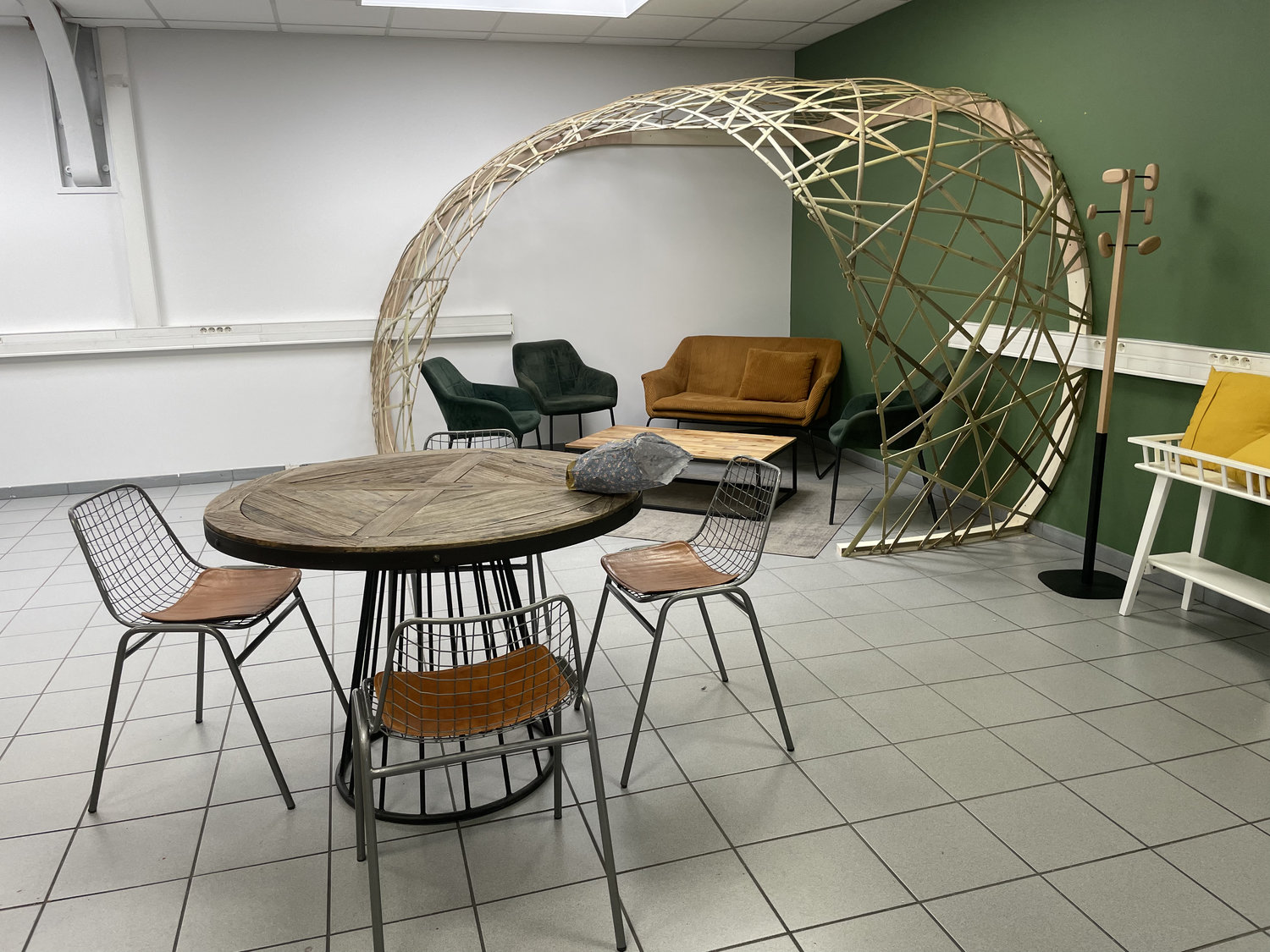
But it was a later image that proved to be a turning point: a bamboo canopy spotted in a land art installation on the roof of MoMA in New York. The material then ceased to be merely a subject of ethnographic or artisanal study; it became an architectural possibility and a space for innovation.
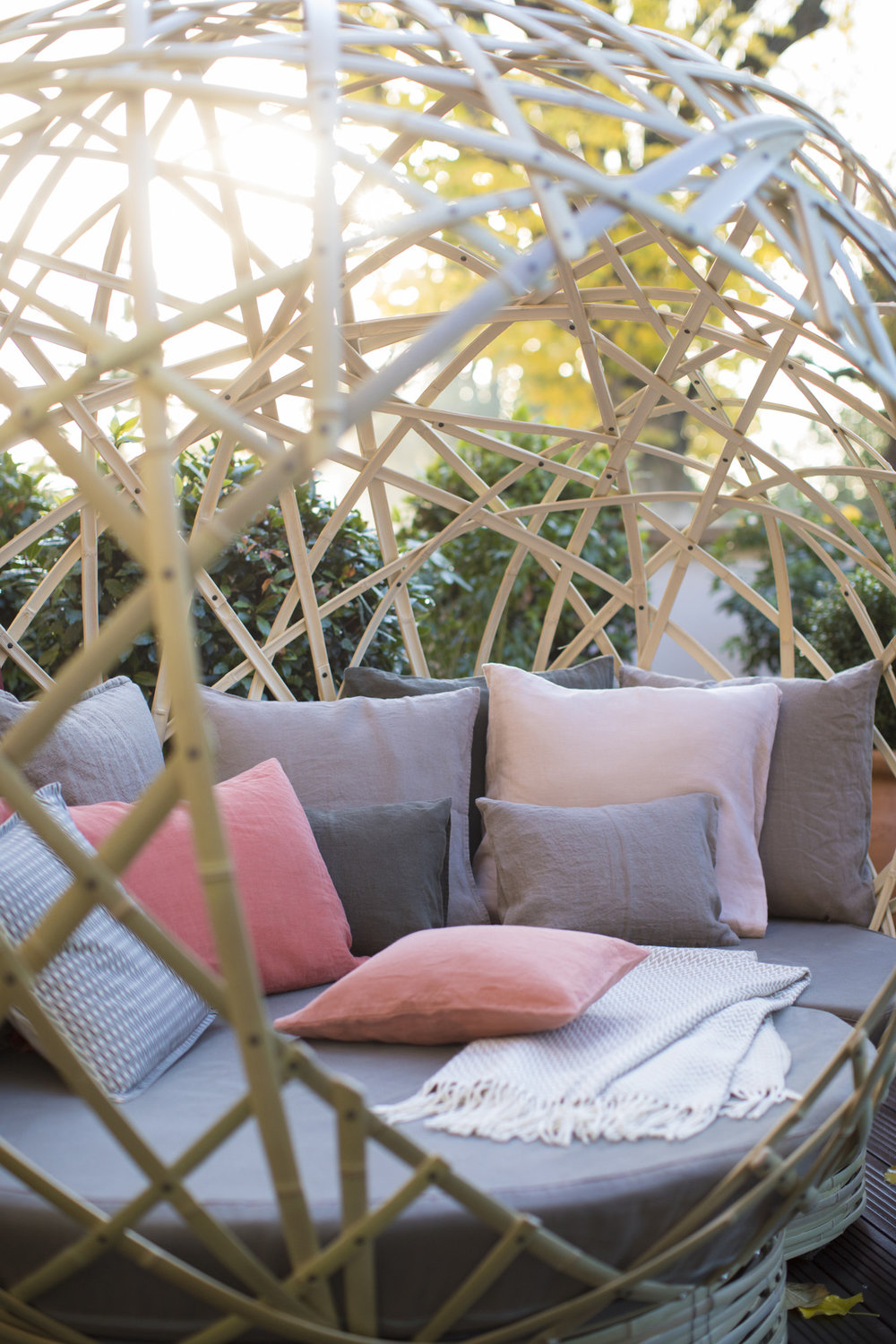
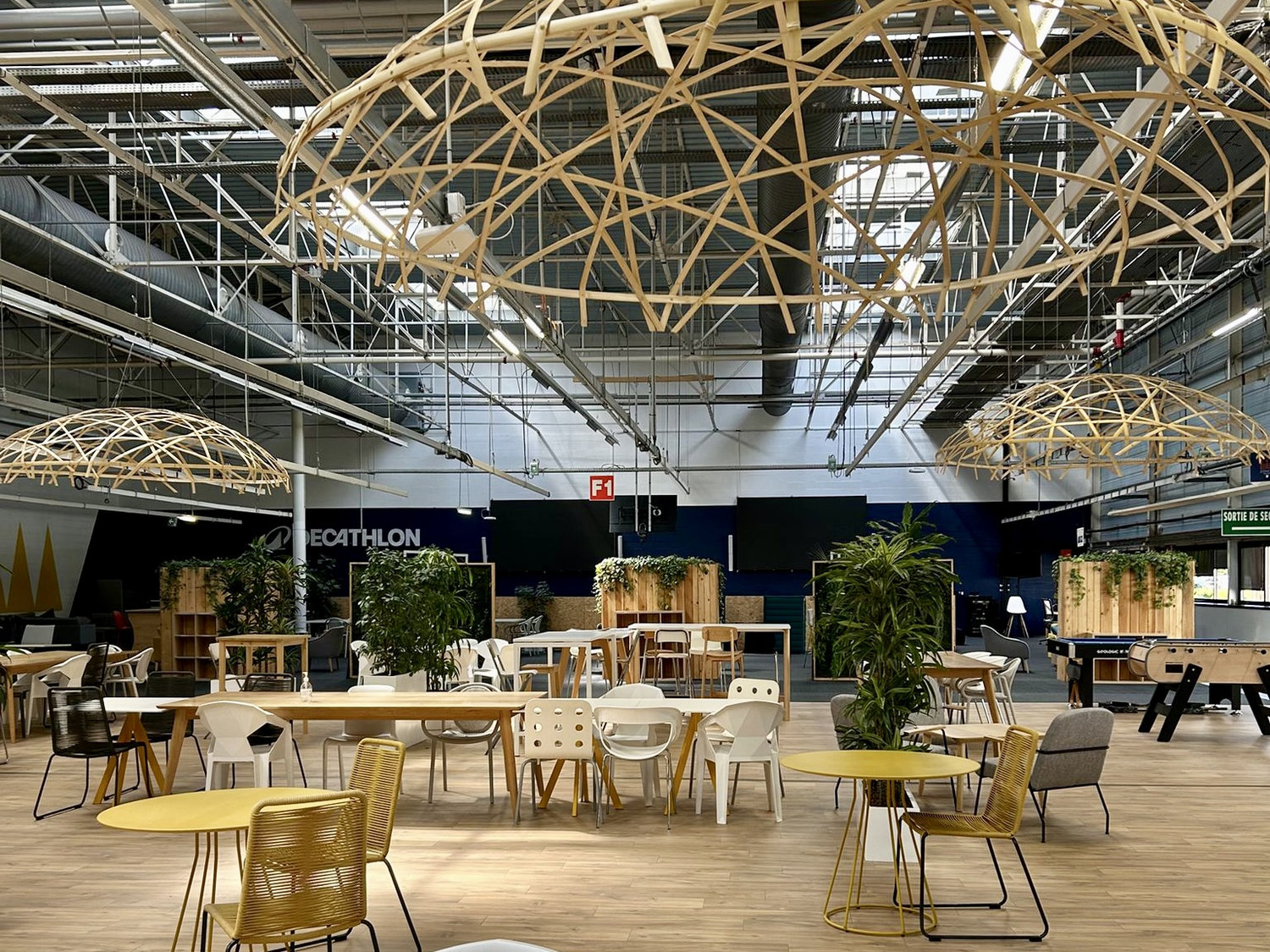
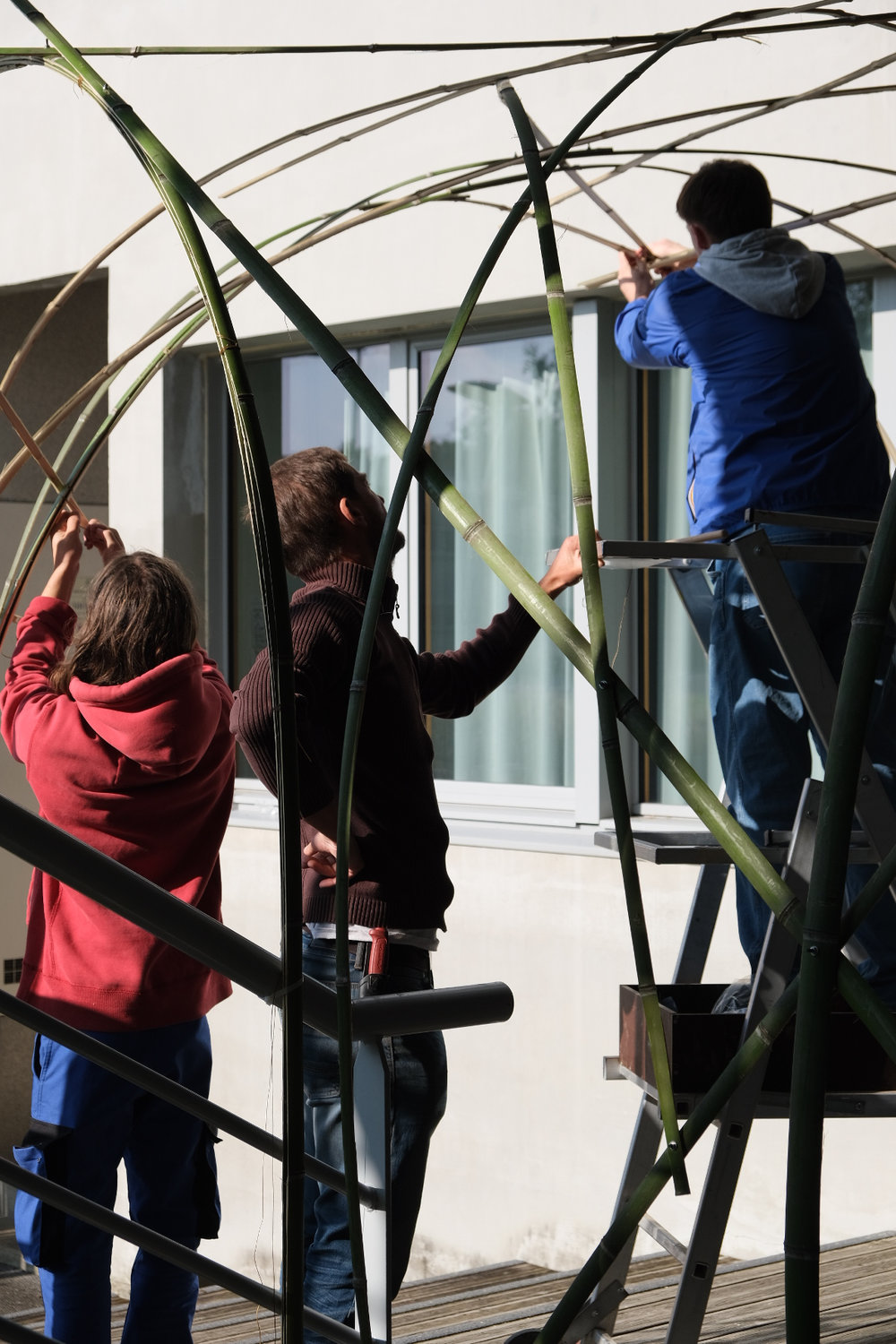
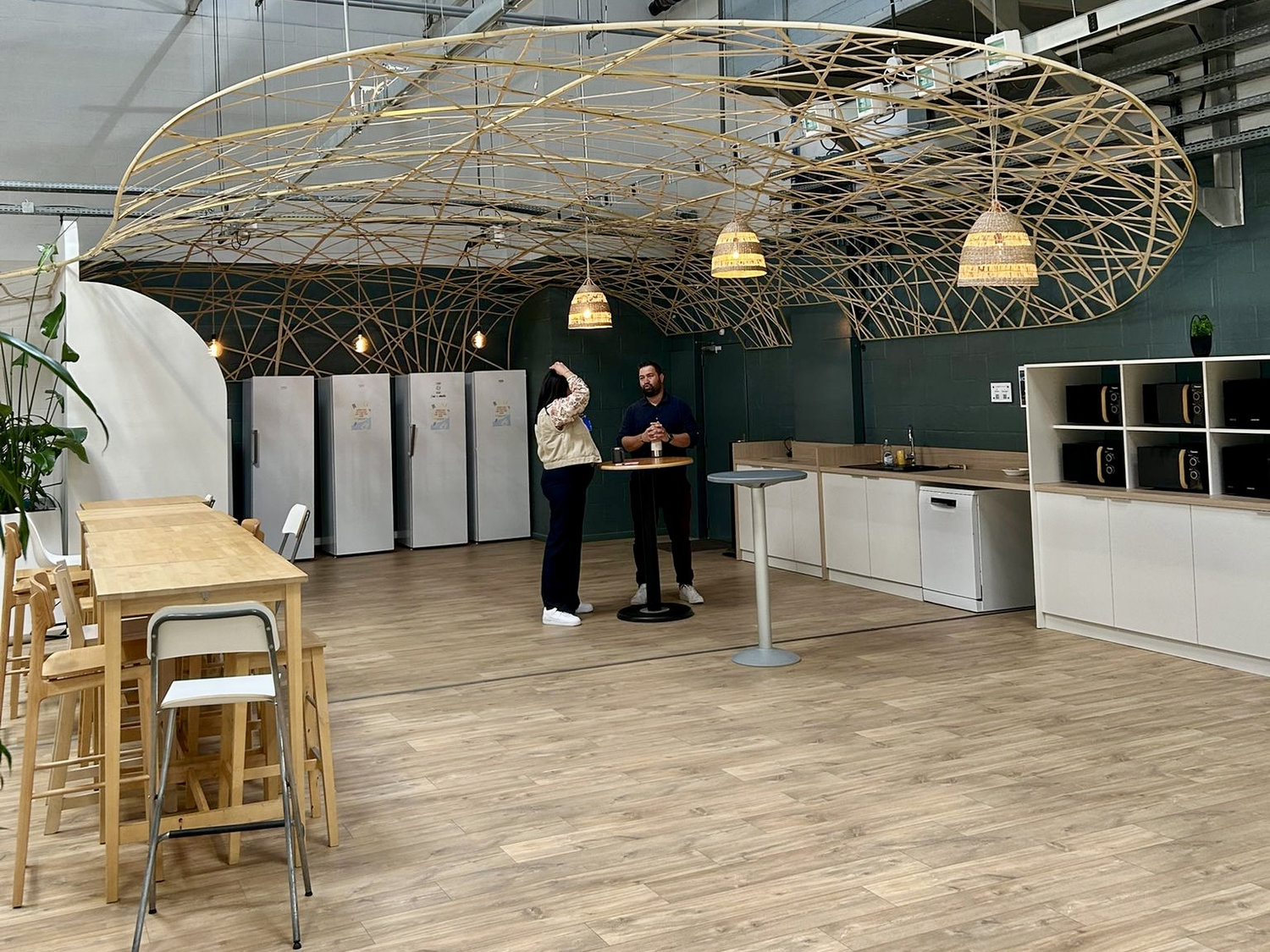
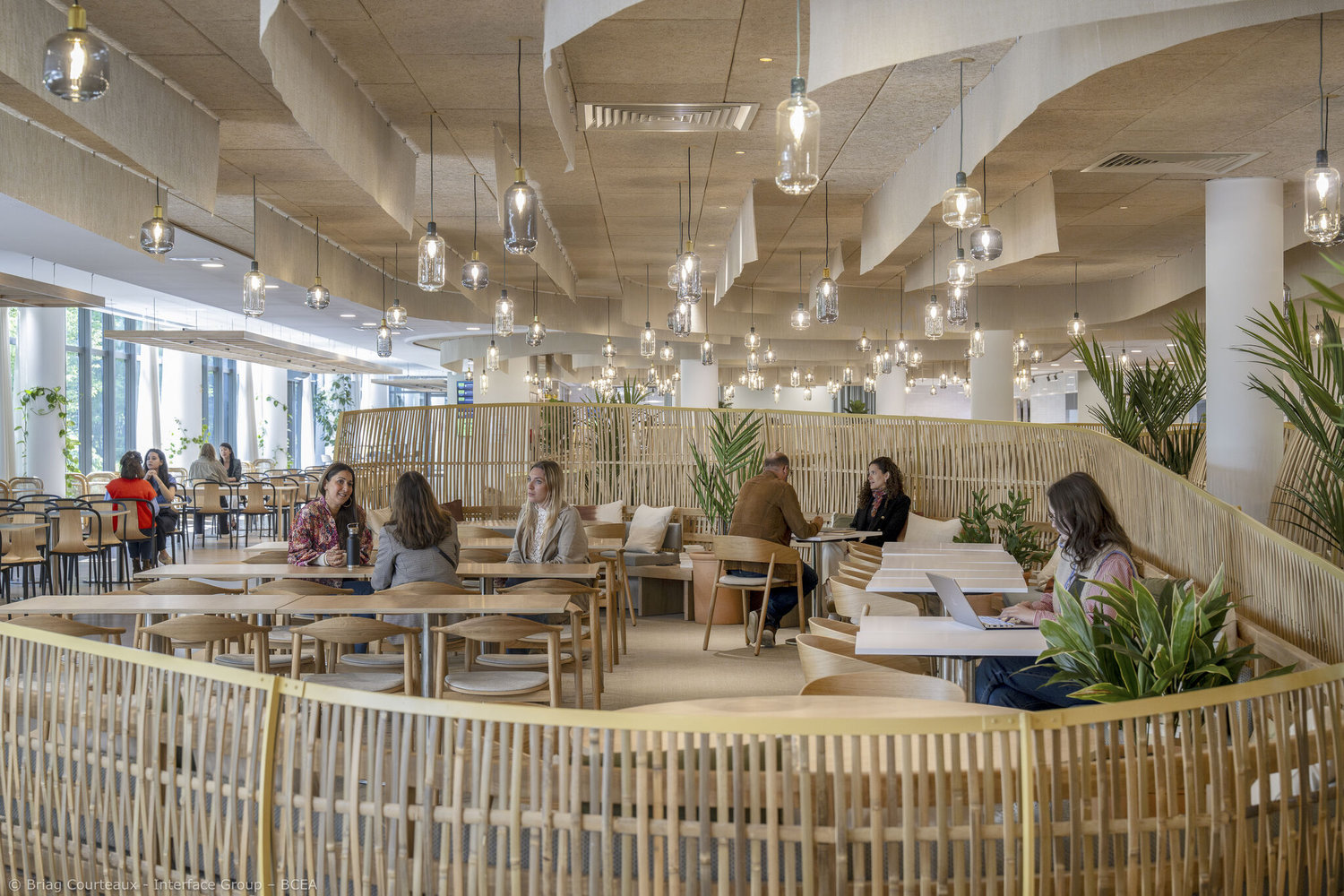
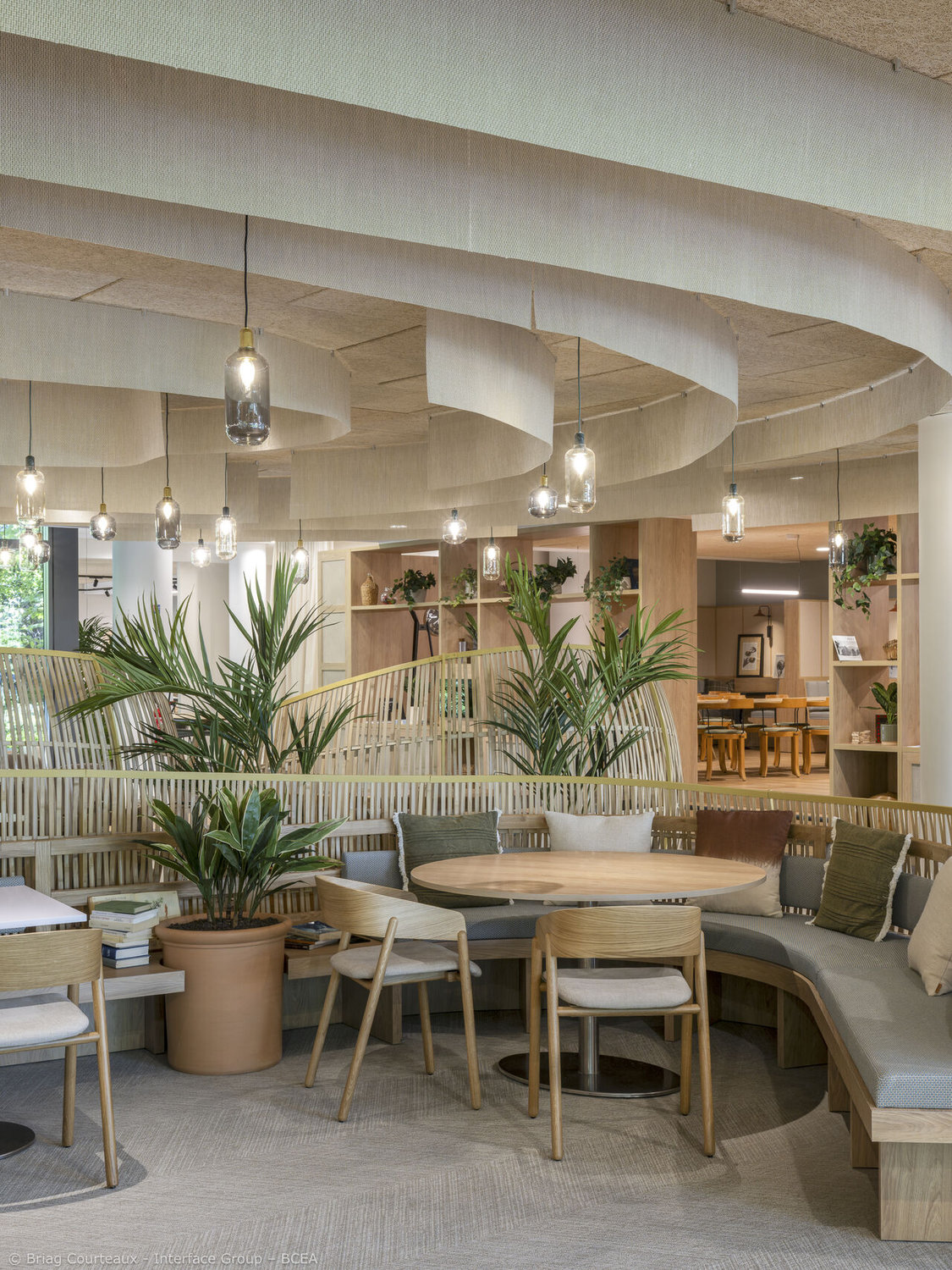
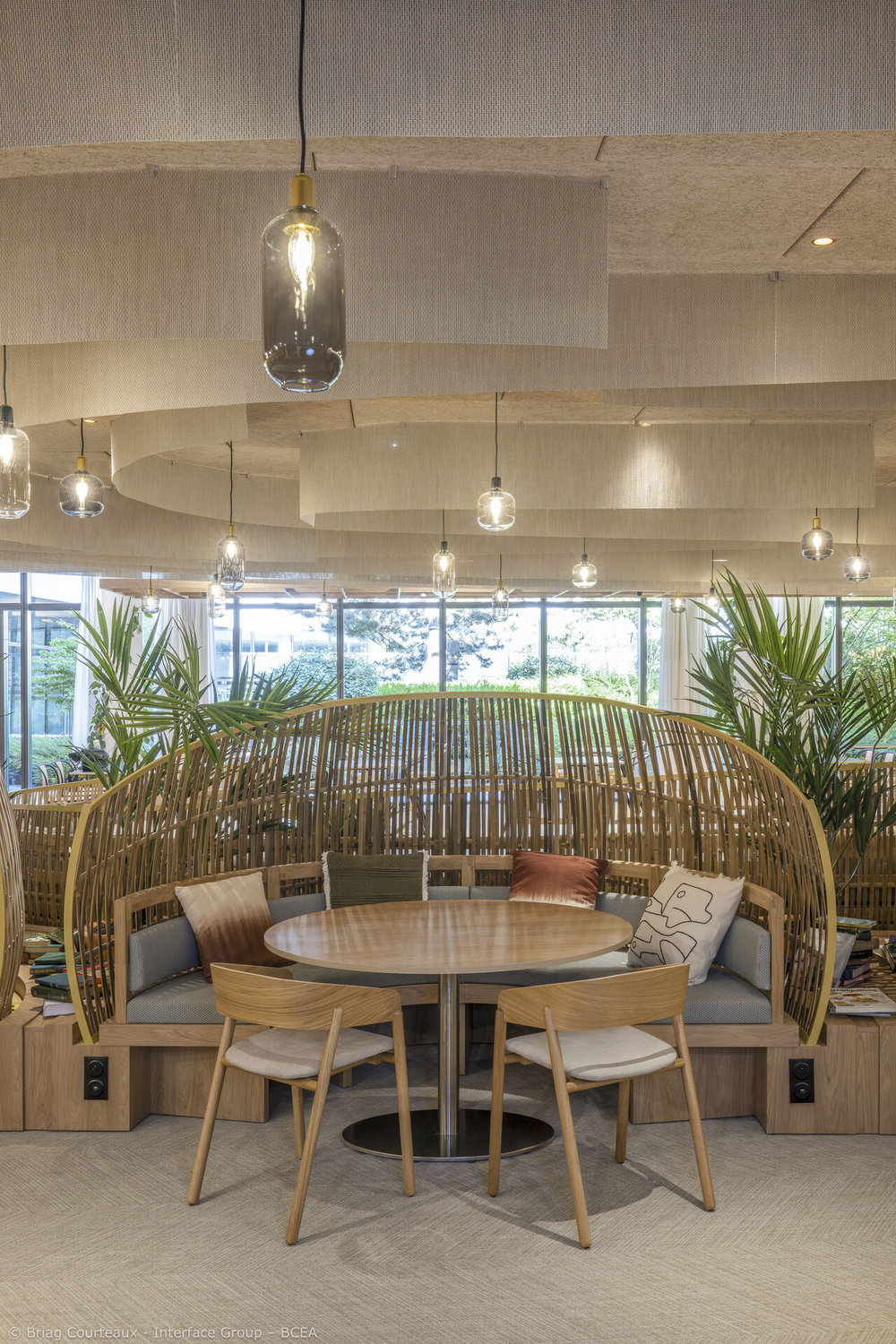
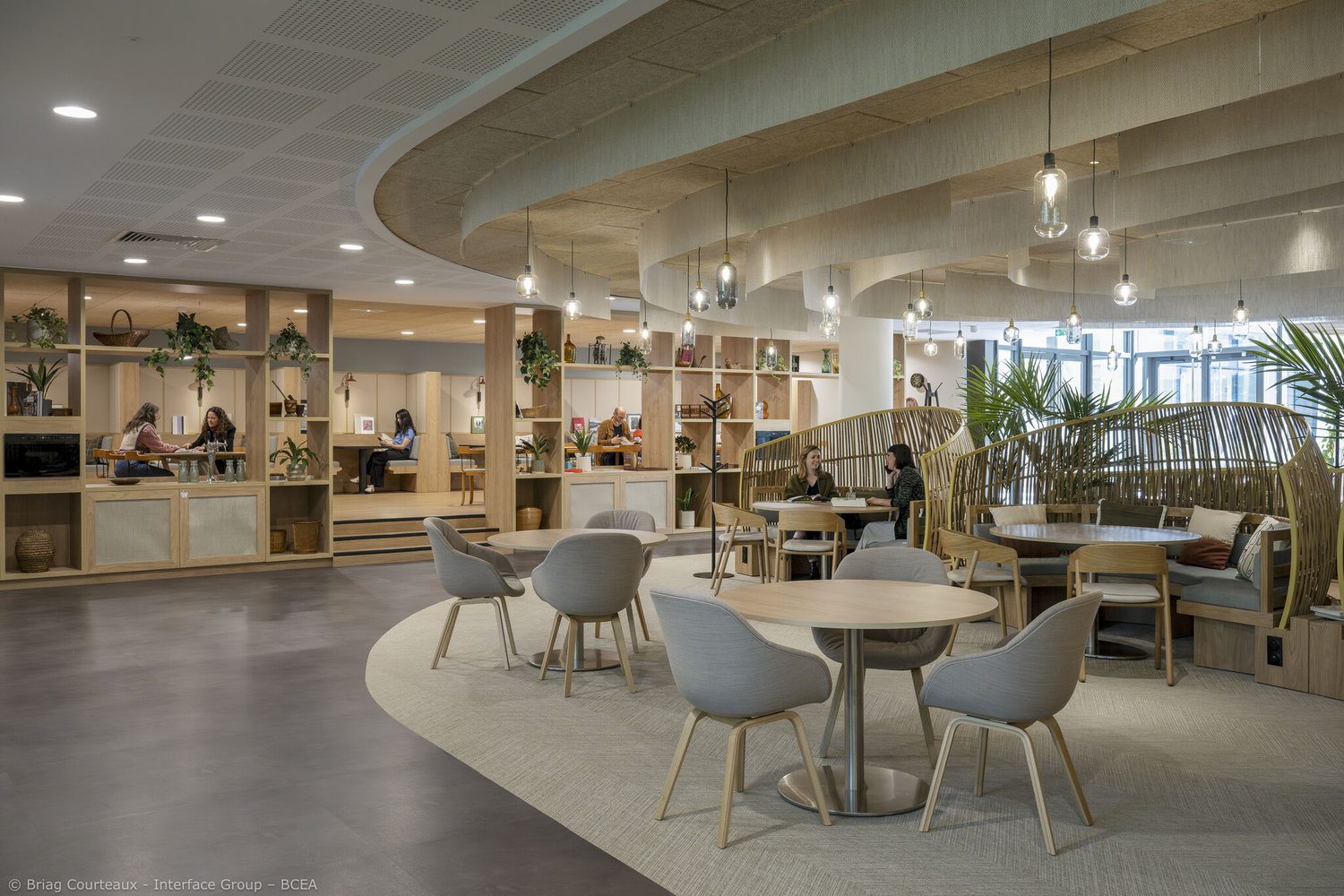
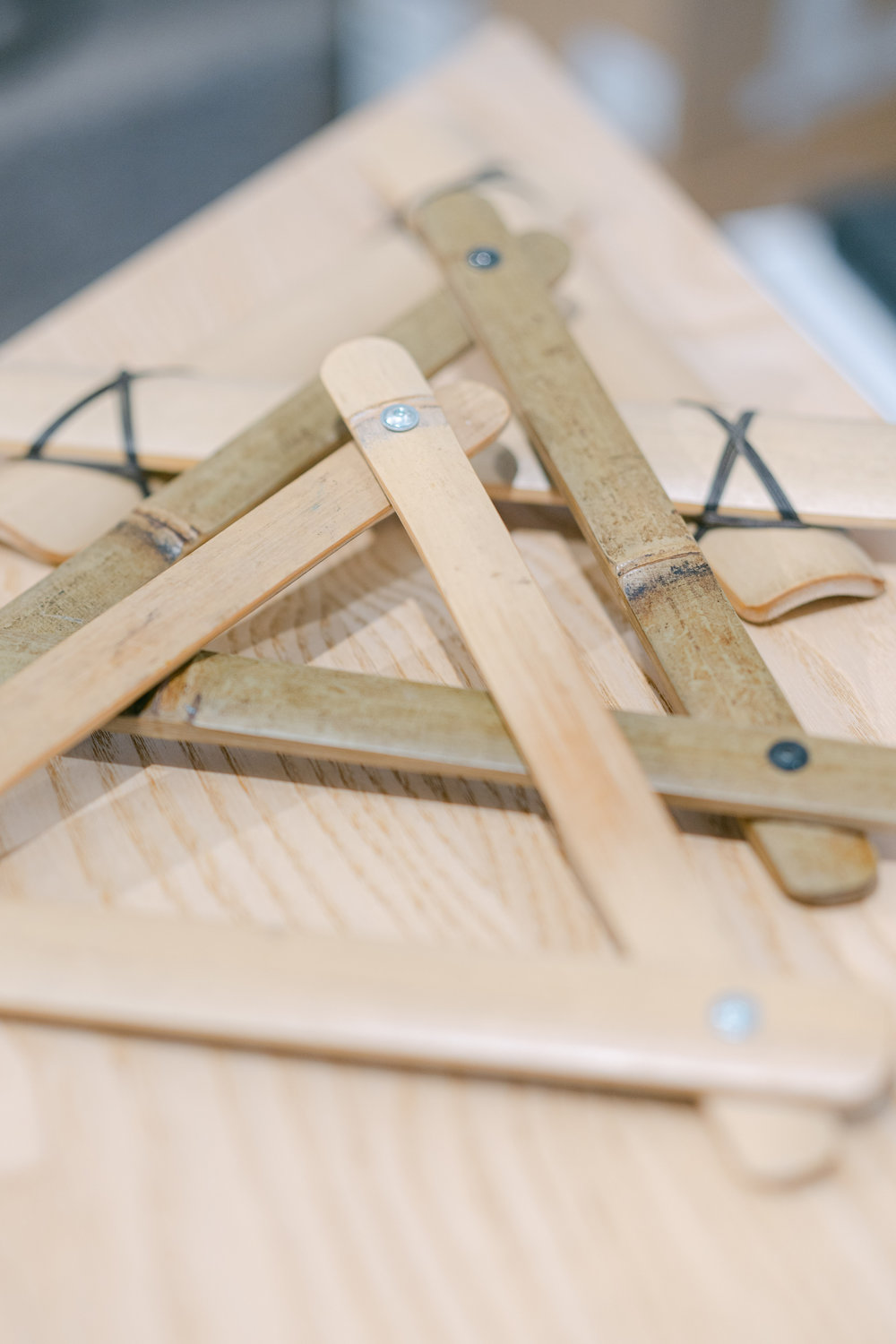
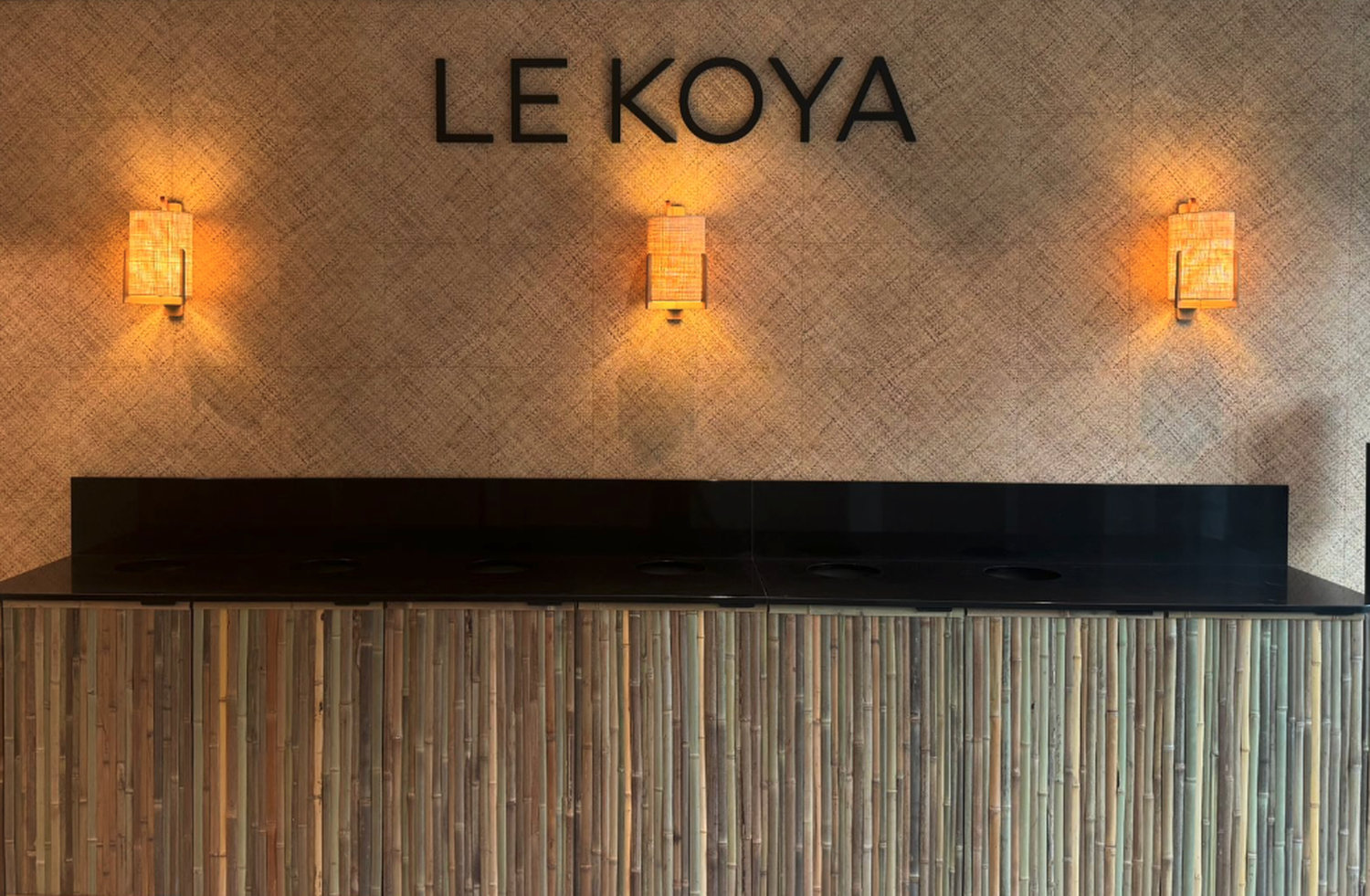
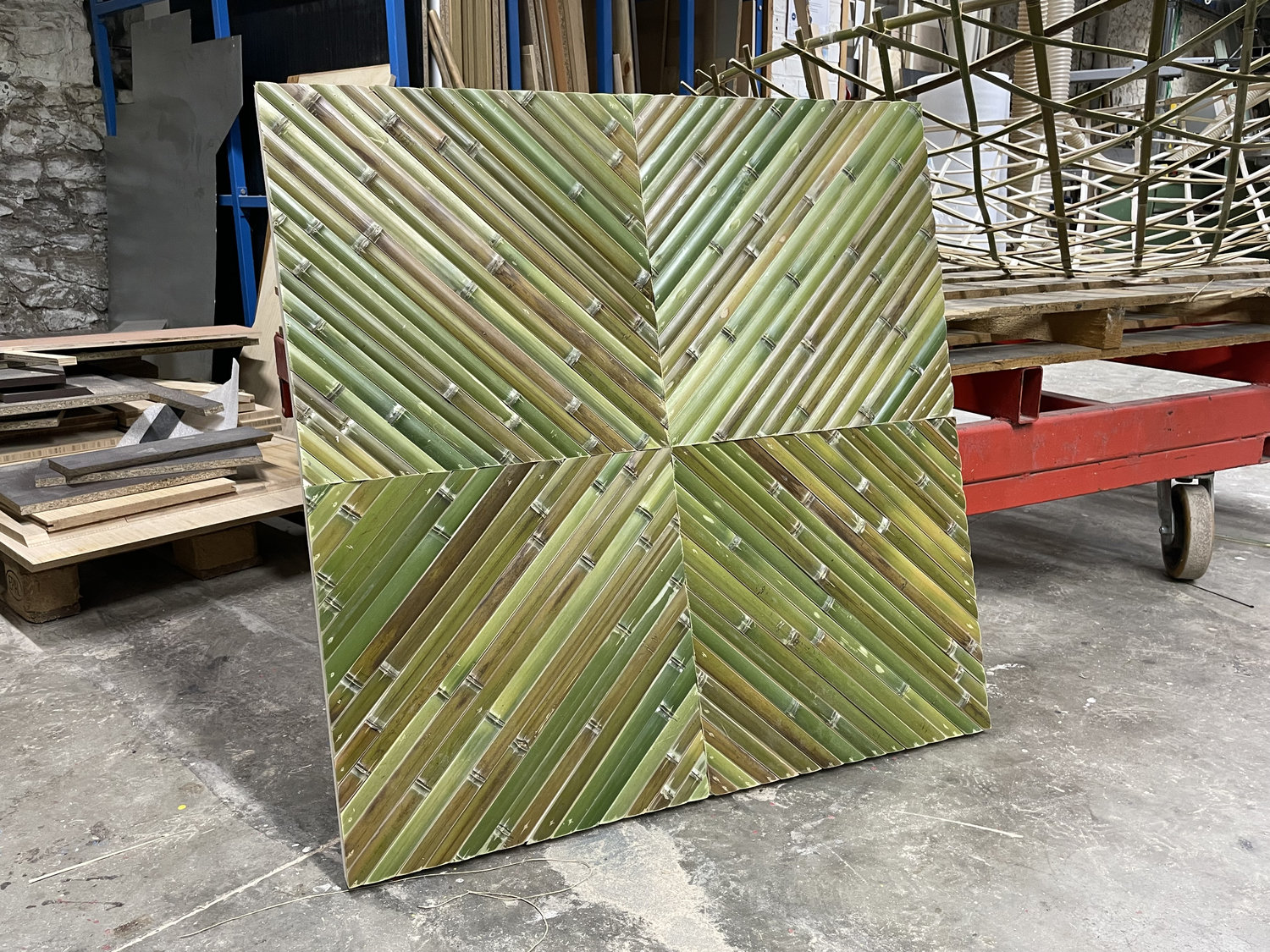
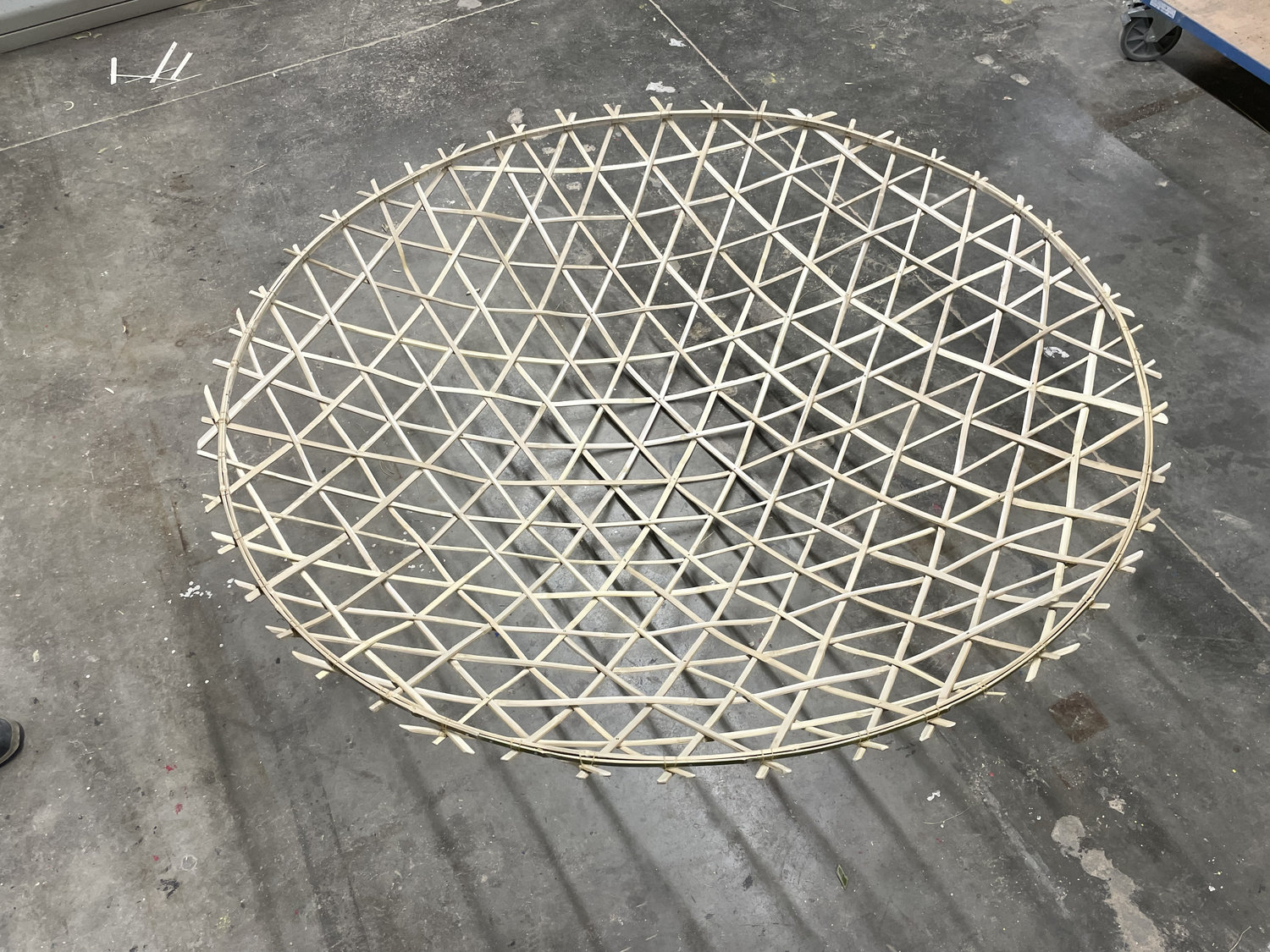
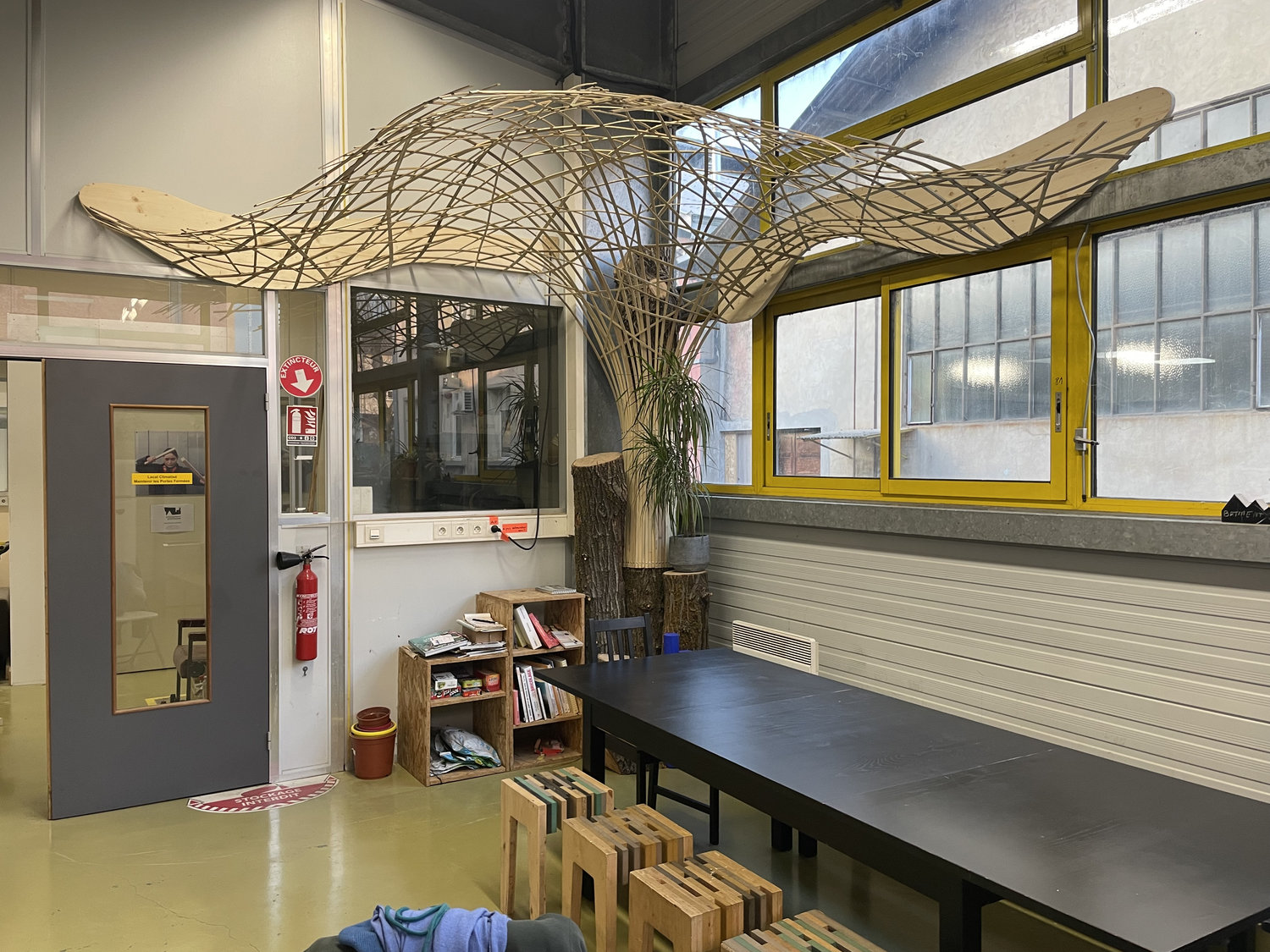
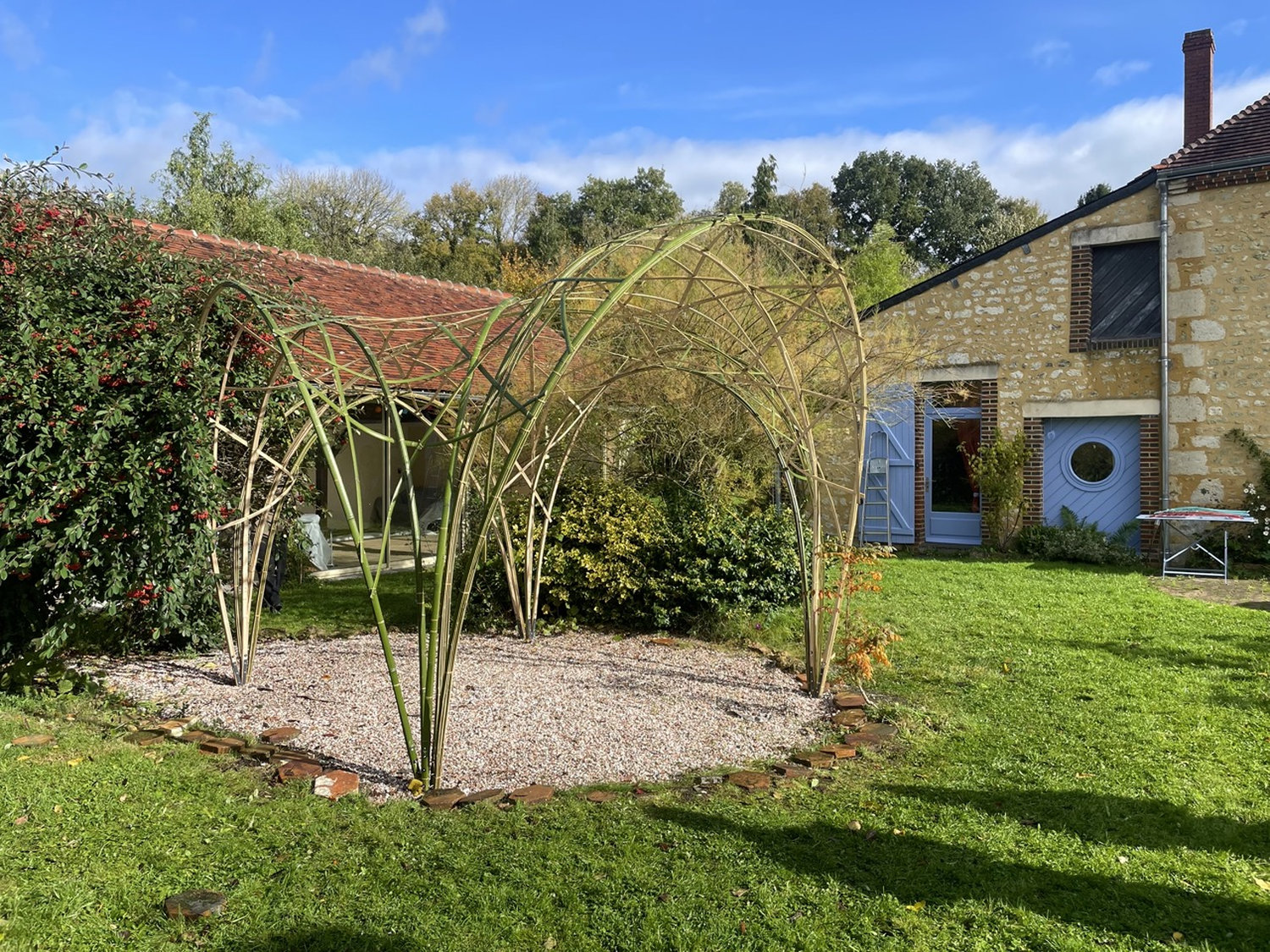
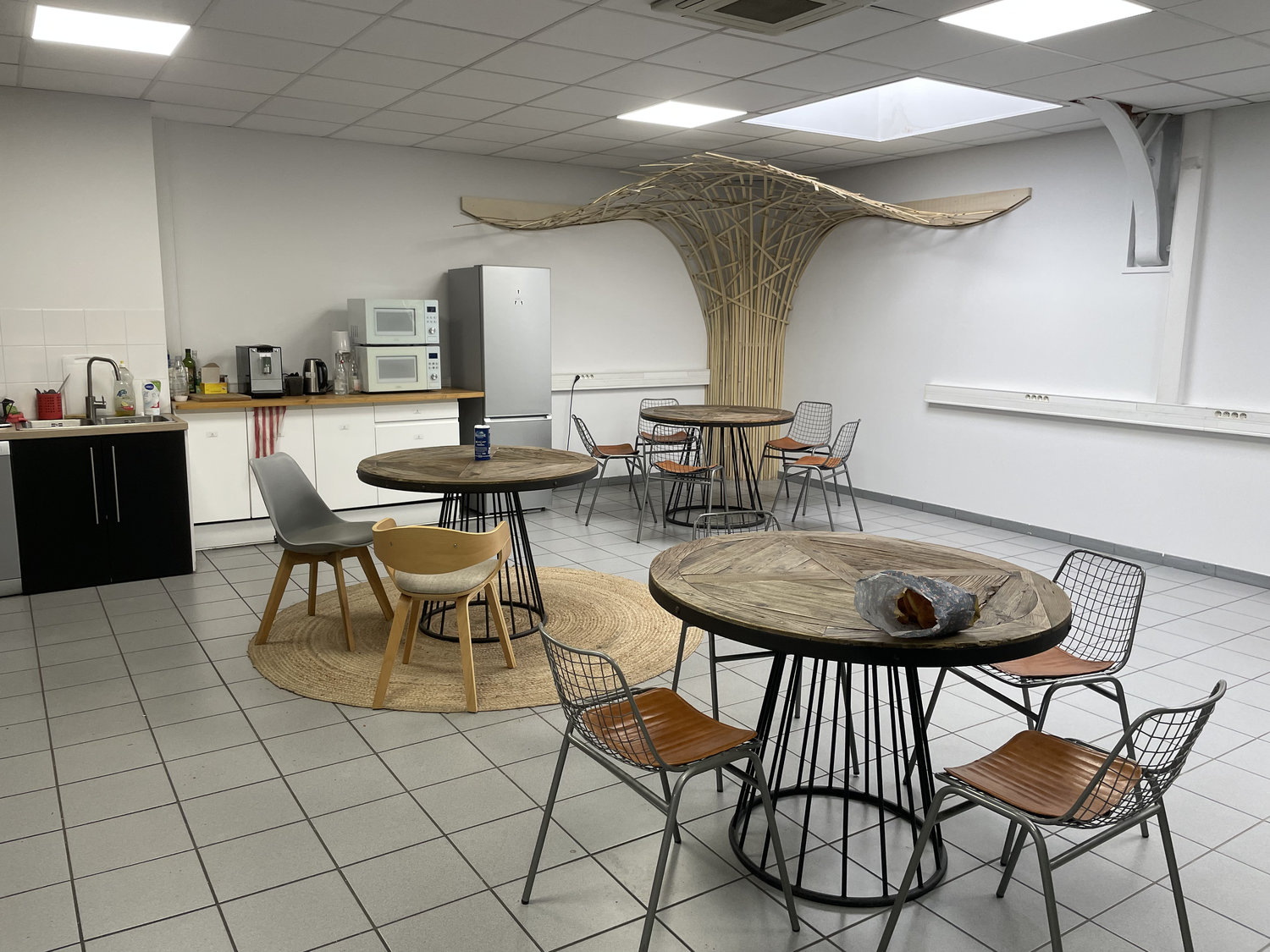
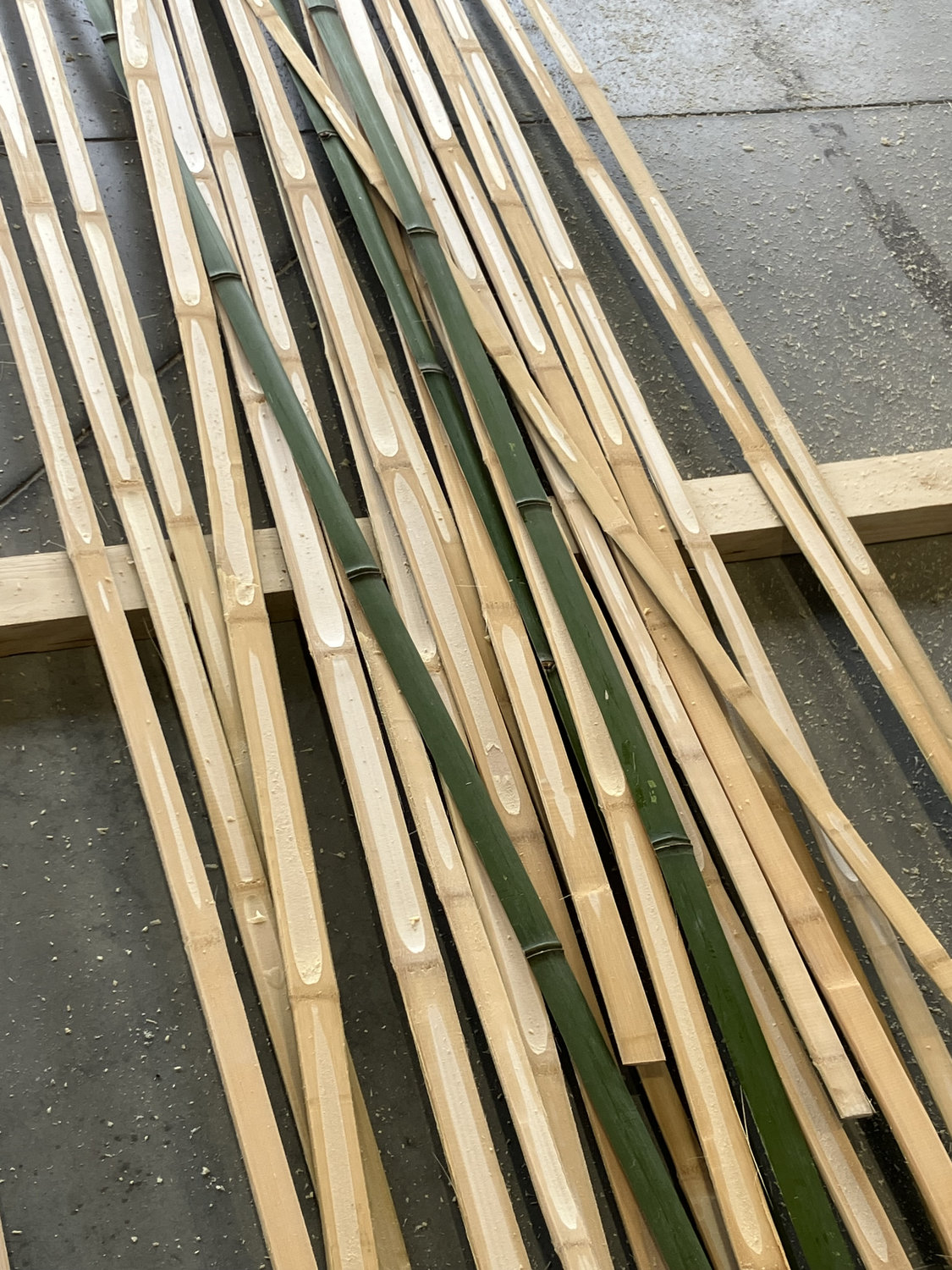
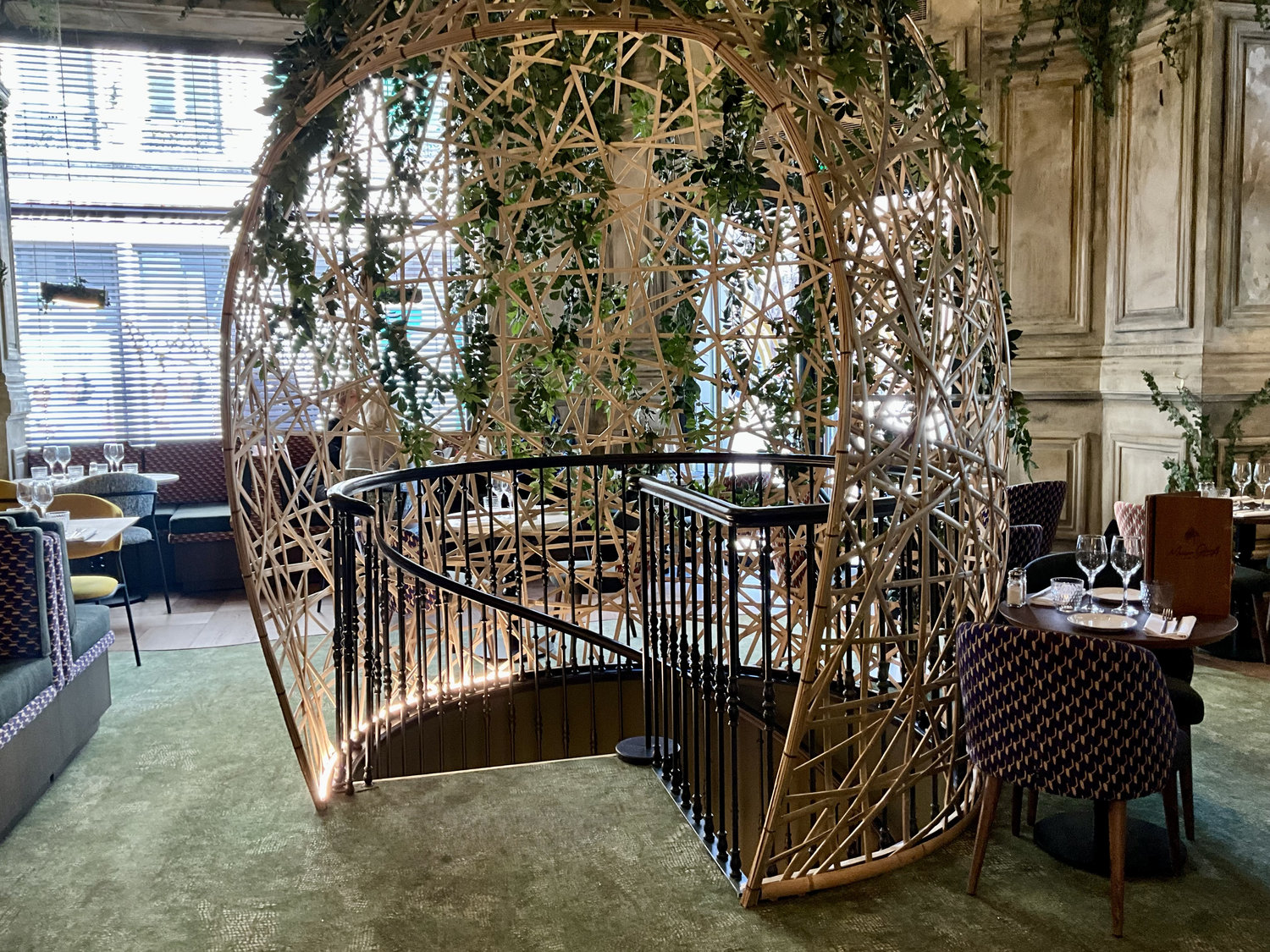
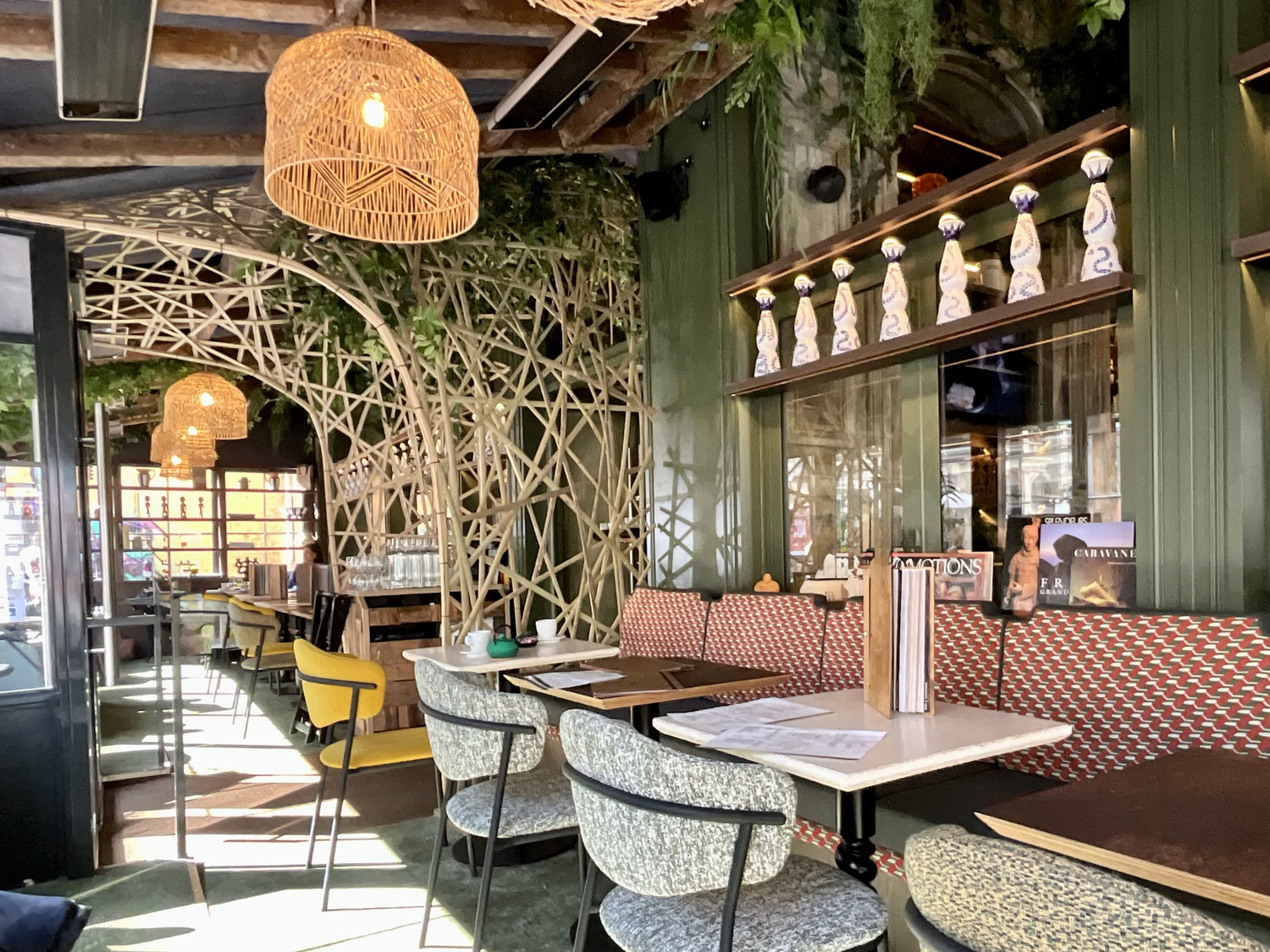
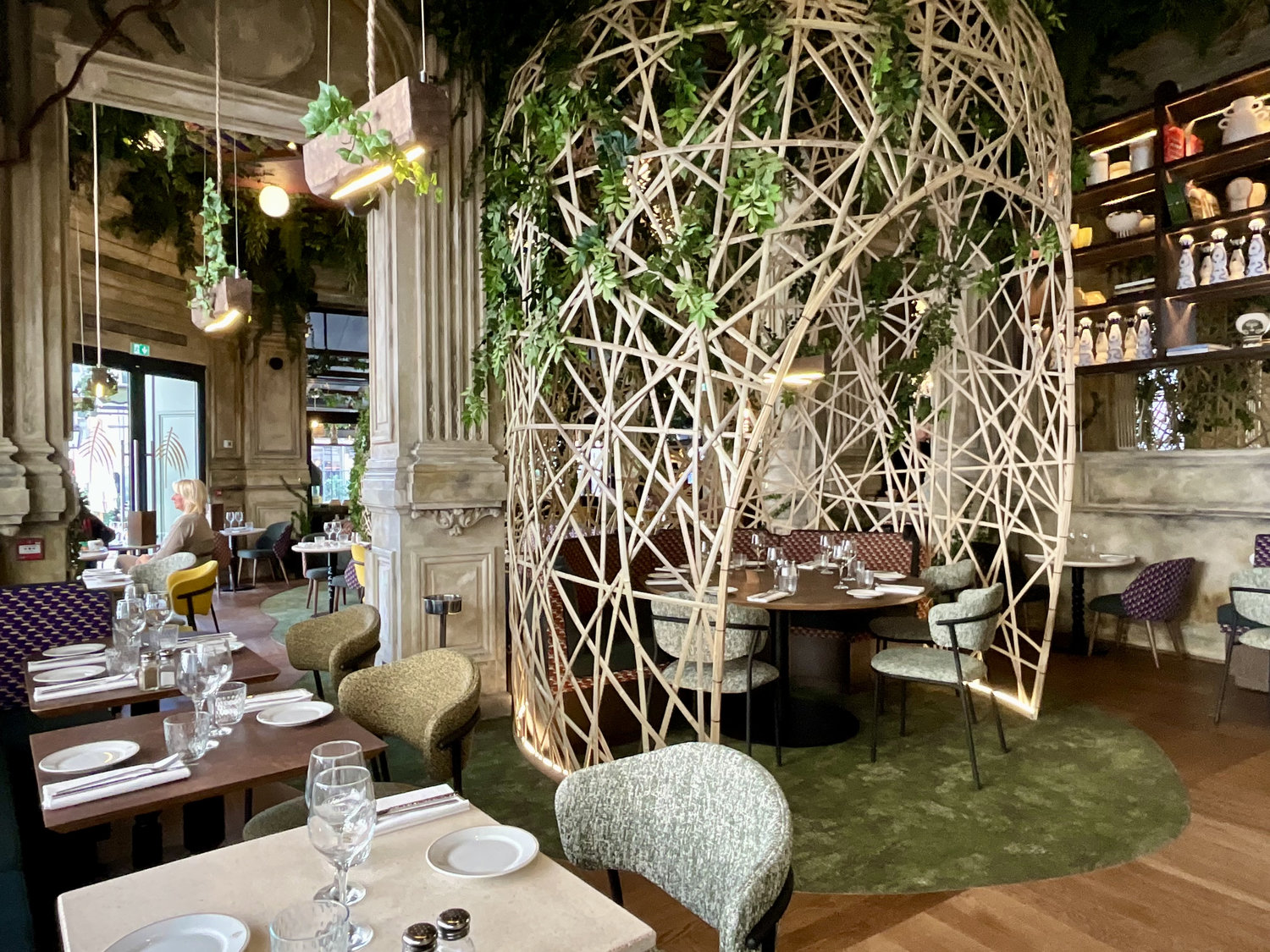
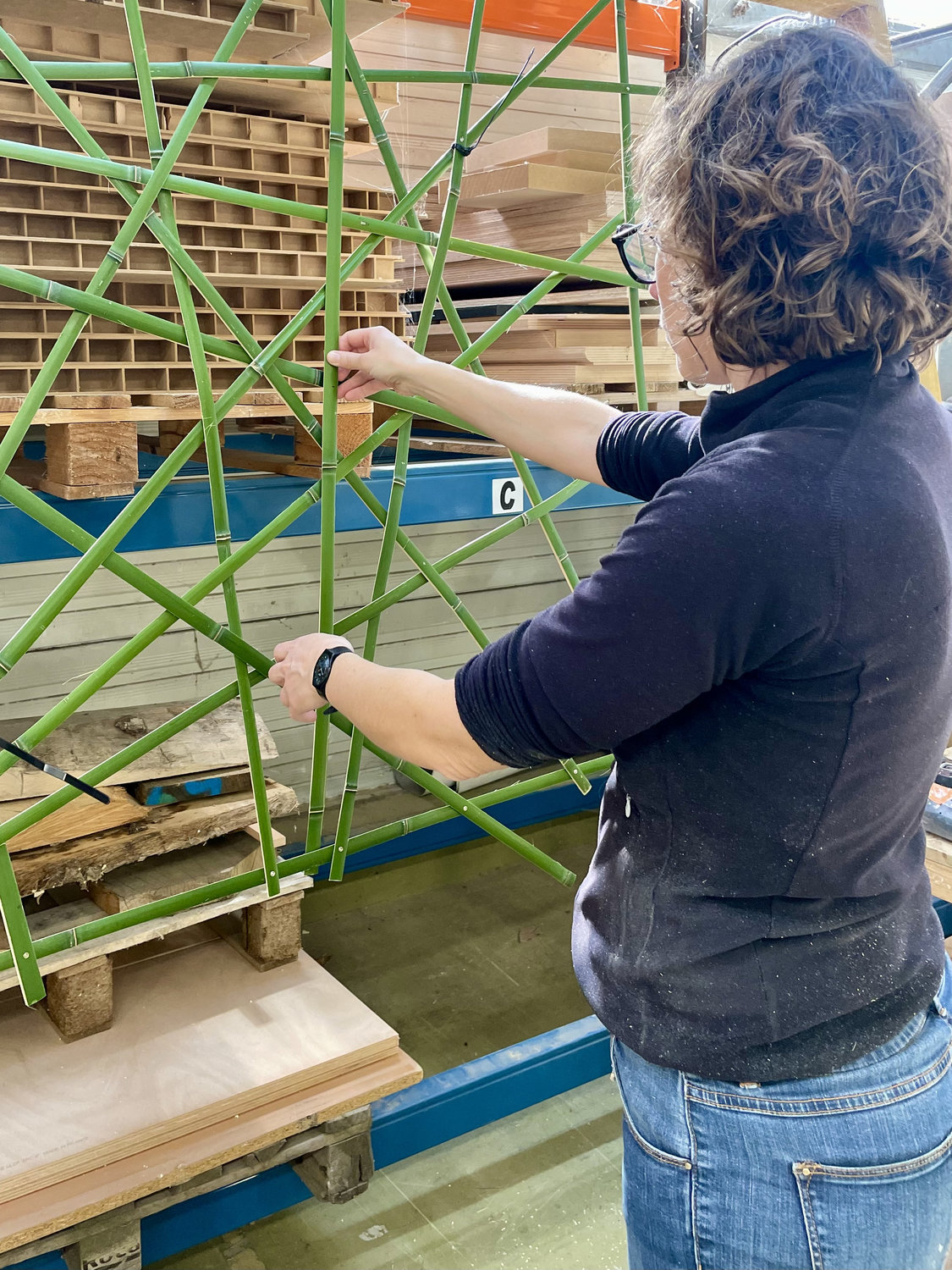
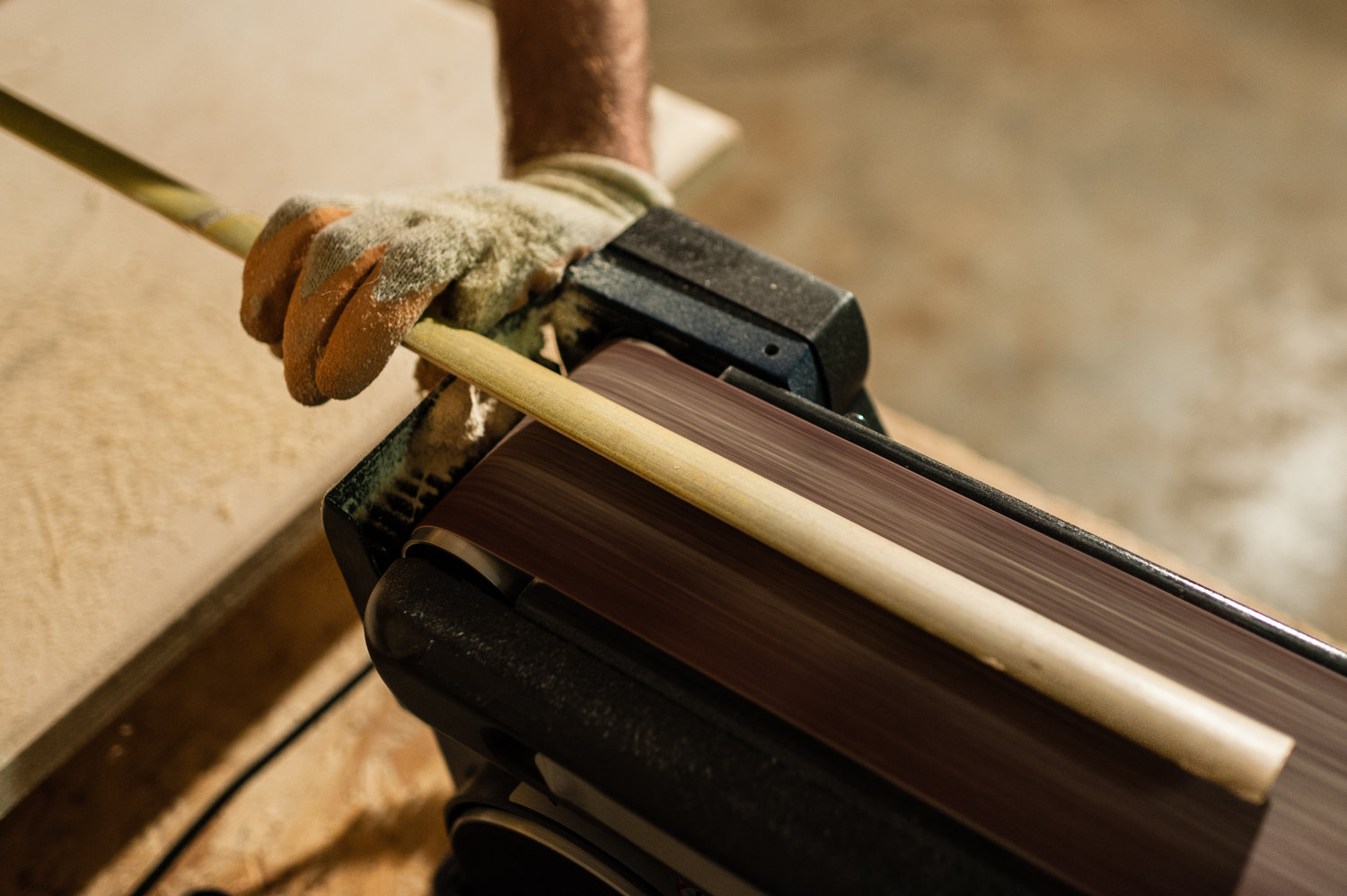
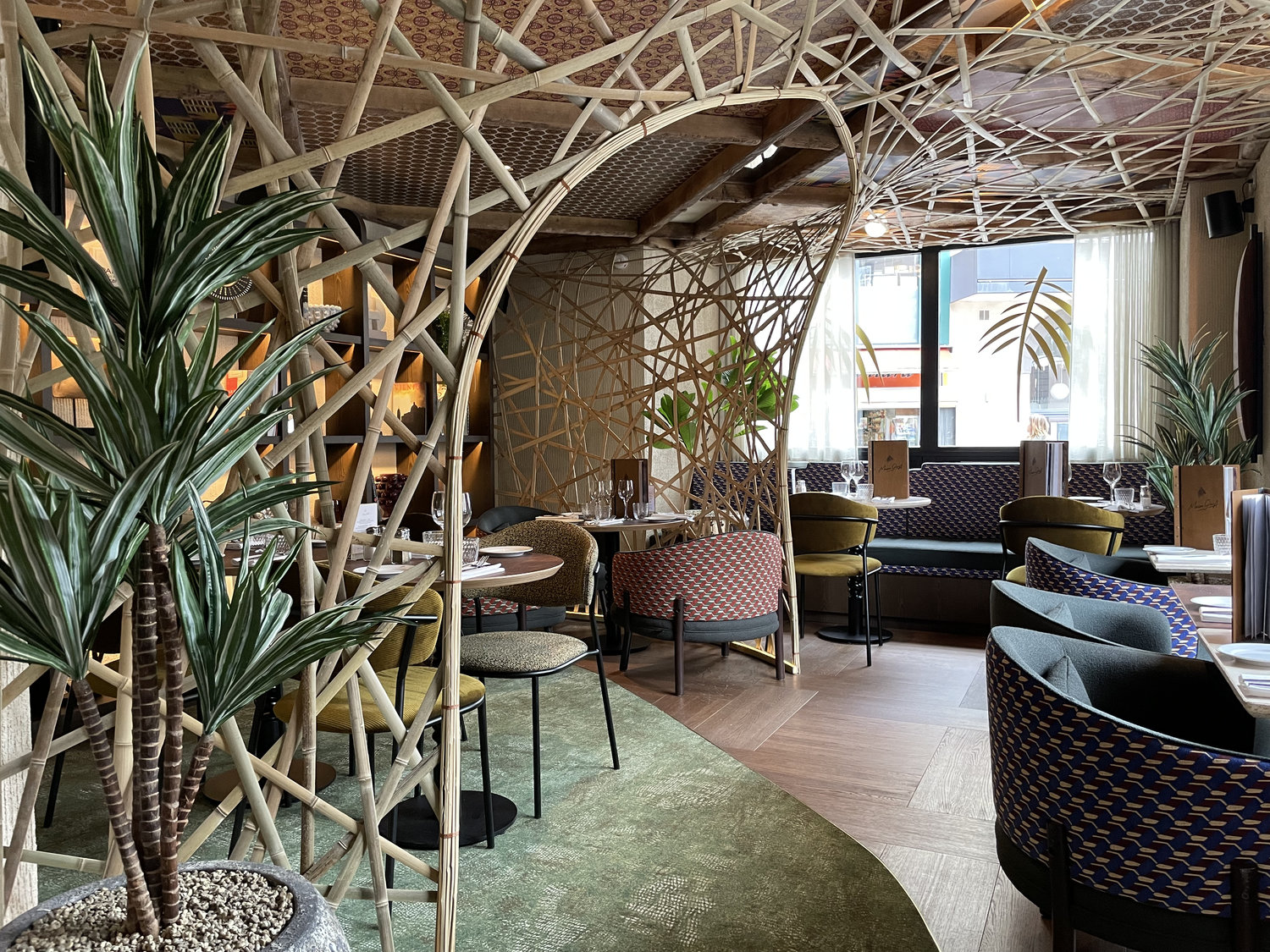
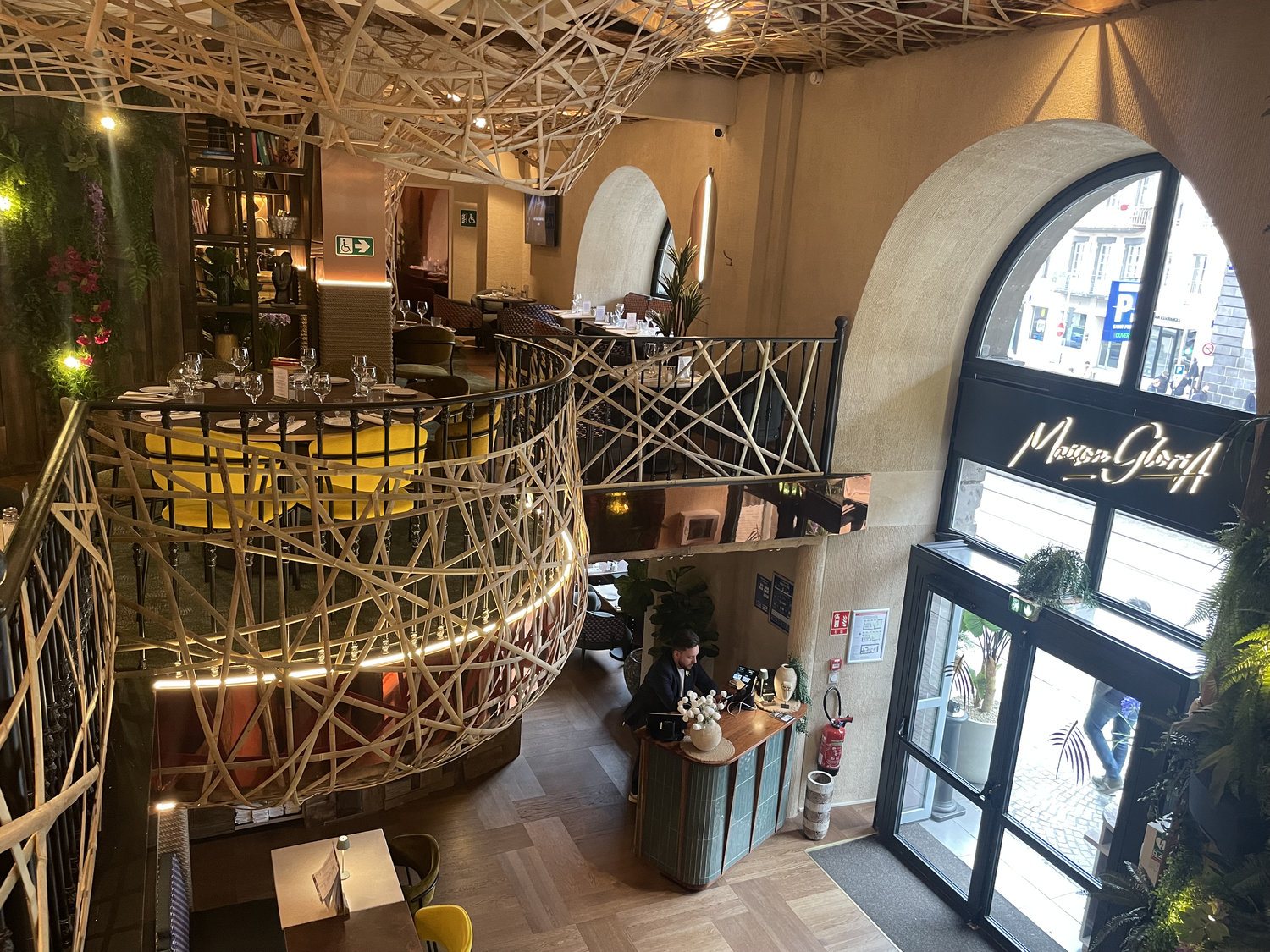
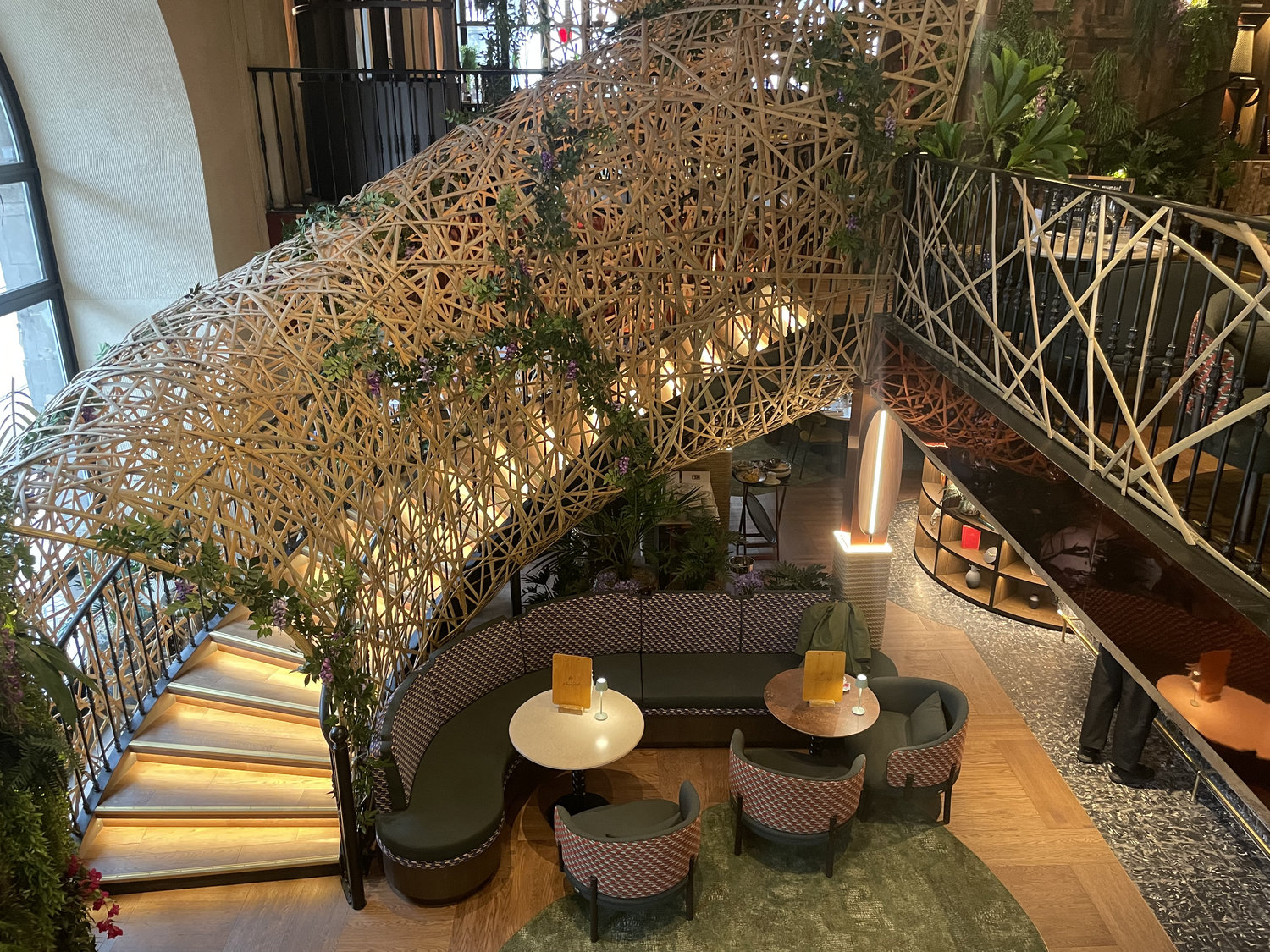
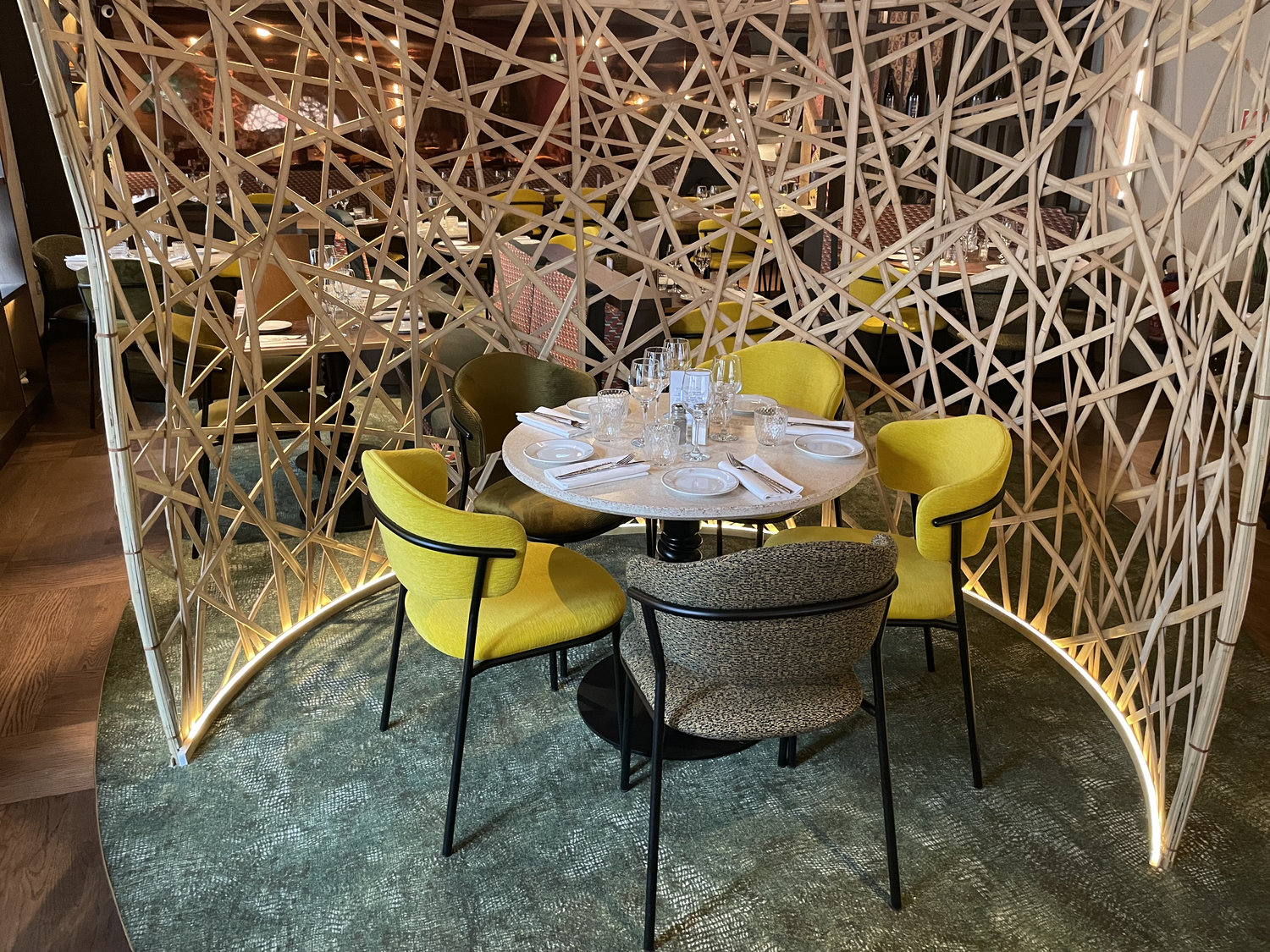
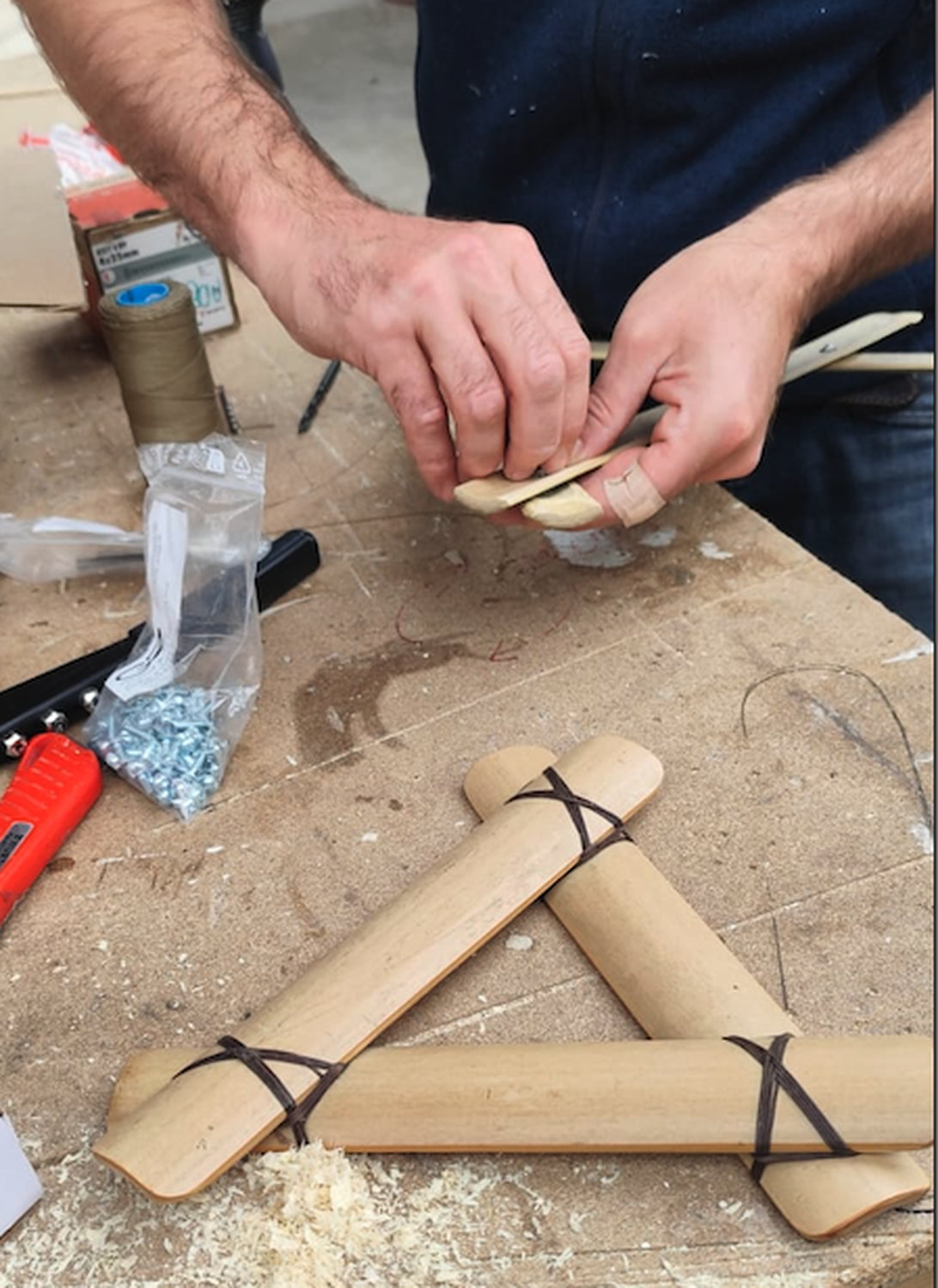
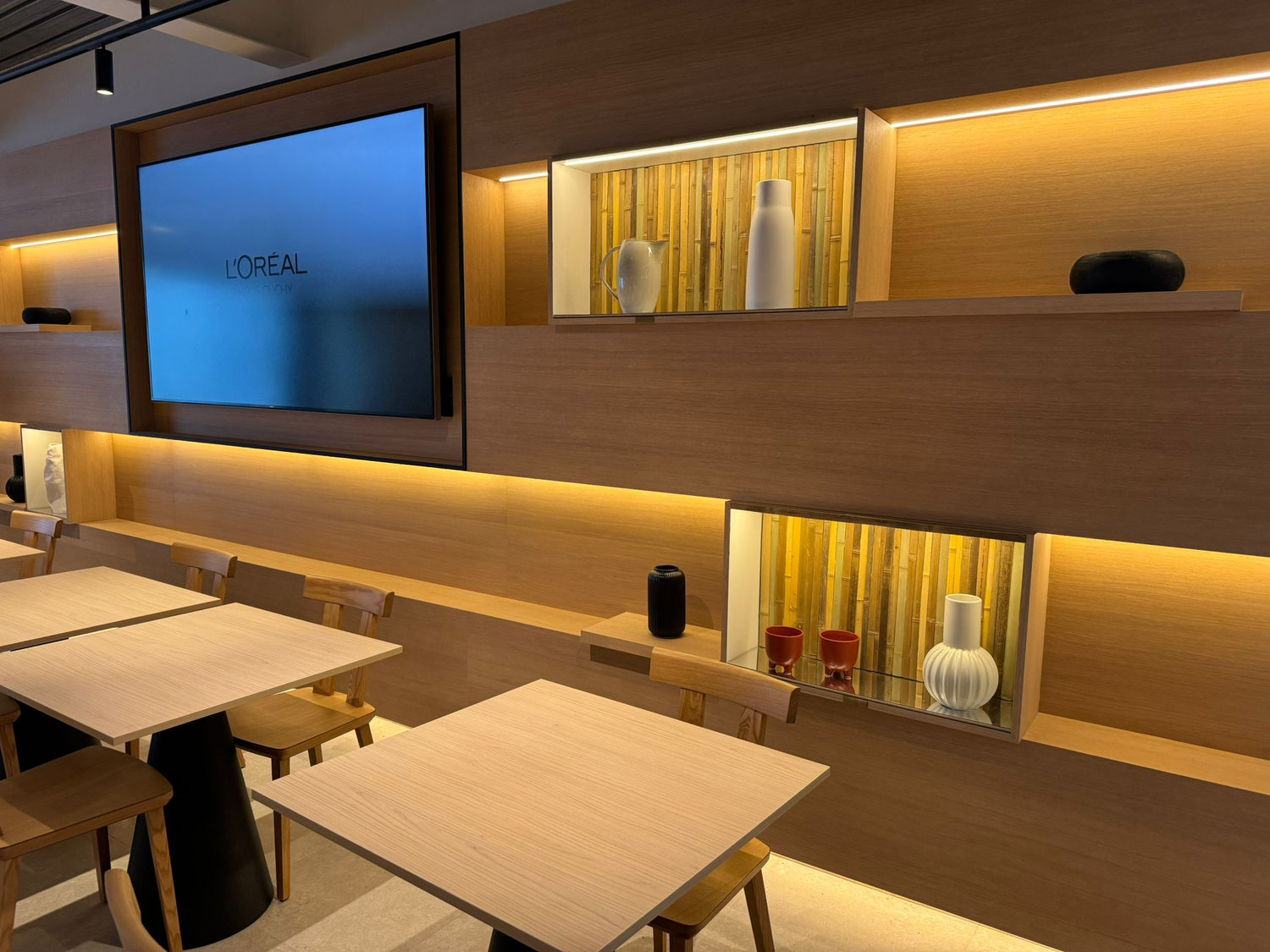
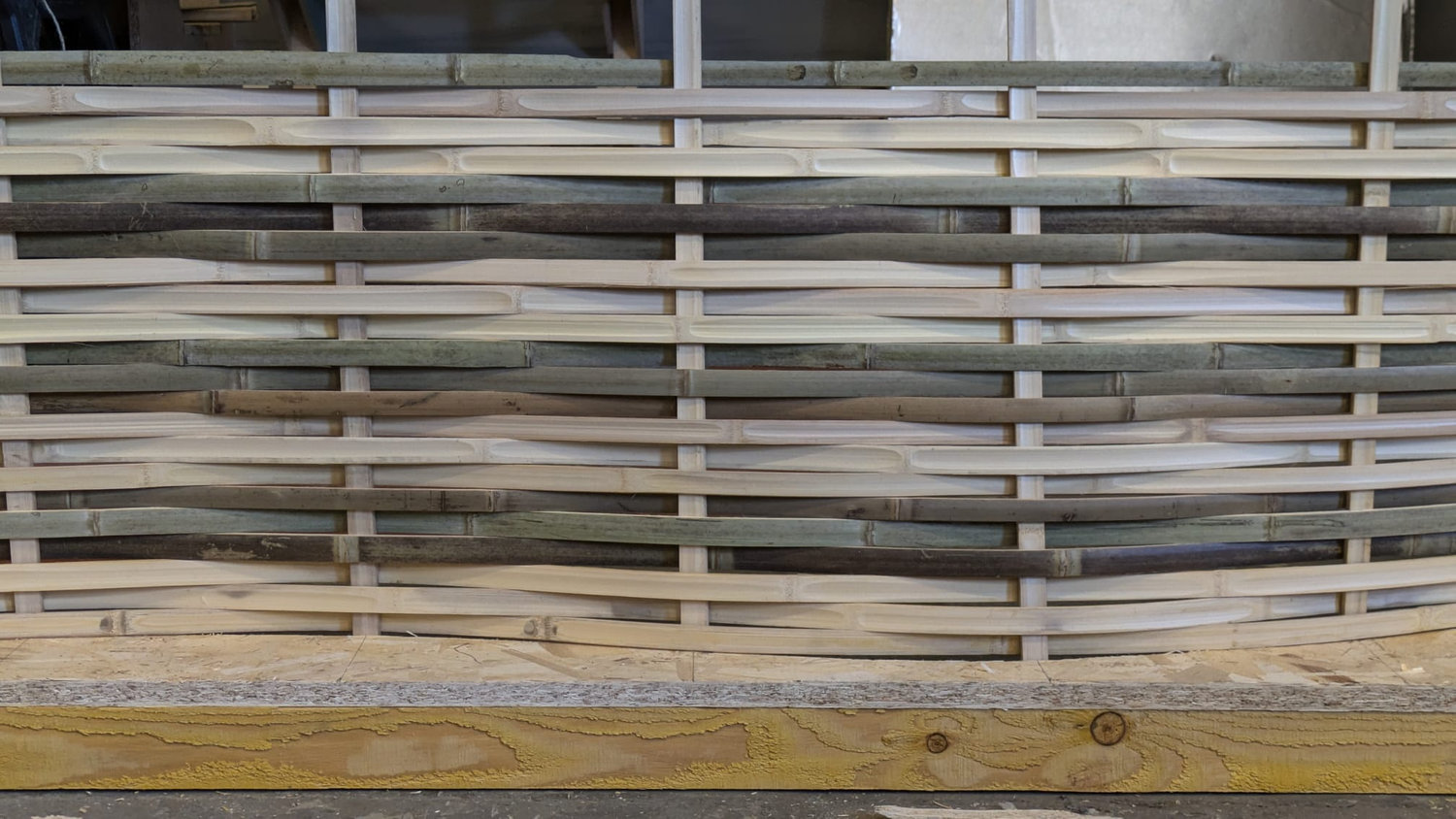
In 2015, he founded the Déambulons studio. For nearly nine years, he served as its director and built a team of about fifteen people. The studio specializes in French bamboo slats and has built a robust portfolio: over 850 project studies, including more than 200 completed in France and internationally. From furniture and set designs to custom installations, the studio’s approach has won over architects, landscape architects, and set designers, gradually establishing it as a discreet yet recognized leader in the field of design using bio-based materials.
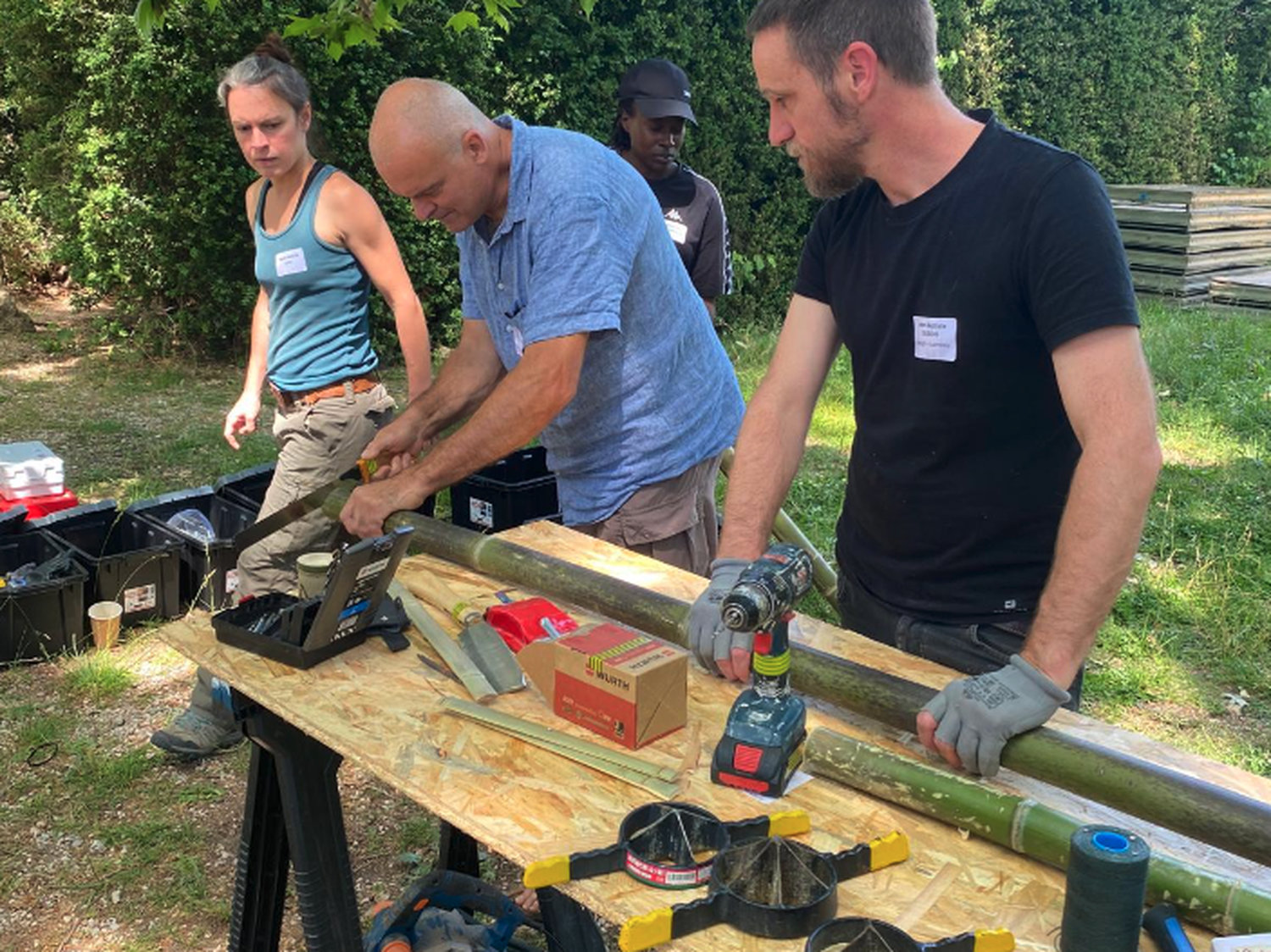
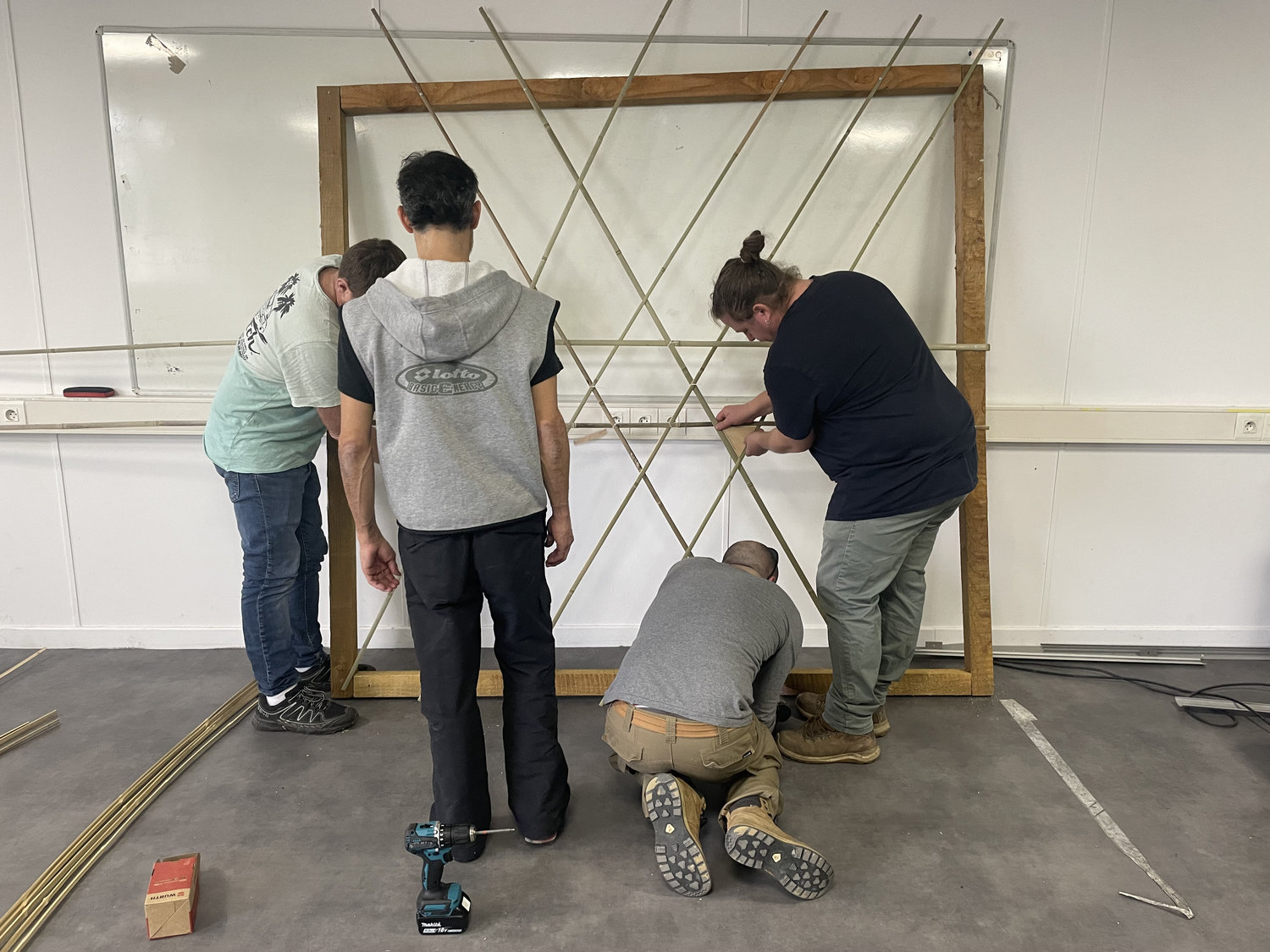
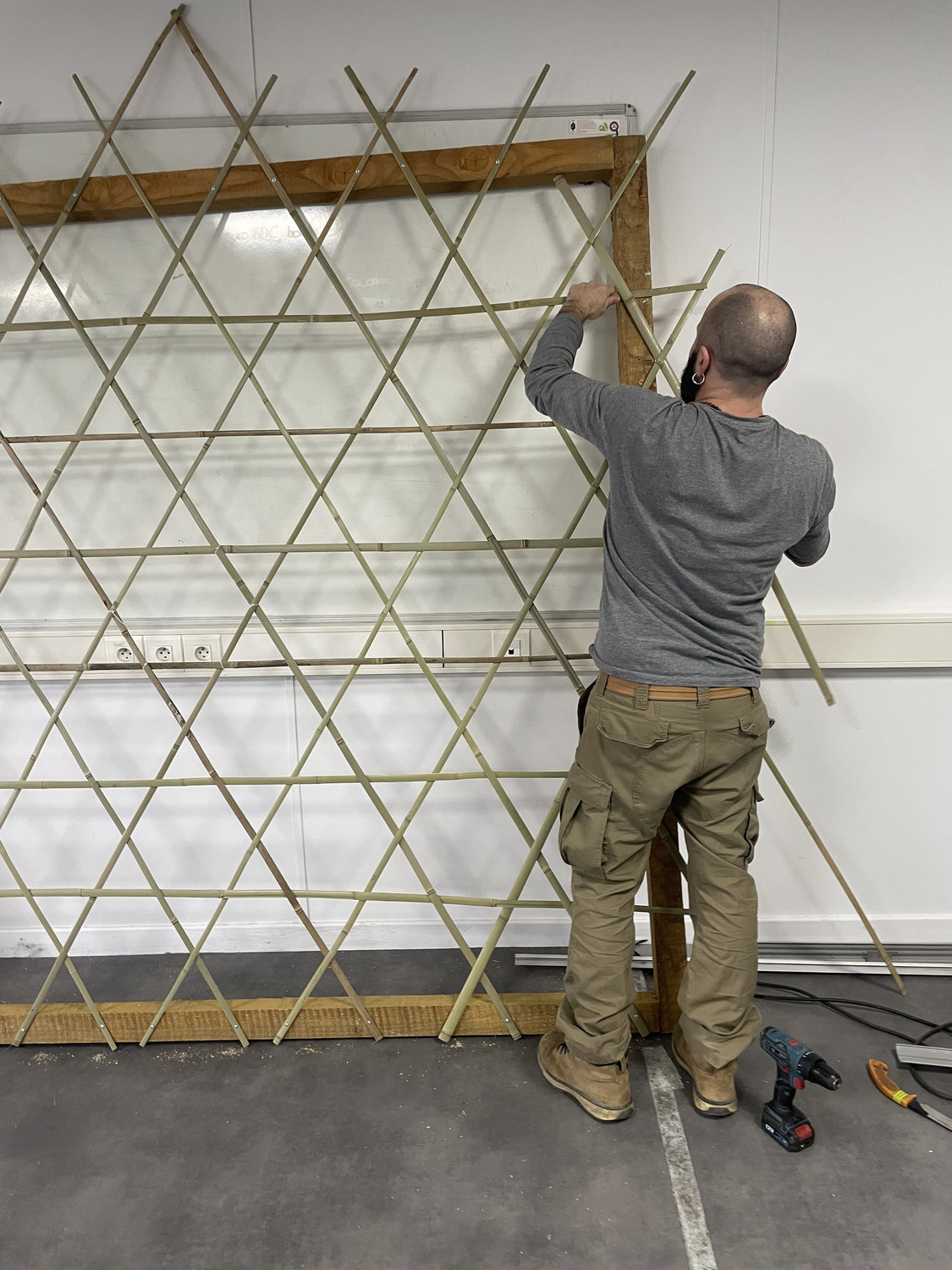
This expertise has earned him several awards, including honors from the Institut Français du Design and the French Design 100. Today, however, Jean-Baptiste Dubois has shifted the focus of his work. Based in Lyon, he now devotes himself to consulting and training, supporting projects specializing in the design of bamboo structures.
His role has evolved: he is less of a creator of objects and more of a facilitator of methods and experiences. In keeping with this shift, he is also involved with 60,000 Rebonds, continuing a path where learning, resilience, and knowledge-sharing take center stage.
Throughout this journey, which has taken us back and forth between the field and strategy, between Asia and Europe, and between the studio and engineering, one insight has remained constant: that of a living material—bamboo—capable of bridging worlds that seemed to be worlds apart.

89350 Champignelles
T: +33 (0)3 86 45 23 42
contact@campusmana.com