




This workshop offers an immersive experience in the world of thread and textile art, at the intersection of experimentation and creation.
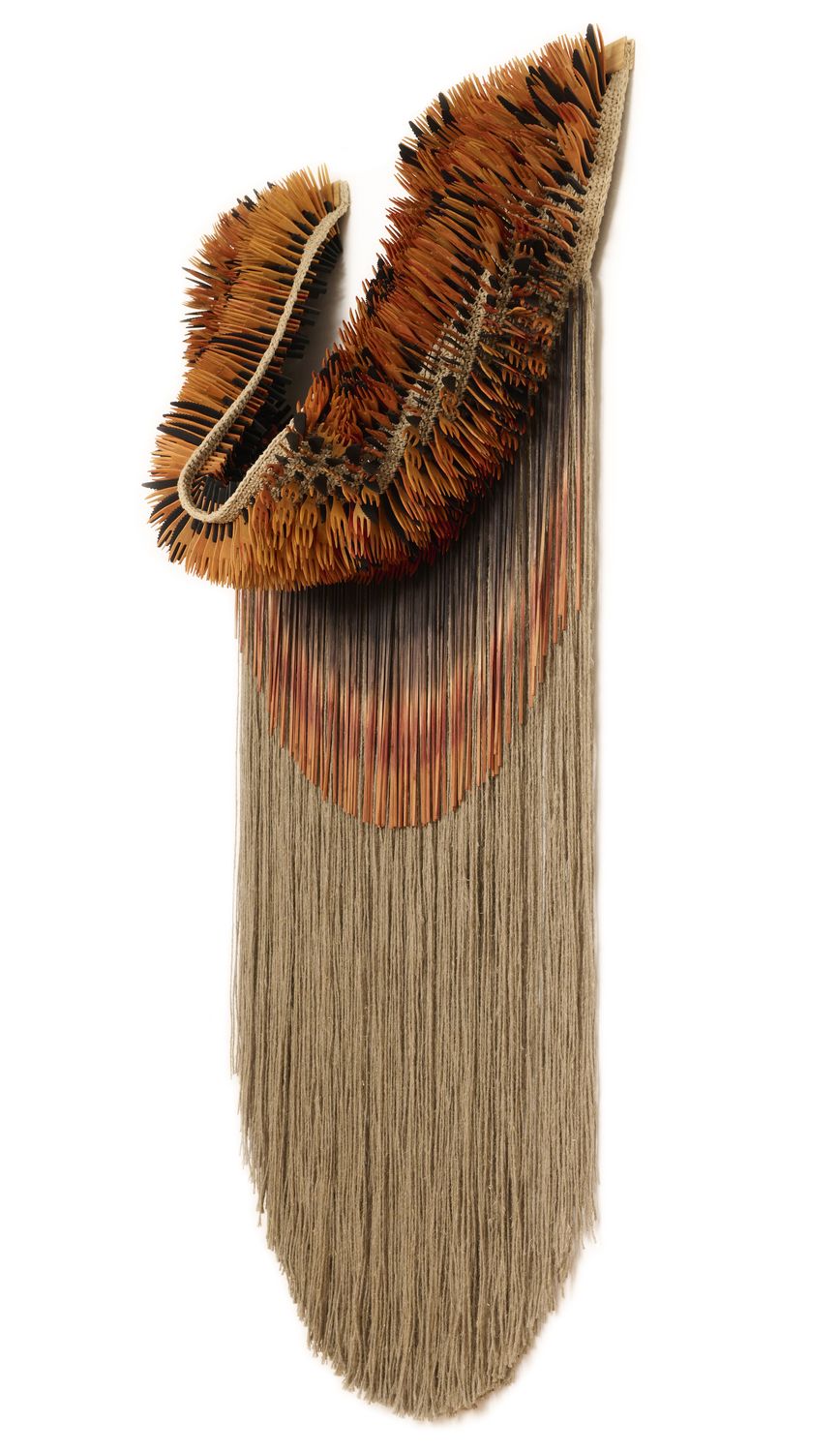
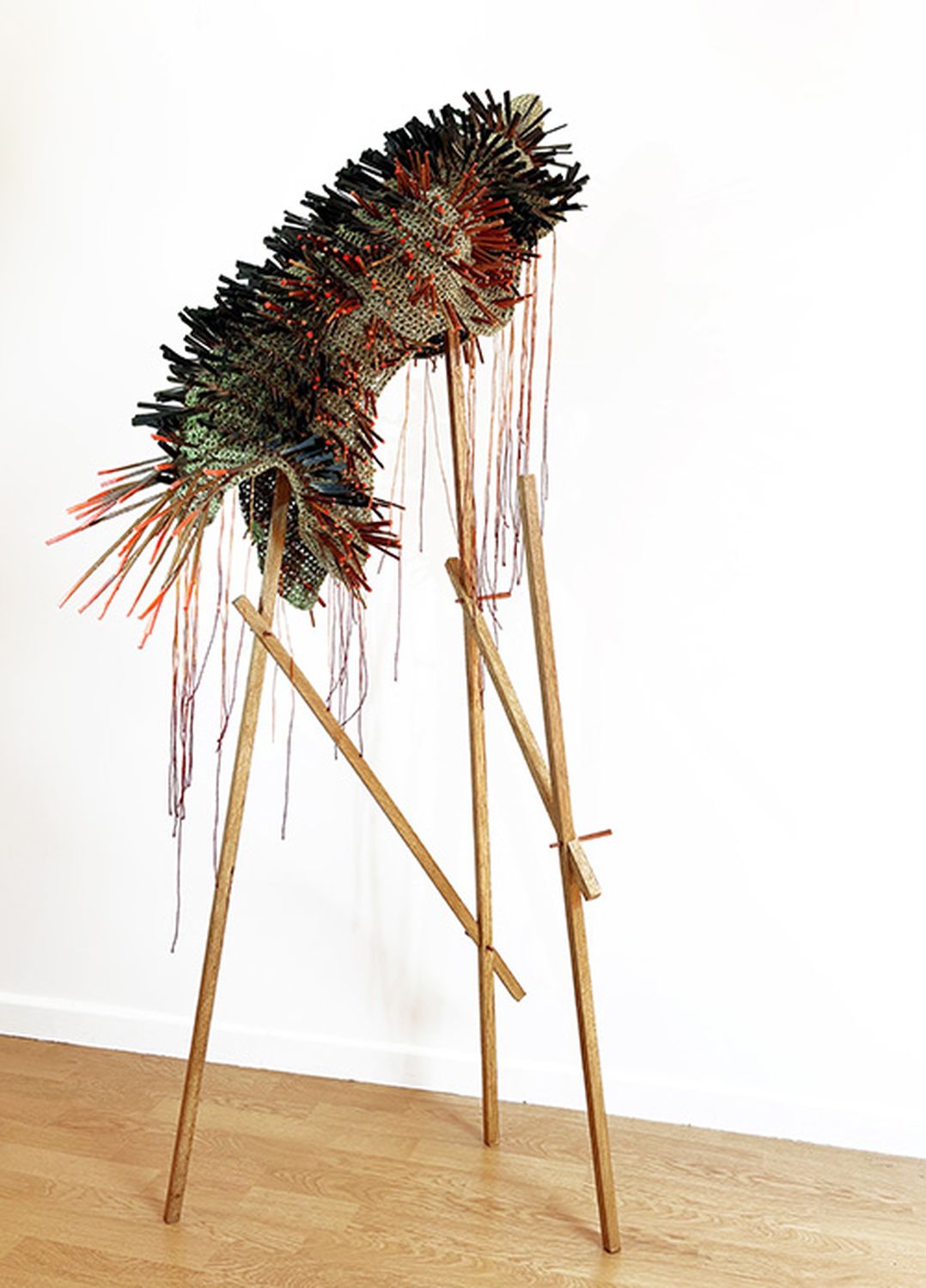
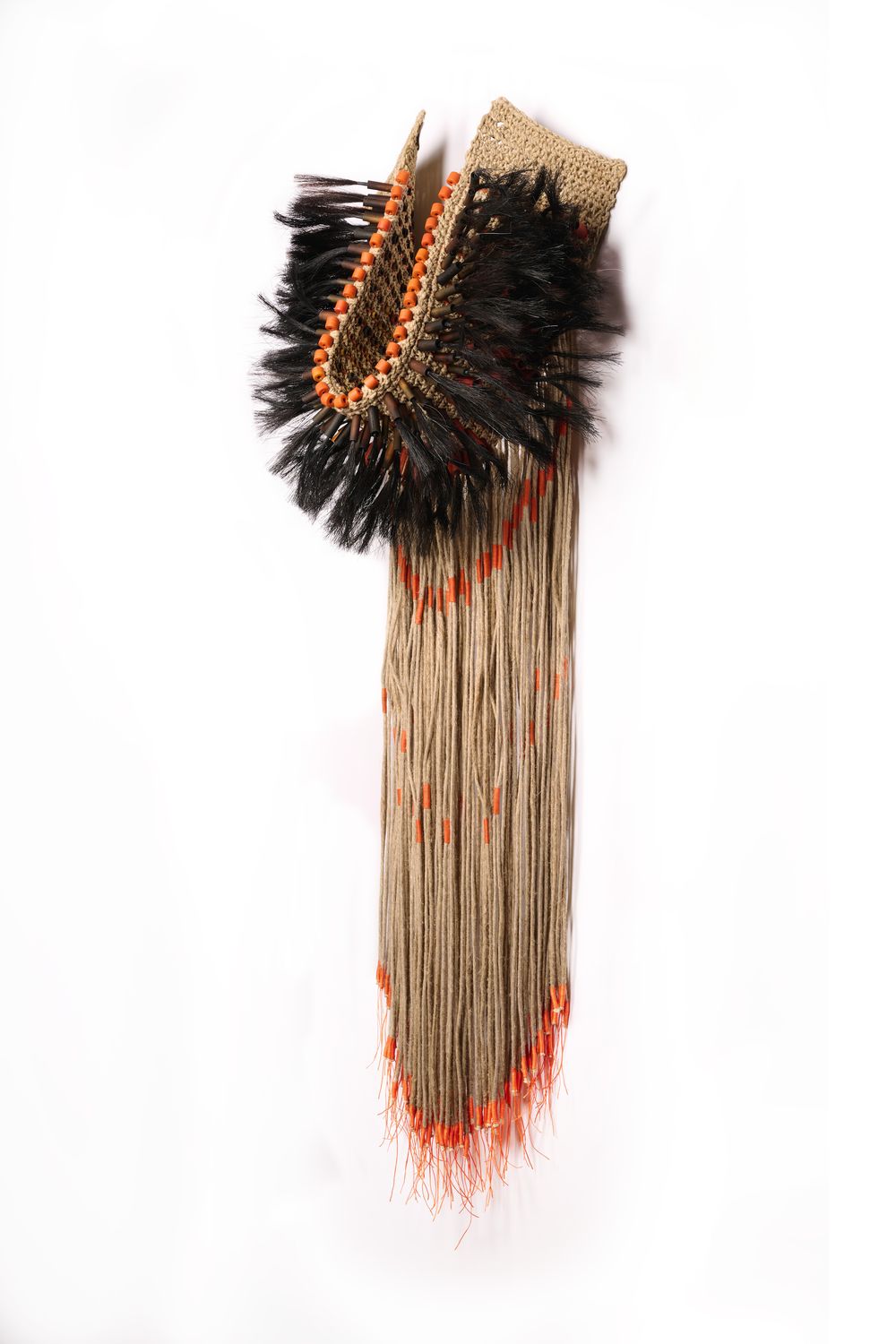
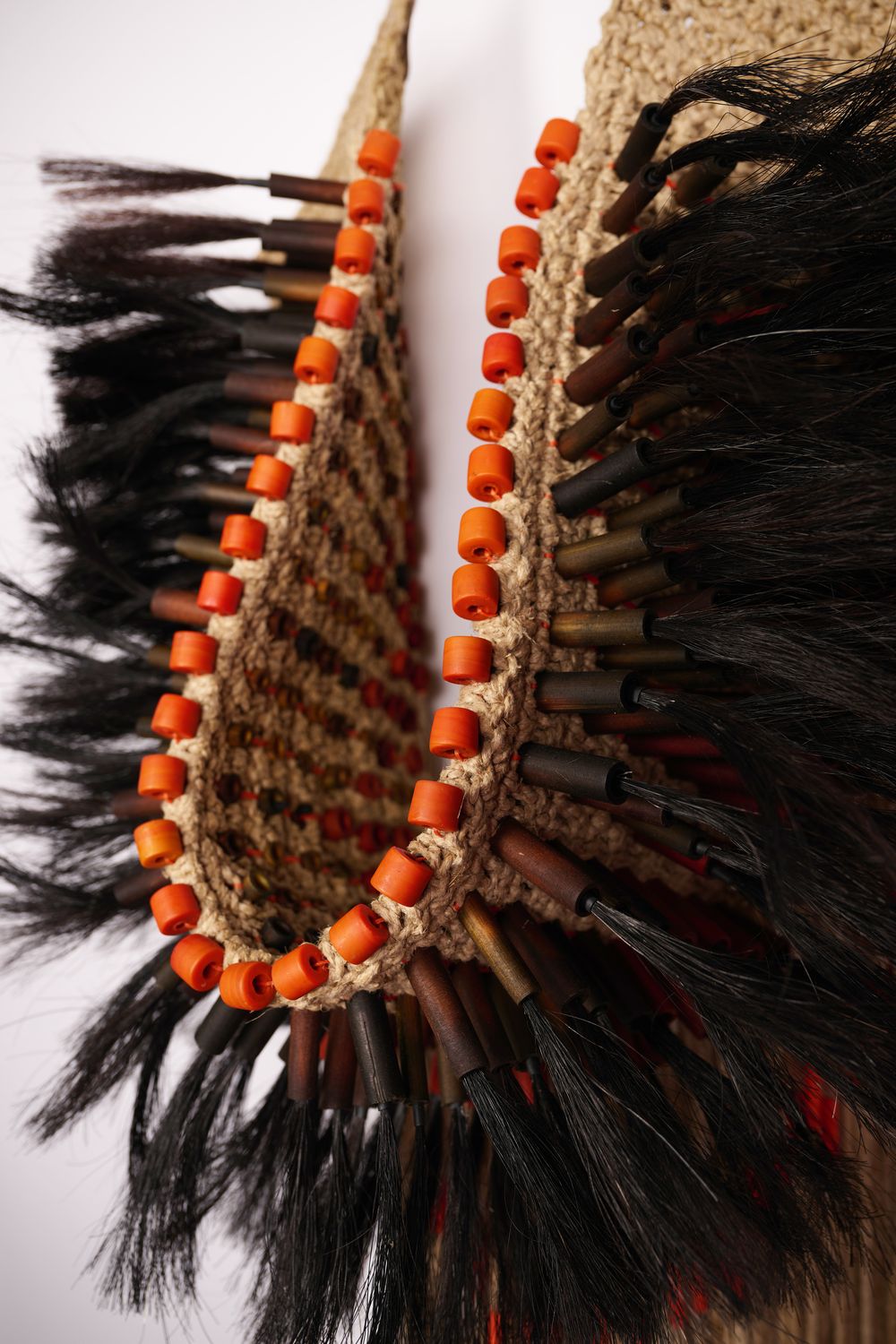
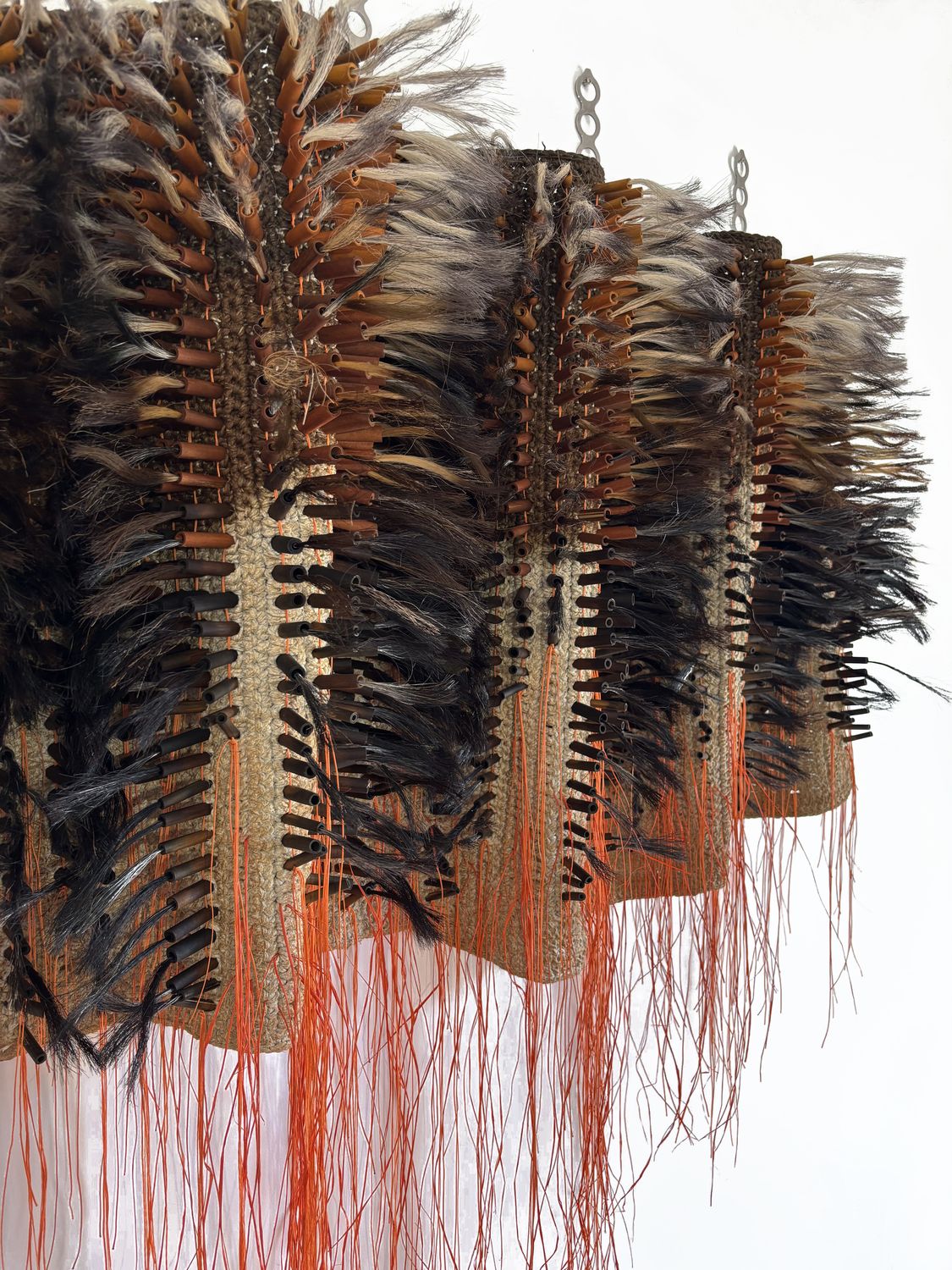
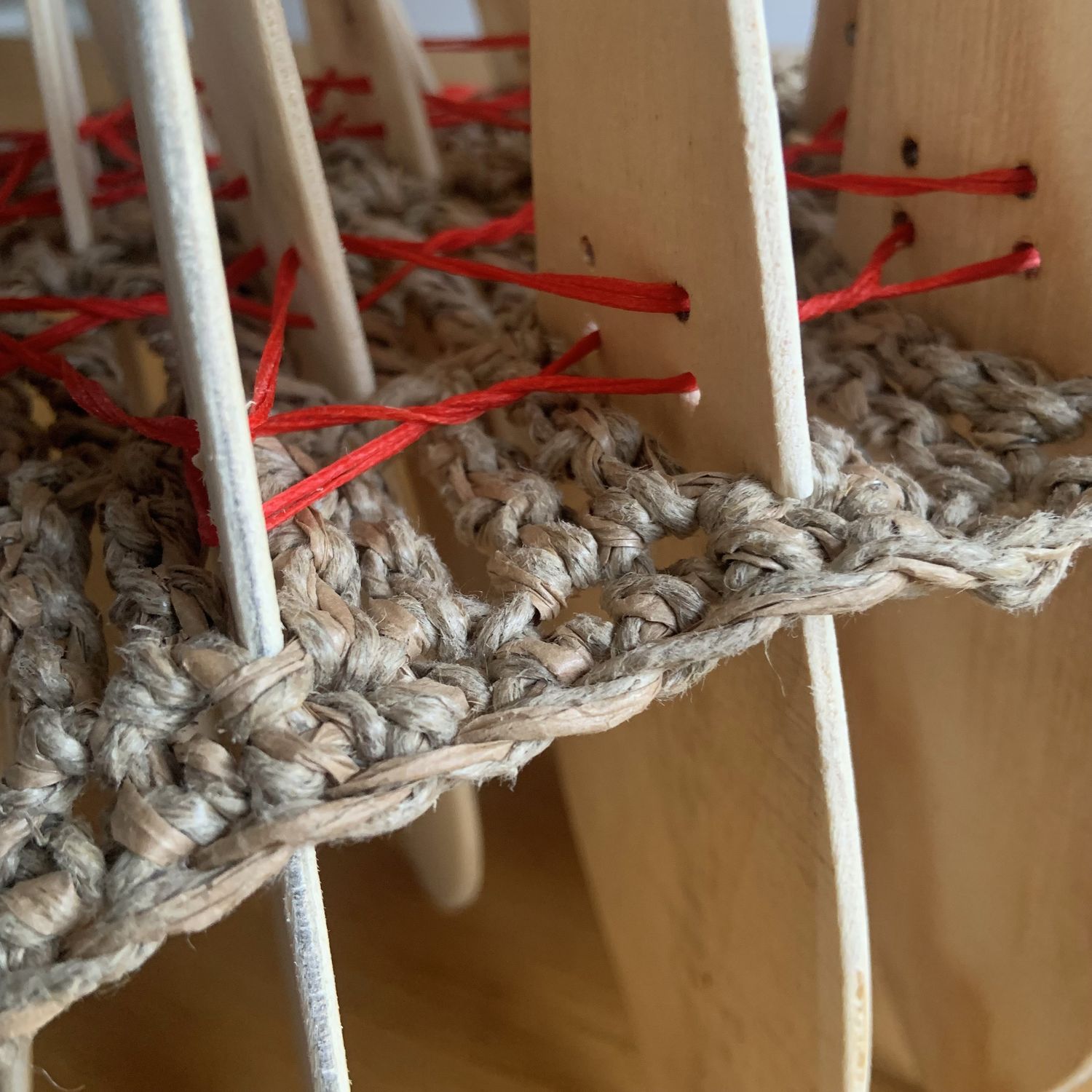
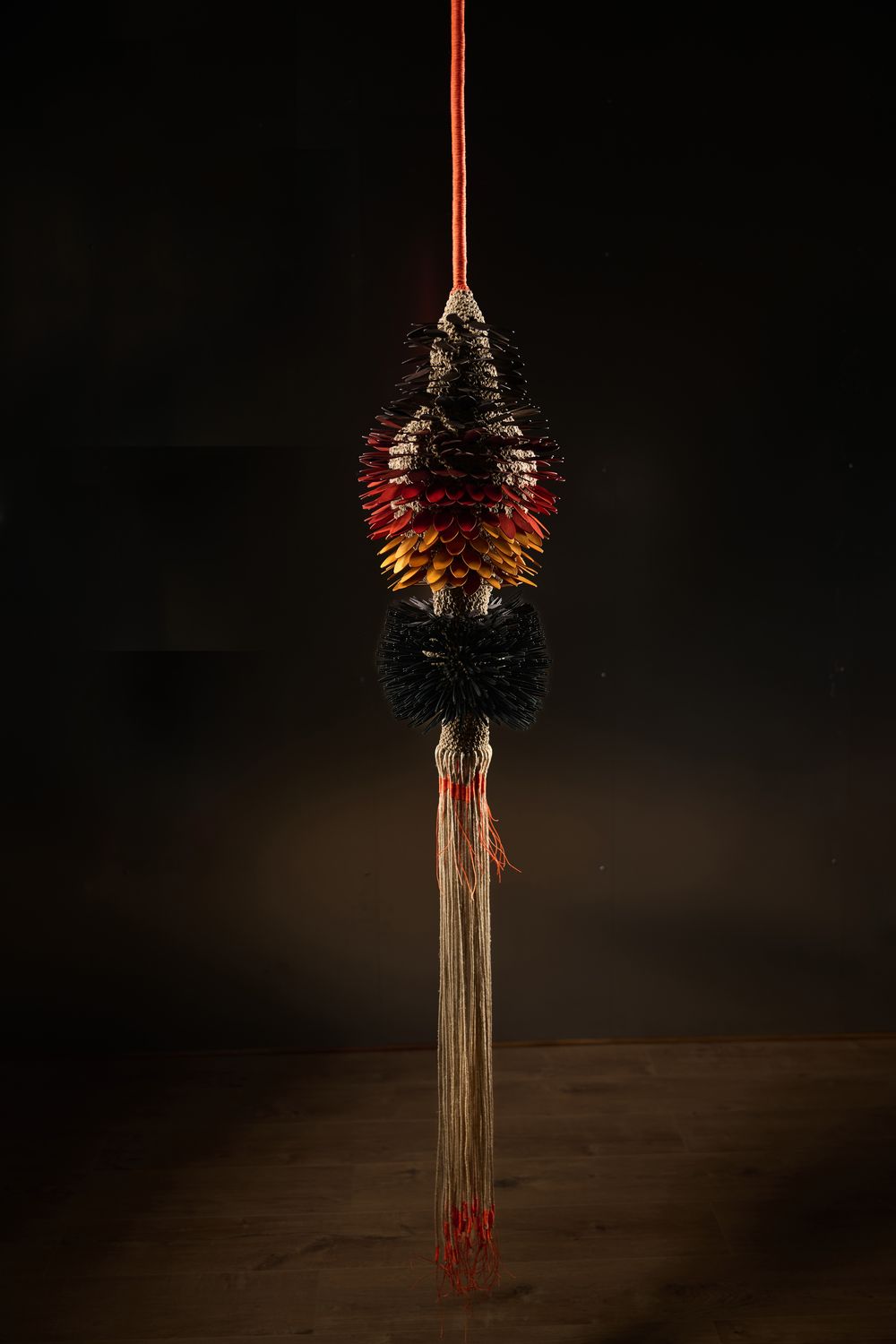
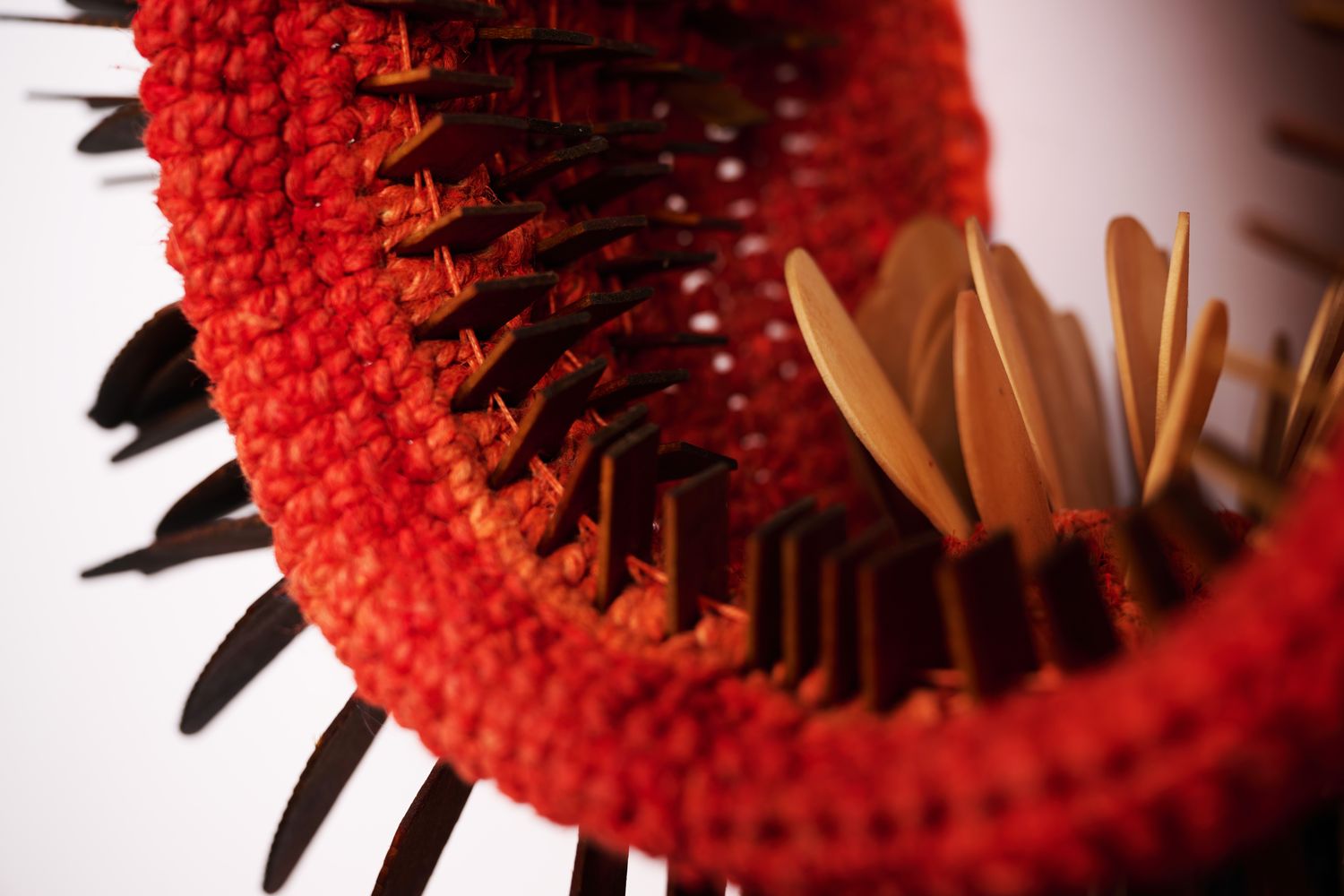
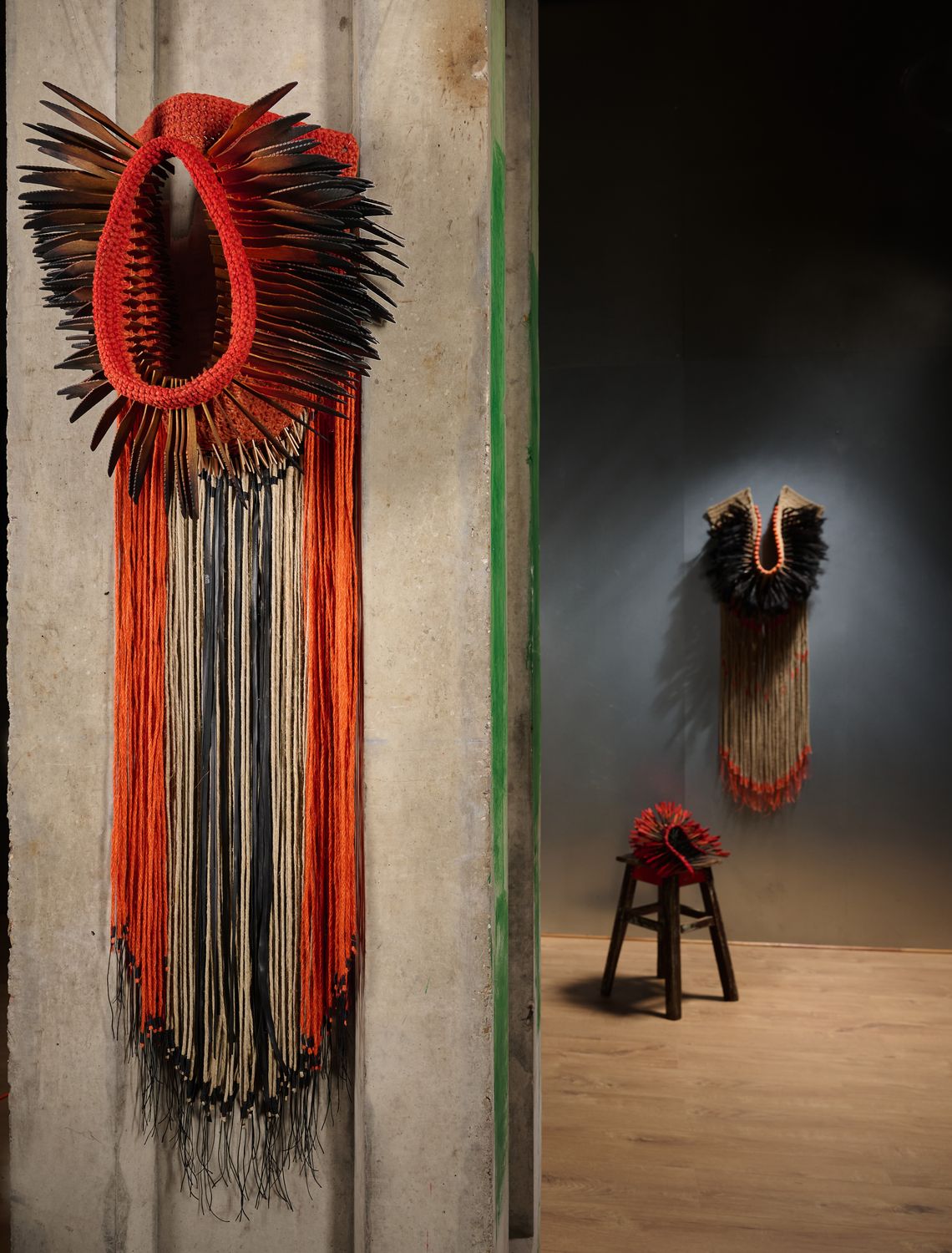
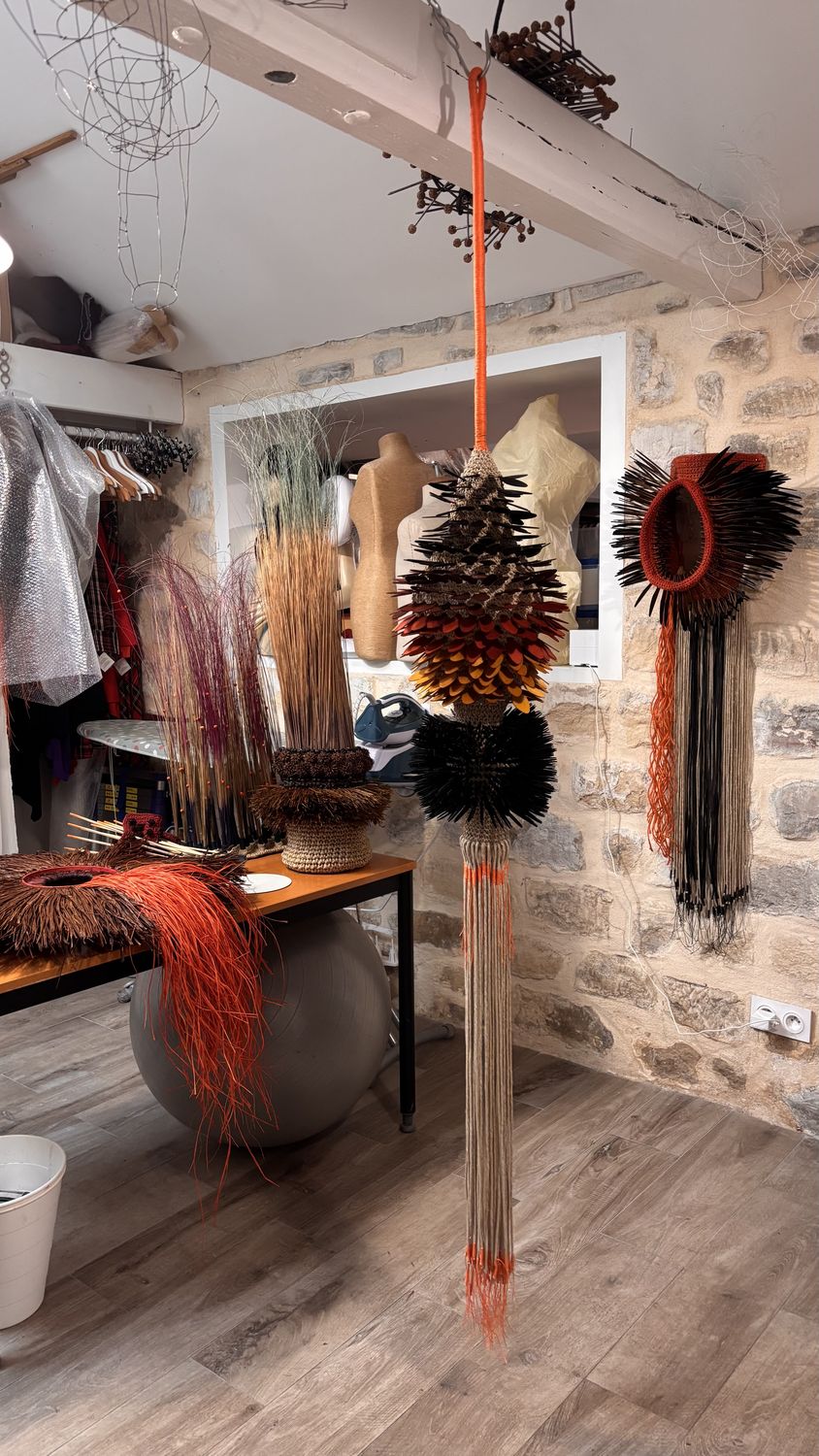
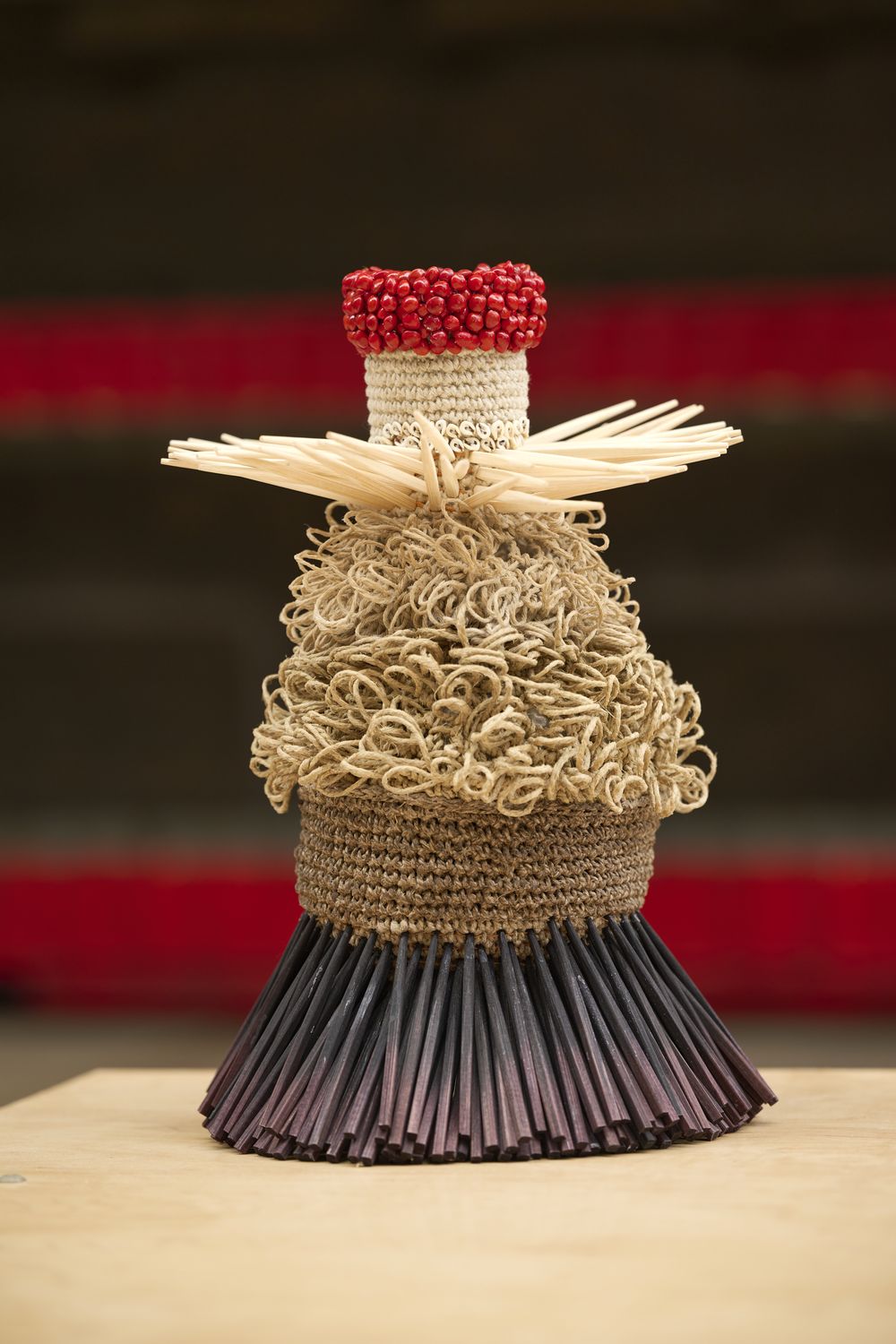
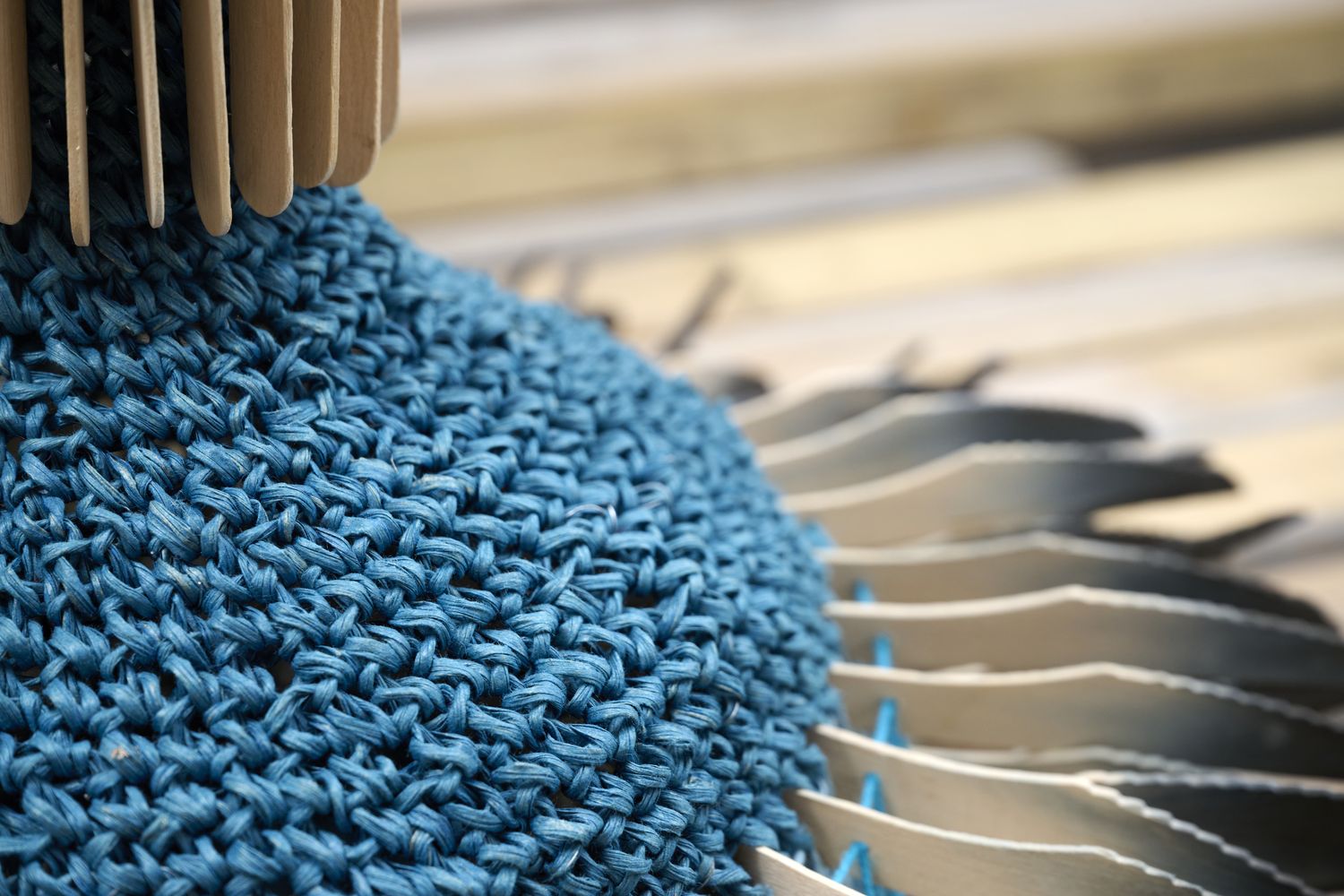
Using natural fibers, copper wire, recycled materials, and plant-based elements, it explores crochet, knotting, and weaving techniques to create sculptures, wall hangings, and freestanding forms.
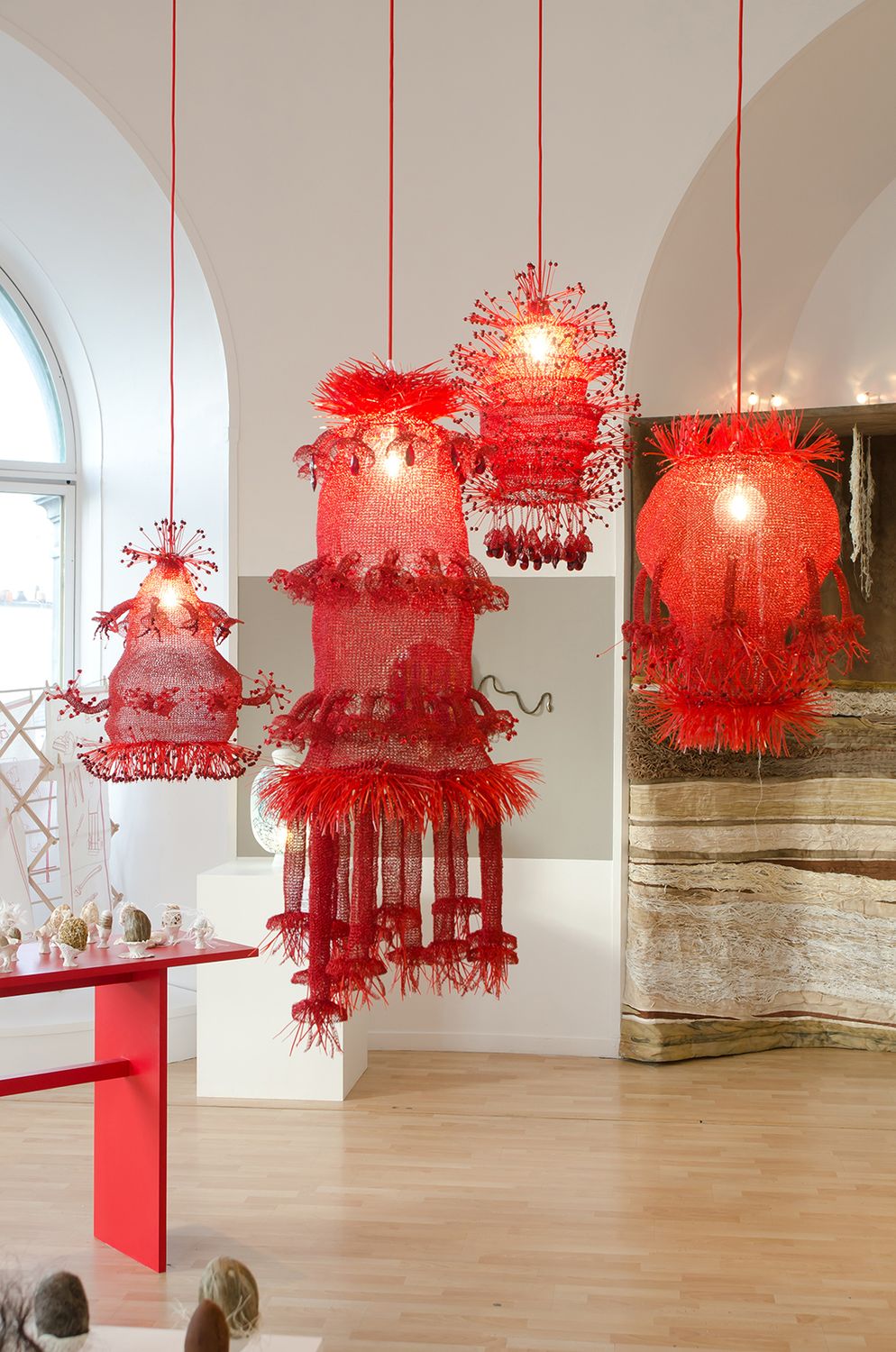
Participants learn to design a variety of forms—tubes, spheres, supporting structures, in small or large formats—and to create objects such as lighting fixtures, sculptures, or jewelry, combining metal wires, textiles, reinforced paper, and various fibers.
Rooted in an approach sensitive to the ecology of materials, Michèle Forest’s practice questions our relationship with the living world. Through her focus on materials and their origins, she engages in a reflection that is both poetic and socially conscious, addressing contemporary environmental issues.
By the end of the course, participants will be able to:
This workshop invites participants to explore crochet as a true tool for visual creation, far beyond its traditional textile applications. Through an approach that is both technical and experimental, participants develop their skills while grounding them in a personal artistic vision focused on creating three-dimensional forms and objects.
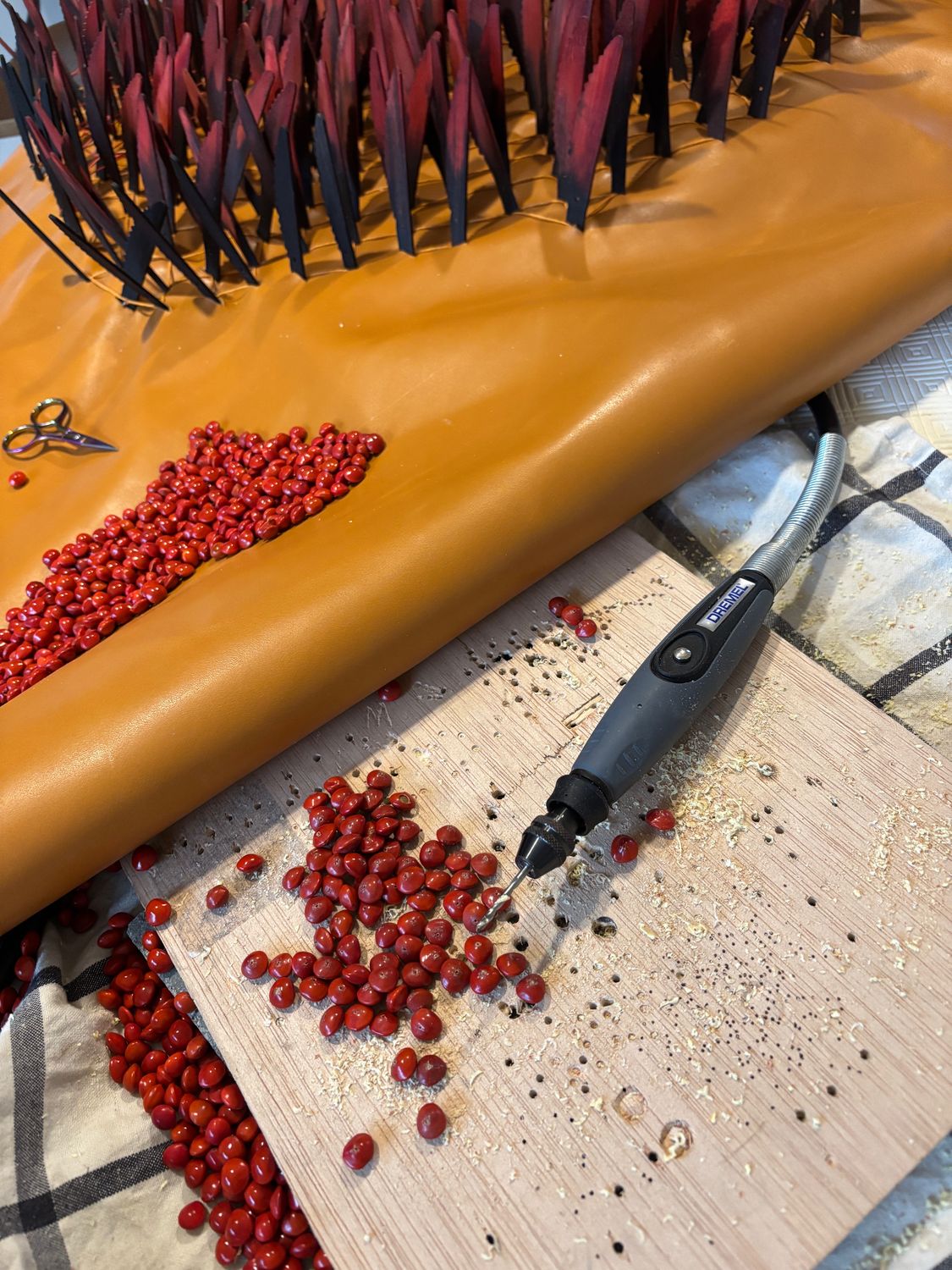
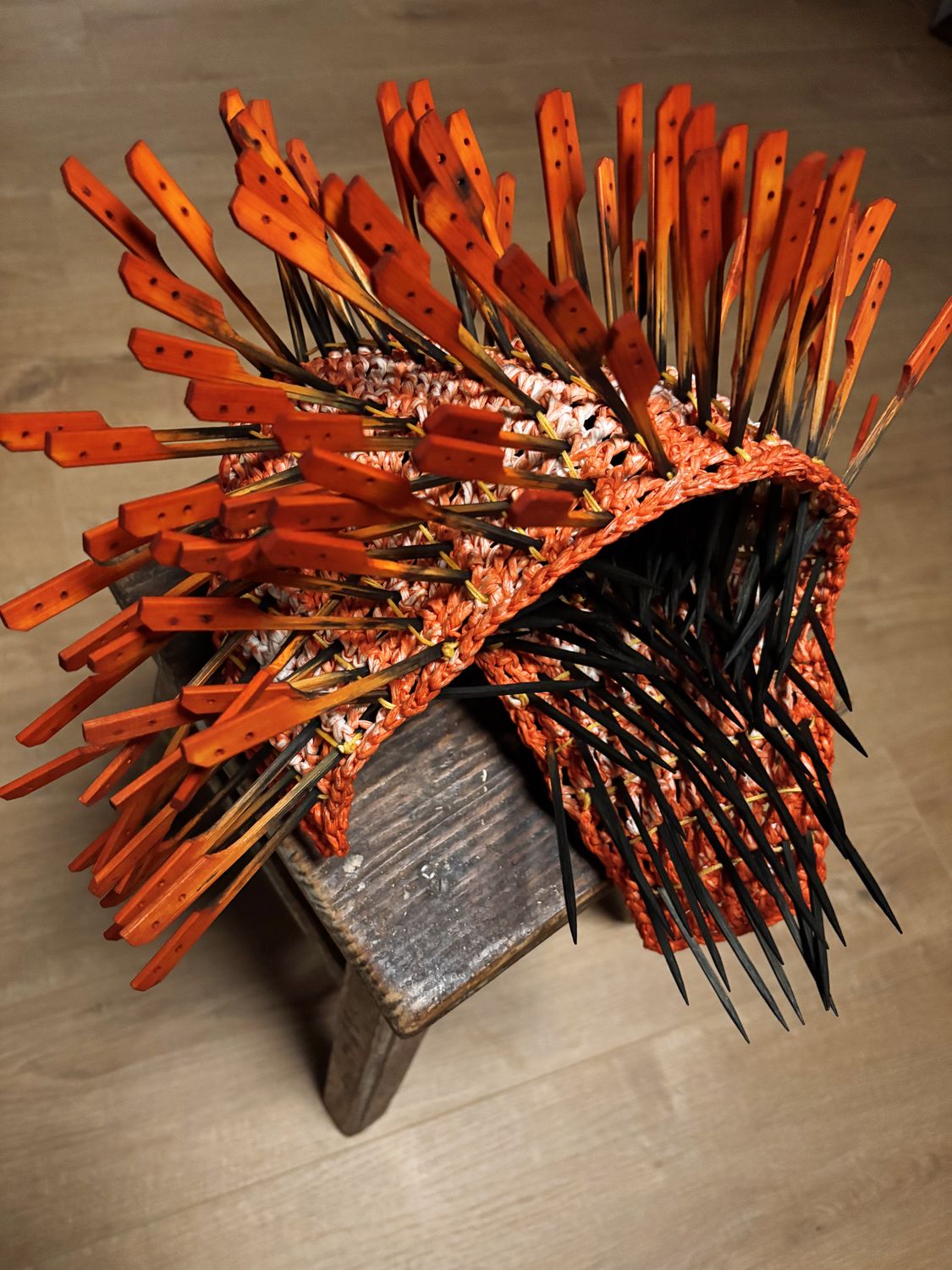
The richness of this workshop lies in the diversity of materials used. In advance, everyone is invited to collect items that might fuel their exploration: repurposed or salvaged objects, industrial or household waste, plant materials (natural fibers, seeds, bark, wood, twigs), and unusual threads and textiles. This foraging process continues on-site throughout the workshop, making the collection itself a creative process in its own right.
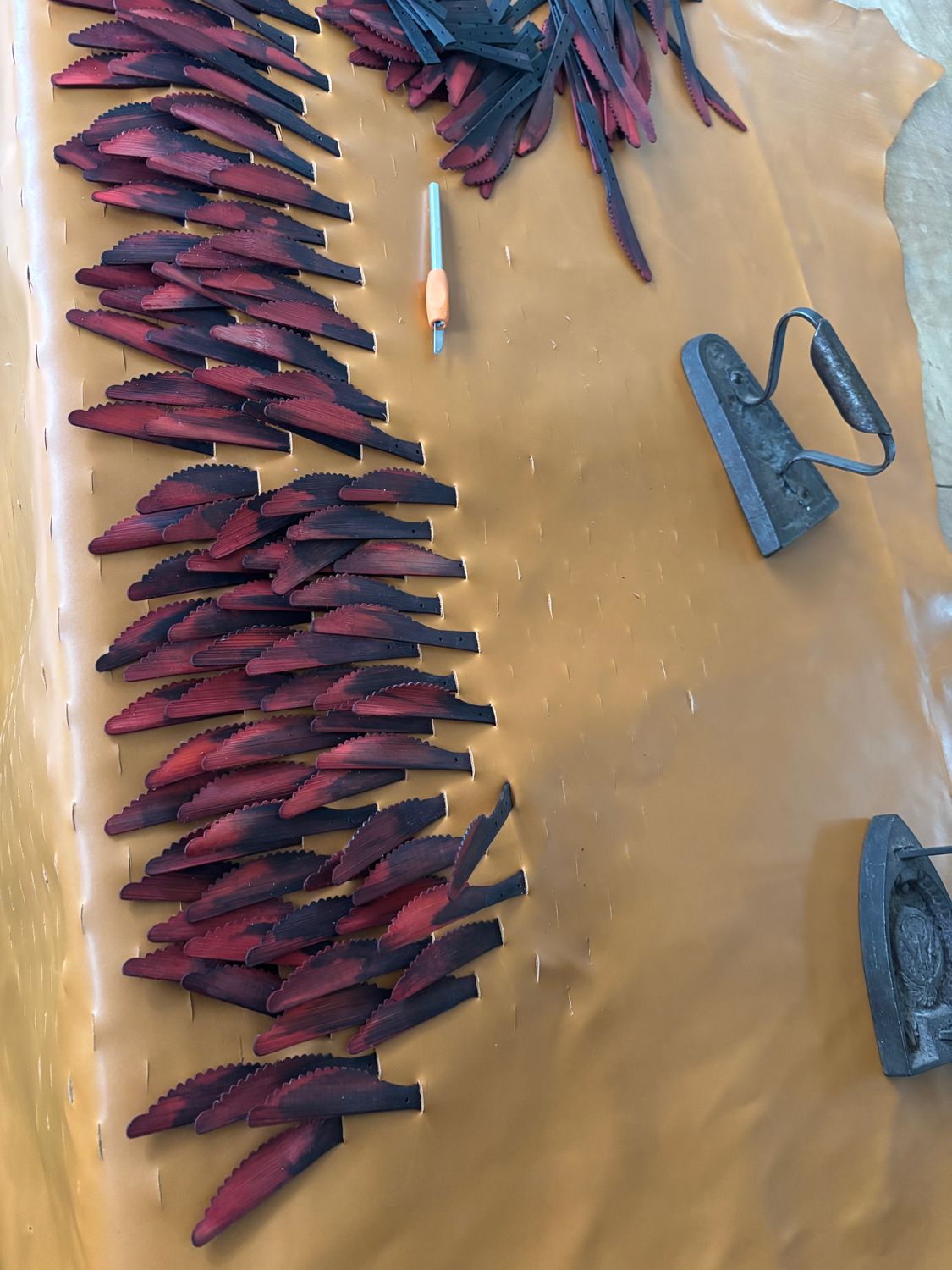
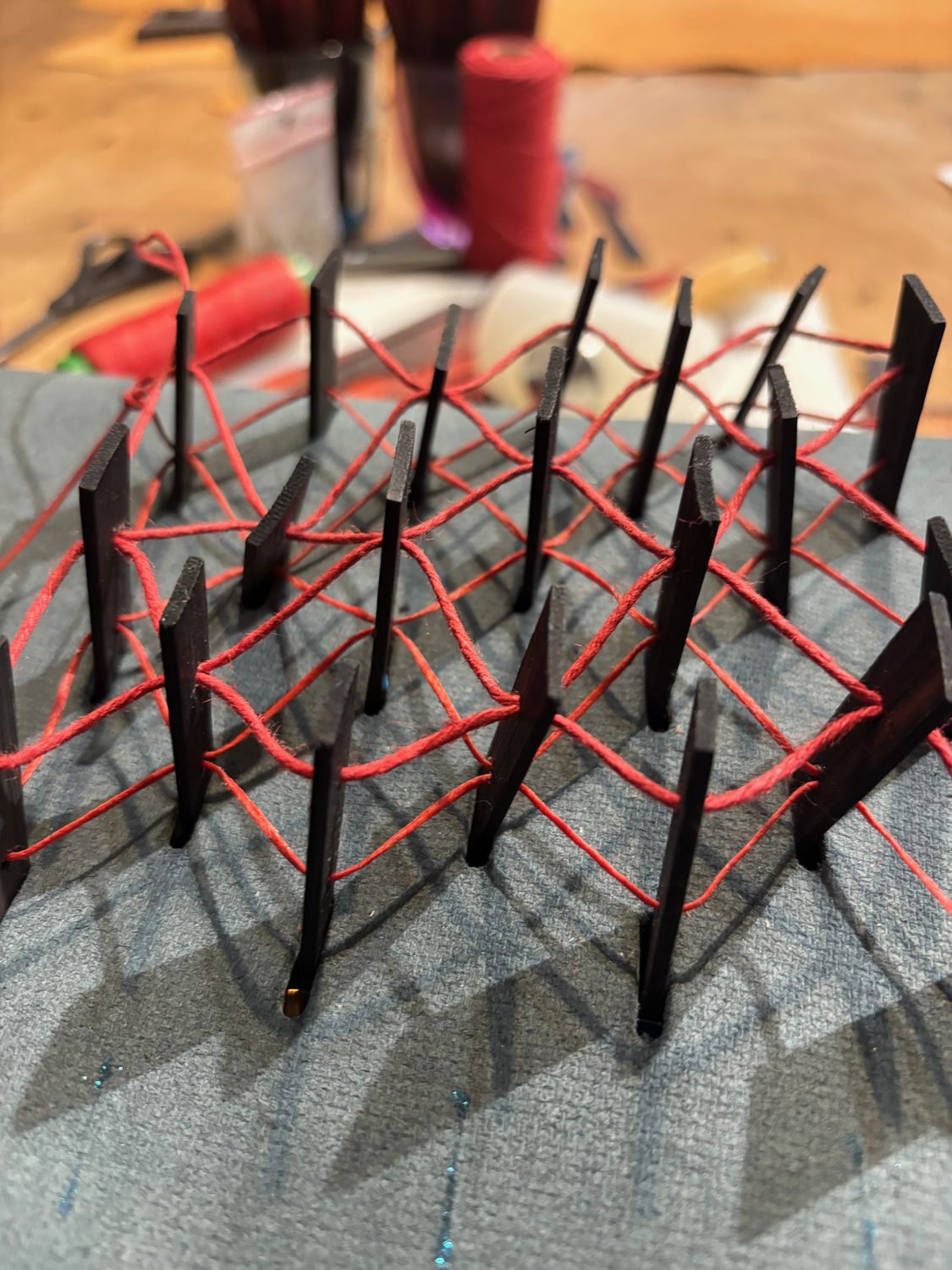
Each participant is guided in the design and creation of one or more original pieces, or exploratory samples, combining hand-crochet with a variety of materials. The forms are constructed from semi-rigid materials, or materials that become rigid after assembly, giving the pieces their structure and sculptural quality. The range of possibilities remains deliberately open: sculpture, jewelry, lighting, wall art, or hybrid objects. Each participant progresses at their own pace, within a dynamic of experimentation and exploration.
Michèle Forest shares both her techniques and her artistic approach, informed by her own research. She offers personalized guidance, suggesting approaches tailored to each project, while encouraging everyone to develop a personal creative language.
Morning
Afternoon
Morning
Afternoon
Morning
Afternoon
Morning
Afternoon
Morning
Afternoon
For Michèle Forest, thread is never merely a material. It becomes structure, language, connection. At the intersection of constructivism and traditional textile techniques, her work unfolds a sculptural vocabulary where patient gestures and contemporary experimentation converge.
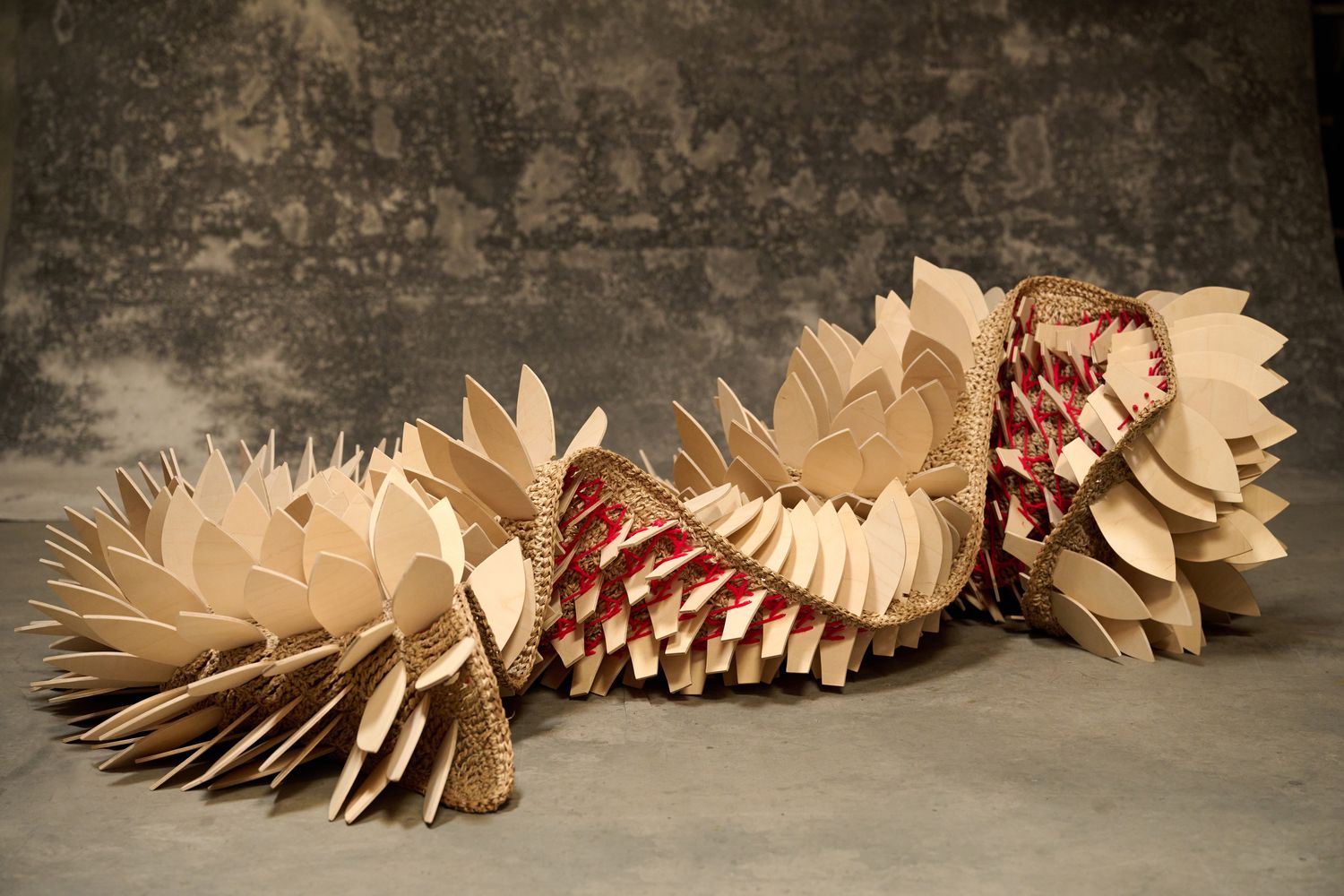
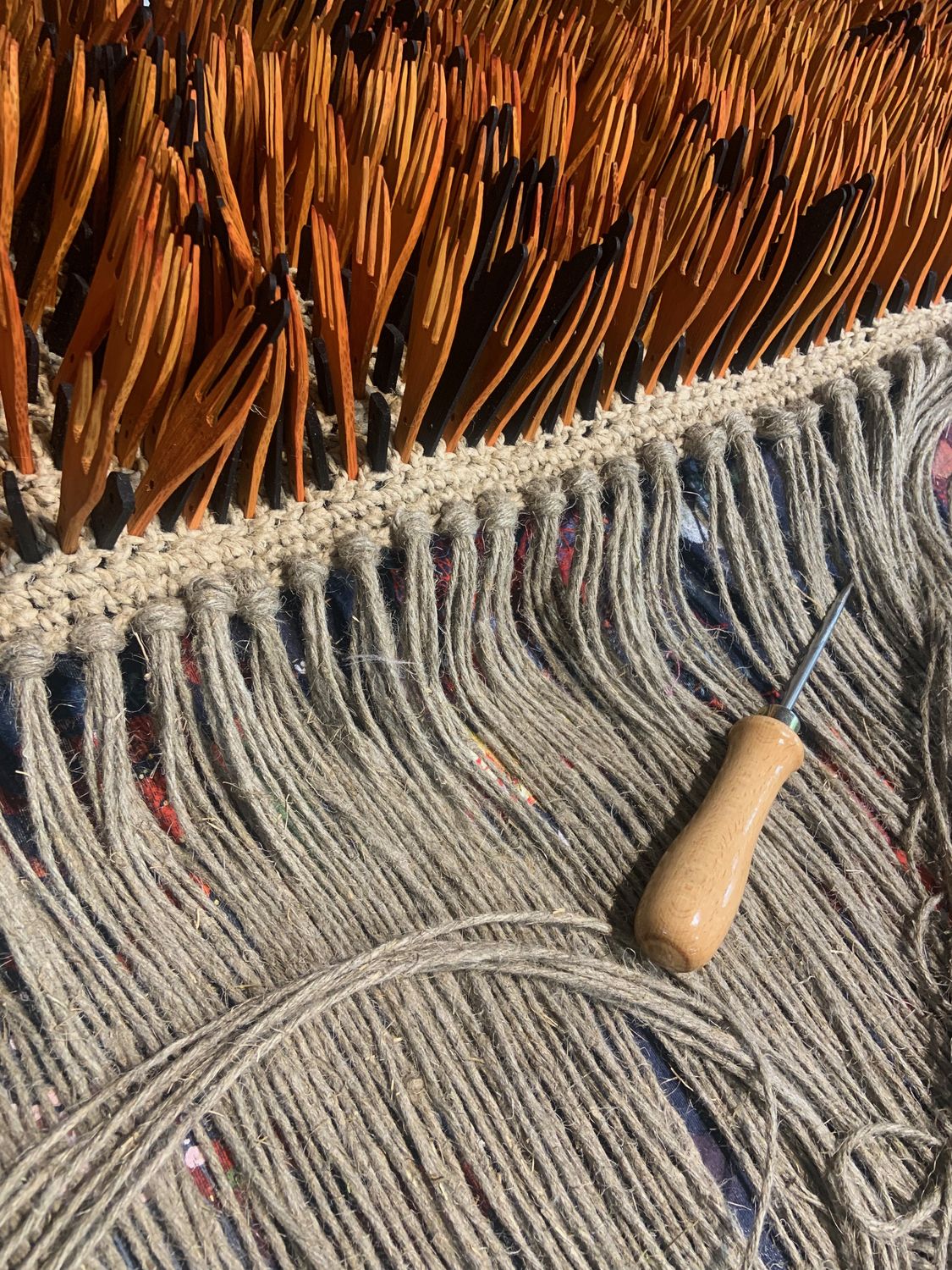
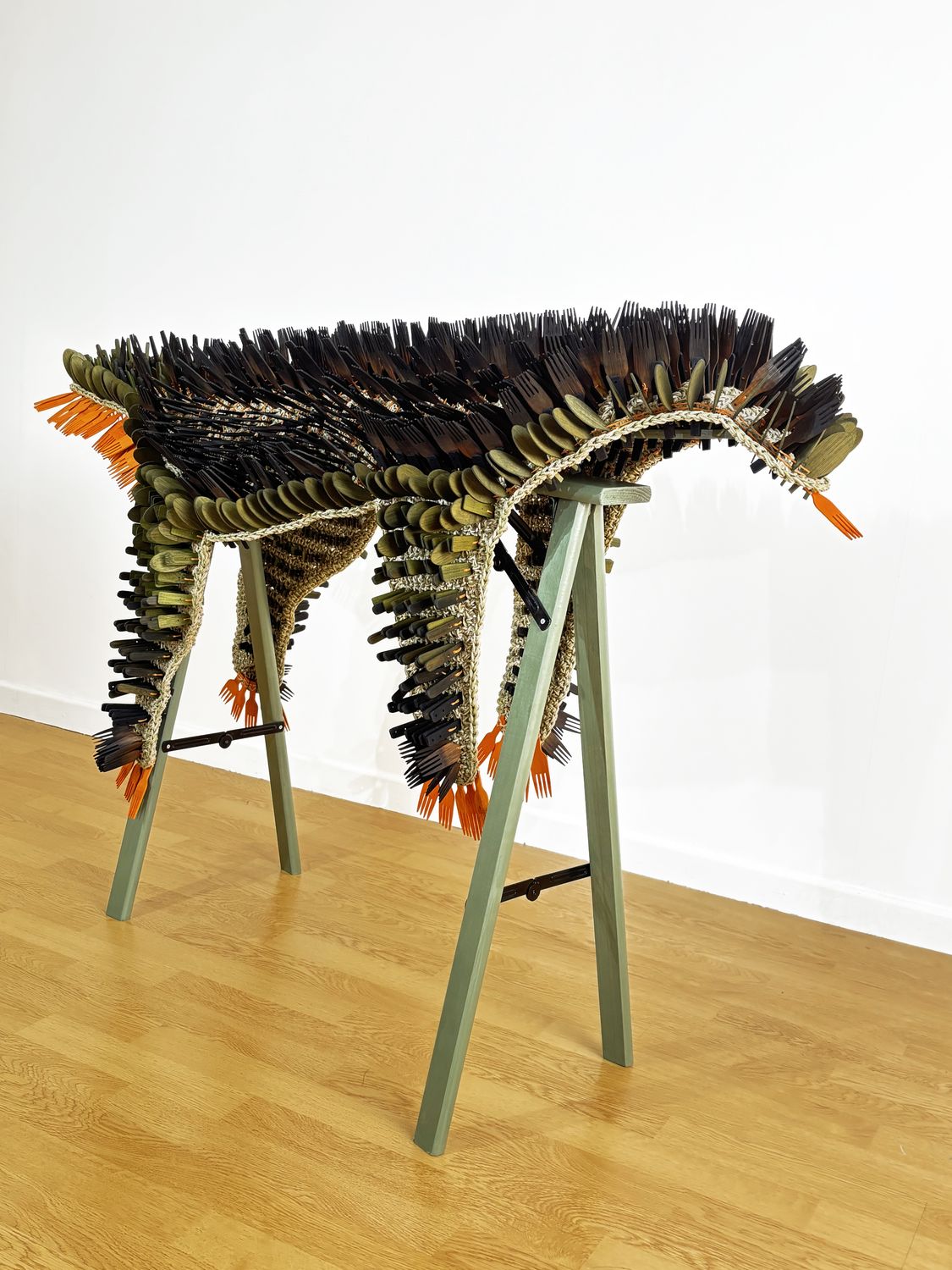
Through a deeply tactile relationship with the material, the artist creates works using natural fibers and threads, as well as manufactured objects or items gathered from nature. Integrated into the fabric, these elements give rise to organic forms, halfway between plant-like evocations and animal presences. Crochet, knotting, and weaving thus become tools of construction, capable of generating volumes, tensions, and architectural structures.
By reappropriating an ancestral medium, Michèle Forest shifts its uses and blurs the boundaries between art and craft. Her work is rooted in a slow temporality, attentive to materials and their provenance, in contrast to the logic of rapid production and immediate consumption.
A graduate of the École Supérieure des Arts Appliqués Duperré in Paris and a member of the Ateliers d’Art de France, she simultaneously engages in educational outreach, sharing her research and techniques with diverse audiences.
Her works have been exhibited in France and internationally, notably in South Korea and Hong Kong, as well as at the Révélations biennials in France and China.
Through thread—knotted, woven, or crocheted—a broader reflection on life takes shape. Between fragility and resilience, disappearance and transformation, her pieces explore the interdependent relationships between humans, animals, and the environment. A practice that is both poetic and socially engaged, inviting us to reconsider how we inhabit the world.
Training 100% financeable by AFDAS, or partially covered by other operators such as FAFCEA, AGEFICE, FIFPL, OPCO EP etc.
Accommodation and meals included
If you are concerned, we invite you to contact our sales department in advance via "Request for information" in order to prepare your file, or to register directly via the page of the chosen training course.

89350 Champignelles
T: +33 (0)3 86 45 23 42
contact@campusmana.com
