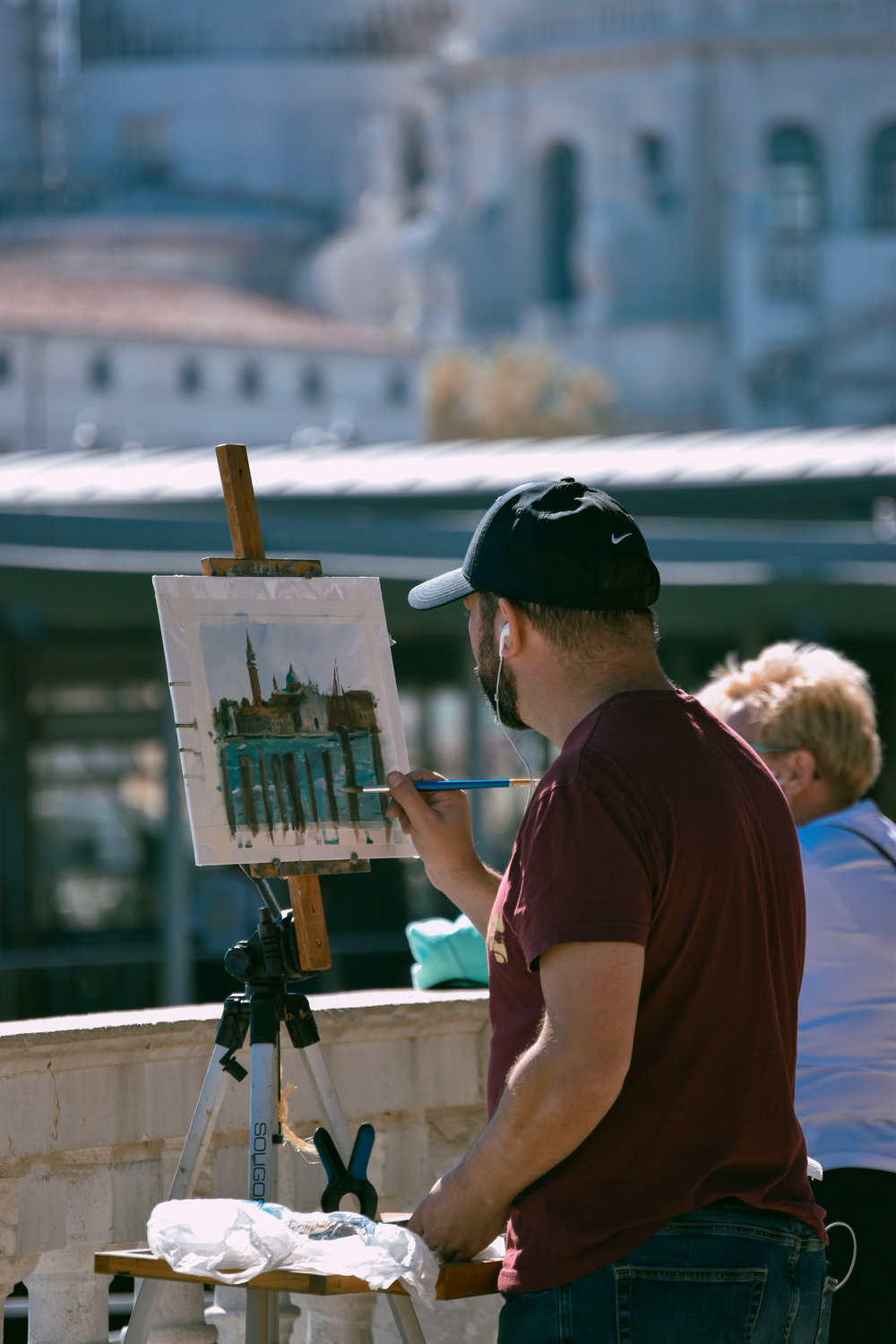
Watercolor has a special relationship with architecture. Through its transparency, lightness, and ability to suggest rather than describe everything in detail, it allows a building, a street, or an urban landscape to be rendered with just a few strokes of color and light.
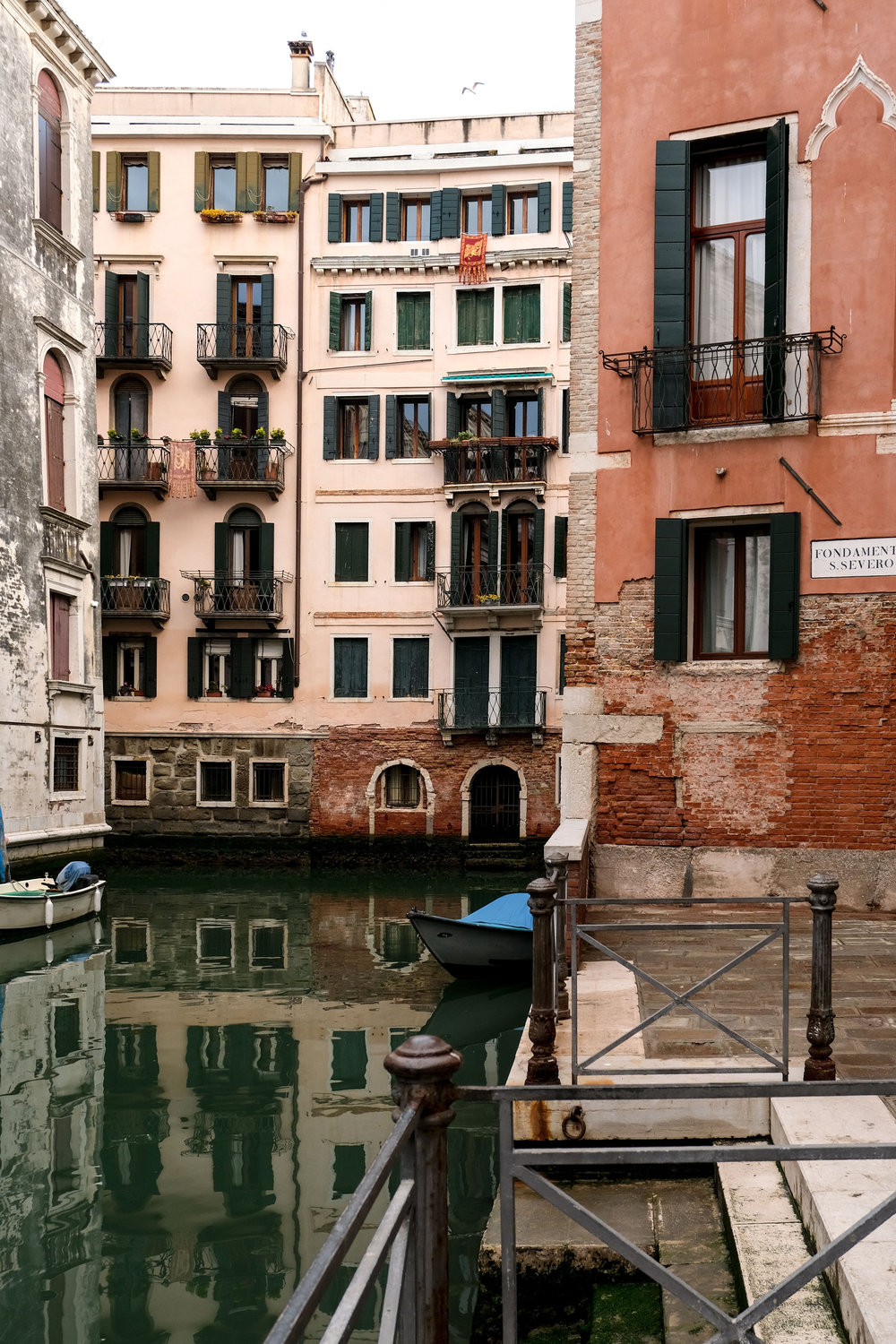
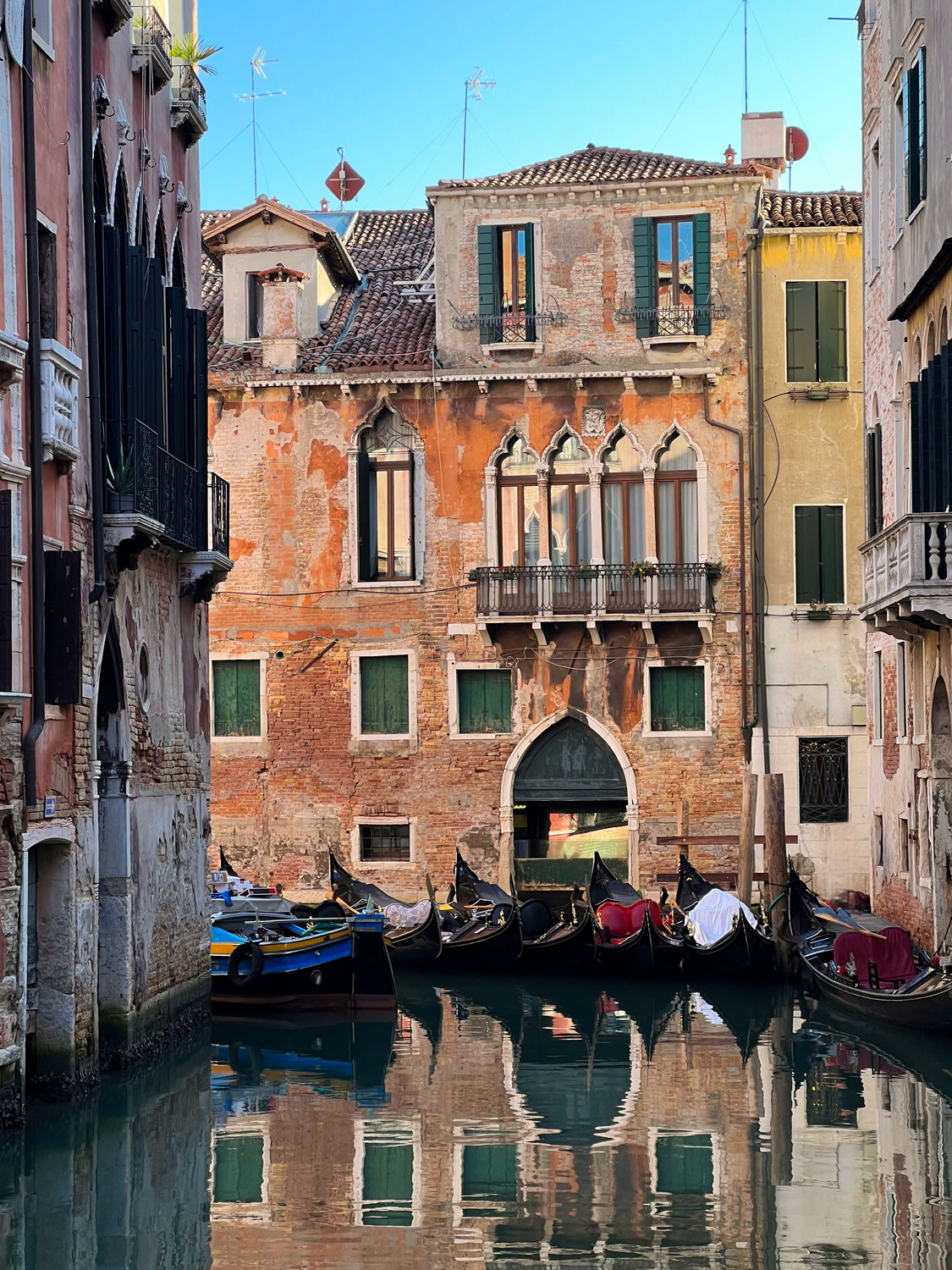
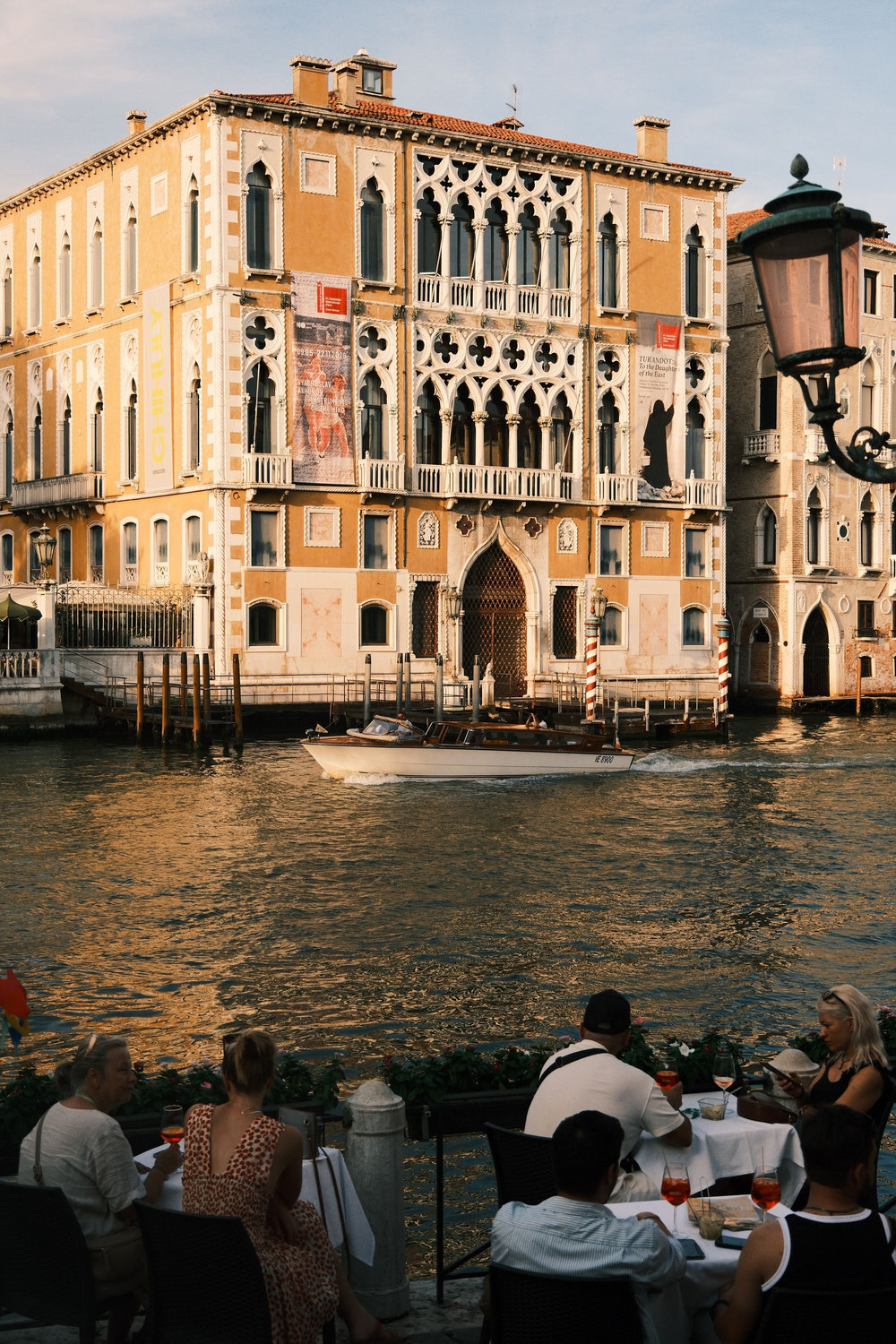
In Venice, this approach takes on a unique dimension. The city offers an exceptional setting for observation: facades, palaces, campi, bridges, canals, and perspectives come together to form an architectural landscape where light, reflections, and color constantly transform forms.
Over the course of three days, participants will be invited to explore watercolor painting through the observation of Venetian architecture. The workshop will focus on the fundamentals of architectural drawing—proportions, perspective, lines, volumes, and composition—while developing a freer approach to color and light.
The goal will not be to mechanically reproduce a building, but to learn how to select, simplify, and interpret. A facade can be suggested by just a few lines; a perspective can be enhanced by varying tones; a reflection on the water can become an essential element of the composition.
Through a combination of technical exercises, on-site observations, and personal projects, this course will help you develop a watercolor technique particularly well-suited to travel sketches, urban landscapes, and architectural drawing.
As part of Campus MaNa Venezia, the learning experience draws directly from the city: Venice becomes at once a subject of study, a laboratory of light, and a source of inspiration.
By the end of the course, participants will be able to:
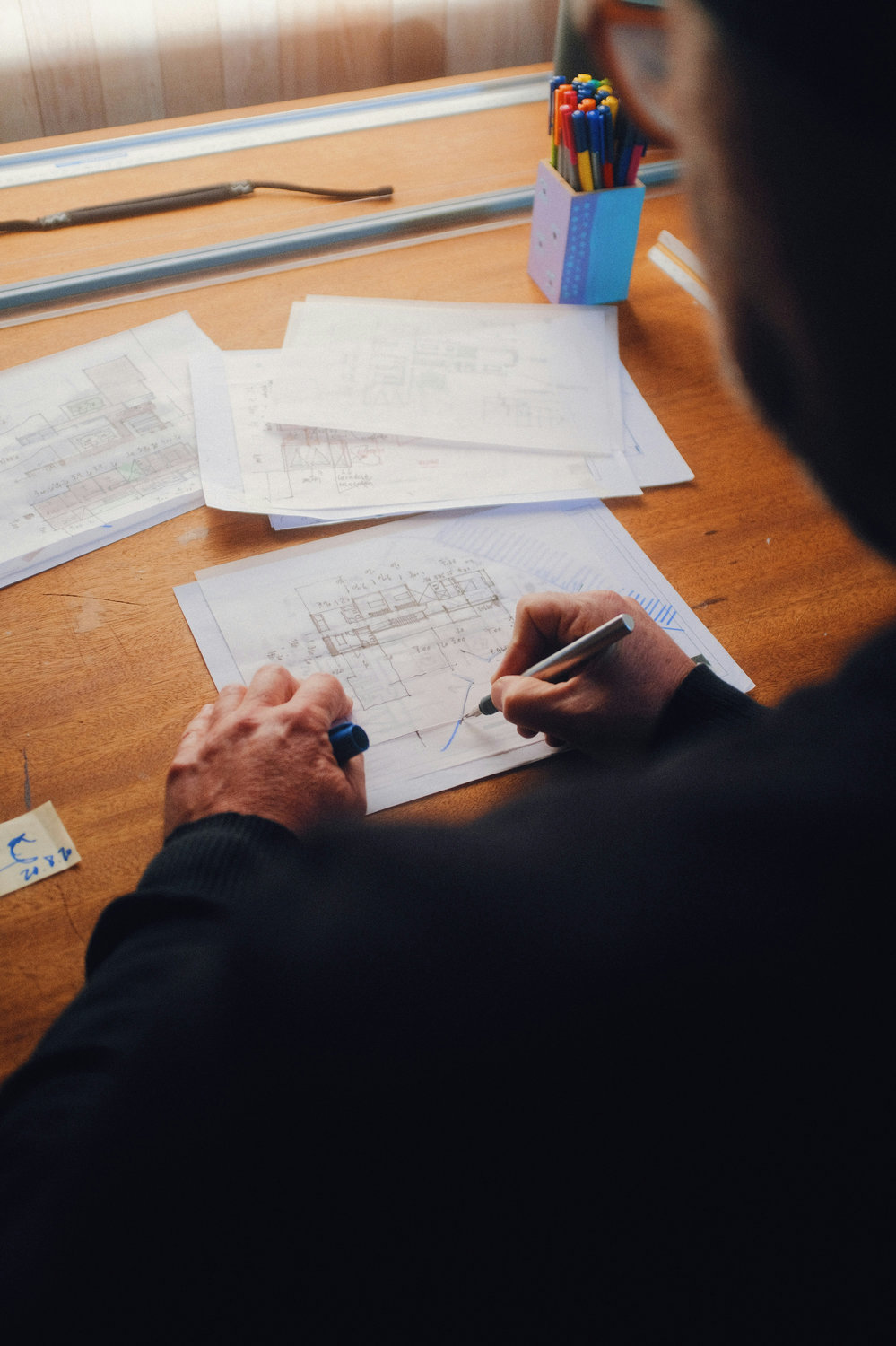
- Understand the fundamental principles of watercolor as applied to architecture;
- Construct architectural forms using simple lines, shapes, and volumes;
- Apply the essential rules of perspective;
- Observe and render the proportions of a building;
- Develop a color palette suited to architecture and the urban landscape;
- Work with transparencies, layering, and areas of white;
- Depict light and shadows through color;
- Depict reflections and atmospheric effects;
- Simplify architecture without losing its character;
- Compose an image or a sketchbook page centered on an architectural subject;
- Develop a personal style in watercolor.
The course alternates between technical instruction, demonstrations, drawing and watercolor exercises, on-site observation, and individual projects.
Special attention will be given to the unique characteristics of the Venetian landscape: its perspectives, its facades, the interplay between architecture and water, as well as the variations in light that constantly alter our perception of the city.

Day 1: Observing and Sketching Architecture
Morning
- Welcome and course overview
- Introduction to watercolor and architectural drawing
- Overview of materials and the different uses of the brush
- Preparing the paper and managing water
- Observation of Venetian architecture
- Principles of perspective applied to facades and streets
- Composing a subject using simple shapes and lines
- Preparatory sketching exercises
Afternoon
- Perspective and Depth
- Constructing facades and openings
- Working on proportions and vanishing lines
- First wash drawings and establishing values
- Study of cast shadows
- Exercise based on Venetian architecture
- Work on the motif and individual guidance
Day 2: Light, Color, and Atmosphere
Morning
- Understanding light in the urban landscape
- Study of tones and contrasts
- Warm and cool shadows
- Transparency and layering of washes
- Color mixing and creating a cohesive palette
- Demonstration of light on a building facade
- Exercises in rendering the same architectural structure under different lighting conditions
Afternoon
- Architecture and water: understanding reflections
- Rendering canals, water surfaces, and water vibrations
- Vertical reflections and distortions
- Work on atmospheric effects
- Simplification and Suggestion
- Creating a Complete Watercolor Painting
- Individual guidance and corrections
Day 3: From the travel sketchbook to personal interpretation
Morning
- Creating a Personal Composition
- Choosing the viewpoint and framing
- Architecture, people, and elements of urban life
- Incorporating vegetation, boats, and elements of daily life
- Working on the hierarchy of details
- Developing a personal artistic style
- Creating a series of sketches and watercolors
Afternoon
- Finalizing the works
- Finding a balance between drawing and color
- Final touches, contrasts, and details
- Composing a page for a travel journal
- Presentation of the work
- Group analysis of the work
- Review of the techniques covered
- Training evaluation