
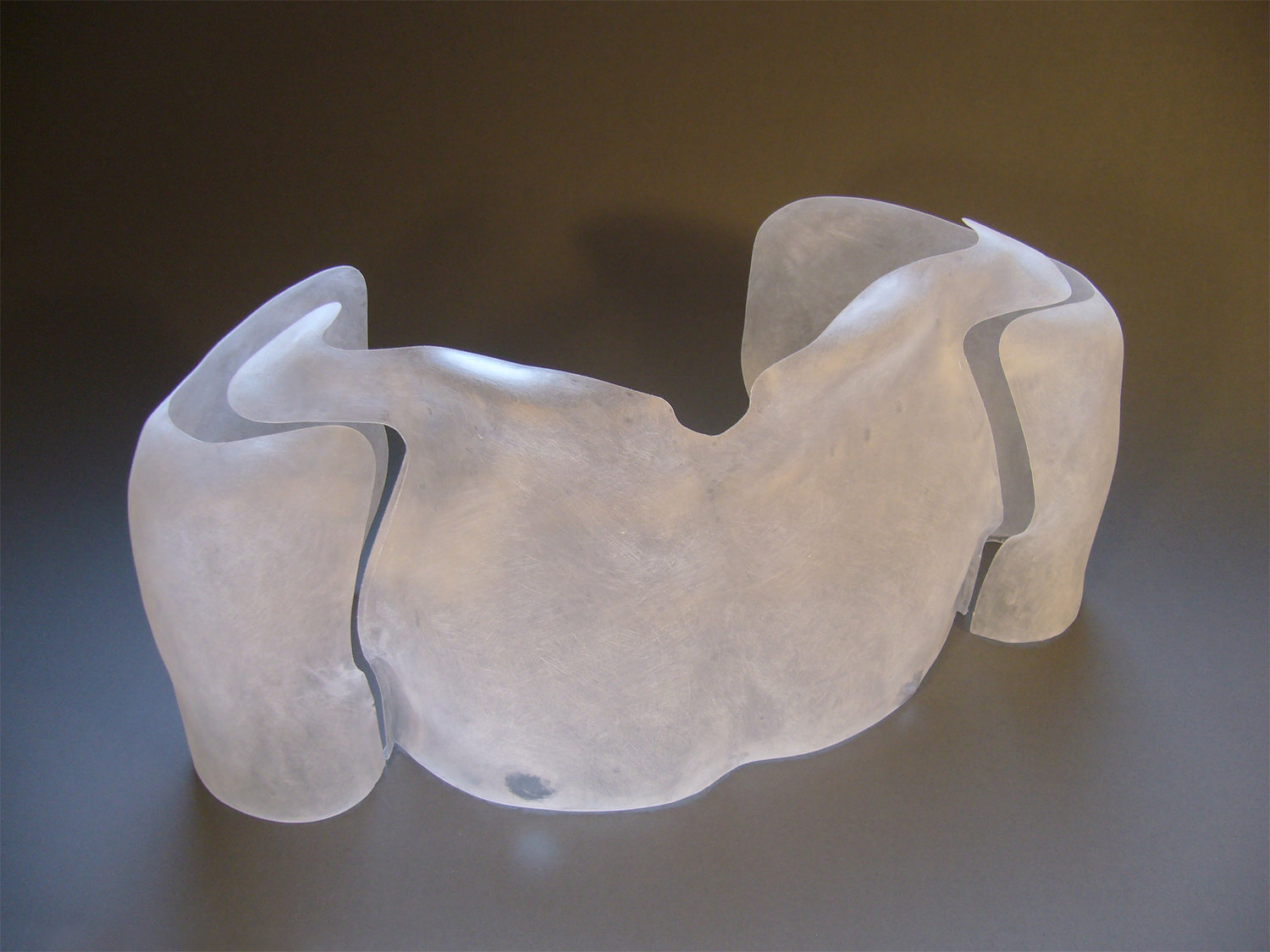
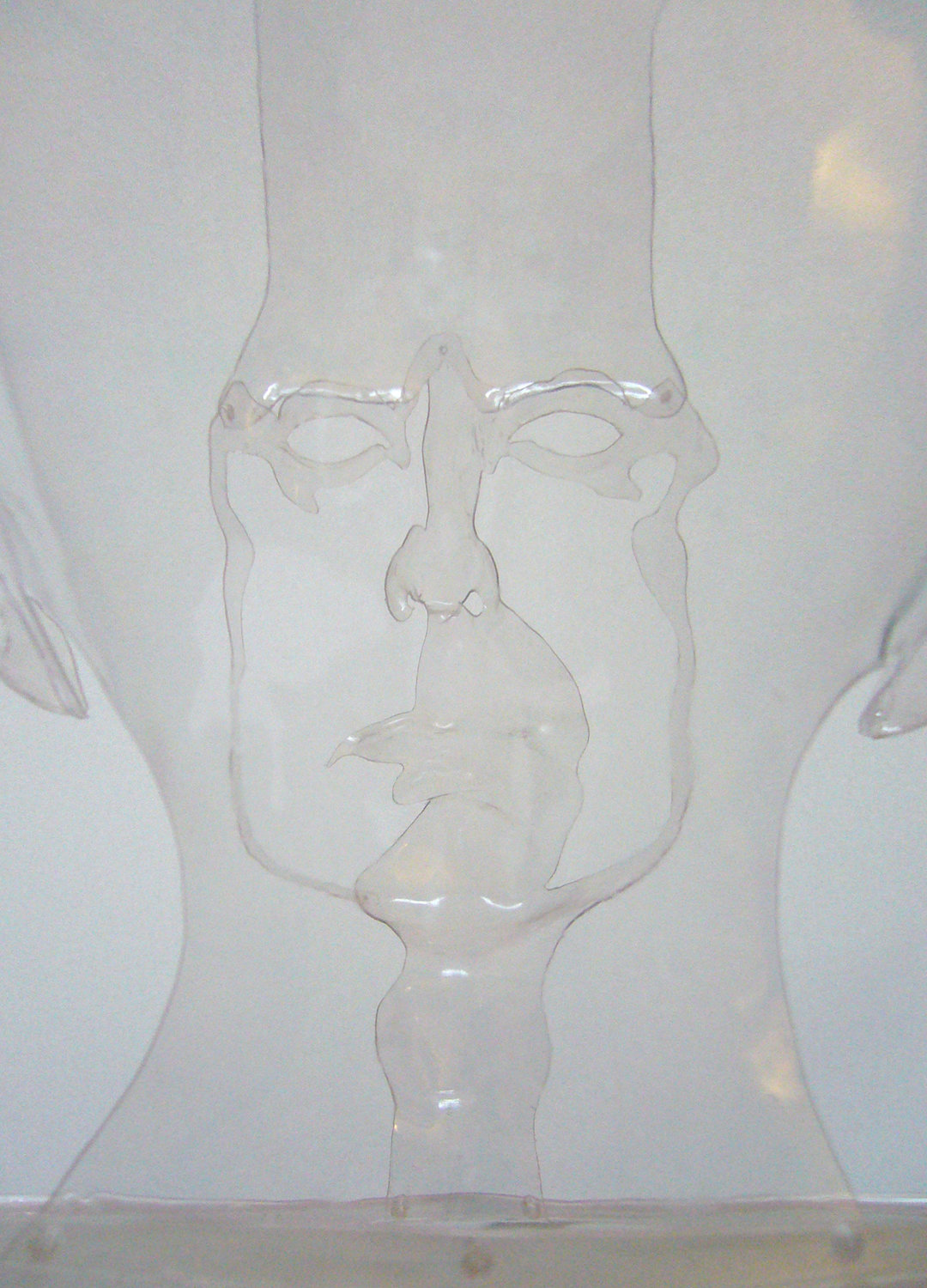
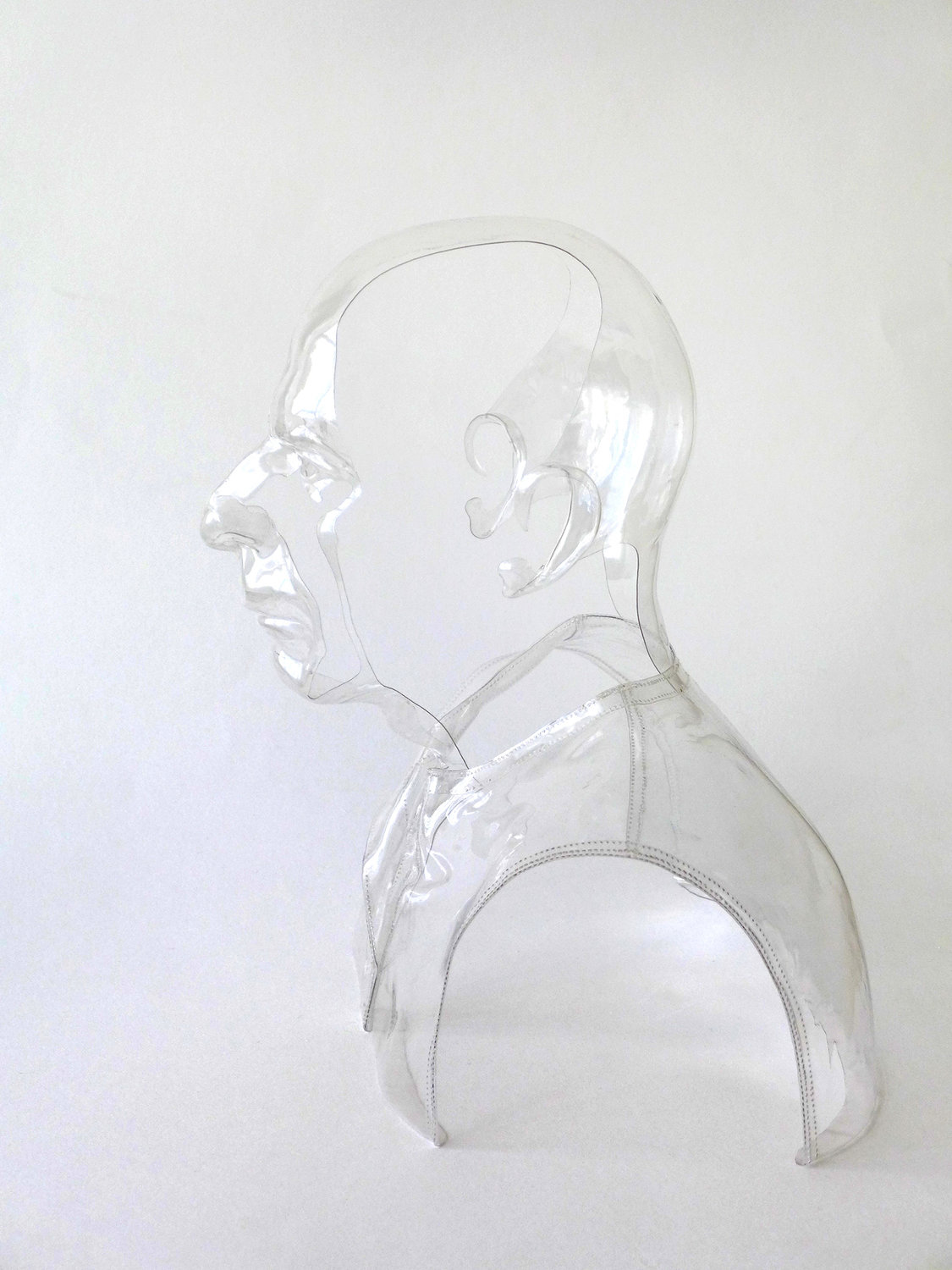
This workshop explores a unique approach to volume, based on creating forms using only their surfaces. The focus is not on working with solid material, but on conceiving of volume as an envelope.
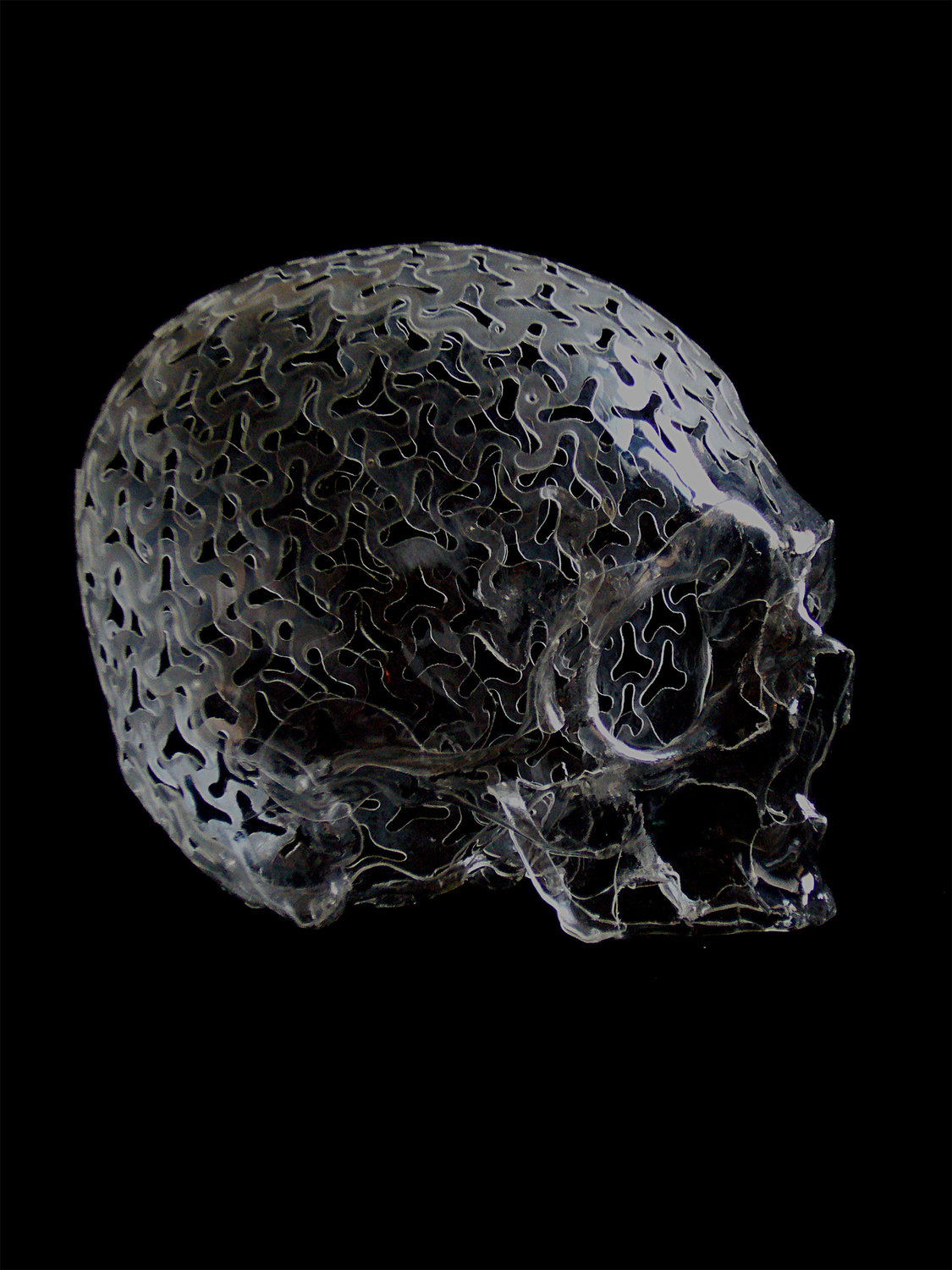
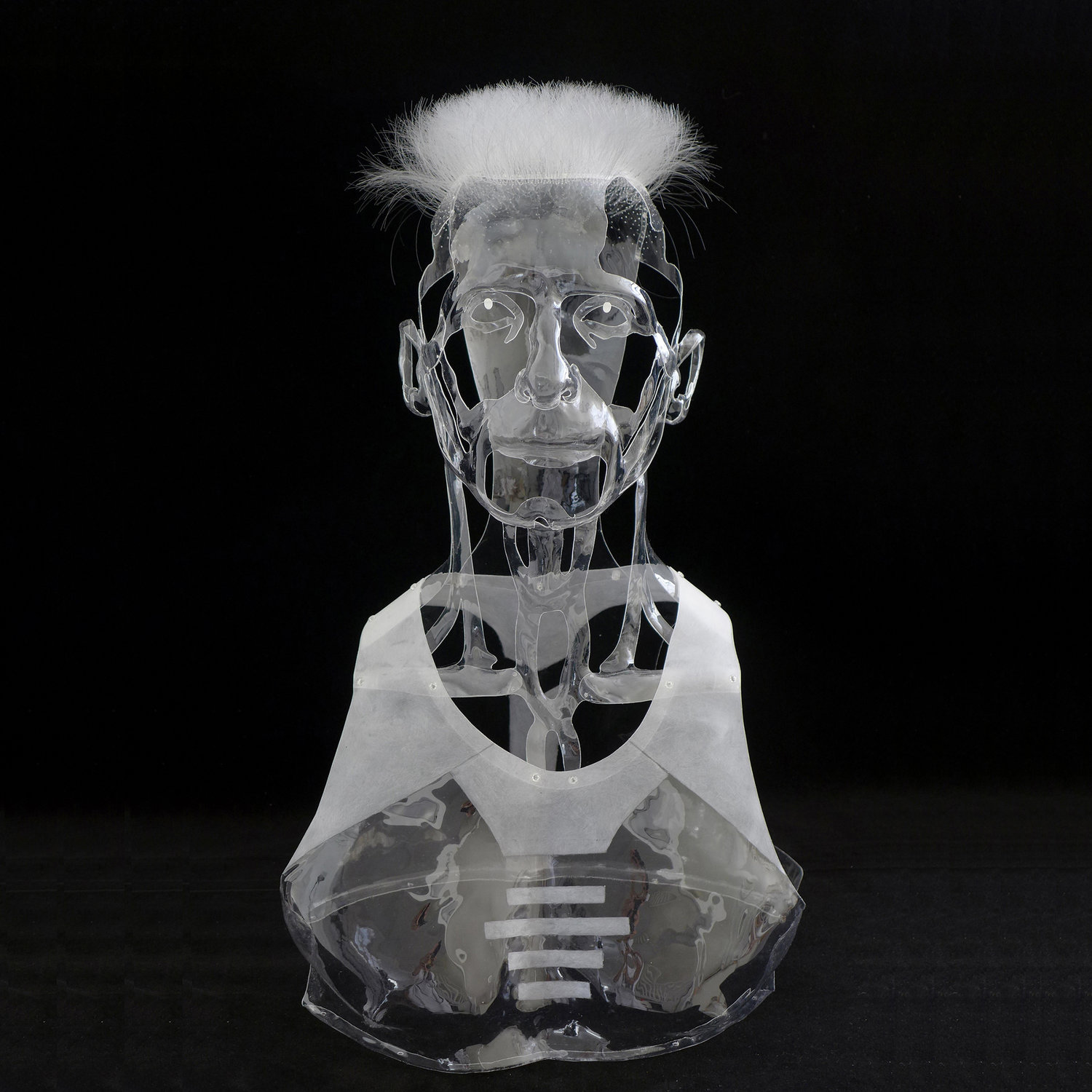
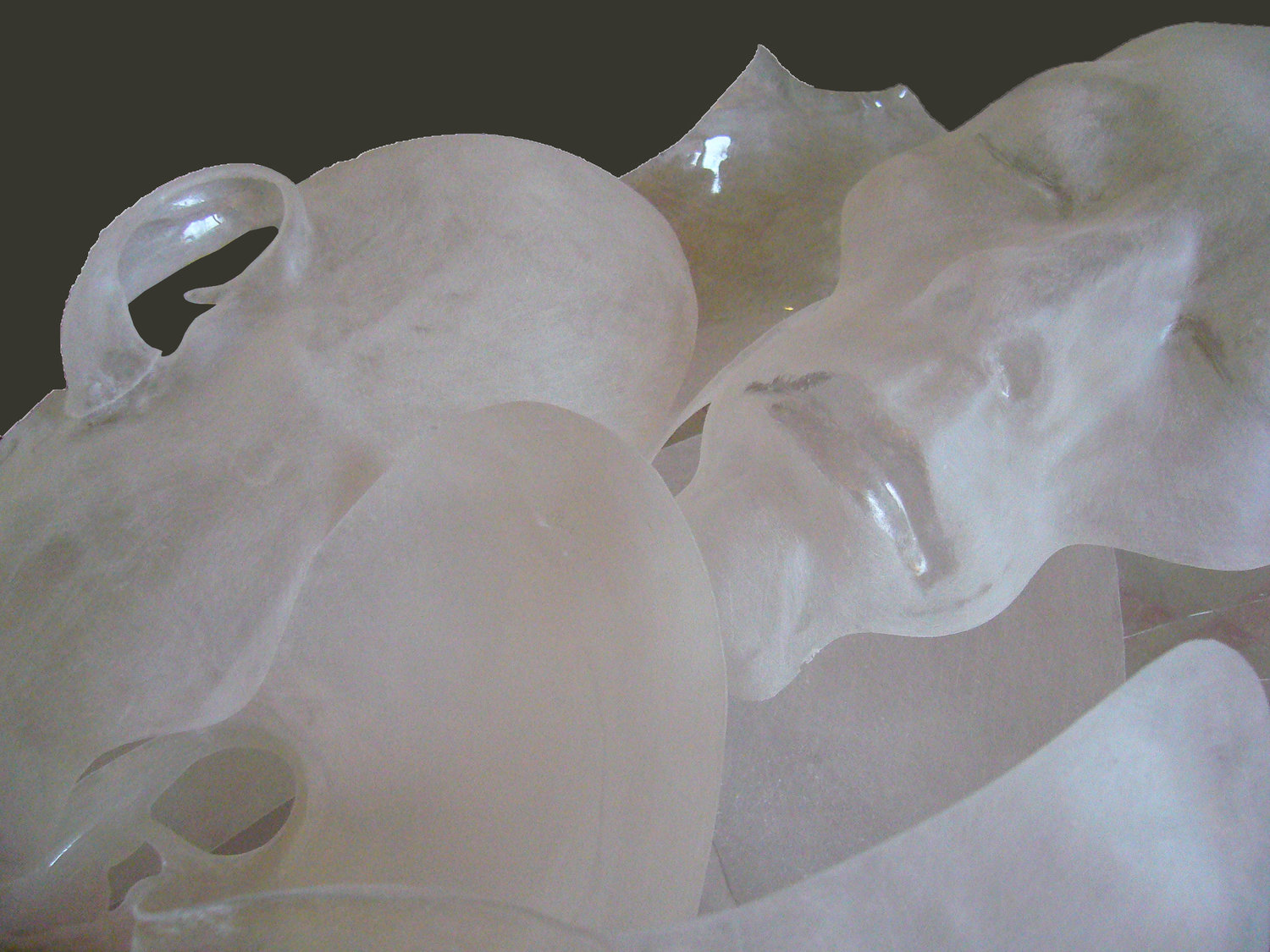
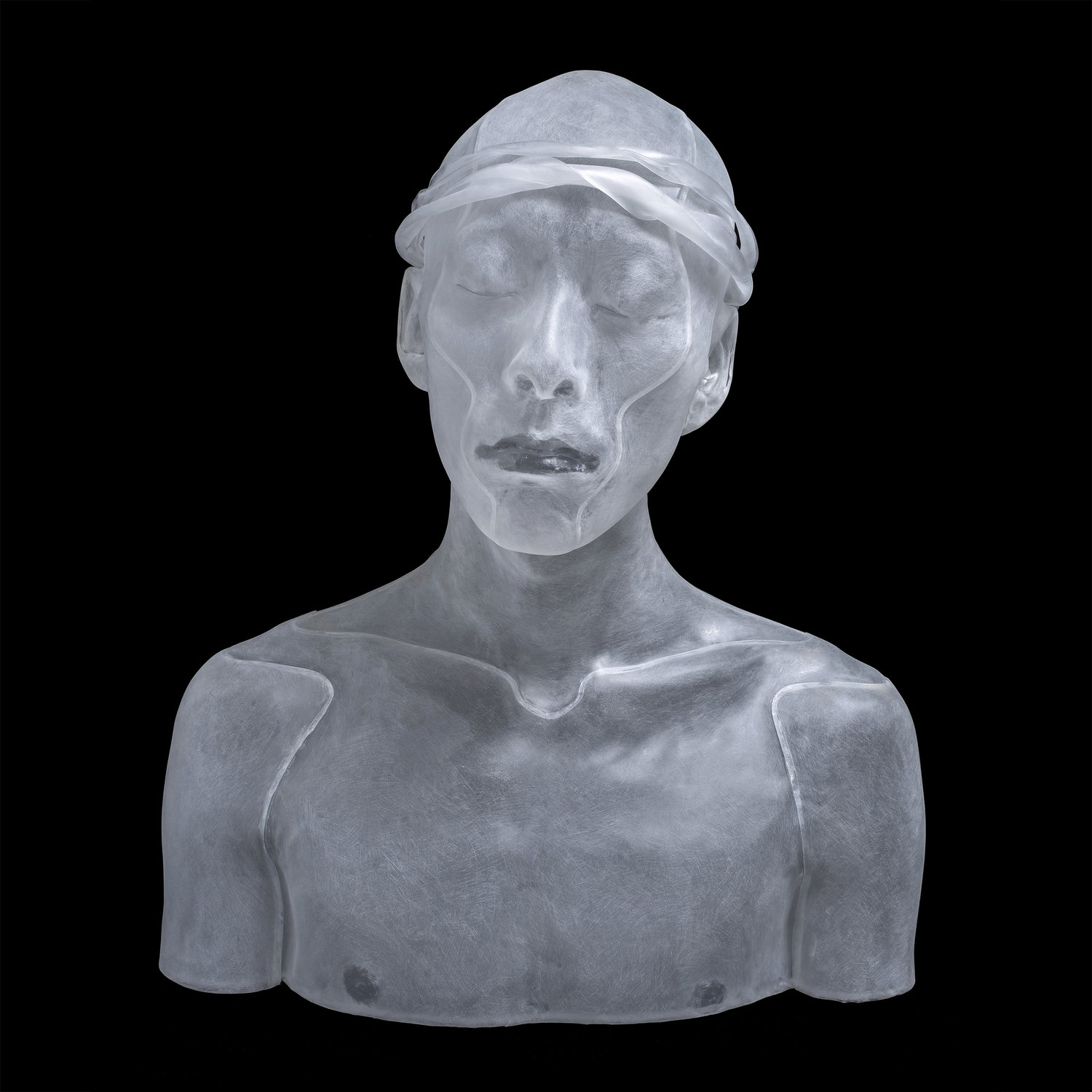
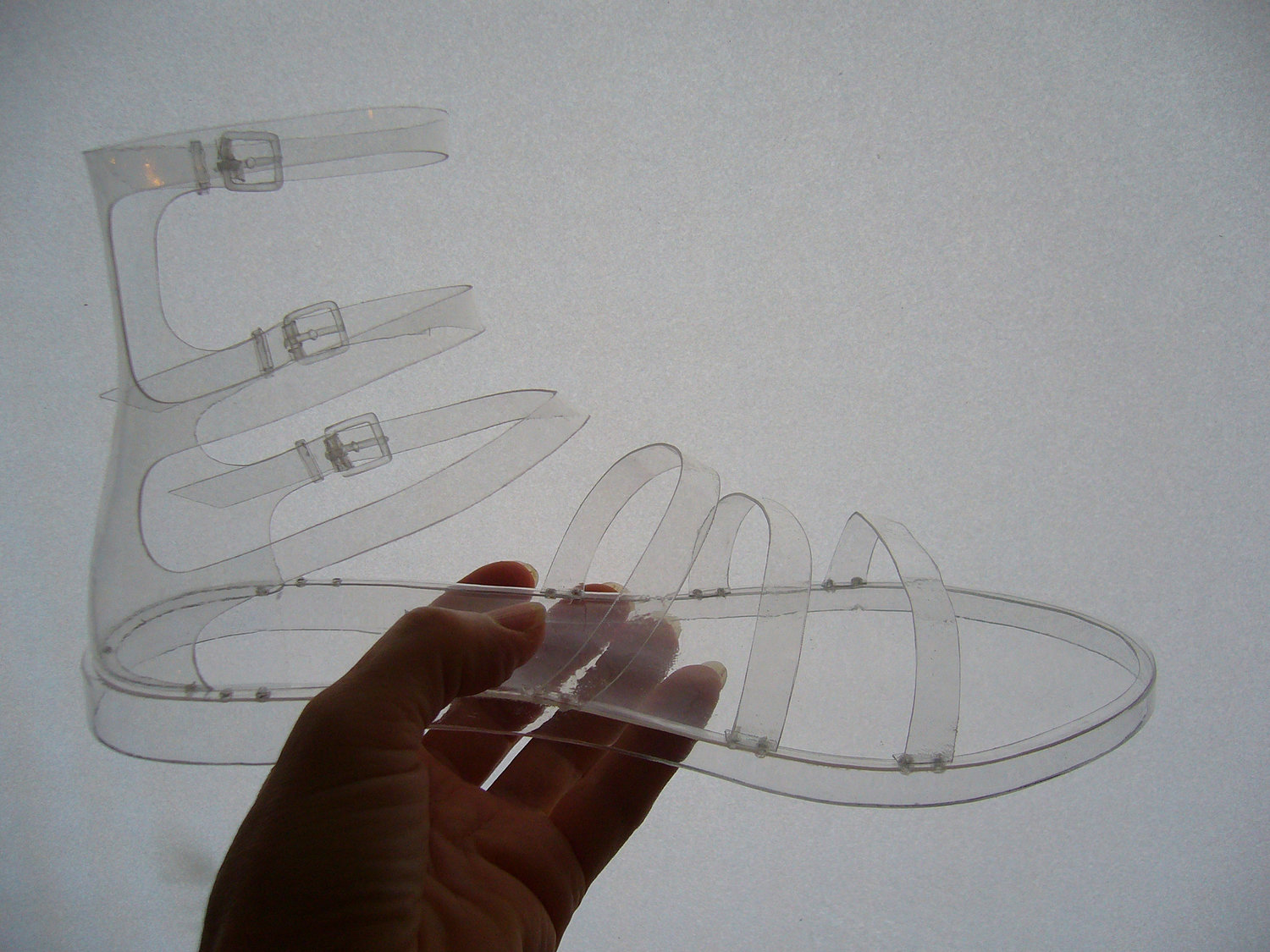
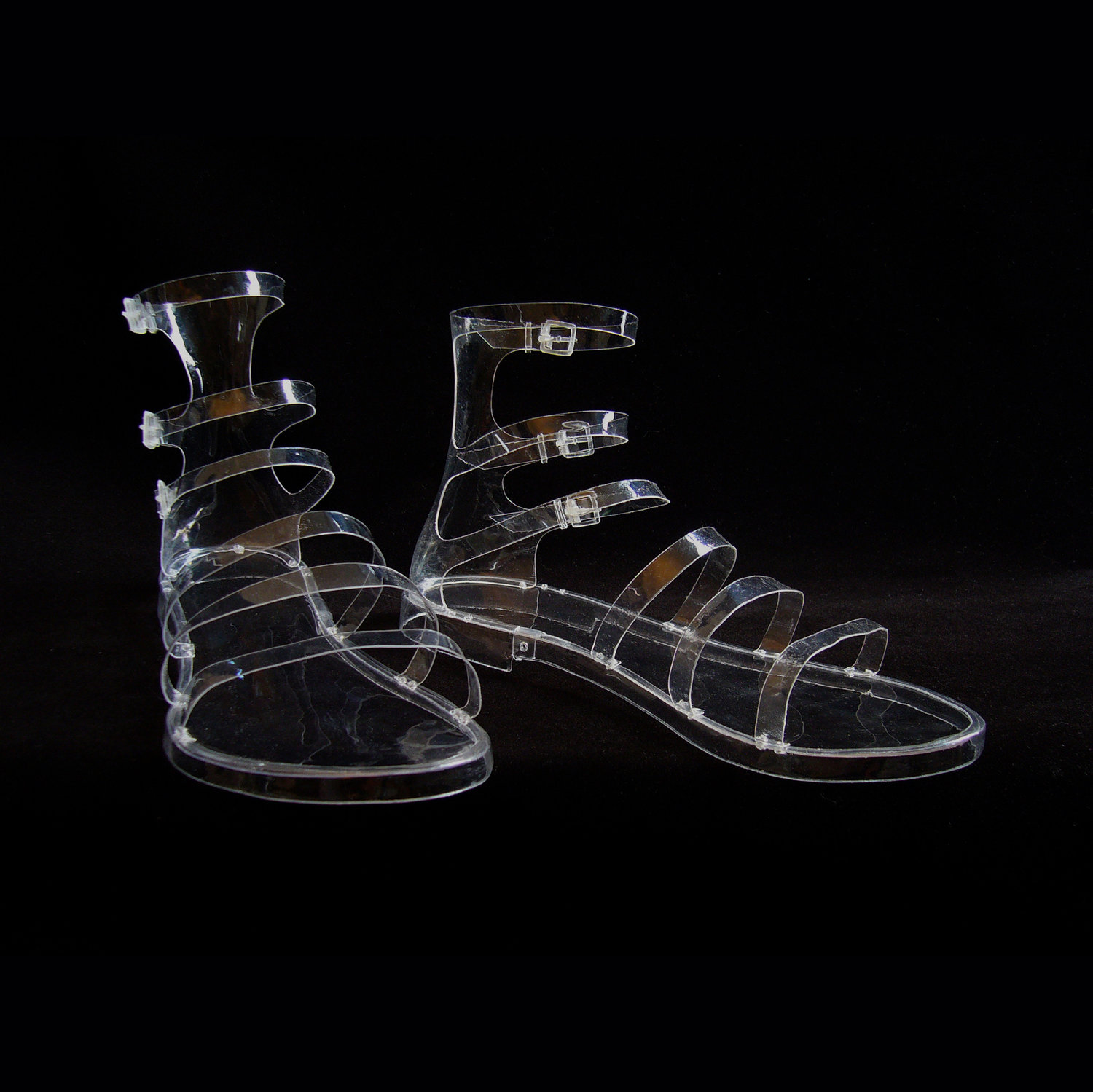
To do this, participants use a specific medium: PET, a plastic that comes in sheet form. Through various processes—including thermoforming, template-making, cutting, sanding, and polishing—they learn to shape and bring out three-dimensional forms.
Throughout the workshop, this practice allows participants to explore the concepts of line, surface, and volume, as well as to examine the relationship between empty and solid space, opacity, and transparency. It encourages the development of an approach that is both technical and sensitive, in search of a personal artistic language.
By the end of the workshop, participants will be able to:
The workshop will begin with a presentation by artists whose work relates to the technique being taught. Angélique Lefèvre, who will bring one or two of her own works to illustrate her points, will discuss her artistic approach as well as her choices of subjects, materials, and techniques.
The goal of the workshop is to teach techniques for working with PET in three dimensions, exploring the choice of cut lines, solid and hollow sections, transparencies, and matte effects.
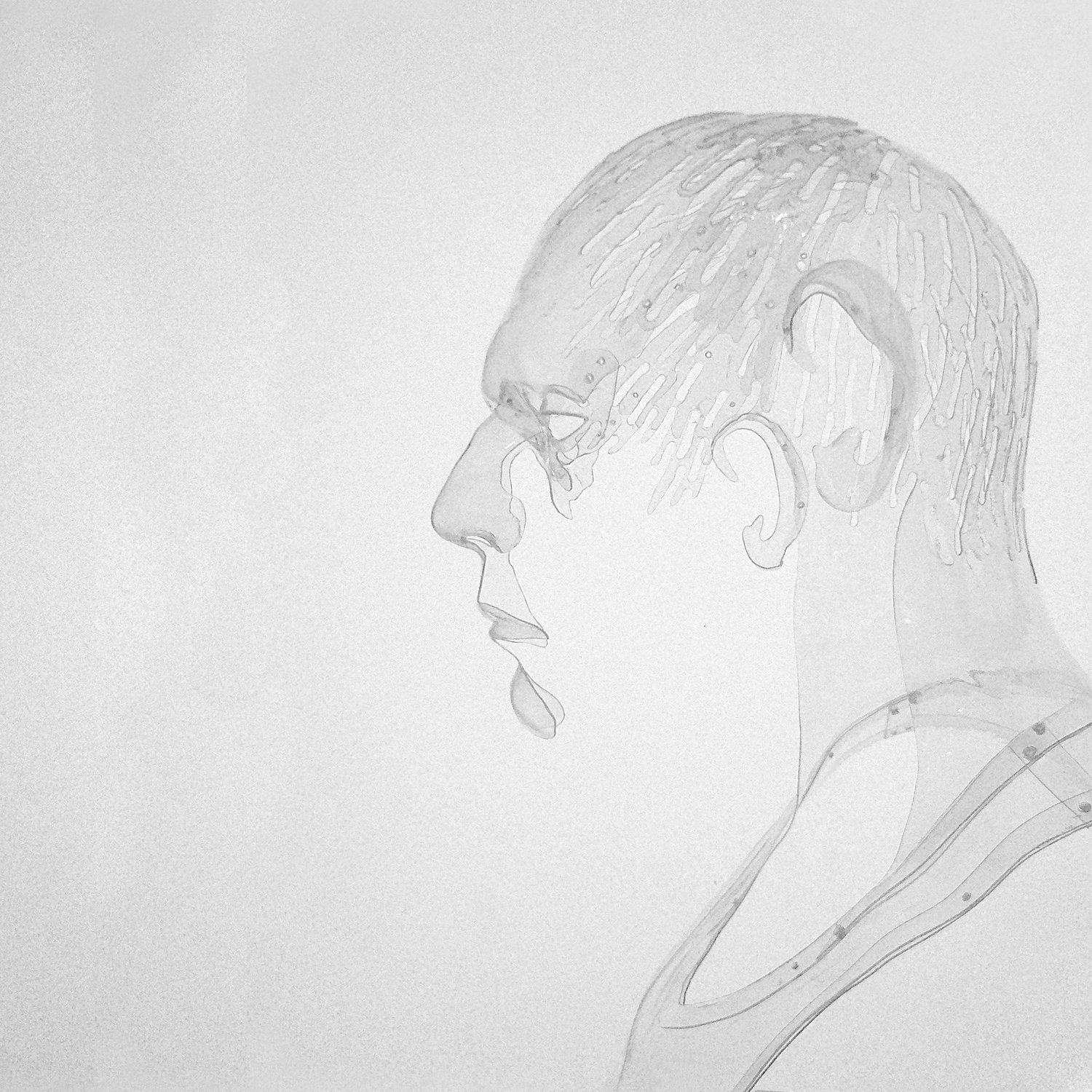
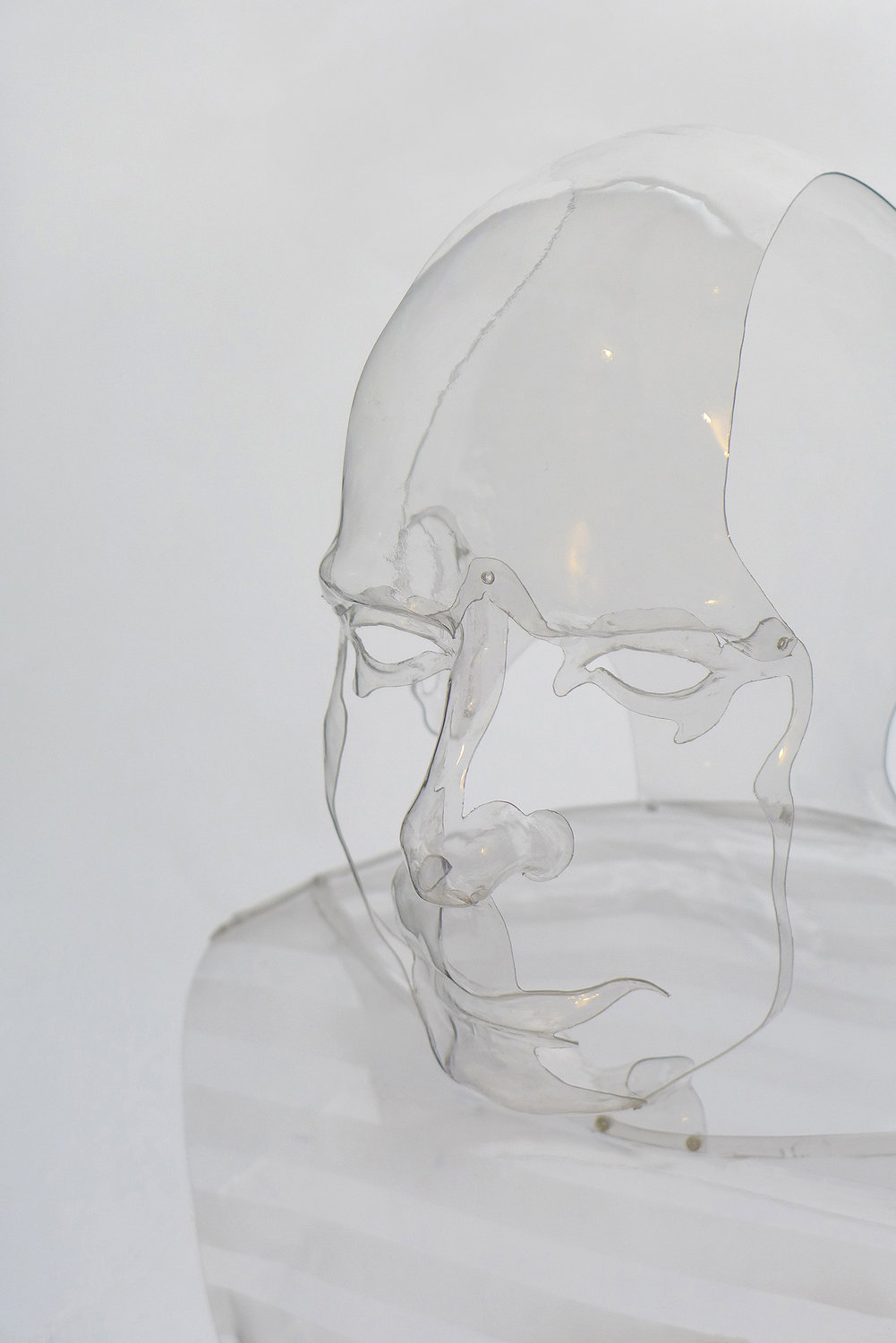
Participants will then choose a form to create: a bust, a face, or an object. Based on this choice, they will receive guidance in defining a working method that is both aesthetic and technical.
The work relies on the use of plaster forms as a base for thermoforming. These plaster forms will be provided in advance to avoid drying time. However, participants may bring their own form if they have one. In addition to plaster, any heat-resistant material is suitable: stone, metal, wood, etc.
Lines are drawn on these supports based on the material’s maximum stretch capacity and aesthetic choices regarding the cutouts. Templates are then designed and cut out of the PET sheets.
The technique involves heating the templates using one or more heat guns to soften and stretch the material, giving it the desired shape.
Angélique Lefèvre lives and works in a studio in Paris. Her work offers a poetic interpretation of the contemporary world, developed through a multi-stage process.
Trained in literature through a bachelor’s degree in humanities, she developed an interest in narratives and human stories. Her experience as a secondhand dealer further refined her perspective on objects: from the most ordinary to the most unique, all take on a special value over time.
“Memory, by distilling reality, transforms everything into a witness; neither beautiful nor ugly: simply precious.”
— Alain Blondel
She eventually trained as a patternmaker, where she learned to transform a flat surface into a three-dimensional form. This expertise has left a lasting mark on her artistic practice.
Her organdy sculptures caught the attention of major fashion houses. Under the direction of Leïla Menchari, she created objects for Hermès intended for the store windows at 24 Faubourg Saint-Honoré.
She was also commissioned by Van Cleef & Arpels, Dior, Sisley, and private collectors.
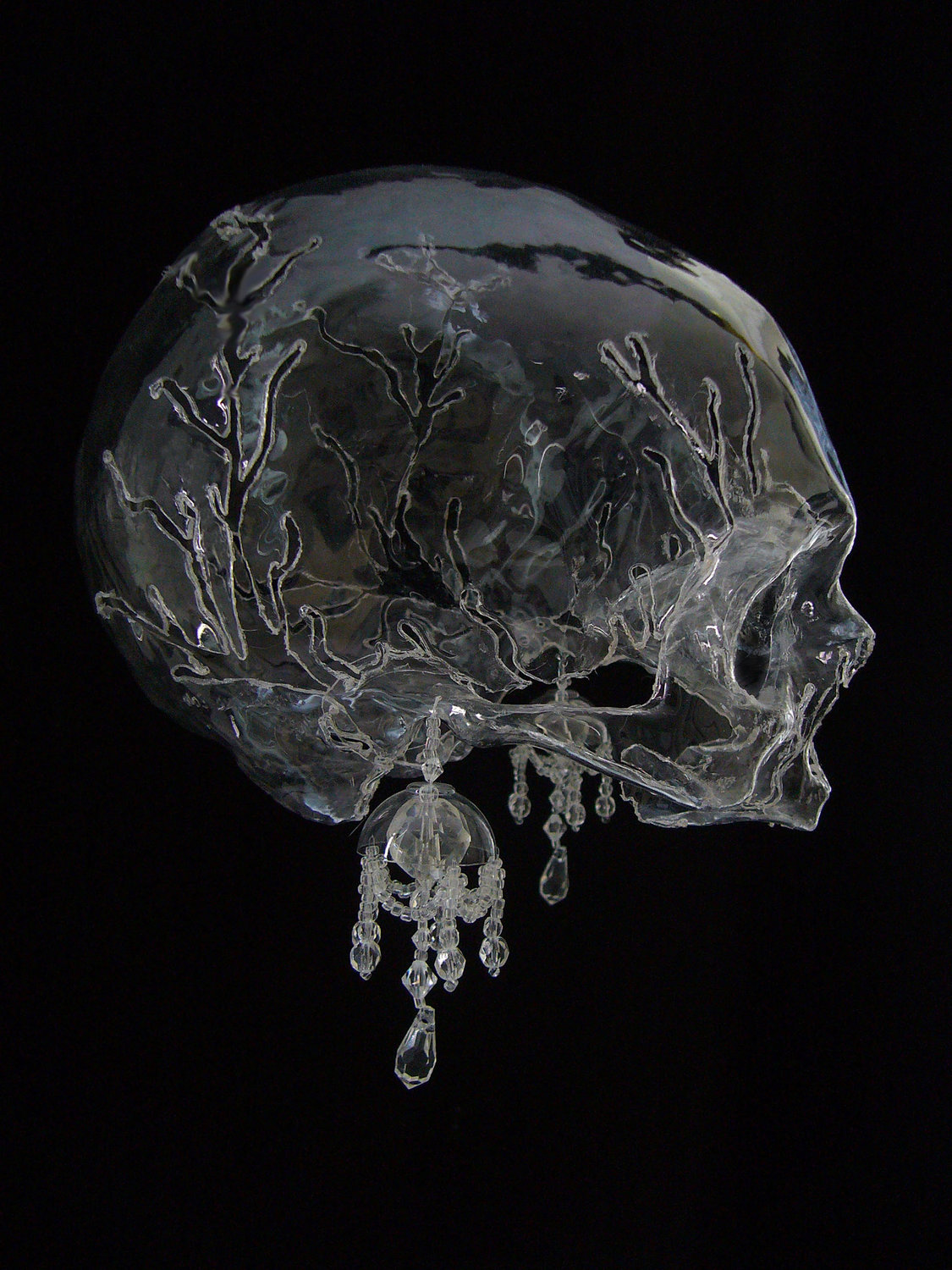
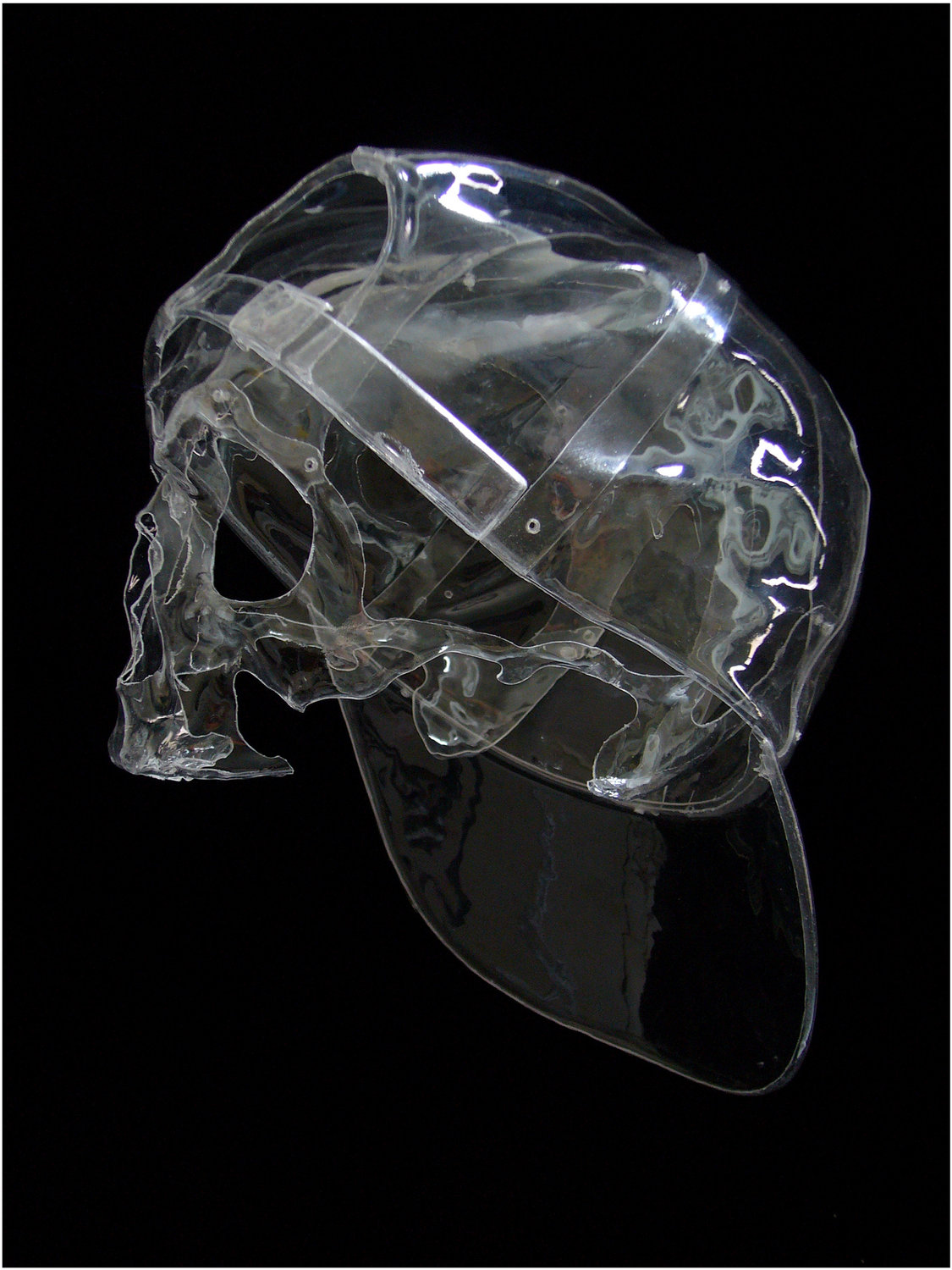
Another material has enriched her practice: PET. It was only natural for her to adopt this material, which is even more transparent than organdy and also comes in the form of flat sheets that must be shaped.
Her subjects remain the same: the history of humankind and their objects.
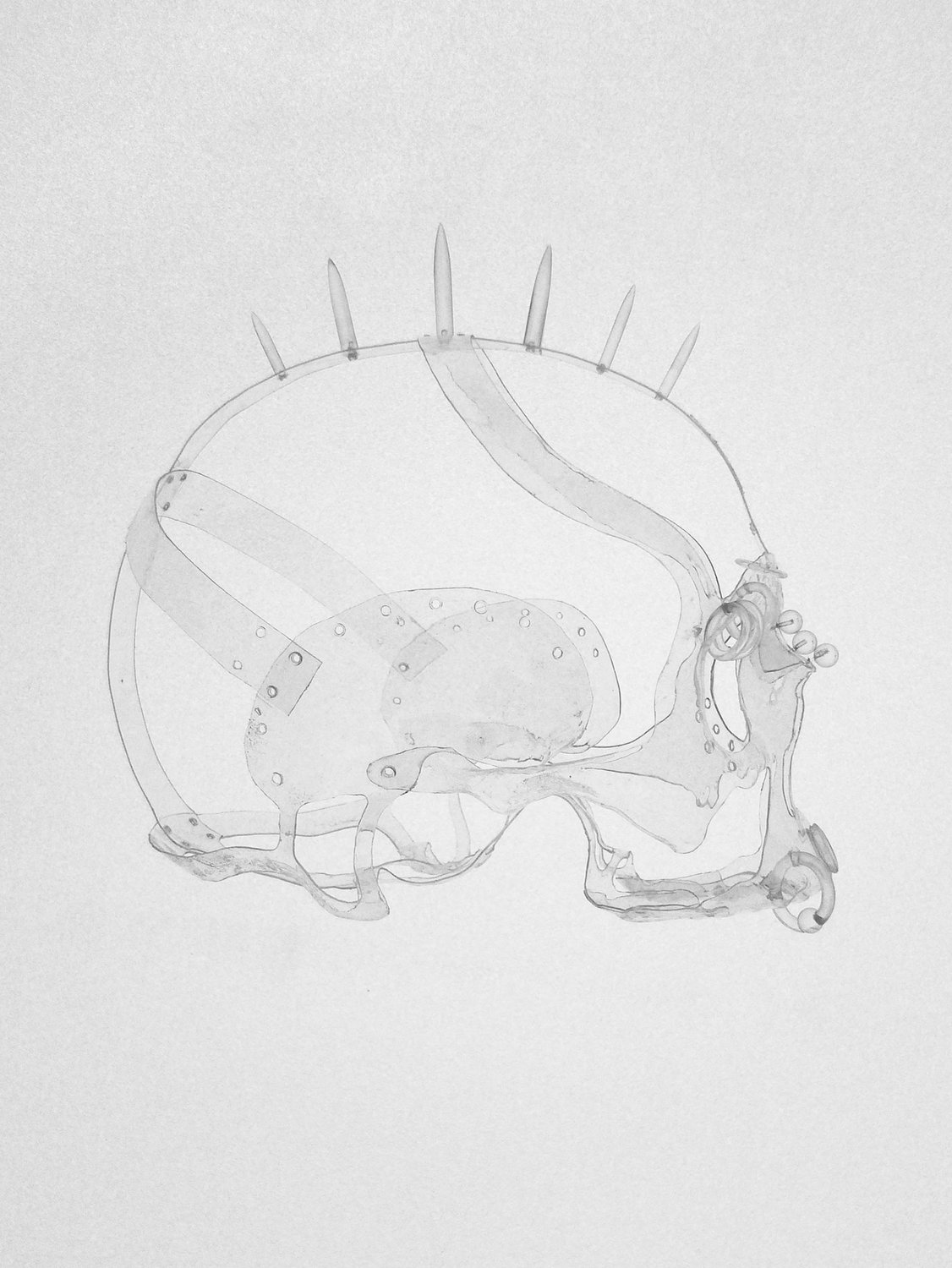
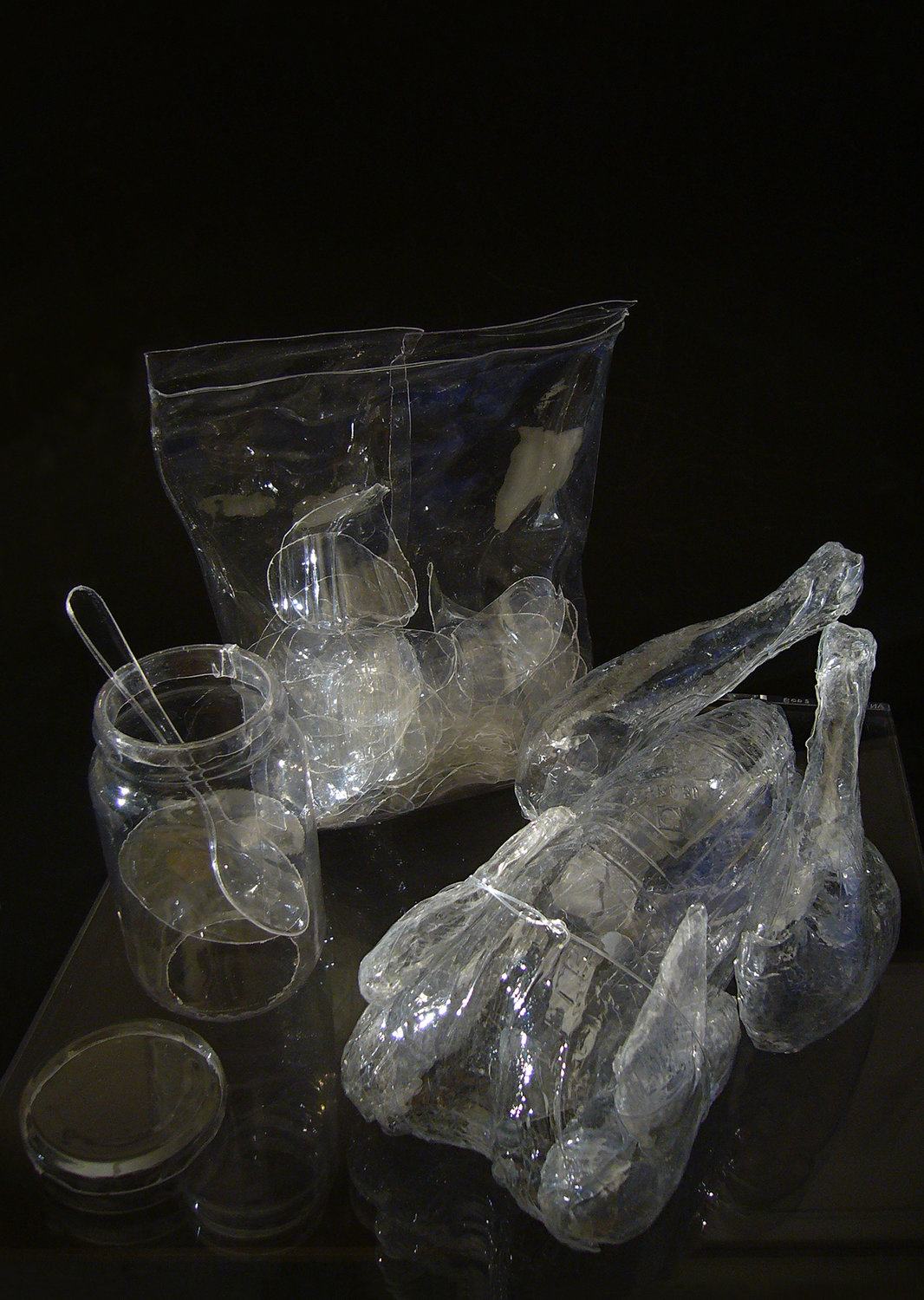
Upcycling also inspires her approach. Sometimes she creates a sculpture using recycled packaging from fruit or cakes. Two interpretations can then overlap: that of a food-related use, for example, where the raised symbols define the materials and their functions, and that of the human skull she has created from these trays produced through industrial thermoforming.
Training 100% financeable by AFDAS, or partially covered by other operators such as FAFCEA, AGEFICE, FIFPL, OPCO EP etc.
Accommodation and meals included
If you are concerned, we invite you to contact our sales department in advance via "Request for information" in order to prepare your file, or to register directly via the page of the chosen training course.
89350 Champignelles
T: +33 (0)3 86 45 23 42
contact@campusmana.com


