https://www.mastic-lifestyle.com/post/campus-mana-bourgogne-design-metiers-art
What if the new creative scene were taking shape far from the big cities? Just two hours from Paris, in Champignelles in the Yonne department, Campus MaNa brings together designers, architects, and artisans from around the world to learn, experiment, and share their expertise. Conceived by Sophie and Thomas Dariel, this campus dedicated to design and the arts and crafts puts the Burgundian countryside on the map of contemporary creativity.
The Puisaye region already had its potters, ceramics studios, antique dealers, and charming villages. In recent years, it has also gained a destination that attracts an entirely different community: designers, architects, and creators who have come to train in the arts and crafts. In Champignelles, a small town in the Yonne department, Campus MaNa doesn’t really fit the typical image of a design school. Set on a vast, lush estate about two hours from Paris, the campus prioritizes workshops, interactions, and immersive experiences over traditional classrooms.
Behind this project are Sophie and Thomas Dariel, a creative couple who founded the furniture brand Maison Dada. Their idea? To envision a place where creative professionals could temporarily step away from their daily routines to reconnect with their craft, discover new techniques, and learn directly from those who have mastered them. The choice of location is particularly apt. This part of Burgundy has a long tradition of craftsmanship, especially in working with clay. Campus MaNa does not seek to replicate the past, but rather to breathe new life into these traditional skills.
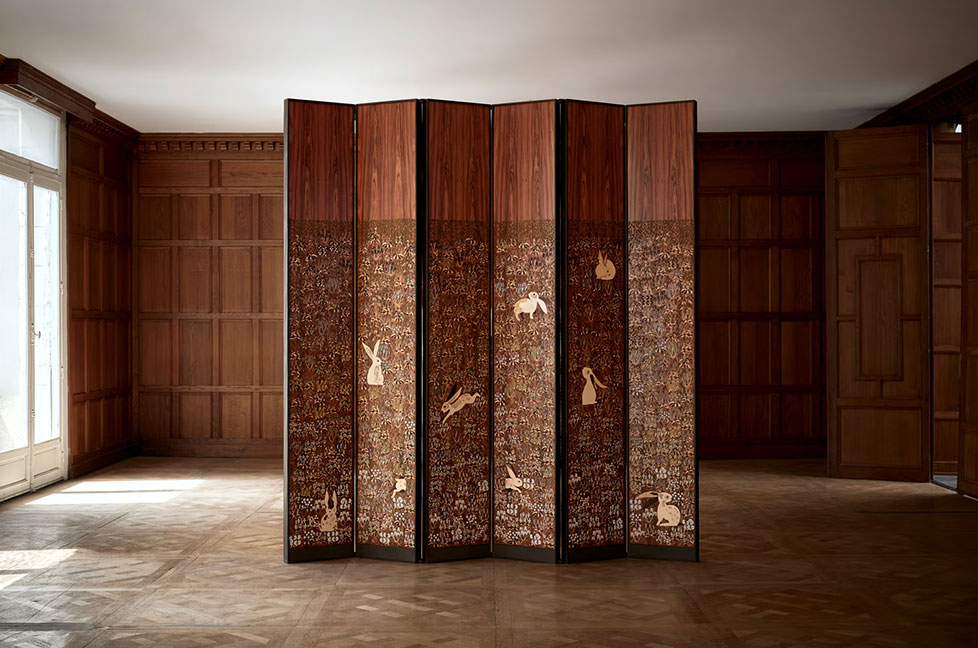
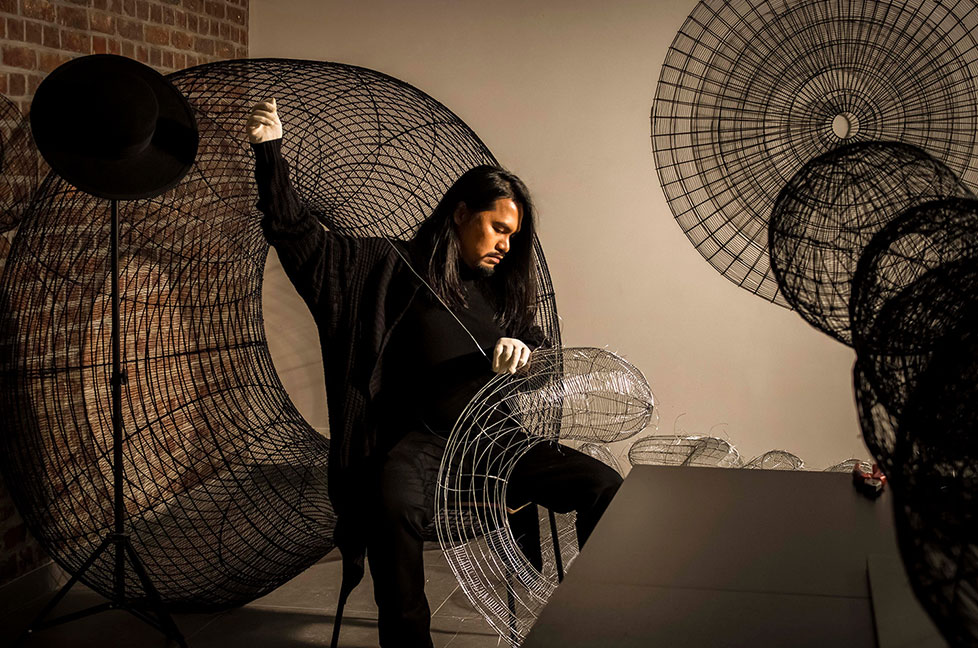
Ceramics, marquetry, cabinetmaking, copperwork, stained glass, lacquer, Japanese assemblages… The program reads like a catalog of techniques that new generations of creators are rediscovering with great interest today. At a time when images are produced in a matter of seconds and objects are mass-produced, learning a precise craft takes on a whole new dimension. Understanding a material, experimenting with a technique, and being willing to start over: these are all steps that digital technology cannot replace.
That is precisely what makes the MaNa Campus concept so interesting. Here, the workshops bring together experienced artisans, designers, architects, and participants from diverse backgrounds to work on the same hands-on project. It’s not simply about learning how to make an object, but about understanding how a traditional technique can inspire a contemporary creative process. This approach aligns with current trends in design and interior decoration, where handcrafted pieces, natural materials, and traditional techniques are regaining prominence—without sacrificing contemporary forms.
Another great feature of Campus MaNa is its residential format. You don’t just come to attend a few hours of training before heading back home. You settle in for several days, with on-site lodging and meals, and share daily life with the other participants. The rooms, designed in a contemporary style, bear the aesthetic signature of Thomas Dariel. The furniture, colors, and decor create an environment that is a far cry from traditional school housing.
The program naturally continues beyond the workshops. Conversations that began over a piece of wood or a ceramic work carry on around the dinner table. Participants meet professionals from other disciplines, learn about different career paths, and discuss their practices. This format gives the campus the feel of an artists’ residency, with the added benefit of a genuine educational dimension. It also responds to a very current desire: to set aside a few days to learn something new, in a pleasant setting and free from the usual demands of daily life.
What particularly catches our attention is also the choice of Burgundy. With Campus MaNa, the countryside is not merely a pleasant setting—it becomes a place of learning and creativity, capable of attracting professionals from around the world. This is a fine illustration of this new rural dynamic, where heritage, craftsmanship, and contemporary design all contribute to a region’s appeal.
And the concept doesn’t stop at Champignelles. Since November 2025, Campus MaNa has also had a location in Venice, on the island of San Servolo, where the programs focus in particular on the arts and crafts and decorative techniques. A third campus is also being considered in France, a sign of the founders’ ambition to expand this model beyond the Puisaye region.

89350 Champignelles
T: +33 (0)3 86 45 23 42
contact@campusmana.com