





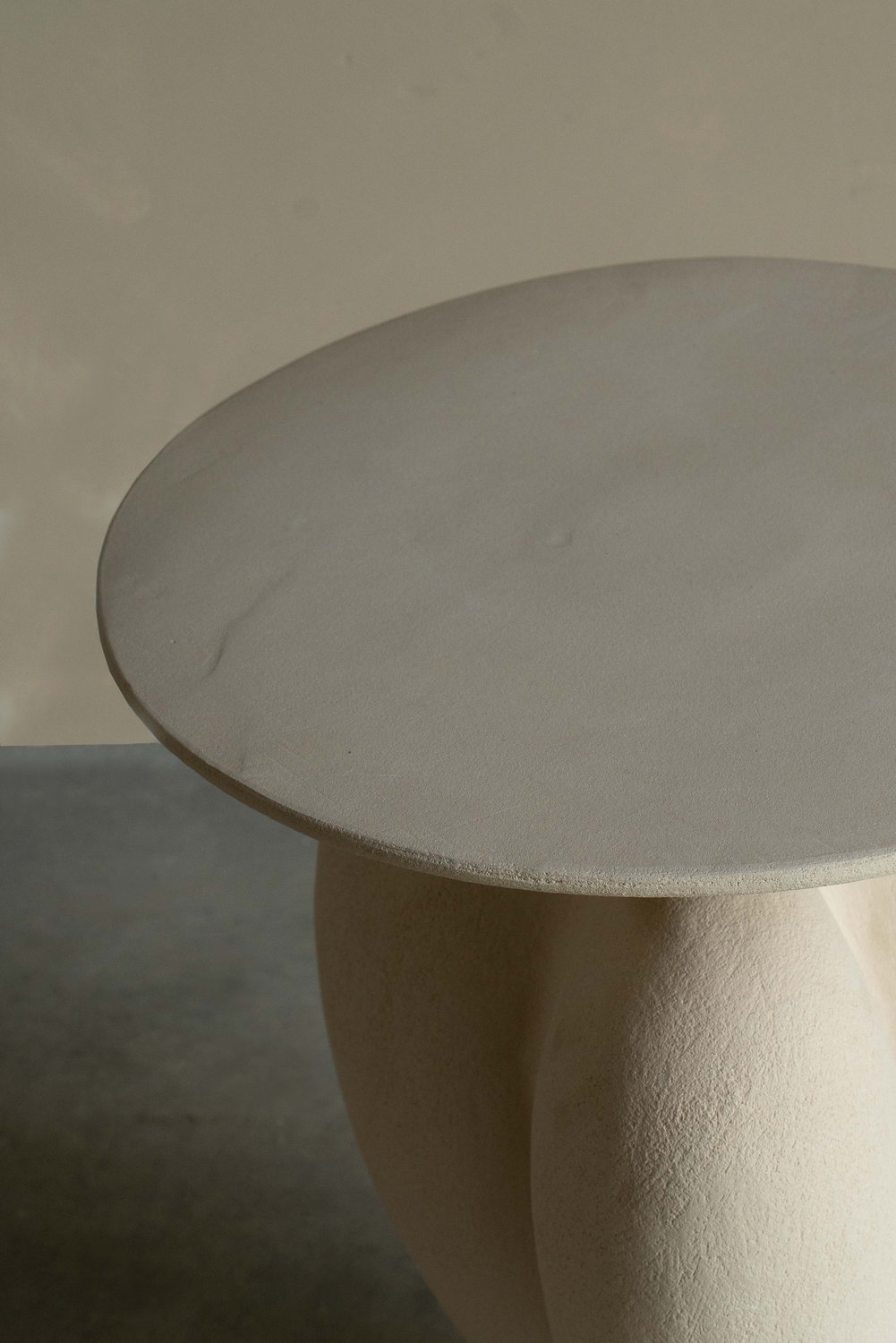
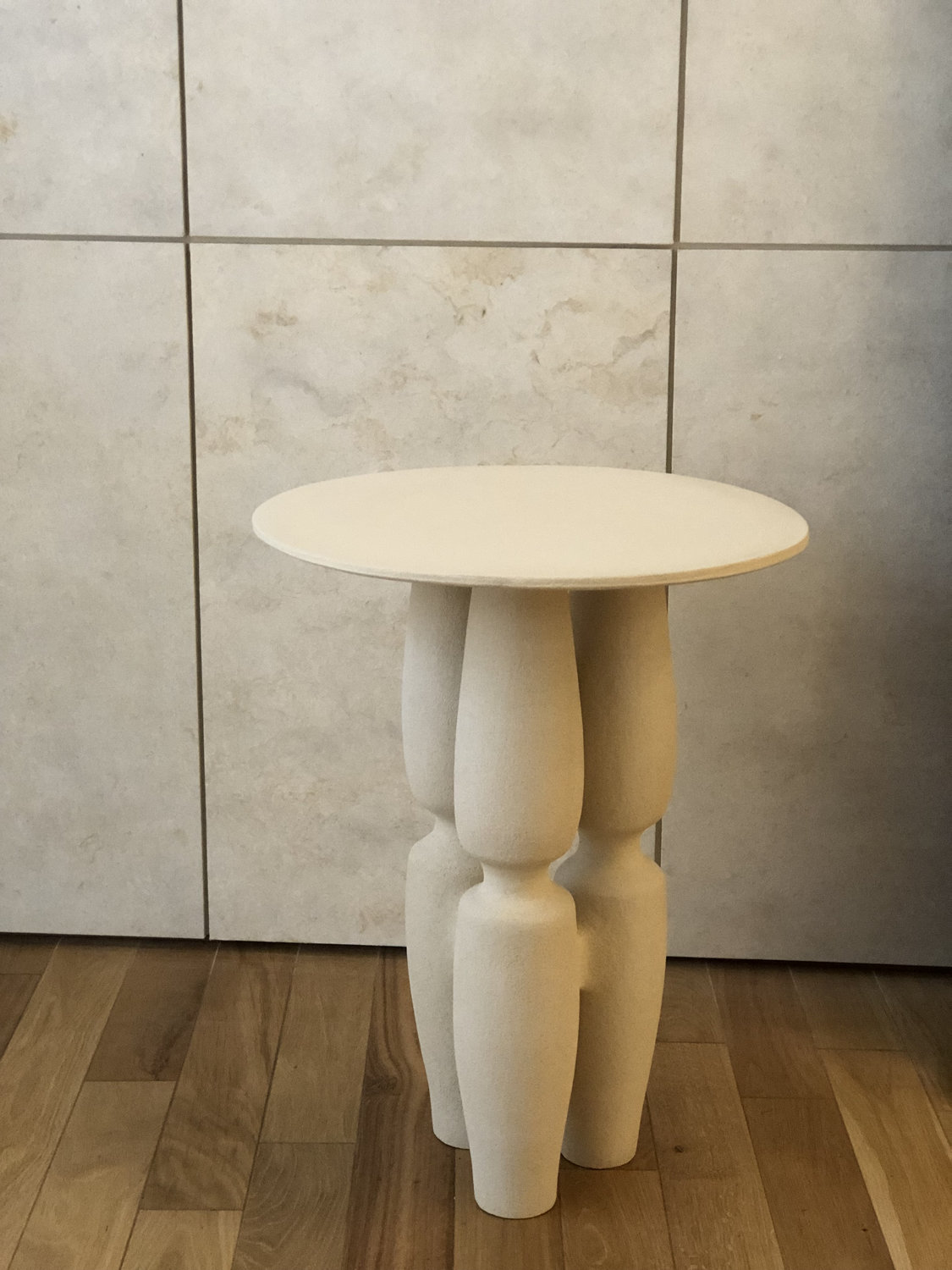
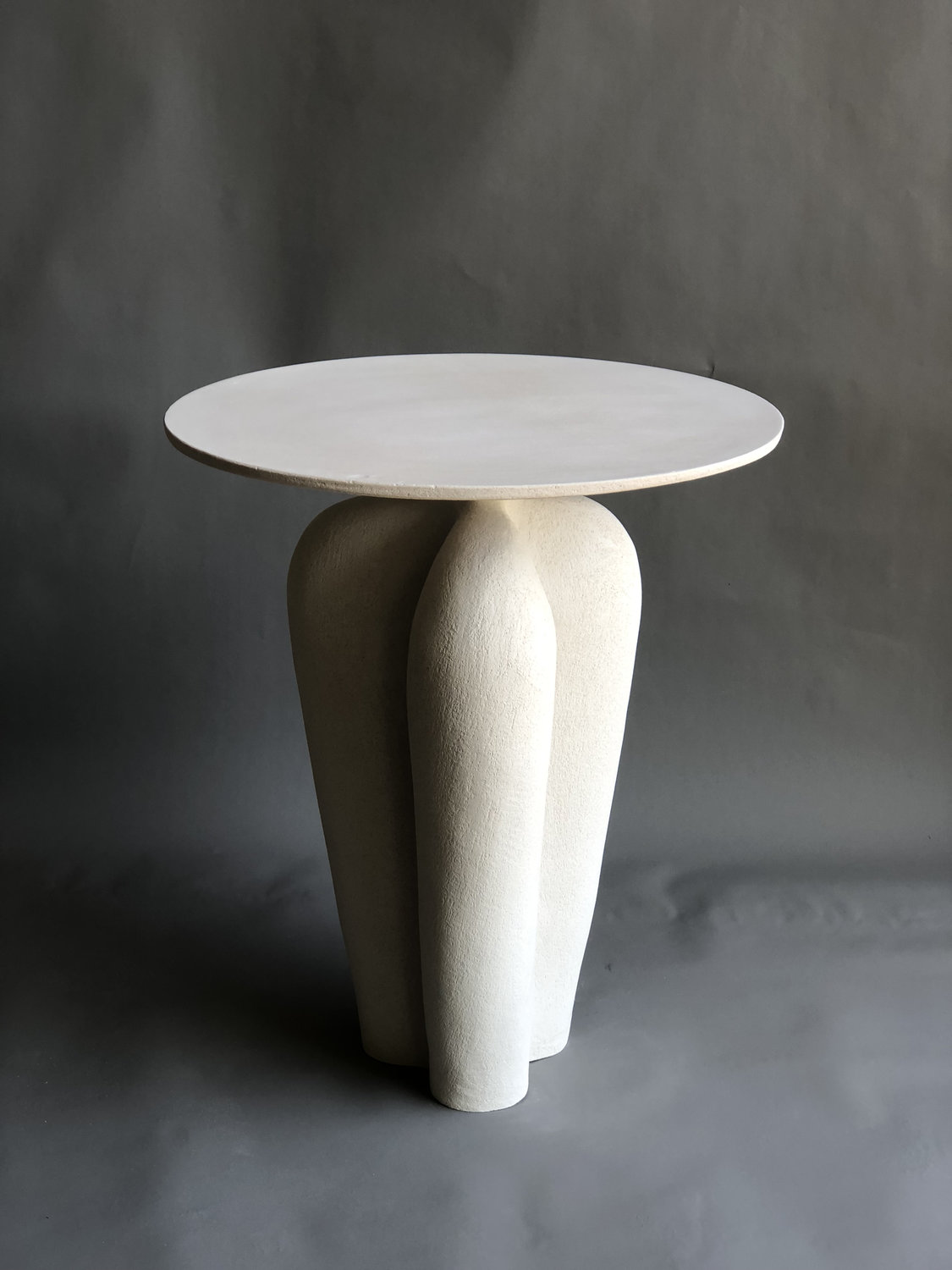
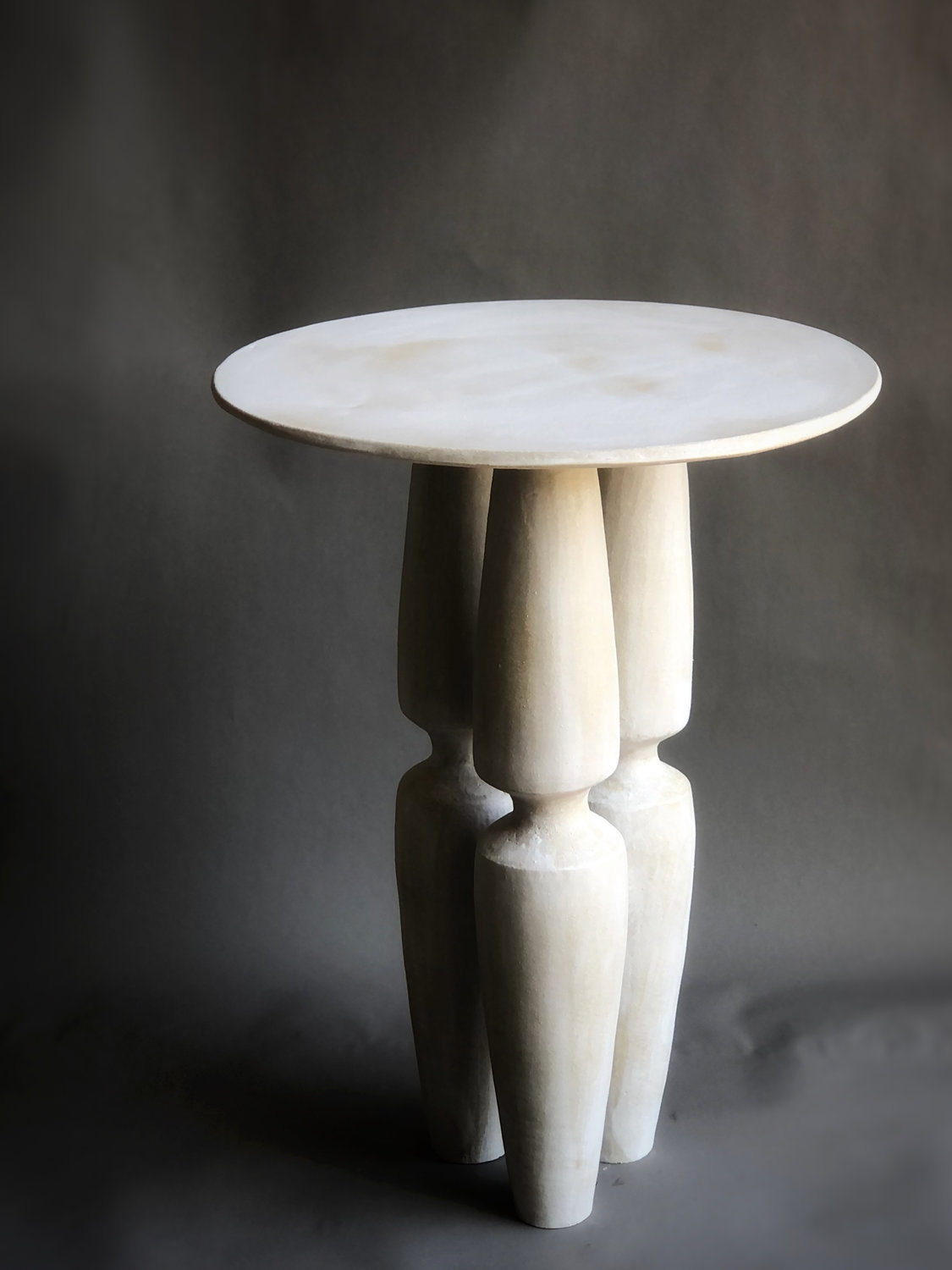
Designed for ceramic artists looking to expand their creative horizons, this workshop explores the possibilities of ceramic furniture through an approach that is both artistic and technical. Participants will develop their ability to design pieces, deepen their understanding of manufacturing methods specific to these demanding formats, and incorporate structural constraints from the design phase onward. They will leave with a comprehensive understanding of the creative process and the tools necessary to successfully complete unique, bold, and well-executed furniture projects.
By the end of the course, participants will be able to:
- Independently design and develop a ceramic furniture project
- Apply manufacturing techniques specific to large-scale pieces
- Incorporate structural, technical, and functional considerations into the creative process
- Apply meticulous finishes tailored to the furniture’s usage and durability requirements.
Note: The pieces will not be fired during the session to allow them to dry naturally.
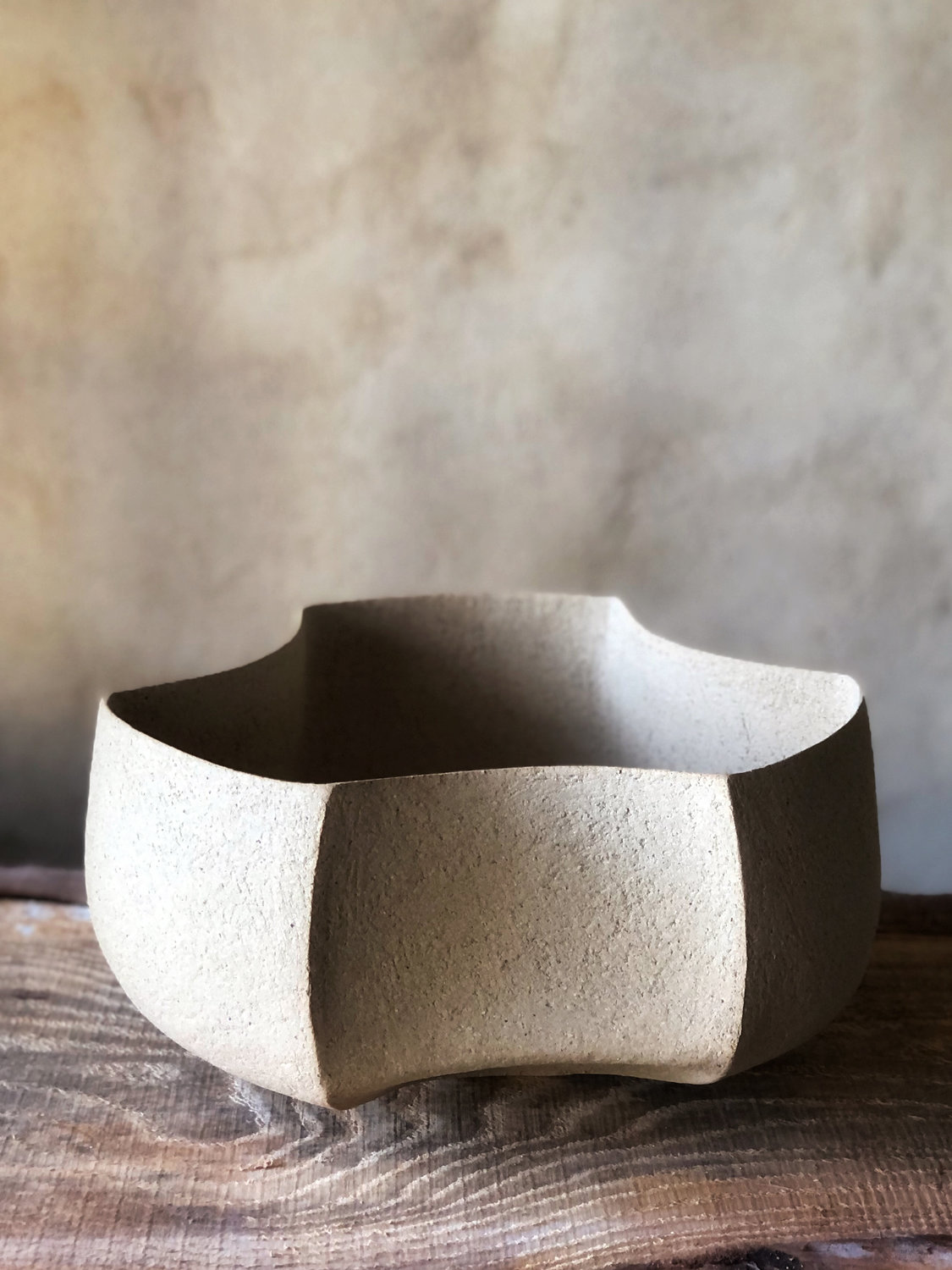
Ceramic furniture opens up a unique realm of expression, at the intersection of sculpture, design, and fine craftsmanship. This course invites participants to explore the full creative potential of this medium by guiding them through the design and creation of a piece of furniture intended to interact with its surroundings and meet contemporary needs.
Through an approach that combines conceptual thinking, experimentation, and technical execution, participants develop their own project by integrating considerations of form, function, and structure from the very beginning. They learn to transform a creative vision into a finished object that successfully combines aesthetic appeal, comfort, and technical feasibility.
The program offers an in-depth immersion in manufacturing processes suited to large-scale pieces. Participants discover construction, assembly, and reinforcement methods specific to ceramic furniture, while acquiring the tools necessary to anticipate the challenges associated with drying, shrinkage, warping, and firing. This detailed understanding of the material enables them to tackle larger-scale projects with confidence and autonomy.
Particular attention is paid to the structural aspects of furniture. Students learn to design pieces that are solid, stable, and durable—capable of withstanding the demands of daily use without compromising their aesthetic quality.
Afternoon
Morning and afternoon
Morning and afternoon
Morning
Note: Pieces will not be fired during the session to allow for natural drying.
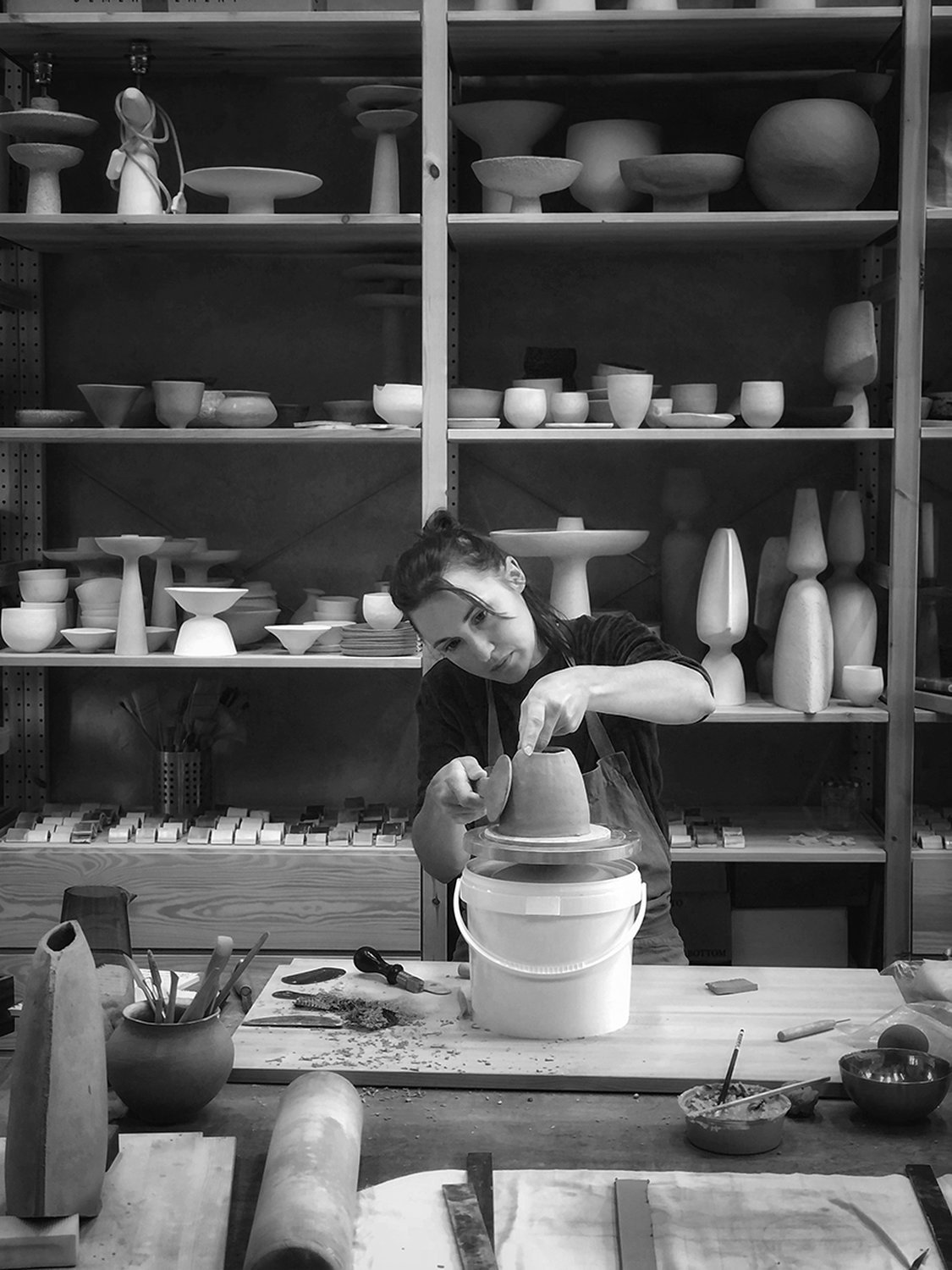
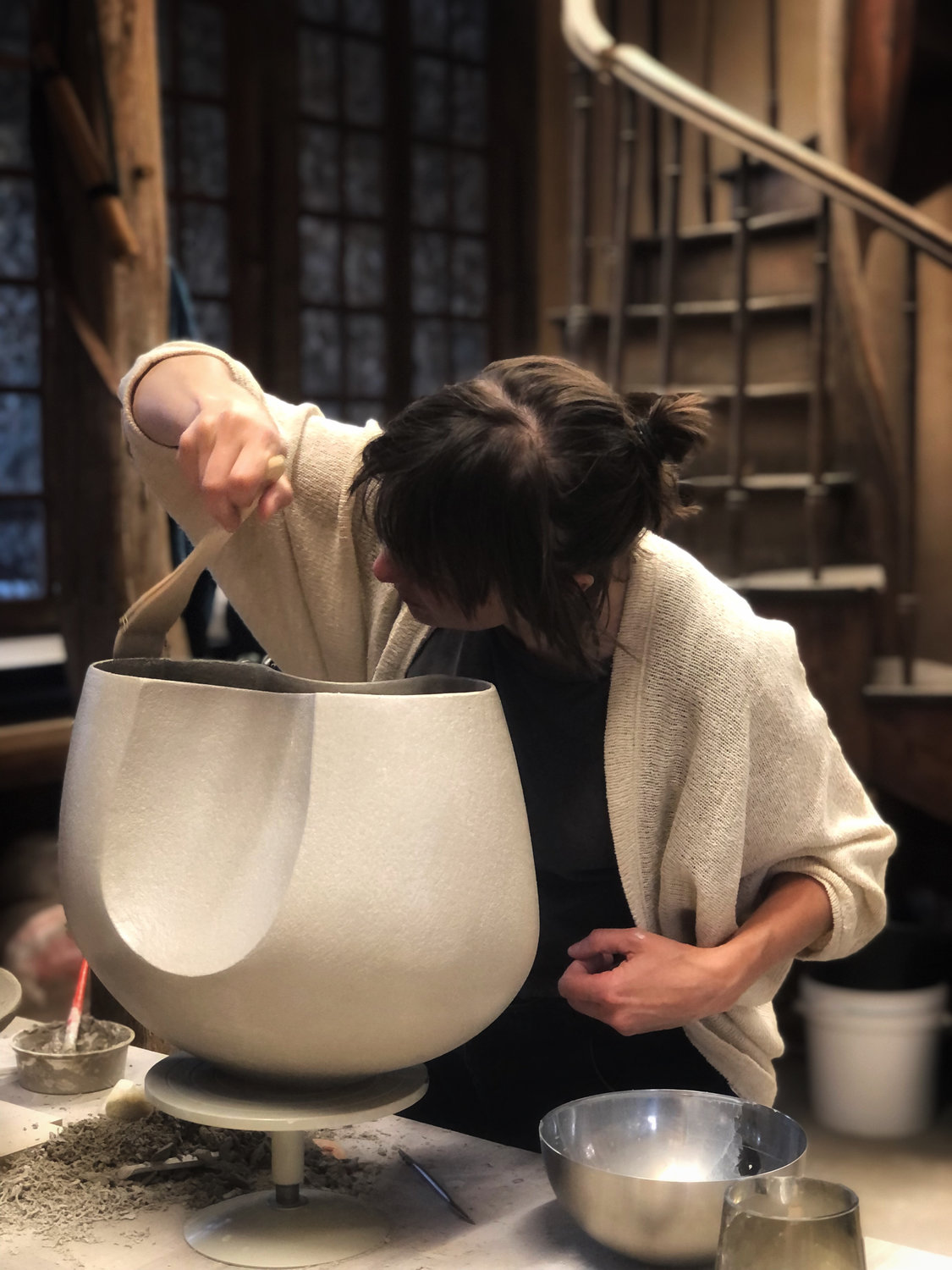
Trained in interior architecture, Sophie Vaidie has built a rich professional career working with architecture and design firms in France and abroad. After starting her career at the Olivier Gibault Architecture Studio, she collaborated with renowned studios and firms such as Marc Hertrich Studio, Jacques Garcia, NKB Architecture in Hanoi, Bellat & Associés Architectes, Dépiepape Design, Archimage, and Charles Zana Architecture. This experience allowed her to develop a precise understanding of volumes, spaces, and design constraints.
In 2011–2012, she chose to put her career on hold to embark on a year-long journey through China and Korea, entirely dedicated to learning ceramic techniques. This immersion marked a decisive turning point in her career and initiated her transition to ceramics.
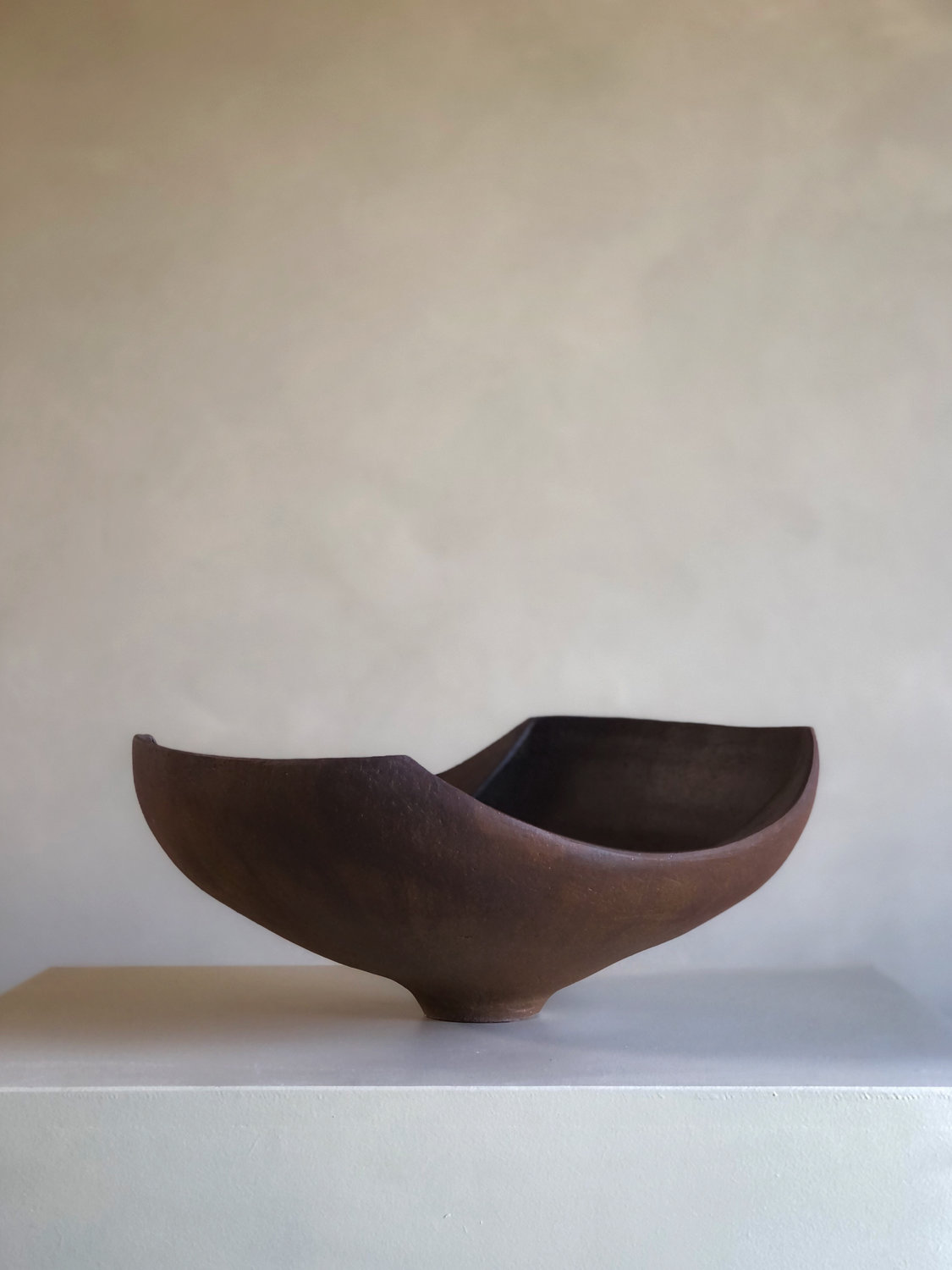
Since then, Sophie Vaidie has developed a practice centered on the pursuit of formal balance and precise proportions. Her work explores the relationships between curves and lines, as well as the dialogue between form and the space it creates. Each piece is part of a reflection on the harmony of volumes and the precision of detail, which are fundamental elements of her artistic language.
More recently, she has introduced a process of cutting and reassembly into her practice. By fragmenting and then recomposing her forms, she opens up a range of variations that offers new ways of interpreting her pieces and enriches her exploration of structure and the transformation of materials.
Sophie Vaidie creates pieces ranging from bowls to small furniture and lighting fixtures. She works primarily with stoneware, shaped using the coil or pinch-building techniques. Her creations are fired in an electric kiln, though she regularly incorporates wood-firing as well. Some pieces are left in their raw clay state, while others are the subject of experiments with glazes—either developed personally or based on commercial formulations—contributing to the diversity of textures and finishes.
Training 100% financeable by AFDAS, or partially covered by other operators such as FAFCEA, AGEFICE, FIFPL, OPCO EP etc.
Accommodation and meals included
If you are concerned, we invite you to contact our sales department in advance via "Request for information" in order to prepare your file, or to register directly via the page of the chosen training course.
89350 Champignelles
T: +33 (0)3 86 45 23 42
contact@campusmana.com
