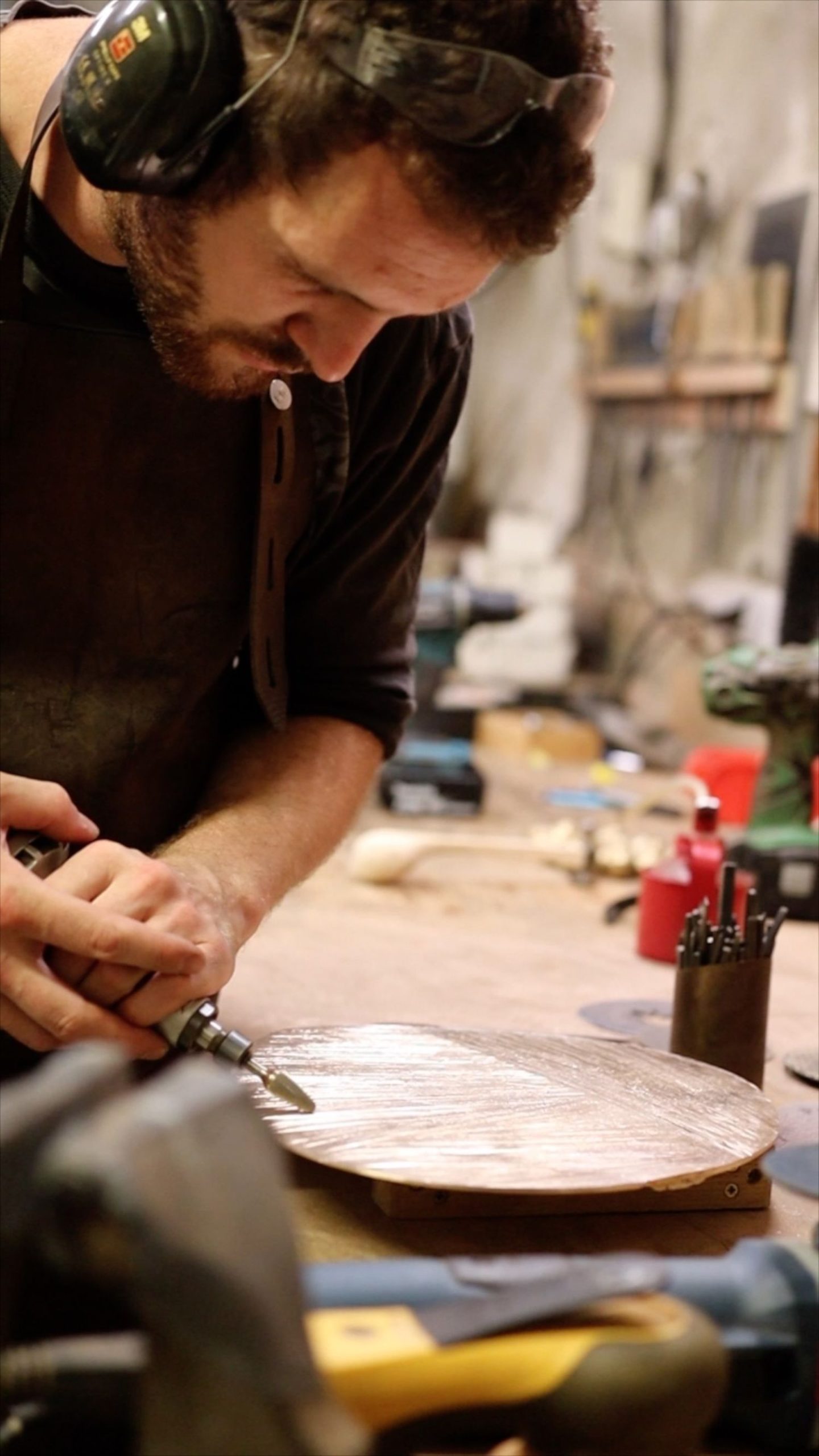
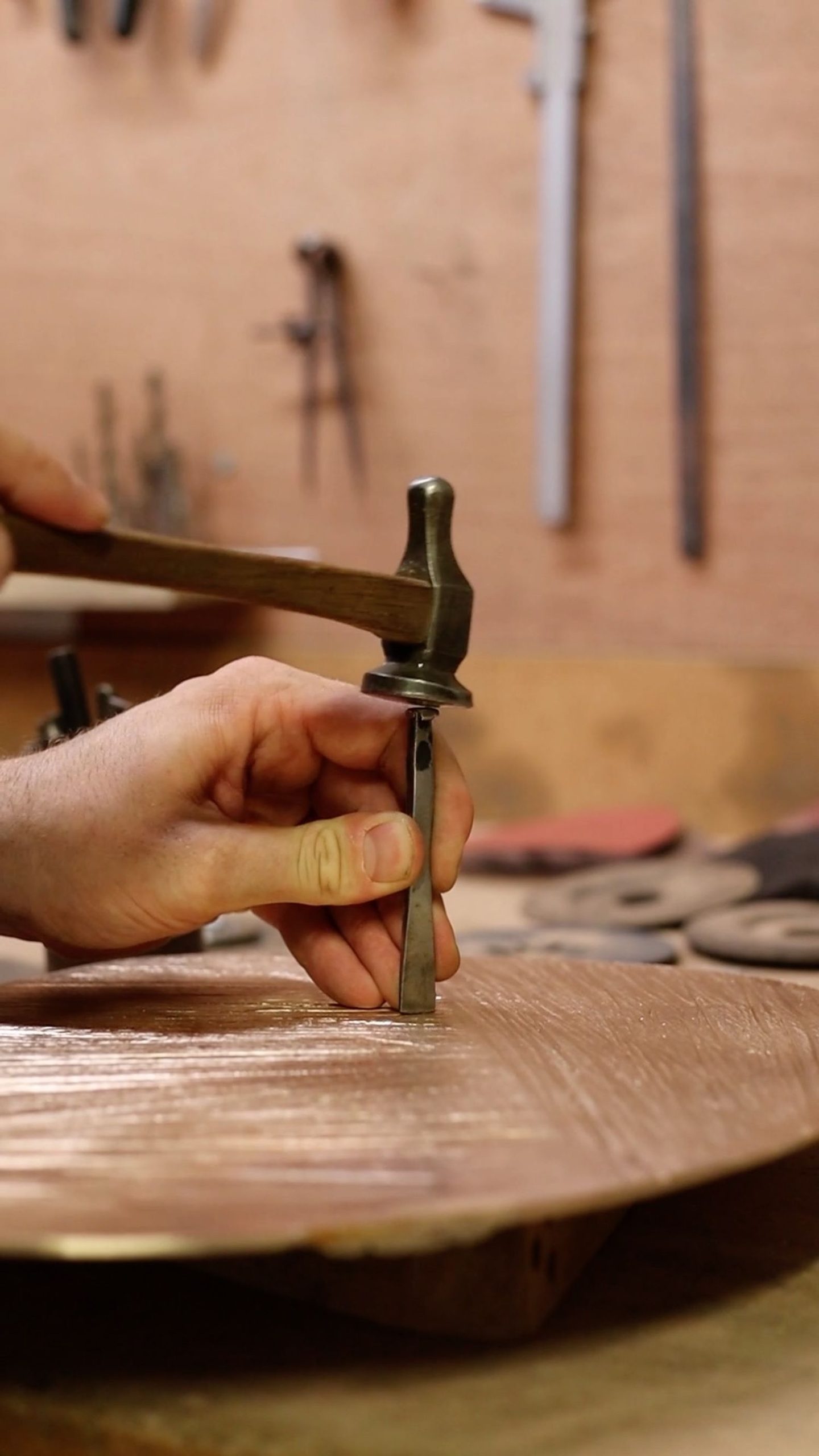
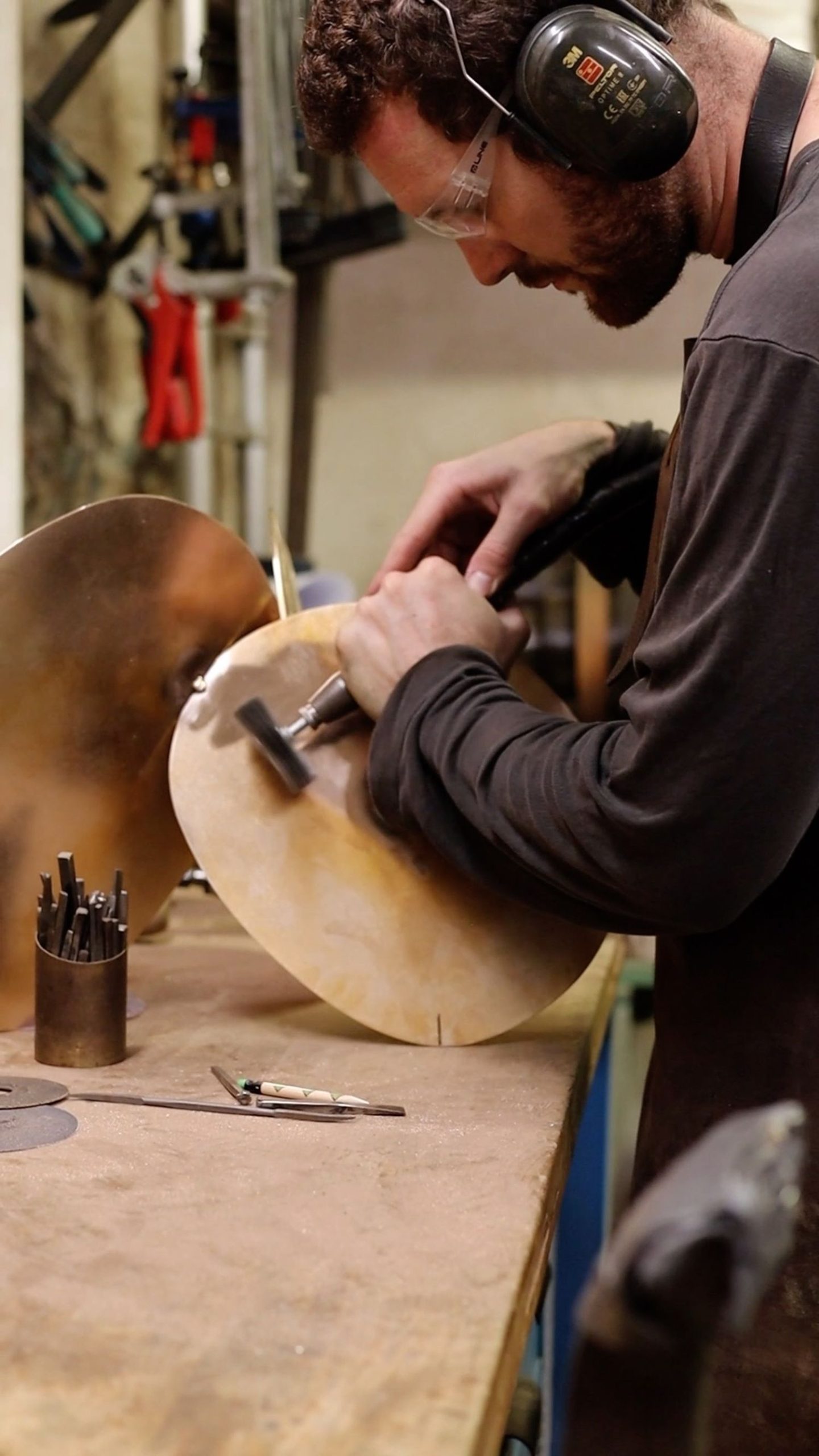
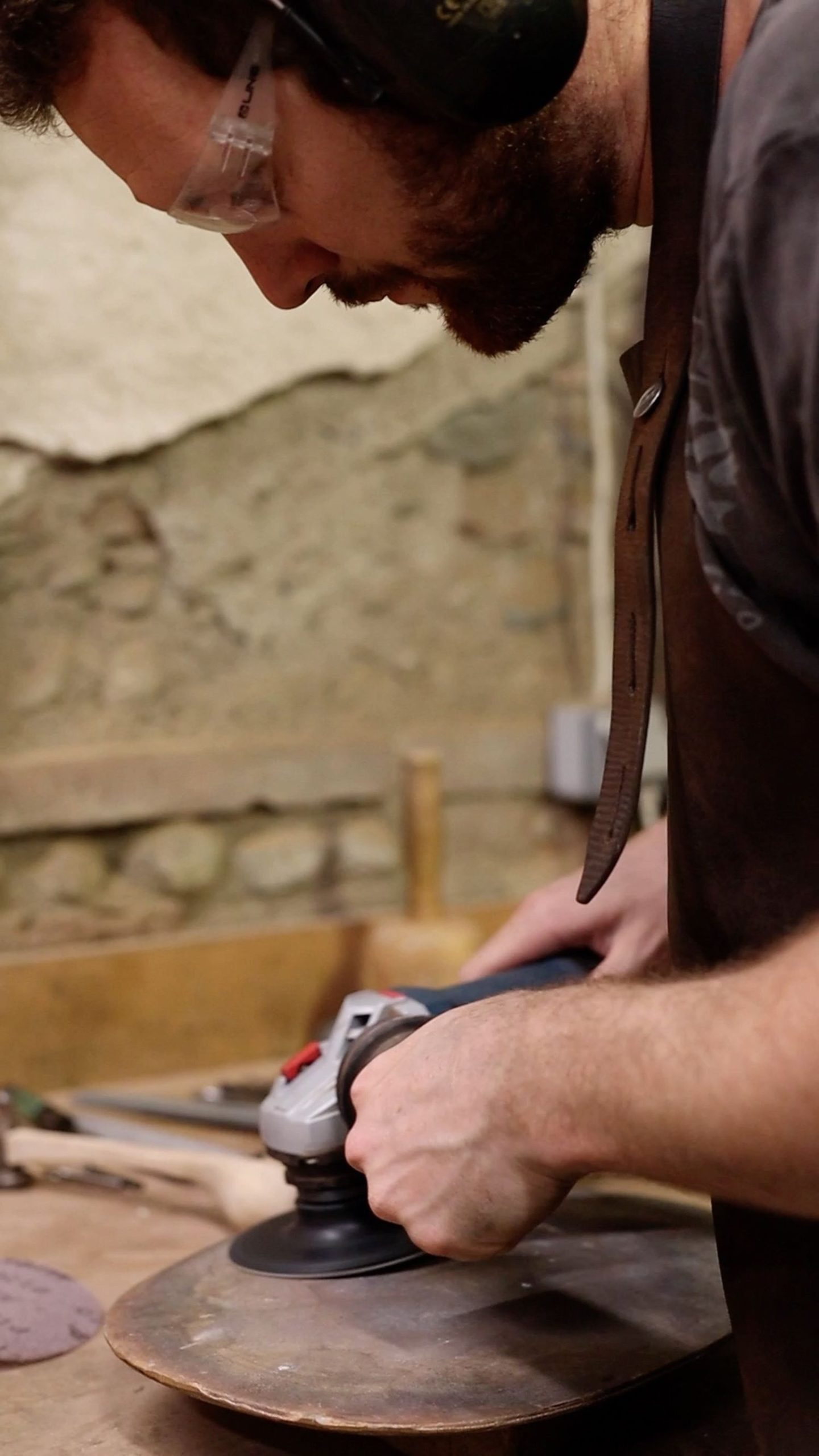
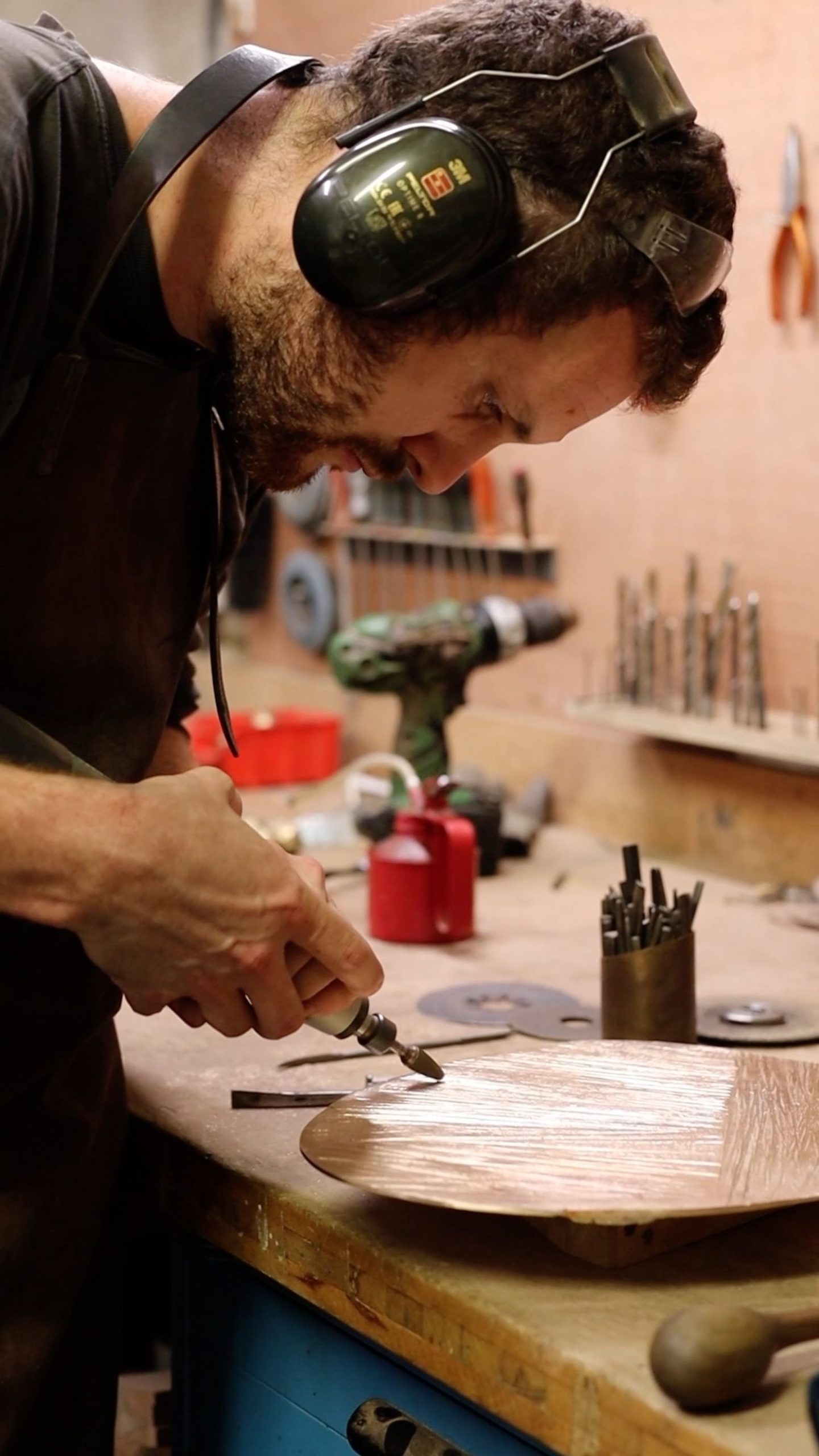
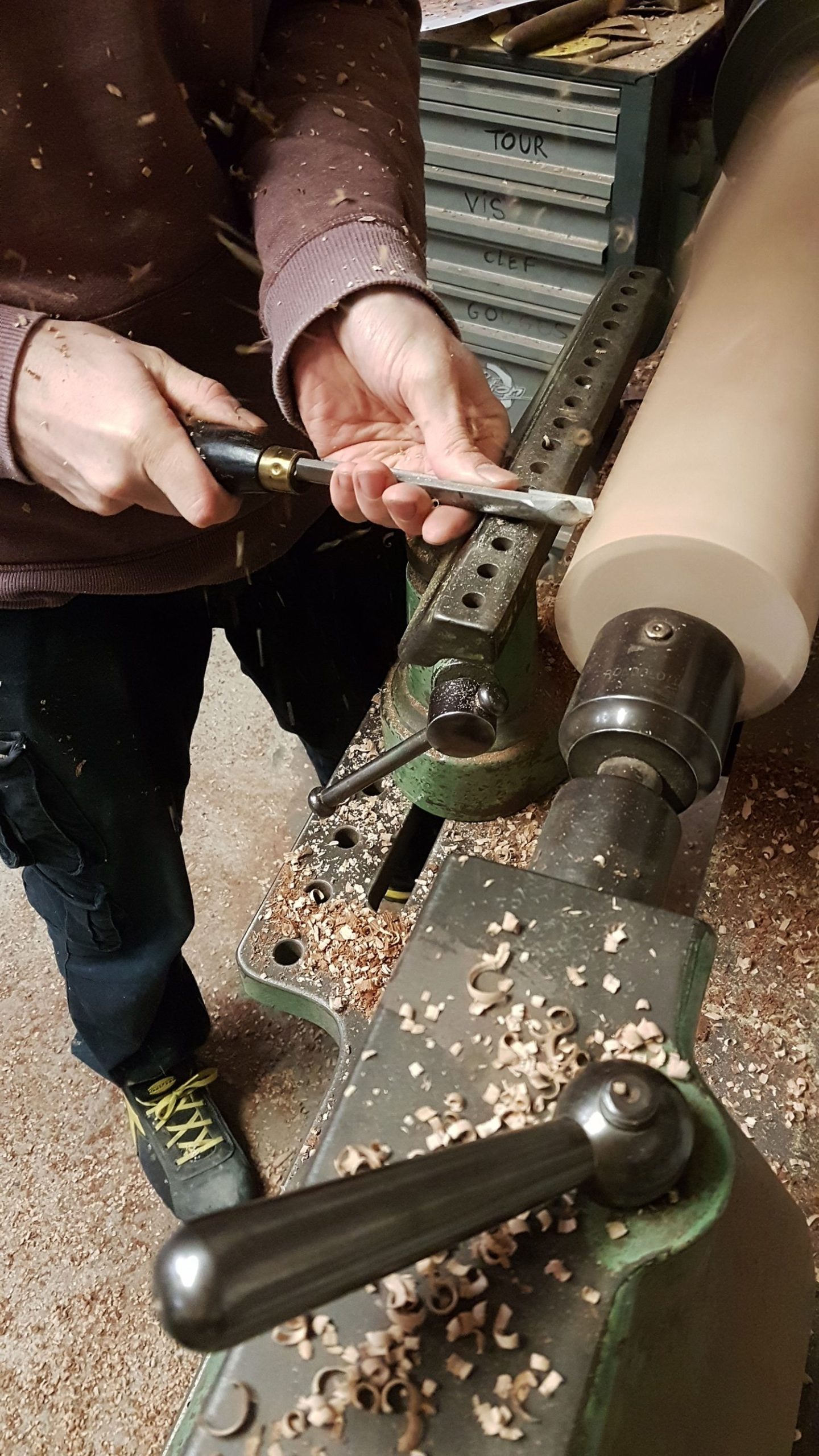
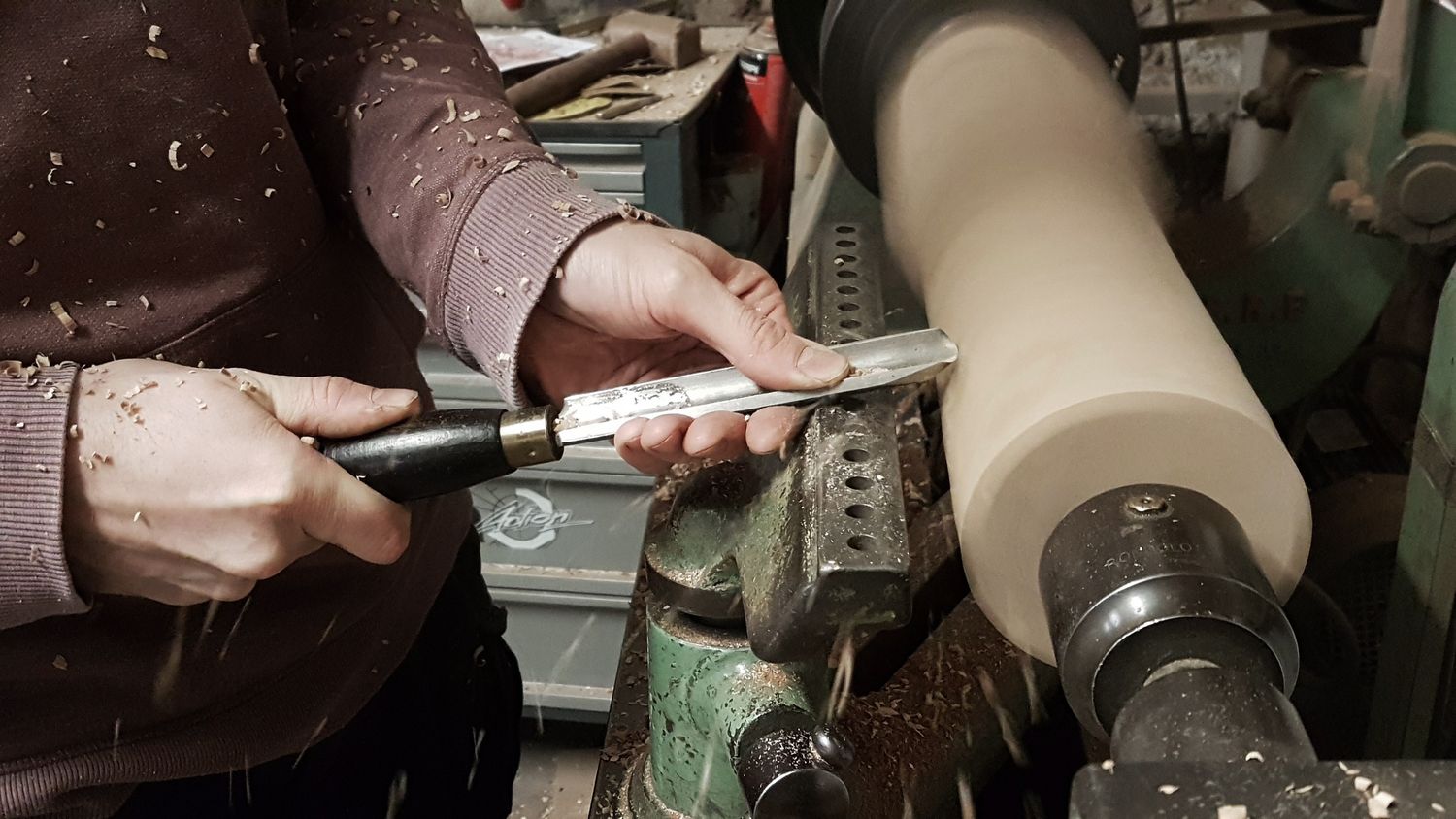
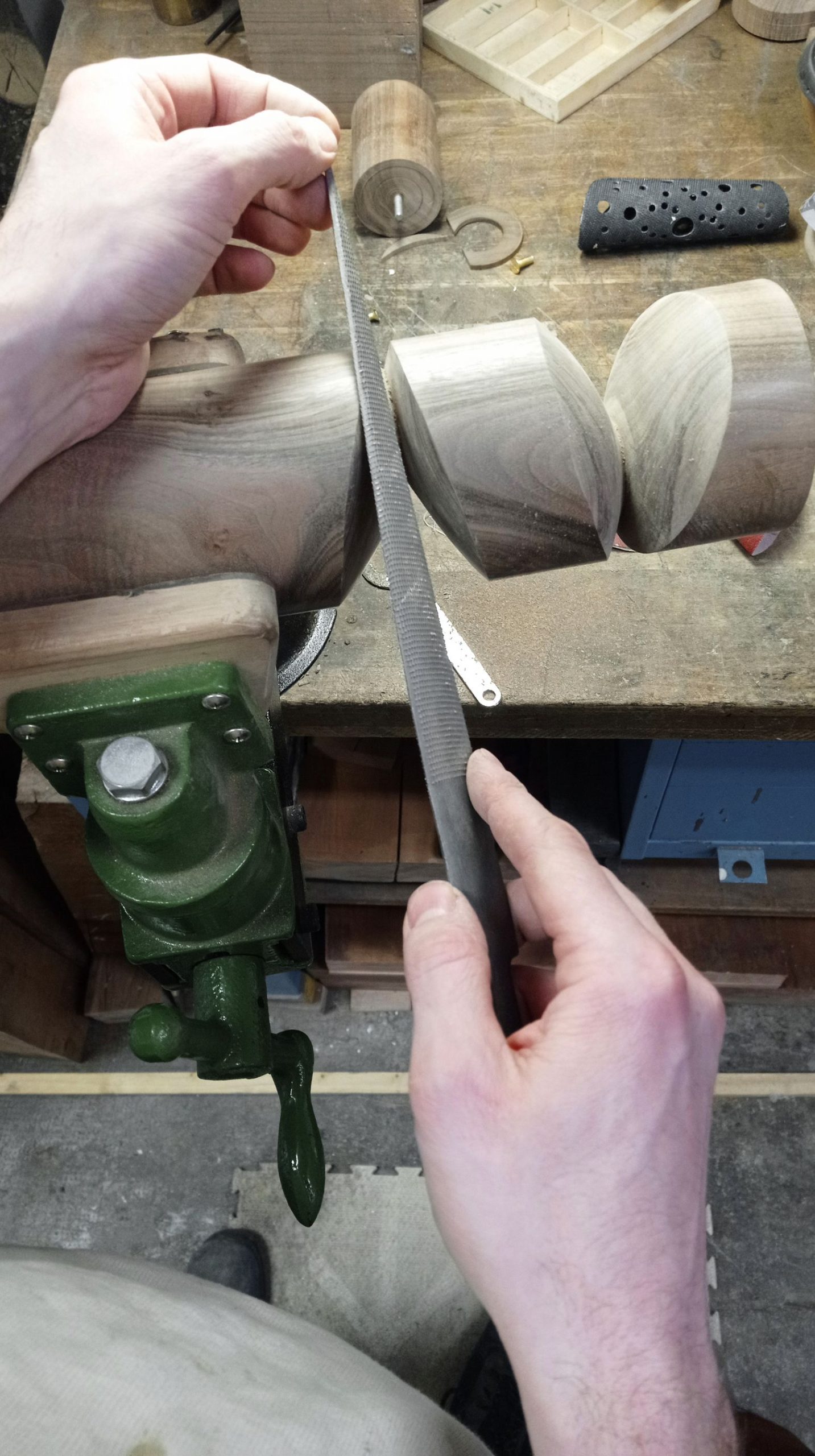
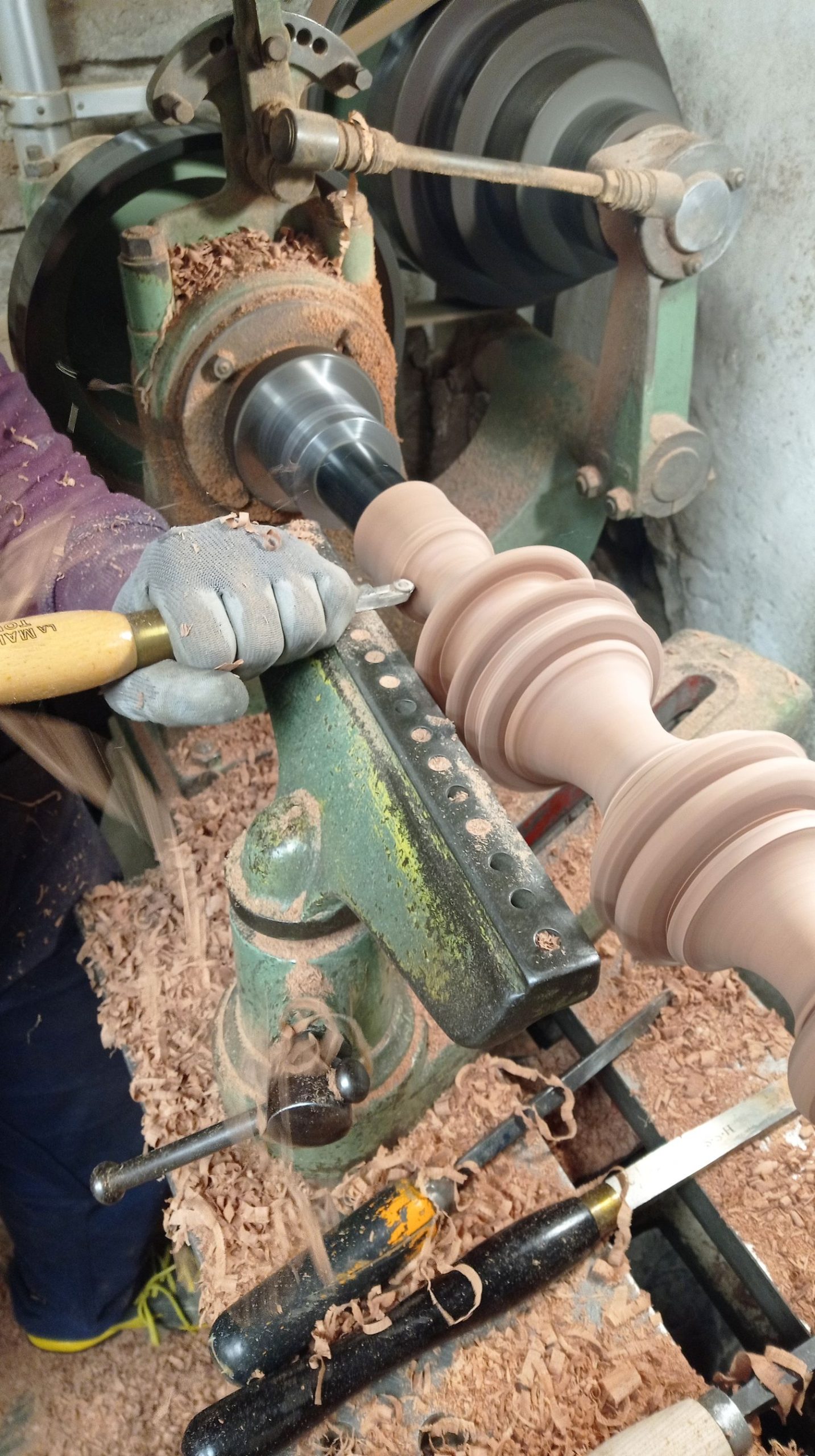
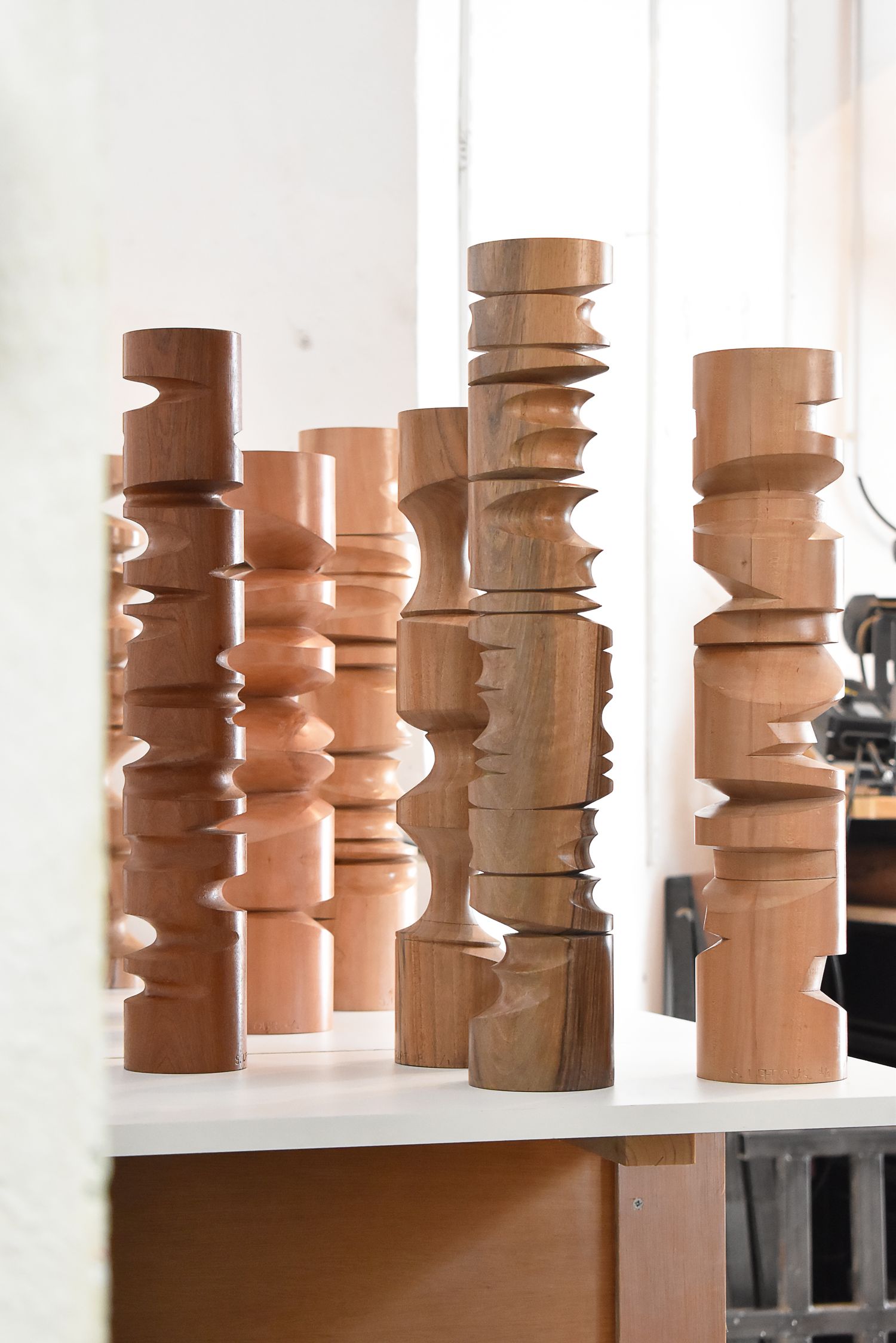
This short course offers an in-depth immersion into wood carving, favoring an experimental, intuitive approach that is resolutely oriented towards abstraction. It is designed for individuals wishing to explore the sculptural potential of wood using a wide range of hand tools—such as chisels, gouges, and rasps—as well as the wood lathe, which is used occasionally.
By the end of the course, participants will be able to:
The workshop begins with a phase of open experimentation using the studio’s tools. Participants explore various ways of working the material by playing with shapes, textures, and the marks left by the tools. This initial stage allows for the discovery of techniques, forms, and creative avenues that will serve as the foundation for the sculpture and woodturning project.
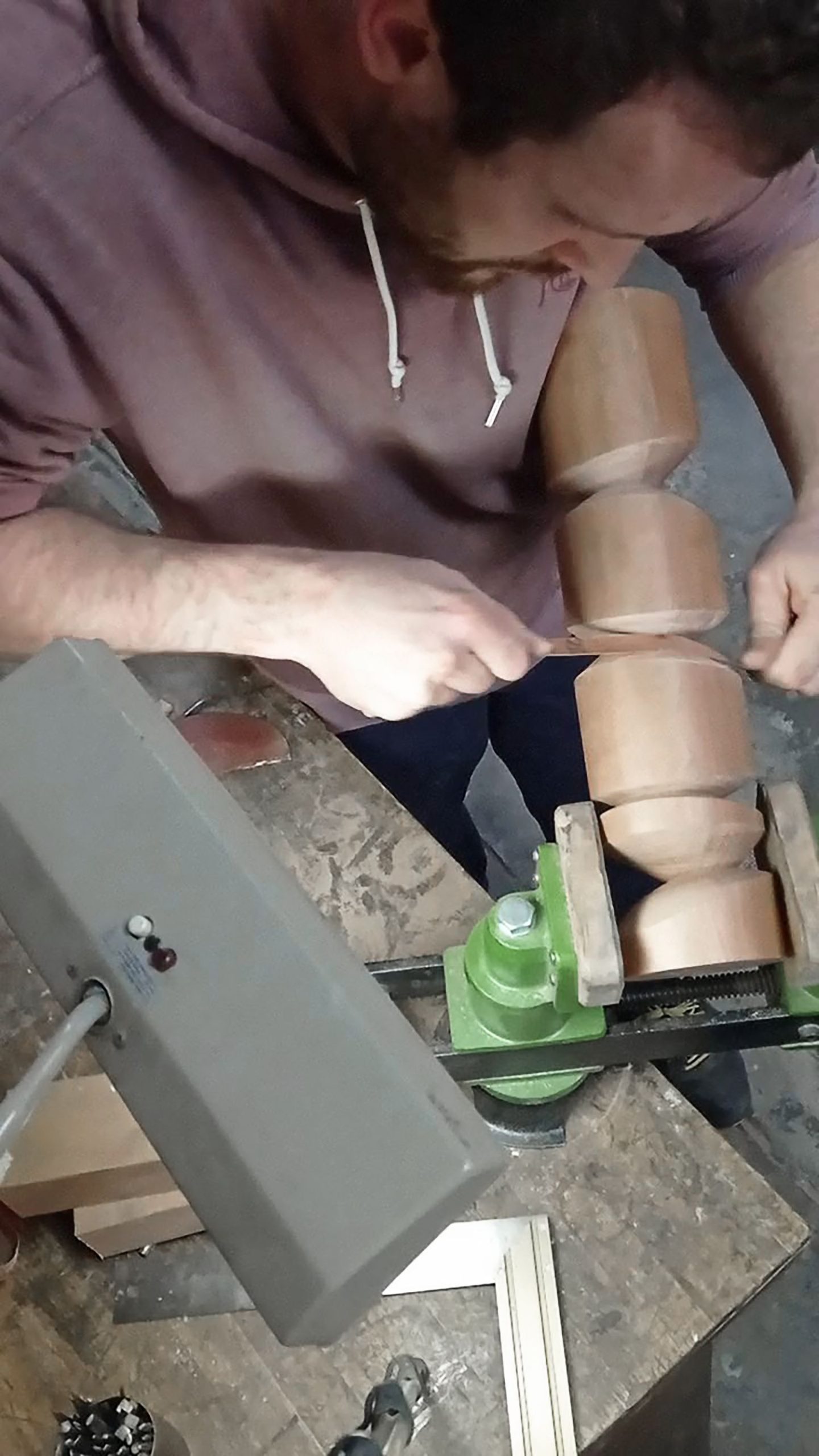
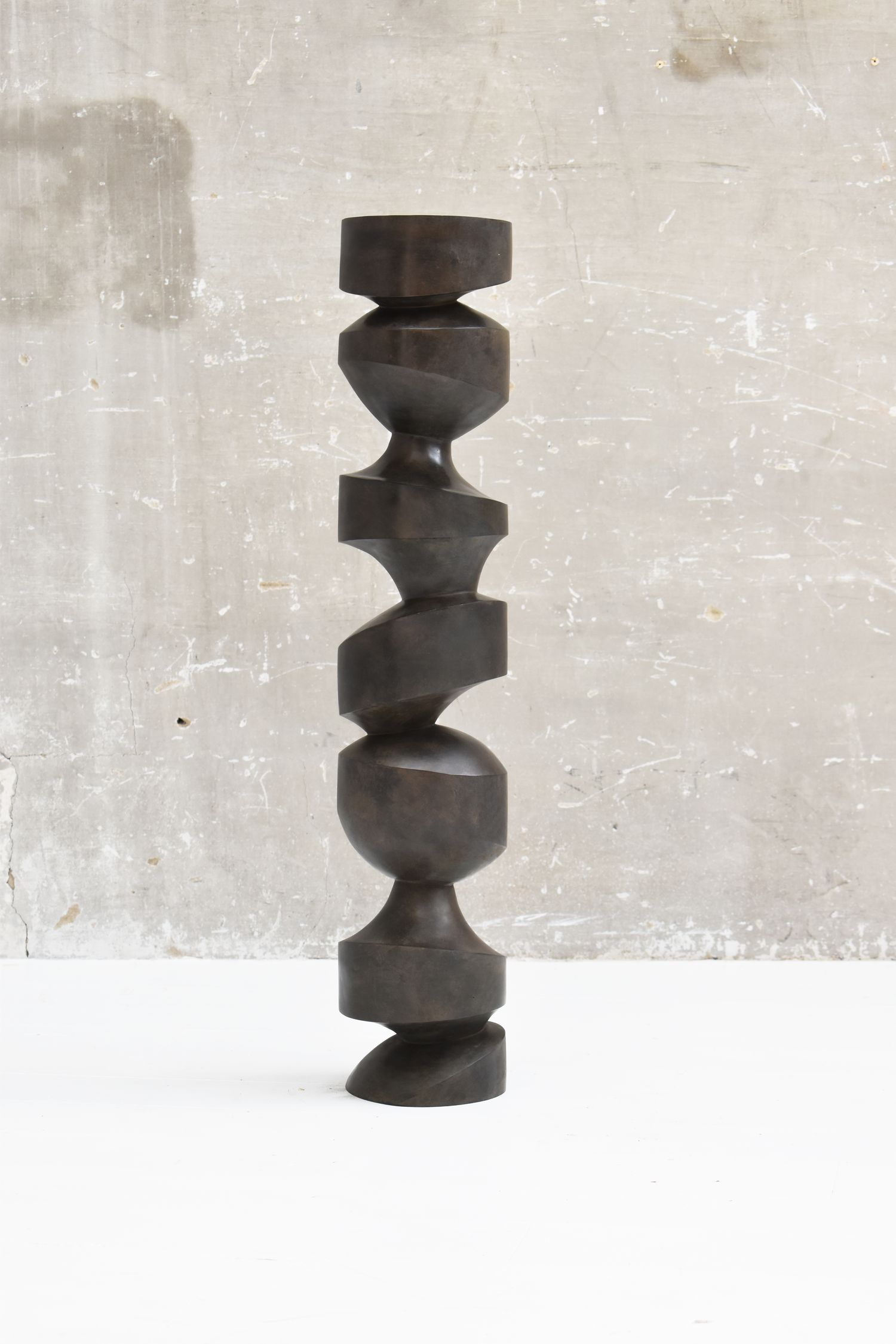
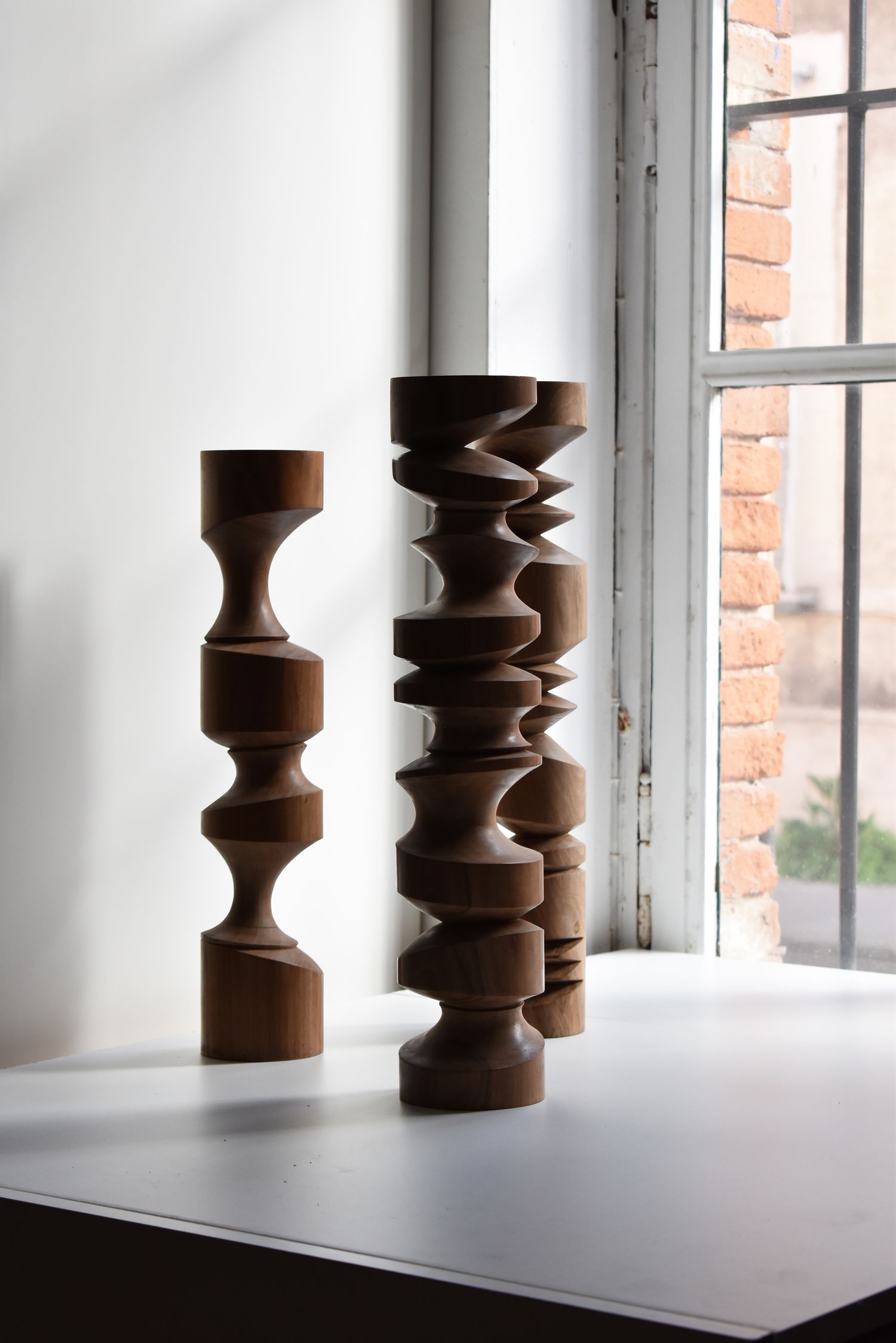
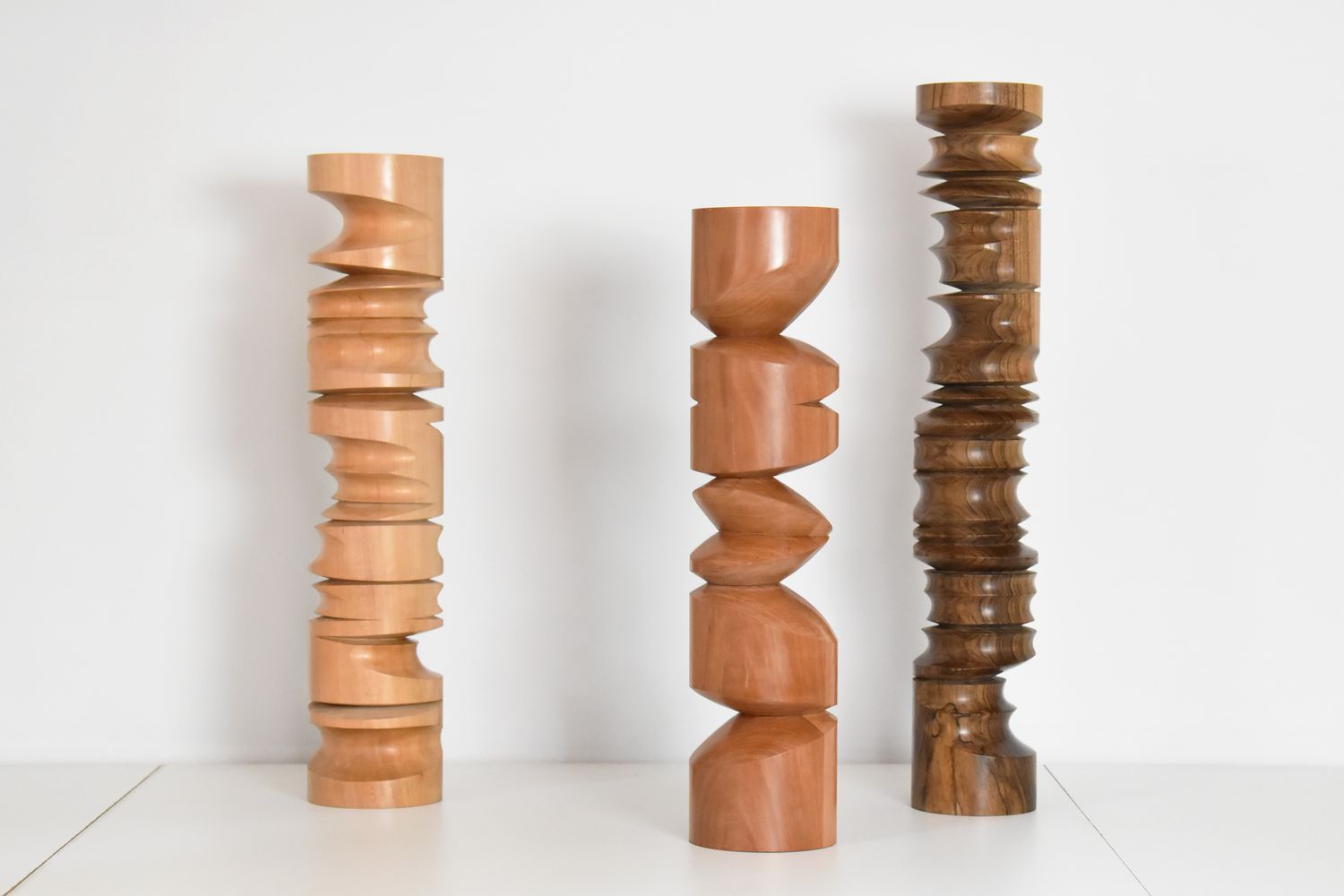
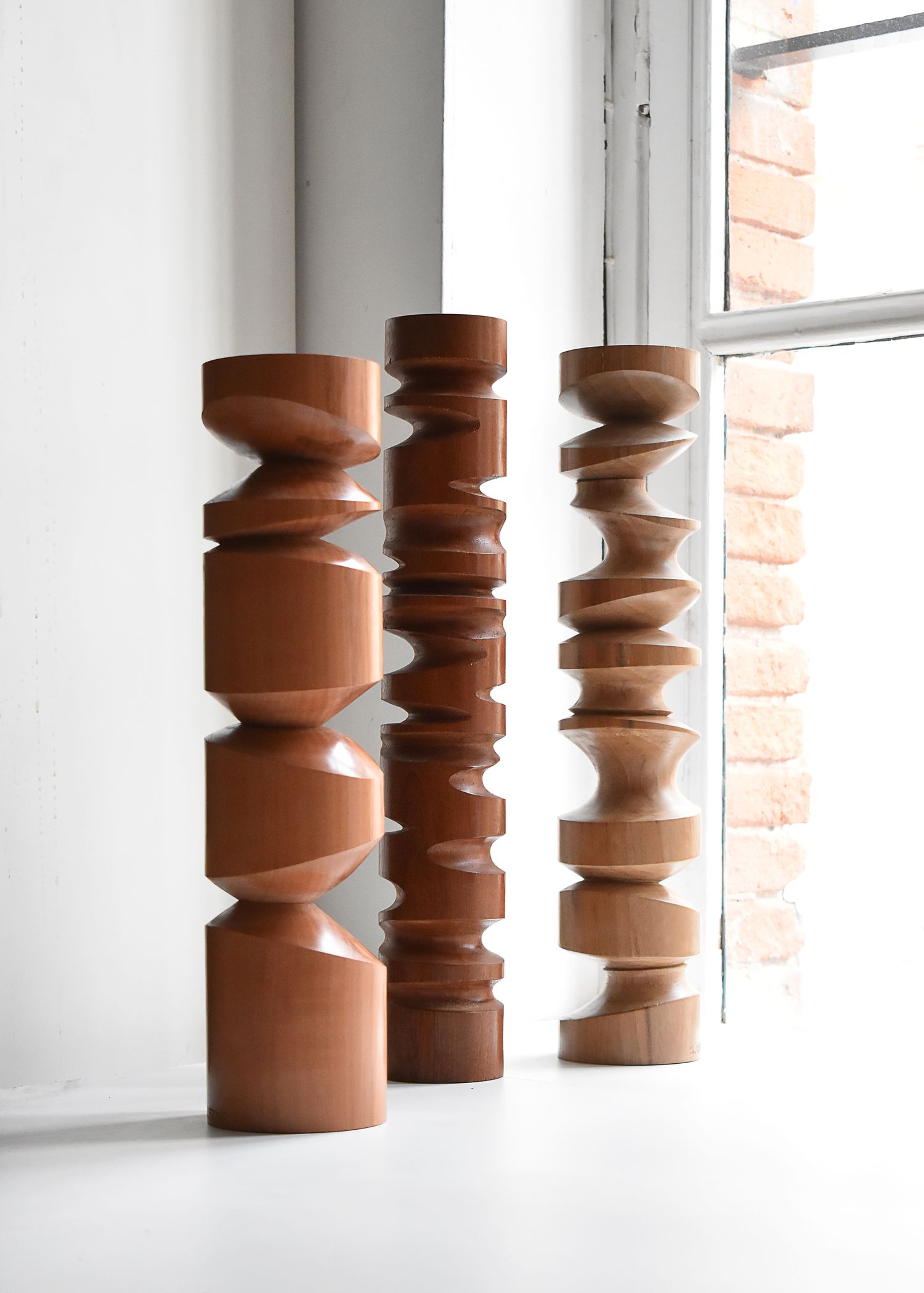
Building on these explorations, each participant will gradually develop their own sculptural language. Work will take place both individually and in groups to foster dialogue and collective creativity. A simple, shared form—such as a baluster—may serve as a starting point for freely experimenting with different variations. Participants may also choose to work from a model proposed by Samuel Latour, with the aim of transforming, subverting, or distorting it to create a personal, contemporary interpretation.
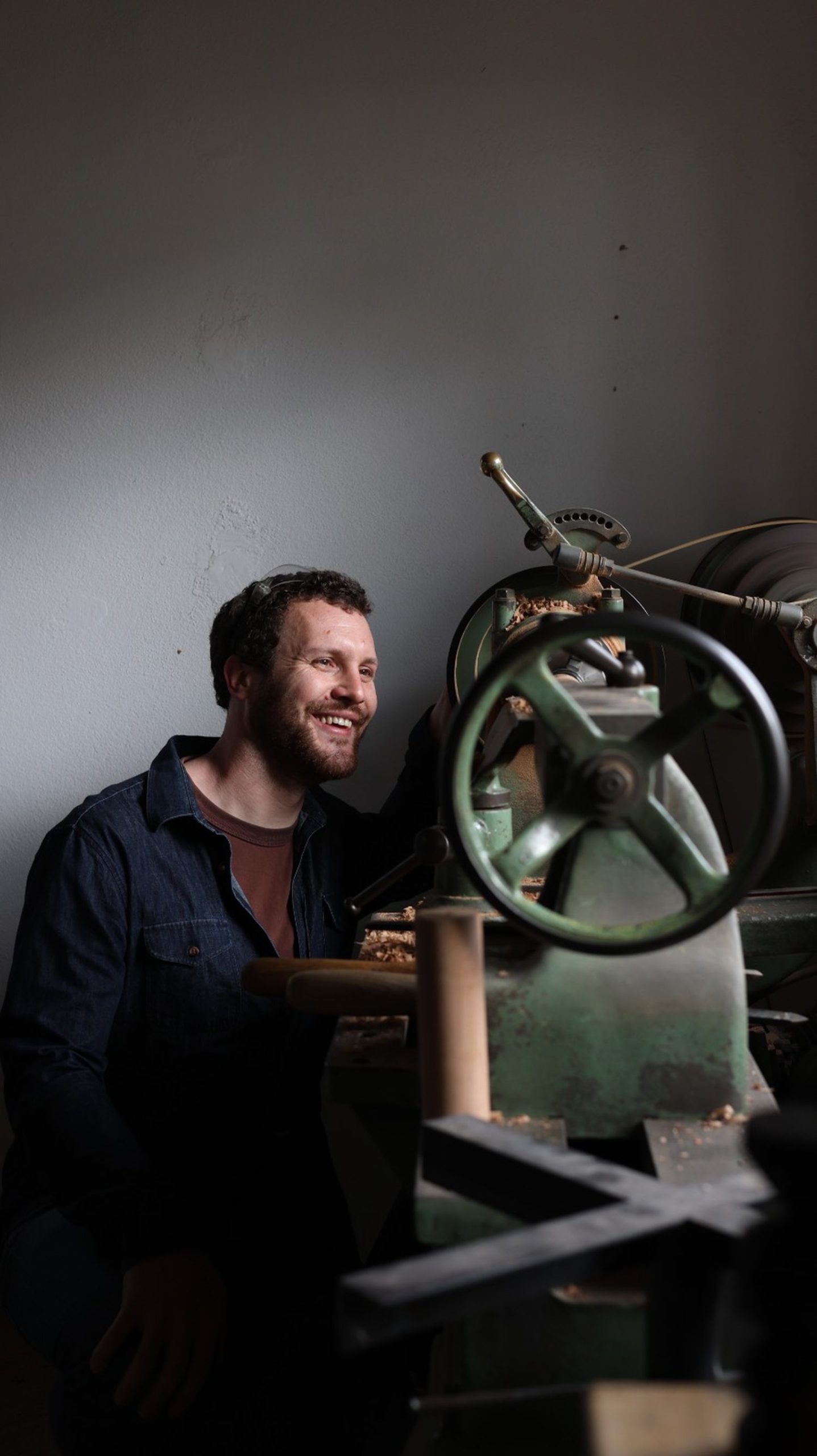
This workshop is not a traditional woodturning class; the lathe is used as one of several tools for exploring form. Introductory sessions tailored to each participant's skill level will allow them to learn basic techniques safely and, if they wish, create simple pieces.
Afternoon
Morning and afternoon
Morning and afternoon
Further exploration of a specific movement or artistic intent, with the aim of producing a scale model or miniature of a sculpture project and/or turned piece.
Drawings and rough sketches of the sculptures.
If required: cutting to size, gluing, and rough shaping of forms (using a jointer, planer, sliding table saw, and bandsaw).
Morning and afternoon
Morning and afternoon
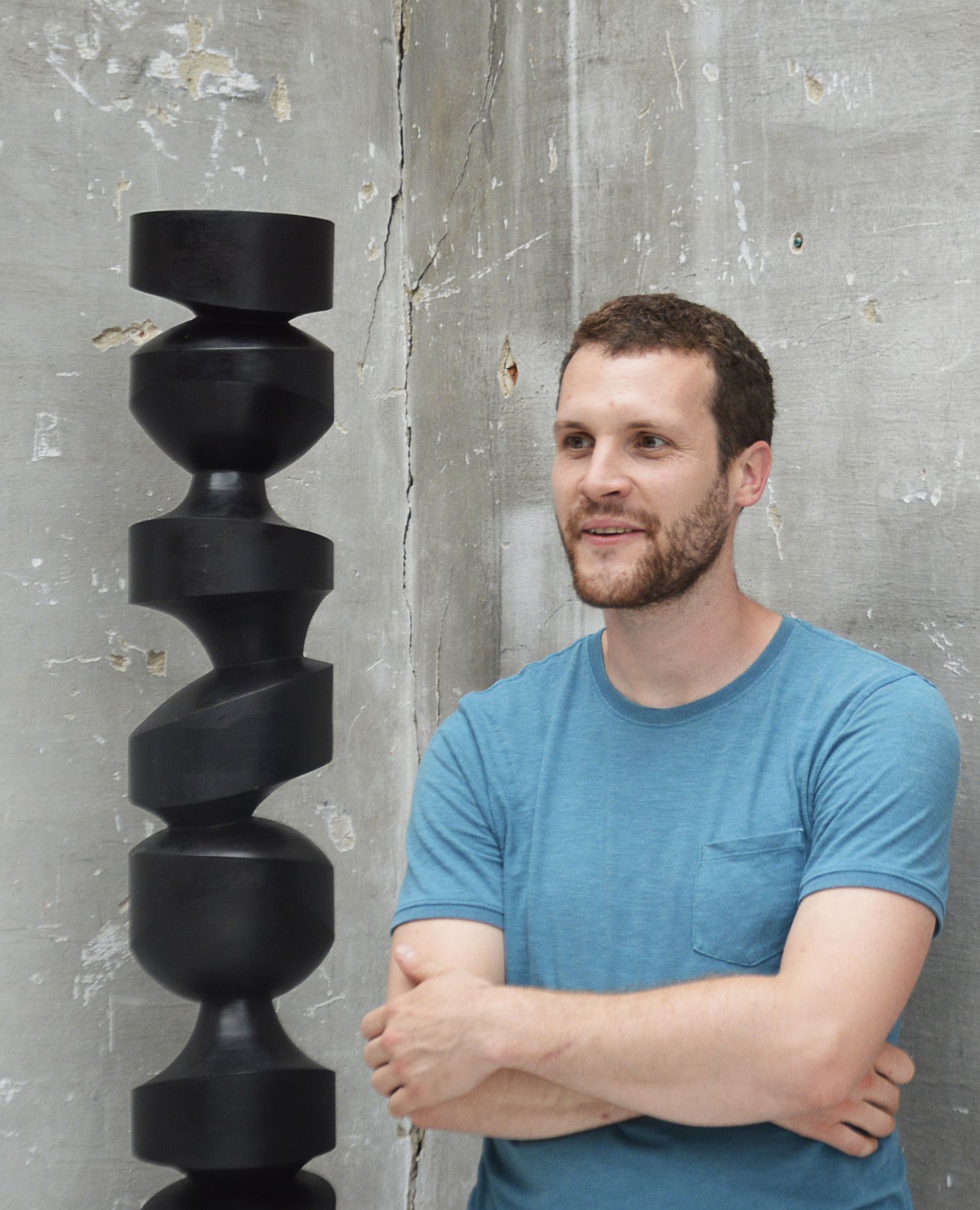
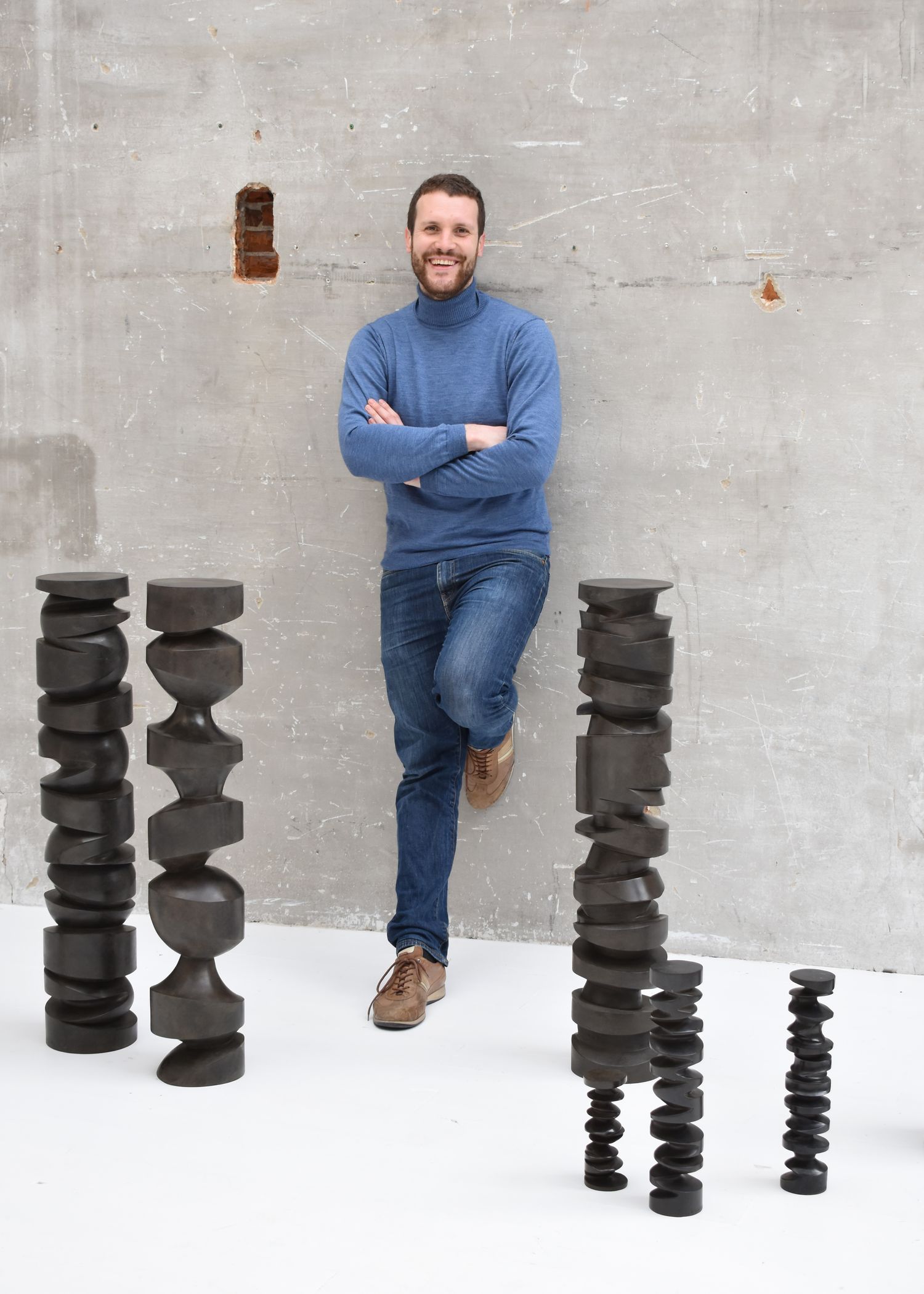
Samuel Latour is a sculptor based in Rabastens, near Toulouse, where he lives and works.
A graduate of the École Boulle in Paris, he specialized in artistic turning, particularly in wood and bronze. He subsequently enriched his practice by collaborating with designers, artisans, and artists in workshops and art foundries.
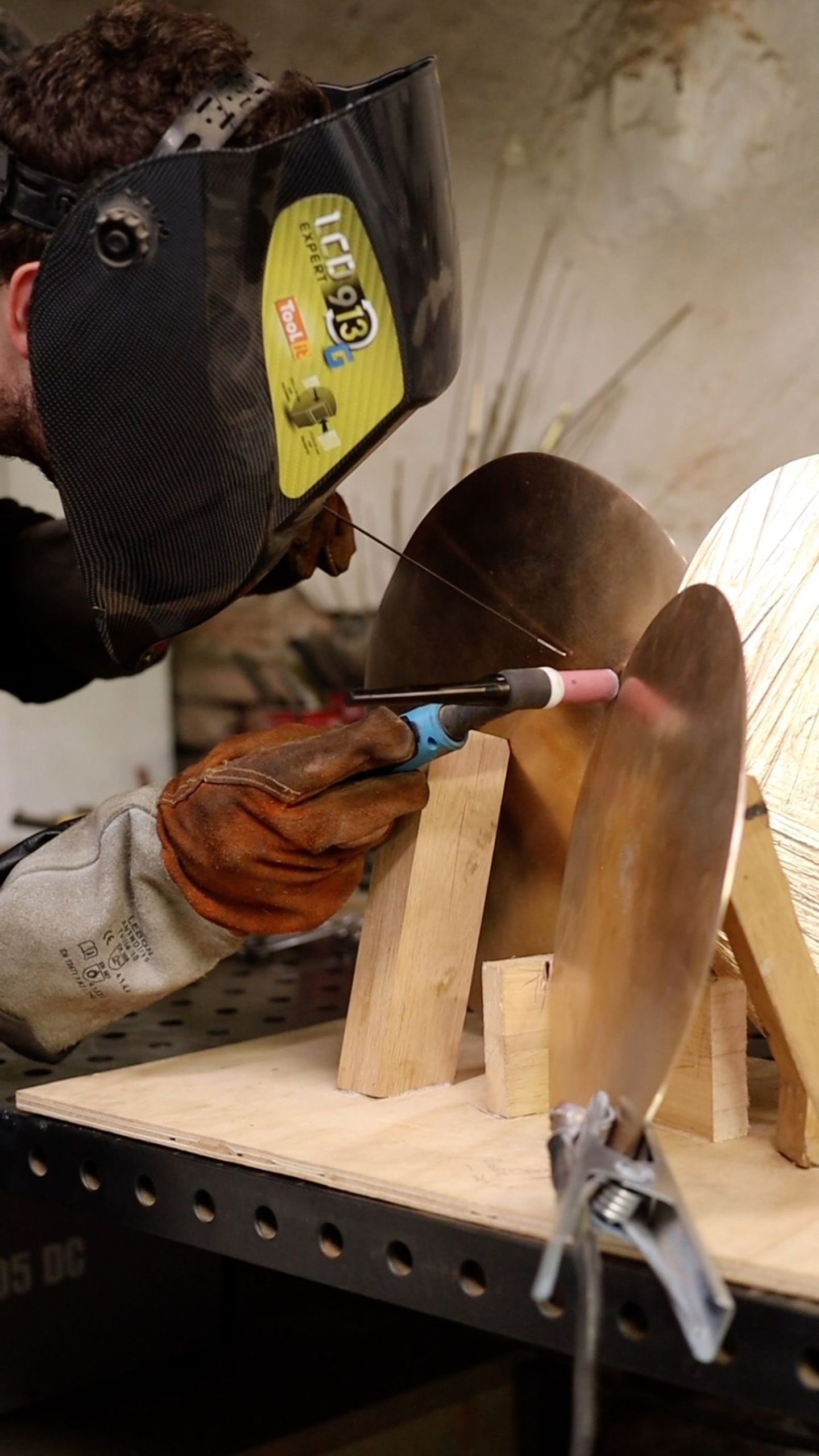
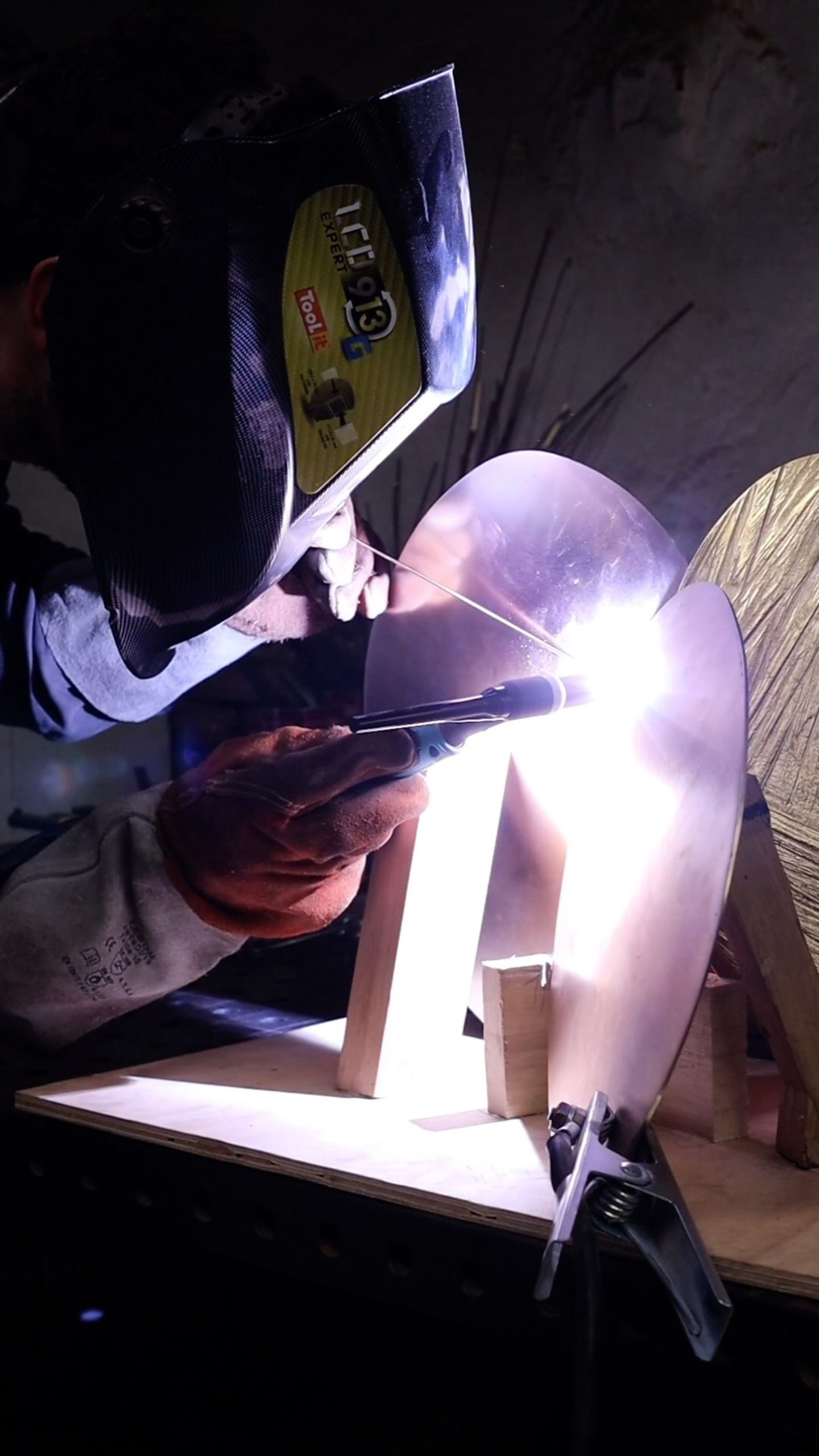
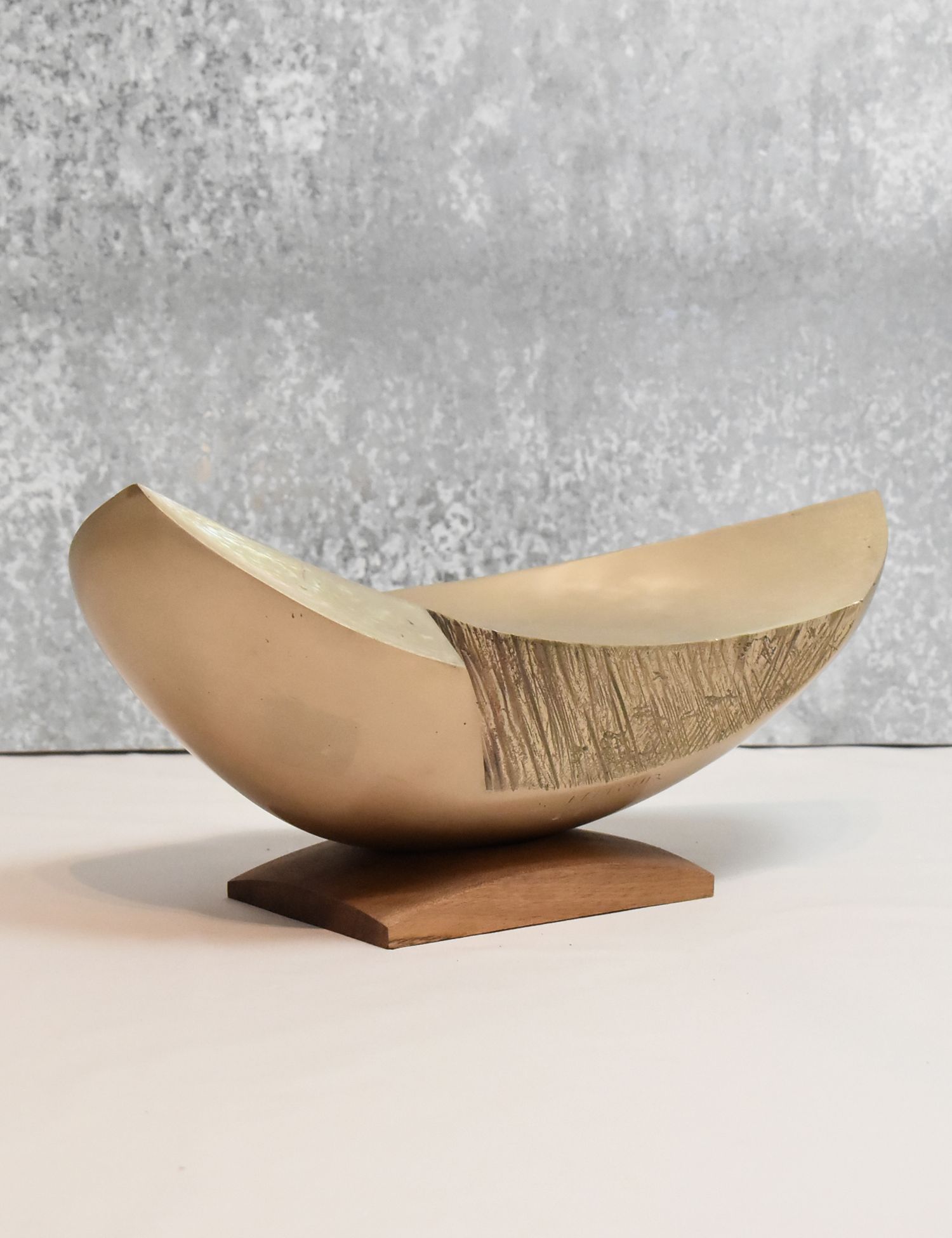
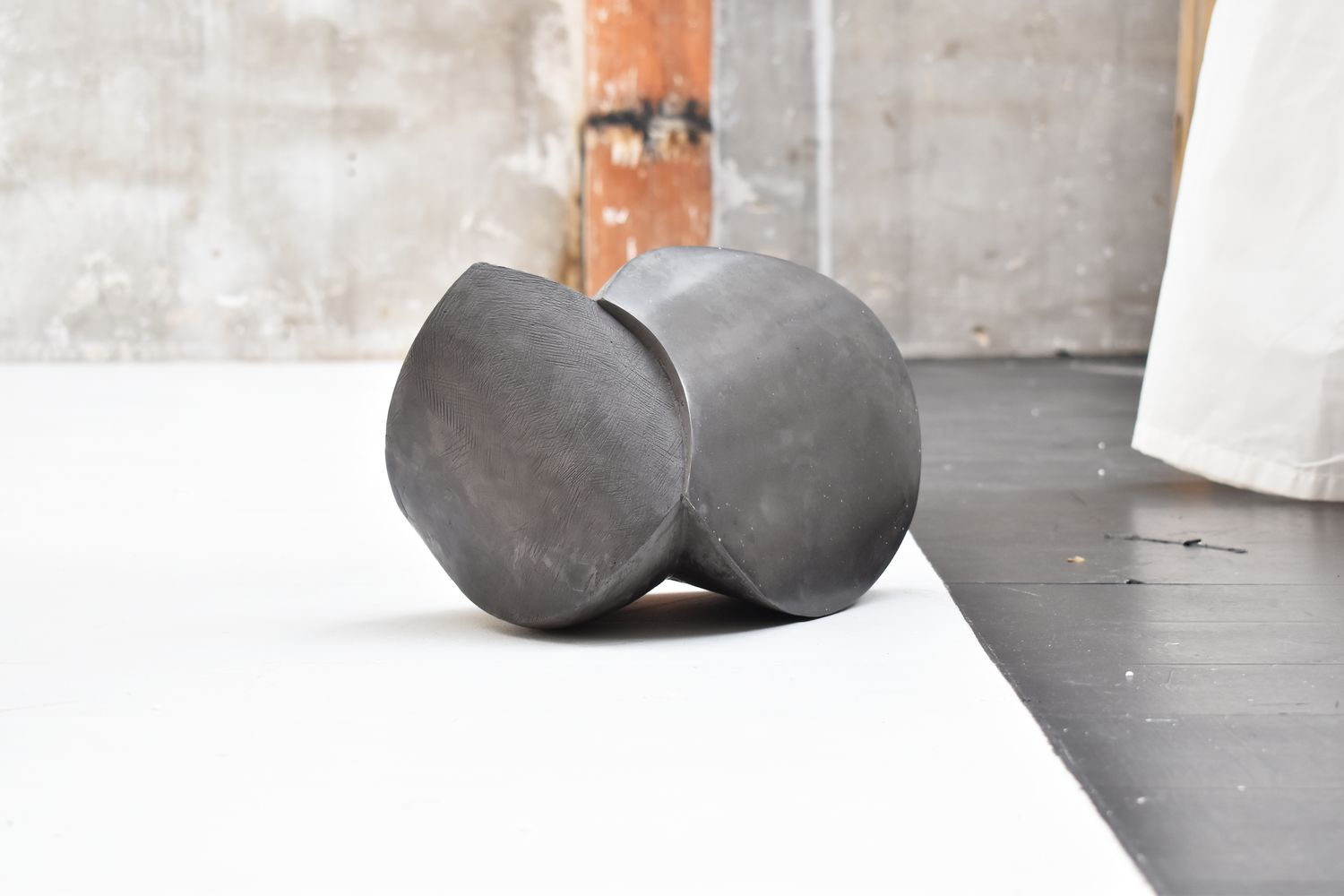
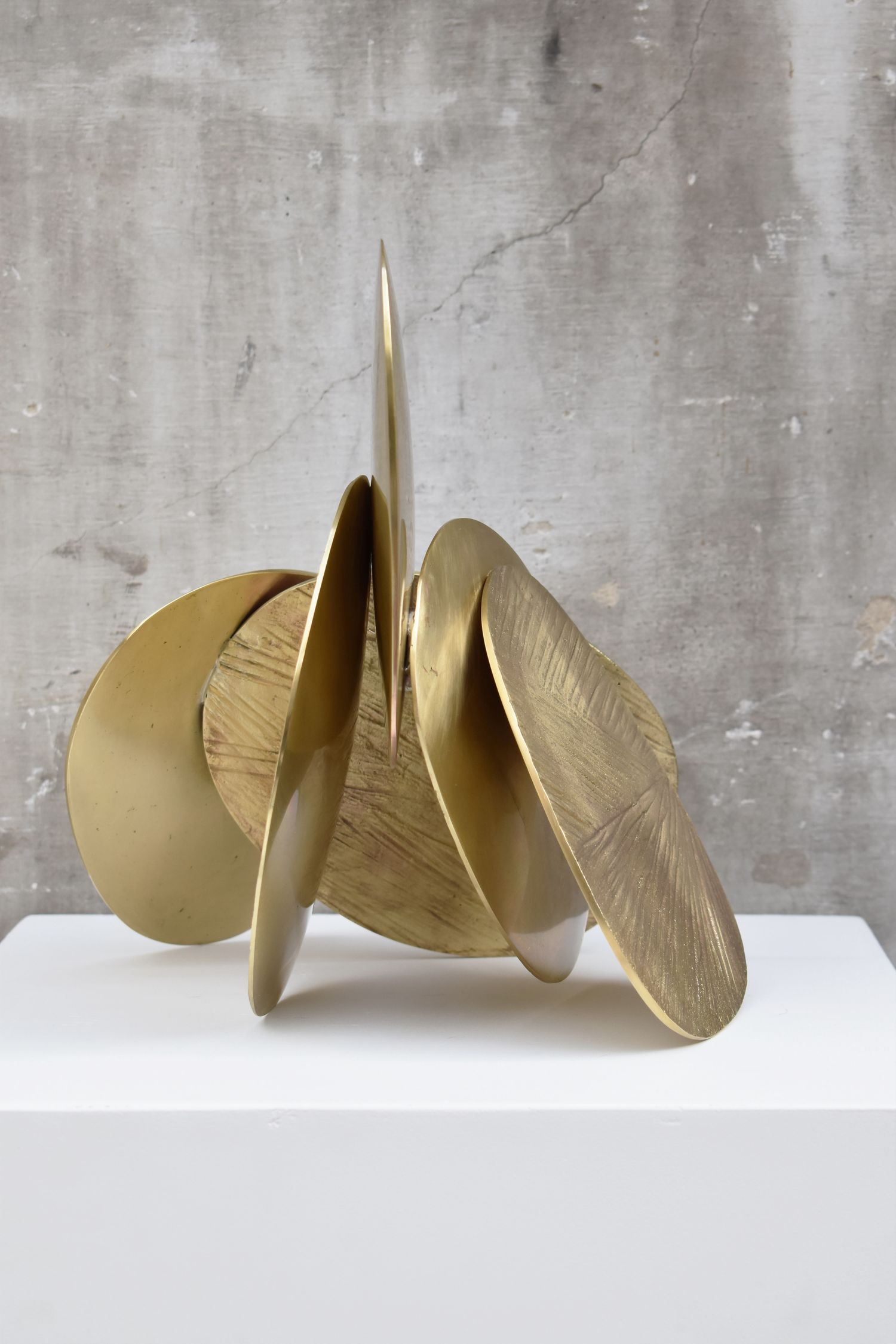
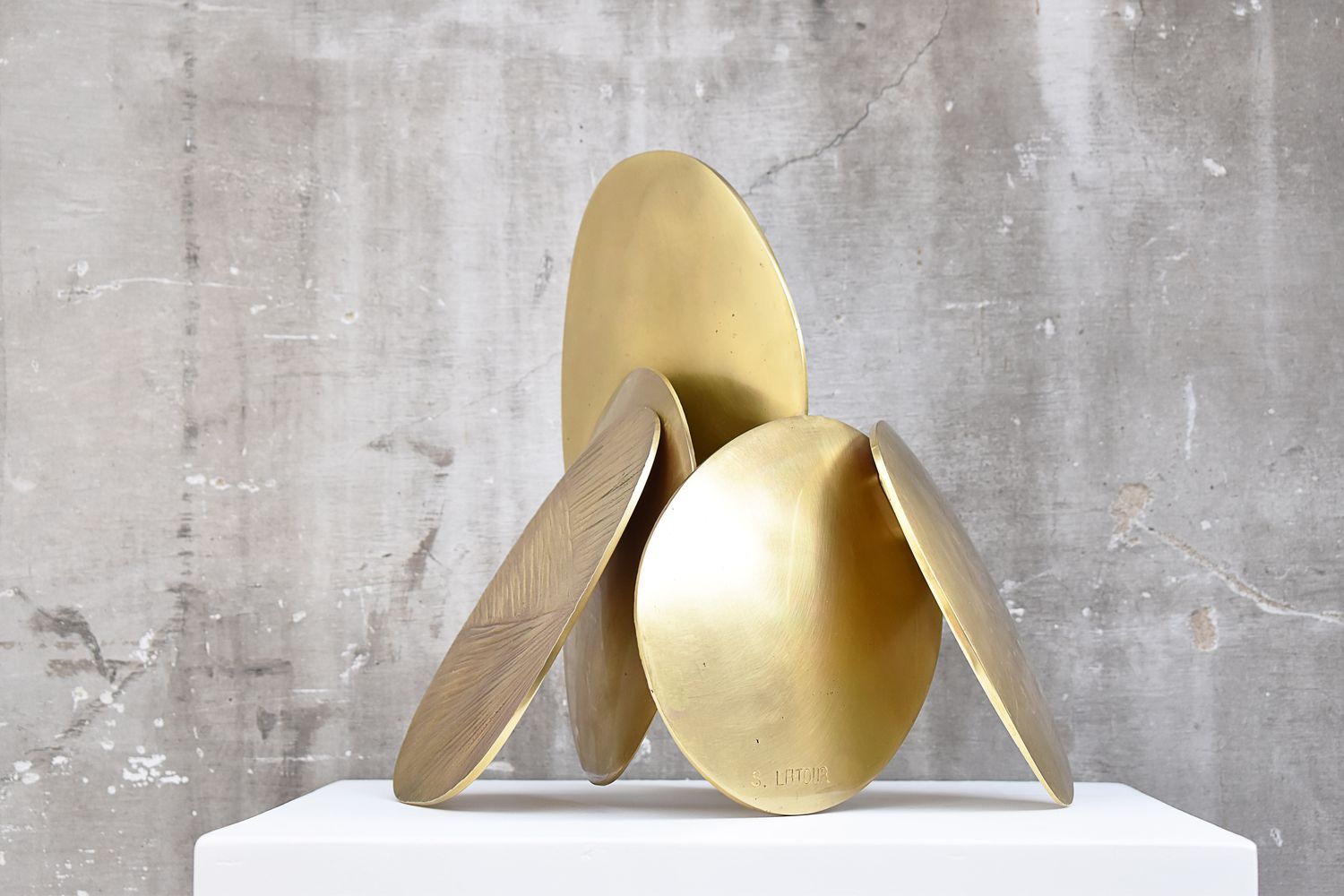
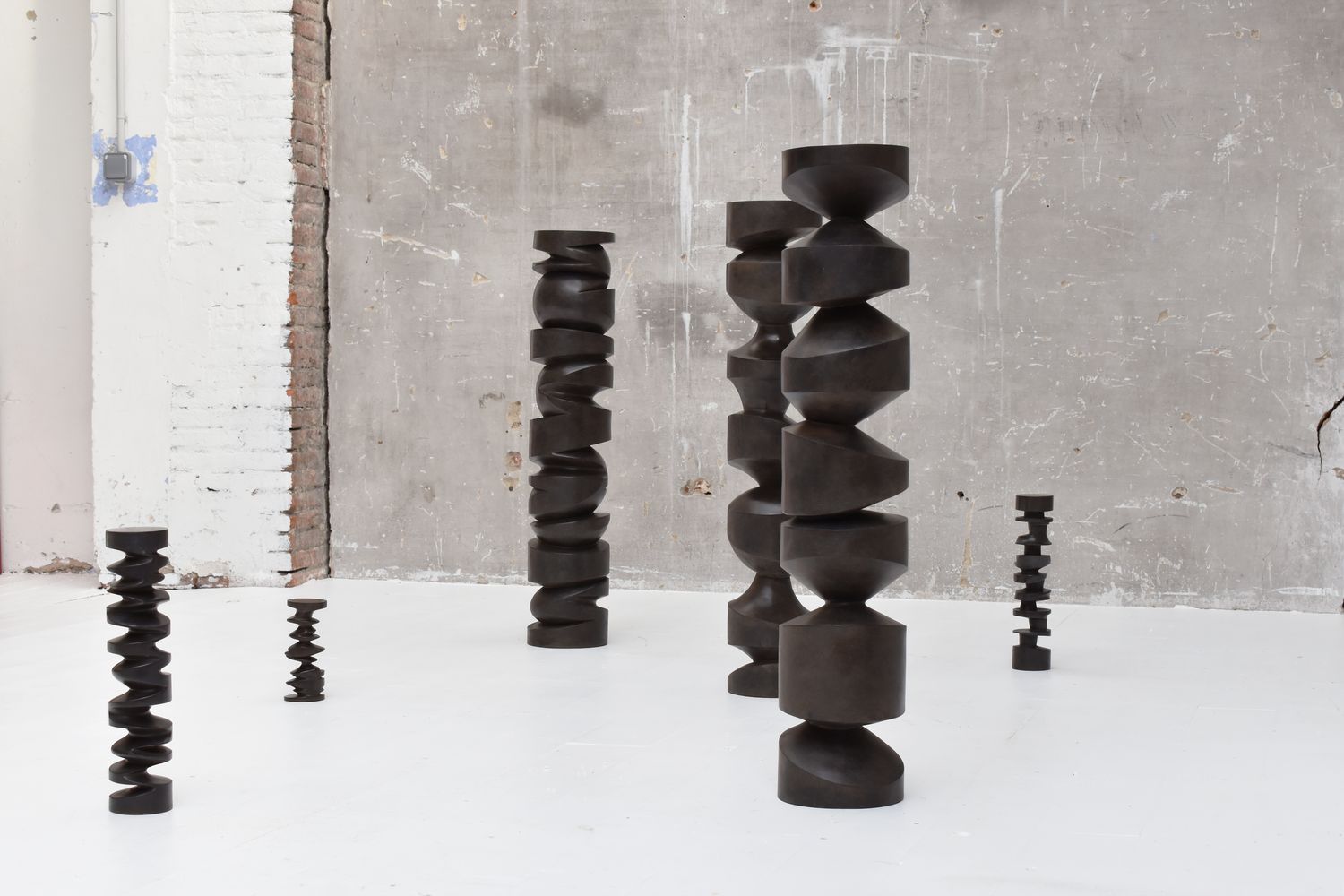
His work sculpts an intimate relationship with the material. Whether in wood, bronze, steel, or plaster, Samuel Latour combines rigorous technique with sensitive intuition. Through precise gestures—turning, molding, and chiseling—he explores the balance between fluid lines and structured forms, between stability and movement.
His sculptures are conceived as volumes to be written, conveying an abstract language made of lines, suspended gestures, and sketched geometries. Each work reveals the traces of its creation, combining formal rigor and vitality of gesture.
Based in his studio on the banks of the Tarn River, he develops an approach in which sculpture becomes a space for artistic research and an extension of the body in movement.
His work has been supported by the Rémy Cointreau Foundation and is featured in the Michelangelo Foundation's Homo Faber Guide, which promotes excellence in contemporary crafts and expertise.
Training 100% financeable by AFDAS, or partially covered by other operators such as FAFCEA, AGEFICE, FIFPL, OPCO EP etc.
Accommodation and meals included
If you are concerned, we invite you to contact our sales department in advance via "Request for information" in order to prepare your file, or to register directly via the page of the chosen training course.
89350 Champignelles
T: +33 (0)3 86 45 23 42
contact@campusmana.com